
Good to know
Mosquito screens Astana with free measuring and fitting

Senior mosquito screen specialist at moskitnyesetki.kz
We make mosquito screens Astana homeowners order by exact size, with free measuring, delivery and fitting by our own fitters. We build framed, sliding, door, pleated and roller screens from five meshes, paint the frame to match your windows, and back every screen with a 1-year warranty. Pay after installation.
Which screen suits your window, door or balcony
Five construction types cover different openings, and the choice follows what actually opens — a casement, a door, a balcony panel or a loggia window. Below is how each behaves and what we build it for.
Framed, sliding, pleated, roller or door screen
| Type | Best for | How it opens | Frame profile |
|---|---|---|---|
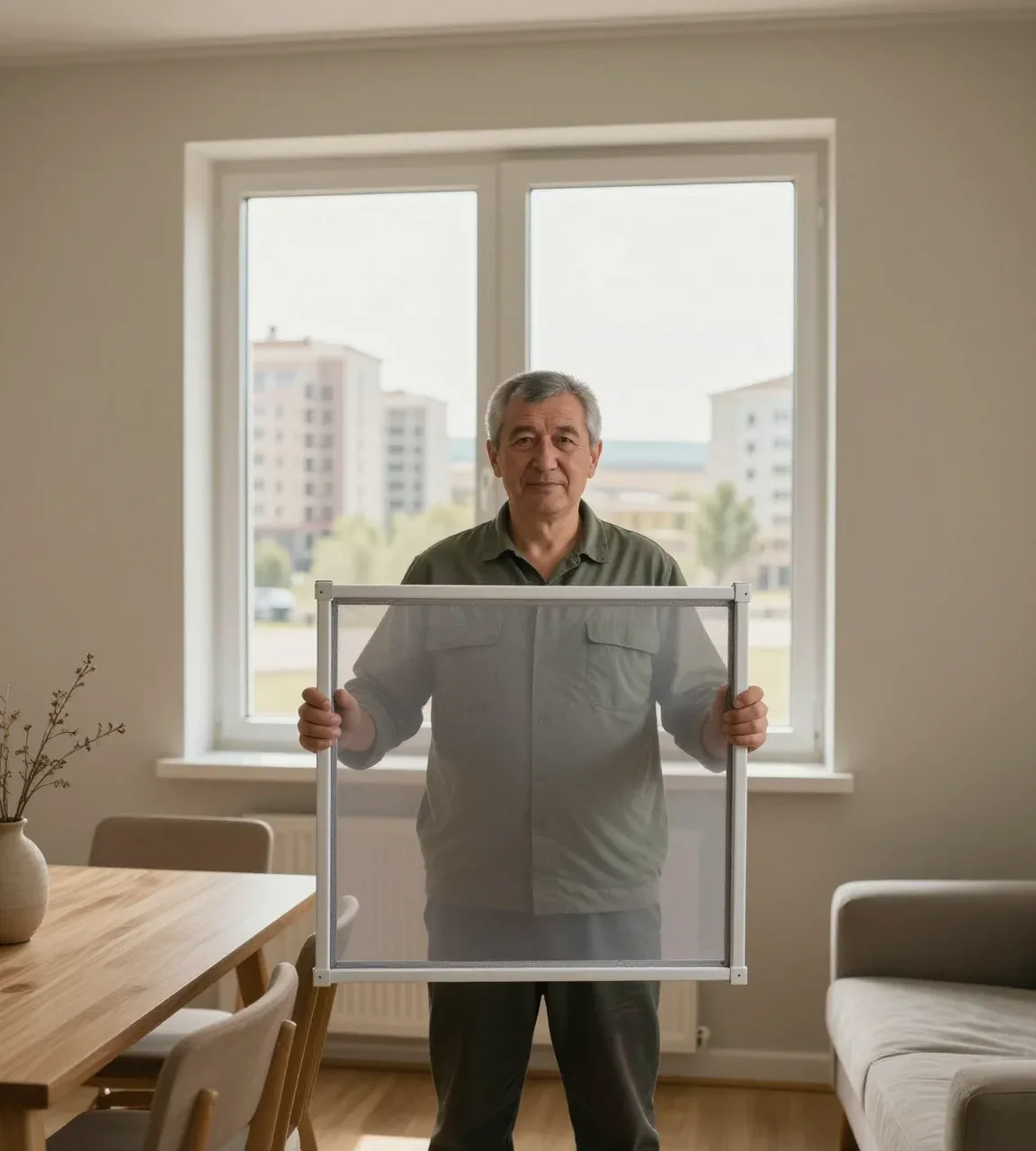
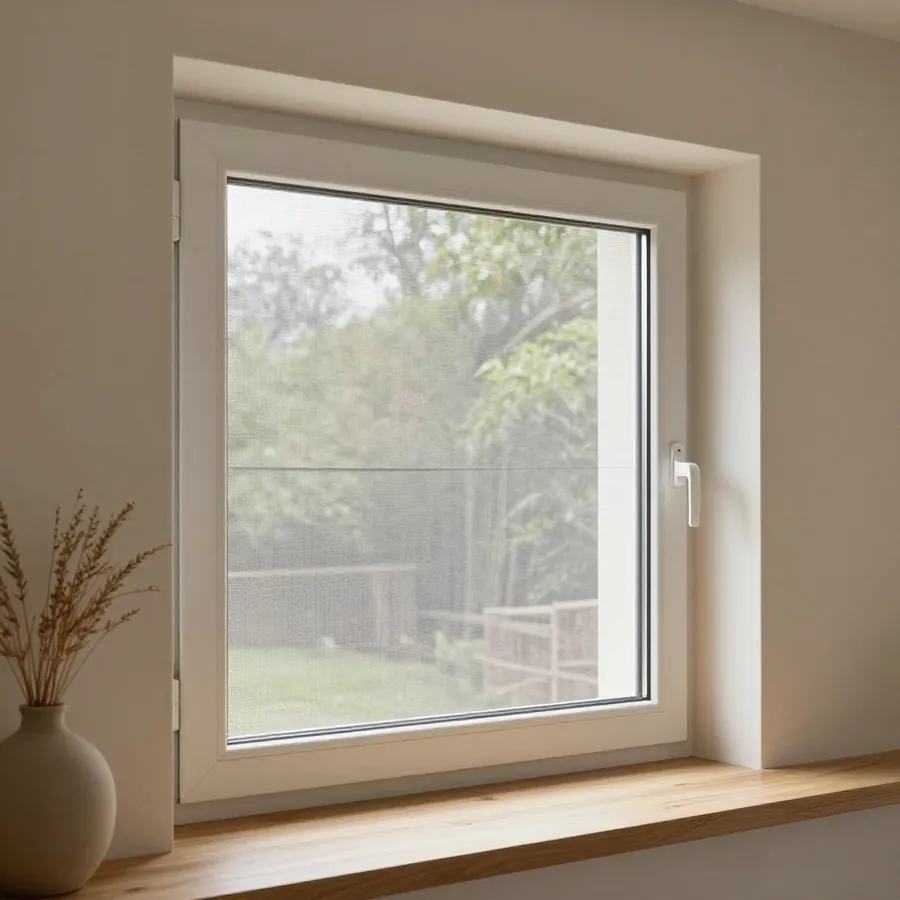
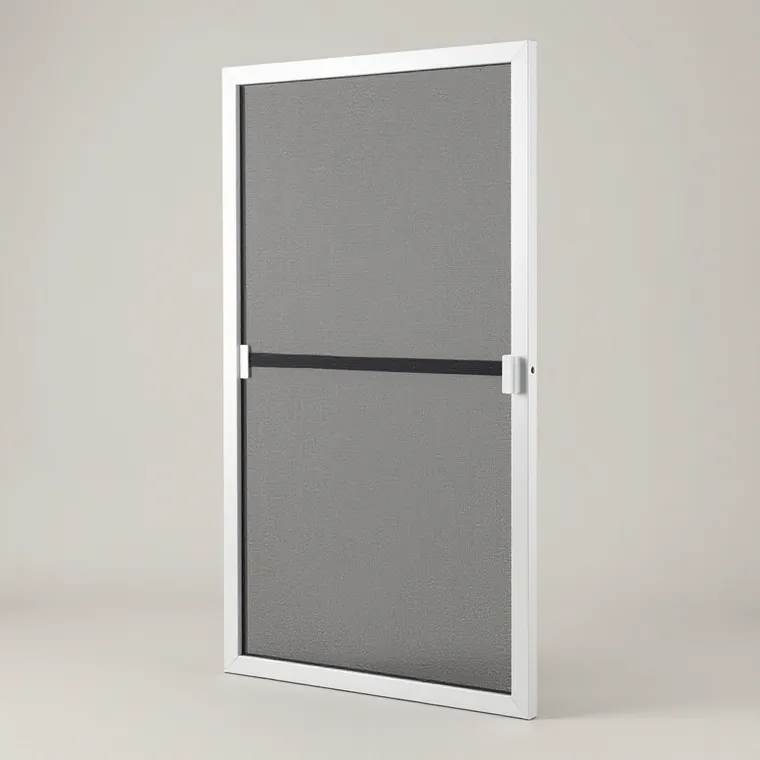
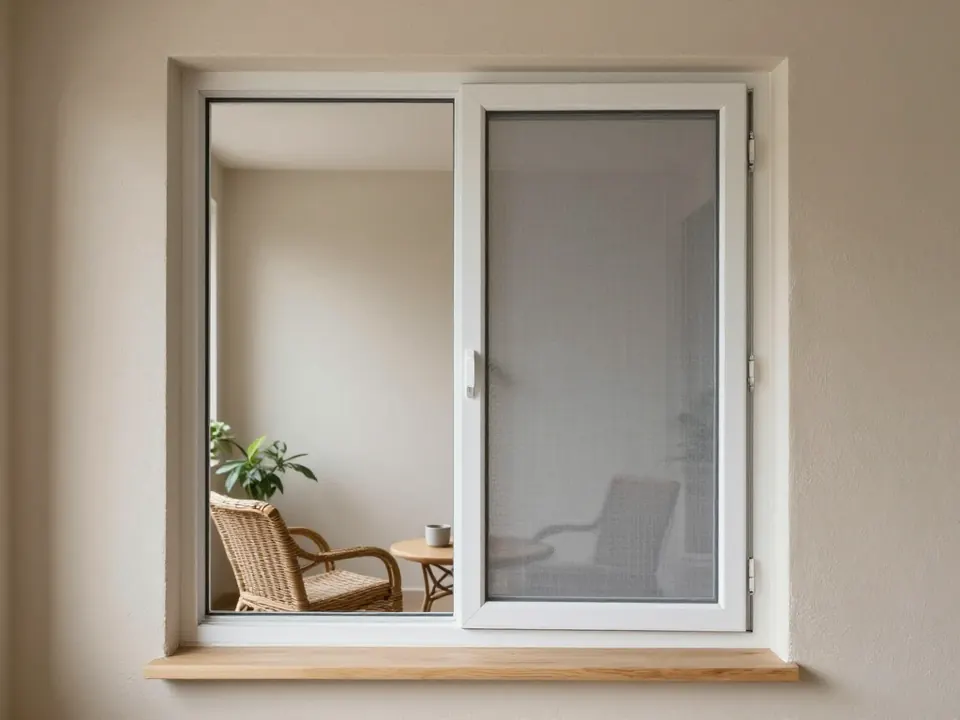
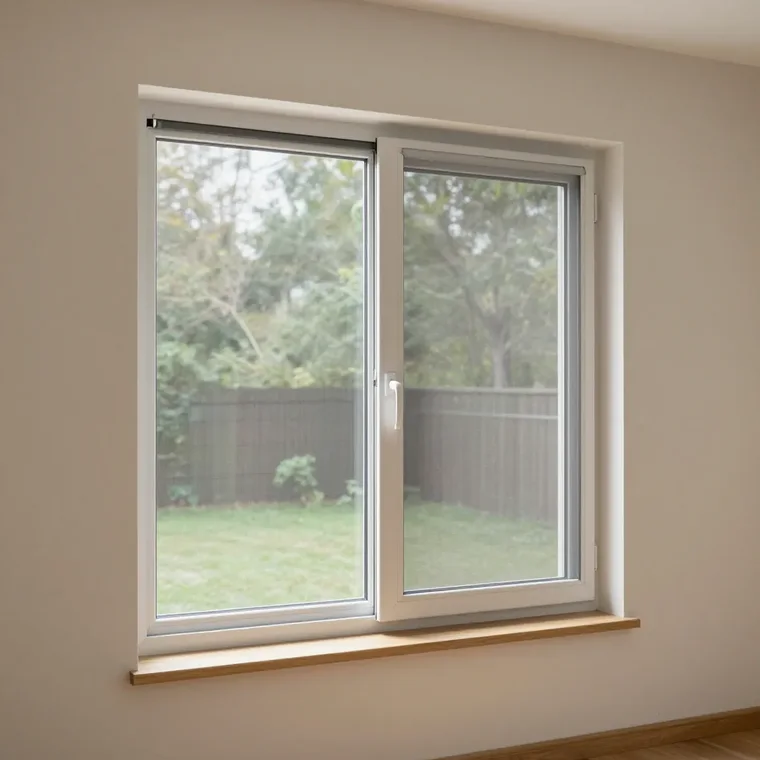
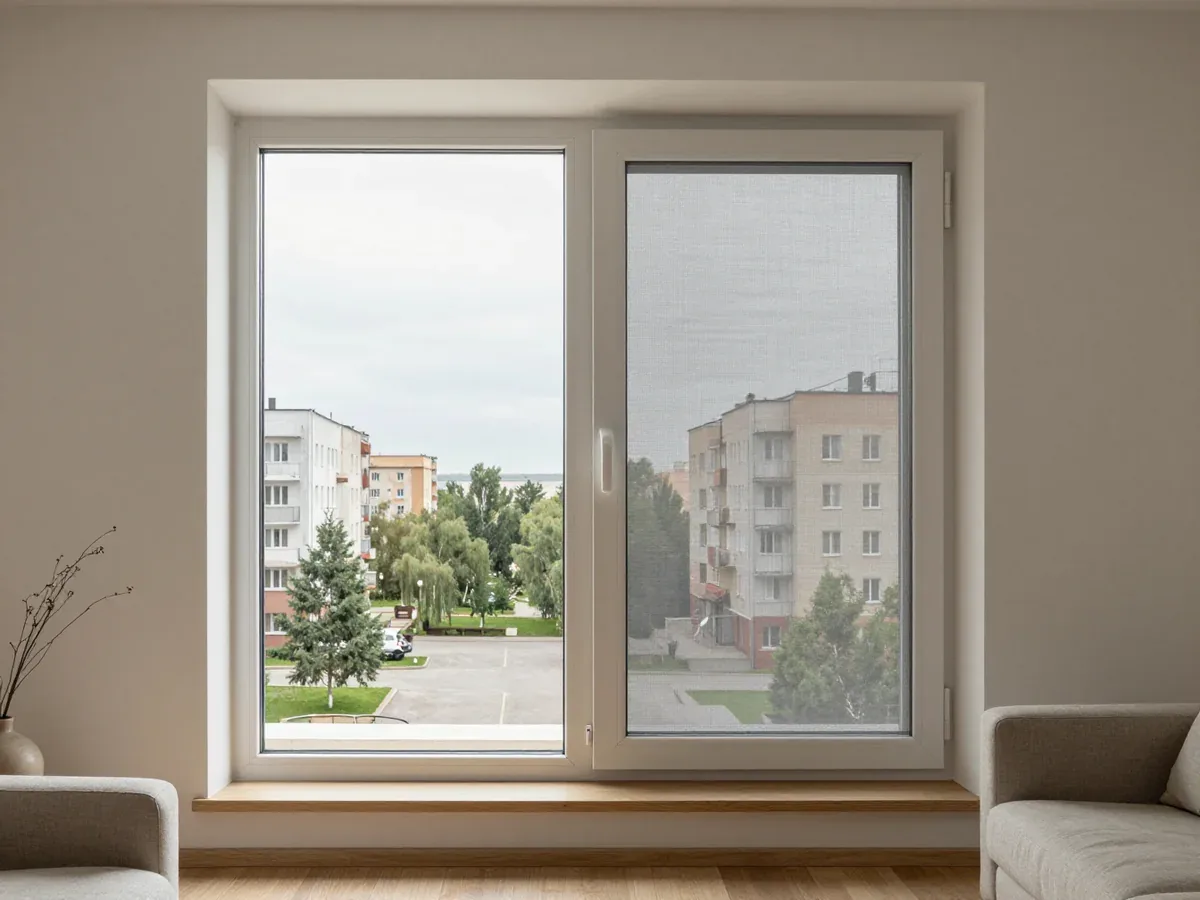
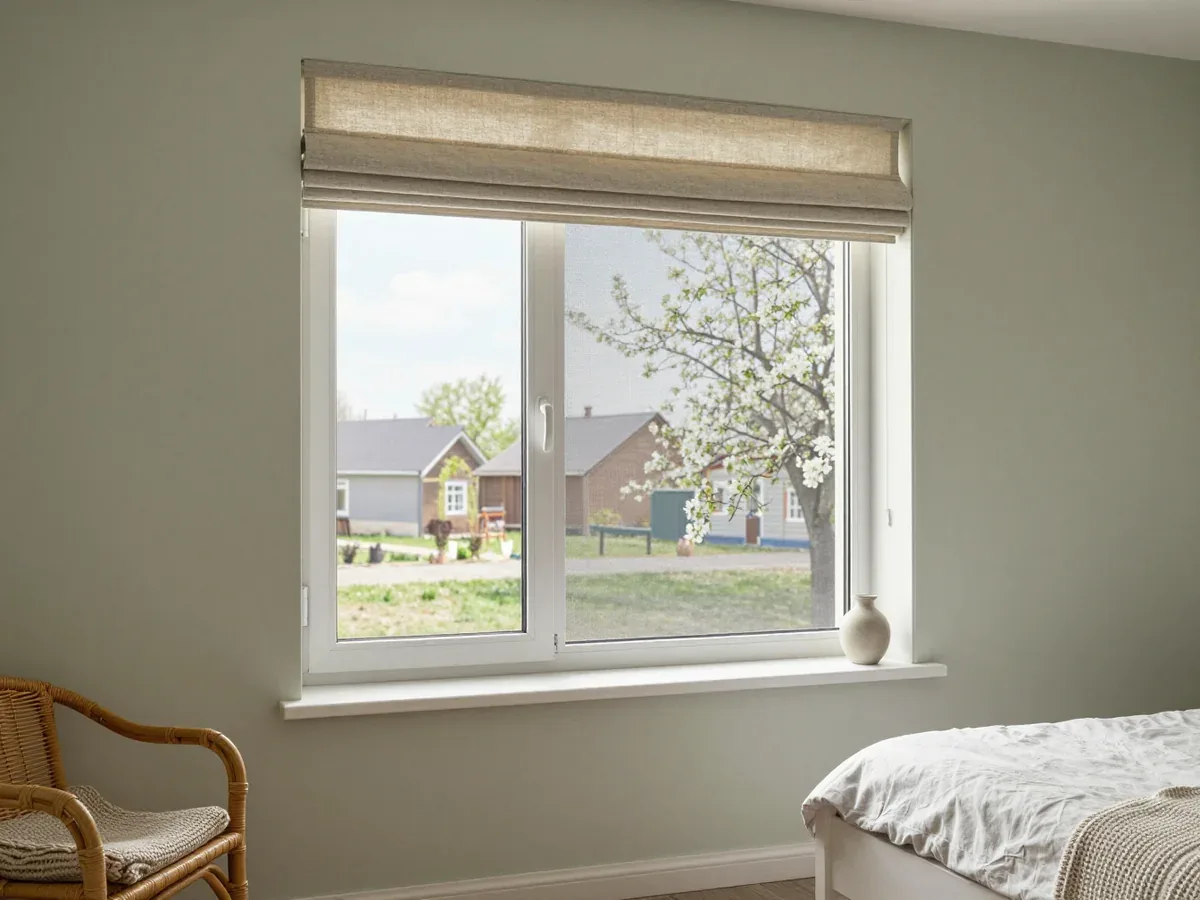
| Framed | Standard casement and tilt-and-turn sashes | Lifts out from inside | Painted aluminium, any colour |
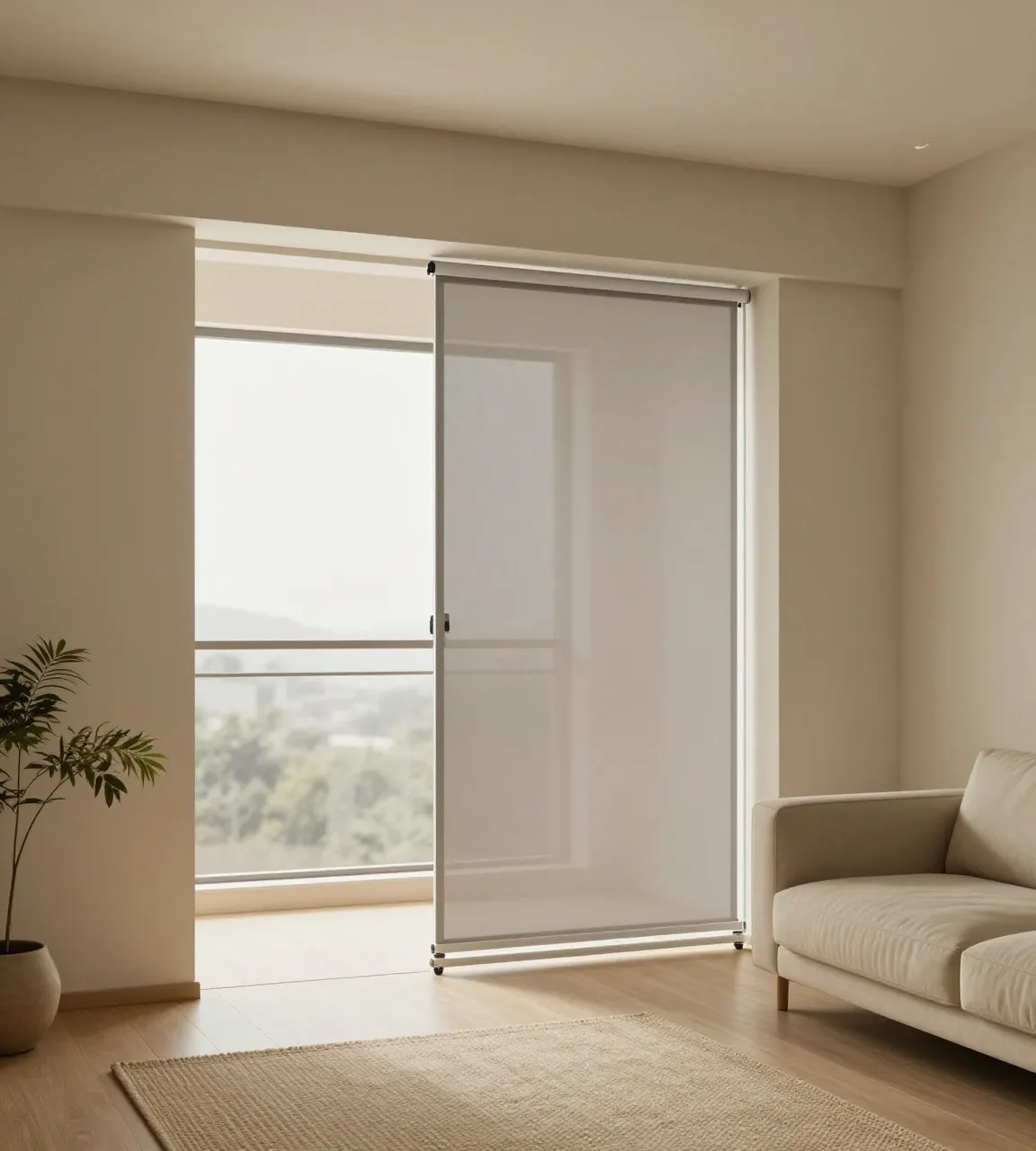
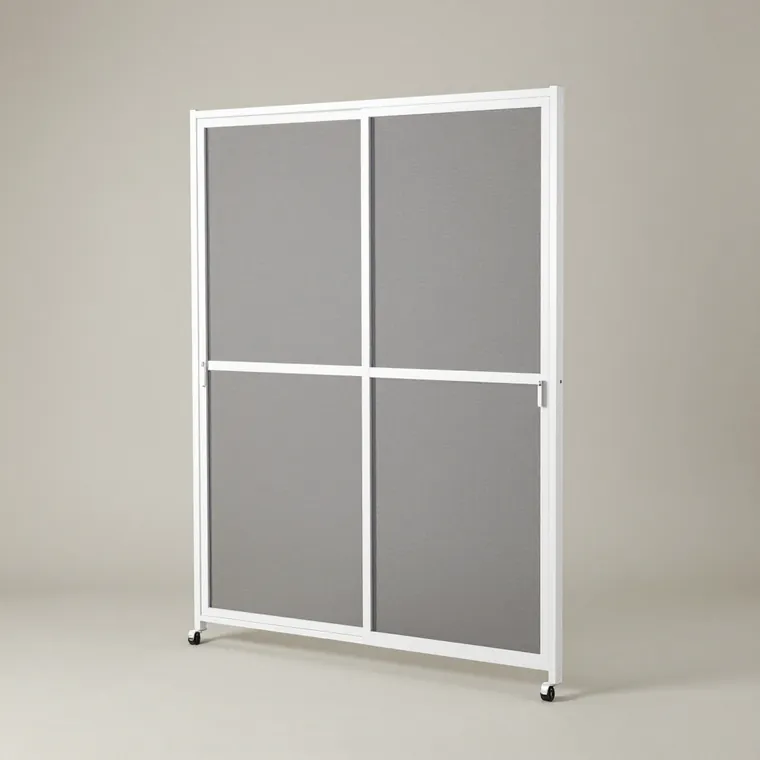
| Sliding | Balcony and loggia panels | Slides sideways on rails | Low-profile track |
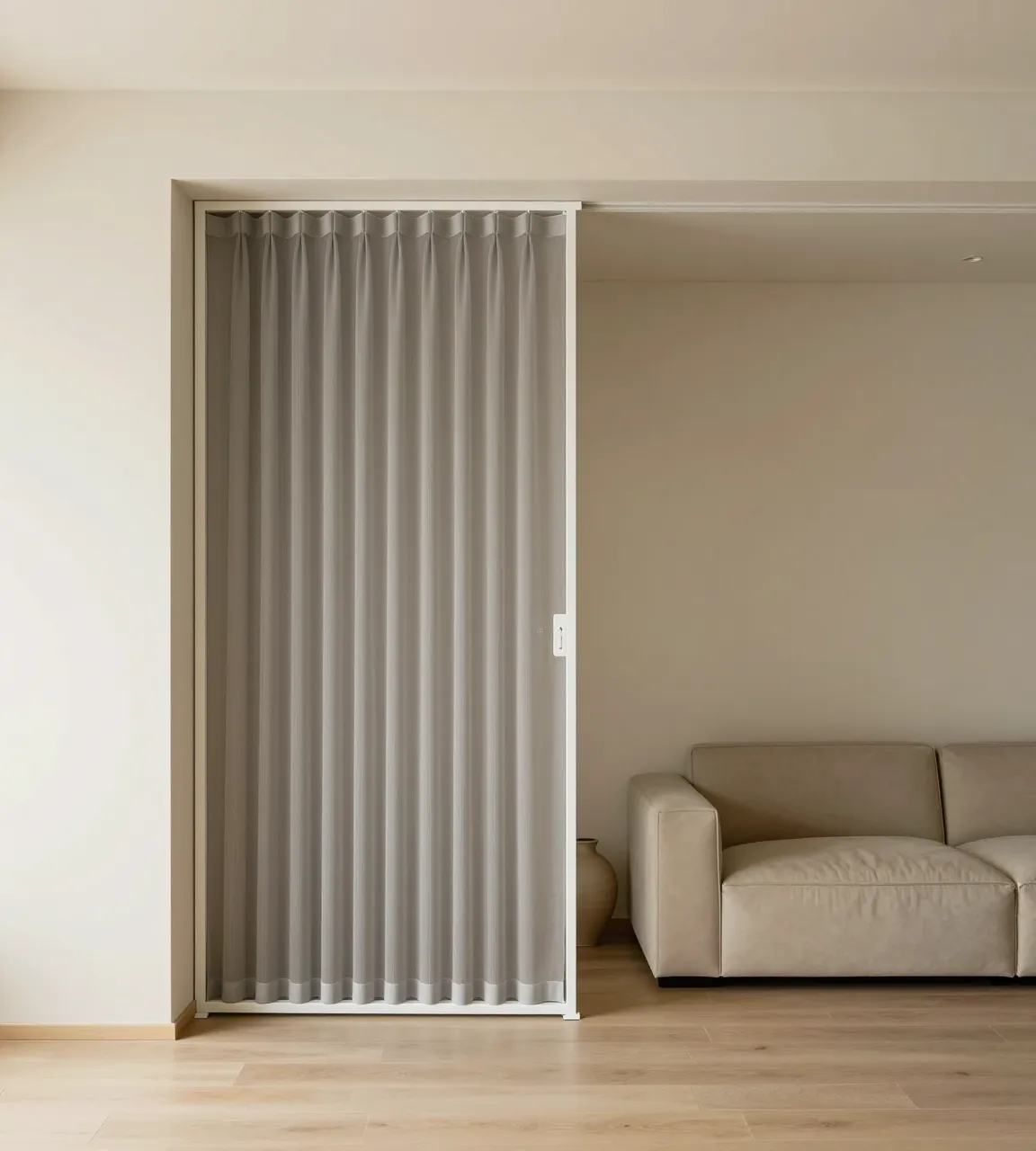
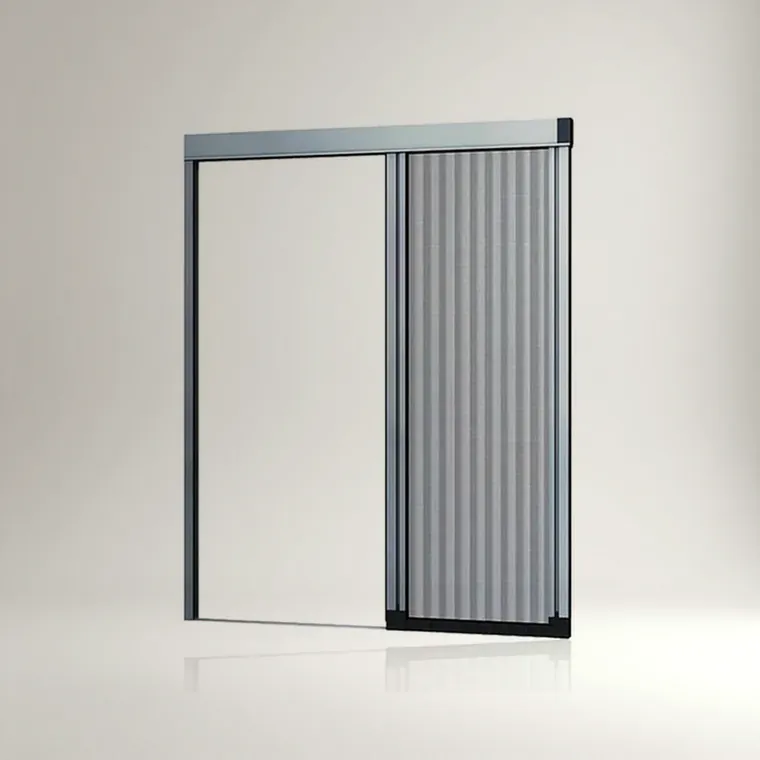
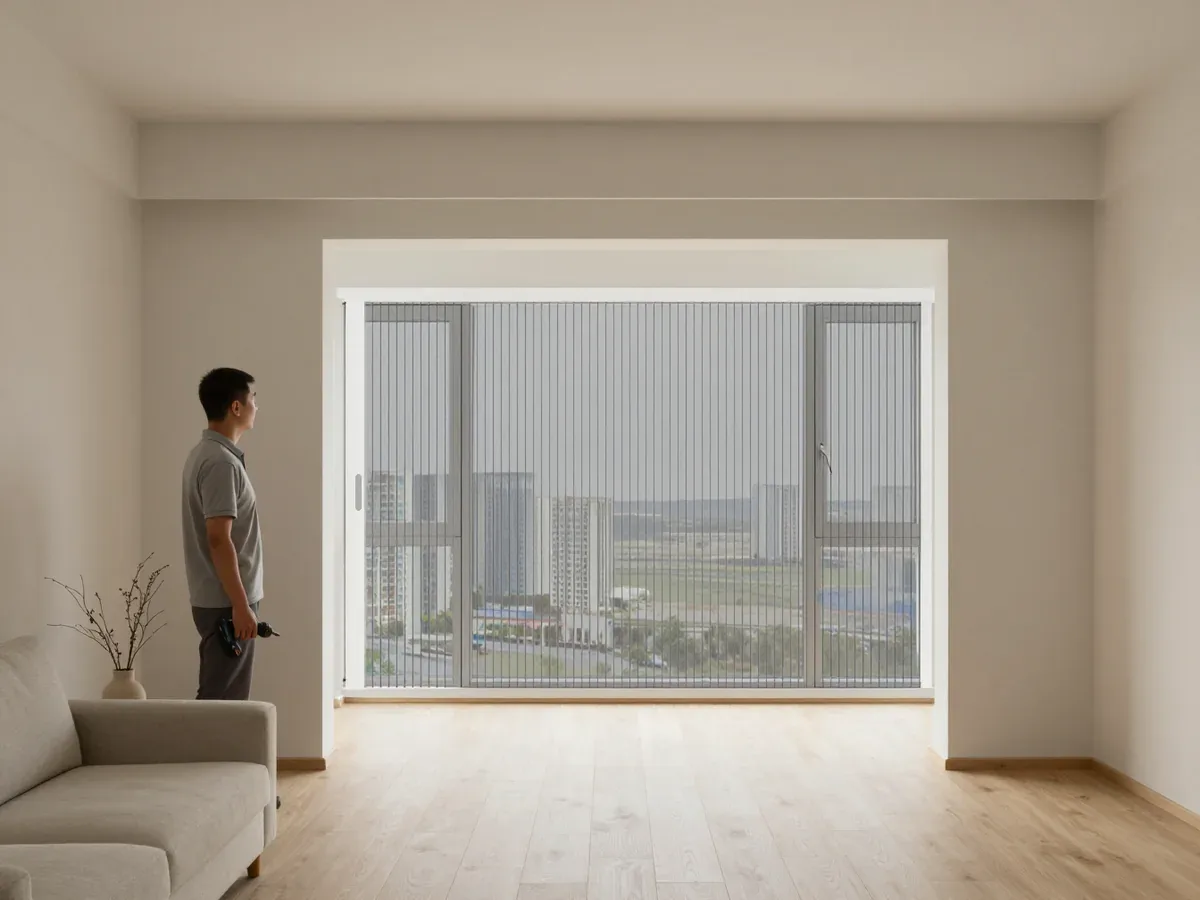
| Pleated | Doors and wide openings | Folds into a compact stack | Slim guide rails |
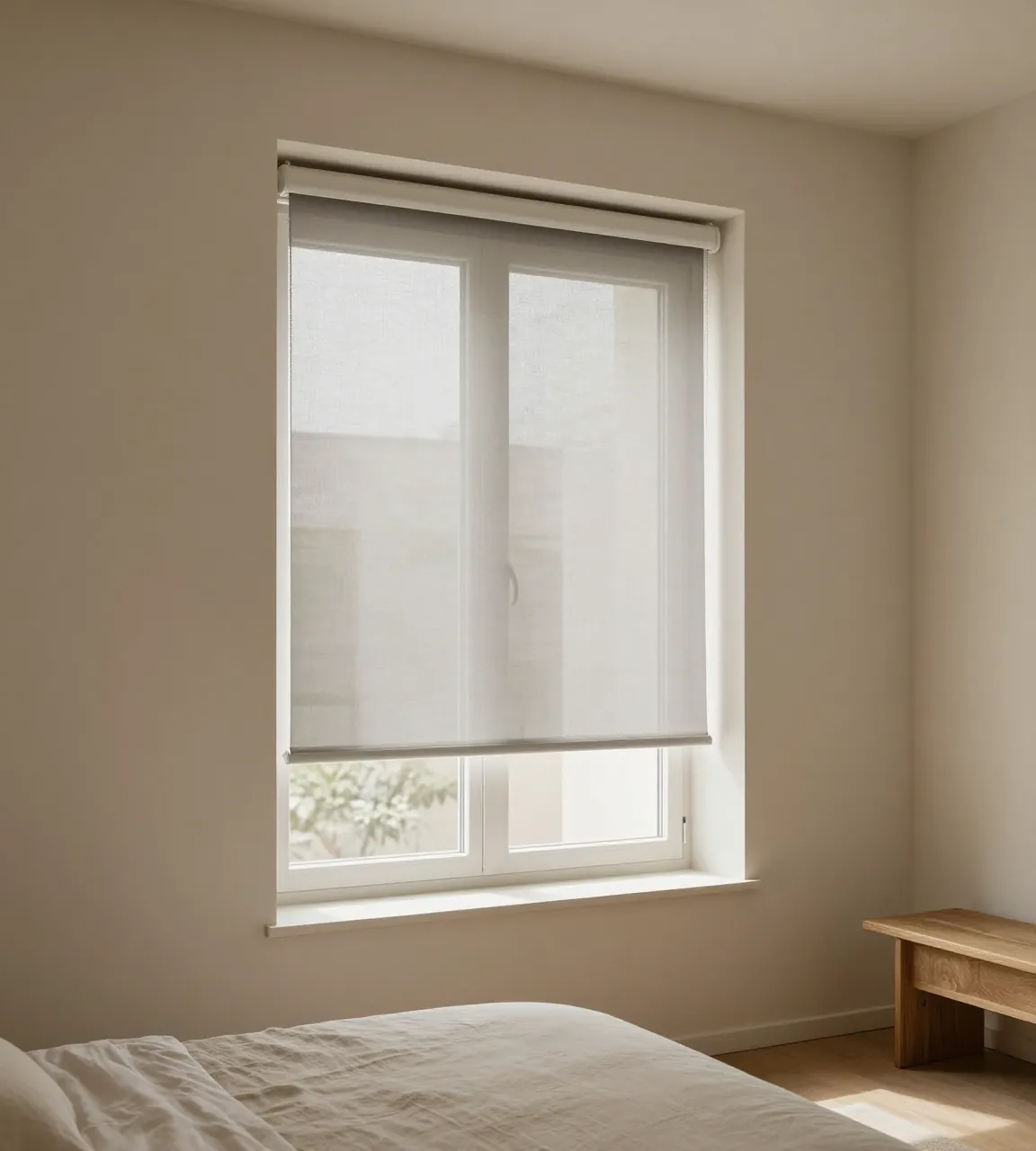
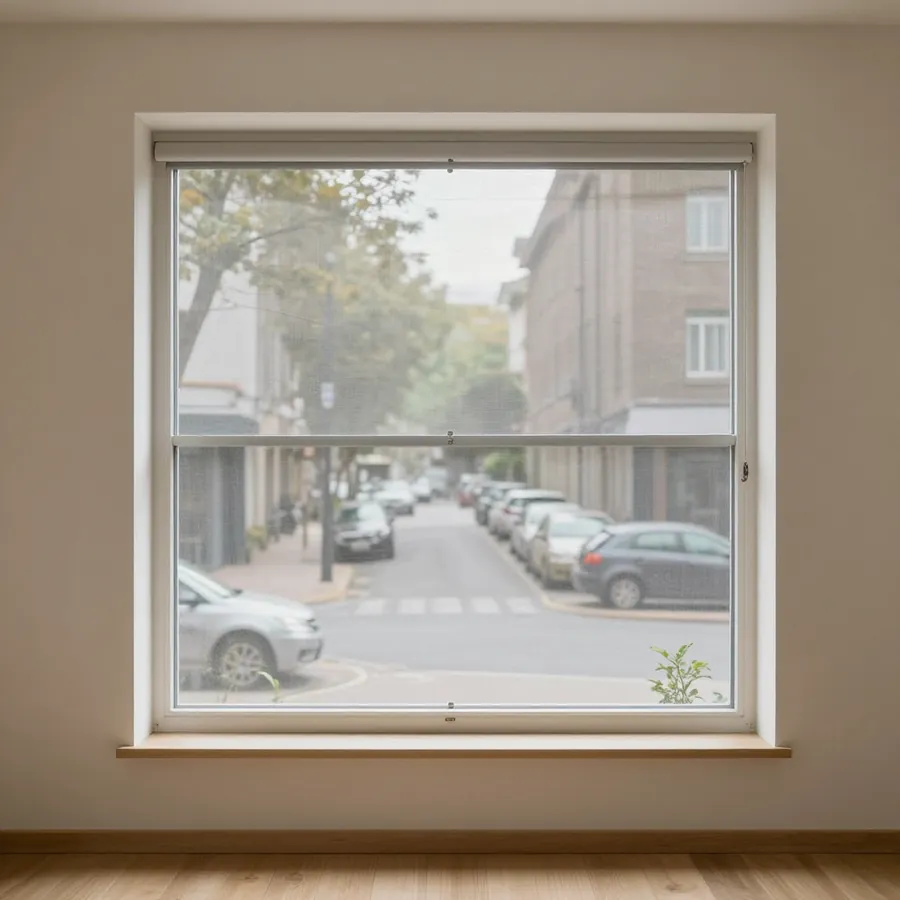
| Roller | Sashes you open often | Rolls up into a cassette | Cassette housing |
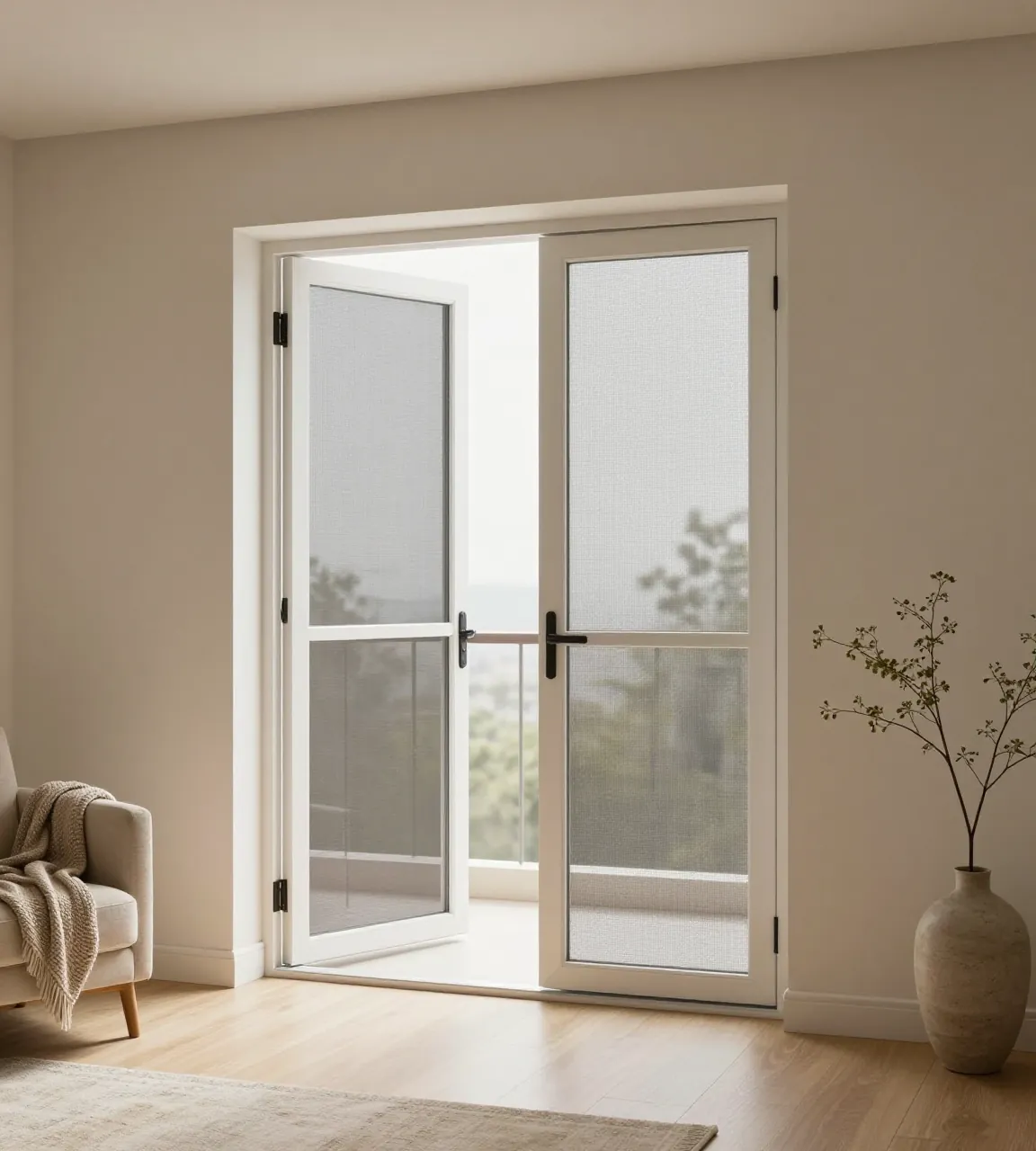
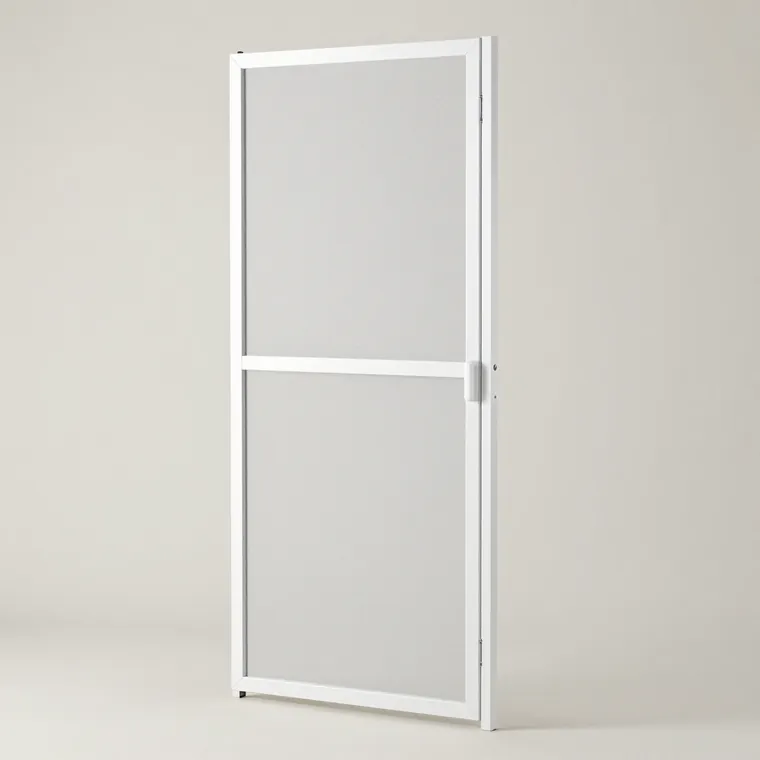
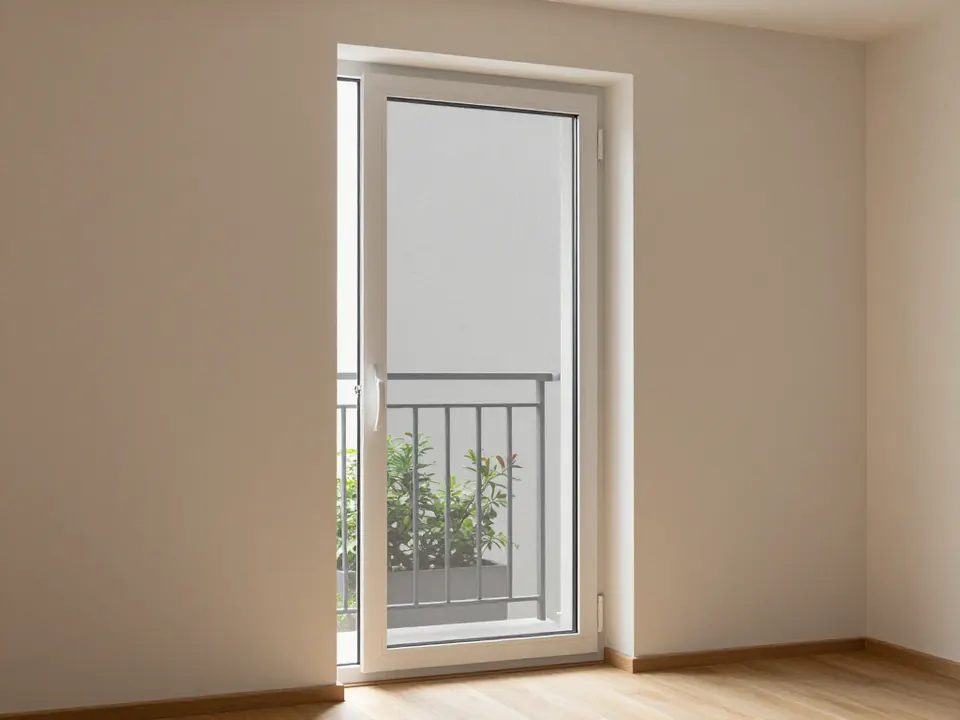
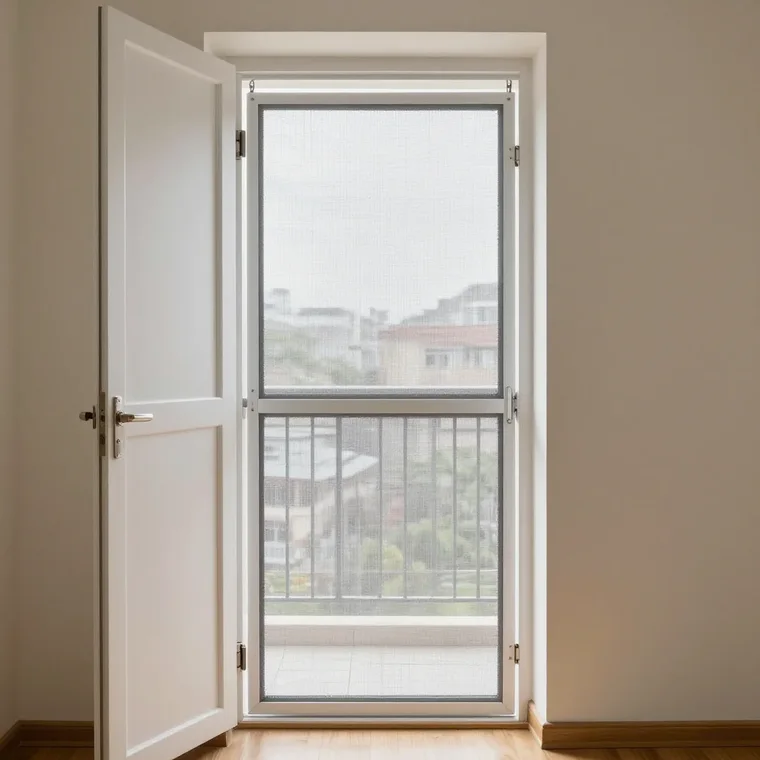
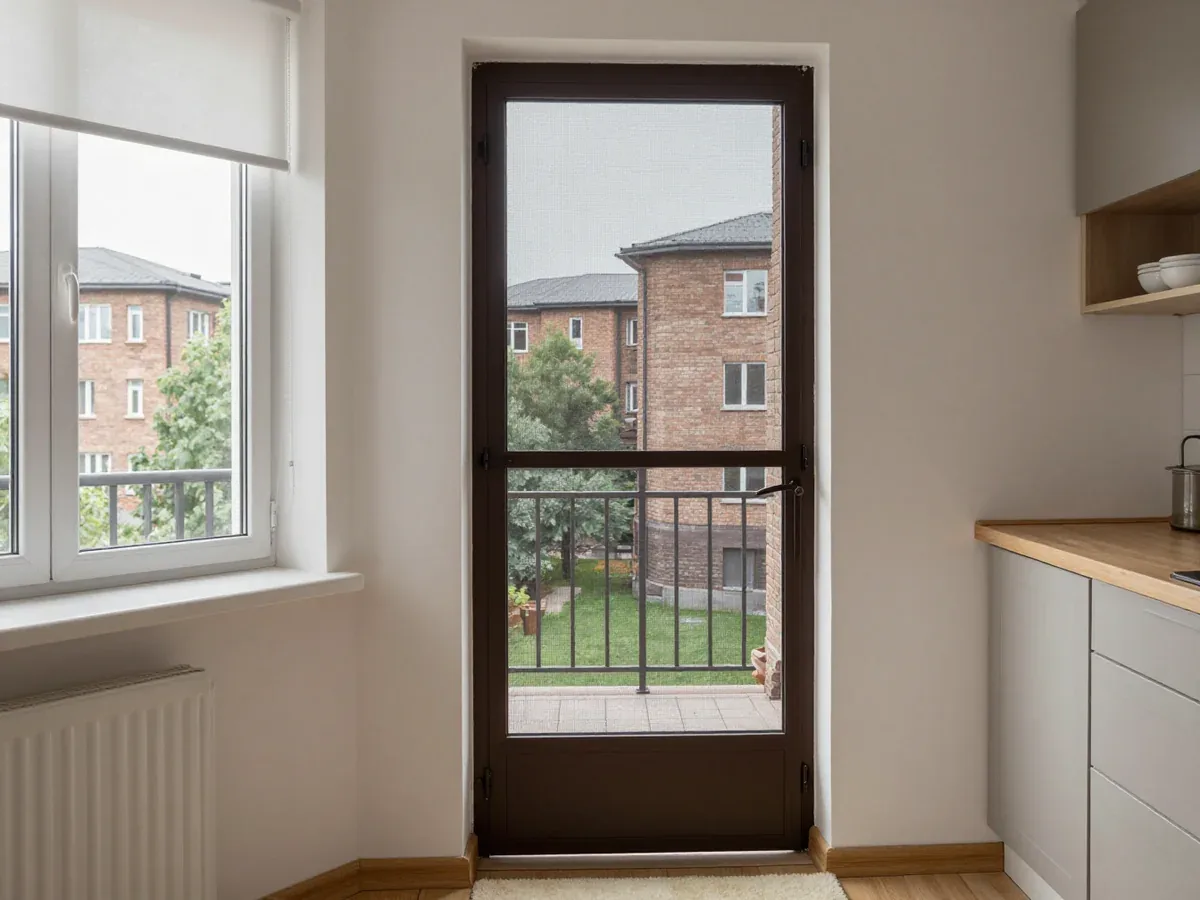
| Door | Hinged balcony and terrace doors | Swings on hinges | Economy 32×10 or Prestige 42×17 |
Screens for plastic, wooden and aluminium windows, loggias and gazebos
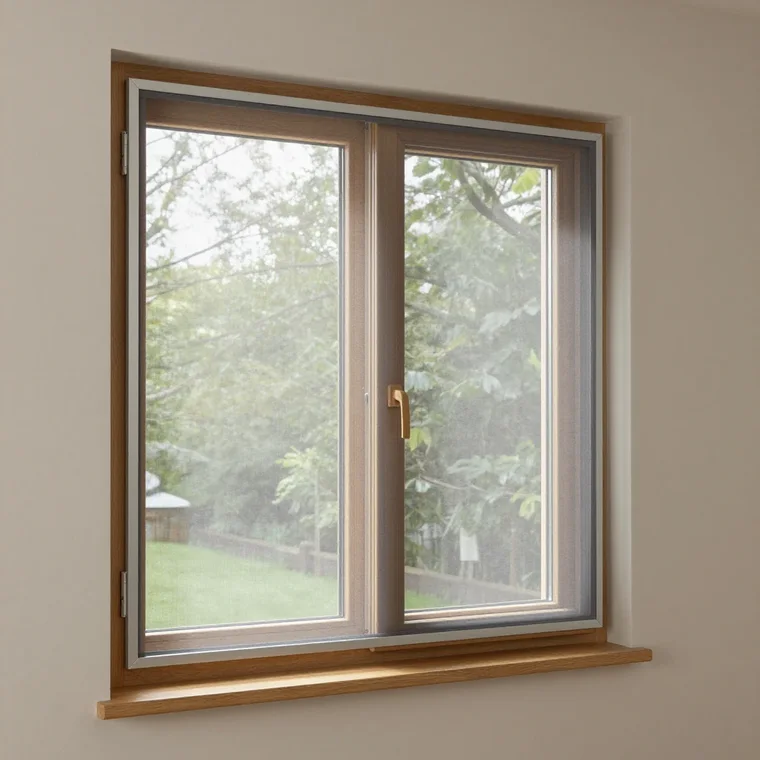
We fit insect nets to plastic, wooden and aluminium joinery, vent panes, loggia panes, gazebos and verandas. On timber and aluminium sashes the fixing choice matters more than the mesh, because the depth and the reveal differ from a standard PVC sash. Our measurer picks the fastener to suit the window and the floor — Z-shaped brackets, pins (plungers) or magnets — and we paint the surround any colour to match your joinery. We also repair existing nets and replace worn fixings on units we did not build. On upper floors the fixing carries more load from wind, so a bracket that suits a ground-floor sash can be the wrong call higher up. Mosquito screens Astana customers order from us are built to the same standard, whether the opening is a standard sash or a non-standard one.
Non-standard shapes and made-to-measure sizes
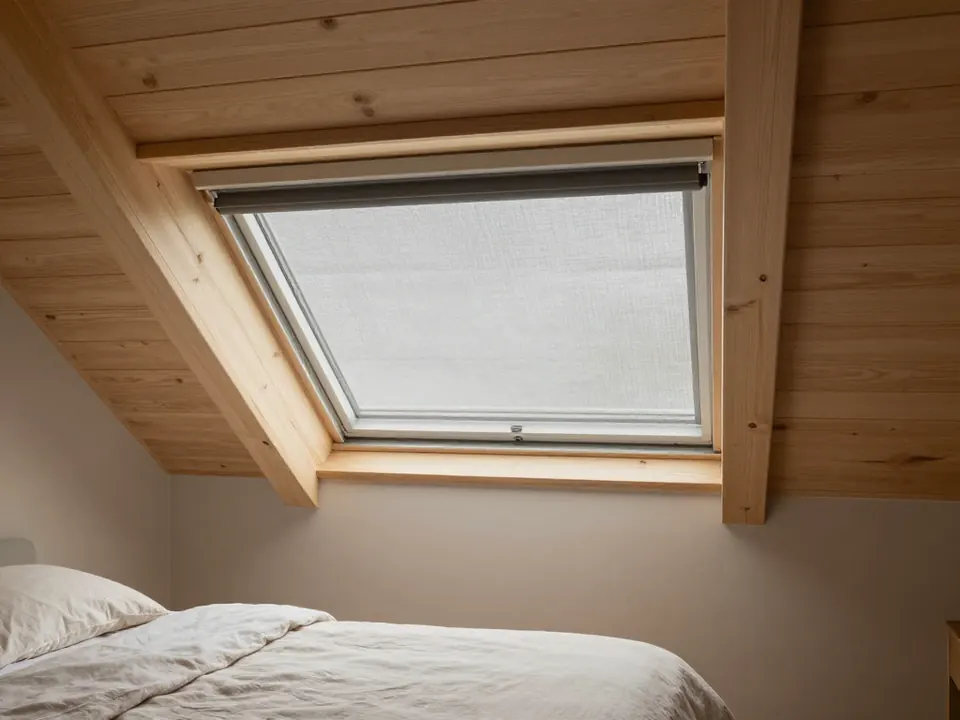
Every net is built to the size the measurer records, so arched, mansard and other non-standard openings are made to order rather than cut from a stock size. A framed piece made to your size takes 10–15 minutes once the sizes are set, and the measuring visit itself is free. For an arched or angled opening, ask for the measuring visit first — a template taken on site prevents a unit that fits the width but not the curve. The measurer also confirms which side the unit lifts out from, so winter removal stays a one-minute job from inside.
Choosing the mesh for pets, dust, pollen and daylight
The frame is only half of the choice. The weave decides what the screen keeps out, how much light reaches the room and how often you have to wash it.
Five meshes and what each one solves
| Fabric | Best for | Key property | Where it fits |
|---|---|---|---|
| Standard (Fiberglass) | Everyday protection | Fire- and temperature-resistant | Bedrooms, living rooms |
| Ultravue (Ultravue) | Rooms that feel dark | 25% more light and air | North-facing glazing |
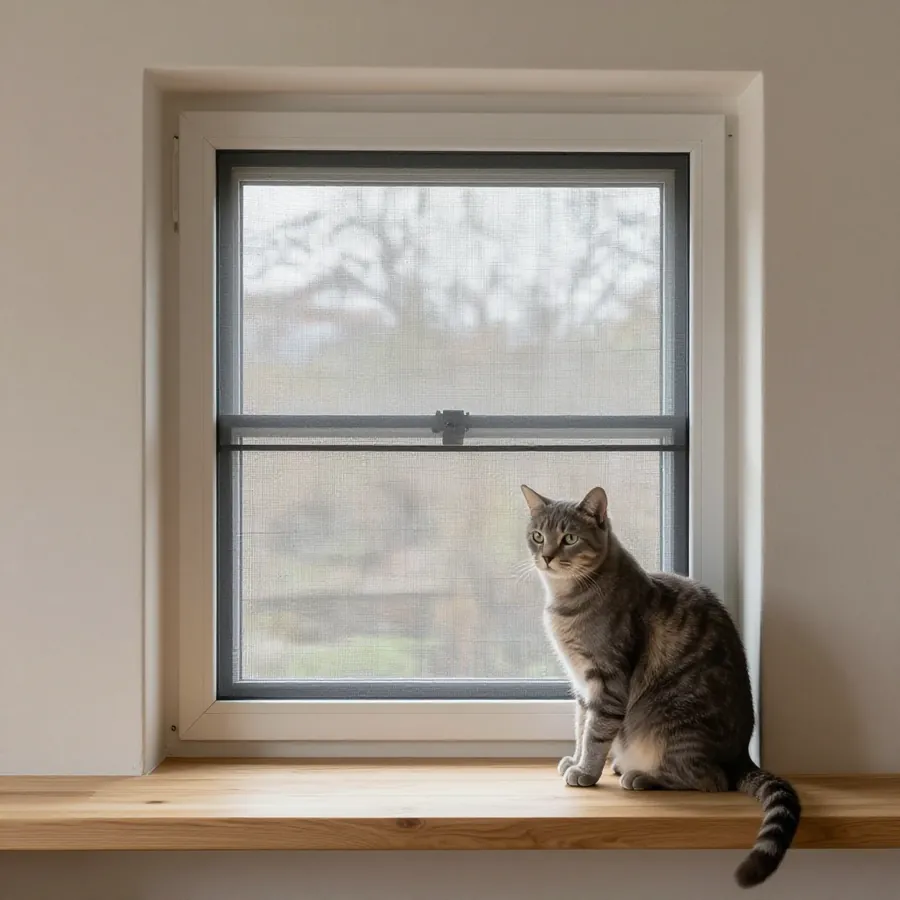
| Anti-Cat (Pet Screen) | Homes with a cat | Vinyl threads hold an animal's weight | The cat's favourite opening |
| Anti-Dust | Street dust and fine grit | Denser structure than standard | Openings facing the road |
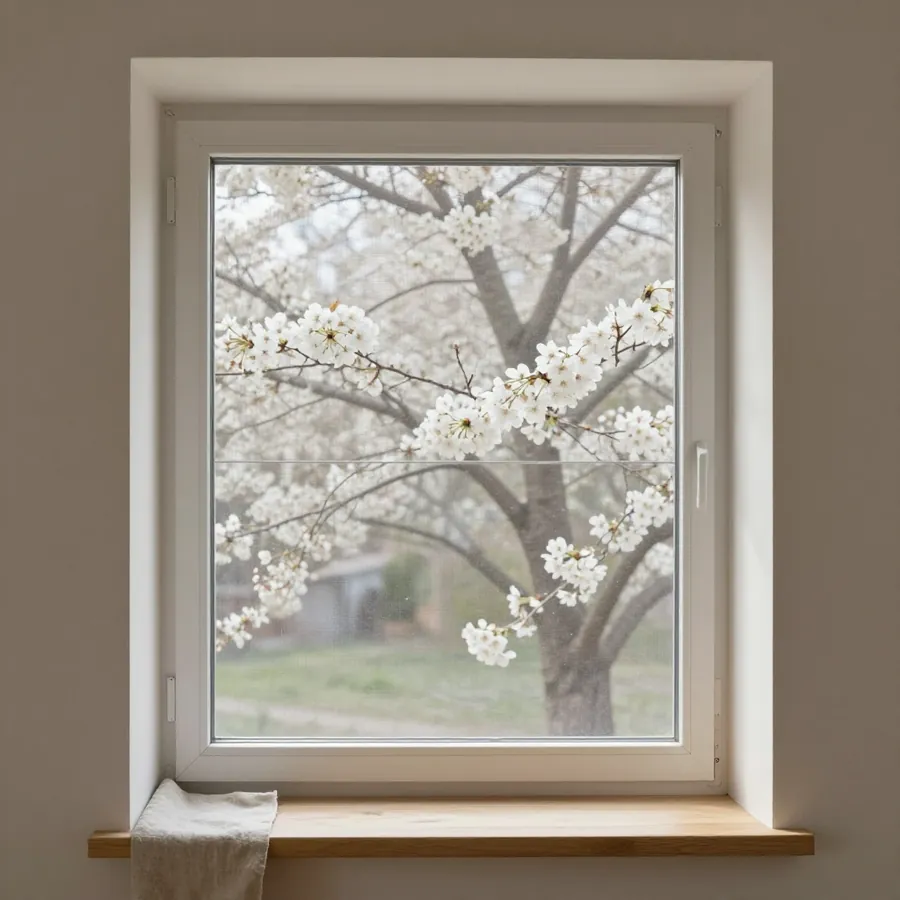
| Anti-Pollen (Poll-Tex) | Pollen season | 0.25×1 mm cell | The one you open most |
Pet Screen for homes with a cat
Anti-Cat (Pet Screen) is several times stronger than a standard mesh, and its vinyl threads hold the weight of a small animal. A feline that climbs a regular fiberglass panel will push through it within a season; the reinforced structure resists claws and weight without blocking the view. We fit this cloth on the opening the animal uses most — usually the balcony door or the one left open on warm evenings. Even the toughest panel fails at the frame edge, so on a cat's favourite opening ask for the reinforced fixing rather than just the sturdier weave. We have been making these screens long enough to see that the edge, not the centre, is where they give way.
Anti-dust, anti-pollen and Ultravue for light and air
Anti-Pollen (Poll-Tex) has a 0.25×1 mm cell for pollen season, while Ultravue lets in 25% more light and air than other meshes. The Poll-Tex structure catches fine pollen grains that a standard panel passes straight through, and Anti-Dust works on the coarser street dust that settles on glazing facing a road or a building site. Ultravue suits rooms that already feel dim — the finer threads transmit more daylight, so a north-facing bedroom stays bright. A tighter cell traps a lot, so a pollen weave needs rinsing more often than a standard one — plan for it on the opening you air out most.
How the screen is fixed and whether your window gets drilled
The mounting hardware is chosen on site, because the right bracket depends on the profile and the floor the flat sits on. A ground-level opening and a twelfth-floor one rarely take the same parts.
Z-brackets, pins or magnets
| Fixing | How it holds | Best for |
|---|---|---|
| Z-shaped bracket | Hooks over the sash edge | Plastic and aluminium units |
| Pin (plunger) | Springs into a small seat | Sashes where drilling is allowed |
| Magnet | Pulls against a steel strip | Rented flats, quick removal |
Can a screen go on without drilling the window
Pins and magnets let a framed unit sit on the sash without drilling through it, which suits rented flats and new units alike. A pin seats into a small spring-loaded holder that the measurer positions along the edge, while a magnet pair holds the frame against a matching steel strip and releases it in one pull. On the upper floors of a typical residential block, wind pressure on the mesh is noticeably higher than at ground level, and that is exactly where a magnetic hold can feel loose. In our practice we look at the contact surface first — a clean, flat edge is what any no-drill fixing relies on. Check it before the measurer arrives rather than after.
Painting the frame to match your windows
We paint the screen frame any colour to match your windows, so the unit reads as part of the opening rather than an add-on. The profile is aluminium, and the powder coat goes on before the mesh is fitted, which keeps the paint line clean along every corner. Matching works best when you bring the colour code or a photo of the surround taken in daylight — white, anthracite and wood-look shades are the three we mix most often for flats across the city. Colour matching matters most on the street-facing side, where a mismatched surround is the first thing a visitor notices. Ask for the shade to be written into the order so the workshop and the fitter work from the same reference.
Door screens and the profiles behind them
A doorway takes far more daily wear than a window, so the profile and the hinge carry most of the load. Here is how the options differ in practice.
Hinged door screens with Economy and Prestige profiles
Hinged versions come with either the Economy 32×10 mm or the Prestige 42×17 mm aluminium profile. Both are painted any colour to match your entrance, and both swing on hinges so the mesh stays clear of the passage when you walk through. The Economy version is slim and light, which keeps the leaf easy to push; the Prestige option is deeper and heavier, so it holds its shape when the entrance is in constant use. We fit hinged units on balcony passages, terrace walkways and interior routes that need a full-height mesh. The wider Prestige build suits a door that is opened many times a day, because the deeper section resists twisting better than the slim one — on a busy family entrance it is the safer of the two.
Door screens on magnets and where they fit
A magnetic model opens and closes hands-free, which suits a passage people walk through with full hands — carrying shopping, a child or a tray. The panels part in the middle and snap shut behind you, so there is no handle to reach for and nothing to prop open. The catch is the threshold: the magnets rely on a flat, level base to line up again after each pass. On a doorway with a raised sill, a slope or a loose floor covering, the panels drift and leave a gap along the bottom edge. Magnets hold best on a flat, level threshold, so on an uneven doorway the hinged version often lasts longer than the magnetic one. We deliver and install screens on both windows and doors and will say at the measuring visit which type your doorway can carry.
Screens for balcony and terrace doors
A sliding model is the usual choice for a balcony or terrace door, because it tracks sideways with the panel instead of swinging into the room. On a loggia the leaf glides along its own rail and parks beside the fixed glass, so furniture near the entrance stays where it is and the curtain track is not blocked. The same principle works on gazebo and veranda ways, where a screen keeps insects out while the space stays open to the garden. On a wide balcony gap, measure the clear passage, not the whole opening — a screen sized to the full width can block the door it is meant to serve. Our measurer checks the passage, the rail depth and the sill before the unit is cut.
From free measuring to fitting and payment
The order runs in four steps, and most of the waiting happens long before anything is built. Here is what each stage involves and what you decide along the way.
The free measuring visit and what the measurer decides
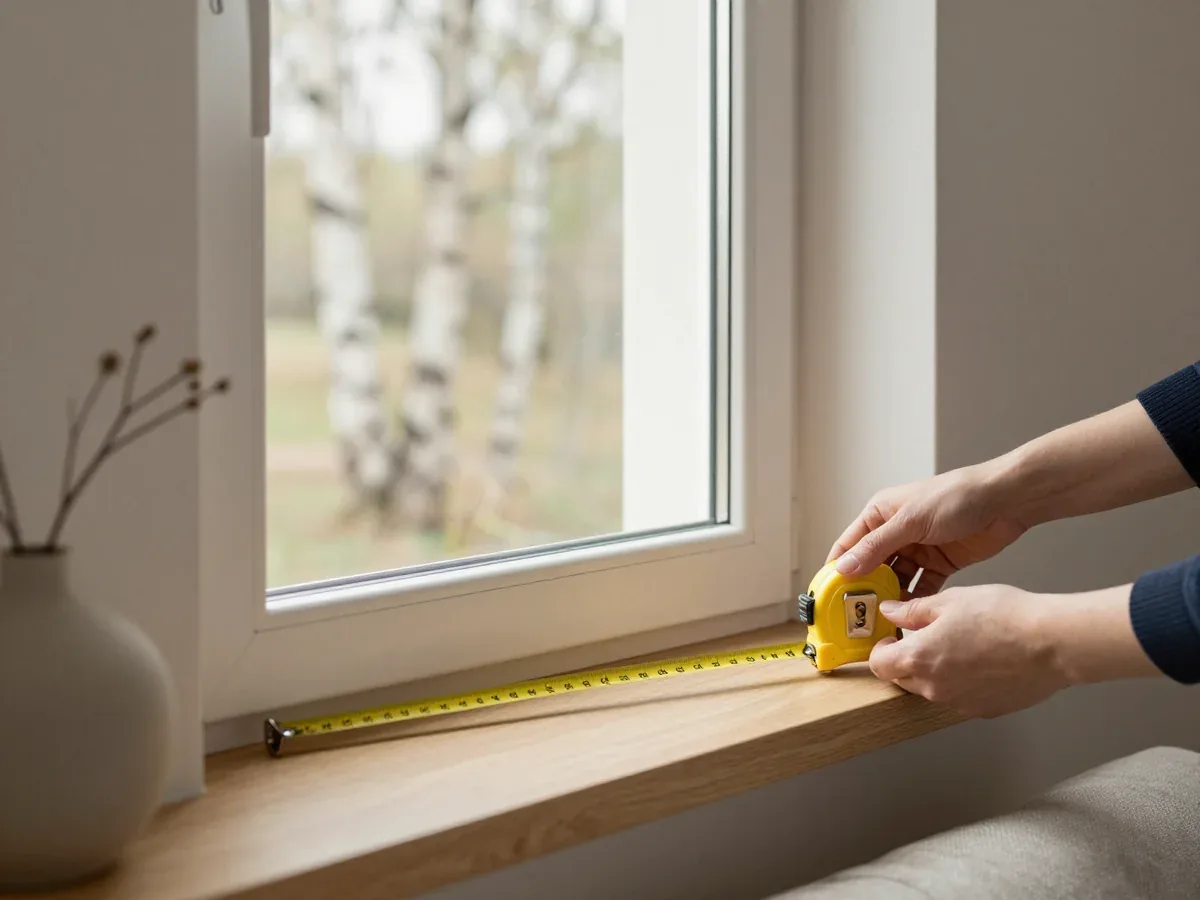
Measuring and consultation are free, and the measurer comes at a convenient time, takes the sizes and helps choose the design, mesh and fixings. The visit covers more than a tape measure: the specialist checks the window profile, the opening depth and the floor level, then picks Z-brackets, pins or magnets to suit the frame and the storey. Doorways get their own measurement, since a hinged model needs the right profile width to swing clear of the handle. We work seven days a week, and the measurer travels to any district of the city at a slot you pick. Clear the sill and the approach to each opening ahead of the visit — the price is fixed in the order right there, and a second trip for missed sizes delays everything.
How long a framed or pleated screen takes to make
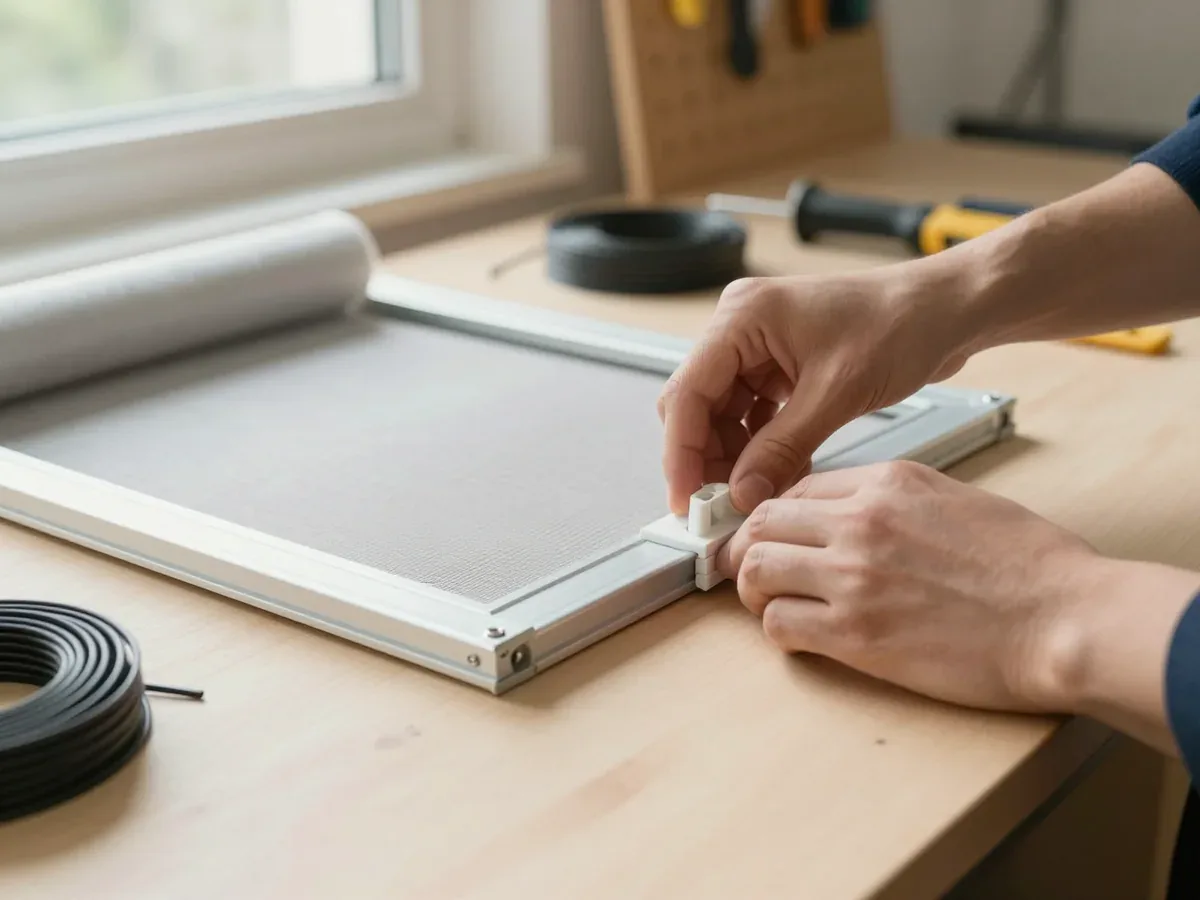
A framed unit made to your size takes 10–15 minutes, while a pleated one takes 40–60 minutes. That is workshop time for a single piece, measured from cut profile to fitted mesh, and it holds for standard rectangles as well as for the shaped openings found in upper-floor flats and loggia windows. Fibreglass, Ultravue, Pet Screen, anti-dust and Poll-Tex canvases are all cut and tensioned on the same line, so the mesh choice does not stretch the schedule. Because the build is that quick, the real lead time is the measuring slot and the fitting visit, not the workshop — book the measure early in the week and the finished product is usually hanging by the weekend.
Delivery, fitting and paying after installation
We deliver and fit the units on windows and doors, and you pay after installation by cash, card or Kaspi. The fitter brings the finished frames, mounts them on the prepared fastenings and checks that each panel opens, closes and sits flush against the profile before packing up. Door units are hung and tested for swing on the spot, and frames painted to match your windows are matched against the actual sash rather than a colour card. Paying on completion means the product is checked in place before money changes hands, so any fitting issue is settled on the spot instead of turning into a call-back. Keep the receipt — it carries the one-year warranty on the item.
Care, winter removal, repair and the 1-year warranty
A screen that is looked after lasts for years, and when something does go wrong the repair is a service we run ourselves rather than a reason to order a new one.
Washing the mesh and taking it off for winter
A framed screen lifts off from inside in a minute, and it is worth taking down for winter. The frame sits in the guides on the window profile, so you press the frame slightly towards the glass and swing it out of the brackets — no tools, no drilling, no need to reach the outside of the glass. Wash the mesh with a mild soap solution and a soft sponge, rinse it and let it dry flat before you store it. A wet screen folded away for the season can crease the cloth, and a crease in the mesh stays visible once the frame is back on the window. Pet Screen takes a firmer hand than fiberglass: brush it along the weave rather than scrubbing across it, and the vinyl threads keep their tension.
Repairing a torn screen or replacing the fixings
We repair screens and replace the fixings, so a torn mesh or a loose bracket does not mean a whole new screen. A repair visit covers a re-stretched cloth in the existing frame, a fresh set of Z-brackets, pins or magnets, and a check of the frame corners where the profile joins. A unit that keeps coming loose usually has the wrong fixing for its profile, so the repair should start with the bracket, not the cloth. On upper floors the wind load on a large frame is higher, and a pin that holds on the first floor can work free higher up — that is why the fixings are matched to the profile and the floor at the measuring stage rather than picked by eye.
What the 1-year warranty covers and how to reach us
Every screen carries a 1-year warranty, and we reply on WhatsApp within 5 minutes. The warranty covers the frame, the mesh and the fixings we supplied and fitted: a seam that opens, a cloth that sags out of tension, a bracket that fails under normal use. It does not cover a mesh cut by accident, a panel dropped during winter storage or damage from a pet clawing at the cloth — those are repairs we carry out as a paid job. Keep the order details from the measuring visit, because the warranty is tied to the size and fixing recorded there, not to the screen alone. Screens can be ordered in 17 cities of Kazakhstan, and the same warranty terms apply wherever the order was placed.
What drives the choice of mosquito screens
A window screen is a small addition that changes how a flat feels in summer. Here is the short version of what matters before you order.
- Match the design to the opening: a framed unit suits a standard casement window, while a pleated or sliding model fits a balcony door or a narrow reveal.
- Pick the mesh by the problem: Pet Screen for a cat, anti-pollen for allergy season, Ultravue when the room needs more daylight.
- Measuring is free and decides the rest: the measurer sets the size, the fabric and the fixings on site, and the price is fixed in the order afterwards.
- Timing is short: a framed unit takes 10–15 minutes to make, a pleated one 40–60 minutes, and payment comes after installation.
- The 1-year warranty covers the product: keep the panel clean, take removable models off for winter, and a torn panel or worn fixing can be repaired.



