
Good to know
Mosquito screens Kokshetau with free measuring and fitting

Senior mosquito screen specialist at moskitnyesetki.kz
We make mosquito screens Kokshetau homeowners order by size, with free measuring and fitting by our own fitters. We build framed, sliding, hinged door, pleated and roller screens from five meshes plus metal, paint the frame to match your windows, and cover every screen with a 1-year warranty. You pay after installation.
Which mosquito screens suit your window, door or balcony
A screen follows the way a window or door opens, not the other way round. Below are five constructions and the openings where each one makes sense.
Framed, sliding, hinged, pleated or roller
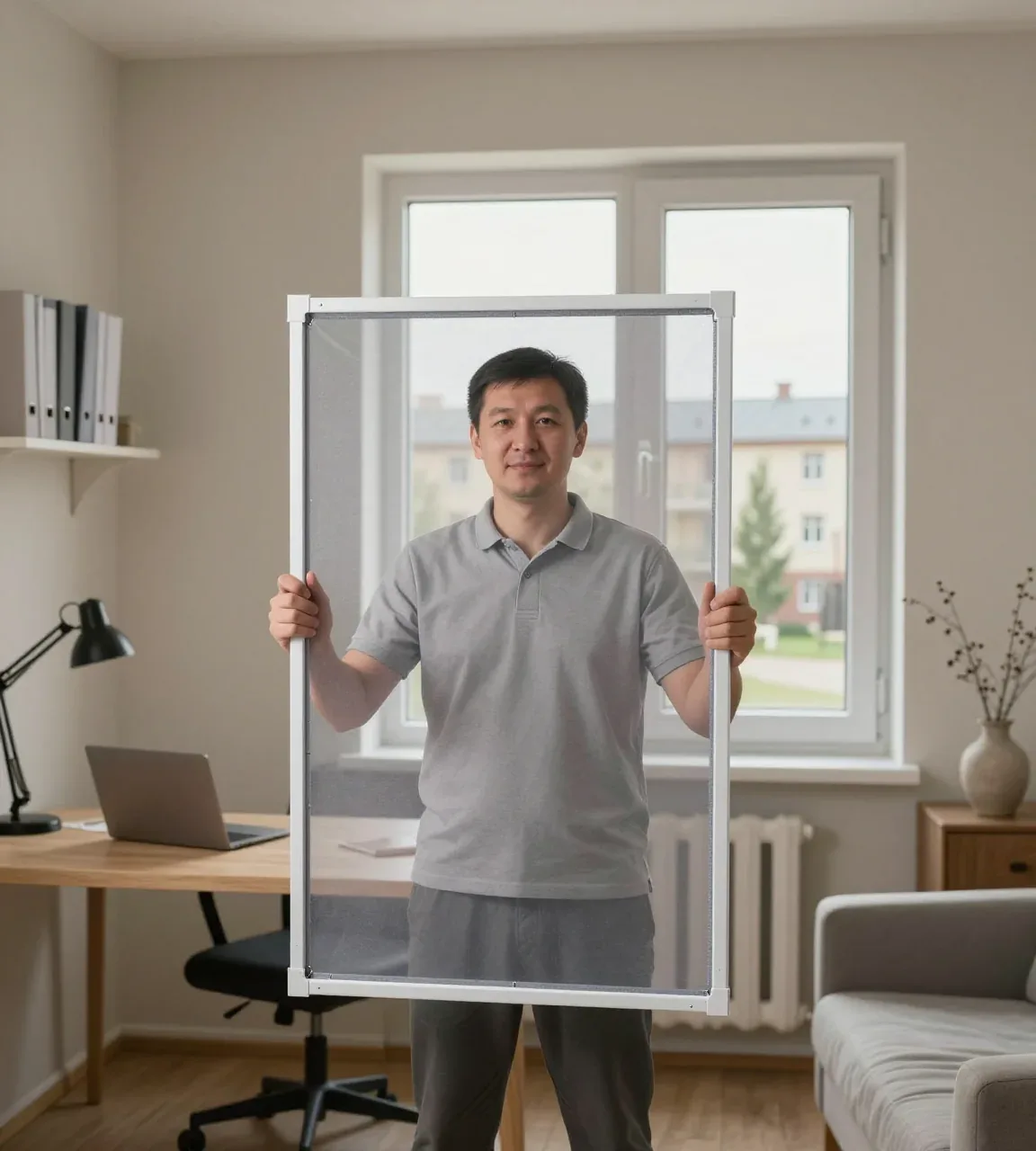
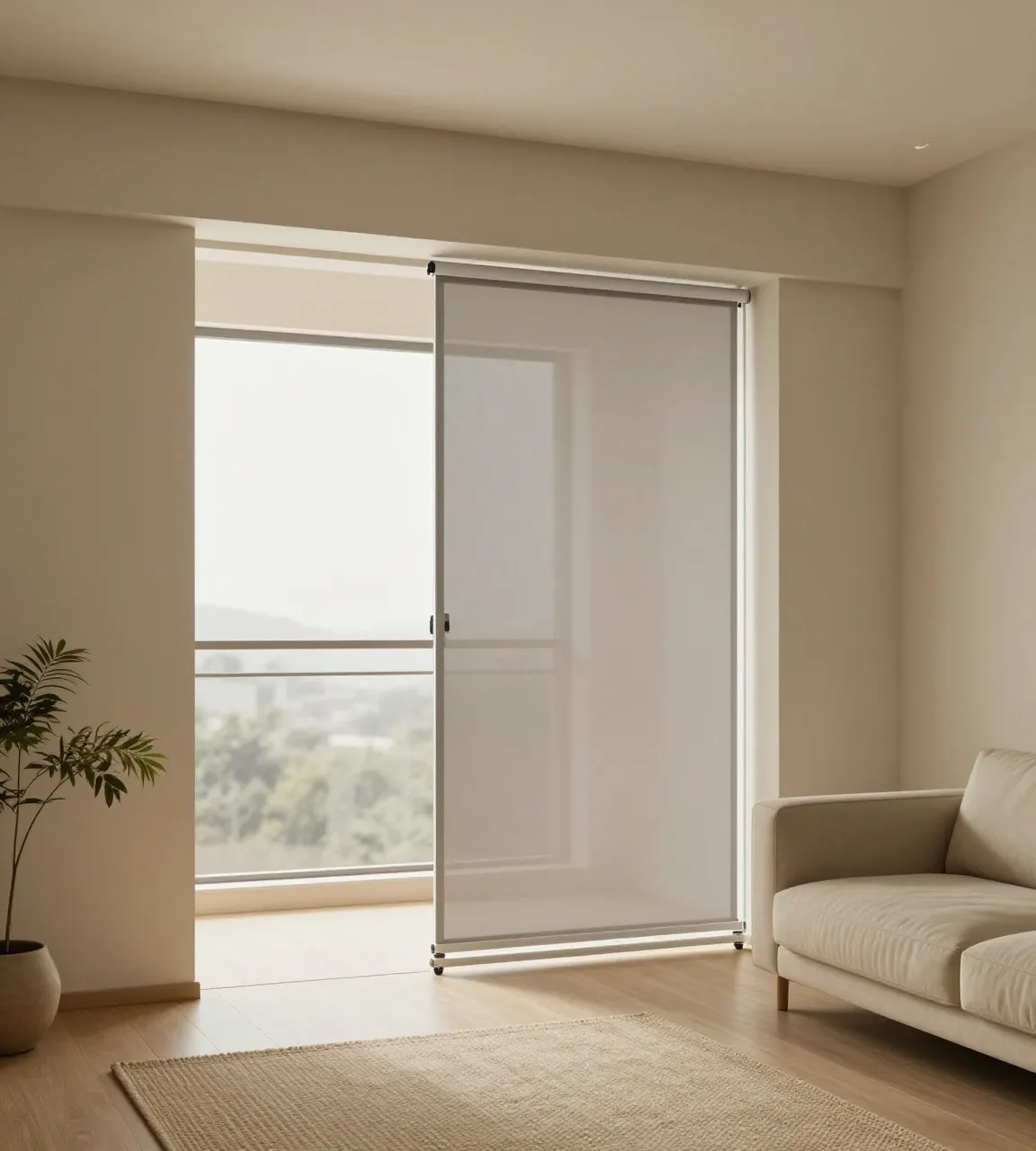
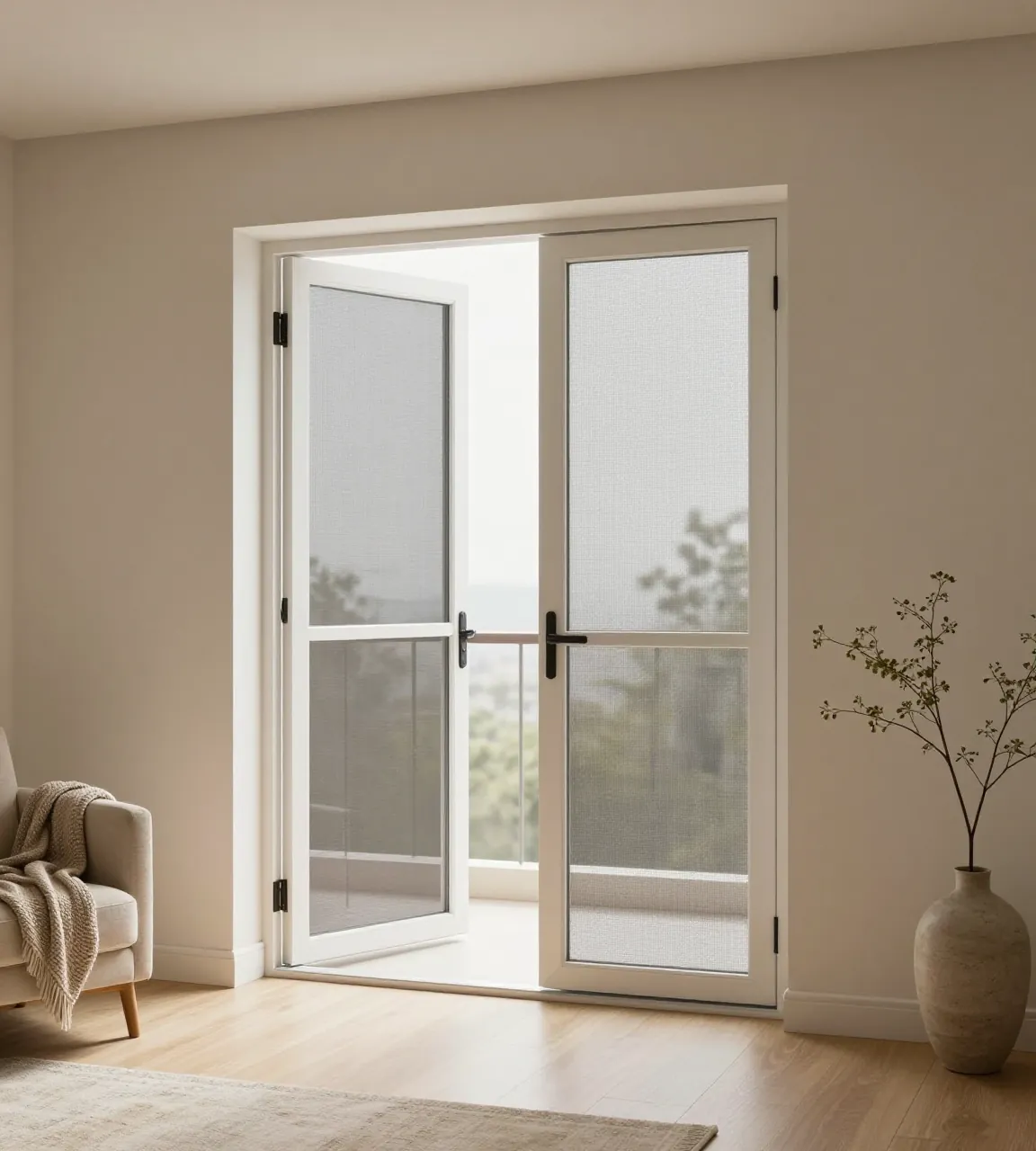
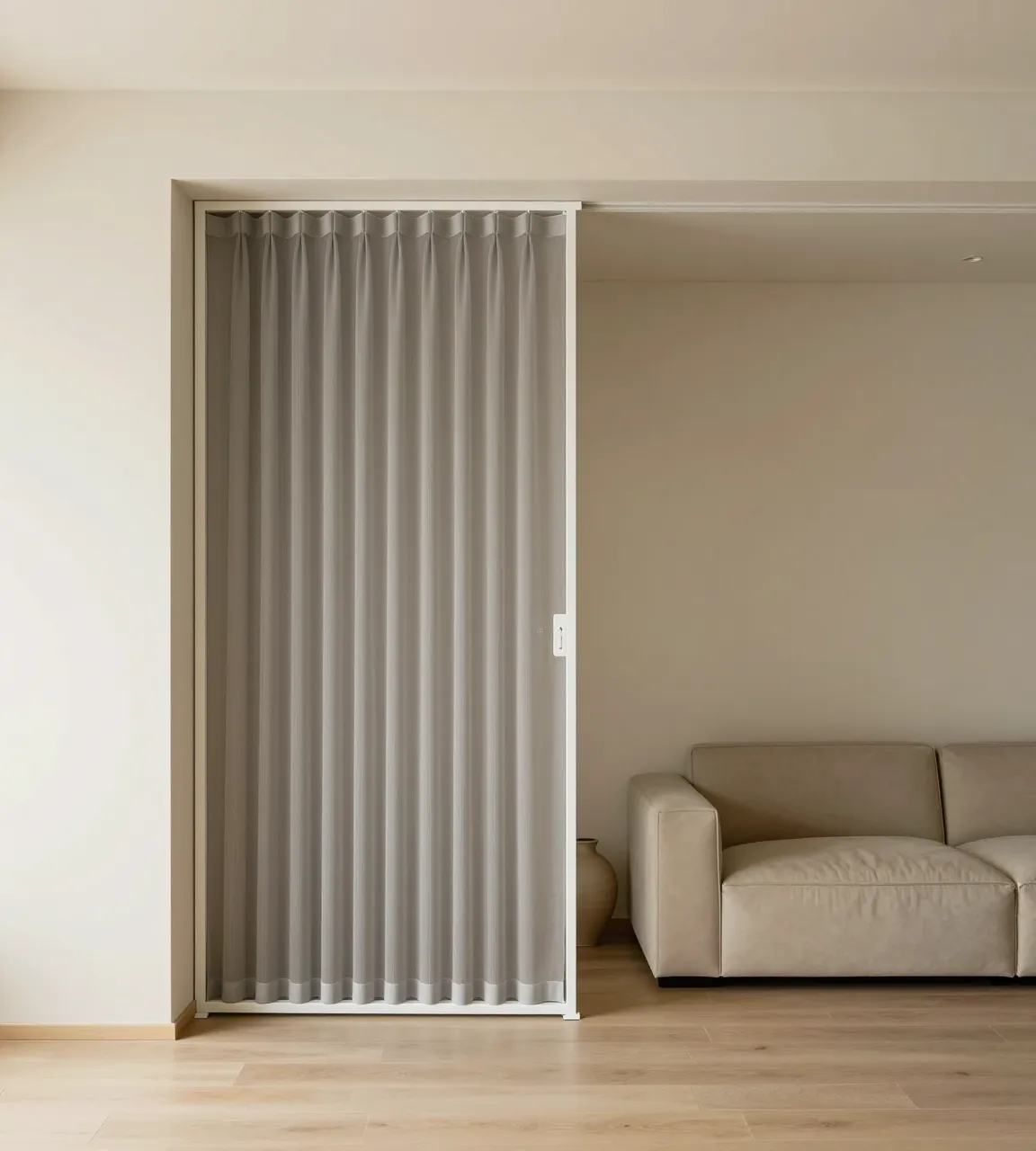
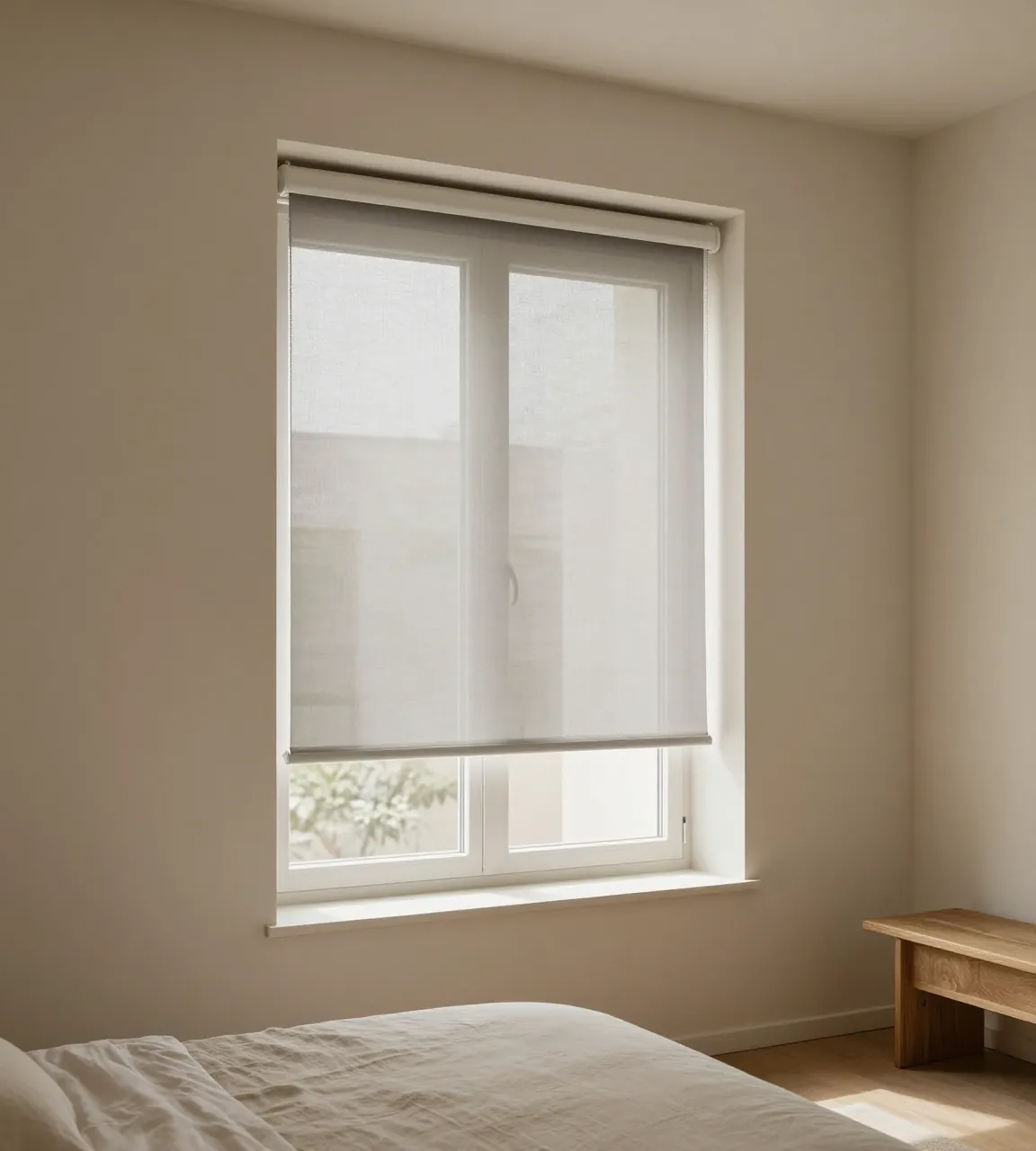
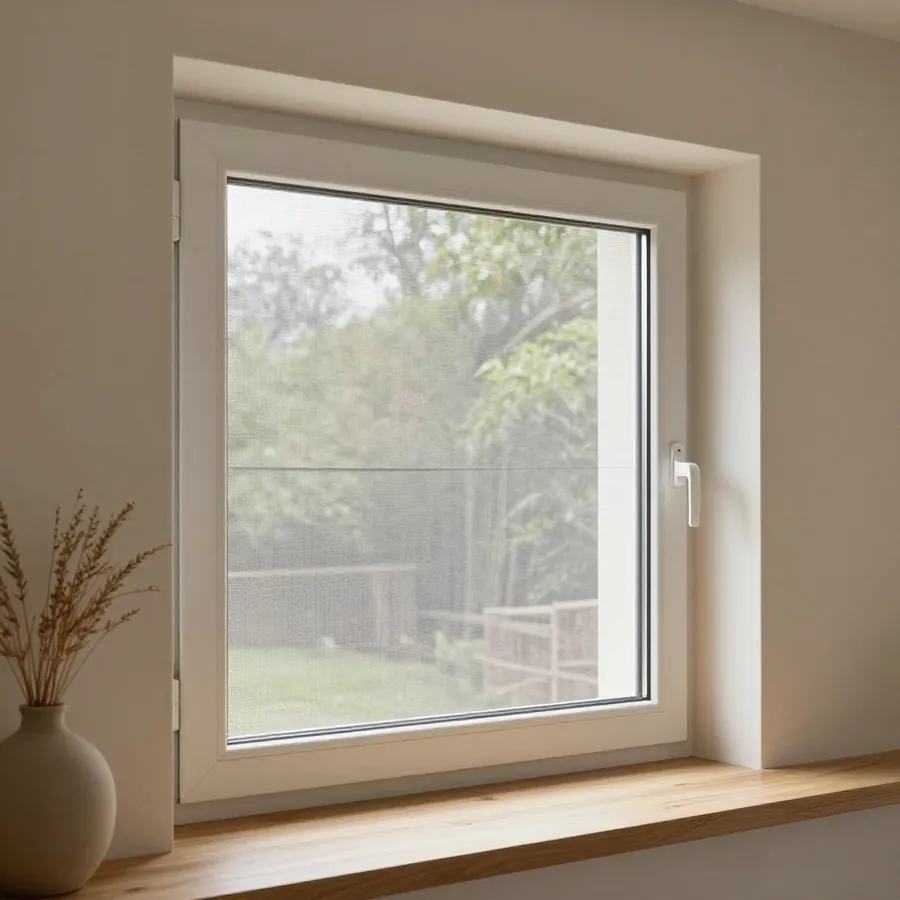
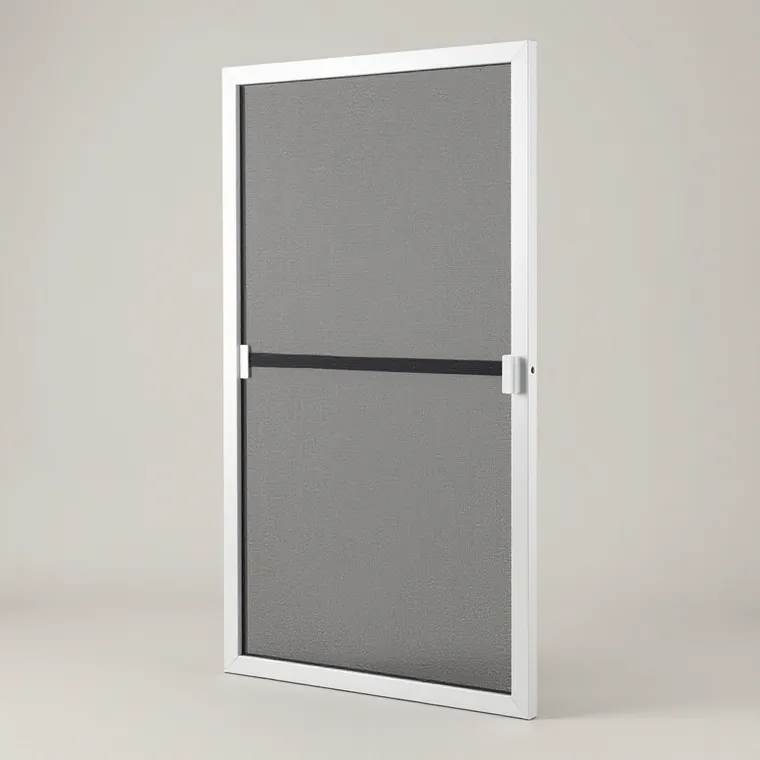
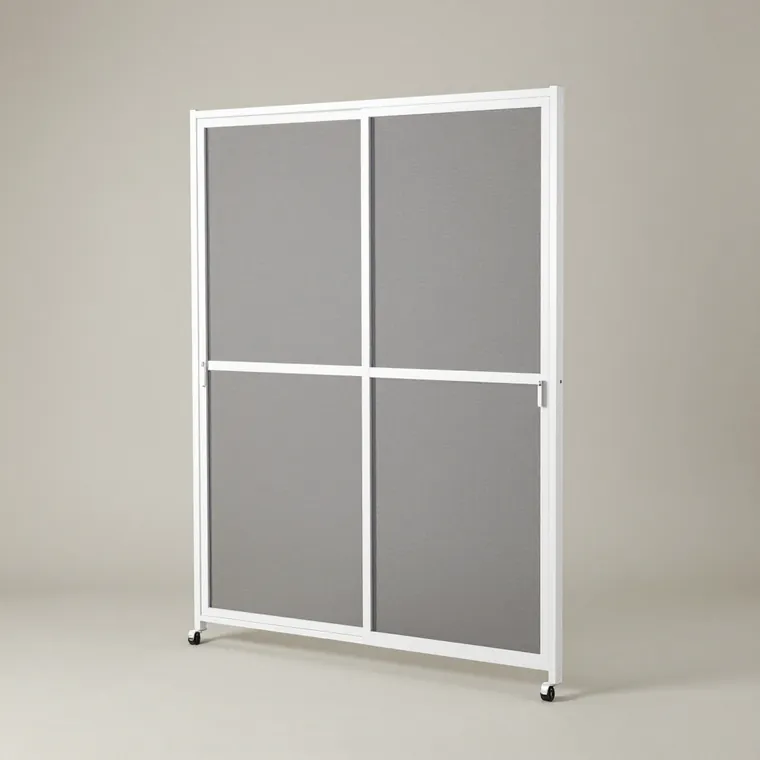
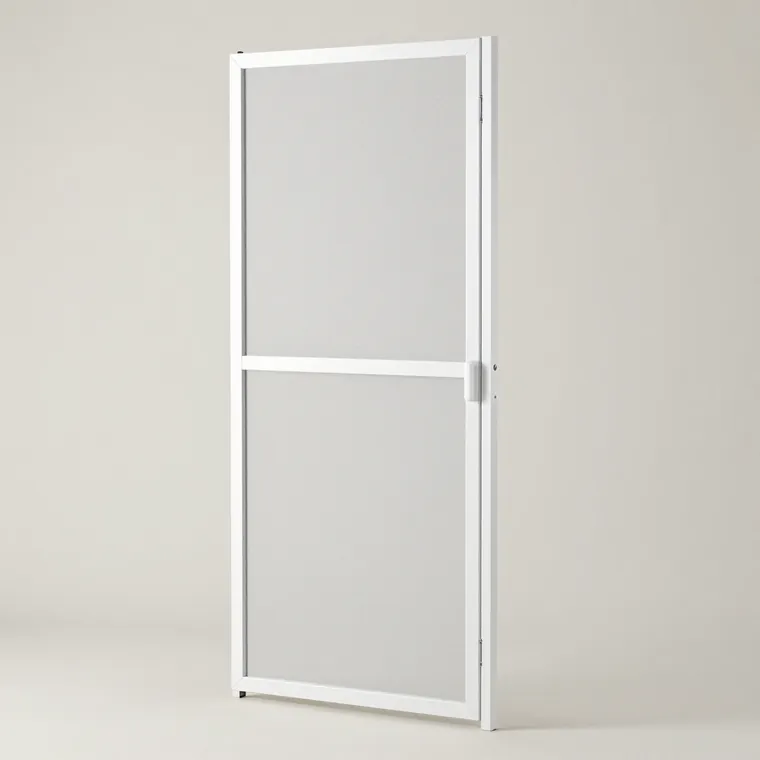
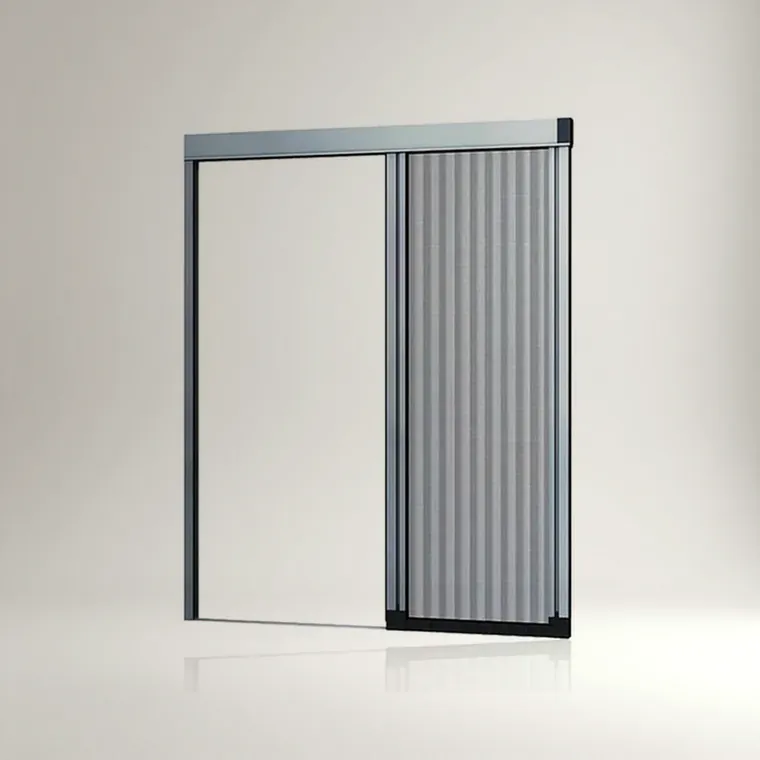
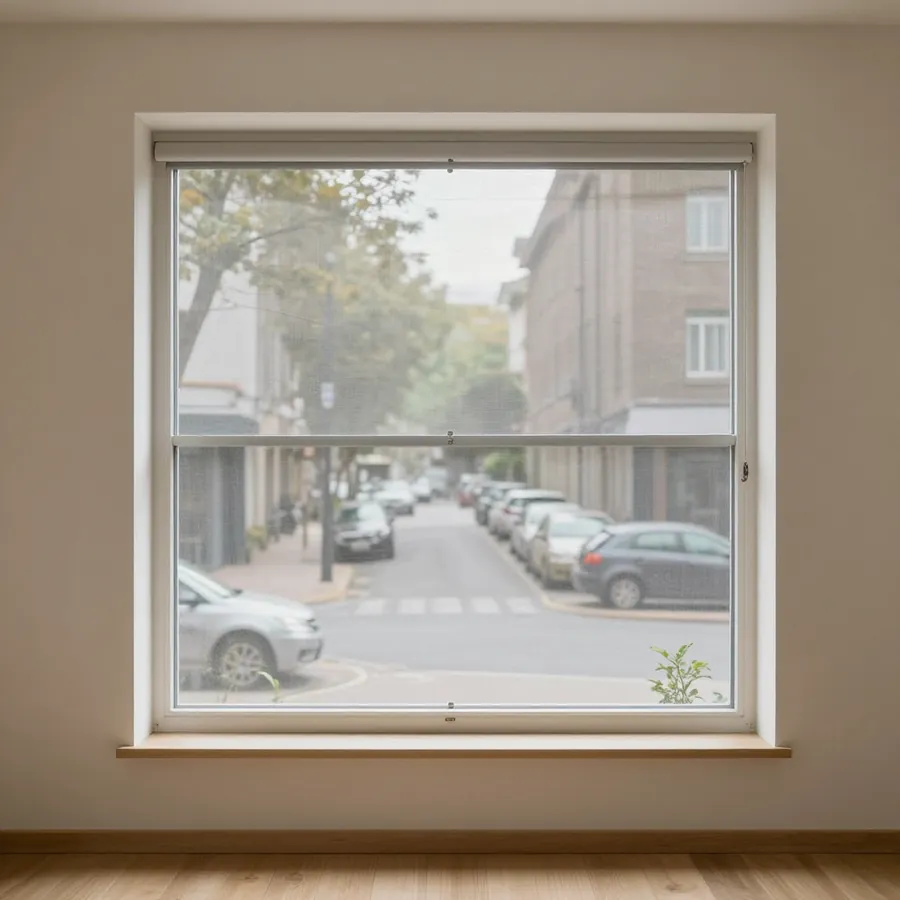
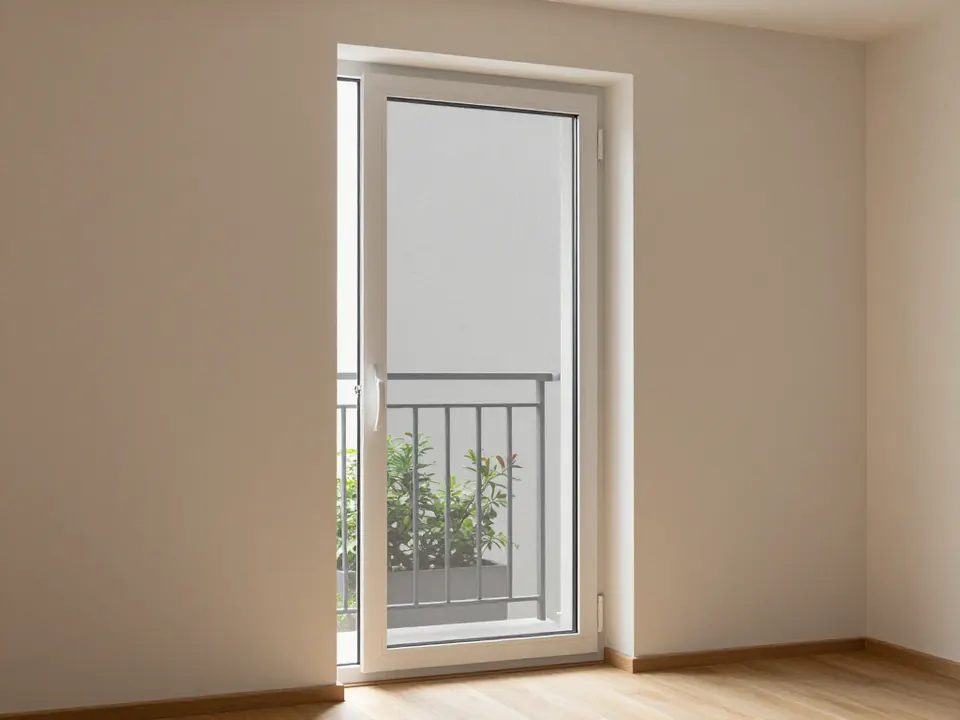
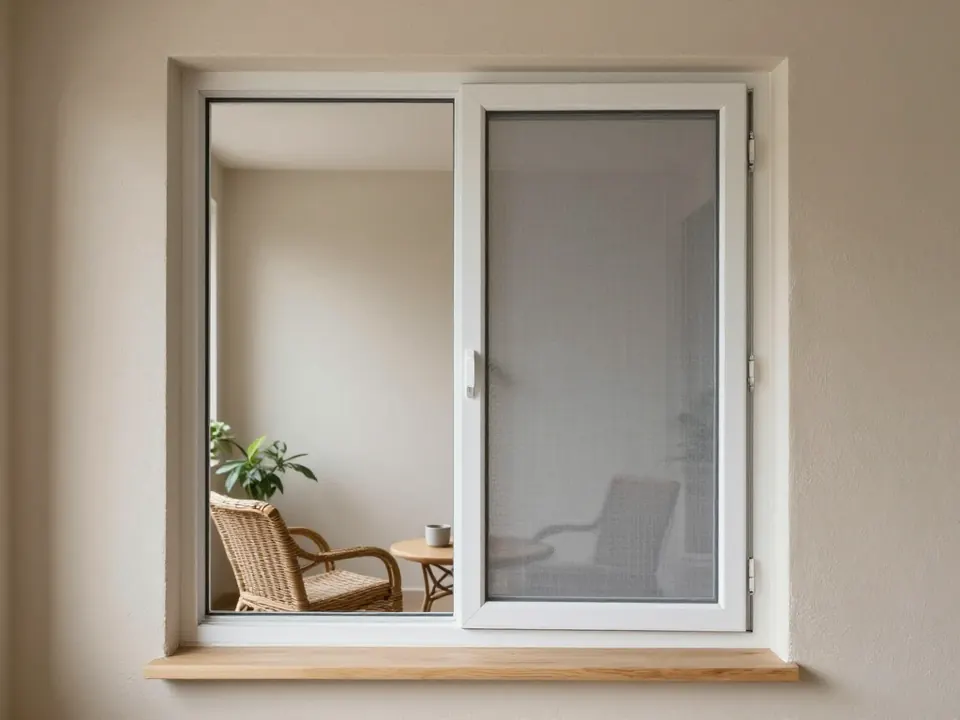
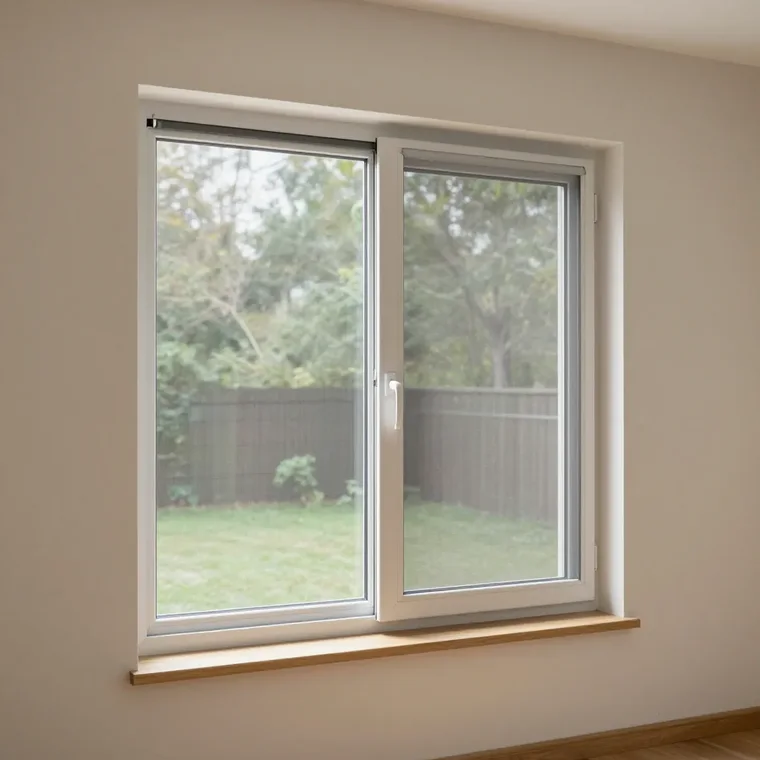
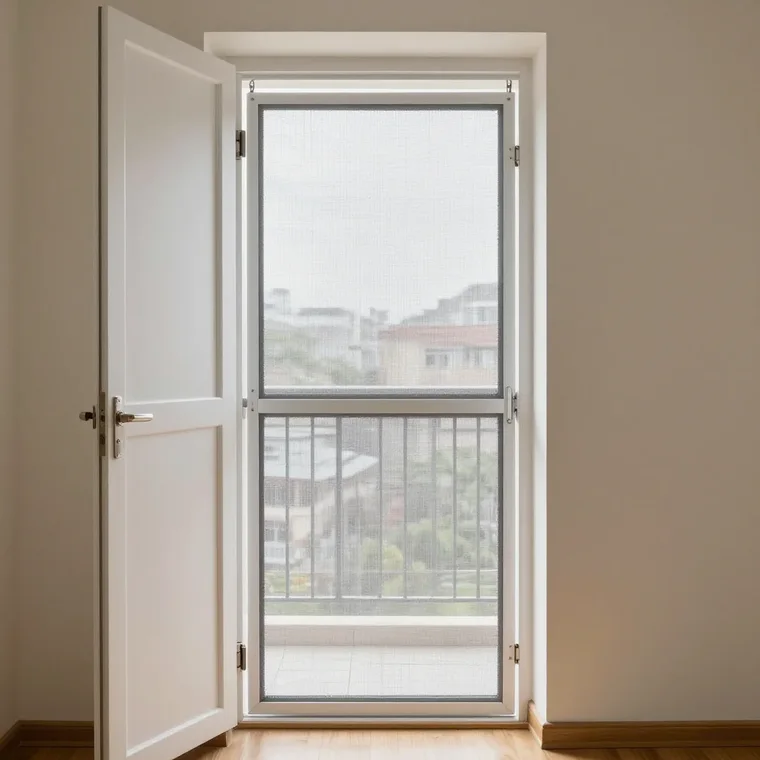
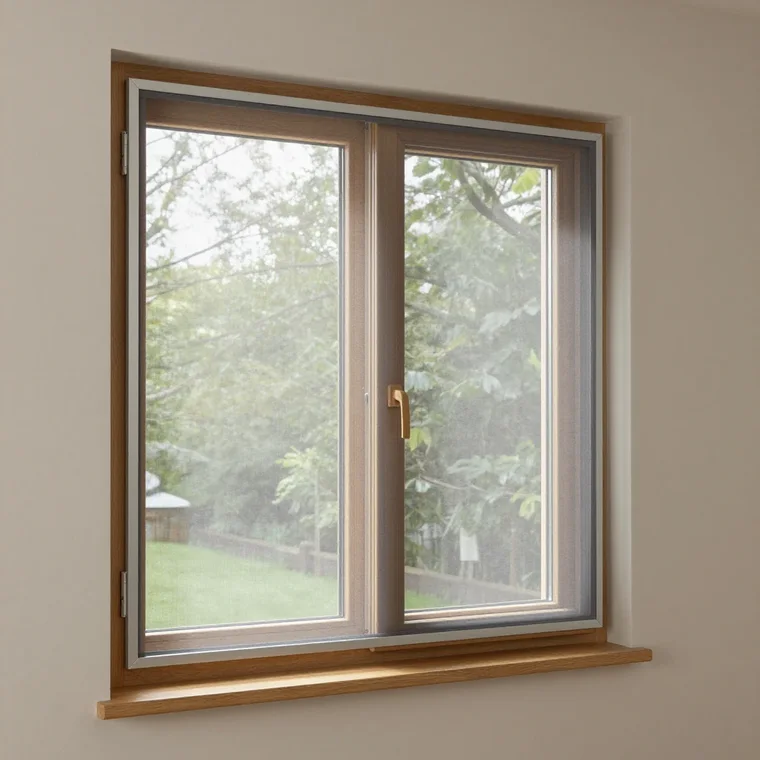
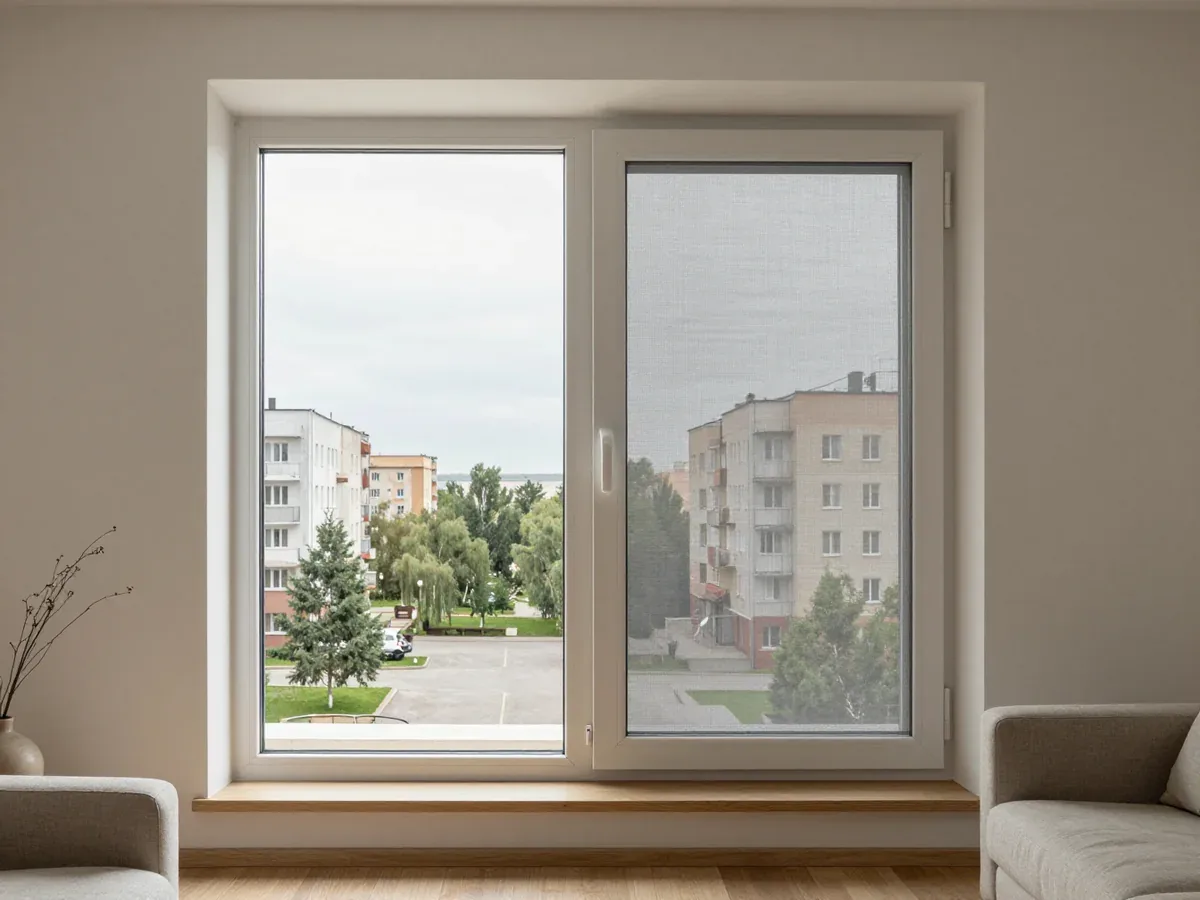
We make five screen types, and the way an opening moves decides which one fits: framed for standard casement sashes, sliding for models that glide sideways, hinged for entrance leaves, pleated for wide spans and roller for sashes you open often. A framed unit is a rigid aluminium frame with mesh stretched inside, held by Z-brackets, pins or magnets. A sliding model rides on its own track beside a sash or on a balcony. A hinged door version swings on hinges together with the leaf. A pleated one folds like an accordion into a slim stack, so it needs no swing space. A roller rolls up into a cassette above the opening. Mosquito screens Kokshetau customers order most often are framed units, because they are the cheapest to repair and the easiest to remove for winter, so a framed unit stays the default choice unless the sash slides sideways.
Matching the screen to the opening
| Opening | Screen type | Why it fits |
|---|---|---|
| Casement window | Framed | Lifts out from inside in a minute |
| Sliding sash or balcony | Sliding | Glides on its own track |
| Entrance or balcony door | Hinged door | Swings with the leaf |
| Wide terrace or loggia | Pleated | Folds flat, no swing space needed |
| Vent or small window | Framed mini | Light, cheap to replace |
Screens for vents, loggias, gazebos and verandas
We fit screens to plastic, wooden and aluminium windows, vents, loggia windows, gazebos and verandas, so an unusual opening is a measuring question rather than a refusal. A small vent takes a framed mini with the same fittings as a full-size unit. A loggia opening often works best with a sliding or pleated model where a swing frame would block the walkway. On a gazebo or veranda the frame takes the wind load, so ask for the thicker Prestige 42×17 mm profile instead of the slim Economy 32×10 mm one. Hinged door models come in both profiles, and the measurer checks the leaf width before choosing.
Choosing mosquito screens mesh for light, pets, dust and pollen
The canvas decides how much daylight reaches the room and what the screen will survive. We sort the five options, metal and Krylo by the problem they solve, not by the name on the label.
Five meshes and what each one does
| Canvas | Best for | Key property |
|---|---|---|
| Standard (Fiberglass) | Everyday windows | Fire and temperature resistant |
| Ultravue (Ultravue) | Dark rooms | 25% more light and air |
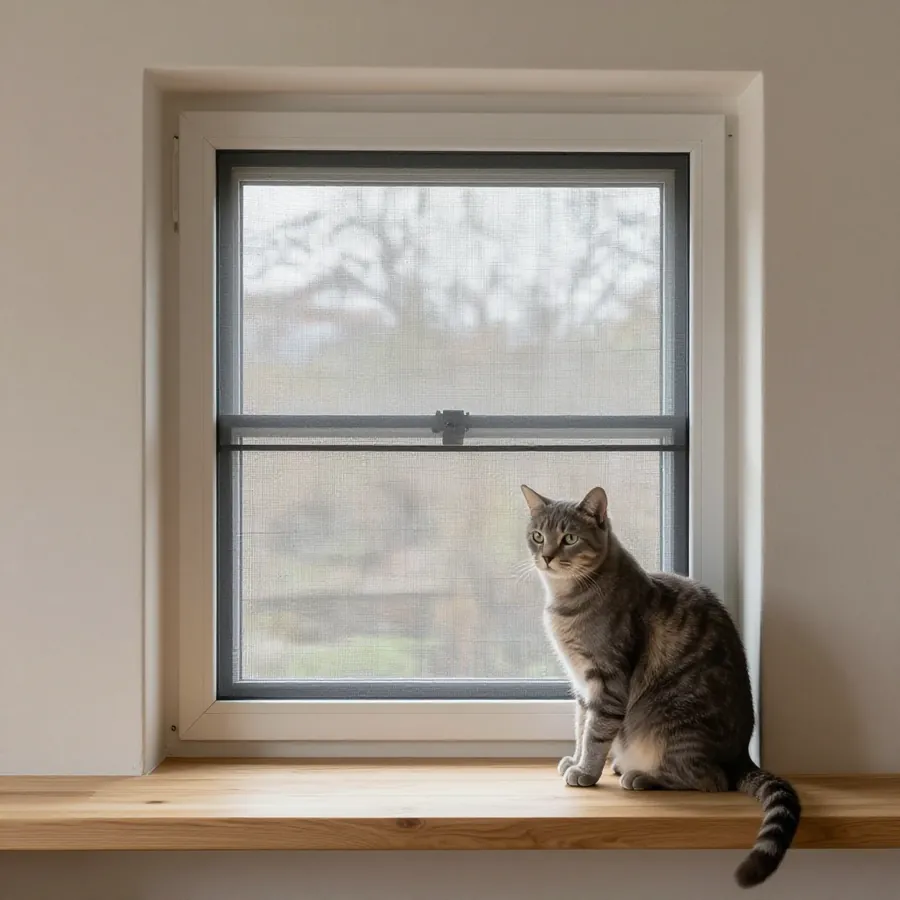
| Anti-Cat (Pet Screen) | Homes with cats | Vinyl threads hold a small pet |
| Anti-Dust | Dusty streets | Traps fine dust |
| Anti-Pollen (Poll-Tex) | Allergy season | 0.25×1 mm cell |
More daylight with Ultravue
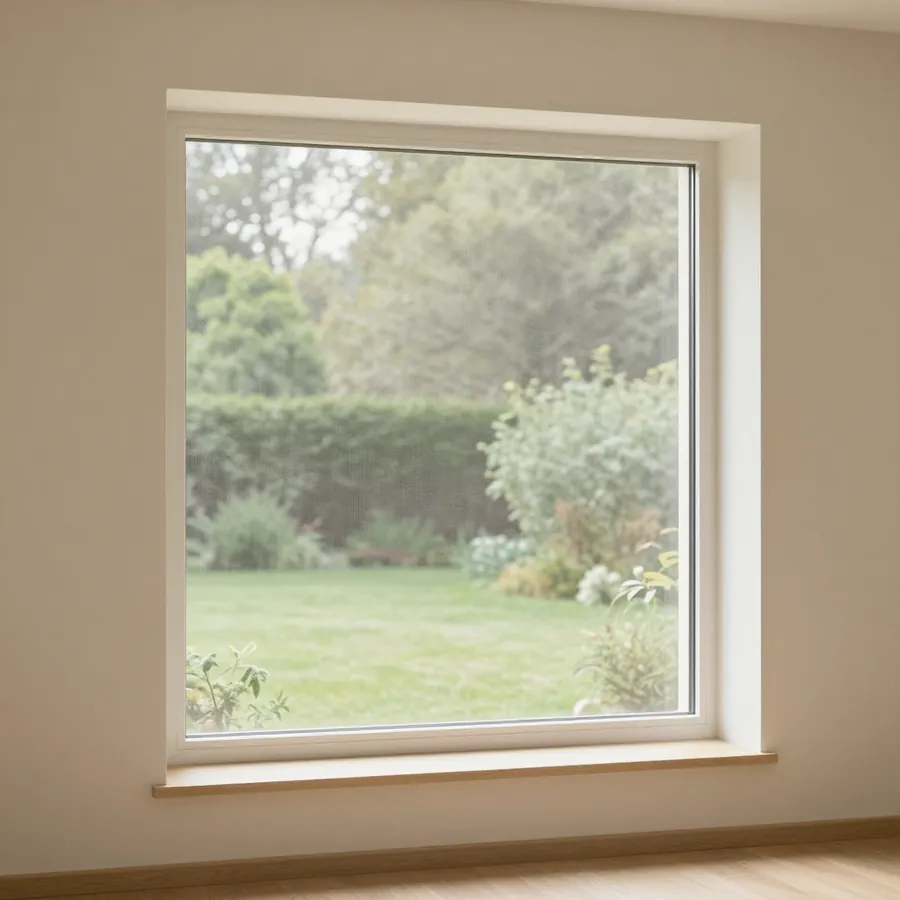
Ultravue lets in 25% more light and air than other options, which matters on north-facing windows and in rooms that already feel dim. We fit the same frame and the same fastenings as with a standard fibreglass sheet, so the difference comes purely from the weave. On a top floor with strong afternoon sun the extra airflow also helps move warm air out instead of trapping it behind glass. The gain shows most in the evening, when a plain fiberglass sheet turns a lit room grey — a dim bedroom or a kitchen facing a courtyard gains the most from the swap. We usually suggest it for flats where the windows never get direct sun, because that is where the extra brightness is felt rather than just measured.
Pet-proof, dust and pollen meshes
Anti-Cat uses vinyl threads that hold the weight of a small animal, Anti-Dust catches street dust, and Anti-Pollen with its 0.25×1 mm cell stops pollen before it reaches the room. The pet option survives a cat launching itself at the window, while the plain fiberglass would sag after a few such hits. Anti-Dust is the sensible pick for flats facing a road or a construction site, where fine grit settles on the sill within a day. A pollen sheet clogs faster than a plain one, so rinse it from the outside every few weeks instead of scrubbing it from indoors — and never use a brush on the fine weave, because the threads fray and the cell widens.
How mosquito screens are fixed and whether your window gets drilled
The fastening is chosen by the measurer to suit the opening and floor, and that choice decides whether the surround carries marks and how easily the panel comes off.
Z-brackets, pins or magnets
Our measurer picks the fastening to suit the opening and floor: Z-shaped brackets for most plastic units, pins for tight reveals, magnets where the panel has to come off daily. Z-brackets hook onto the surround edge and hold the frame without a single hole in the plastic, which matters on rented flats and newly finished units. Pins, also called plungers, work in narrow reveals where a bracket has no room to sit, and magnets suit a screen you lift out every morning. On upper floors the wind load rises, so a bracket that holds quietly on the ground floor may rattle higher up, and the measurer accounts for that when he checks the opening. Ask which fastening he has chosen and why before the order is written — swapping it later means new holes or new brackets.
Painting the frame to match your windows
We paint the screen frame any colour to match your units, so the whole assembly reads as part of the opening rather than a white rectangle bolted on. The frame is aluminium, and the paint goes on before the netting is fitted, so no overspray reaches the fabric. Standard white suits most plastic frames, but brown, grey and anthracite are common on wooden and aluminium joinery across the city, and the coating should follow the window rather than the other way round. Bring the colour code or a photo of the profile if you want an exact match, since two whites can sit badly side by side — one warm, one cold, and the difference shows in daylight.
Door profiles Economy and Prestige
Hinged door screens come with either the Economy 32×10 mm profile or the heavier Prestige 42×17 mm one, and the door size decides which. The Economy profile is slim and light, and it suits a standard balcony leaf up to about a metre wide, where the panel does not have far to swing. The Prestige carries more aluminium, so it holds a wider leaf straighter and takes heavier hinges. A wide panel on the slim Economy profile flexes when it swings, so the thicker Prestige keeps the fabric taut over years of use. If the doorway is the main route to a balcony or terrace and opens dozens of times a day, the extra rigidity of the Prestige is the safer choice.
From free measuring of mosquito screens to fitting and paying after installation
A job runs from a free measuring call through production to fitting, with payment left until the end. Below are the real timings for each construction and what gets settled at each step.
What happens at the free measuring visit
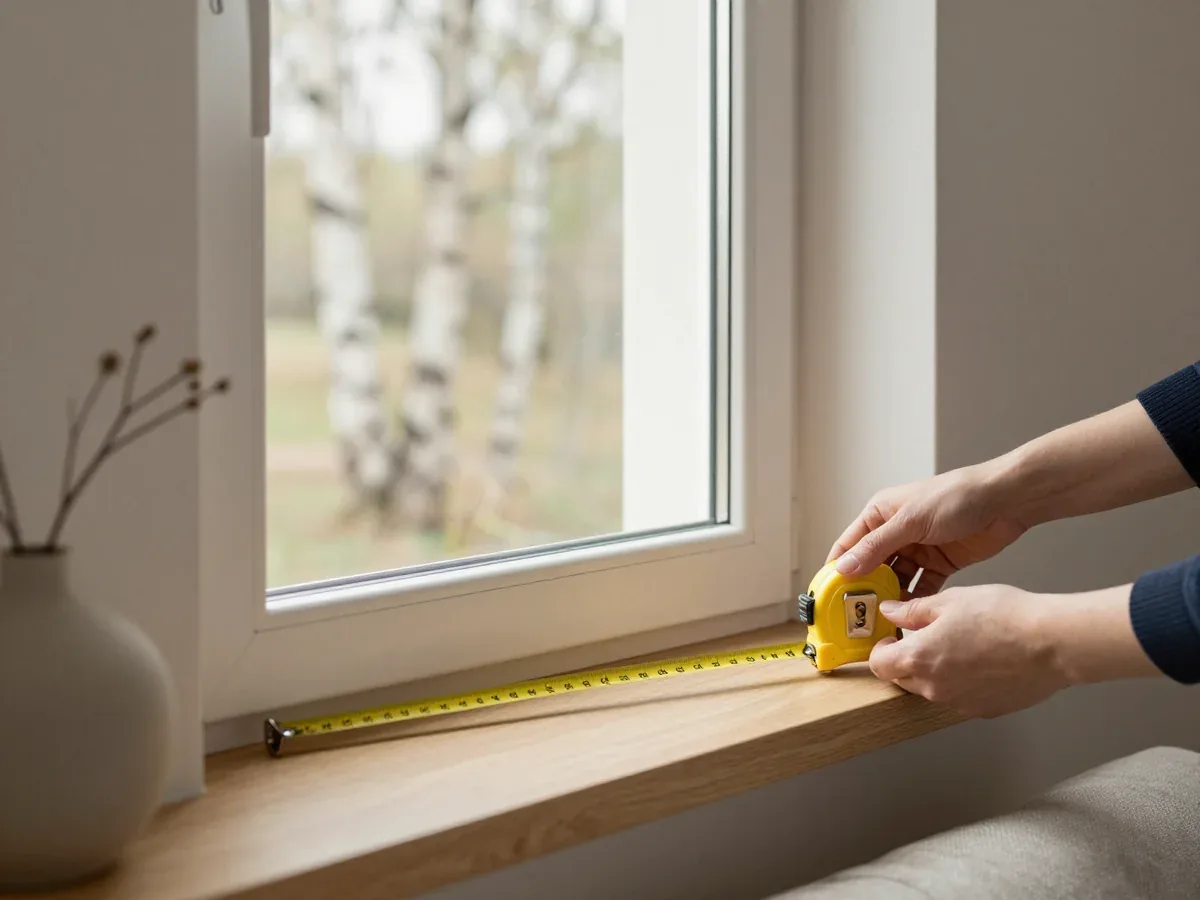
Measuring and consultation are free, and the measurer comes at a time that suits you, takes the sizes and helps you choose the design, mesh and fixings. The call covers the window reveal, the sill depth and the swing of the sash, because those three figures decide whether a framed or a pleated construction fits without catching. For hinged door models the measurer also checks the profile width to pick between Economy 32×10 mm and Prestige 42×17 mm. Have the window open and the sill clear beforehand, so the specialist can check the reveal and the swing without moving furniture — that alone saves ten minutes on the day.
How long a screen takes to make
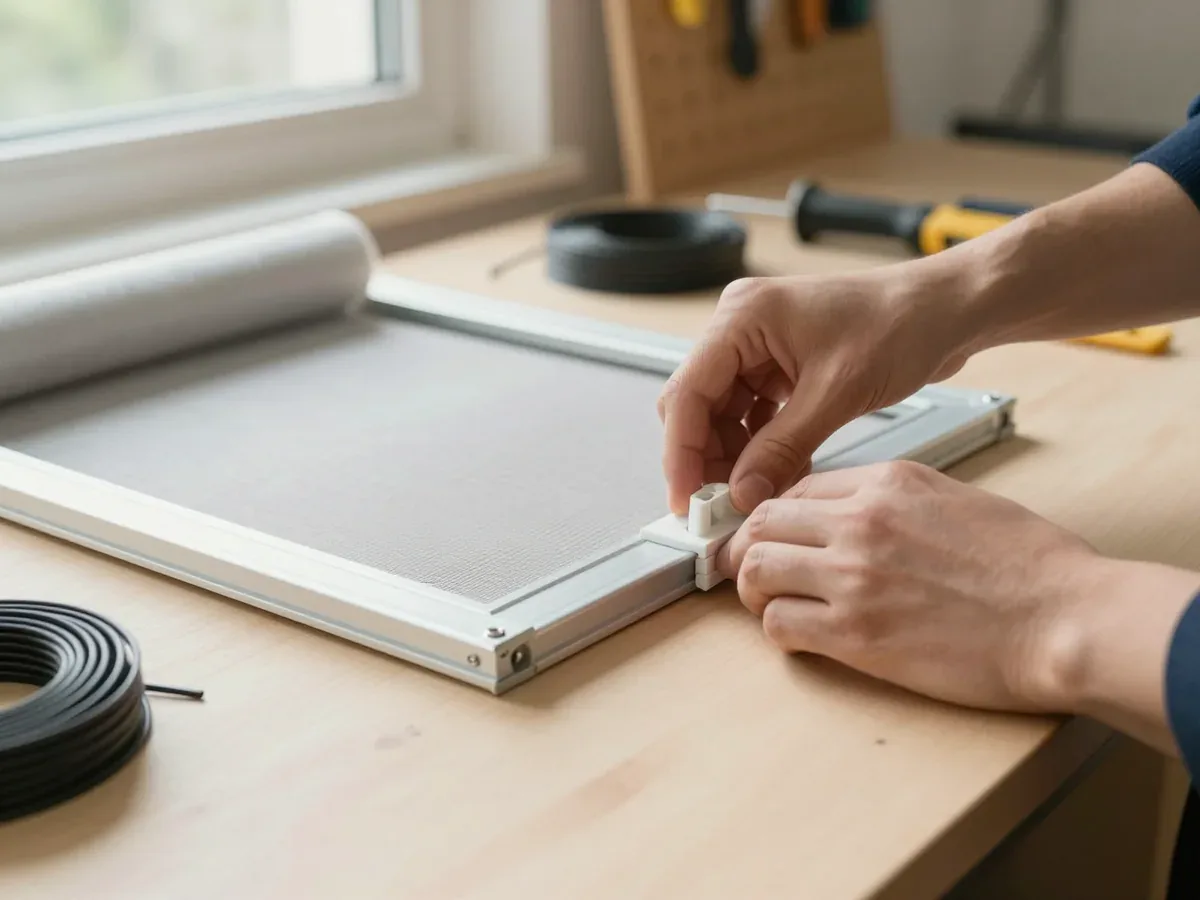
A framed insect screen made to your size takes 10–15 minutes, while a pleated one takes 40–60 minutes, so a framed unit can often go up during the same visit. The frame is cut, cornered and meshed on site rather than in a distant workshop, which is why the turnaround is counted in minutes instead of days. Pleated models are assembled on site because the fold count depends on the exact opening, which is why they take longer than a framed build. Ask the fitter to leave the offcuts with you — the spare profile is handy if a corner piece ever works loose.
Fixing the price and paying after installation
The price is fixed in the order after measuring, and you pay after installation by cash, card or Kaspi, so nothing is settled before the product is on the window. The measurer writes the confirmed figure into the order once the sizes and fastenings are agreed, and that figure does not move afterwards. Because the figure is locked at measuring, adding a second unit later means a fresh measurement rather than a re-quote on the first one. Keep the order sheet — it lists the mesh grade and the fastening type, which is what the fitter matches against if you ever ask for a matching piece for another room.
Winter removal, cleaning and screen repair
A mosquito screen lasts longer when it comes off for the cold months and gets washed the right way for its material. Here is how seasonal removal, everyday cleaning and small repairs work in practice.
Taking the framed screen off for winter
A framed screen lifts out from inside in a minute, and it is worth taking it off for winter so snow and ice do not load the mesh and the frame. The unit sits in guides or on brackets, so you press the spring pins or tilt the frame and lift it clear without tools. We make our products to come out this way on purpose, because a unit left in place through freeze and thaw collects ice in the corners and the profile slowly bows. Store it flat rather than leaning it on a corner, because a bent frame no longer sits flush when you put it back in spring. A flat stack against a dry wall keeps the cloth taut and the corners square.
Cleaning each mesh without damaging it
Rinse a pollen or dust screen from the outside with a soft brush and water, and avoid scrubbing a fine 0.25×1 mm cell from indoors, which pushes dust deeper into the weave. Work top to bottom so loosened dirt runs off instead of settling back in. A household vacuum on low suction lifts surface dust from the standard fiberglass cloth without stretching it, and a mild soap solution handles kitchen grease on any type. The Poll-Tex anti-pollen weave traps the finest particles, so it needs a rinse more often than a plain one. A unit that stays grey after rinsing is usually clogged with fine dust rather than dirt, and a gentle soak loosens it better than pressure — never aim a high-pressure jet at the fabric.
Repairing a torn mesh or a loose fastening
We repair screens and replace fastenings, so a torn mesh or a bracket that has worked loose is a service call rather than a reason to buy a new one. A small split, a sagging sheet or a pin that no longer springs back are all fixable on site, and we swap the worn part for the same type the measurer fitted originally. Most jobs come down to a stretched section of cloth, a bent Z-bracket or a magnet that has lost its hold after seasons of use. A small tear at the frame edge is often a sign the fastening has shifted, so fixing the bracket first stops the material tearing again in the same spot. Send a photo on WhatsApp and we will tell you whether it is a repair or a replacement.
Warranty, direct production and ordering across Kazakhstan
Buying from the workshop that actually makes and fits the product changes what you get: our own crews, written cover and payment only after the work is done. Here is what that means in practice.
A 1-year warranty on every screen
Every screen we make carries a 1-year warranty, while window installation is covered for 5 years, glass unit replacement for 3 years and window repair for 1 year. This cover includes the frame, the mesh and the fastenings we supplied, so a torn canvas or a bracket that has worked loose is our job to put right, not yours. Installation is a separate scope with its own 5-year cover, which matters on loggias and verandas where the product sits on a new opening. Keep the order sheet with the measured sizes — a claim moves faster when the original dimensions are on hand, because the fitter can match the replacement to the exact reveal instead of measuring again.
Our own fitters, not a middleman
We are a direct maker with our own measurers, builders, installers and repair crew, so the person who measures your opening sits on the same team that builds and fits the product. Nobody re-types your sizes into a third-party order, and no outside contractor turns up on fitting day with an item made to someone else's notes. The measurer records the profile, the reveal and the floor, then hands the sheet straight to the workshop, where a framed unit is assembled in 10–15 minutes and a pleated one in 40–60. With one team from start to finish, a size that does not match is caught before assembly rather than after it is already mounted.
Ordering in Kokshetau and 17 cities
Such screens can be ordered in 17 cities of Kazakhstan, and we reply on WhatsApp within 5 minutes, seven days a week, so a question does not wait for office hours. In Kokshetau the measurer comes at a time that suits you, takes the sizes and helps choose the design, mesh and fixings, and you pay after installation by cash, card or Kaspi. The price is fixed in the order once measuring is done, so the figure you agree is the figure you settle. Send a photo of the opening with your message — the profile and the reveal are usually visible in one shot and save a round of questions.
A quick guide to choosing mosquito screens for your flat
A screen that fits and lasts comes down to three decisions made before any frame is cut. Here is what to carry into the measuring visit.
- The opening decides the type: a sliding sash, a hinged door and a wide terrace each take a different frame, so start from the window or door, not from the mesh.
- The mesh decides light and life: Ultravue suits dim rooms, while Anti-Cat holds up in homes where a cat leans on the screen.
- The fastening follows the profile: Z-brackets, pins or magnets are chosen on site by the measurer, who reads the window profile and the floor.
- Build times are short: a framed screen is ready in 10–15 minutes, a pleated one in 40–60.
- A 1-year warranty and payment after installation: the risk stays with the maker until the screen is up and working.



