
Fiberglass
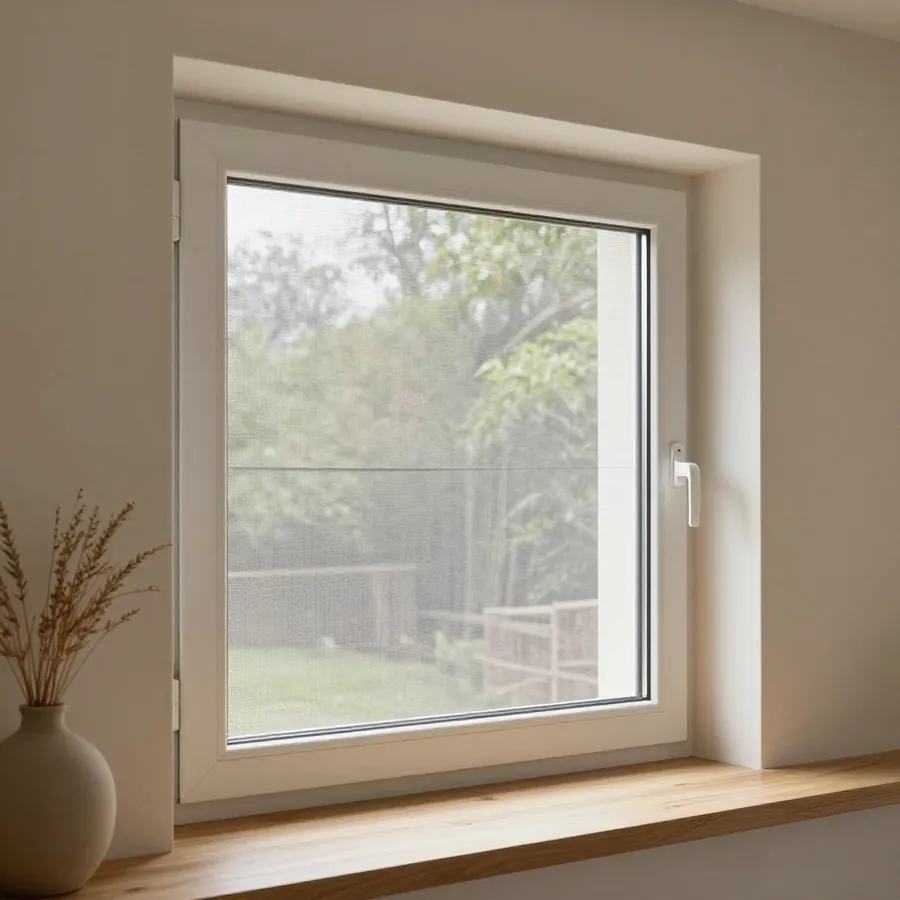
Standard
Fiberglass mesh is resistant to fire and temperature changes. Price from 6 000 ₸ per m².
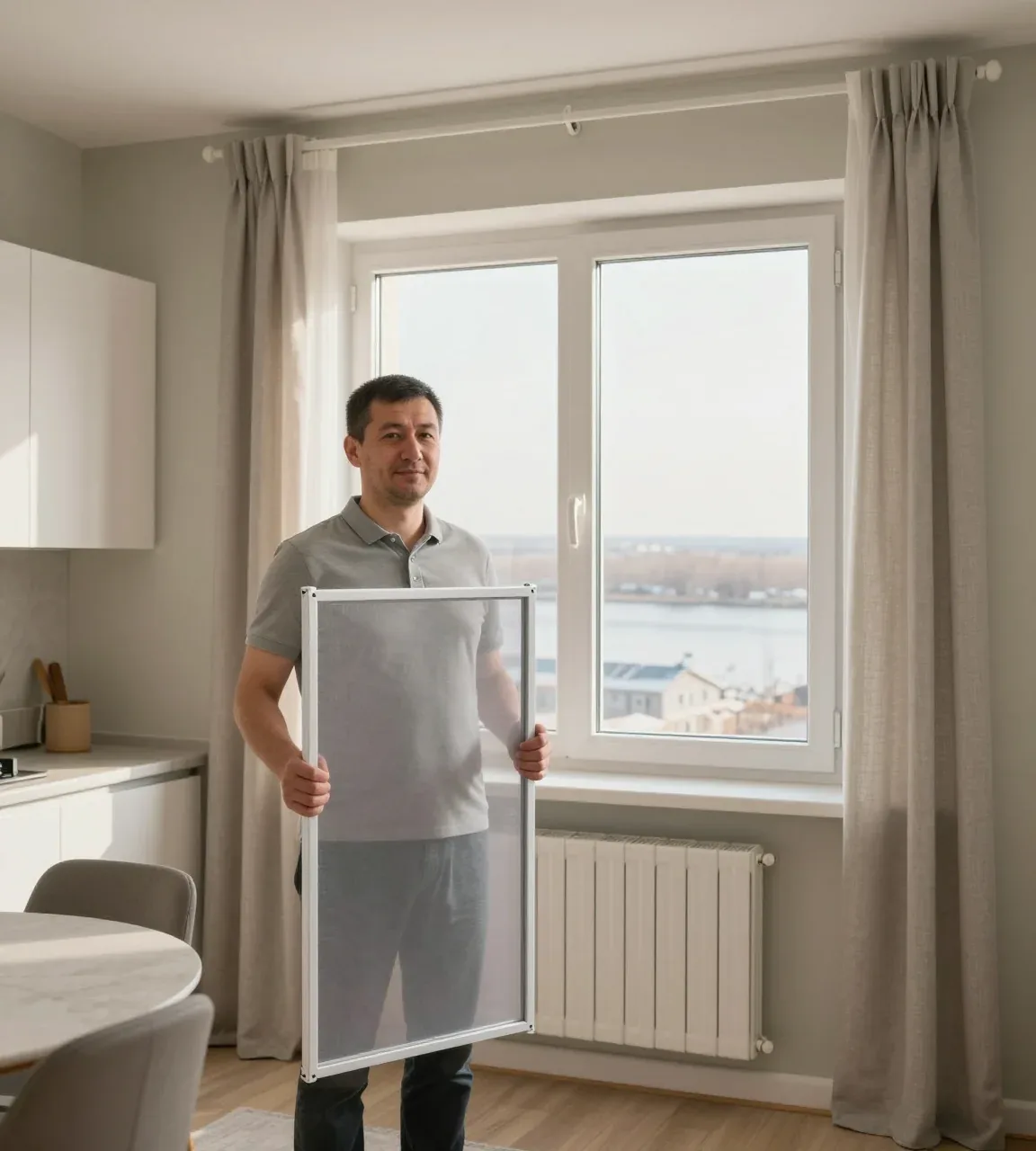
Standard
Fiberglass mesh is resistant to fire and temperature changes. Price from 6 000 ₸ per m².
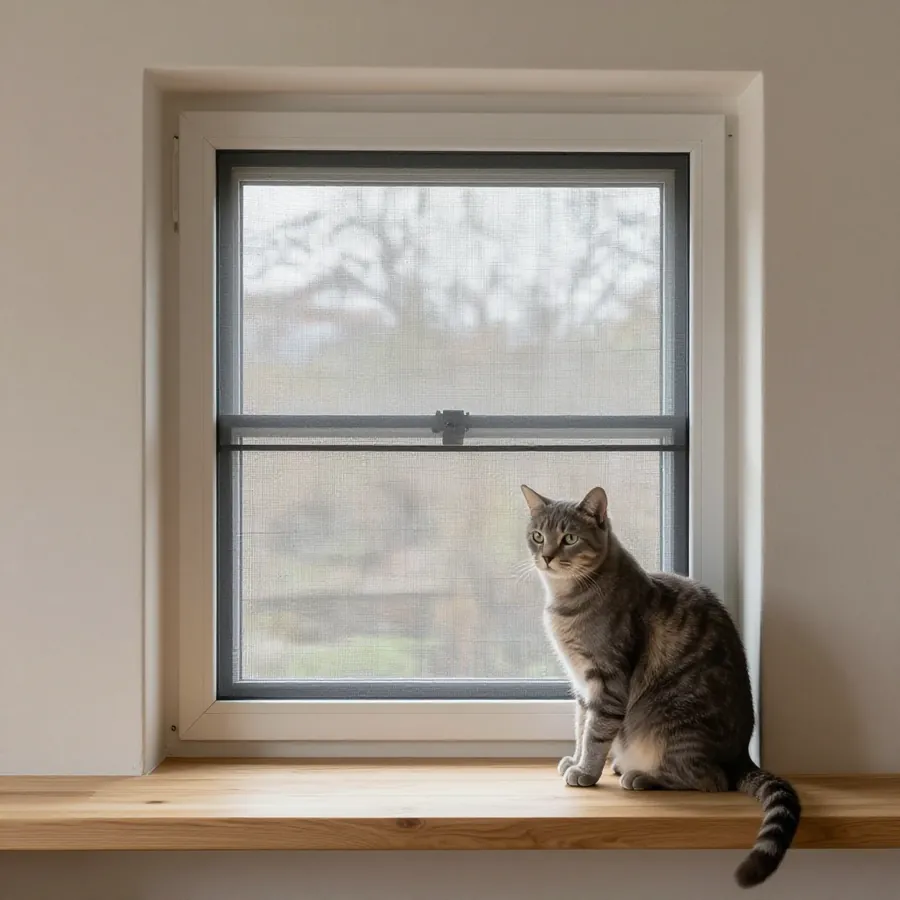
Anti-Cat
Pet Screen vinyl threads withstand the weight of a small pet. Price from 12 000 ₸ per m².
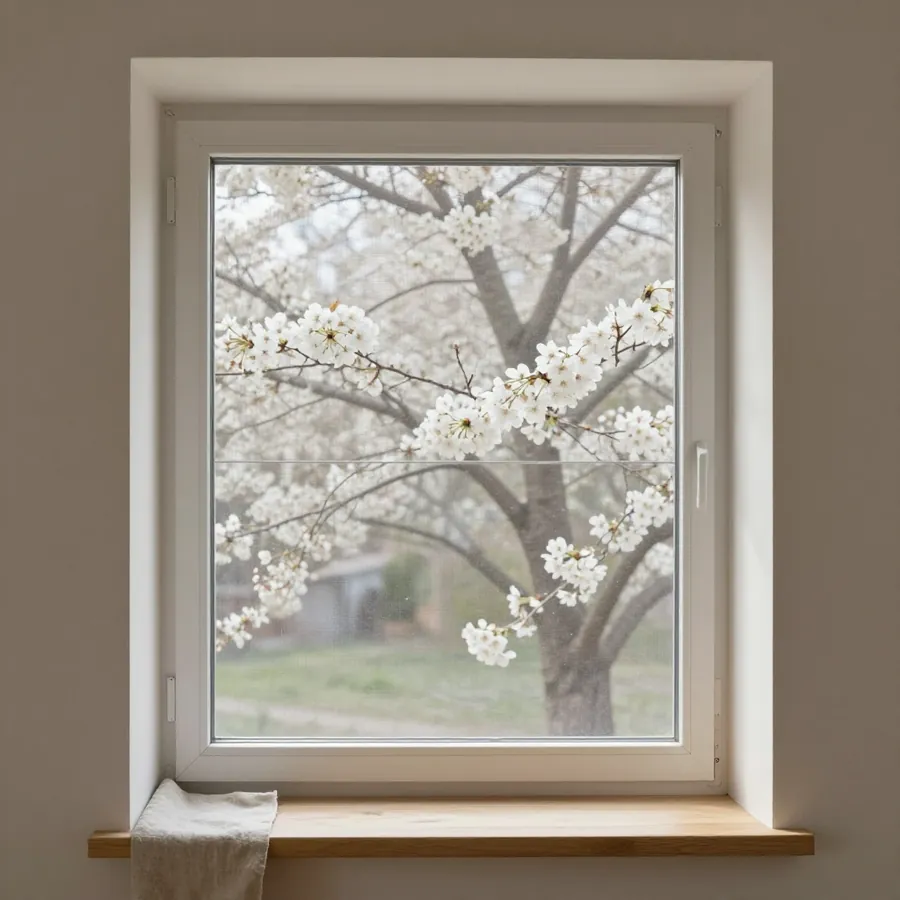
UltraVue
Lets through 25% more light and air than other meshes. Price from 7 900 ₸ per m².
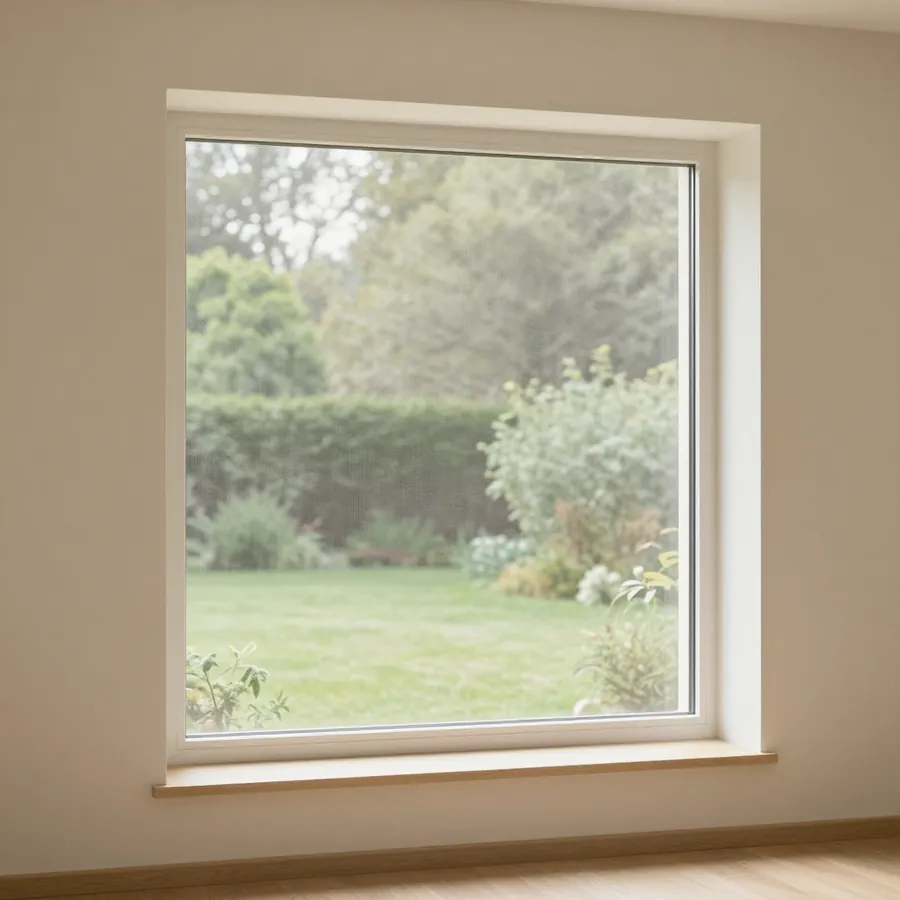
Four designs cover different needs: from an opening sash to a balcony entrance. Measuring and consultation are free, the technician will come at a convenient time.
All screen typesFor opening sashes, removed from inside in a minute
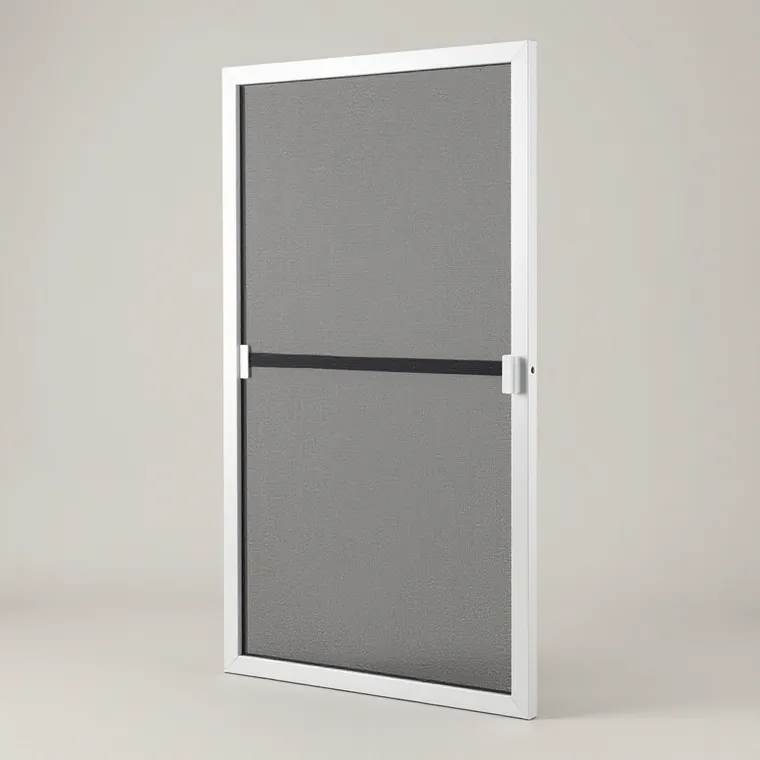
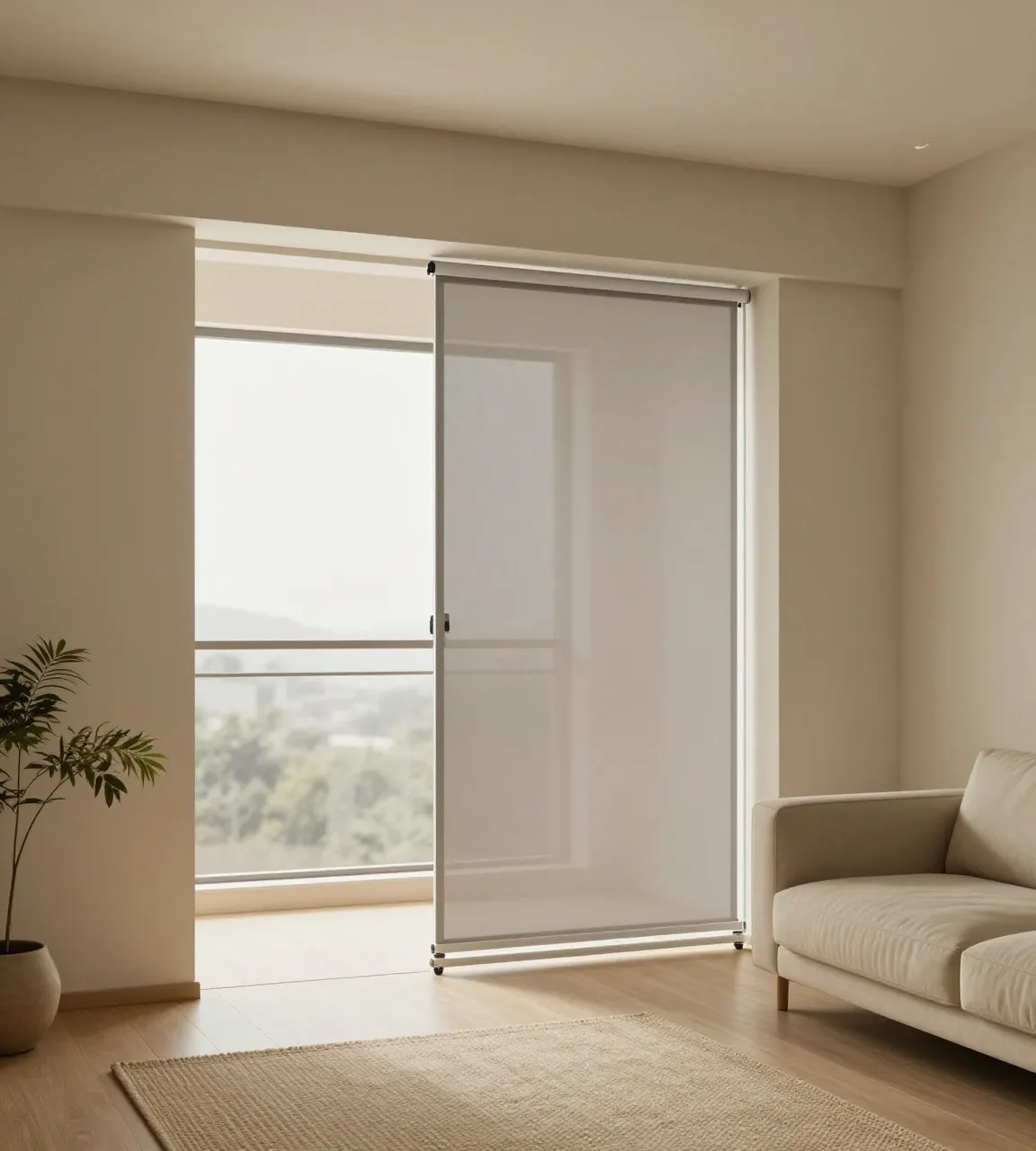
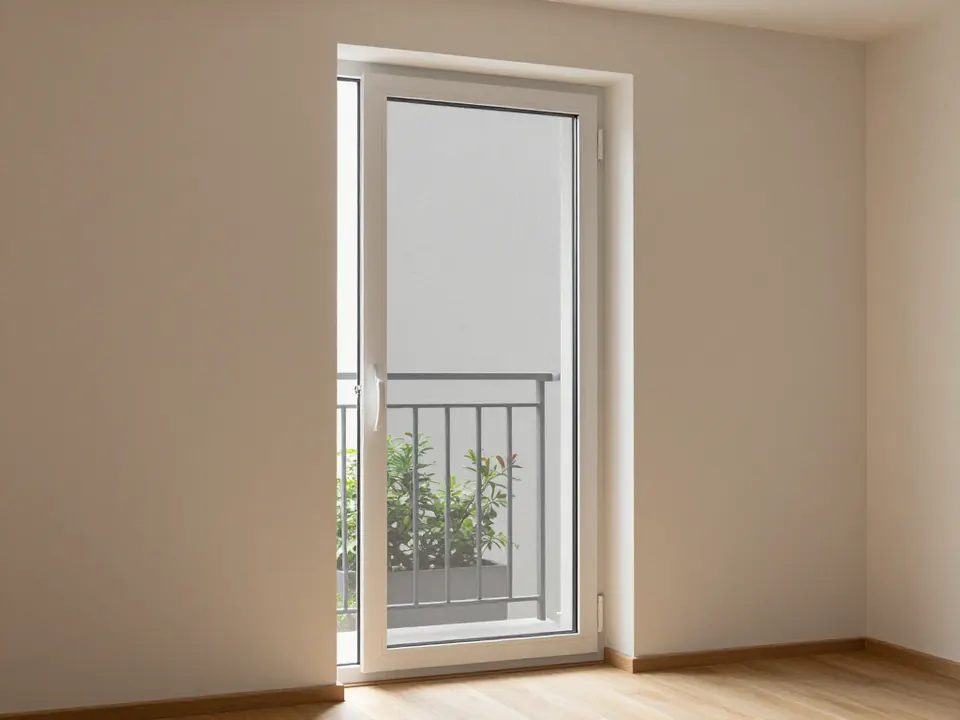
For balconies and loggias, mesh in guides
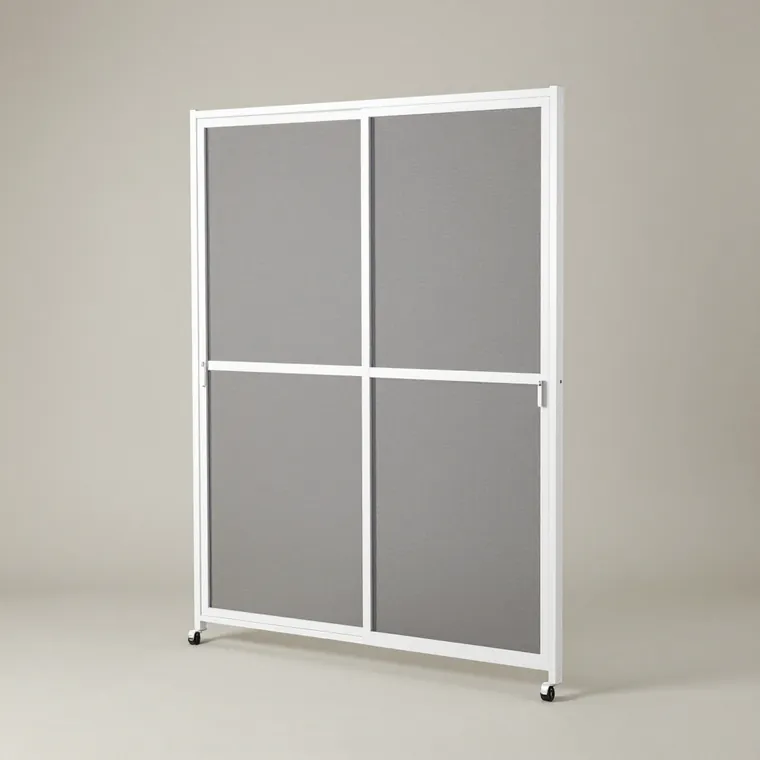
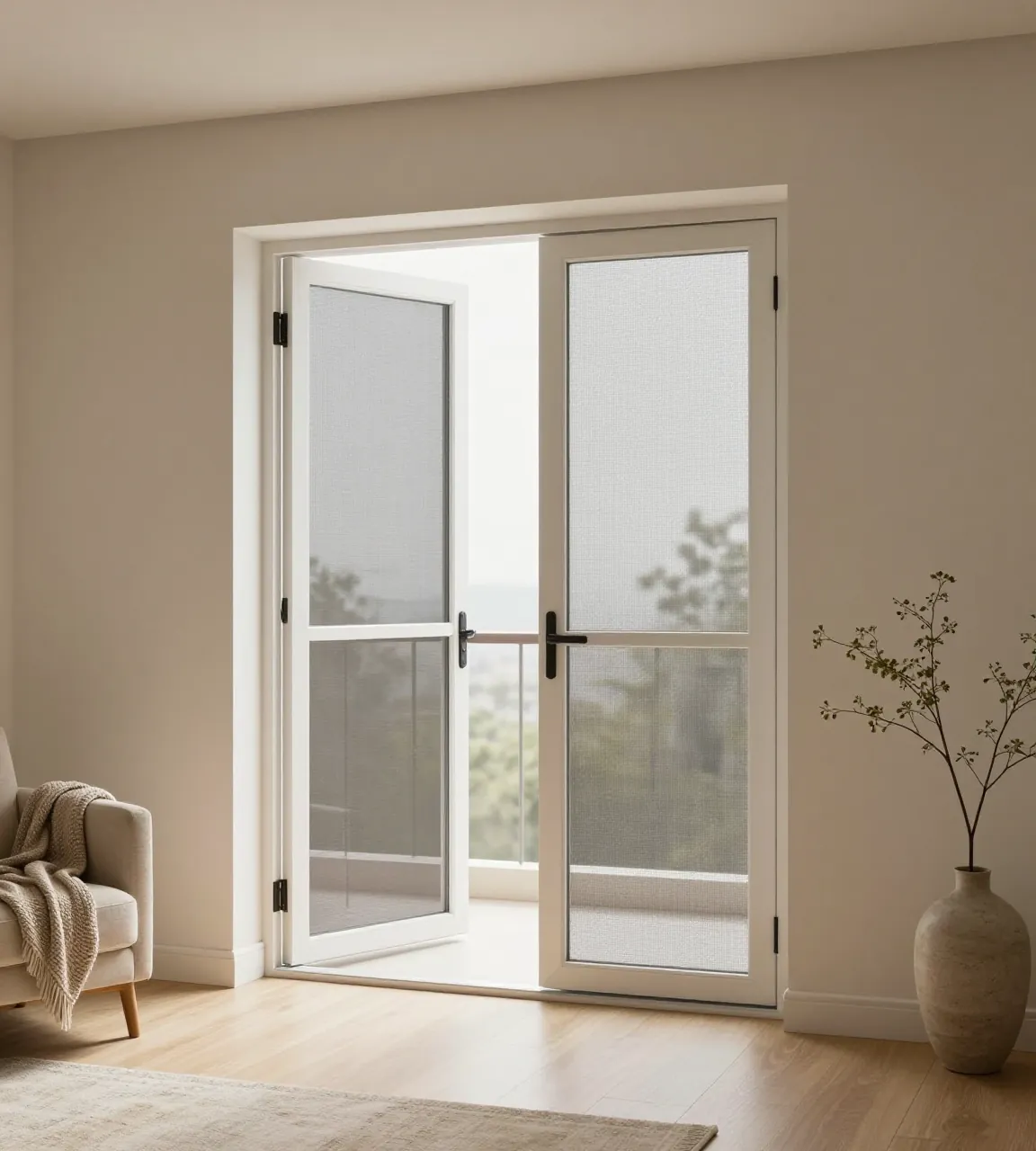
Frame with hinges, "Econom" 32×10 or "Prestige" 42×17 profile
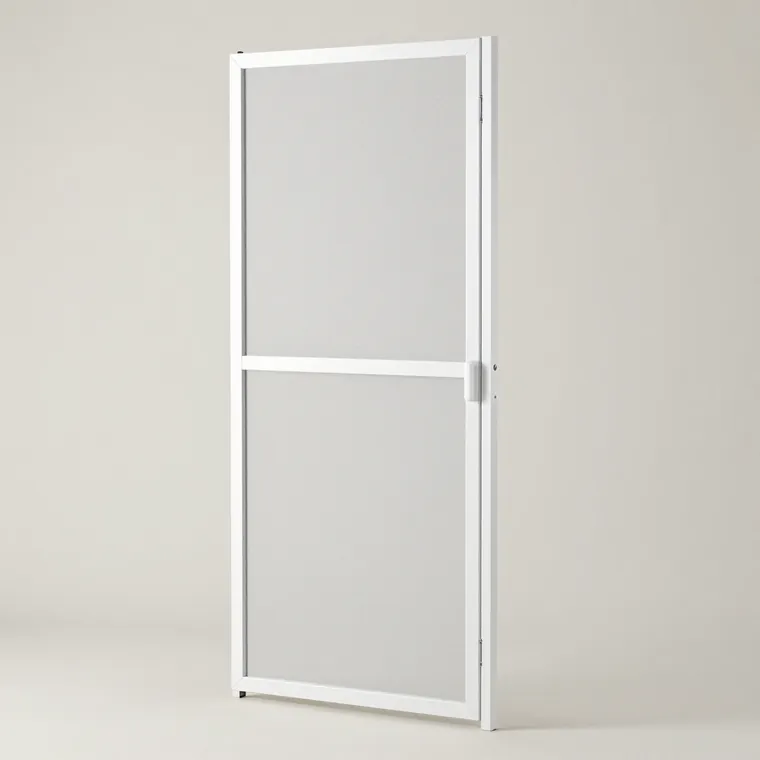
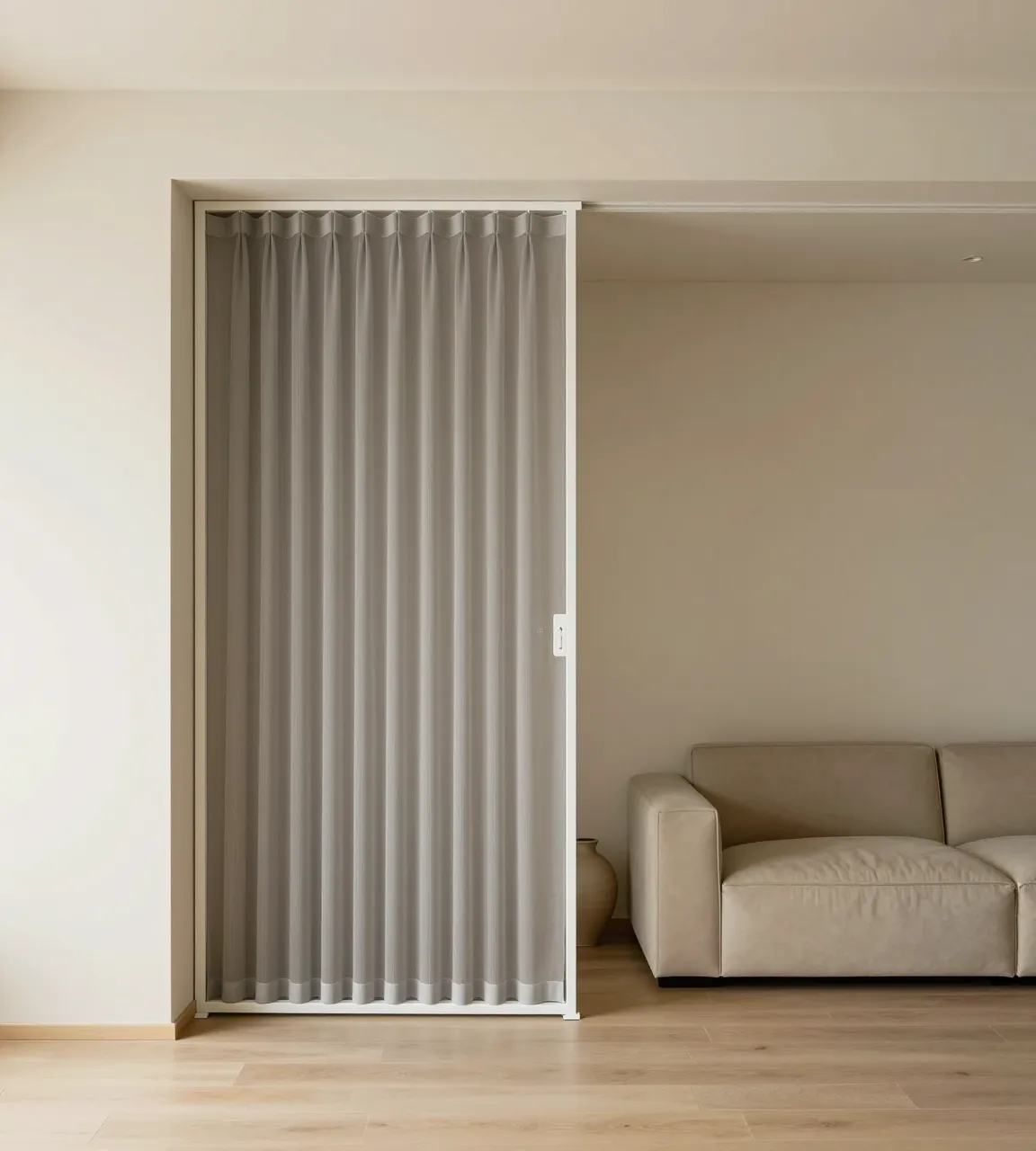
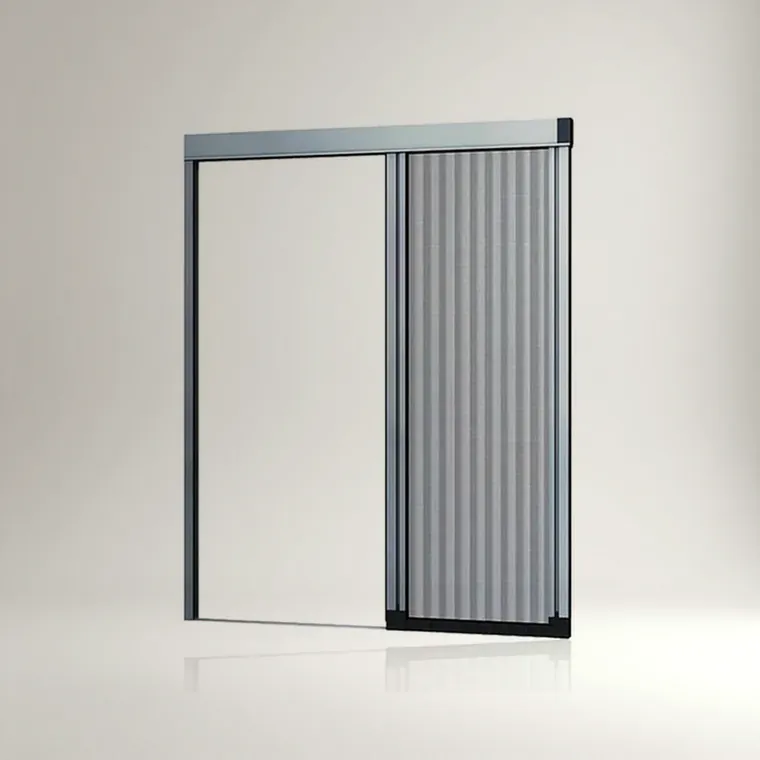
Folding mesh in a frame, made in 40–60 minutes
Five fabrics differ in mesh size and thread strength. The measurer will help you choose the right fabric for your windows and needs.
Fiberglass, resistant to fire and temperature changes
Basic fabric for protection against insects.
Pet Screen, vinyl threads withstand the weight of a small animal
Several times stronger than standard fabric.
Poll-Tex, mesh 0.25×1 mm, hypoallergenic
Traps pollen during the flowering season.
Fine mesh for dust retention
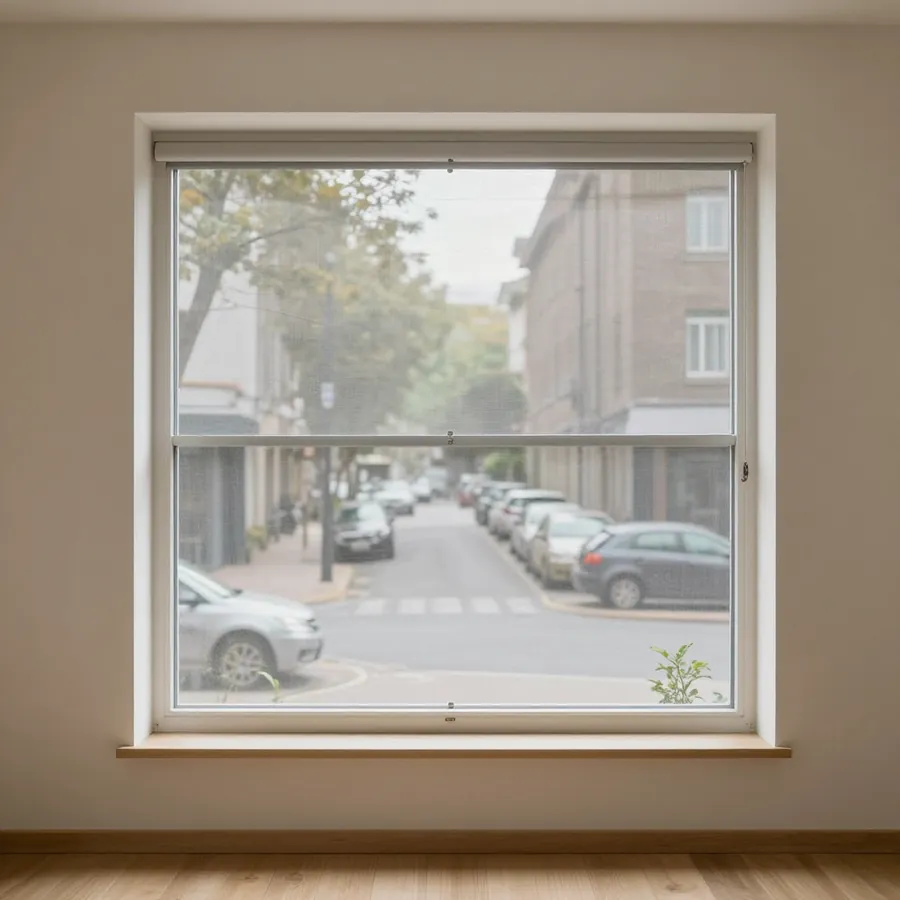
Less dust settles on the windowsill.
Transmits 25% more light and air than other fabrics
For windows where the view matters.
We install screens on plastic, wooden and aluminium windows, vent windows, loggia windows, gazebos and verandas. The measurer selects the fixings for your profile and floor.
View all solutionsSliding screen for the opening
Sliding or framed construction
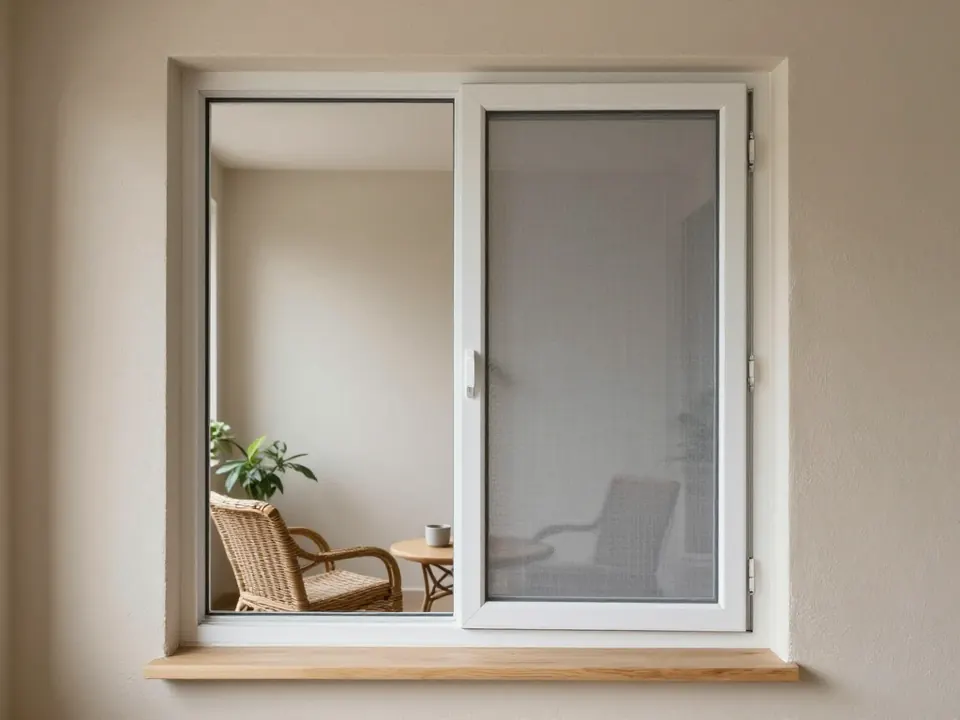
Framed screens for windows and vent windows
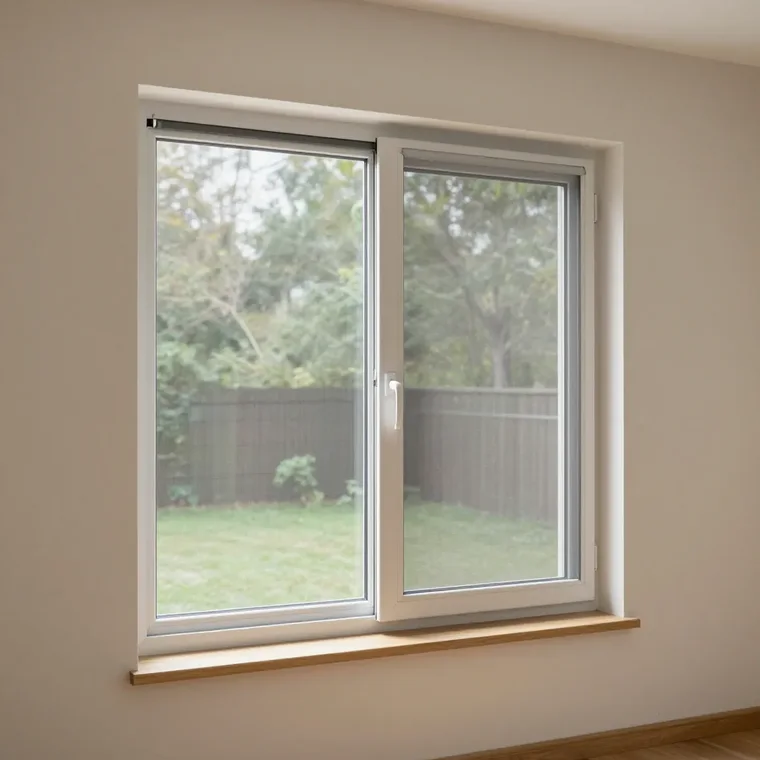
Hinged frame, profile "Econom" or "Prestige"
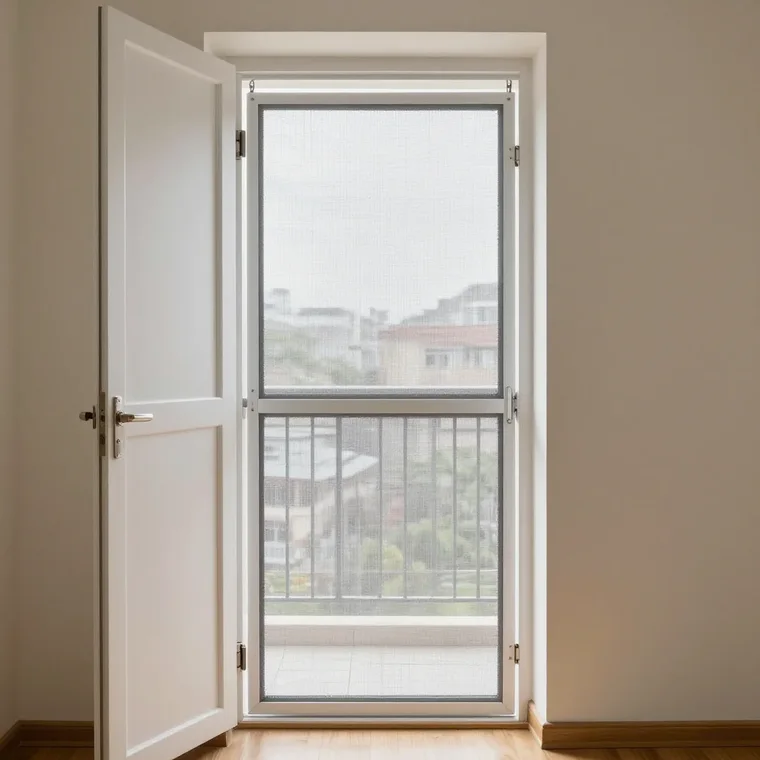
Framed screen for a sloped sash
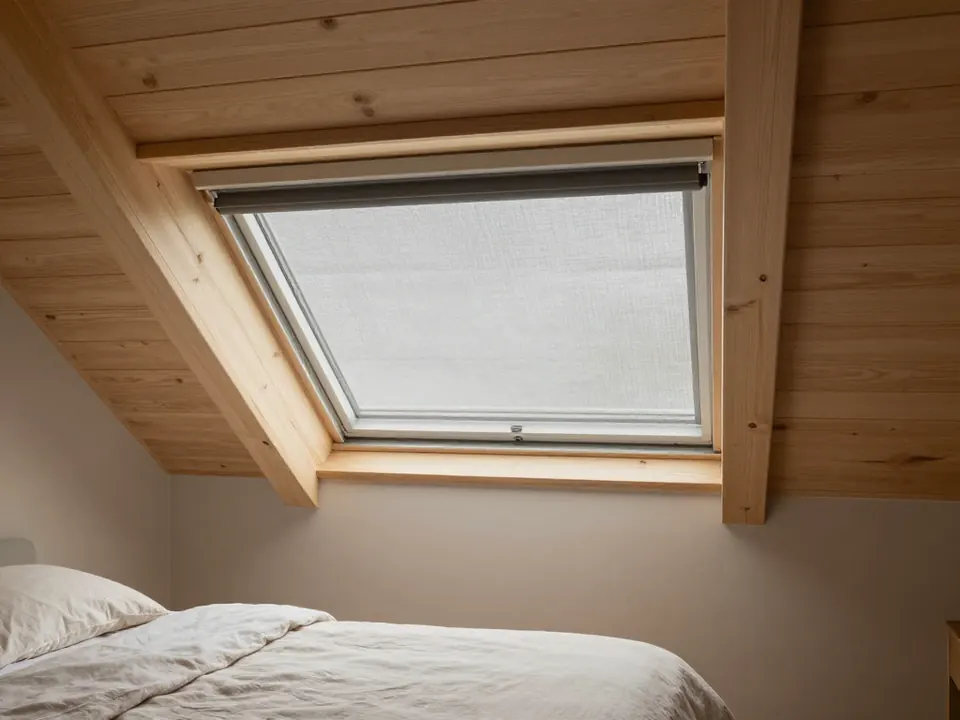
We select fixings for the window profile
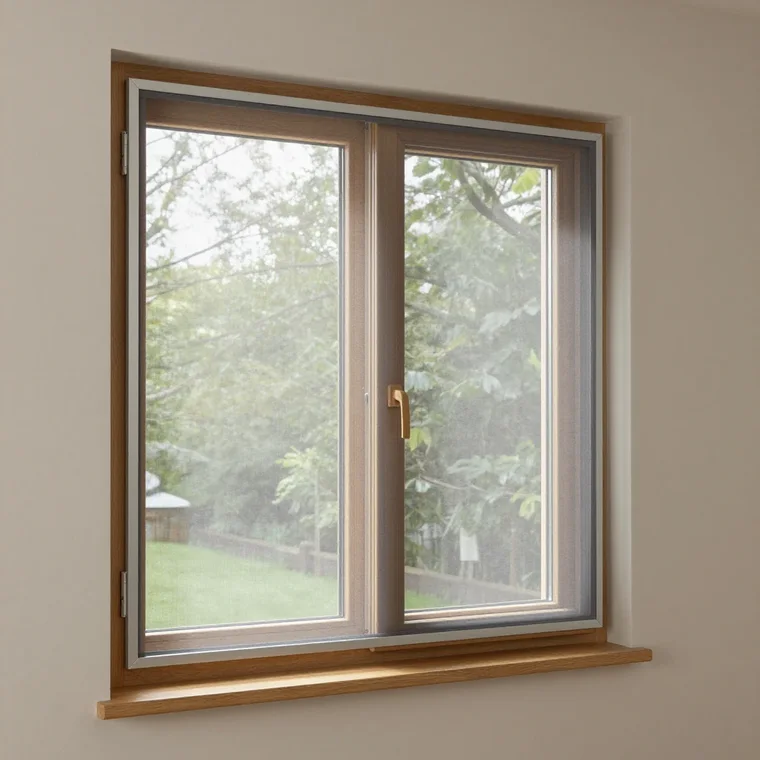
Enter the sash width and height in millimetres — the calculator will show the price of a framed screen with standard fabric.
1. Screen type
2. Mesh and design
3. Opening size, cm
The price depends on the type of construction, fabric and size; the exact amount is fixed in the order after measuring.
| Screen type | Price | Fitting | Making | Options and prices |
|---|---|---|---|---|
| Framed mosquito screen, Standard mesh (Fiberglass)Standard mesh, frame sized to the window | from 6 000₸ per m² | 1 600 ₸ | 10–15 minutes | "Anti-Cat" · 12 000"Anti-Dust" · 11 800"Anti-Pollen" · 12 200"UltraVue" · 7 900 |
| Sliding mosquito screen for balconies and loggiasStandard mesh, guides sized to the opening | from 17 400₸ per m² | — | — | |
| Hinged door mosquito screen, StandardStandard mesh, frame with hinges | from 15 200₸ per pcs | — | — | |
| Pleated mosquito screen, Standard meshFolding mesh in a frame | from 29 500₸ per m² | — | — | |
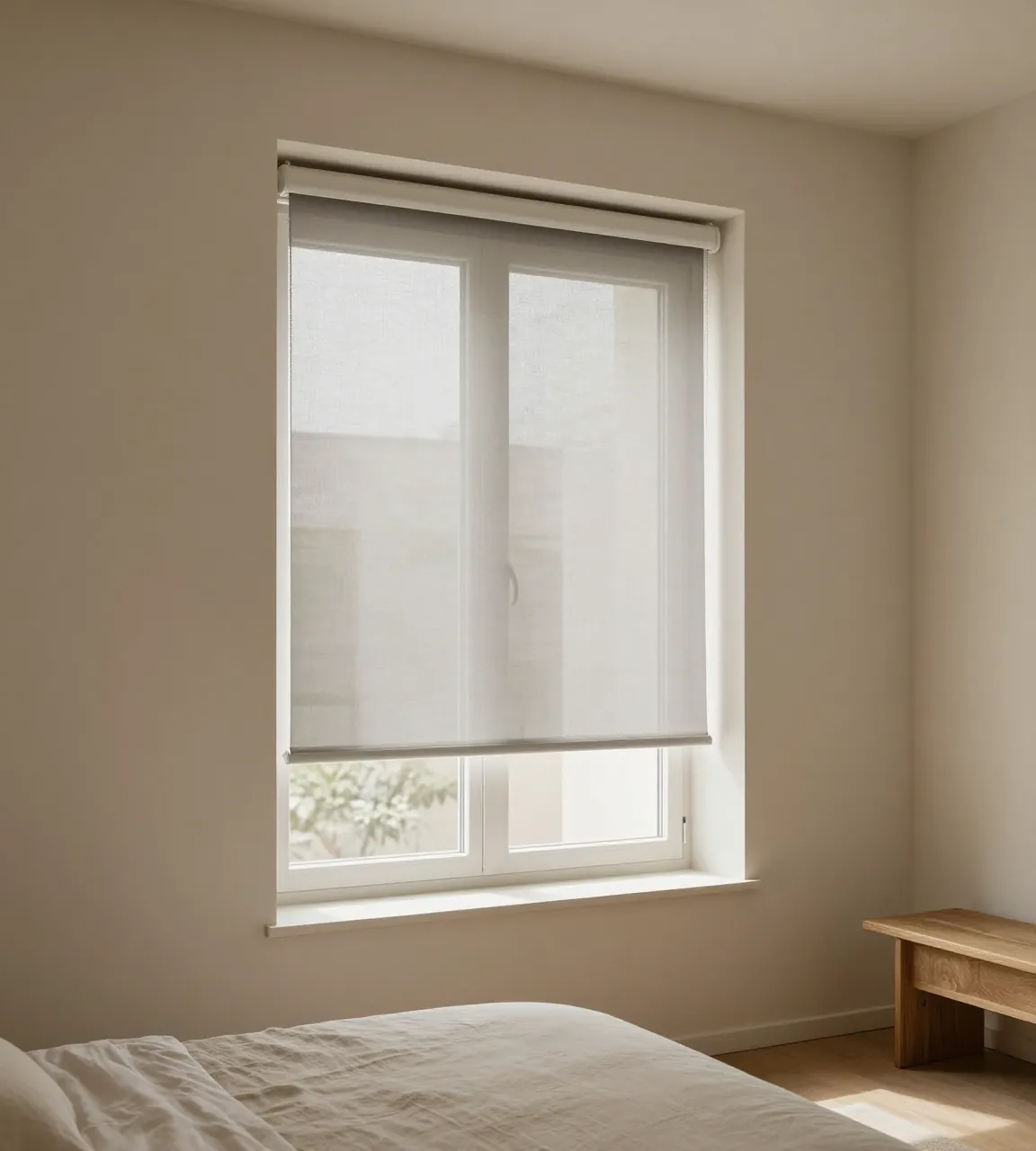
| Roller mosquito screen for windowsMesh in a roller cassette | from 16 200₸ per m² | — | — | |
| Mosquito screen with metal meshMetal mesh in a frame | from 11 500₸ per m² | — | — | |
| Re-meshing a frame with Standard meshReplacing the mesh in an existing frame | from 3 000₸ per job | — | — | |
| Replacement fixings (Z-brackets), setBracket set for one screen | from 970₸ per set | — | — |
The price is fixed in the order after measuring, with no extra charges during the work.Measuring and consultation are free.Payment after installation: cash, card or Kaspi.
Book a measuring visitThe screen protects the sash from mosquitoes and midges, and the fabric is chosen for the task: pollen, dust or animal claws.
We have been making screens in our own production since 2012, without intermediaries.
We make a framed screen to your dimensions in 10–15 minutes.
We paint the profile white, brown, grey or another colour.
1-year warranty on mosquito screens.
UltraVue transmits 25% more light and air than other fabrics.
Standard Fiberglass fabric does not burn and withstands temperature changes.
We repair screens and replace fixings without intermediaries.
Mosquito screens can be ordered in 17 cities of Kazakhstan.
Four steps from request to screen on the window; measuring and consultation are free.
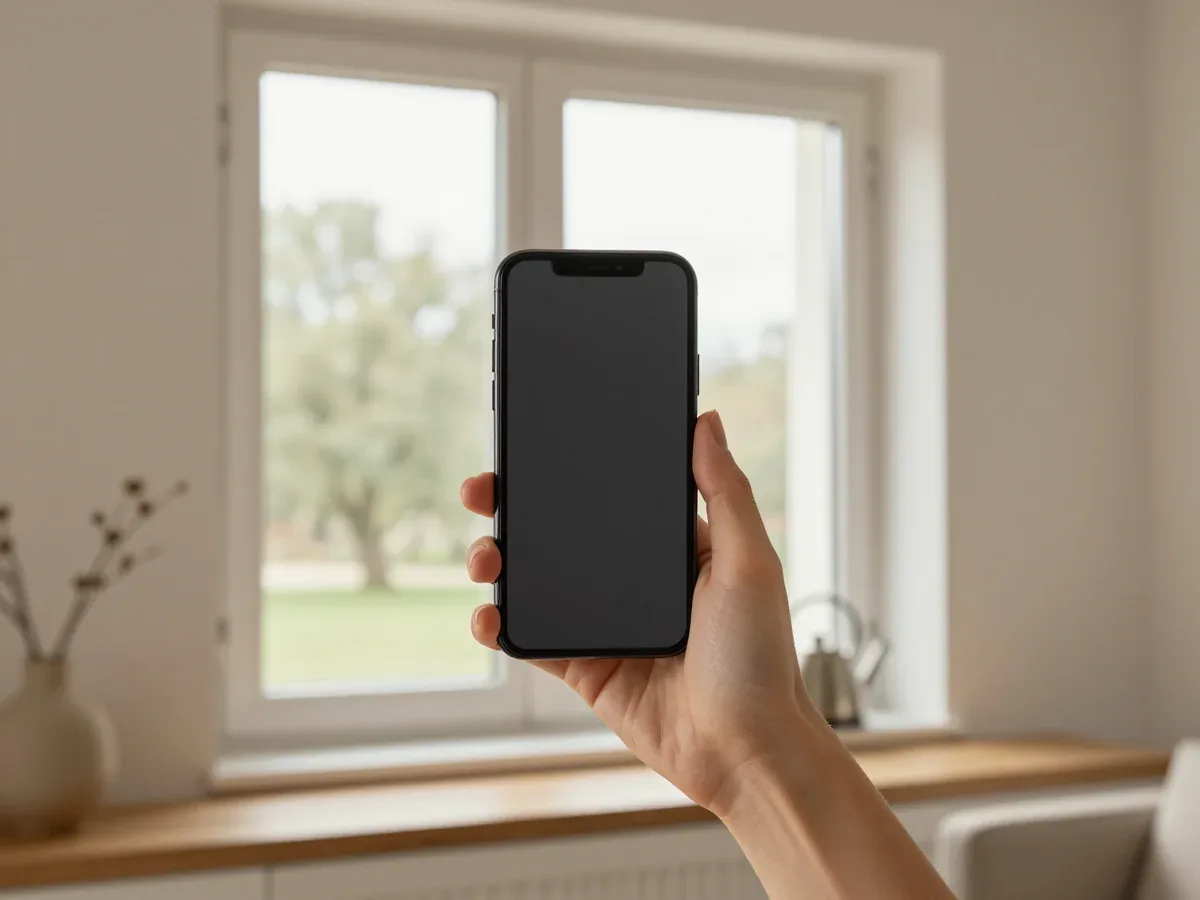
Leave a request or message us on WhatsApp — we reply within 5 minutes and agree on a measuring time.
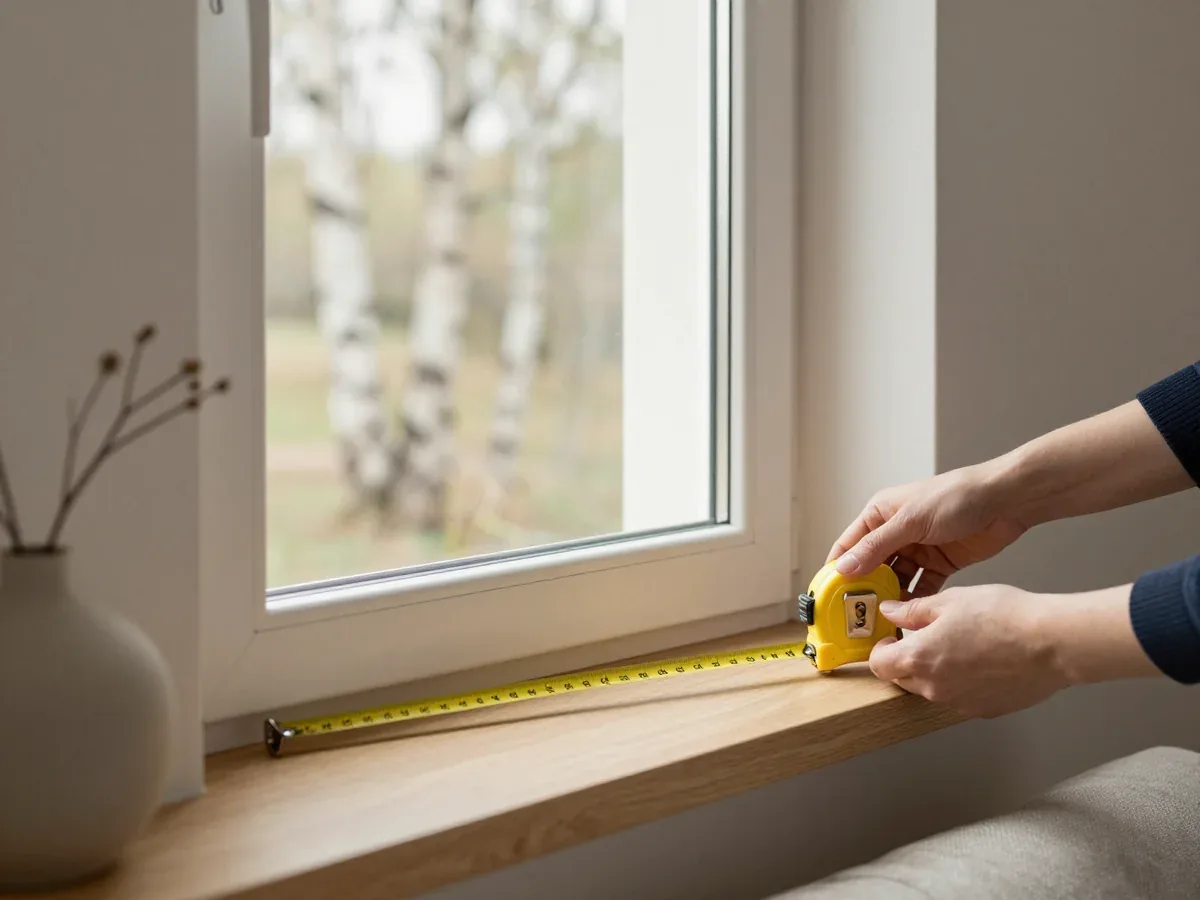
The measurer will come, take dimensions, help choose the construction, fabric and fixings. Measuring is free.
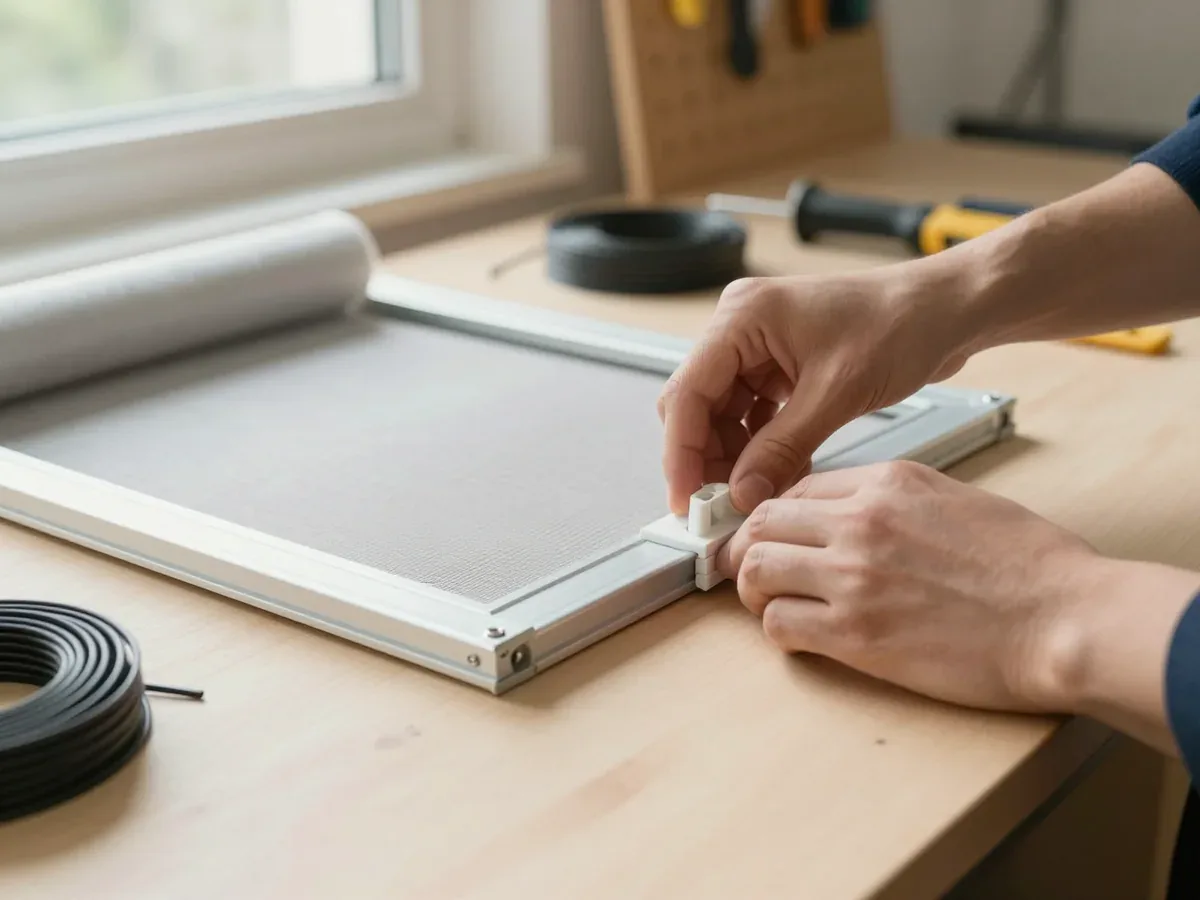
We make a framed screen to your dimensions in 10–15 minutes and paint the profile to match your windows.
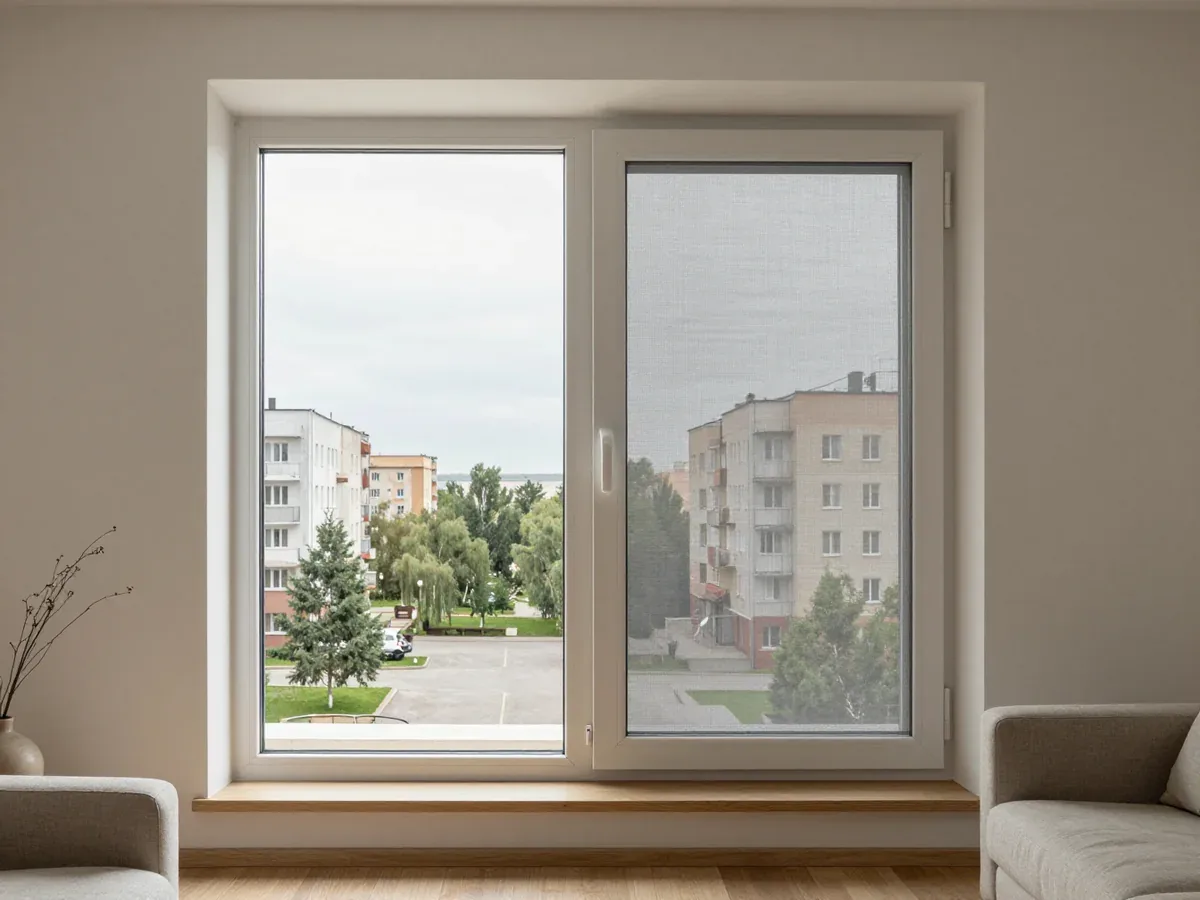
We deliver and install the screen on your window or door. You can pay after fitting — in cash, by card or via Kaspi.
Good to know

Senior mosquito screen specialist at moskitnyesetki.kz
We make mosquito screens Kyzylorda residents order to their own window and door sizes, with free measuring, fitting and a 1-year warranty. We offer framed, sliding, door, pleated and roller screens, five mesh types for pets, dust, pollen and daylight, and you pay only after installation.
The construction follows the place it goes and the way you open that sash or leaf — a standard window, a balcony door, an entrance or a gazebo opening. Below are five types and where each one belongs.
| Screen type | Best for | How it opens | Made to size in |
|---|---|---|---|
| Framed | standard windows, vents | lifts out from within | 10–15 minutes |
| Sliding | balcony and patio doors | slides sideways | to your size |
| Hinged door | entrance and balcony doors | swings open like a door | to your size |
| Pleated | doorways in constant use | folds into a cassette | 40–60 minutes |
| Roller | windows you open often | rolls up into a box | to your size |
We fit screens to plastic, wooden and aluminium windows, vents, loggia frames, and the openings of gazebos and verandas. A mesh on a wooden sash can take the same Z-brackets as on plastic, while aluminium loggia profiles often take pins because the wall is thinner. On a gazebo the span is usually wider than a home window, so the measurer checks rigidity before choosing a profile — a 42×17 mm Prestige holds a wide span better than the 32×10 mm Economy one. Homeowners across the city order for kitchen vents as often as for living rooms, since that is where the evening midges come in. On a gazebo, ask for the check first: a wide span on a soft profile sags at the middle within a season.
A mesh can sit on the inner or the outer face of the frame, and the choice affects how easily you reach it for cleaning and winter removal. An inner-mounted one is reachable without leaning out, which matters on upper floors where opening the sash to clean the mesh is awkward. An outside fit keeps the sill clear and lets a balcony leaf swing inward without catching anything. The fastener follows the same logic: Z-brackets hold a panel against the outer face, pins press into the profile on an inner fit, and magnets suit a light panel on a window you open daily. On a top-floor flat, choose the inner fit — cleaning an outside mesh from a fifth-floor sill is the one job people put off until it is clogged.
The mesh decides what a screen stops and how much daylight still reaches the room. We break down five canvases by the everyday problem each one solves — a cat, dust, pollen, weak light or plain insect protection.
| Mesh | Solves | Key property |
|---|---|---|
| Fiberglass (standard) | basic insect protection | resists fire and temperature swings |
| Ultravue | dark rooms, weak daylight | lets in 25% more light and air |
| Pet Screen | cats and small dogs | vinyl threads several times stronger |
| Anti-dust | dusty air | traps dust, still passes air |
| Poll-Tex (anti-pollen) | pollen allergy | 0.25×1 mm cell |
Pet Screen uses vinyl threads that are several times stronger than a standard mesh and hold the weight of a small animal. A cat that climbs the frame and pushes at the canvas will stretch an ordinary fiberglass weave within weeks, while the thicker vinyl strands of this canvas stay flat under the same load. We fit it into a rigid framed construction, because the strength of the weave only counts when the screen is held tight on all four sides. Claws catch on a loose mesh, so a Pet Screen fitted taut in a rigid frame lasts longer than the same mesh left slack.
For dusty summers the anti-dust mesh traps fine particles while still passing air, and Poll-Tex with its 0.25×1 mm cell is the pick for pollen allergy. Both canvases sit in the same frame options, so the choice comes down to what the air carries through the season — sand from the steppe or pollen from the trees along the river. Where a room feels dim, Ultravue lets in 25% more light and air than other meshes and changes how the window reads on a grey day. A finer cell blocks more, but it also needs cleaning more often, so a pollen mesh on a ground-floor window benefits from a quick rinse every few weeks.
The order moves through four clear steps: a free measuring visit, making the screen to your size, delivery and fitting, then payment once the screen is up. Below is each step with the timings we actually work to.
Measuring and consultation are free, and the measurer comes at a time that suits you to take sizes and help choose the design, mesh and fixings. He works through the opening itself rather than a standard list: window profile, sill depth, the floor level and how the frame will sit against the wall. On a balcony door he also checks which way it opens and whether a hinged leaf has room to swing clear. The appointment usually takes a short while, and you leave it knowing the construction, the fabric and the fastening rather than guessing between options. The specialist also looks at the window profile and the floor level, because those two details decide which fixing will hold the product securely — a bracket that suits a third-floor flat may be wrong on the ground floor.
A framed screen made to your size takes 10–15 minutes, and a pleated one 40–60 minutes. Those are workshop times for the assembly itself, not a queue you sit in for days: the frame is cut, the fabric is rolled in and the corners are joined while you wait. Pleated models take longer because the folded cloth has to be set into its guide rails and tensioned evenly, and a door leaf with a heavier profile adds a few minutes on top. We paint the frame any colour to match your windows, which is done before assembly so the finish is dry by the time the product is fitted. Because each unit is assembled to your sizes rather than cut from stock, the measuring figures have to be exact, which is why the visit comes before any work starts.
We deliver and fit screens on windows and doors, and you pay after installation by cash, card or Kaspi. Fitting covers the brackets, pins or magnets the measurer selected, and we check that the leaf opens, closes and latches before we pack up. We also repair torn fabric and change fastenings on units already in use, so a ripped panel or a bracket pulled out of the frame does not mean buying a new one. The price is fixed in the order after measuring, so the figure you agree at the visit is the one you settle once everything is up. Nothing is paid up front, and the order sheet you sign carries the same amount through to the fitting.
The fixing is matched to your window and floor rather than pulled at random from a box. Three types cover almost every case, and each treats the window differently.
| Fastening | How it holds | Best when |
|---|---|---|
| Z-brackets | hooks onto the edge | larger framed units |
| Pins (plungers) | spring into the groove | clean look, no drilling |
| Magnets | snap on and lift off | frequent removal |
Pins and magnets hold the mesh without drilling into the plastic, so the sash stays as it left the factory. A PVC section is not solid inside — it is a set of hollow chambers with thin walls, and a screw driven in the wrong spot can crack a wall or open a path for moisture. Pins sit in the existing groove, and magnets clamp to the surface with a thin steel plate, so neither adds a new hole. Z-brackets hook over the outer edge and need no fastener through the chamber at all. The measurer checks the depth and the floor before choosing, because wind load on an upper storey changes what holds a large framed unit securely.
A framed unit lifts out from inside in about a minute, and it is worth removing for winter. The construction is light enough for one person to handle, and no tools are needed once the fixing is set. Store it flat behind a sofa or against a wall rather than folded or leaned on a corner, because a bent edge no longer seats evenly in its brackets. Keeping the mesh out of snow and ice also protects the fabric from stiffening and cracking along the folds. In spring the unit goes back the same way it came off, and the fastenings stay where they were set.
Once the screen is fitted, three practical questions stay on the table: how long the warranty runs, what to do if the cloth tears or a bracket works loose, and whether the frame can be finished to match your windows.
Every screen we make carries a 1-year warranty covering the frame, the cloth and the fastenings we supply. If a spline pulls out, a corner joint opens or a bracket bends under normal use, we inspect it and put it right. Cover runs from the fitting day, not from the day the order was placed — that matters when a made-to-size unit waits for a convenient installation slot. A warranty is only useful when the maker is also the fitter, so keeping production and installation with one team means one point of contact if a fault appears. The cover handles manufacturing and fitting faults, not damage from a fall, a pet chewing through the fabric or a sash slammed on the frame.
We repair screens and replace fastenings, so a torn cloth or a bracket that has worked loose does not mean you need a whole new unit. A panel that has pulled out of its spline can usually be re-tensioned in the existing frame, which keeps the original finish and the shade you chose. Bent Z-brackets, worn pins and weak magnets are swapped for fresh ones matched to the window and the floor, the same way the measurer picked them at the start. A frame that took a knock can have a single damaged corner piece replaced instead of the whole assembly. A cheap fix fails fastest: cloth stapled back into a split groove comes loose again within weeks, so we re-seat the spline properly. A unit only a season old with one small hole is almost always worth repairing.
We paint the screen frame any colour to match your windows, so the screen reads as part of the window rather than an add-on. The surround is finished to the shade you name, whether your windows are white, anthracite, a wood-effect laminate or coloured aluminium, and the paint goes on before the cloth is fitted so the spline groove stays clean. Matching the surround to the window colour matters most on a front facade, where a bright white unit against a coloured sash stands out from the street. On a rear elevation or a loggia the shade matters far less than the cloth itself. If your windows are a non-standard shade, bring a sample or a photo to the measuring visit so the finish is matched to the actual colour rather than to a name on a chart.
The order is taken by a direct maker with its own fitters, so the people who measure your window also build and fit it. Here is how the work runs locally and how far the service reaches.
We are a direct maker with our own fitters, so the team that measures your window is the team that builds and fits the product. Nothing is passed to a third party between the first visit and the finished frame. We have been making protective screens for years, and every framed model is cut and assembled to the millimetre sizes the measurer writes down on site. When one team handles measuring, production and mounting, a size that does not match is caught before the unit leaves the workshop rather than after it hangs on the window. Ask who will actually build the frame — a maker who names its own workshop and fitters can answer that question in a single sentence, and that answer tells you more than any catalogue photo.
We reply on WhatsApp within 5 minutes and are open seven days a week. We are open seven days a week, so you can write at the weekend and still get an answer about construction, mesh or timing. Sending a photo of the window with your message lets us suggest a design and a fabric before the measuring visit, which shortens the first conversation. A close-up of the frame edge and one of the whole opening are usually enough to tell a framed model from a sliding one and to see whether the profile has room for Z-brackets. Write down the approximate width and height in that message — the measurer then arrives with the right profiles on hand instead of coming back a second time.
Protective screens can be ordered in 17 cities of Kazakhstan, with Kyzylorda served by the same measuring, production and fitting process. A shared process across the country means the mesh and profile options you see here are available wherever the order is placed. Local fitters work to identical sizes, the same five fabrics and matching frame colours, so a unit made for a flat in one city meets the standard used in another. We deliver and install screens on windows and doors, and we also repair meshes and replace fastenings. For residents of the city, that means the installation of mosquito screens in Kyzylorda follows the identical sequence as everywhere else, with no separate local shortcuts or substitute parts.
A screen that fits the opening and the problem behind it lasts longer than one bought on impulse. These five checks keep the order simple.
Installation without drilling, production times, repair, care, doors, light
Konstantin Selenenkovsenior mosquito screen specialist, 10 years in the tradeOnline · replies within 5 minutes
Ask a questionFor PVC windows, a framed screen is held by Z-brackets or plungers that fit into the profile groove. Whether drilling is needed depends on the window, and the surveyor will determine this during the free measuring visit. The screen stays secure and can be removed without tools.
Yes, we make a framed screen to your dimensions in 10–15 minutes. But if the dimensions are inaccurate, it is better to call a surveyor who will take correct measurements free of charge. We make pleated screens in 40–60 minutes.
A small cut can be sewn up, but more often the mesh needs replacing. We repair screens and replace fixings, and if heavily worn, we install a new mesh in the old frame. We will give an exact assessment after inspection.
Anti-Pollen only needs vacuuming once a month with a soft brush or washing with water so the fine 0.25×1 mm mesh does not clog. Do not scrub with stiff brushes as they damage the thin mesh. Regular care maintains air exchange.
Yes, we install door screens on hinges. They feature a reinforced frame (Economy 32×10 mm or Prestige 42×17 mm) and a stronger mesh designed for frequent opening. The fixings are also more powerful to withstand the load.
UltraVue lets through 25% more light and air than other meshes, and it is noticeable: the room looks brighter, especially on the north side. At the same time, the mesh cell is fine, so it protects against dust and insects no worse than a standard screen.
Choose your preferred map service — we'll route you to the office.
21 Aiteke Bi St
09:00–19:00, 7 days a week
Open in 2GISThank you. We will call you back within 10 minutes!
Your order number is on the receipt or in the SMS. Choose where to leave your review.
Write a review on WhatsApp


