
Good to know
Mosquito screens Aktobe with free measuring and fitting

Senior mosquito screen specialist at moskitnyesetki.kz
We make mosquito screens Aktobe homeowners can order by size, with a free measuring visit and fitting by our own fitters. We build framed, sliding, hinged door, pleated and roller screens from five meshes, paint the frame to match your windows, and back every screen with a 1-year warranty. Pay after installation.
Which mosquito screens fit your window, door or open-air space
The construction follows the opening, not the other way round: a casement window, a balcony door, an entrance and a gazebo each take a different frame and fastening. Below are the four scenarios a measurer meets most often.
Framed, sliding, pleated or roller for a standard window
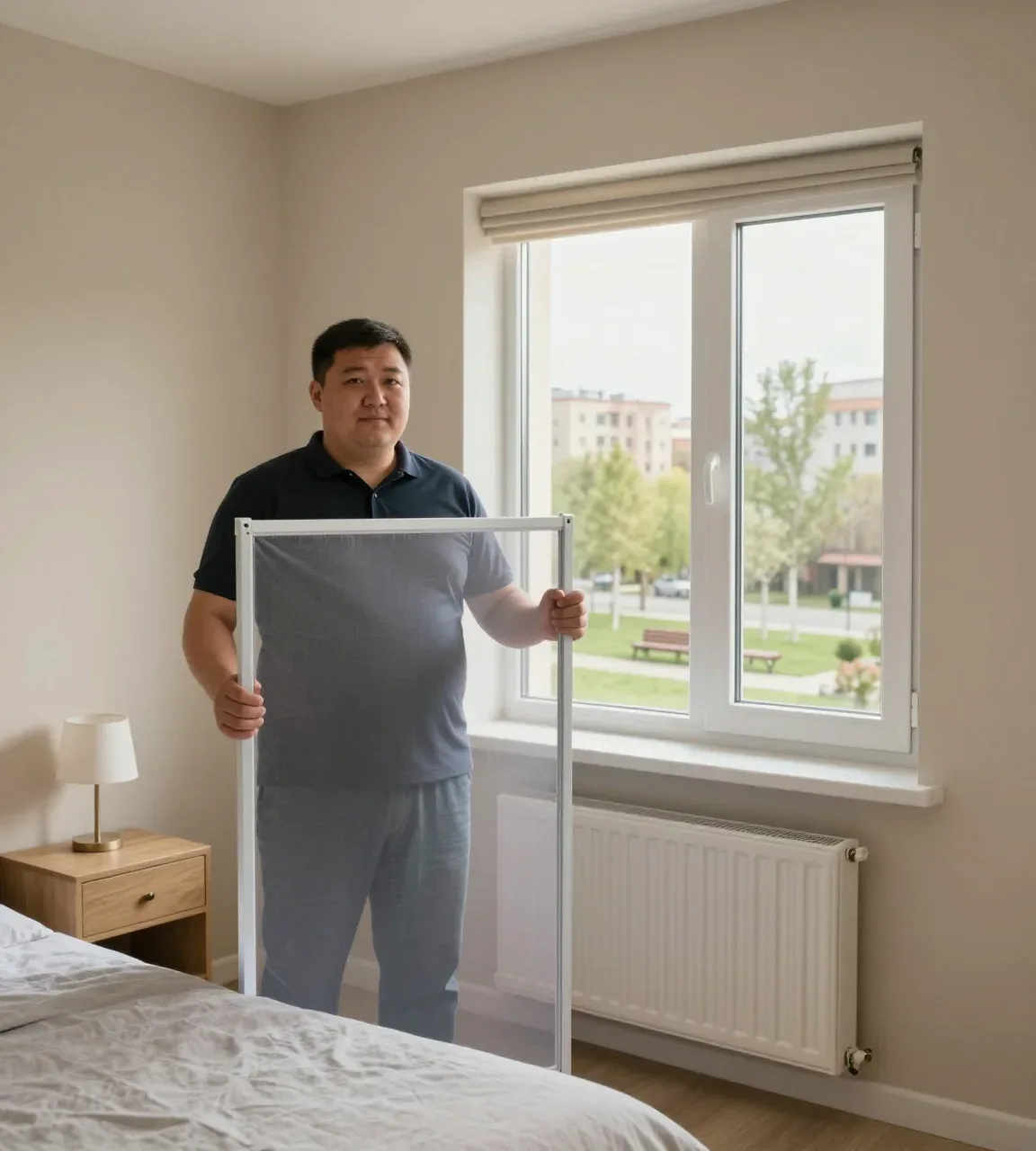
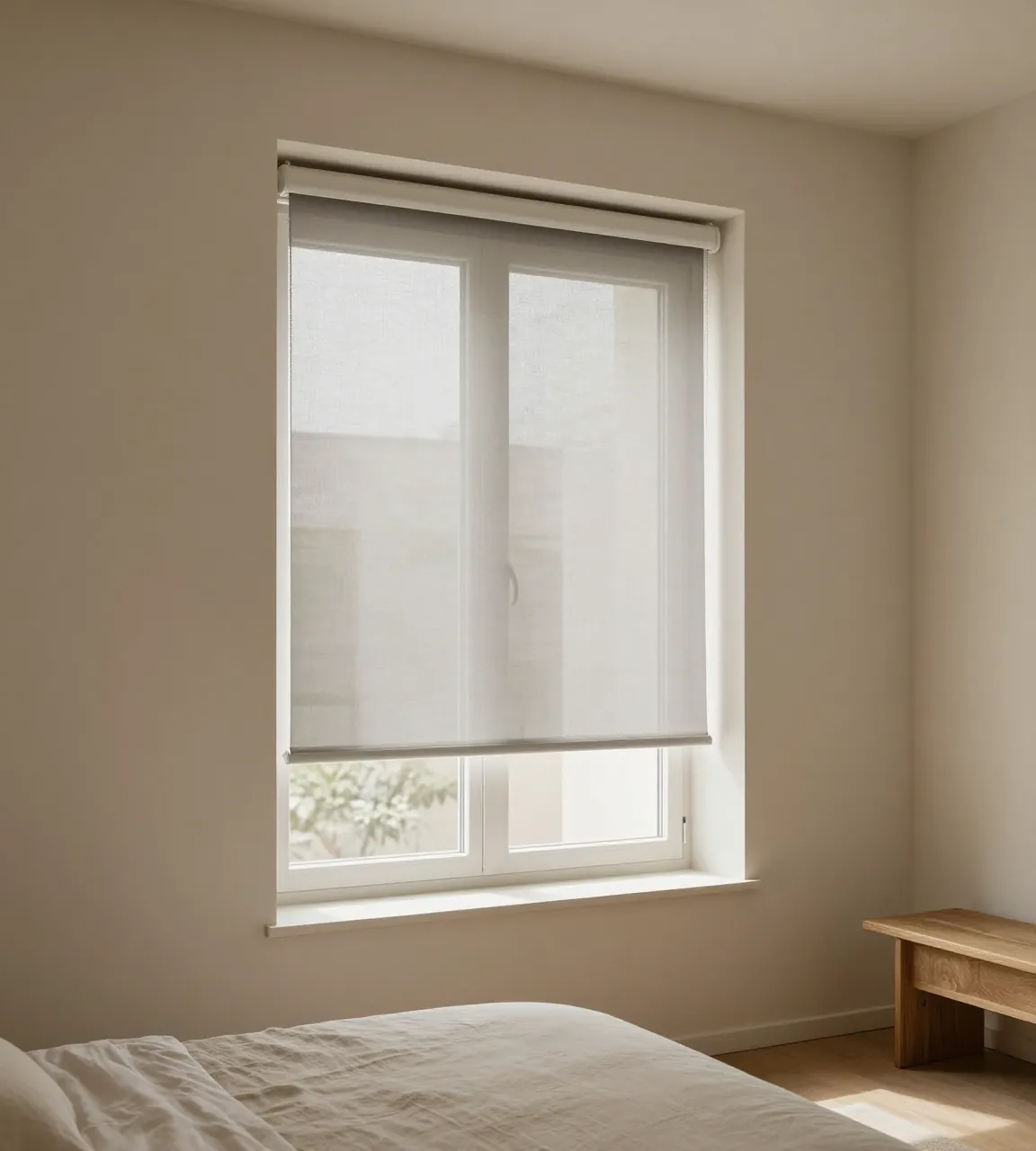
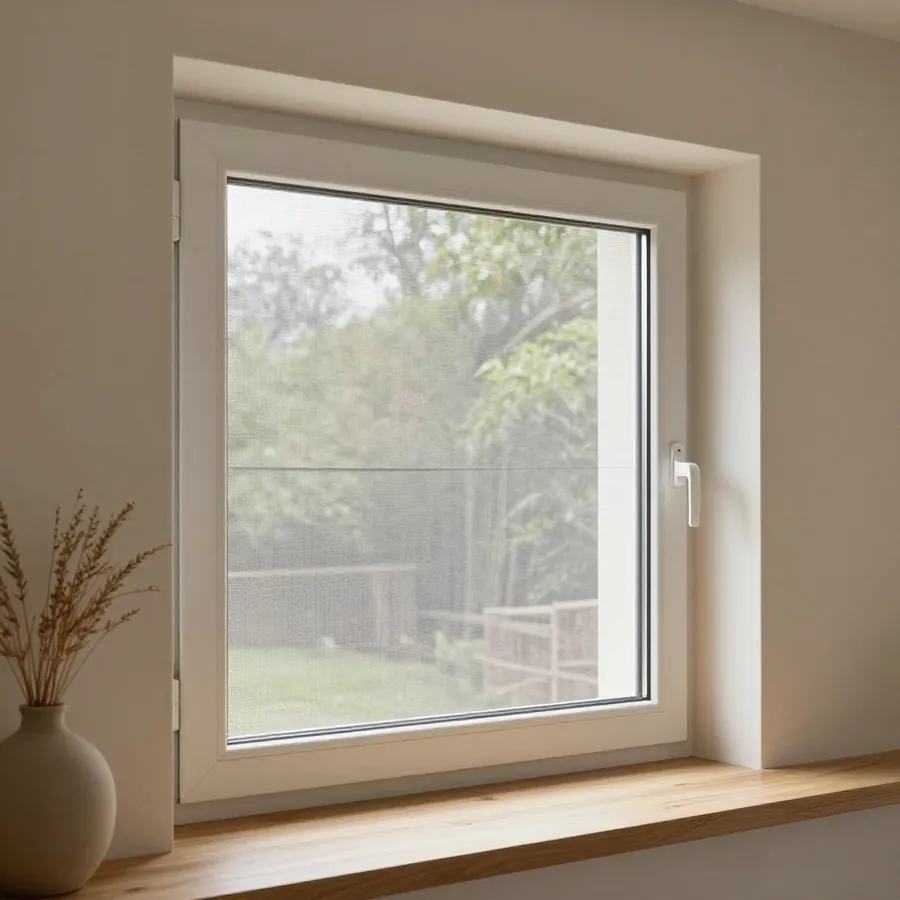
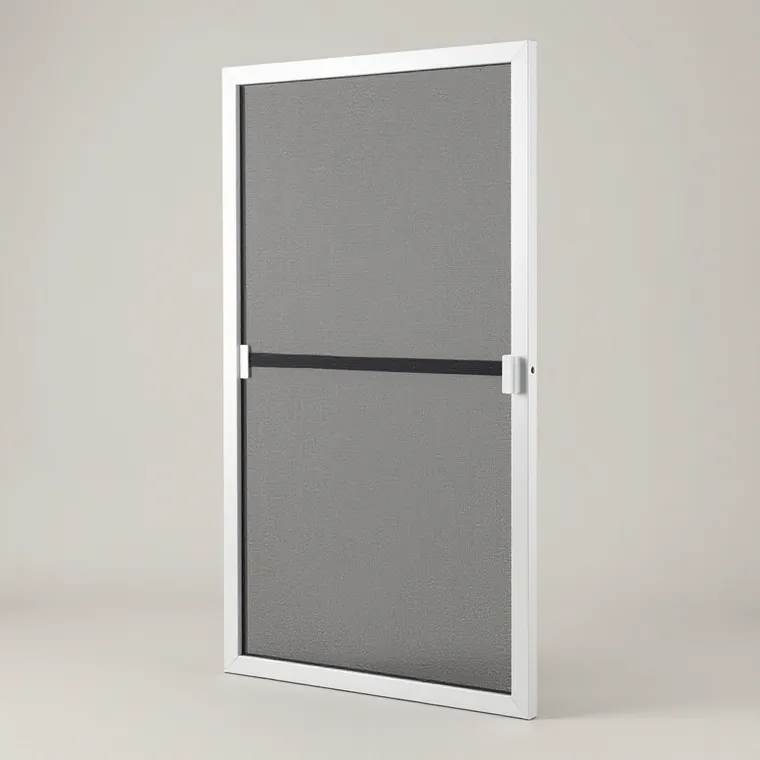
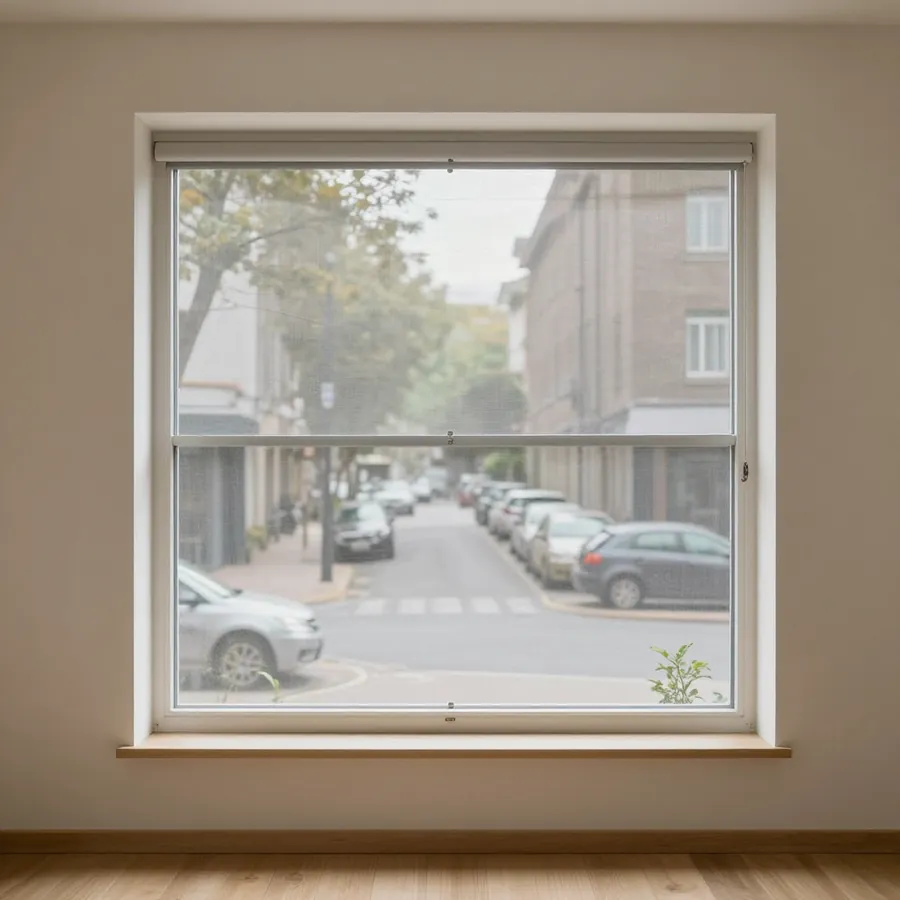
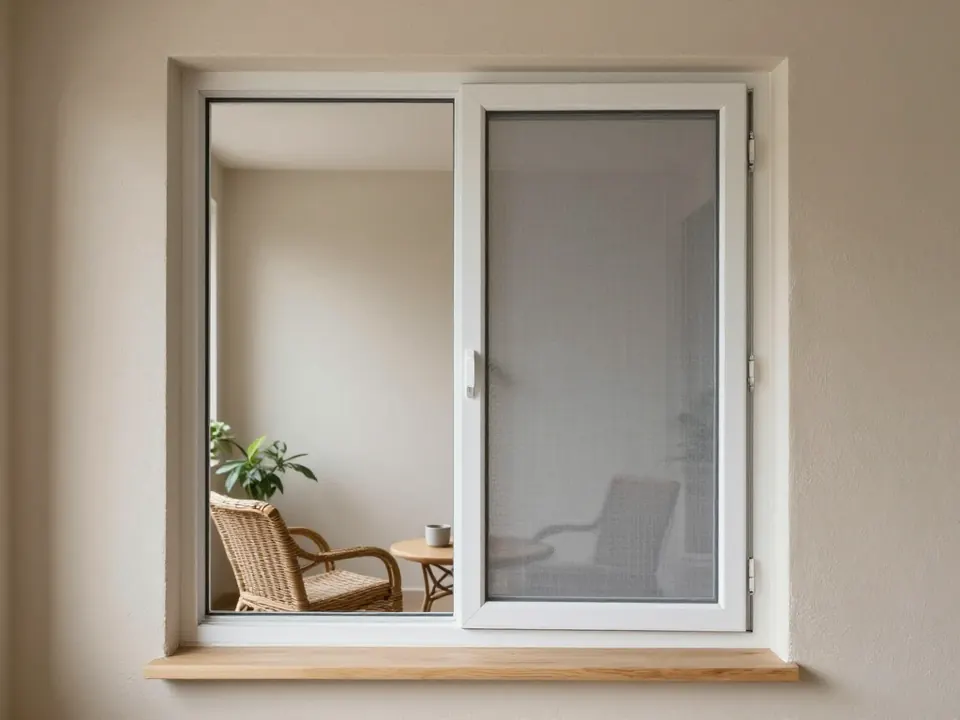
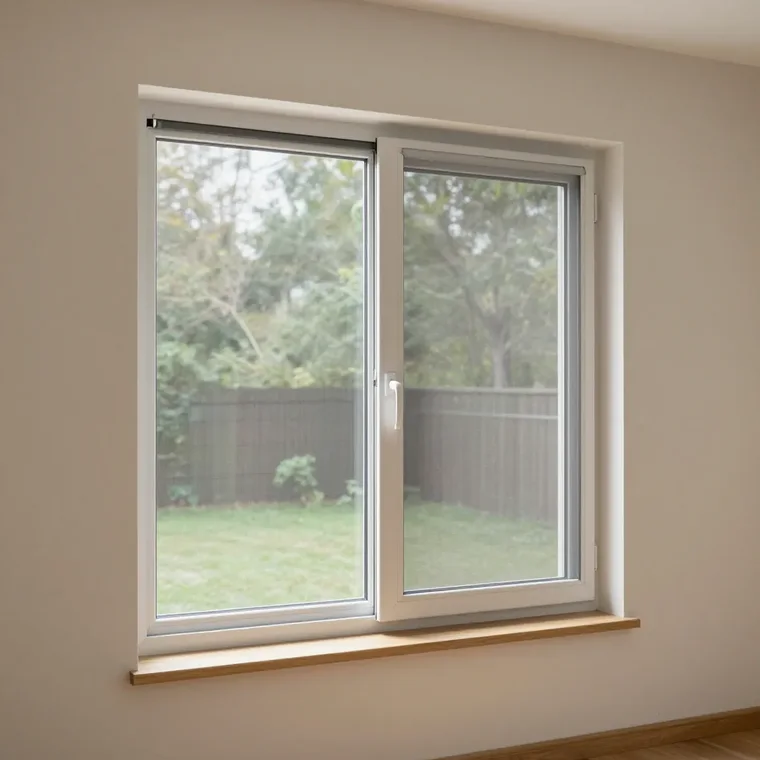
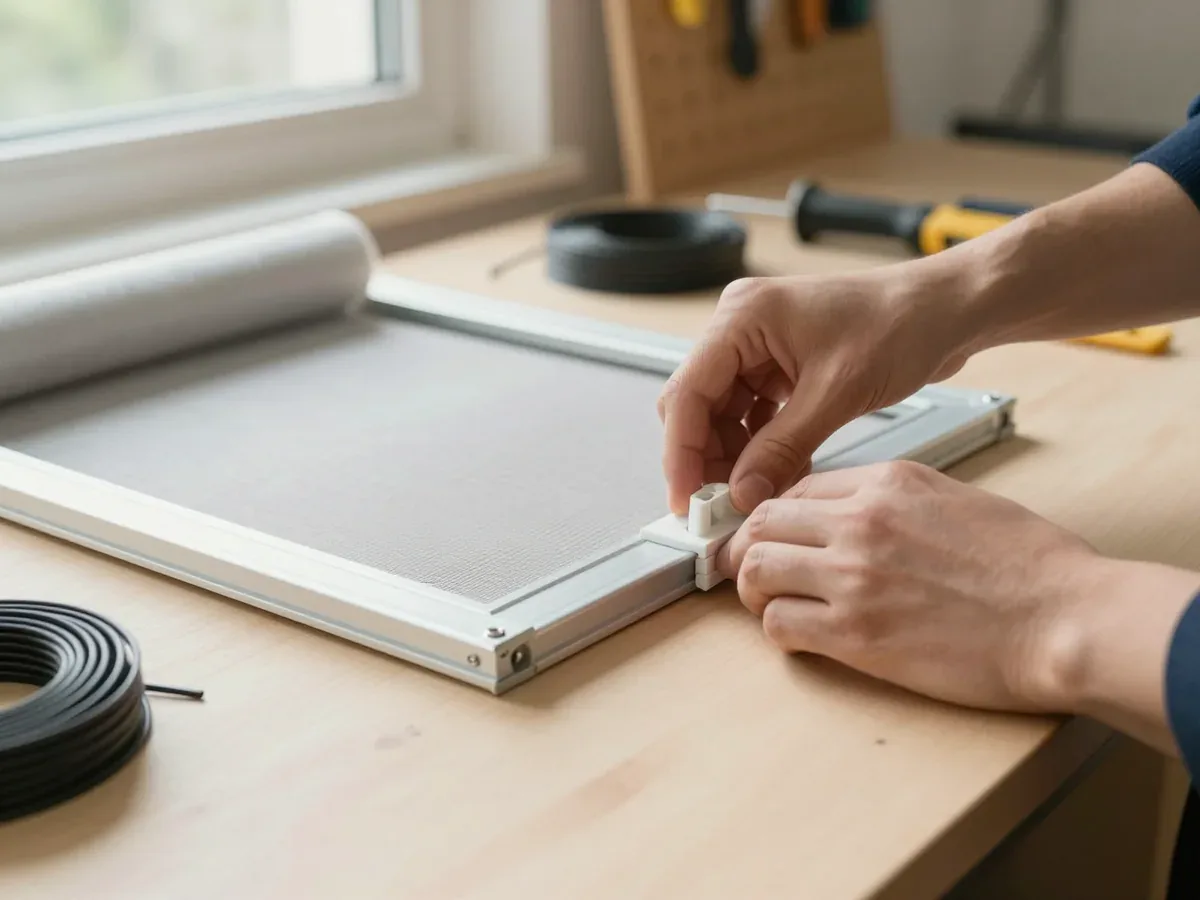
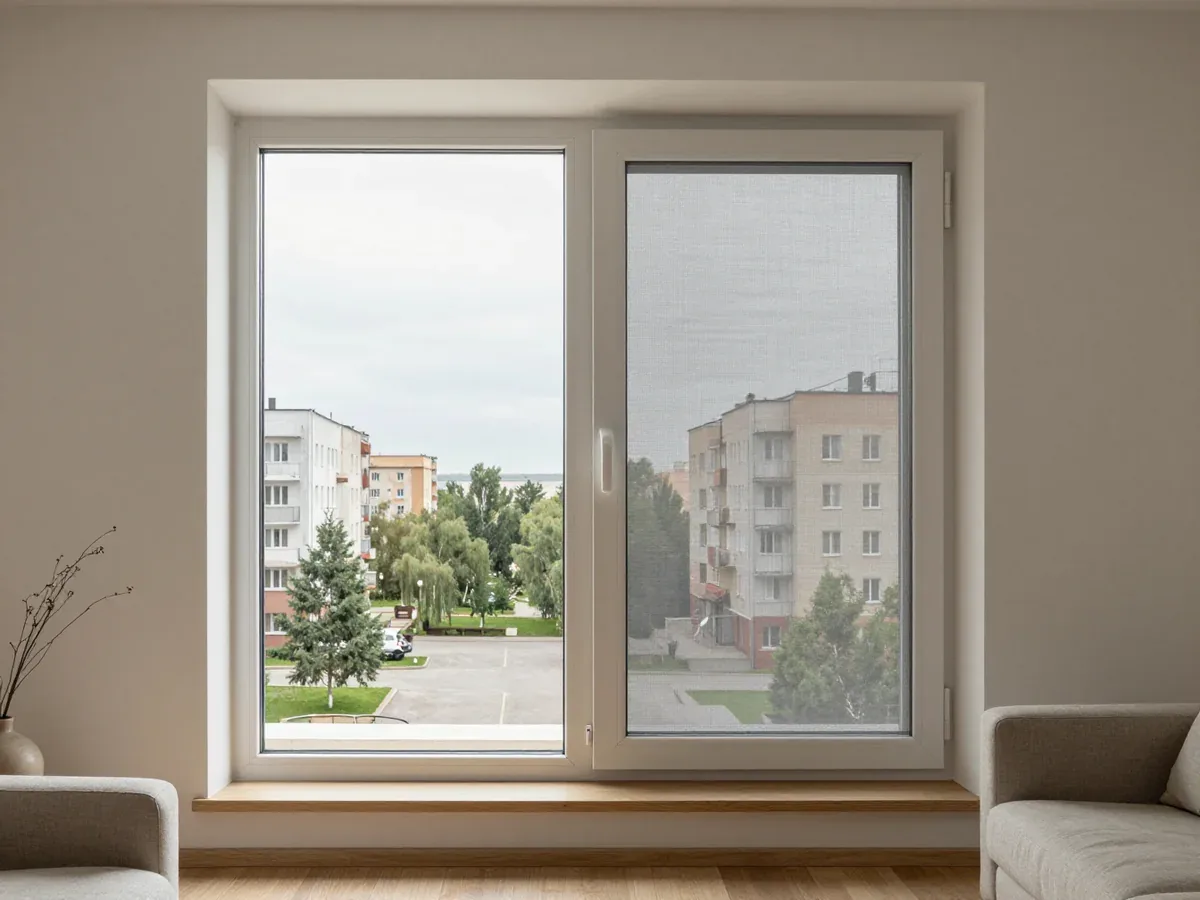
For a standard casement window we build a framed screen sized to your opening, and once the measurer has the sizes it takes 10–15 minutes to make. The frame is aluminium, painted any colour to match your window profile, and the mesh is held by a rubber cord that can be replaced on its own. Sliding, pleated and roller versions exist for sashes that open inward or sit in a shallow reveal where a fixed frame would foul the handle. On a plastic unit the measurer checks the sash depth and the handle position before choosing between the four. A framed unit lifts out from inside in a minute, so it is the easiest type to take down for winter and refit in spring.
Screens for balcony doors, hinged doors and sliding Provedal windows
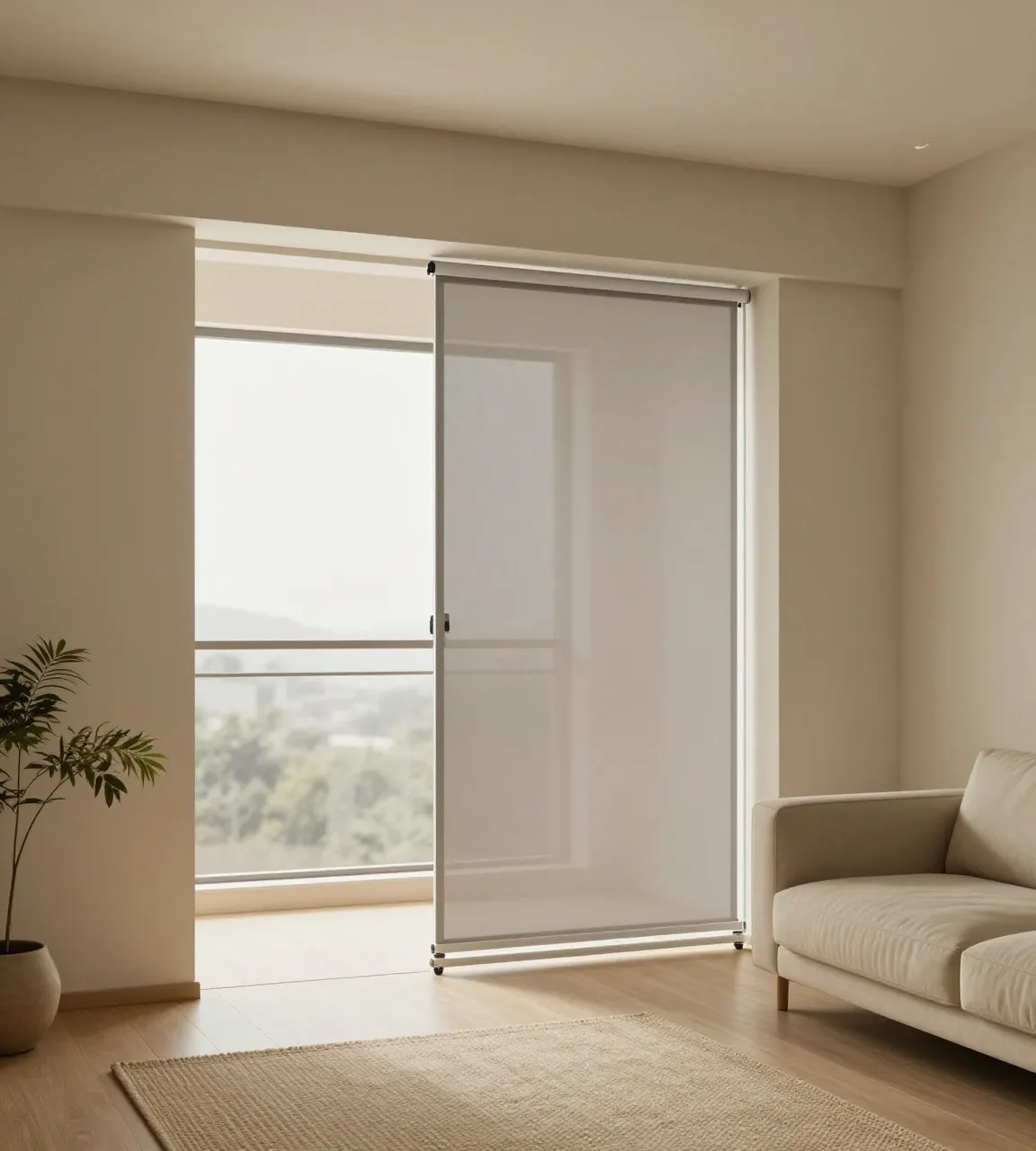
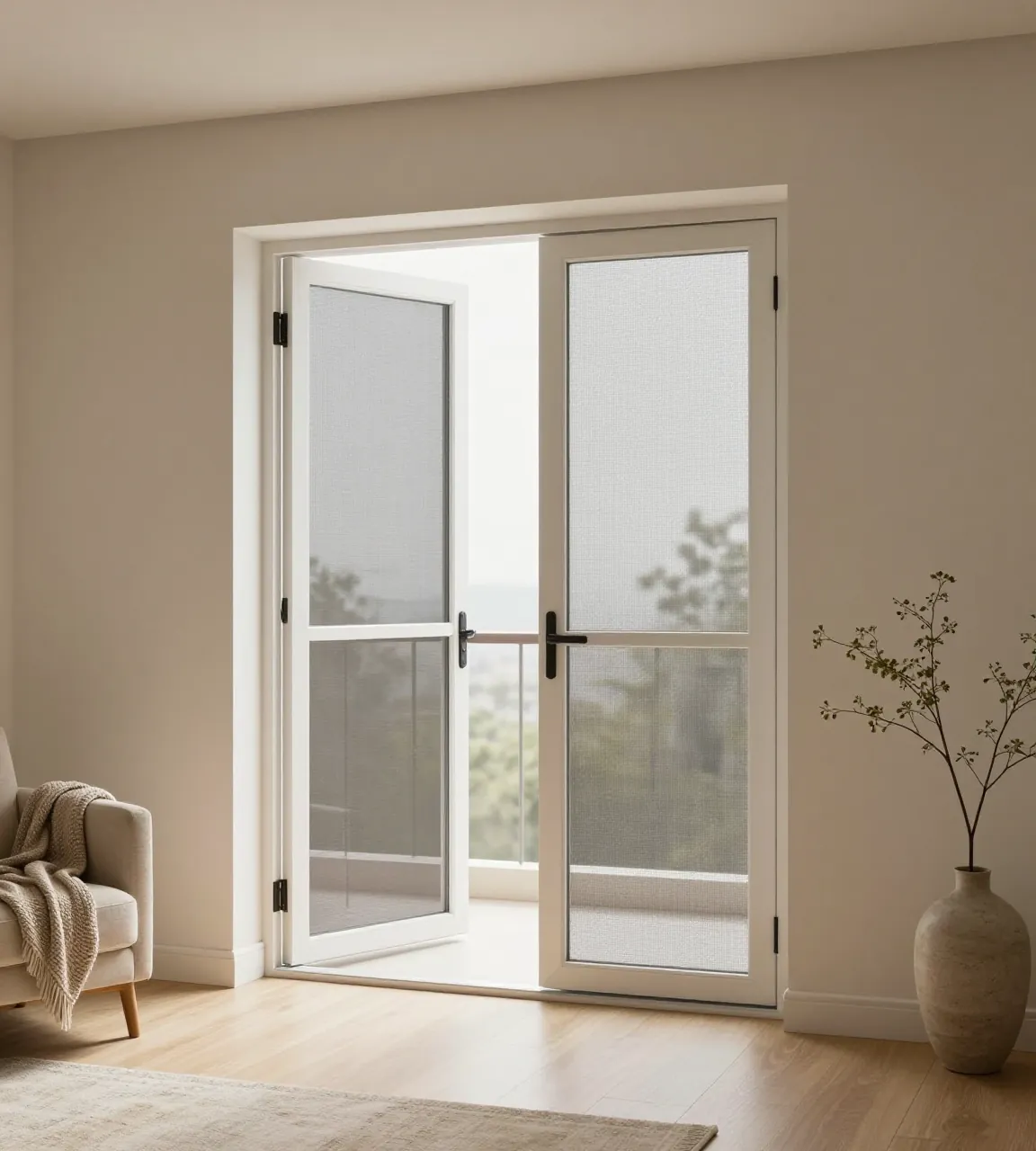
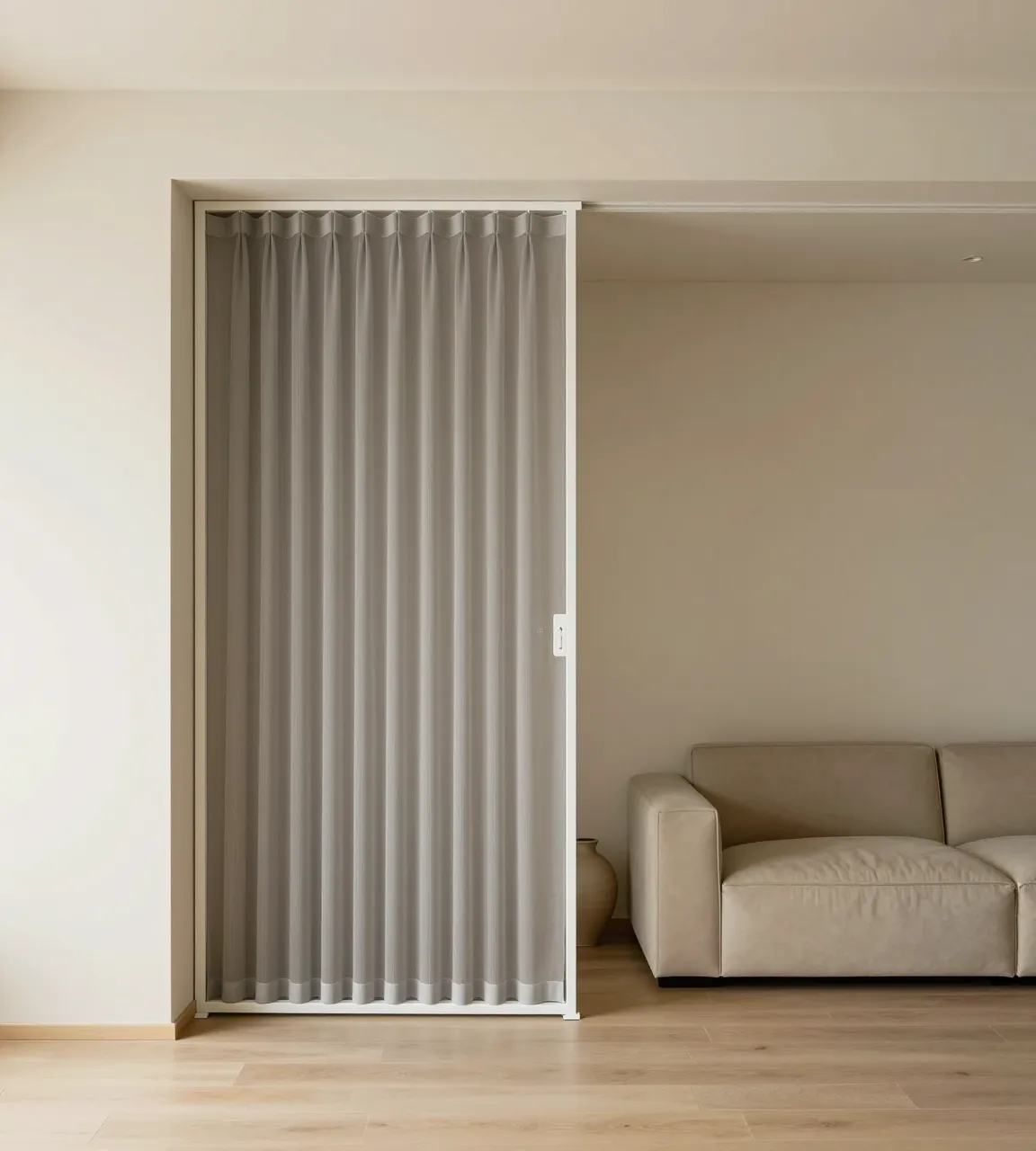
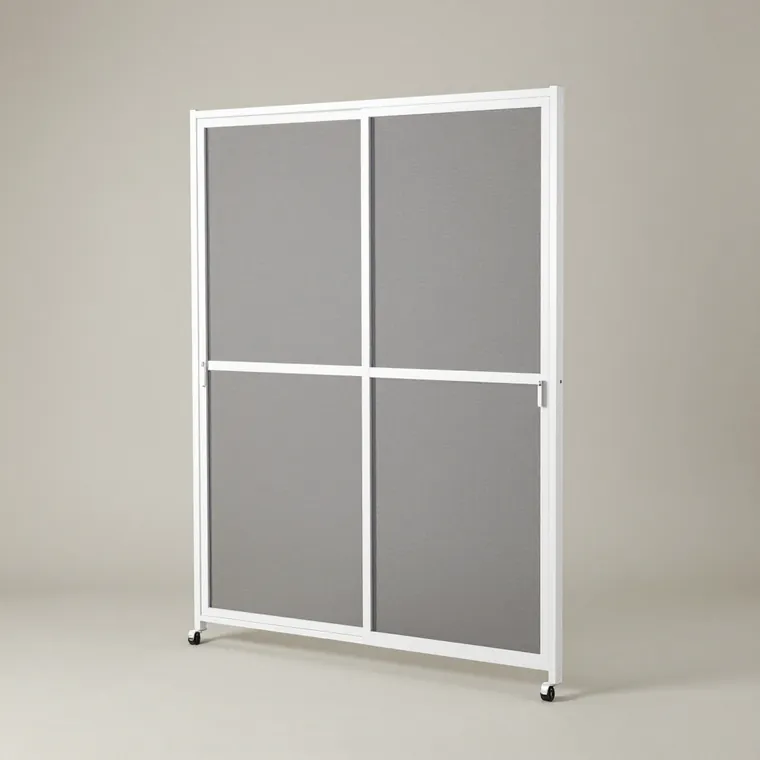
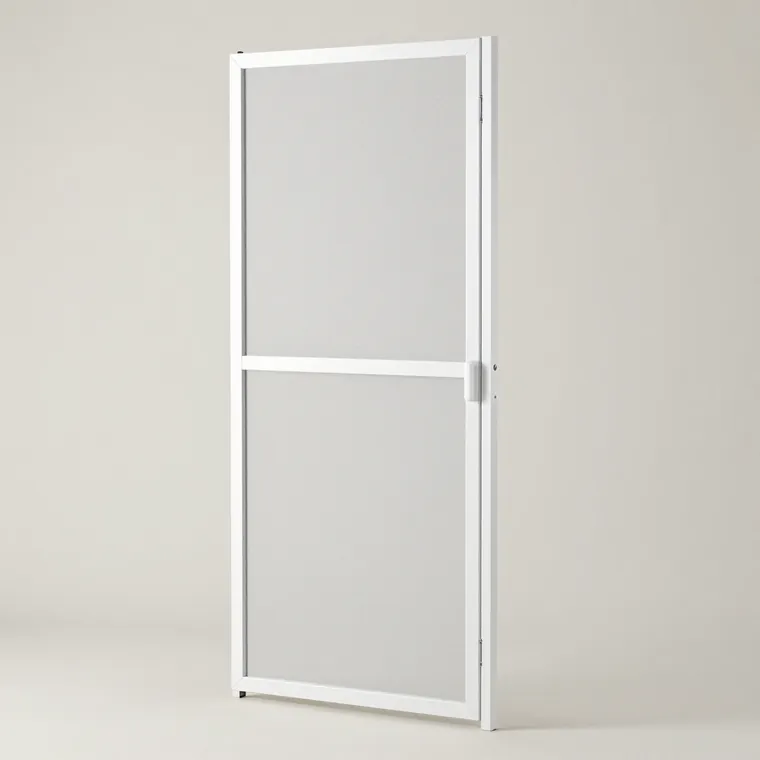
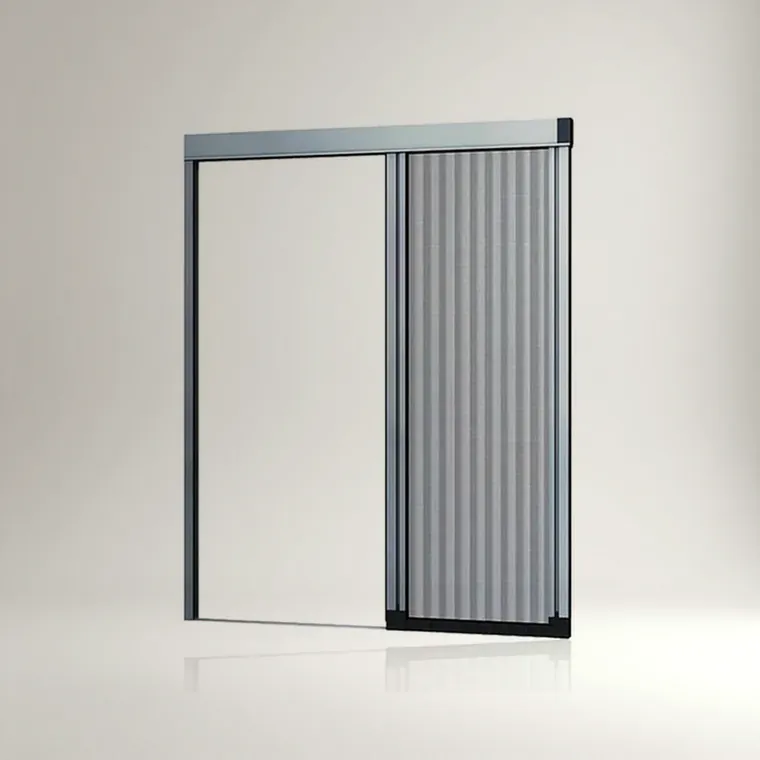
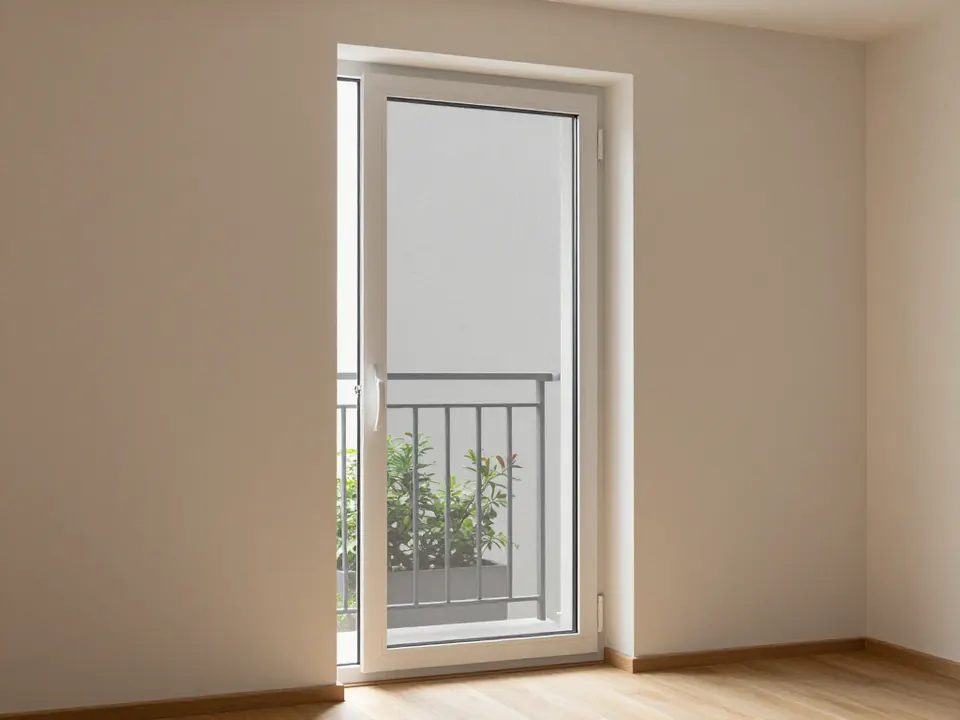
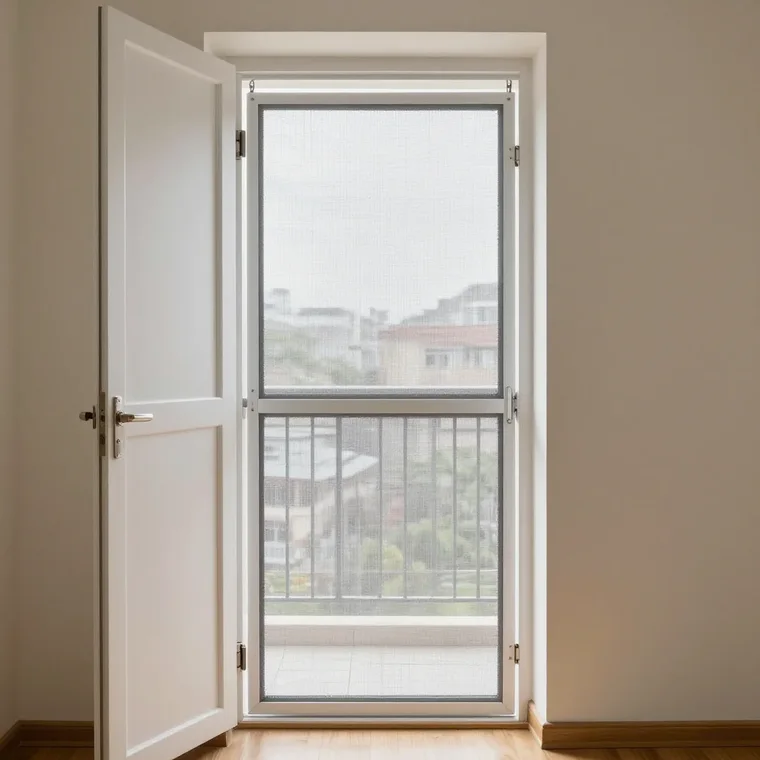
For balcony and entrance doors we fit hinged screens on Economy 32×10 mm or Prestige 42×17 mm profiles, and for sliding Provedal systems a sliding version runs on its own track beside the sash. The Economy profile suits a standard doorway; Prestige carries a wider frame and a heavier mesh, which matters on a leaf that is opened many times a day. A pleated door screen folds to the side instead of swinging, which keeps a narrow hallway or balcony threshold clear. On a Provedal system the unit gets its own guide rails, so the existing sashes keep their travel and the glass stays untouched.
Wooden windows, loggias, gazebos and verandas
- Plastic units: framed or sliding screen sized to the sash, with fastenings chosen for the profile depth and the floor.
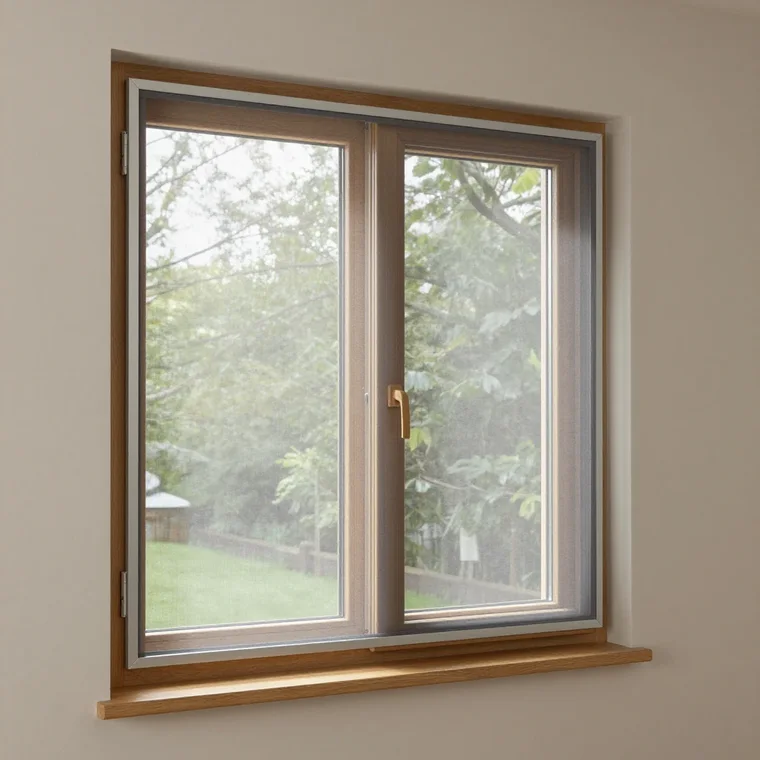
- Timber casements: the measurer checks how flat the frame sits, since an old wooden sash often needs a different bracket than a plastic one.
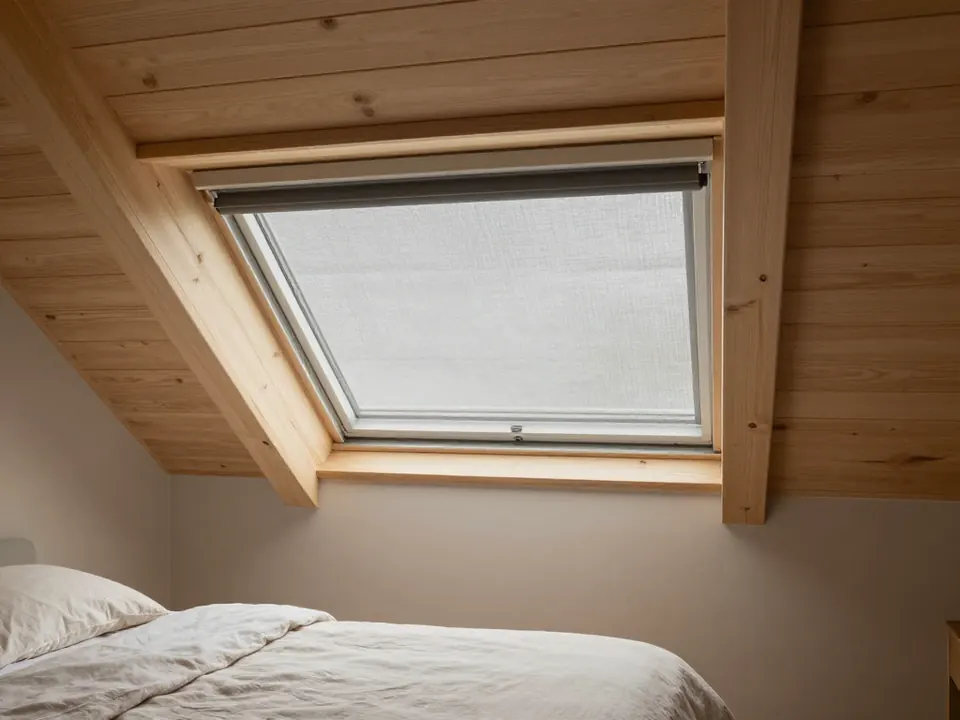
- Aluminium frames and vent panes: small framed screens on pins, light enough for a narrow vent leaf.
- Loggia glazing: screens across the full run, fitted from inside the loggia.
- Gazebos and verandas: larger framed screens in private houses, with the fastening picked for wind load so the frame does not rattle in a draft.
Choosing mosquito screens for pets, allergies and daylight
The fabric decides what a screen really does for a room: how much daylight passes, whether claws can rip it, how much dust and pollen stay outside. Below are the five we fit and what each handles best.
Five meshes and the job each one does
| Mesh | What it does | Best for |
|---|---|---|
| Fiberglass (standard) | Basic barrier, resists flame and temperature swings | Everyday windows |
| Ultravue | Lets in more daylight and air | Living rooms, dark rooms |
| Pet Screen | Vinyl threads resist claws | Homes with cats |
| Anti-dust | Denser weave traps fine dust | Street-facing windows |
| Poll-Tex (anti-pollen) | Fine 0.25×1 mm cell holds pollen | Allergy sufferers |
Ultravue, Poll-Tex and Pet Screen in numbers
Ultravue lets in 25% more light and air than other meshes, Poll-Tex anti-pollen cloth has a 0.25×1 mm cell, and Pet Screen's vinyl threads hold the weight of a small animal. Fiberglass, our standard weave, resists flame and temperature swings, which is why it stays the default on ordinary windows. A tighter cell blocks more pollen but also cuts airflow, so for a stuffy south-facing room the measurer may pair Poll-Tex on the bedroom with Ultravue in the living room. Pet Screen sits above standard mesh in the order, yet it survives claws that shred fiberglass in a season — households with a climber usually skip straight to it.
What to do when a cat tears the mesh
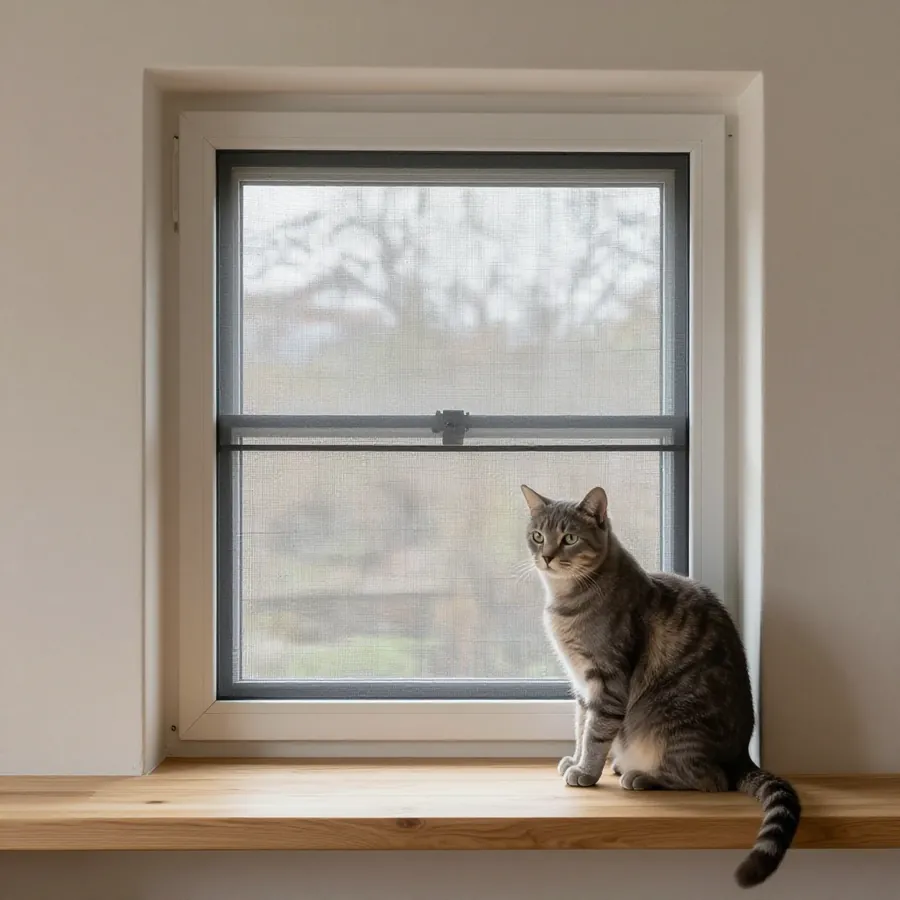
If a cat has torn the fabric, we either replace the panel or swap the whole unit for Pet Screen, and the choice depends on whether the frame and fastenings survived. A clean tear with an intact frame means a panel replacement; bent profiles or pulled pins mean a new unit. Replacing just the panel on a torn standard screen often repeats the problem, so households with a climber usually move straight to Pet Screen. We repair screens and change fastenings as well, so a torn panel does not automatically mean a full rebuild. Our fitters check the frame before quoting the fix.
How mosquito screens are fixed and whether your window gets drilled
The fastening is chosen to suit your window and the floor you live on. Below we explain what gets drilled, what does not, and how that choice protects the frame.
Z-brackets, pins or magnets and how the fitter picks
The measurer chooses the fixing to suit your window profile and storey — Z-shaped brackets, pins (plungers) or magnets — so the mesh sits tight without stressing the unit. Z-brackets hook over the edge and hold a framed product firmly on plastic and aluminium frames. Pins slot into existing holes, which suits units with a clean mounting groove. Magnets are the lightest option and let you lift the mesh off in one movement. On an upper floor the fitter leans toward a fixing that holds against wind pressure, while a ground-level opening can use a lighter option that is quicker to lift out. Ask at measuring which of the three your window takes — the answer decides how easily you will remove the mesh for winter.
Does fitting a screen mean drilling the window
Most framed products are held by brackets or pins that do not require drilling through the profile itself, and the fitter confirms the method at measuring. Z-brackets clamp onto the edge and pins use existing mounting points, so the casement keeps its shape and its seals stay intact. Where a fixing does need a hole, the measurer marks it on the casement rather than the glass unit, and the point is small enough to be filled if the mesh is ever removed. Because the fastening is matched to the unit, a renter can fit a screen and take it down later without leaving marks that affect the opening. In our practice the mounting method is settled during the free visit, before anything is made, so there are no surprises on fitting day.
Painting the frame to match your windows
We paint the screen frame any colour to match your windows, so the product reads as part of the opening rather than an add-on. The aluminium surround takes a powder coat in the shade you pick, and the fitter brings colour samples to the measuring visit so you compare them against the window in daylight rather than from a photo. White, anthracite and wood-effect shades cover most Aktobe facades, and a custom match is possible when the colour falls outside that range. Matching the surround shade matters most on light facades, where a white edge against a coloured profile stands out from the street. On a top storey the surround is also the part that takes the wind, so a coated finish holds up through seasons of sun and frost.
From free measuring to fitting and payment
An order runs through clear steps: a measuring call, a price locked in writing, making, fitting, then payment. Here is what happens at each stage and what you can plan around.
How the free measuring visit works
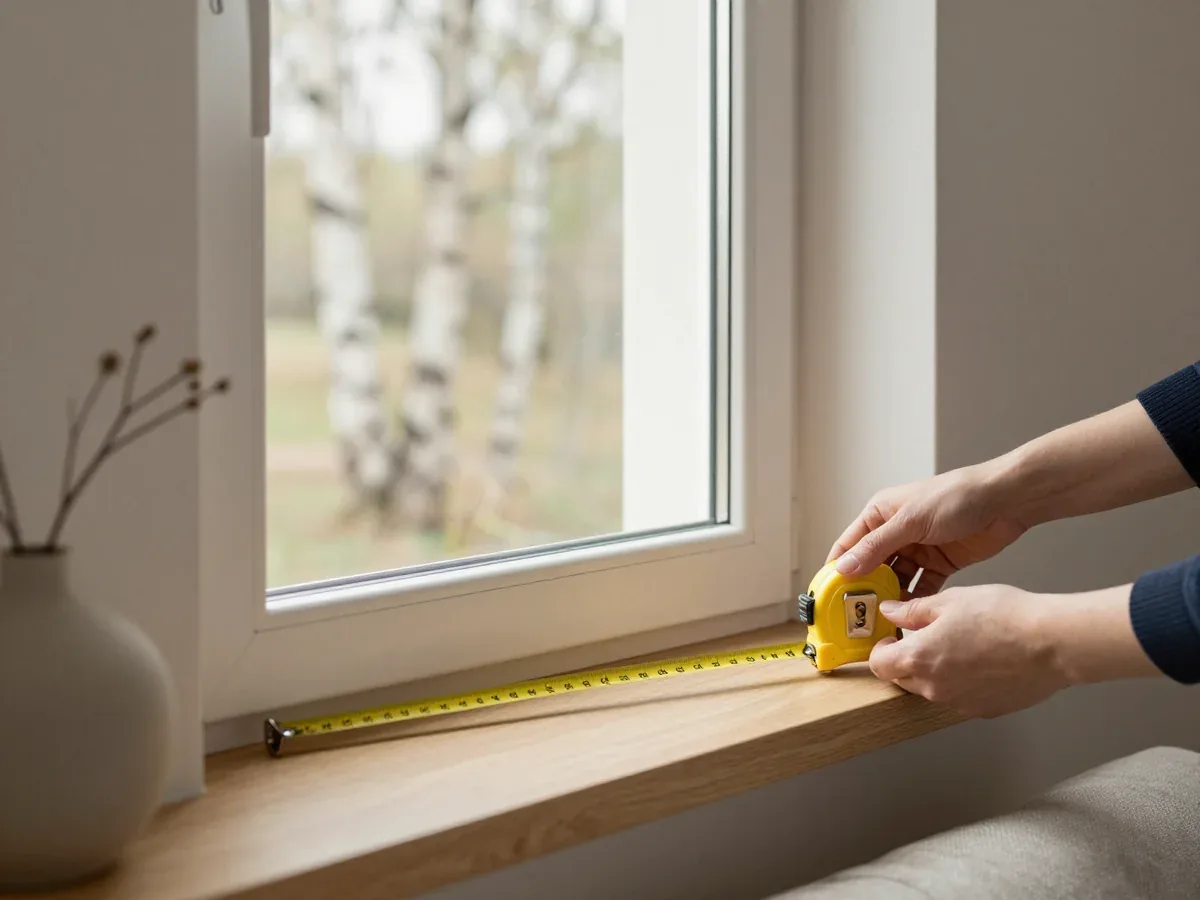
Measuring and consultation cost nothing, and the specialist comes at a time that suits you, takes the sizes and helps choose the design, canvas and fastenings. The visit is not a formality we rush through: the specialist checks the window profile, the sill, the opening direction and the floor, then writes the sizes down for the workshop. On the spot you pick the frame, the weave and the way the screen will sit, and you see how it will open. Having someone see the window in person is what lets the fastening and the cloth be matched to the actual profile and floor rather than guessed from a photo.
How long making takes and when the price is fixed
A framed screen made to your size takes 10–15 minutes and a pleated one 40–60 minutes, and the figure is fixed in the order after the call. The workshop cuts the profile, pulls the weave and sets the fastenings to the sizes written on the visit, so a standard frame is ready while the specialist is still with you. Pleated and larger door versions take longer because the folding cloth and the guides are assembled by hand. Because the amount is locked in writing after the visit, the sum you agree on is the sum you pay, with no add-ons added later.
Paying after installation and reaching us seven days a week
- Payment after fitting: you settle once the screen is up and you have checked the fit, by cash, card or Kaspi.
- Checking the result first: the fitter shows the canvas opening, closing and sitting in the frame before you pay.
- Seven days a week: we are open every day, so a measuring call or installation can land on a weekend.
- WhatsApp within 5 minutes: send a photo of the window and we reply with the next step while the question is still fresh.
Warranty, repair and looking after the screen
Every unit we make is covered for a year, and small damage is fixable without a new order. This part explains what the warranty includes, how a repair works and how to store the unit between seasons.
What the 1-year warranty covers
Every screen we make carries a 1-year warranty, covering the frame, the mesh and the fastenings we supplied and fitted. If a corner joint opens, a canvas tears along the profile or a magnet loses its grip within that period, we look at the product and put it right. The warranty applies to the parts we chose and installed, not to damage from a pet chewing through the fabric or a unit dropped during a move. Keeping the order sheet from the measuring visit makes a claim quick, because it records the mesh type and fastening chosen. Photograph the fault before you bring the product in — it saves a second trip if the cause is not obvious on the bench.
Repairing a torn screen or a broken fastening
We repair units and replace fastenings, so a torn canvas or a snapped bracket does not mean a whole new order. A fabric change on a framed model usually takes minutes on the bench, and a new set of pins or magnets restores a product that has started to rattle in the wind. A fastening that has worked loose is usually a sign the product was refitted at an angle, so the fitter checks the frame is square before replacing it. Repair is worth considering when the profile itself is intact: a bent or twisted frame holds a new canvas badly and lets insects past the edge, while a sound one takes fresh fabric and serves for years.
Taking the framed screen down for winter and storing it
A framed model lifts out from inside in a minute, and taking it down for winter keeps the fabric and profile in better shape for the next season. The unit is light enough for one person to handle, and no tools are needed once the brackets are released. Storing it flat rather than leaning on a corner stops the frame from warping, which is what makes refitting hard in spring. A dry cupboard or the space behind a wardrobe works better than a balcony, where frost and damp attack the profile. Label each item with the room it came from — units made to different openings look alike, and mixing them up costs time in spring.
Why order mosquito screens in Aktobe from a direct maker
A direct maker keeps measuring, production and installation under one roof, while a middleman passes your order between parties. For a buyer here that shows up in who answers for a wrong size or a warranty claim.
Our own fitters, not subcontractors
We work with our own fitters rather than subcontractors, so the person who measures your window is accountable to the same team that installs the unit. The measurer records the profile, the aperture and the floor, then chooses Z-brackets, pins or magnets on the spot, and the workshop cuts the frame in the colour matched to your window. Nobody hands your order to a third party between those steps. When measuring and mounting sit with a single crew, a size that does not match the gap is caught before the mesh is made, not after it is delivered. That is why mosquito screens in Aktobe are best ordered from a direct maker. Ask who will arrive for the installation — if the answer differs from who measured, you are dealing with a middleman.
Ordering across Kazakhstan and what that means locally
Screens can be ordered in 17 cities of Kazakhstan, and locally the same measuring, making and installation process applies. A framed unit made to your size takes 10–15 minutes in the workshop, a pleated one 40–60 minutes, so most orders move from measuring to fitting within a short span rather than weeks. The same five meshes — Fiberglass, Ultravue, Pet Screen, the anti-dust weave and Poll-Tex — are available to every city on the list, not just the largest. A maker that runs the same process across many cities tends to standardise its meshes and fastenings, which makes a replacement part easier to source later. Keep the order sheet with the mesh name and profile size — it is what a future repair or a second mesh for another room is built from.
Window services beyond the mesh
- Window repair: we fix stiff hinges, faulty handles and draughty sashes, with a one-year warranty on labour and replaced parts.
- Seal replacement: we change the seal on windows of any manufacturer, including KBE, Rehau, VEKA and Provedal profiles.
- Glass units: we replace a failed or cracked unit, with a three-year warranty and an urgent option within one day at a surcharge.
- Insulation, slopes and glazing: we insulate the opening, fit slopes and handle glazing so the frame sits tight against the wall.
- Window protection: we add grilles, opening restrictors and locks for ground-floor rooms and homes with small children.
The essentials of mosquito screens construction and mesh
The right build for your opening, a fabric matched to your household and fixings picked on site keep the unit working for years. Here is what matters most before you order.
- Construction follows the opening: framed for a standard window, sliding or pleated for a balcony or hinged door, and separate builds for loggias, gazebos and verandas.
- Fabric follows the task: Ultravue for daylight, Pet Screen for a cat, Poll-Tex for pollen, and a plain fibreglass cloth for everyday use.
- Fixings follow the profile and the floor: Z-brackets, pins or magnets are chosen during the visit, so the window frame keeps its integrity.
- Price and payment are settled in order: the figure is fixed after measuring, and payment comes after installation by cash, card or Kaspi.
- A 1-year warranty stands behind every unit, and a torn cloth or a loose fastening is repaired rather than replaced outright.



