
Window and balcony
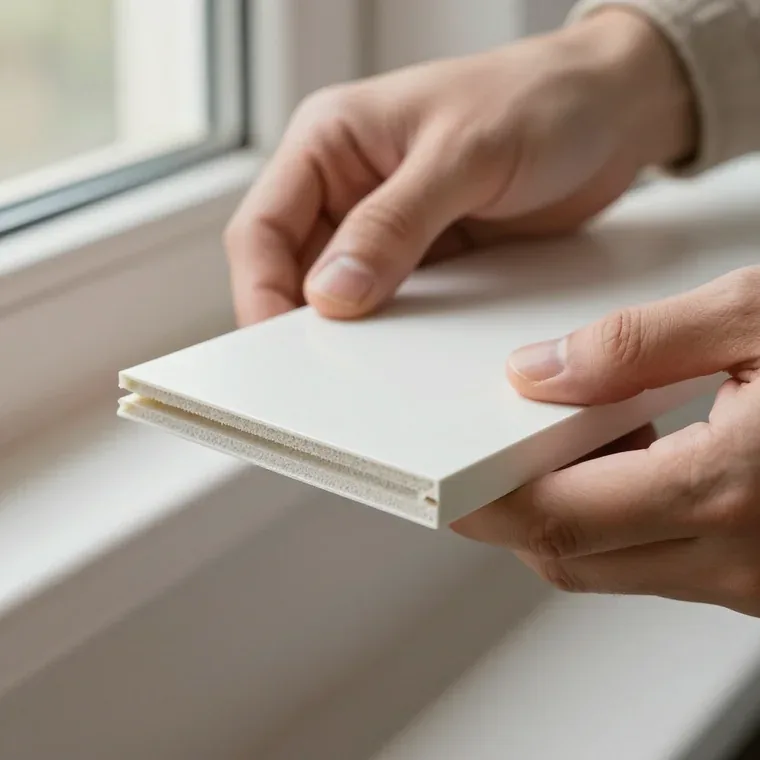
PVC sandwich
Insulated panels for windows and balconies. From 4 700 ₸ per linear m.

Balcony doors, balconies, office openings — anywhere a seam is left after installation
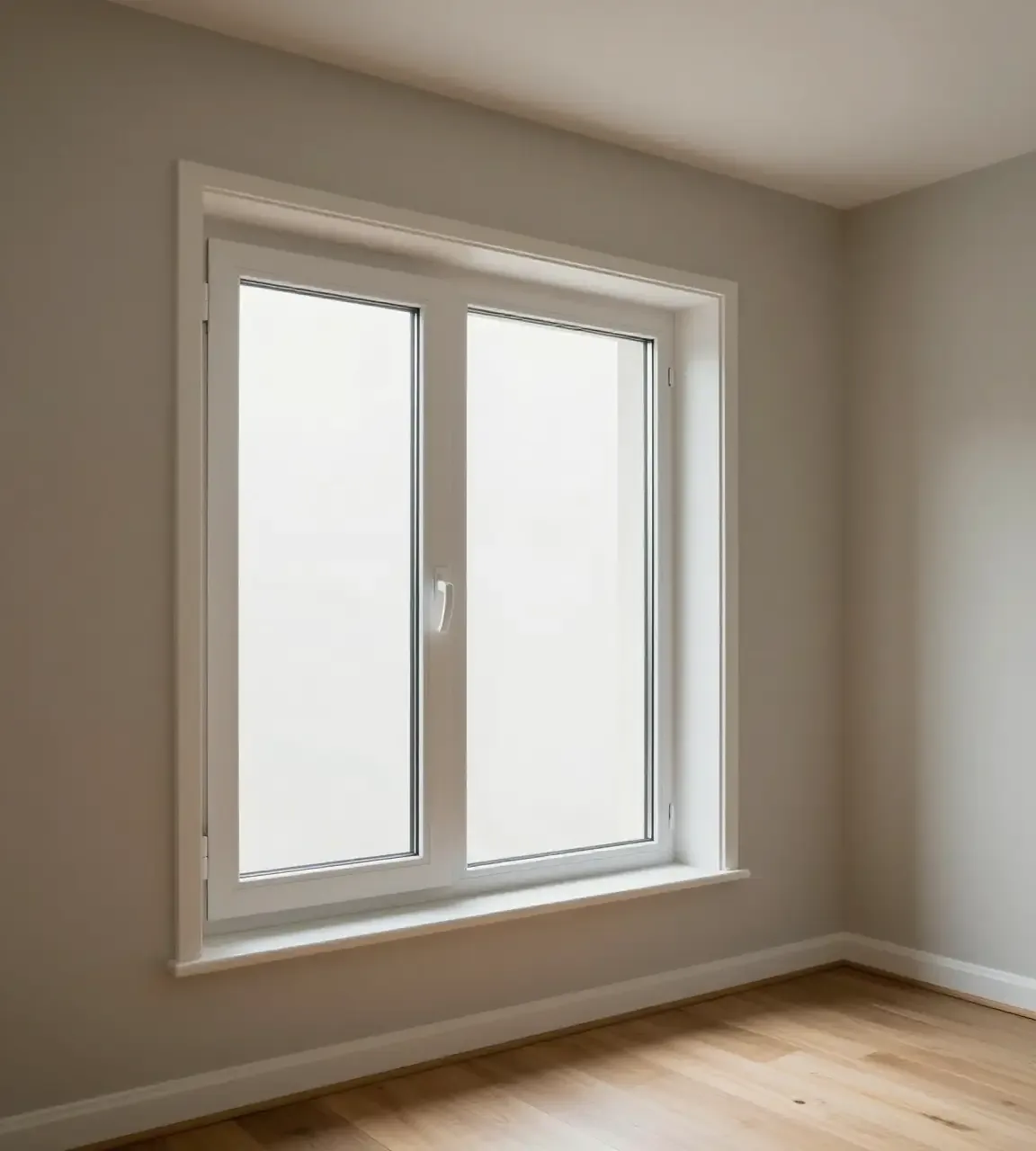
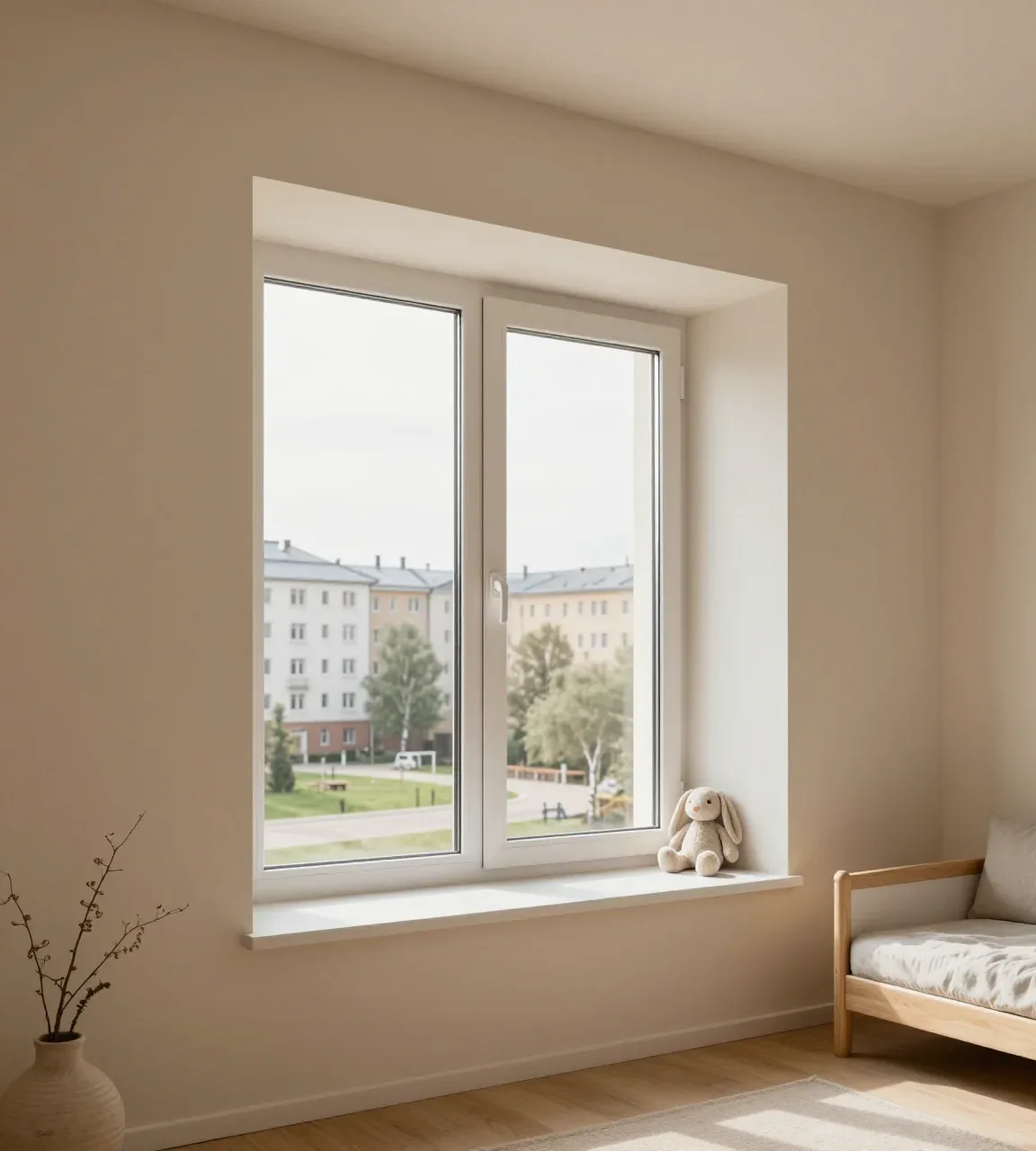
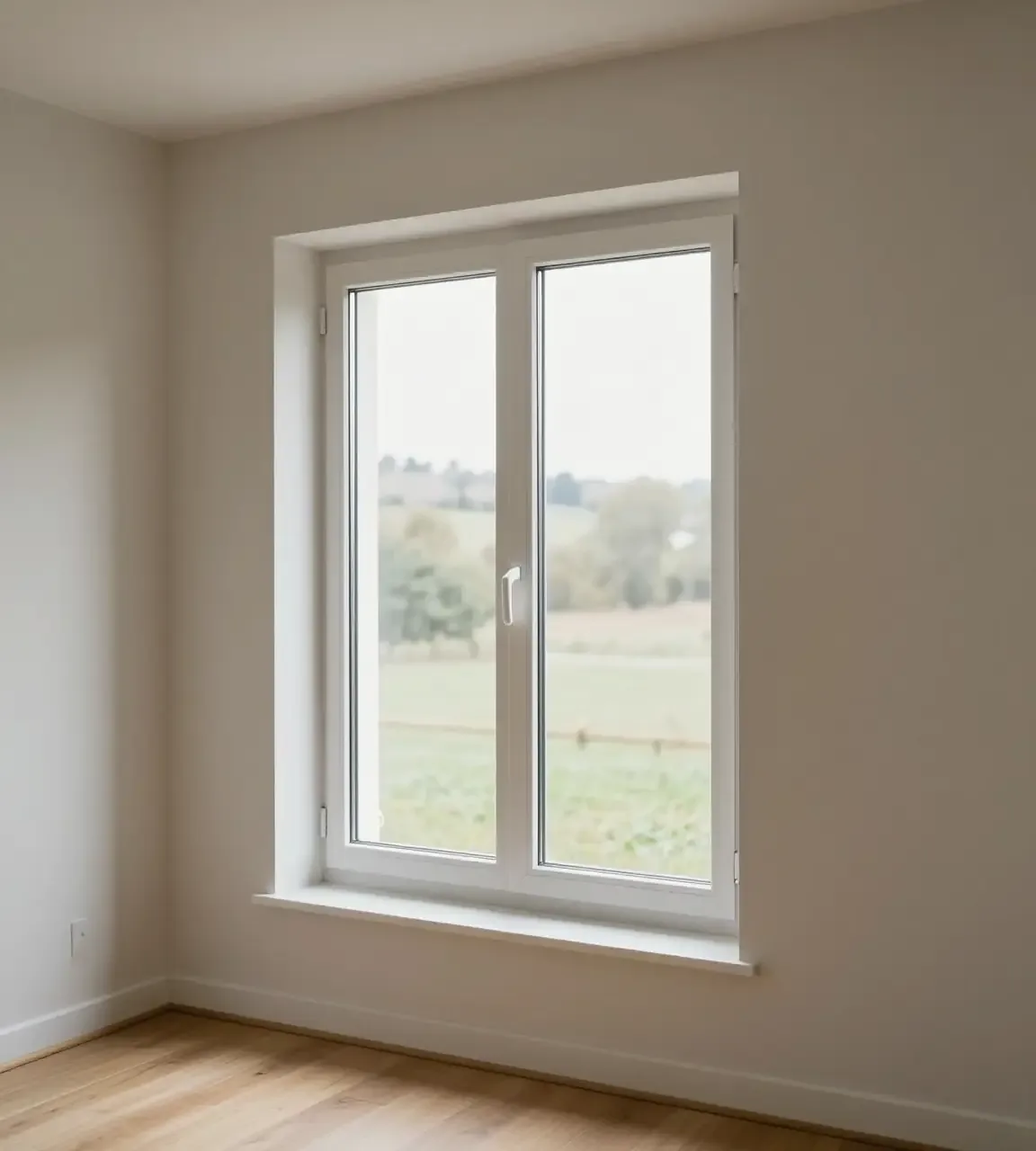
Most often reveals are fitted after a window replacement, but balcony doors and balcony windows need them no less. In private houses in Aktobe, external reveals and drip sills are added.
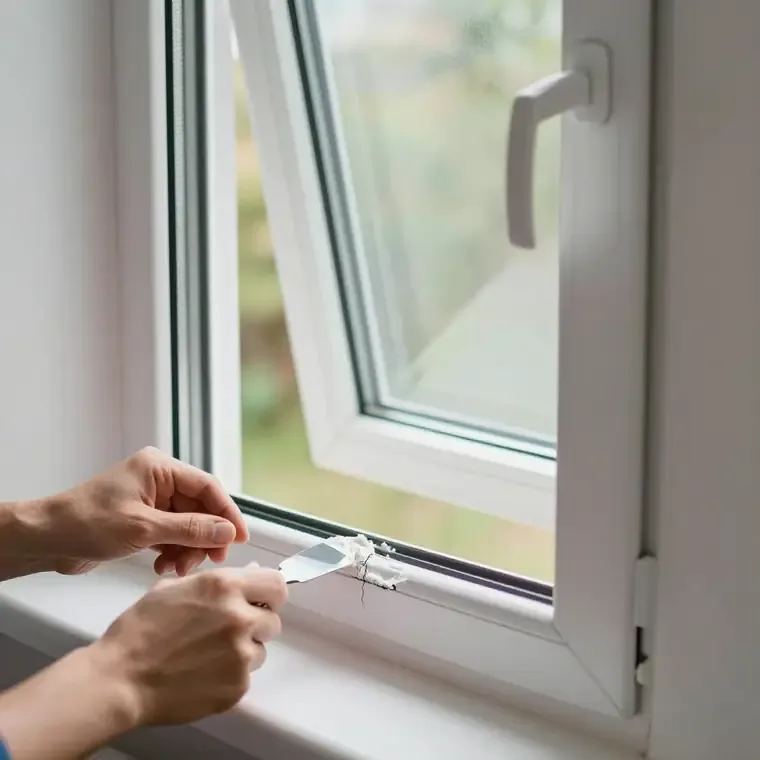
If old drywall has come away from the wall, we replace it with PVC. We fill gaps at the windowsill with liquid plastic, restore chipped corners, and match reveals to coloured windows.
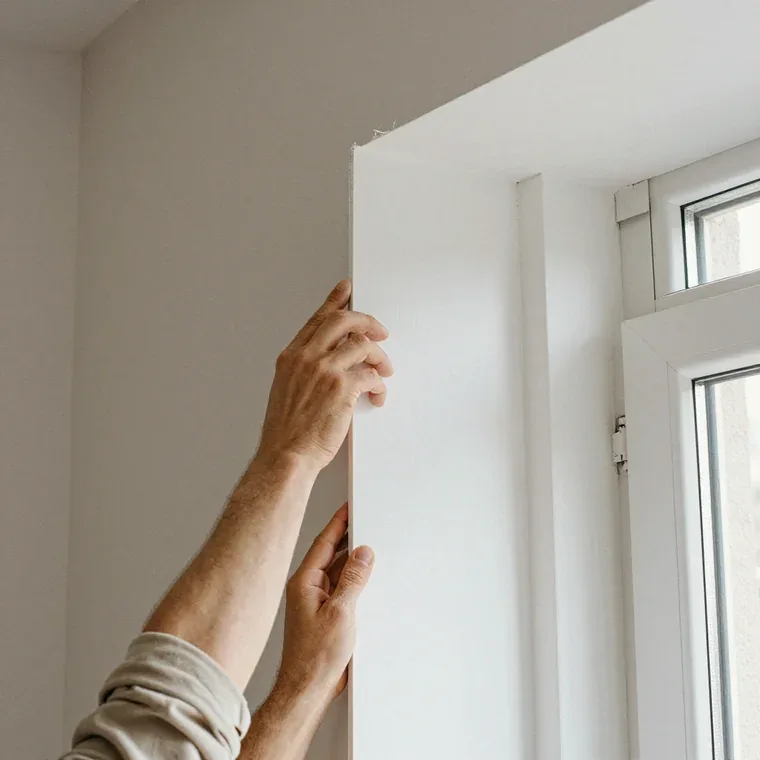
sealing per metre
window or door turnkey
measuring and selection
Four problems customers most often come with
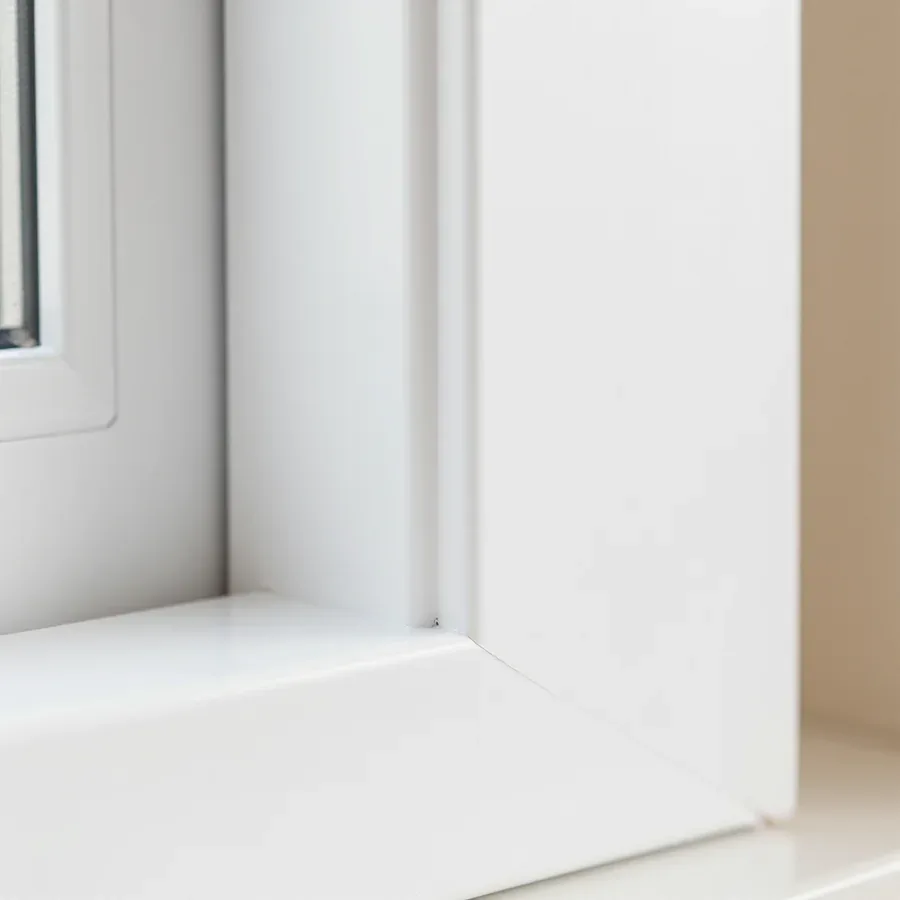
The seam is left open. We fit PVC reveals so the foam no longer breaks down.
We cover cracked reveals with sandwich panels.
We insulate the reveal and finish it again.
A warm layer under the reveal removes moisture.
Five options ordered in Aktobe
Windows and balconies
Quick finishing, easy to clean.
Window or door
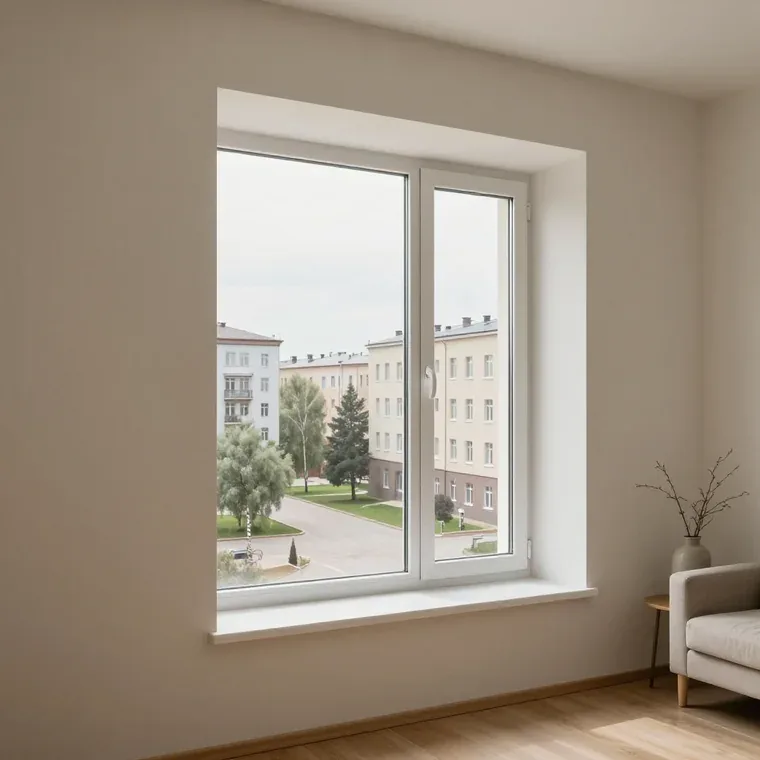
All sides of the opening and corner pieces.
Ready for painting

For dry rooms and offices.
Liquid plastic
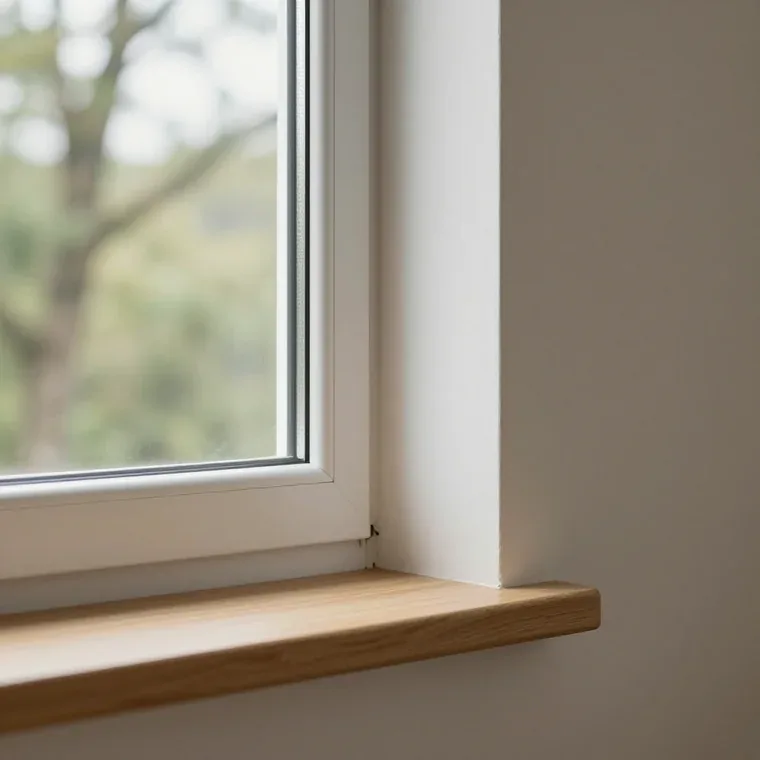
Joints of frame, reveal, windowsill.
PVC
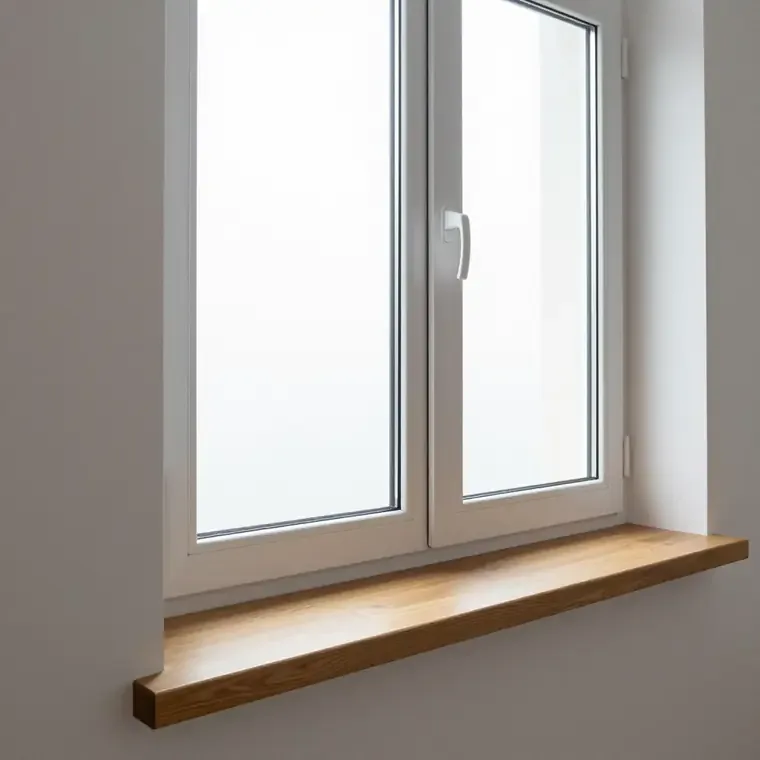
We replace it together with reveals.
Prices per metre or opening; the final price is given after measuring
| Type of work | Price |
|---|---|
| PVC reveals (sandwich panels), per linear mpanel with insulation inside | from 4 700₸ per linear m |
| Reveals for a standard window, turnkeythree sides and corner pieces | from 15 000₸ per window |
| Plastered revealswith levelling and filling | from 3 000₸ per linear m |
| External revealsprotects the seam from outside | from 4 500₸ per linear m |
| Drywall revealsready for painting | from 1 500₸ per linear m |
| Reveal insulationagainst freezing and condensation | from 19 900₸ per linear m |
| PVC windowsill fittingtogether with reveals | from 5 500₸ per linear m |
| Drip sill fittingdrains water away from the frame | from 3 250₸ per linear m |
| Sealing internal seams (liquid plastic)joints of frame, reveal and windowsill | from 1 500₸ per linear m |
| Sealing external seamsprotects foam from moisture and sun | from 2 000₸ per linear m |
The total is fixed in the orderMeasuring and consultation are freePayment after the work: cash, card, Kaspi
Book a measuring visitWhat you get
we work across Kazakhstan
on WhatsApp
all openings in one visit
after measuring
acceptance
no days off
corners and gaps during the same visit
cities of Kazakhstan
Four steps

Send photos of windows, door, balcony. We will reply and schedule a measuring visit.
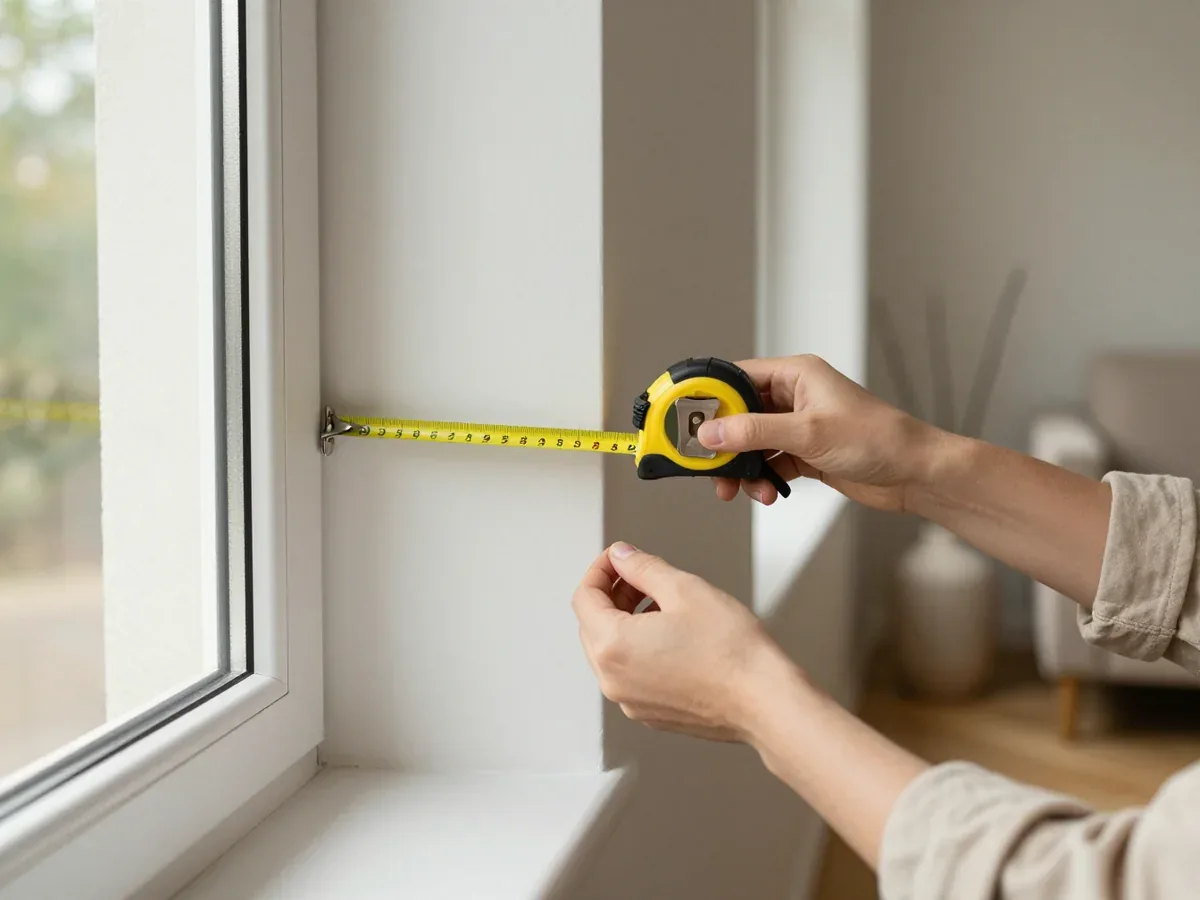
The surveyor inspects all openings, selects material and colour, and gives the total.
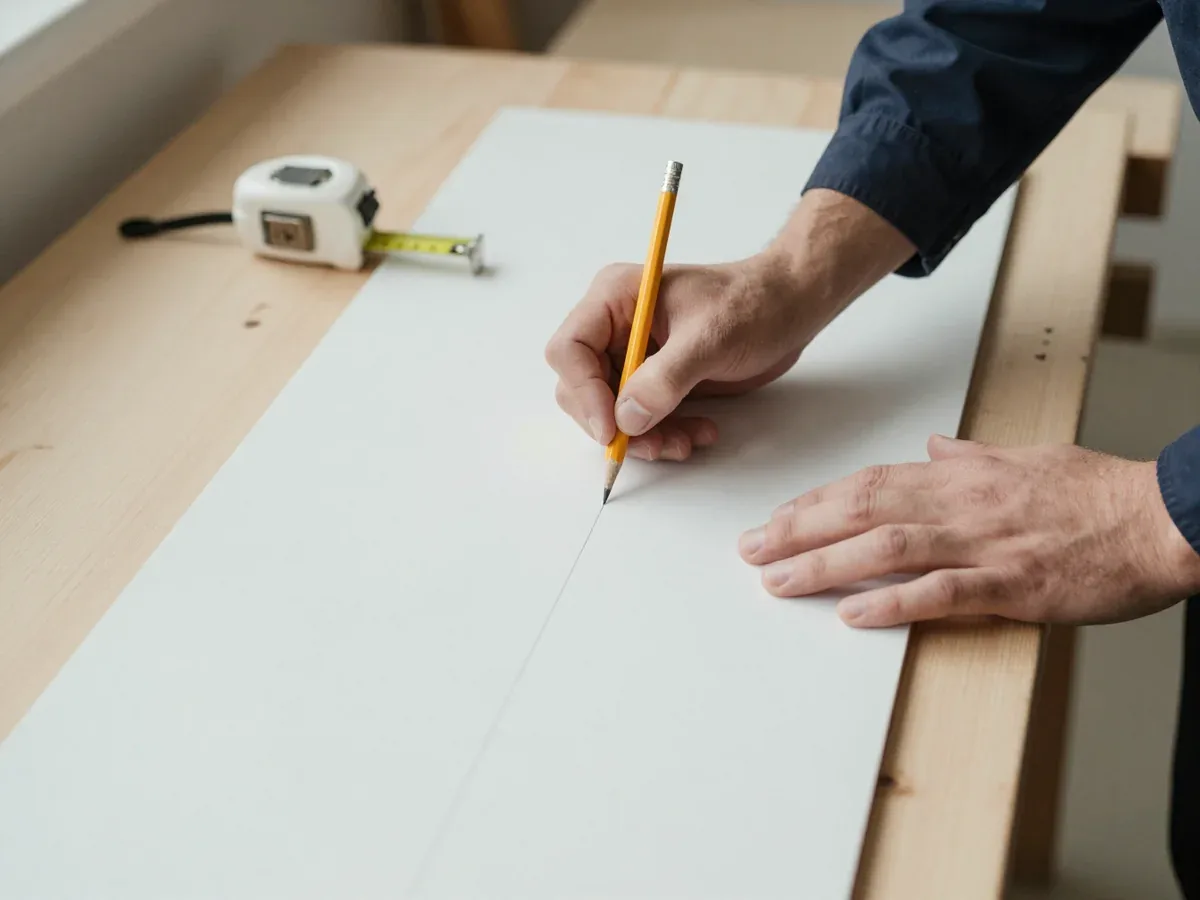
We remove the old finish, install reveals, repair corners, and seal joints.
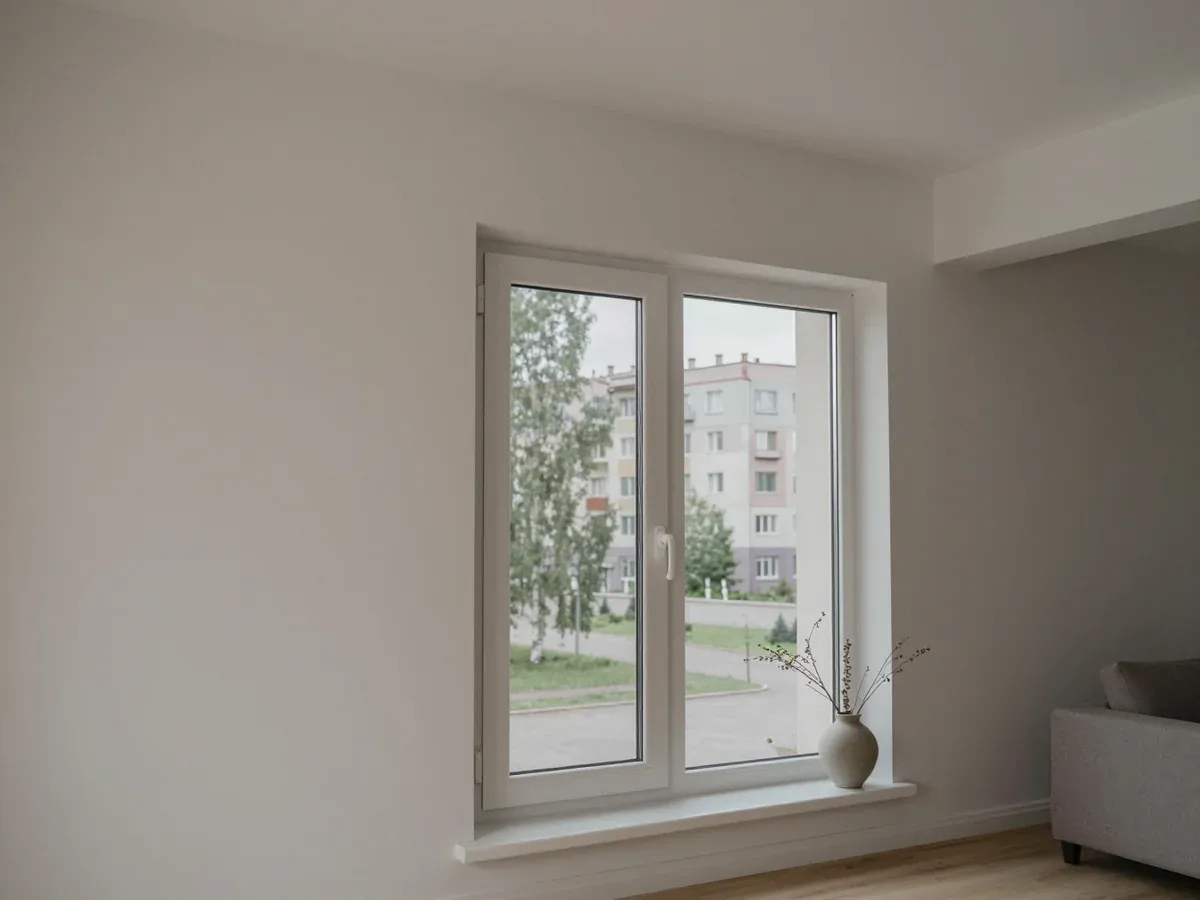
We check every opening. Payment after acceptance.
Good to know

Senior mosquito screen specialist at moskitnyesetki.kz
We handle window reveal finishing in Aktobe with our own fitters, not through middlemen. A free measuring visit comes at a time that suits you, the measurer takes sizes and helps pick the material, insulation and fixings, and you pay only after installation by cash, card or Kaspi. We work seven days a week.
The reveal material decides how the whole joint survives winter frost and summer sun. Below are the three options we see most often and the frames each one suits.
| Material | Best for | Watch out for |
|---|---|---|
| Sandwich panel | Bathrooms, kitchens, quick clean finish | Tight joints needed to avoid gaps |
| Plaster | Living rooms with a painted wall look | Curing time and dust during work |
| Drywall | Uneven or deep openings | Must be sealed against moisture |
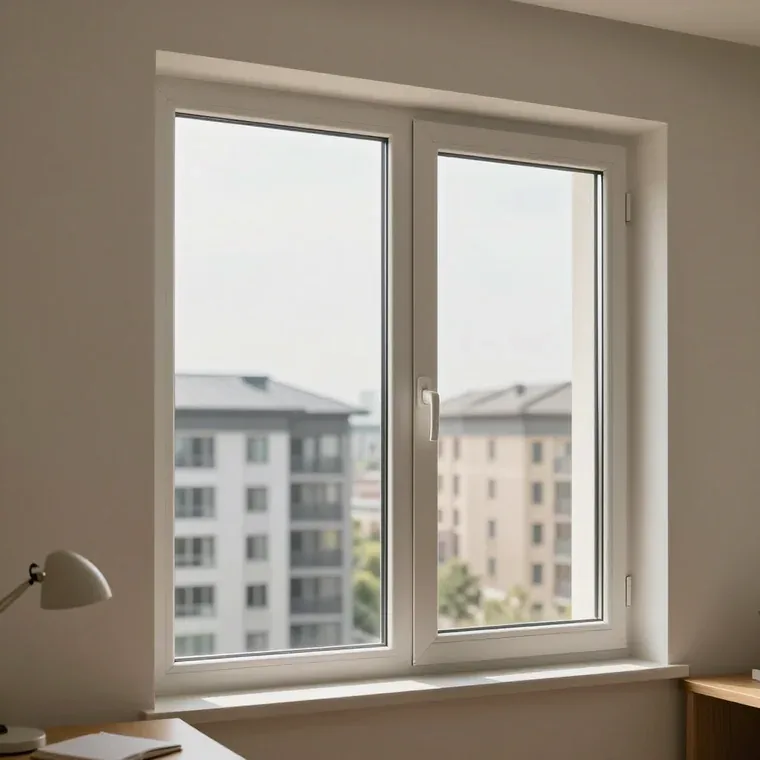
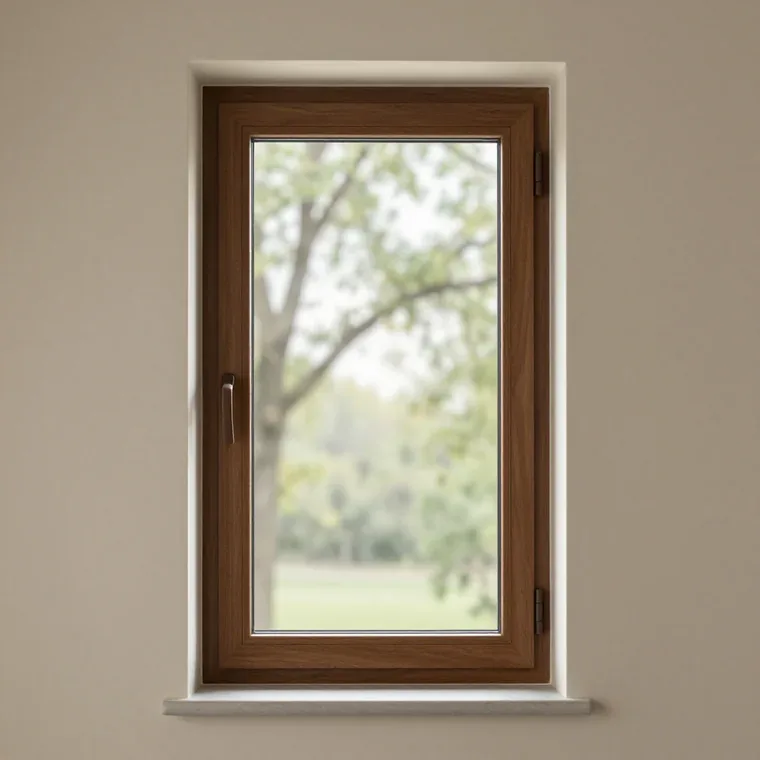
We finish reveals on plastic, wooden and aluminium frames, and on balcony, loggia, gazebo and veranda openings. On timber frames the reveal should leave the sash free to move, so fixings go into the surrounding wall rather than the frame itself. Aluminium systems carry a slimmer profile, which changes how the trim sits and how deep the reveal can be. Plastic frames take the widest range of trims, because the fixing points sit on a flat, stable surface. Window reveal finishing in Aktobe starts with knowing the frame, not the colour chart. A gazebo or veranda opening faces weather from more than one side, so it needs a tighter joint than a living-room opening. Tell us the frame type and the room, and we will point you to the option that holds up best there.
Frost and condensation on the reveal are the most common complaint we hear about window openings. Here is where the damp actually comes from and what closes the problem at the source.
A reveal freezes when the gap behind it is uninsulated and warm indoor air meets a cold surface. The plasterboard or panel sits over an empty space, so the outer edge of the opening stays close to outdoor temperature and acts as a thermal bridge. Steam from cooking, showering and drying laundry settles on that chilled patch rather than on the glass. The same damp feeds mould in the corners within a few weeks if nothing changes. Condensation usually shows first at the bottom corners, so check there before blaming the glass unit. A reveal that feels cold to the back of your hand on a frosty morning is telling you the hidden space needs filling, not that the unit is faulty.
We fill the void behind the reveal with insulation and close it with a vapour barrier before the finish goes on. Mineral wool or foam goes into the gap between the frame and the wall, packed tight enough to remove pockets but without compressing the material, which would kill its insulating value. The vapour barrier then stops indoor moisture from entering the assembly, and the finish panel or plaster closes everything. Leaving the top open lets warm air escape and defeats the insulation below it. Measuring and consultation on reveals are free with us: the measurer comes at a convenient time, takes the sizes and helps choose the design, mesh and fixings for your opening.
From the first call to a finished reveal, the job runs as a short chain of steps. Here is what happens at the measuring visit and why the glazing itself never comes out.
The measuring visit and consultation are free, and the measurer comes at a time that suits you. Our specialist measures the reveal depth, the width of the plaster return and the gap between frame and wall, then checks how square the aperture sits on all four sides. He brings samples of sandwich panel, plaster and drywall, so you can compare thickness and surface against your own interior. Fixing choice follows the survey: deep returns take a different bracket set from shallow ones, and a sloped sill changes the bottom detail. The measurer confirms mesh and profile colour for any screen fitted alongside. He checks the depth and how square the opening is, because an out-of-square reveal changes the fixing plan. Ask him to mark the deepest and shallowest point on the drawing — that number decides whether the panel needs a packer behind it.
Reveals are fitted around the existing frame, so the unit and glass stay in place throughout. The fitter works from inside the room, cuts the panels to the measured sizes, and fixes them to the plaster return with brackets or adhesive suited to the substrate. No glazing beads are disturbed, no sash is lifted out, and the old seal between frame and wall stays untouched. Because it stays put, the room stays usable and there is no re-sealing afterwards. A single opening is usually closed out in one visit, and we work seven days a week, so a weekend slot is normal rather than an exception. On the day, clear the sill and about a metre of floor in front of the opening — the fitter needs room to set up a trestle and a saw without dragging dust through the flat.
A gap between the window and the reveal lets air and moisture through. We show where the leak starts, which materials close it, and how the joint is finished so it holds.
Draughts usually come through the joint where the reveal meets the frame, not through the glass itself. The frame and the wall move at different rates, so a hairline gap opens along the seam within a season or two. Foam behind the reveal handles most of the insulation, but the visible edge is where cold air finds its way in — especially on upper floors and on the windward side of a building. Sealant applied over a dirty or damp surface peels away and reopens the same gap. A joint that looks closed can still leak along its length, so run a hand along the whole edge on a windy day.
We close the joint with foam and a flexible sealant that moves with the frame instead of cracking. The cavity behind the reveal is filled first, then the seam is taped and finished so the sealant sits on a clean, dry base. We pick the sealant grade by the room: a bathroom or kitchen reveal needs one that tolerates moisture, while a living-room seam can take a standard acrylic. A rigid filler cracks as the frame expands in the sun, so the sealant has to stay flexible over the seasons. If you are unsure which seam is leaking, send a photo on WhatsApp — we reply within 5 minutes.
A reveal is a finished surface rather than a fitting, so it asks for little upkeep over time. Below is what our warranty covers, how payment is handled, and the routine that keeps each material tidy.
You pay after installation by cash, card or Kaspi, and the price is fixed in the order once measuring is done. Our reveal work is covered by a 1-year warranty on labour and replaced parts, the same term we give on repair of the units, while installation carries 5 years and glass unit replacement 3 years. We work seven days a week and reply on WhatsApp within 5 minutes, so a question about a joint or a fixing does not wait until Monday. Fixing the price after measuring means the figure you agree is the figure you settle, with no add-ons at the end.
A panel reveal wipes clean with a damp cloth, while a plaster reveal only calls for fresh paint when it dulls. Wipe the cladding along the slope rather than across the corner, use a soft cloth with plain water or mild soap, and dry the joint line so moisture does not sit against the sealant. Plaster takes a new coat every few seasons in a kitchen or bathroom, where steam softens the surface, plus touch-up along the edge where hands brush it most. Avoid abrasive pads on the cladding, since they scratch the skin and that scratch traps dirt over time.
A reveal finish holds up when three decisions are made in the right order: material, insulation and the joint. Here is what to carry away from the whole page.
Condensation, gaps, care, warranty, timelines
Konstantin Selenenkovsenior mosquito screen specialist, 10 years in the tradeOnline · replies within 5 minutes
Ask a questionIf the reveal is insulated and the joints are sealed tight, there will be no condensation. Moisture appears when there is freezing or poor vapour barrier, so the joints are checked at acceptance. It depends on the window and the quality of installation.
The gap should be sealed with sealant or liquid plastic before moisture gets in. If the gap is large, the panel is removed and the joint is sealed again. A small gap can be fixed yourself.
Wipe the panels with a soft damp cloth without abrasives or solvents. Do not use bleach or stiff brushes, they damage the surface. This way the reveals keep their colour longer.
Yes, external and internal reveals are done separately, the order of work is independent. External ones protect from moisture and freezing, internal ones are for the look of the room. It depends on the condition of the window.
The time depends on the type of reveal and the amount of insulation, the master will tell you more precisely after inspection. Plaster ones take longer to dry than panel ones. The master gives the timelines at the free measuring visit.
We give a warranty for reveal finishing work and fix it in the order after the free measuring visit. If a defect appears due to our fault, contact us, we will sort it out. The terms depend on the type of reveal.
Thank you. We will call you back within 10 minutes!
Your order number is on the receipt or in the SMS. Choose where to leave your review.
Write a review on WhatsApp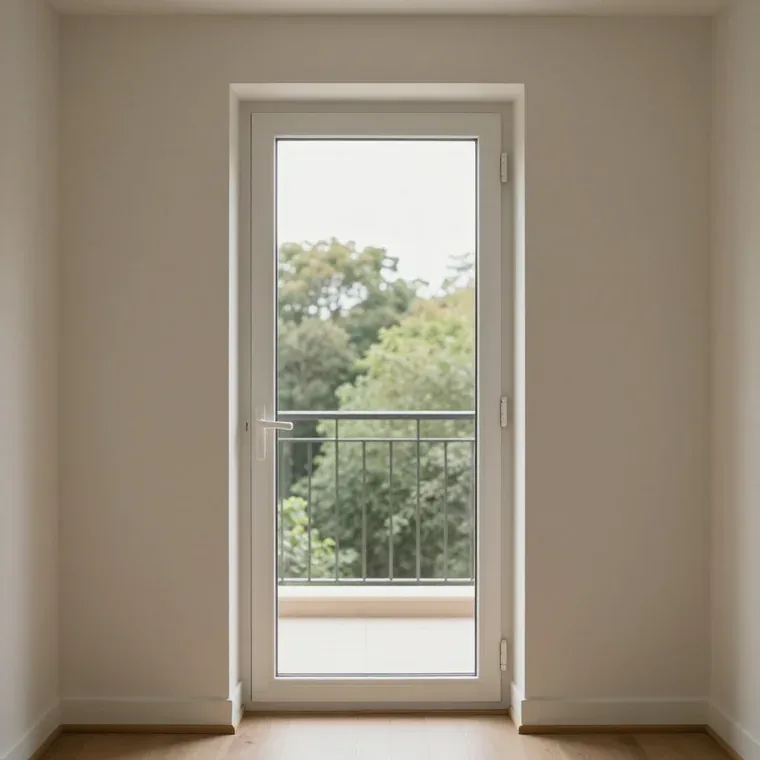



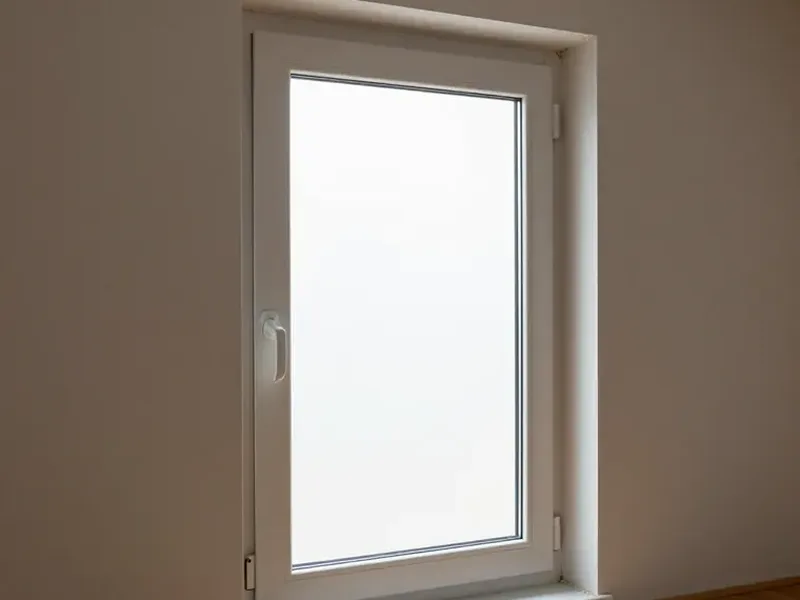 Window replacement
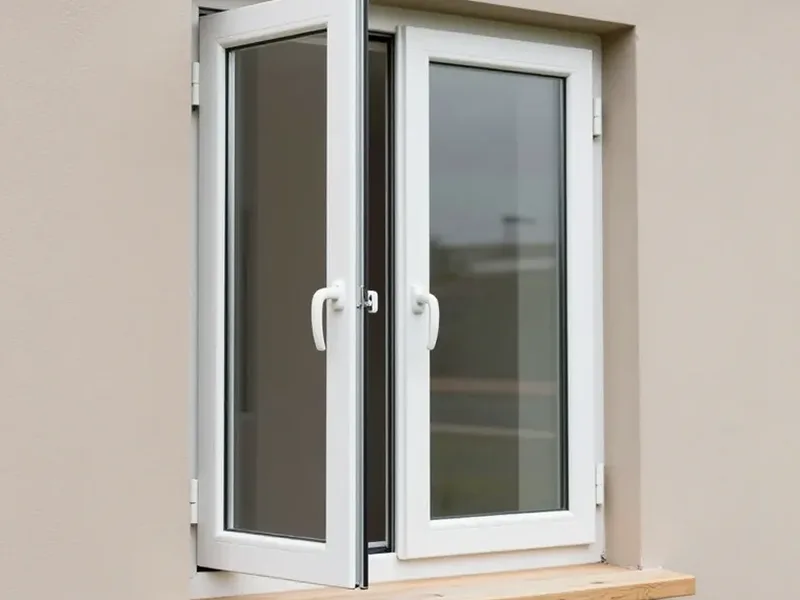 Balcony glazing
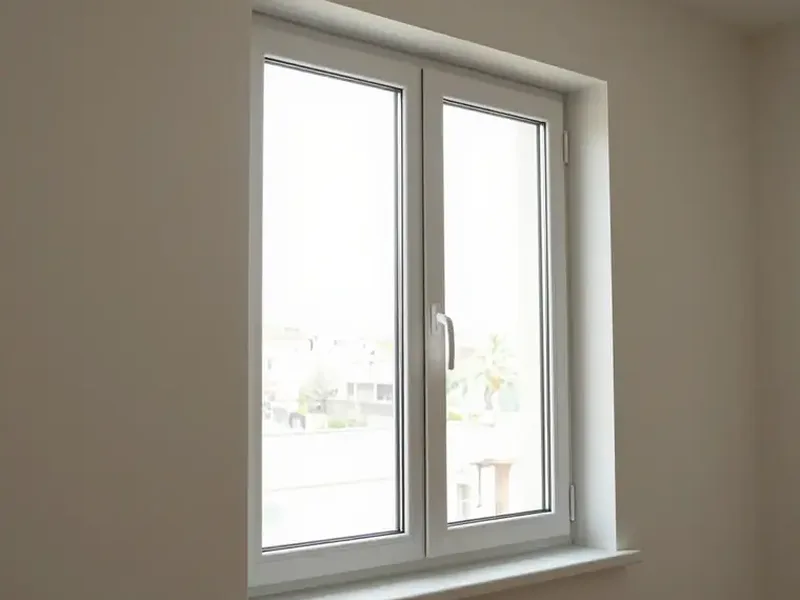 Window insulation
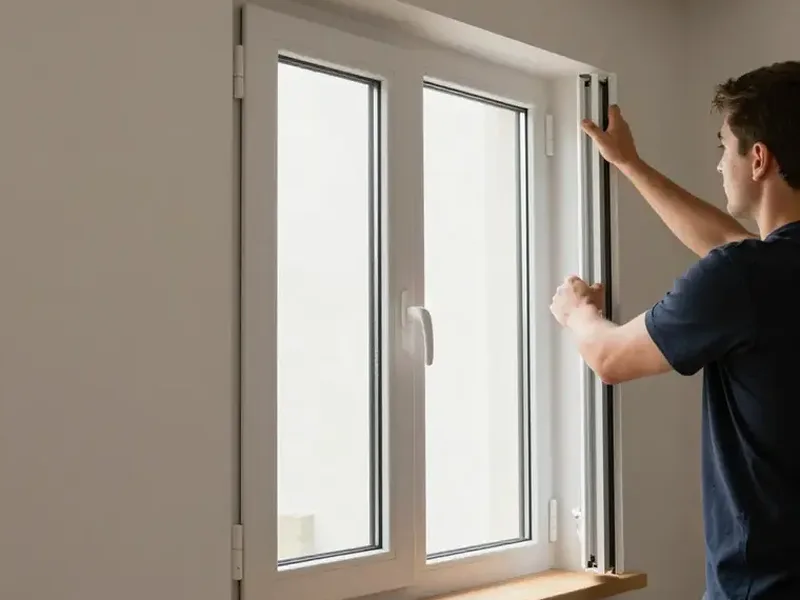 Plastic window repair
 Window repair
