
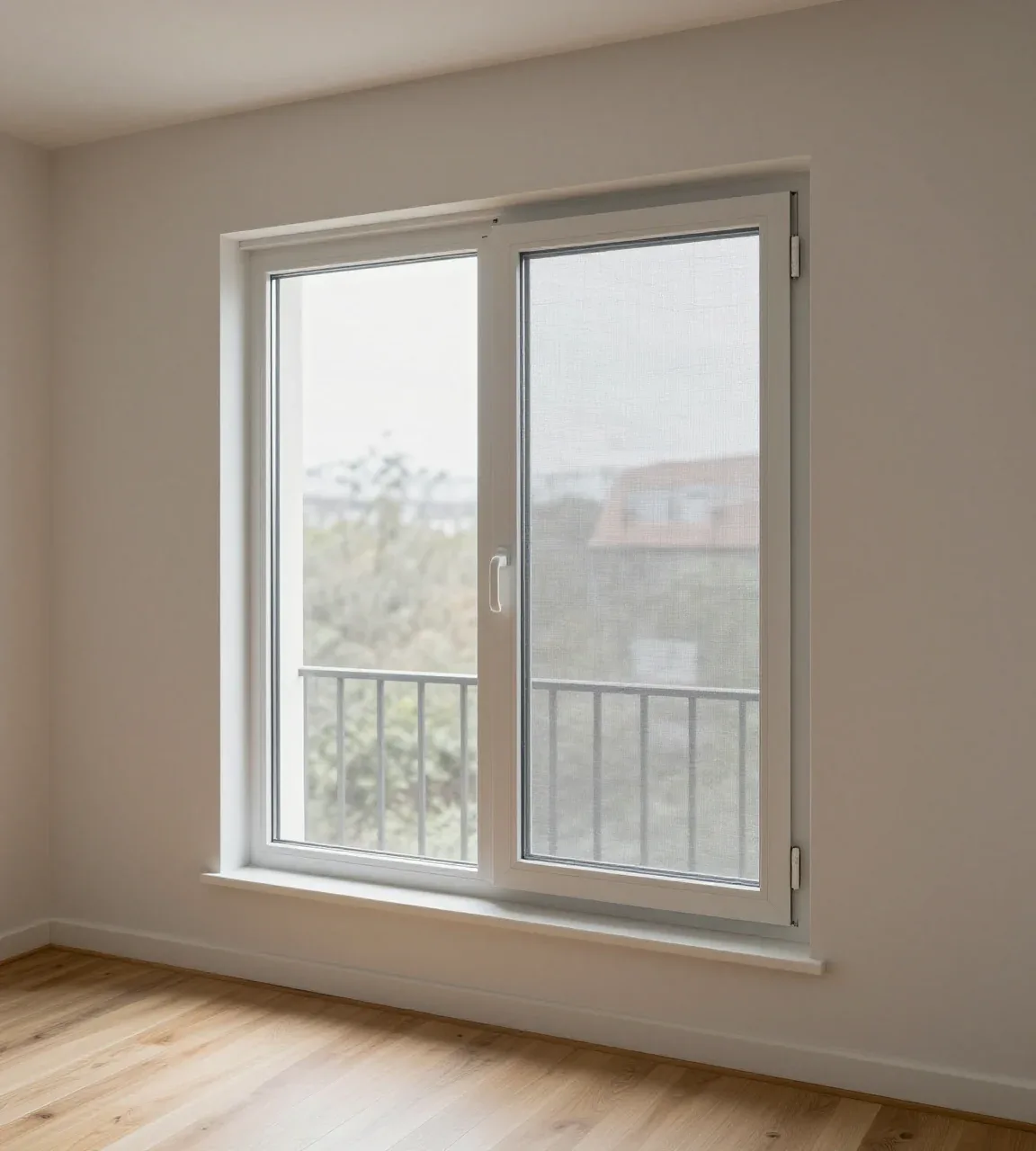
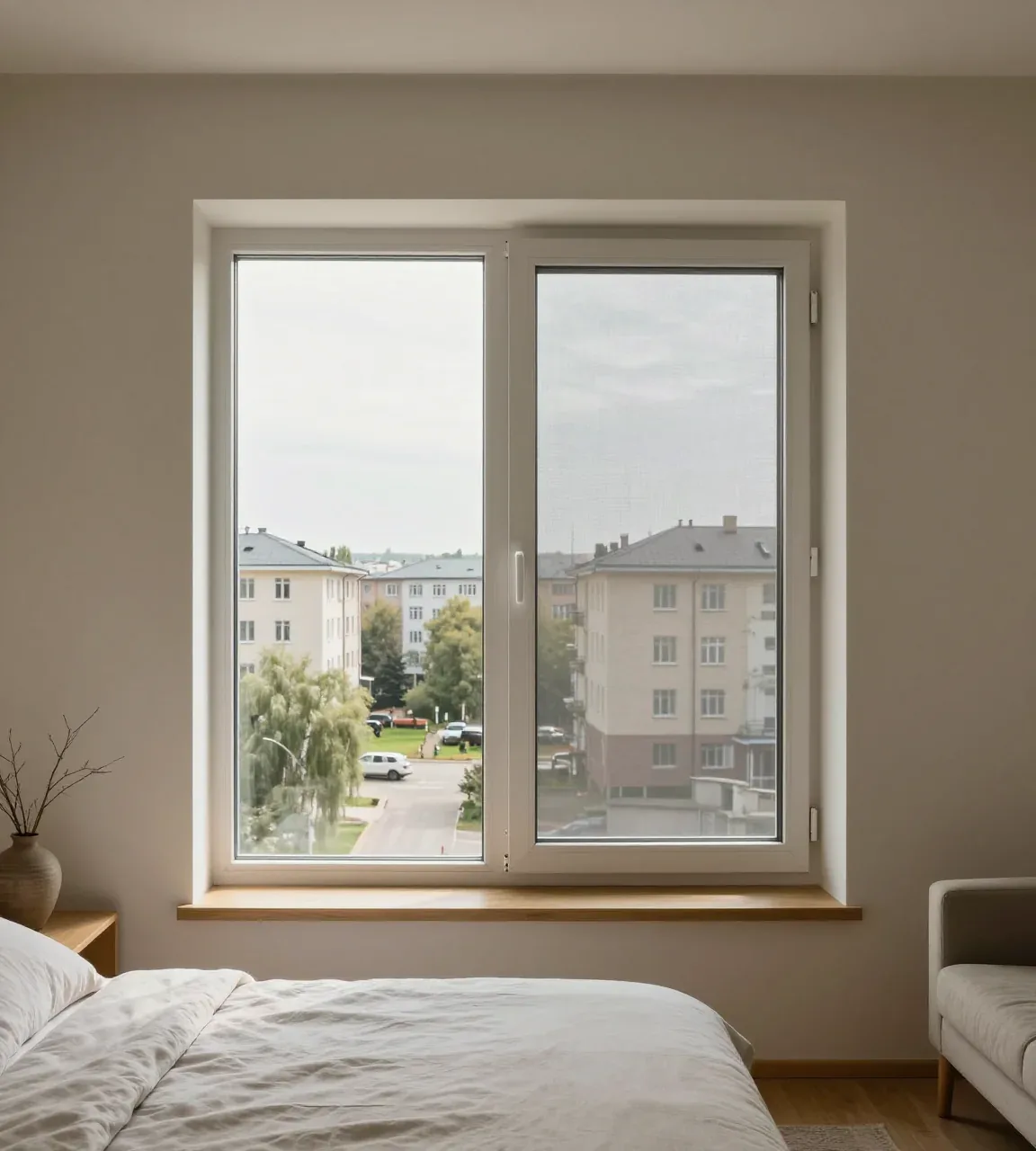
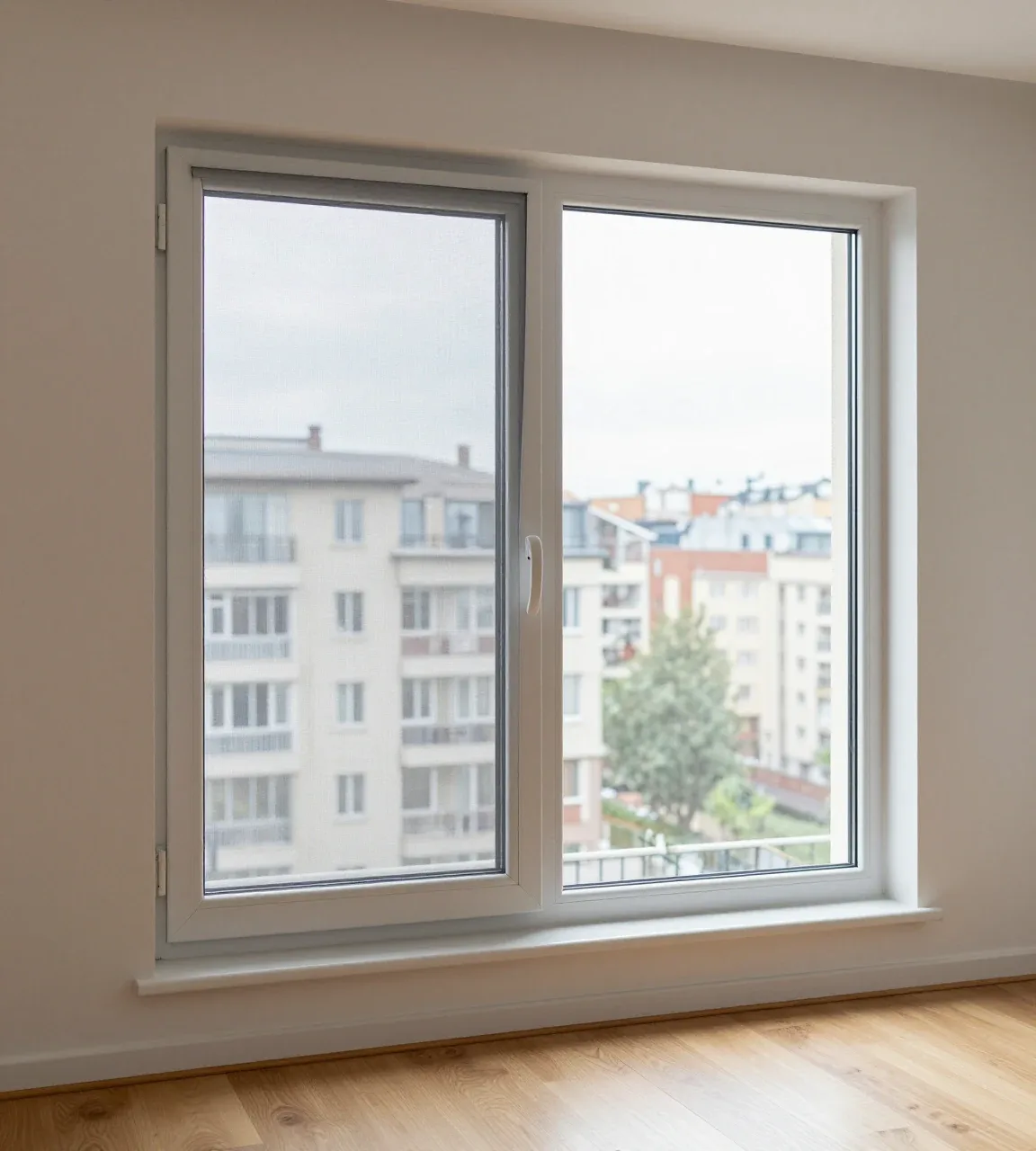
Facade untouched
VSN
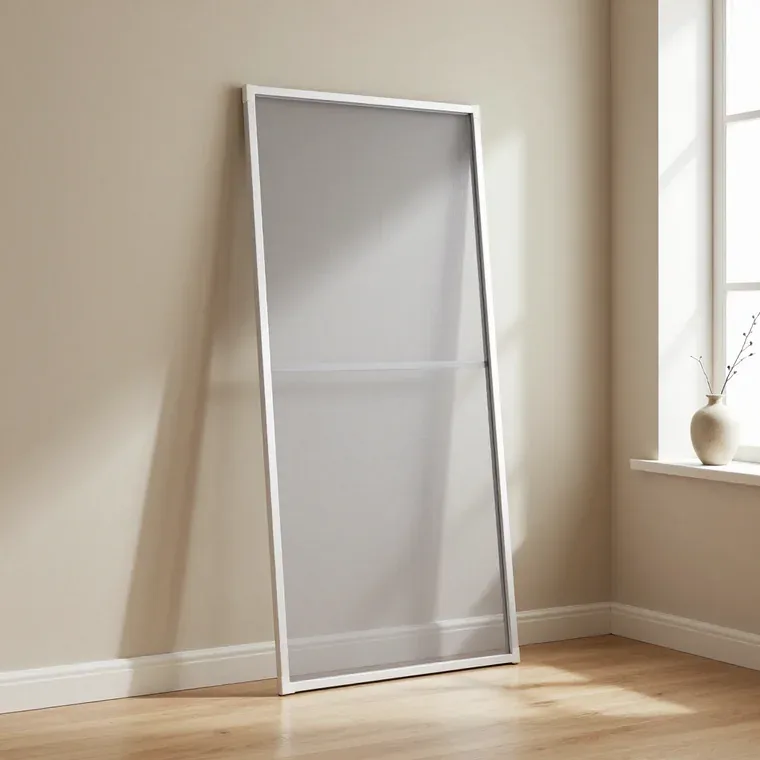
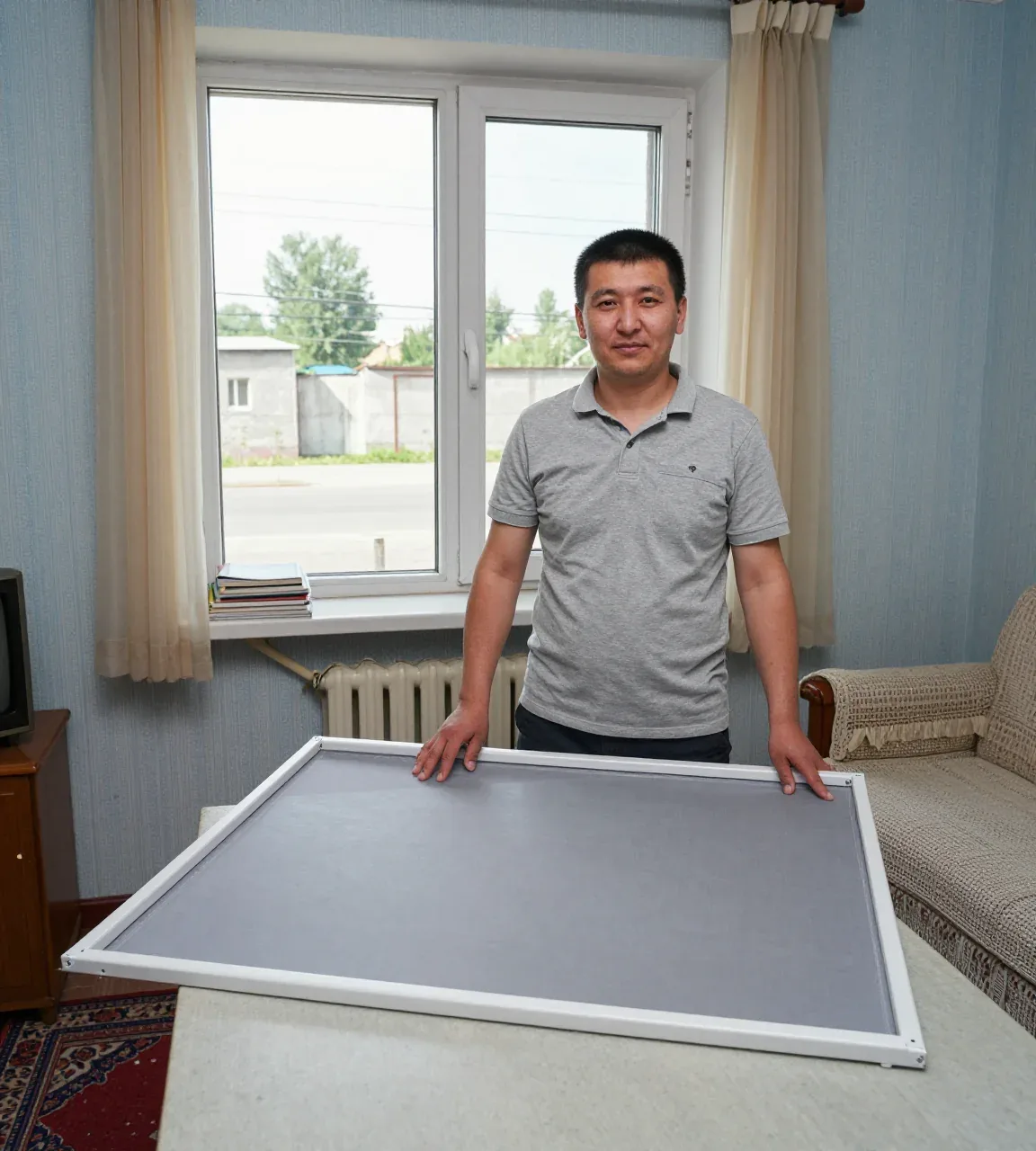
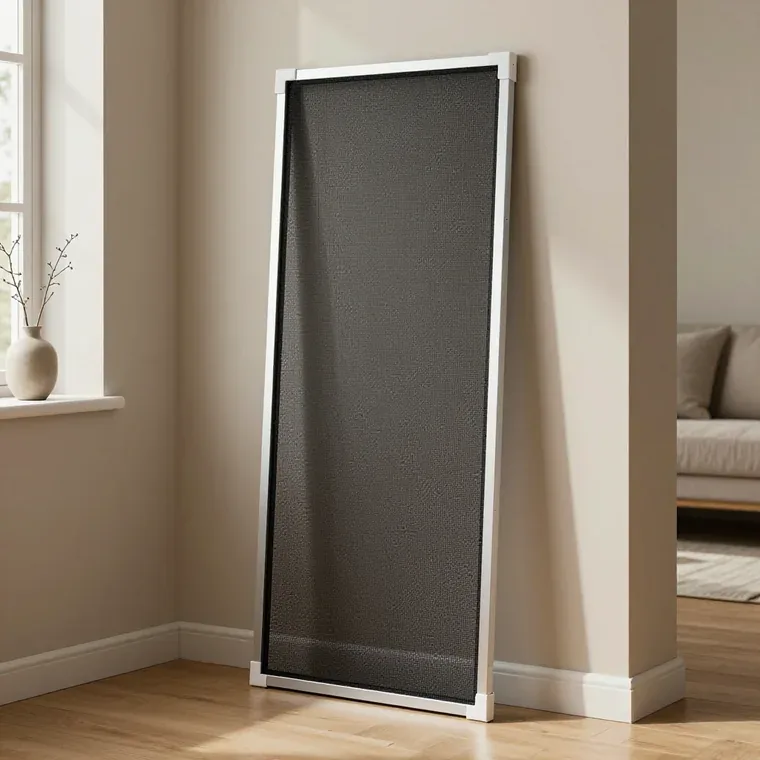
A standard internal frame sits in the opening from inside. From 9 000 ₸ per piece.
VSN
A standard internal frame sits in the opening from inside. From 9 000 ₸ per piece.
On pins
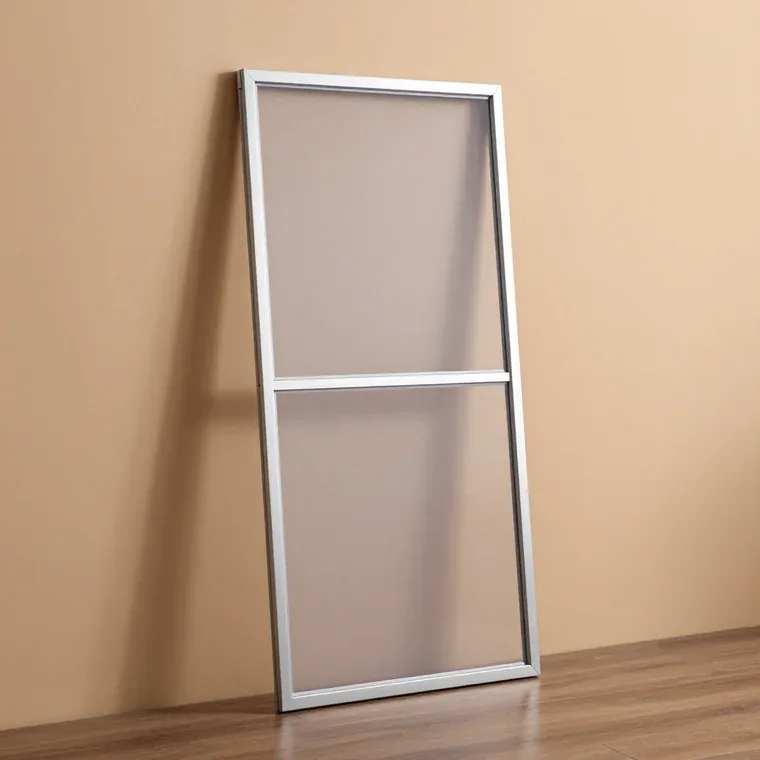
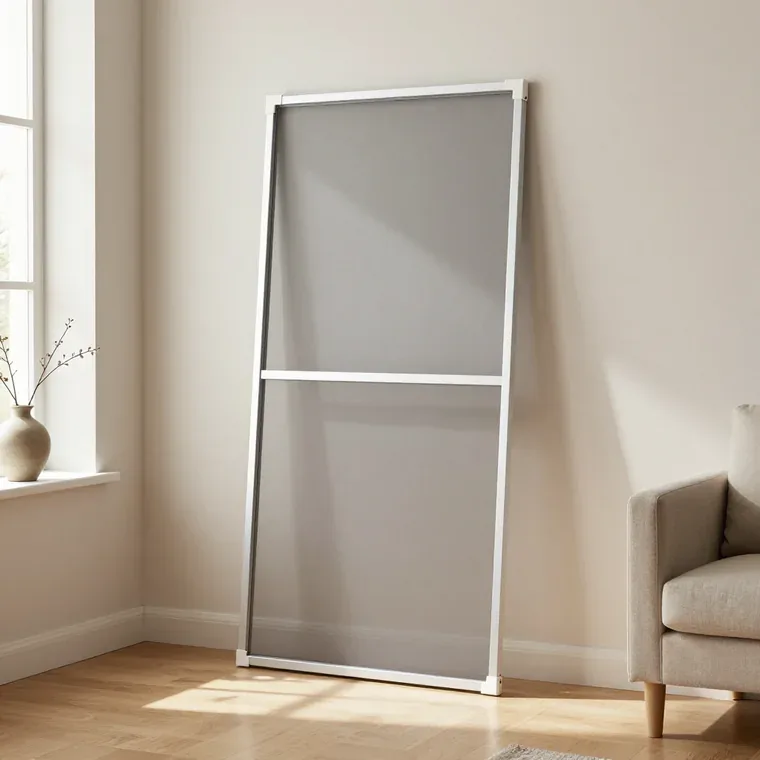
Plungers hold the frame in the opening grooves in steppe wind. From 8 000 ₸ per m².
Brush seal
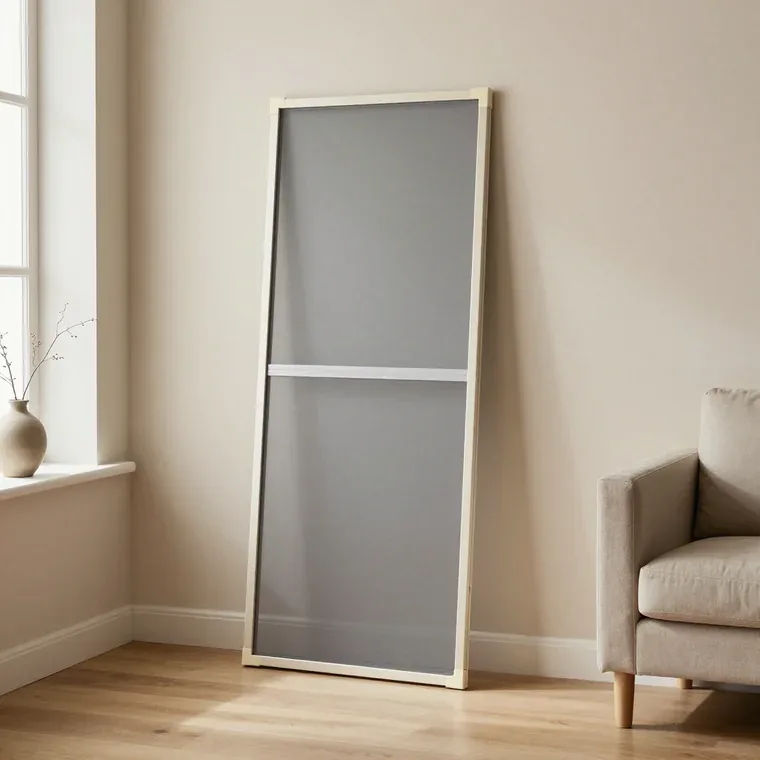
The brush seal closes the gap between the frame and the opening; fitting from 1 600 ₸.
Into the opening
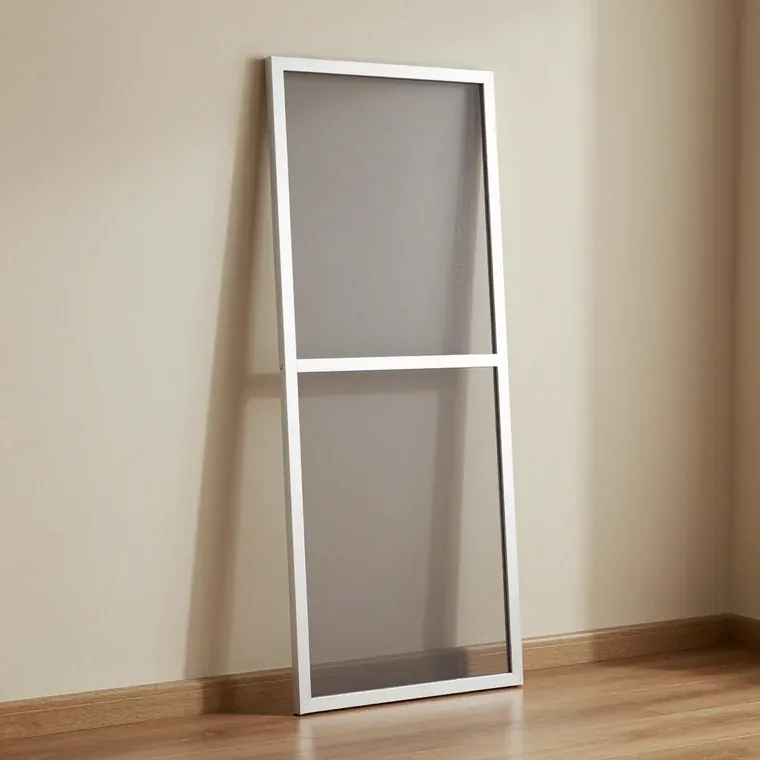
The frame fits inside the opening of an old wooden window. From 8 000 ₸ per m².



5,097 reviews on review sites
If you can't reach outside, can't fix to the facade, or have wooden windows, a screen fitted inside the opening is the answer.
An internal screen is inserted into the window opening from inside the room and fixed with pins, magnets or brackets. It needs no outside holders, so it suits high floors, rented flats and old wooden windows.
Wind in Aktobe often blows external screens out, while an internal one sits in the opening and is held around the perimeter. If a gap remains at the edge, we add a brush seal and no bugs get through.
to make the frame
measuring and fixing selection
warranty on mosquito screens
We select by reveal depth and profile.
Spring-loaded pins hold the frame in the grooves so wind won't blow it out.
The screen sticks to the frame and comes off in one motion.
Fitted from inside the room, the facade stays untouched.
Closes the gap between the frame and the opening against bugs.
From a standard frame to a reinforced one for pets.
PVC windows
Sits in the opening from inside, held around the perimeter.
windy side
Plungers keep the frame from falling out.
windows washed often
Comes off in a second.
cat at home
Heavy-duty mesh that can't be pushed out.
loggia, sliding
For aluminium profiles.
Five meshes for different needs: from mosquito protection to a barrier against pollen and cat claws.
Fiberglass, resistant to ignition and temperature changes
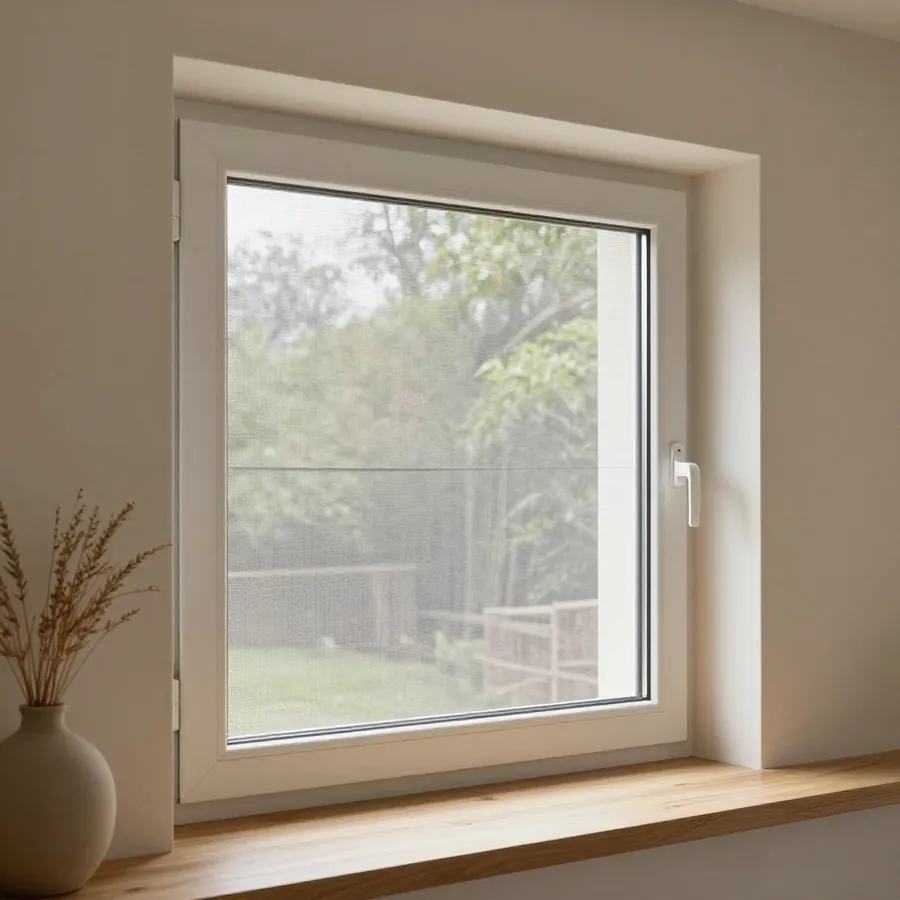
Basic fabric for standard sashes, handles mosquitoes and midges.
Mesh 0.25×1 mm, hypoallergenic Poll-Tex fabric
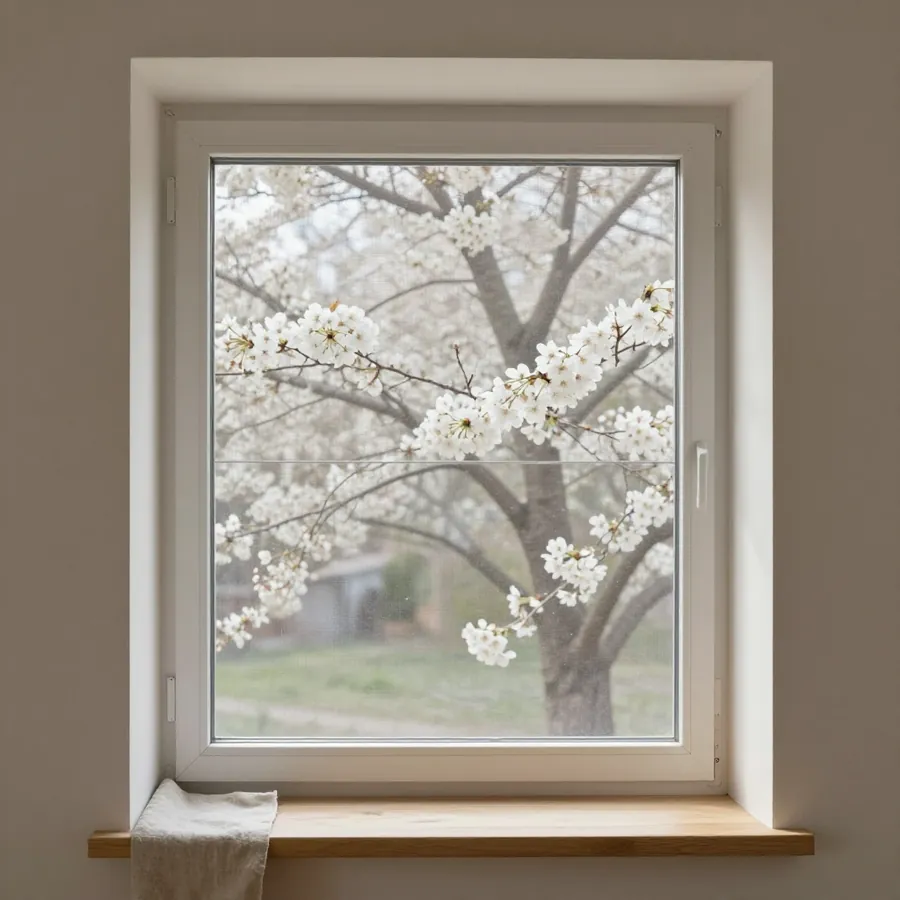
For allergy sufferers during the flowering season: traps pollen without hindering ventilation.
Vinyl threads withstand the weight of a small animal
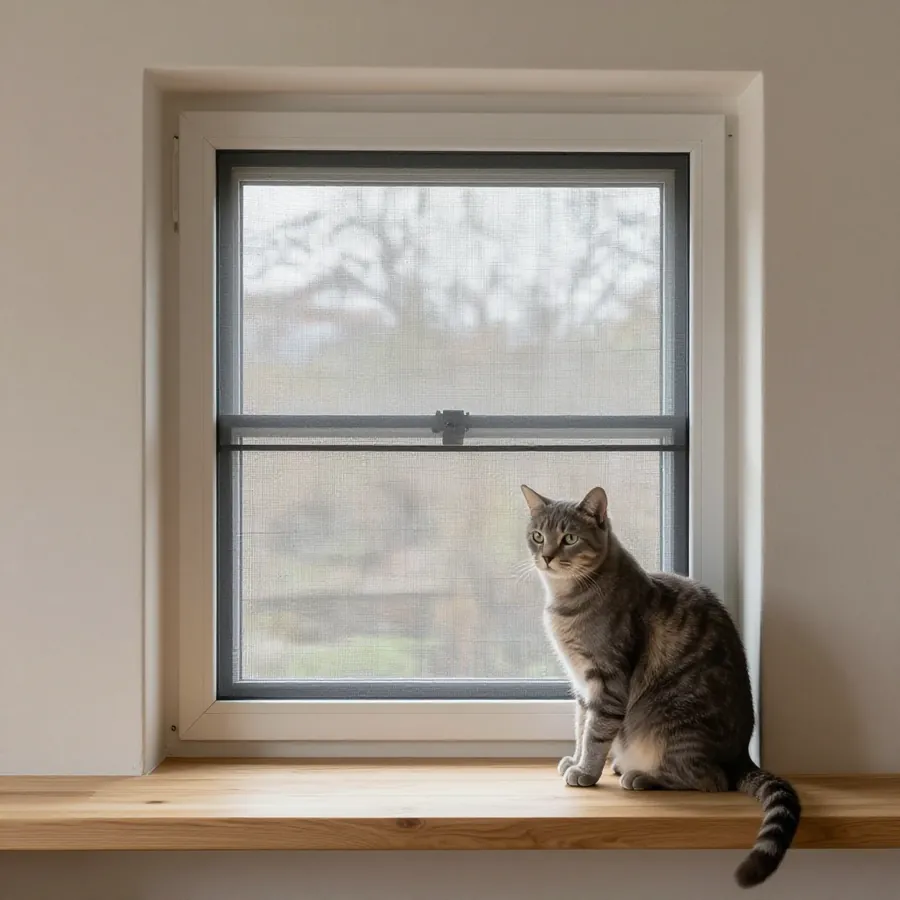
Several times stronger than standard fabric, suitable for bedrooms with a cat.
Fine mesh traps road dust
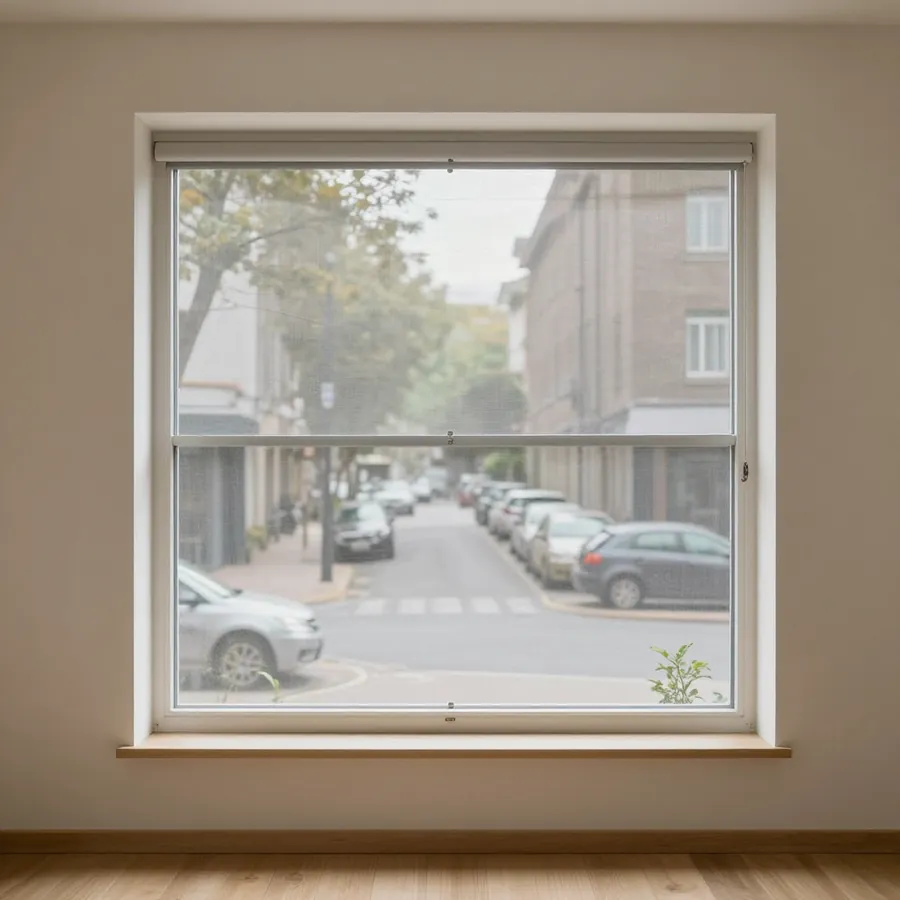
For windows facing a road or construction site, where the windowsill gets dirty quickly.
Transmits 25% more light and air
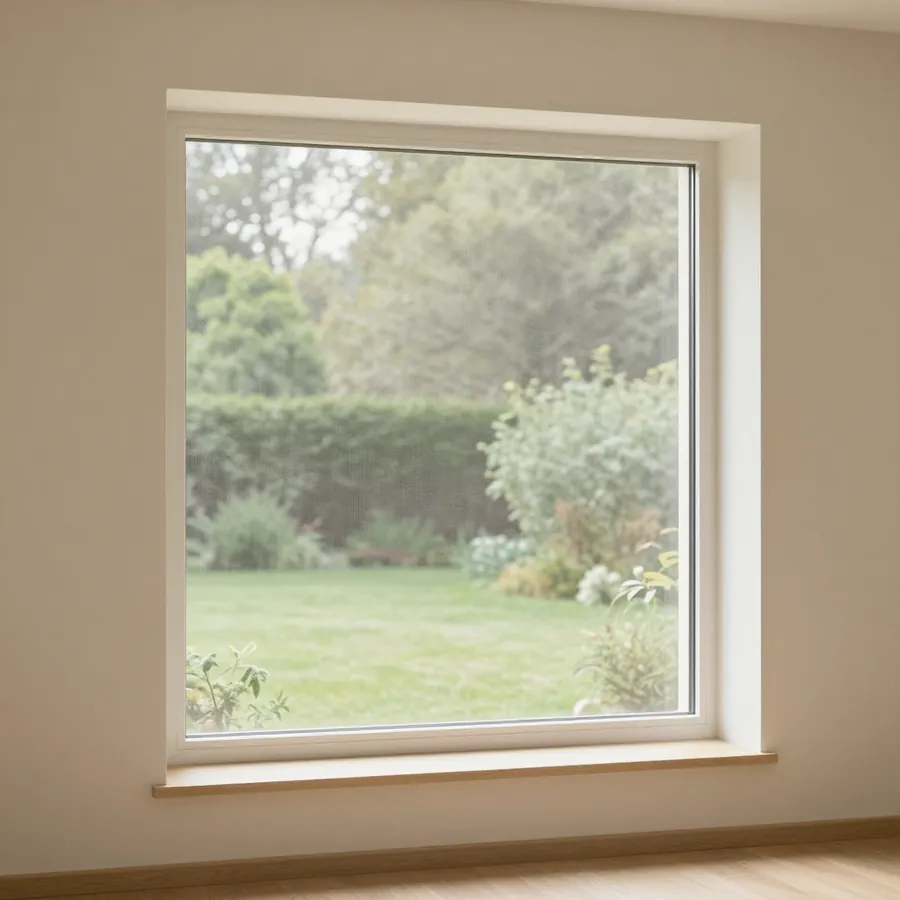
For rooms where it is important to preserve natural light and airflow.
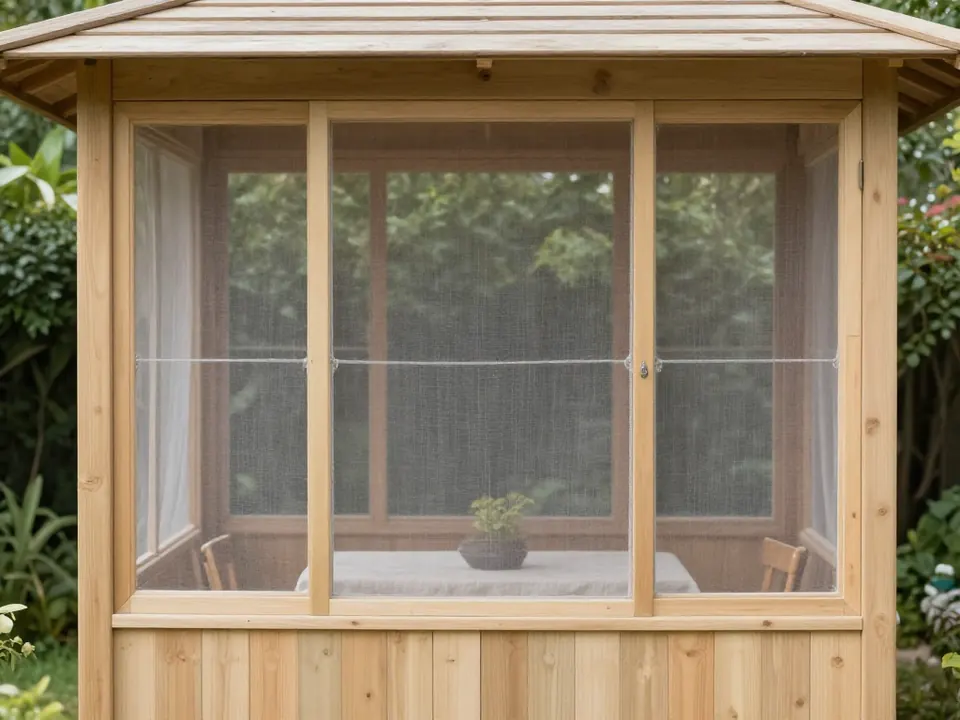
Plastic, wooden and aluminium windows, vents, loggia, gazebo and veranda windows. The measurer chooses the fixing.
Balcony door: hinged, sliding or pleated screen
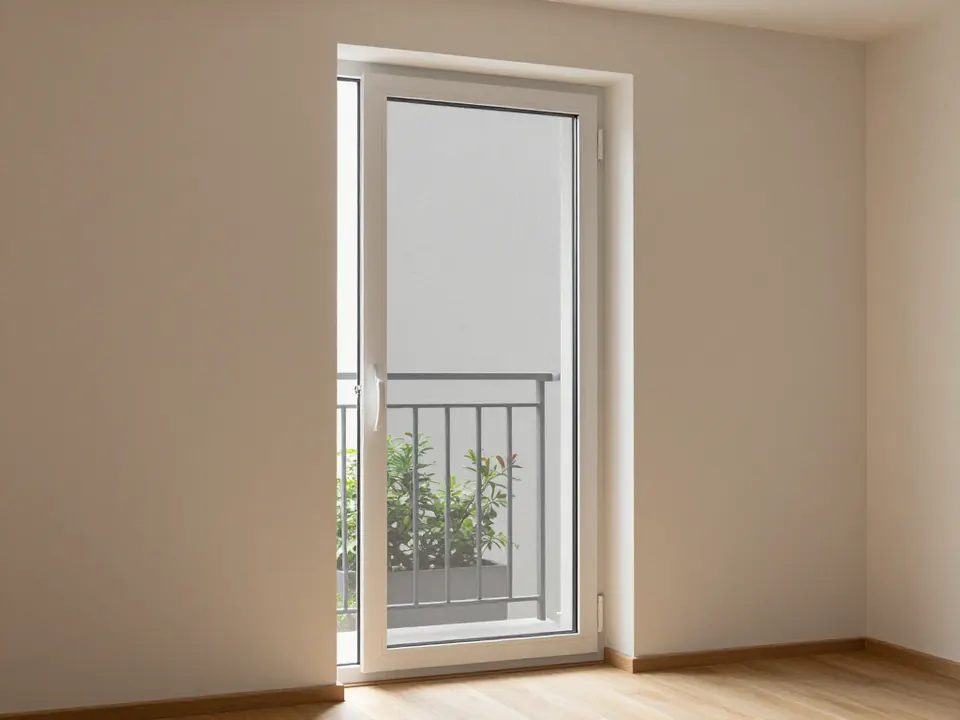
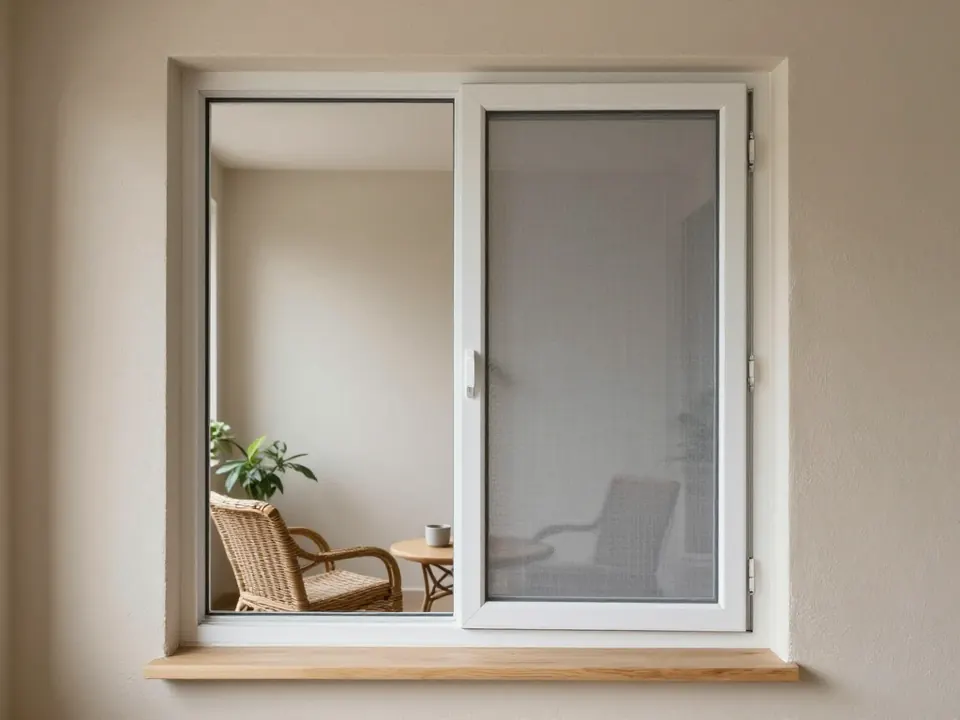
Framed screens for opening sashes
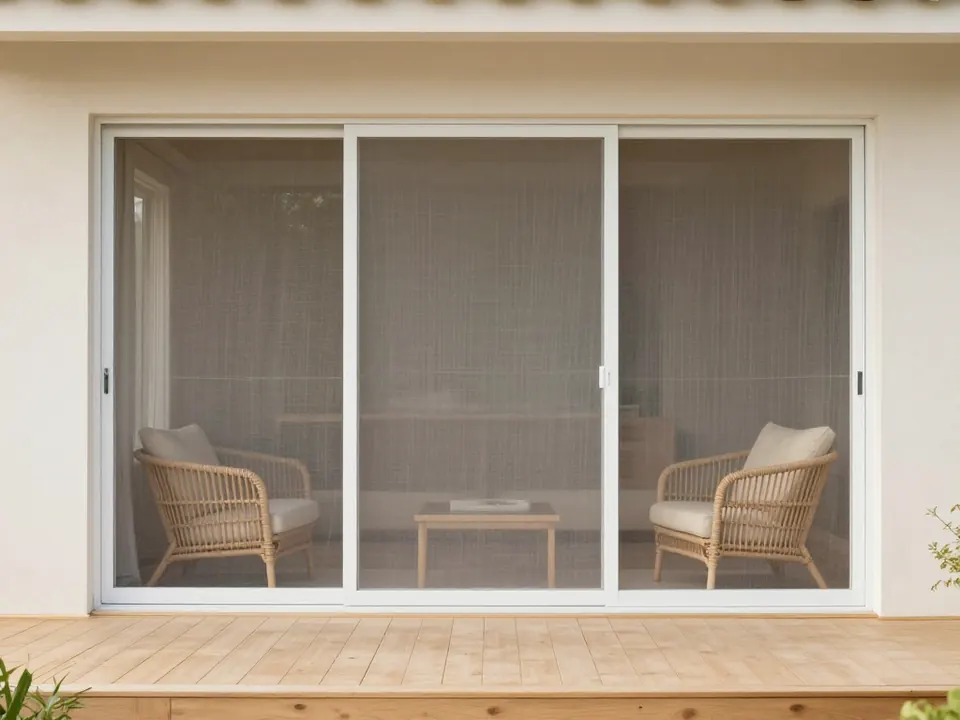
Wide openings: sliding and pleated screens
Large windows and doors to the terrace
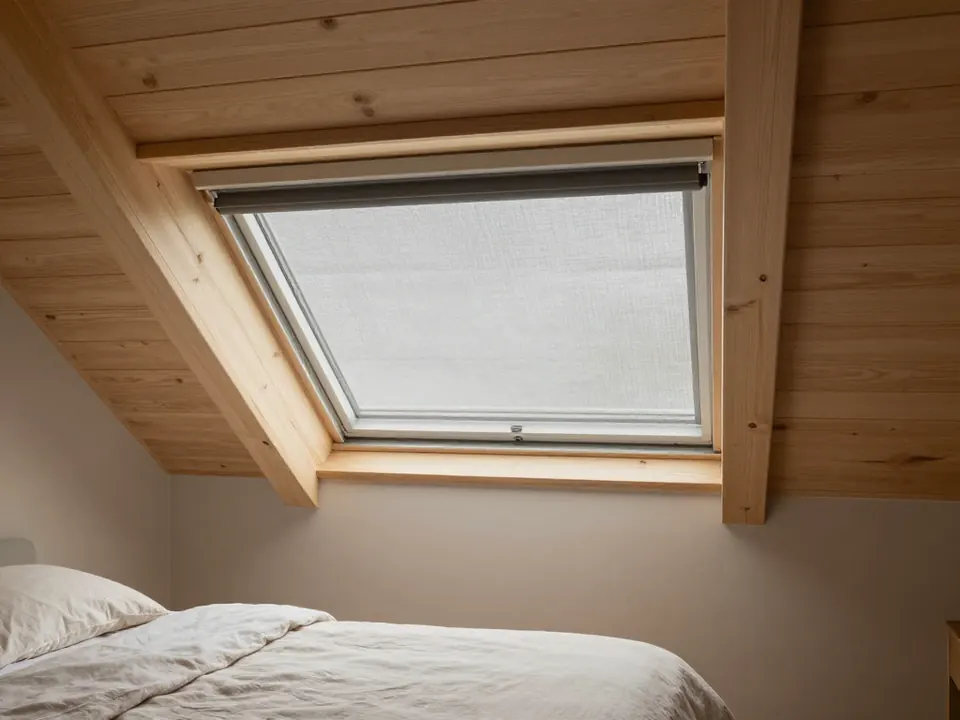
Sloped windows: the measurer chooses the fixing
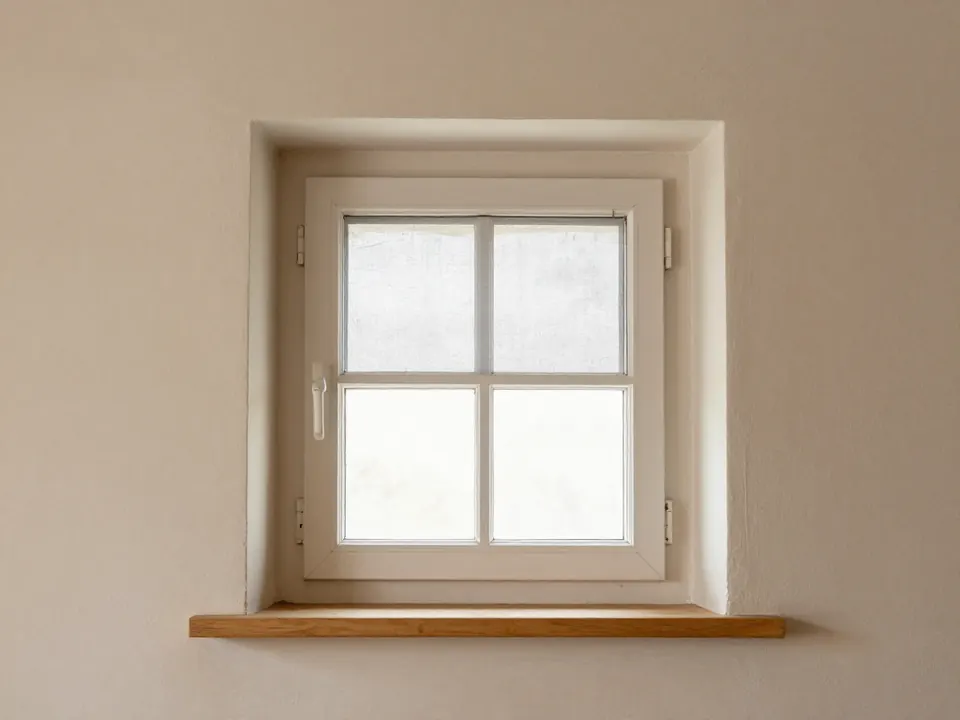
Framed screen made to the exact size of the transom
The price depends on size, fixing and mesh; the measurer will give you the exact figure on site.
| Screen type | Price | Fitting | Making | |
|---|---|---|---|---|
| VSN Standard mosquito screeninternal fixing | from 9 000₸ per piece | 1 600 ₸ | 10–15 minutes | |
| Magnetic tape screenremovable by hand | from 9 500₸ per piece | — | — | |
| Reinforced internalheavy-duty mesh | from 18 500₸ per piece | — | — | |
| Frame with pinsplungers in grooves | from 8 000₸ per m² | — | — | |
| Aluminium windowsinternal frame | from 7 700₸ per m² | — | — | |
| Pin plungerretrofit | from 2 250₸ per piece | — | — | |
| Bracket setinternal fixing | from 2 000₸ per set | — | — | |
| New cordsecures the mesh | from 1 550₸ per linear m | — | — | |
| Re-meshingnew mesh | from 3 000₸ per job | — | — | |
| Visit without orderif you decline | from 2 500₸ per job | — | — |
The price is fixed in the order after measuringMeasuring and consultation are freePayment after installation: cash, card, Kaspi
Book a measuring visitEnter the width and height of the sash to estimate the cost.
1. Screen type
2. Mesh and design
3. Opening size, cm
The key facts about our screens.
to make to measure
reveal depth and profile
no work outside
keeps midges out of the gap
to match the reveal or frame
on mosquito screens
installation
making screens
Four steps without going outside.
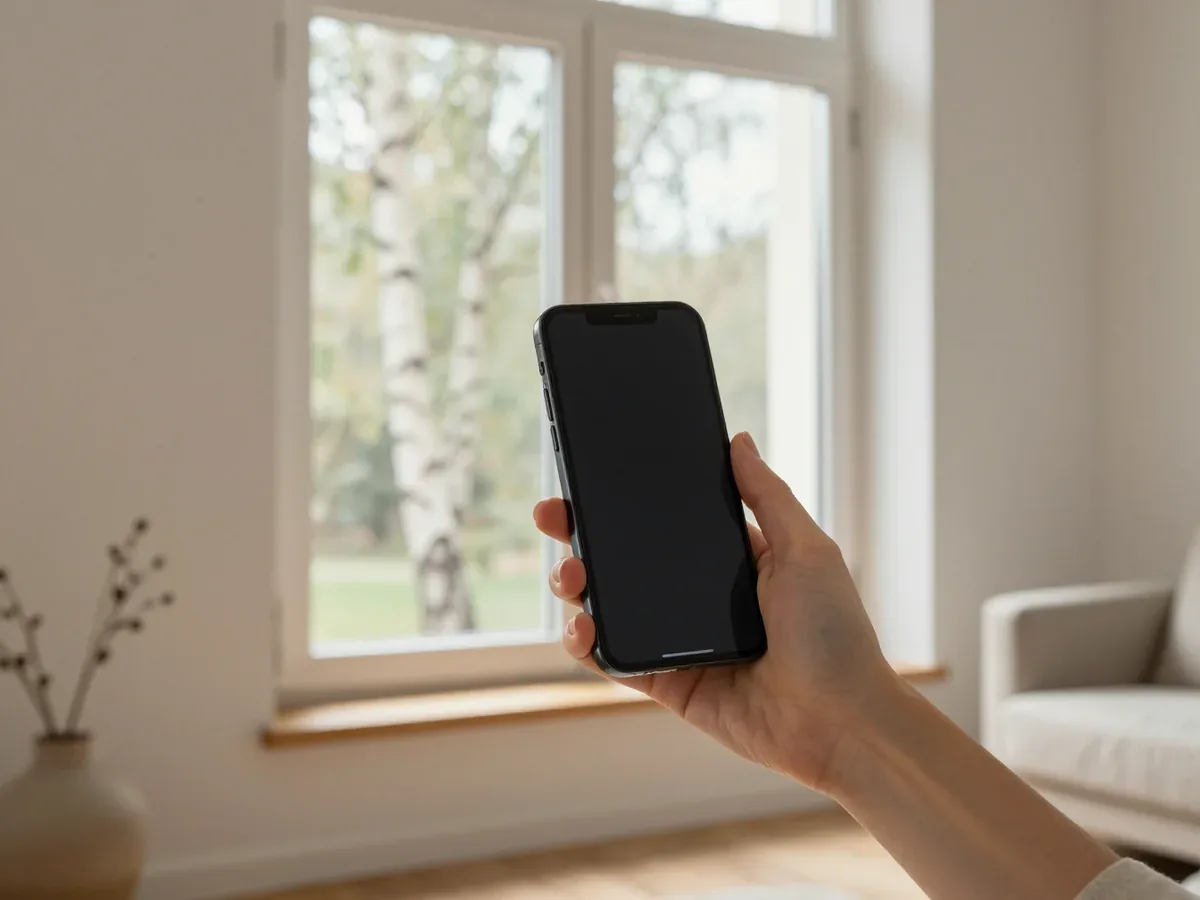
Tell us what kind of window you have — PVC, wood or aluminium — and which floor, and attach a photo.
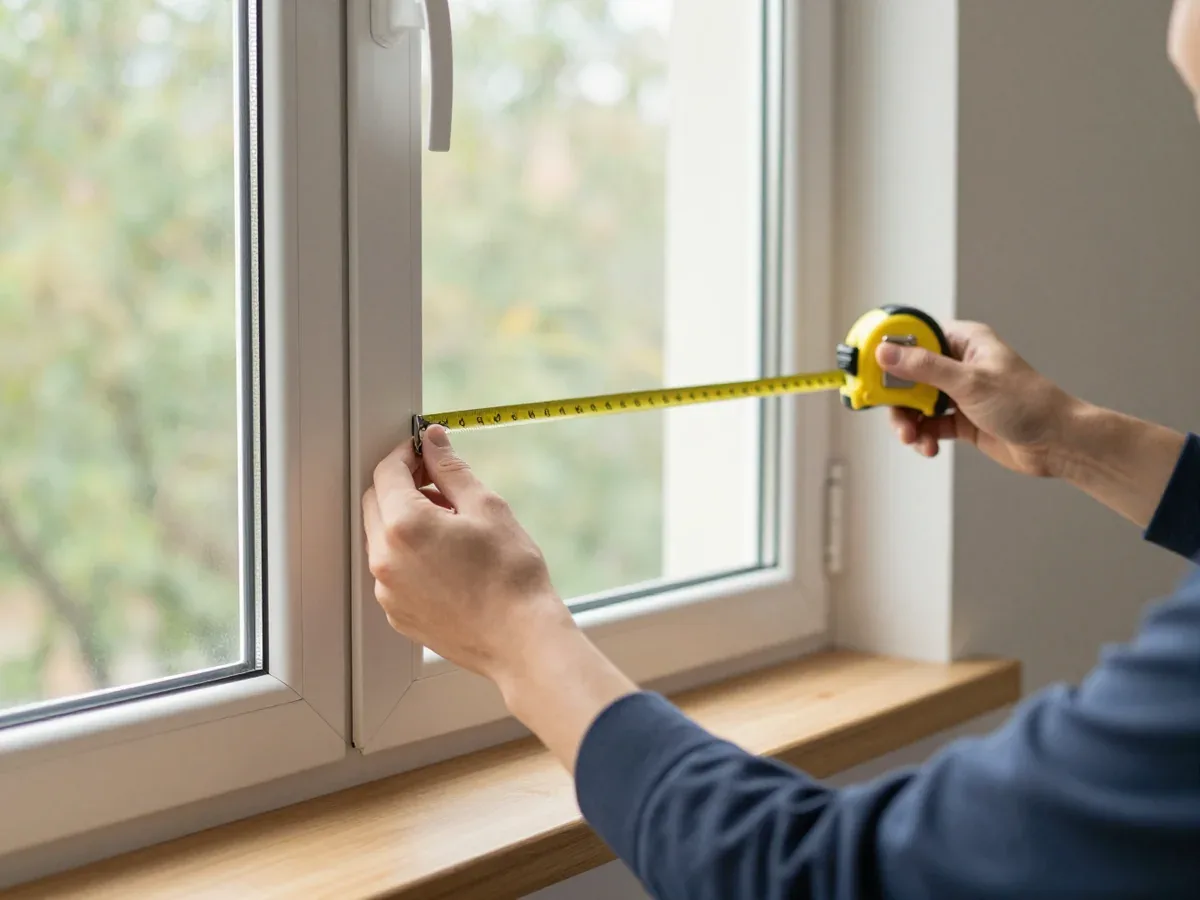
The measurer measures the opening and the depth of the reveal so the screen doesn't press against the bead.
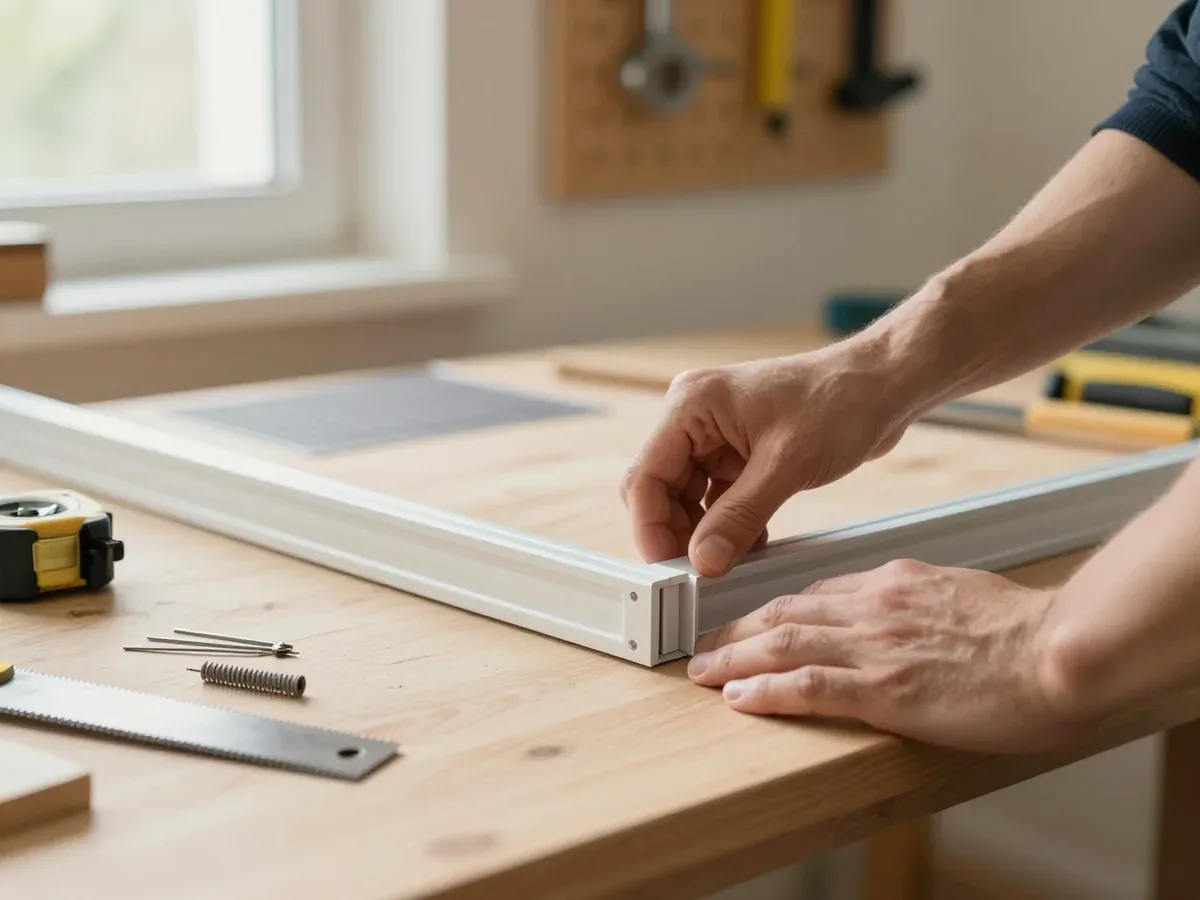
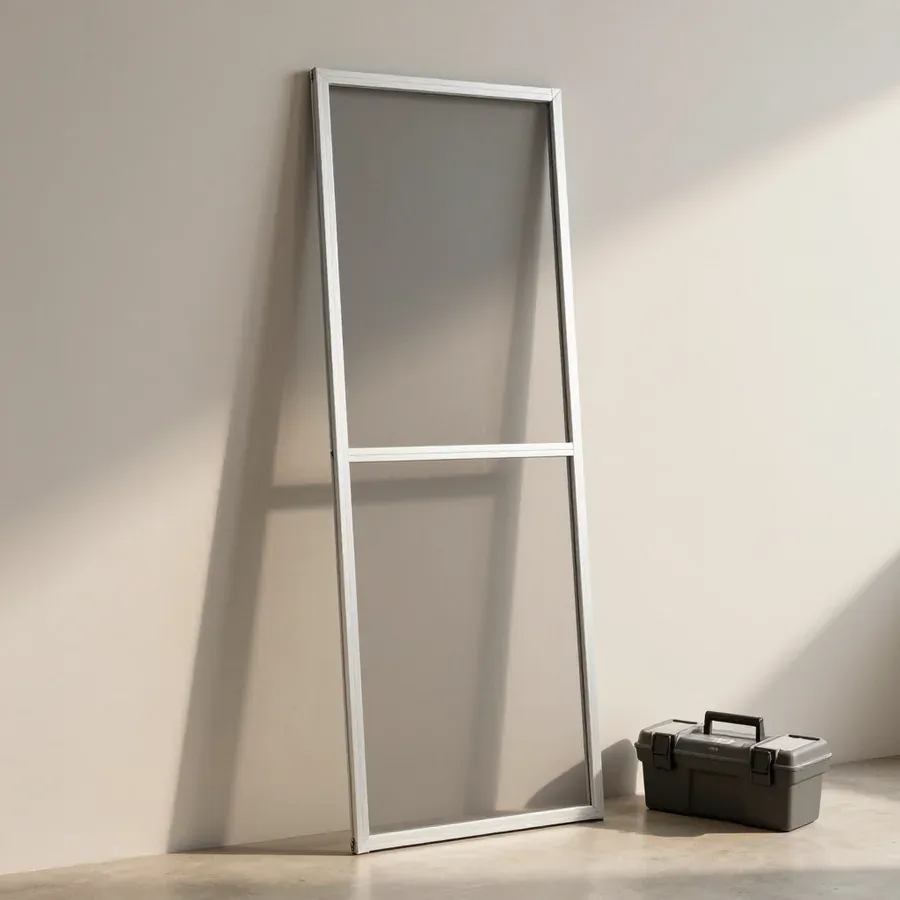
We assemble the frame to measure in 10–15 minutes.
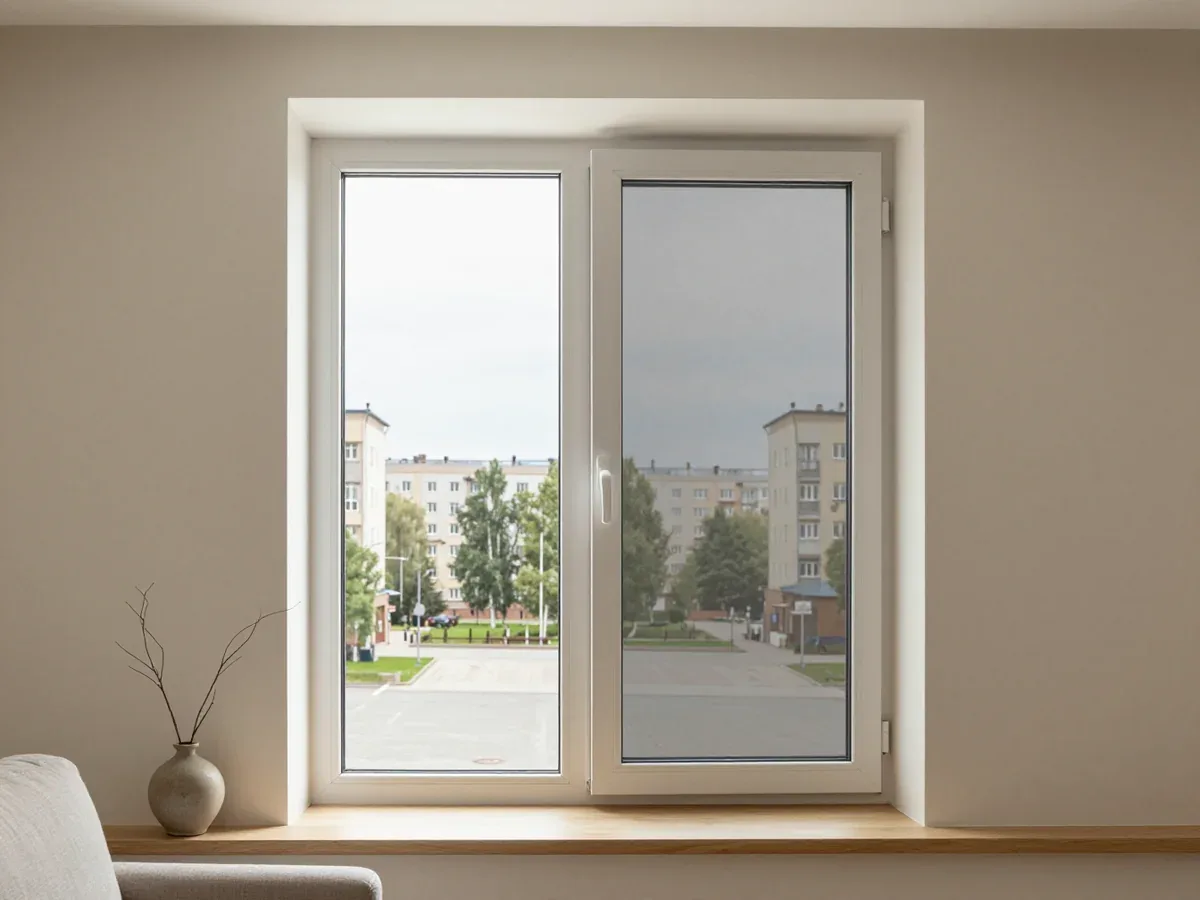
We insert the screen from the room side, check it, and then you pay.
Good to know

Senior mosquito screen specialist at moskitnyesetki.kz
We make inside-mount mosquito screens to your exact size and fit them from inside the room, so nothing projects past the window profile. The measurer picks the fastening for your profile and floor, you choose the mesh, and you pay only after installation. Screens carry a 1-year warranty.
Inside mounting puts the screen in the light opening on the room side, flush with the profile, and it lifts out from within. That one detail is what separates it from a screen bolted to the outside.
We fit inside-mount mosquito screens in Aktobe into the opening on the room side, so the panel stays level with your window profile and never hangs over the facade. Each unit is made to your own sizes, and we paint the frame any colour to match your windows, so it reads as part of the joinery rather than an add-on. Because the screen lifts out toward the interior, you can open the sash and wash the glass without unscrewing anything — plan the fastening points so they clear the handle swing. The whole thing comes away in a minute, which is also how it is stored for the winter. Check handle clearance at the measuring stage, before the profile is cut.
What holds an inside-mount unit tight for years is the hardware behind it, and no single type works everywhere — the measurer matches it to your window and storey.
| Fastener | Best for | How it holds |
|---|---|---|
| Z-brackets | Most plastic and wooden frames | Hooks over the edge, lifts out |
| Pins (plungers) | Tight reveals, aluminium units | Spring-loaded, seat into the groove |
| Magnets | Light screens, easy removal | Magnetic strip, pull-off by hand |
The measurer arrives when it suits you, takes the sizes on site and selects the hardware while looking at your actual frame and storey. Measuring and consultation are free, and the visit covers the design, the fabric and the mounting in one pass, so nothing has to be ordered blind. On a fifth-floor plastic opening the choice usually lands on Z-brackets or plungers, because both hold the assembly against the reveal without drilling into the sash. Aluminium units with a narrow groove take spring pins instead, and a light fabric on an easy-to-reach opening can hang on magnets. Sizing on site removes the guesswork that ruins a self-measured order — a couple of millimetres off and the panel either rattles or will not seat.
The frame stays the same across the range, but the mesh decides what the screen does for you — brighter rooms, tougher threads, finer filtering or dust control.
| Mesh | Solves | Key detail |
|---|---|---|
| UltraVue | Brighter rooms | 25% more daylight |
| Anti-Cat (Pet Screen) | Clawing pets | Vinyl threads hold a small animal |
| Anti-Pollen (Poll-Tex) | Allergy season | 0.25×1 mm cell |
| Anti-Dust | Street grime | Denser weave traps fine particles |
| Standard (Fiberglass) | Everyday use | Resists fire and temperature swings |
Inside mounting is not tied to one window type. The same approach works on plastic, wood and aluminium, and on openings from a small vent to a loggia door.
We fit insect screens on plastic, wooden and aluminium frames, and the fixing changes with the profile rather than the material name. On a standard plastic unit the measurer usually reaches for Z-brackets or pins, because the flat face leaves a shallow rebate. Aluminium units on a loggia are thinner, so the same bracket has less metal to grip and the load has to spread wider. Timber behaves differently again — the wood is thicker and the rebate behind the sash is often deeper, giving a bracket more room to bite. That depth matters more than the material itself, since a deep reveal takes a sturdier fixing without any flex. A wooden frame often has a deeper reveal than a plastic one, which frees up room for a sturdier bracket — worth pointing out to the measurer on site.
The whole process follows a fixed sequence: free measuring, a price locked in the order, quick manufacturing, then fitting and payment once the screen is up.
Measuring and consultation are free, and the price is fixed in the order once the measurer has taken your sizes. The measurer arrives at a time that suits you, records the opening, and helps you choose the design, the mesh and the fixings — the three decisions that shape how the finished screens sit on your frame. We paint the frame any colour to match your windows, so the profile does not stand out against the sash. Locking the figure at this stage protects you from surprises later — the amount in your paperwork is the amount you settle once the job is done.
A framed screen made to your size takes 10-15 minutes and a pleated one 40-60 minutes, and you pay once the job is complete by cash, card or Kaspi. Mosquito screens can be ordered in 17 cities of Kazakhstan, so the size agreed at the first visit is the size that arrives — no local workshop improvising on the day. Our team answers on WhatsApp within 5 minutes and works seven days a week, which matters when a fitting date has to move. Because every unit is made to your own sizes, a repeat order for a second window matches the first exactly.
A unit that lifts out from inside is easy to look after: you take it down for winter, store it flat, and if a mesh tears or a bracket wears out, the same team repairs it under warranty.
A framed unit lifts out from inside in about a minute, and it is worth taking down for winter rather than leaving it up. The unit sits in its fastenings without tools, so you release the top edge first, then the bottom, and carry the panel away by the profile rather than the mesh. Store it flat or hanging, never leaning on a corner — a frame left propped against a wall all winter can warp enough to stop seating in spring. Before the cold sets in, wipe the mesh with a soft brush and check the spline for cracks. Panels that come down every autumn and go back up in spring keep their shape longer than those left out through snow and frost.
A panel fitted from indoors is a simple product, yet four decisions shape how it performs once it is on the frame. Settle them at the start and the result stays predictable for years.
Types, safety, materials and installation of internal screens
Konstantin Selenenkovsenior mosquito screen specialist, 10 years in the tradeOnline · replies within 5 minutes
Ask a questionThe insert screen is held in the opening by plungers or magnets and can be removed without tools, while the framed one on Z-brackets is fixed more rigidly and suits large sashes. For windows in Aktobe, the surveyor selects the option to match the profile and floor level.
No, the screen is installed inside separately from the child lock and does not block its mechanism. The main thing is not to mount the mesh over the blocker handle; the surveyor will take this into account when marking.
For such cases, Anti-Cat (Pet Screen) is suitable: its vinyl threads are significantly stronger than standard ones and can withstand the weight of a small animal. The mounting option depends on the profile and floor level; the surveyor will advise whether drilling is needed.
Yes, the Poll-Tex canvas with a 0.25×1 mm mesh retains pollen and fine dust while remaining hypoallergenic. It is installed inside on the same plungers or magnets as a regular internal screen.
Yes, we install internal screens on plastic, wooden and aluminium windows, as well as on transoms, loggias and verandas. The surveyor selects the mounting method for your profile and floor level; whether drilling is needed is decided during the free measuring visit.
The framed screen can be removed from inside in a minute by pulling the handle or the edge of the frame. It is best stored in a dry place, laid flat, so that the profile does not deform and the mesh does not crease.
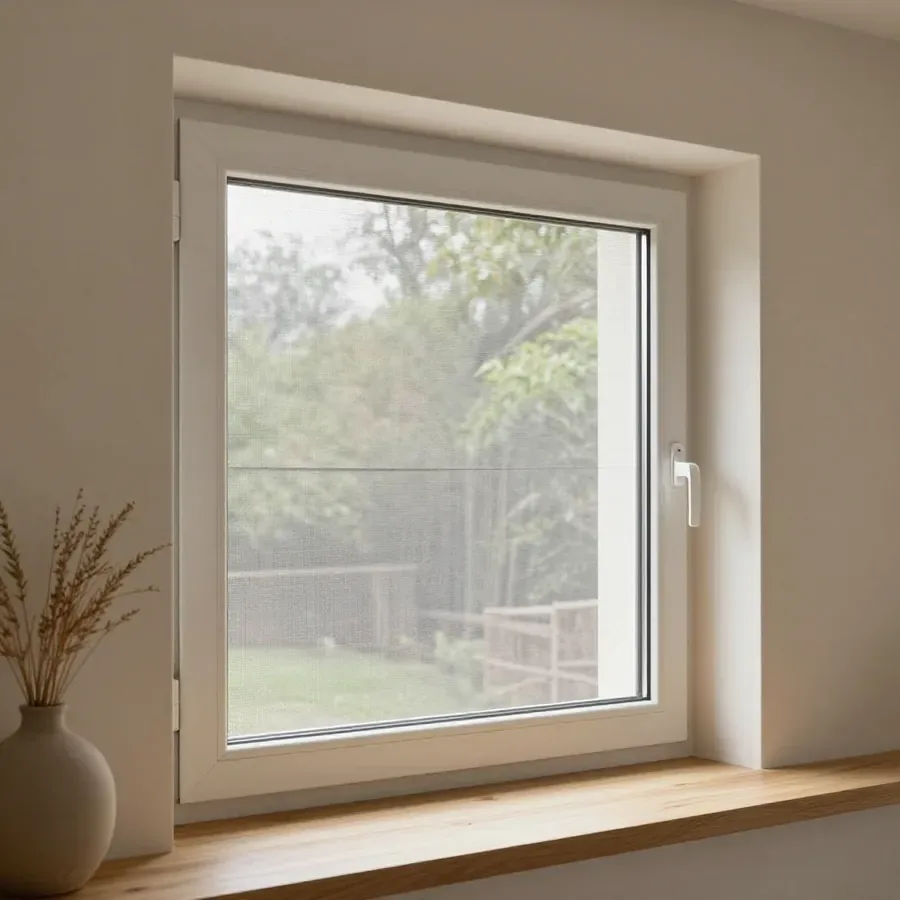 Care
A frame screen comes off in a minute: we show how not to bend the frame or lose the fixings.
April 15, 20268 min read
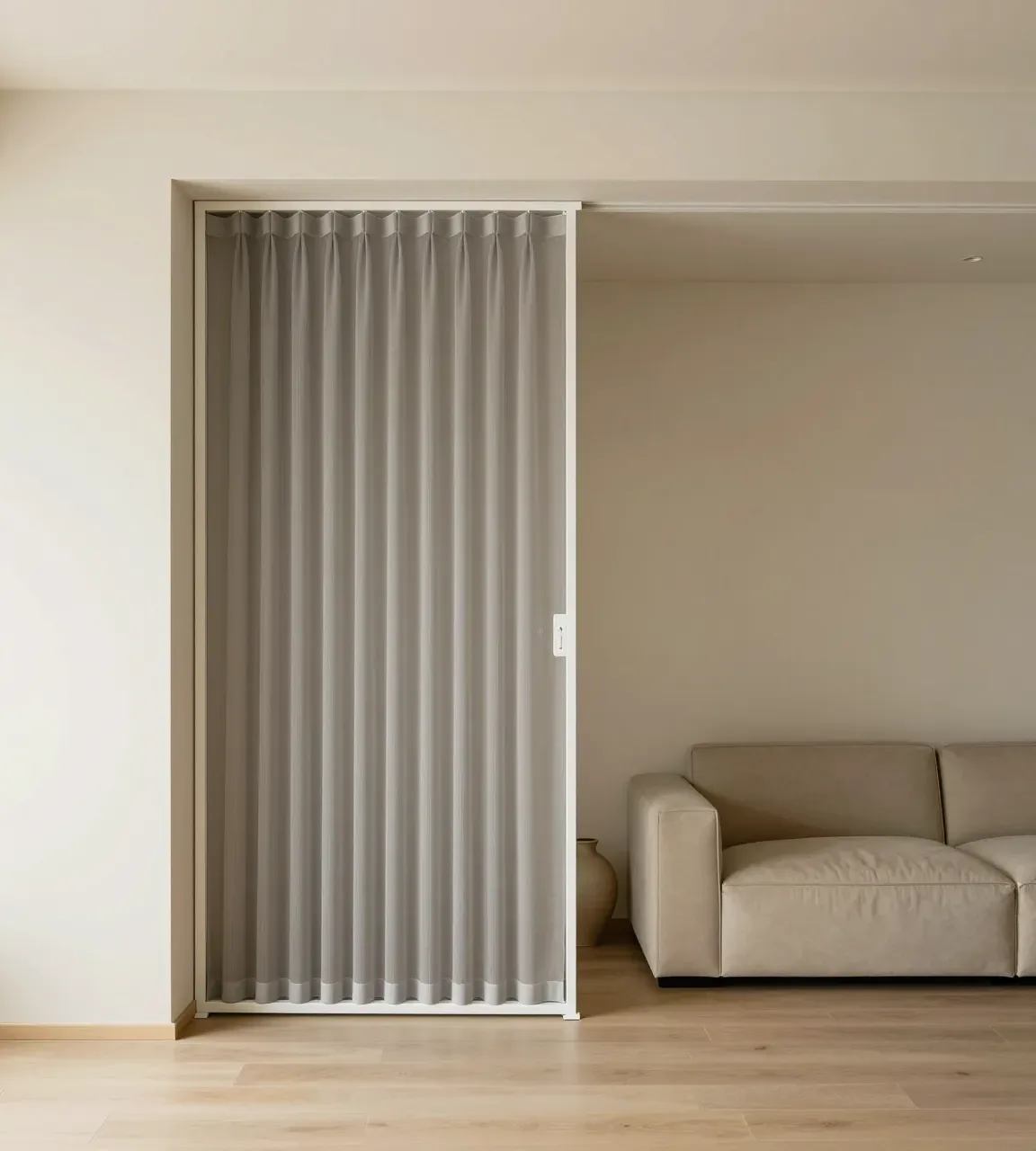 Choosing
We compare the price, lead time and how each screen performs on a door that you walk through every day.
March 2, 20268 min read
 Mesh types
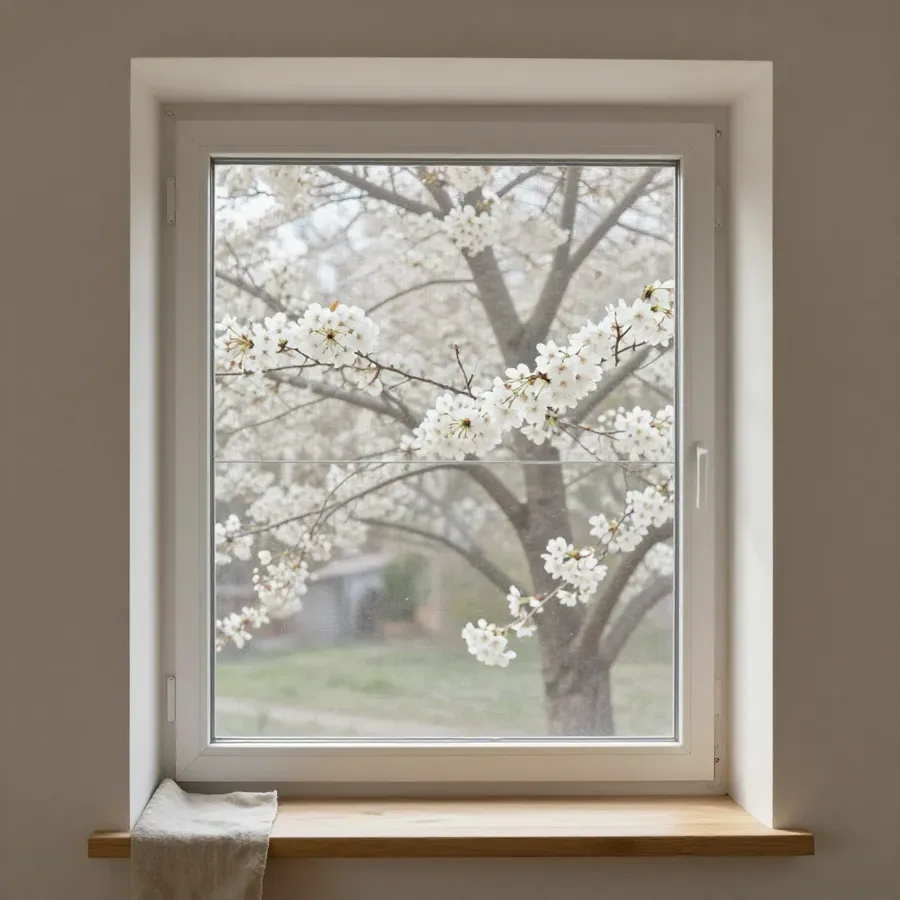
How Poll-Tex mesh with a 0.25×1 mm cell works and who it helps in pollen season.
February 17, 20268 min read
 Prices
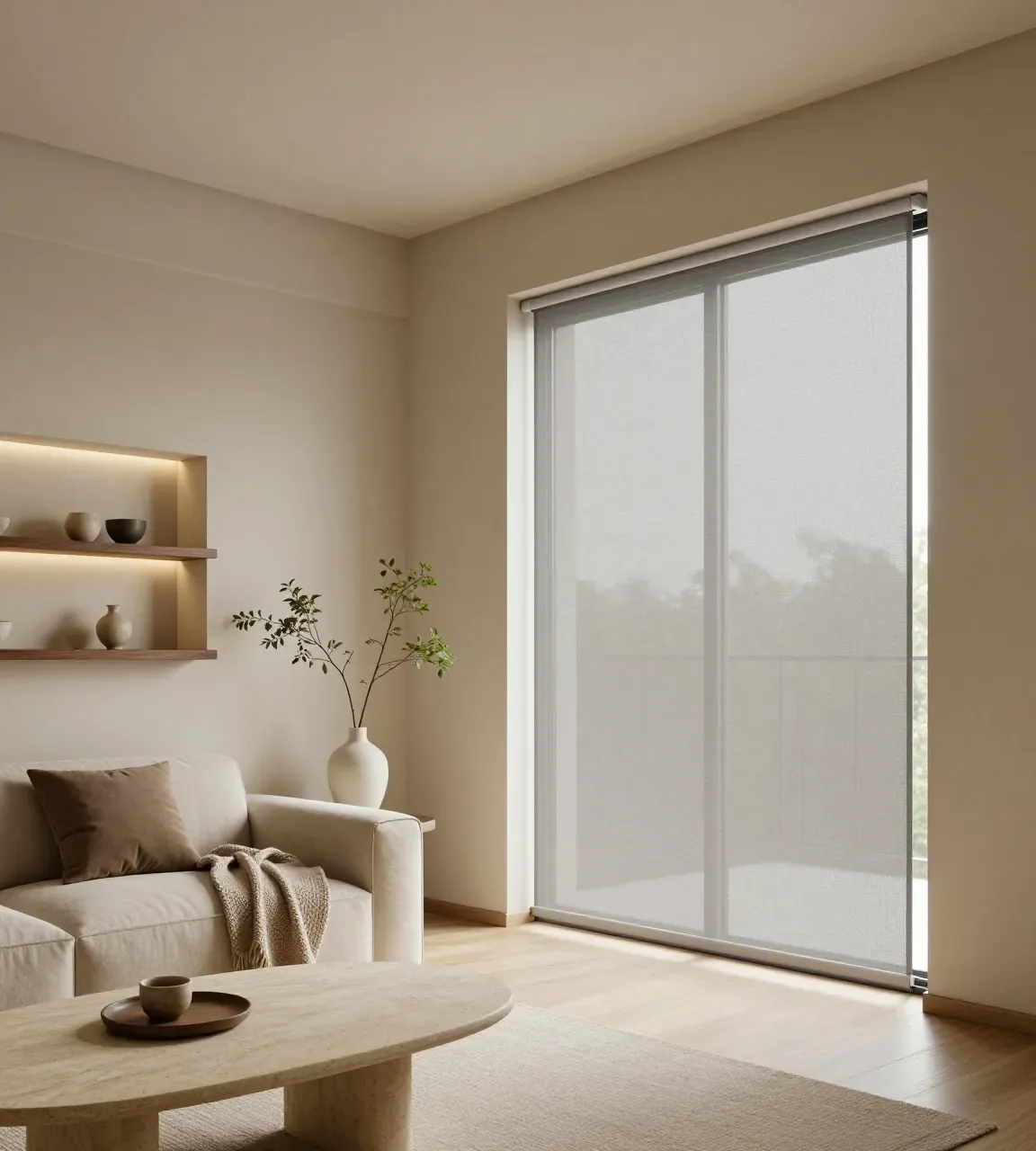
Price list breakdown: frame screen from 2 000 ₸ per m², installation 1 750 ₸, pleated from 28 000 ₸. Costing a 70×140 cm window.
February 1, 20268 min read
 Repair
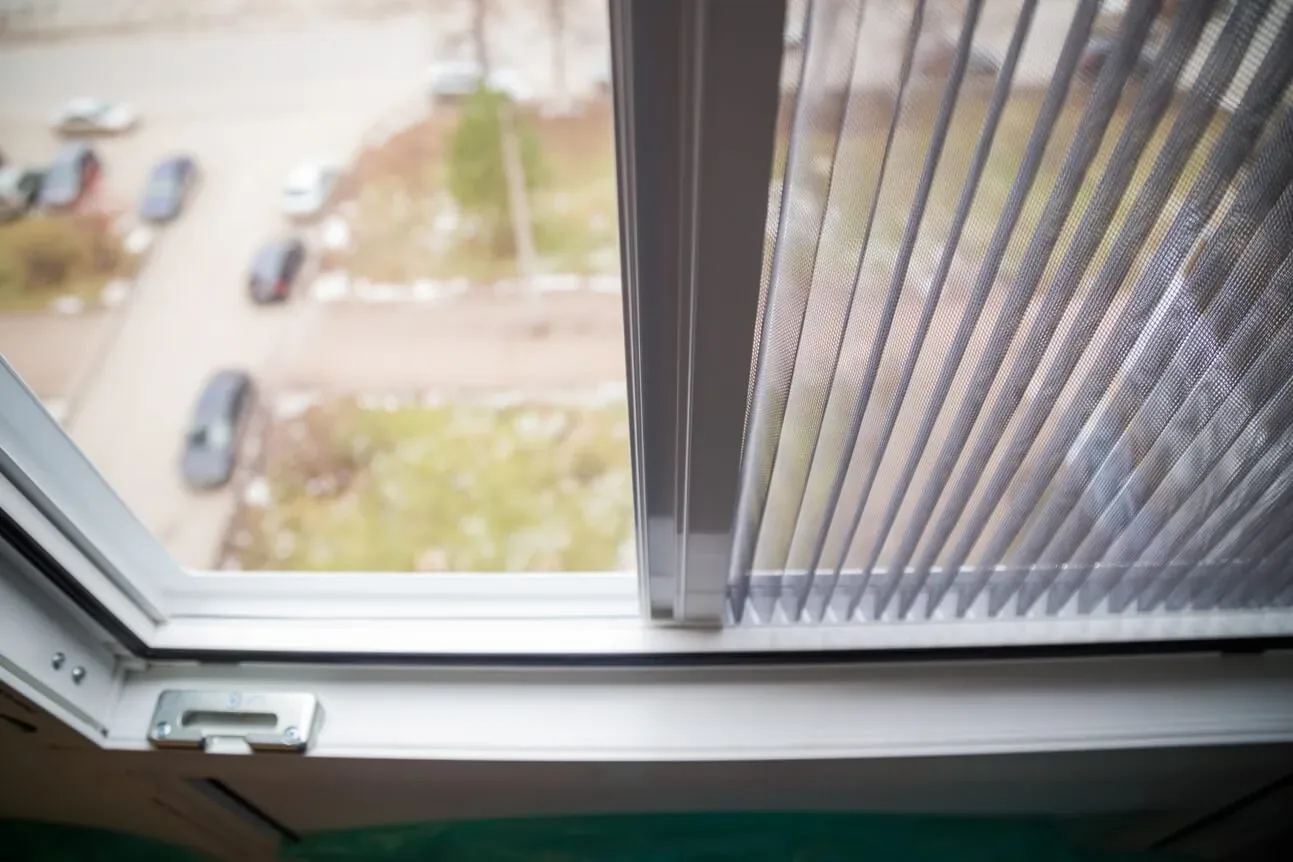
Worn fixings, a wrong measurement, wind on high floors. A set of fixings costs 290 ₸, installation 871 ₸.
January 14, 20268 min read
 Choosing
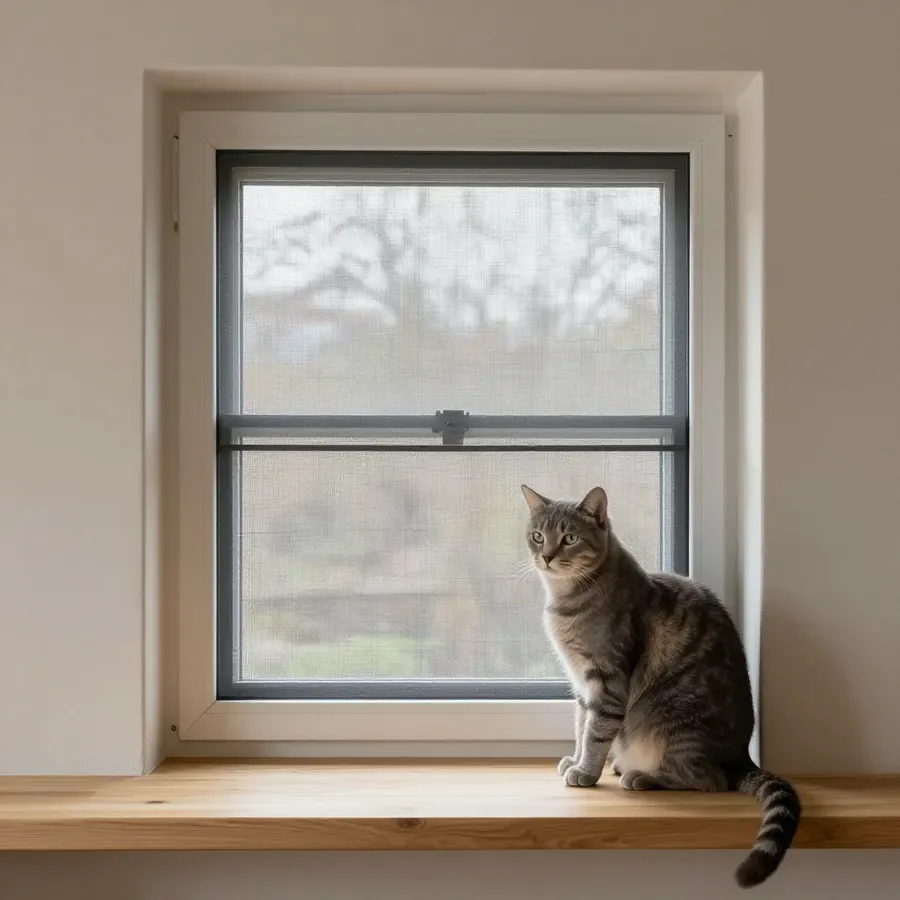
Anti-Cat mesh on vinyl threads, the fixings and what to do about gaps around the window opening.
December 23, 20258 min read
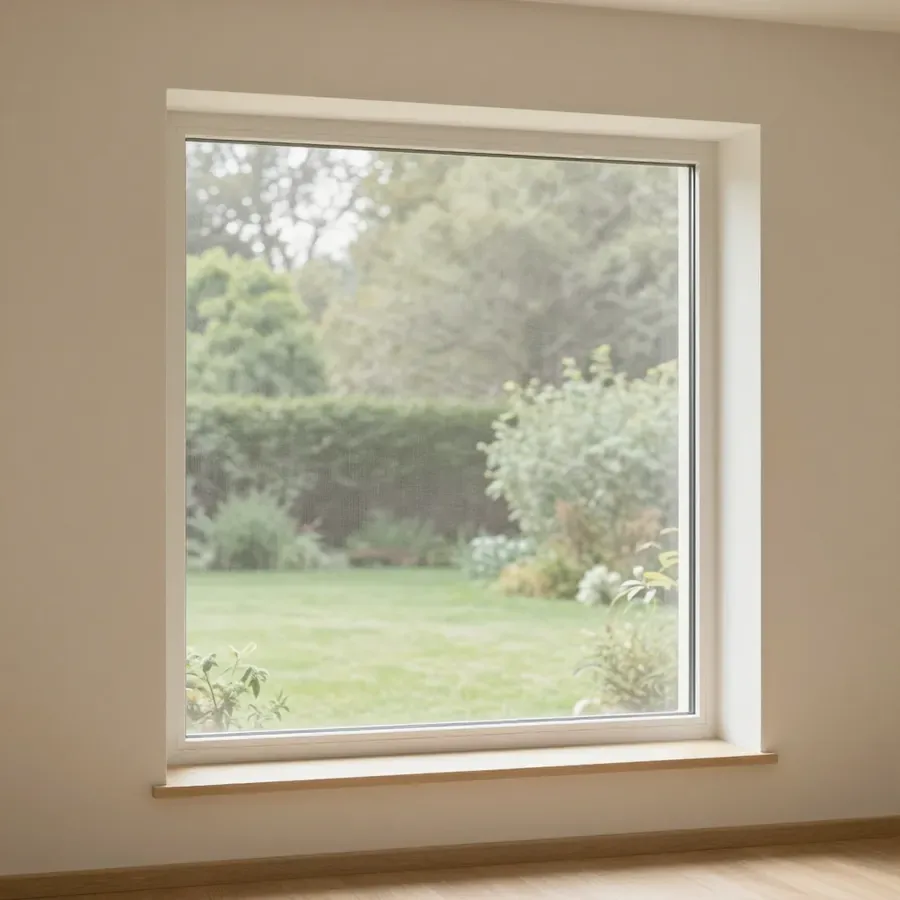 Mesh types
The mesh lets in 25% more light and air. Where the difference shows and where paying extra is not worth it.
December 11, 20258 min read
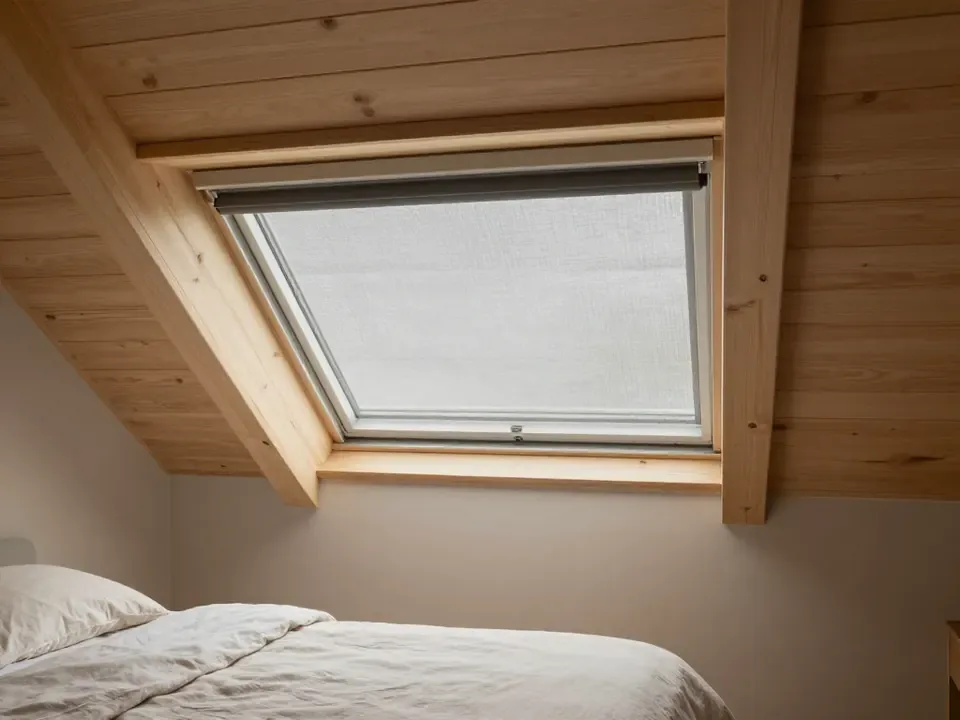 Choosing
A tilted sash, outward opening and a roller screen at 15 000 ₸ per m²: what will suit your window.
November 21, 20258 min read
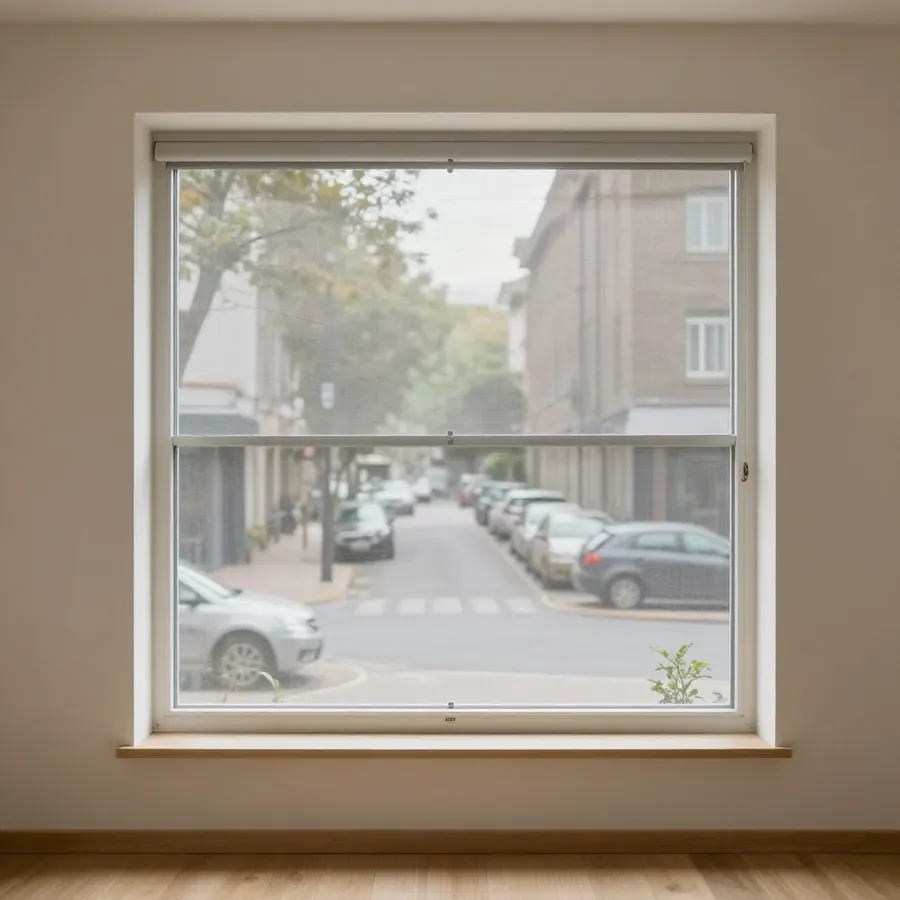 Mesh types
The mesh stops coarse and fine dust along with mosquitoes. When it is worth the price of 8 500 ₸ per m².
October 20, 20258 min read
Thank you. We will call you back within 10 minutes!
Your order number is on the receipt or in the SMS. Choose where to leave your review.
Write a review on WhatsApp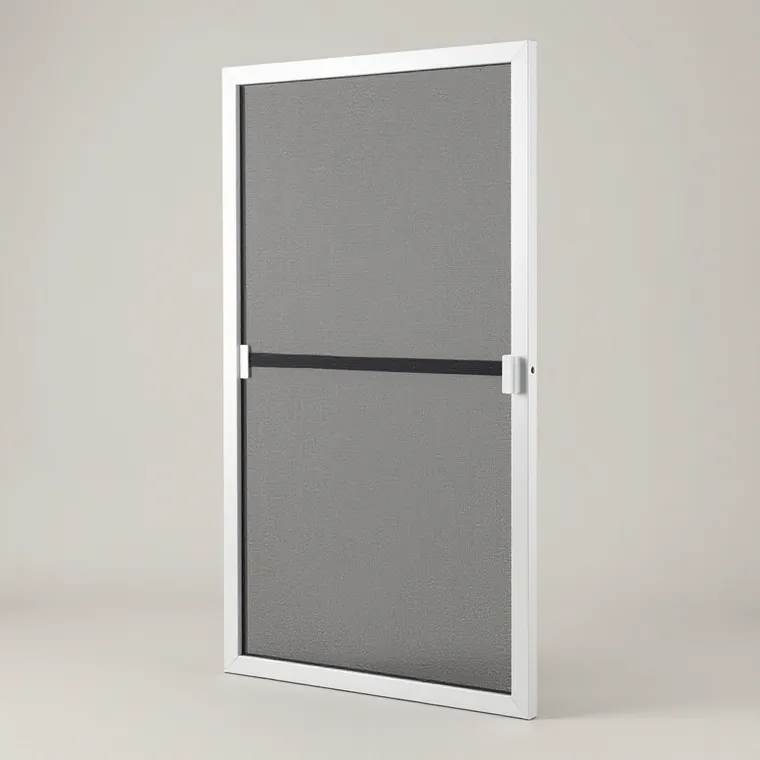 Framed screens
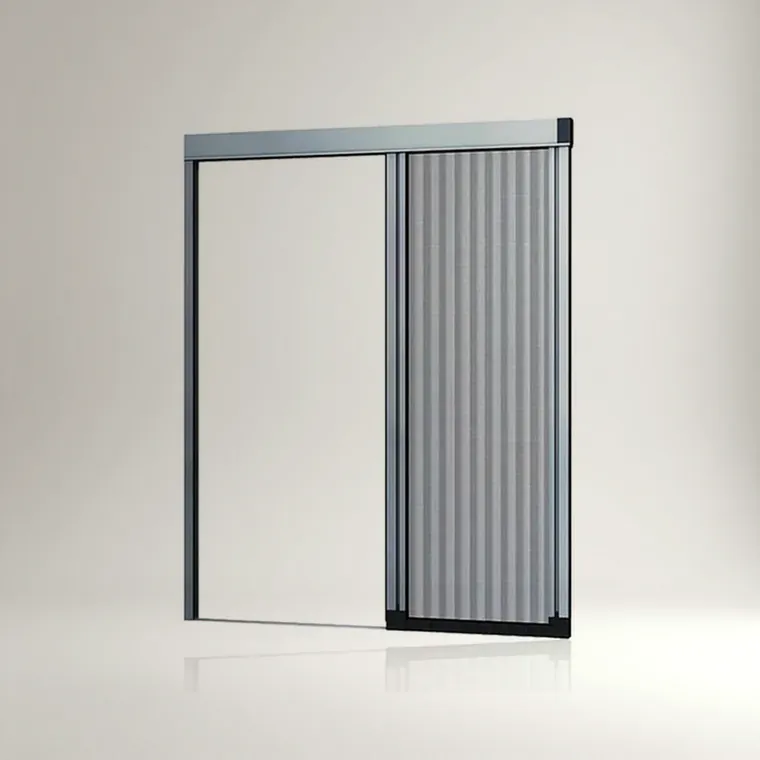 Pleated screens
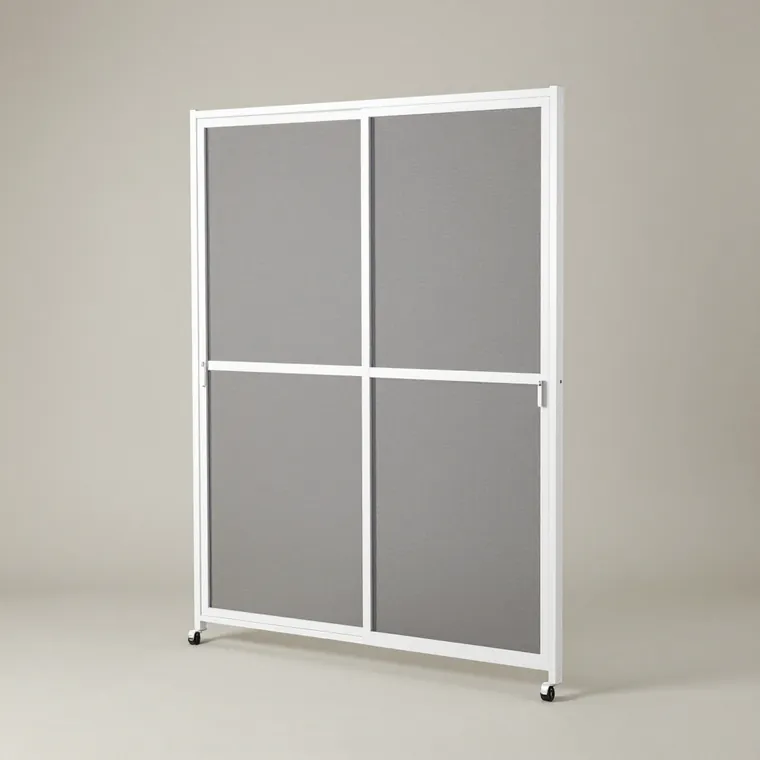 Sliding screens
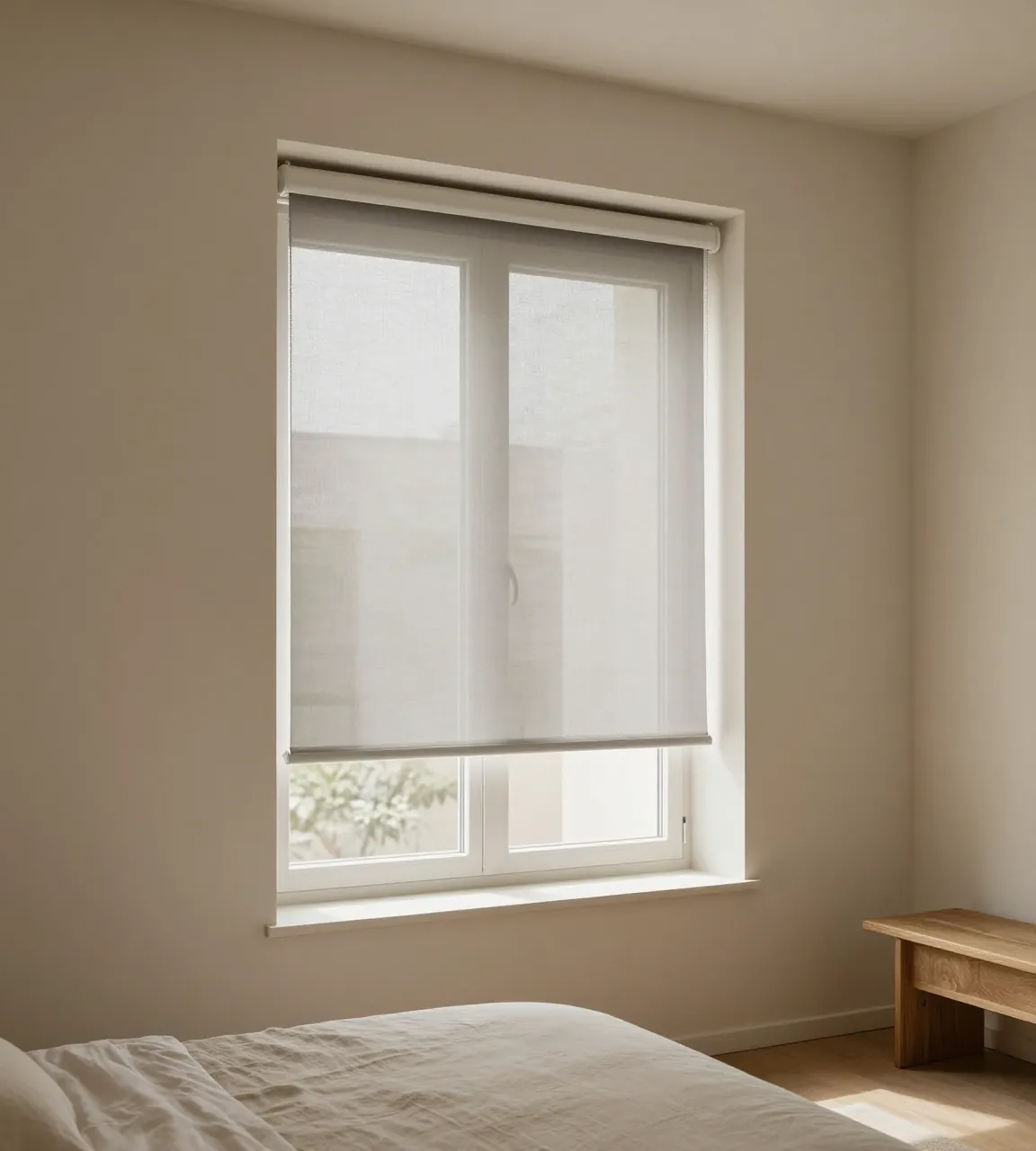 Roller screens
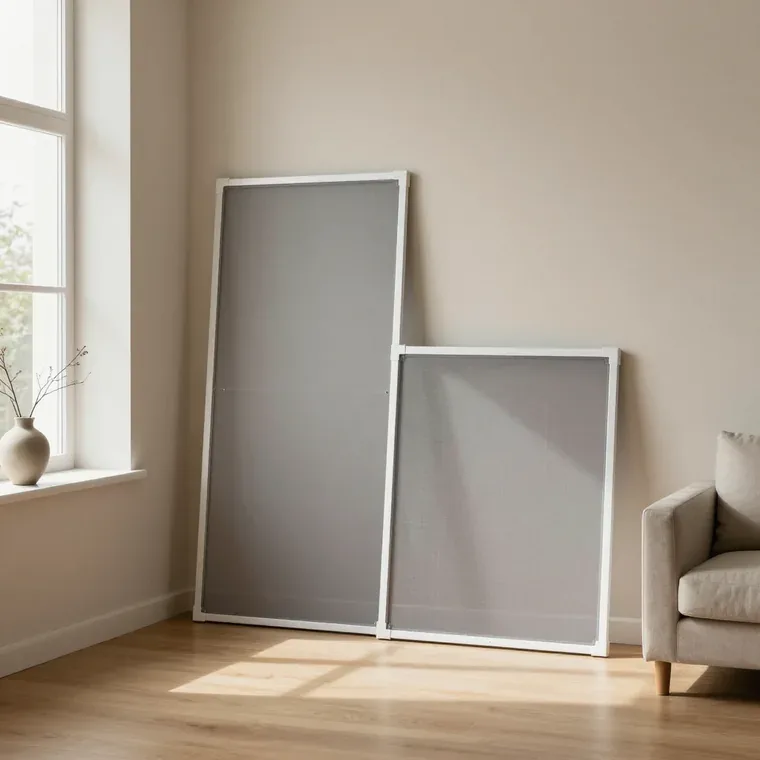 Ready-made screens
