
Flat · PVC windows
Standard contour
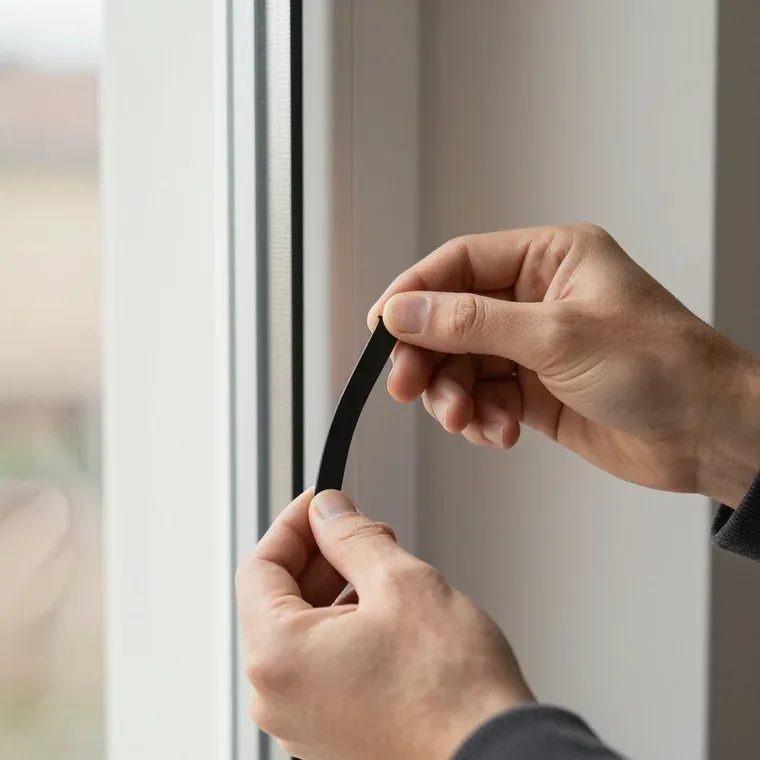
Soft EPDM rubber restores sash pressure and keeps warmth in against steppe wind and frost. From 1 000 ₸ per linear m.
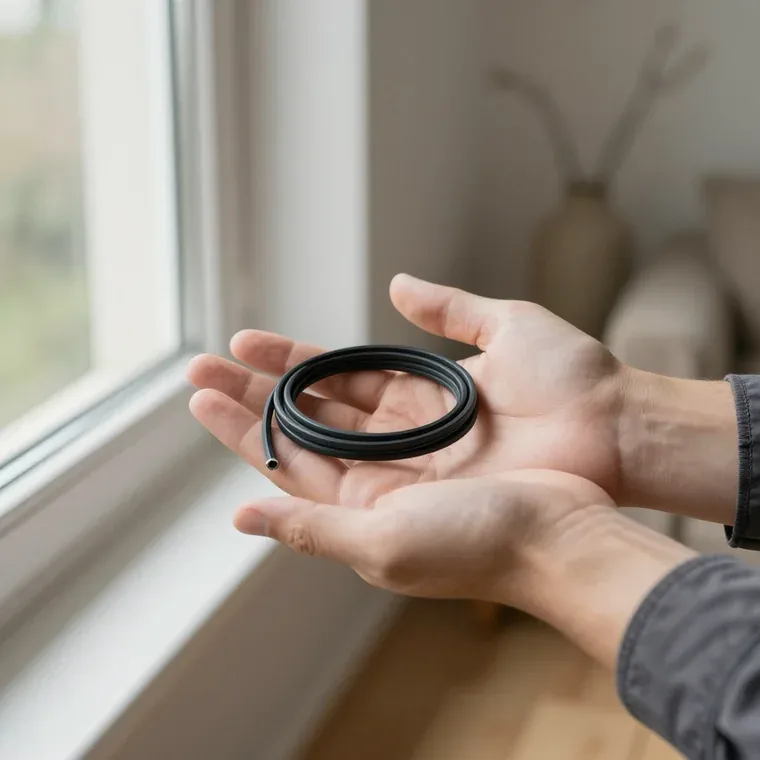
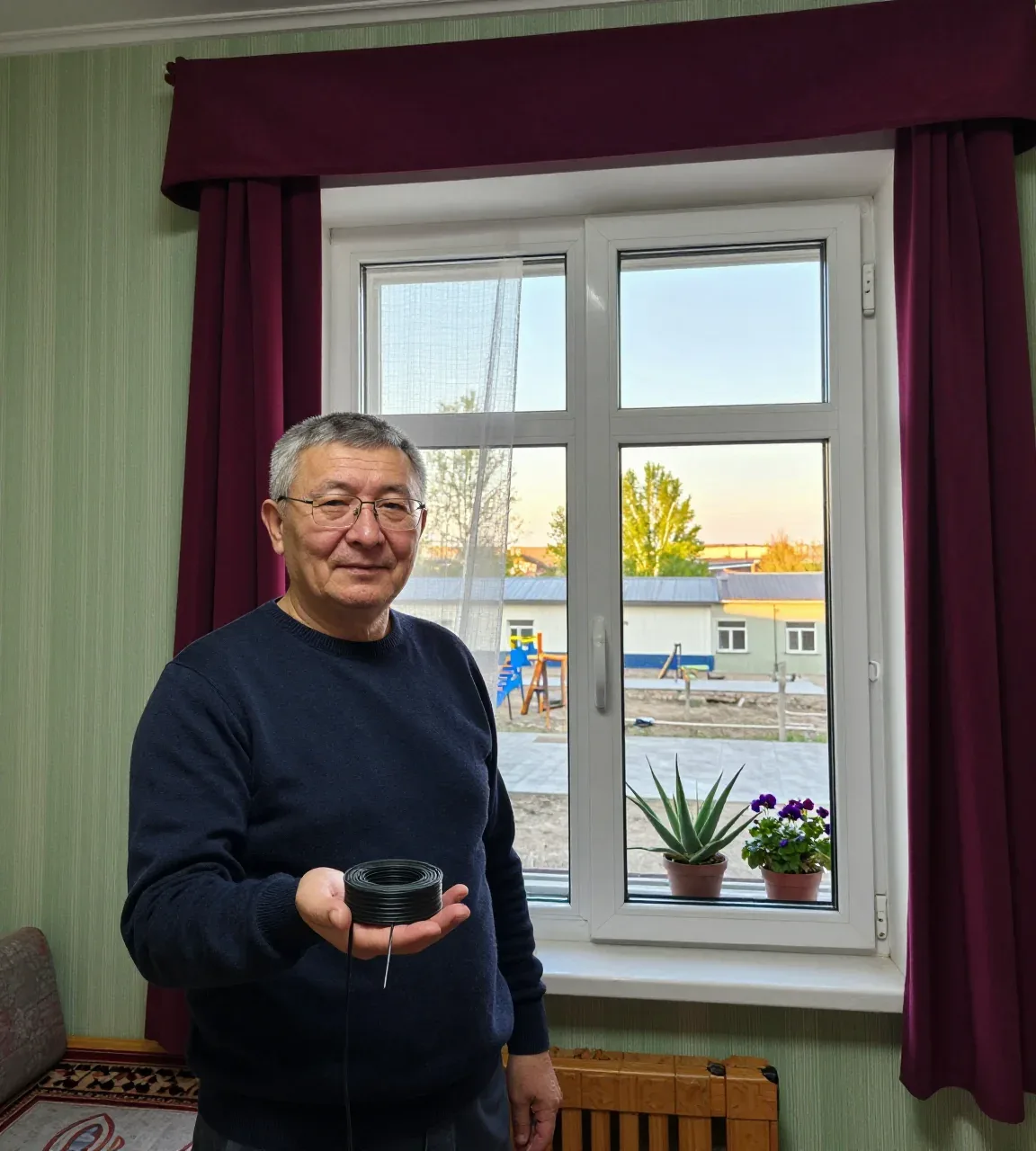
Standard contour
Soft EPDM rubber restores sash pressure and keeps warmth in against steppe wind and frost. From 1 000 ₸ per linear m.
German rubber
Does not harden in severe cold, so the sash freezes to the frame less in winter. From 1 200 ₸ per linear m.
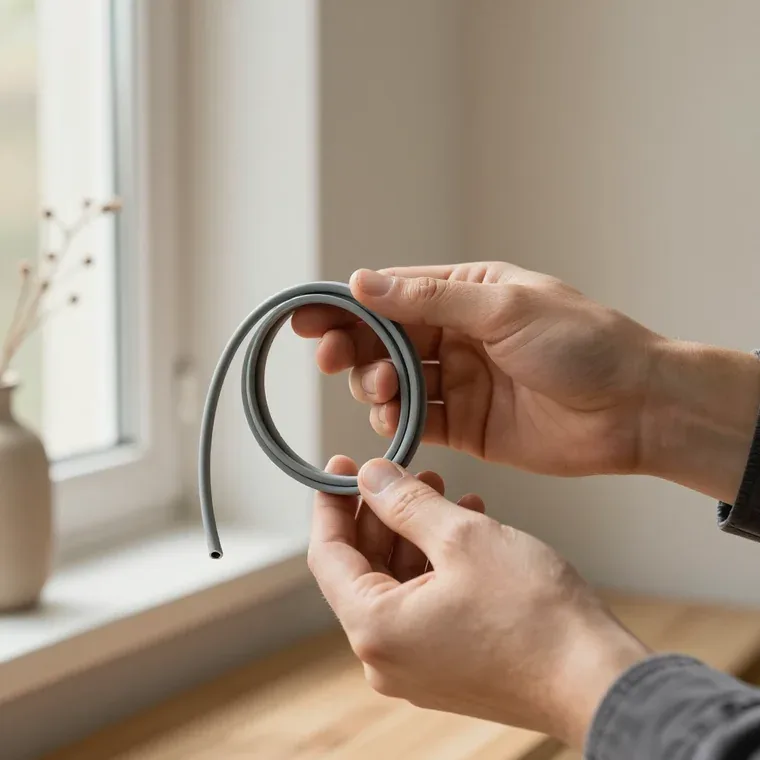
Door seal
Cold comes straight across the floor through a worn balcony door contour. We replace it completely — from 5 000 ₸ per item.
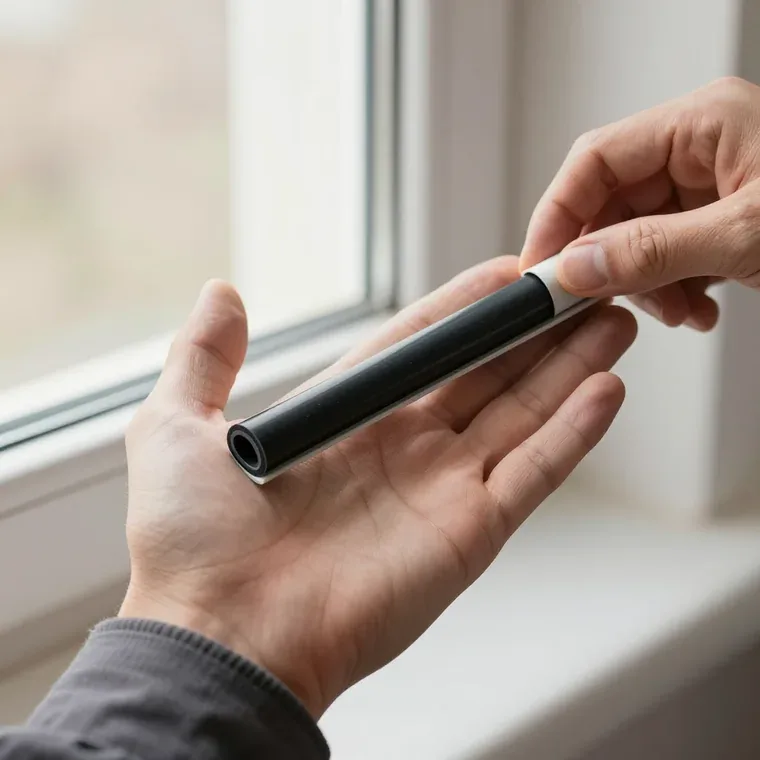
Brush pile
A worn brush on a sliding window lets in dust from spring storms. A new one — from 1 150 ₸ per linear m.
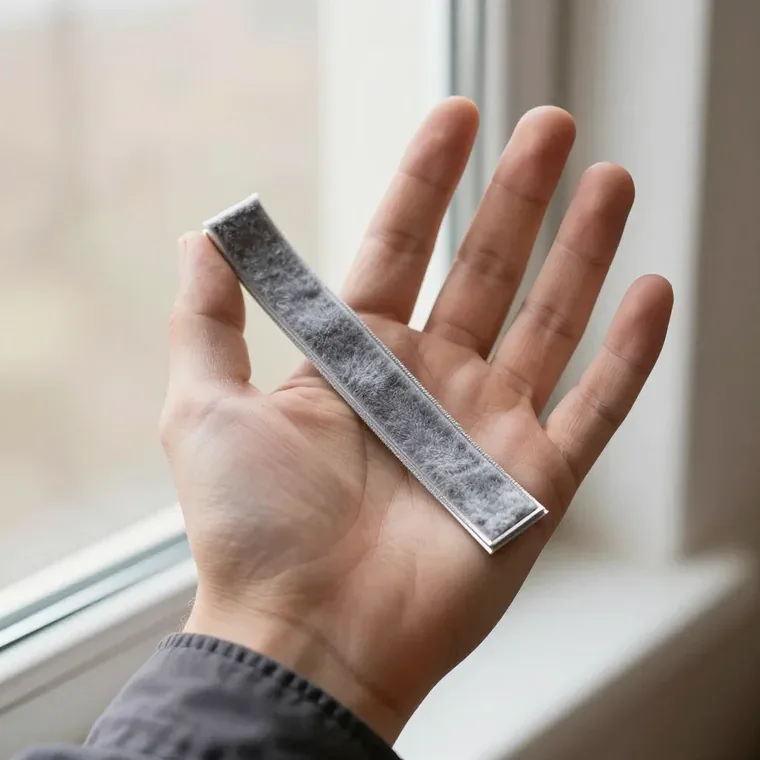
Inter-frame layer
A third contour between sash and frame stops draughts from below and dampens courtyard noise. From 2 800 ₸ per window.



5,097 reviews on review sites
A window can be in good order, but without a live seal it does not hold heat. We replace only the seal — it is faster and cheaper than a new window.
The sash presses against the frame through a rubber contour, and it is this that blocks air from entering the room. Old rubber flattens, hardens in frost and pulls away from the groove, and the window starts to freeze, sweat and let in cold.
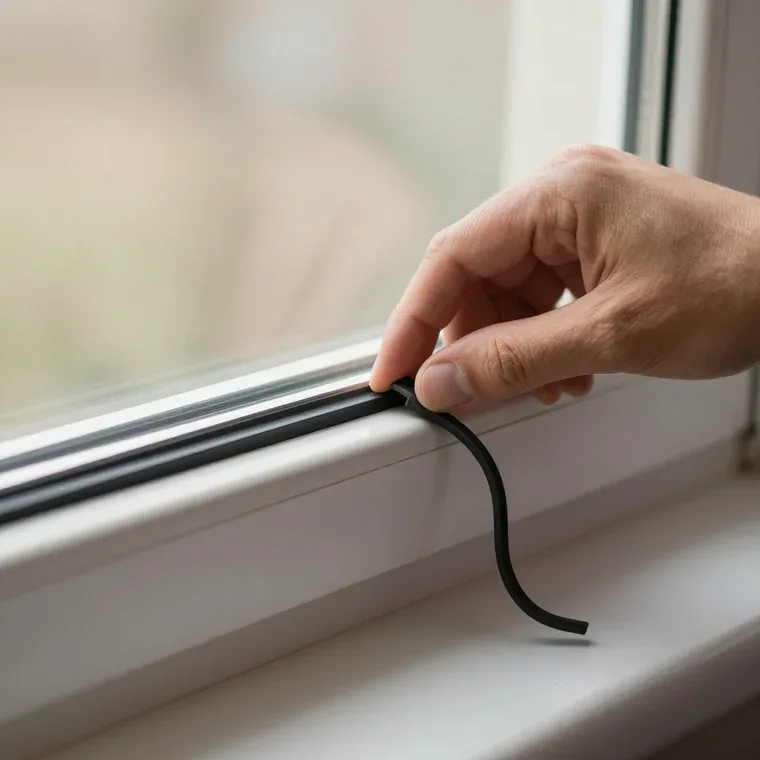
Winters in Aktobe are long and windy, and in summer the sun heats the frames until they are hot, so the seal wears out from these temperature swings. The technician removes the old rubber, cleans the grooves and fits a new one for your profile.
new seal per linear metre including labour
warranty on work and new parts
average WhatsApp response time
Four situations people most often write to us about in winter and in the off-season.
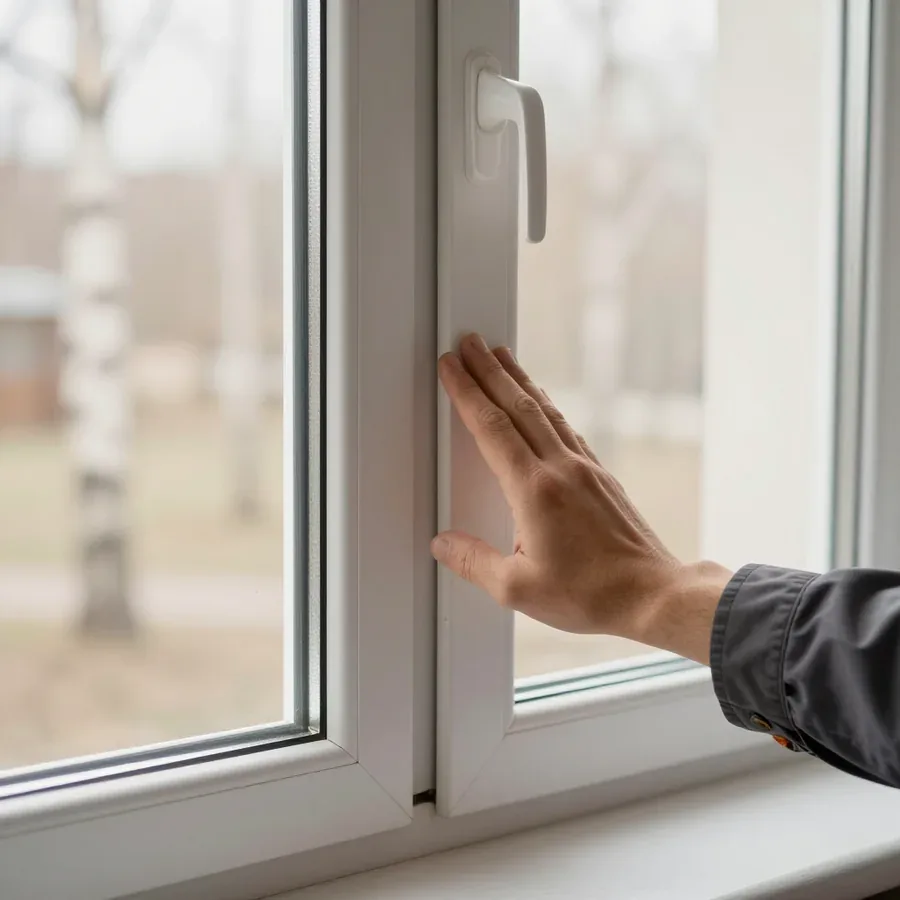
Ice on the seal means warm air escapes through a loose contour and freezes.
The door is opened often, its seal wears out first, and a draught pulls across the floor of the room.
Paint makes the rubber hard, it stops pressing and no longer holds heat.
Drops on the frame in winter are a sign of a cold draught caused by an old seal.
We select the material for your window: a balcony door needs a wear-resistant contour, a north-facing side needs frost-resistant rubber.
most PVC windows
Soft, holds its shape in heat and cold, fits the most common profiles.
north side
Rubber stays flexible longer in frost, so the sash freezes to the frame less often in winter.
balcony, loggia
A tight seal for a door that is opened many times a day.
sliding aluminium
New bristles close the gap again and trap dust from spring winds.
kids' room, bedroom
An extra layer of rubber stops draughts along the bottom of the window and street noise.
The total depends on the perimeter length, seal type and number of sashes; the technician will give you the price after inspection.
| Type of work | Price |
|---|---|
| Rubber seal per linear metrestandard EPDM contour | from 1 000₸ per linear m |
| German-made sealfrost-resistant | from 1 200₸ per linear m |
| All contours for one windowframe plus sash | from 3 500₸ per window |
| Balcony door contouraround the full perimeter | from 5 000₸ per item |
| Brush pile for aluminium windowsbrush seal | from 1 150₸ per linear m |
| Rubber lubrication and cleaningkeeps it supple | from 750₸ per linear m |
| Extra inter-frame layerquieter and warmer | from 2 800₸ per window |
| Draught eliminationwe find where it blows | from 3 500₸ per sash |
| Adjustment after replacementpressure set for the new contour | from 3 000₸ per sash |
| Glazing bead sealingliquid plastic | from 1 500₸ per linear m |
| Swedish wood insulationfor wooden frames | from 4 200₸ per linear m |
The price is fixed in the order after measuringMeasuring and consultation are freePayment after installation: cash, card, Kaspi
Call a technicianA quick look at how we work with windows.
on the work and the installed seal
we replace seals in KBE, Rehau, VEKA, Provedal windows
we record the price after inspection, and it does not increase
the work: cash, card or via Kaspi
to reply to a message with a photo of the window
we take requests on Saturday and Sunday too
available daily to book a technician
we work across Kazakhstan
From a WhatsApp message to a warm window.

Describe the problem and attach a photo: where it freezes, blows or paint is visible on the seal.
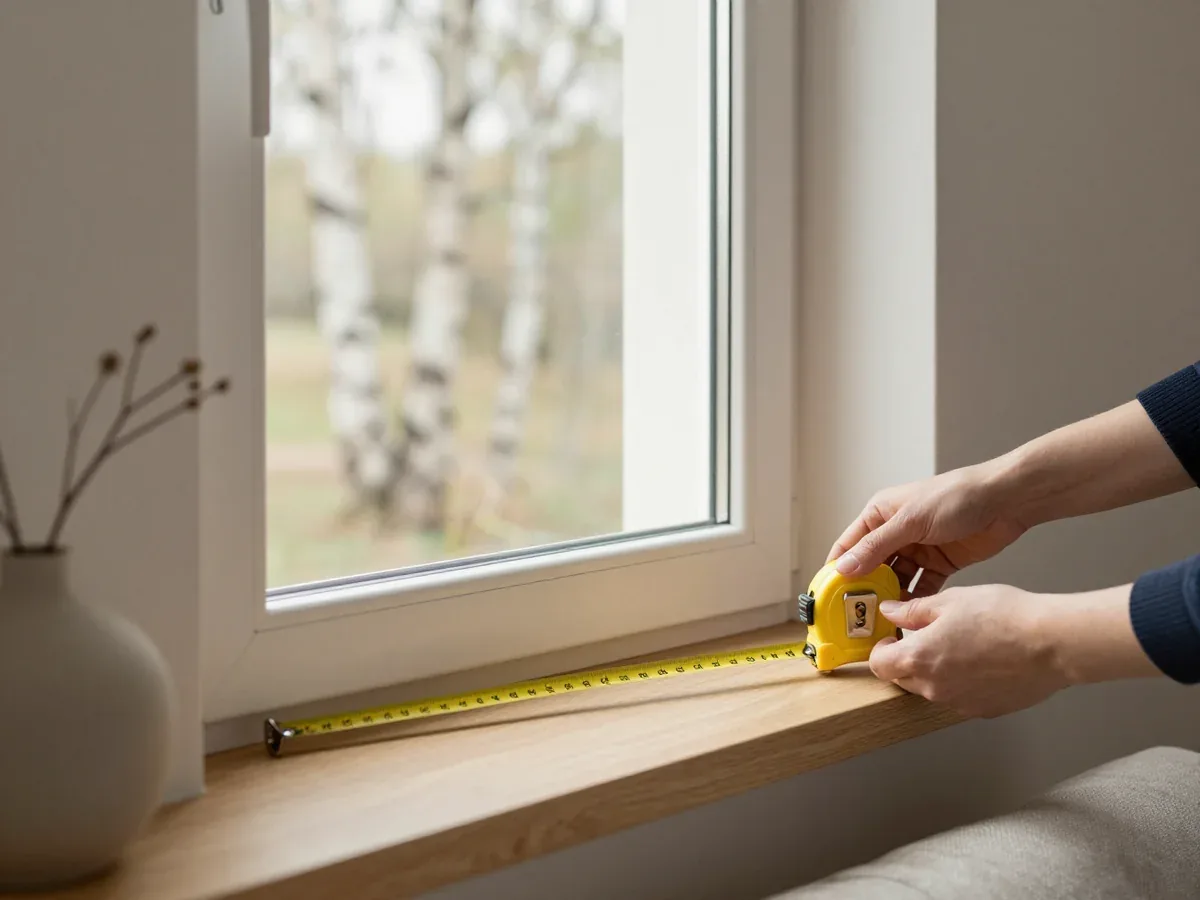
The technician checks the pressure, the condition of the hardware and the profile brand and gives the price right away.
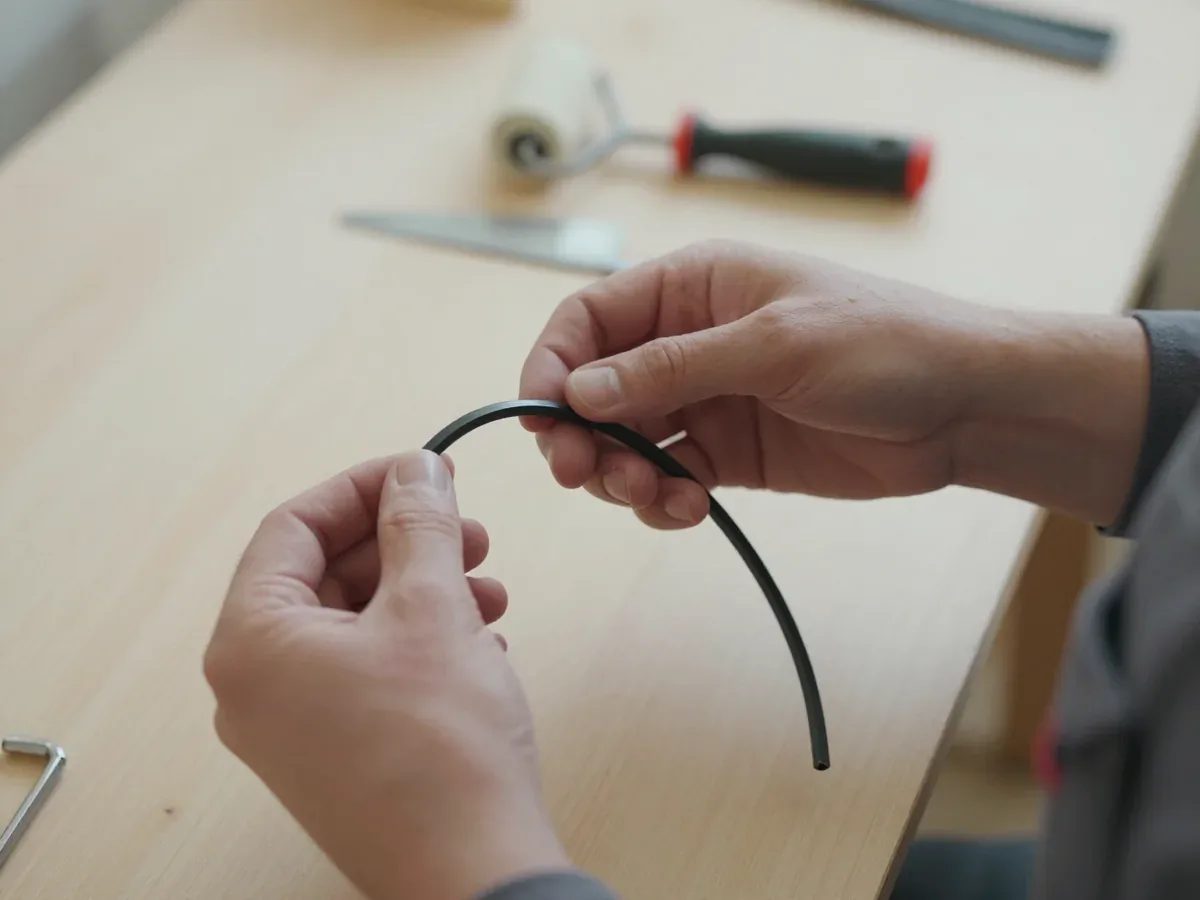
We remove the old seal, clean the grooves from dust and lay the new seal in one piece around the perimeter.
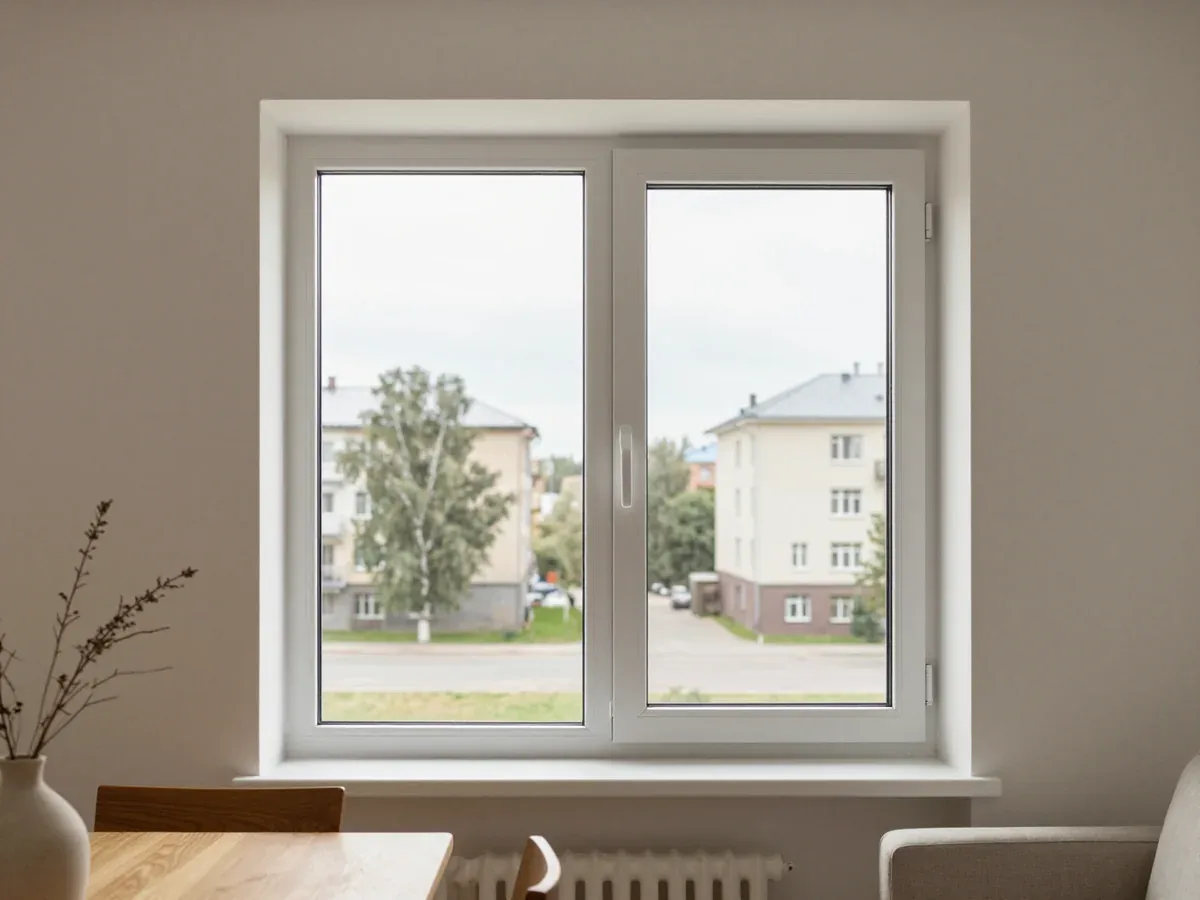
We adjust the sash for the new seal, check for draughts, and after that you pay.
Good to know

Senior mosquito screen specialist at moskitnyesetki.kz
We handle window seal replacement in Aktobe with our own repair masters, not through middlemen. We replace worn seals on windows of any manufacturer, including KBE, Rehau, VEKA and Provedal, and match the new seal to your profile. Measuring is free, you pay after installation, and window repair carries a 1-year warranty on labour and replaced parts.
A draft along the sash edge has two common causes, and telling them apart decides whether you need a new seal or an adjustment.
A gasket that has gone hard, flattened or turned black along the fold no longer springs back and stops holding air. The rubber loses its elasticity, so the sash no longer presses it tight against the frame, and cold air slips through the perimeter. Look for a fine grey or black line of mould in the corners where moisture sits, and for frost on the inner lip on a cold morning. Both mean damp air is already passing the gasket. Run a finger along the strip on a cold morning; if it feels stiff like plastic rather than soft rubber, the material has aged even where no crack is visible yet.
If the sash sags, rubs on the frame or the handle turns loosely, the seal is usually fine and the unit needs adjustment instead. A worn gasket stays soft and even along its length, while a skewed sash presses hard at one corner and leaves a gap at the opposite one. We check the hardware and the gasket together before recommending work, because replacing a healthy seal does nothing for a dropped sash. A quick test is to close the sash on a sheet of paper and pull it out at several points; if it slides out easily at one corner only, the sash is skewed rather than the seal worn.
A seal is not a universal strip. The groove in your profile and the local climate decide which material and shape will actually close the gap.
| Seal type | Where it fits |
|---|---|
| Rubber | Hinged sashes that clamp shut |
| Brush | Sliding panels that travel sideways |
| Soft compound | Cold-facing rooms and balconies |
| Hard compound | Mild weather, light wear only |
We replace seals on units of any manufacturer, including KBE, Rehau, VEKA and Provedal, and on plastic, wooden and aluminium profiles alike. On a loggia the aluminium channel often takes a thinner gasket than a room unit, so the measurer checks the depth of the slot before choosing the material. Our specialist also looks at how the sash closes and at the floor level, because both affect how tight the seal must sit. The same visit covers a single casement or a full set of units in one flat. In our practice the biggest mismatch comes from a gasket bought by thickness alone, without checking the shape of the opening — a seal that fits the slot but not the movement of the panel will leak air within weeks. We check the groove first, then match the profile.
The work runs from a free measuring visit to a final draft check, and most of it happens without taking the sash apart.
A patient owner can pull an old strip out with a blunt tool, but pressing a new seal evenly into the groove without stretching it takes practice. The material has to follow every corner of the profile at the same depth, and a length that sits proud on one side lets air through on the other. The common mistake is cutting it before it has settled; the rubber relaxes after fitting and a tight cut leaves a gap at the corner. A second one is forcing the seal past the hardware, which bends the locking points and makes the sash harder to close. On older wooden frames the groove itself is often worn, and a new strip will not hold until the channel is cleaned and squared.
A new seal holds its shape for years if it is cleaned gently and kept away from harsh chemicals that dry the rubber out.
Sun on the sash, abrasive cleaners and paint solvents age a seal faster than cold weather does. Ultraviolet light breaks the polymer chains in rubber, so a south-facing sash usually stiffens before a shaded one on the same frame. Scouring powder and ammonia-based sprays strip the plasticiser that keeps the strip elastic, and solvent residue from painting or varnishing a frame attacks the surface within days. Frost is the least of it: a supple gasket flexes through winter without cracking, while an already dry one splits at the first hard freeze. Wiping the gasket with a damp cloth and a little soap twice a year keeps it supple; silicone spray once a season helps it stay soft through the winter.
Surface mould that wipes off with a cloth is a cleaning job, but black staining that has sunk into the rubber means the material is breaking down and the strip should be replaced. A mild soap solution and a soft brush lift everyday dirt from the fold without pulling the gasket out of its groove. We advise against chlorine bleach on rubber — it whitens the surface and speeds up the very cracking you are trying to stop. If mould keeps returning to the same corner after cleaning, moisture is still getting past the seal there, so the cause is the gap rather than the dirt, and a repair visit is the honest next step.
The terms are set before the master starts, so you know what the warranty covers and when you pay before any job begins on your windows.
Window repair carries a 1-year warranty on labour and replaced parts, and you pay after installation by cash, card or Kaspi. That cover extends to the new seal and to the fitting itself, so a gasket that starts letting draught through within the first twelve months is put right at no extra charge. Money changes hands only once the sash closes cleanly and you have checked the result yourself. The price is fixed in the order after the initial visit, so a groove that turns out to be deeper than expected does not change the agreed figure on the day. For window seal replacement in Aktobe, the same written terms apply to every job we take on. Ask for the terms in writing in the order — it makes any later claim a matter of record rather than memory.
A seal is a small part of the window, but it decides how warm, quiet and draught-free a room stays. Five points cover what matters before and after the swap.
Seal replacement, Diagnostics, Types, Installation, Care
Konstantin Selenenkovsenior mosquito screen specialist, 10 years in the tradeOnline · replies within 5 minutes
Ask a questionRun your finger along the rubber: if it is hard, cracked, compressed or does not spring back, it needs replacing. If the seal is elastic and fits tightly but a draught remains, the cause is more often the hardware pressure.
Each contour has its own seal profile: on the sash it ensures pressure against the frame, on the frame it seals the joint with the reveal, and on the glazing bead it secures the double glazing. That is why different profiles are selected for each groove during replacement.
In most cases the sash does not need to be removed: the technician takes the old seal out of the groove and lays the new one around the perimeter. It is only removed if it blocks access to the contour or has sagged significantly.
The new seal is thicker and denser than the old one, so at first the sash presses with more force. The new seal will compress over time, but if the window is hard to close, the technician will check the pressure and adjust the hardware if necessary.
A rubber seal that has stiffened in the cold becomes soft and elastic again after warming up. If it remains hard even when warm, crumbles or has lost its shape, that is wear, and the seal needs replacing.
Wipe the rubber with a soft damp cloth without abrasives and lubricate it with silicone grease once a season to prevent it from drying out. Do not leave traces of paint or building mixtures on it — they accelerate the ageing of the material.
Thank you. We will call you back within 10 minutes!
Your order number is on the receipt or in the SMS. Choose where to leave your review.
Write a review on WhatsApp Window insulation
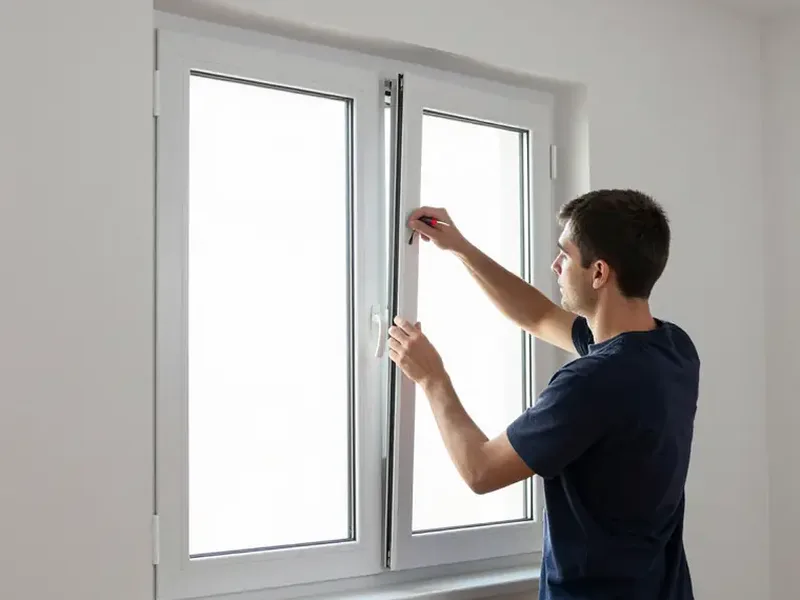 Window adjustment
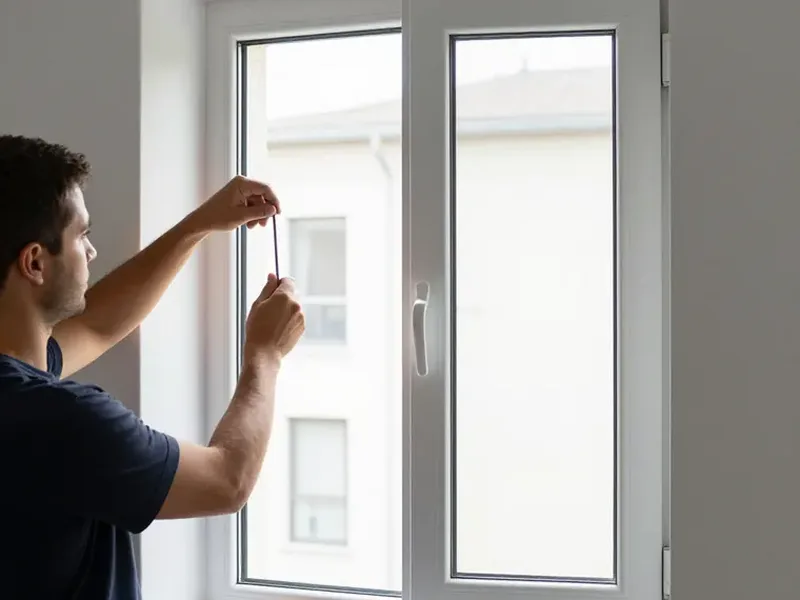 Window repair
 Reveal finishing
 Balcony glazing
