
Fiberglass
Standard
Standard mesh, resistant to ignition and temperature changes — from 6 000 ₸ per m²
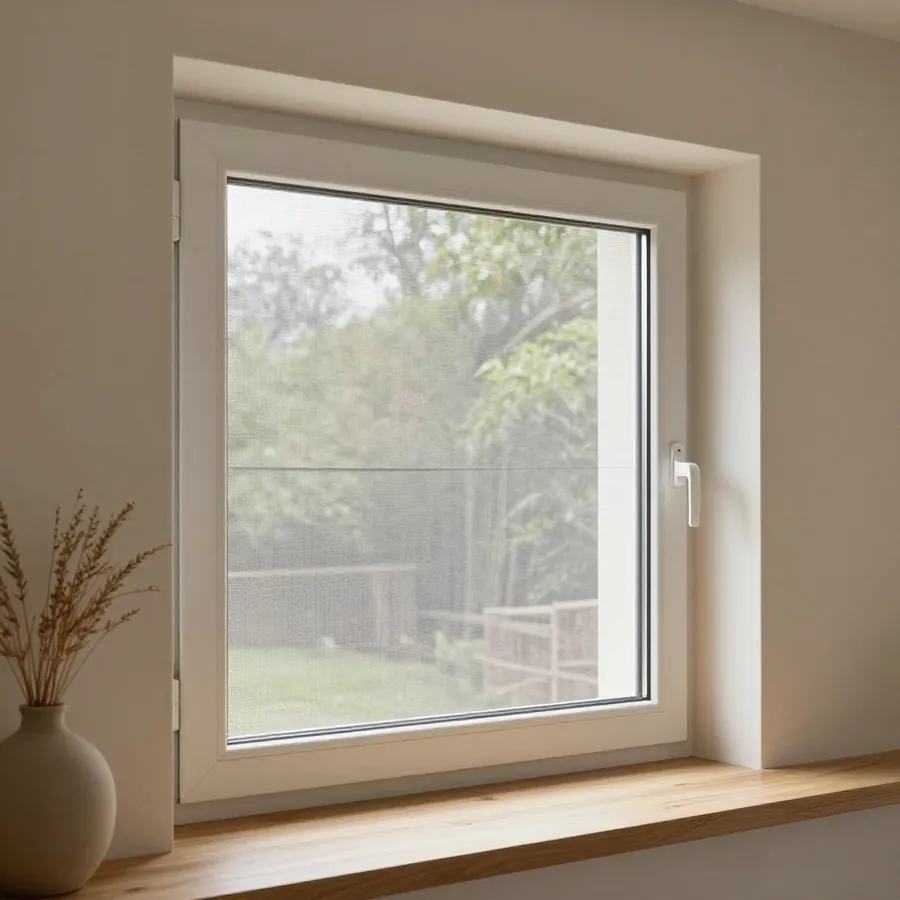
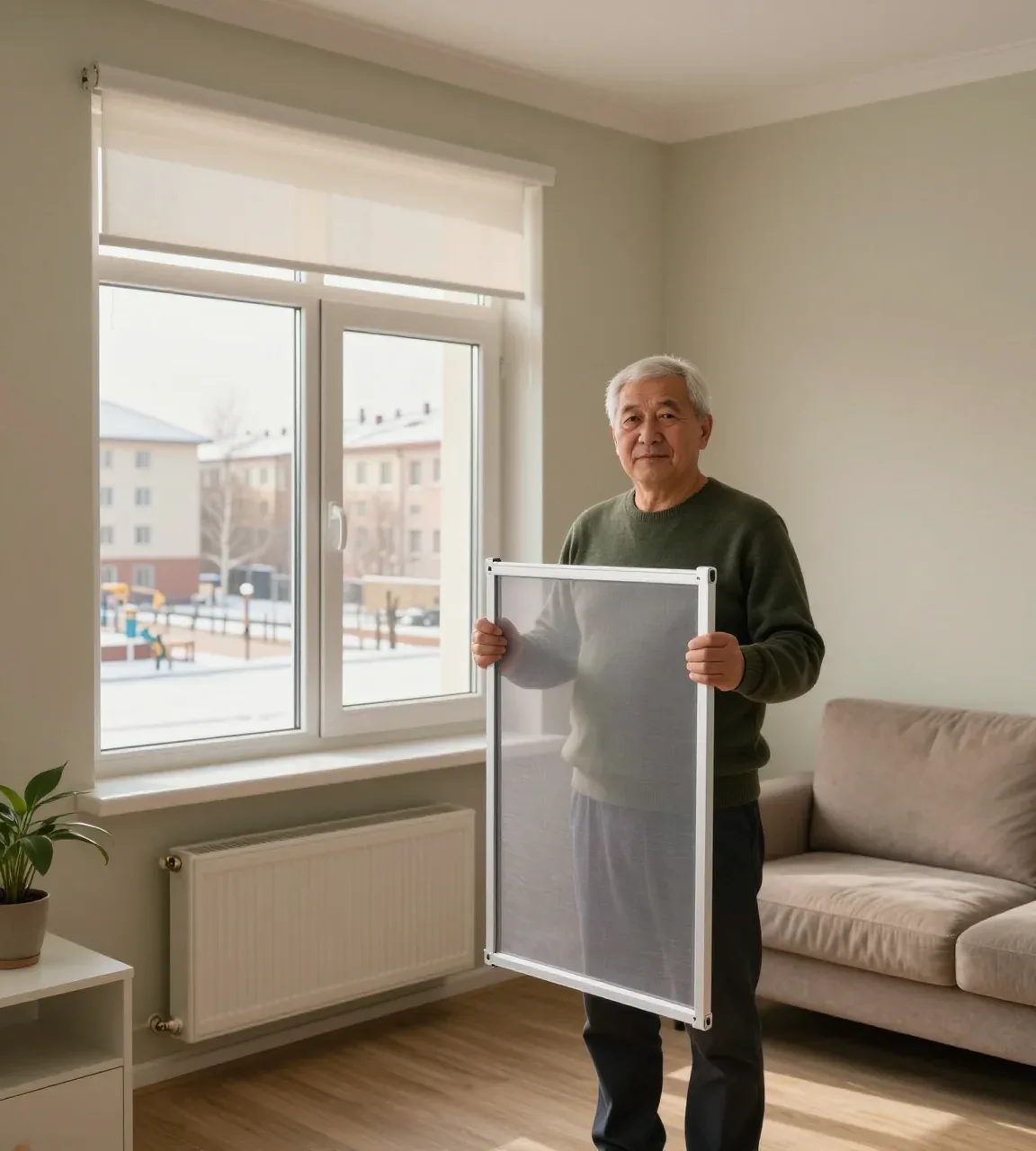
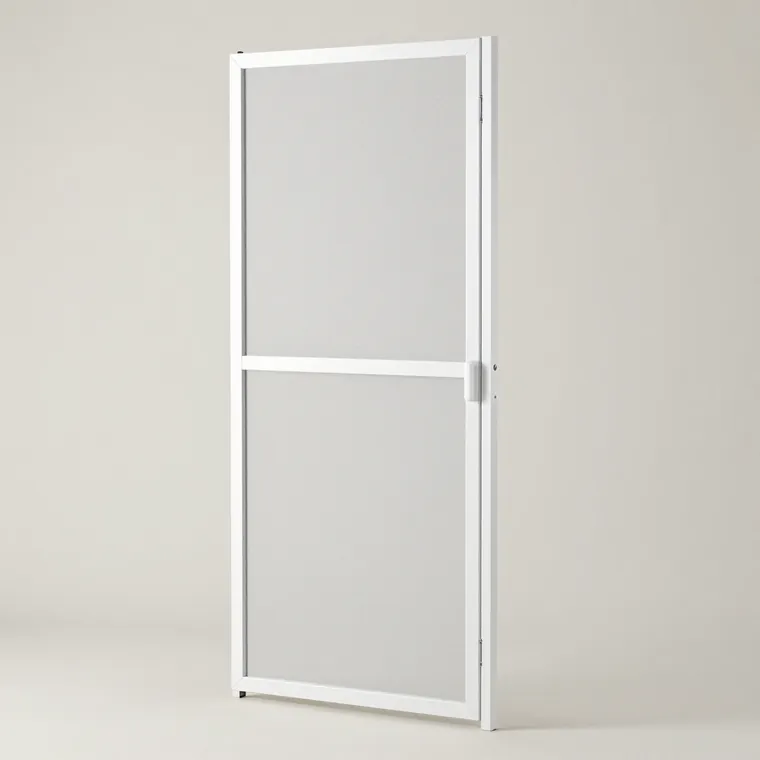
Four designs cover different tasks: a sash, a balcony, an entrance door, a wide opening. Below — where each is suitable and what price it starts from.
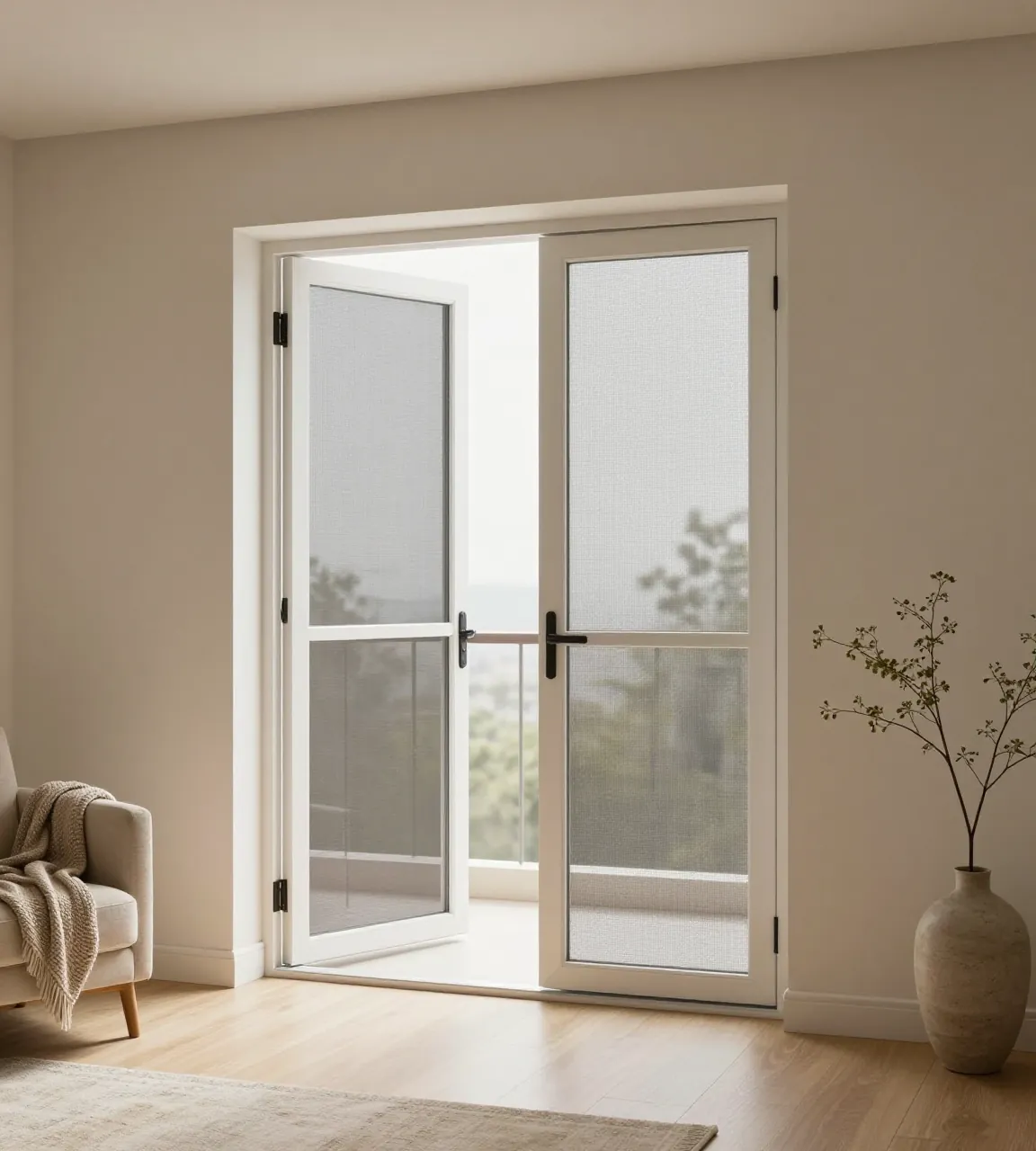
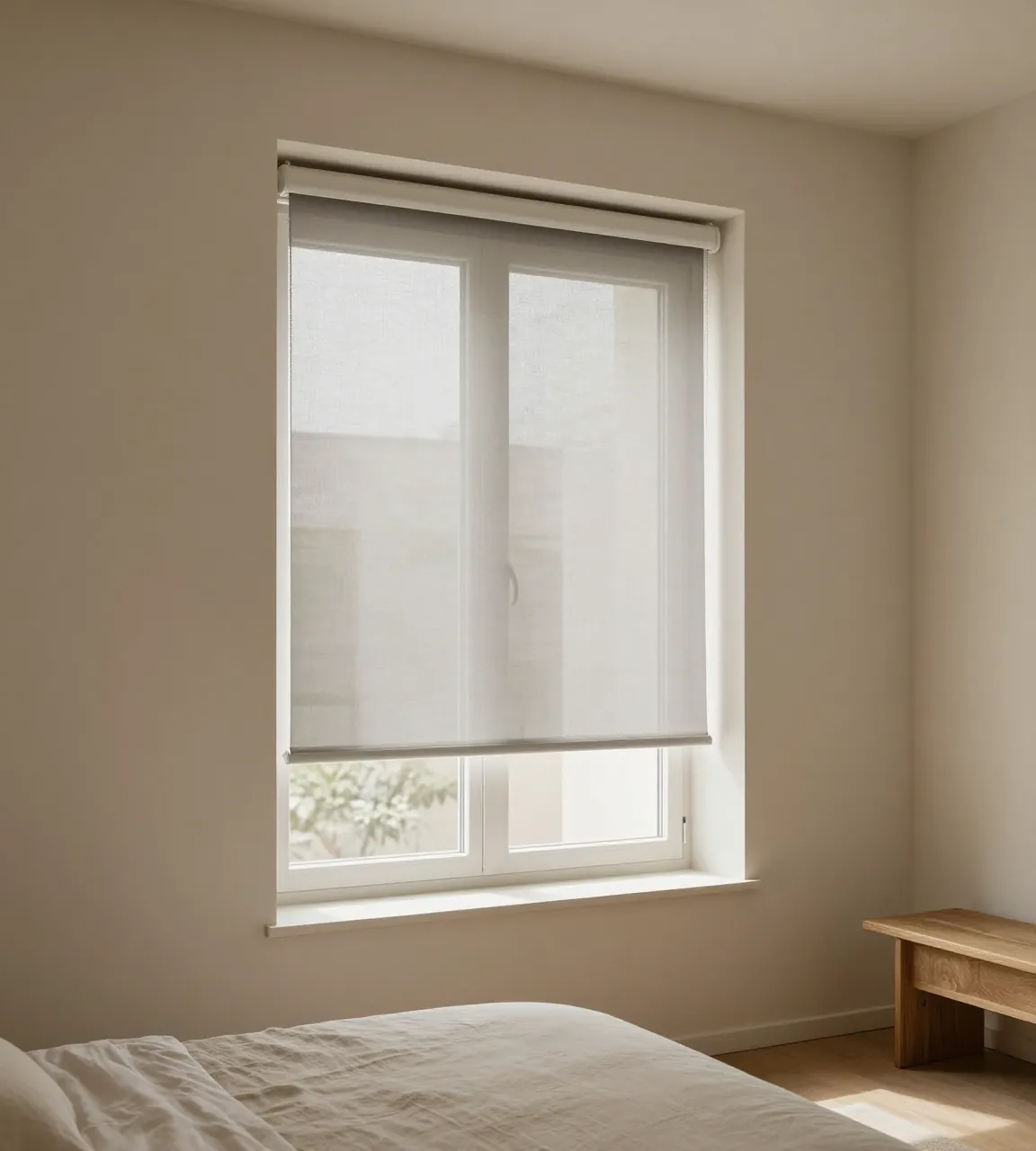
All framed screensFor opening sashes, removable
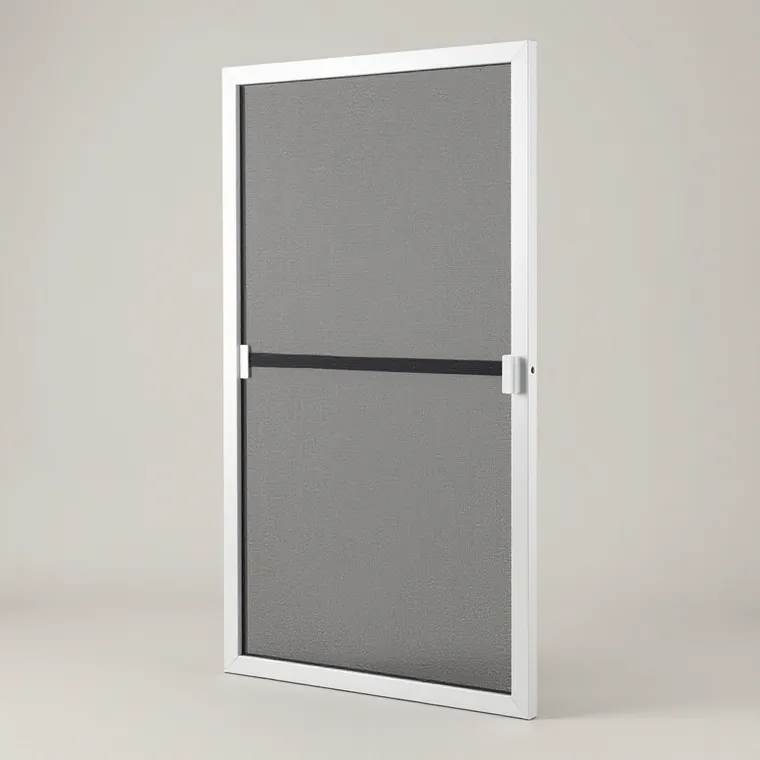
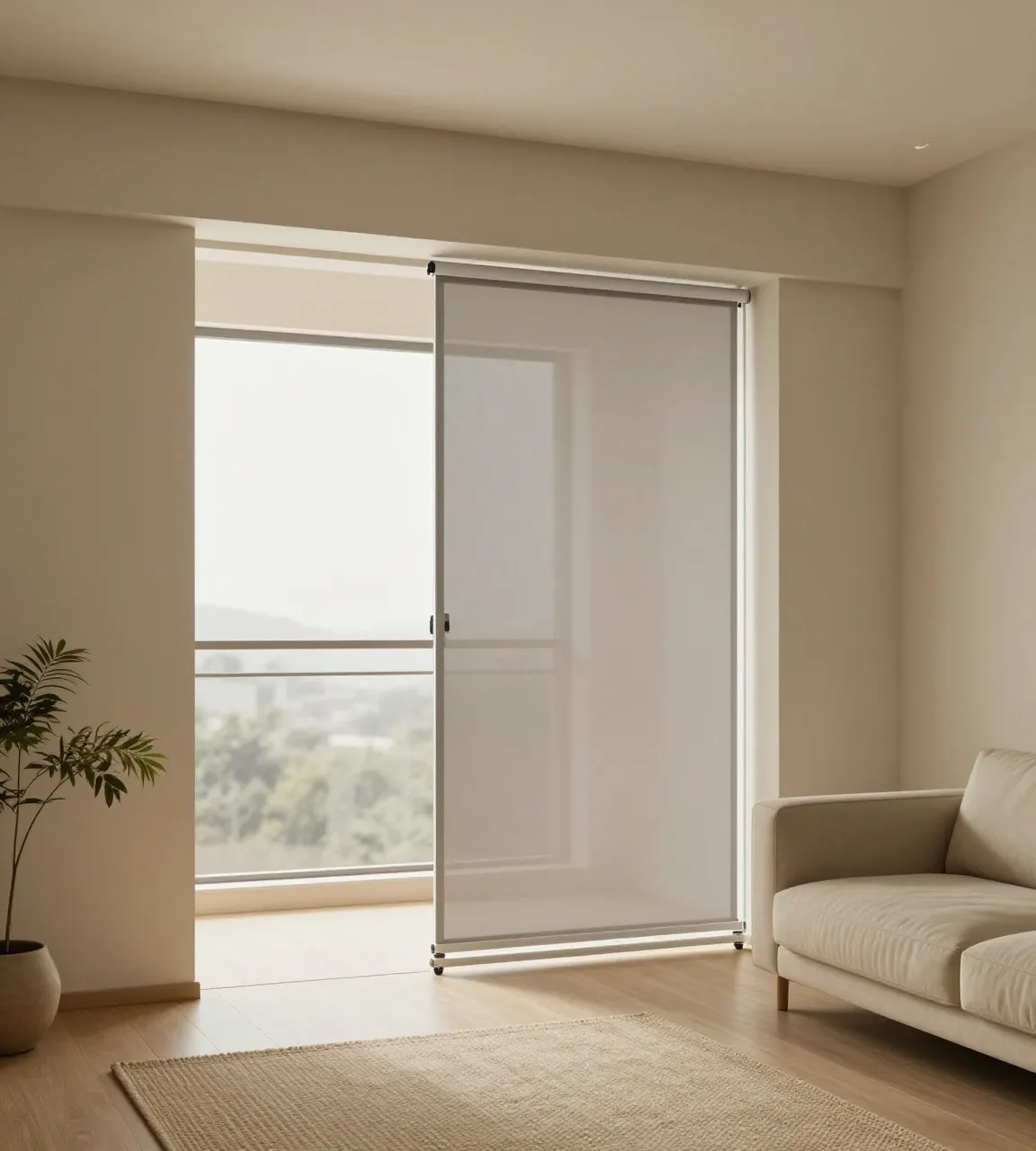
For balconies and loggias
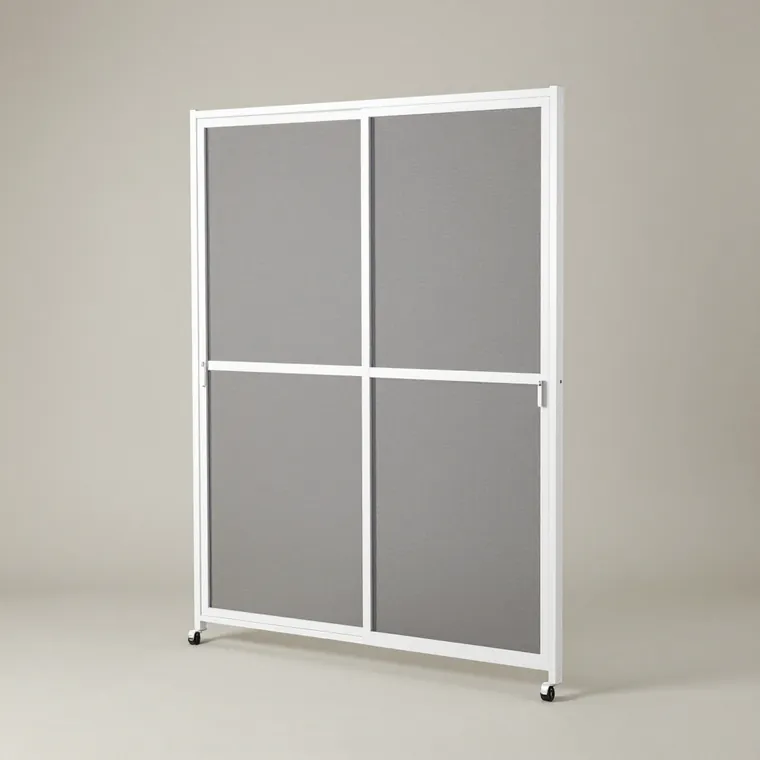
"Economy" profile 32×10 mm and "Prestige" 42×17 mm
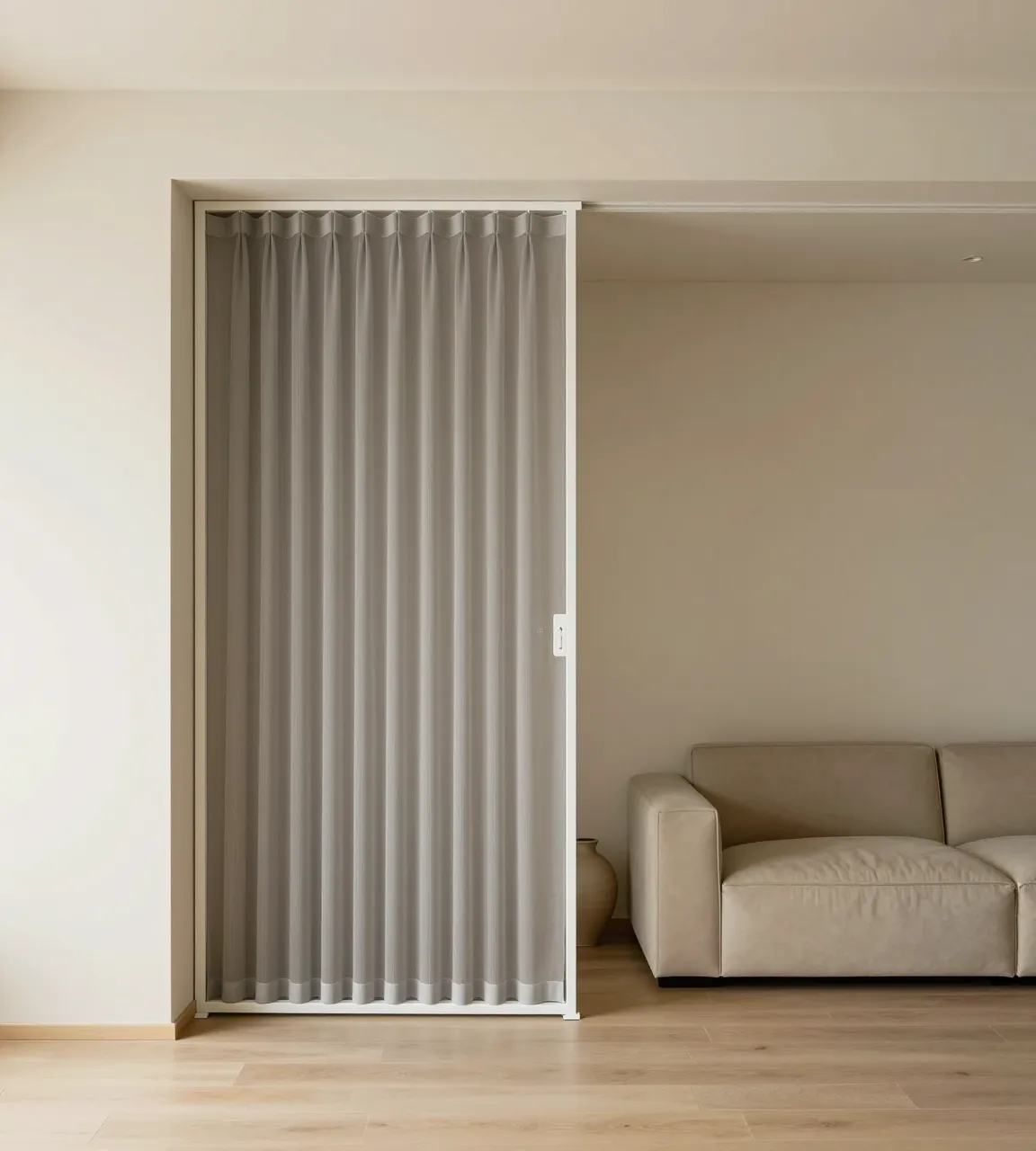
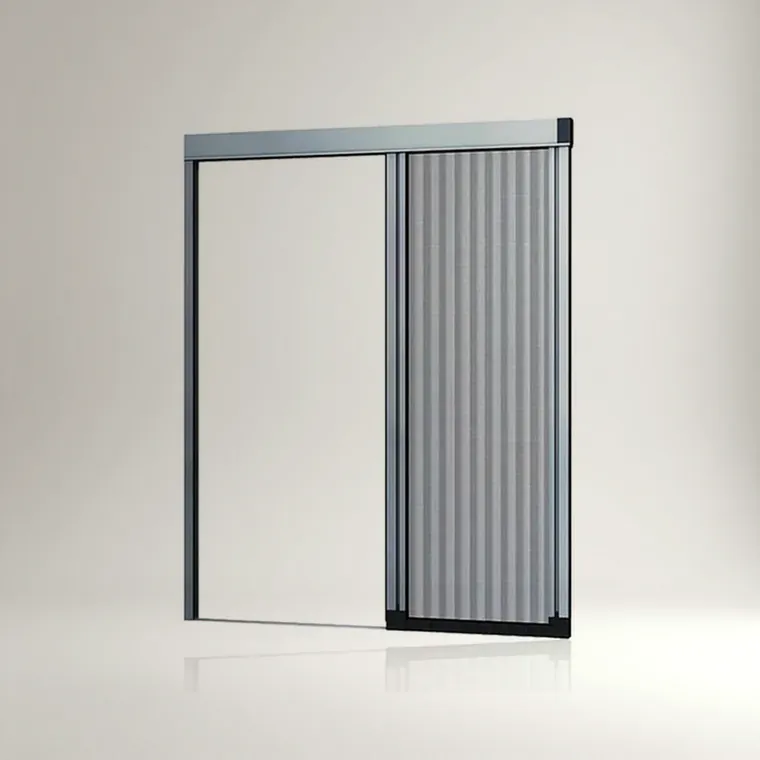
Folding design for wide openings
Five meshes differ in thread density, mesh size and light transmission. The choice depends on what matters more: light, strength or pollen retention.
Fiberglass, standard
Resistant to ignition and temperature changes, a basic option for the city
Lets through 25% more light and air
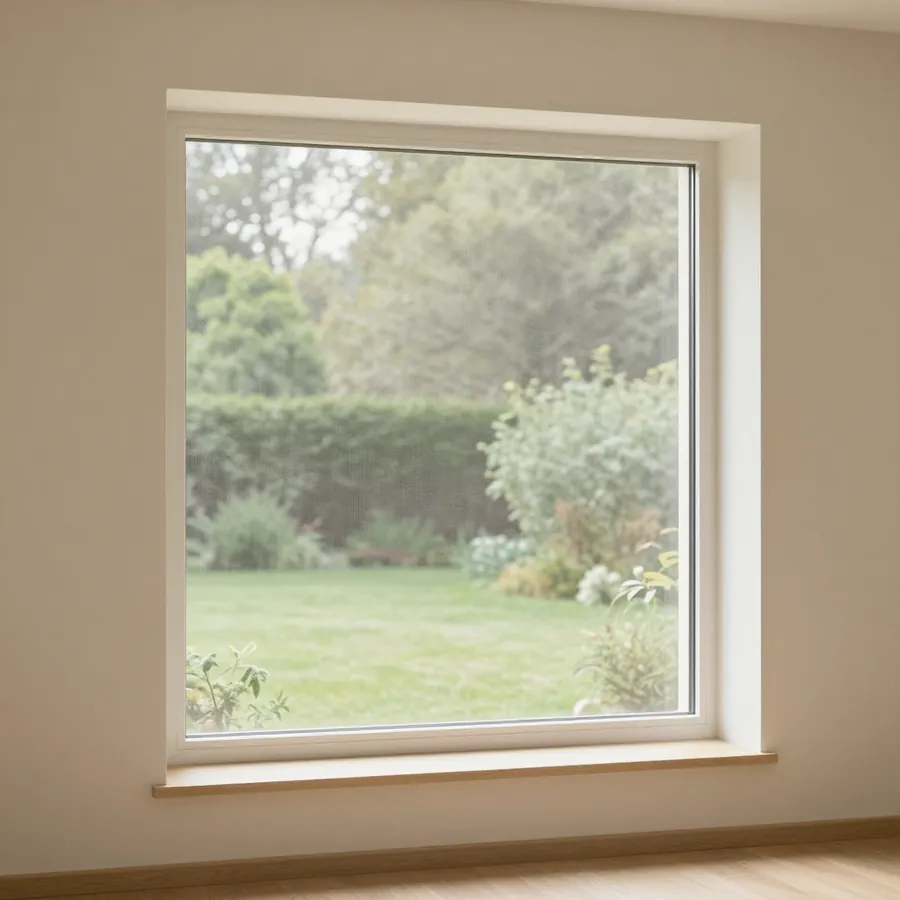
For rooms on the sunny side and country houses where it is important not to darken the room
Vinyl threads, reinforced strength
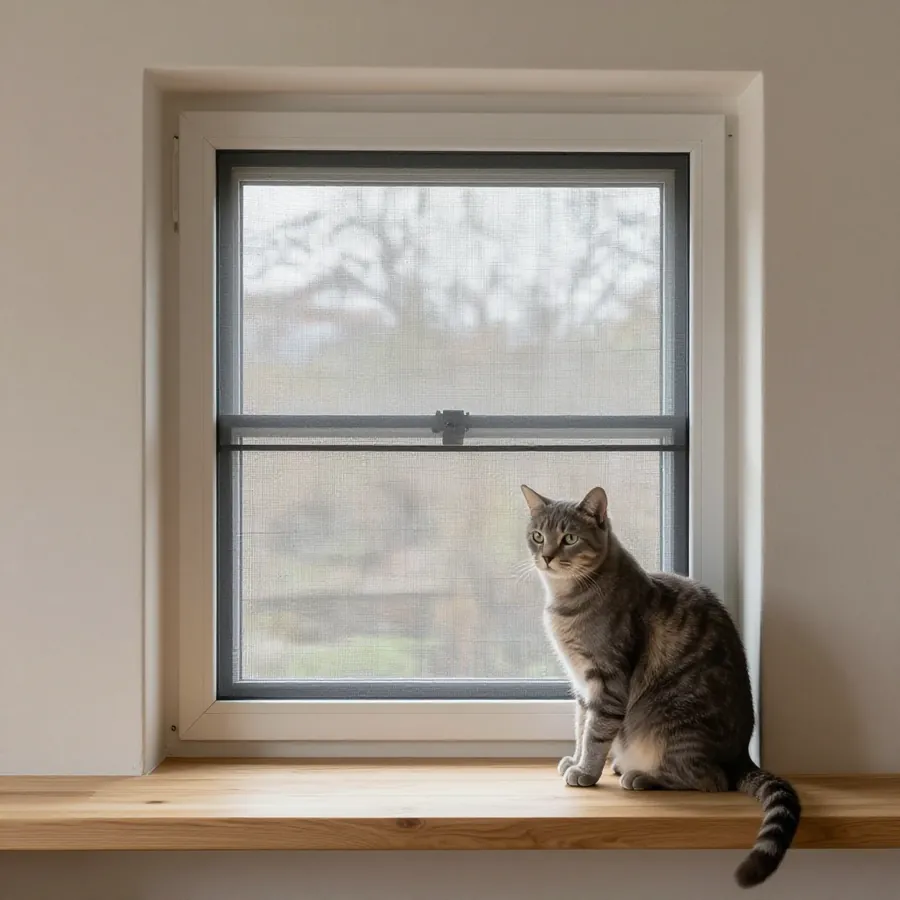
Withstands the weight of a small pet if a cat sits on the windowsill
Mesh 0.25×1 mm, hypoallergenic
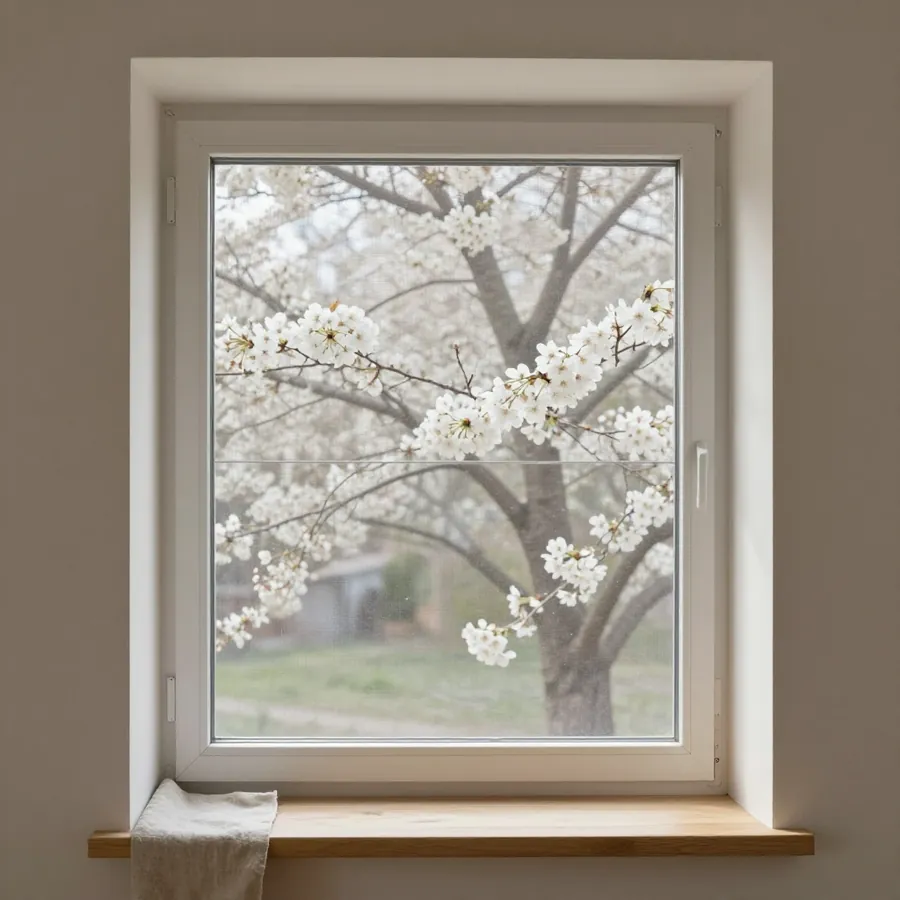
Poll-Tex traps pollen, suitable for allergy sufferers during the flowering season
Fine mesh
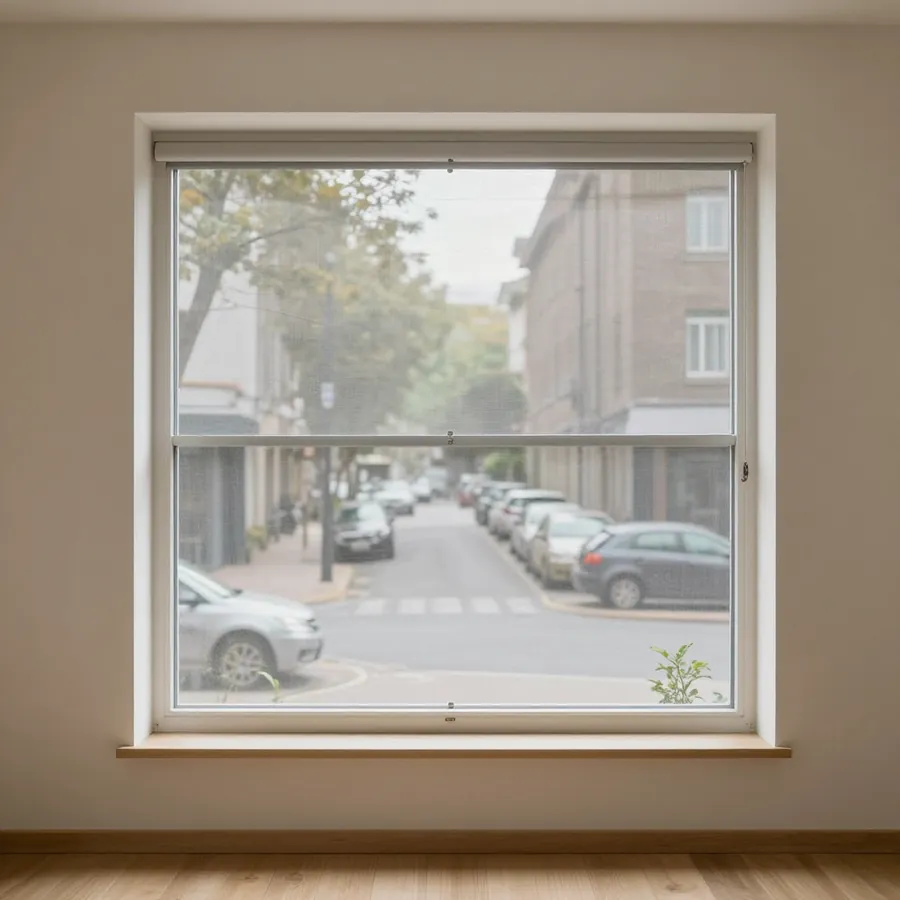
For windows near roads where dust settles on the windowsill
We fit screens on plastic, wooden and aluminium windows, vent windows, loggia windows, gazebos and verandas. Below are six typical installation locations.
Sliding or framed
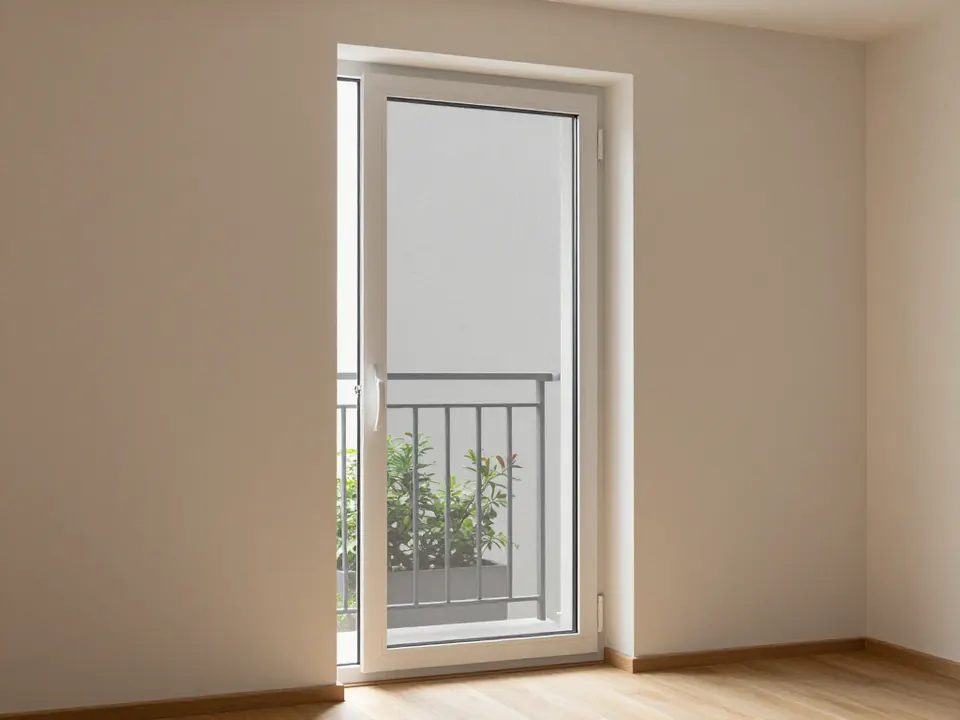
Sliding structure
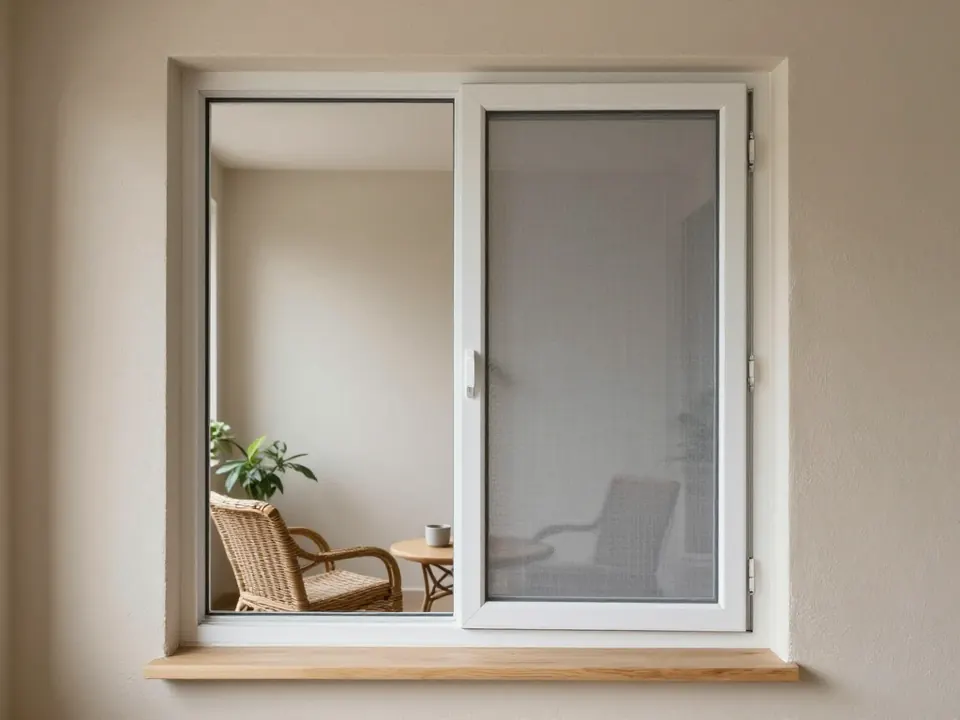
Framed and pleated
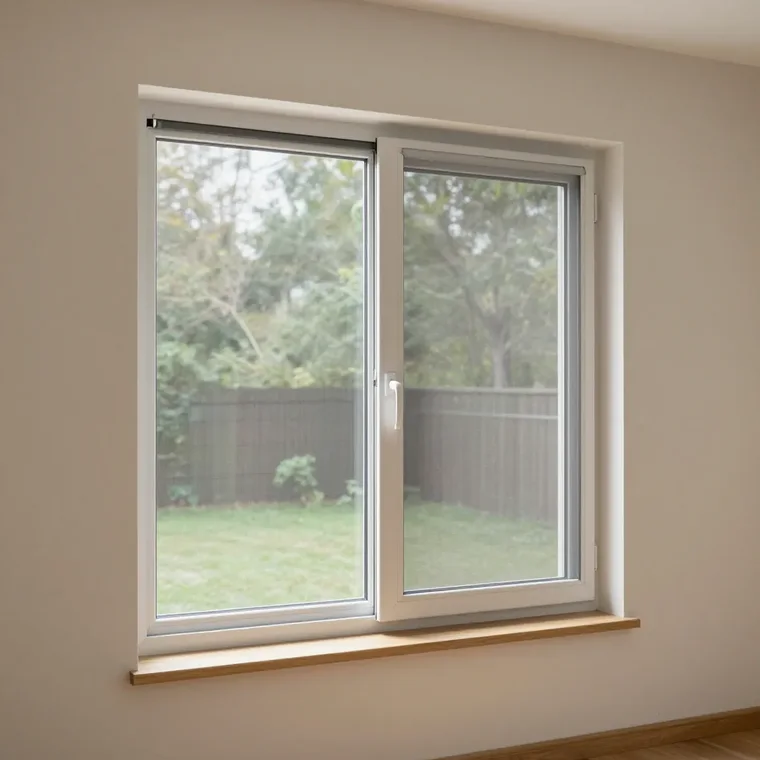
Hinged, Economy or Prestige profile
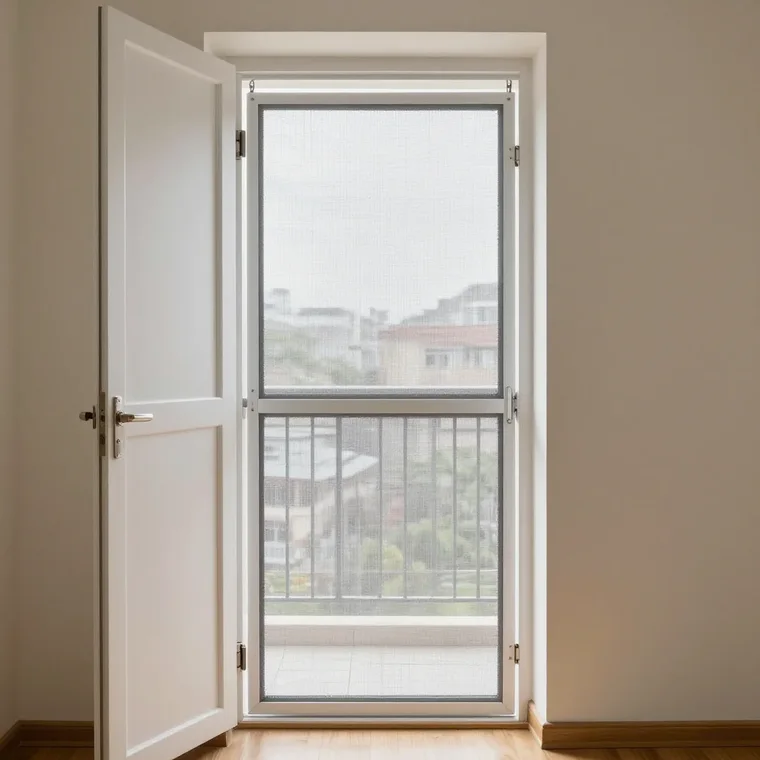
Framed to size
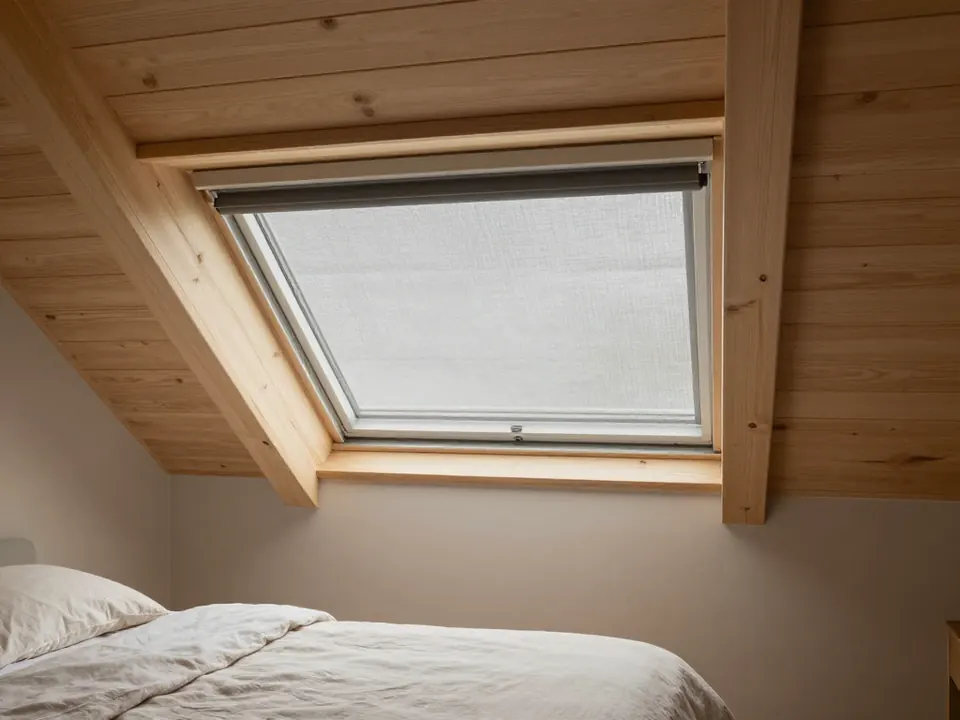
Framed with Z-brackets
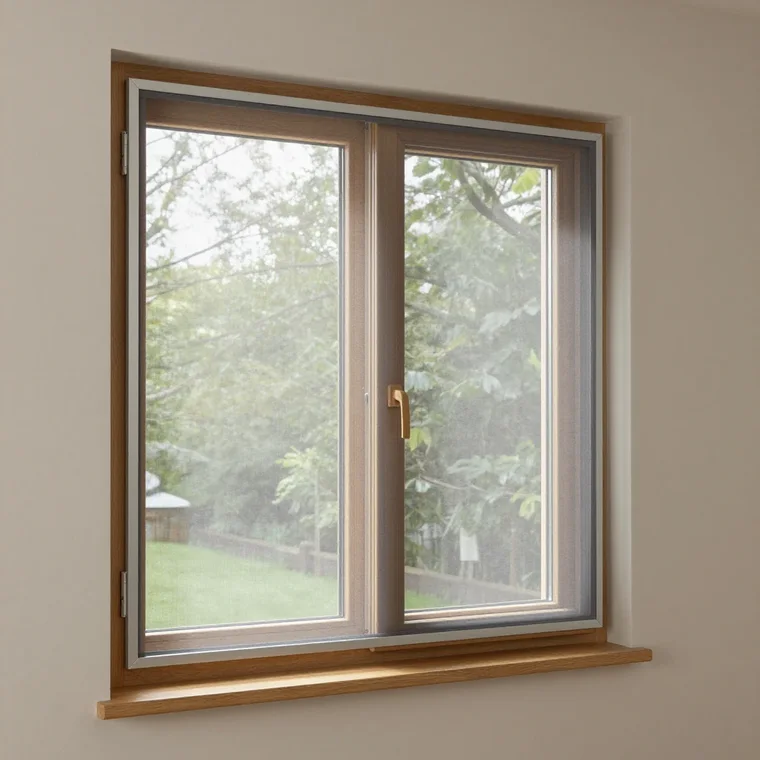
Enter the sash width and height, select the mesh — the calculator will show an estimated price before measuring.
1. Screen type
2. Mesh and design
3. Opening size, cm
The table lists structures, meshes, fitting and repair — the final price is fixed in the order after measuring.
| Screen type | Price | Fitting | Making | Options and prices |
|---|---|---|---|---|
| Framed mosquito screen, "Standard" meshfiberglass, standard | from 6 000₸ per m² | 1 600 ₸ | 10–15 minutes | "Anti-Cat" · 12 000"Anti-Dust" · 11 800"Anti-Pollen" · 12 200"UltraVue" · 7 900 |
| Sliding mosquito screen for balconyfor loggias and balconies | from 17 400₸ per m² | — | — | |
| Hinged door mosquito screen"Economy" profile | from 15 200₸ per item | — | — | |
| Pleated mosquito screenfolding design | from 29 500₸ per m² | — | — | |
| Roller mosquito screen for windowwith mechanism | from 16 200₸ per m² | — | — | |
| Metal meshextra strength | from 11 500₸ per m² | — | — | |
| Frame re-meshingold frame | from 3 000₸ per job | — | — | |
| Replacement of fixingsZ-brackets | from 970₸ per set | — | — |
The price is fixed in the order after measuringMeasuring and consultation are freePayment after installation: cash, card or Kaspi
Book a measuring visitEight facts about our production and work: timelines, warranty, profile colour and coverage.
making mosquito screens
in Almaty at Tole Bi, 83, no middlemen
made to your dimensions
making a folding structure
on mosquito screens
we paint to match your windows: white, brown, grey
own production in Almaty; we deliver and install screens ourselves, no middlemen
of Kazakhstan, including Temirtau
Four steps from request to screen on the window.
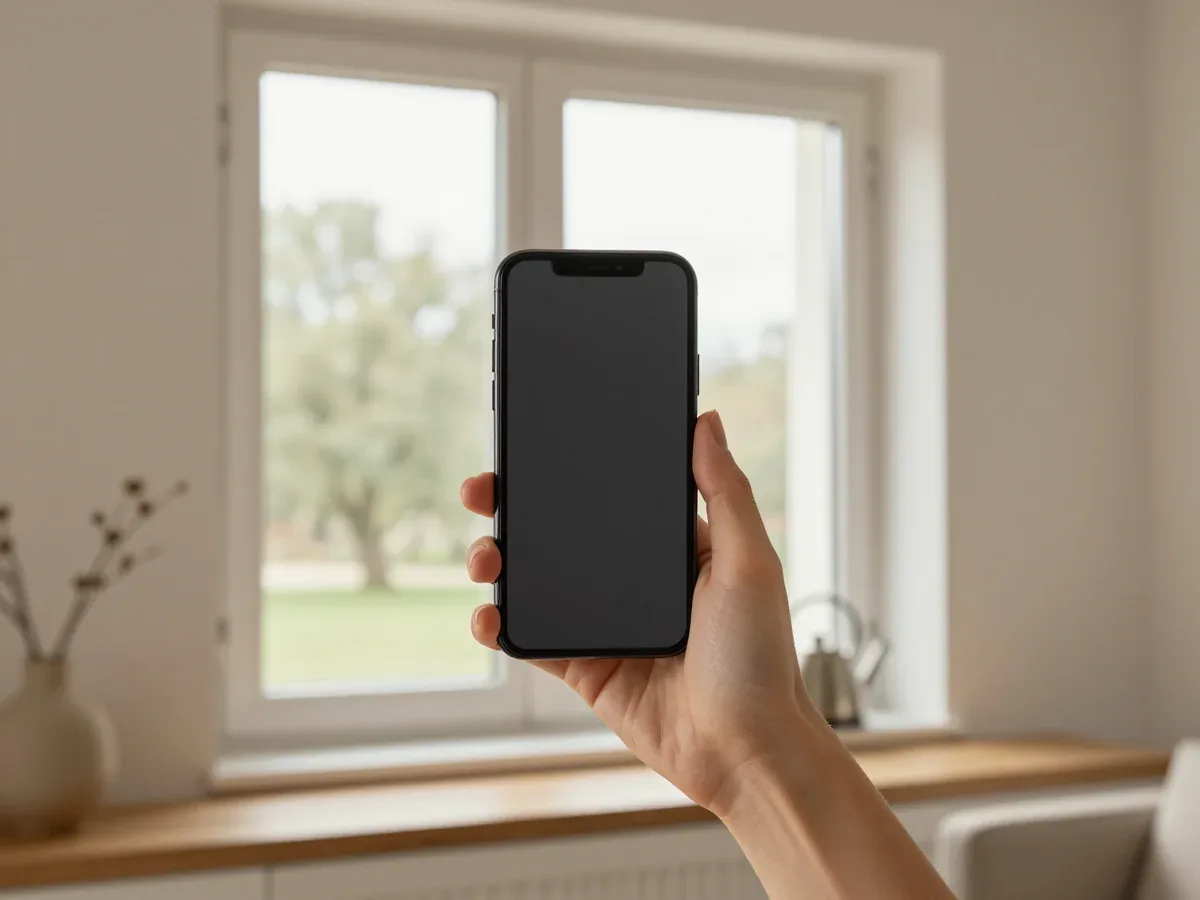
You leave a request on WhatsApp — we reply within 5 minutes and agree a convenient measuring time.
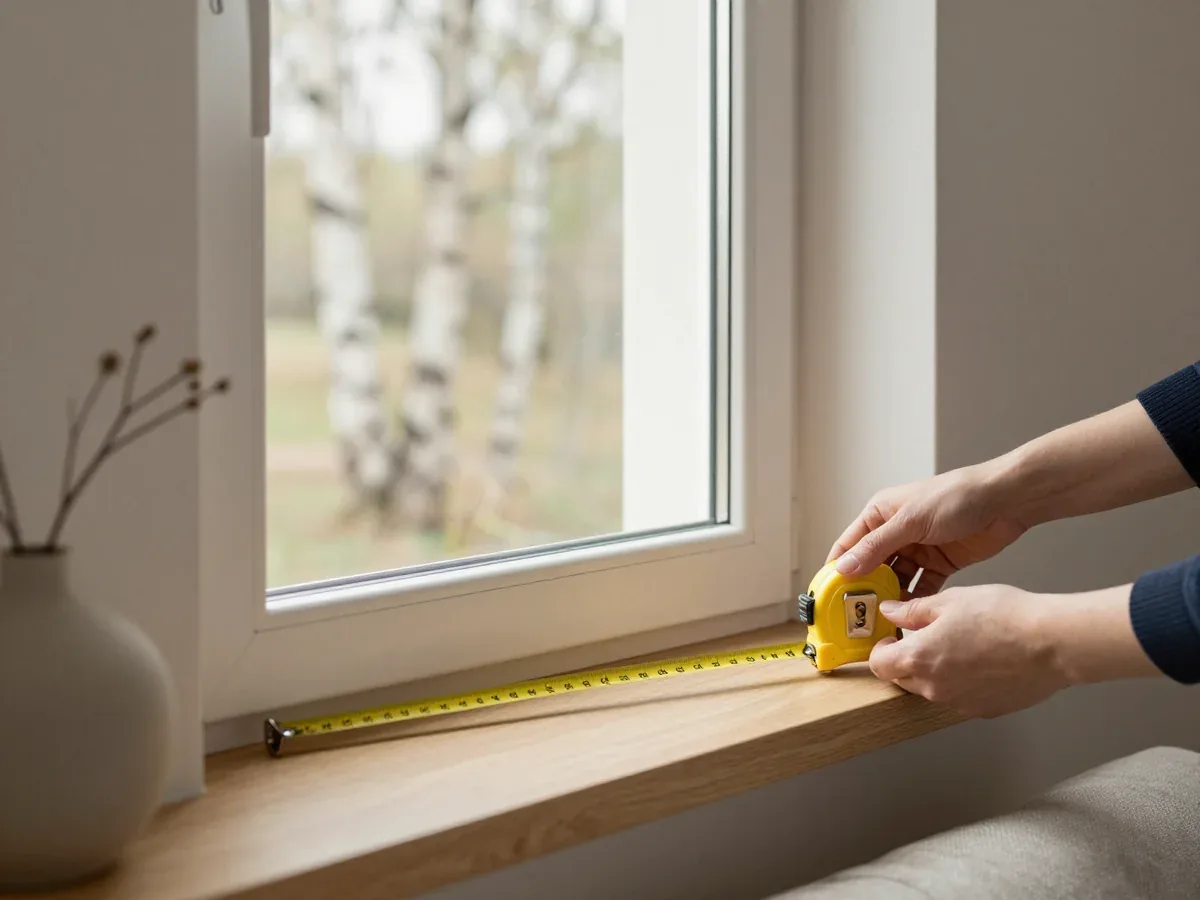
The surveyor records the opening dimensions and agrees the installation date.
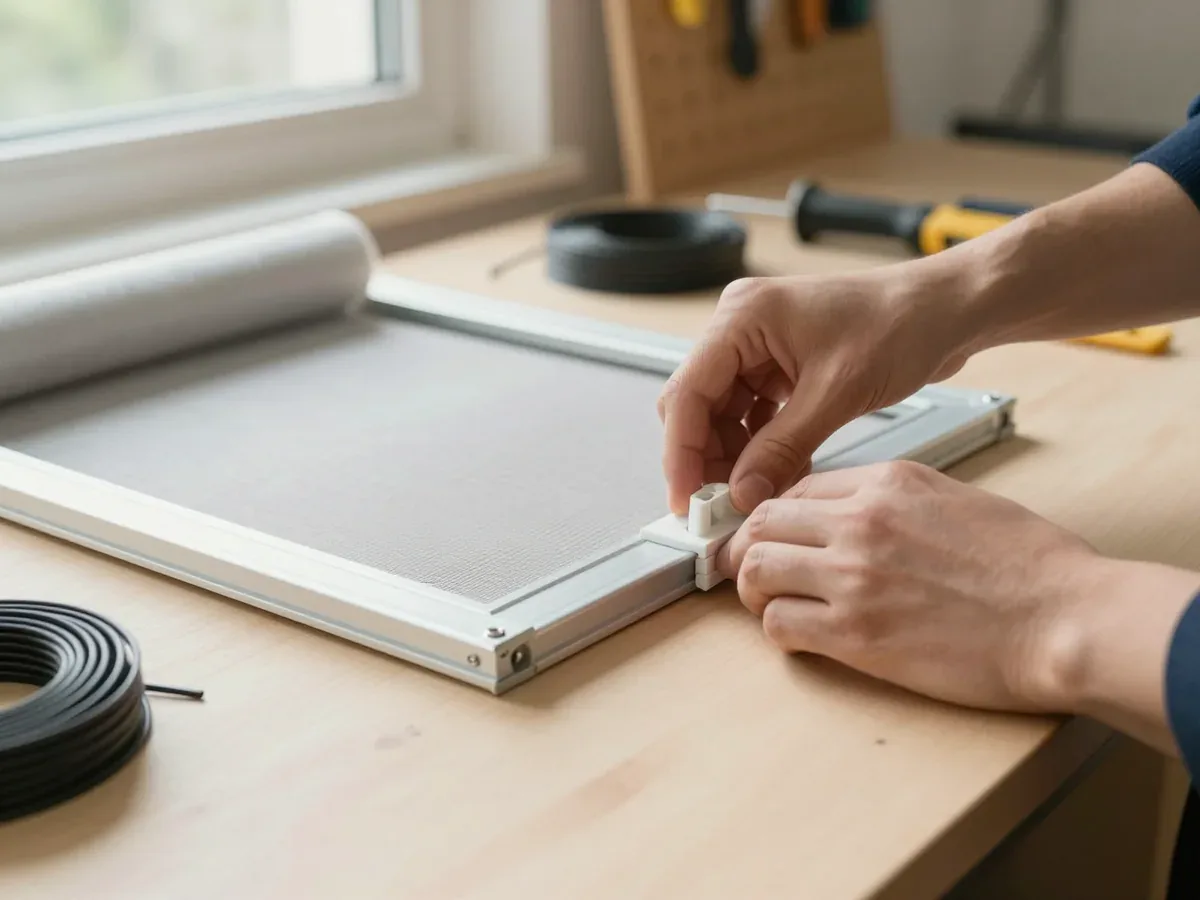
We make a framed screen to your dimensions at our own production facility in 10–15 minutes, pleated in 40–60 minutes.
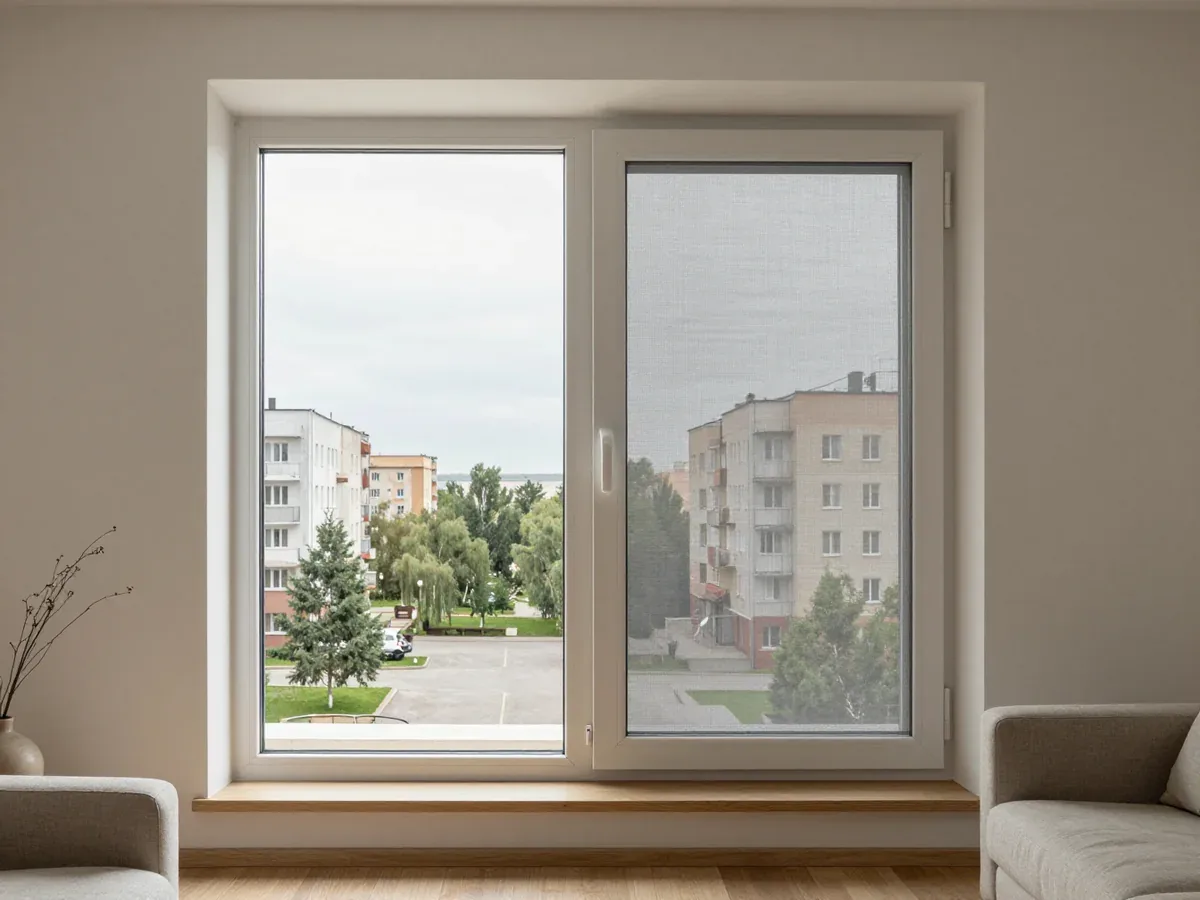
We deliver and fit the screen to the window or door, check the sash movement, fixing fit and mesh tension.
Good to know

Senior mosquito screen specialist at moskitnyesetki.kz
We make mosquito screens Temirtau residents order by their own window sizes, with a free measuring visit and fitting on the day. We paint the frame to match your windows, offer five mesh types plus metal, and cover every screen with a 1-year warranty. You pay only after installation.
The screen is chosen for the opening, not the other way round: a framed unit for a casement, a sliding one for a balcony block, a hinged leaf for a doorway, pleated or roller where the fabric folds away.
We fit mesh panels to plastic, wooden and aluminium windows, and also to vent windows, loggia glazing, gazebos and verandas. The panel is measured to the sash, the fabric is cut to that size, and the fastenings are picked for the profile in front of us rather than taken from a single standard set. On older wooden sashes the fixing holds through Z-brackets rather than a flat profile face, so the measurer checks the geometry before writing anything down. The same visit settles the mesh type and the colour, and the sizes go straight into the order. On timber that has dried out and twisted over the years, a bracket placed on a high spot pulls the panel out of line — checking the sash first is what keeps it sitting flat.
| Opening | Usual construction | What to check |
|---|---|---|
| Standard casement window | Framed screen | Frame depth and handle clearance |
| Balcony block | Sliding screen | Rail length and floor level |
| Door to terrace or garden | Hinged door leaf | Profile width and traffic |
| Small vent window | Framed screen | Minimum size limits |
| Loggia or gazebo | Pleated or roller | Aperture height and wind |
The fabric decides the job as much as the frame does. Dust, pollen, a cat at the glass or a dim room each call for a different weave, so it pays to match the cloth to the problem.
Ultravue lets in 25% more light and air than other fabrics, Poll-Tex anti-pollen cloth has a 0.25×1 mm cell, and Pet Screen holds the weight of a small animal on vinyl threads. Those three figures drive most of the choice: a north-facing bedroom gains real daylight from Ultravue, a hay-fever household gains a barrier from the 0.25×1 mm cell, and a cat that launches at the glass needs the vinyl cloth rather than standard fiberglass. The trade-off is airflow — the tighter the cell, the less air moves through. In a bedroom behind dense Poll-Tex, check that a second casement still ventilates the room.
| Problem | Mesh | Why it works |
|---|---|---|
| Dust from the street | "Anti-Dust" | Denser fabric traps fine particles |
| Pollen and allergies | "Anti-Pollen" (Poll-Tex) | 0.25×1 mm cell blocks pollen |
| Cat jumping at the window | "Anti-Cat" (Pet Screen) | Vinyl threads hold a small animal |
| Dark room needs light | "Ultravue" | 25% more light and air |
| Budget window, general use | "Standard" (Fiberglass) | Fire and temperature resistant |
The fastening is chosen to match your window profile and floor, and in most homes the frame itself stays untouched. Here is what the fitter looks at before anything is screwed or clipped on.
We use Z-shaped brackets, pins (plungers) or magnets, and the measurer picks the fastening to suit your window profile and floor. Z-brackets hook onto the frame edge and hold the screen with a small metal arm, pins sit in the profile groove, and magnets pair up on the frame and the screen border. On upper floors with strong wind, magnets give way to Z-brackets — the mesh does not flap or tear away in gusts. Pins work best on standard plastic profiles where the groove is deep enough to seat them. Before the fitter fixes anything, ask which of the three he is putting on your window and why, so you know how to take the screen off later.
Our measurer comes at a time that suits you, takes the sizes and helps you choose the construction, mesh and fastenings for your profile. He notes the frame depth, the groove width and whether the sash opens inward or outward, because each of these narrows the choice. The same profile on the first and ninth floor can call for different fixings — height changes the wind load on the mesh, and a screen that sits firm at ground level may rattle higher up. On balconies and upper sashes he also checks how you will reach the screen for winter removal. Tell the measurer about pets, small children and any recent window repair before he decides on brackets or magnets.
| Fastening | Drilling | Best for |
|---|---|---|
| Z-brackets | Minimal | Upper floors, strong wind |
| Pins (plungers) | No | Standard plastic profiles |
| Magnets | No | Light screens, easy removal |
An order runs in four clear steps: a free measuring visit, a price fixed in writing, production that takes minutes, and payment once the unit is on your window.
Measuring and consultation cost nothing: our measurer arrives at a time that suits you, takes the size of each opening and helps you pick the construction, mesh and fastenings. He checks the window frame and the floor level first, since a Z-bracket, pin or magnet set that suits a fifth-floor panel window will not hold on a ground-floor timber unit. Bring every window and door you want covered into one visit — the fitter then matches the hardware across the whole flat in a single style. Clear the sill and the floor space in front of each opening so he can reach the frame and inspect it from inside. If you are ordering mosquito screens Temirtau homeowners fit into older panel blocks, mention the building type when booking — the right bracket set comes along.
A framed unit cut to your size takes 10–15 minutes, while a pleated one takes 40–60 minutes. The gap is not the mesh but the folding mechanism: a pleated model is assembled from a track, a cord and a stack of folded panels, and each joint must run cleanly before it leaves the bench. Wide openings add time on top, because the outer casing is cut, squared and tensioned by hand. Standard meshes — fiberglass, Ultravue, Pet Screen, anti-dust and Poll-Tex — sit in stock, so the wait comes from assembly rather than from ordering material. Several framed units for one flat are built in a single run and fitted in one visit. For a pleated model on a balcony door, plan the fitting for a day when the doorway can stay clear for an hour.
The price is locked in the order once measuring is done, and you pay after installation — cash, card or Kaspi. Nothing is charged at booking and no deposit is taken before production starts. Because the sum is tied to the measured sizes, a unit that matches the measuring sheet cannot quietly grow a surcharge on fitting day; if you later ask for a different mesh or a wider casing, that change is agreed and written into the order first. Our fitters deliver and install on windows and doors across the city, and the same visit covers small jobs — replacing a worn fastening or re-hanging a panel that has slipped. Keep the order sheet: it lists sizes, mesh type and frame colour, which is what the 1-year warranty is checked against.
The frame can be painted to blend with your windows, while seasonal care and timely repair keep the fabric working for years. Both belong to ordering a construction that lasts.
We paint the frame any colour to match your windows, so the construction does not stand out on the facade. Powder coating covers the aluminium profile evenly, and the shade is matched against your window surround rather than picked from a generic swatch. On hinged door versions the same finish goes onto the Economy 32×10 mm or Prestige 42×17 mm profile, so the leaf reads as one piece with the casing. Matching takes a few minutes at the measuring visit, when the fitter compares samples under daylight against the outer face of the unit. Choose the colour by the outside of the window, not the inside — from the street the screen is seen in that shade, and a mismatch shows up most on white and dark-brown profiles alike.
A framed version comes off from inside in a minute, and it is worth removing for the winter. The unit lifts out of its Z-brackets, pins or magnets without tools, and the opening stays clear for the cold months. Stored flat or hung on a wall indoors, the fabric keeps its shape: with no load on the fastenings through winter, it settles back into place in spring without sagging or twisting at the corners. Mark each one or store it in its own slot — swapping two of similar size between windows is the usual reason a spring refit feels tight. Pleated and roller versions stay in their guides and are simply wound up or folded away, so only the framed type needs lifting out.
We repair screens and replace worn fastenings, and we also deliver and fit them on windows and doors. A small hole or a pulled corner is fixed by re-tensioning the fabric in the frame or fitting a fresh spline; worn pins, magnets and Z-brackets are swapped for new ones matched to your profile and floor. A tear near the edge is usually the cheaper case to repair, while a split across the centre of the panel is better solved by replacing the fabric, since the load spreads through the middle and a patch there works loose again. Send a photo of the damage on WhatsApp — we reply within five minutes and tell you whether a repair or a new panel makes sense before anyone visits.
Three things are worth checking before you pay for a mosquito screen: the guarantee behind it, who actually makes and fits it, and whether the company serves your town at all. We answer each one plainly.
We give a 1-year guarantee on every screen we make. It covers the frame joints, the mesh fixing in the profile and the fastenings we supplied, so a sagging corner or a bracket that works loose is our job to put right. The term starts from the day of fitting, not from the day you placed the request, and it applies to framed, pleated and door models alike. Coverage holds when the product is looked after through the seasons — a framed unit taken off for winter keeps its geometry, and that is taken into account when you contact us. Store it flat rather than leaning on a corner, and the frame stays square for years.
We produce the screens ourselves, come out to measure ourselves and fit them ourselves — there is no middleman between your request and the installed mesh. That matters when something needs sorting. A direct maker answers for the measuring, the fabrication and the mounting under one guarantee, so if a size turns out wrong there is no hunt for who is to blame between a seller and a workshop. We paint the frame any colour to match your windows in the same shop, and we deliver and install screens on windows and doors across the region. In our practice the single-contract arrangement is what keeps a small discrepancy from turning into a long argument.
Such screens can be ordered in 17 cities of Kazakhstan, we reply on WhatsApp within 5 minutes and we are open seven days a week. A measuring visit costs nothing and the measurer comes at a time that suits you, takes the sizes and helps pick the design, the mesh and the fixings. The price is fixed in the order after measuring, and you pay after installation by cash, card or Kaspi. For addresses beyond the city the routine is identical — measure, make, fit — so the manufacturing time does not stretch because of distance. A framed screen takes 10–15 minutes to make, a pleated one 40–60 minutes, and those figures hold wherever the job is going.
A mosquito screen is a small purchase that depends on a few clear decisions. The points below bring them together so you can order once and get the right fit for your opening.
Choice, materials, fixings and repair
Konstantin Selenenkovsenior mosquito screen specialist, 10 years in the tradeOnline · replies within 5 minutes
Ask a questionFor windows on the plant side, the Anti-Dust canvas is the smarter choice: it traps fine street dust and keeps it out. If anyone in the family has allergies, consider Anti-Pollen with a 0.25×1 mm mesh, which also catches pollen. The free measuring visit will help you choose what suits your windows.
Anti-Pollen (Poll-Tex) with a 0.25×1 mm mesh traps pollen and small allergens, while Anti-Dust targets street dust. Allergy sufferers are usually advised to take Anti-Pollen, though it lets in slightly less light. The choice depends on what matters more: allergen protection or daylight.
UltraVue lets through 25% more light and air than other canvases, and you can really feel it in a room. It is especially noticeable on the sunny side: the space looks brighter and ventilation is more active. On the shady side the difference is smaller but still there.
Anti-Cat (Pet Screen) is several times stronger than a standard canvas: the vinyl threads withstand a small animal's weight and jumps on the frame. It is fitted like a standard framed screen, though for active cats the fitter may suggest more secure fixings. Properly fitted, it lasts long.
Yes, we fit screens to plastic, wooden and aluminium windows, as well as to vent panes and loggia windows. The fixing method depends on the window profile: the fitter will select Z-brackets, plungers or magnets for your case. The frame just needs a spot to attach the elements.
Yes, we repair screens: we can re-cover the frame with a new canvas or replace broken brackets, plungers and magnets. The technician will inspect the damage and suggest what is best — re-covering or replacing the fixings. We carry out the work after fitting, payment upon completion.
Choose your preferred map service — we'll route you to the office.
9 Tauelsizdik Blvd
09:00–19:00, 7 days a week
Open in 2GISThank you. We will call you back within 10 minutes!
Your order number is on the receipt or in the SMS. Choose where to leave your review.
Write a review on WhatsApp


