
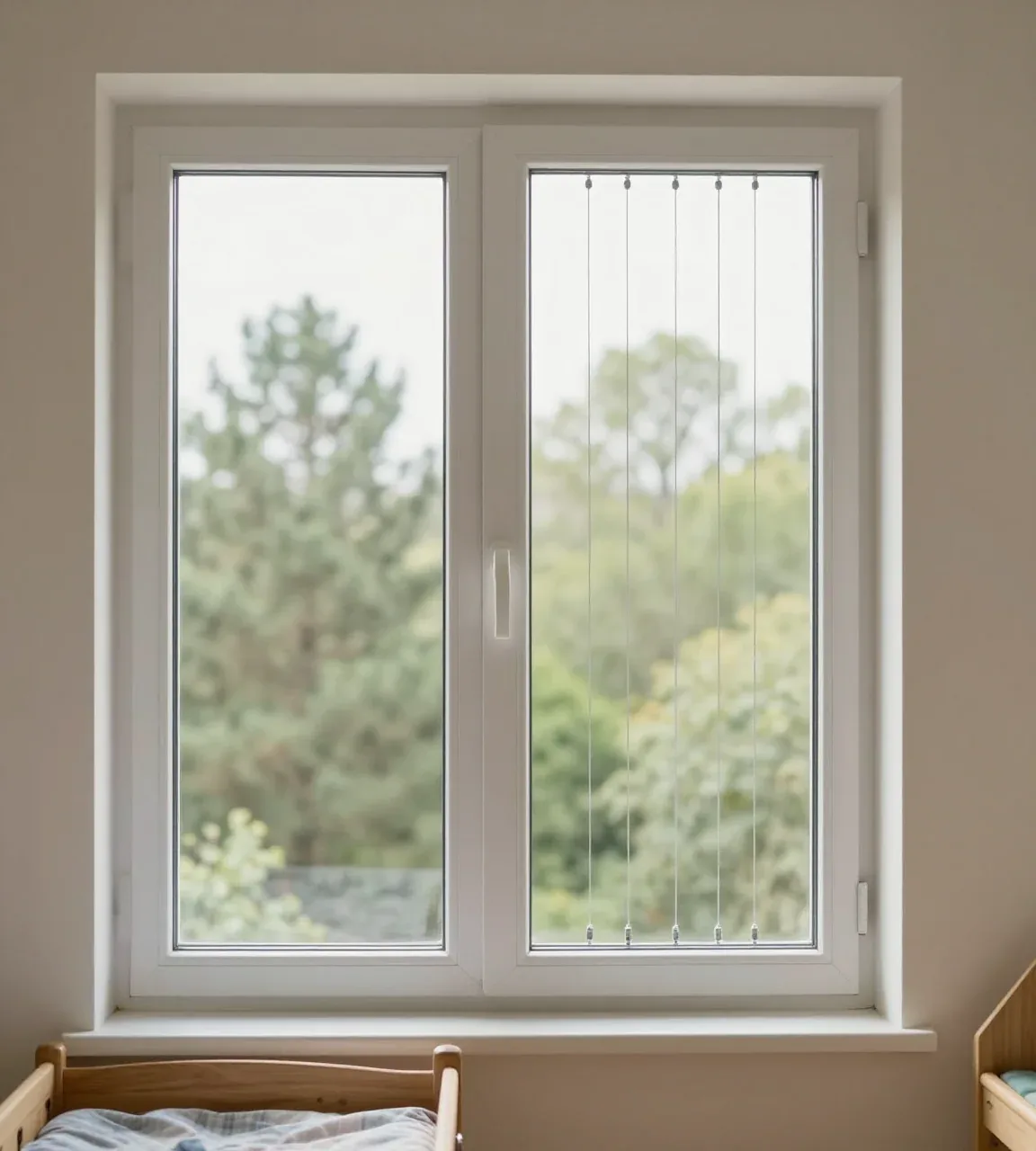
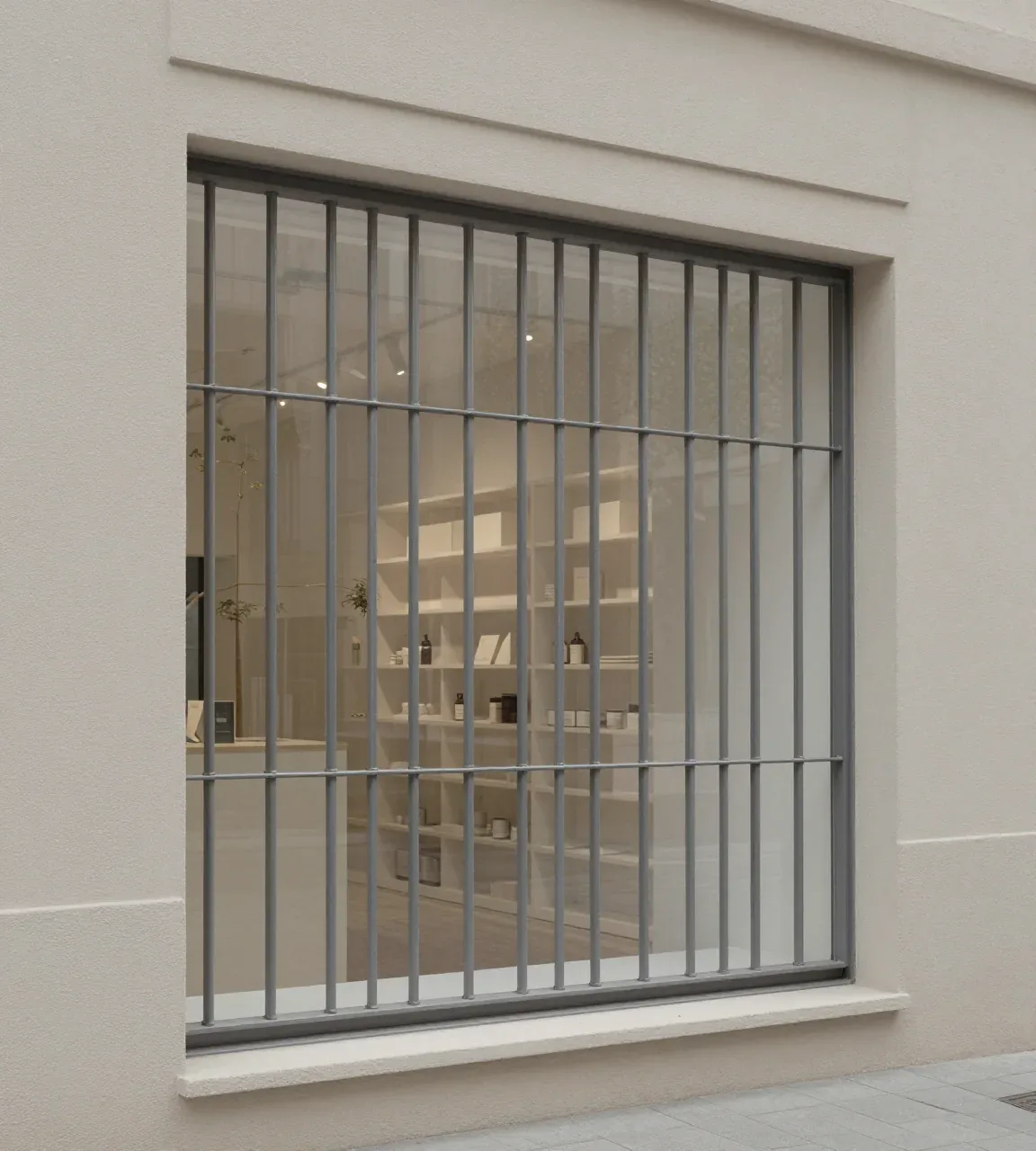
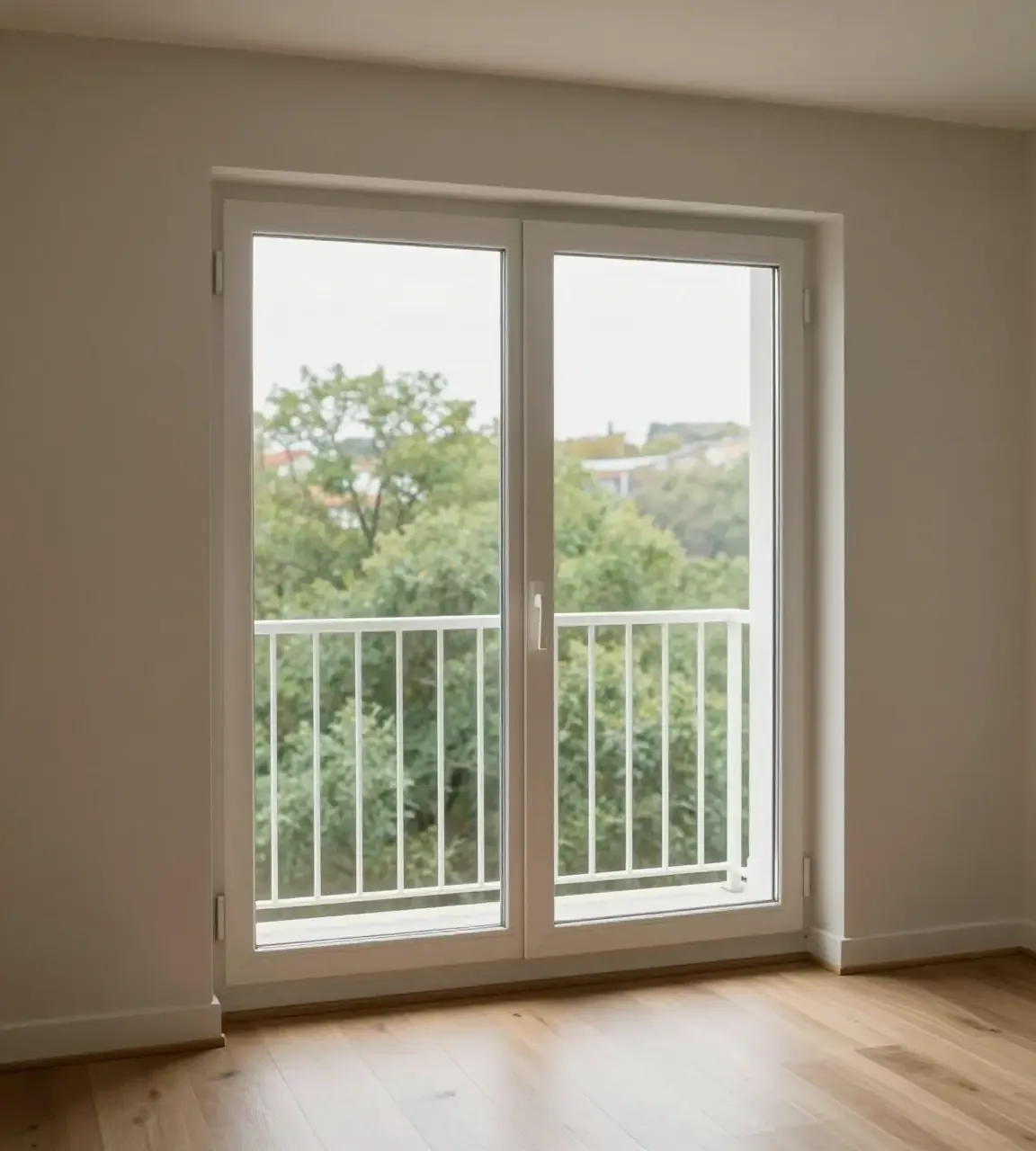
Basic option · welded
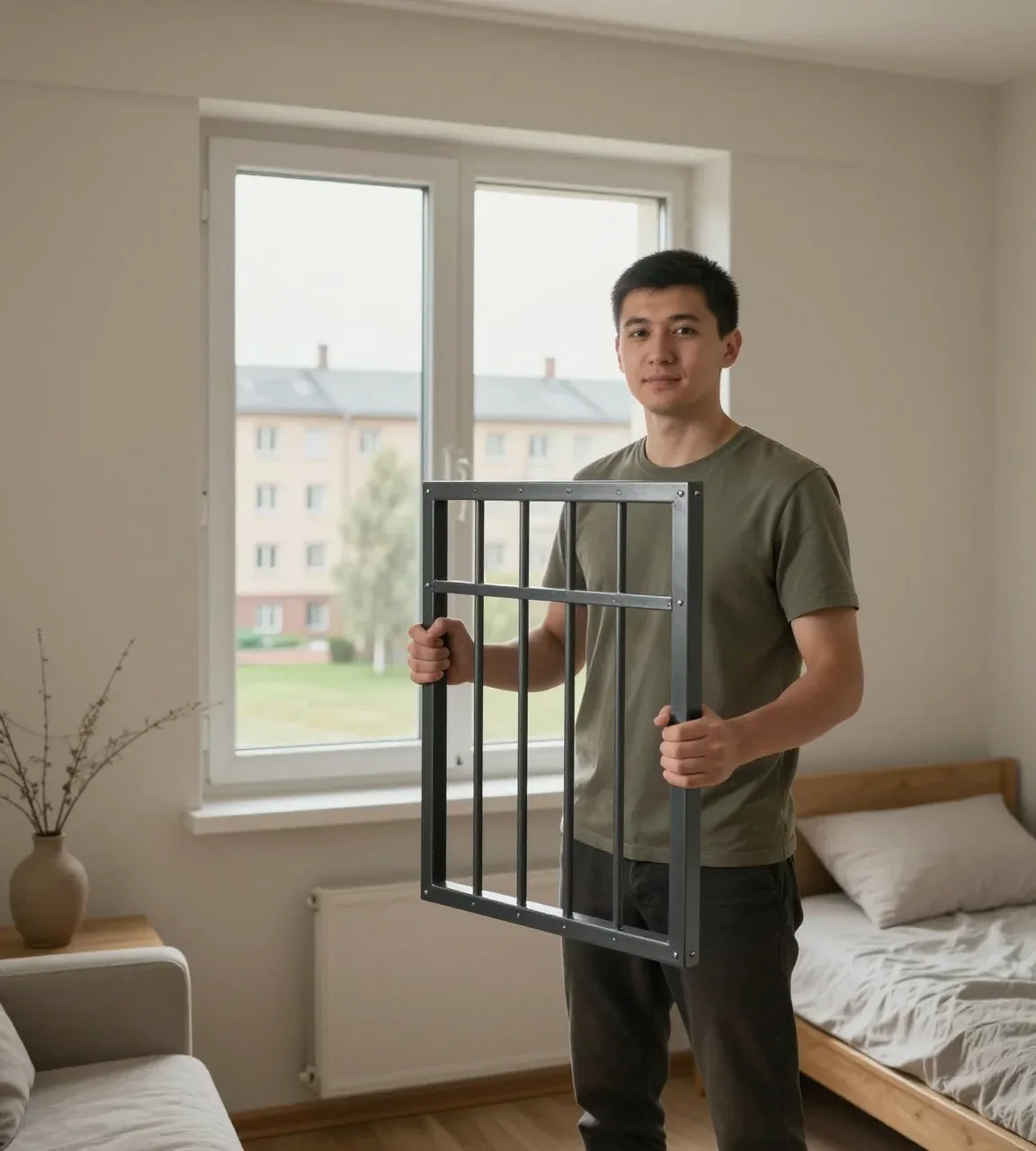
Welded grille
Standard pattern, powder coating to match the windows. Price calculated individually.
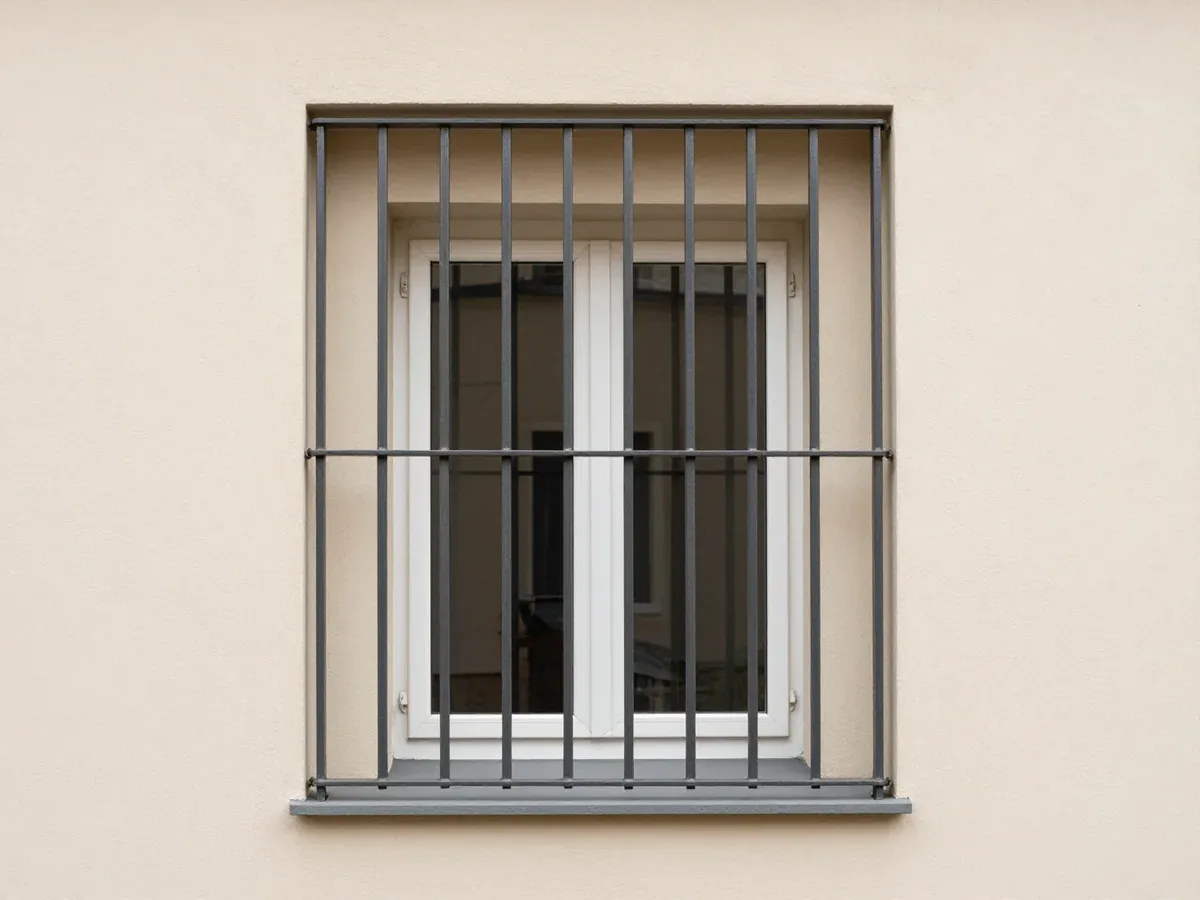
Welded grille
Standard pattern, powder coating to match the windows. Price calculated individually.
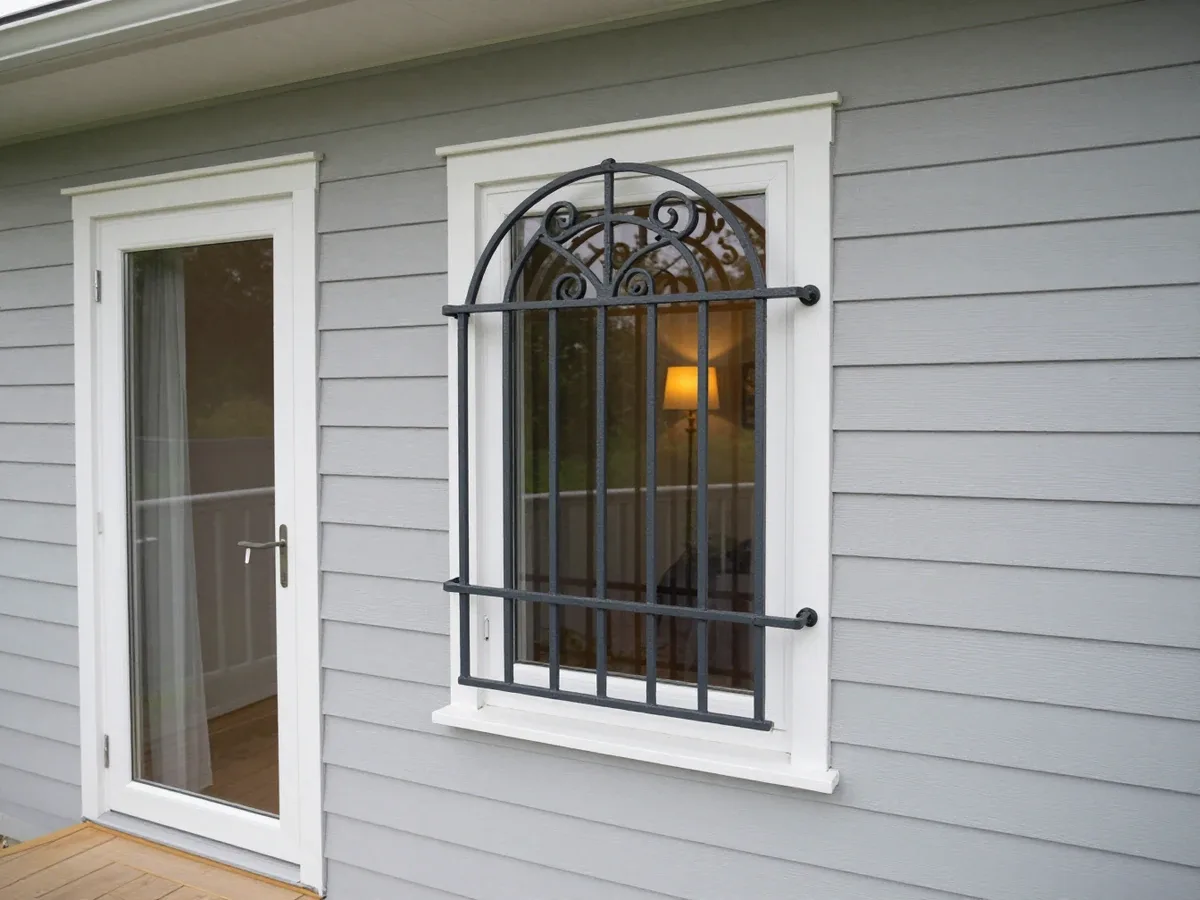
Convex grille
The convex shape moves the bars beyond the window plane. Price calculated individually.
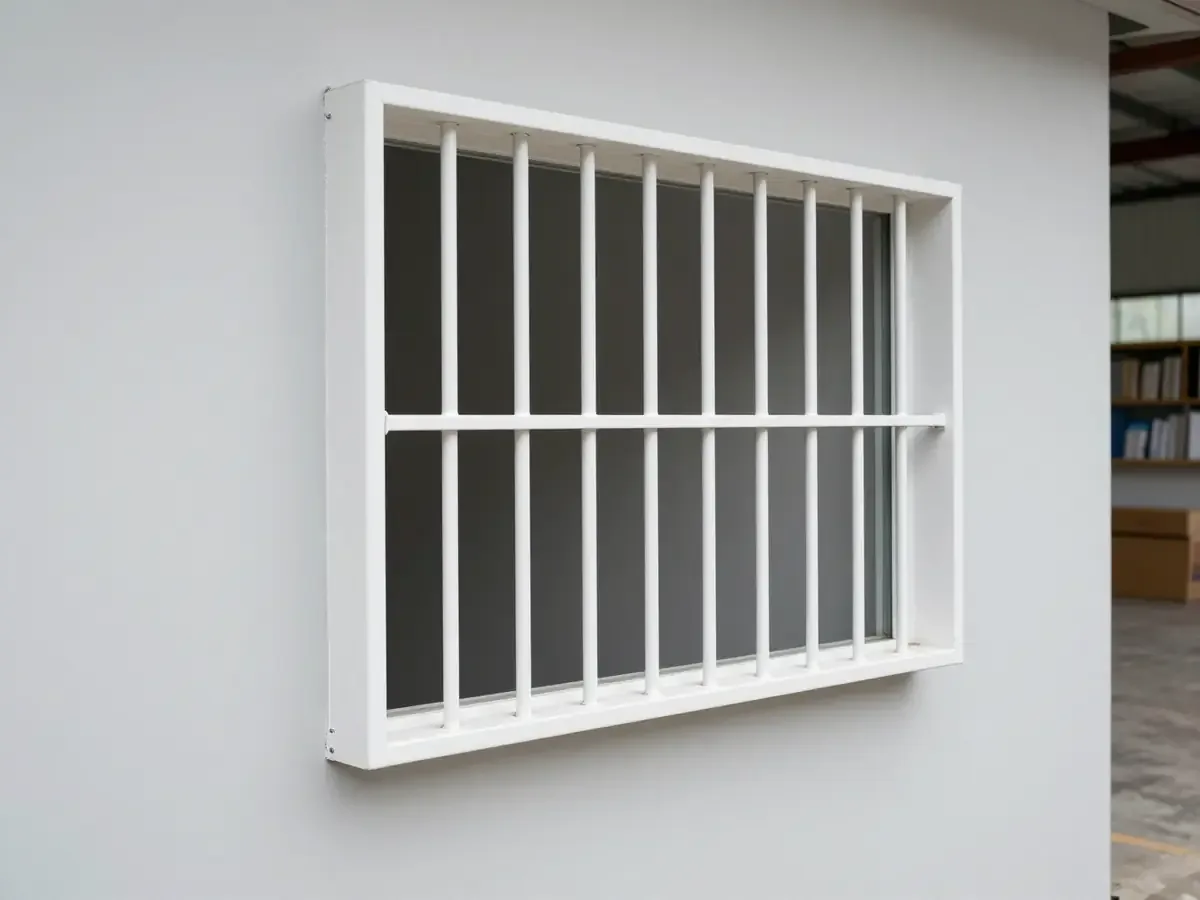
Decorative
Laser-cut design to your sketch. Price calculated individually.
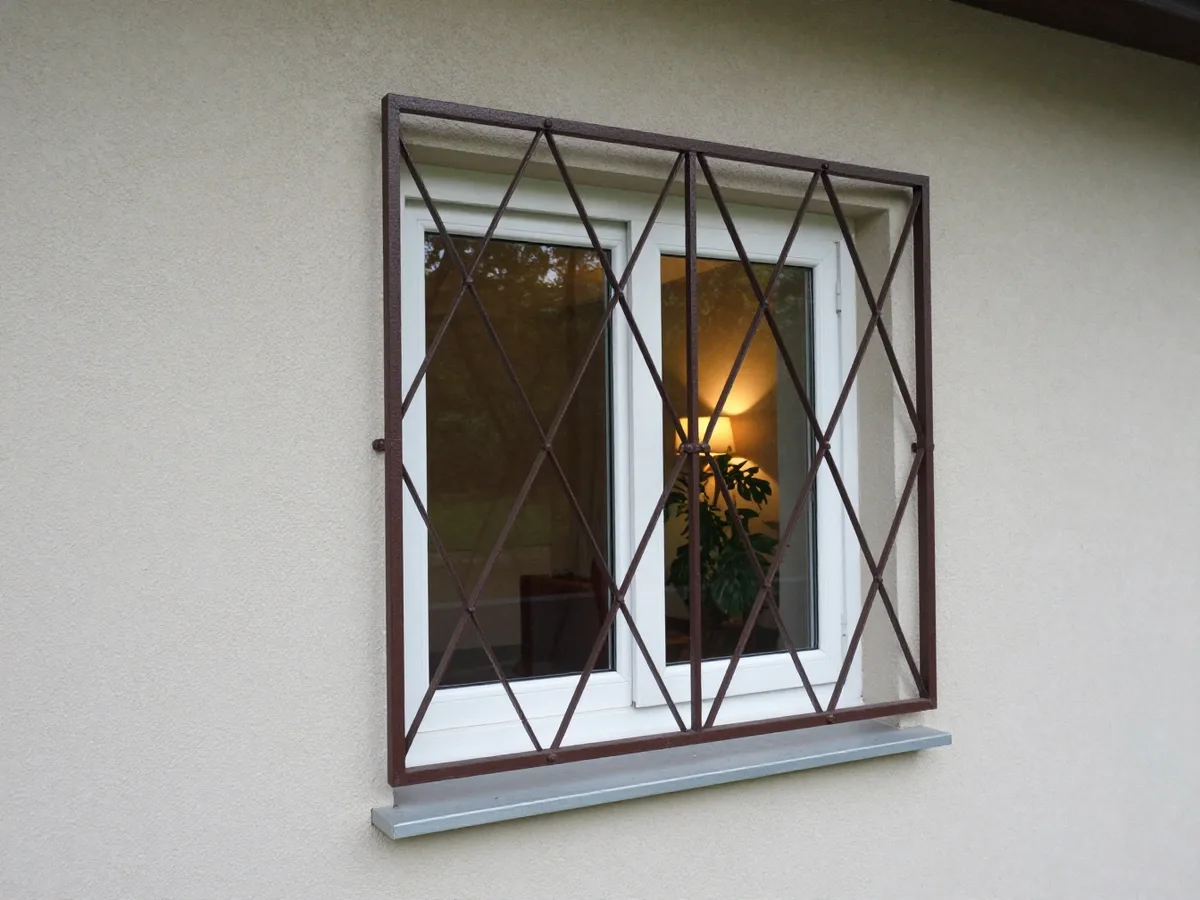



5,097 reviews on review sites
A grille covers the opening from outside or inside: bars, frame and fixings are selected for the window and the task.
A window grille is a frame with bars and fixing elements, installed outside or inside the opening. The pattern, bar spacing and coating are chosen for the task: protection against break-ins, child safety or a decorative facade look.
A standard welded structure costs from 7 500 ₸ per m², a wrought-iron one from 26 000 ₸ per m². Powder coating of the profile lets you match the colour to the windows: white, brown, grey and others.
per m² of welded grille with a standard pattern
per m² of window fitting
per m² of powder coating to match the windows
The surveyor selects the fixing for the window profile and floor: this determines how the grille holds and how it is removed.
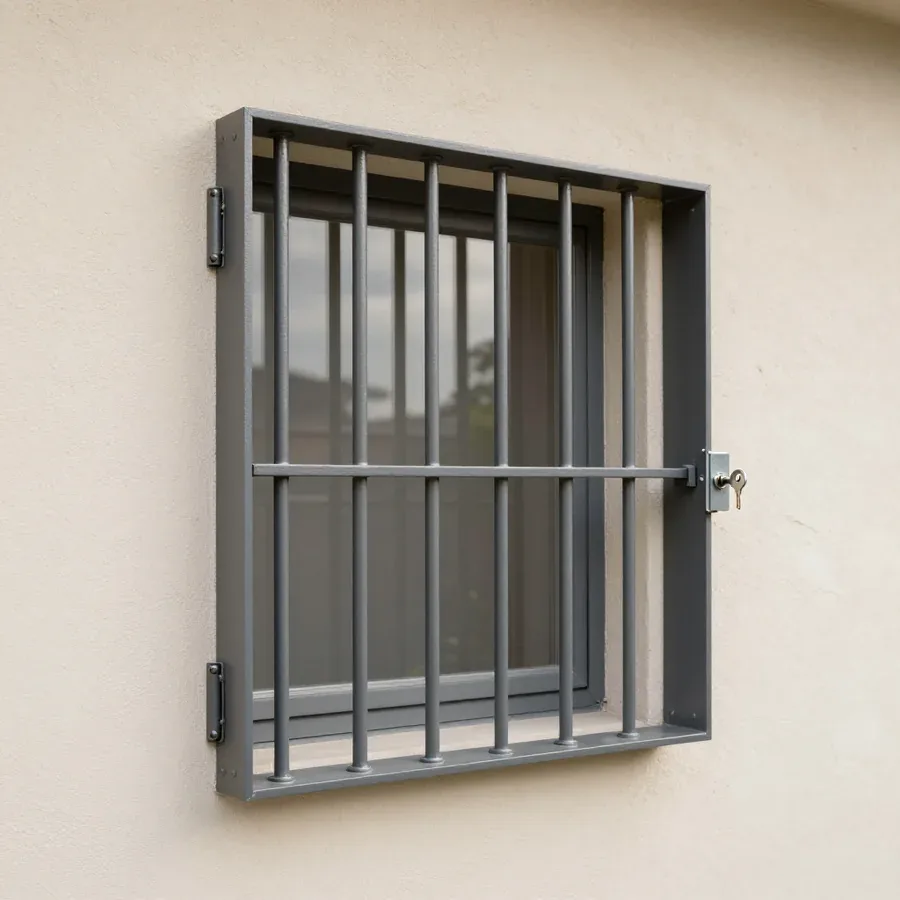
Fixed to the frame or reveal, the grille is installed outside. Suitable for plastic and wooden windows.
Removable fixing: the grille can be taken off from inside without touching the frame. Convenient for seasonal removal.
Hold a lightweight structure and allow quick removal without tools. Suitable for indoor barriers.
The rusty structure is removed and a new powder-coated one is installed. Removal — from 4 000 ₸ per item.
The table shows types of structures, surcharges and work; the exact amount is fixed after measuring.
| Type of item | Price |
|---|---|
| Welded grille with a standard patternbasic version | from 7 500₸ per m² |
| Wrought-iron grilleartistic forging | from 26 000₸ per m² |
| Convex grilleprotrudes beyond the window plane | from 26 500₸ per m² |
| Decorative laser-cut grillepattern to your sketch | from 25 000₸ per m² |
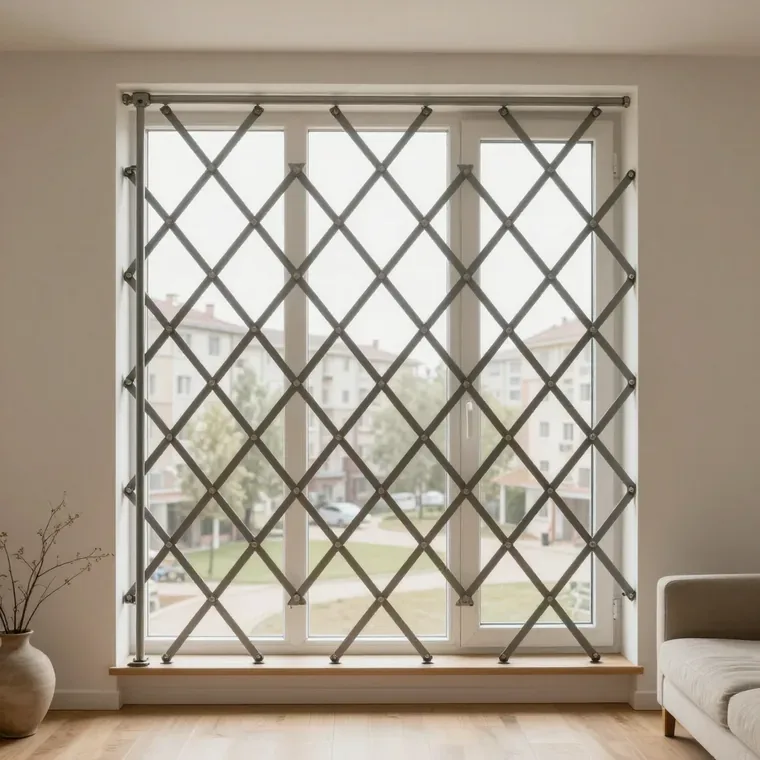
| Sliding accordion grillefolds to the side | from 28 000₸ per m² |
| Hinged grille leafsurcharge on the main structure | from 15 000₸ per leaf |
| Transparent polycarbonate grilletranslucent infill | from 26 000₸ per m² |
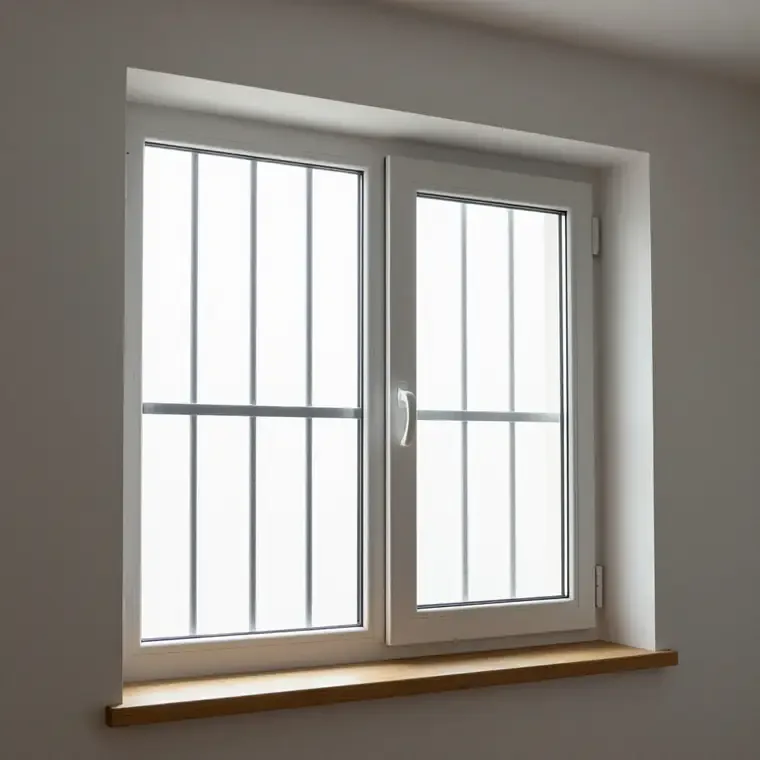
| Aluminium fall-prevention grilleindoor protection | from 12 200₸ per item |
| Grille with mosquito mesh 2 in 1protection and mesh in one frame | from 19 800₸ per m² |
| Powder coating for the grillecolour to match the windows | from 5 500₸ per m² |
| Grille fittinginstallation on the window | from 4 500₸ per m² |
| Removal of the old grilletaking down before replacement | from 4 000₸ per item |
| Child safety window grillefall-prevention barrier | from 12 500₸ per item |
The price is fixed in the order after measuring.Ask the technician before measuring which surcharges (painting, non-standard pattern, reinforcement) will be included in the estimate.The amount includes manufacturing, painting and fixings, while installation and removal are calculated separately.
Book a measuring visitOwn production, free measuring and installation without intermediaries — facts that affect time and price.
the price is fixed after measuring
for work and replaced components
profile to match your windows: white, brown, grey
free, the measurer will come at a convenient time
we deliver and install ourselves, without intermediaries
you can order in 17 cities of Kazakhstan
we reply within 5 minutes
we accept requests daily
Four steps from request to the finished structure on the window.
Write on WhatsApp or call. We clarify the task, window type and a convenient time.
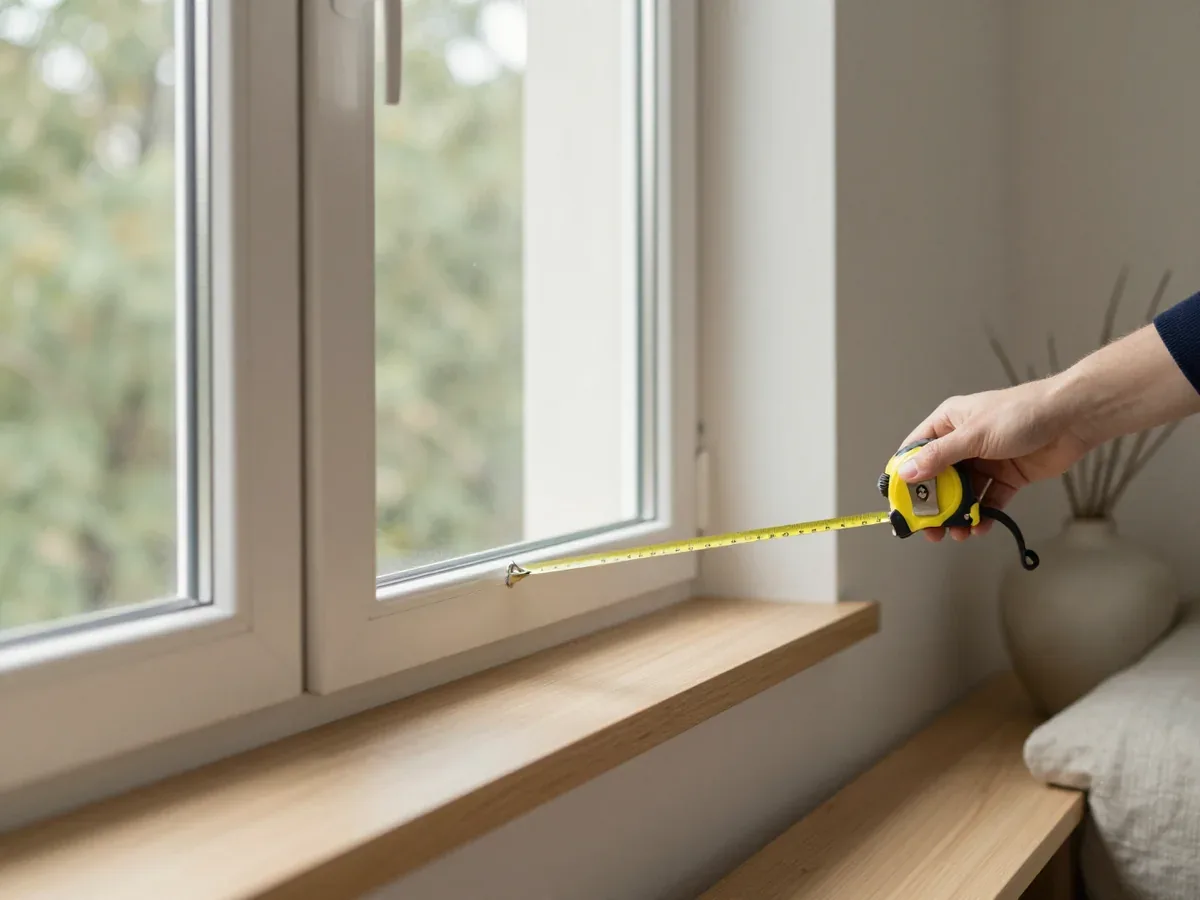
The measurer visits for free, takes dimensions and helps choose the structure and fixings.
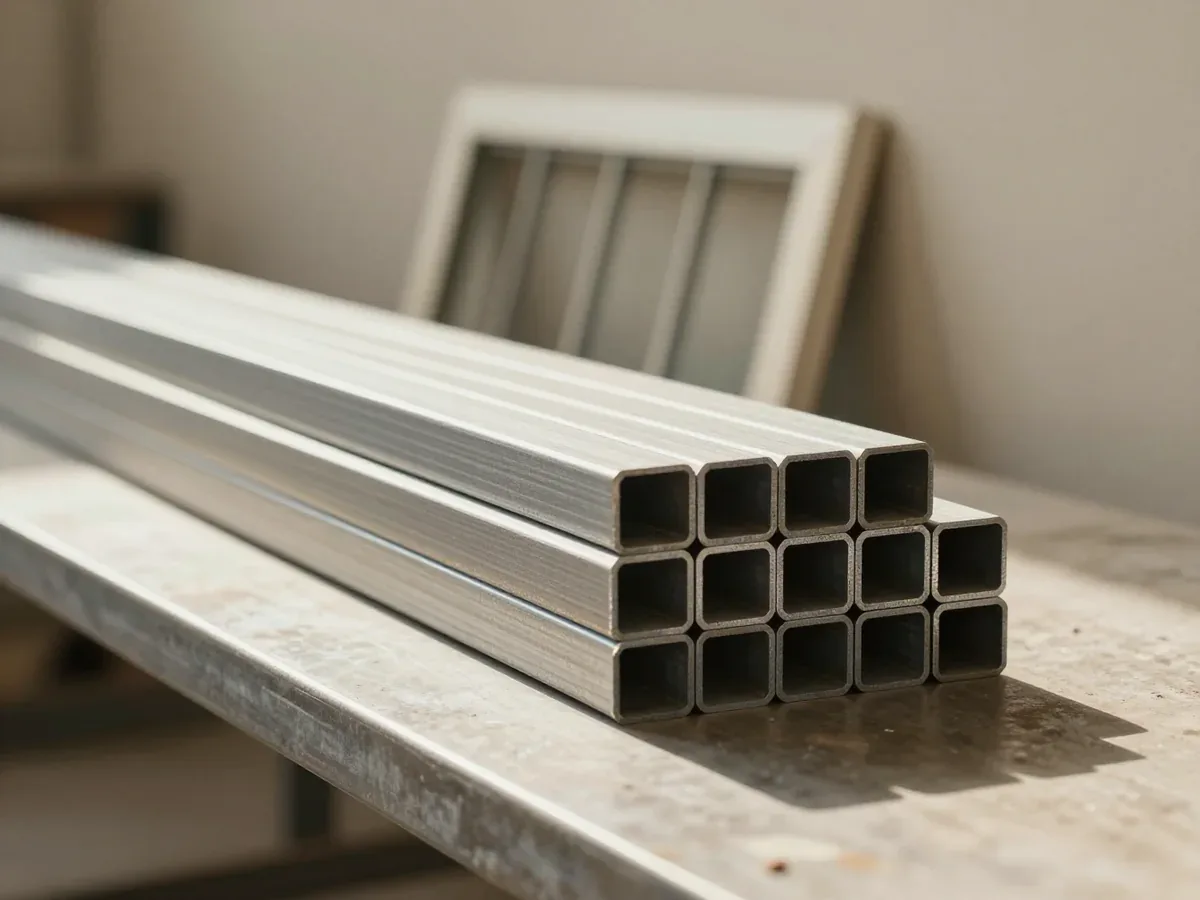
The structure is made to your dimensions at the production site, then the installation date is agreed.
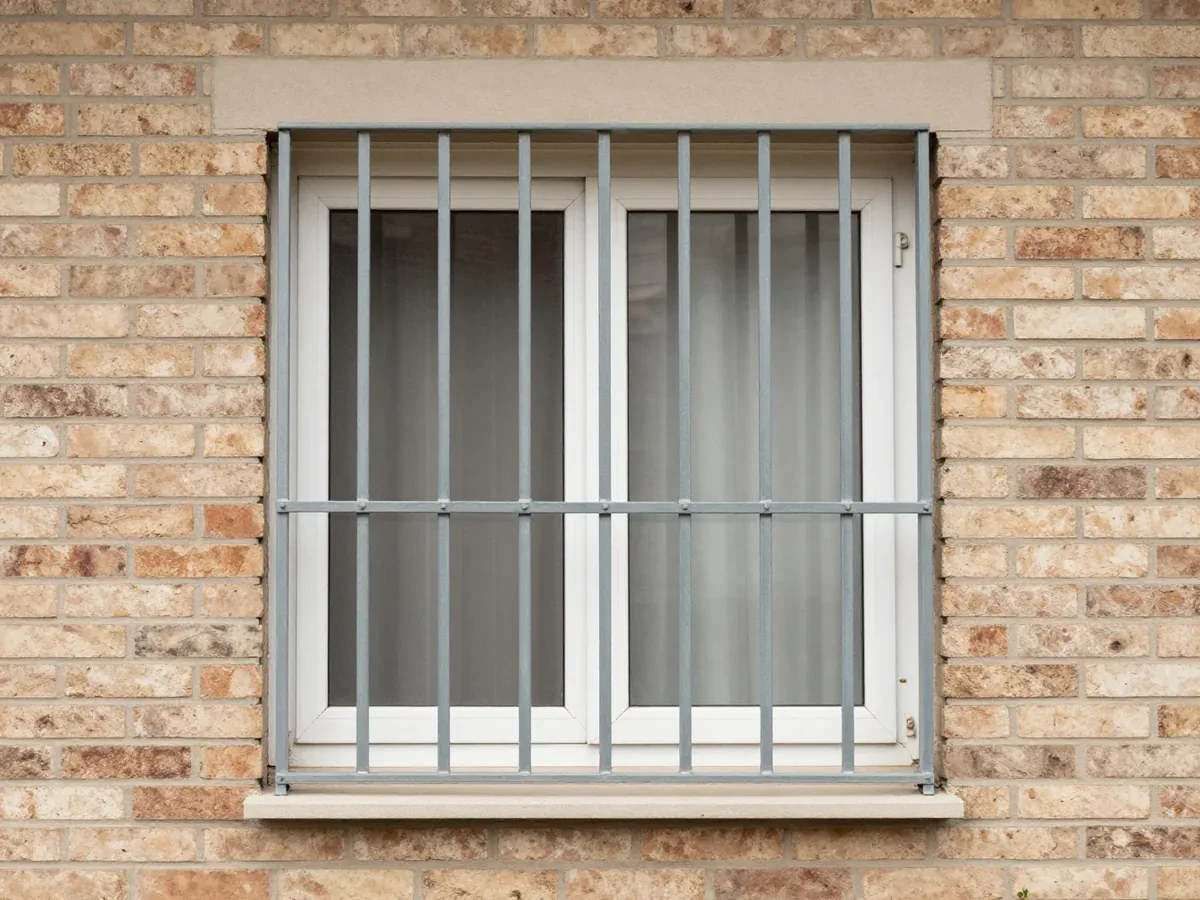
We mount the grille on the window and check the fixing. Payment can be made after installation.
Good to know

Senior mosquito screen specialist at moskitnyesetki.kz
We supply and fit window grilles in Temirtau as a direct contractor with our own fitters, not a middleman. The measurer visits free of charge, checks your window profile and floor, and helps you pick the type, colour and fixings. You pay only after installation, by cash, card or Kaspi.
The choice starts from three points, not from a catalogue picture: the type of frame, the storey it sits on, and the reason you are ordering it. We take each one in turn.
We fit them to plastic, wooden and aluminium frames, plus balcony, loggia, gazebo and veranda sashes, and the profile decides the fixing rather than the unit itself. A plastic casement with a wide rebate swallows a Z-bracket; a slim aluminium surround on a loggia often only takes pins or magnets, because there is too little depth for a bracket to bite. Timber sits between the two and holds a screw well, but the wood has to be sound around the fixing point. A deep rebate takes a different bracket than a shallow one, so the same unit can need two different mounts on two windows in one flat — which is why we measure each aperture separately instead of ordering a standard kit. That is also how we select window grilles Temirtau openings need, matching the mount to the profile of each frame.
A ground-level or private-house opening carries the real break-in risk, so it gets the heavier surround and the deeper anchors, while an upper flat usually needs the grille for child safety and fall prevention more than for burglary. On a low storey the bar has to resist leverage, so the steel is thicker and the anchors go into the wall, not just the sash. Higher up the unit is often working against gravity and a curious child, not a crowbar, so bar spacing and a lockable opening matter more than steel thickness. In a private house the same opening can face a garden, a driveway or a quiet side wall, and each elevation gets its own answer.
| Material | Weight | Corrosion behaviour | Best for |
|---|---|---|---|
| Aluminium | Light | Does not corrode | Wide balcony and loggia openings |
| Steel | Heavier | Needs paint care | Ground level and private houses |
| Clear polycarbonate panel | Light | Does not corrode | Keeping the view and daylight |
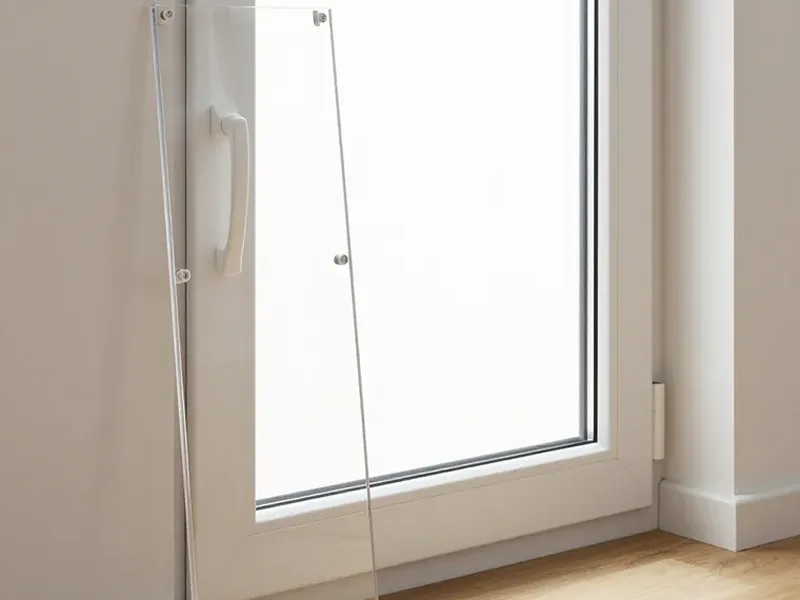
A clear panel answers the main complaint about metal bars: the room stays bright and the street stays visible. Here is what a clear panel gives you and what it asks for in return.
A clear panel keeps the outline of the opening and the view outside, while a bar design puts a grid between you and the street and reads as a cage from inside. The panel sits in a slim frame and lets daylight through almost untouched, so a room that faced a dark lattice now keeps its full share of light. On upper floors the difference is mostly psychological: you stop looking through bars at the skyline. On the ground floor it is practical, because the opening still looks onto the yard and you can see who is at the gate. The trade-off is that a clear panel shows dust and fingerprints sooner than painted bars, so it suits an opening you actually look through rather than a service hatch.
We paint the frame any colour to match your glazing, so it reads as part of the facade rather than an addition bolted on later. The frame is coated before assembly, which means the colour sits on the whole profile, not just the face you see from the room. A white frame on white plastic disappears at a glance; a graphite or anthracite frame on dark glazing does the same. Matching the frame colour matters most on a facade where several flats share one elevation, because a mismatched panel is the first thing a neighbour notices. Bring a photo of your opening or a piece of the profile trim to the measuring visit and the shade is picked on the spot.
A clear panel is the wrong choice where the opening takes real impact or where it would sit in direct sun and constant dust, because the surface then needs cleaning more often than a painted bar. A ground-floor opening beside a driveway, a workshop entrance, a door that gets shouldered by deliveries — these want a bar grille that shrugs off knocks. A south-facing panel above a dusty road collects a film within a week and loses the very transparency you paid for. If the opening is used daily for air, a fixed clear panel in front of it turns a simple action into a two-step routine, so a hinged section is worth planning from the start.
These three products solve three different problems, and mixing them up is the most common mistake we see. Here is what each one actually does.
The bars stop a person or a child from passing through an open window, but they do not stop the sash from being opened in the first place, so on their own they are only half the job done. The bars or the mesh panel cover the opening; the handle, the hinges and the tilt mechanism stay exactly as they were, fully under the control of whoever can reach them. On a first-floor flat or in a house with a garden, that gap between "cannot climb out" and "can still open wide" is where most accidents are planned. A fixed panel with no opening leaf also blocks your own escape route, which is why a hinged section belongs in the plan on any opening above the ground floor.
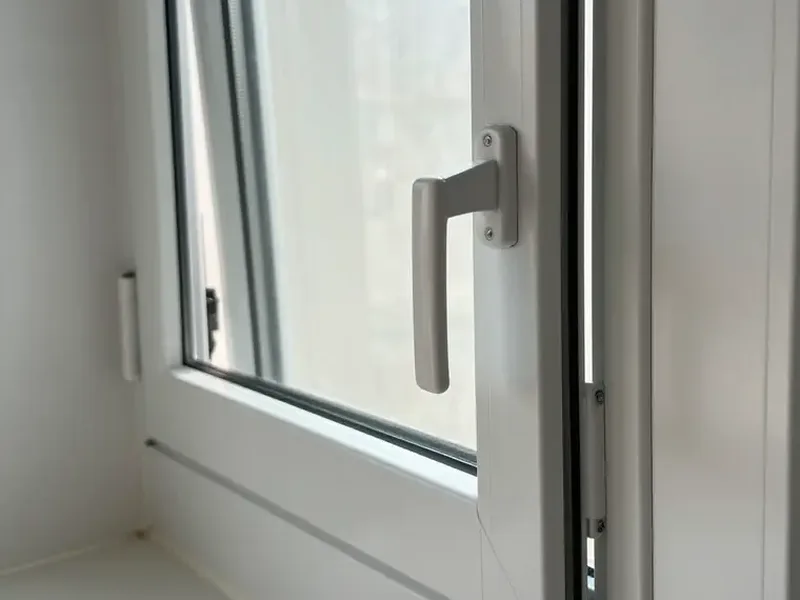
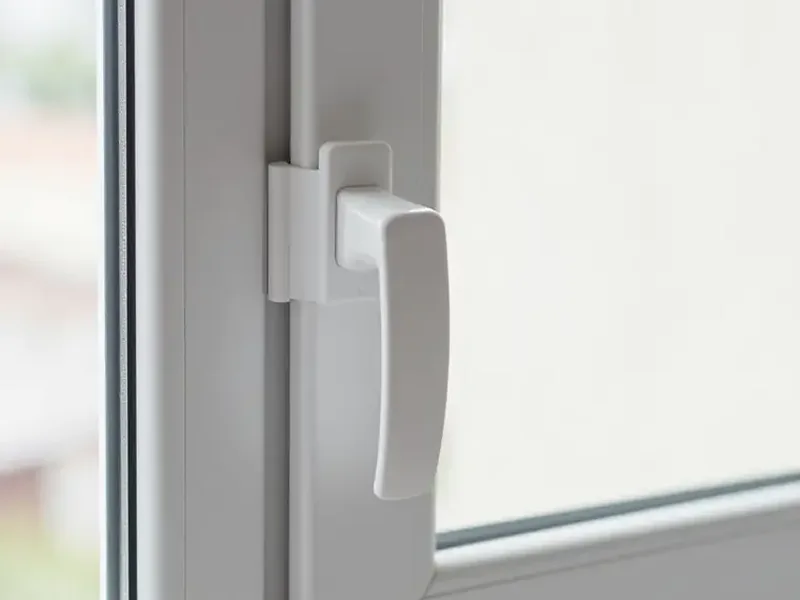
We supply opening limiters and locks alongside grilles, and together they let the sash open a controlled amount for air while the grille covers the opening itself. A limiter is a small arm or cable fixed between the sash and the frame; it holds the moving part at a set gap, usually enough for ventilation but too narrow for a body to pass. A lock replaces or blocks the handle, so nothing can be moved at all without a key. The grille then sits outside that whole arrangement and takes the last line of defence. A limiter set to a narrow gap still lets a small child reach the handle on some sashes, so the lock and the limiter are chosen as a pair rather than one instead of the other.
No opening is truly standard, so each unit is built to the frame in front of us, not to a catalogue number. Here is how that works on awkward shapes and wide balcony spans.
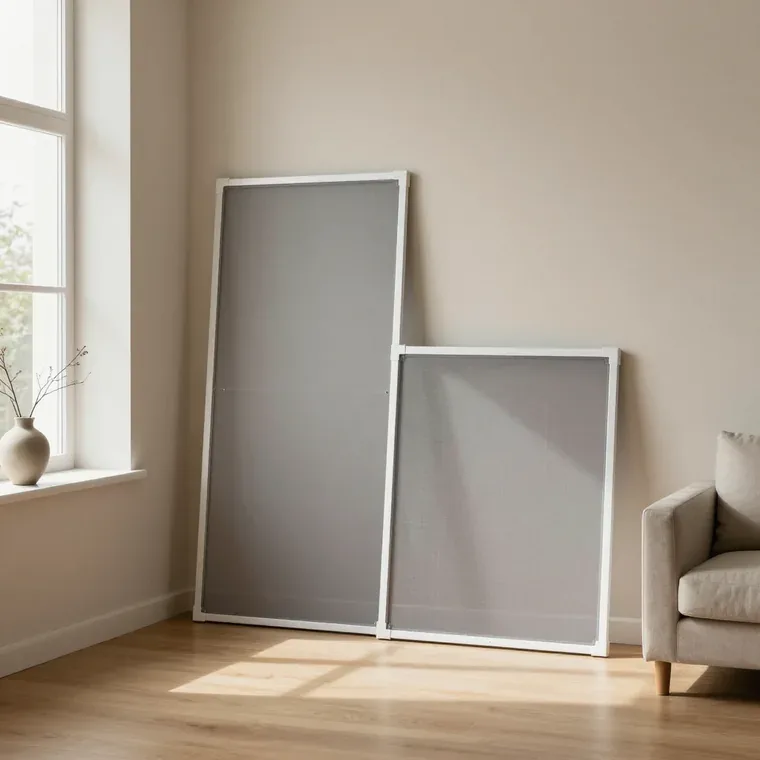
We make each unit to the size the measurer records on site, so a non-standard opening gets a frame that fits rather than a stock panel trimmed to roughly fit. The measurer works at the frame, not the glass, and notes the rebate depth, the sill line and any reveal that narrows the aperture at one side. From that record the workshop cuts the profile, joins the corners and sets the mesh before the unit ever reaches your flat. A framed screen made to your size takes 10–15 minutes to assemble, a pleated screen 40–60 minutes. An exact fit matters most at the corners, where a gap of a few millimetres is enough for a small hand or a tool, so the unit is built to the measured aperture, not to the nearest catalogue number.
We fit grilles to balcony and loggia glazing, vent panes and the glazing of gazebos and verandas, where the aperture is often wider and taller than a standard room window. A balcony span of two metres or more is measured in sections rather than as one field, and the grille is split to match the mullions already in the glazing. Hinged door screens for these spans come with Economy 32×10 mm or Prestige 42×17 mm profiles, and we paint the surround any colour to match your frames. A wide balcony aperture usually needs a split construction with an opening section, because one fixed panel that size is heavy to handle and awkward to clean from inside.
The order runs from a free measuring visit to a finished unit fitted on your window. Here are the steps in order and what the installation itself includes.
Measuring and consultation are free, and the measurer comes at a time that suits you, takes the sizes and helps choose the design, mesh and fixings. The visit covers more than a tape measure: the measurer checks the window profile, the depth of the frame and the floor the flat sits on, then writes down which way each sash swings. From those notes you get a fixed order for the screen, its mesh and its brackets, and the price is locked once the sizes are confirmed. The visit is also where the fixing decision is made, because the bracket that suits a slim plastic profile is not the one that holds on a deep wooden frame.
The fitter chooses the fixing to suit the profile and the floor, using Z-shaped brackets, pins or magnets so the unit holds without weakening the frame. Z-brackets hook over the frame edge and suit most plastic units, pins sit into the profile where a bracket has no room, and magnets let a light screen come off in seconds for cleaning. On upper floors the fitter looks at how the sash opens and where the load will sit before drilling anything. The right fixing spreads the load across the frame rather than one point, which is what keeps it firm years later when the sash is opened against it every day.
The terms behind the product matter as much as the product itself. Here is how the warranty works, how payment and pricing are handled, and how to book with the people who do the fitting.
We give a 1-year warranty on mosquito screens, and the same care with replaced parts and labour applies to the installation work we do, so a fault traced to our fitting is put right. The cover includes the frame, the fixings we supplied and the netting, provided the unit was fitted by our team and has not been cut, bent or overloaded since. It does not extend to damage from impact, from a pet chewing through a Standard panel, or from a screen taken off and refitted by someone else. A guarantee is only as good as the record behind it, so keep the order sheet with the fixing type and the date, because that is what a claim is checked against.
You pay once the grille is up, by cash, card or Kaspi, and the price is fixed in the job sheet once the measuring visit is done, so the figure you agree is the figure you pay. Nothing is collected up front, and no deposit is taken before the unit is made. That sheet lists the mesh, the profile, the fixings and the colour, and the same document is what the final amount is checked against on the day. Locking the figure in after the survey rather than before is what lets a non-standard opening get an honest number, because the measurer has seen the opening instead of guessing from a photo.
You confirm everything once the measurer has been, and we reply on WhatsApp within 5 minutes and work seven days a week, so a question about your order does not wait for a weekday. The survey and consultation are free, and the specialist comes at a time that suits you, takes the sizes and helps choose the netting, the profile and the fixings. A framed screen made to your size takes 10–15 minutes to produce, a pleated one 40–60 minutes. Sending a photo of the opening with the message before the visit saves a second trip, because the measurer arrives already knowing the profile and the floor.
Five checks decide the result: match, view, safety, fit and the final inspection on your own window. Run through them before the order is confirmed.
Installation, child safety, transparency, care
Konstantin Selenenkovsenior mosquito screen specialist, 10 years in the tradeOnline · replies within 5 minutes
Ask a questionYes, this is a common option: only the opening casement that provides access to the apartment is protected. The other part of the window remains without a grille, and the view from it does not change. The measurer will advise which casement needs protection.
On upper floors, a grille is needed primarily to prevent a child from falling, not to prevent burglary. For this, an aluminium fall-prevention grille or opening restrictors are suitable. What to choose for you depends on the window and your family's habits.
No, completely transparent grilles do not exist: these are durable polycarbonate panels that hardly darken the room and do not spoil the view from the window. From the street, they look like a smooth sheet rather than bars. The degree of transparency depends on the chosen material.
The attachment method depends on the window profile and the floor level. The installer may use Z-shaped brackets, plunger pins, or magnets, and will determine whether drilling is required during the free measuring visit.
Roller shutters close the window completely and protect against both burglary and the sun, but they cost more and darken the room. A grille does not block light but does not provide such privacy. The choice depends on the task: protection or also darkening.
A powder-coated grille only needs to be wiped with a damp cloth, and dirt and de-icing agents should not be left on it. Once a season, inspect the fixings and touch up any chips if they appear. With proper care, the structure lasts a long time even in frost.
Thank you. We will call you back within 10 minutes!
Your order number is on the receipt or in the SMS. Choose where to leave your review.
Write a review on WhatsApp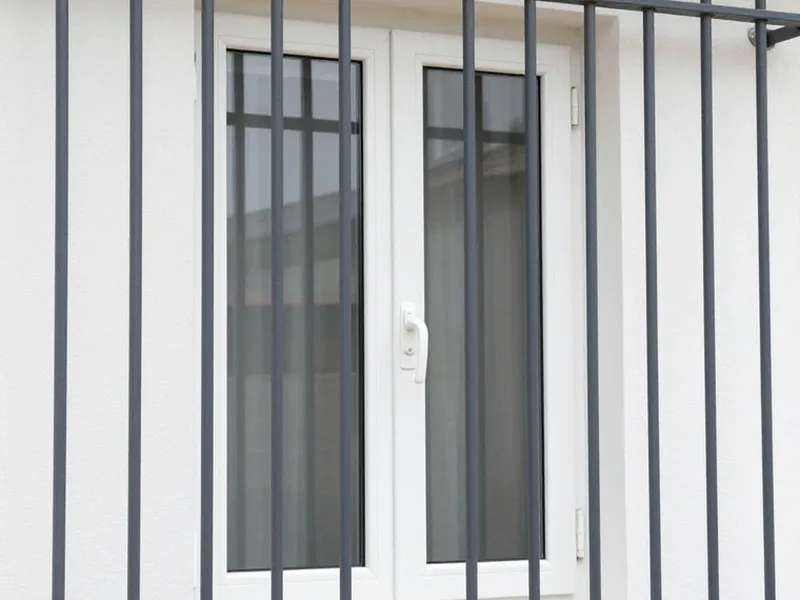 Metal grilles
 Transparent grilles
 Window restrictors
 Window blockers
 Ready-made mosquito screens
