
Good to know
Mosquito screens Pavlodar with free measuring and fitting

Senior mosquito screen specialist at moskitnyesetki.kz
We make mosquito screens Pavlodar residents order by their own sizes, with free measuring and fitting by our own fitters. We build framed, sliding, hinged door, pleated and roller screens from five meshes plus metal, paint the frame to match your windows, and back every screen with a 1-year warranty. You pay only after installation.
Which mosquito screens suit your window, door or balcony
Five constructions cover almost every opening, and the right one follows from how the window or door works and how often you use it. The unit is matched to the opening, never the other way round.
Framed, sliding, pleated, roller or door screen
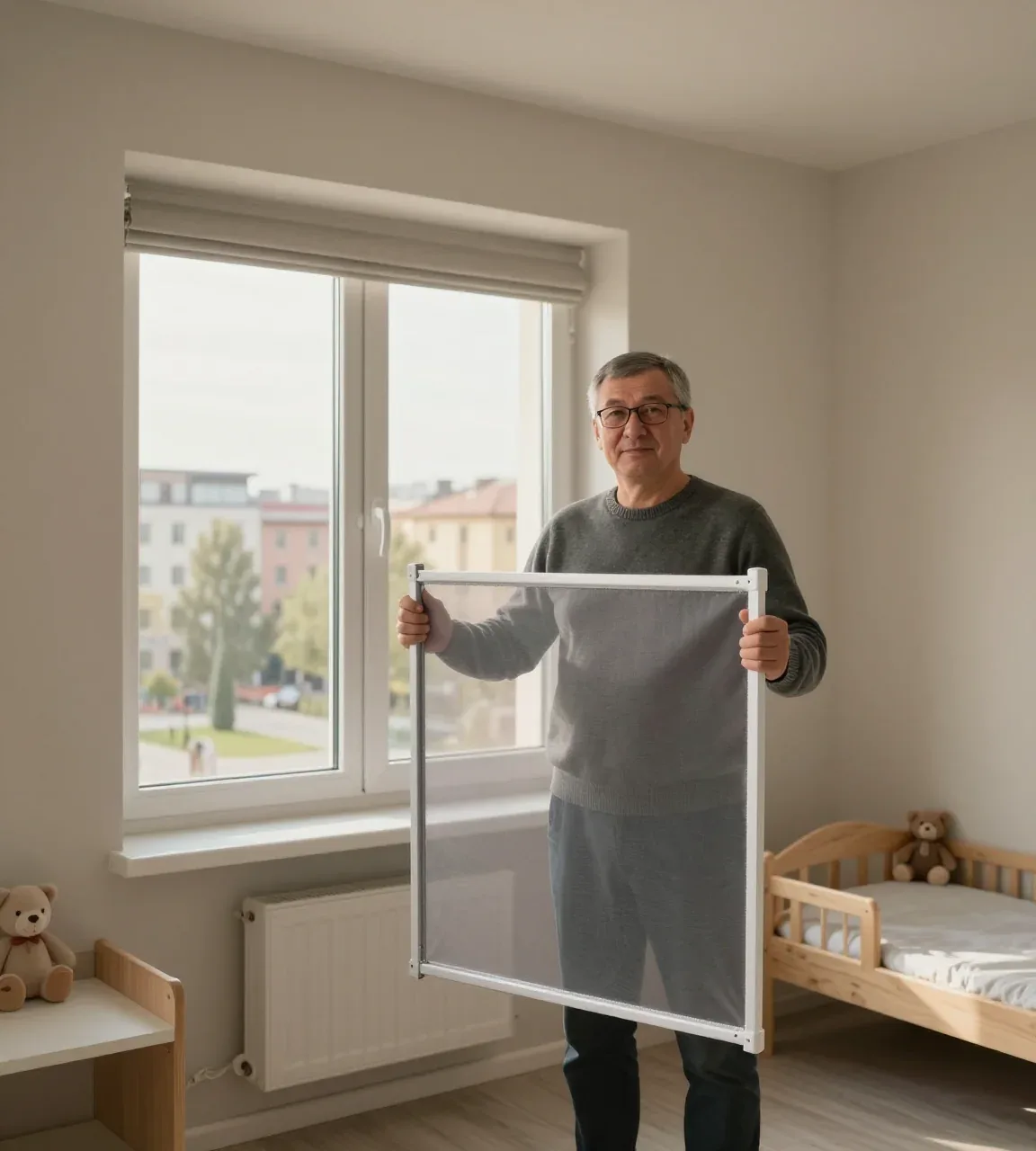
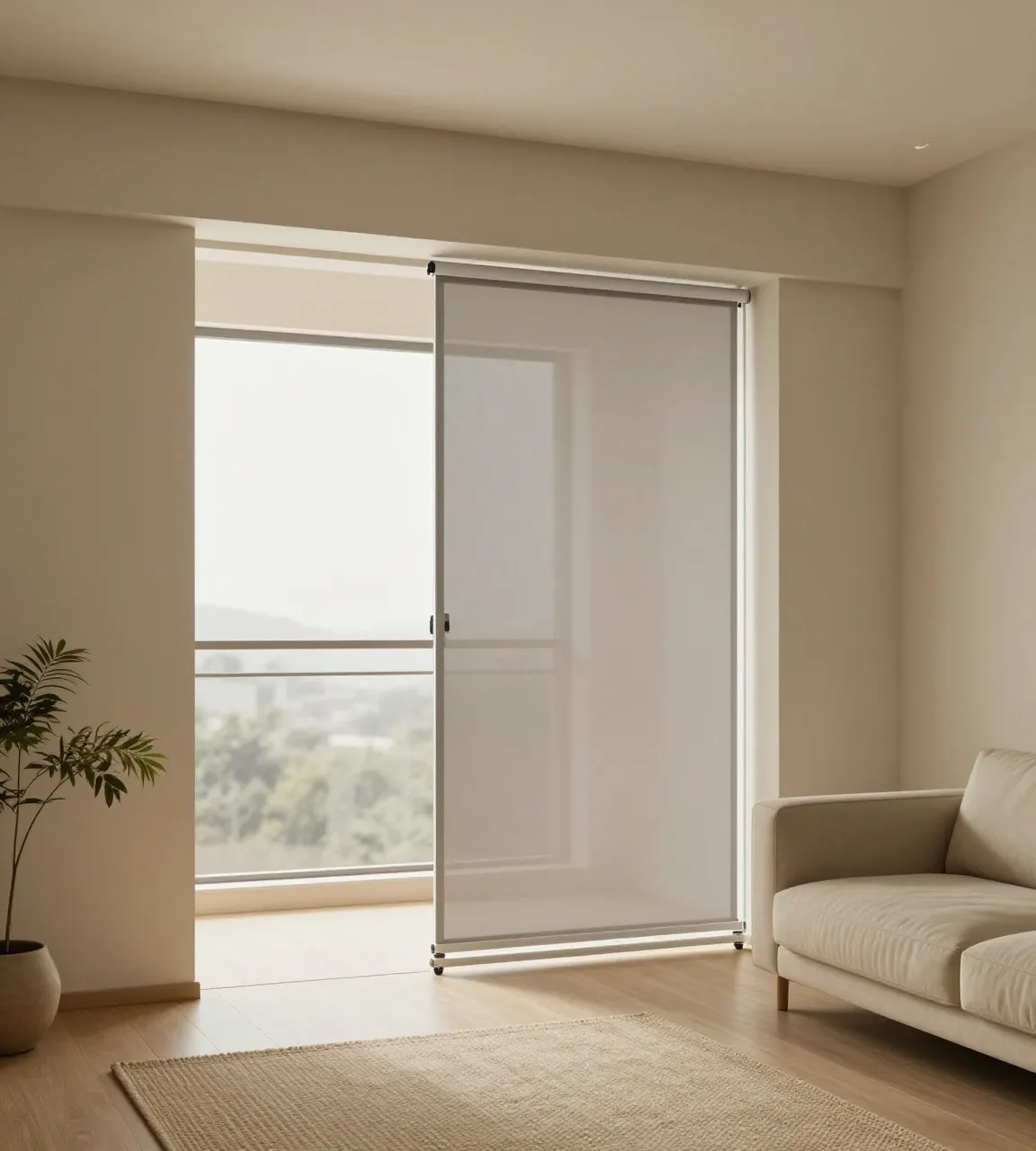
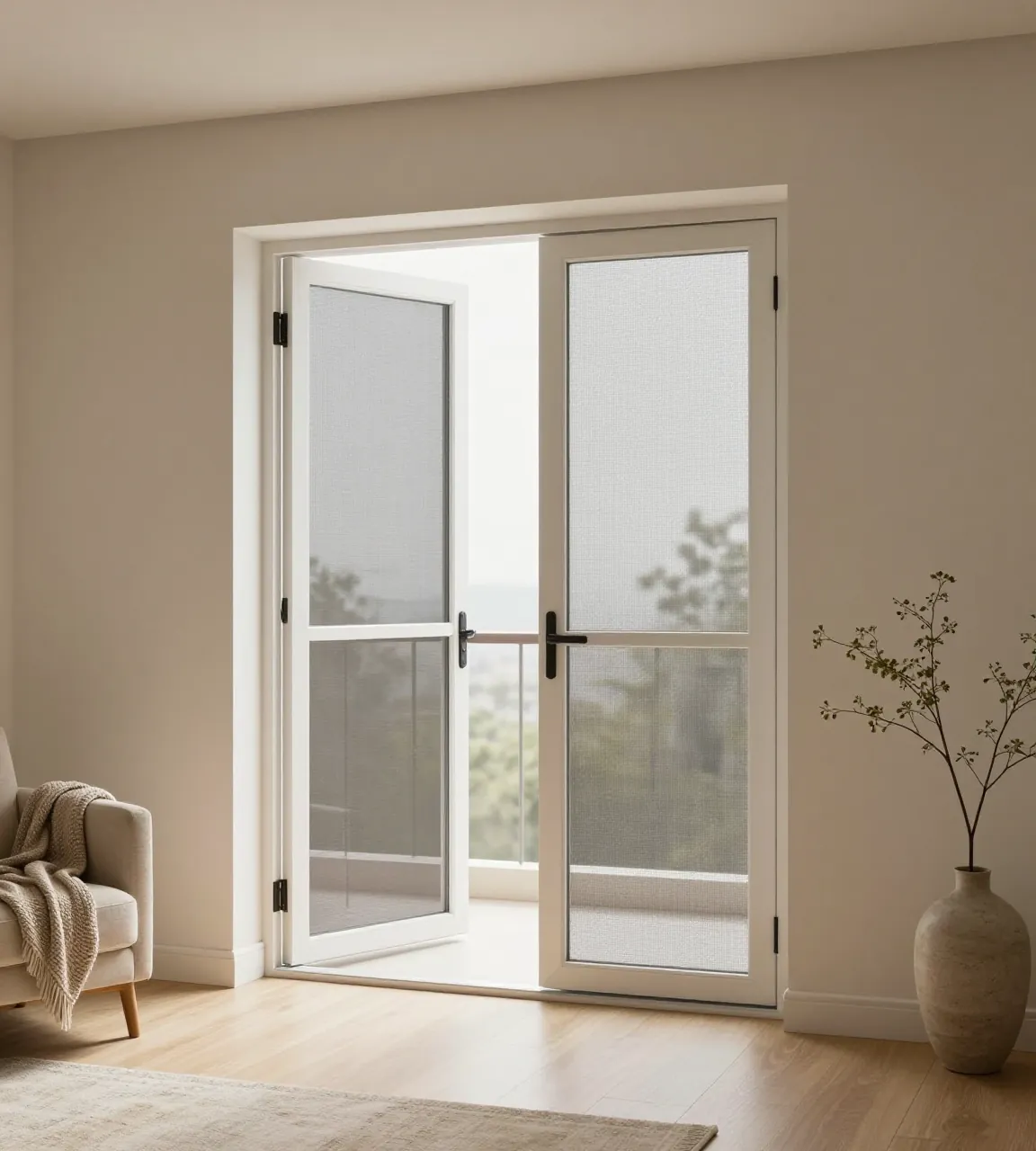
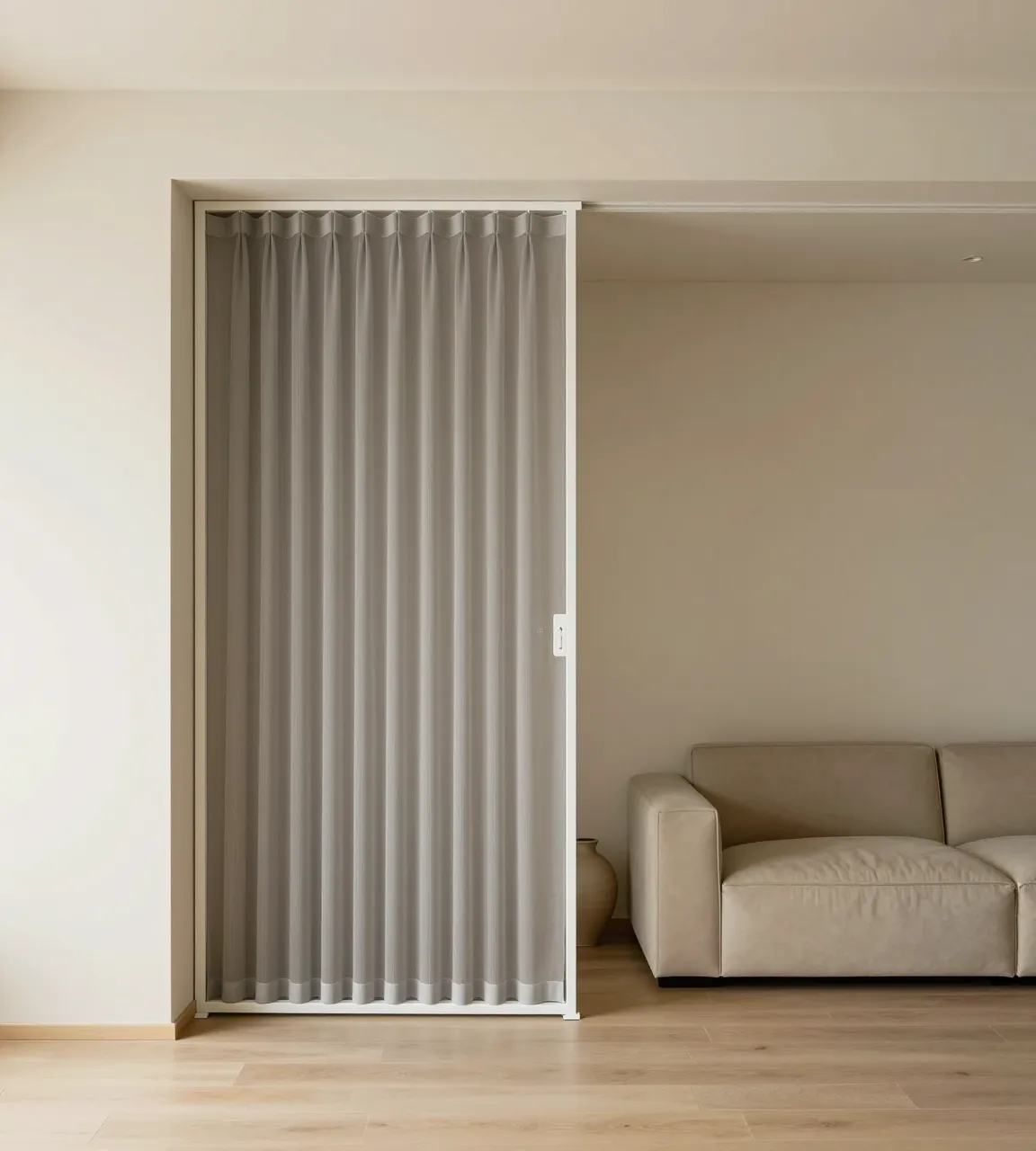
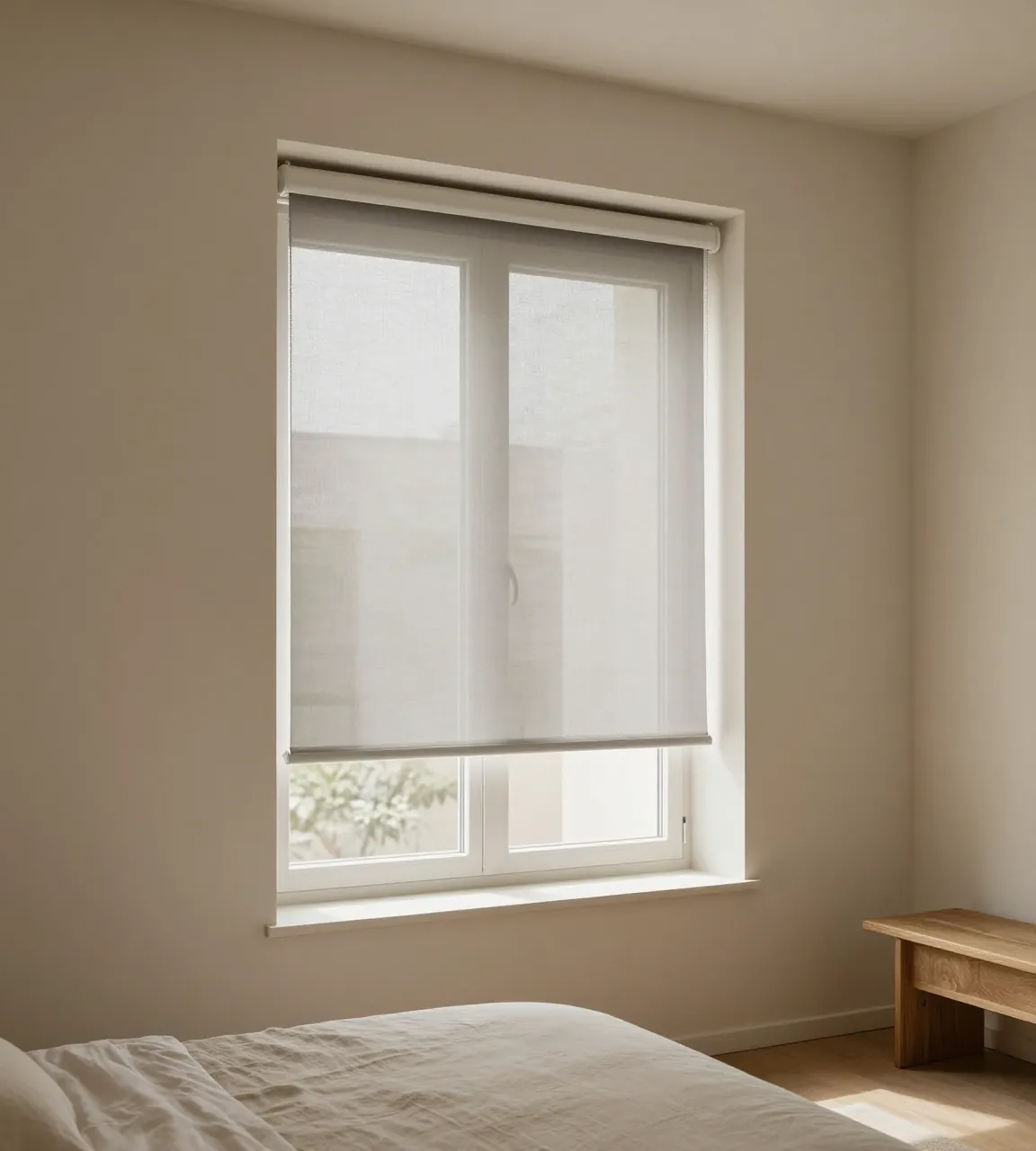
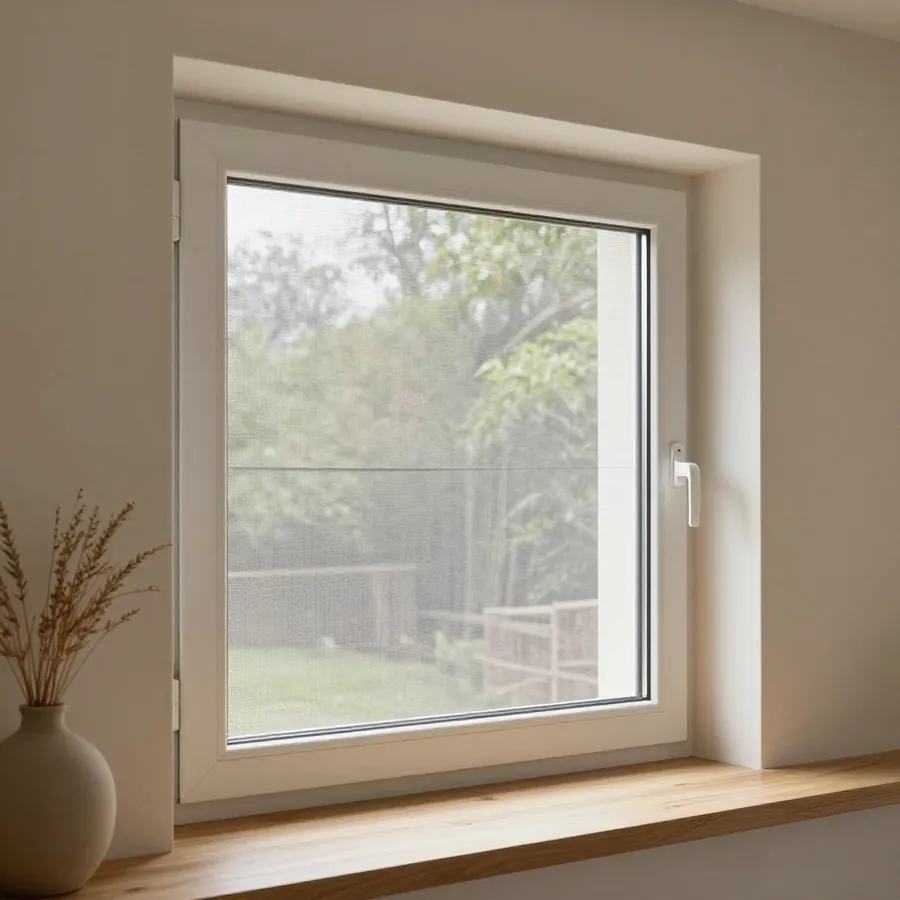
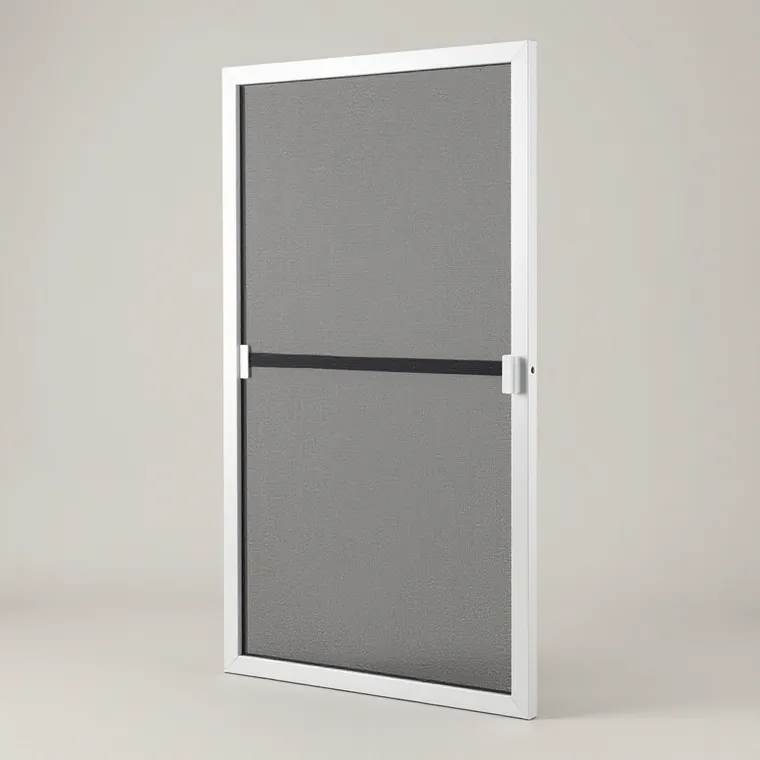
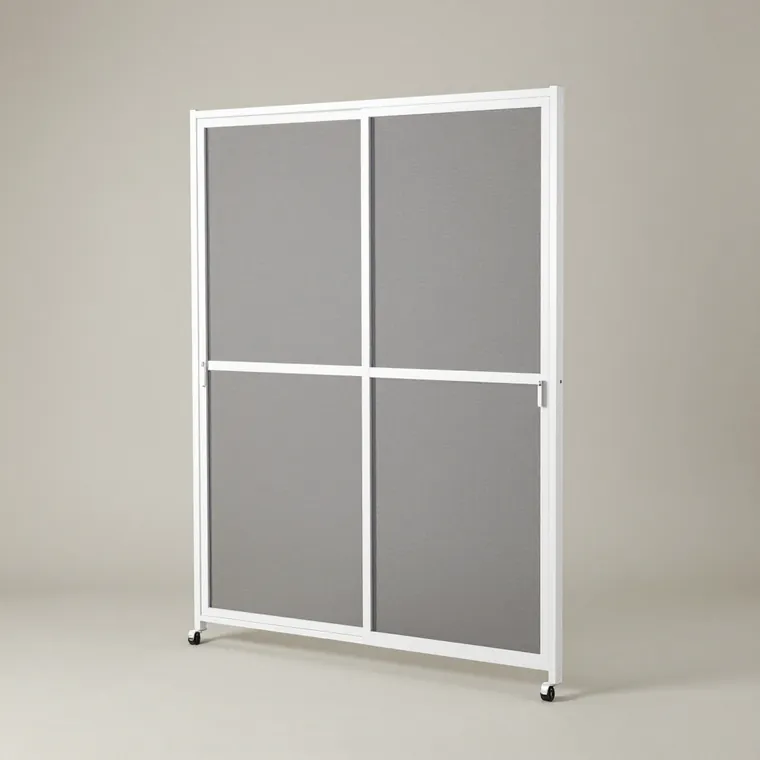
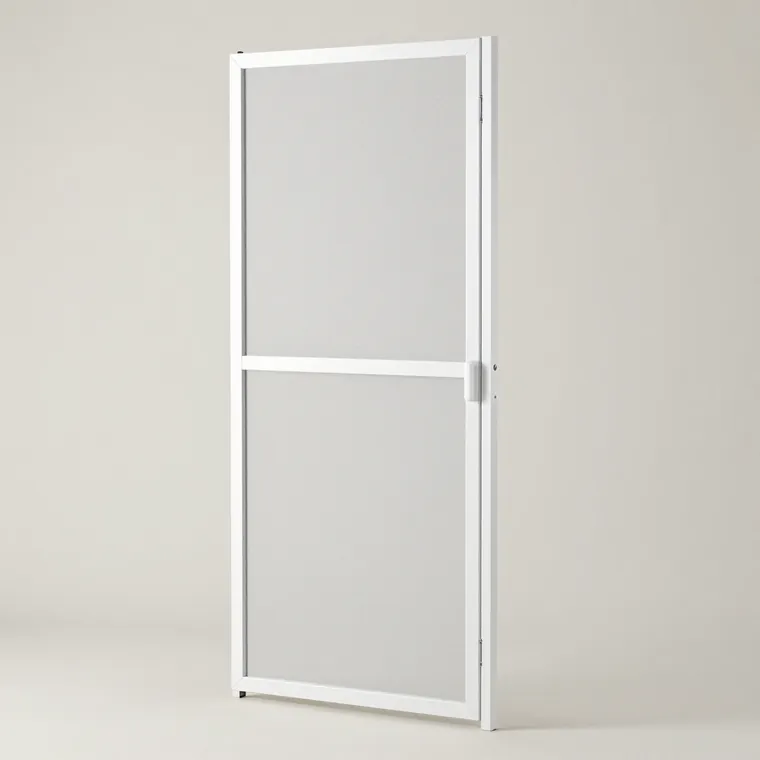
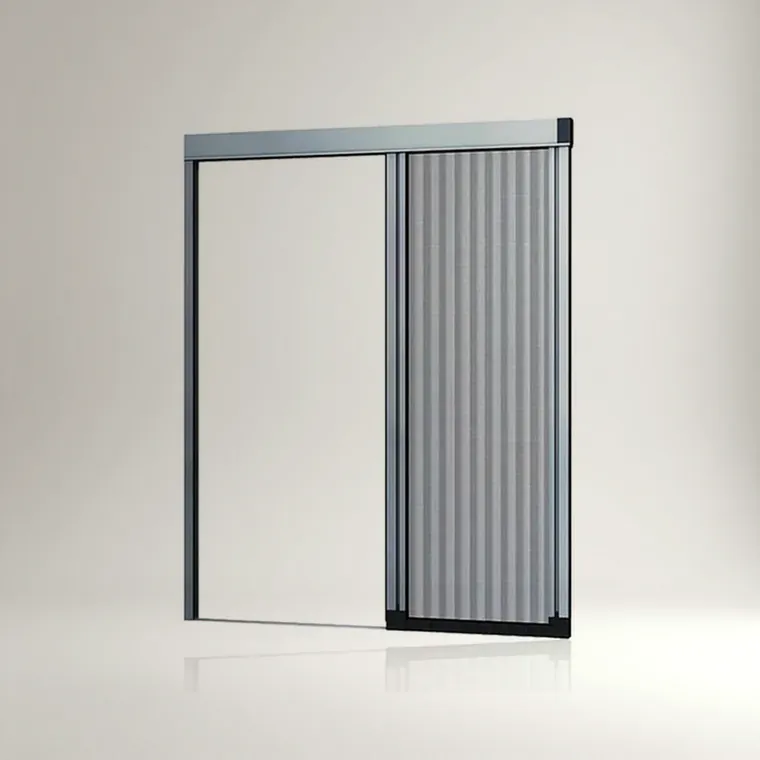
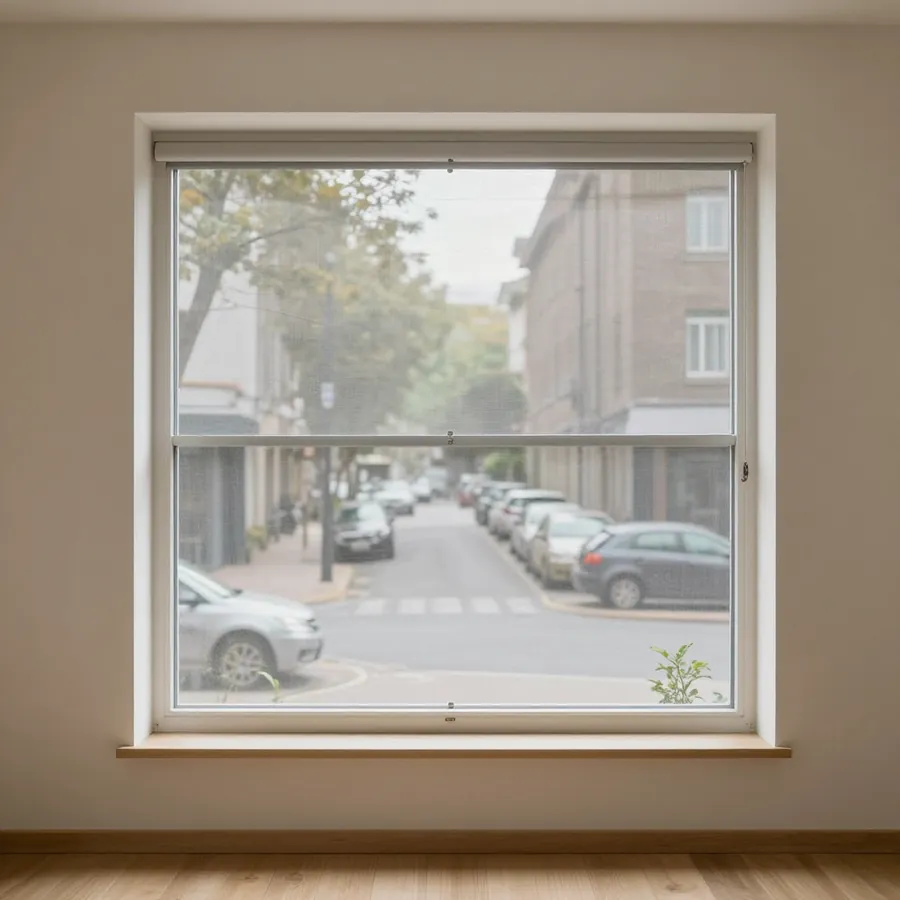
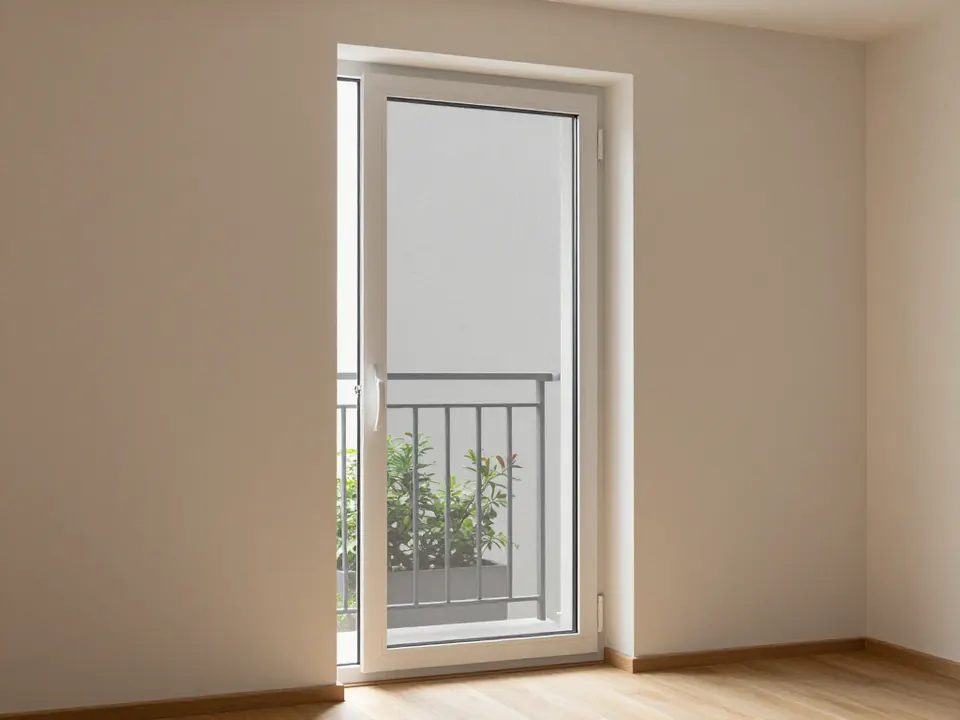
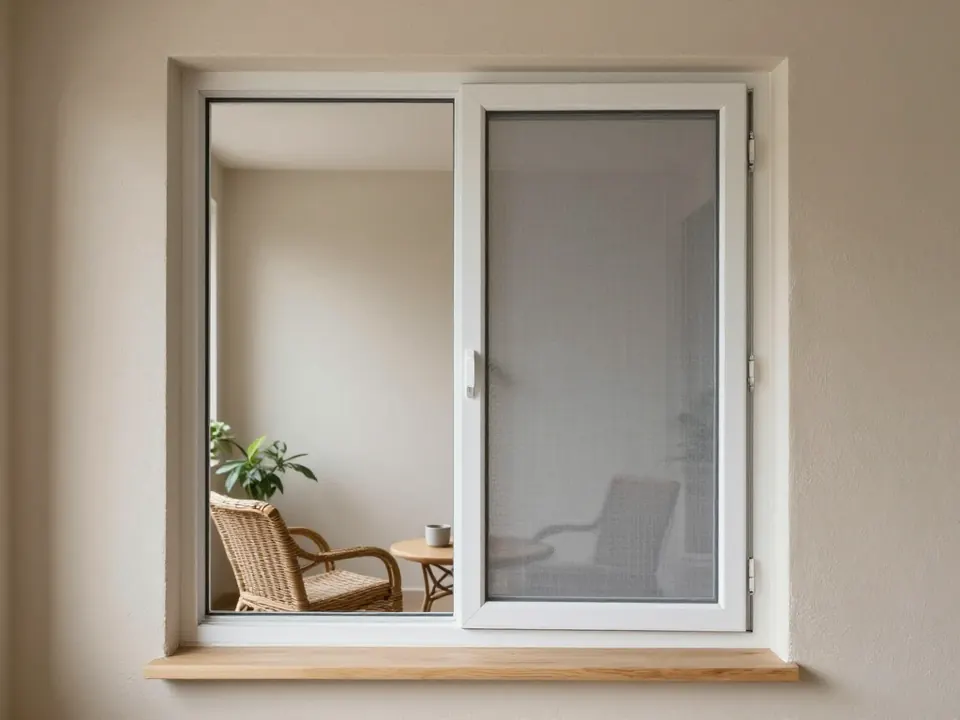
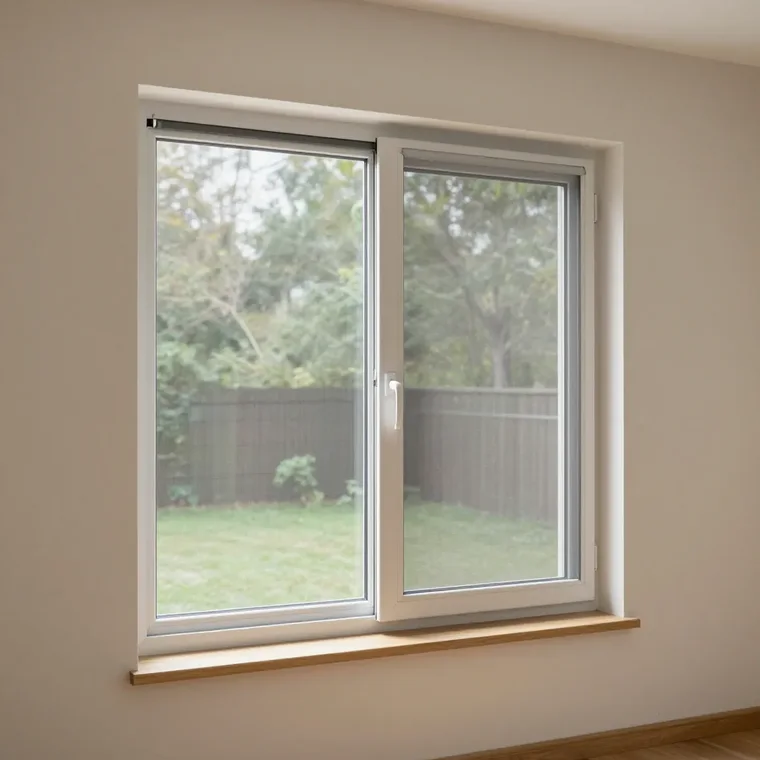
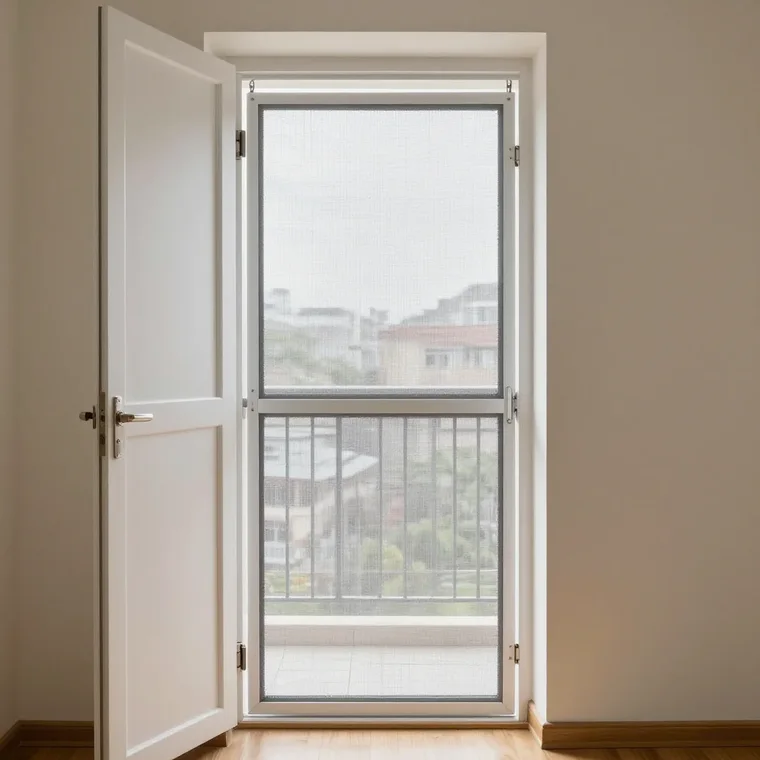
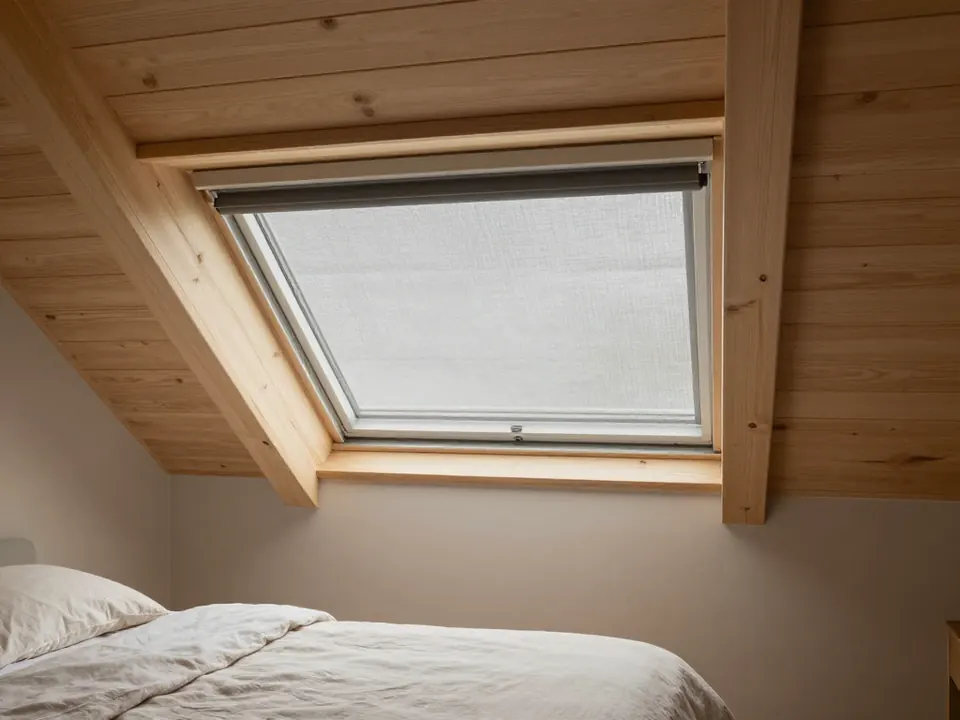
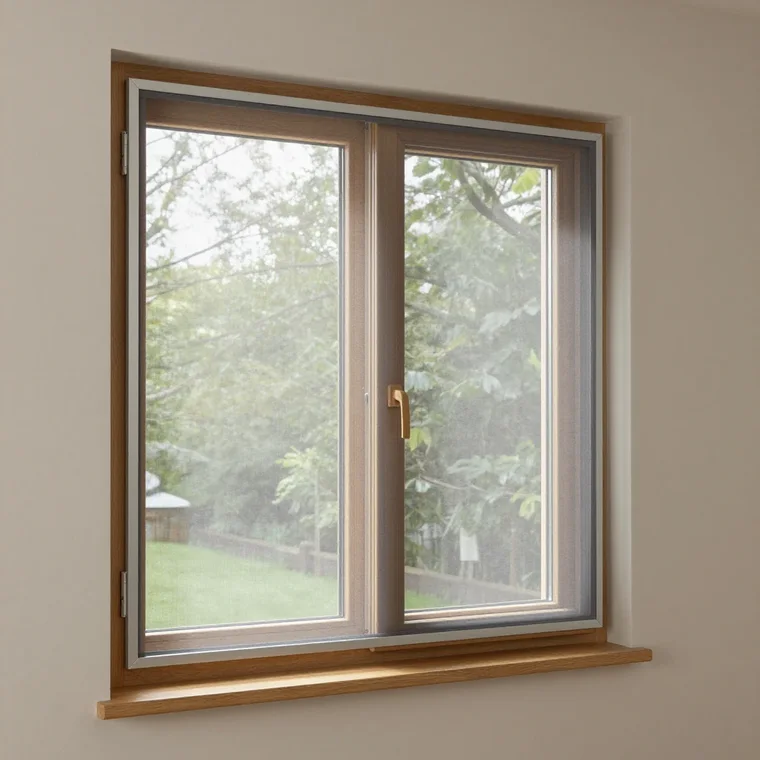
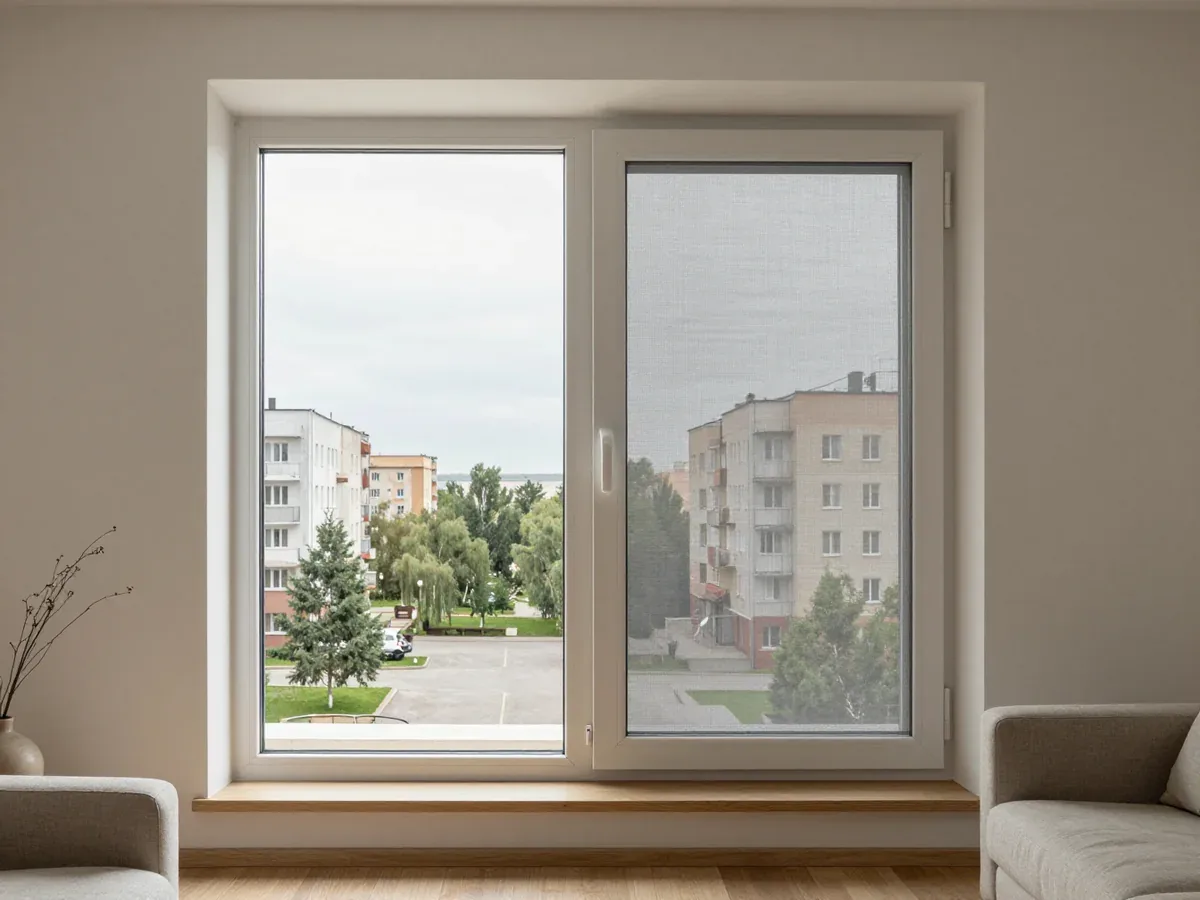
We make five types — framed, sliding, hinged door, pleated and roller — and the right one depends on how your window opens and how often you use it. A framed unit sits on the outside of a standard casement window and lifts off in a minute. Sliding models run on their own track for sliding windows and balcony doors. Hinged door versions open like a door on Economy or Prestige profiles, pleated ones fold away where a swing would get in the way, and roller models roll up out of sight. A framed unit is the simplest to live with, while pleated and roller versions earn their place on doors and balconies you open many times a day.
Matching the screen to the opening
| Opening | Model we recommend | Why it fits |
|---|---|---|
| Standard casement window | Framed | Sits outside, lifts off in a minute |
| Sliding window or balcony door | Sliding | Glides on its own track |
| Entrance or terrace door | Hinged door | Opens like a door, Economy or Prestige |
| Balcony you use daily | Pleated | Folds away, no swing space needed |
| Vent pane or small window | Framed, small format | Light, easy to remove |
| Gazebo or veranda | Framed or pleated | Covers wide openings |
Door screens and the profiles behind them
Hinged door models come with either the Economy 32×10 mm or the Prestige 42×17 mm profile, and the heavier Prestige suits wider or more frequently used doors. The frame is painted any colour to match your windows, and the mesh is chosen separately from the profile. A door leaf takes far more knocks than a window unit, so on a terrace door opened dozens of times a day we point people to the Prestige profile first — the extra weight keeps the leaf square and the hinges true far longer than a lighter frame would. The wider profile also carries a larger mesh area without bowing, which matters on a terrace door that stays open through the summer. Ask the measurer to show both profiles side by side before you settle on one.
Choosing mosquito screens mesh for light, pets, dust and pollen
We keep five meshes in stock, plus metal mesh and the Krylo mesh. What separates them is how much light they pass, how much weight they carry and how small the cell is.
Five meshes and what each one does
| Mesh | Best for | Key property |
|---|---|---|
| Standard (Fiberglass) | Everyday windows | Resists fire and temperature swings |
| Ultravue (Ultravue) | Rooms that need daylight | 25% more light and air than other meshes |
| Anti-Cat (Pet Screen) | Homes with cats | Vinyl threads hold a small animal's weight |
| Anti-Dust | Dusty streets | Traps fine dust |
| Anti-Pollen (Poll-Tex) | Allergy season | 0.25×1 mm cell blocks pollen |
| Metal mesh | High wear | Extra strength |
More daylight with Ultravue
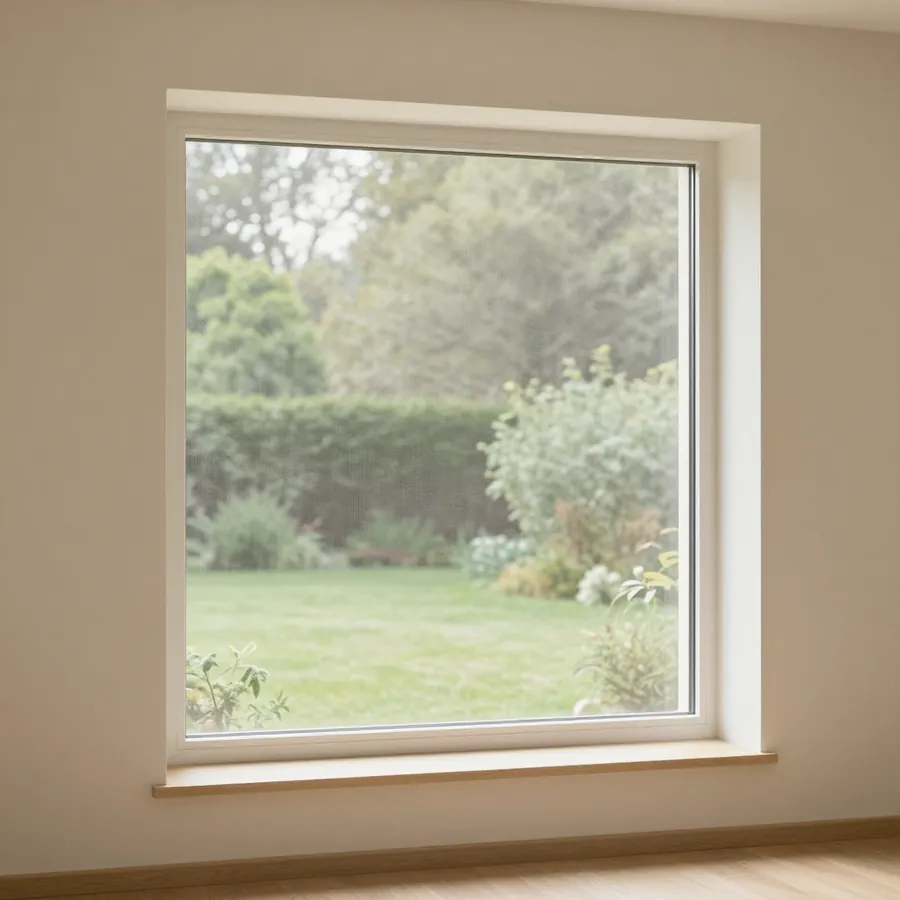
Ultravue lets in 25% more light and air than other meshes, which shows up plainly in a room that already feels dim behind a standard screen. The difference comes from the weave rather than the frame, so the same profile looks and behaves the same — only the room behind it brightens. On a top floor with full sun the gain is easy to notice by mid-afternoon, when a standard fiberglass mesh starts to grey the view. If a window faces north or sits under a deep balcony, the mesh choice changes the room more than any curtain will — fit Ultravue there first and leave the heavier options for doors and ground-floor openings.
Pet-proof and pollen-blocking meshes
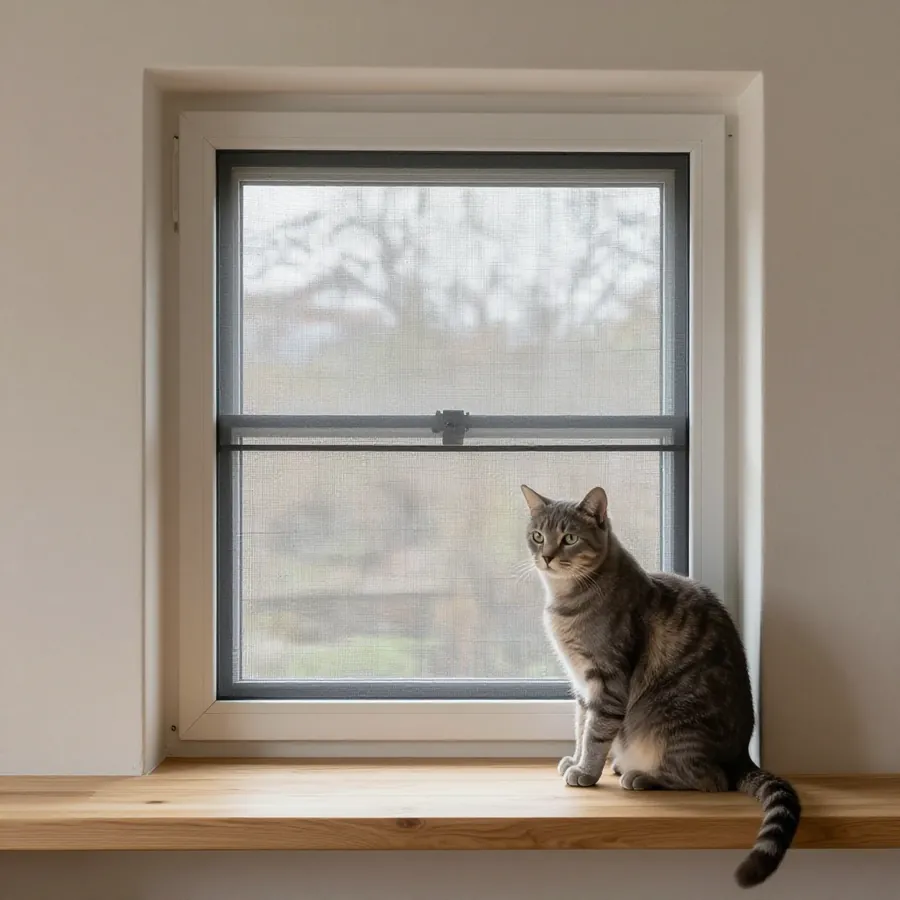
Anti-Cat uses vinyl threads that hold the weight of a small animal, while Anti-Pollen has a 0.25×1 mm cell that blocks pollen for allergy sufferers. Anti-Cat is several times stronger than ordinary fiberglass, so a cat's claws grip the surface instead of tearing through it. Anti-Dust catches fine street dust on the same principle — a tighter weave stops particles that a standard mesh passes. A cat tests the mesh at the bottom corner first, so a pet screen is worth fitting even on a window the cat only reaches from the sill. For a household with both a cat and an allergy sufferer, put Anti-Cat on the openings the animal uses and Anti-Pollen on the bedroom window.
How the mosquito screens order runs from free measuring to fitting
The order moves through four steps: a free measuring visit, a build to your exact size, fitting on your window or door, and payment once the screen is in place. Each step has a fixed timing and a fixed condition.
The free measuring visit
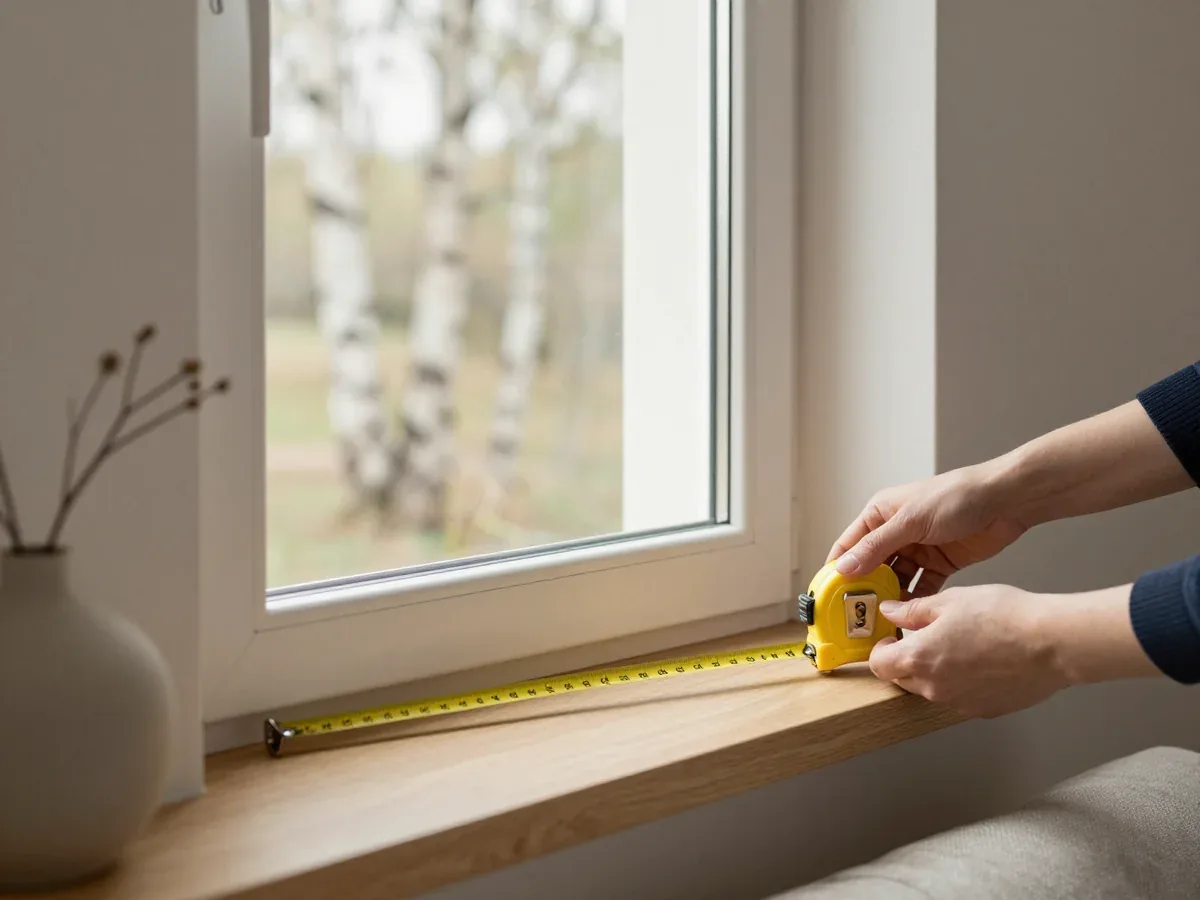
Measuring and consultation are free, and the measurer comes at a time that suits you, takes the sizes and helps you choose the construction, mesh and fixings. The visit covers more than a tape measure: the specialist checks the frame profile, the sill depth and the floor, because those three decide which fasteners will hold. A high floor and a ground-floor veranda take different brackets for the same aperture. The measurer works from the frame and the opening together, since a panel cut to the light gap alone will not sit flush on every profile. Ask the specialist to show you the fixing sample on site — seeing the bracket against your own window removes most doubts before the order is signed.
How long a screen takes to make
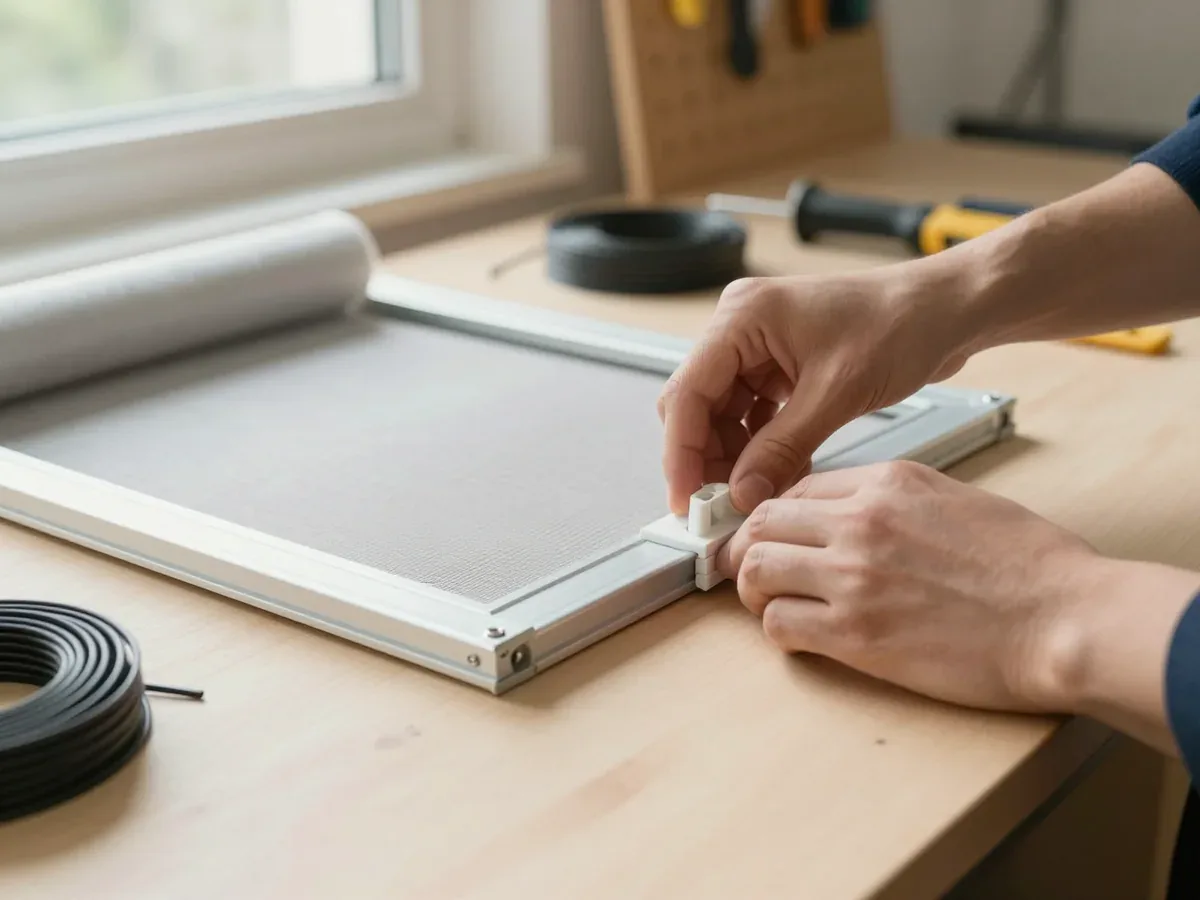
A framed screen made to your size takes 10-15 minutes, while a pleated screen takes 40-60 minutes, so most orders are fitted the same day. The workshop builds each unit to the measured dimensions rather than trimming a stock item down, which is why a non-standard window costs no extra waiting time. A hinged door model with the wider Prestige profile follows the same routine as a standard frame. Because every panel is assembled to your exact measurements, an unusual window shape costs no extra waiting time either. If you order several units for one flat, the workshop runs them in sequence and the whole set is usually ready within the same visit.
Fitting, payment and when we answer
We deliver and fit screens on windows and doors, you pay after installation by cash, card or Kaspi, and the price is fixed in the order after measuring. The fitters work on plastic, wooden and aluminium frames, on ventilation panes, loggia windows and gazebo openings, so one visit can cover several openings at once. Questions sent on WhatsApp get a reply within five minutes, and the workshop is open seven days a week, weekends included. Paying after fitting means you check the product on your own window before any money changes hands, which is the fairest way to settle a made-to-measure order. Keep the order sheet with the fixed price — it is the reference if you later add a second screen to the same flat.
How mosquito screens are fixed and whether your window gets drilled
Three mounting methods cover almost every opening, and the measurer decides which your frame and storey can take. The decision is made on site, not from a catalogue.
Z-brackets, pins or magnets
| Fixing | How it holds | Where it suits |
|---|---|---|
| Z-brackets | Hook over the edge | Most plastic windows |
| Pins (plungers) | Push into the groove | Deep-groove profiles |
| Magnets | Hold by magnetic pull | Light screens, easy removal |
Choosing the fixing for your profile and floor
We pick the fastening on site after checking the sash profile and the storey, so the unit is held the way that opening can safely take. A plastic frame with a deep groove takes pins that push straight in, while a shallower edge is better served by Z-brackets that hook over it. Height matters as much as profile: a top-level flat on an open side catches far more wind than the same opening lower down, and a light screen on magnets can rattle where a bracket would stay firm. A mount that is right for one sill can loosen on another, which is why the choice is made at measuring rather than from a catalogue.
Does fitting damage the window
Most framed screens hang on brackets or pins that grip the edge without drilling through the glass unit, and the measurer confirms the method before fitting. The fastening sits on the sash profile, not on the sealed glass, so the unit itself stays untouched and keeps its own warranty intact. We fit screens to plastic, wooden and aluminium openings, and each material takes its own fastening — a timber sash grips a pin differently from a PVC one. A screen that lifts off from inside in a minute is also the easiest to clean and to store for winter, so a simple mount often serves you better than a permanent one.
Frame colour, winter removal and screen repair
Colour matching, seasonal removal and what to do with a torn mesh are the three things owners ask about after fitting. Each has a simple answer that keeps the unit looking right and lasting longer.
Painting the frame to match your windows
We paint the screen frame any colour to match your windows, so the unit reads as part of the window rather than an add-on. We paint the frame in the shade you pick, and the workshop matches it to the tone you already have — white, grey, brown, anthracite or a custom sample from the fan. Painting happens before assembly, so the netting and fixings never see overspray. A surround painted to the window colour is less noticeable from the street, which matters on a facade where every opening is on show. On a house with six or eight front windows, that single detail is what stops the units reading as a patchwork.
Taking the screen off for winter
A framed unit lifts off from inside in a minute, and it is worth removing for winter so snow and ice do not stress the netting. The unit sits in the guides and pulls free by hand — no tools, no drilling, nothing to unscrew. Once it is off, brush the surface with a soft brush and rinse the profile, then let both dry fully before storage. Storing it flat rather than leaning it against a wall keeps the rectangle square, so it drops back into place in spring without adjustment. A frame left out through the cold season collects ice in the corners, and that is where the corners start to pull.
Repair or replace a torn screen
We repair screens and replace the fixings, so a torn mesh or a loose bracket is usually a repair job rather than a new unit. A hole smaller than a coin, a pulled corner or netting that has come out of its groove can be re-set or re-meshed on the existing frame, and worn pins, magnets or Z-brackets are swapped for new ones at the same visit. A small tear near the edge is often the first sign a fixing has worked loose, so tightening the bracket can save the netting. When the frame itself is bent or the profile is cracked, a fresh unit made to the same size is the cleaner route — the measurer will tell you which case you have before any work starts.
Warranty and ordering mosquito screens in Pavlodar from a direct maker
Every screen we make carries a 1-year warranty, and the people who measure, build and fit it are on one team. Here is what that cover includes and how ordering works across the city and beyond.
What the 1-year warranty covers
Every screen we make carries a 1-year warranty, and it covers the unit we made and fitted, from the frame and mesh to the fixings. If a pleated mechanism starts to stick, a frame corner opens up or a bracket works loose, we come back and put it right at no charge for labour or the part. The cover applies to screens on plastic, wooden and aluminium windows, plus balcony and door openings, because the same workshop and the same fitters handle all of them. A warranty is only as good as the maker behind it, so a direct maker who fitted the unit can return and correct it without a third party in between.
Why a direct maker beats a middleman
We are a direct maker with our own fitters, so the person who measures your window sits on the same team that builds and fits the screen. The measurer takes the sizes, checks the profile and floor, and picks the fixings; those numbers then go straight to the workshop where the frame is cut and the mesh stretched. With a middleman the measuring, making and fitting are three separate hands, and any problem has to travel back through all three before anyone acts. In our practice the shortest chain wins on fit and on follow-up, because nothing gets lost between a seller and a contractor who never meet.
Ordering across Pavlodar and 17 cities
You can order mosquito screens Pavlodar-wide and in 17 cities of Kazakhstan, with free measuring, fitting and payment after installation. The measurer arrives at a time that suits you, and you settle the bill once the screen is up — cash, card or Kaspi. The price is fixed in the order after measuring, so the figure you agree is the figure you pay, with no add-ons appearing at fitting. The same process runs in every city we cover: measure, build, fit, then the 1-year warranty starts. Ordering from a maker who already works across many cities means the same process and warranty apply wherever the screen is fitted, whether that is a flat in the city or a house outside it.
What to check before ordering a screen
Five points carry the whole decision: the opening, the mesh, the measuring visit, the making time and the warranty. Everything else follows from them.
- Opening first, mesh second: match a framed, sliding, pleated, roller or door screen to the window or door, then pick the mesh for light, pets, dust or pollen.
- Free measuring sets the facts: the visit fixes the size, the fixing type and the final price before any cutting starts, so nothing is decided on guesswork.
- Making is quick: a framed screen takes 10–15 minutes and a pleated screen 40–60 minutes, which keeps same-day fitting realistic.
- Pay after fitting: settlement comes once the screen is on the window, and the 1-year warranty covers the mesh, frame and fixings together.
- Store framed screens flat in winter: take them off from inside, lay them level and the frame stays square for the next season.



