





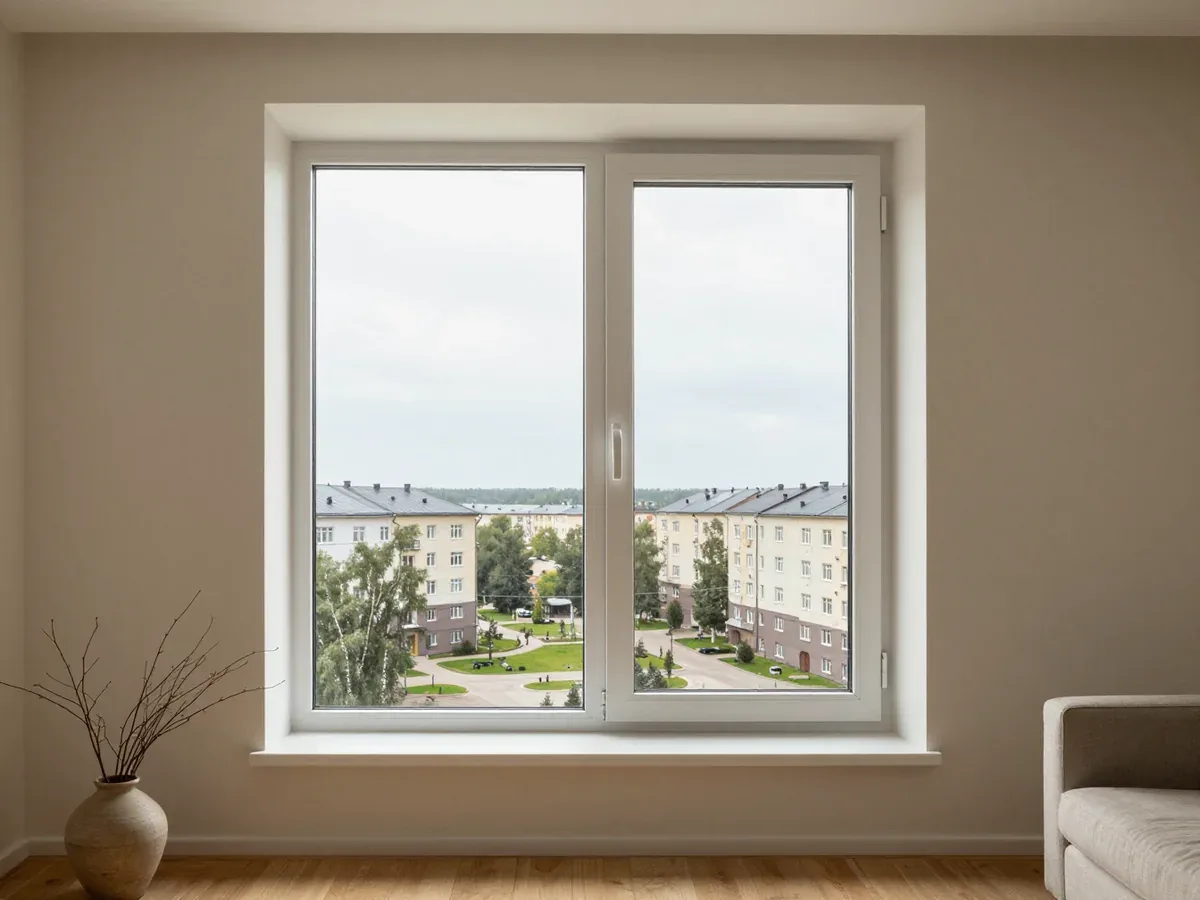
Good to know
PVC Window Installation in Pavlodar from Our Own Crews with a 5-Year Warranty

Senior mosquito screen specialist at moskitnyesetki.kz
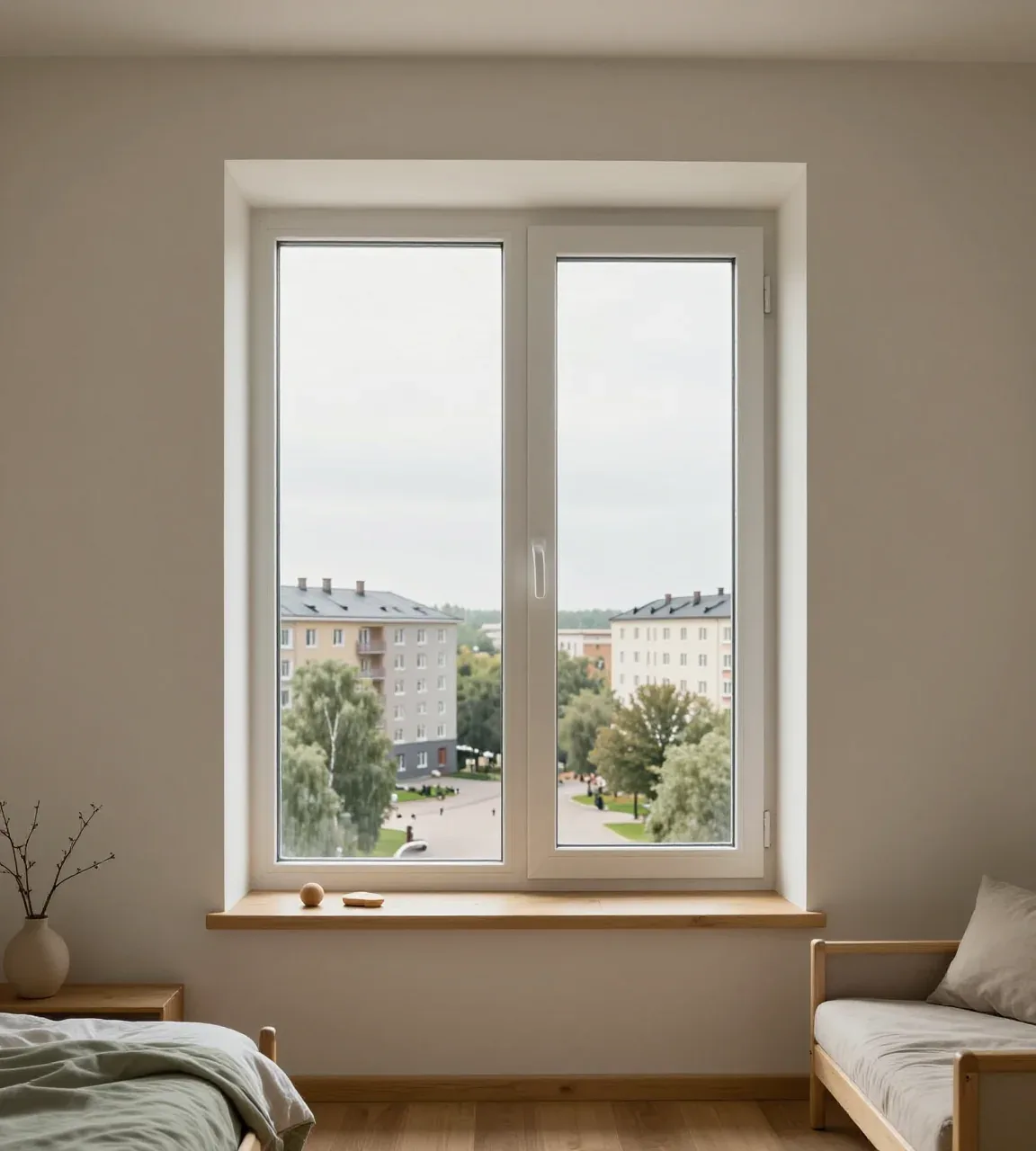
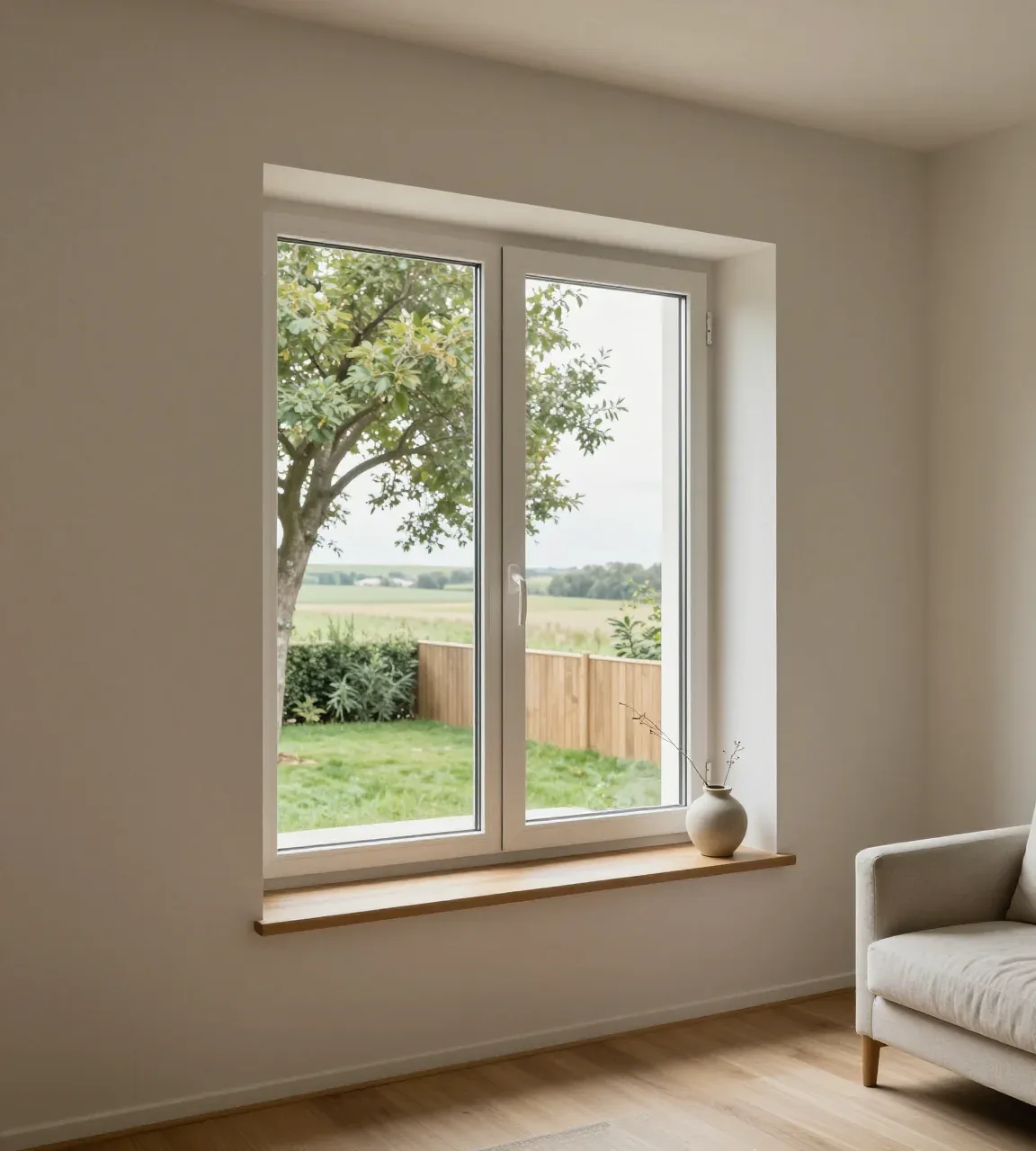
We handle pvc window installation in Pavlodar from a free measuring visit to the final adjustment, using our own installers rather than subcontractors. We fix the price in the order after measuring, finish the opening with slopes, sill and ebb, and back the work with a 5-year warranty on installation. You pay after the work is done.
How pvc window installation pavlodar starts with a free measuring visit
The measuring visit settles sizes, profile, glass unit, fixings and final price. Here is what happens on site and why no order can be fixed without it.
What the measurer checks and why the size must come first
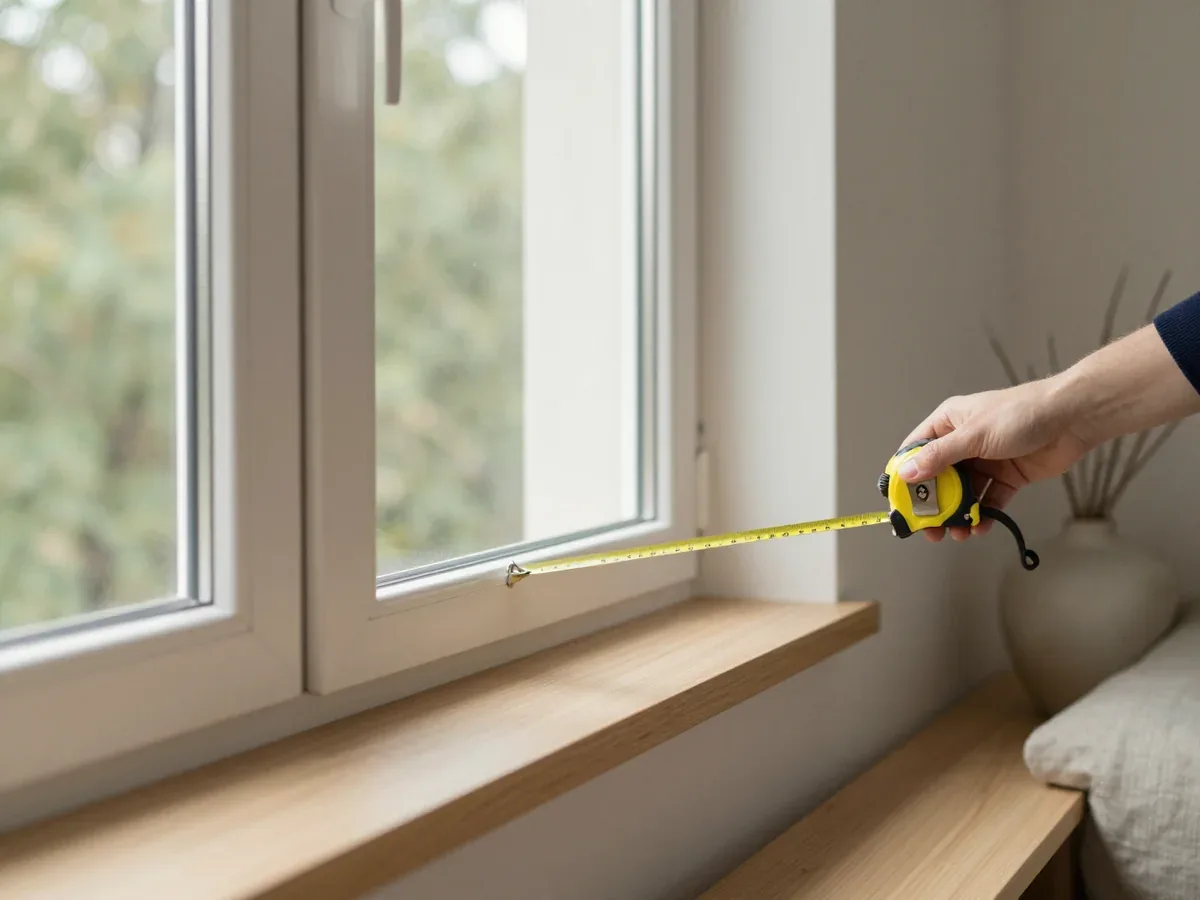
Our measurer visits at a time that suits you, takes the opening and reveal sizes, and helps you choose the design, profile, glass unit and fasteners — the visit costs nothing. He checks the reveal depth, sill level, wall material and how square the opening actually is, since an old casing can sit true while the plaster around it does not. Those numbers decide the profile width, glazing thickness and which fixings will hold. A window measured to the reveal rather than the old casing avoids the gap that later shows up as a draft, so this stage decides a good fit. This is also why pvc window installation pavlodar projects begin with accurate measuring.
What the installation package includes beyond the window itself
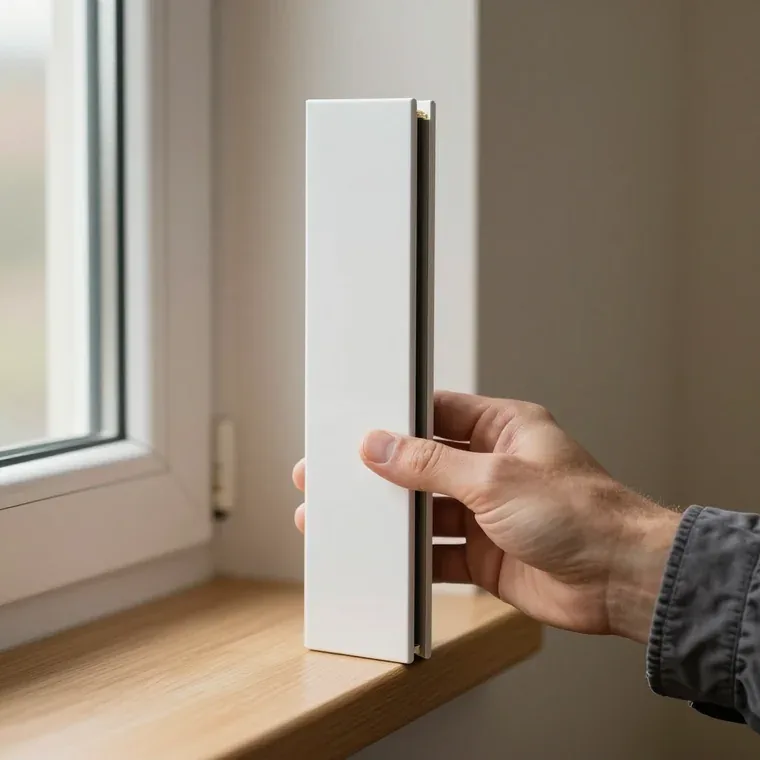
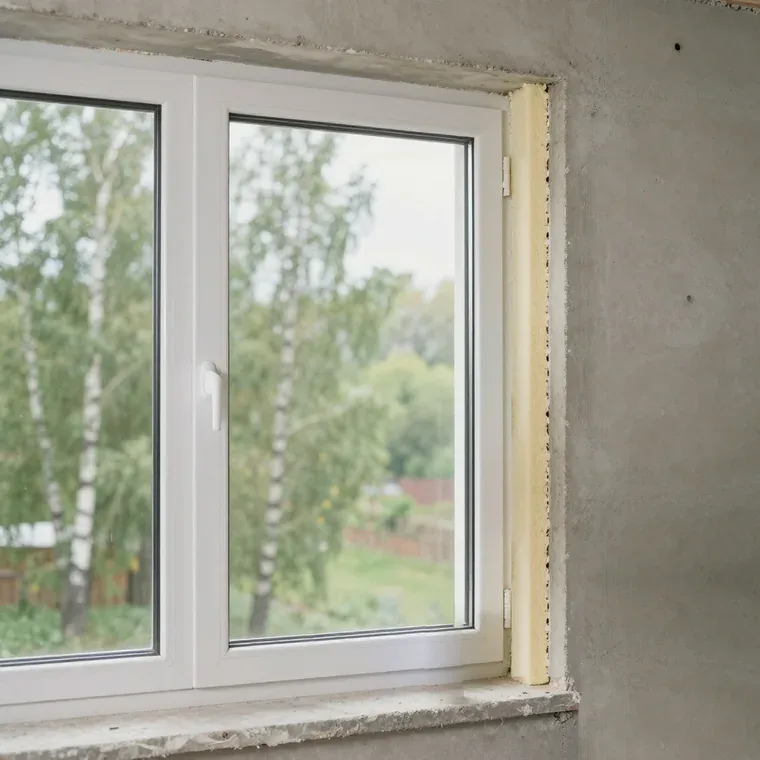
- Slopes: interior and exterior slopes close and insulate the frame-to-wall junction, not exposed foam.
- Window sill: levelled and sealed with correct overhang so water runs inward, not down the facade.
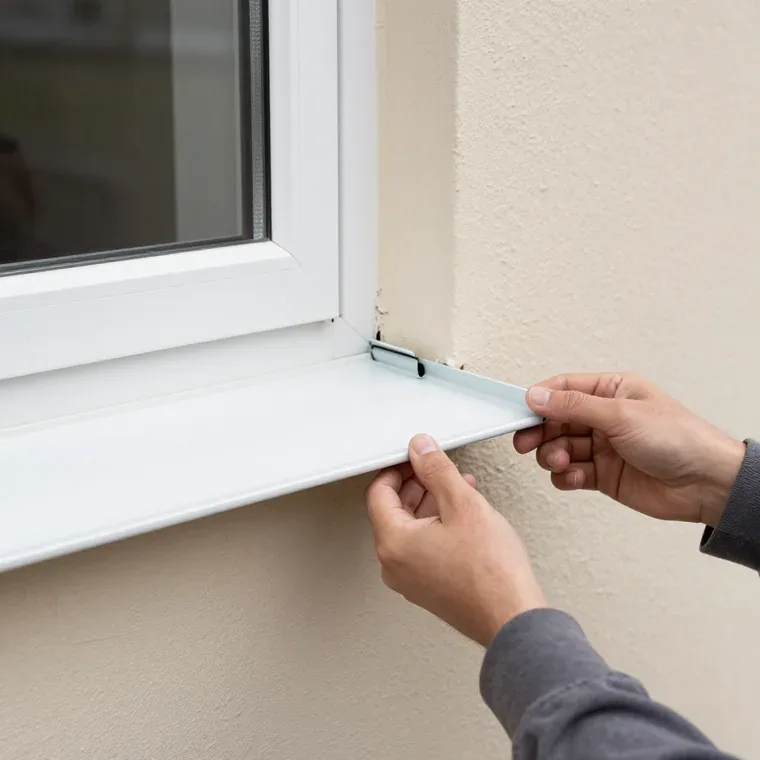
- Ebb: outer drip tray sloped and sealed to the casing, keeping rain out of the lower joint.
- Finishing check: we confirm the sash closes cleanly after trims go on, so nothing rubs or rattles.
How pvc window installation runs on site from demolition to clean-up
On site the work follows a fixed sequence: removing the old unit, preparing the opening, setting the new one, foaming joints, fitting slopes and sill, then adjusting fittings, each stage checked before the next.
The steps on the day of installation
- Removal: crews take out the old sash and frame, then clear the opening of foam residue and dust.
- Preparation: the opening is checked for level and square, damaged edges patched, sill line marked.
- Setting: the new window goes in on packers, levelled in two planes and wedged with even gaps.
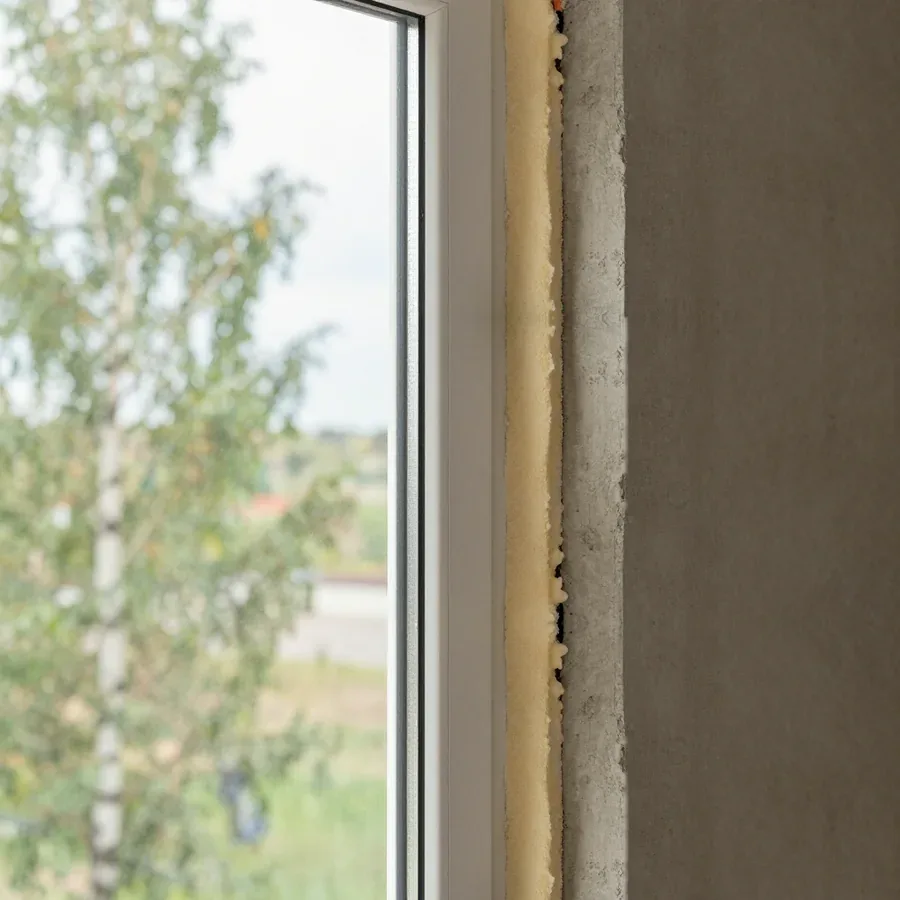
- Warm installation: the frame-to-wall joint is filled with foam and sealed against cold air.
- Finishing: the sill is set with a slight outward slope, slopes fixed, ebb fitted with a drip edge.
- Adjustment and clean-up: fittings regulated, sashes checked for free movement, film removed and room swept.
How to check the finished window before you sign off
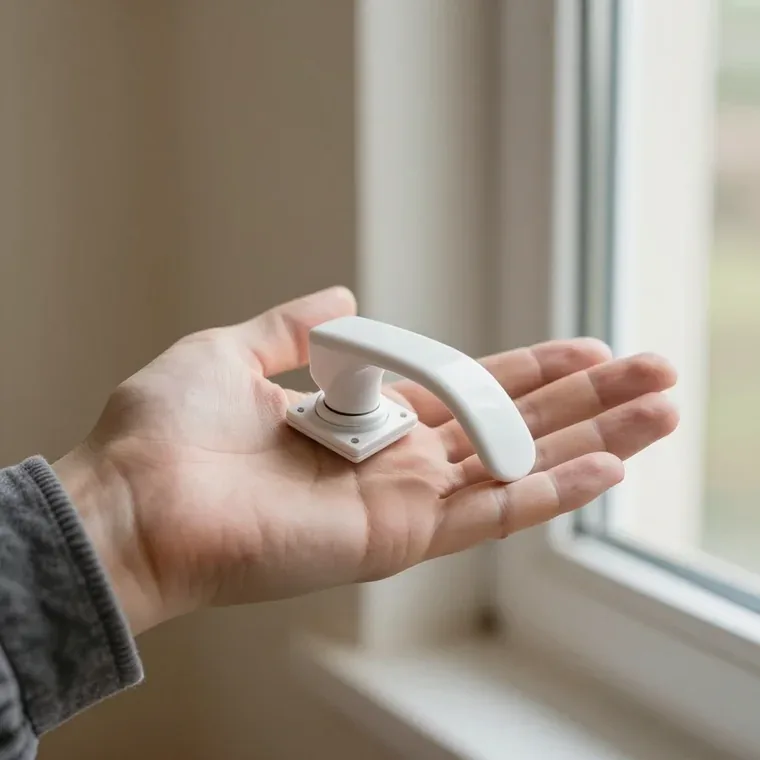
Open and close every sash, check that the handle turns without force, look for even gaps around the frame and run a hand along the joints for drafts. A working leaf should latch with a light push and stay shut on its own, with the same gap width at top, bottom and both sides. Test the tilt position if the window has one, and look at the sill — water should run off it, not pool against the sash. Then check the inside seams: a continuous foam line with no visible cracks means the joint was filled properly, and the ebb should sit with a clear drip edge outside.
Fixings, warm installation and the joints that keep the window solid
The fixing and frame-to-wall joints decide whether a window holds its line for years and stays warm at the edges, and the measurer picks how warm installation is built.
Anchors or mounting plates and how the fixing is chosen
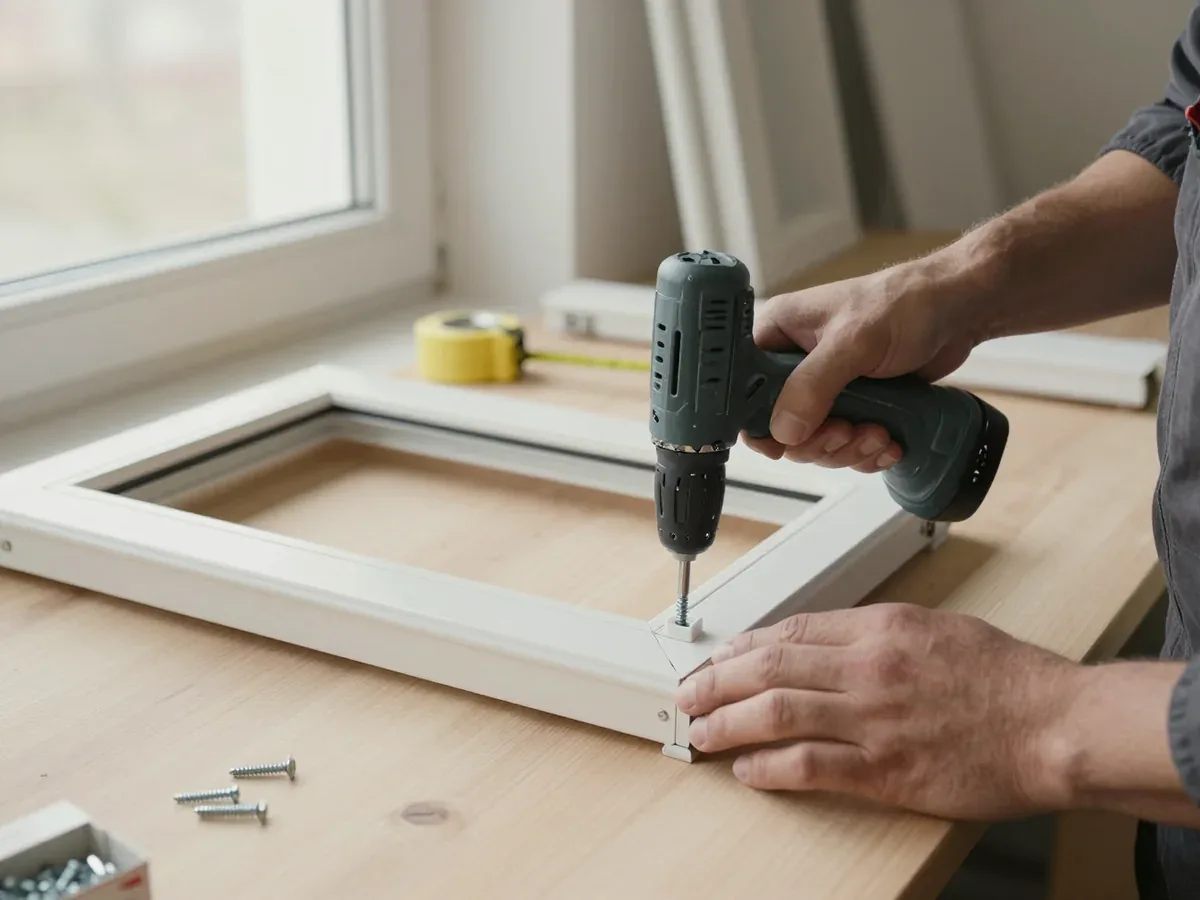
We choose the fixing to match the window profile and the floor, using anchors, mounting plates or a mix, so the frame holds firm without over-tightening the profile. A PVC profile is a hollow chamber, not solid timber, so a fastener driven too hard crushes the chamber wall and the sash starts to bind months later. On a panel building the wall is concrete, and the plate position has to fall on the solid part, not on a seam between slabs. The measurer checks the reveal depth, the profile width and the floor before writing the fixing into the order. On upper floors the wind load on a large sash is higher, which is why the fixing pattern matters more than the type of fastener alone.
What warm installation adds at the frame-to-wall joint
Warm installation seals the frame-to-wall joint in layers, so the junction stays insulated and the window edge does not become a cold bridge. The gap is filled with foam, the outer seam is taped against driving rain, and the inner vapour barrier stops household moisture from reaching the foam and freezing inside it. Slopes are insulated at the same stage, because an uninsulated slope pulls cold straight to the frame and the corner stays damp regardless of the glass unit. The joint, not the glass, is where most condensation on a new window begins, so its sealing decides whether the sill stays dry in winter.
Choosing a profile and glass unit for the Pavlodar climate
The sharply continental climate, with long cold winters and hot summers, sets clear demands on any window. Here is how to pick the frame and glazing without overpaying.
How many chambers a profile and glass unit really need here
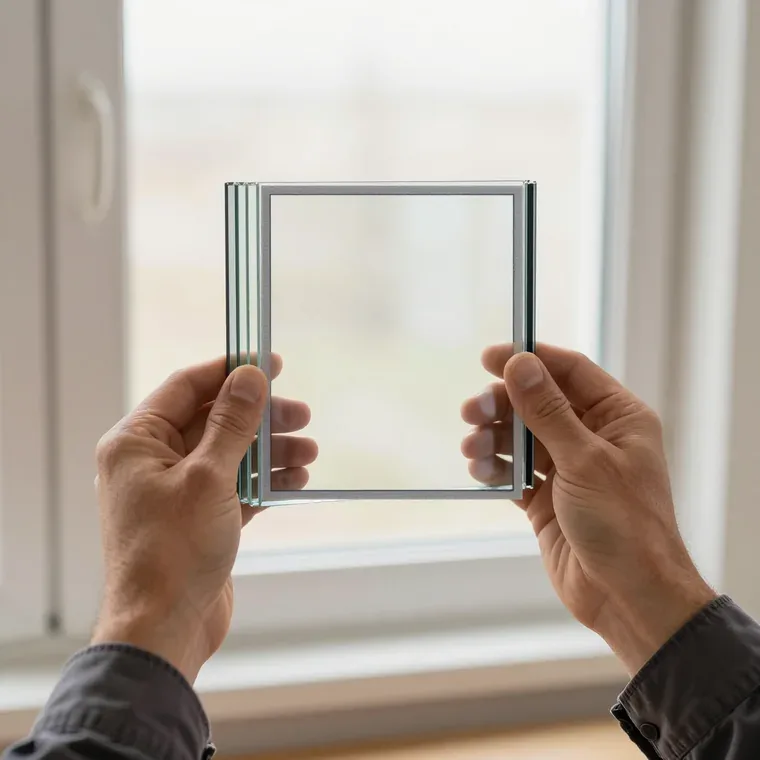
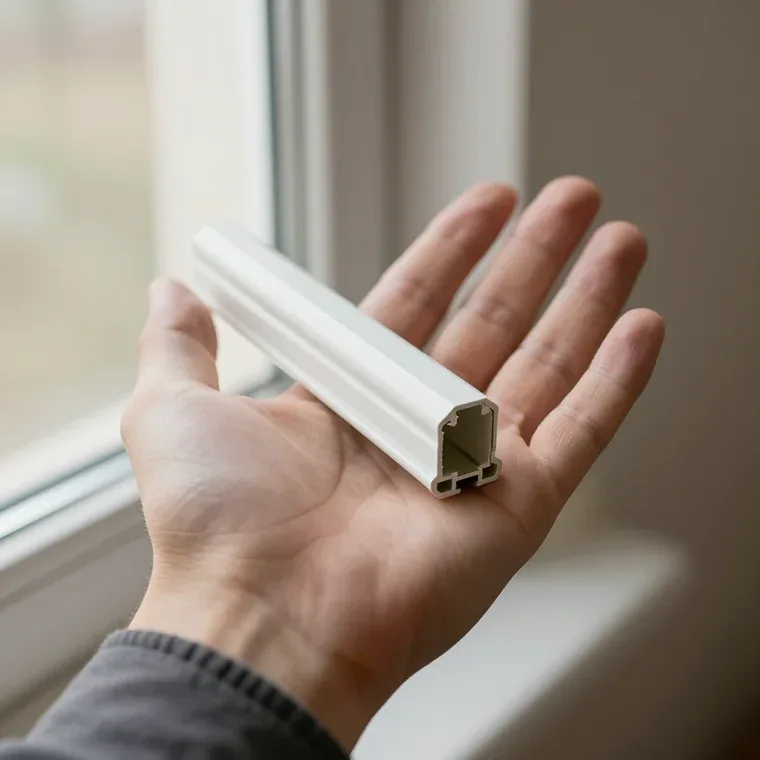
For a heated home in this climate, a multi-chamber PVC profile with a two-chamber double-glazed unit is the usual choice, while a single-chamber build suits glazed balconies and unheated spaces. A two-chamber build uses two sealed gaps of air or argon between three panes, and that middle gap holds warmth when the outside temperature drops well below freezing. A single-chamber build, with one gap between two panes, keeps its value where the space is not lived in through winter, such as a loggia. Adding more chambers past the point where the wall can hold heat gives little back, so match the glazing and frame to each other rather than maxing out each separately.
Matching the profile and glass unit to the room
| Space | Frame | Glazing | Where it fits |
|---|---|---|---|
| Bedroom | Multi-chamber | Two-chamber | Quiet, warm sleeping area |
| Kitchen | Multi-chamber | Two-chamber | Steam and cooking heat |
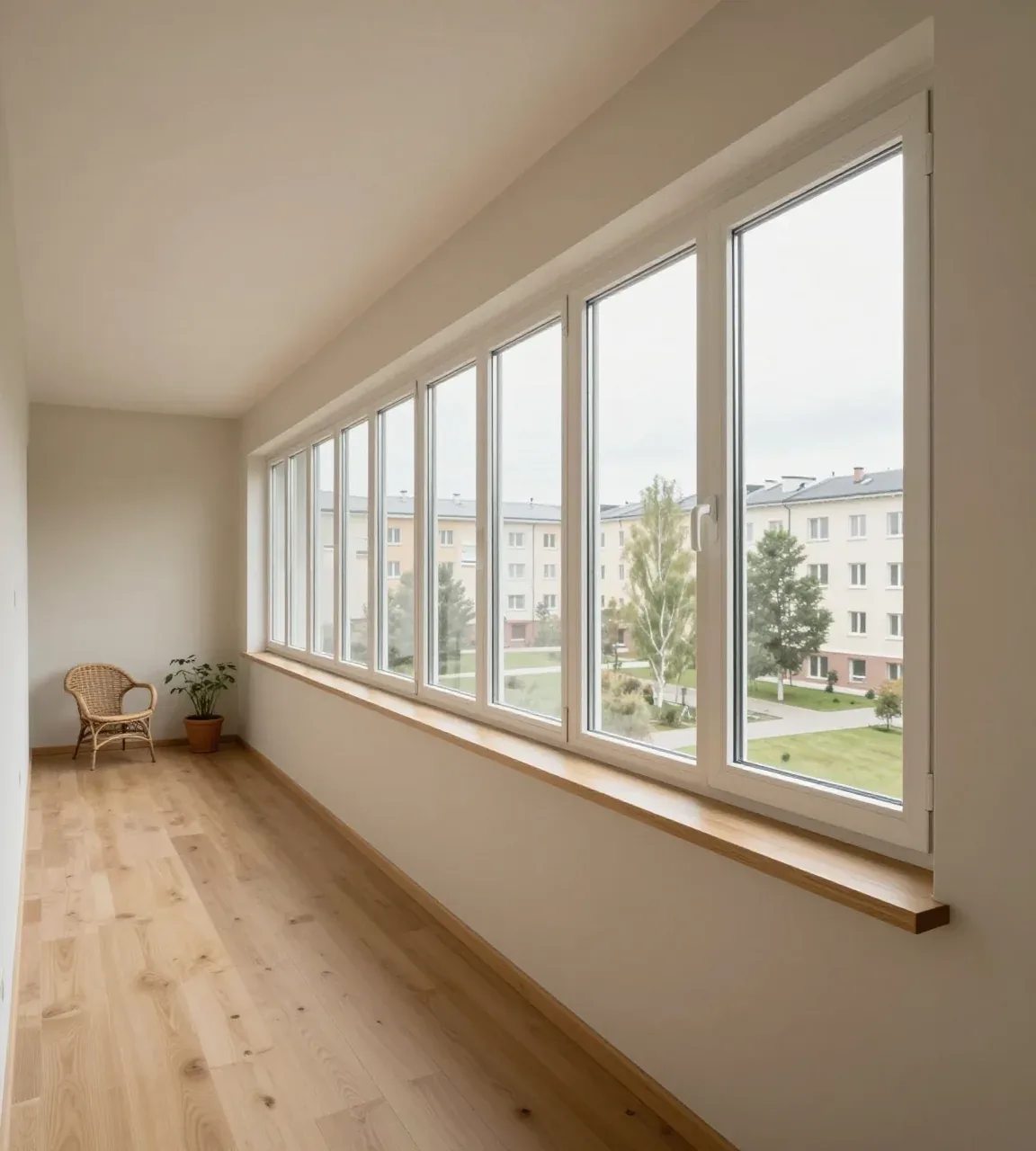
| Glazed loggia | Standard | Single-chamber | Unheated buffer zone |
| Summer kitchen | Standard | Single-chamber | Seasonal use |
Repair, a new glass unit or a full window swap
Not every old window needs full replacement. We break down when adjustment suffices, when the glass unit or seal is swapped, and when a new window is the only route.
When adjustment or a new glass unit is enough
If the frame is sound and only the sash drags, fogs or lets in a draft, we adjust the fittings, replace the seal or swap the glazing instead of the whole window. Window repair and adjustment covers sash alignment, hinge and handle replacement, and new gaskets for frames of any make, including KBE, Rehau and VEKA. Glass unit replacement is a separate job with a 3-year warranty, and urgent manufacturing runs within one day at a surcharge. Replacing a fogged pane early keeps the surrounding profile and hardware in service far longer, because trapped moisture eventually works at the joint around the unit.
Signs it is time for a full window swap
- Sash catches the profile: the leaf scrapes or jams in several spots despite hardware adjustment.
- Visible damage to the frame: cracks, delamination or soft spots mean it no longer carries the load.
- Drafts that come back: cold air returns within weeks of a fresh gasket, signaling a bent casing.
- Condensation between the panes: a failed pane on a tired window makes full installation more economical.
- Damp at the reveal: water stains or mould point to a joint that no longer seals and cannot be reworked.
Warranty, payment and how the work is backed
A warranty on the fitting, the order of payment and the things that keep that warranty in force matter as much as the window itself. Here are the terms in plain words.
What the 5-year installation warranty covers
We give a 5-year warranty on window installation, a 3-year warranty on glass unit replacement and a 1-year warranty on window repair covering both labour and replaced parts. The installation cover follows the work our own crews do on site, from the frame in the opening to the sealed joint at the wall. If a sash sags, a seal loses its grip or a fitting works loose because of how the unit was set, that falls under the five years rather than under the product. Glass unit replacement carries its own three years, and repair work is backed for one year on labour and any part we swap. A warranty tied to the installation, not only to the product, covers joints and fittings that fail because of how the window was set.
Payment after installation and keeping the warranty valid
- Pay after installation: settle once the work is finished and checked, by cash, card or Kaspi.
- Fixed price after measuring: the figure agreed at the measuring visit is locked in the order.
- Open seven days a week: book a visit on any day, including weekends.
- WhatsApp support: we reply within 5 minutes, so questions about fittings or seals do not wait.
- Keep the warranty valid: leave fittings and seals alone; hand adjustments or work by another crew void cover.
What to look for when choosing PVC window installation
A window job holds up when measurement, fixing and material choices line up. Here is the short version to carry with you.
- Measuring comes first: the visit sets exact size, sections, glazing and fasteners before ordering.
- Installation follows fixed steps: each stage is checked before sign-off, nothing accepted on trust.
- Fixings and joints decide warmth: anchors or plates plus warm installation keep edges from turning cold.
- Climate and room set the spec: chamber count and glazing match local winter and room use.
- Repair is judged by the sash: adjustment or a fresh unit suffices while the structure is sound; a full swap follows only when it is not.
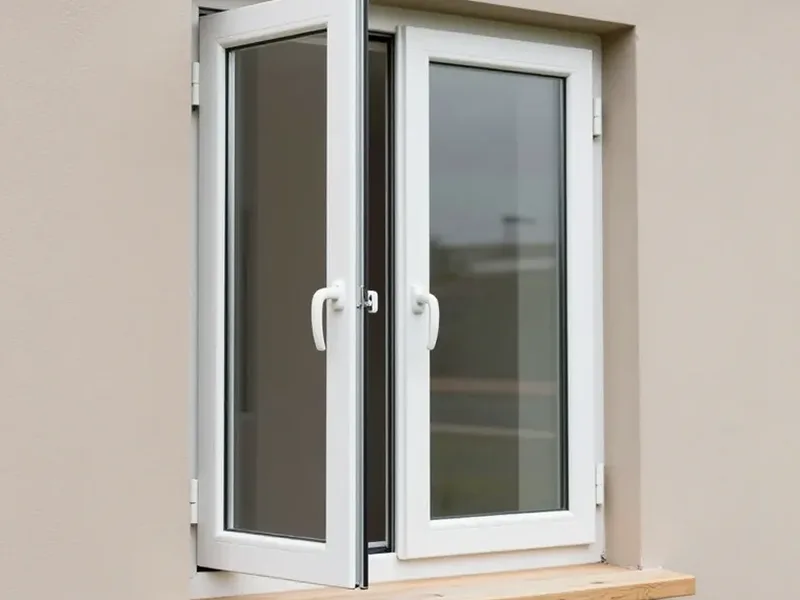 Balcony glazing
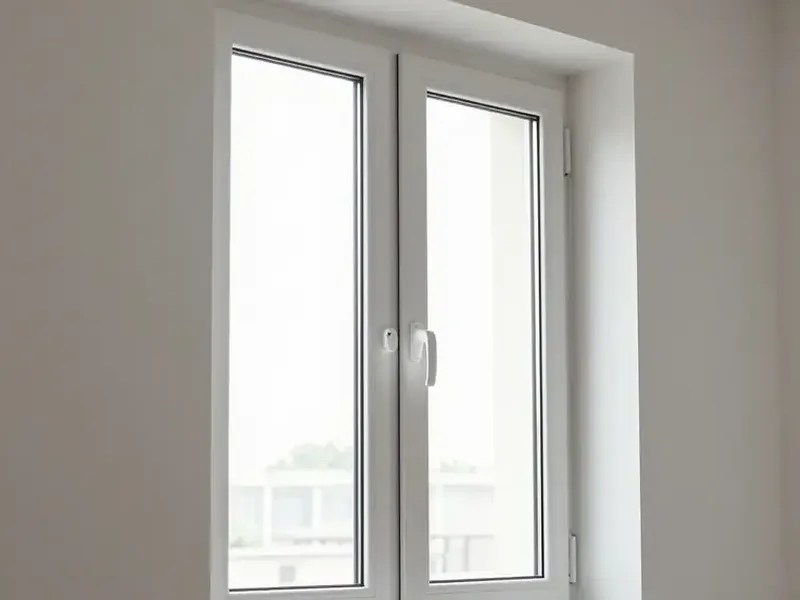 Reveal finishing
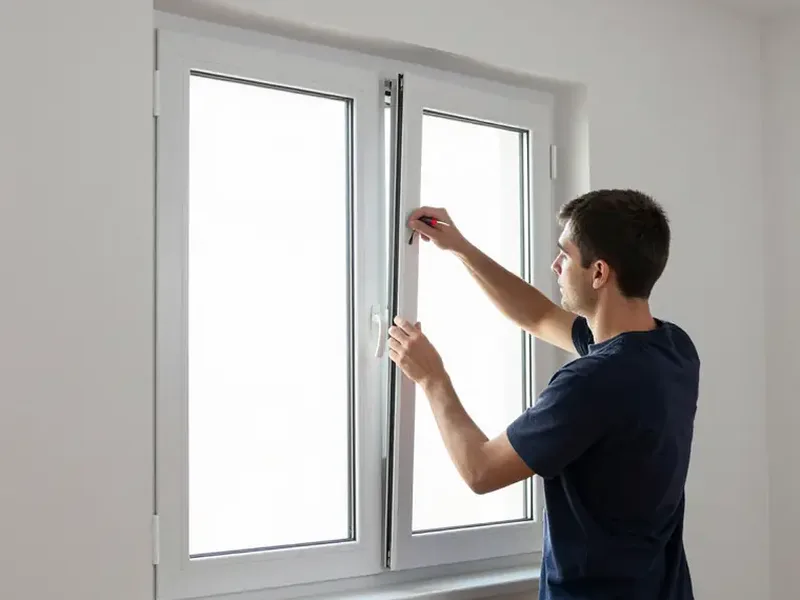 Window adjustment
 Wooden window repair
 Window insulation
