





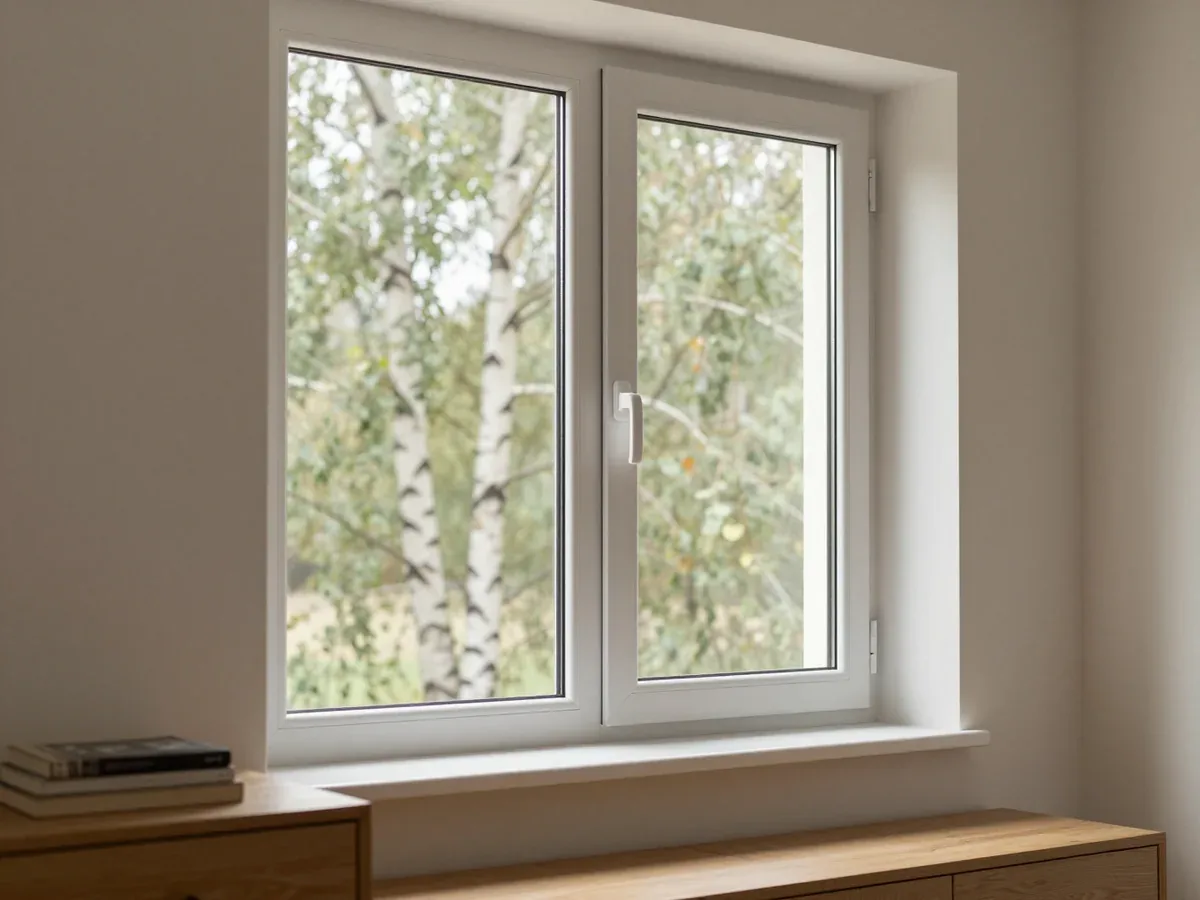
Good to know
Penkid Window Lock in Pavlodar Fitted to Your Window and Floor

Senior mosquito screen specialist at moskitnyesetki.kz
A Penkid window lock in Pavlodar is fitted by our craftsmen's own fitters after a free measuring visit, so the lock and its fixing match your sash, profile and floor. We fit plastic, wooden and aluminium windows, balcony doors and porch openings, and you pay only after installation.
Which Penkid window lock suits your sash and how the fixing is chosen
A lock is chosen by the sash, the profile and the floor, not by a catalogue name. Our measurer looks at your window and decides which body and fixing will actually hold.
Will a Penkid window lock fit your profile, sash and floor
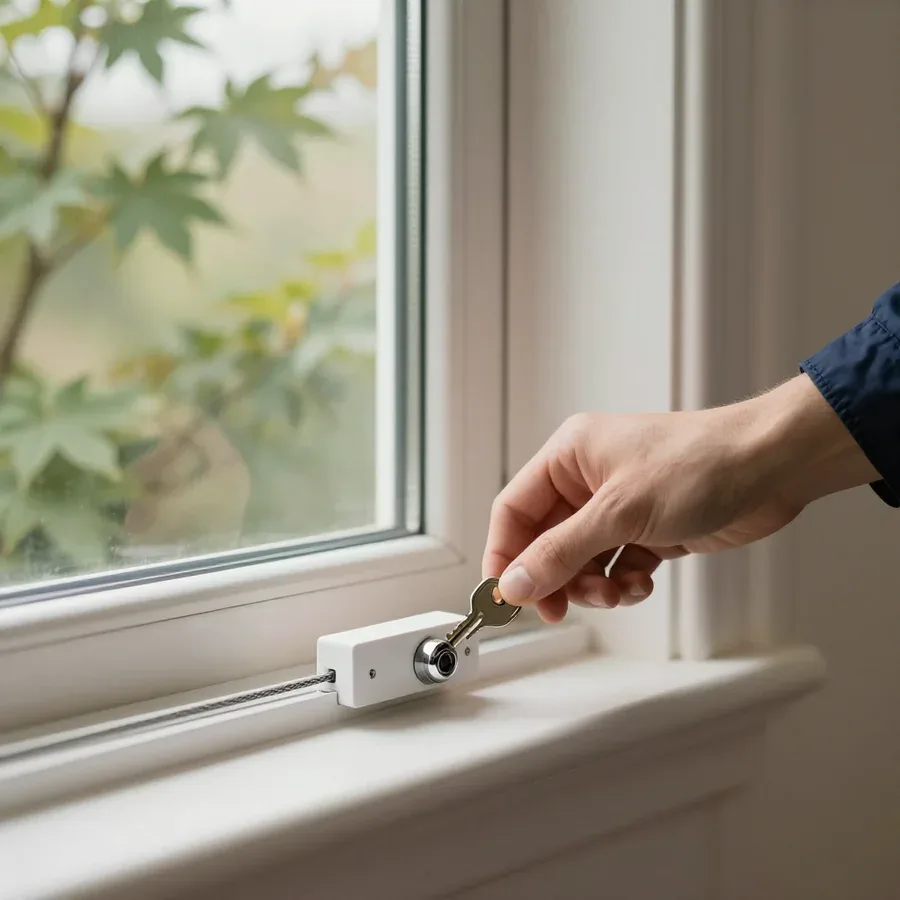
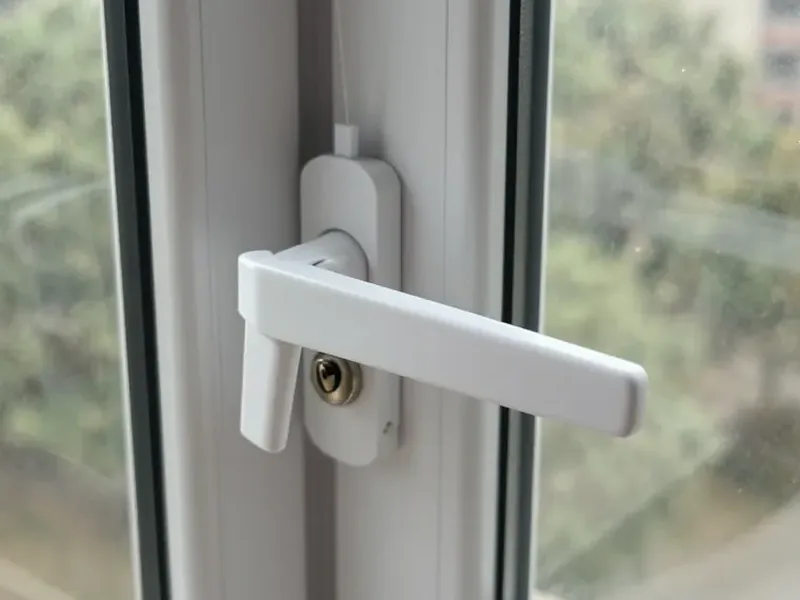
We check the opening type, profile width and floor before recommending a lock, so the product is matched to the window you already have rather than to a generic size. A Penkid window lock in Pavlodar is selected the same way, on site and against your own sash. The lock body and locking mechanism are fitted onto the existing casement and frame, so the window hardware stays as it is and nothing has to be replaced to add one. The measurer notes how the window opens, how wide the profile is and how high the flat sits, then writes the format into the order. On upper floors the fixing choice matters more than the lock body, because the casement takes more wind load and a weak bracket loosens first.
Fixing options for plastic, wooden and aluminium windows
| Fixing | Best for | What it means for you |
|---|---|---|
| Z-brackets | Standard PVC sashes | Firm hold, frame is drilled |
| Pins (plungers) | Narrow profiles, vents | Compact, quick to release |
| Magnets | Small vents, rented flats | No drilling, lighter hold |
Lock, restrictor or key handle and how they differ
Three devices solve three different jobs, and mixing them up is the usual reason a bought lock gives less protection than expected. Each one acts on a different part of the sash.
How a Penkid window lock differs from a restrictor and a key handle
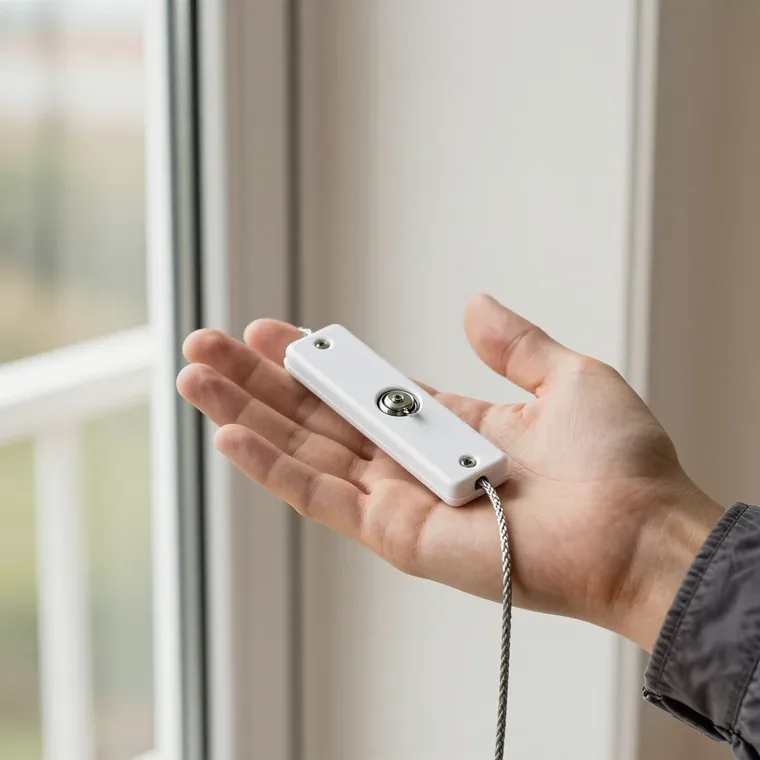
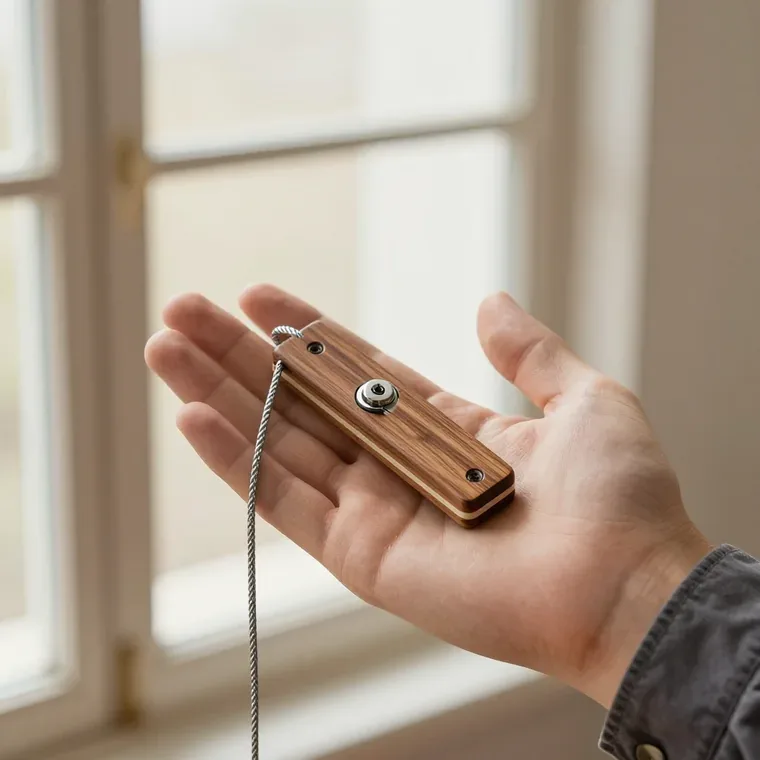
A lock blocks the casement from opening at all, a restrictor only limits how far it swings, and a key handle locks the existing handle instead of adding a separate device. A restrictor is a metal arm or cable that stops the sash at a set angle, so the window still opens for air but cannot swing wide. A key handle replaces the standard handle with a cylinder-locked version — it stops a child from turning the handle, yet the casement itself stays as easy to force as before. A separate lock adds its own blocking element at the frame and casement, independent of the handle. If a window already has a key handle, a separate lock is only worth adding when the handle sits within a child's reach or the sash opens onto a drop.
Do you still need a lock if a mosquito screen is fitted
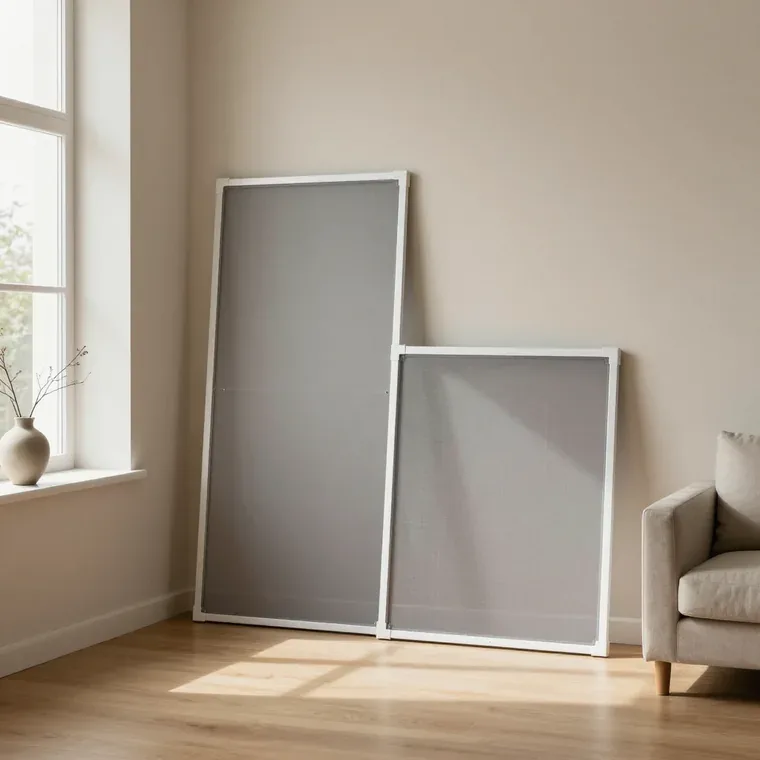
A framed mosquito screen is not a safety barrier, so a Penkid window lock still adds real protection even where a screen is already fitted. We make framed screens to size in 10–15 minutes, and they sit in guides on the frame rather than being fixed to the casement — nothing about them resists a push from a child. A pleated screen takes 40–60 minutes to build and works the same way: it covers the opening, not the mechanism. A framed screen lifts out from inside in a minute, which is exactly why it should never be counted as child protection on its own. Keep the screen for insects and the lock for the sash — the two do different jobs and do not replace each other.
Protecting children and choosing the right opening for each room
The scenario matters more than the model: a flat with a small child, a balcony door and a porch each need the lock placed and fixed differently.
Child safety on windows in a flat
For a flat with a small child we fit the lock high on the casement and out of reach, so the window can still be aired while the gap stays closed to a toddler. The mechanism limits how far the casement swings rather than sealing it shut, which keeps fresh air moving through the living space on a hot afternoon. On tilt-and-turn profiles the same unit works in both positions, and the fitter sets the gap before drilling anything. In our practice the most common mistake is locking only the bedroom — the kitchen and bathroom vents are usually the ones left open all day, and those are exactly where a curious toddler reaches first. Walk the flat window by window and treat every casement a little one can climb to as its own decision.
Balcony doors, vents and porch openings
We fit locks on balcony doors, small vents and the windows of loggias, porches and verandas, choosing a fixing that suits each spot rather than a single universal kit. A balcony door takes a heavier lock than a vent, and on a porch the frame material decides whether a magnet or a bracket will hold through the seasons. Aluminium framing on a veranda flexes more in heat and frost, so the fitter checks the profile depth before picking fasteners. We supply and install these locks across the city, and the measuring visit is free — the measurer brings samples and confirms which fixing holds on your particular casement. Ask for the heaviest option on any door a little one can reach, and a lighter unit on high vents you open with a pole.
Fitting a Penkid window lock yourself or calling a fitter
Fitting takes minutes, yet a wrong measurement or a bracket set into the wrong spot cancels the protection. Here is where do-it-yourself work ends and a fitter takes over.
What the free measuring visit covers
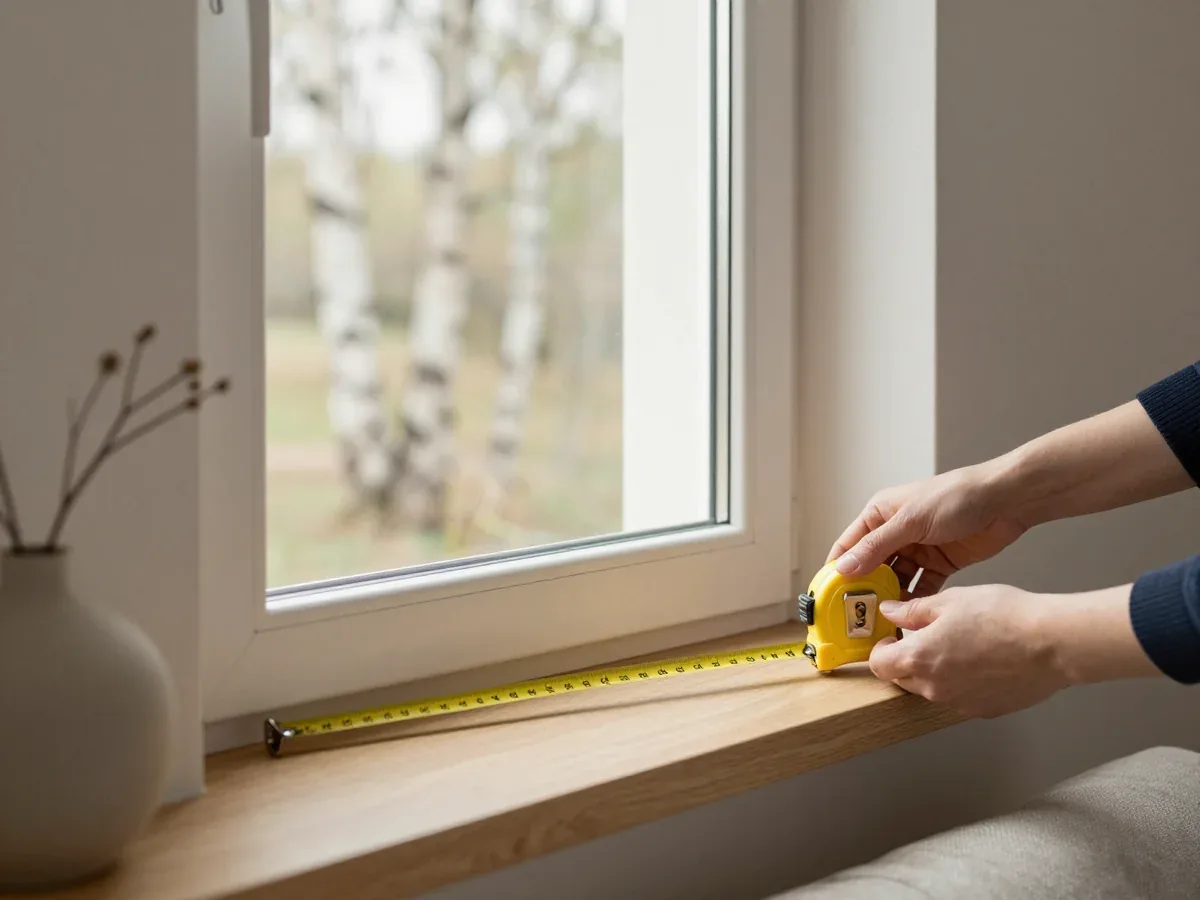
The measurer comes at a time that suits you, takes the sash and profile sizes and helps choose the lock and fixing, and the measuring and consultation are free. On site the specialist checks how the sash closes, notes the profile width and the floor, then matches the fitting to that window rather than to a generic template. We also bring samples of the canvases and profiles, so you compare finishes against your own frames instead of a catalogue photo. The visit is also where the price is fixed in the order, so nothing changes between the measurement and the day of fitting. Ask the measurer to write the chosen fixing into the order sheet — that single line prevents a swap on installation day and keeps the job to one trip.
Drilling or no drilling and when to leave it to a fitter
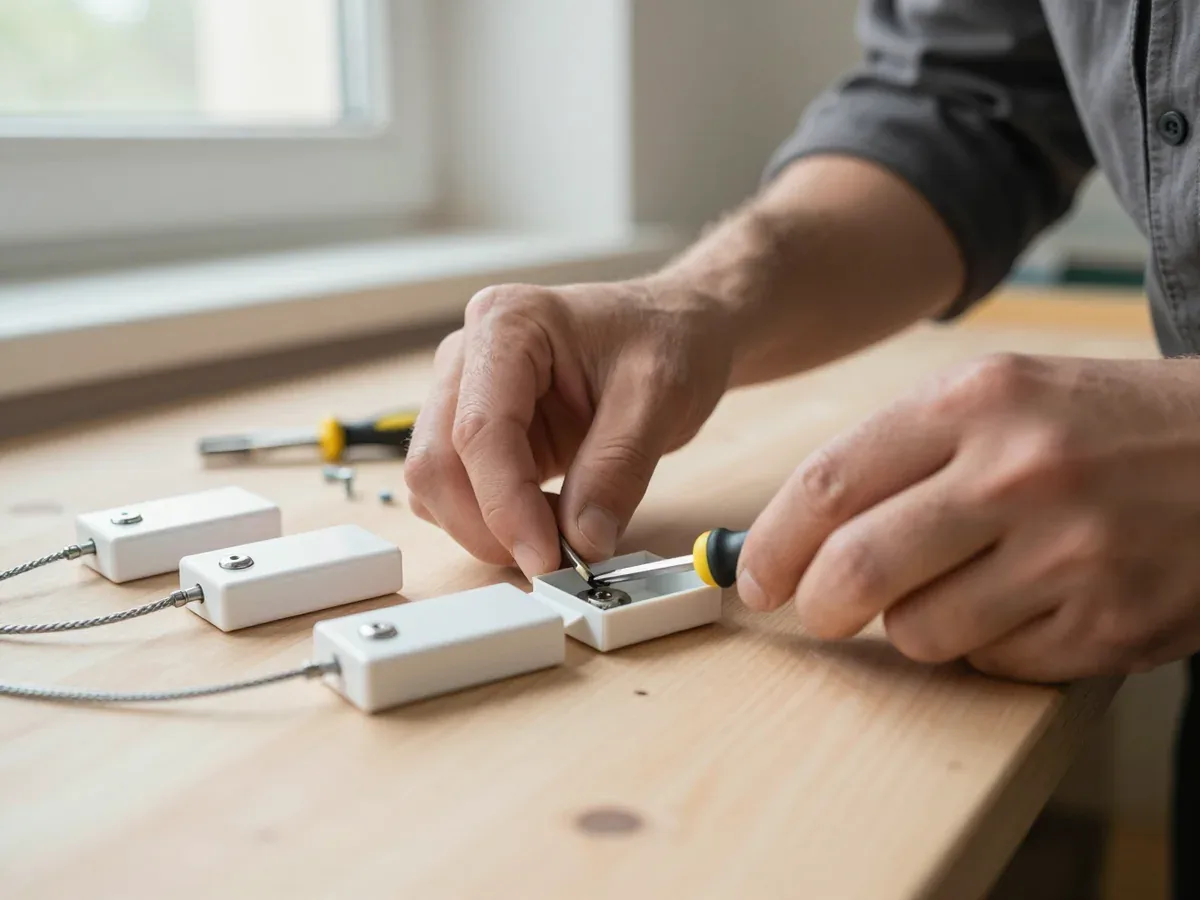
Some fixings need the frame drilled and some do not, and a fitter decides which is safe once the profile and floor are known. Z-brackets and pins take a small hole in the sash, while magnetic sets hold without drilling and suit rented flats or thin frames. A self-fitted lock often fails not at the lock but at the bracket, because the screw bites into reinforcement that the owner cannot see from outside. A fitter reads the profile chamber first, picks the fixing to match it and sets the lock so the sash still closes evenly. On upper floors the choice narrows to what holds under load, and that call is better made by someone who fits these daily.
Care, service life and warranty for a Penkid window lock
A window lock lasts for years when it is kept clean and dry. Below we cover winter removal, the usual reasons a key starts to stick, and what our warranty actually covers.
Winter removal, care and what to do if the lock sticks
A framed screen comes off from inside in a minute and is best removed for winter, and the same habit keeps the mechanism free of ice and grit through the cold months. On the lock itself, wipe it with a soft cloth before the heating season and again in spring, and clear debris from around the key slot instead of oiling it. Ice forms where meltwater sits in the channel, so check the lower rail after a thaw sets in and mop it out. In our practice, a handle that turns hard usually means grit inside the part, not a broken lock, so clean it and let it air out before assuming a replacement is needed.
Warranty, repairs and paying after installation
We repair and replace lock fixings, give a one-year warranty on window repair covering labour and replaced parts, and you pay once the job is done by cash, card or Kaspi. Fitters on our team handle the adjustment, so a bracket that has worked loose on a wooden sash or a latch that no longer catches is dealt with as service work rather than a new order. Measuring and consultation stay free, and the price is fixed in the order after sizes are taken, so nothing changes on the fitting day. Because settlement comes at the end, any adjustment to the lock or bracket is resolved on the spot rather than through a separate claim.
When a Penkid window lock protects against falling out
A window lock only works as well as the planning behind it. Here is what decides whether the fitting holds, protects and lasts.
- Match the lock to the sash: profile, sash type and floor level set which fixing holds, so settle these before picking a model.
- Know what you are buying: a lock, a restrictor and a key handle each solve a different problem and are not interchangeable.
- Do not treat a screen as safety: a framed mosquito screen is ventilation, not a barrier that keeps a child from an open window.
- Book the measuring visit: size, fixing and final price are fixed in the order after measuring, before any drilling starts.
- Keep the mechanism free: clean and dry the moving parts, and remove seasonal screens so the lock does not seize over winter.
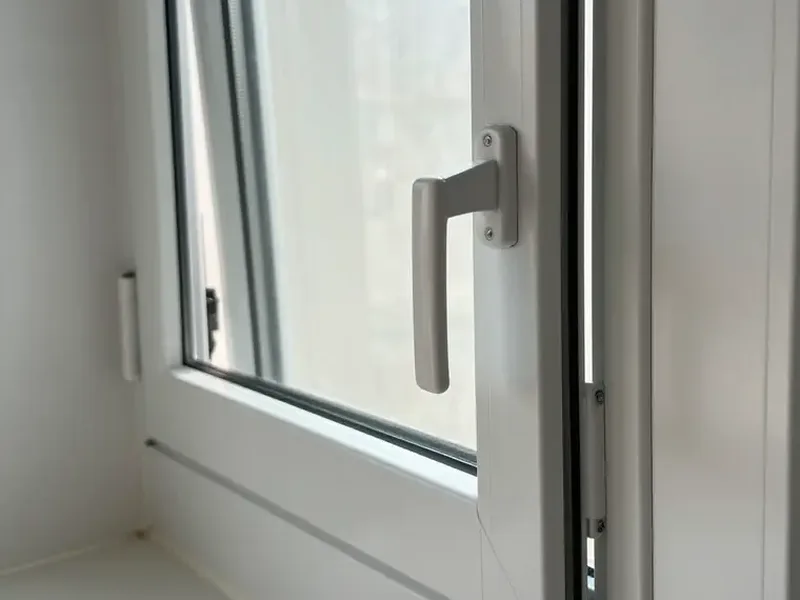 Limiters
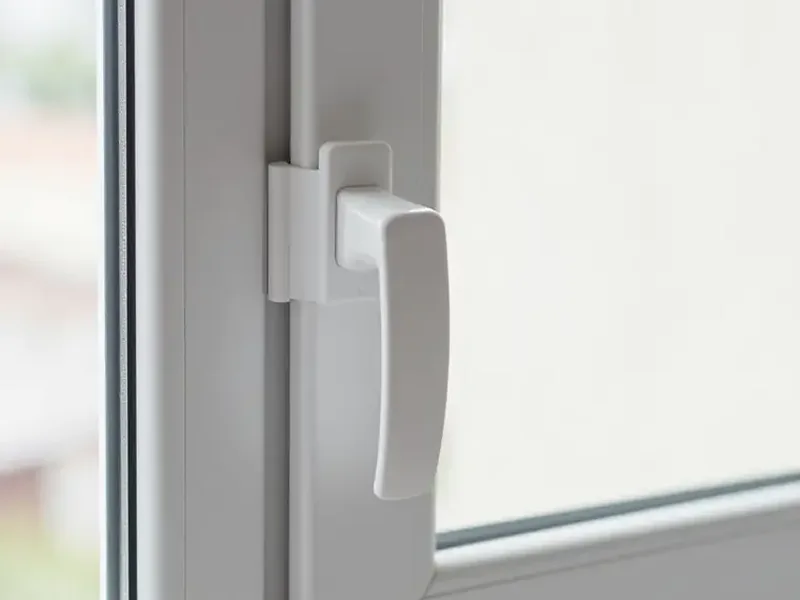 Blockers
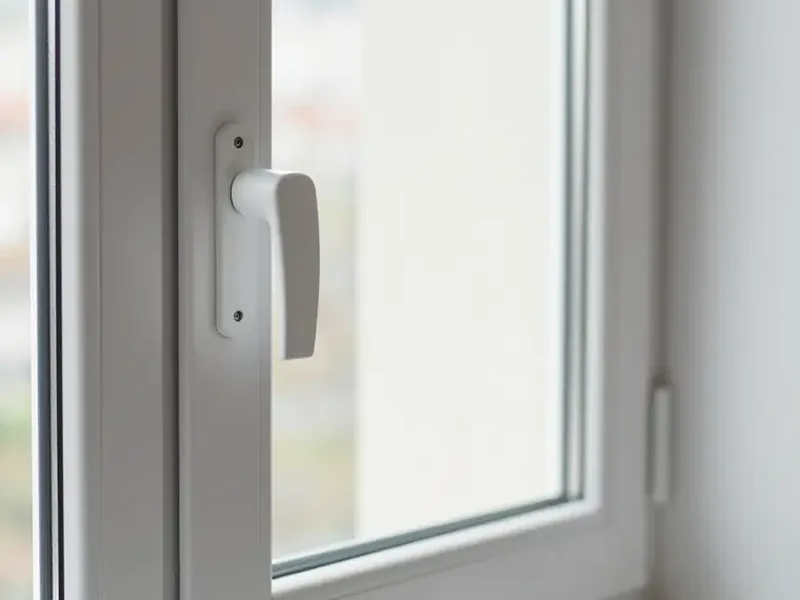 Keyed handles
 Child safety
 Ready-made screens
