
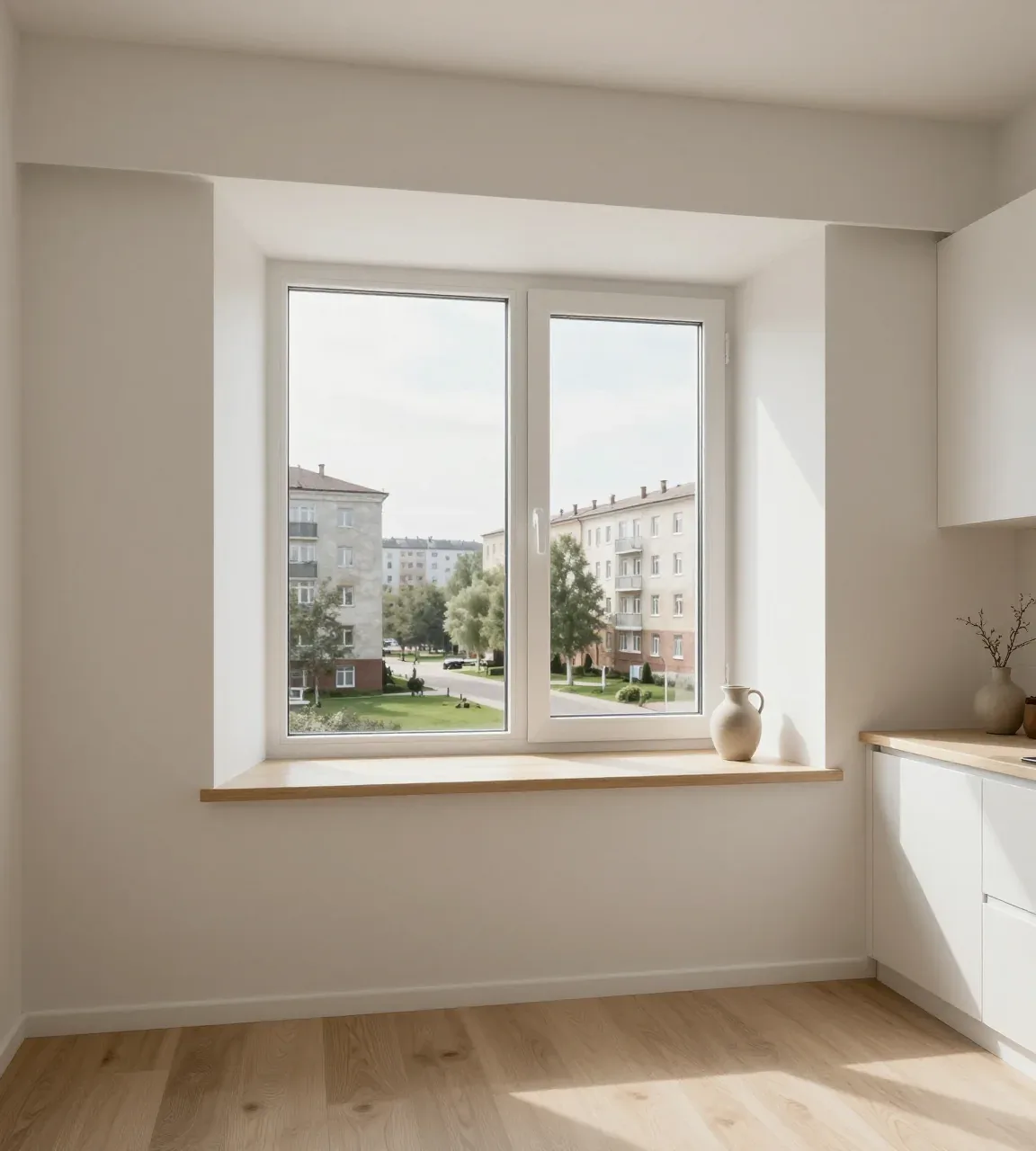
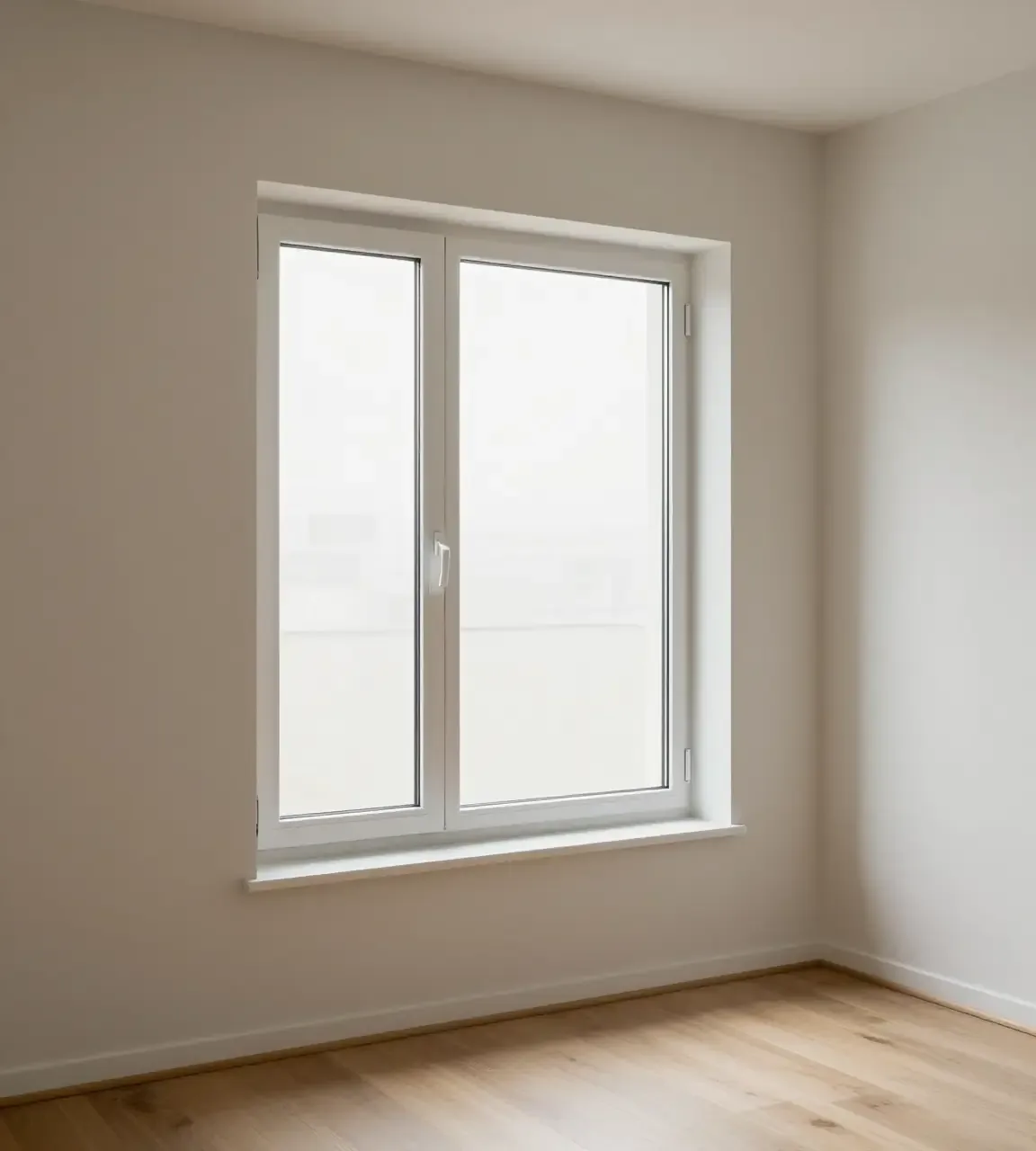
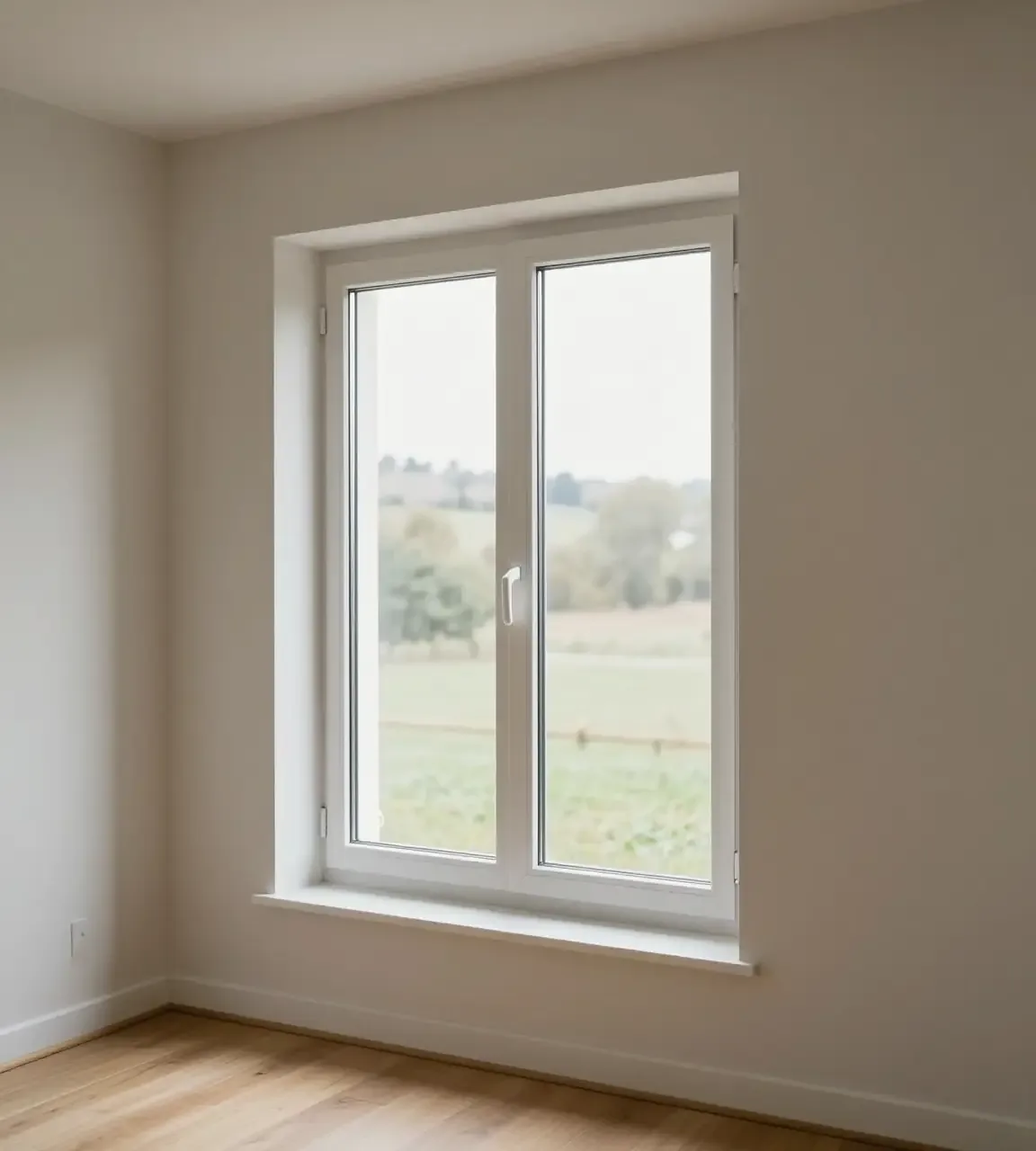
After window replacement
PVC sandwich
Covers the foam and does not crack. From 4 700 ₸ per linear metre.
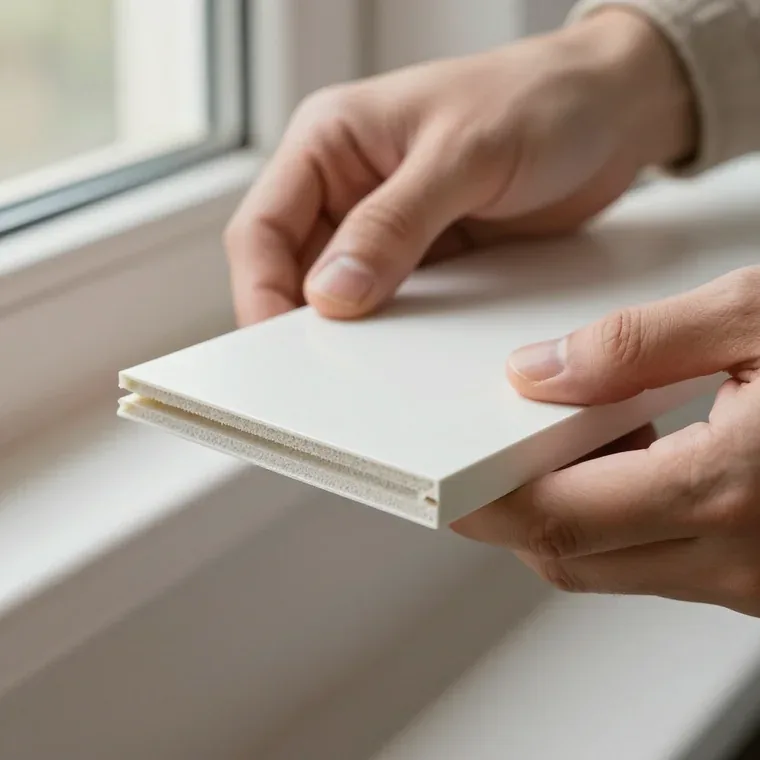

A smooth, warm and fully closed seam around the window
A good reveal is invisible: it is smooth, does not crack, does not get wet or darken. Underneath, the foam is trimmed and protected, and if the wall is cold, insulation is laid. The joints with the frame and windowsill are sealed.
In Pavlodar, many people replace windows in panel buildings and five-storey blocks, and after installation the reveals are left unfinished. We make them from sandwich panels or plaster, and on the outside we cover the seam with an external reveal.
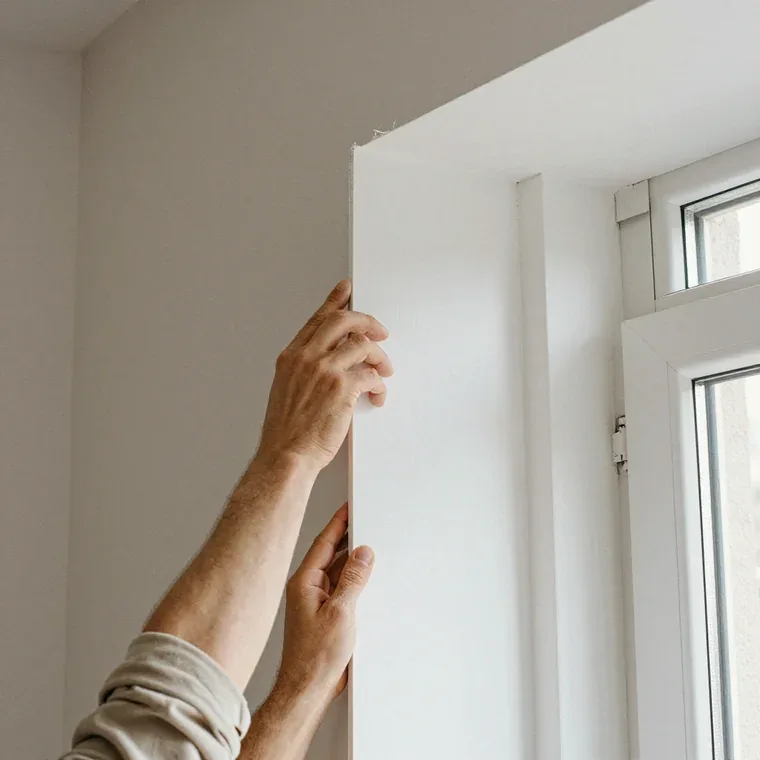
sandwich per metre
window turnkey
measuring
Four mistakes we fix
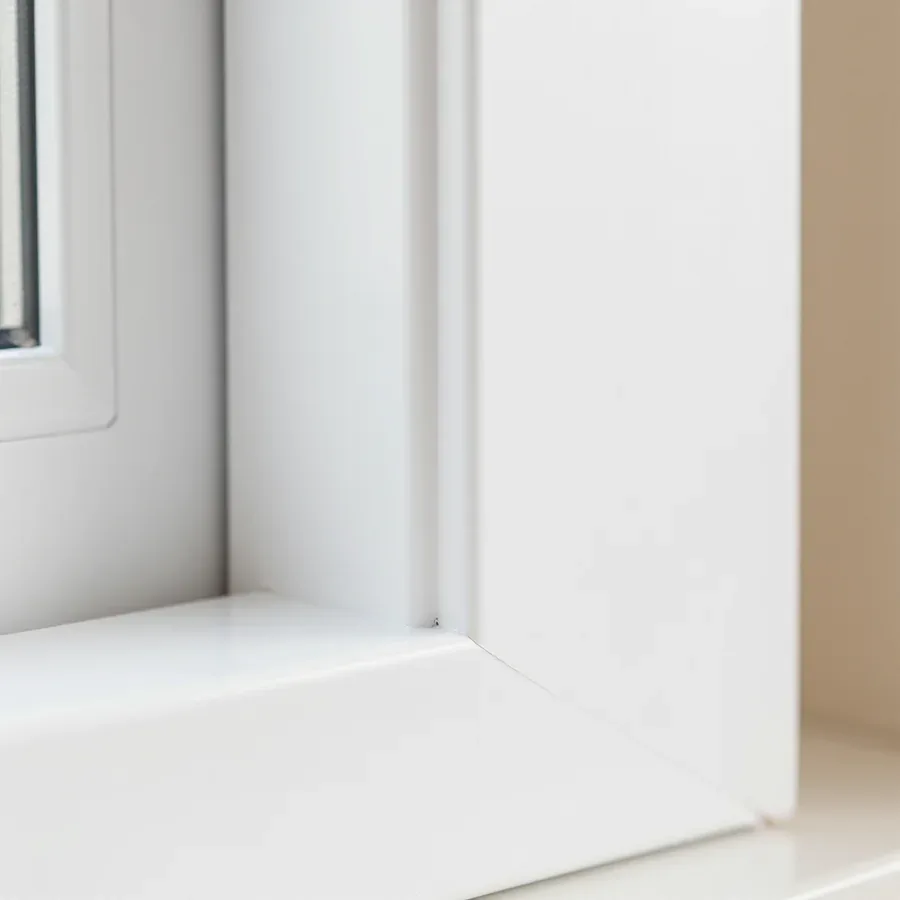
The window was installed and left. We cover the foam with PVC reveals.
We cover cracks with sandwich panels.
The cause is a cold corner. We insulate and finish.
We remove condensation on the reveal with insulation.
Five options for your budget
Panel with insulation
Smooth, warm, no cracks.
Classic
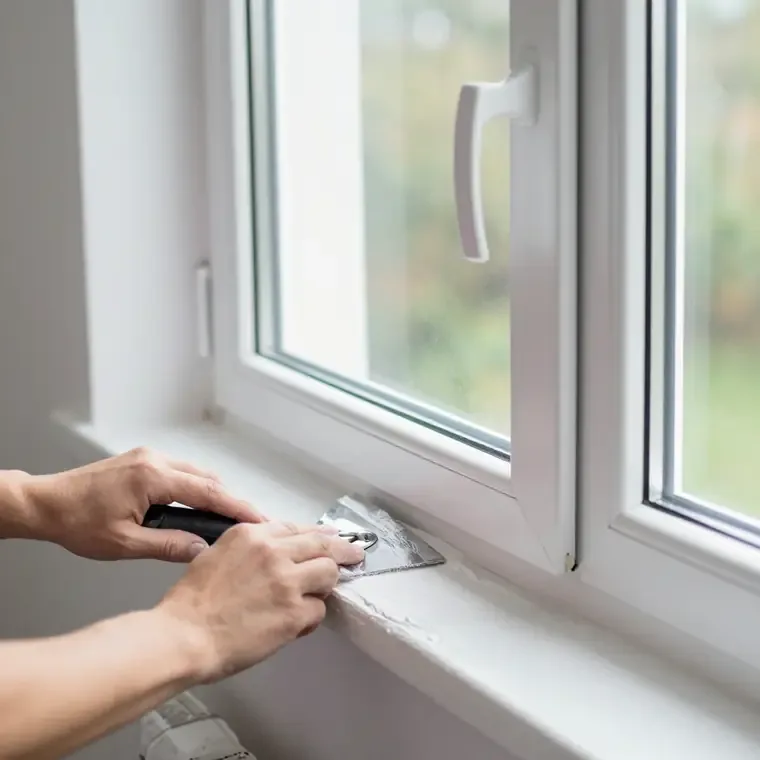
Ready for painting in the colour of the walls.
Budget-friendly

For warm dry rooms.
From outside
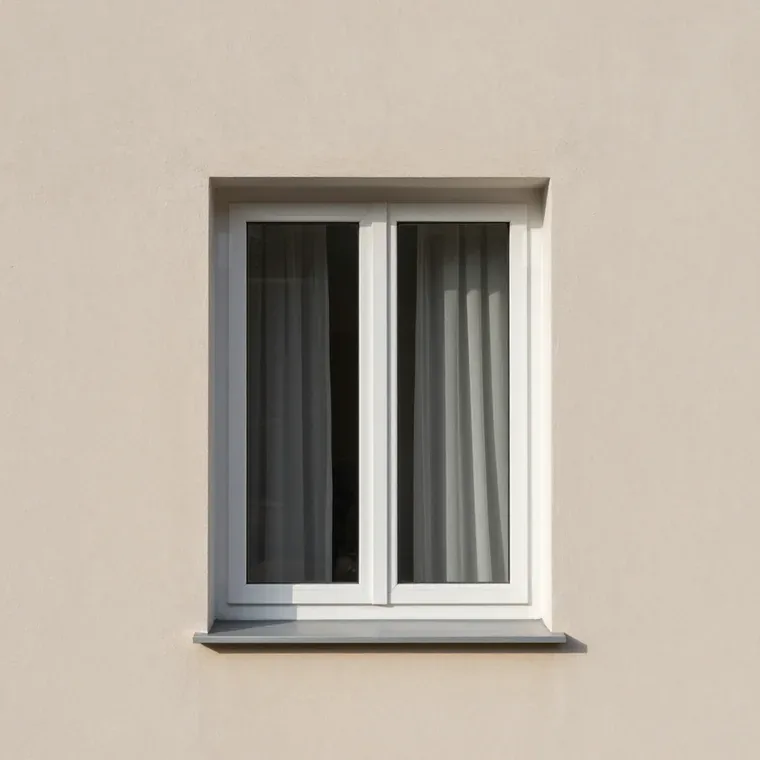
Protects the seam from outside.
Under the reveal

For cold corners.
Cost per metre or per window, total after measuring
| Type of work | Price |
|---|---|
| PVC reveals (sandwich panels), per linear metrepanel with insulation inside | from 4 700₸ per linear metre |
| Reveals for a standard window, turnkeythree sides and corner pieces | from 15 000₸ per window |
| Plastered revealswith levelling and filling | from 3 000₸ per linear metre |
| External revealsprotects the seam from outside | from 4 500₸ per linear metre |
| Drywall revealsready for painting | from 1 500₸ per linear metre |
| Reveal insulationagainst freezing and condensation | from 19 900₸ per linear metre |
| PVC windowsill installationtogether with reveals | from 5 500₸ per linear metre |
| Drip sill installationdrains water away from the frame | from 3 250₸ per linear metre |
| Sealing internal seams (liquid plastic)joints of frame, reveal and windowsill | from 1 500₸ per linear metre |
| Sealing external seamsprotects foam from moisture and sun | from 2 000₸ per linear metre |
The total is fixed in the orderMeasuring is freePayment after work: cash, card, Kaspi
Book a measuring visitThe essentials at a glance
we work across Kazakhstan
on WhatsApp
we check the seam and the wall
after measuring
the work is completed
open every day
we do both sides of the seam
cities
Workflow

Send a photo of the window after replacement. We will reply and arrange a measuring visit.
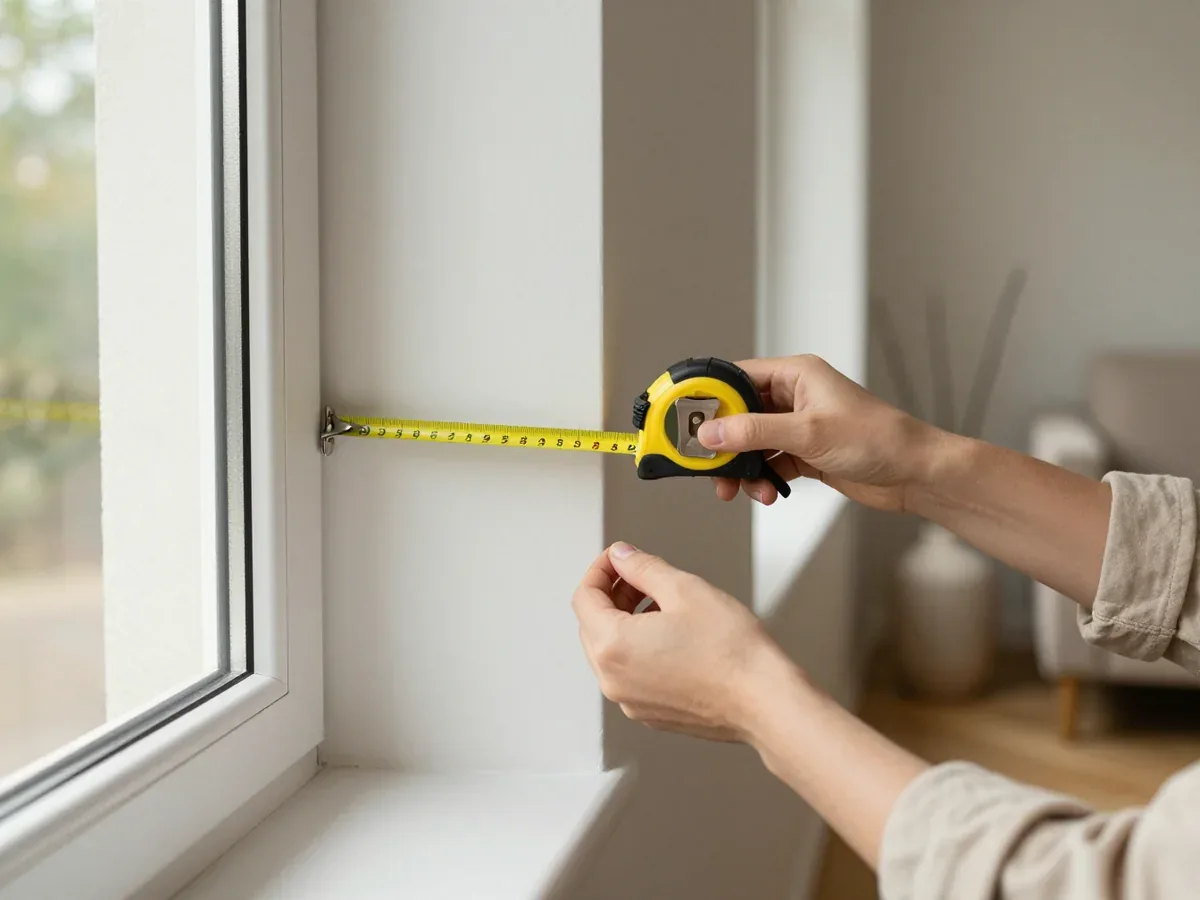
We check the seam, the wall and the joints, and give you the price for the order.

We cut the foam, insulate, install the reveals, seal them and finish the outer reveal.
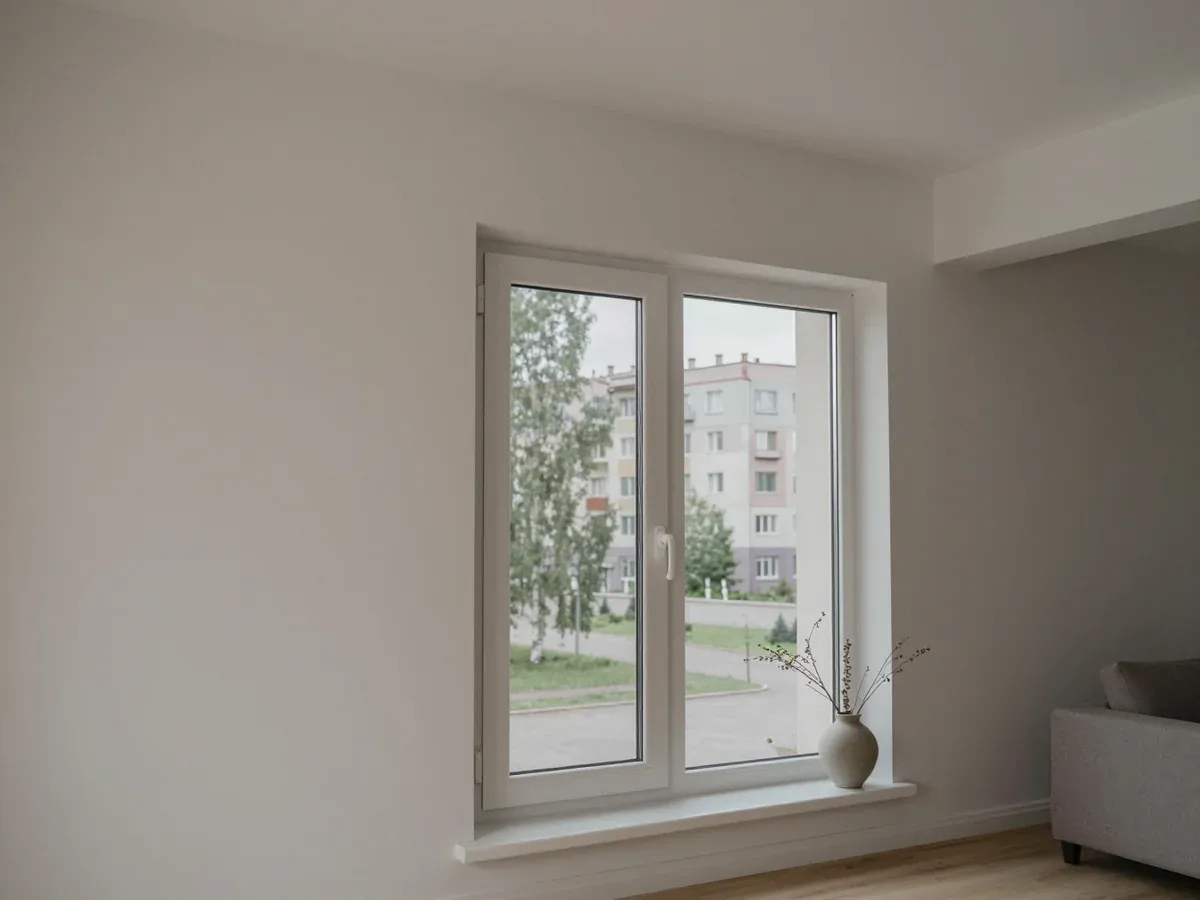
We check the result together; payment afterwards.
Good to know

Senior mosquito screen specialist at moskitnyesetki.kz
We handle window reveal finishing in Pavlodar as a direct fitter with our own craftsmen, not a middleman. A free measuring visit settles the material, panel width and fixings for your window profile, insulation and sealing are part of the job, and the price is fixed in the order after measuring. You pay only after installation.
The material around the opening decides how the reveal survives winter and damp. We compare sandwich panels, PVC and plaster by strength, weight and behaviour in wet rooms.
| Material | Build | Best for |
|---|---|---|
| Sandwich panel | Two rigid skins with insulation inside | Cold walls, bedrooms |
| PVC panel | Hollow plastic, lightest option | Quick tidy-ups |
| Plaster | Cement or gypsum over mesh | Seamless painted finish |
| Timber | Solid wood, painted or varnished | Wooden and cottage windows |
We size every reveal panel to the actual depth of your opening, because a board that is too narrow leaves a visible step and one that is too wide will not sit flush against the frame. Our measurer comes at a convenient time, takes the sizes of the opening and helps choose the material, mesh and fixings. On a standard plastic unit the reveal is usually shallow, while thick brick walls leave a deep return that no single board covers cleanly. We paint the screen frame any colour to match the glazing, so the reveal and the frame read as one unit. Deep openings on thick brick walls often need a return piece rather than a single wide board, and that decision is made at measuring, not on site.
Condensation and mould on a reveal almost always mean cold air is reaching the inner face. Below we show where the heat actually escapes and what the finishing work does about it.
A reveal freezes when the gap between the frame and the wall is filled with foam alone and no insulation or vapour barrier closes the joint, so the inner face drops below the dew point. In panel houses the opening is often wider than the frame by 30 to 60 mm, and that strip is where the cold bridge sits. Expanding foam insulates, but it does not stop moisture: damp room air passes through it, condenses inside, and the material slowly loses its properties. The corner nearest the opening cools first because the wall mass is thinnest there. The tell-tale sign is mould in the corners closest to the unit rather than across the whole panel, which points at the seam, not the cladding.
We fill the gap with foam, let it cure fully before any finishing goes on, then close the warm side with a vapour barrier and seal the edges so moist room air never reaches the insulation. The membrane goes on the room side, the insulation sits behind it, and the outer contour stays vapour-open — that order is what keeps the assembly dry through winter. Curing time depends on bead thickness and humidity: a thin layer sets in a couple of hours, a deep cavity needs longer, and the skin forms before the core hardens. Rushing the panels onto uncured material traps moisture, and the reveal starts condensing again within the first cold snap.
The job follows a clear order — measuring, choosing, fitting, handover — and each stage has its own checks. Below is what happens at every step and what to look at when the fitter finishes.
The measurer comes at a time that suits you, takes the sizes, helps choose the material and fixings, and the price is fixed in the order right after that visit, so nothing changes once installation starts. Measuring and consultation are free, and the visit covers more than a tape measure: the specialist checks the depth of the opening, the condition of the old reveal and the profile your unit is built on, then matches the panel width and fasteners to it. Window reveal finishing in Pavlodar starts with this same visit, so the measurements and the choice of trim are settled before any work begins. We are open seven days a week, so a weekend slot is normal rather than an exception. Ask at the appointment what the job includes — old reveal removal, insulation, sealing and trim — because those items are what separate one quote from another.
We hand over openings that sit flush, close tight and show no gaps at the frame, and the warranty on the reveal finishing covers our labour and the parts we fitted. The handover is a walk-through, not a signature at the door: the fitter shows how the trim meets the surround on all four sides, how the board sits in the opening and how the seam behaves around the corners. Our installation carries a five-year warranty, and repair work — labour and replaced parts — is covered for one year, which matters when reveals are redone alongside a repair. Run a hand along the frame joint and look for daylight or a draught on a windy day; that check tells you more about the seal than any visual inspection of the board.
The glass stays where it is: no sashes come out and no opening is unscrewed. Here is how the panels go up around a working opening, and why plastic, wood and aluminium each ask for their own fixing.
We finish reveals with the glazing left in place, fixing the panels to the wall and closing the gap to the frame, so the sash, glass and fittings are never removed. The mechanic measures the depth of the opening, cuts the panel to that depth and sets it against the plastered wall, then bridges the seam with a trim that hides the join. Nothing is drilled through the profile, so the drainage channels and the hardware keep working exactly as they did before. The room stays usable throughout: no glazing comes out overnight and no opening is left boarded up. In a single-room flat or a nursery that is the difference between a two-day job and a two-hour one. Ask the fitter to show you the trim before it goes on — it is the part you will actually see every day.
We fit reveals on plastic, wooden and aluminium units, and the difference lies in the fixings and edging rather than the panel itself, since each frame type takes a different way of closing the gap. On PVC, the panel butts to the rebate and the seam is closed with a matching cover; on aluminium systems the narrower shape leaves less room, so the cover is slimmer and the sealant line sits further back. Wood behaves differently again: the casement moves with the seasons, so the reveal has to allow for that movement. A rigid seal all round a timber unit will crack at the corners within a couple of heating seasons, while a flexible joint with a small expansion gap holds. That single detail decides whether the finish still looks tight after the first winter.
An inside reveal handles warmth and condensation, while an outside one sheds rain and snow and keeps water out of the joint. Here is how the two differ and when one visit covers both.
An inside reveal is about insulation, a clean surface and stopping condensation, while an outside reveal sheds rain and snow and protects the joint from water working its way in. The inner side carries the slope and the panel or plaster that hides the mounting gap, and its job is to keep warm room air off the cold frame edge. The outer side takes the weather: a drip edge, a sealed perimeter and a fall away from the wall so meltwater runs off instead of standing. Water that gets past an outside reveal rarely shows up there first; it appears as a damp patch or peeling paint on the inside, which is why both sides are checked together.
We treat reveals alongside repair and adjustment, seal replacement and glass unit work, which saves a second visit and lets one craftsman check the whole joint at once. A reveal opened for insulation is also the moment to swap a compressed seal or re-set a sash that no longer closes tight, and the order stays fixed once the measuring is done. In a kitchen or bathroom the reveal should be sealed before the room is used again, since steam finds any gap in the vapour barrier faster than dry air does. On the outer side, the same visit is the time to check the drip edge and the sealant line above the frame.
Finishing a reveal comes down to a handful of decisions that are easier to get right before the work starts than to correct afterwards.
Installation, materials, insulation, choosing reveals
Konstantin Selenenkovsenior mosquito screen specialist, 10 years in the tradeOnline · replies within 5 minutes
Ask a questionNo, the window stays in place: panels or plaster are fitted around the opening from inside the room. There is no need to remove the sash or dismantle the frame for standard finishing, it depends on the condition of the window itself.
Interior reveals made of sandwich panels can be installed all year round, as the work is done indoors. Plaster mixes in winter require above-zero temperatures in the room and time to dry, so they are more often planned for the warm season.
Full drying of the plaster layer usually takes from a few days to a week, depending on the layer thickness and humidity in the room. Painting and filling before that is not allowed, otherwise cracks and stains will appear on the surface.
A sandwich panel is fixed to a frame or adhesive and hides small wall differences without levelling. If the wall has significant curves, the technician chooses the installation method based on the geometry of the opening, and sometimes part of the work is done with plaster.
For a wooden window, reveals that match the texture and colour of the frame are more often chosen, or neat panels with a wood texture. The material is selected so that it does not clash with the wood and does not interfere with the natural look of the opening.
The junction itself is insulated: gaps are filled with insulation, inner and outer seams are sealed, and a panel with an insulating layer is installed. This reduces freezing and the appearance of moisture on the glass and profile, the exact method depends on the window.
Thank you. We will call you back within 10 minutes!
Your order number is on the receipt or in the SMS. Choose where to leave your review.
Write a review on WhatsApp



 Window replacement
 Balcony glazing
 Window insulation
 PVC window repair
 Window adjustment
