
Good to know
Mosquito screens Taldykorgan with free measuring and fitting

Senior mosquito screen specialist at moskitnyesetki.kz
We make mosquito screens taldykorgan residents order by their own sizes, with free measuring, fitting and a 1-year warranty. A framed screen takes 10–15 minutes to make, a pleated one 40–60 minutes. The measurer comes at a convenient time, helps choose the mesh and fixings, and you pay only after installation.
Start with the opening you want to cover for mosquito screens
Every opening has its own logic — a standard casement, a balcony door, a small vent or a gazebo each call for a different build. We identify the opening first, then choose the construction and mesh to suit it.
A window, a balcony door or a gazebo each need a different frame
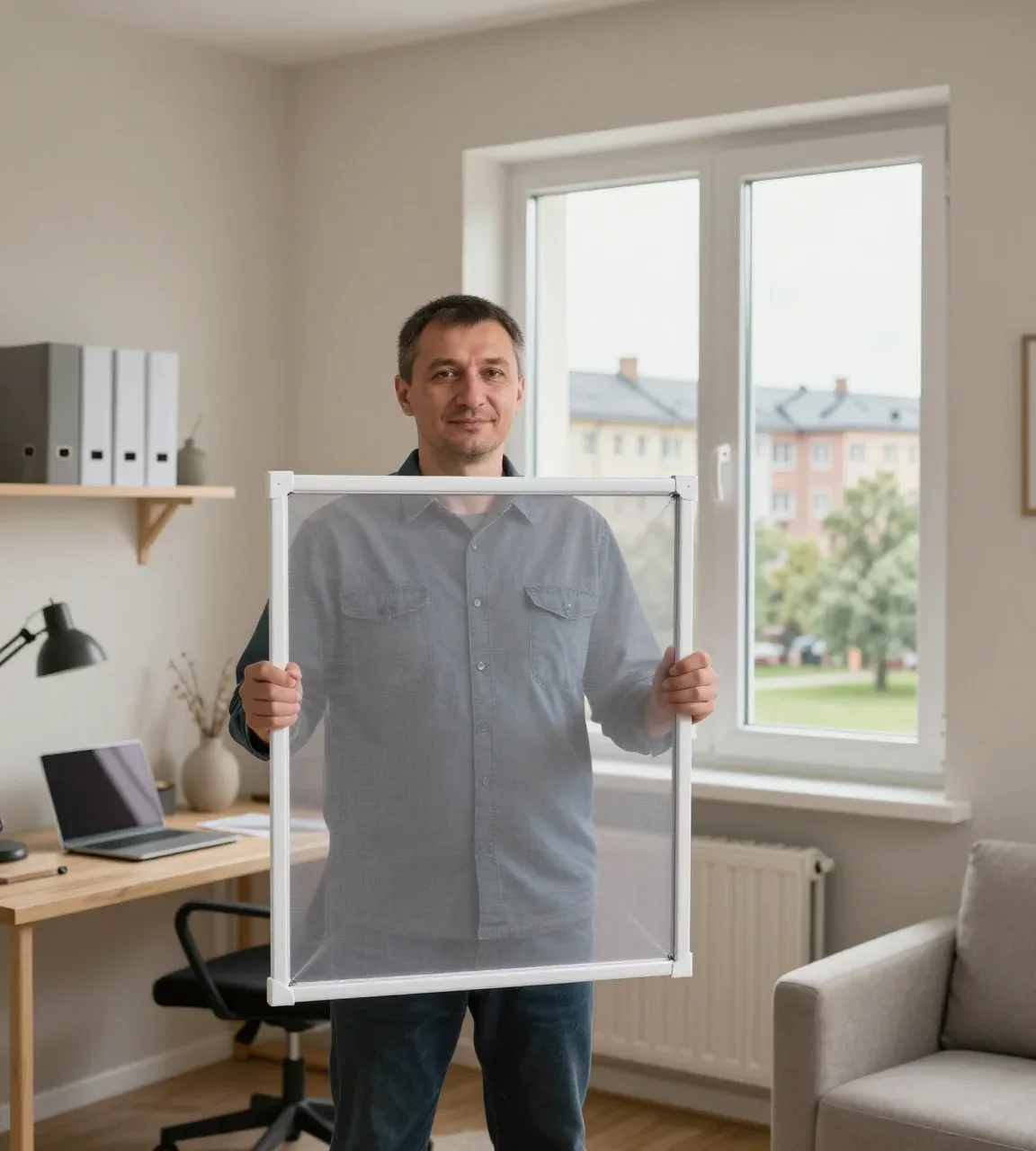
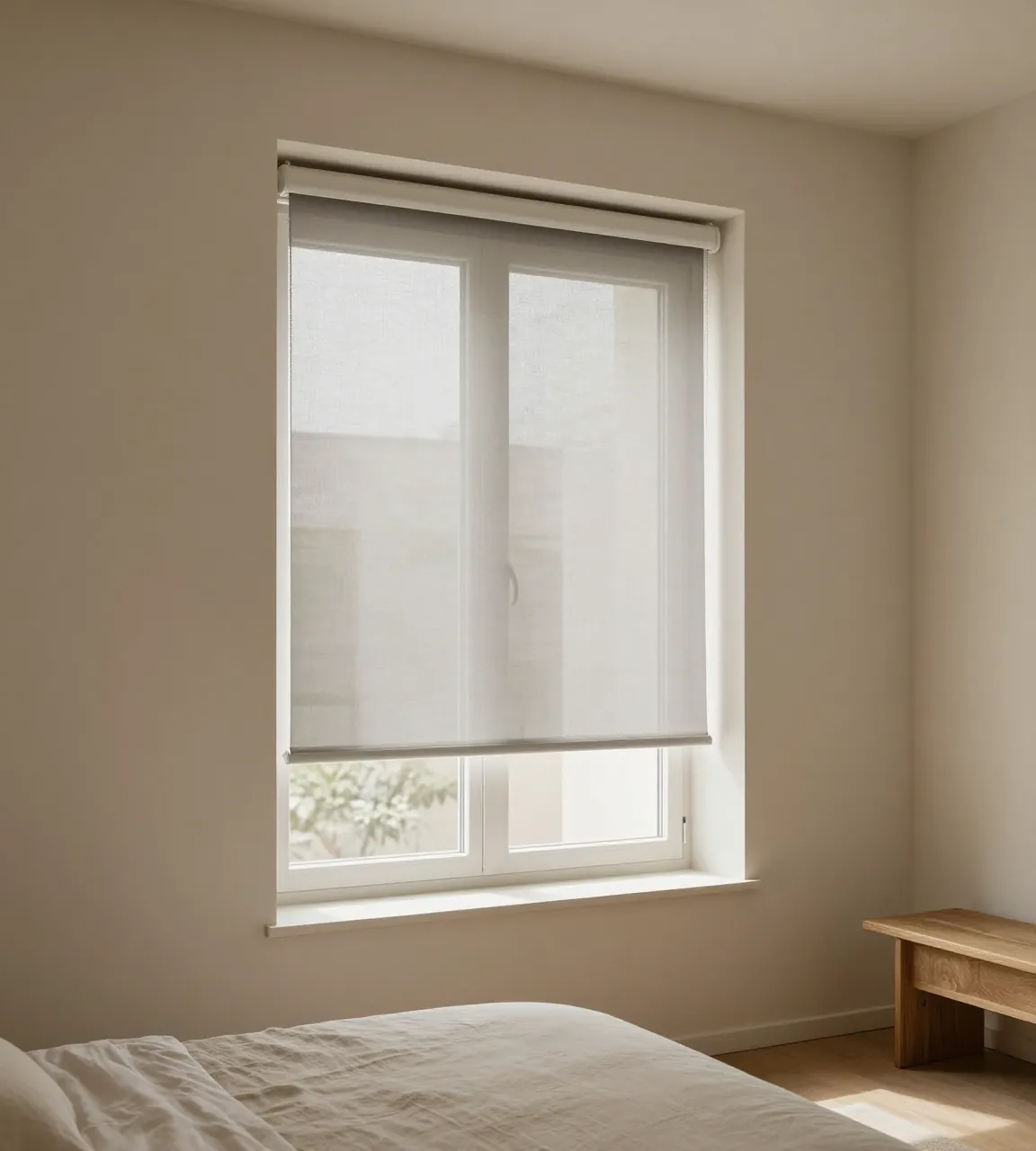
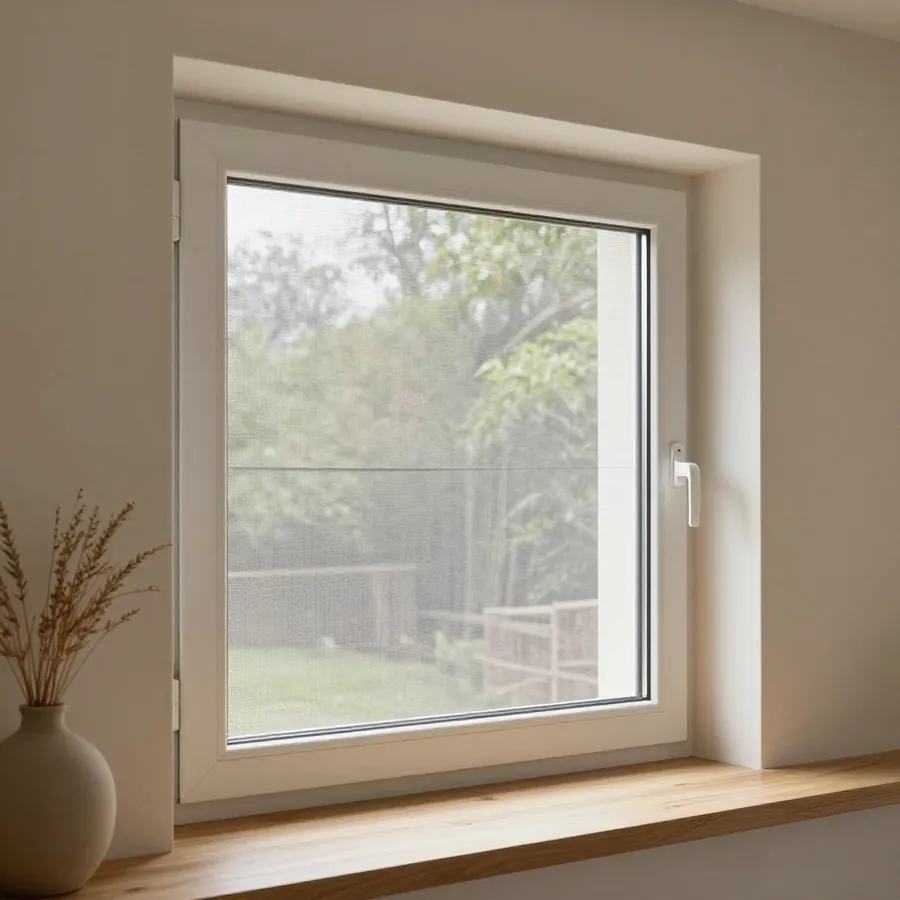
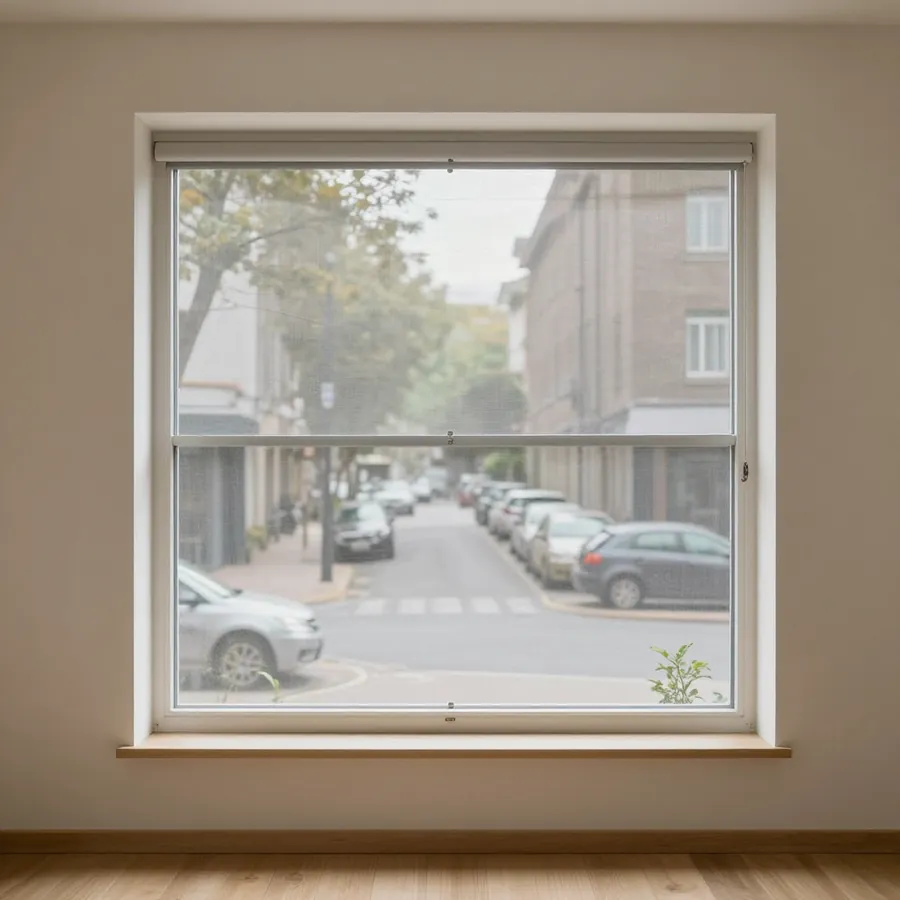
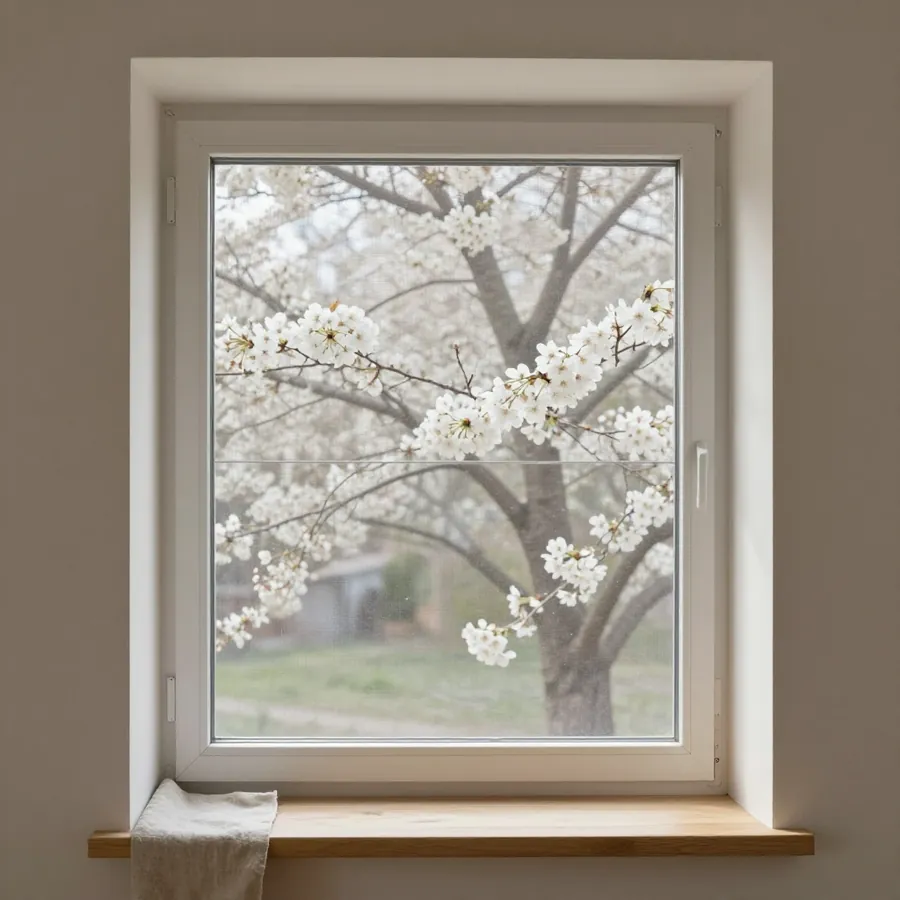
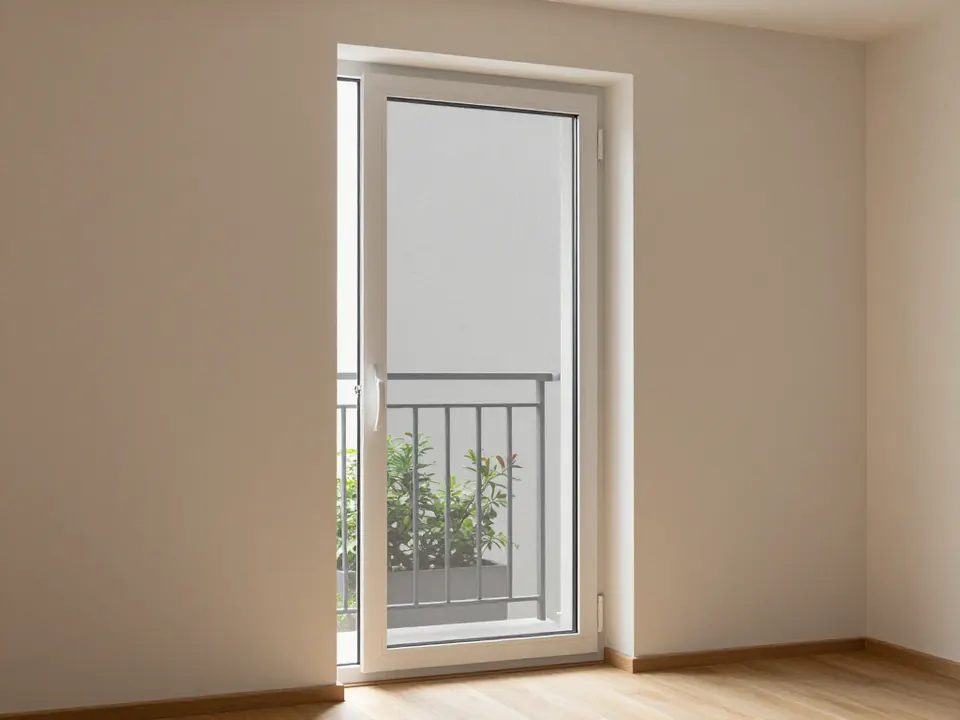
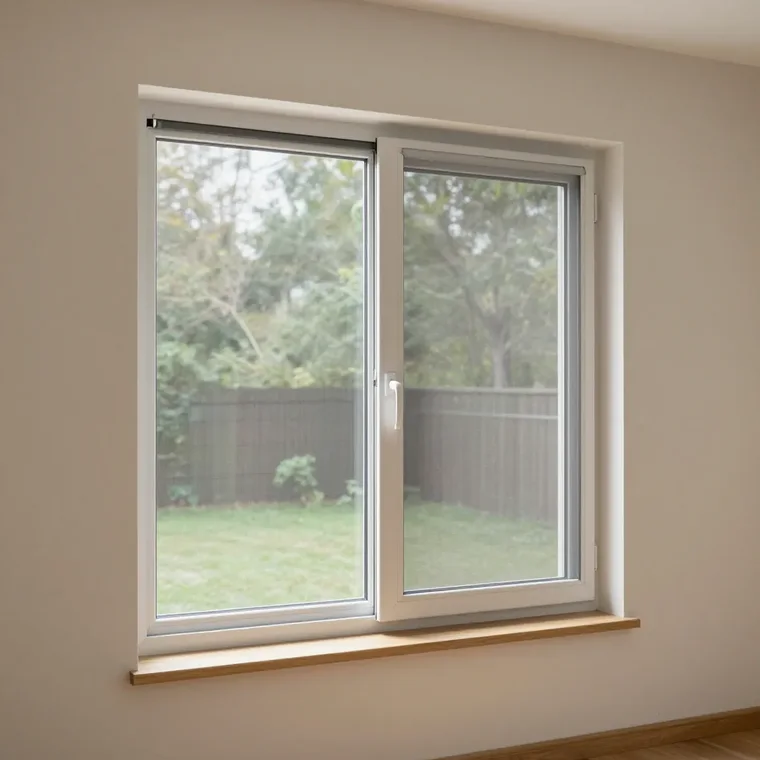
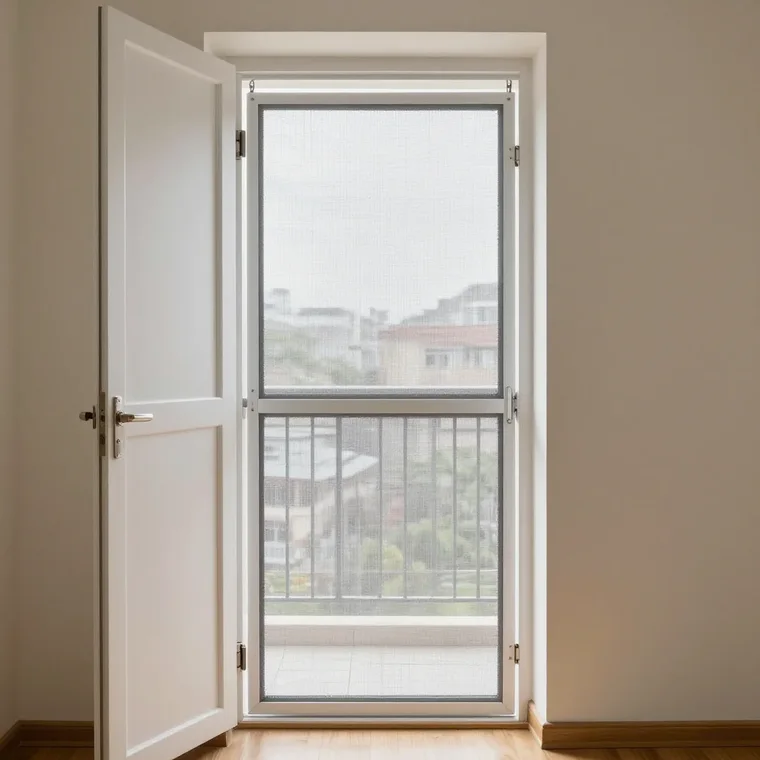
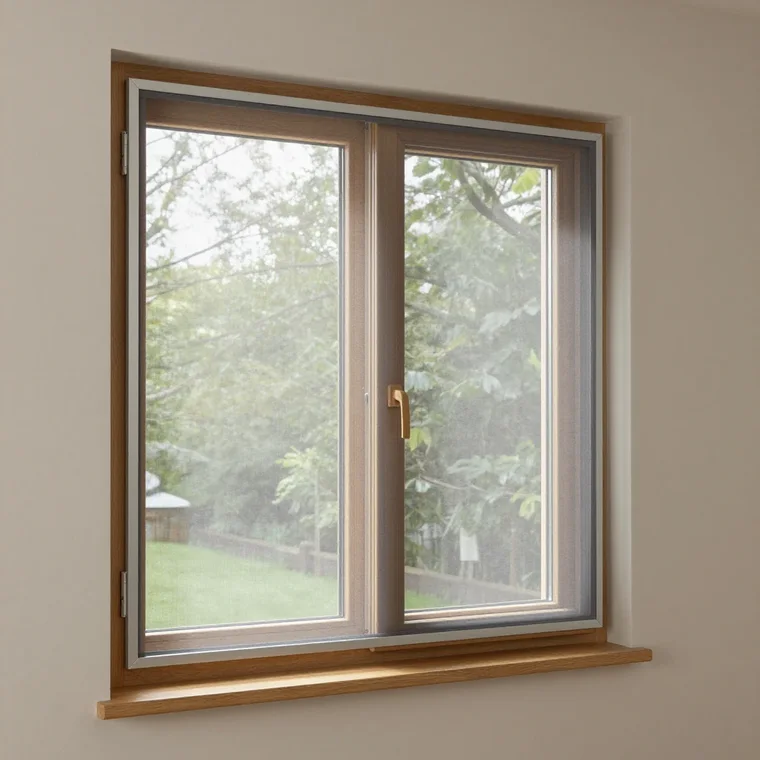
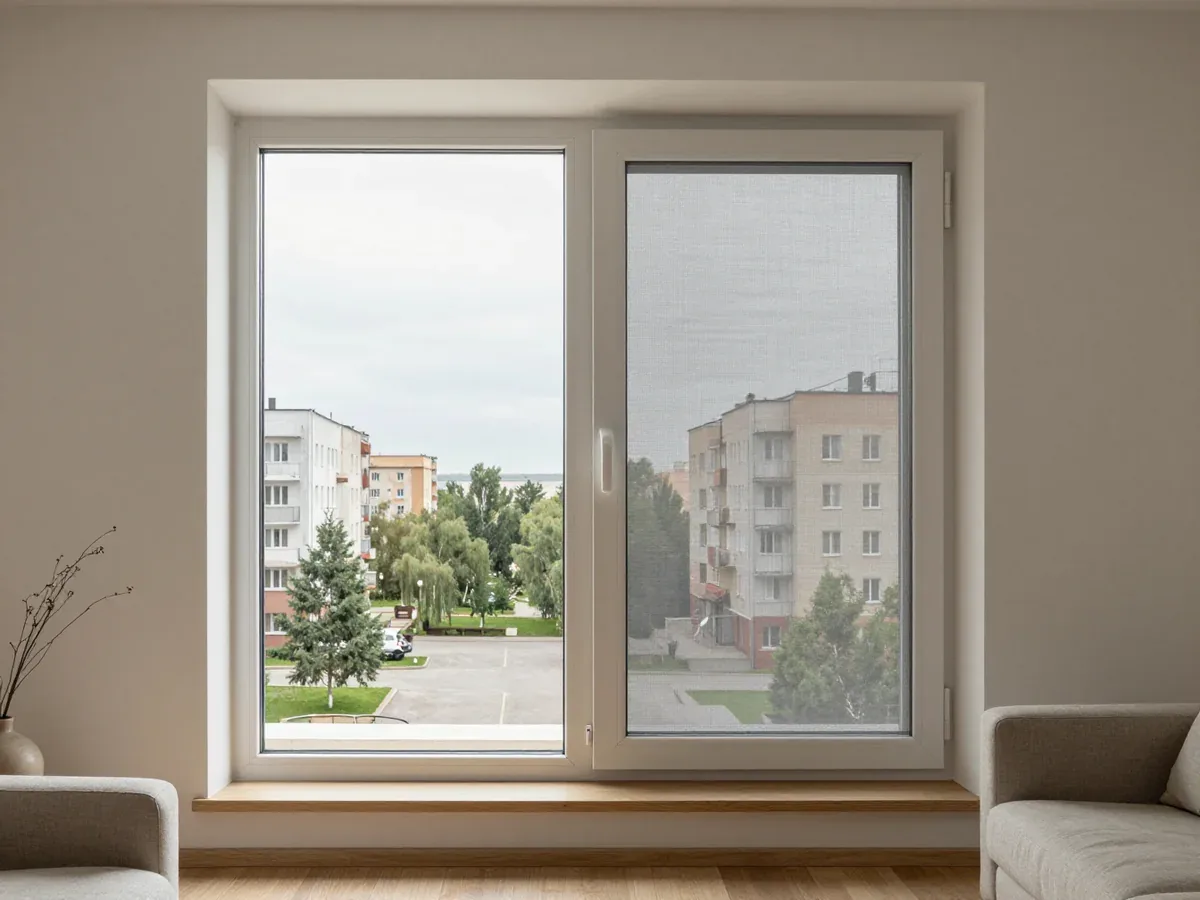
We fit screens on plastic, wooden and aluminium windows, small vents, loggia glazing, gazebos and verandas, matching the construction to each opening. A plastic casement in a flat usually suits a framed model, while timber or aluminium may call for different fastenings. A gazebo or veranda is better served by a framed or sliding screen: it lifts out from the inside in a minute, so it stays out of the way during seasonal cleaning. For a balcony door the choice shifts toward a hinged leaf or a pleated model that folds aside. I would start from how often you open the opening — that single question narrows the shortlist faster than any catalogue.
Framed, sliding, pleated or roller — what each one is for
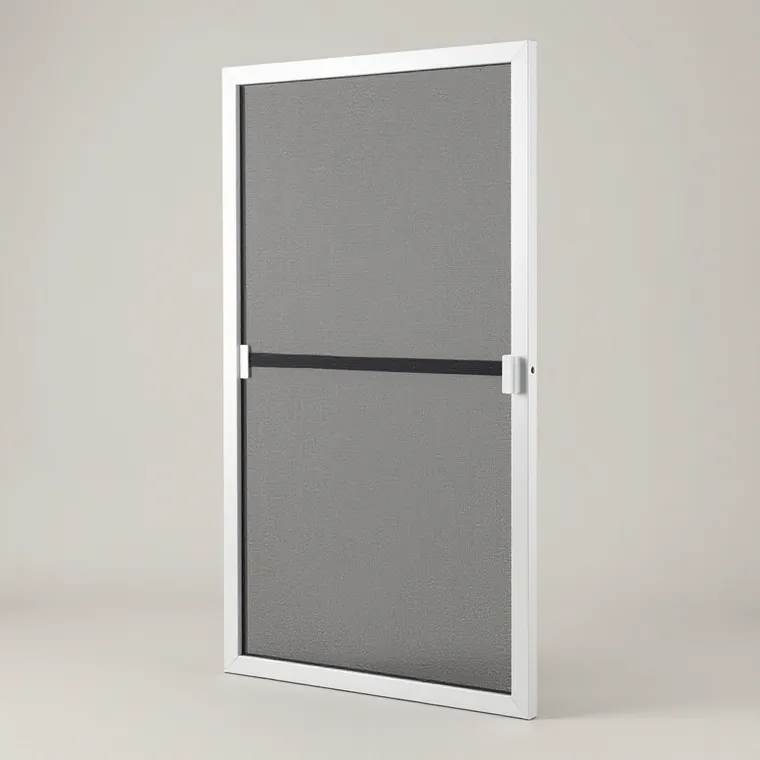
- Framed: the universal base for an ordinary casement, made to your size and lifted out from inside in a minute.
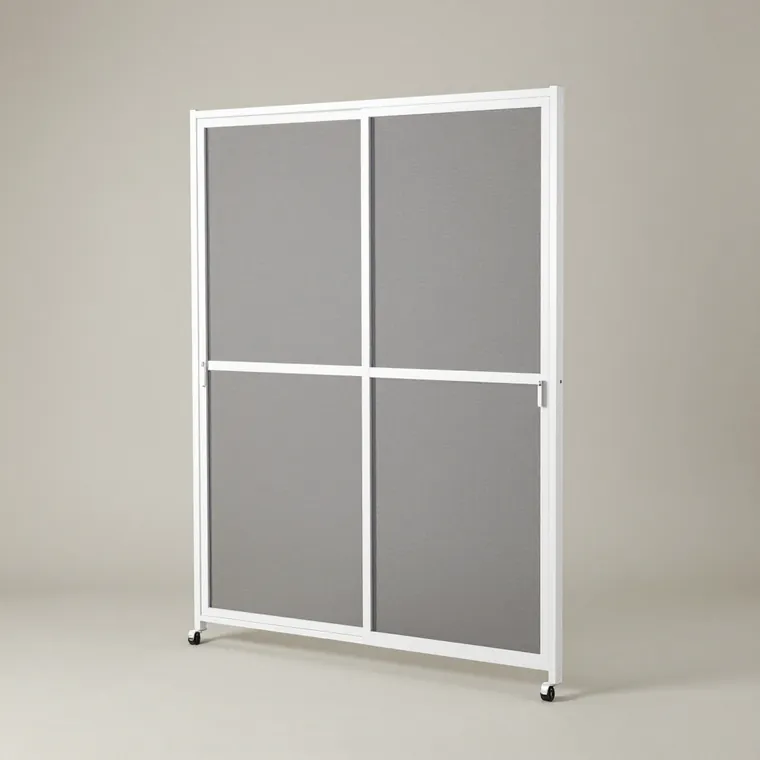
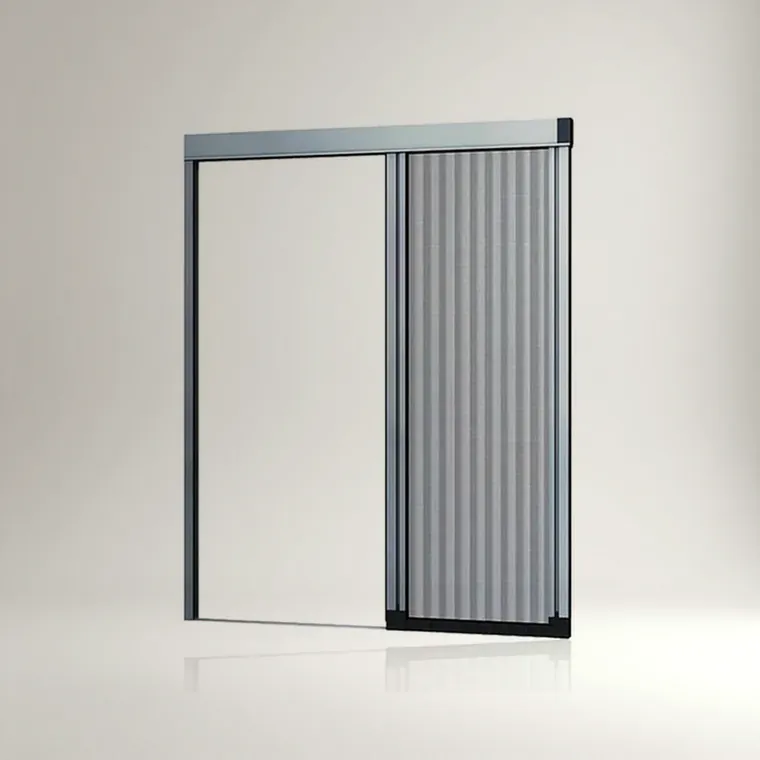
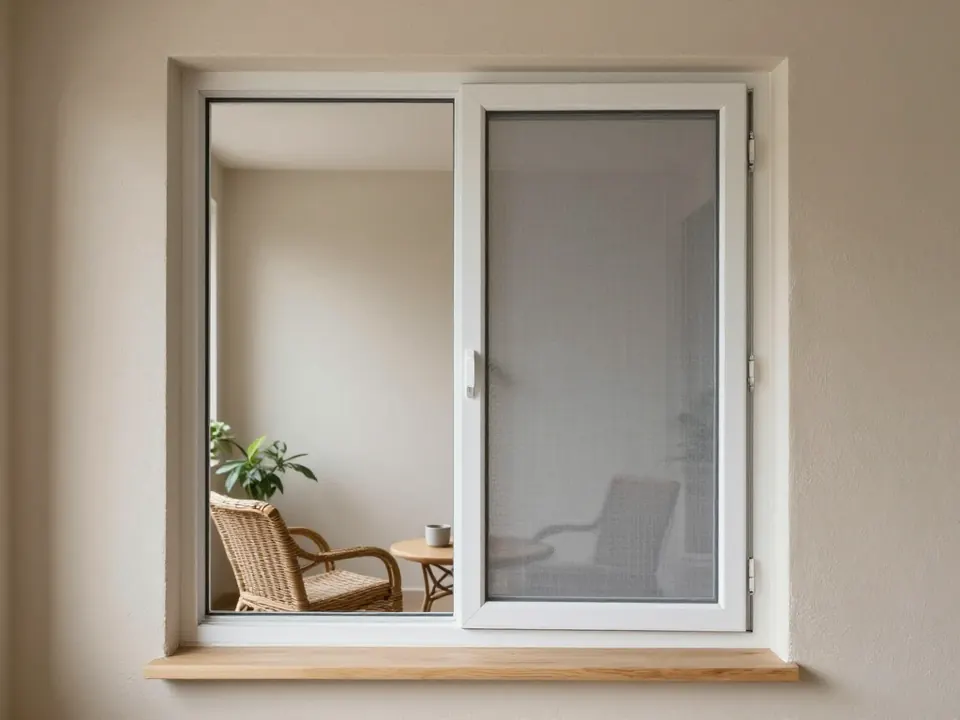
- Sliding: runs on guides and suits sliding glazing and balcony leaves where a swinging section would block the way.
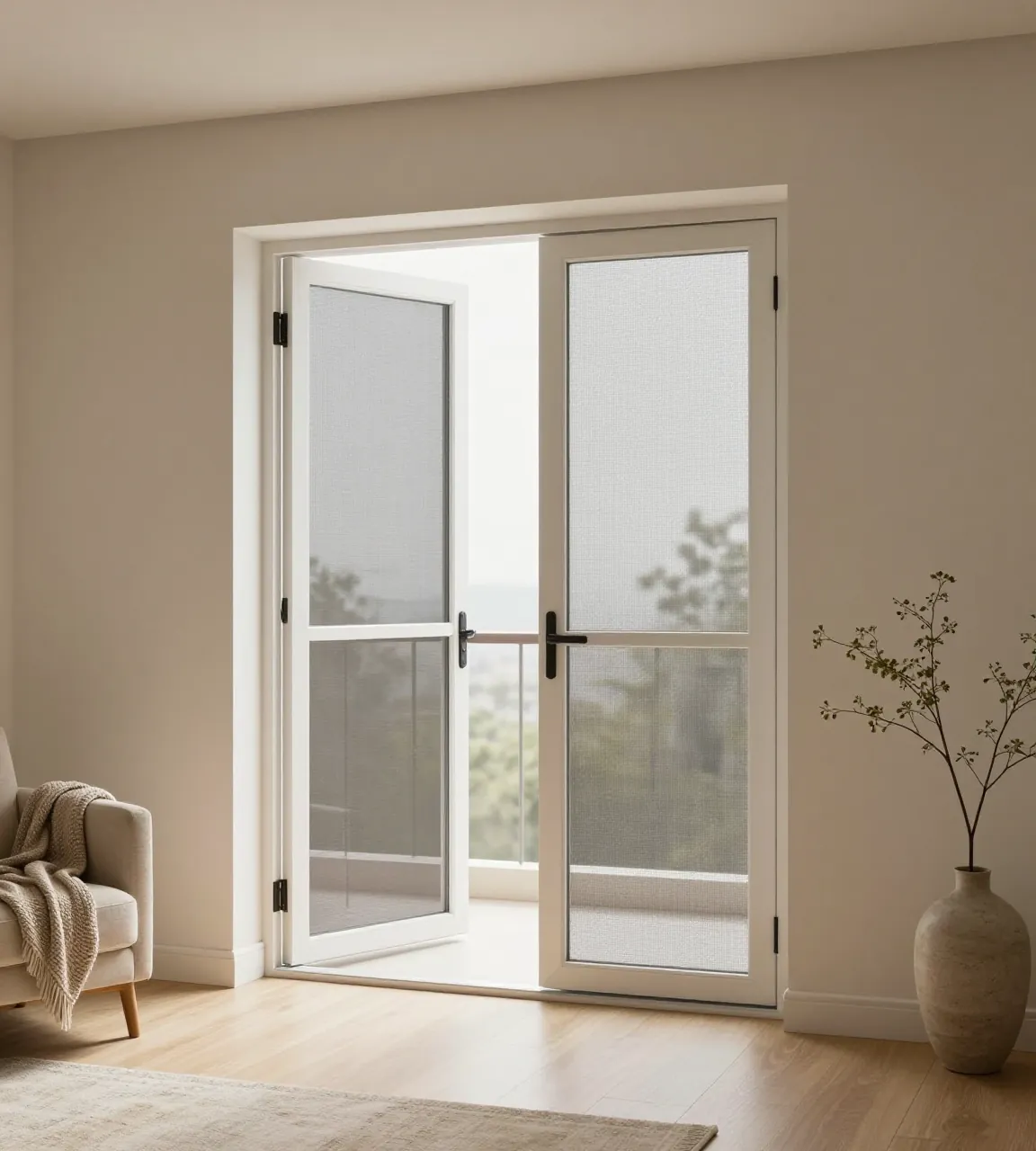
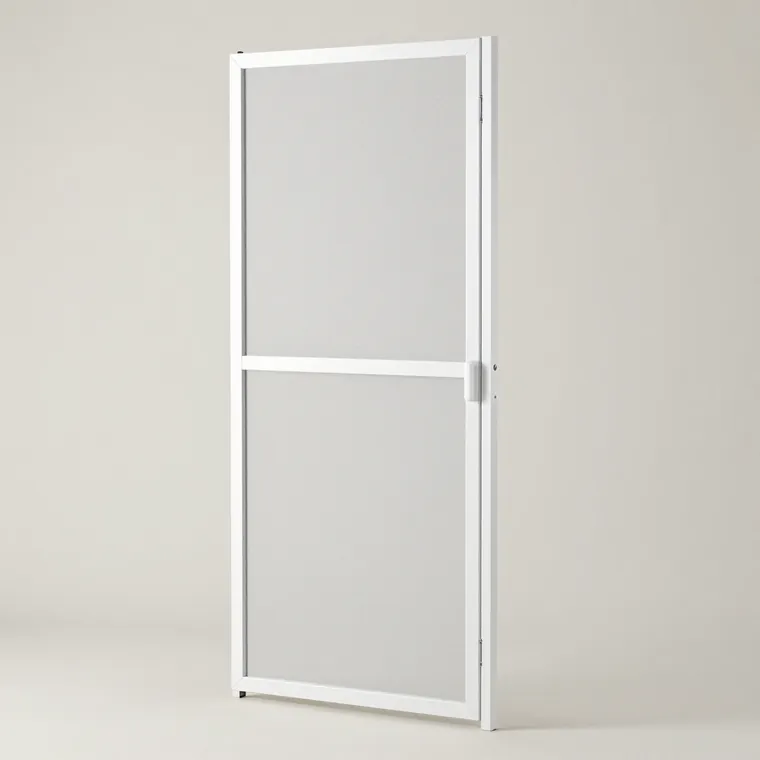
- Hinged leaf: opens like a door and comes with Economy 32×10 mm or Prestige 42×17 mm profiles.
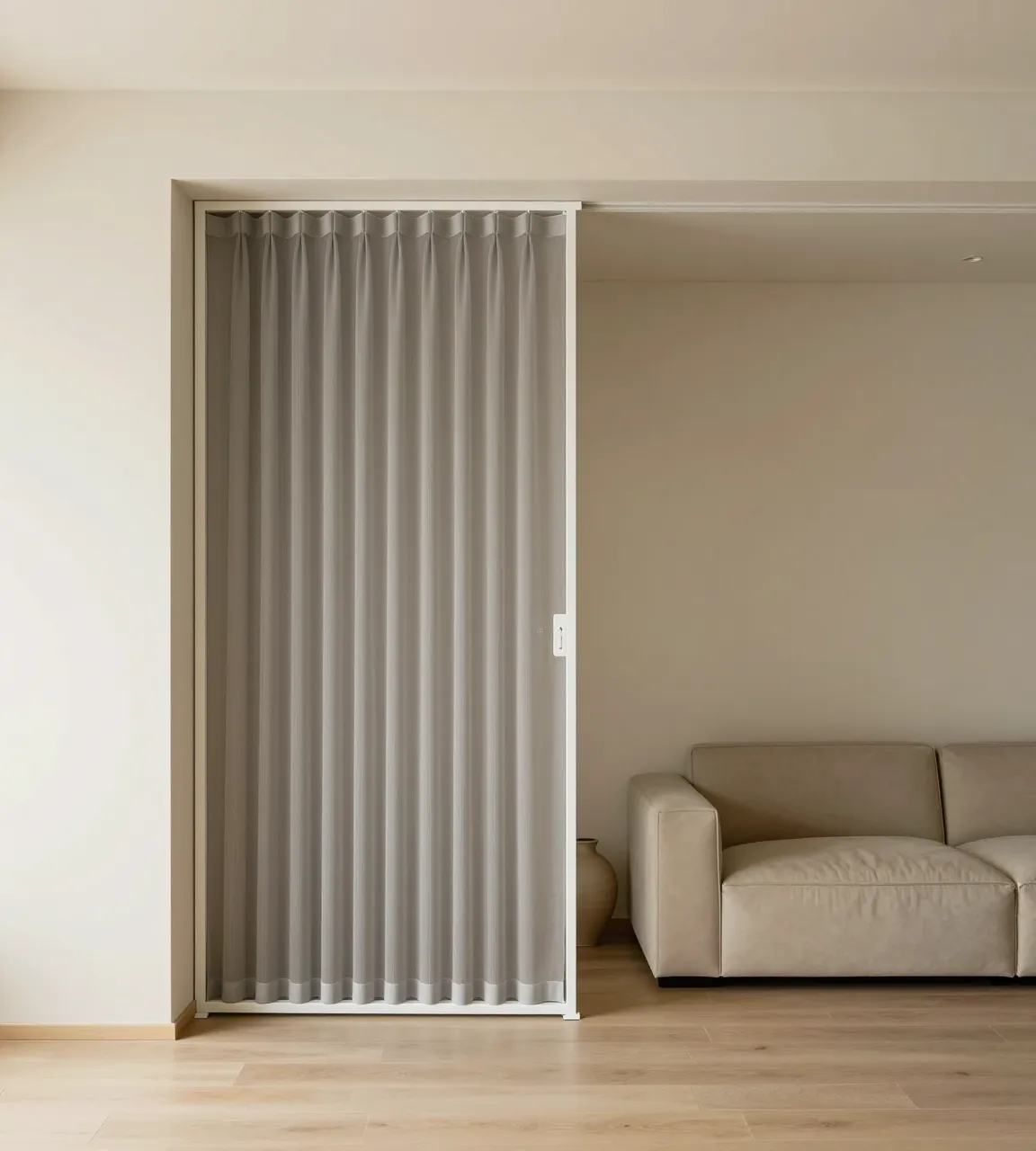
- Pleated: folds like an accordion on a balcony leaf and saves space where a swinging section would crowd the passage.
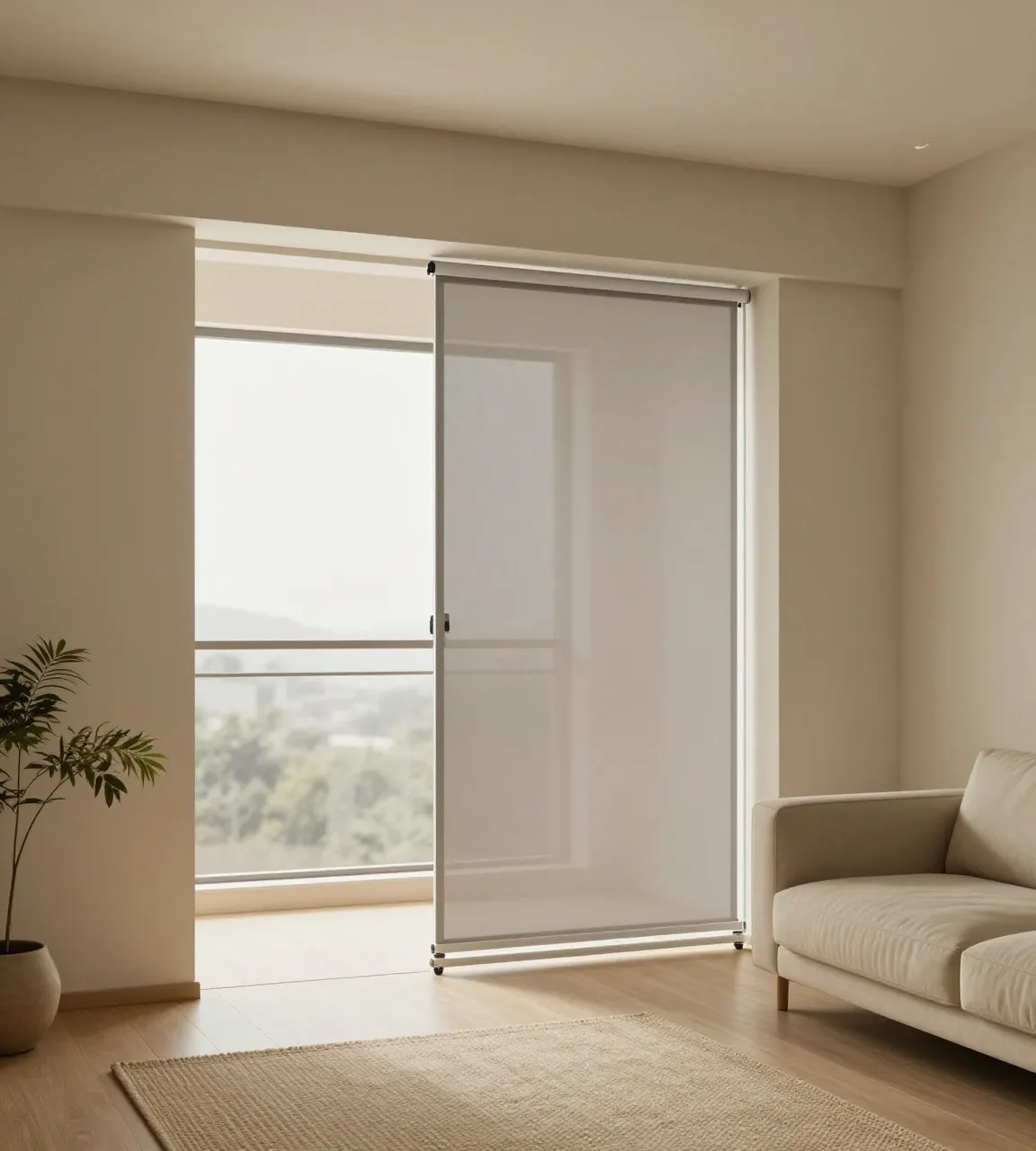
- Roller: rolls up out of the way when you need the opening clear, handy for entrances in constant use.
Non-standard shapes, small vents and openings that are not square
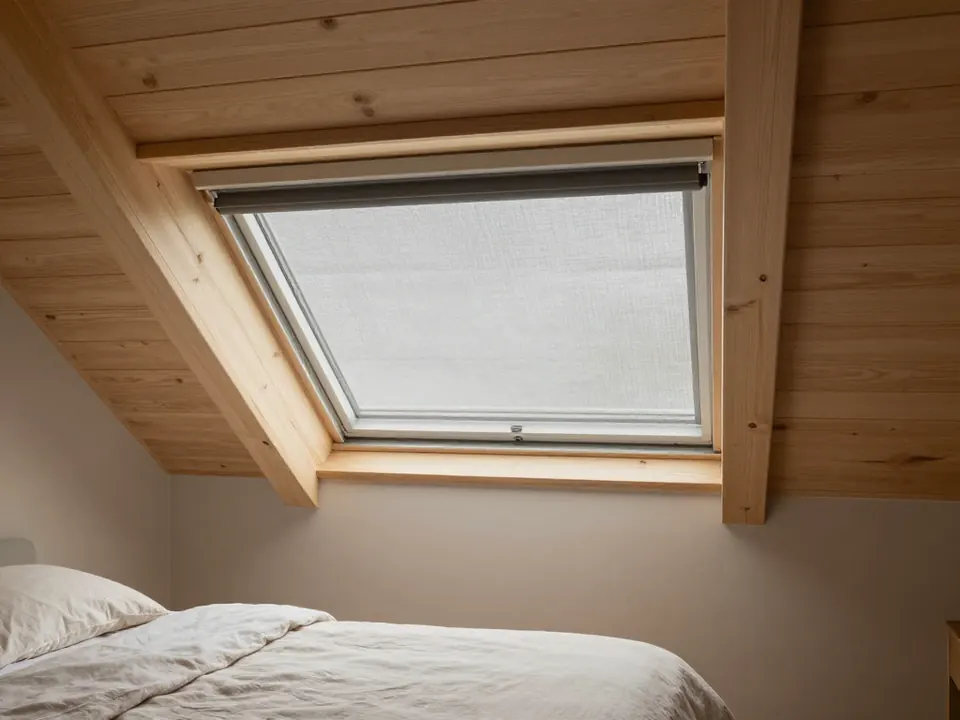
We make screens to individual sizes, so a small vent, a narrow opening or a non-square frame is not a problem — the measurer takes exact dimensions on site. Measuring and consultation are free, and the measurer comes at a convenient time, takes sizes and helps choose the design, mesh and fixings. On an irregular opening the fixing point matters more than the shape of the surround: it decides whether the screen sits tight and stays free of draughts. A vent that opens awkwardly often suits a pleated or roller model, because a swinging section would catch on the reveal.
Picking mosquito screens for pets, dust, pollen and daylight
The mesh decides what the screen actually does — keeps a cat in, keeps grit out, blocks pollen or lets more light through. Here is what each one is for and how to match it to your window.
Five meshes and the problem each one solves
| Mesh | What it is for | Key parameter |
|---|---|---|
| Standard (Fiberglass) | Everyday protection, general use | Fire- and temperature-resistant |
| Ultravue (Ultravue) | Bright, sunny and panoramic windows | 25% more light and air |
| Anti-Cat (Pet Screen) | Homes with cats and small pets | Vinyl threads hold a pet's weight |
| Anti-Dust | Street grit and fine particles | Denser than standard |
| Anti-Pollen (Poll-Tex) | Allergy season, airborne pollen | 0.25×1 mm cell |
| Metal mesh | High wear, stronger demands | Metal construction |
| Krylo | Shaped and non-standard openings | Flexible profile |
Ultravue and the mesh that keeps the room bright
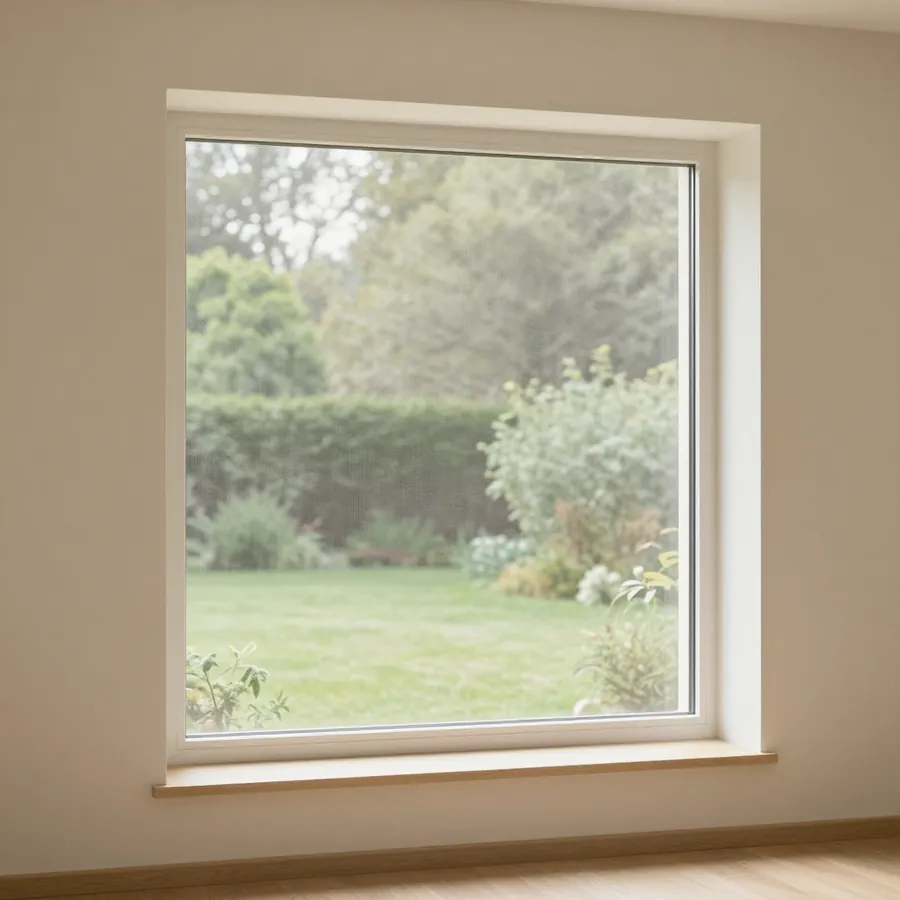
Ultravue lets in 25% more light and air than other meshes, so it suits panoramic windows and south-facing rooms where a standard weave visibly dims the interior. We fit it on balcony glazing and full-height windows, where the frame runs edge to edge and every percent of daylight counts. The weave stays fine enough to keep small insects out, and the frame can be painted to match your window profile. On a north-facing wall the light difference is barely noticeable — there protection from grit matters more than transparency, and a denser option earns its place. If a room already feels dim, ask the measurer to hold a sample against the glass before you decide.
Pet Screen, anti-dust and anti-pollen meshes side by side
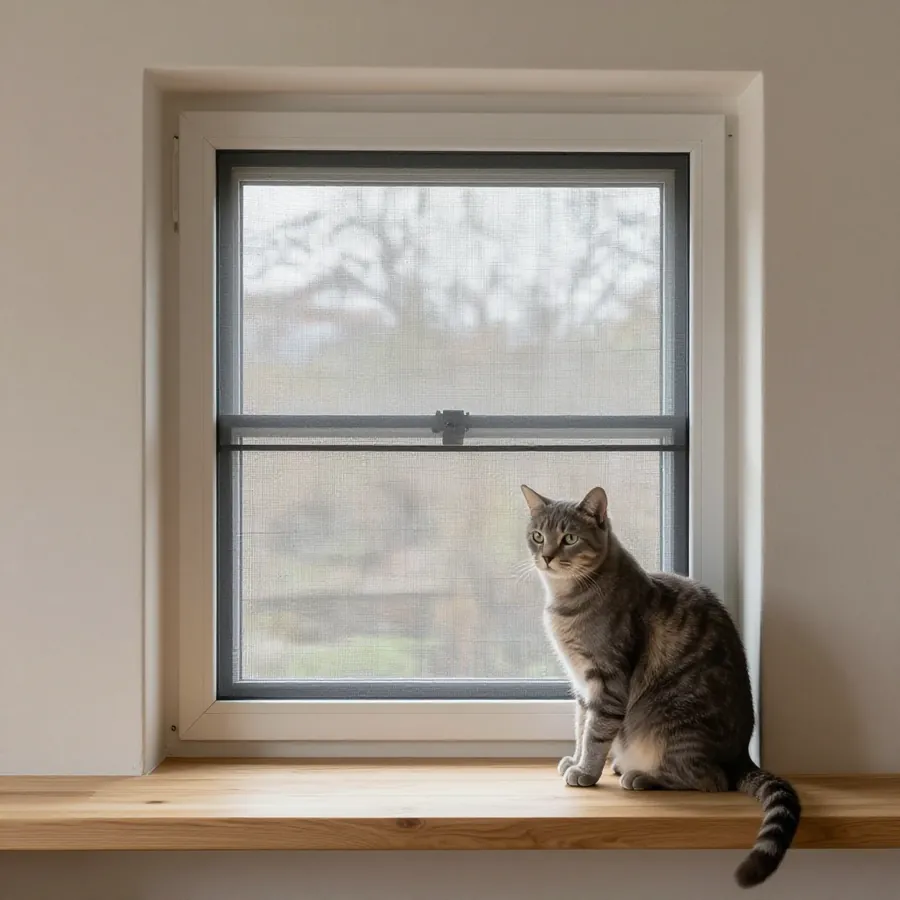
Pet Screen holds the weight of a small animal thanks to vinyl threads several times stronger than standard fibreglass, Poll-Tex has a 0.25×1 mm cell that traps airborne grains, and the anti-dust option is denser against street grit. These three solve different problems, and one product rarely covers them all. In a home with a cat and an allergy sufferer, the usual split is Pet Screen on the rooms the animal reaches and Poll-Tex on the bedroom, so the sleeping space stays clear while the cat keeps its view. The anti-dust version suits ground-floor flats facing a road, where particles settle on the sill within a day. Tell the measurer which room needs which, and the order carries the right mesh to the right opening.
How the order for mosquito screens runs from measuring to fitting
An order moves through four steps — measuring, making, fitting and payment — and each stage has a clear timing and a result you can check on the spot.
The measurer comes to you and the measuring is free
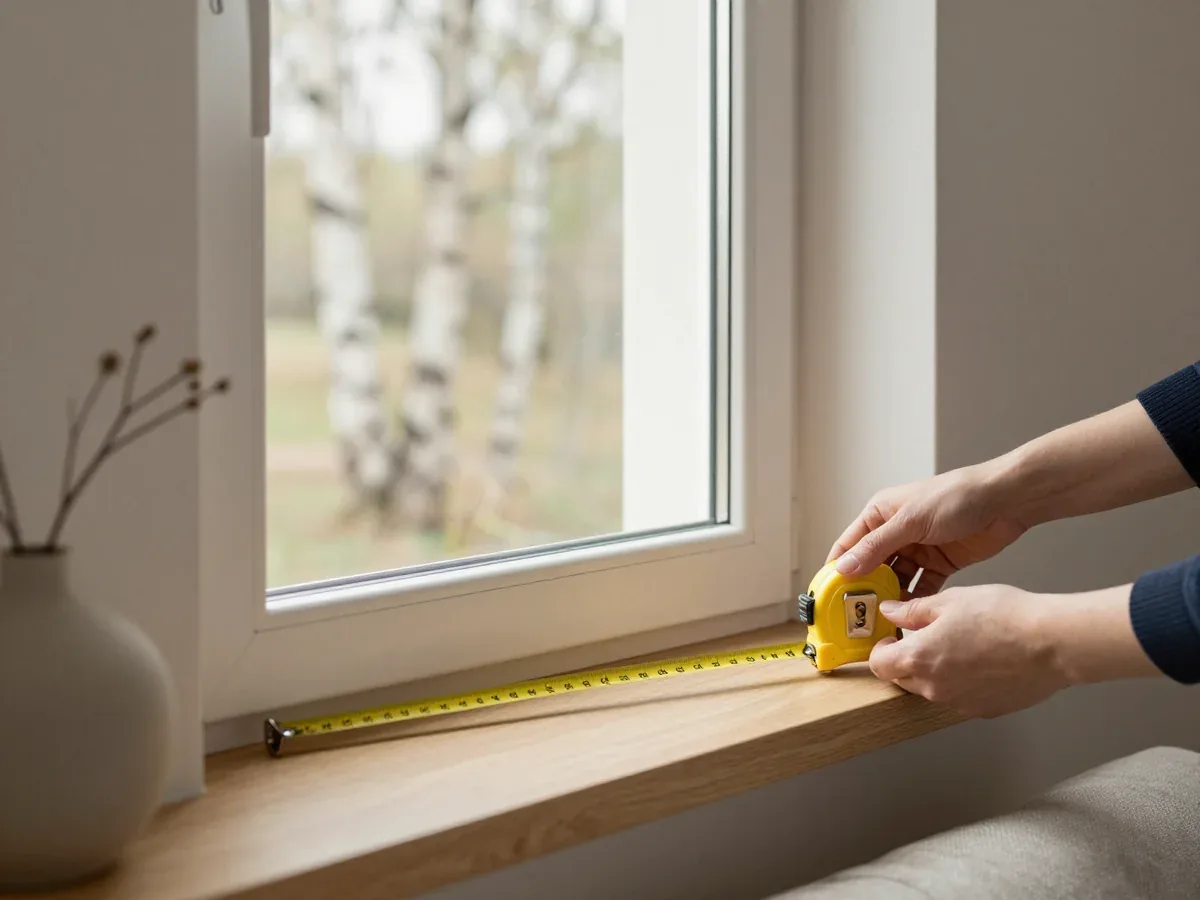
Measuring and consultation cost nothing: the measurer arrives at a time that suits you, takes the sizes and helps you choose the frame, the mesh and the fixings. He checks the window profile, the sill and how the sash opens before writing anything down, because a balcony door and a small vent are measured differently. On that visit you see the five meshes in person — Fiberglass, Ultravue, Pet Screen, anti-dust and Poll-Tex — and the profile samples for hinged door models, Economy 32×10 mm or Prestige 42×17 mm. Ask for the fixing to be written into the order at the measuring stage — changing it after the frame is made means new holes in the profile. If you are planning mosquito screens in Taldykorgan, the measurer will take the sizes on site and help you settle on the design.
How long a framed or pleated screen takes to make
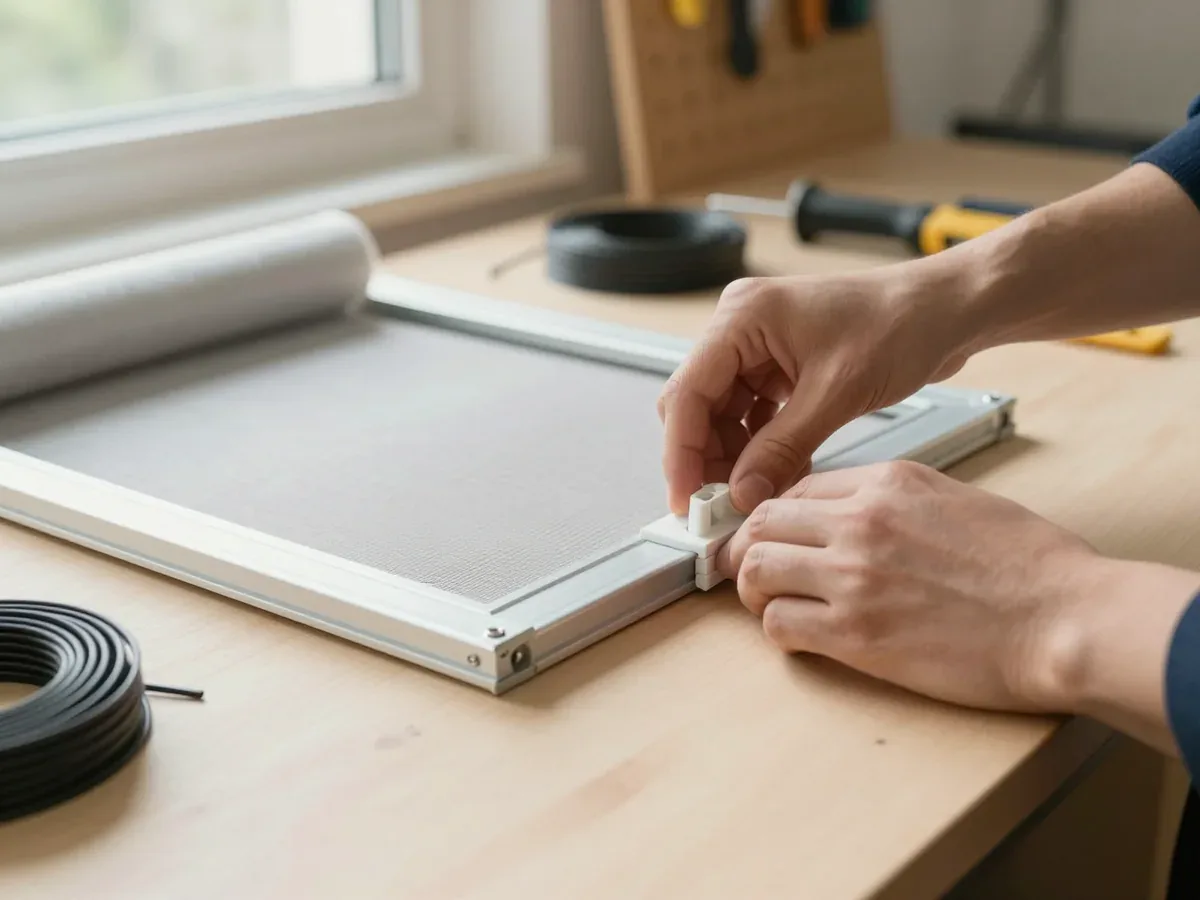
A framed unit cut to your size takes 10–15 minutes, a pleated version 40–60 minutes, and both are assembled while the measurer's sizes are still fresh. The frame is cut from profile, the netting is stretched and fixed into the groove, and the corners are joined — a framed product leaves the bench ready to hang. Pleated models take longer because the cord, the tension and the fold stack have to be set by hand before the panel runs smoothly. When several windows are ordered at once, framed items are made as a single batch on a single visit, so fitting does not stretch over several days. Order the whole flat in one go rather than window by window — a second call-out for an extra piece costs you another waiting slot.
Fitting, checking and paying after installation
- Delivery and fitting: we bring the finished products and mount them on windows and doors, including balcony doors and gazebo openings.
- Checking on site: the fitter opens and closes each unit, checks the tension and the fastenings, and removes any play in the frame.
- Payment after installation: you pay once everything is hung and checked — cash, card or Kaspi, whichever suits you.
- Fixed price: the price is set in the order after measuring, so the sum does not move by the day of fitting.
How mosquito screens are fixed and whether your window gets drilled
The mounting hardware is chosen to suit your window frame and storey, never picked at random. Below are the options we work with and how each one behaves in real use.
Z-brackets, pins or magnets — what the measurer picks and why
The measurer chooses the fastener to suit your frame and storey — Z-shaped brackets, pins (plungers) or magnets. Z-brackets hook onto the sash and hold a framed unit tight against it, which suits most plastic surrounds. Pins sit in the groove and let the mesh click in and out without tools, a common choice for timber. Magnets pull the panel flat to a smooth surface and release with a light pull, handy on aluminium. We keep all three in the van, so the fitter does not have to reschedule if the first option does not sit right. On an upper storey with strong wind, what matters is not the type of fastener but how tightly the frame meets the surround — and that is checked on site, with the unit in hand.
Fitting on plastic, wooden and aluminium windows
We fit screens to plastic, wooden and aluminium units, matching the hardware to the material and surround. On plastic sashes the Z-bracket grips the outer lip, so nothing is screwed into the sealed glass unit. Timber takes pins set into the groove, and the fitter checks the wood is sound before drilling. Aluminium sections are thinner, so magnets or short pins work better than brackets that need a deep lip. A wooden opening holds a fastener differently from plastic, which is why the measurer looks at the state of the surround before fitting — a soft or split edge needs a different approach. The same visit covers balcony doors, loggia units and gazebo openings.
High floors, wind and the fixing that holds
On an upper storey the panel is held by hardware matched to the frame and the wind load, not by the surround alone. On an upper storey, gusts press on the mesh like a sail, and a loose bracket rattles or pops out. Z-brackets with a tight lip cope better than plungers here, because the load spreads across the whole edge rather than two points. If the sash opens outward, the fastener must let you lift the unit off from inside, without stepping onto the outer sill. A framed product comes off from the inside in a minute, which also makes winter removal safe high up.
Frame colour, winter removal and keeping mosquito screens in shape
A frame can be matched to your windows so the screen disappears against the facade, and taking it down for the cold months keeps the fabric in better shape. Both points are worth sorting out before you order.
Painting the frame to match your windows
We paint the screen frame any colour to match your windows, so it does not stand out on the facade or clash with the profile around it. We paint the frame so the corners and joints are covered too, not just the flat faces. Matching is done by eye against a profile sample rather than by a colour code, because a white plastic window and a white aluminium one read differently in daylight. On wooden windows we lean towards warmer beige and brown shades that sit closer to a timber finish. Pick by the outside face of the window, not by the room — that is the side the street sees, and the one that has to blend in with the building.
Why a framed screen is worth taking off for winter
A framed screen lifts out from inside in about a minute, and it is worth taking down for the winter so the fabric is not worked by snow, ice and wind load for months on end. The aluminium frame handles frost without trouble; the cloth and the fastenings are what suffer. Ice packed into the threads stiffens them, and repeated freeze-thaw cycles loosen the tension until the fabric sags. Store the removed unit upright in a dry place — a closet wall or a garage shelf works — rather than flat under something heavy, so the profile does not take a set and the panel keeps its shape for the next season.
Cleaning the mesh without stretching it
- Soft sponge and plain water: wipe the cloth gently on both sides, working top to bottom so loosened dust falls away.
- No pressure washers or stiff brushes: a strong jet pushes threads apart and a hard brush pulls the fabric out of tension.
- Mild soap for greasy film: a little dish soap in warm water lifts cooking residue from kitchen windows without attacking the coating.
- Careful work on Poll-Tex: the anti-pollen cloth has a 0.25×1 mm cell, so it clogs faster and needs a lighter hand.
- Dry before refitting: let it air-dry flat, then check the tension — a panel that dries while stretched stays stretched.
Repairs, warranty and ordering from a direct maker
Once a screen is fitted, it stays on our service list: we repair torn mesh, replace worn fastenings and honour the warranty on every unit we make. Here is how those terms work in practice.
Repairing a torn screen and replacing worn fastenings
We repair screens and replace fastenings when the mesh tears or the brackets wear out. A torn panel rarely means a new frame — in most jobs the profile, corners and spline are still sound, so we re-mesh the existing unit and refit it on the same opening. Fastenings are the part that ages first: Z-brackets bend, pins lose spring, magnets weaken after seasons of sun and frost, and the panel starts to rattle or drop out of its guides. The measurer checks which type your window carries and swaps the worn set without touching the frame. In our practice it is the fastenings, not the cloth, that go first: the profile outlasts the fixing points, so a bracket change restores a unit that looks ready for replacement. Send a photo of the damage on WhatsApp before you book.
The 1-year warranty and what it covers
Every screen we make carries a 1-year warranty. The cover runs on the finished product and on the fitting, so a sagging corner, a bracket that pulls out of the profile or a spline that slips is our job to correct, not yours. Because the same team measures, builds and installs, there is no gap between the maker and the fitter — one contact covers the whole chain. Keep the order sheet you receive after measuring: it lists the profile, the mesh type and the fastening set, and that record is what the warranty is checked against. If a problem appears, describe it in a message with a photo of the unit in place; most fitting issues are diagnosed from that alone. Report any rattle or gap early rather than waiting for the season to end.
WhatsApp, seven days a week and paying after fitting
- WhatsApp reply within 5 minutes: message us during working hours and a photo of your window is enough for a first recommendation.
- Open seven days a week: measuring visits and fittings can be booked for any day, weekends included.
- Payment after installation: you settle in cash, by card or through Kaspi once the screen is fitted and checked.
- Ordering across 17 cities of Kazakhstan: the same service runs beyond the city, so an order placed here can be fitted wherever the address falls on that list.
What determines the choice of mosquito screens
A mosquito screen rarely fails on quality — it fails on the details chosen before the order. Here is the short version.
- The opening: measure the window, balcony door, vent or gazebo span first — a framed panel, a sliding version and a pleated model are built to different shapes.
- The mesh: match it to the problem, not the price — Pet Screen for a cat, anti-dust or Poll-Tex for street dust and pollen, Ultravue when daylight matters.
- The fixing: confirm the bracket type against your window profile and floor, since Z-brackets, pins and magnets are not interchangeable between plastic, wood and aluminium.
- The colour and winter plan: agree on a painted surround that matches your joinery, and check that a framed model lifts out from inside in a minute for the cold months.
- The terms: read the 1-year warranty and confirm you pay only after fitting, once the unit is checked in place.



