
Compression and sash movement · adjustment
Sash adjustment
Simple adjustment without removal — from 3 000 ₸ per sash. Complex with removal — from 4 000 ₸ per sash.
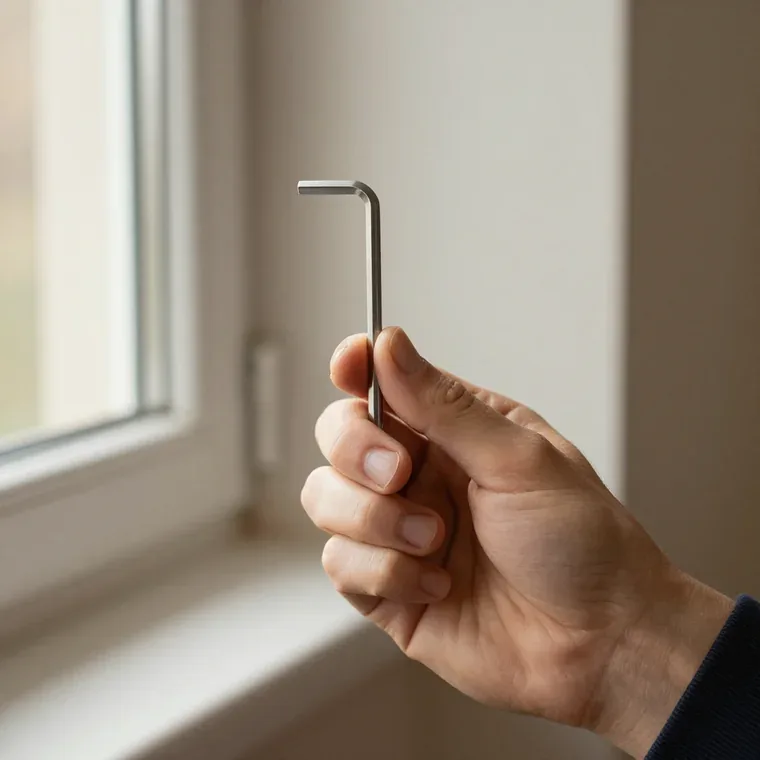

Sash adjustment
Simple adjustment without removal — from 3 000 ₸ per sash. Complex with removal — from 4 000 ₸ per sash.
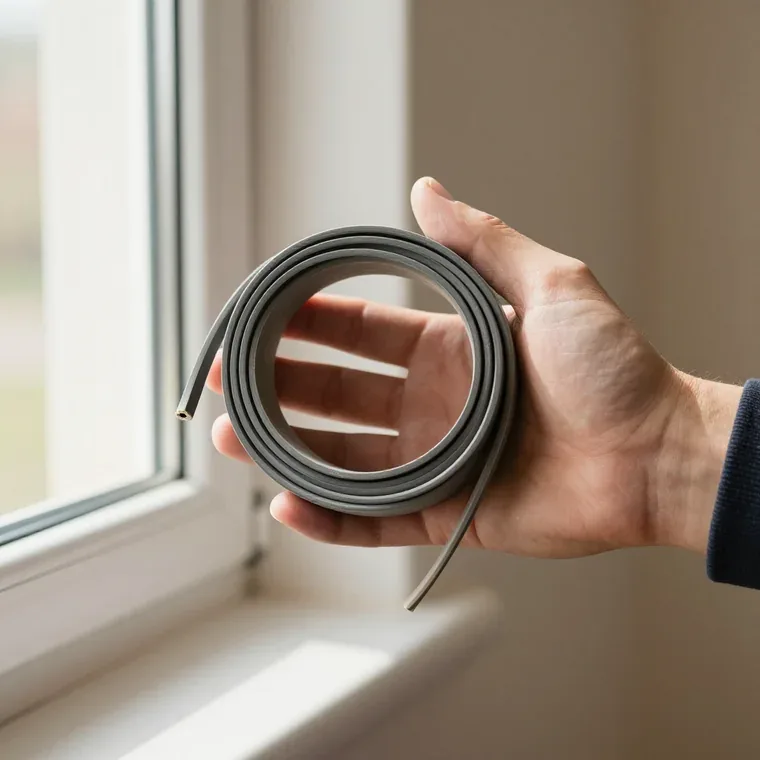
Seal replacement
We replace seals in windows of any manufacturer — from 1 000 ₸ per linear metre around the sash perimeter.
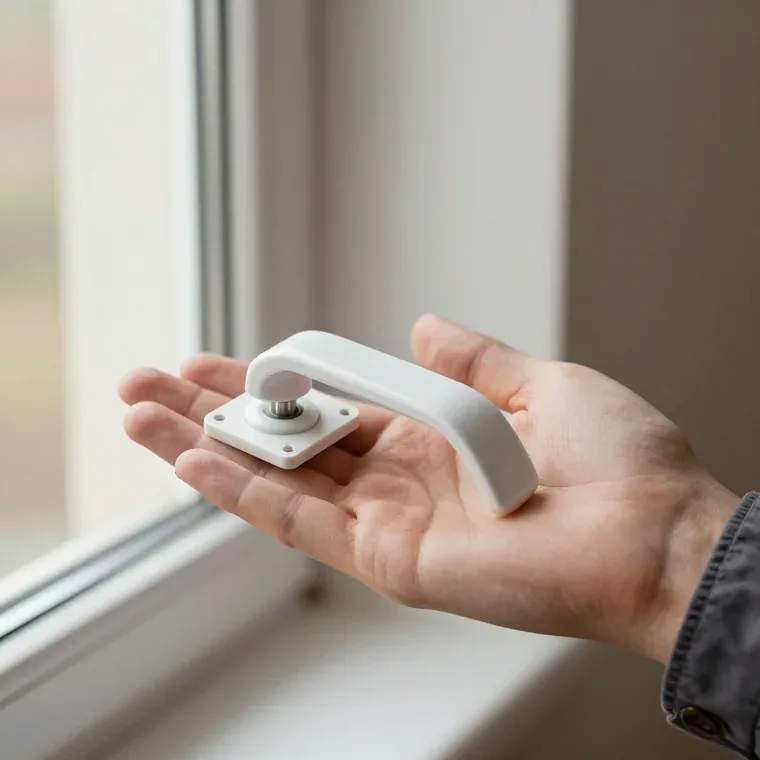
Handle and hardware
Handle replacement with a new part — from 2 750 ₸ per item. Locking mechanism repair — from 7 800 ₸ per job.
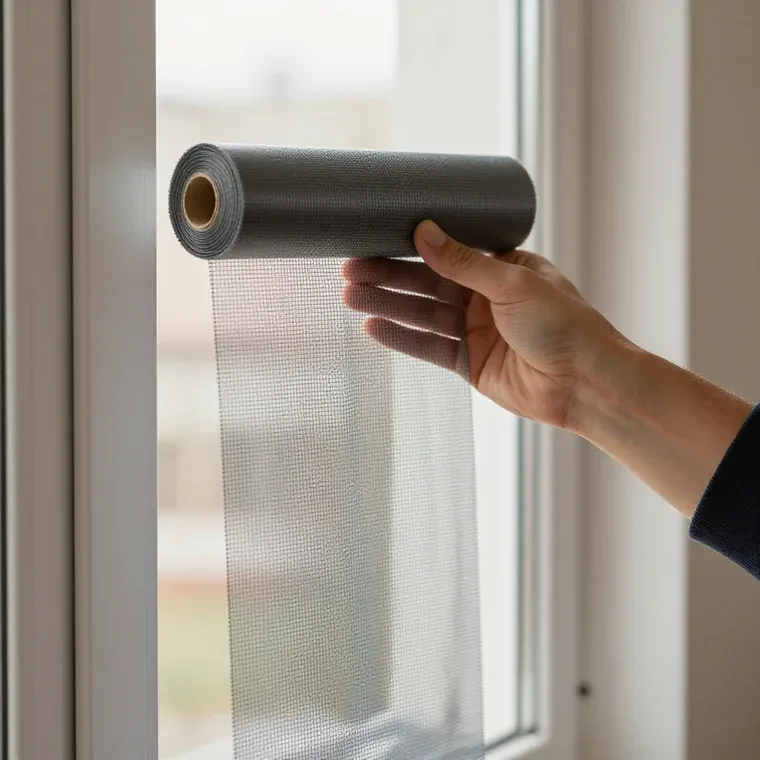
Hinge replacement
We replace hinges one by one — from 4 750 ₸ per item. We level a sagging sash.
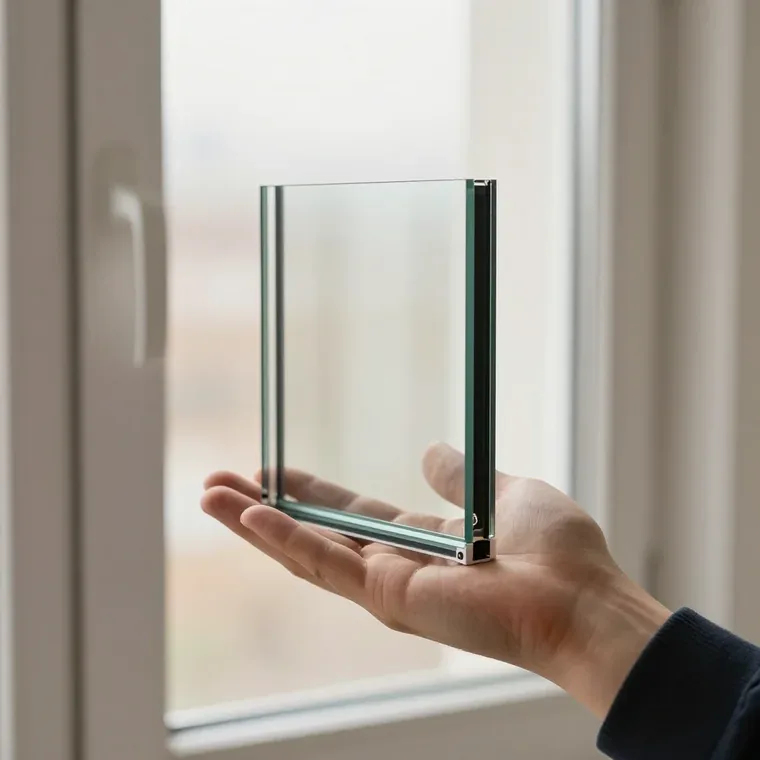
Double glazing replacement
We replace double glazing by area — from 19 500 ₸ per m². Broken glass without double glazing — from 8 000 ₸ per m².



5,097 reviews on review sites
Compression adjustment, hardware, hinges, handles, seal and double glazing — work on the sash and frame on site.
Window repair covers the parts that affect compression and sash movement: the locking mechanism, hinges, handle, and perimeter seal. The master works with plastic, wooden and aluminium windows, including vent sashes and loggia windows.
If the problem is in the glass, the double glazing is replaced by area or a separate pane. Warranty on window repair — 1 year for work and replaced components, on double glazing replacement — 3 years, on window installation — 5 years.
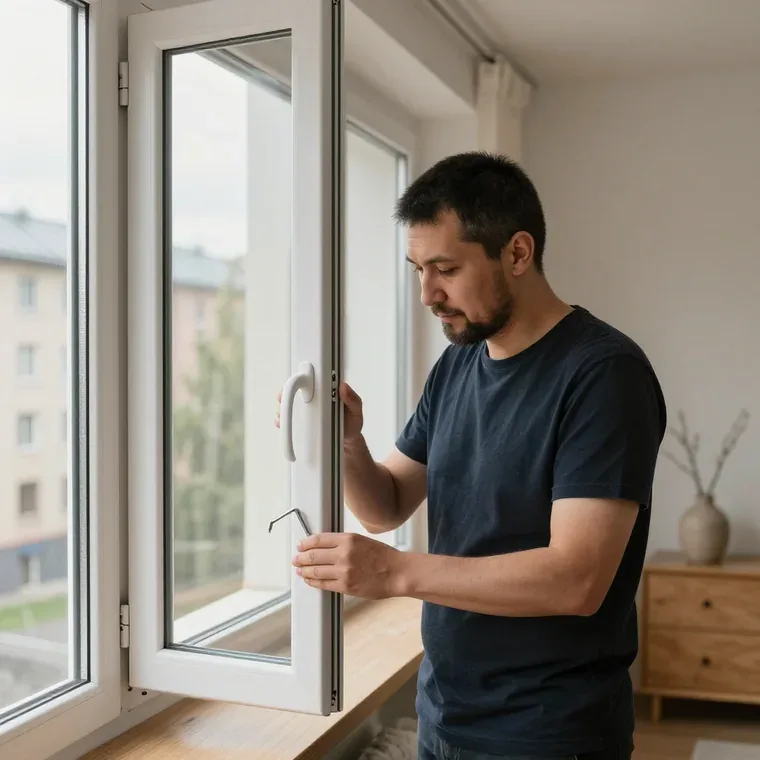
warranty on window repair and replaced components
warranty on double glazing replacement
warranty on window installation
The technician arrives on site, finds the cause and fixes it on the spot — from inspecting the sash to checking the seal.
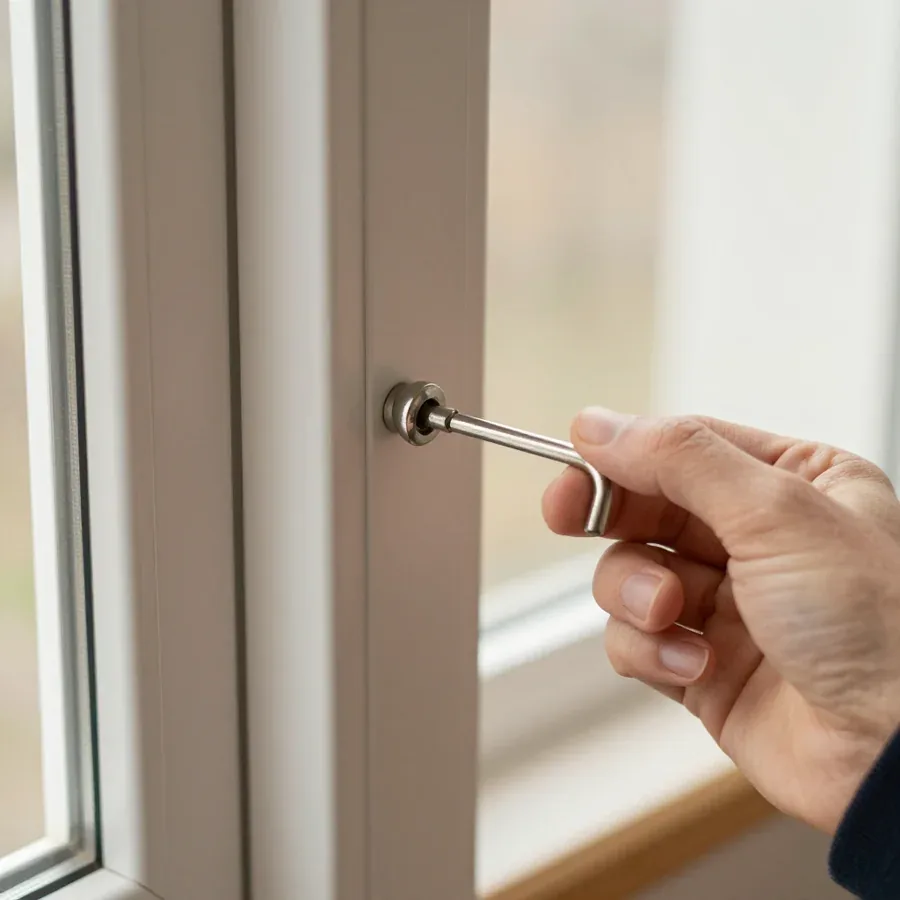
For each request, the technician brings tools for adjustment and replacement of hardware, as well as new handles, hinges and seals. The exact set depends on the described problem, so please specify which parts will be needed when you contact us.
If the unit can be adjusted, the seal and hinges are set. Worn parts — handle, seal, hinges — are replaced with new ones.
After adjustment or replacement of parts, draughts disappear, the sash closes tighter and moves smoothly without jamming. The handle turns smoothly, and the seal fits along the entire perimeter.
In case of cracks or broken glass, the double glazing is replaced by area, as well as individual glass without double glazing. The cost depends on the sash dimensions — see current prices in the price list and check with the technician when you contact us.
Five main works with 'from' prices: sash adjustment, replacement of seal, handle, hinges and double glazing. Units — sash, piece, linear metre, square metre.
per sash · without removal and with removal
We set the seal and sash position so the window closes tightly and without jamming.
per linear metre · along the perimeter
We replace the seal in windows of any manufacturer, including KBE, Rehau, VEKA and Provedal.
per piece · with new handle
We install a new handle instead of a broken or jammed one, and check the locking mechanism operation.
per piece · per hinge
We replace worn hinges so that the sagging sash stops catching on the frame.
per m² · by double glazing area
We replace cracked or broken double glazing while preserving the profile and sash hardware.
Price list for window works: unit of measurement and options are indicated for each group.
| Type of work | Price |
|---|---|
| Master visit and inspectionwithout repair order | from 3 600₸ per job |
| Simple sash adjustmentwithout removing the sash | from 3 000₸ per sash |
| Complex adjustment with sash removalwith sash removal and reinstallation | from 4 000₸ per sash |
| Window handle replacementwith a new handle | from 2 750₸ per item |
| Hinge replacementper hinge | from 4 750₸ per item |
| Hardware repairrestoring the locking mechanism | from 7 800₸ per job |
| Sash hardware replacementkit for one sash | from 10 000₸ per sash |
| Seal replacementaround the sash perimeter | from 1 000₸ per linear metre |
| Double glazing replacementby double glazing area | from 19 500₸ per m² |
| Broken glass replacementglass without double glazing | from 8 000₸ per m² |
| PVC window sill installationwith on-site fitting | from 5 500₸ per linear metre |
| Drip sill installationwith sealing of the joint | from 3 250₸ per linear metre |
| Mosquito screen repairmesh or fixings replacement | from 2 500₸ per item |
| Air inlet valve installationfor air supply | from 6 000₸ per item |
Price is fixed in the order after measuringMeasuring and consultation — freePayment after installation: cash, card or Kaspi
Check repair costThe technician works with windows of any profiles and manufacturers.
for works and replaced components
for double glazing replacement
for window installation
free, the measurer will arrive at a convenient time
cash, card or Kaspi
we work daily
price is fixed after measuring
you can order in 17 cities of Kazakhstan
Four steps from request to checking the work

Write on WhatsApp — we will reply within 5 minutes, clarify the address and the nature of the problem.
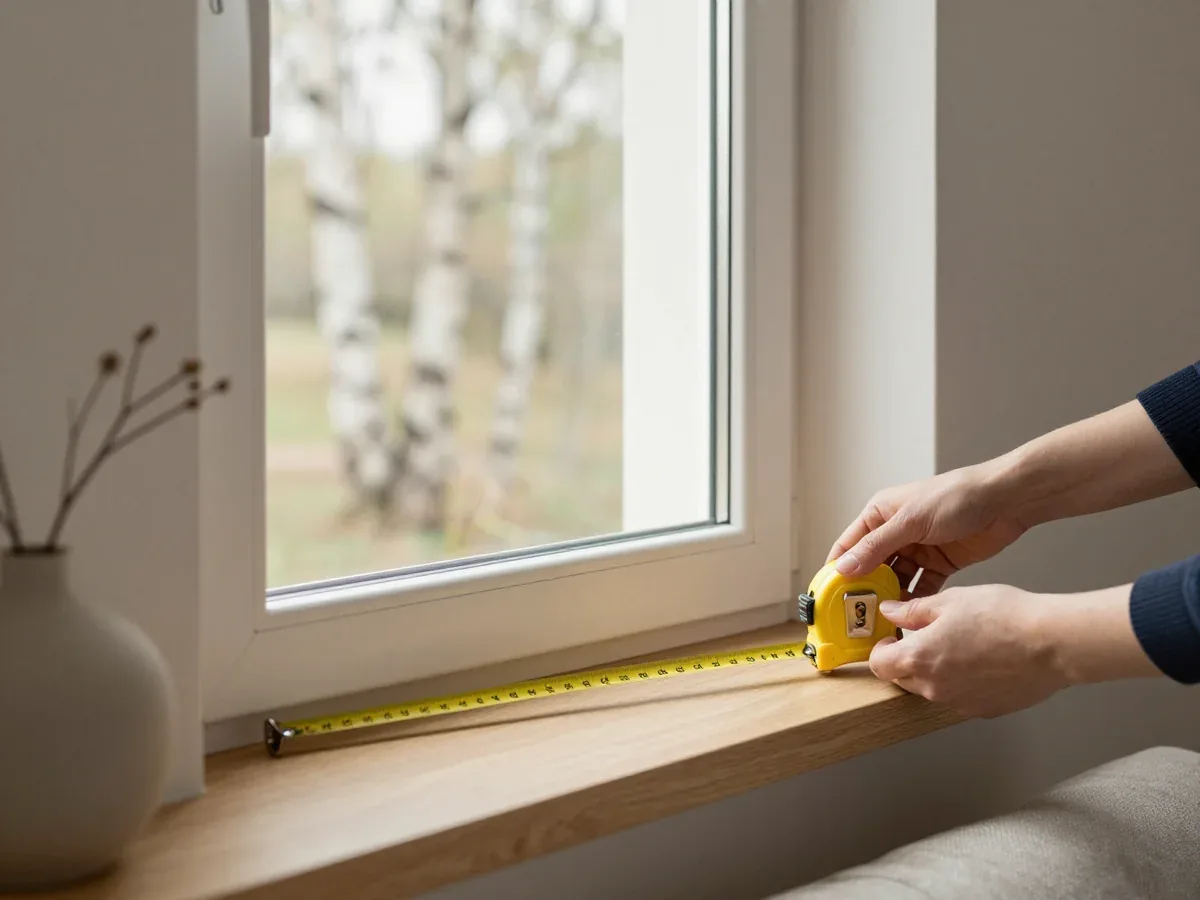
The measurer will arrive at a convenient time, take dimensions and help choose the design and fixings.
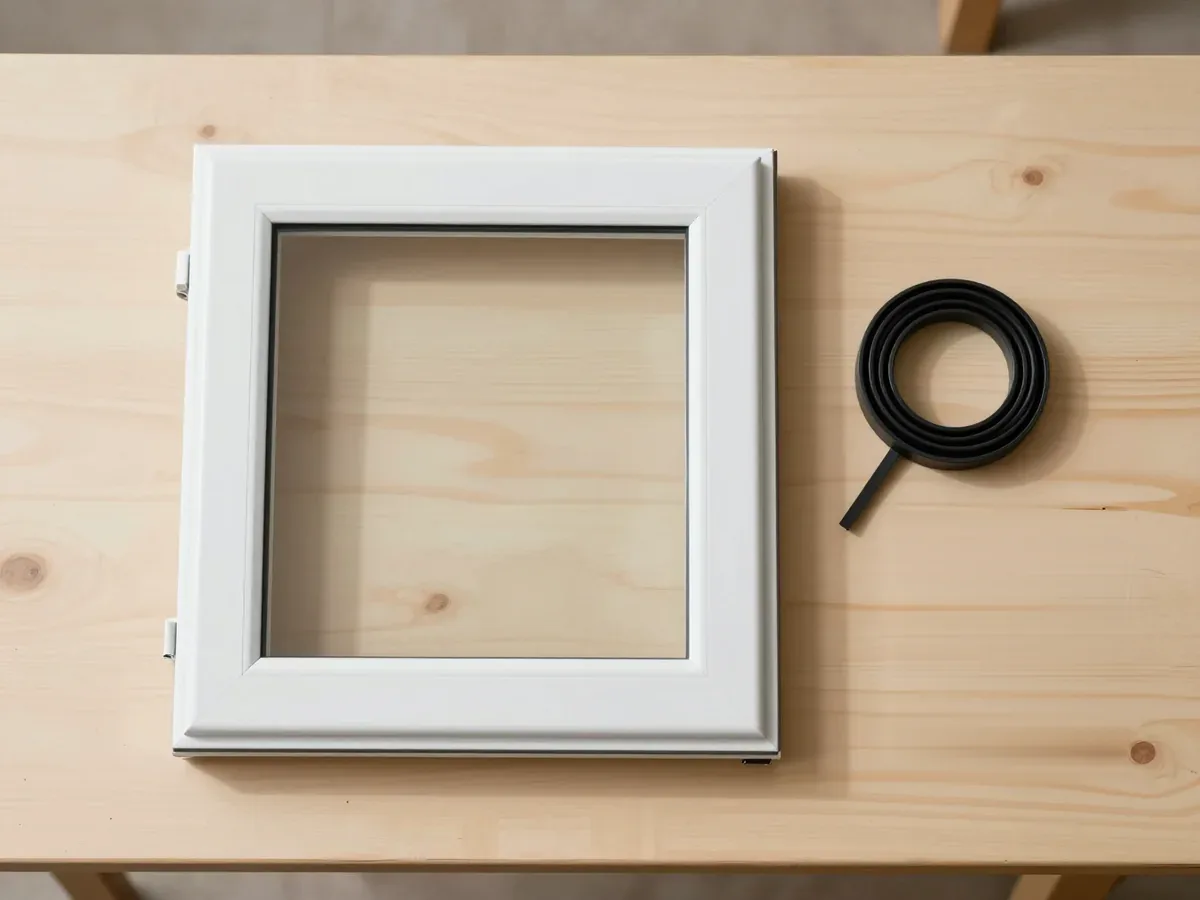
The technician performs adjustment or replacement of components. Before arrival, please provide access to the window and clear the window sill.
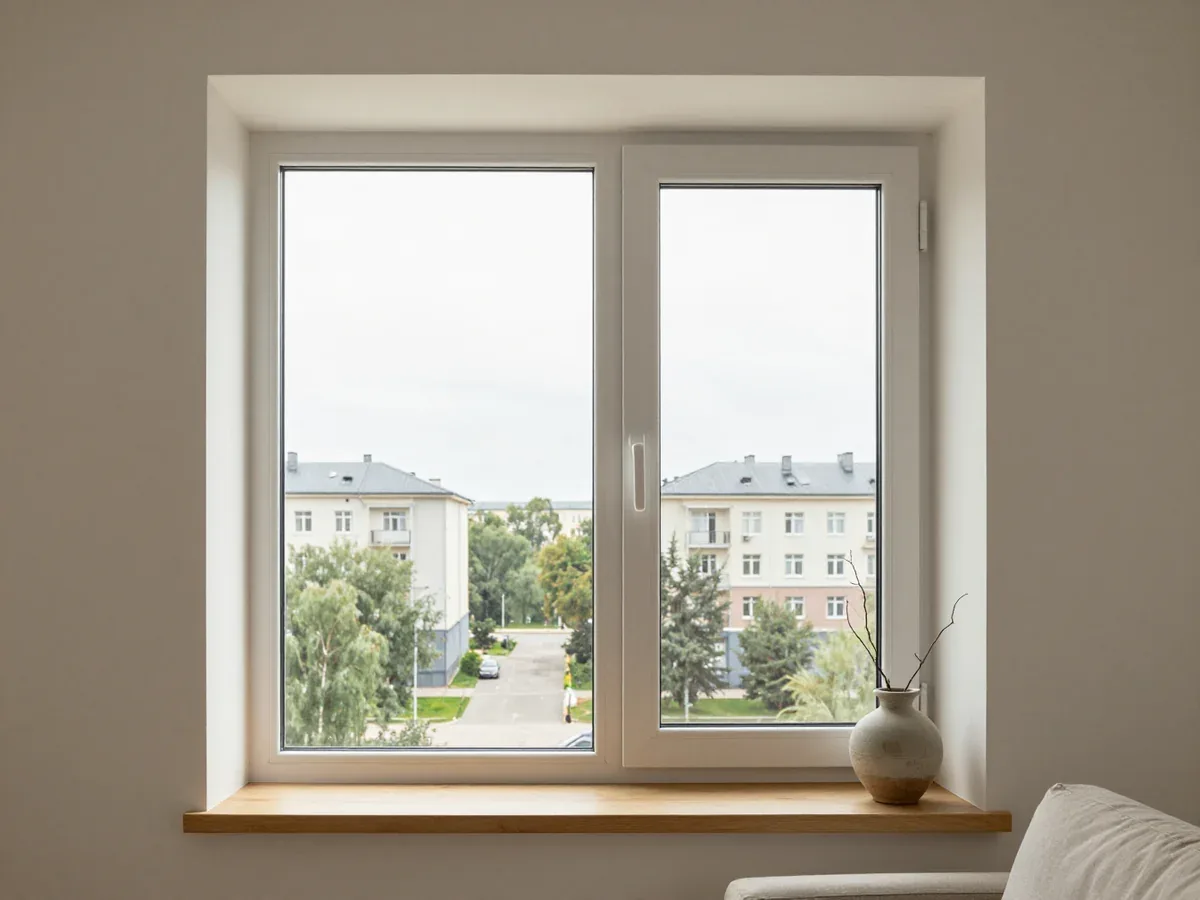
Check the seal and sash movement together with the technician.
Good to know

Senior mosquito screen specialist at moskitnyesetki.kz
We handle window repair in Taldykorgan with our own crews, not through middlemen. We fix plastic, wooden and aluminium windows, adjust sashes, replace seals and glass units, and insulate frames. A free measuring visit comes first, the price is fixed in the order after measuring, and every repair carries a one-year warranty on labour and replaced parts.
A window rarely fails without warning. It starts to whistle, catch, or cloud over long before the handle stops working, and the symptom you notice first usually points at the part that has worn out.
A draught under the sash almost always comes from one of two things — a gasket that has gone hard and flat, or a leaf that no longer presses evenly against the frame. The seal runs around the whole perimeter of the opening and is squeezed shut by the locking hardware, so one stiff section is enough to let cold air through. On a plastic unit the gasket is a rubber loop; on wood it may be a thinner strip set into a groove. Both age the same way, losing elasticity where sun and frost hit hardest — usually the bottom edge and the hinge side. A draught along the top instead points at the pressure setting rather than the seal.
A sash that drops and catches the frame is a hardware geometry problem, and in most cases it is corrected by adjustment rather than replacement. The turn-and-tilt mechanism carries the weight of the leaf on two lower hinges, and over time those hinges settle a millimetre or two. That is enough for the bottom corner to scrape the frame and for the handle to need a firmer pull. Adjustment moves the panel back on the vertical and horizontal axes so the pressure stays even along the whole perimeter. A dropped sash also drags on the gasket, which is why a catching unit and a draughty one often turn up together. Check the gap at the top and bottom on the hinge side; an uneven gap that grows over months points to a hinge that has worked loose.
Moisture trapped between the panes means the sealed assembly has lost its seal, and that part is replaced rather than repaired. A double-glazed block is two or more panes held apart by a spacer, with an air or gas chamber between them and a sealed edge that keeps the outside world out. Once that edge fails, room humidity migrates into the gap and condenses on the colder pane. No amount of wiping helps, because the water sits inside the sandwich, not on the glass you can reach. A hazy white film rather than droplets means the same failure at a later stage. Fog that appears only on the room-side glass is condensation from indoor humidity and clears with ventilation; fog that sits permanently between the panes will not clear no matter how long you air the room.
The most common fork in window repair is adjust or replace. The answer depends not on age but on what stopped working: the geometry of the press, the seal or the glass unit.
We adjust the sash when the hardware still moves freely but the press is uneven; we replace hardware when a mechanism is broken, seized or missing parts. A tilt-and-turn panel that has dropped and catches the frame at the bottom usually needs the lower hinge lifted and the sash re-squared along the vertical and horizontal axes. A handle that spins without engaging the locking points, a jammed tilt mechanism or a broken corner gear is a different matter: the part is worn out and no screw will bring it back. A hinge that still moves but lets the sash drop is an adjustment; a handle that no longer grips is a replacement.
We change the gasket when it has lost elasticity and no longer springs back after being pressed, and we match the profile to the unit rather than fitting one universal strip. On KBE, Rehau, VEKA and Provedal frames the groove differs, so a strip that fits one profile sits loose or bulges in another and lets air past within a season. Press the rubber with a fingernail and watch whether it recovers — a gasket that stays flat has lost its spring and needs changing. We carry the matching cord for each of these systems. A flat gasket lets cold air through even when the sash is adjusted correctly, so replacing it before winter is cheaper than chasing draughts with extra adjustment.
A single turn of the adjustment screw on a sash that has just started to catch is within reach of most owners, but anything beyond that is better left to a master. The screws sit under a plastic cap on the hinge and on the locking side, and a quarter turn moves the panel a millimetre or two — enough for a seasonal shift, not enough for a sash that has dropped five millimetres out of square. Owners who go further usually lack a level and turn both axes at once, so the panel tilts and the press becomes uneven along the frame. Over-tightening the press to stop a draught wears the gasket and the locking points faster and turns a small fix into a hardware replacement. If the sash still catches after one cautious turn, stop and book a visit.
The window type changes more than the list of jobs — it changes what is worth doing at all. Below are the three families we work with and how repair differs on each in practice.
On plastic units the hardware and the seal wear before the frame does, so most of our work here is adjustment, gasket replacement and glass unit swaps. The PVC profile itself is the last part to give trouble: a sash that catches or a handle that turns stiff points to the mechanism, not the structure. Gaskets harden over a few seasons and lose their spring, which shows up as cold air and condensation along the inner edge. Glass units fog from the inside when their edge seal fails, and that is a swap, not a repair. A unit that looks fine can still let cold in through a hardened gasket, so the moving parts are rarely the ones needing attention first.
A wooden frame is worth repairing while the timber is sound and the sashes still close square; once the wood has gone soft or the structure is out of shape, replacement is the more honest answer. On older units the seal and the paint line do most of the weatherproofing, so refreshing both often restores performance without touching the timber itself. Check the lower corners of the sashes and the sill for spongy wood and dark staining — that is where rot starts and where a repair stops paying off. Press a screwdriver into the wood before agreeing to any repair: if it sinks in easily, the frame is past saving.
We take on aluminium units on balconies, loggias, gazebos and verandas, where the usual jobs are hardware adjustment, seal renewal and glass unit replacement. The aluminium profile is slim and light, which suits openings that plastic cannot fill, but its fittings are smaller and its gaskets thinner than on PVC. Such frames move more with temperature than plastic ones, so a leaf that sticks in summer and rattles in winter is often seasonal geometry rather than a broken mechanism. On open structures the wind load matters too — a veranda window takes more movement than a flat wall, and fixings work loose faster. Adjusting the fittings and renewing the rubber usually settles it; a glass unit is swapped when the panes fog.
A direct contractor runs the job in fixed steps, unlike a private handyman who improvises. Below is the path from the first message to the final check of the finished result.
The measuring visit is free, the measurer comes at a time that suits you, takes the sizes and helps choose the design, mesh and fixings. Our specialist records the sash dimensions, the profile depth and the condition of the hardware before anything is ordered. He also selects the fastening to suit the profile and the floor the unit sits on — Z-brackets, pins or magnets — because a third-floor kitchen opening and a ground-floor bedroom one load the frame differently. On site he can tell whether a sagging sash needs adjustment or a new hinge set, and whether the seal is compressed beyond reuse. A repair planned on site fits better than one planned over the phone, so ask for the measuring visit before you agree to any window repair in Taldykorgan.
The job covers both the labour and the parts we replace, and the price is fixed in the order after measuring, so it does not move once work starts. That single number covers the master's time, the new seal, hinges, handles or glass unit as listed in the order, plus the cleanup afterwards. If the master opens the frame and finds a worn tilt-and-turn mechanism that the inspection did not reveal, he shows it to you and names the extra part before fitting it — nothing is billed afterwards without your agreement. Fixing the figure at the order stage is what separates a planned repair from an open-ended hourly bill, and it lets you compare two quotes on the same list of parts rather than on a rough guess.
You pay after the job is done, by cash, card or Kaspi, and we answer on WhatsApp within five minutes, seven days a week. The master finishes, you open and close the sash, check the seal line and test the handle, and only then does payment happen. That order of events is the practical difference between a direct contractor and a middleman who collects money up front and then schedules someone else for the visit. Our crews cover the city, so a message sent in the morning usually gets a measuring slot soon after. Paying after installation means you check the result before any money changes hands — a small habit that keeps the standard of the job visible.
Timing depends on what is actually being done: adjustment runs in minutes, a glass unit is produced to size over days, and the urgent route fits inside one day.
| Job | What it involves | Typical timing |
|---|---|---|
| Sash adjustment | Re-setting the press and geometry of the sash | Same visit |
| Seal replacement | New seal fitted around the sash perimeter | Same visit |
| Glass unit replacement | New pane made to size, old removed and refitted | Made to order |
| Urgent glass unit | Same job on a rush schedule | Within one day |
| Framed mosquito screen | Produced to your size | 10–15 minutes |
| Pleated mosquito screen | Produced to your size | 40–60 minutes |
We can make and fit a glass unit on a rush schedule within one day, which carries a surcharge on the item itself. The standard route is slower: the pane is produced to your exact dimensions first, then the old one comes out and the fresh one goes in, on a normal schedule. A cracked outer pane that still holds its seal is not an emergency — the inner layer keeps the room warm and the crack can wait for a normal order. A fogged pane behaves differently: the mist spreads, the insulating gap stops working, and every cold week adds condensation on the frame. In our practice the rush option earns its surcharge in bedrooms and living rooms, not in a storage room or an unheated balcony. If the fogged pane sits in a room you actually live in, the rush route is worth the surcharge.
Beyond the glazing itself we insulate frames, fit and renew slopes, and handle installation and glazing when the unit needs more than a repair. Insulation work covers the gap between the frame and the wall opening, where cold air usually enters before it ever reaches the seal. Slopes are the finished surfaces around the opening: when they crack or pull away, the joint behind them is exposed and draughts return within a season. Installation and glazing come in when the frame or the pane is beyond repair — a new unit, a full reglaze, or a pane swapped together with its beading. Insulation and slopes are usually done together with a repair rather than separately, because the same visit that opens up the frame can close the gaps around it in one pass.
Warranty and security are the two things buyers rarely raise with a private handyman, yet they decide what happens when something goes wrong later. Below is what our cover includes and how security fittings sit alongside a repair.
Every repair we carry out comes with a one-year warranty covering both the labour and the parts we replaced, while glass unit replacement carries three years. That term applies whether we changed a handle, a hinge set or a length of seal, and it runs from the day the job is finished. A glass unit is a sealed assembly, so it gets its own longer term — three years against fogging and seal failure that no repair can undo once the pane is bonded. Our five-year term on installation sits separately and does not overlap with repair work. Naming the parts as well as the work matters because most faults come back through the replaced component, not through the fitting itself.
We fit security hardware — grilles, restrictors and locks — and can do it in the same visit as the repair, so the unit is adjusted and secured in one pass. A restrictor limits how far a sash opens and is the child-safety item on upper floors; a handle lock or a key-operated blocker is the anti-burglary one, and a grille protects a ground-floor or balcony opening left open for ventilation. Doing all three at once avoids a second call-out. On wooden and aluminium frames the fixing points differ from plastic profiles, so the fitter checks the frame material before drilling. The safety item and the burglar item solve different problems, and buying both together saves a return trip.
We repair glazing with our own crews rather than passing the job to a subcontractor, which is why the cover, the price and the timing all come from the same place. The person who measures your opening is the person whose team does the work, and the same company honours the one-year repair term afterwards. With a middleman the party quoting, the party doing the work and the party backing the promise can be three different businesses, and that gap is where most repair complaints start. A private seller advertising on classifieds may be perfectly competent, but the commitment usually ends when the phone is switched off. Ask who will actually arrive at the door and who signs the paperwork — the answer tells you more than any listing.
Five points below sum up how to read a window fault, pick the right job and check that the contractor is direct rather than a reseller.
Adjustment, hardware, double glazing, child safety
Konstantin Selenenkovsenior mosquito screen specialist, 10 years in the tradeOnline · replies within 5 minutes
Ask a questionAdjustment means tightening and tuning the parts already in place when they are intact but have shifted. Hardware replacement is needed when the mechanism is worn or broken; the technician will tell you what suits your window after inspection.
Yes, the double glazing can be replaced in the old frame if the profile and sash are in good condition. The energy-saving option is selected by size and thickness — the surveyor will take measurements and suggest a suitable one.
Sash blockers-combs, key locks, and opening restrictors are installed so the window can be ventilated but not opened wide. The specific option is chosen to match the hardware and profile of your window.
Yes, most work — adjustment, replacement of handles, hinges, and seals — is done on site by the technician. If a new double glazing unit is needed, it is manufactured and installed separately.
Often a wooden window can be repaired: the seal is replaced, hinges are tightened, and the sash is restored. Replacement is needed if the profile itself has rotted or dried out — this is visible during inspection.
Adjustment, replacement of handles and hinges can be done in cold weather on site. It is better to install the seal at above-zero temperatures so it fits evenly.
Thank you. We will call you back within 10 minutes!
Your order number is on the receipt or in the SMS. Choose where to leave your review.
Write a review on WhatsApp Window replacement
 Balcony glazing
 Reveals finishing
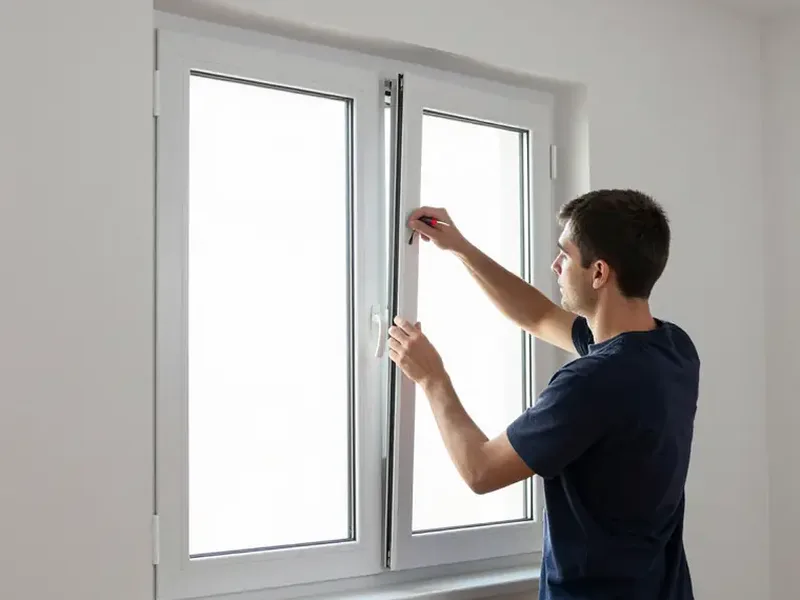 Window adjustment
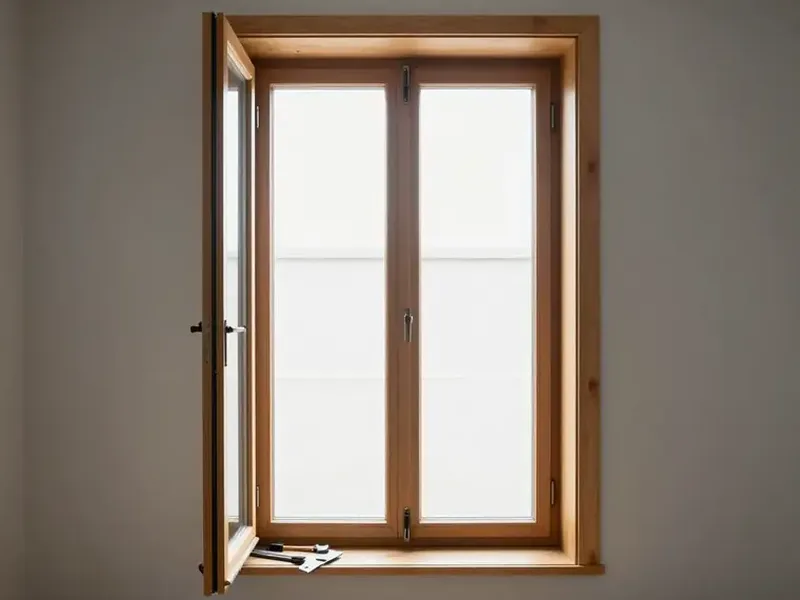 Wooden window repair
