
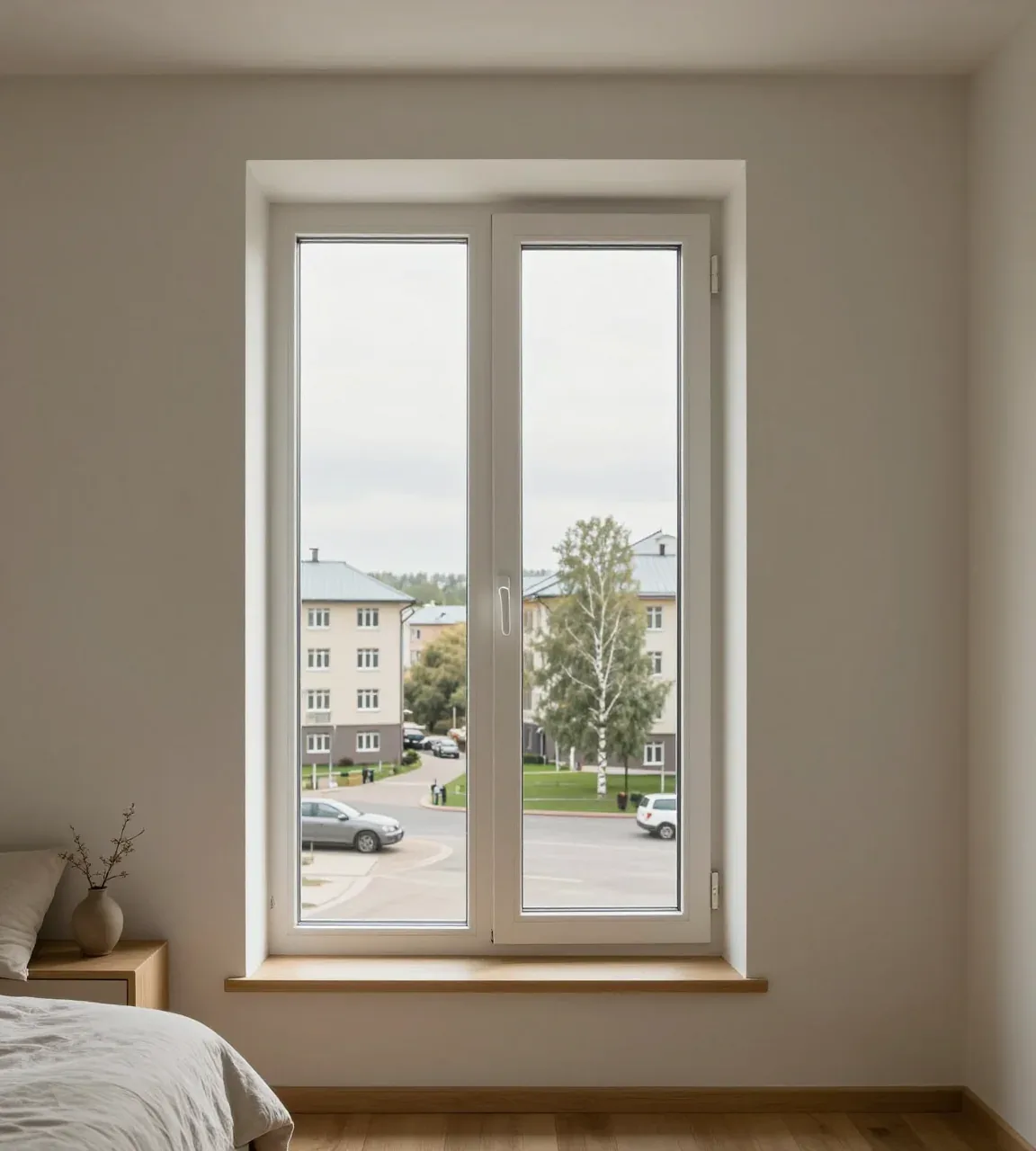
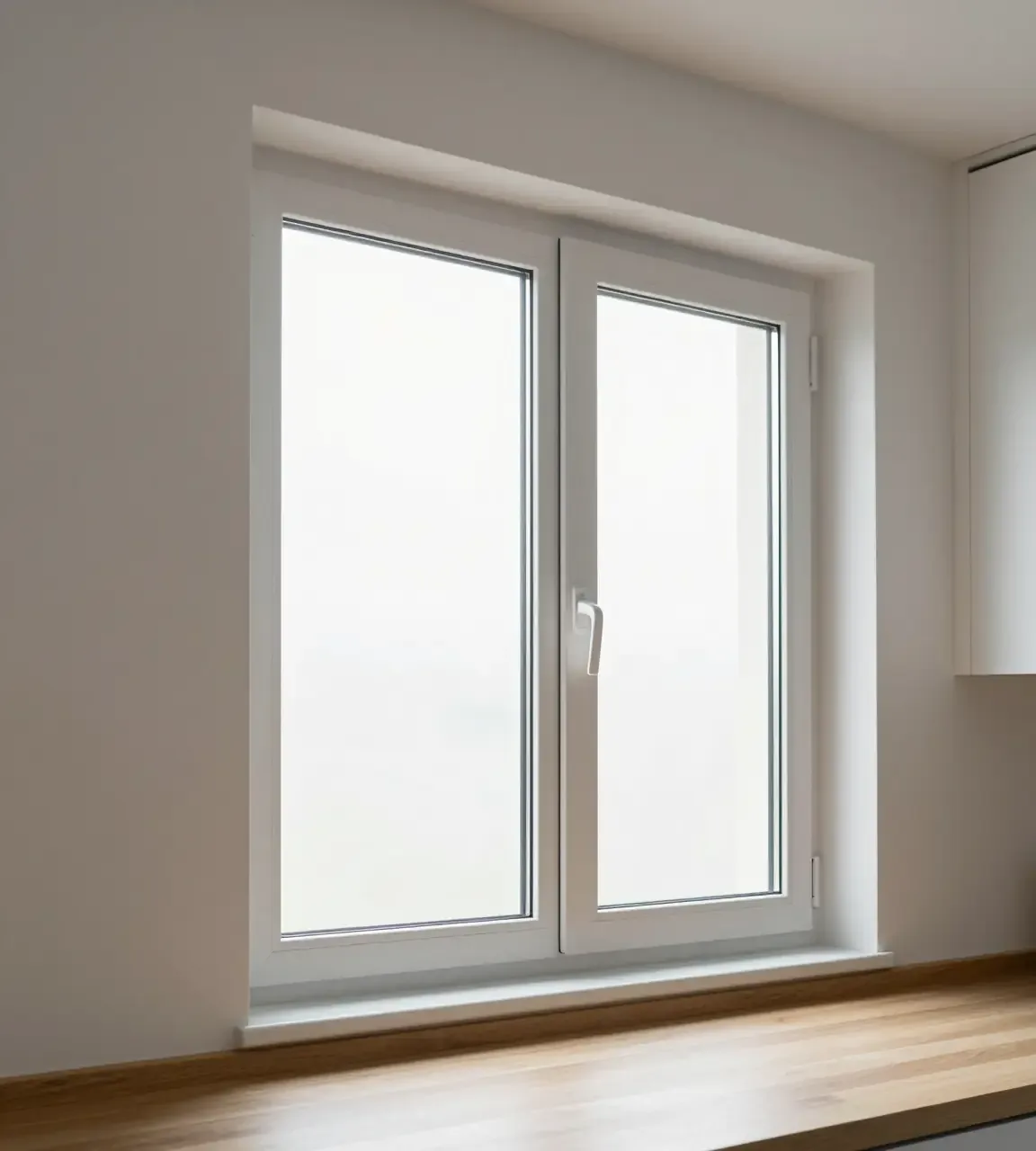
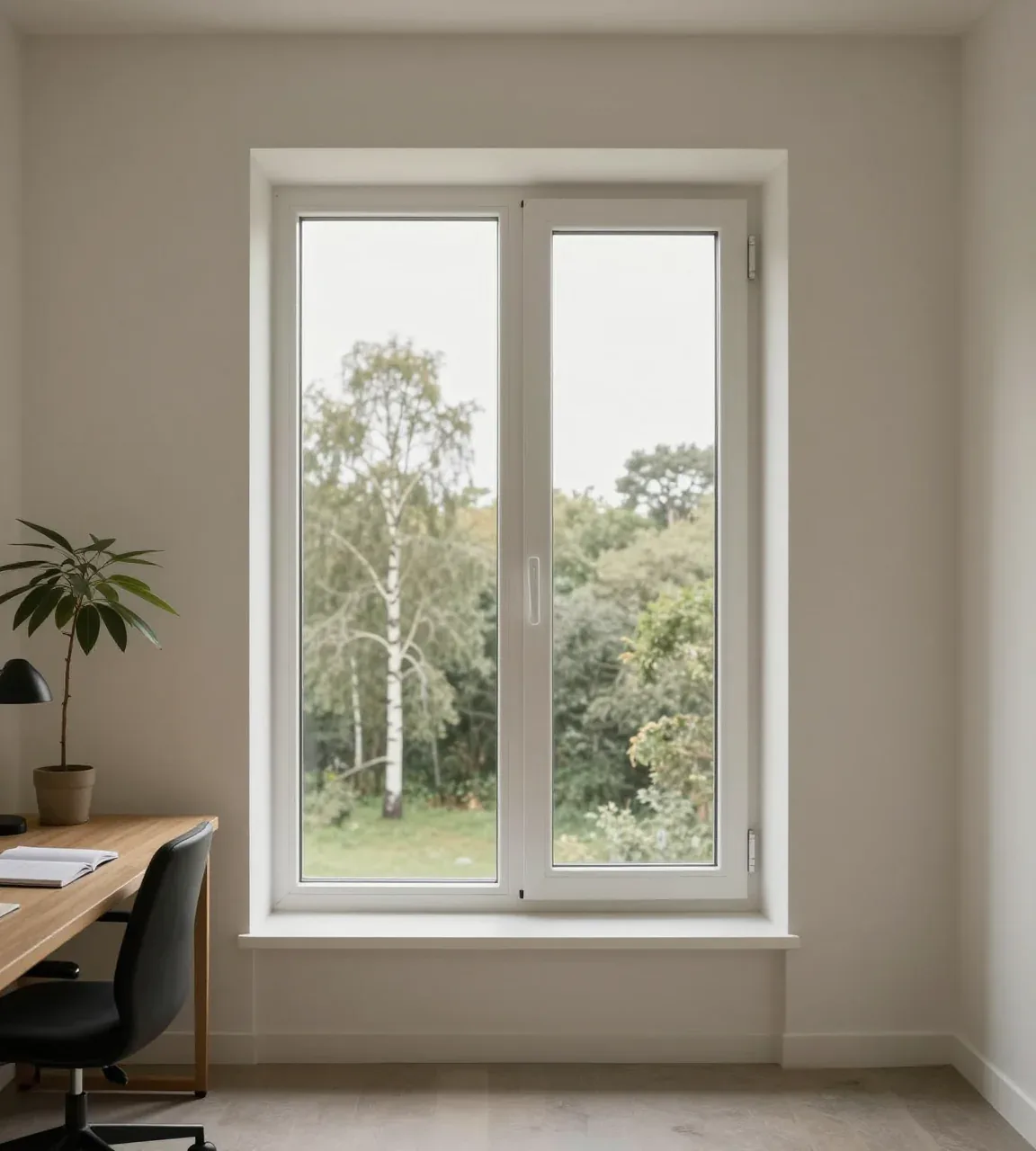
PVC · Apartment
EPDM seal
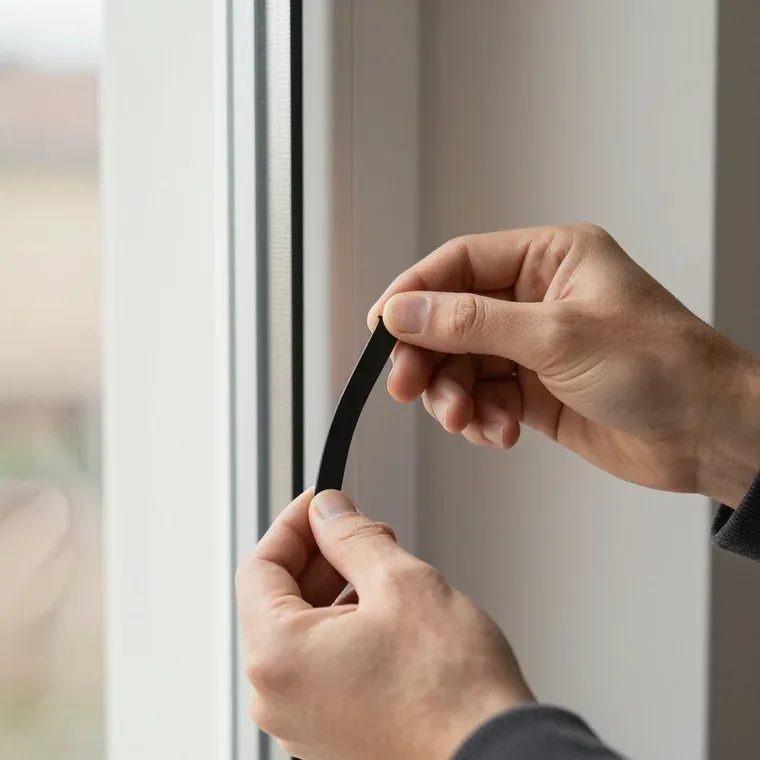
The soft contour presses the sash tight again, and the mountain wind finds no gaps in the window. From 1 000 ₸ per linear metre.
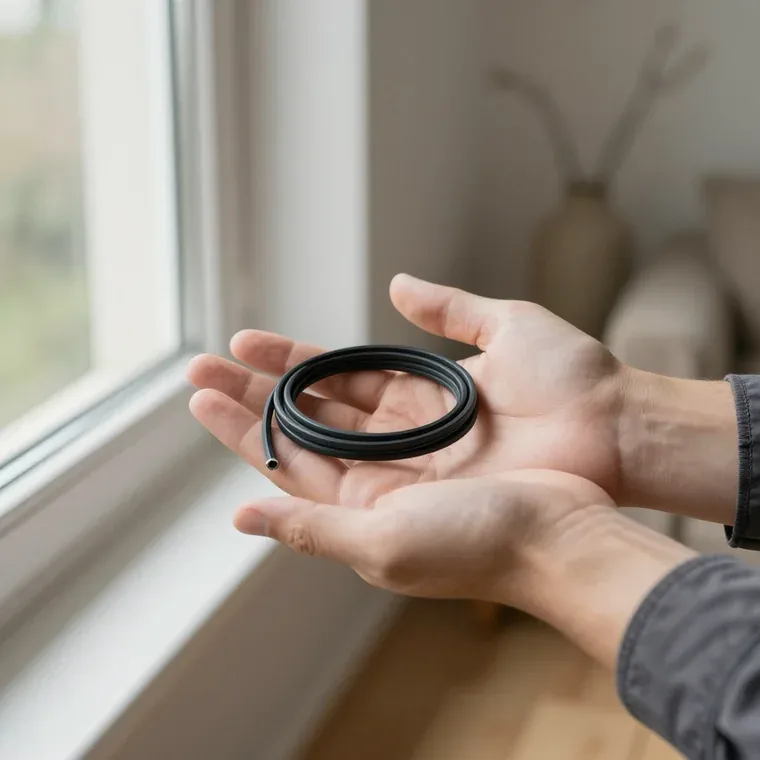
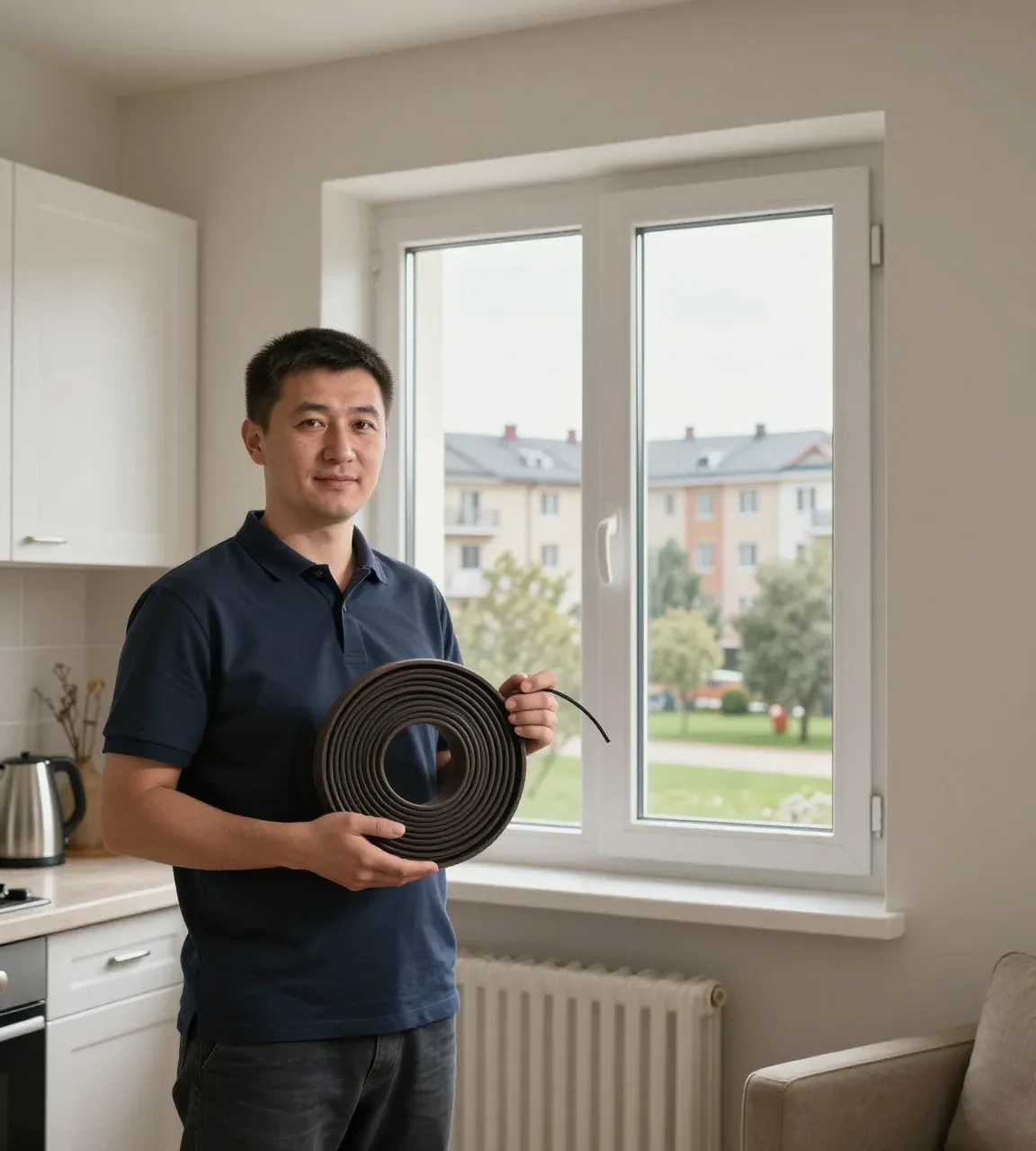
EPDM seal
The soft contour presses the sash tight again, and the mountain wind finds no gaps in the window. From 1 000 ₸ per linear metre.
German rubber
It does not harden in winter cold or fade in summer, making it suitable for bedrooms and children's rooms. From 1 200 ₸ per linear metre.
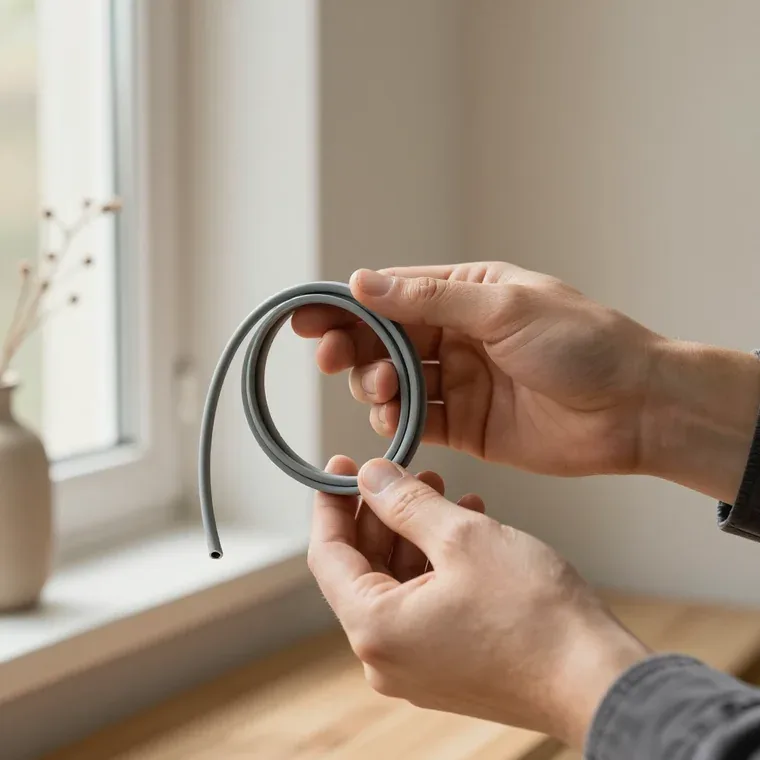
Door seal
Cold comes through the old seal of a balcony door and spreads across the floor. We replace the contour from 5 000 ₸ per item.
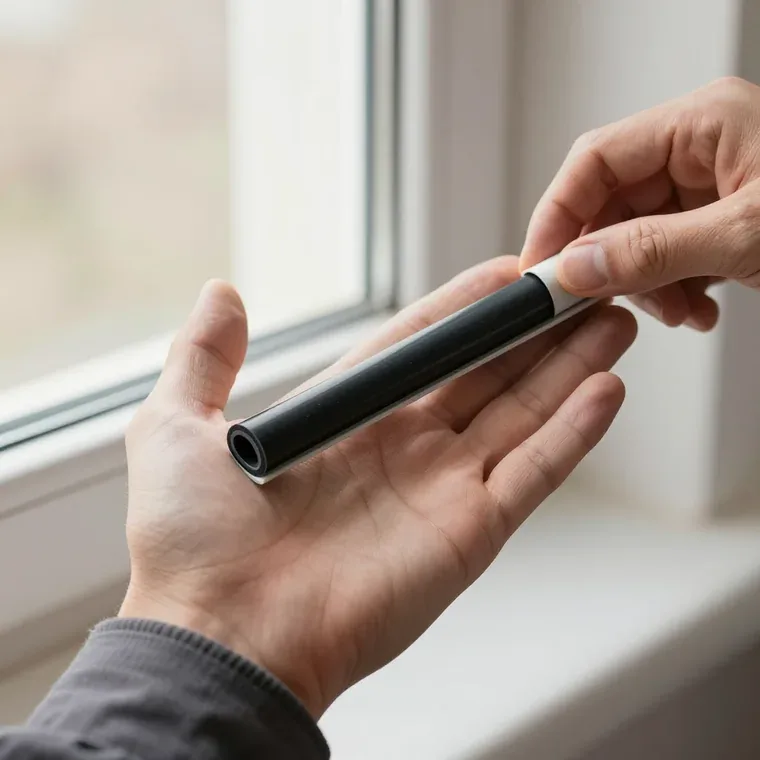
Brush seal
Worn bristles on a sliding window let dust through. A new brush seal from 1 150 ₸ per linear metre.
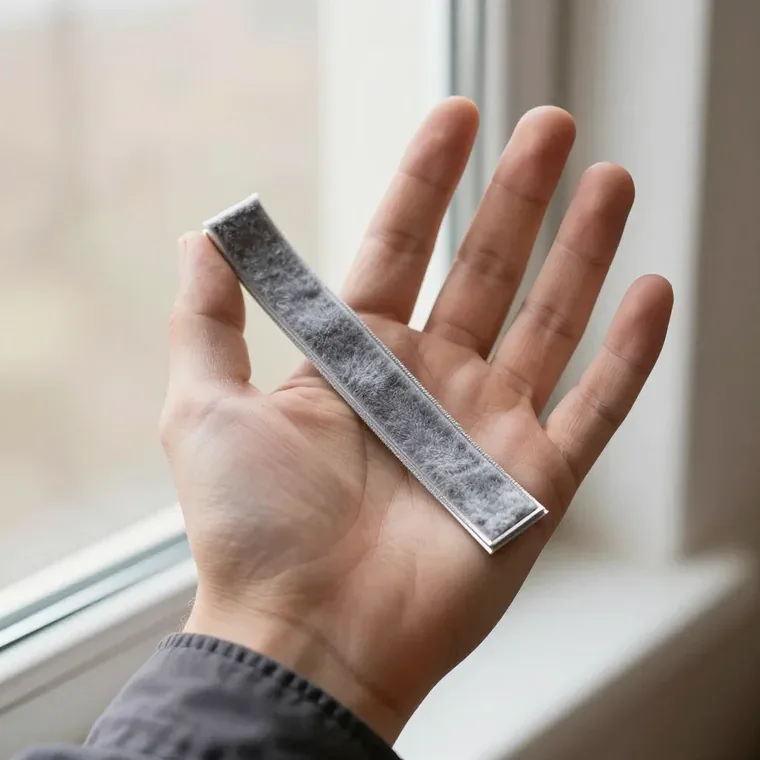
Inter-frame layer
An extra seal between the frame and the sash dampens street noise. From 2 800 ₸ per window.



5,097 reviews on review sites
You do not always need a new window if it is draughty and noisy: often a new seal and adjustment are enough.
The seal in the window grooves is the boundary between the street and the room. While it stays flexible, the sash closes without a gap. When the rubber hardens, cracks or falls out, wind, courtyard noise and dust get into the room.
The wind from the foothills and the swings between warm summers and frosty winters in Taldykorgan shorten the seal's service life. Our technician will match the rubber to your profile, replace it and adjust the sash pressure.
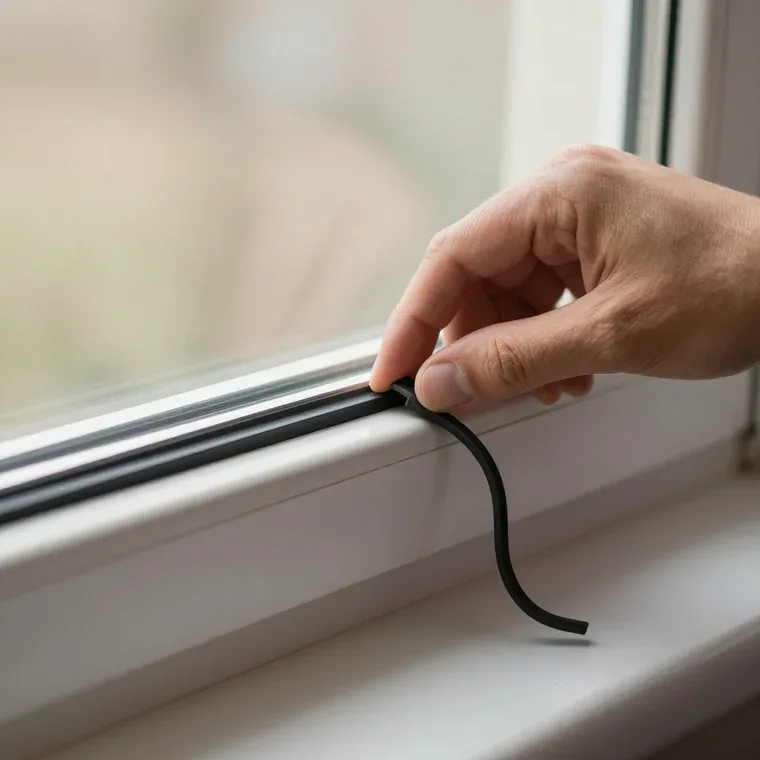
a metre of new seal including labour
guarantee on repair and new parts
payment once you have checked the window
Four problems we most often fix.
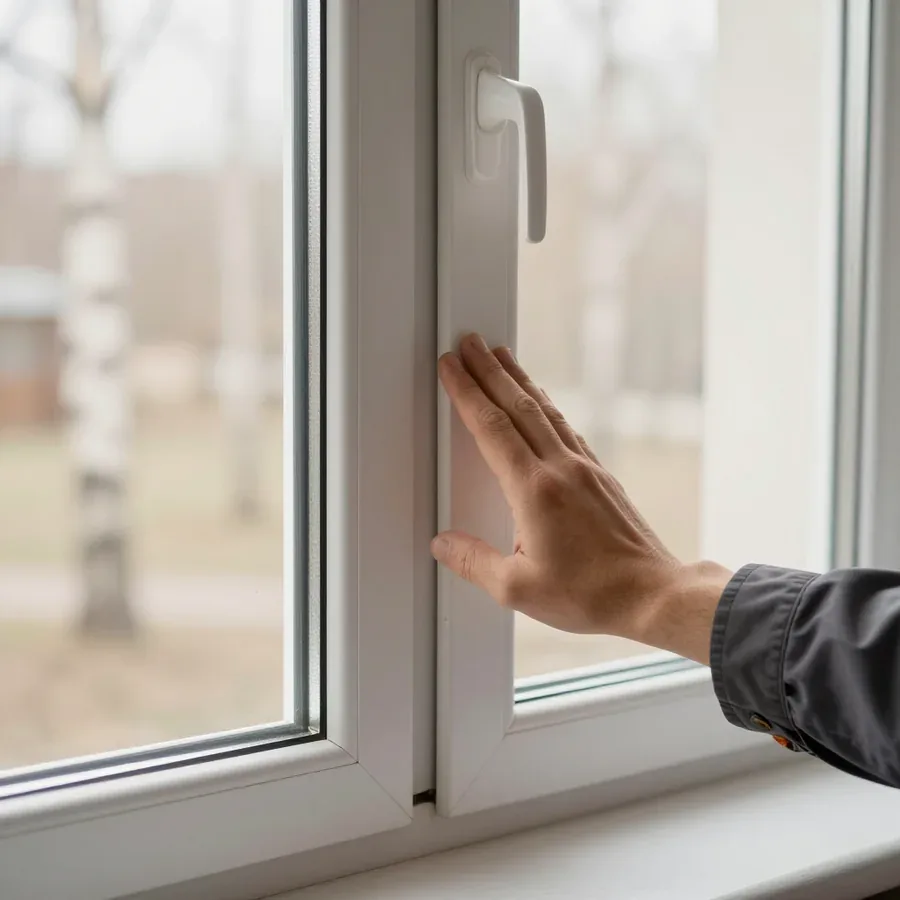
The rubber loses its softness, and the pressed sash no longer covers the gap.
Cracks at the sash corners spread and let cold air through.
A piece of seal comes out of the groove and leaves a gap right through.
There is a draught around the window perimeter, especially on windy days.
We match the material to the window: German rubber for corner rooms, an inter-frame layer for street-facing windows, a door contour for the balcony.
standard PVC windows
Flexible rubber for most profiles, holds its shape in frost.
corner apartment
Stays soft longer and holds the sash tighter in wind.
balcony, loggia
A durable contour for a door that is opened often.
aluminium sliding
New bristles close the gap against dust and draughts.
street-facing windows
A third layer of rubber dampens noise and removes cold at the bottom of the window.
The amount depends on the length of the contour and the chosen rubber; the technician will give you the price before starting work.
| Type of work | Price |
|---|---|
| New EPDM sealmain seal | from 1 000₸ per linear metre |
| German rubberstays flexible for years | from 1 200₸ per linear metre |
| Whole windowframe and sash | from 3 500₸ per window |
| Balcony doorseal all round | from 5 000₸ per item |
| Brush seal for aluminium sashessliding windows | from 1 150₸ per linear metre |
| Seal maintenancecleaning and silicone | from 750₸ per linear metre |
| Inter-frame layerquieter and warmer | from 2 800₸ per window |
| Sash draughtwe find the gap | from 3 500₸ per sash |
| Pressure adjustmentafter replacement | from 3 000₸ per sash |
| Liquid plastic for seamsframe corners | from 1 500₸ per linear metre |
| Insulation of wooden windowsSwedish technology | from 4 200₸ per linear metre |
The price is fixed in the order after measuringMeasuring and consultation are freePayment after installation: cash, card, Kaspi
Call a technicianHow we work.
on work and new seal
KBE, Rehau, VEKA, Provedal and others
the amount is fixed after inspection
work: cash, card, Kaspi
on WhatsApp for a request
we come on weekends too
we accept requests daily
we work across Kazakhstan
The workflow from request to inspection.

Write on WhatsApp what is wrong with the window and send a photo of the sash — this way the technician will prepare the right rubber.
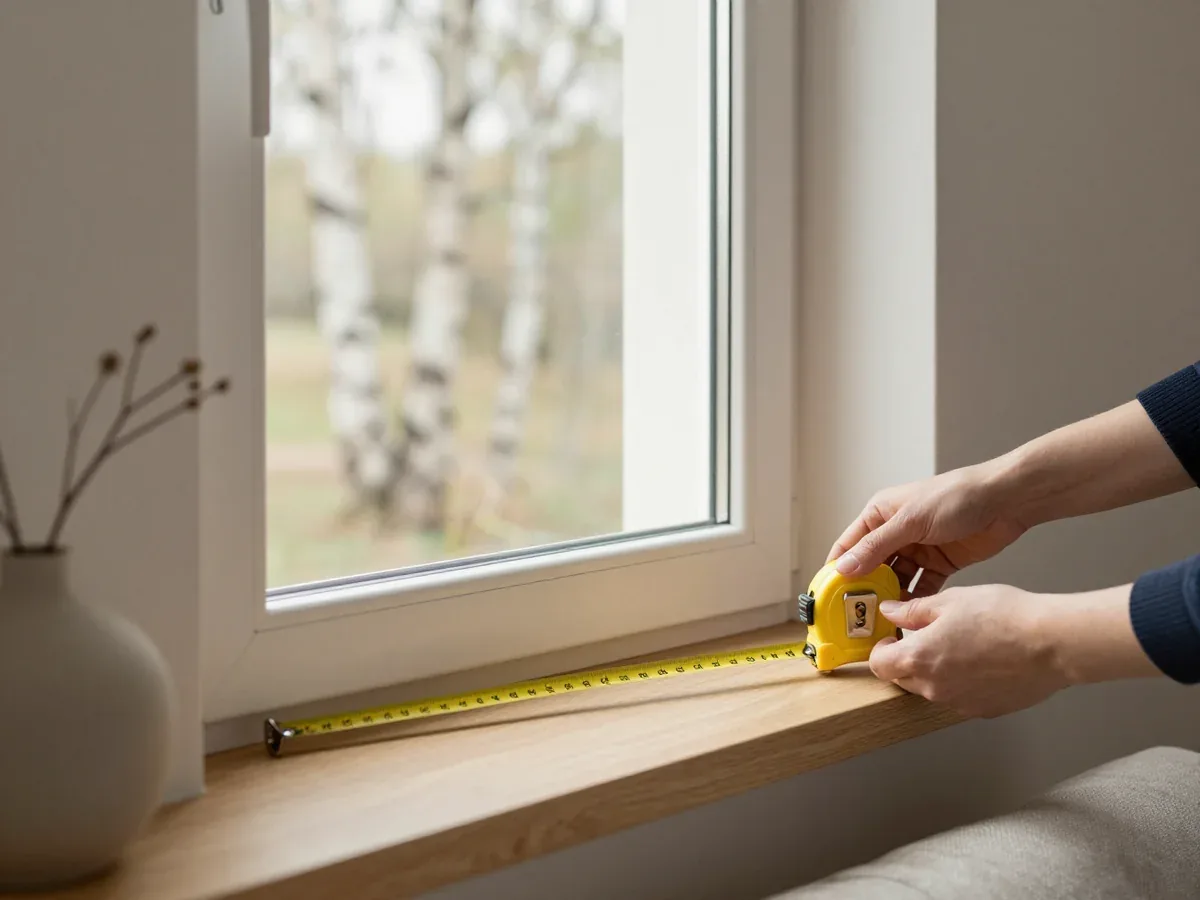
The technician checks the contours, hinges and pressure, identifies the profile and gives you the price.
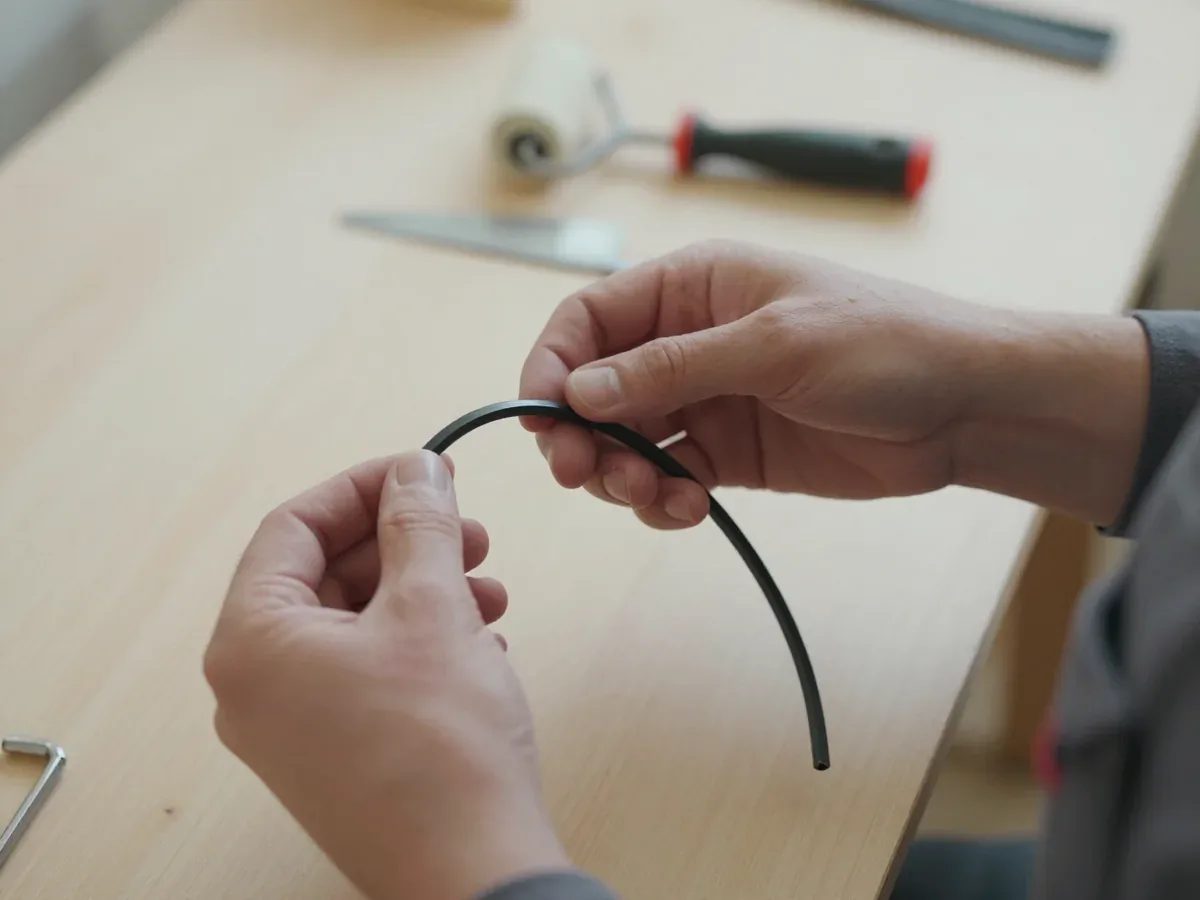
We remove the old rubber, clean the grooves and install the new seal in one piece around the perimeter.
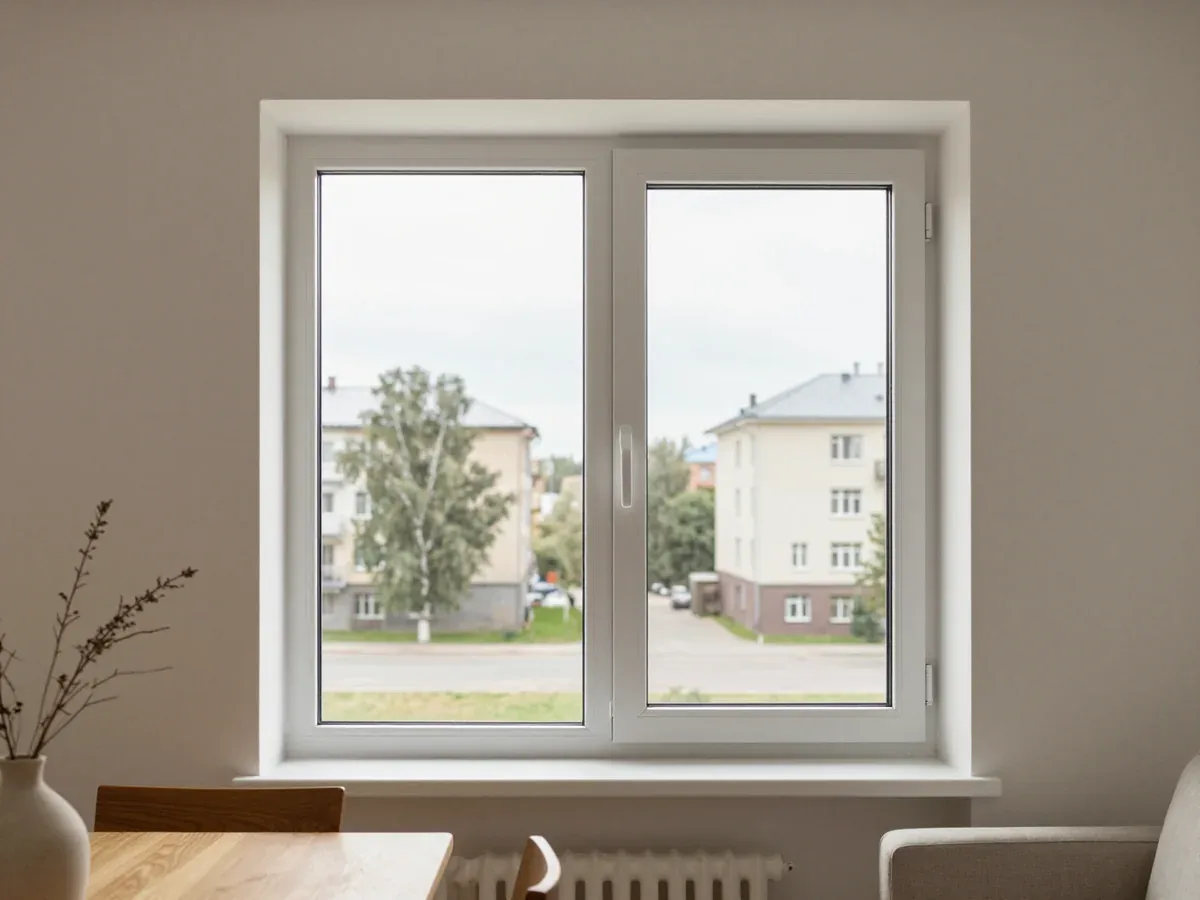
We adjust the pressure, check the window for draughts together with you, then you pay.
Good to know

Senior mosquito screen specialist at moskitnyesetki.kz
We handle window seal replacement in Taldykorgan as a direct contractor, not through an agency. Our measurer visits for free, matches the seal to your profile (KBE, Rehau, VEKA, Provedal), and the price is fixed in the order after measuring. Work carries a 1-year warranty on labour and replaced parts.
A closed window that still lets draught in is the most common reason people call us. First, know whether the seal is worn or the fittings have drifted out of adjustment.
A seal that has hardened, flattened or pulled away from the frame lets air through even when the handle is fully closed, and you can usually feel the draught along the whole perimeter rather than at one corner. Look at the rubber where the sash meets the frame: a healthy profile springs back when you press it with a fingernail, while a worn one stays dented or crumbles at the edge. Grey dust trails on the sill and condensation on the inner glass in cold weather point the same way. Run a sheet of paper between sash and frame and pull it out at several points — if it slides out with almost no resistance at the same spots every time, the seal has lost its compression.
If the draught sits at one corner, the leaf scrapes the frame or the handle turns stiffly, the seal is often still fine and the unit needs adjusting instead. We check the fittings before quoting a seal, because replacing a healthy strip on a misaligned sash only hides the problem for a season — the sash keeps drifting and the new strip wears out at the same corner. A leaf that catches as you close it has moved on its hinges, and the rubber is simply not being pressed evenly. Soft rubber that springs back and shows no cracks is worth keeping, even if the room still feels cool.
No single seal fits every profile. The right choice depends on groove width and exposure to sun and frost through the year.
| Seal type | Best for | Behaviour in frost | Where it sits |
|---|---|---|---|
| Rubber (EPDM) | Standard PVC sashes | Stays supple, resists cracking | Groove in frame and sash |
| TPE | Heavily used doors and sashes | Flexible, recovers after compression | Groove, tighter fit |
| Slotted | Older or uneven profiles | Fills wider gaps | Self-adhesive or grooved |
We replace seals in units of any manufacturer, including KBE, Rehau, VEKA and Provedal, and groove width differs enough that a universal seal does not exist. A KBE leaf and a Provedal frame hold the seal in grooves of different depth, so the same cord that locks into one sits loose in the other. The measurer reads groove width on site rather than trusting the label, because two sashes from the same line can carry different gasket channels after a repair. On heavily used balcony doors we lean toward TPE, which recovers after compression better than plain rubber. A seal slightly too thin sits loose and lets air past within weeks, while one too thick stops the sash closing flush.
The visit follows the same order every time: measuring comes first, then the work itself, then a check that the sash closes the way it should.
The job includes pulling out the old seal, cleaning the groove of grit and old adhesive, pressing in the new seal and checking sash compression before the team leaves. Old rubber often comes out in pieces and leaves sticky residue in the corners, so the channel is wiped and dried before anything new goes in — a seal pressed onto grit sits unevenly and lets draught through within weeks. For window seal replacement in Taldykorgan we work sash by sash, so you see the difference on the first unit while the rest are still being done. A sash that closes tighter for the first days is normal — the new seal is bedding in, and forcing the handle damages fittings, so give it a week before judging the fit.
Seals wear out on more than plastic sashes. The same service covers timber and metal frames, balcony doors and loggia glazing, with the strip chosen to suit each one.
We change seals on plastic, timber and metal units, including balcony doors and loggia glazing, and the approach differs because the groove and frame material behave differently. A PVC leaf holds a push-in profile in a machined channel, a metal unit often needs a slotted strip clipped into a narrower slot, and timber sashes call for a softer section that will not crush the wood. Timber moves with the seasons more than PVC, so a wooden frame needs a profile that keeps its spring through damp and dry spells. On a balcony door the lower run must also survive grit and foot traffic, so the section there is picked for abrasion rather than compression.
As the contractor, not an agency, we set the terms directly: what the warranty covers, how payment works and how quickly you can book a visit.
You pay after installation by cash, card or Kaspi, we reply on WhatsApp within 5 minutes and are open seven days a week, so booking needs only a short message. The measurer arrives at a convenient time, records sizes and helps choose the seal and fixings, and measuring is free. We fix the price in the order after that stage, so the figure you agree is the figure you settle once the work is done. Booking early in the week leaves room to fit the job into the same trip when the seal is a standard profile — the fitting often runs under an hour.
A new seal lasts longer with care, and the season you replace it in affects how well it beds in. A few habits keep it flexible and working.
A well-chosen seal on a properly adjusted sash usually serves for years, but sun, grit and a leaf that rubs against the frame shorten that span. The rubber gasket along the opening edge takes the most wear: it compresses every time the sash closes, collects dust in its folds and loses elasticity under direct sunlight. A leaf slightly out of square drags across the strip on each close, wearing a groove into one spot long before the rest shows age. Cleaning the seal with a damp cloth and a little silicone care, rather than solvent or abrasive cleaner, keeps the surface from drying out — solvent strips the oils that keep the rubber supple.
Late summer and early autumn are the practical period for replacing a seal, because the work is done before the cold sets in and the new strip beds in while temperatures are still mild. A seal fitted in freezing weather is stiffer on the roll and harder to press fully into the channel, so if a draught appears mid-winter it is worth fixing now and re-checking the compression once the thaw comes. Our measurer checks the groove depth and profile before the new strip goes in. On a shifted leaf, pressing fresh rubber into a rubbing gap simply wears it out again — correcting the alignment first makes the replacement last.
Replacing a seal is a small job that decides how warm and quiet a flat stays through the heating season and what matters most when planning.
Signs of wear, seal selection, installation, DIY replacement
Konstantin Selenenkovsenior mosquito screen specialist, 10 years in the tradeOnline · replies within 5 minutes
Ask a questionRun your finger along the strip: a healthy seal is supple and springs back, while a worn one feels hard, dry or sticky. Also press with your fingernail — if the dent doesn't recover, it's time to replace the seal.
For sharp temperature swings, an EPDM rubber seal is the better choice: it stiffens less in frost and resists moisture. Silicone is softer and more elastic but costs more, so it's more often used for doors with heavy traffic.
In most cases, removing the sash is not required: the technician carefully pulls the old seal out of the groove and inserts the new one around the perimeter. Removal is only needed in certain cases, depending on the window and the condition of the hardware.
Technically yes, but without experience it's easy to choose the wrong profile for the strip and not seat it fully in the groove, and then the window will start to draft. A technician selects the seal to match your profile and checks the compression right after installation.
Besides the new strip, the technician inspects the sash and adjusts the compression if needed so the window closes tightly. The exact scope of work depends on the window and is determined after an on-site inspection.
Yes, if the frame and double glazing are in order, replacing the seal is enough. We replace seals in windows from any manufacturer, including KBE, Rehau and VEKA.
Thank you. We will call you back within 10 minutes!
Your order number is on the receipt or in the SMS. Choose where to leave your review.
Write a review on WhatsApp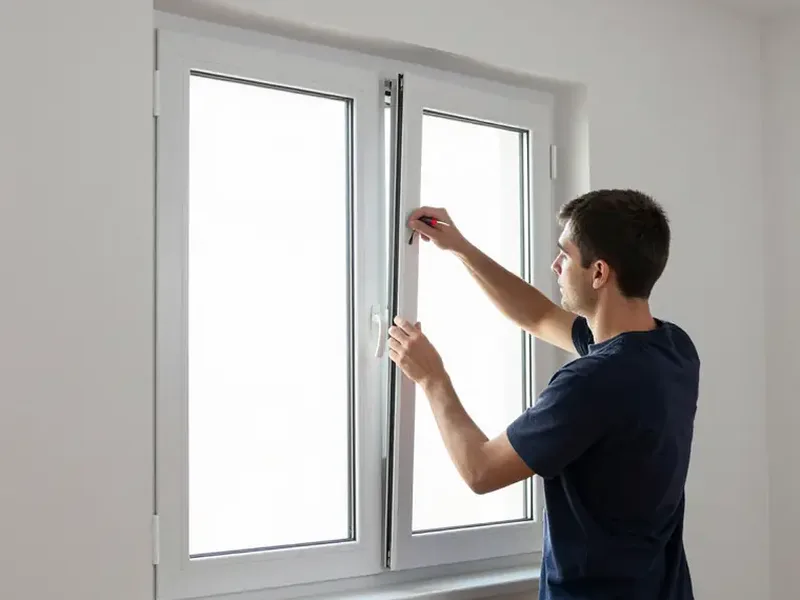 Window adjustment
 Window insulation
 uPVC window repair
 Reveal finishing
 Window replacement
