





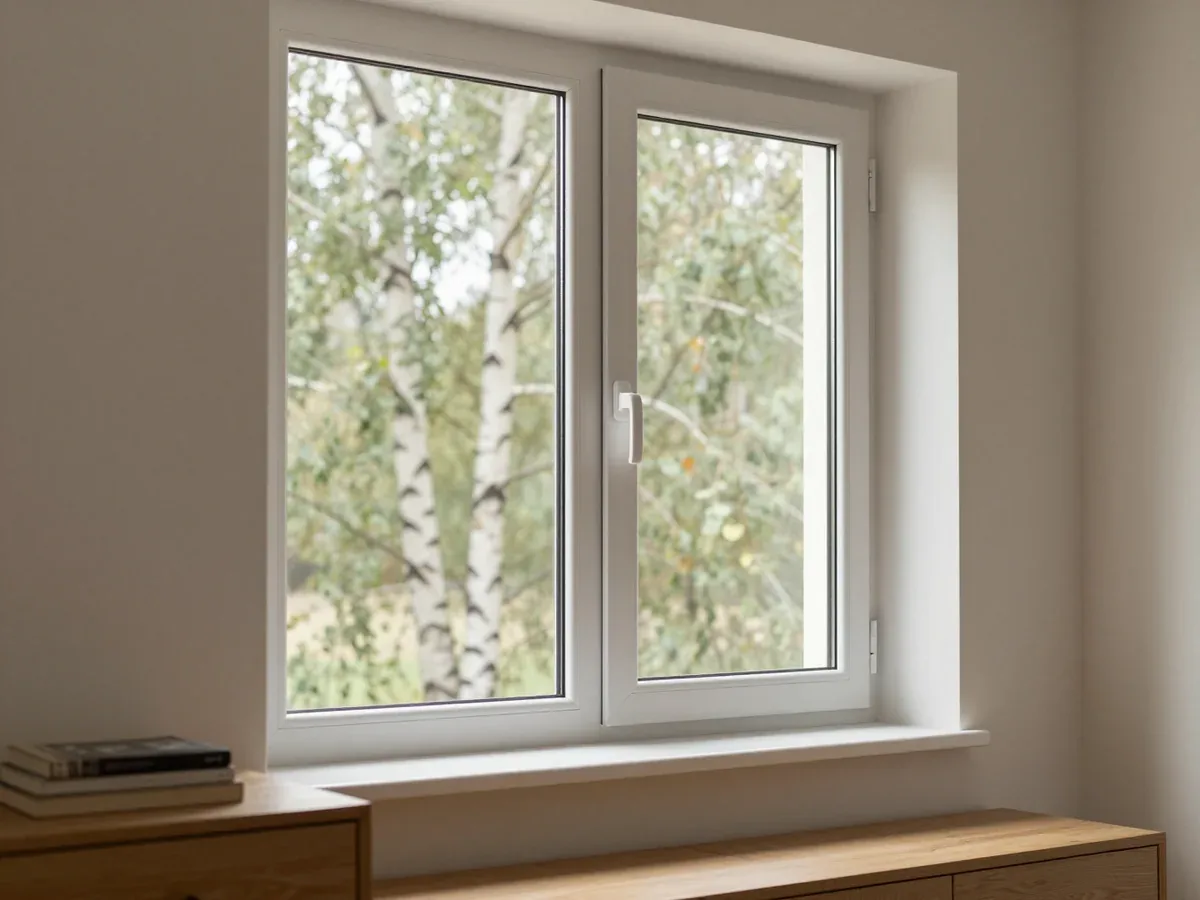
Good to know
Penkid Window Lock in Taldykorgan Fitted Without Damaging Your Frame

Senior mosquito screen specialist at moskitnyesetki.kz
A Penkid window lock is a safety lock that stops a sash being opened by a child or from outside, and we fit it in Taldykorgan after a free measuring visit. The measurer matches the fixing to your profile and floor, we install on plastic, wooden or aluminium windows, and you pay after the job.
What a Penkid window lock does and how it differs from a handle with a key
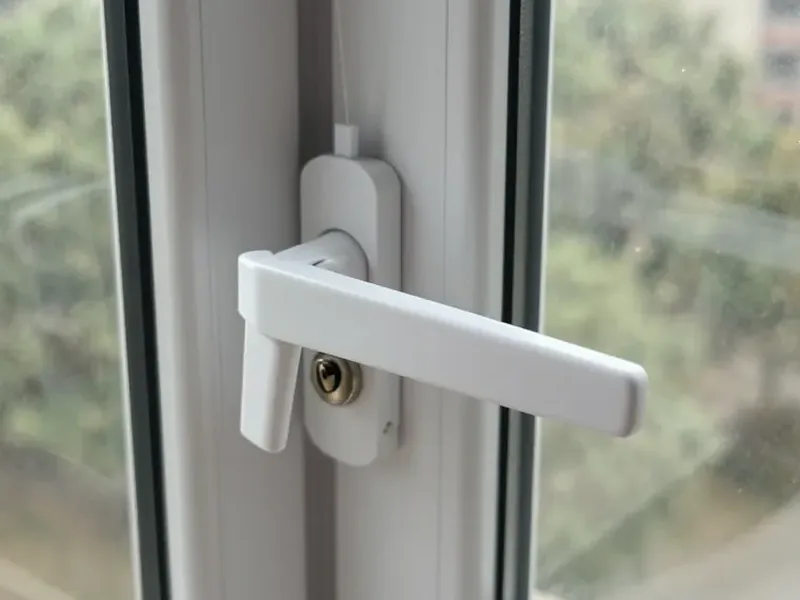
A search for a Penkid window lock in Taldykorgan often lands on door-lock opening services. This is a different device: a window safety lock that fixes the sash to the frame, not a key handle or a door lock.
What a window safety lock actually blocks
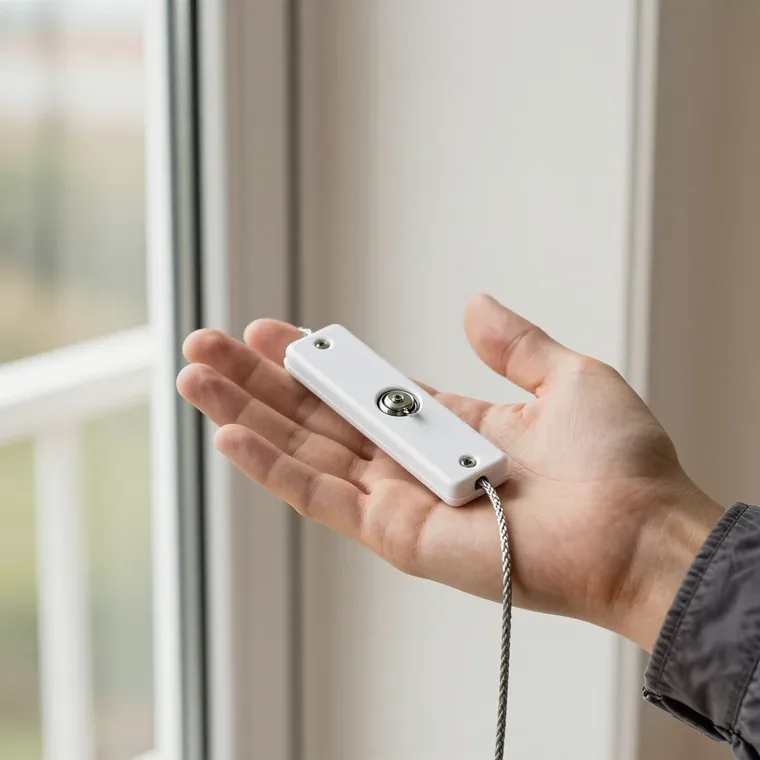
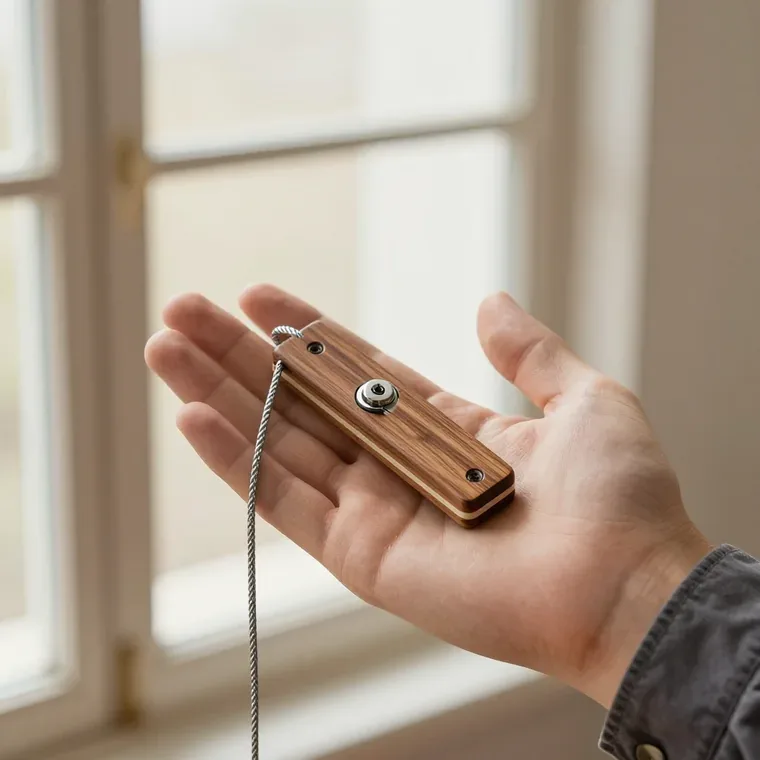
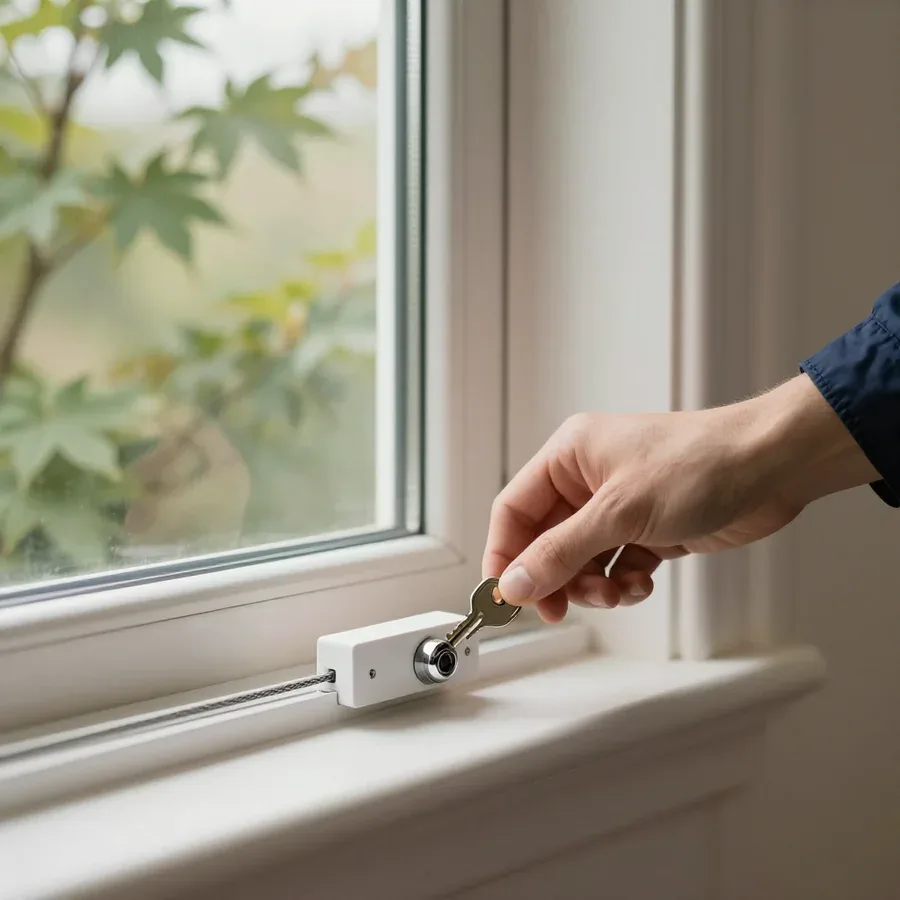
A window safety lock fixes the sash to the frame so the opening stays at a set gap, which stops a child from swinging the window wide and slows anyone trying the sash from outside. The lock body sits on the frame, and a locking pin or striker plate catches the moving leaf at the point you choose. On a first-floor window the mechanism works against a hand pushing the leaf, not against a determined break-in, so it buys time rather than sealing the opening. The lock is only as good as its fixing point, so the value is in matching the mechanism to the leaf weight and the floor, not in the lock body alone.
Lock, restrictor or key handle and where each one fits
| Device | What it does | Best for |
|---|---|---|
| Window lock | Holds the sash shut against the frame | Rooms a child can reach unsupervised |
| Restrictor | Limits how wide the sash opens | Ventilation with a fixed gap |
| Key handle | Blocks the handle from turning | Quick adult-only control |
| Grille | Bars the opening from outside | Ground-floor windows |
Will a Penkid window lock fit your window, sash and floor
We look at which windows and doors a Penkid window lock taldykorgan actually suits, where it is the wrong answer, and how sash type and floor level change the mounting.
Plastic, wooden and aluminium windows plus balcony doors
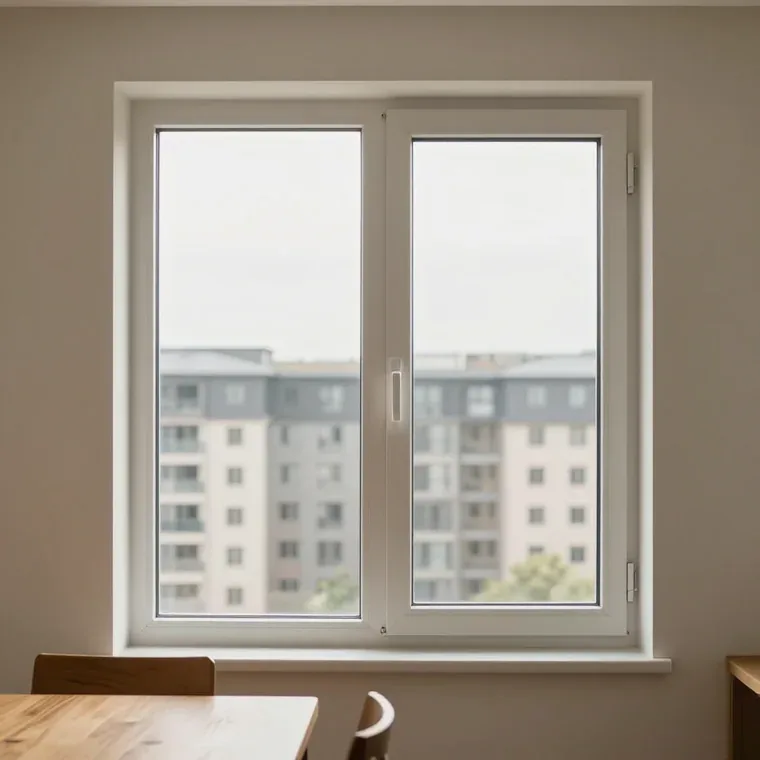
We fit window locks on plastic, wooden and aluminium windows, on vent sashes, loggia windows, and on balcony and hinged doors, and the measurer checks the sash type before choosing the mounting. PVC takes the screw into the reinforced inner chamber, timber needs a solid section of the stile, and aluminium profiles usually need a short bracket rather than a direct screw. A hinged balcony door and a sliding one are not the same job: the first carries the lock on the sash edge, the second needs a body that works along the track. On loggia glazing the frame depth decides whether the lock sits flush or stands slightly proud. A sliding balcony door and a hinged leaf take different mechanisms, so the same lock body will not simply move from one to the other.
When a lock is the wrong answer for your window
- No solid anchor point: a thin or damaged frame gives the lock nothing to hold, so the measurer looks for a reinforced spot first.
- Window must air the room: if the leaf stays partly open, a restrictor with a set gap suits better than a lock.
- Opening already barred: a grille on a ground-floor window already blocks outside access, so a second lock adds little.
- Child needs fresh air: in a nursery a fixed ventilation gap is usually the safer daily setup than a fully shut window.
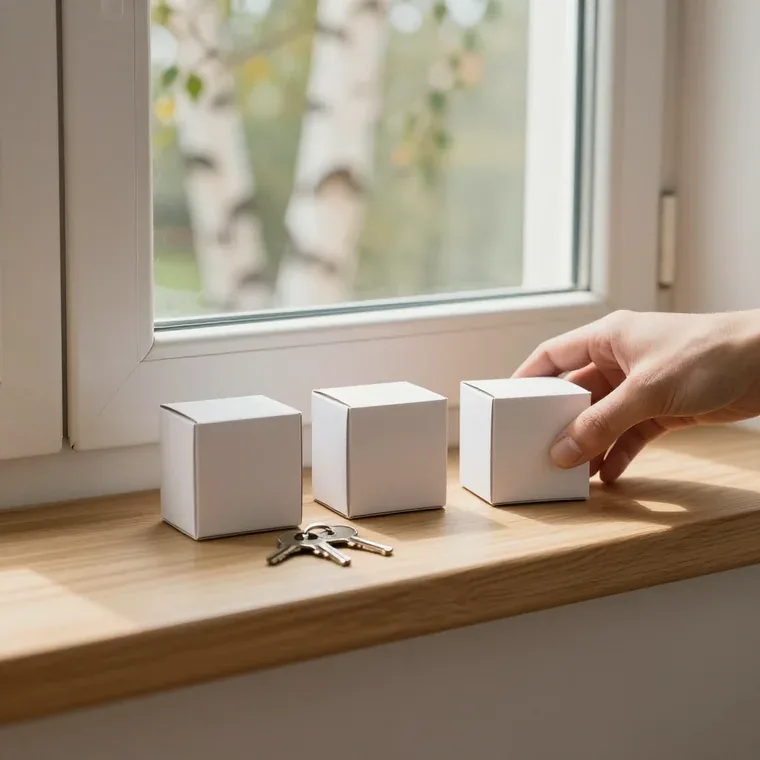
- Rented flat: where drilling is not allowed, the mounting must leave the frame exactly as it was.
Free measuring and fitting a Penkid window lock without drilling the frame
This section walks through the measuring visit and the fitting itself, explains why the fixing is chosen for your profile and floor, and shows how the frame stays untouched.
How the free measuring visit picks the fixing
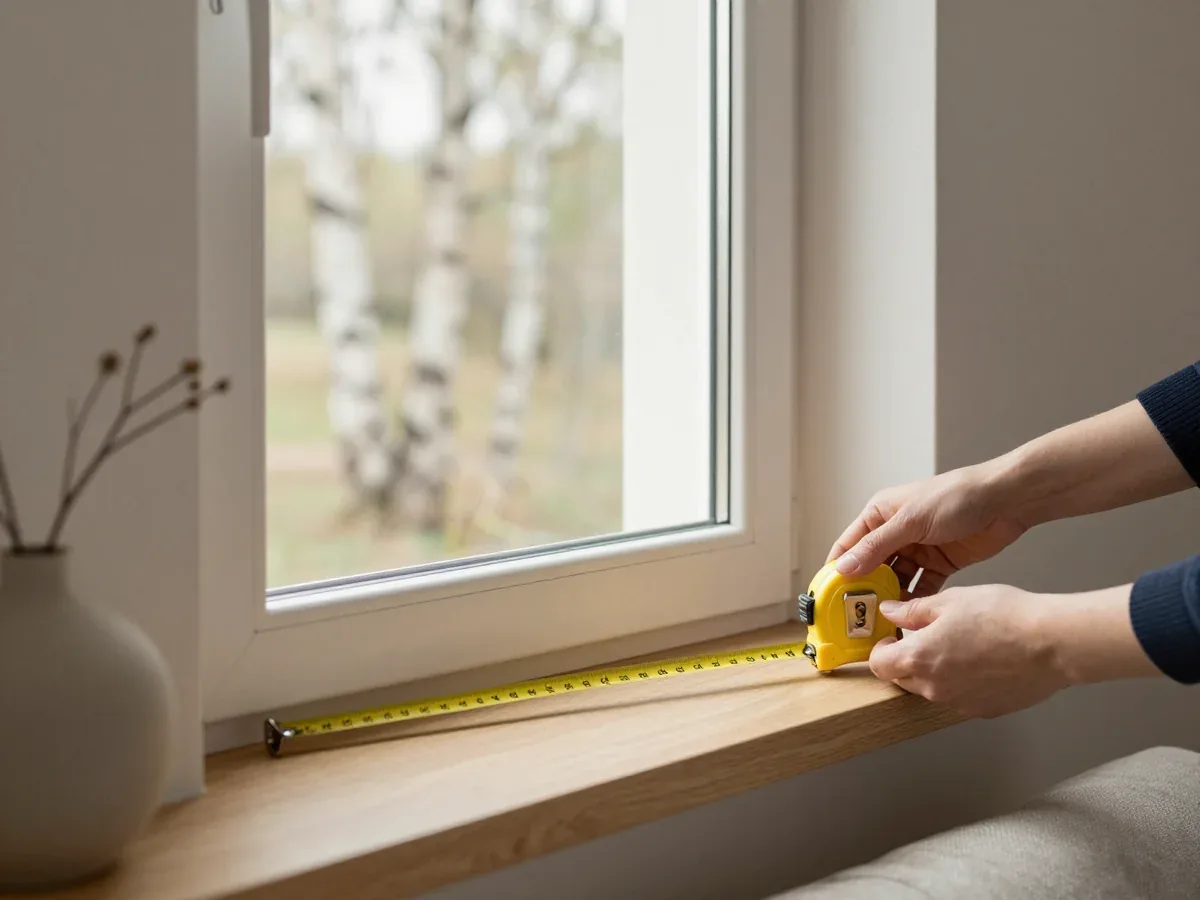
Measuring and consultation are free: the measurer comes at a time that suits you, takes the sizes and helps choose the design and fixings, and the price is fixed in the order after measuring. What he actually decides on site is the fixing, and that depends on two things — the window profile and the floor. For a standard plastic profile he will likely pick Z-shaped brackets; for a tighter reveal, pins (plungers); for a sash you want to remove often, magnets. A photo sent in advance speeds up the visit but never replaces it, because bracket depth and sash clearance only read correctly in person. On upper floors the fixing has to hold against a child leaning on the sash, not just the lock body.
Fitting it yourself or calling a fitter
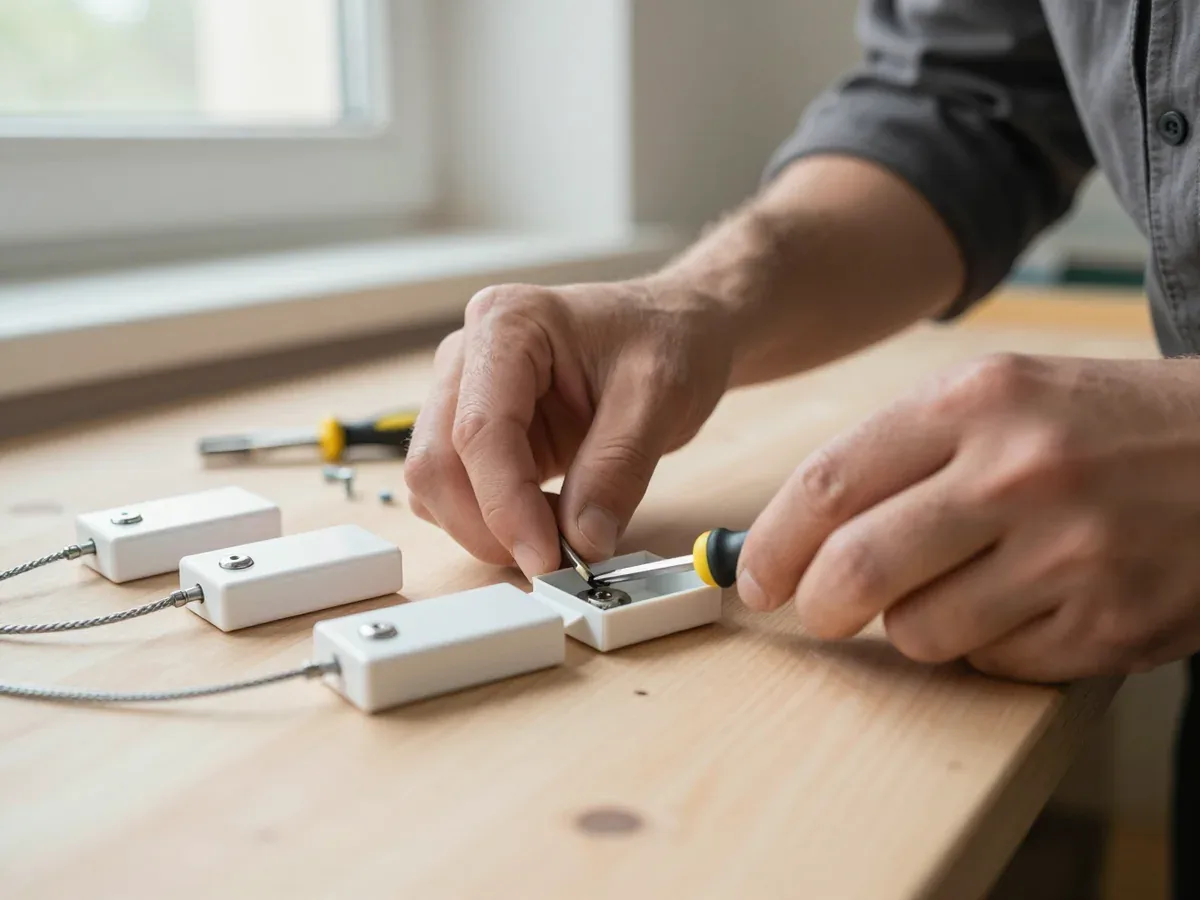
We fit the lock with a fixing matched to your profile, so the frame is left as it was, and you pay after installation by cash, card or Kaspi. No drilling into the profile means a rented flat stays as you found it and a landlord has nothing to argue about at handover. A self-fit usually fails at the fixing point rather than the lock itself: the wrong bracket on a plastic profile works loose within a season, and the sash then rattles instead of holding. Fitting on site is quick, and the measurer confirms the fixing before anything is screwed down. If you want the window lock Taldykorgan homeowners ask for, book the measuring visit first and let the fitter match the bracket to your sash.
Ordering a Penkid window lock in Taldykorgan and what happens after
This section covers who actually fits the lock locally, how to reach the team, and the exact sequence from your first message to a finished window with payment at the end.
Who fits the lock and how to reach us
We are a direct fitter with our own fitters, not an agency that passes the work on, and we reply on WhatsApp within 5 minutes and work seven days a week. The same crew that takes the sizes also installs the lock, and the workshop behind it makes mosquito screens and handles window repair across 17 cities of Kazakhstan. A short note describing the window and the room is enough to start: we ask about the profile, the sash type and the floor, then book an appointment. A direct fitter keeps one team from measuring to the finished result, so if a bracket needs changing later, the specialist who chose it is the one who returns.
From your first message to a fitted lock
- Message or call: you describe the window and the room, and we reply on WhatsApp within 5 minutes.
- Free measuring appointment: the measurer comes at a convenient time, takes sizes and helps choose the design and fixings.
- Fixed price: the price is fixed in the order after measuring, so nothing changes on the fitting day.
- Fitting: our fitters install the lock with the matched fixing and leave the frame as it was.
- Payment: you pay after installation by cash, card or Kaspi.
Warranty, winter care and keeping the lock working
A window lock has to survive cold, dust and daily use. Here is how long it serves, what our warranty covers, and how to keep it working through winter.
How long it lasts and what the warranty covers
We give a 1-year warranty on window repair, covering both the labour and the replaced parts, and the lock is fitted as part of that work. The lock body itself is a simple unit with few moving components, so most failures come from the fixing rather than the lock: the bracket, the striker plate or the locking pin. That is why the fitter matches the fastener to your window profile and floor before anything is screwed down. In our practice, a correctly fitted lock on a plastic or aluminium sash runs for years without adjustment. A lock holds up against a younger child pressing on the sash, but an older child leaning hard on it tests the fixing, not the lock body, so the bracket is what to check first.
Winter care, a lost key and a sticking lock
- Clean the mechanism: wipe dust from the working parts before winter so the lock does not stiffen in the cold.
- Light lubricant only: a small amount keeps movement smooth, while too much collects dust and grit.
- Keep a spare key: store one away from the window, since a lost key on a locked sash is the usual reason to call a fitter.
- Do not force a stuck lock: if it will not turn, stop and let a fitter check the fixing rather than bending the key.
- Check the bracket each season: a loose fixing is easier to tighten early than to replace once it has worked free.
What a Penkid lock gives you
A window lock is a small part of a larger decision, and the right choice depends on your window, your storey and how you use the room.
- Know what you are buying: a window lock holds the opening shut, a restrictor limits how far it swings, and a key handle only blocks the handle, so match the device to the risk.
- Check the window first: plastic, wooden and aluminium units and balcony doors take different fixings, and a leaf with no solid fixing point may need another solution.
- Let the measuring decide: the fixing is chosen on site for the profile and the storey, which is why a free measuring visit comes before any fitting.
- Plan for daily use: a fixed ventilation gap often suits a nursery better than a fully closed leaf, and a ground-level window may already be covered by a grille.
- Keep it working: clean the mechanism before winter, keep a spare key away from the window, and never force a lock that has stuck.
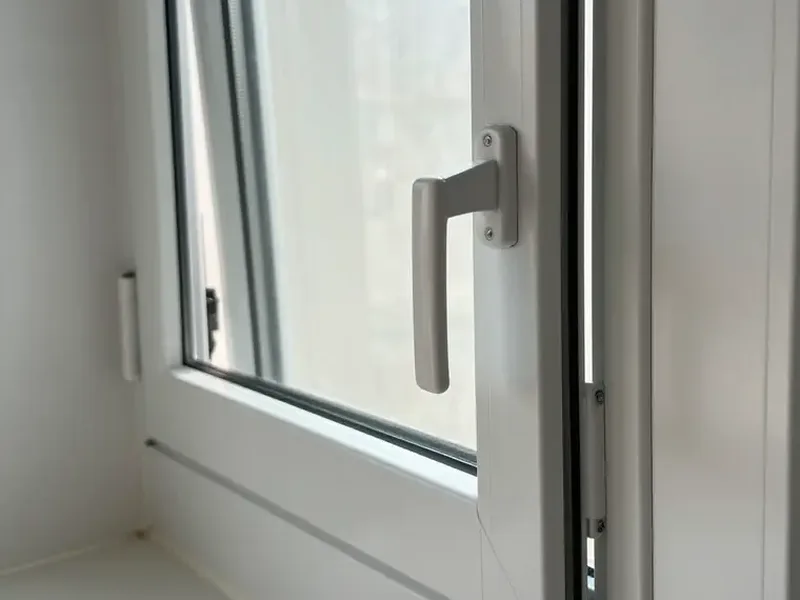 Limiters
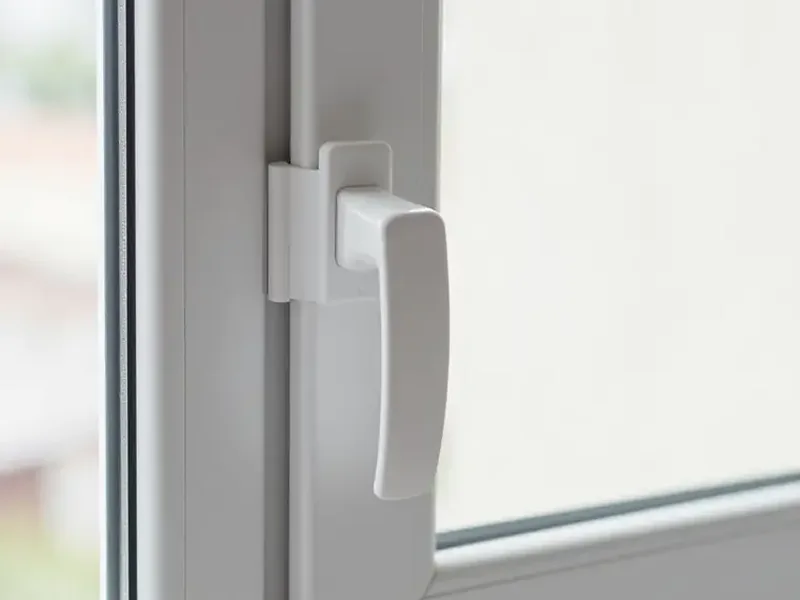 Blockers
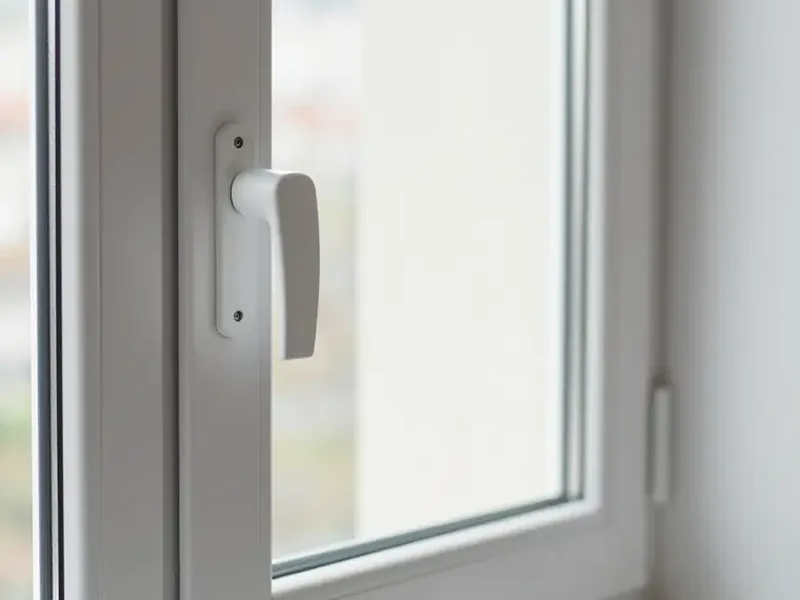 Keyed handles
 Child safety
 Ready-made screens
