
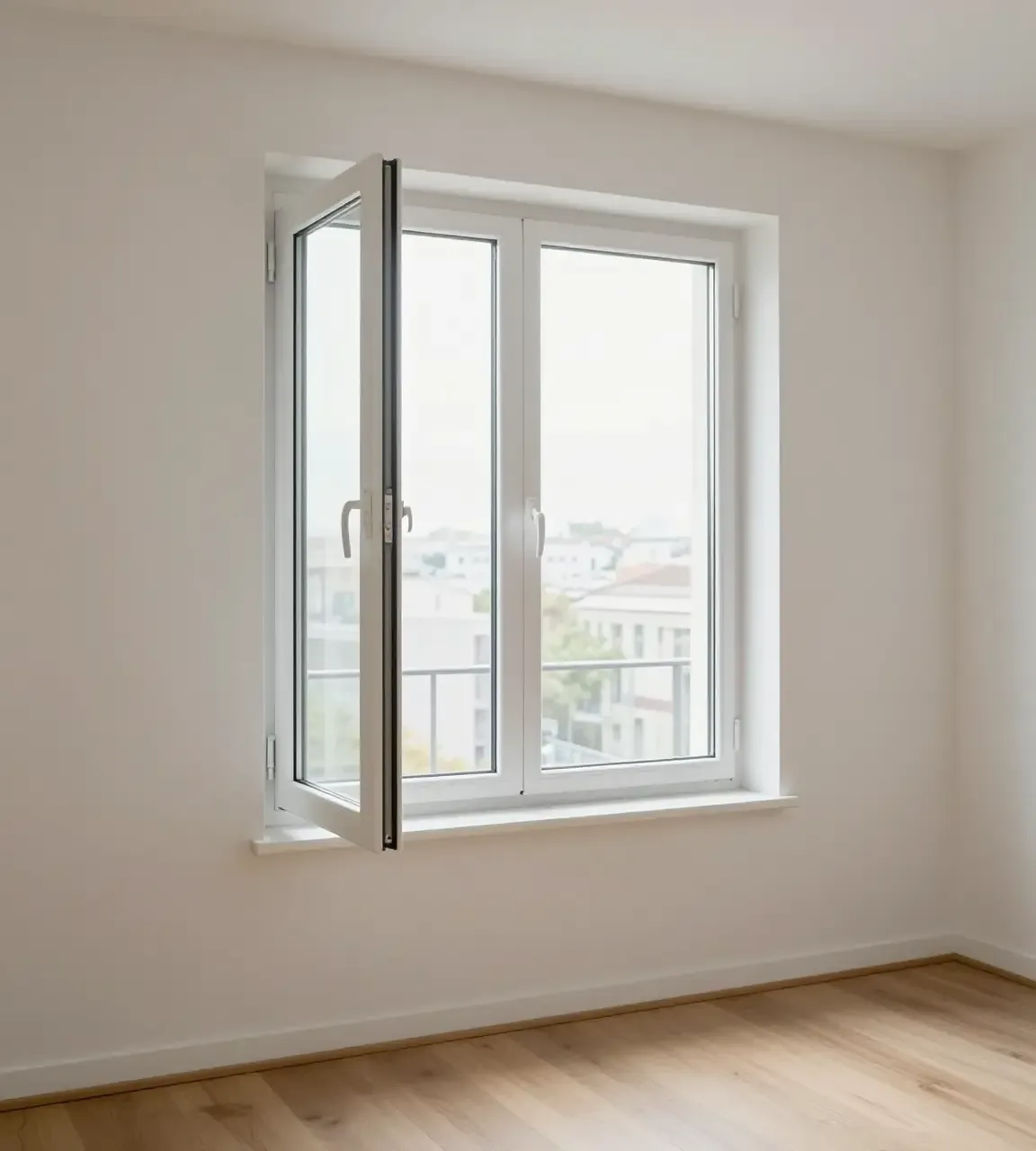
Children · sash turn
Sash restrictor
A simple turn limiter: the sash won't swing wide open, ventilation remains. from 1 200 ₸ per item

Sash restrictor
A simple turn limiter: the sash won't swing wide open, ventilation remains. from 1 200 ₸ per item
Handle restrictor
Locks the handle from turning: it won't open wider than for ventilation. from 2 800 ₸ per item

For sliding
For sliding sashes: prevents the window from sliding wider than needed. from 4 000 ₸ per item
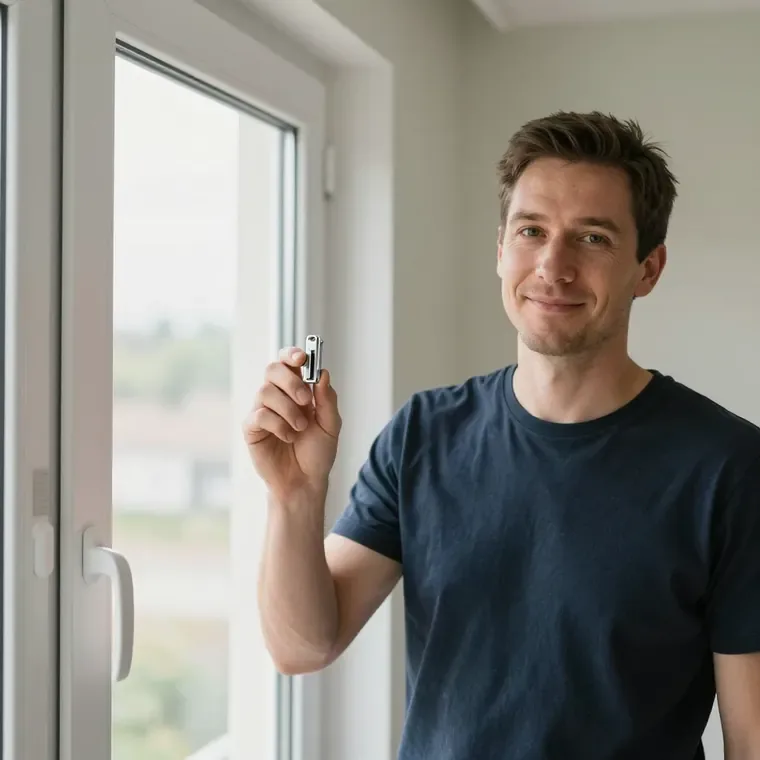
Child lock
Surface-mounted lock with key: an adult can open it, a child cannot. from 3 250 ₸ per item




5,097 reviews on review sites
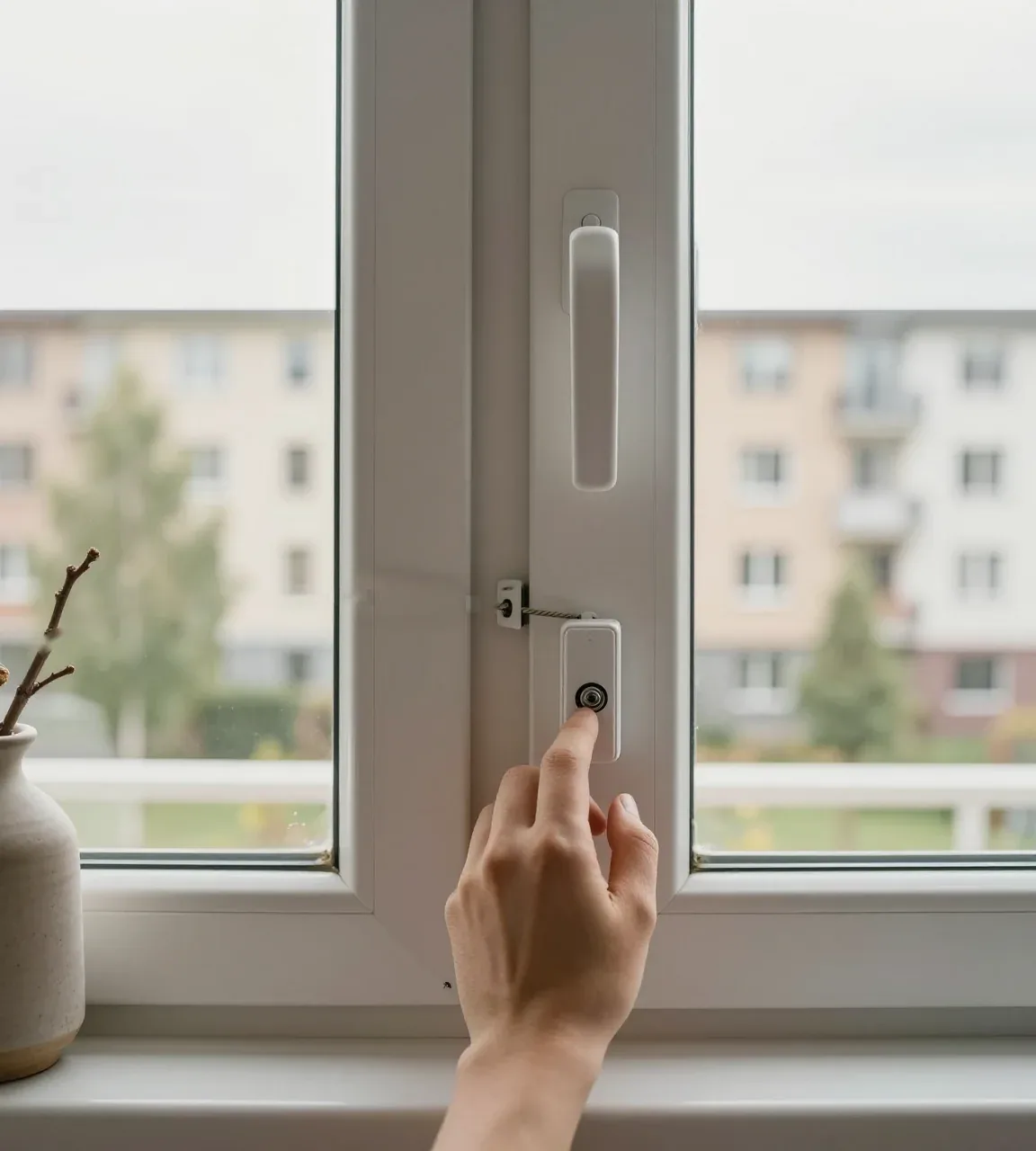
The restrictor prevents a child from opening the window wide: the mechanism holds the handle or sash, and an adult releases the lock with a key or button.
A restrictor is a small device on the window profile. One type locks the handle from turning, another limits the turning angle of the sash itself, and a third works on sliding windows. Only an adult can release the lock: with a key, a button or by turning a flag.
The goal is the same: the window stays safe for a child and a cat but still provides ventilation. The device is fitted to the sash or frame and doesn't interfere with closing the window. For office and kindergarten windows, a version that can't be opened without a key is chosen.
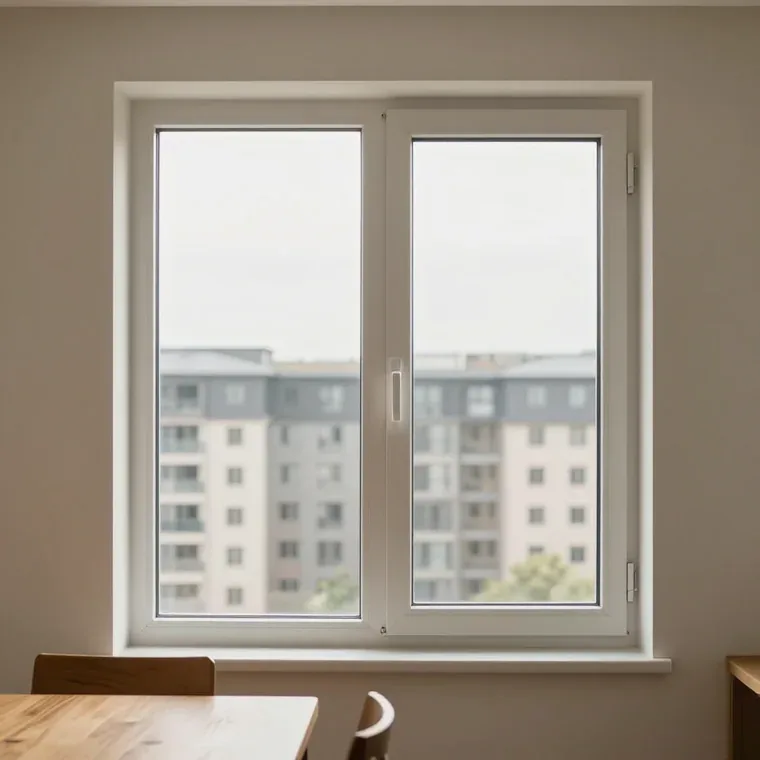
simple sash restrictor
turn, handle, hidden, sliding
warranty on window repair and components
The fixing is chosen to match the profile material and installation location: plastic, wood, aluminium, balcony door or sliding sash.
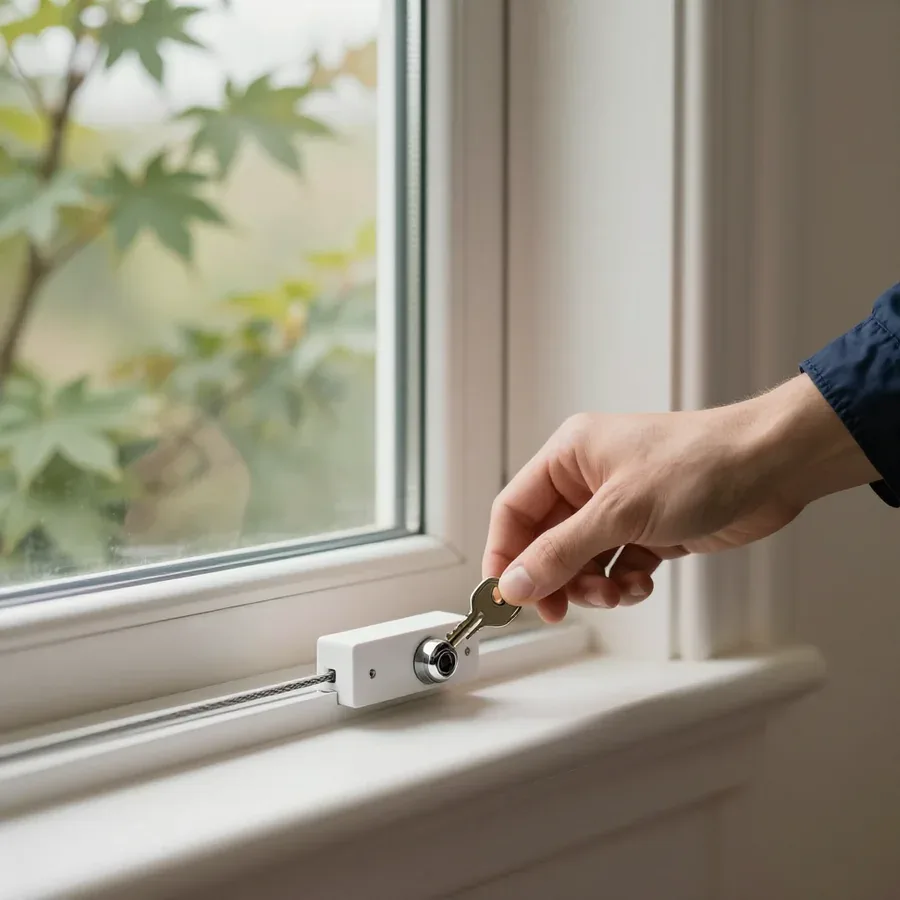
The device is mounted at two points: one on the frame, the other on the sash. This limits the opening angle.
Each profile has its own fixing. For a wooden window, a wood-specific blocker is chosen; for aluminium, one for narrow profiles.
A reinforced version is installed on doors, while sliding sashes get a sliding blocker that prevents opening the window wider than needed.
On a narrow aluminium profile, the fixing is selected considering the wall thickness, and on doors the fixing points are reinforced so the mechanism can withstand the load when opening.
Five versions for different tasks: from a simple opening restrictor to a key lock and burglary protection.
Children · sash opening
A simple opening restrictor: the sash won't swing wide open, ventilation is maintained.
Ventilation · locking
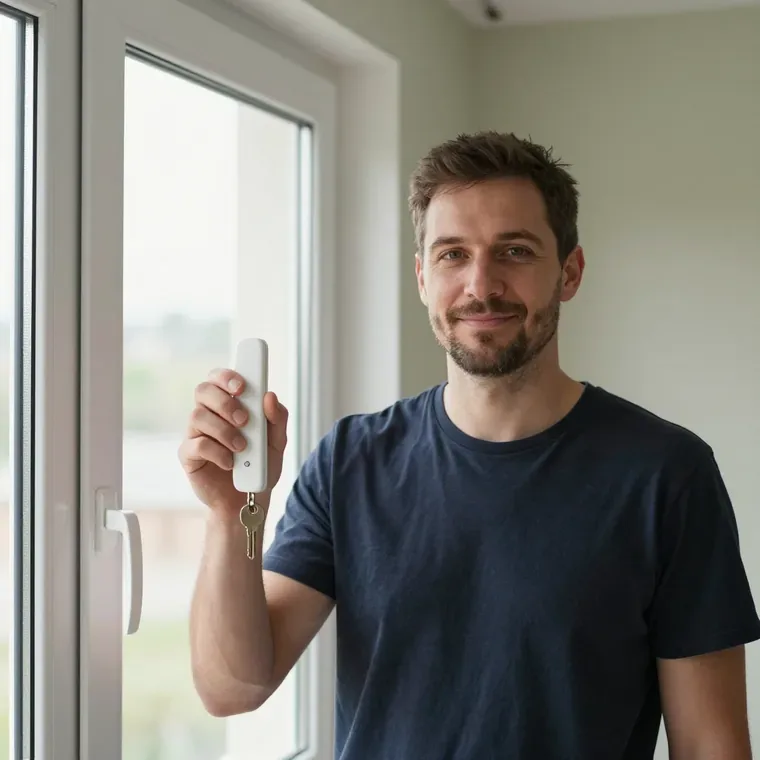
Locks the handle from turning: it cannot be opened wider than for ventilation.
Surface-mounted · with key
A lock with a key: an adult can open it, a child cannot. Mounted on the window sash.
A set of measures for the sash

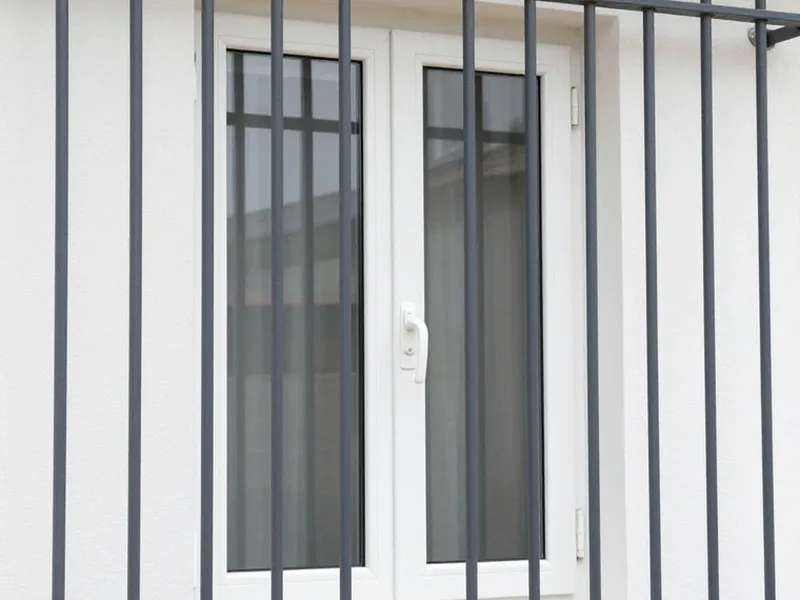
Reinforcement of the sash and handle so the window cannot be opened from outside.
Sliding sashes
Prevents the window from sliding wider than needed: suitable for aluminium sliding windows.
Prices for devices and installation work; the final amount is fixed in the order after measurement.
| Type of item | Price |
|---|---|
| Sash restrictorsimple turn limiter | from 1 200₸ per item |
| Handle turn restrictorlocks the handle from turning | from 2 800₸ per item |
| Restrictor for sliding windowsfor sliding sashes | from 4 000₸ per item |
| Restrictor installationmounting on the window profile | from 2 750₸ per item |
| Child safety window locksurface-mounted, with key | from 3 250₸ per item |
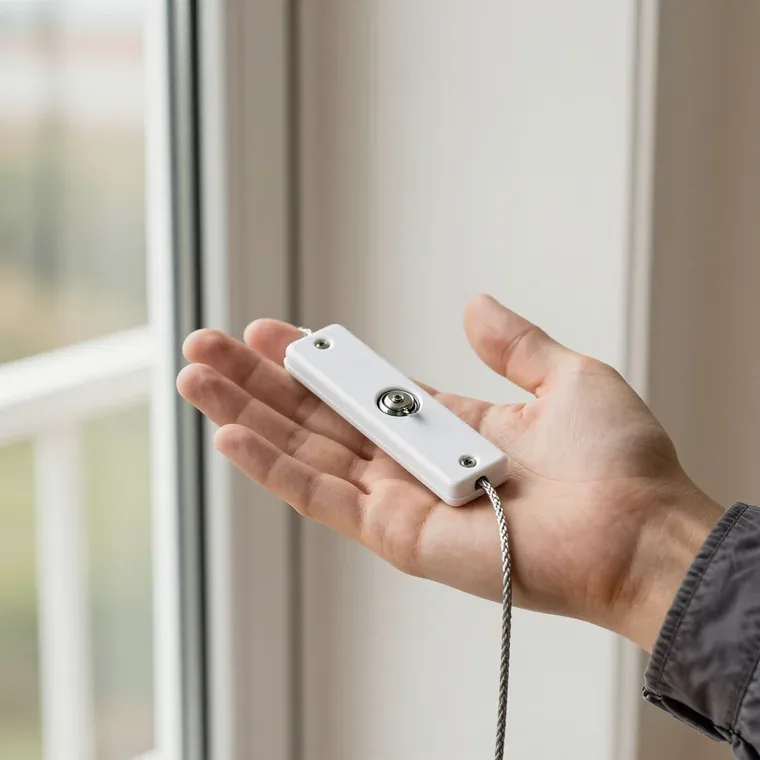
| Cable restrictor with locklimits sash opening | from 2 500₸ per item |
| Penkid cable lockcable lock for the sash | from 2 150₸ per item |
| Latch lock installationfor window or door | from 6 800₸ per item |
| Window burglary protectiona set of measures for the sash | from 3 150₸ per job |
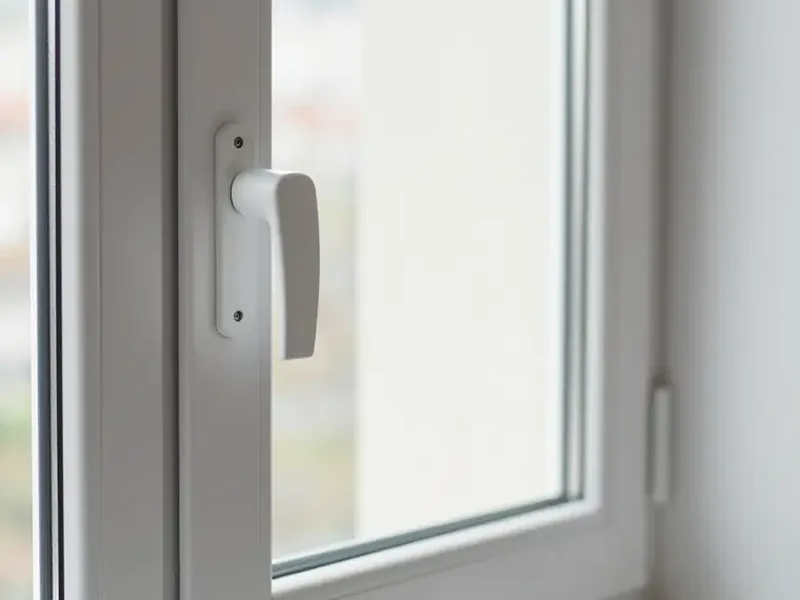
| Window handle with keylockable handle | from 3 650₸ per item |
| Comb limiter with installationfixes the ventilation angle | from 1 050₸ per item |
Price is fixed in the order after measurementMeasurement and consultation are freePayment after installation: cash, card or Kaspi
Check the priceWe have been making mosquito screens since 2012, install window protection and repair windows ourselves, without intermediaries.
we work across Kazakhstan
on work and replaced components
we manufacture and install window protection ourselves
cash, card or Kaspi
we work daily
for work and replaced components
we reply on WhatsApp
you can order in 17 cities of Kazakhstan
From request to performance check
You write on WhatsApp, we reply within 5 minutes: we clarify the task, window type and number of sashes.
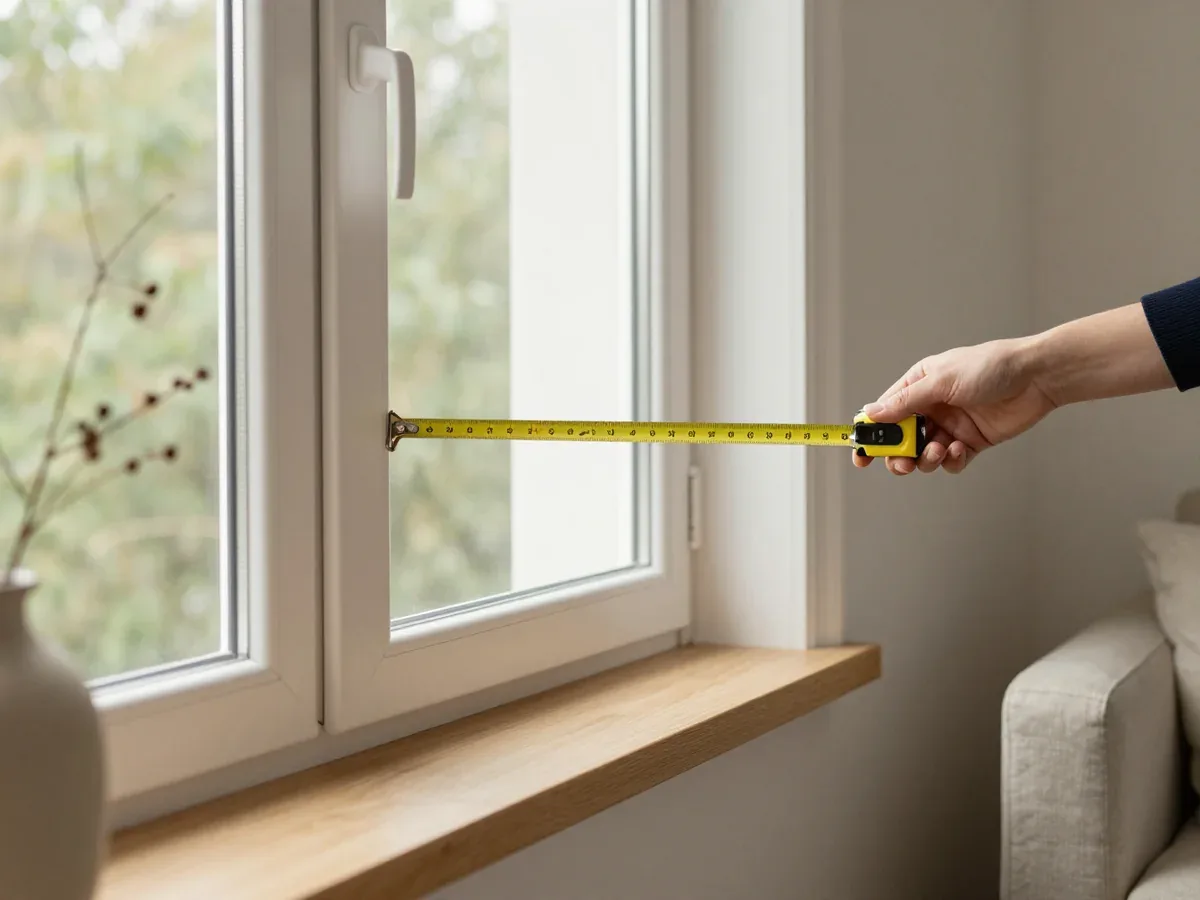
The measurer visits for free, takes dimensions and selects the fixing for the window profile and floor.
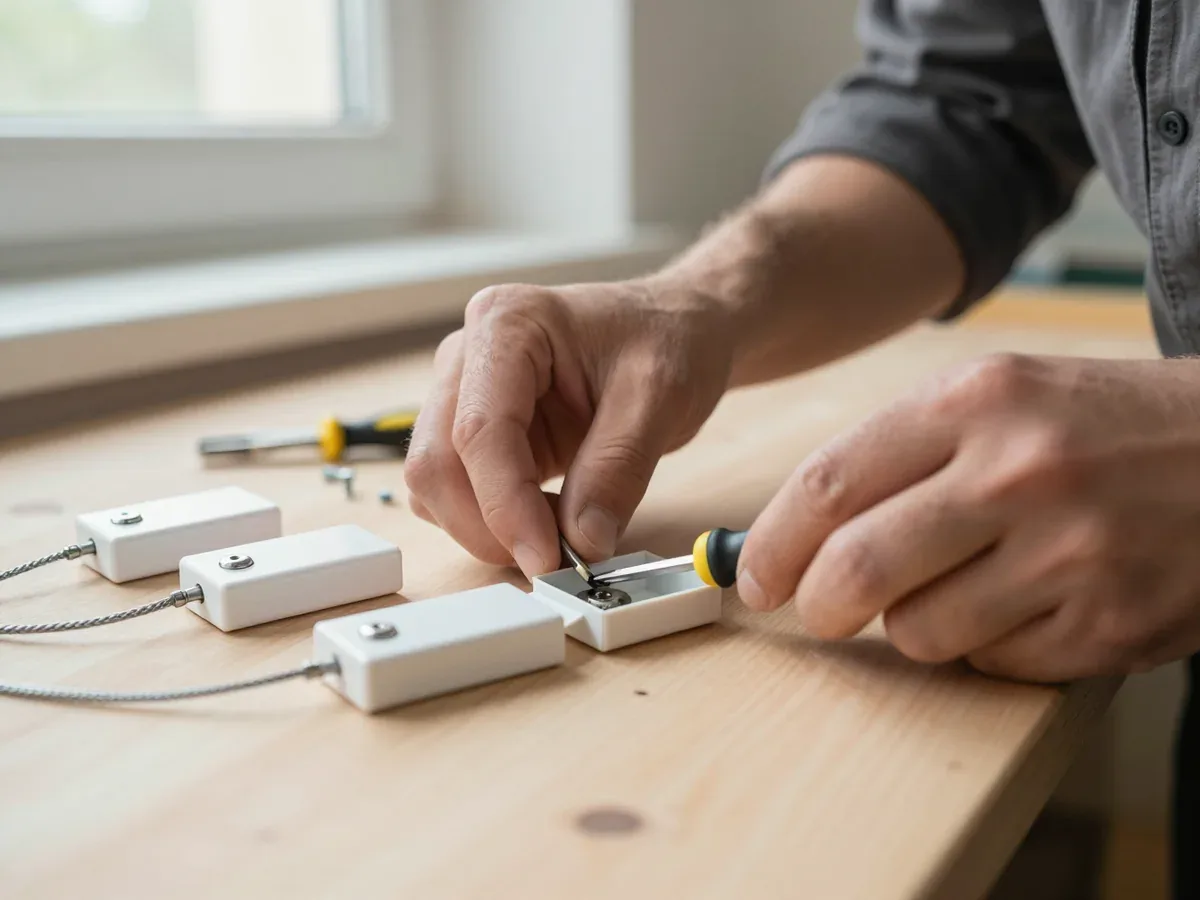
The technician mounts the device on the frame and sash, checks the sash movement and the operation of the key or button.
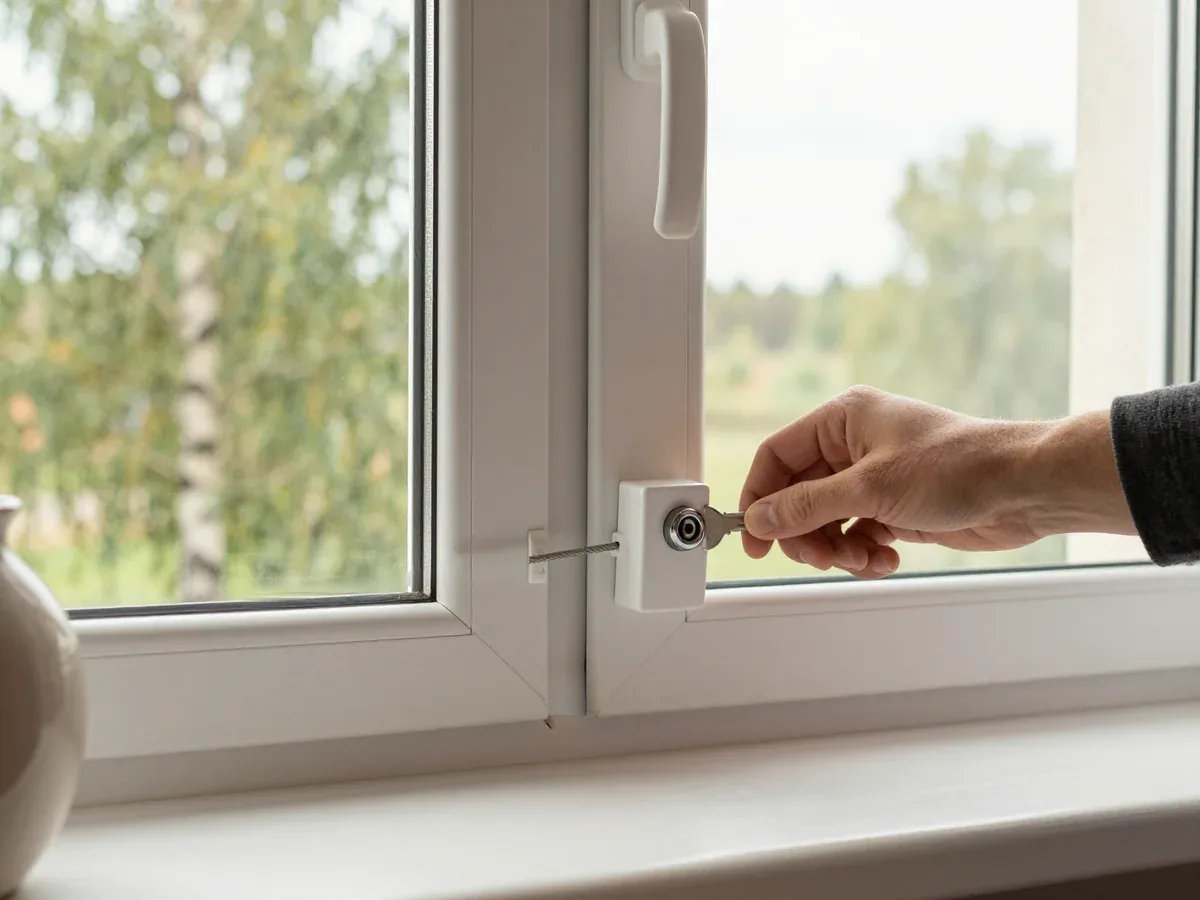
We show how to remove the lock and how to care for the mechanism, and answer questions.
Good to know

Senior mosquito screen specialist at moskitnyesetki.kz
We supply and fit window locks for child safety in Taldykorgan, choosing the device and fixing to suit your sash, profile and floor. A free measurer visits at a convenient time, the price is fixed in the order after measuring, and you pay only after installation by cash, card or Kaspi.
Choosing comes down to how the sash opens and what you are protecting against. Below we separate a child lock from a restrictor and an anti-burglary device, then match each to your sash.
A child lock stops a small hand from opening the leaf, a restrictor caps how far it swings, and an anti-burglary device resists opening from outside. The first is a block or cable at the handle side, the second an arm or strap holding the gap at a set width, and the third a keyed fitting that opens only from indoors. Families often buy one and expect another's behaviour, then find the gap still wide enough for a toddler to lean through. For a household with a toddler the deciding factor is the release — an adult must open it in one motion while the child cannot reach or work it. When choosing window locks for child safety in Taldykorgan, the same logic applies to every sash.
We fit child-safety locks to swing, tilt-and-turn and vent leaves on plastic, wooden and aluminium frames, and a dual-mode leaf needs a device that respects both opening modes. A plain swing unit takes a simple block or a cable at the handle, a vent on a wooden frame usually takes a small screw-fixed catch, and aluminium profiles sometimes need a different bracket because the frame is thinner. The dual-mode case is tricky — a lock that only blocks swinging still lets the leaf tilt, so the measurer checks both before choosing the model. Our measurer looks at the profile, fitting and floor level, then offers the fixing that suits that combination.
The biggest worry is damaging the window and losing its warranty. Here is how the fixing is chosen, what it holds onto, and what stays intact afterwards.
We choose the fixing to suit the profile and floor, using Z-brackets, pins (plungers) or magnets so the device holds firmly without weakening the sash. Z-brackets hook over the edge and clamp the device; pins sit in the existing hardware channel; magnets pair with a plate and release with a firm push. Our measurer checks profile width, hardware brand and storey before choosing. The higher the storey, the more the choice leans on hardware spreading load across the sash rather than a single point. Ask for the part to be shown in place before fitting: a dry run takes a minute and shows how much pressure a child would need.
A lock that clamps or pins without cutting into the profile leaves the unit's warranty intact, while drilling through it puts that cover at risk. Most warranties exclude damage caused by added fittings, not the fittings themselves, so the mounting method matters more than the device. Clamp-on and pin-mounted locks leave no hole and no swarf inside the chamber, and can be removed later without a trace. Ask the supplier what their terms say about added fittings before the visit — knowing this lets the measurer pick a method that stays within them. Keep the written terms with the documents, so a future claim never becomes a debate about who made the hole.
From your first message to a working lock on the sash, here is what the measurer does, how long fitting takes and how fixings get chosen.
Measuring and consultation are free, and the measurer comes at a convenient time, takes sizes and helps choose the design, mesh and fixings. He checks profile depth, the gap around the sash and the material, since side-hung and tilt-and-turn casements take different hardware. The visit also covers floor height, so the release ends up out of a child's reach. The price is locked then too — the figure agreed after measuring is fixed in the order, so nothing changes on installation day. Ask him to show two or three fixing options on your own sash rather than a sample — the real profile tells you more than any catalogue.
We fit child-safety locks across a whole flat in a single visit, and you pay after installation by cash, card or Kaspi. A fitter works through the rooms one after another, so a two-room home with four or five sashes is normally finished inside the same slot. We are open seven days a week, and a WhatsApp message gets a reply within five minutes. Booking a day when an adult is home for the full slot matters more than the work itself — the fitter must show the release working before leaving. Walk the rooms with him at the end and test every lock yourself, including those your child uses most.
| Fixing | What it grips | Suits best | What the measurer checks |
|---|---|---|---|
| Z-brackets | Frame edge, clamped | Side-hung and tilt-and-turn sashes | Depth and sash gap |
| Pins (plungers) | Pre-set holes in the profile | Sashes with existing fitting points | Hole spacing and material |
| Magnets | Flat surface, no drilling | Windows where drilling is unwanted | Surface flatness and floor height |
Picture a two- to five-year-old at a low sill, hands on the sash, pushing up. Placement decides whether the fitting stops that push or invites it.
Height and position that keep the release out of reach. We place window locks for child safety high on the frame, out of a small child's reach, so an adult releases it in one motion while the child cannot work it. On a standard turn or tilt-and-turn leaf the release sits near the top corner, above the height a two- to five-year-old can stretch to from the floor. The restrictor caps the opening at a narrow angle that lets air through but not a child's body. Watch where furniture sits — a sofa or low sill beneath the sash turns an out-of-reach unit into a reachable one, so the measurer checks the room, not just the frame.
A correctly fitted unit holds against a child pulling or hanging on the sash, yet still releases for an adult in an emergency. The mechanism limits the opening to a set angle and takes the lean of a small body without slipping or bending the arm. Emergency release matters as much as the hold: a grown-up must free the leaf in one firm movement, without a key hunt or a second hand. Test it yourself after fitting — pull the frame firmly with the device engaged and then release it once; if either step feels stiff or loose, it needs adjusting. Repeat that pull test each season, since a screw that loosens over winter shows up as a sash that gives a few millimetres more than it should.
A trusted device must stay reliable after the fitter leaves. Here is how our warranty and payment work, plus the routine keeping a child-safety fitting moving freely.
We give a 1-year warranty on repair work covering labour and replaced parts, and you pay after installation by cash, card or Kaspi. The price is fixed in the order once measuring is complete, so the figure you agree to is the figure you settle. Our fitters install screens on windows and doors, repair existing ones and swap worn fastenings, and every job carries the same repair terms whether it is a new catch or a replacement part. Keep the order sheet with the fixed price — it is what the warranty claim is checked against if a component ever needs replacing.
A child-safety lock works only when it matches the sash and the way a child pulls on it. The points below sum up what decides that match.
Installation, selection, compatibility, safety
Konstantin Selenenkovsenior mosquito screen specialist, 10 years in the tradeOnline · replies within 5 minutes
Ask a questionThe mounting option depends on the profile and floor level, and the surveyor will advise whether drilling is needed. However, for child safety, screw fixing is more reliable: it withstands force, while the adhesive option depends on how even and clean the window surface is.
In this case, you need a key-locking restrictor on the handle or a cable limiter with a lock: the sash will only open to a set width. A rigid stop without a key can be forced by an older child, so for an active toddler a lockable option is better.
Yes, restrictors are not only for plastic windows: for wood and aluminium, fixings and a model are selected based on profile thickness. On a narrow aluminium profile, the choice is limited, so it is best to confirm compatibility during a free measuring visit.
Profile thickness and width, sash travel, the position of the hardware and handle, and the opening type all matter. The surveyor will check these parameters against the device model — this avoids the situation where the restrictor does not fit or prevents the window from closing.
Yes, most models allow the sash to be opened to a limited width for ventilation, and cable locks secure it in a set position. The window can only be fully opened after releasing the lock with a key.
A child safety restrictor prevents a child from opening the sash wide but is not designed for forced impact from outside. An anti-burglary lock is made from stronger materials and is installed for protection against break-ins, so for the ground floor it is the right choice.
Thank you. We will call you back within 10 minutes!
Your order number is on the receipt or in the SMS. Choose where to leave your review.
Write a review on WhatsApp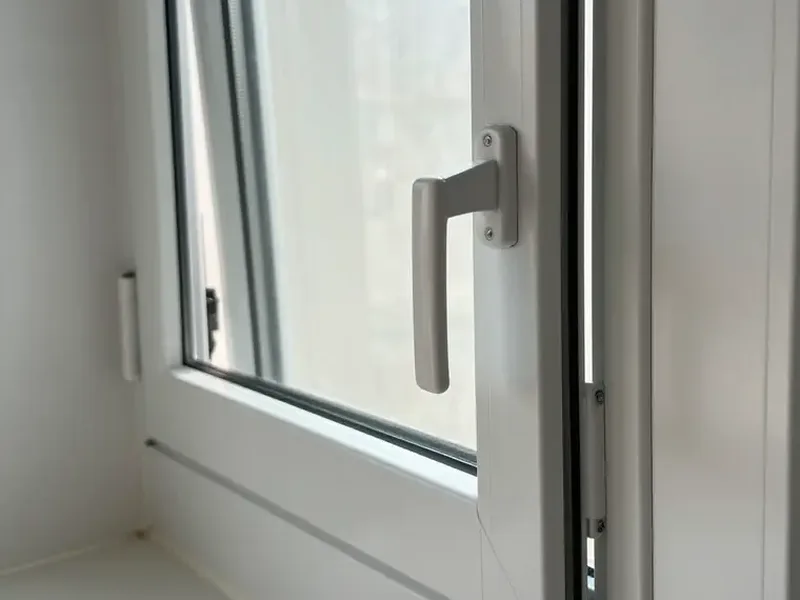 Window limiters
 Metal grilles
 Window handles
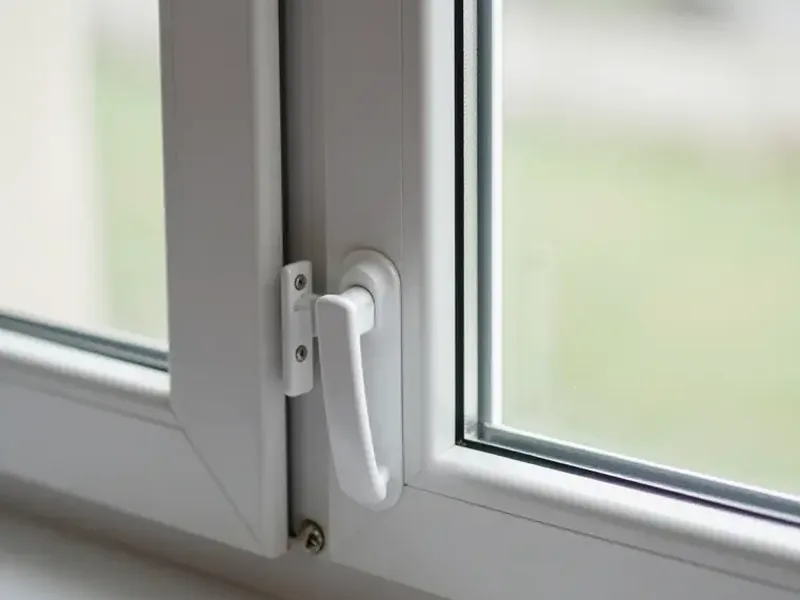 Penkid lock
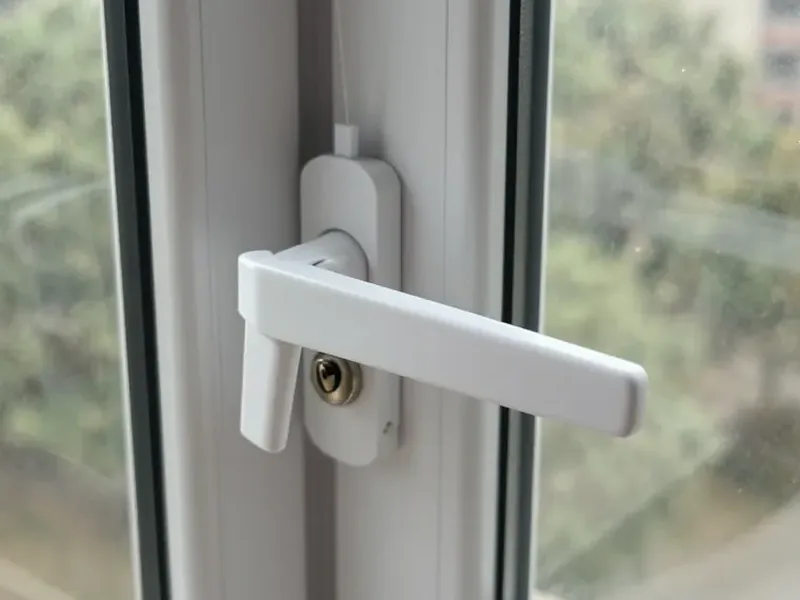 Child protection
