
Standard
Standard
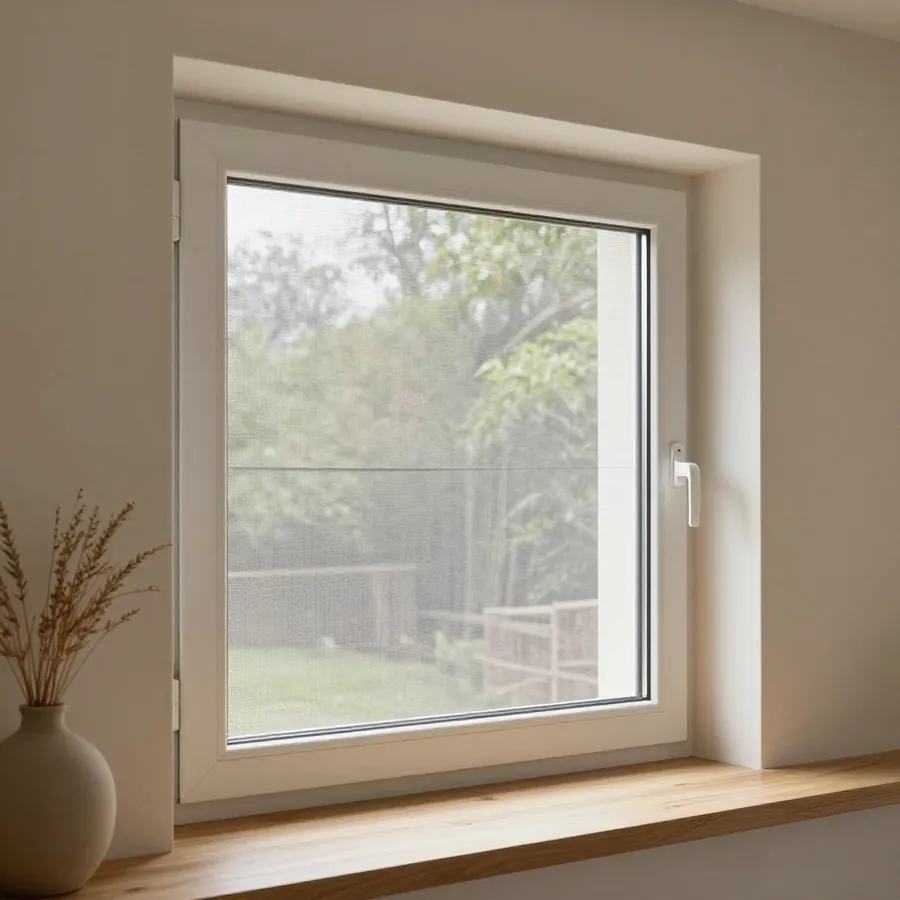
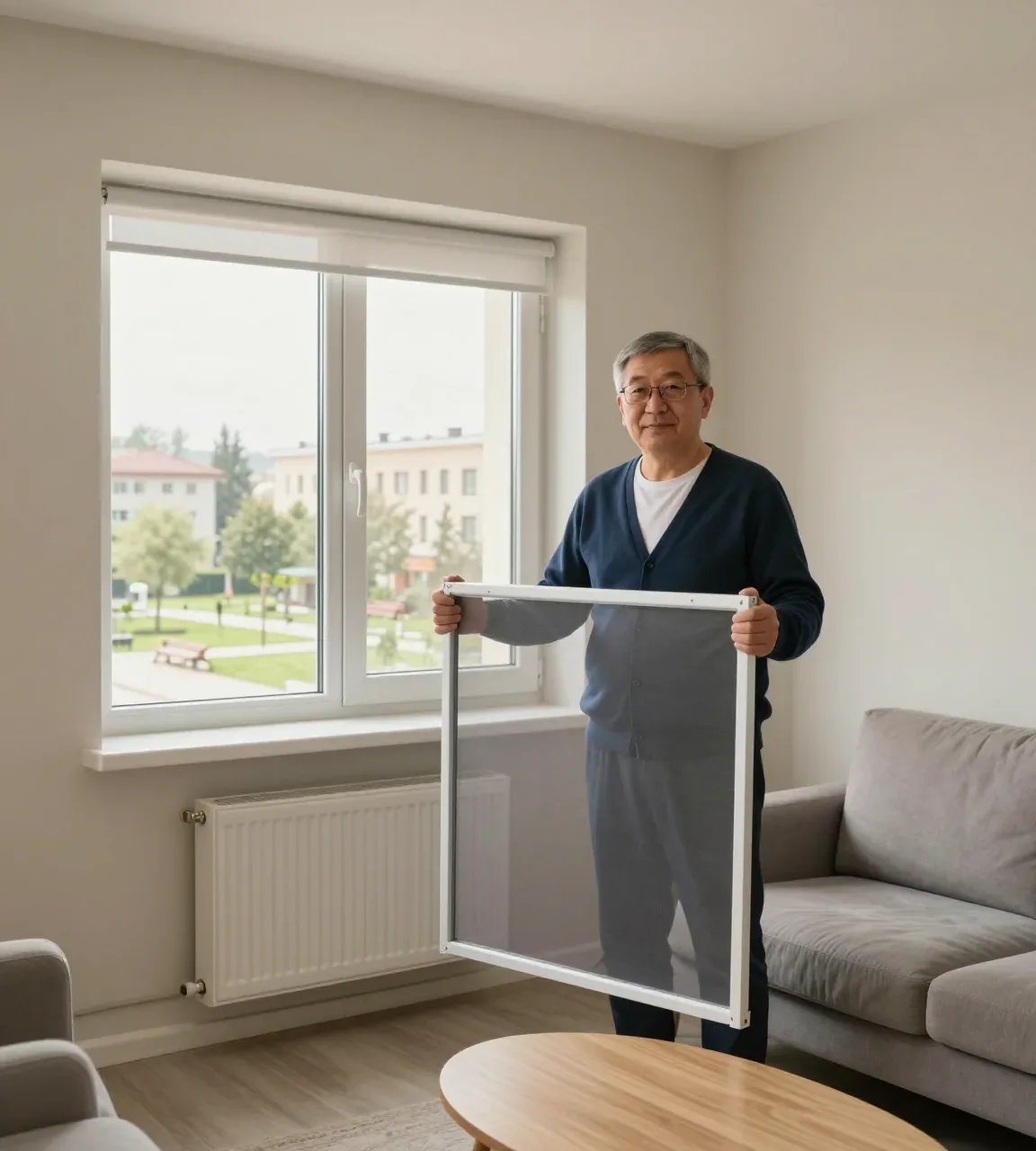
Fiberglass, doesn't burn and withstands temperature changes. Price — from 6 000 ₸ per m².
Standard
Fiberglass, doesn't burn and withstands temperature changes. Price — from 6 000 ₸ per m².
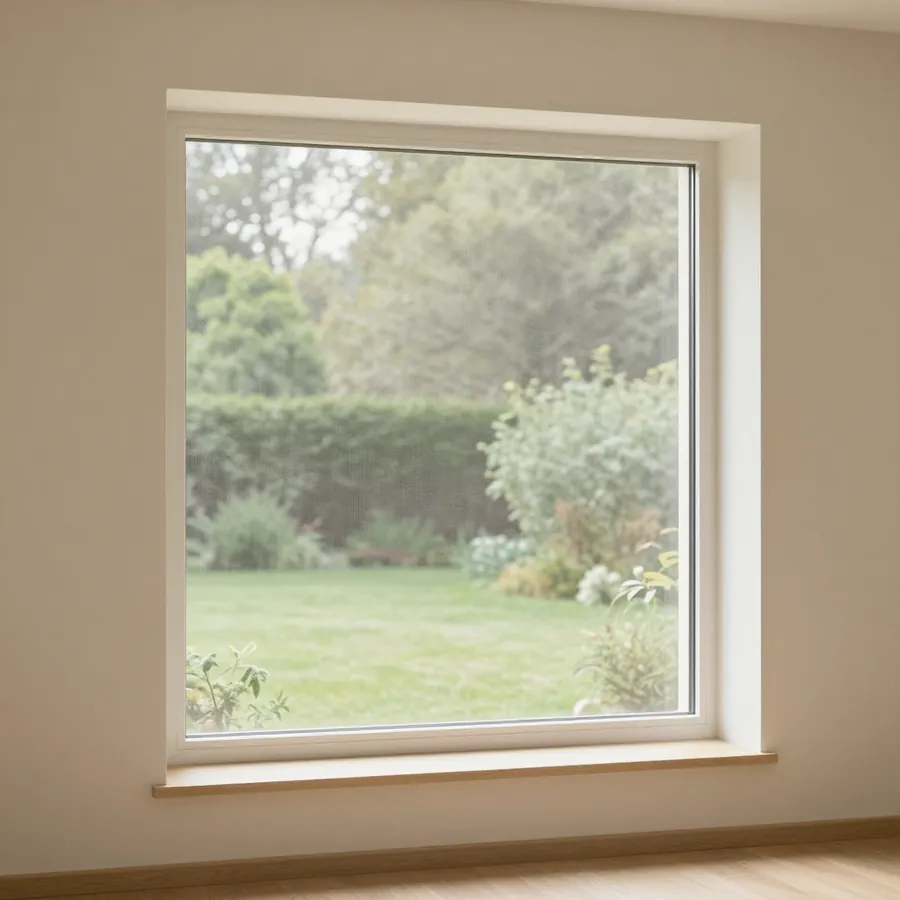
UltraVue
Lets through 25% more light and air than other meshes. Price — from 7 900 ₸ per m².
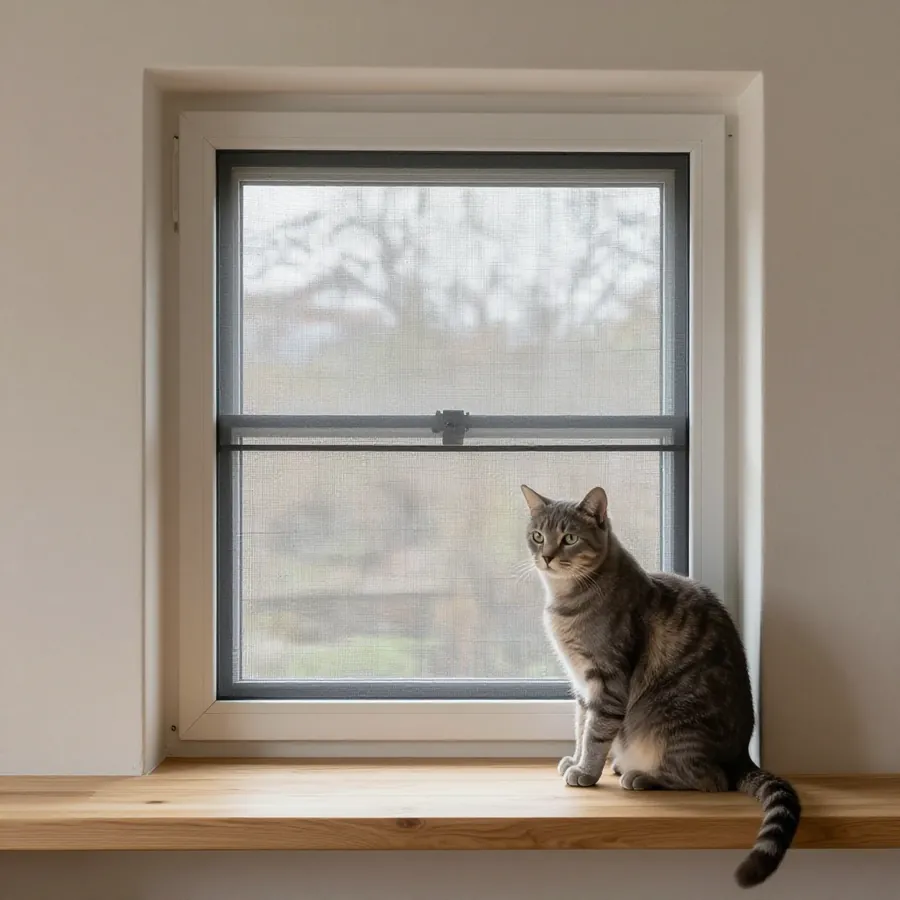
Anti-Cat
Vinyl threads are several times stronger than standard mesh. Price — from 12 000 ₸ per m².
Anti-Pollen
0.25×1 mm mesh traps pollen, hypoallergenic. Price — from 12 200 ₸ per m².
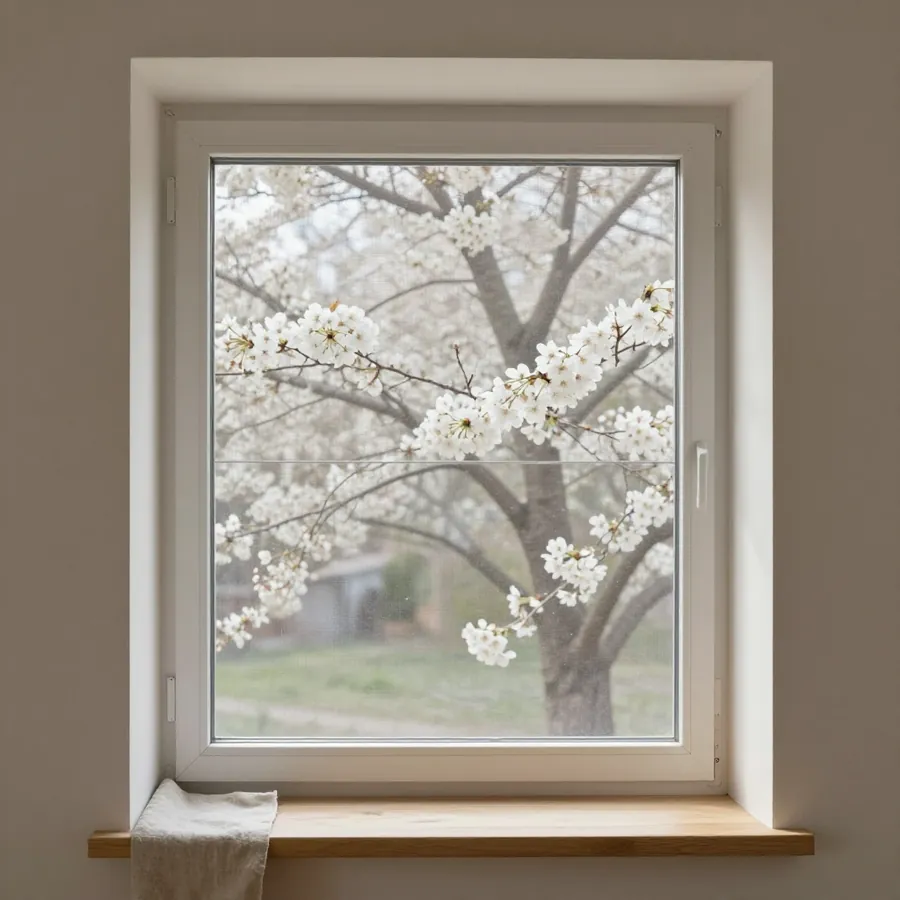
Four designs cover different openings: from a small vent to a terrace. Prices are for standard mesh without fitting.
All types of screensFive meshes differ in mesh size, strength and light transmission. The choice depends on the task: mosquitoes, dust, pollen or a cat.
Fiberglass, resistant to ignition
Basic protection against mosquitoes and midges, withstands temperature changes.
25% more light and air
The room stays bright, the screen is less noticeable on the window.
Vinyl threads, stronger than standard
Withstands the weight of a small animal, a cat won't tear it with claws.
Fine mesh for dust
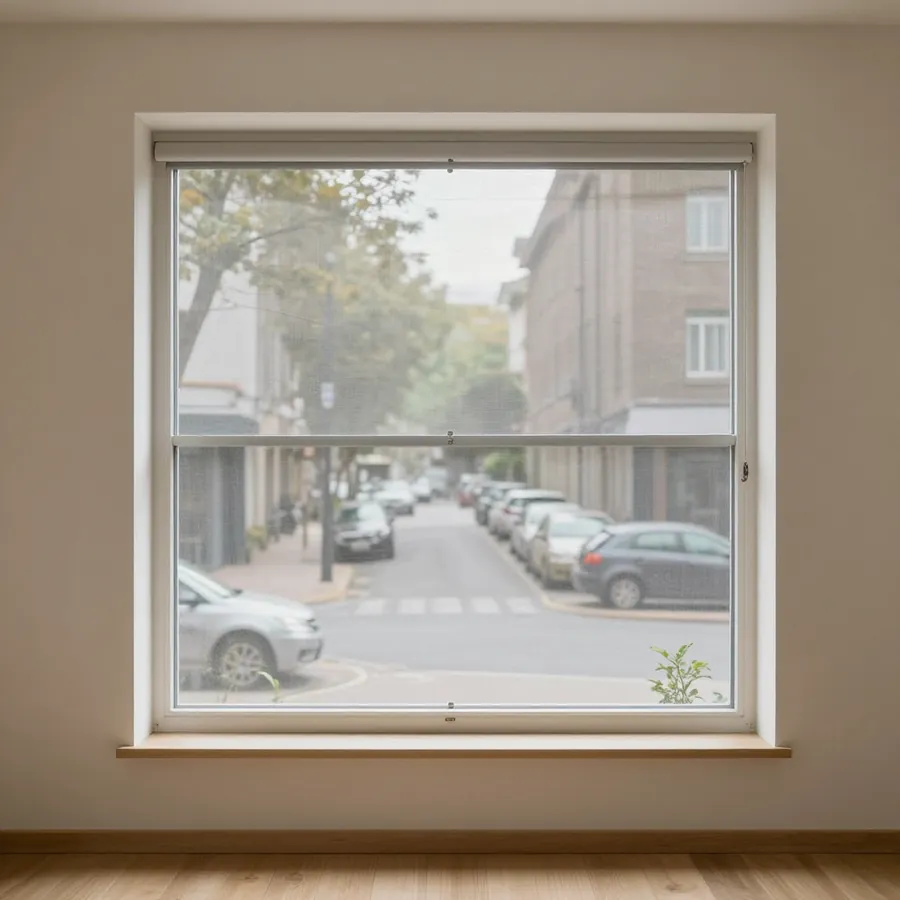
Traps street dust, the windowsill stays cleaner.
0.25×1 mm mesh, hypoallergenic
Traps plant pollen during the flowering season.
We fit on plastic, wooden and aluminium windows, doors, balconies and terraces. Price — per unit with standard mesh.
Sliding or framed
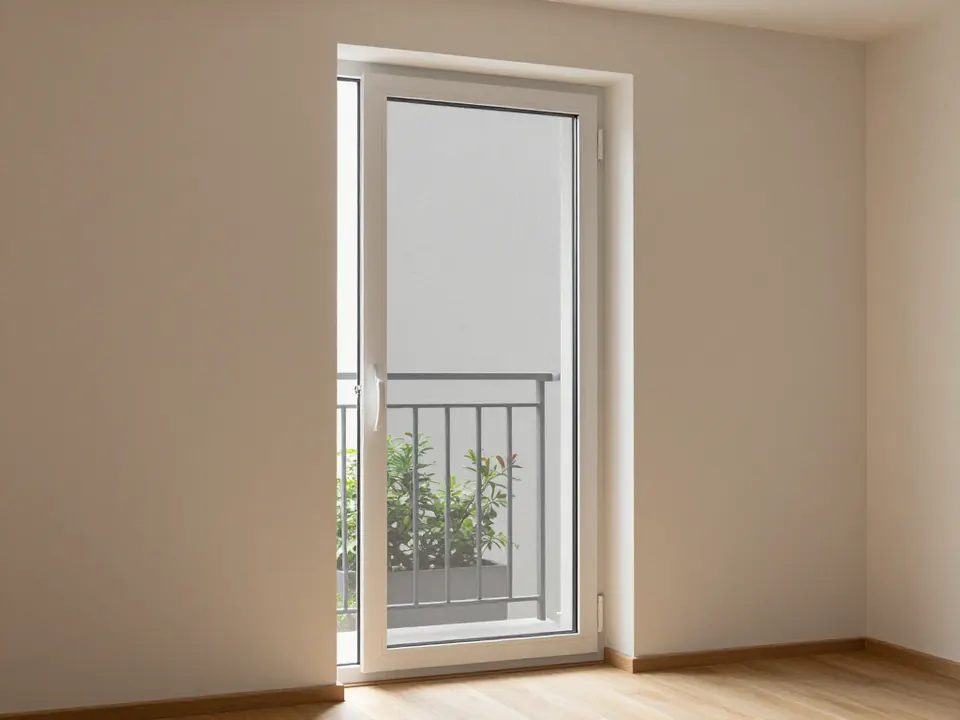
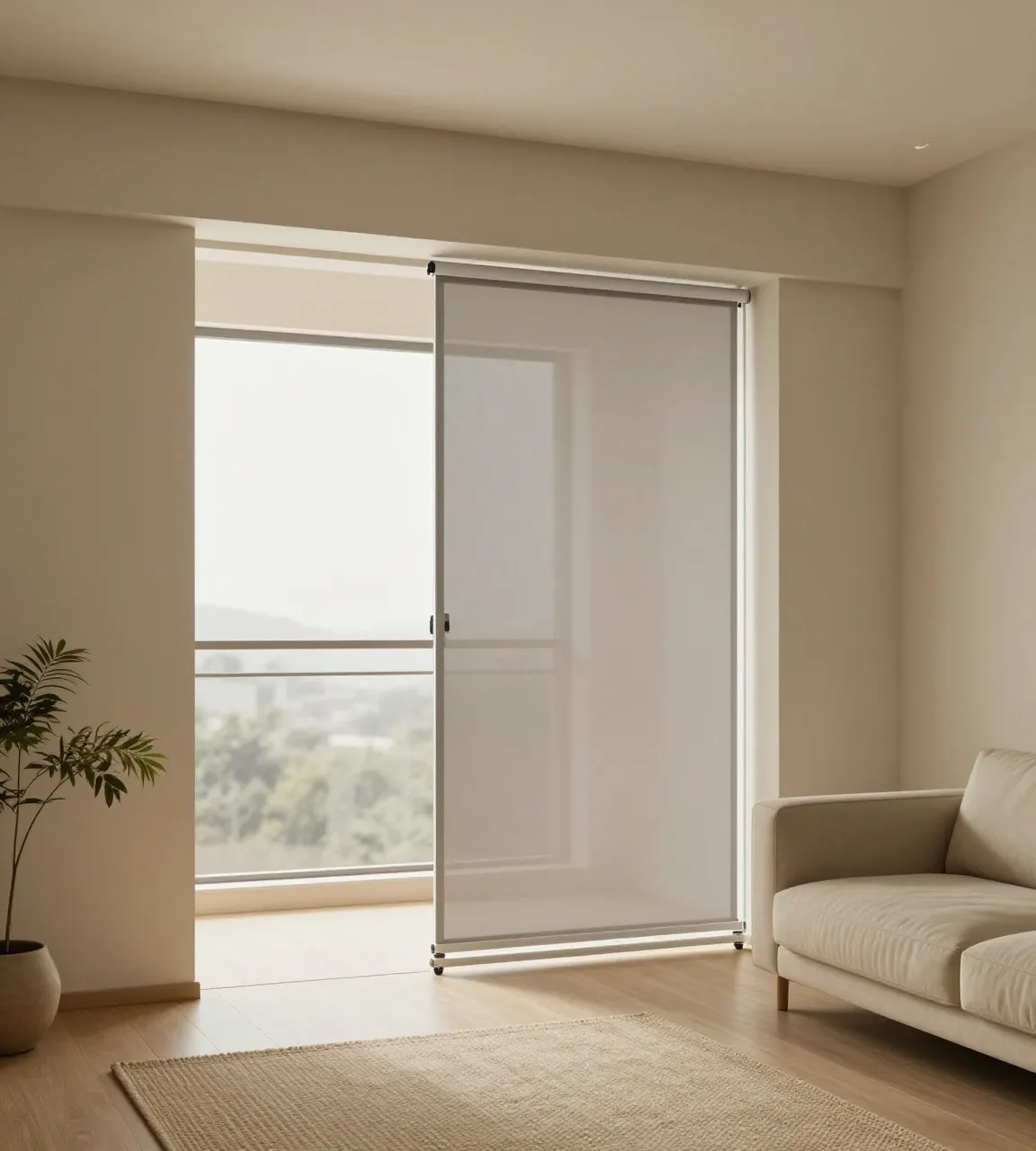
Sliding design
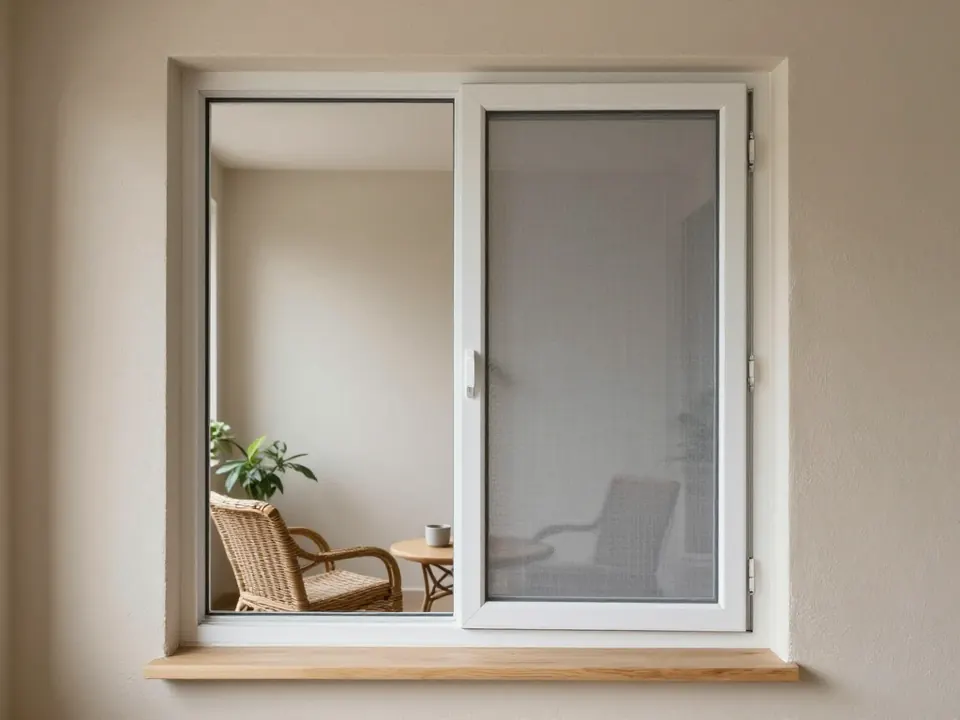
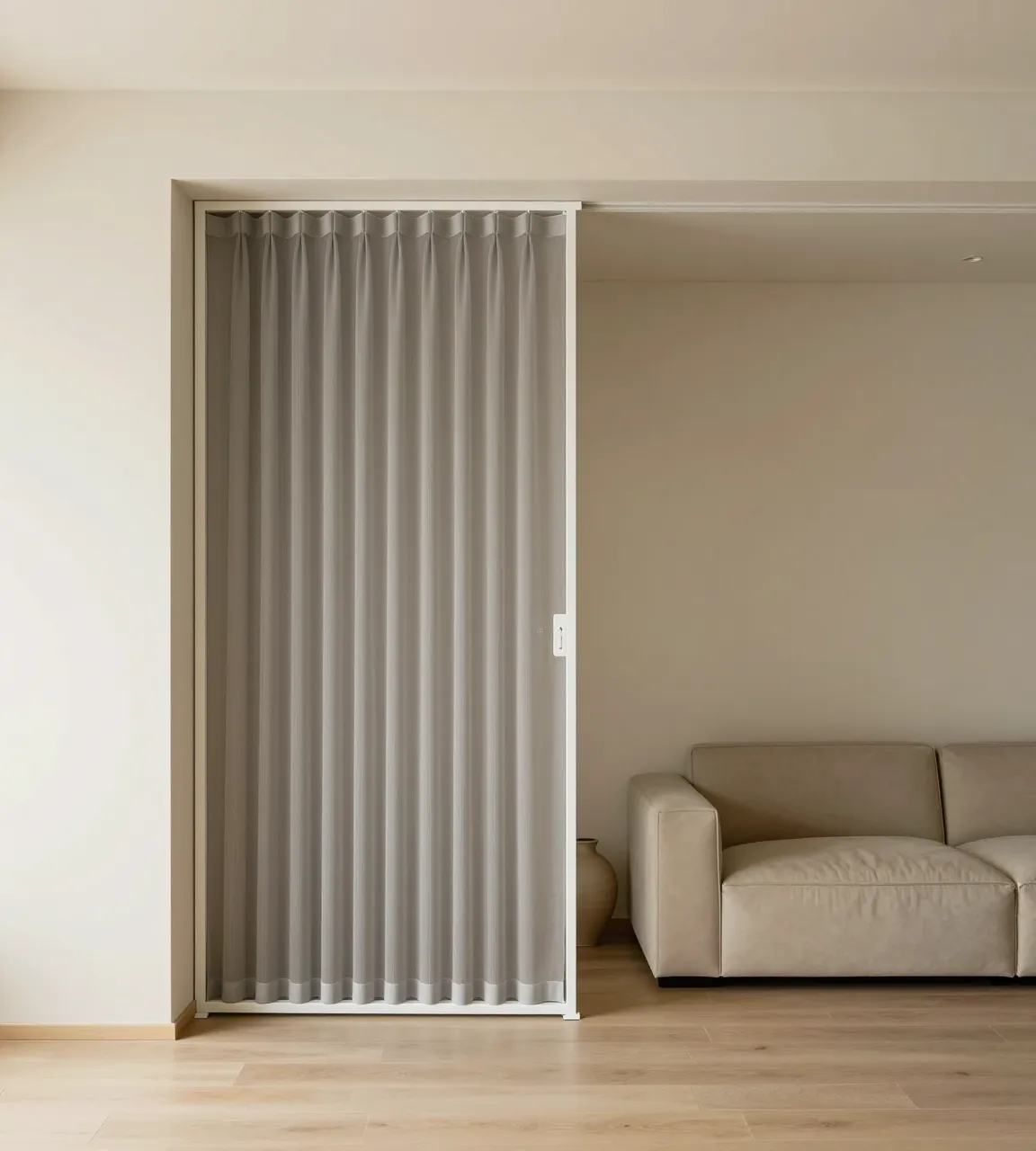
Framed and pleated
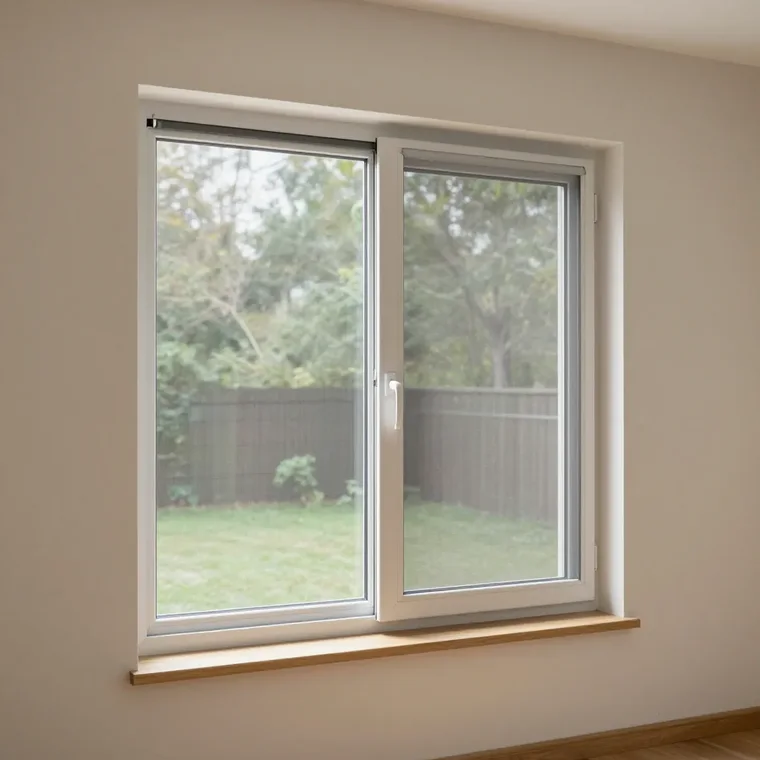
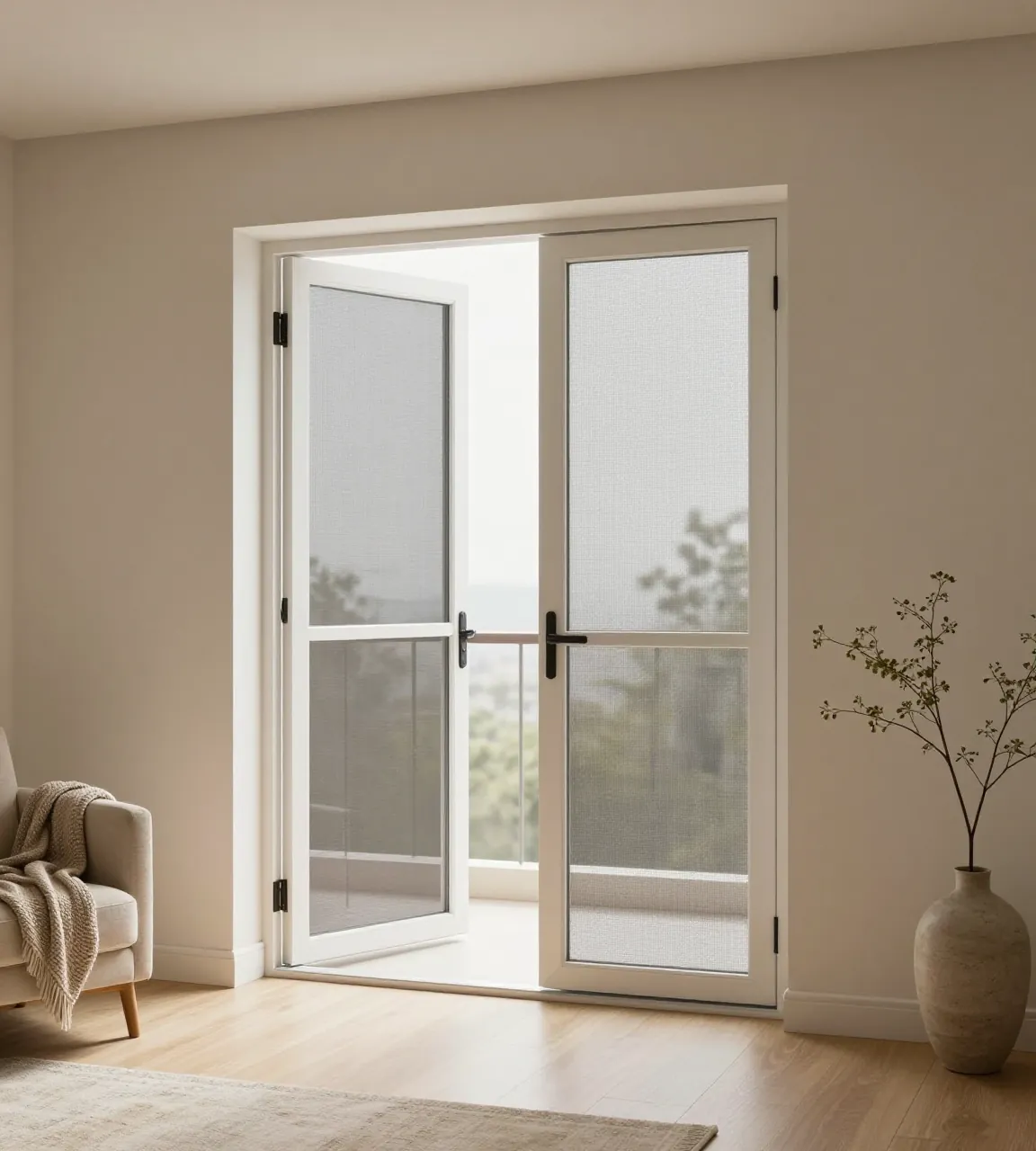
Hinged, profile 32×10 or 42×17 mm
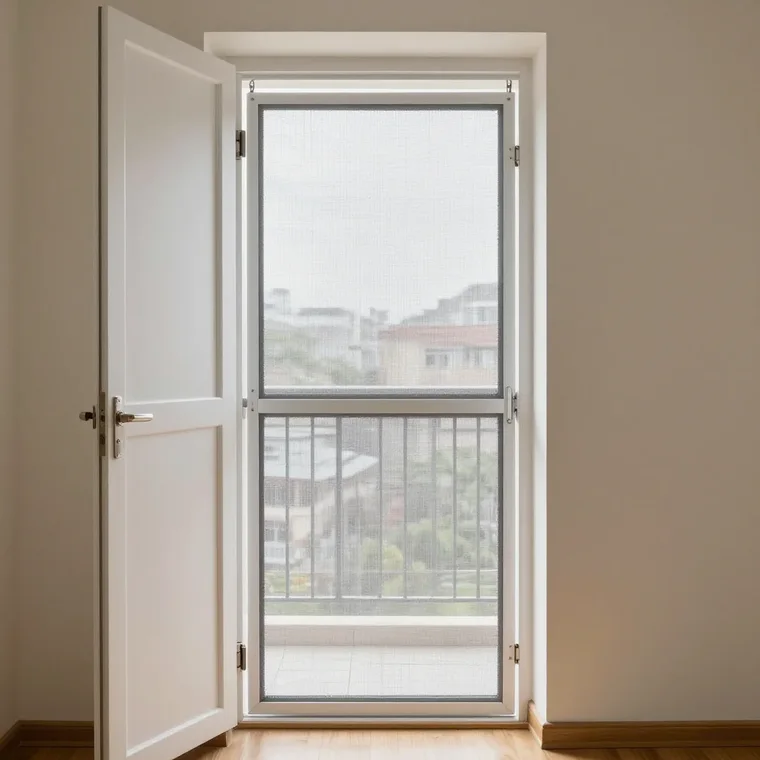
Framed to size
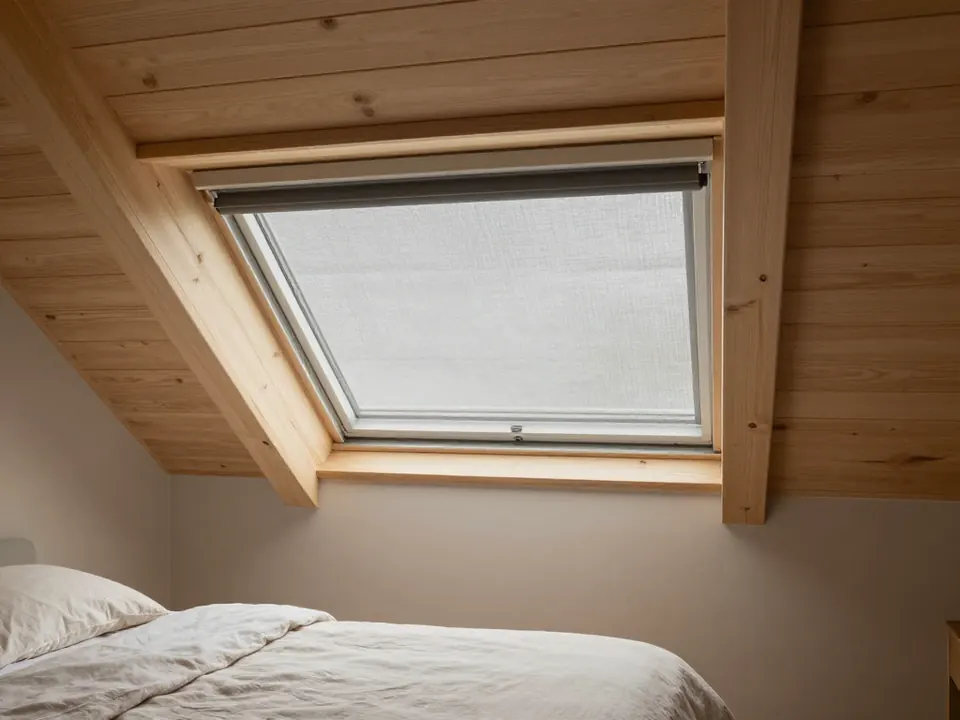
Pin fastening
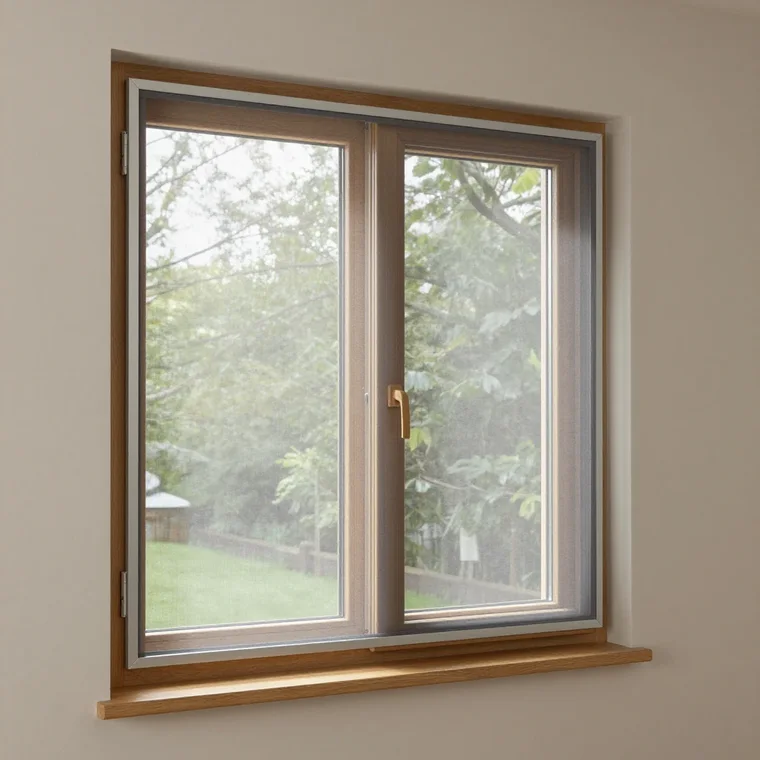
Enter the width and height of the opening, choose the mesh — the calculator will show the price.
1. Screen type
2. Mesh and design
3. Opening size, cm
The price depends on size, mesh and fixings; fitting is calculated separately.
| Screen type | Price | Fitting | Making | Options and prices |
|---|---|---|---|---|
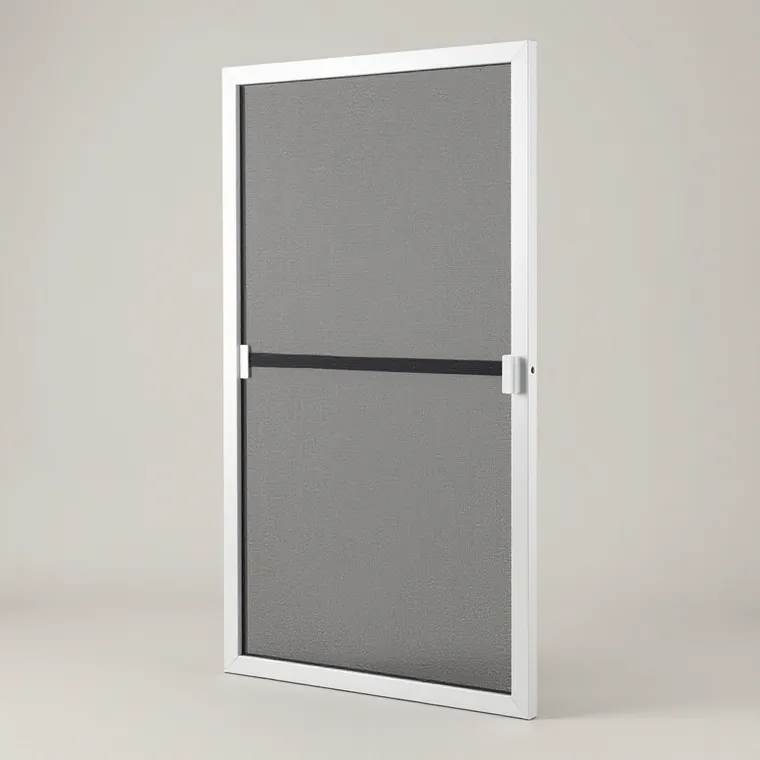 Framed mosquito screen, Standard mesh (Fiberglass) | from 6 000₸ per m² | 1 600 ₸ | 10–15 minutes | "Anti-Cat" · 12 000"Anti-Dust" · 11 800"Anti-Pollen" · 12 200"UltraVue" · 7 900 |
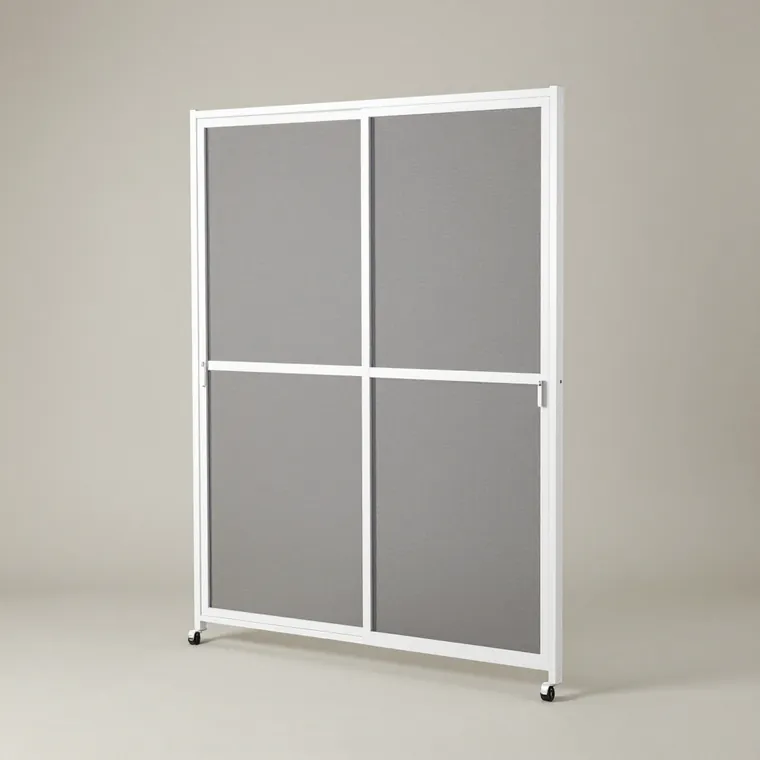 Sliding mosquito screen for balconies and loggias | from 17 400₸ per m² | — | — | |
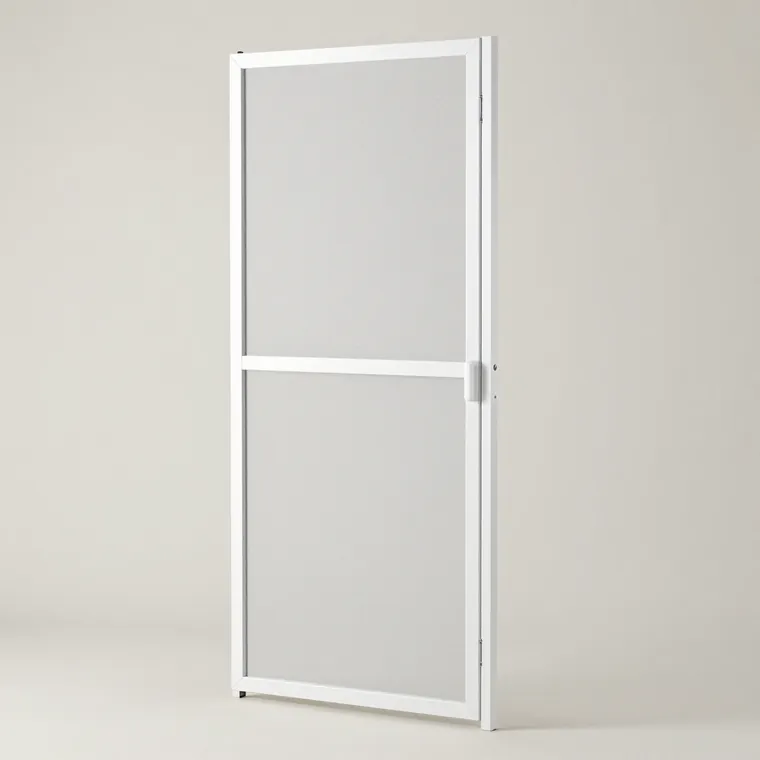 Hinged door mosquito screen, Standard | from 15 200₸ per item | — | — | |
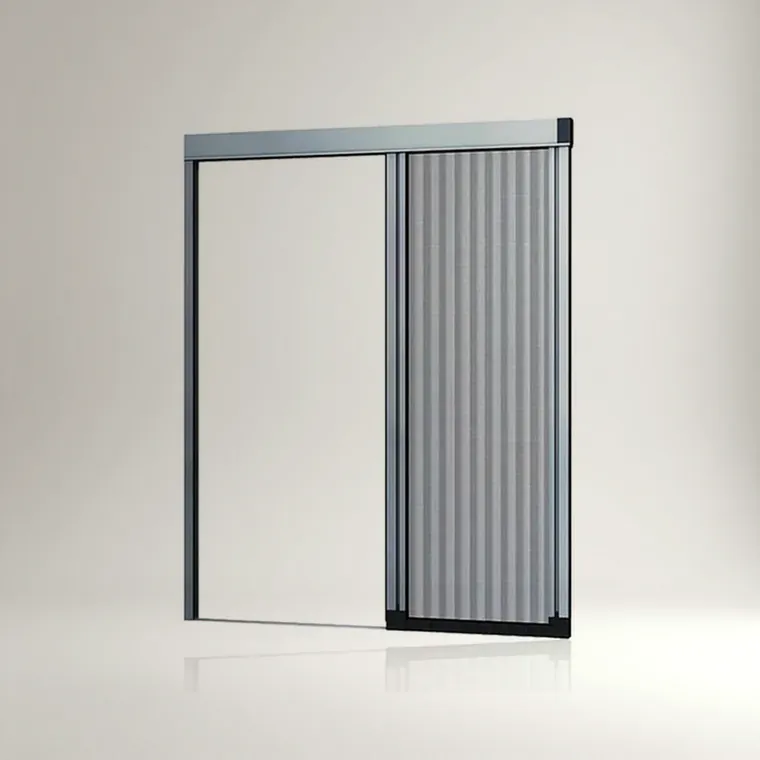 Pleated mosquito screen, Standard mesh | from 29 500₸ per m² | — | — | |
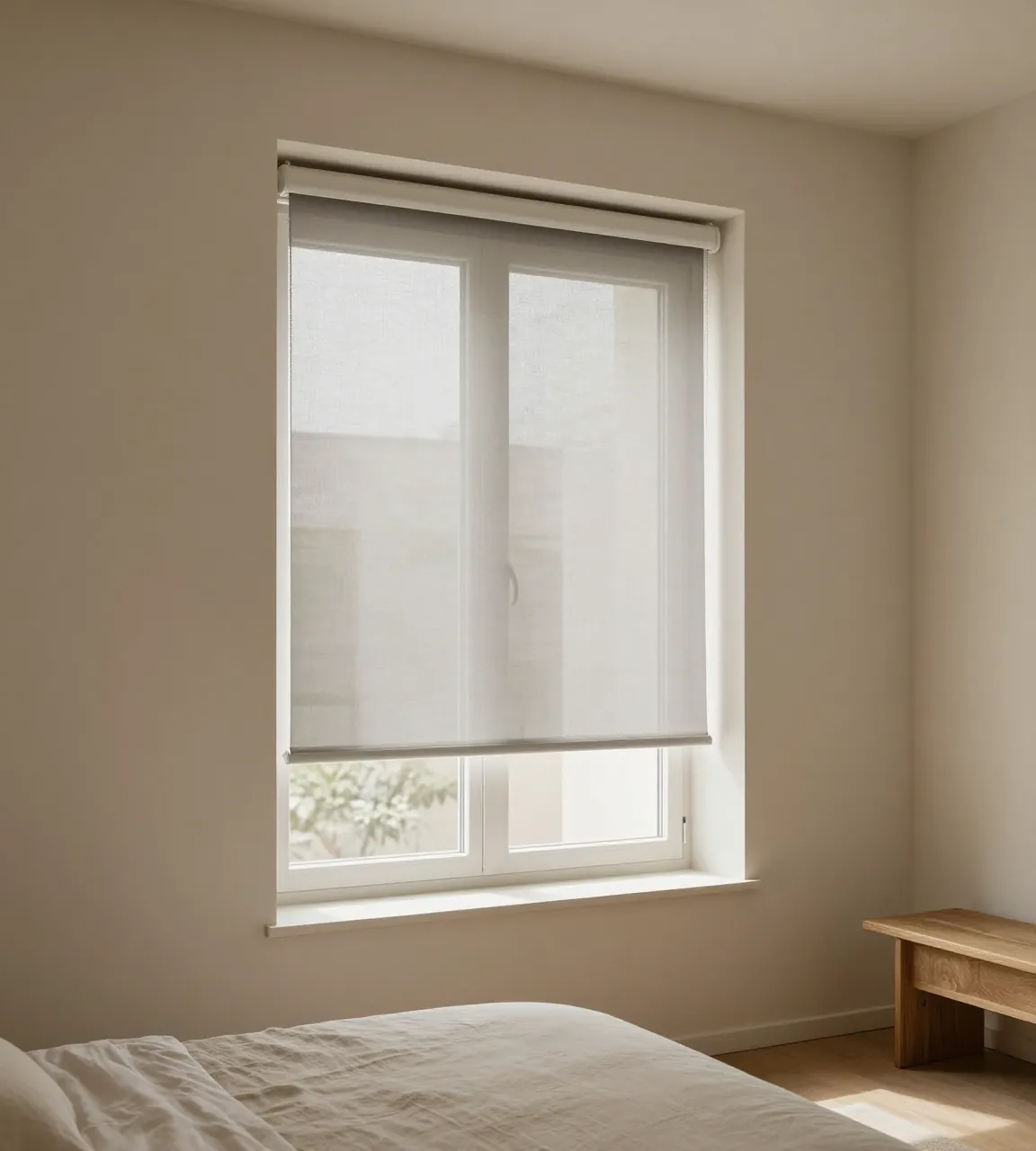
| Roller mosquito screen for windows | from 16 200₸ per m² | — | — | |
| Mosquito screen with metal mesh | from 11 500₸ per m² | — | — | |
| Re-meshing a frame with Standard mesh | from 3 000₸ per job | — | — | |
| Replacement fixings (Z-brackets), set | from 970₸ per set | — | — |
The price is fixed in the order after measuring.Measuring and consultation are free.Payment after installation: cash, card or Kaspi.
Book a measuring visitEight facts about production and service that influence the choice.
We make screens in Almaty at Tole Bi, 83, without intermediaries.
We make a framed screen to your dimensions in 10–15 minutes.
We paint the profile to match your windows: white, brown, grey.
We give a 1-year warranty on mosquito screens.
Standard, UltraVue, Anti-Cat, Anti-Dust, Anti-Pollen.
The measurer will come at a convenient time and help with the choice.
We deliver and install screens on windows and doors.
Mosquito screens can be ordered in 17 cities of Kazakhstan.
Four steps from request to installation.
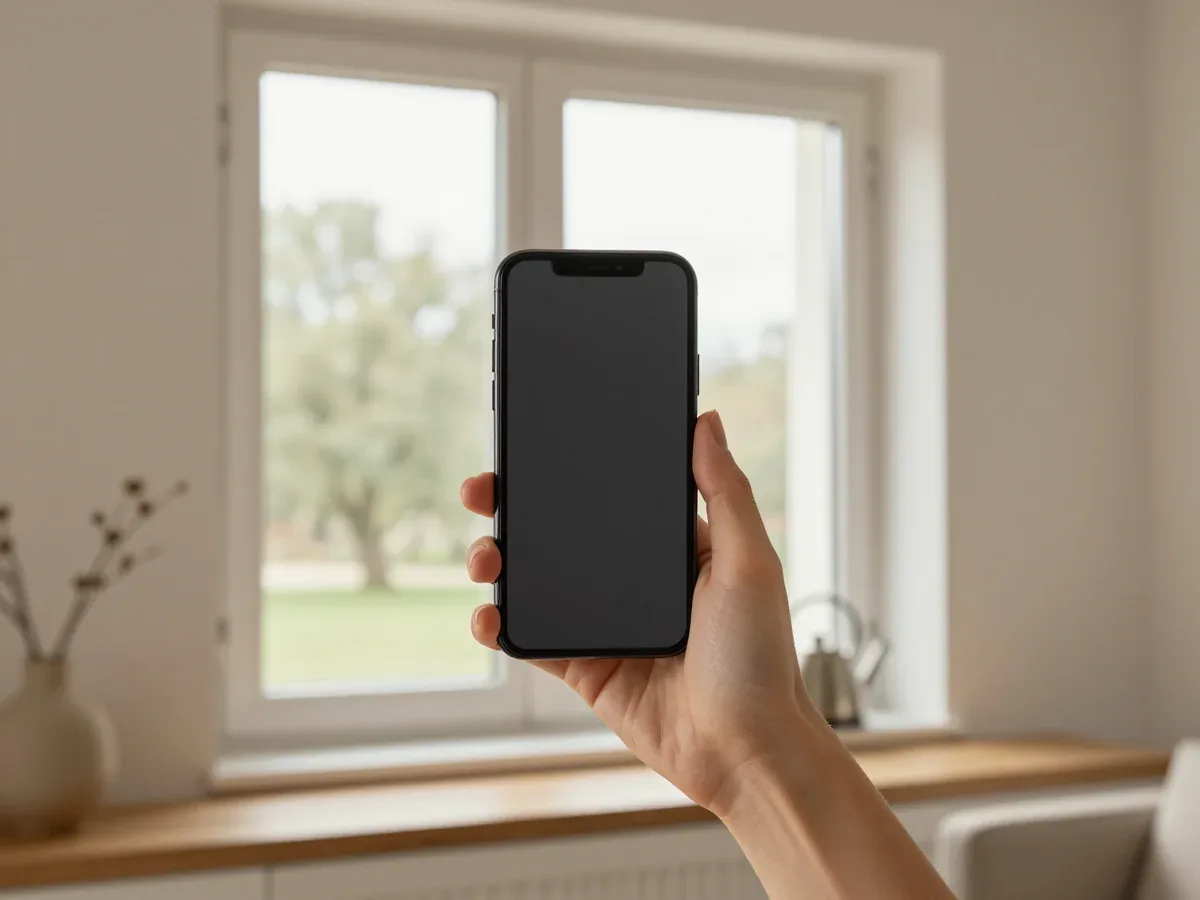
Request — you leave the dimensions or call a specialist to the site.
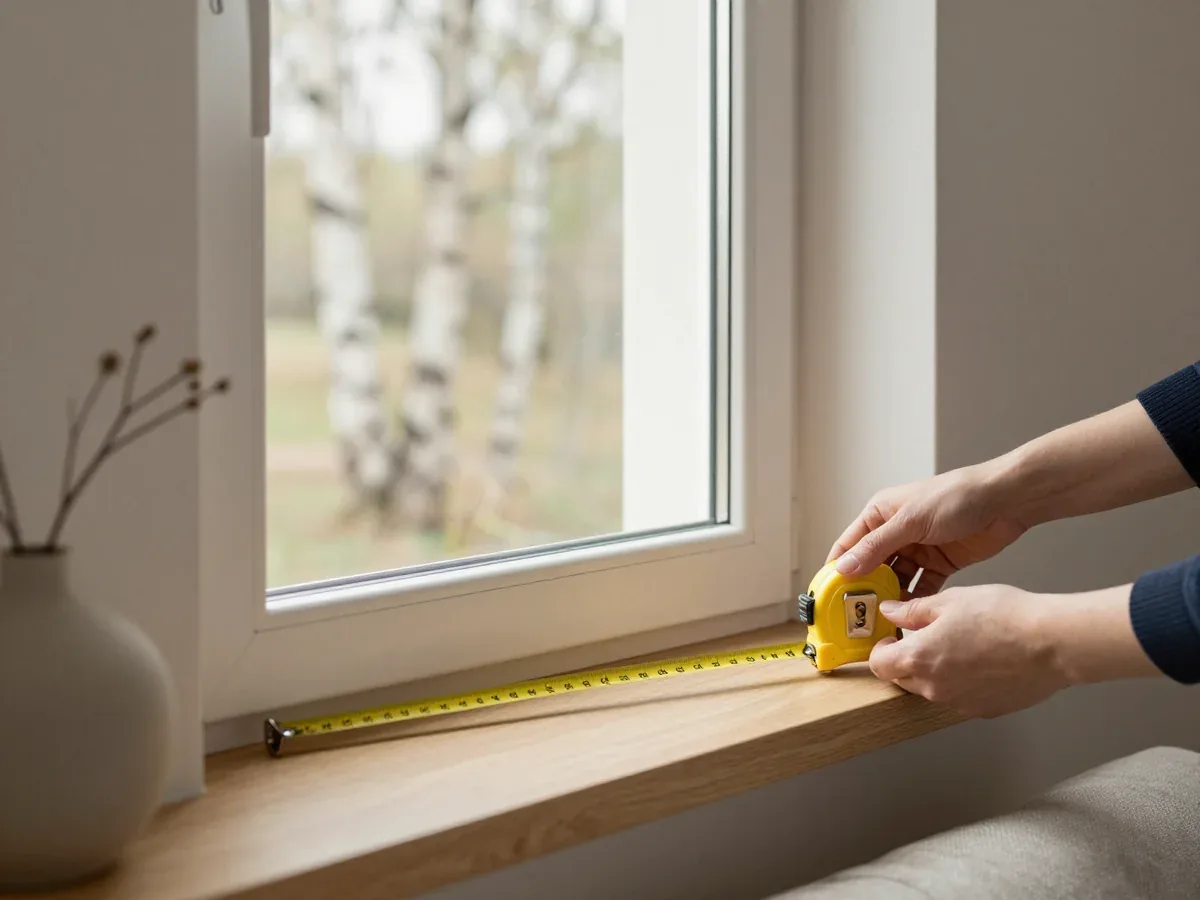
After measuring, the dimensions are transferred to production, where the screen is made to your parameters.
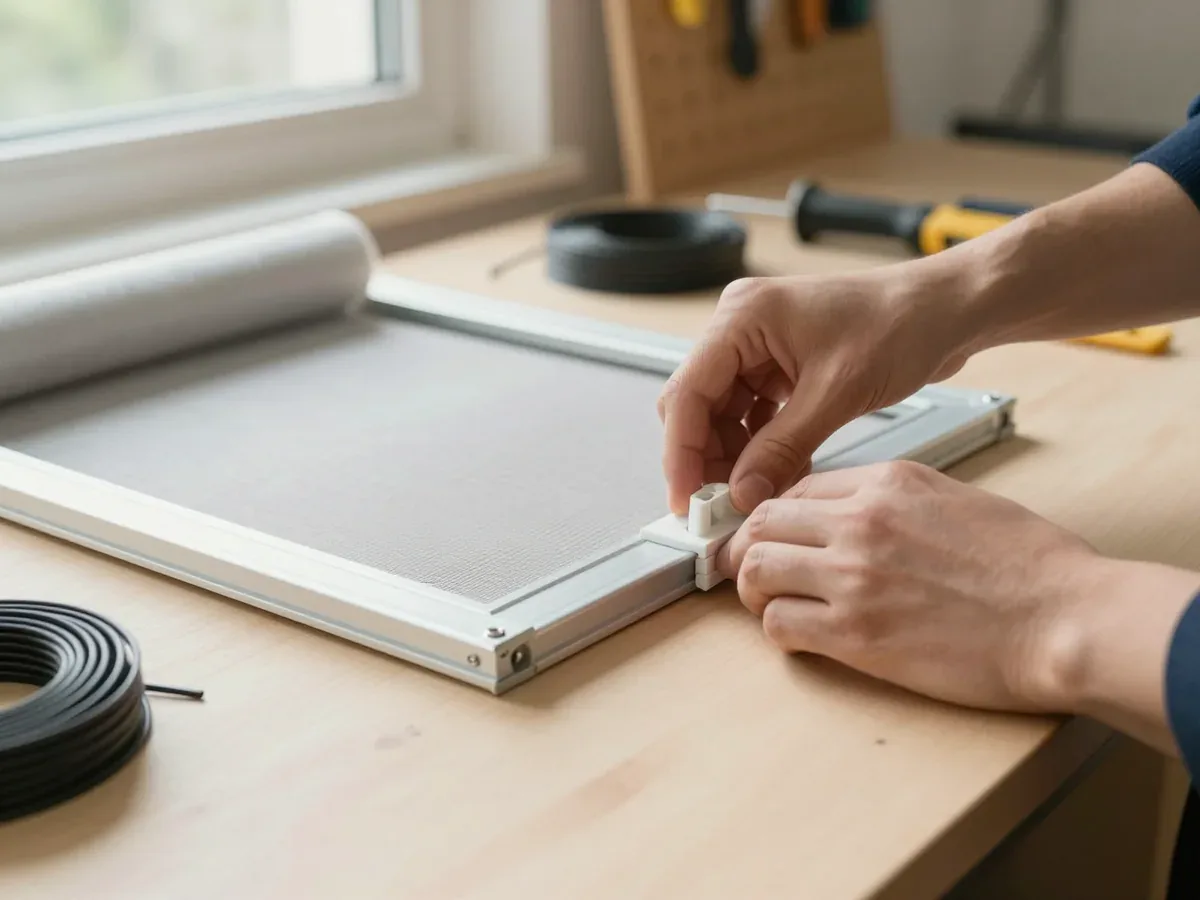
We agree on the date and time of installation with you so that the specialist arrives at a convenient moment.
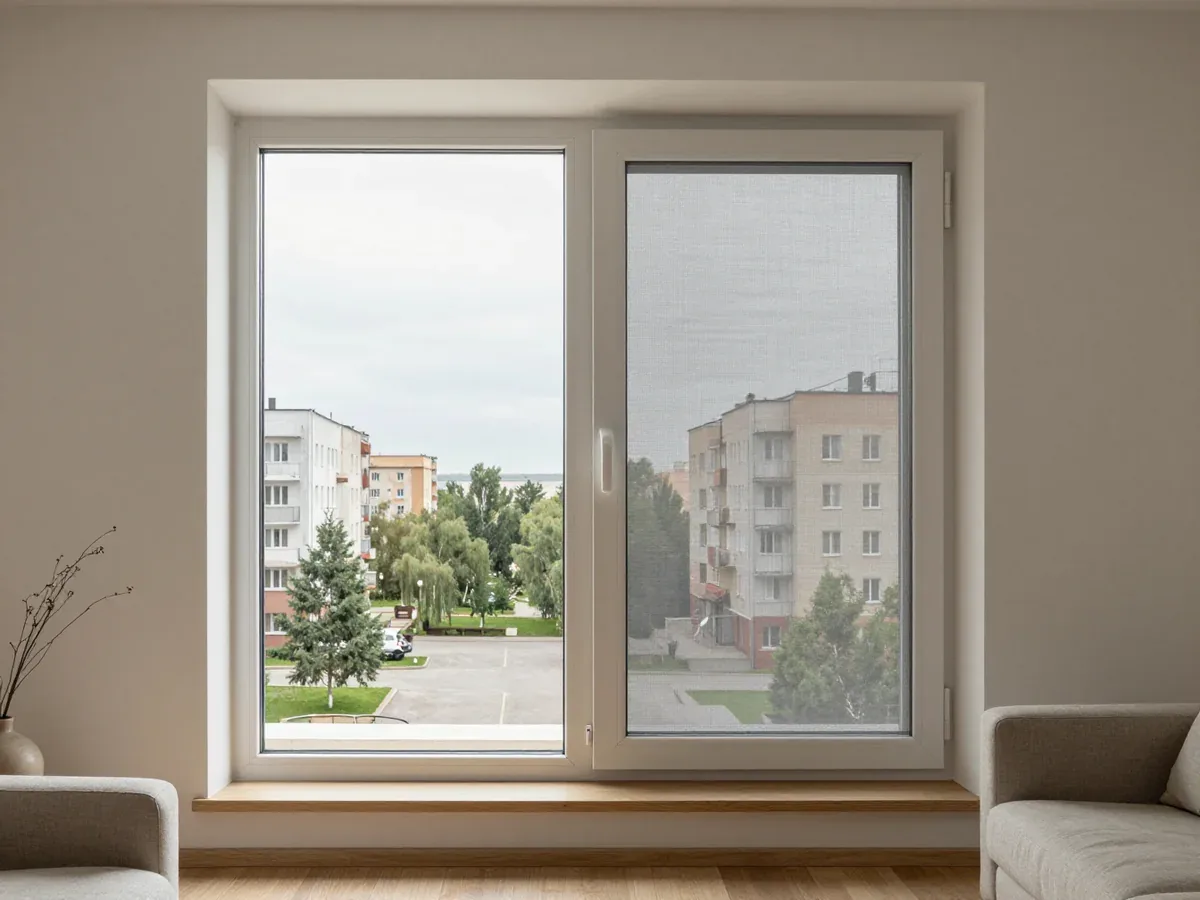
We attach the screen to the window or door, check the movement and fit. We select the fixing for the window profile and floor.
Good to know

Senior mosquito screen specialist at moskitnyesetki.kz
We make mosquito screens aktau homeowners can order by exact window size, with free measuring and fitting by our own fitters. Choose framed, sliding, hinged door, pleated or roller designs, five meshes plus metal, a frame painted to match your windows, and a 1-year warranty. Pay after installation by cash, card or Kaspi.
Every opening works differently: a standard window, a balcony door, a terrace and a small vent each call for their own construction. Below we break down what fits where.
| Screen type | How it opens | Best for | Note |
|---|---|---|---|
| Framed | Lifts out from inside | Standard windows | Fastest to make |
| Sliding | Slides sideways | Wide windows, loggias | No swing-out panel |
| Hinged | Swings on hinges | Balcony entrances, terraces | Two profile sizes |
| Pleated | Folds to the side | Walkways | Compact when open |
| Roller | Rolls into a cassette | Windows opened often | Neat, low profile |
We fit screens to plastic, wooden and aluminium windows, vents, loggia windows, gazebos and verandas, always cut to the measured opening. The measurer checks the opening depth, the sill and how the sash opens before choosing a construction, because a vent a hand's width wide and a full loggia window take different fixings. On older wooden and aluminium frames the profile is often narrower and less even, so the bracket has to sit on a flat, solid spot rather than on a decorative edge. The same visit covers gazebo and veranda openings, where wind exposure is higher and the frame must hold firmly. On wooden and older aluminium frames the fixing choice matters more than the mesh, because the profile has less flat surface for a bracket to grip.
Hinged screens for doors and terraces come with an Economy 32×10 mm or Prestige 42×17 mm profile, and the measurer picks the one that matches your frame. The lighter Economy section suits a standard balcony leaf, while the wider Prestige option carries a broader panel and keeps it straight over a larger span. Both are painted any colour to match your joinery, so the screen reads as part of the opening rather than an add-on. A wider Prestige section carries a larger leaf with less flex, which matters on a terrace entrance that is opened many times a day.
The mesh decides how much daylight and air reach the room and what stays on its surface. We compare five options plus metal and Krylo, with the parameters that matter on a window.
| Mesh | What it is for | Key parameter |
|---|---|---|
| Fiberglass (standard) | Everyday windows | Resists fire and temperature swings |
| Ultravue | Bright rooms, airflow | 25% more light and air |
| Pet Screen | Homes with cats | Vinyl threads, several times stronger |
| Anti-dust | Dusty streets | Finer weave traps grit |
| Poll-Tex (anti-pollen) | Allergy season | 0.25×1 mm cell |
Ultravue lets in 25% more light and air than other weaves, while the standard fiberglass option resists fire and temperature swings. The difference shows on a bright day: a denser weave dulls the interior even with the sash wide open, and by afternoon the space feels dimmer than the view suggests. Fiberglass is the workhorse choice for most openings and holds up through hot summers and cold snaps without sagging. Ultravue costs more, and we fit it where daylight comes first — a living room facing the sea, a study, a kitchen. On a sunny seaside facade that extra brightness matters more than it sounds, because a dark weave makes the whole room feel shuttered even with the window open.
Pet Screen is several times stronger than standard mesh, with vinyl threads that hold the weight of a small animal, and Poll-Tex anti-pollen cloth has a 0.25×1 mm cell. Anti-dust sits between them for streets where grit and sand settle on the sill by evening. In our practice the cat always goes for the bottom corner first — it hooks claws there and pulls, so a stronger weave at that edge is what keeps the screen whole all season. Poll-Tex suits sleepers and allergy sufferers who leave windows open at night; the fine cell stops pollen while still moving air. We cut both materials to the exact frame size, and the choice is fixed before the profile is assembled.
The fixing is chosen for your window profile and floor, not taken off a shelf one-size-fits-all. Below are the three types we fit, why height changes the choice, and how the frame gets its colour.
| Fixing type | How it holds the frame | Best suited to |
|---|---|---|
| Z-shaped brackets | Hooks over the frame edge, no drilling | Most plastic and aluminium profiles |
| Pins (plungers) | Spring-loaded pin seats in a drilled hole | Tight reveals, small vents |
| Magnets | Magnetic strip pulls the frame flat | Frequent removal and cleaning |
On a high floor the wind load on the screen is greater, so the fixing has to hold the unit firmly without drilling through the window profile. A ninth-floor flat facing the sea takes gusts that a ground-floor window never sees, and a bracket that is fine at street level can let the frame rattle higher up. The measurer checks your profile depth, the reveal width and the floor before recommending a type. Z-brackets hook over the frame edge and need no hole in the profile at all, which is why they suit most plastic and aluminium windows on upper floors. Pins work where the reveal is too tight for a bracket. A screen that rattles in the wind is usually a fixing mismatch, not a faulty frame, so ask what is going on your window before the order is fixed.
We paint the screen profile any colour to match your windows, so the screen reads as part of the window rather than an add-on. The profile is coated before assembly, which means the colour sits on the frame itself and not on a separate trim. On a light facade a bare aluminium frame stands out against white plastic, and that contrast is what most people notice first from the street. Matching the frame to the window colour keeps the line of the facade clean, and it matters most on white and cream profiles, where a silver edge is the only thing that catches the eye. Tell the measurer the window colour at the visit and the frame arrives painted to it.
The order runs from a free measuring visit to a mesh cut to your exact size and then fitted on site. Below is what happens at each step and how long it takes.
Measuring and consultation are free, and the measurer comes at a convenient time, takes sizes and helps choose the design, mesh and fixings. The visit covers more than a tape measure: the specialist checks the window profile, the opening direction and the floor level, then suggests Z-brackets, pins or magnets to suit the frame and the storey. You see and handle the samples on the spot, so the choice between fiberglass, Ultravue or Pet Screen is made against your own window rather than a catalogue photo. We serve the seaside districts and the upper floors alike, and the measurer brings the samples and tools needed for a full assessment in one trip. The visit is also where the price is fixed in the order, so the numbers you agree at measuring are the numbers you pay after fitting.
A framed unit made to your size takes 10–15 minutes, while a pleated one takes 40–60 minutes. The aluminium profile is cut, cornered and fitted with the chosen mesh at the workshop bench, so a standard window model is usually ready the same day it is measured. Pleated versions need more bench time because the cord, the tension and the folded fabric are set by hand before the unit is closed. Door models with Economy 32×10 mm or Prestige 42×17 mm profiles follow the same timing once the opening is measured. Because the frame is cut and assembled on site, a standard window product can often be fitted the same day it is measured, which matters when a sea breeze is already pushing dust through an open vent.
You pay after installation by cash, card or Kaspi, so nothing is due before the unit is fitted and checked. The fitter hangs the product, tests the opening, adjusts the fastenings and only then hands over the order for payment. Card and Kaspi transfers are accepted on the spot, and a cash payment is just as straightforward. Paying on completion also means any fixing adjustment is settled on the spot, before the job is closed. We keep the same routine on every visit, whether it is one kitchen vent or a full set of balcony and door models, and the price agreed at measuring is the one on the final order.
A mosquito net lasts longer when it comes off for the cold months and gets mended the moment it tears. Here is how mending, fastening replacement and seasonal removal work, and what the warranty on such screens covers.
We repair screens and replace fastenings, so a torn mesh or a worn bracket does not mean buying a whole new unit. A hole punched by a chair leg or a cat is a canvas problem, while a frame that rattles in the wind is a fixing problem, and the two go through different routes. We swap the fabric on the existing frame and fit new Z-brackets, pins or magnets to match your window profile. A small tear near the edge is usually a mesh swap, while a loose unit is a fastening issue, and the two are handled differently. Check the bracket screws each spring before the first hot week — a single loose pin lets the whole thing hum against the glass all summer.
A framed unit lifts out from inside in a minute, and it is worth taking it off for winter. The unit sits in its guides without tools, so the whole thing comes away toward the room rather than the street. Removing it for the cold months keeps the fabric from taking the worst of the wind and frost, which is what stretches its life over several seasons. Store the item flat or standing on edge in a dry spot, never folded or weighted down, and wipe the mesh with a damp cloth before it goes away. The same removal lets you wash salt and dust off the edge in spring, so the guides stay clean and the piece seats back without force.
We give a 1-year warranty on mosquito screens, covering the frame and the work of fitting. If a corner pulls apart, a seam opens or a bracket we installed gives way, the fix is on us within that year. The canvas itself is judged case by case: a manufacturing defect is covered, while a hole from a pet or a dropped object is a repair you would order separately. Keeping the order sheet from measuring makes a claim simpler, because the sizes and fixing type are recorded there. Photograph the damaged corner and send it on WhatsApp — we reply within five minutes and can tell you before the visit whether it is a covered fault or a paid job.
A seaside city sets its own demands on a window screen: steady wind, fine dust and strong sun all year. Here is what that means for the mesh and the fastening.
On a seaside facade the screen takes steady wind and fine dust, so the mesh and the fixing both have to be chosen for that load. We fit mosquito screens aktau households keep on sea-facing windows with Z-brackets or pins matched to the profile and the floor, because a loose frame rattles and wears at the corners within a season. The dust here is fine enough to pass a coarse fabric, so the Anti-Dust canvas, which holds particles in the fibres, earns its place on the sea side of the flat. Salt air and sun dry out cheap plastic parts faster than inland, which is why we paint the frame any colour you need and check the fastenings at fitting. A dust-holding cloth cuts how often the sill needs wiping, while a firm hold keeps the frame from working loose in the wind.
We are a direct maker with our own fitters, so the people who measure, make and fit the screen are the same team. The measurer comes at a time that suits you, takes the sizes, and helps choose the design, the mesh and the fixings — and that same crew returns to install and, if needed, to repair the unit or change the fastenings later. A framed screen made to your size takes 10–15 minutes to produce, a pleated one 40–60 minutes, so the making step itself is quick once the sizes are fixed. We have been making these screens for years and put a 1-year warranty on them. One team from measuring to fitting means a size or fixing question is answered by the person who will actually install it.
Such screens can be ordered in 17 cities of Kazakhstan, and we reply on WhatsApp within 5 minutes, seven days a week. Delivery and installation cover units for windows and doors, and the price is fixed in the order after measuring, so nothing shifts once the sizes are known. Paying happens after installation — cash, card or Kaspi — which keeps the risk on our side until the product is on the frame and the customer has seen it in place. A quick reply matters most at the measuring stage, when a single question about the fabric or the fastening can decide the whole order, and a five-minute answer often settles it the same day.
A well-fitted mosquito screen needs almost no attention and keeps working for years. These are the points worth keeping in mind before you place your request.
Choosing and fitting mosquito screens
Konstantin Selenenkovsenior mosquito screen specialist, 10 years in the tradeOnline · replies within 5 minutes
Ask a questionFor a ground floor with strong wind and dust, a framed screen with Anti-Dust canvas and Z-bracket fixings works well. The surveyor will check your window profile and suggest the right option.
Yes, we make screens to custom sizes, including non-rectangular shapes. The surveyor will take exact measurements and propose a suitable design.
If only the canvas is torn, the frame does not need replacing — it is enough to re-stretch it. To protect against repeated tears, we will fit Anti-Cat canvas.
If the frame is intact but the canvas is torn or the fixings are worn, a repair is usually enough. If the profile is damaged or there are multiple tears, replacement may be needed.
For a wide doorway to a loggia, a sliding design is more convenient: it runs on guides and does not swing open in the wind. The surveyor will check the opening and tell you whether there is enough space for the guides.
UltraVue lets through 25% more light and air than other canvases, so the view outside is clearer. Standard fibreglass is denser and more noticeable in the frame, but easier to care for.
For plastic windows in Aktau, Z-brackets and plungers are most often considered. Which one suits depends on the profile and floor, and the surveyor will determine whether drilling is needed during a free measuring visit.
We assemble a pleated screen to your sizes in 40–60 minutes. While the technician prepares the design, you have time to agree on the fitting.
Most often it is enough to replace the canvas or fixings, and the frame stays. We repair screens and replace hardware, and the technician will determine the exact scope of work after inspection.
To protect against sand and dust, we use Anti-Dust canvas with a fine mesh. It traps particles and keeps them out of the room, and is easy to clean.
Choose your preferred map service — we'll route you to the office.
Building 8, 8th Microdistrict
09:00–19:00, 7 days a week
Open in 2GISThank you. We will call you back within 10 minutes!
Your order number is on the receipt or in the SMS. Choose where to leave your review.
Write a review on WhatsApp


