
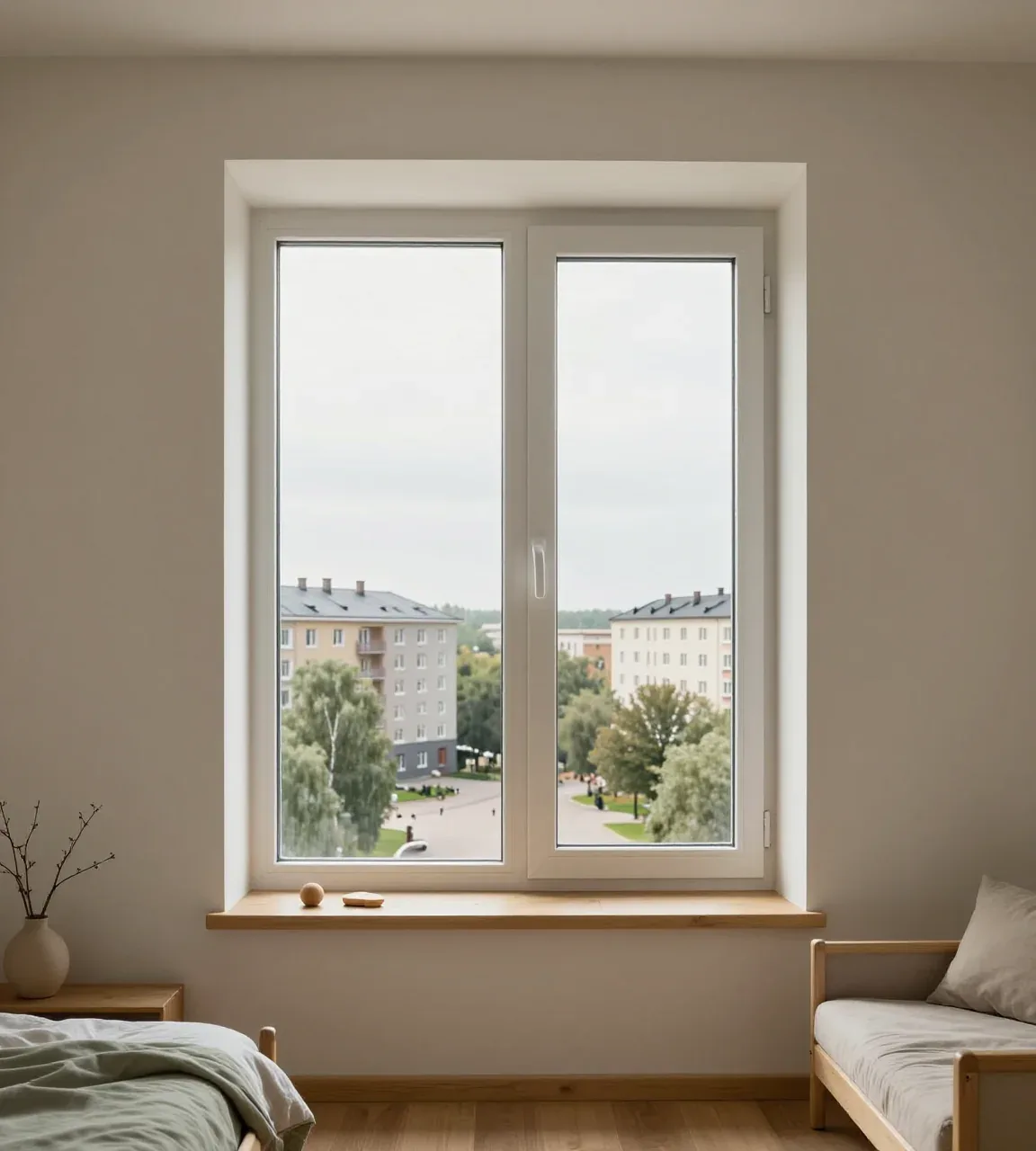
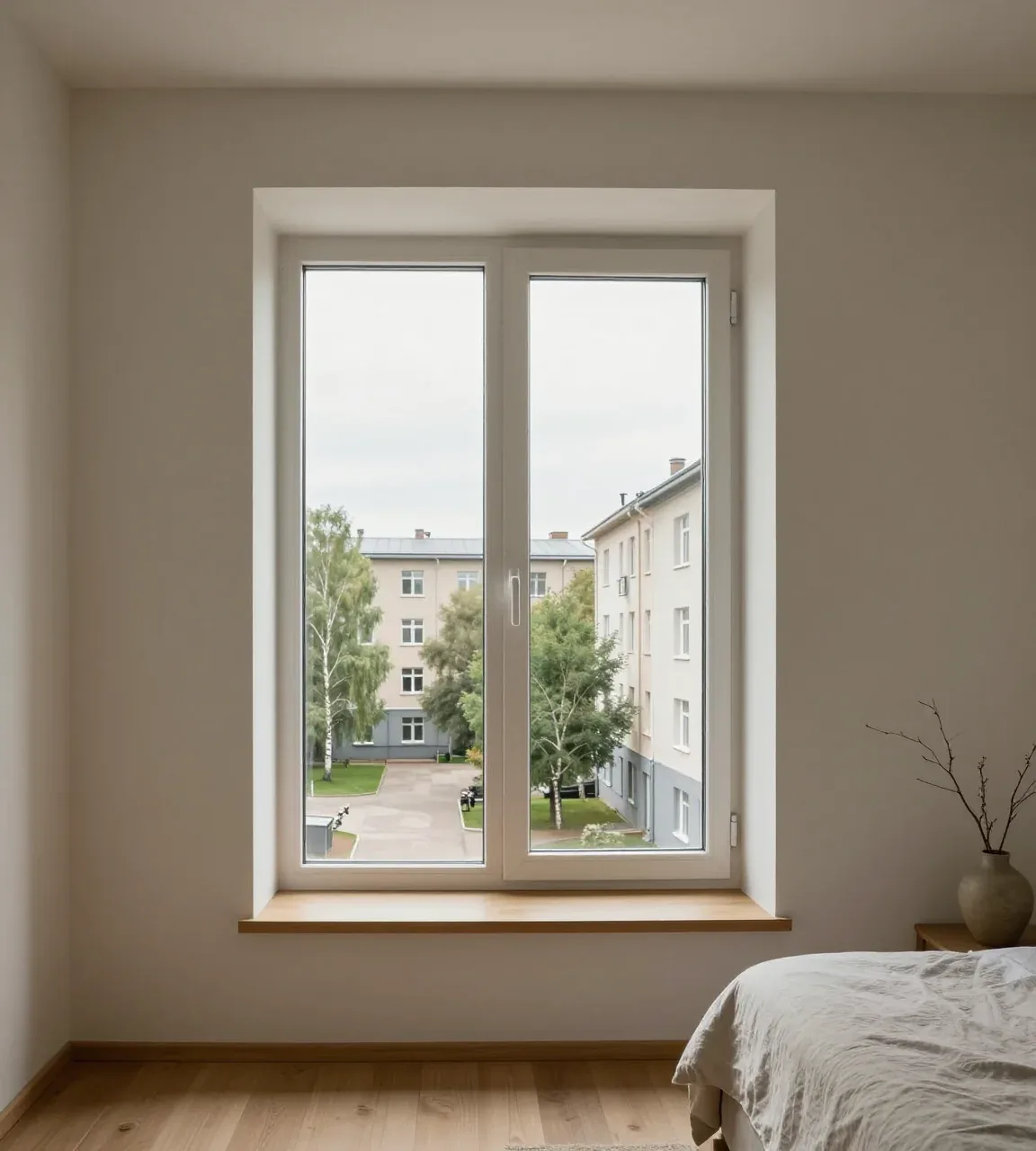
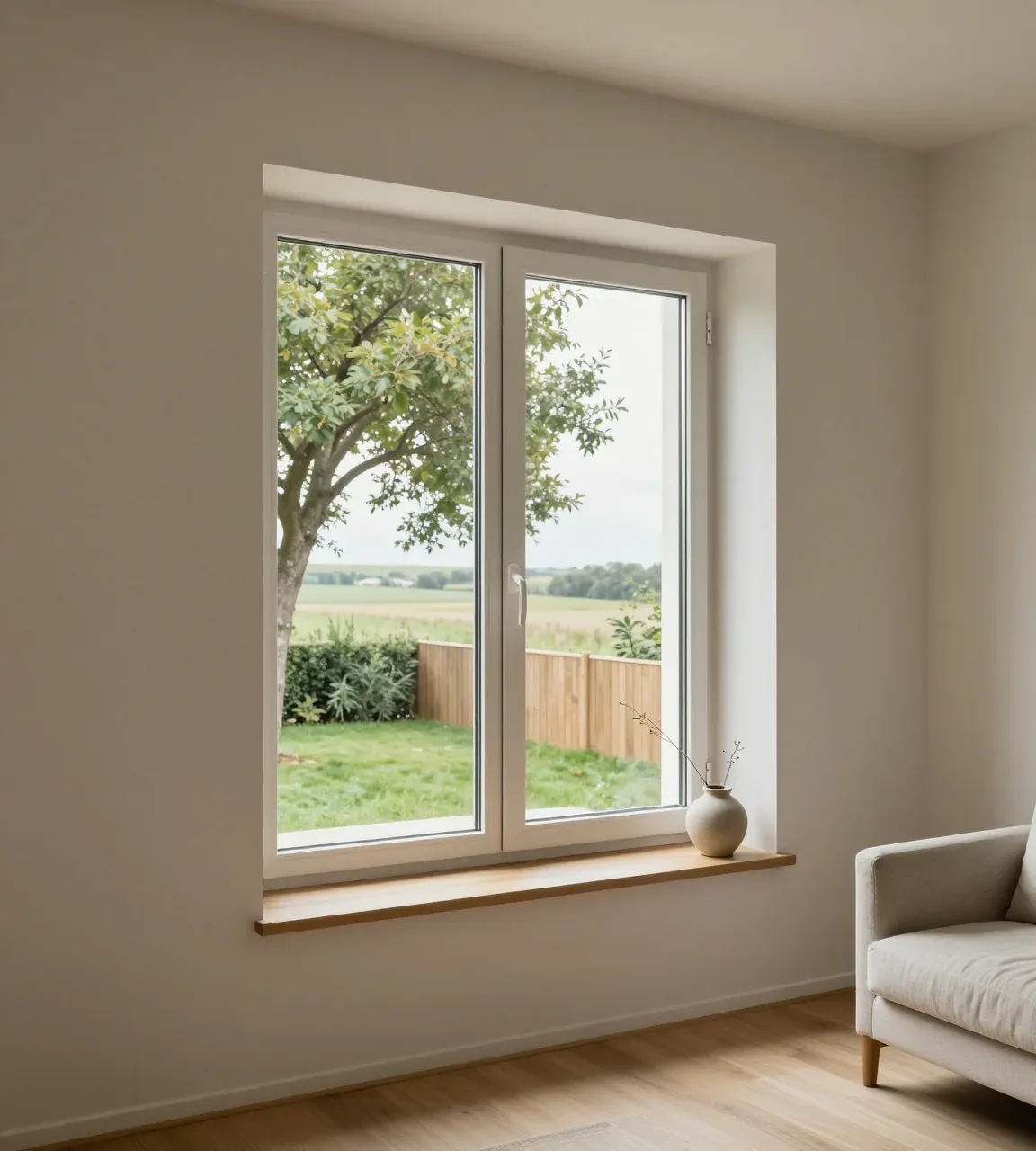
Compression and hardware
Sash adjustment
Simple sash adjustment — from 3 000 ₸ per sash. Complex with sash removal — from 4 000 ₸.
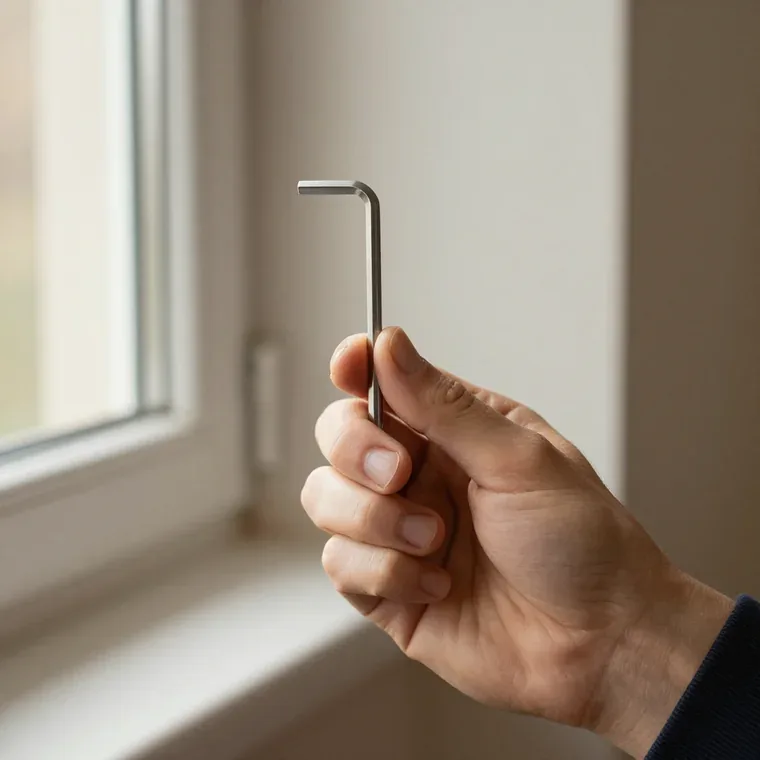

Sash adjustment
Simple sash adjustment — from 3 000 ₸ per sash. Complex with sash removal — from 4 000 ₸.
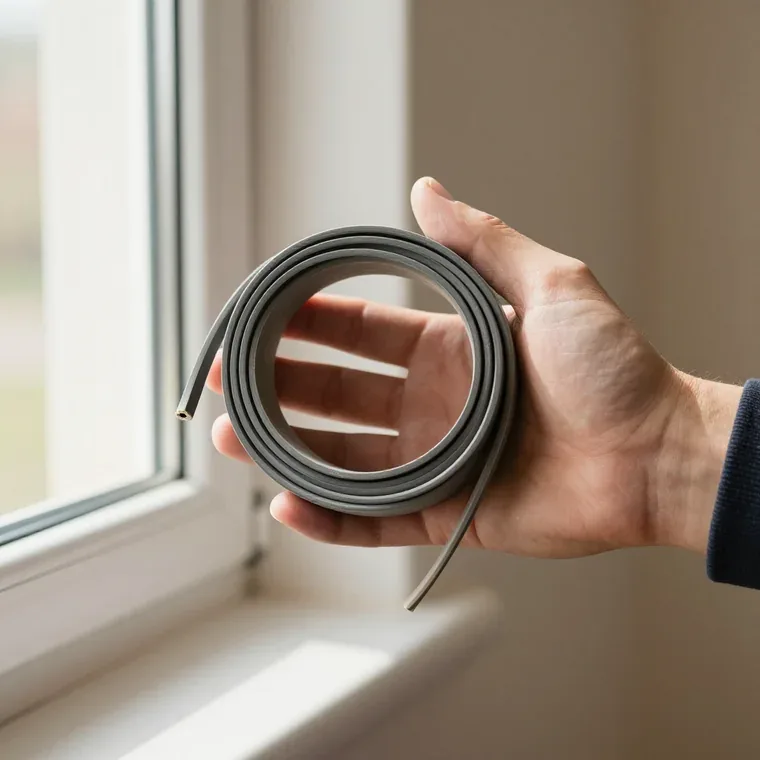
Seal
Seal replacement — from 1 000 ₸ per linear metre. We match it to your window profile.
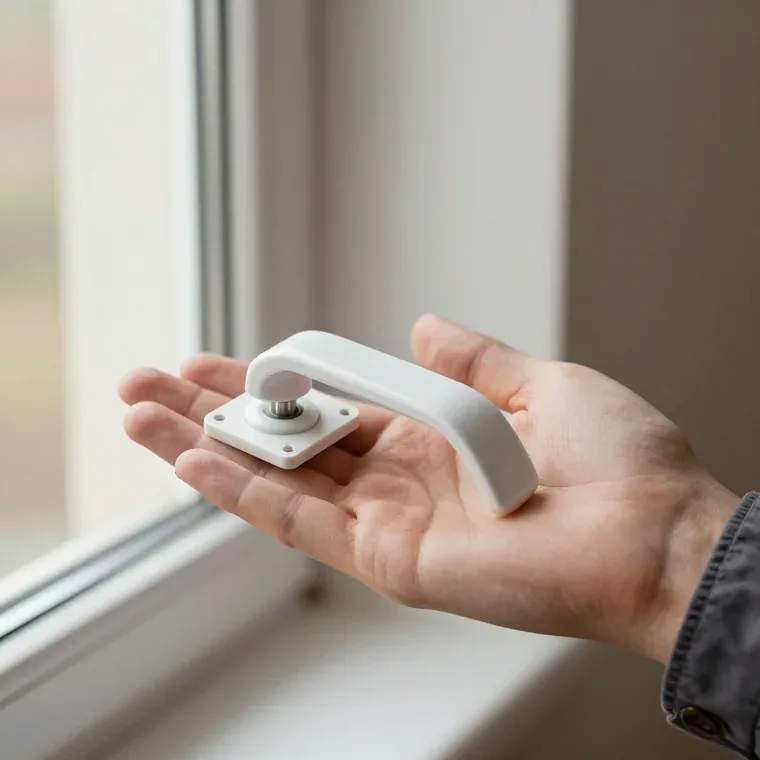
Handle and hinges
Handle replacement — from 2 750 ₸ per item, hinge replacement — from 4 750 ₸ per item.
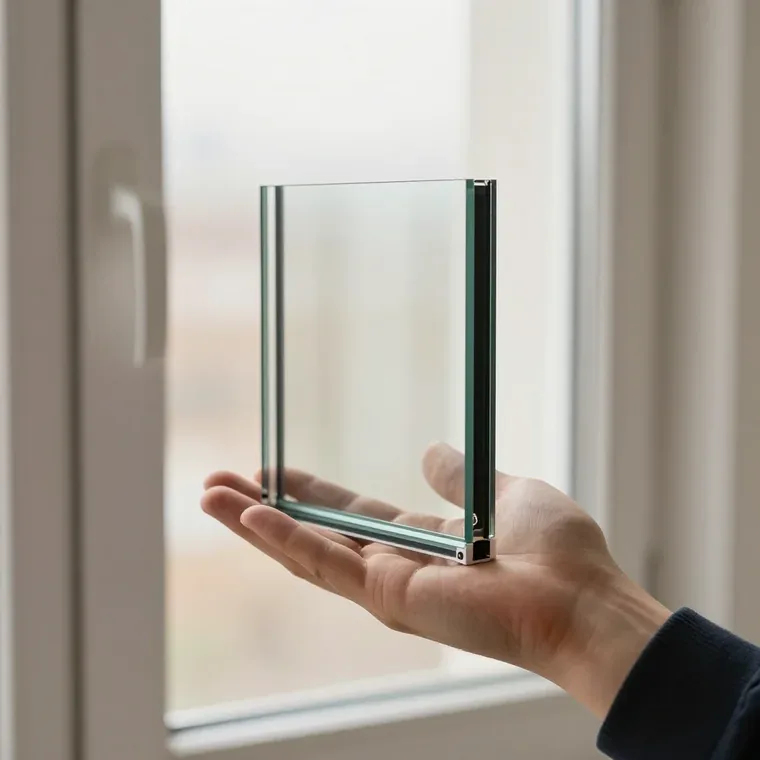
Double glazing
Double glazing replacement — from 19 500 ₸ per m², broken glass replacement — from 8 000 ₸ per m².



5,097 reviews on review sites
Restoring the operation of sashes, hardware and seals without replacing the window itself, when the profile and double glazing are intact.
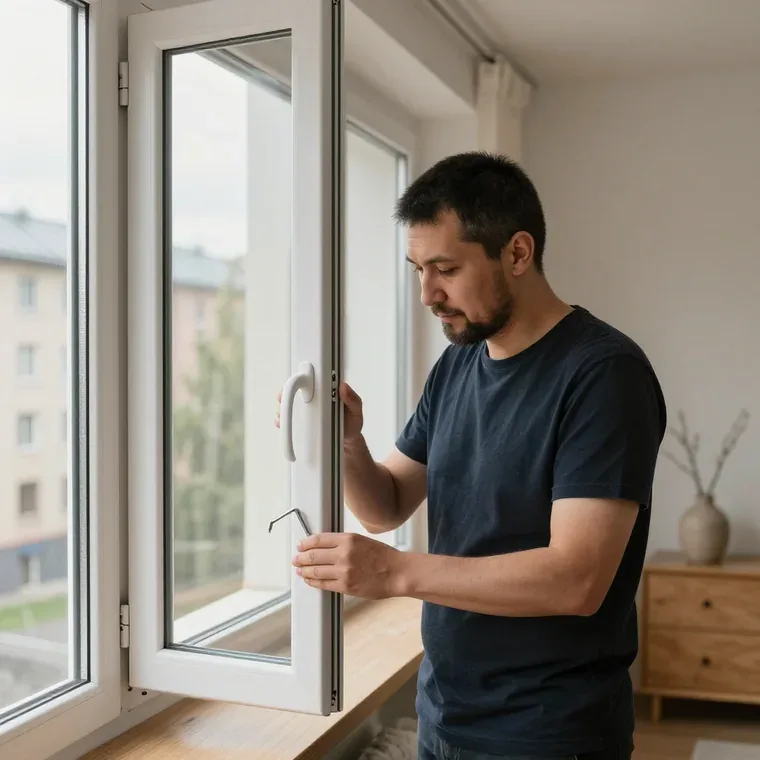
Window repair is a set of works to restore moving parts: sash compression, hinges, handle, seal. The technician adjusts the hardware, replaces worn components and checks that the window closes tightly and without distortion.
The service is needed when the sash no longer fits tightly, a draught appears or the window does not lock in the frame. The profile and double glazing stay in place, so repair costs less than replacing the unit.
warranty on work and replaced components
technician visit and inspection in Almaty within the city
WhatsApp response to a repair request
Typical sash and hardware faults that are fixed on site without replacing the window.
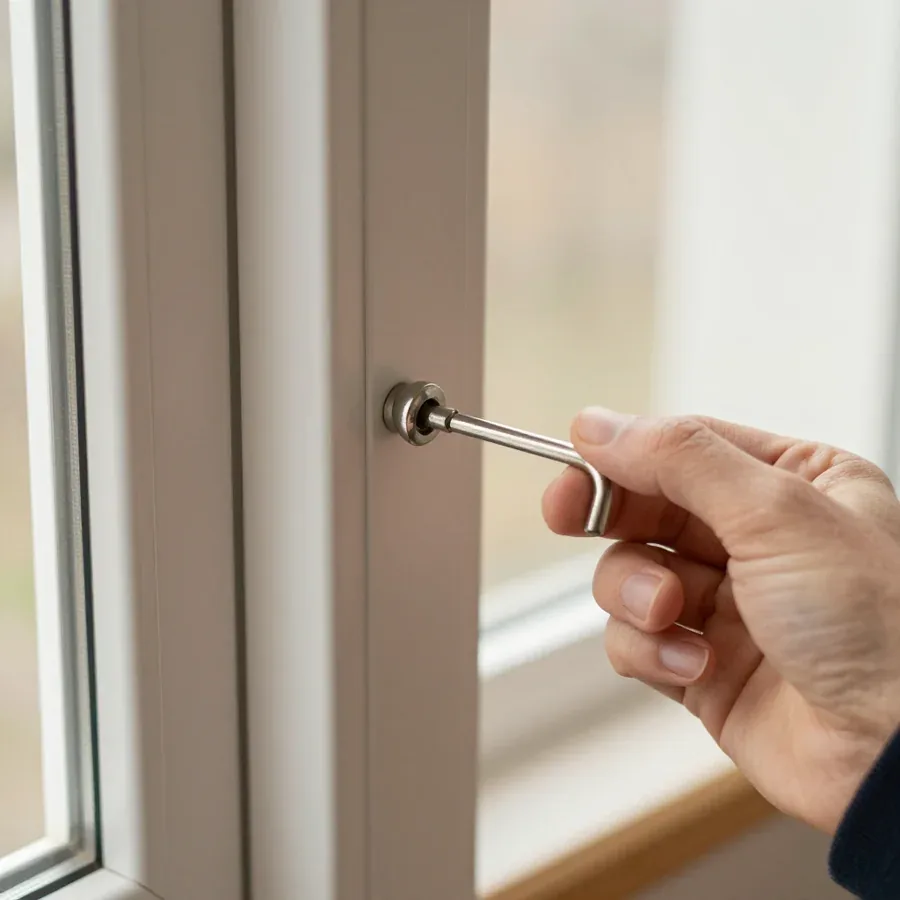
Compression adjustment, seal replacement.
The sash catches the frame due to misaligned hardware. Hardware adjustment restores smooth movement and tight closing.
Over time, hinges sag under the weight of the double glazing. Hinge adjustment levels the sash in the opening.
Compression adjustment, seal replacement, reveal insulation.
Types of repair and replacement with unit prices: from sash adjustment to double glazing replacement.
Sash compression and movement
Simple adjustment — from 3 000 ₸ per sash, complex with removal — from 4 000 ₸.
Around the sash perimeter
We replace seals from any manufacturer, price — from 1 000 ₸ per linear metre.
Handles and locks
We replace a broken handle with one compatible with your hardware, price — from 2 750 ₸ per item.
Sash hinges
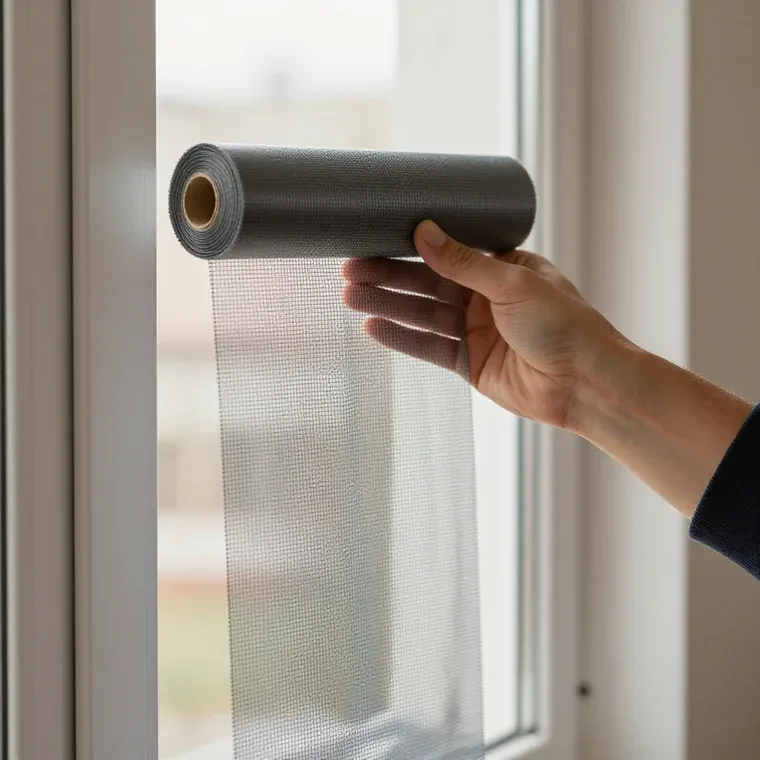
Replacing worn hinges restores smooth movement of the sash, price from 4 750 ₸ per piece.
Replacement and repair
Double glazing replacement from 19 500 ₸ per m², broken glass replacement from 8 000 ₸ per m².
Cost of window repair work with units and notes.
| Type of work | Price |
|---|---|
| Master visit and inspectionwithout ordering a repair | from 3 600₸ per job |
| Simple sash adjustment | from 3 000₸ per sash |
| Complex adjustment with sash removal | from 4 000₸ per sash |
| Window handle replacement | from 2 750₸ per item |
| Hinge replacement | from 4 750₸ per item |
| Hardware repair | from 7 800₸ per job |
| Sash hardware replacement | from 10 000₸ per sash |
| Seal replacement | from 1 000₸ per linear metre |
| Double glazing replacement | from 19 500₸ per m² |
| Broken glass replacement | from 8 000₸ per m² |
| PVC window sill installation | from 5 500₸ per linear metre |
| Drip sill installation | from 3 250₸ per linear metre |
| Mosquito screen repair | from 2 500₸ per item |
| Air inlet valve installation | from 6 000₸ per item |
Price is fixed in the order after measuringMeasuring and consultation are freePayment after installation: cash, card or Kaspi
Calculate repair costFacts about the company that matter when choosing a window repair master.
on work and replaced components
we work across Kazakhstan
we accept requests daily
we select the profile shade when replacing components
in the order after measuring
and consultation on choosing work
on WhatsApp to your request
of Kazakhstan where you can order services
Four steps from request to checking the work.

You leave a request on WhatsApp or by phone, describe the problem. We respond within 5 minutes.
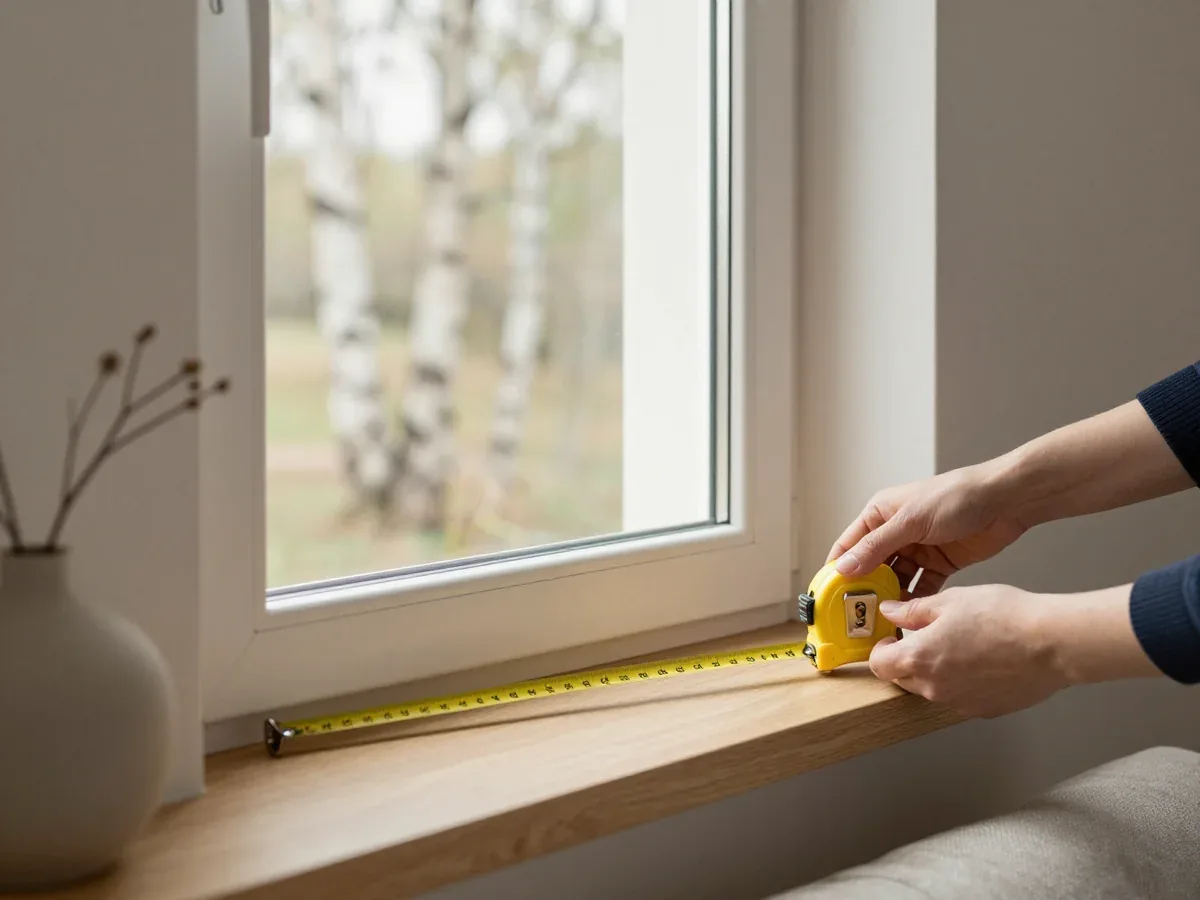
The master inspects the window, identifies the cause and agrees on the scope of work.
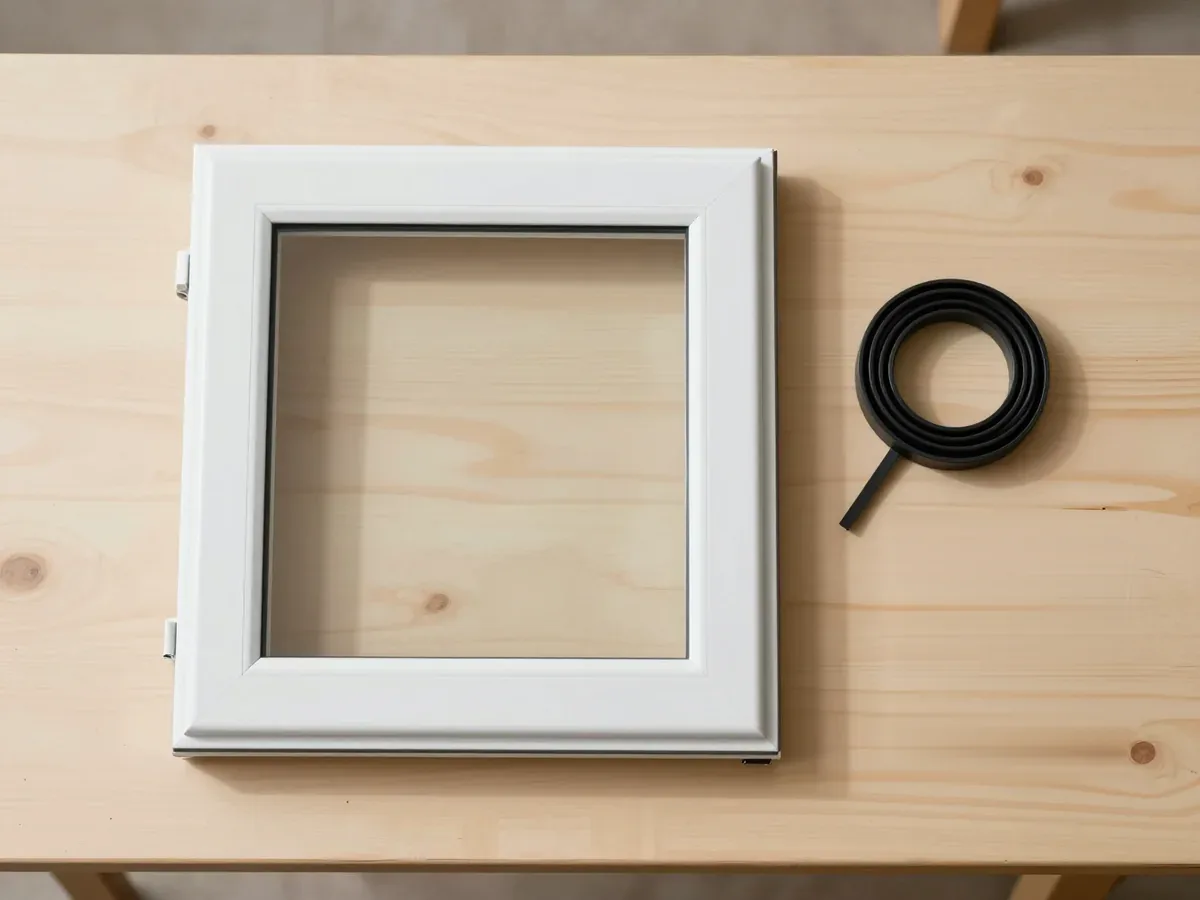
The master performs adjustment or replacement of components on site, brings the necessary parts.
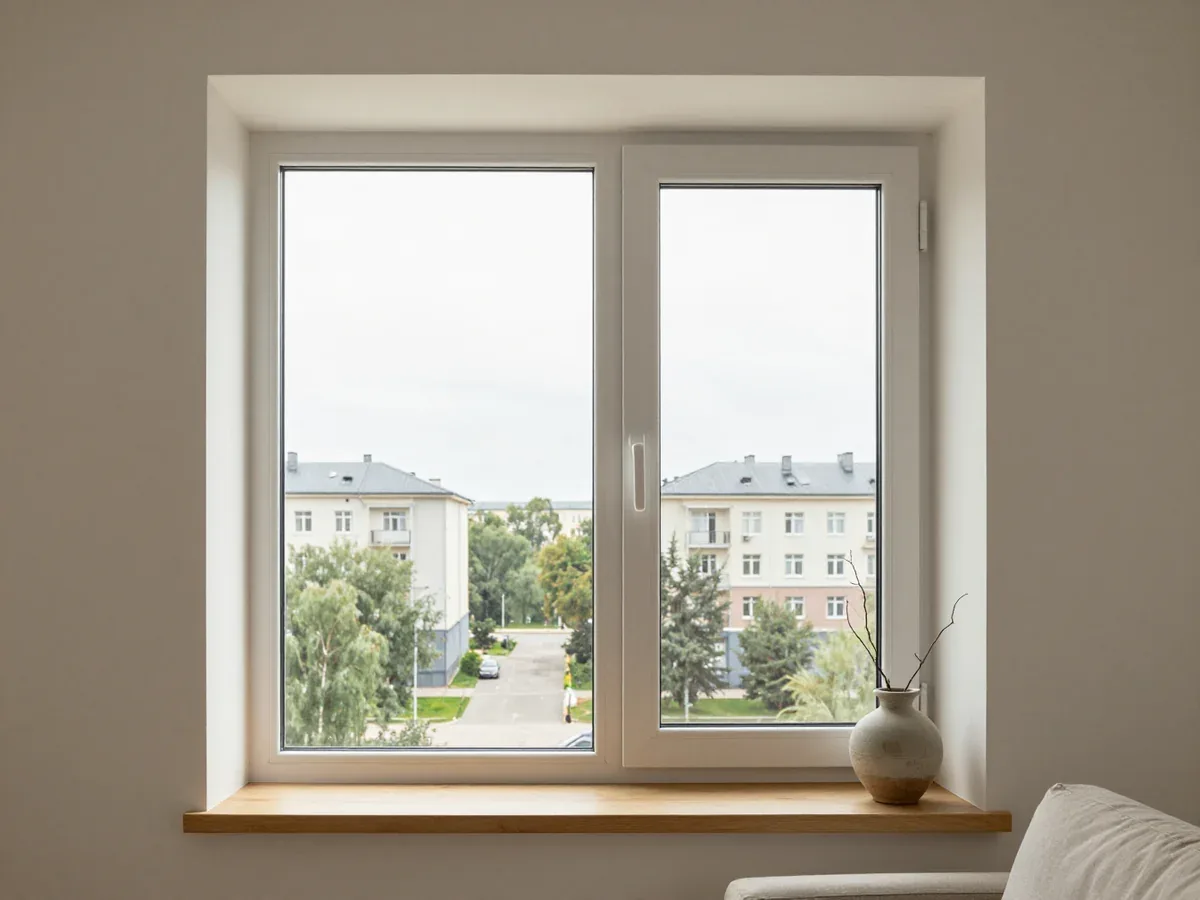
You check the sash movement, pressure and handle operation together with the master.
Good to know

Senior mosquito screen specialist at moskitnyesetki.kz
We handle window repair in Aktau with our own crews, not middlemen. We adjust sashes and pressure, replace seals on KBE, Rehau, VEKA and Provedal profiles, swap glass units and insulate windows against the sea wind. Repair carries a 1-year warranty on labour and parts, glass units 3 years, and you pay after installation.
A window rarely just breaks. Each symptom has a specific cause behind it, and the fix follows from that cause. Below is a map of what you see, what we check, and which repair usually follows.
A draught around a closed sash almost always comes from a worn seal or lost pressure, not from a broken frame, so we check the seal line and the hardware pressure before anything else. The rubber runs the full perimeter of the opening and blocks both cold air and moisture; once it flattens or cracks, the gap opens along the hinge side first. We run a hand along that line, look for compression marks and test how firmly the panel pulls against the frame when the handle turns. If the pressure is fine and cold still comes through, the rubber is the culprit. Adjusting the hardware when the gasket is already dead wastes a visit — swap it first, then reset the tension. When a draught keeps coming back after a simple seal swap, window repair in Aktau often turns out to be the faster route than repeated patch-ups.
A sash that catches the frame has dropped on its hinges, and a handle that spins or jams points to worn hardware, both of which we correct by adjusting or replacing the moving parts rather than the whole unit. Hinges carry the full weight of the panel, and over years the screws loosen and the corner drops a few millimetres — enough to scrape the frame at the bottom. A spinning grip usually means the spindle is worn or the lock mechanism lost its hold, while a stiff one signals misalignment. We adjust the hinges first, then test the handle and the locking points along the edge. A dropped panel often returns to place with adjustment alone, but once a hinge is genuinely loose, that adjustment will not hold for long.
Fog between the panes means the sealed unit failed and needs replacing, while condensation on the room-side glass usually points to humidity and ventilation rather than a broken pane. A sealed unit is two or more panes with a chamber between them, edged with a desiccant spacer that absorbs moisture; when that edge seal breaks, damp air enters the chamber and clouds the glass permanently. Room-side fogging behaves differently — it appears on the warm inner surface when moist air meets a cold pane and clears once the room is ventilated. Wiping the glass or resealing the unit will not stop that kind of misting, so check the airflow into the room first, or the new chamber will fog up exactly the same way.
Fixing almost always costs less than a full replacement, but somewhere along the line the sums stop working in your favour. Here is how to find that border for your own opening.
If the profile and glass are sound and the fault is draught, stiffness or a loose handle, adjustment and a fresh gasket bring the unit back without touching the structure. Our crews regulate sashes and the pressure setting for winter and summer modes, then fit new rubber along the perimeter — the two are separate jobs, and each answers its own problem. The pressure setting controls how tightly the leaf pulls against the casing; the gasket keeps the joint airtight. Mixing them up means paying twice for one result. On most visits the leaf only needs a quarter-turn on the hardware and a clean rebate before the rubber goes in. Ask for both to be checked in the same call, because a tight gasket on a slack leaf still lets the coastal wind through.
A failed or cracked unit can be replaced on its own while the casing stays in place, and we can turn a glass unit around within a single day when it is urgent. The old pack is measured, the new one is assembled to those sizes, and the beads go back on the same profile. Fog between the panes, a cracked outer sheet or a spacer that has given up are all reasons to swap the pack rather than the whole assembly. Replacement only makes sense when the profile and hardware are still solid — a fresh chamber dropped into a loose surround will move with it, and the fog comes back within a season. We replace glass units under a three-year warranty, so the date of the swap is worth writing down.
Fixing stops paying off when the structure itself is warped, rotten or cracked through, because new gaskets and hardware cannot straighten a shape that is already lost. On older wooden frames the common mistake is fitting fresh rubber into a skewed leaf — the gasket compresses on one side and gaps on the other, and the draught returns before the cold season ends. Check the geometry first: a straight edge held against the surround shows a bend faster than any draught test. If the profile is sound but the timber has swollen, planing and refitting still work. Once the wood is soft to the touch or the corner joints have opened, replacement is the honest answer, and patching it only moves the cost forward.
We do not work on plastic alone. Below is what we take on and which parts tend to wear first in each type of window.
| Window type | What wears first | What a repair usually covers |
|---|---|---|
| Plastic | Gasket and hardware pressure | Adjustment, new gasket, glass unit |
| Wooden | Frame joints and geometry | Sash refit, gasket, hardware |
| Aluminium | Seams and sash alignment | Alignment, gasket, hardware |
We replace the gasket in units of any manufacturer, including KBE, Rehau, VEKA and Provedal, matching the profile rather than forcing one universal strip. A gasket is not a generic rubber cord: each system has its own groove depth, chamber shape and compression, so the strip has to sit in the profile the way the frame was designed for it. We carry gaskets for the common systems found in local flats, pick the one that fits the groove, then check the sash closes without a fight. A universal strip holds worse than one matched to the profile; on windy floors the difference in compression shows within a season. Ask which system your unit uses before ordering the gasket — the stamp on the frame usually names it.
On upper floors and in panel blocks the wind load is higher, so we pick the gasket and the hardware pressure with the floor and exposure in mind, not just the size of the opening. A flat on the ninth floor facing the sea takes gusts that a ground-floor unit never sees, and the same sash that closes quietly below can whistle and shift higher up. Panel joints move slightly with temperature, which adds to the load on the frame. On higher floors a standard compression is often too light — we set it tighter, otherwise the wind pushes the sash in. When you book a visit, mention the floor and which side the flat faces; it changes what the master brings.
Sea breeze, driven sand and strong sun change how a window ages here, so the same fitting wears differently than it would inland. Below is what gives out first and how to slow it.
Salt breeze, driven sand and strong sun dry out and abrade the rubber faster than in a calm inland climate, so it loses elasticity and starts letting draughts through sooner. On the windward side of a flat the strip hardens within a couple of seasons, while the sheltered side may still feel soft; grit works into the groove every time the sash opens, and ultraviolet light pulls at the surface until fine cracks appear. A gasket that has gone hard no longer springs back against the frame, which is why cold draughts often show up long before the material looks worn through. The weatherstripping wears unevenly — the windward stretch goes first — so when replacing it, check the whole perimeter by hand rather than only the spot that visibly blows.
Insulating a flat here means closing the draught paths first, then tightening the gasket and the fit, because extra layers over a leaking sash do not stop the wind. We start by finding where cold enters — usually the seal line, the contact points and the joints around the frame — and only after that do we talk about keeping warmth in. Foam tape or film over a sash that still lets outside cold through traps moisture inside the room, and that damp settles on the coldest surface as condensation on the frame and the glass edge. In our practice the order matters more than the materials: adjust the fit, renew the rubber, then insulate. Insulating without curing the leak gives the opposite result — damp stays indoors and the frame starts to sweat.
From the first message to the final check, here is what happens step by step, who comes out, and how much time each stage usually takes.
We reply on WhatsApp within five minutes, agree a convenient time and come out seven days a week, so a visit can be booked for a weekday or a weekend. The message itself does not need to be detailed: the street, the symptom and a photo of the unit are enough for us to plan the trip. A measurer comes at a convenient time, takes sizes and helps choose the design, mesh and fixings, and measuring and consultation are free. On the first message it helps to describe the symptom and the type straight away — that way the master brings the right parts and does not have to come out twice.
On site the master checks the seal line, the pressure and the hardware, then adjusts or replaces what is worn, and a single unit usually needs well under an hour. The inspection starts with the moving leaf: how it sits in the frame, whether the handle turns freely and where the draught actually enters. Diagnosis on the spot matters more than a phone description — what a resident calls a draught is often a loose leaf rather than a worn seal, and the fix is adjustment, not new rubber. Once the cause is clear, the master tightens the hardware, renews the seal or swaps the part, then closes and opens the leaf to confirm the pressure is even along the whole line.
A repair visit can also cover a made-to-size mosquito screen and a child lock or restrictor, so the unit is fixed and protected in one trip. A framed screen made to your size is ready in 10–15 minutes and a pleated screen in 40–60 minutes, and we paint the frame any colour to match the windows. Hinged door screens come with Economy 32×10 mm or Prestige 42×17 mm profiles, while the fasteners — Z-brackets, pins or magnets — are chosen by the measurer for the profile and the floor. A lock and restrictor go on after the repair, not before: otherwise the fitting has to be moved again once the moving part is adjusted.
Coverage and payment terms are what separate a direct contractor from a middleman. Below is what our guarantees actually include, how paying works, and how to spot who will really turn up at your door.
Repair work carries a one-year guarantee on both the labour and the components we replace, and a replaced glass unit is covered for three years. Installation of a new unit sits under a five-year term, which is the longest we offer. The distinction matters: a seal or a handle is a moving element that wears, while a sealed chamber is a static unit that should hold for far longer. In our practice, most callbacks within the first twelve months come from fittings, not from the glass itself. Keep the order sheet listing what was fitted — it is the document the coverage is checked against. If a replaced seal fails inside a year, the second visit and the new piece are on us, with no separate charge for the trip.
You pay after installation by cash, card or Kaspi, and the price is fixed in the order once measuring is done, so it does not move during the visit. The measurer takes the sizes, helps choose the fittings and writes the sum into the order before any work starts. That locked figure is what protects you from add-ons quoted on the spot — if the amount in the order does not match what was agreed, that is the moment to stop and ask why. We do not take a deposit to book a visit, and there is nothing to transfer in advance. Settlement happens on completion, in whichever of the three methods suits you, and the receipt stays with you alongside the guarantee sheet.
A direct contractor sends its own crew, names the components it will fit and puts the guarantee in writing, while a middleman passes the job to unknown hands and hides behind the phone. Three questions settle it quickly. Who exactly will arrive, and are they on the company's own staff? Which seal or fitting brand goes in — KBE, Rehau, VEKA or Provedal? And what is written on the coverage paper, in years and in items? A crew that cannot answer all three is relaying the job elsewhere. In our practice, the giveaway is vagueness about components: someone who fits these systems daily names the profile without checking a list. Ask before booking, not after the work is done.
Five points decide whether a window gets fixed well or fixed twice. Here is the short version to carry into a conversation with any contractor.
Wear, double glazing, seal, aluminium windows
Konstantin Selenenkovsenior mosquito screen specialist, 10 years in the tradeOnline · replies within 5 minutes
Ask a questionYes, in a coastal climate with winds and sandstorms, fittings and seals wear out faster. Sand acts as an abrasive, and humid air speeds up corrosion, so windows need servicing more often.
Yes, the fittings are cleaned, lubricated and adjusted, and a worn seal is replaced. Scratched glass cannot be polished, but it can be replaced while keeping the frame and sash.
Yes, aluminium frames and loggias are also repaired: the seal around the perimeter is replaced, sashes are adjusted, and draughts are eliminated. Often it is enough to replace worn parts without dismantling the glazing.
A sign is condensation or moisture between the panes that cannot be removed from the outside. If 'dew' or cloudiness appears inside, the unit is replaced entirely, but the frame and sash are usually kept.
It is possible to replace the seal on a simple sash yourself if the profile is matched and you have the skill. If the window is draughty around the perimeter, the sash has sagged, or the seal is non-standard, it is better to call a technician: they will select the material and check the compression.
 Window replacement in Aktaufrom 42 500 ₸/window
 Balcony glazing in Aktaufrom 37 500 ₸/m²
 Reveal finishing in Aktaufrom 4 700 ₸/linear m
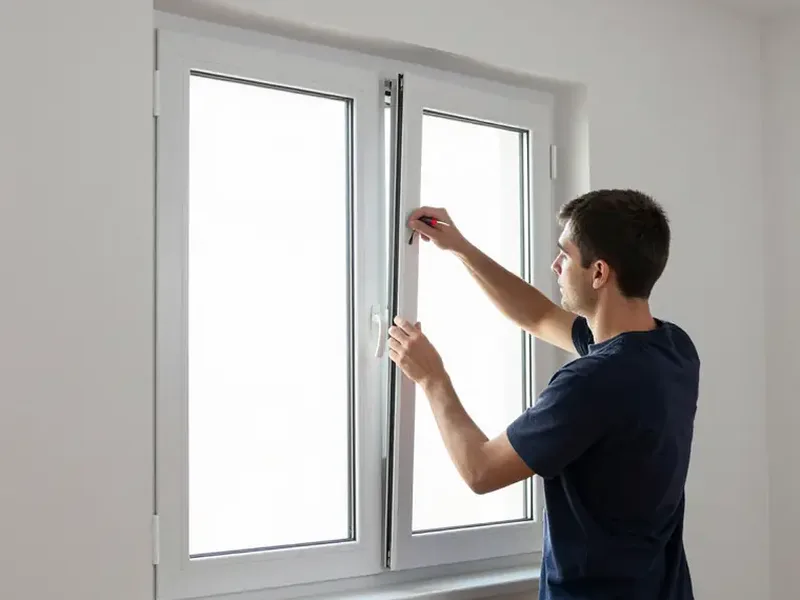 Plastic window adjustment in Aktaufrom 3 000 ₸/sash
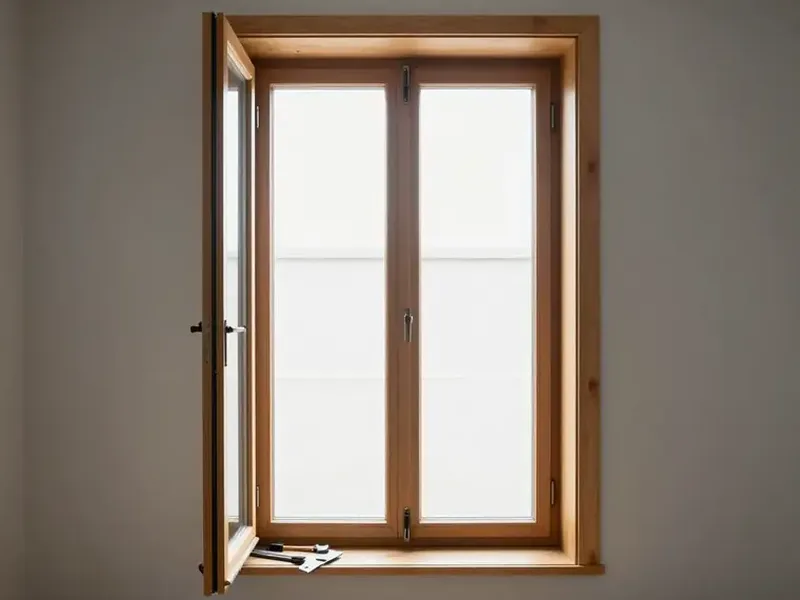 Wooden window repair in Aktaufrom 18 000 ₸/m²
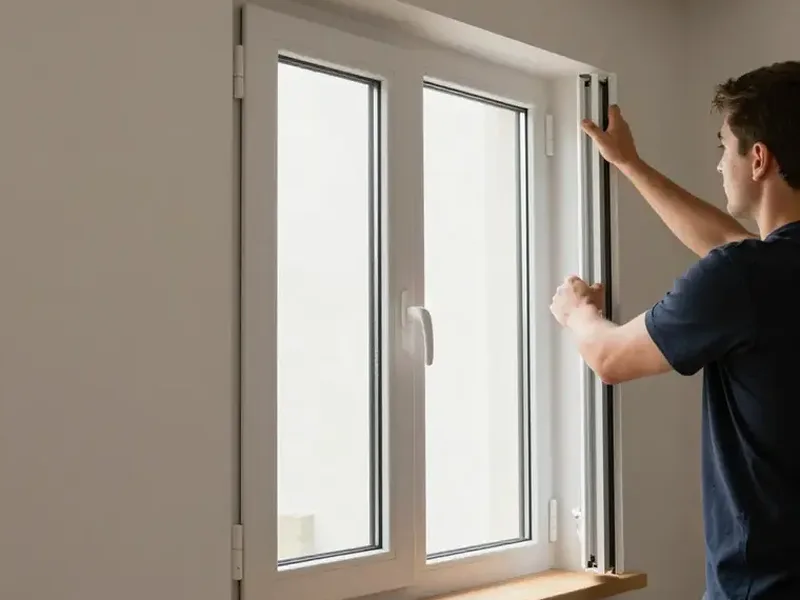 Plastic window repair in Aktaufrom 3 000 ₸/sash
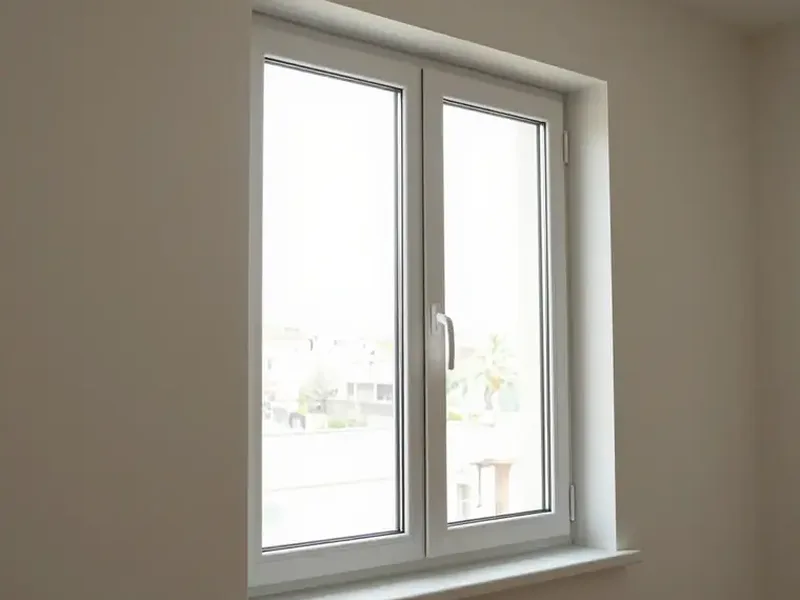 Window insulation in Aktaufrom 1 000 ₸/linear m
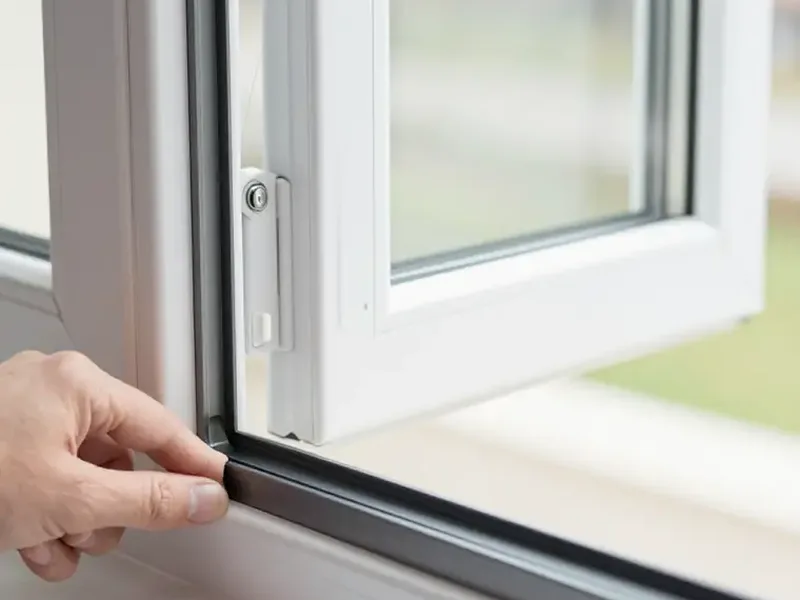 Rubber seal replacement on plastic windows in Aktaufrom 1 000 ₸/linear m
Thank you. We will call you back within 10 minutes!
Your order number is on the receipt or in the SMS. Choose where to leave your review.
Write a review on WhatsApp