


Good to know
Pleated Mosquito Screens in Aktau

Senior mosquito screen specialist at moskitnyesetki.kz
We make pleated mosquito screens to your exact size and fit them in Aktau, with a free measuring visit and a 1-year warranty. The folding mesh slides sideways, suits windows, balcony doors, loggias and terraces, and we paint the frame to match your windows. You pay only after installation.
How pleated mosquito screens fold and suit Aktau openings
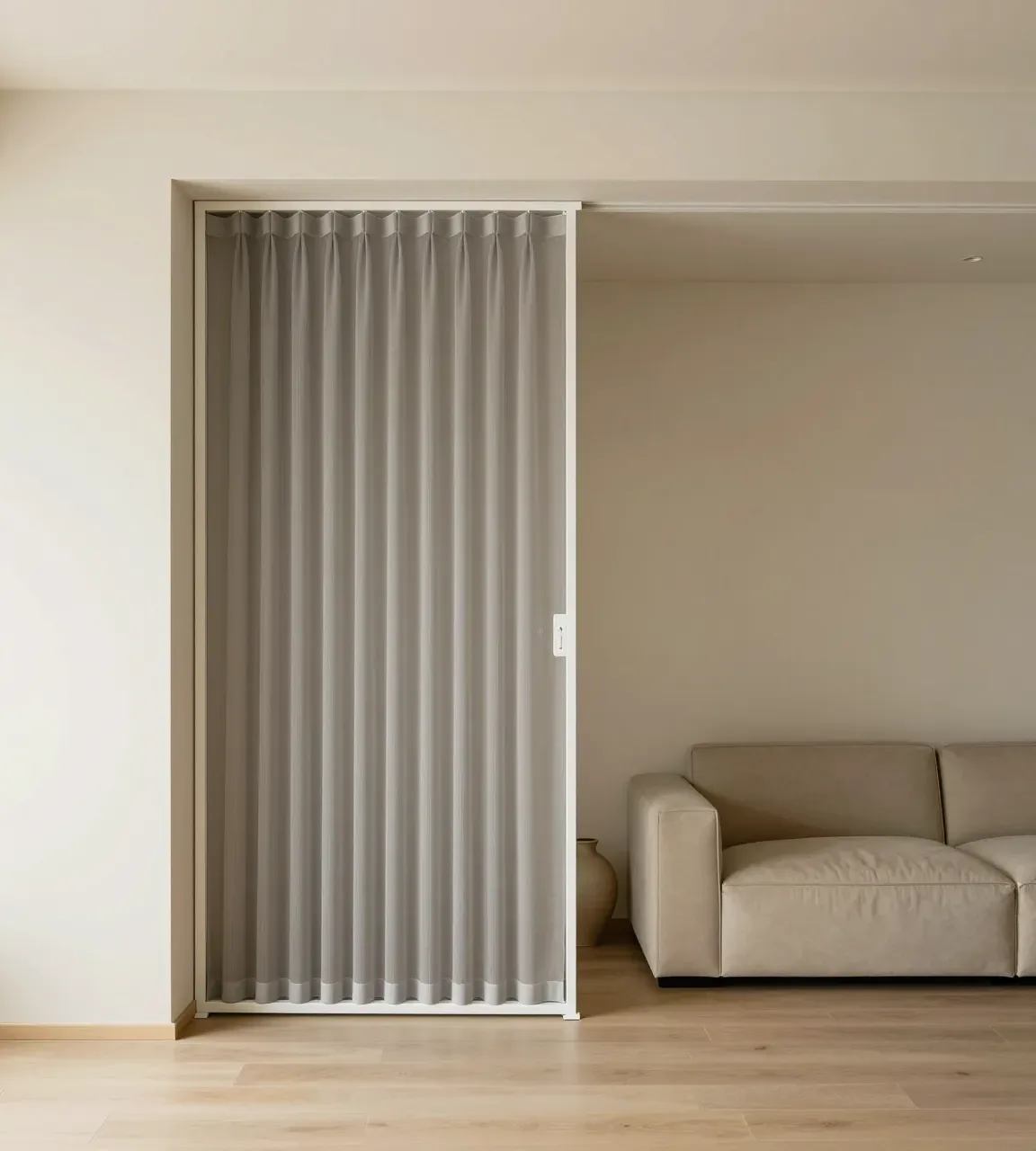
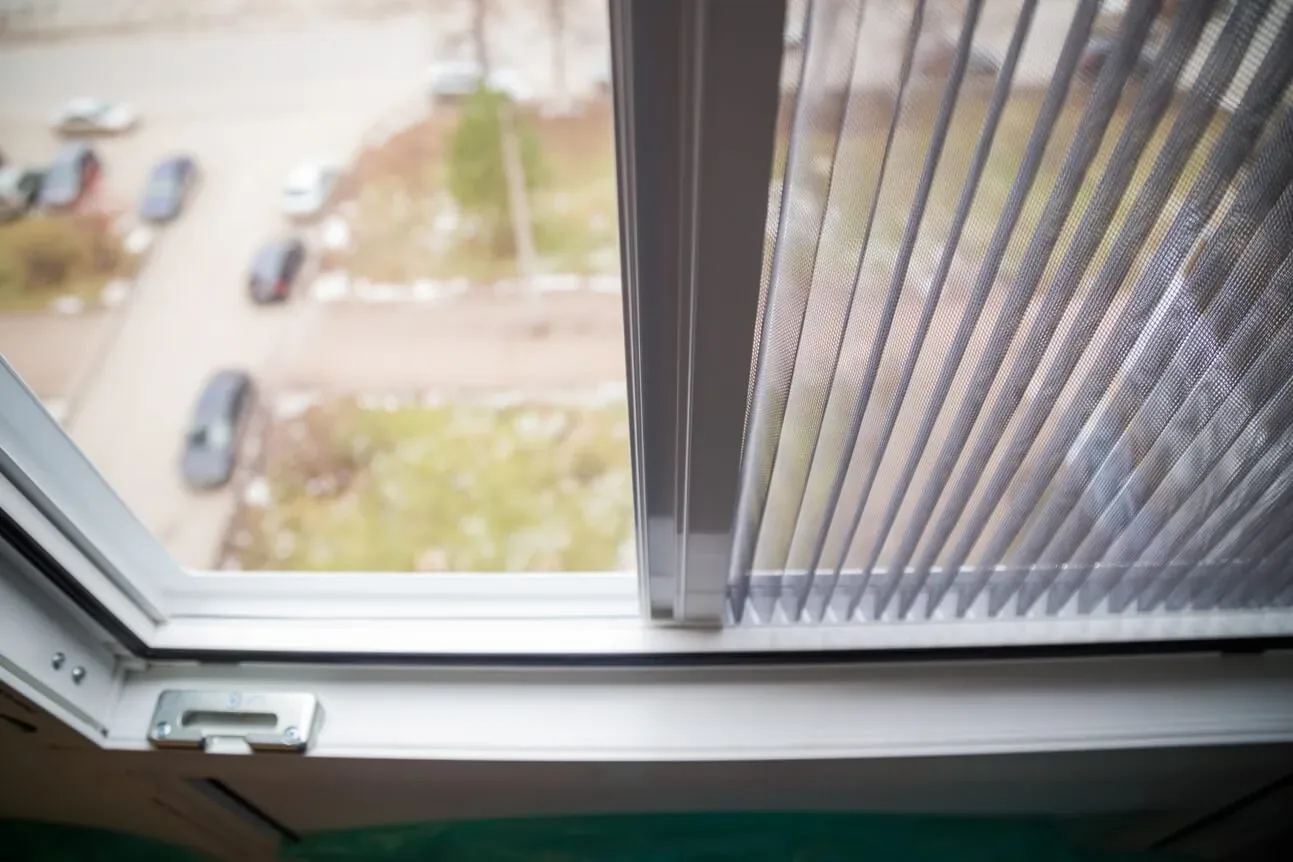
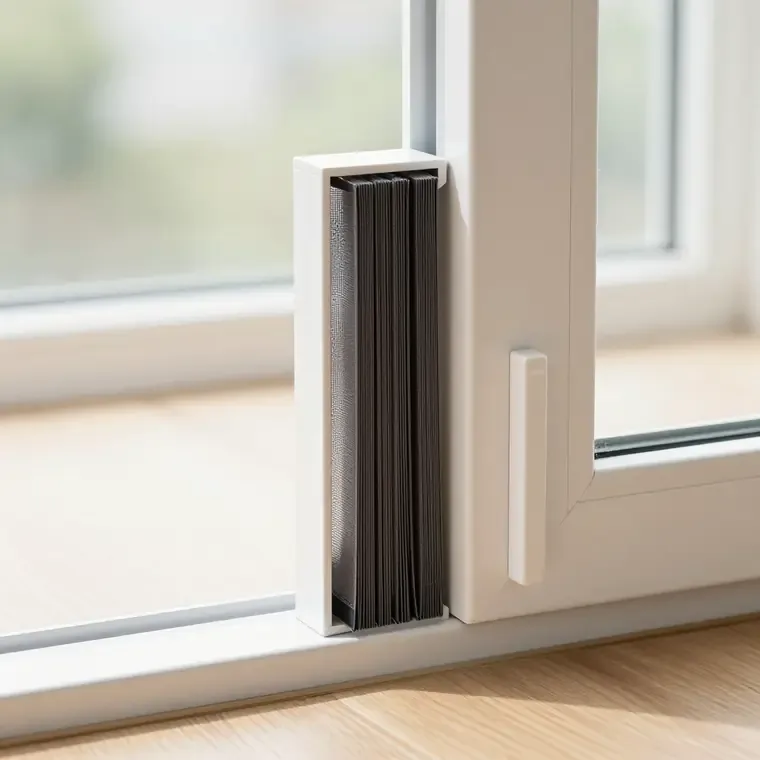
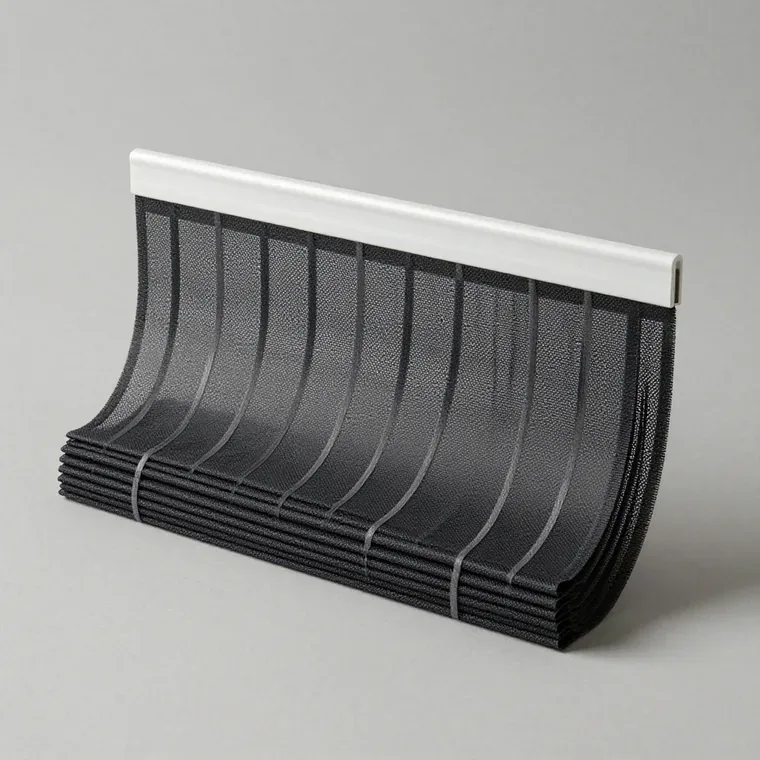
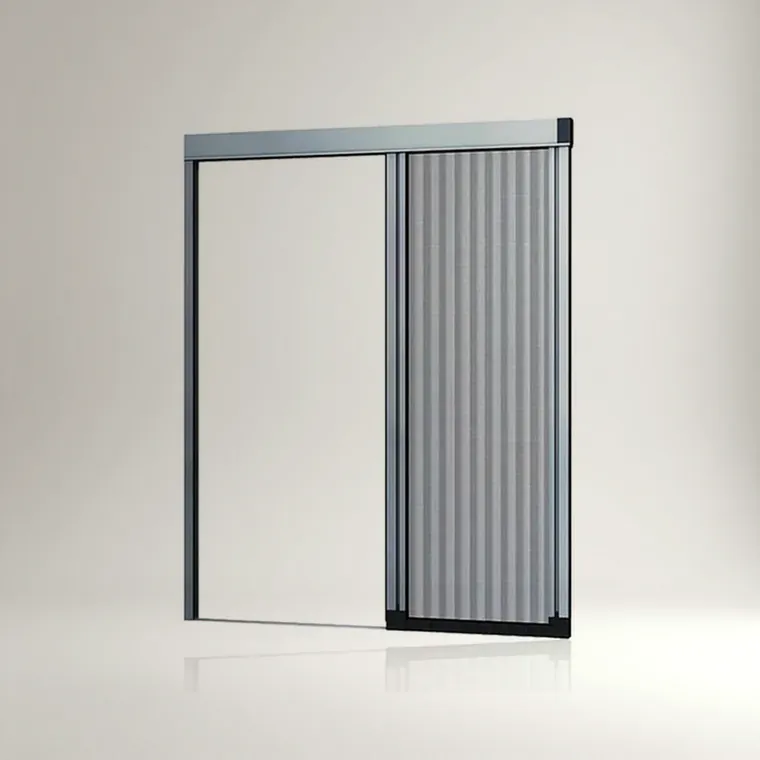
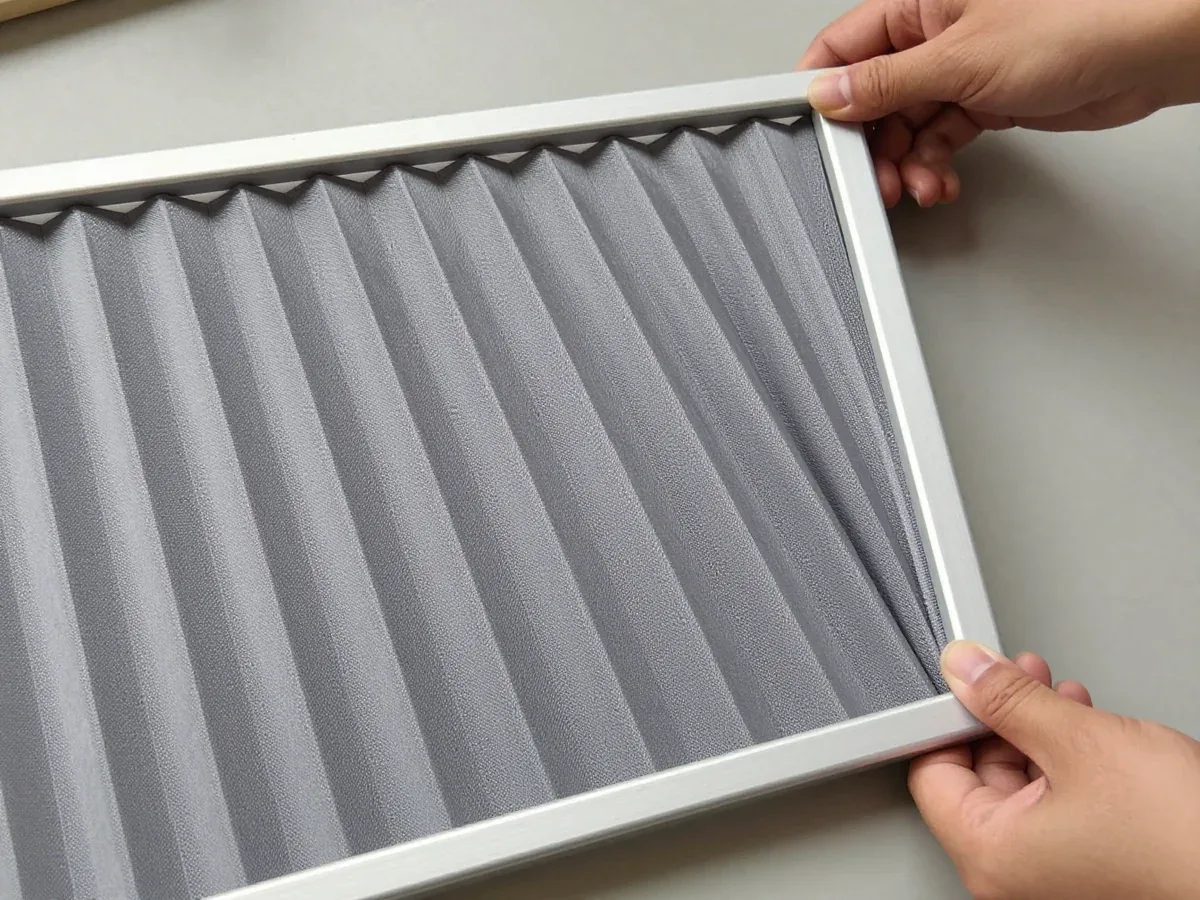
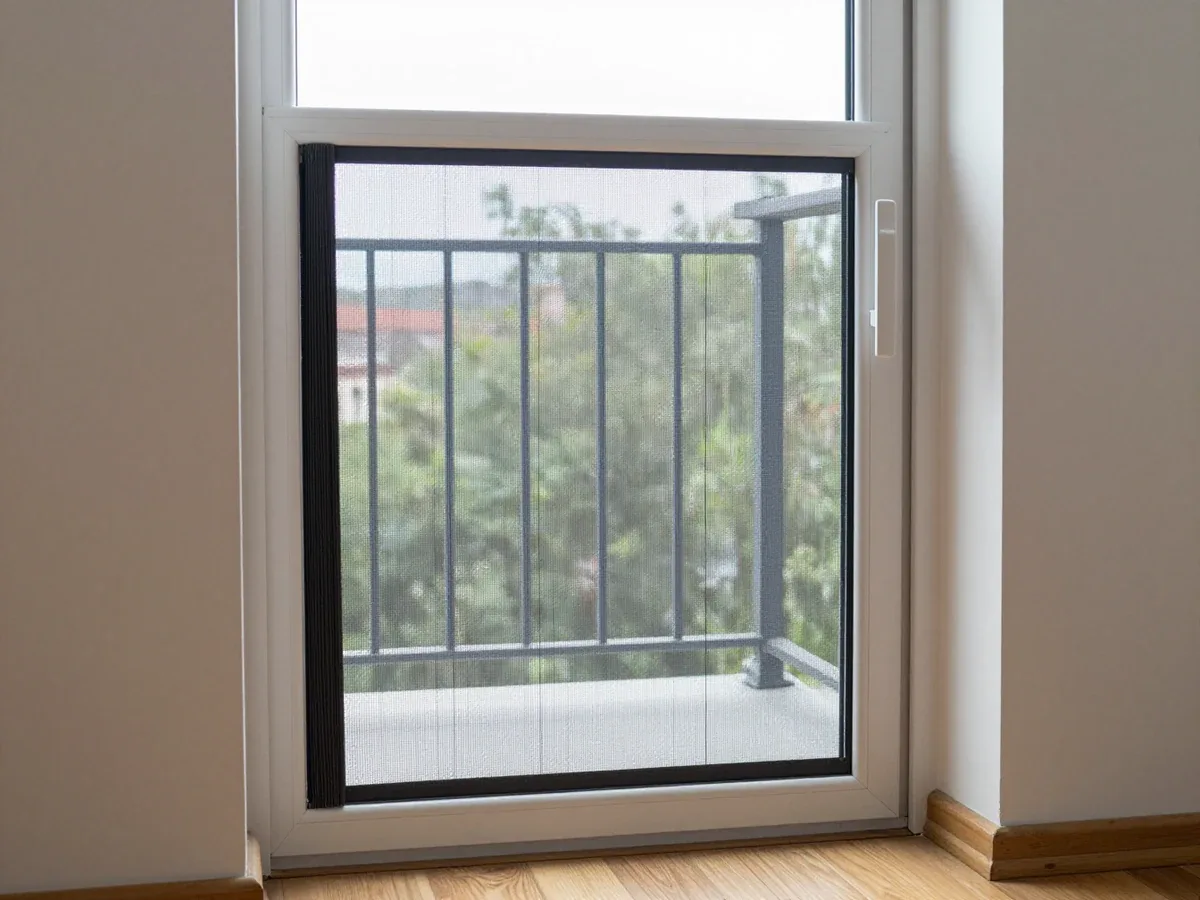
Pleated mosquito screens in Aktau use a folding mesh that slides sideways like a concertina into a narrow stack. It suits narrow and wide openings in the city.
How the folding mechanism works and how wide it opens
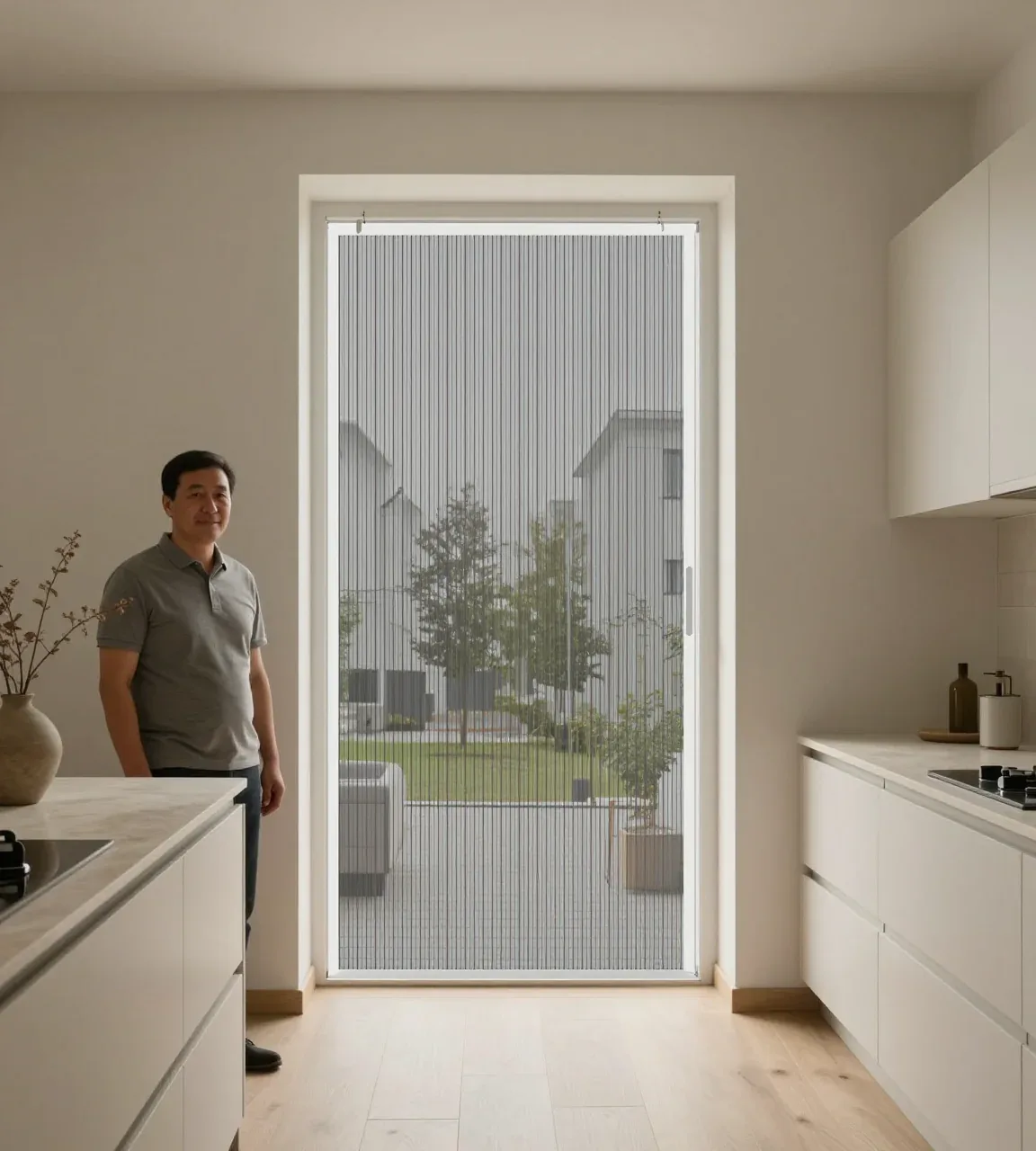
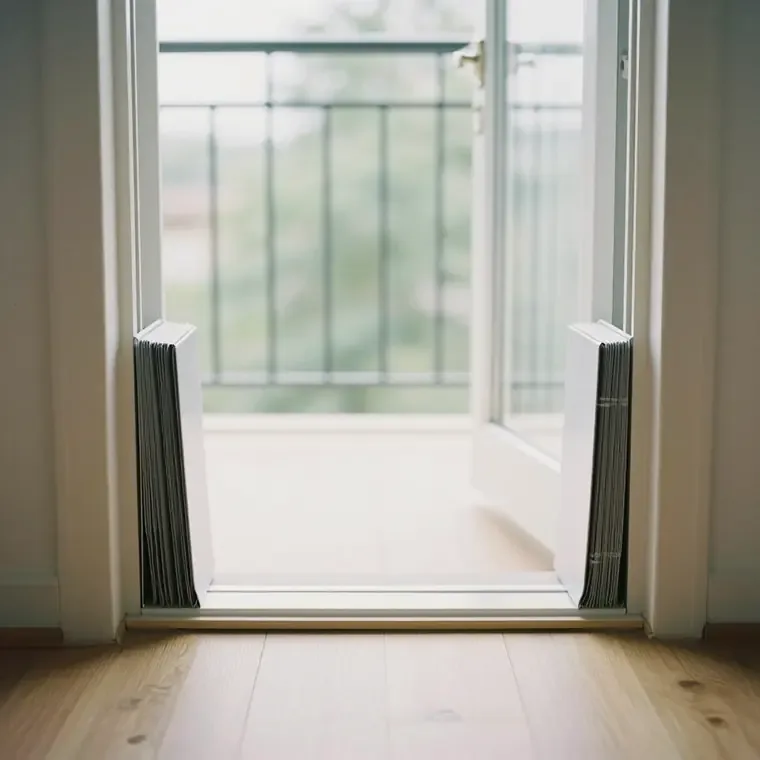
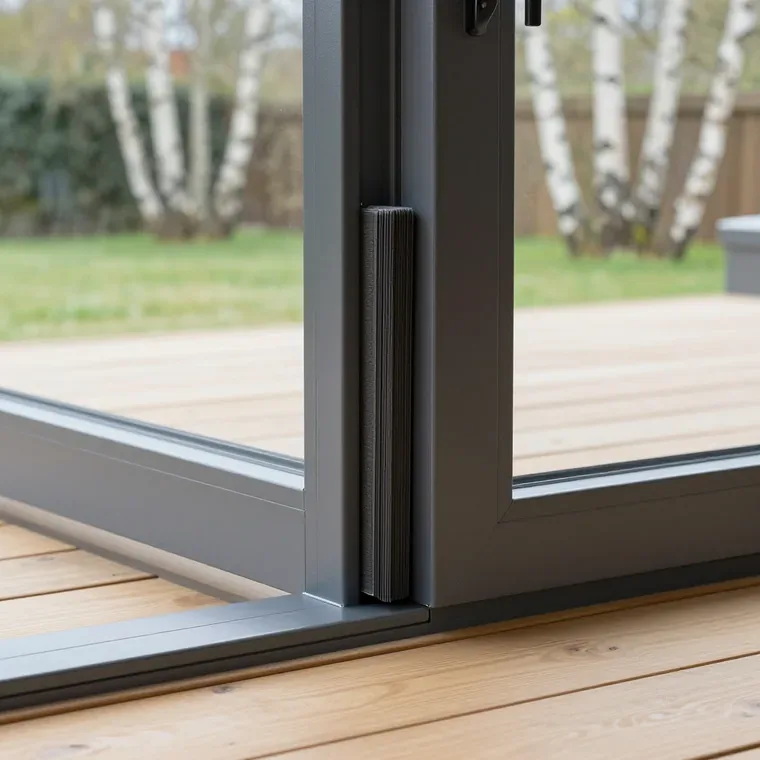
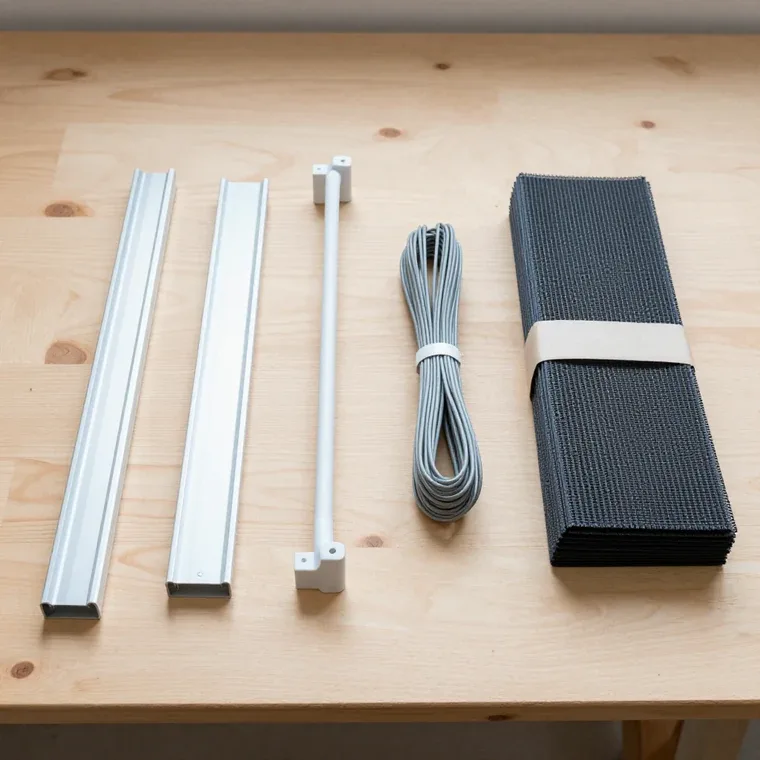
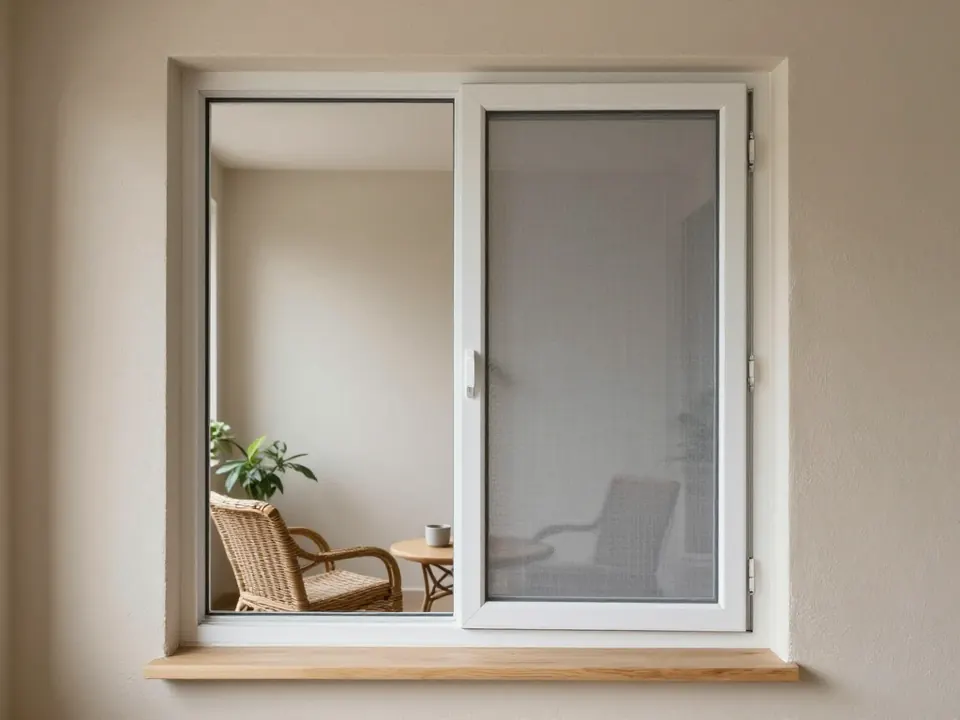
We build folding mosquito screens that slide sideways like a concertina, so the fabric stacks into a slim column and leaves the opening almost fully clear. Each leaf runs on a top and bottom rail, and a small handle lets you push the panel across in one movement. A single unit can cover one side of a leaf, while two meeting in the middle close a wide span in a panorama layout. The maximum width depends on the opening and the profile, so the measurer checks the span and fixing points before ordering. Because the fabric gathers instead of swinging out, this design suits wide loggia and terrace openings where a framed version would be too big to handle. On a panorama wider than three metres, plan for two leaves rather than one long panel, so the stack stays compact and the rail does not sag.
How tightly it closes and how it compares with a framed screen
A correctly measured folding screen closes against the frame with a brush seal along the edge, so there is no open gap for mosquitoes to slip through. The fabric travels inside a guided channel, which keeps it taut across the whole span and stops the edges from curling away from the frame. A framed unit is lifted out of its guides and set aside, while a pleated one stays on its rail and slides, so it does not rattle or bang in the wind once the channel is set level. On a windy coastal facade, a loose frame knocks against the reveal, but a pleated leaf held in its guide stays quiet. Ask for the channel to be levelled during fitting, since a guide set slightly off true causes a panel to drag or squeak.
Choosing pleated mosquito screens mesh for Aktau dust, sun and pets
Coastal dust, sand and sun exceed inland levels, so choose mesh for the job, not price. Here are the five we fit and how each behaves.
Which mesh handles dust, pollen, sun and pets
| Mesh | Best for | What it does |
|---|---|---|
| Fiberglass (standard) | everyday windows | resists fire and temperature swings |
| Ultravue | darker rooms, airflow | lets in 25% more light and air |
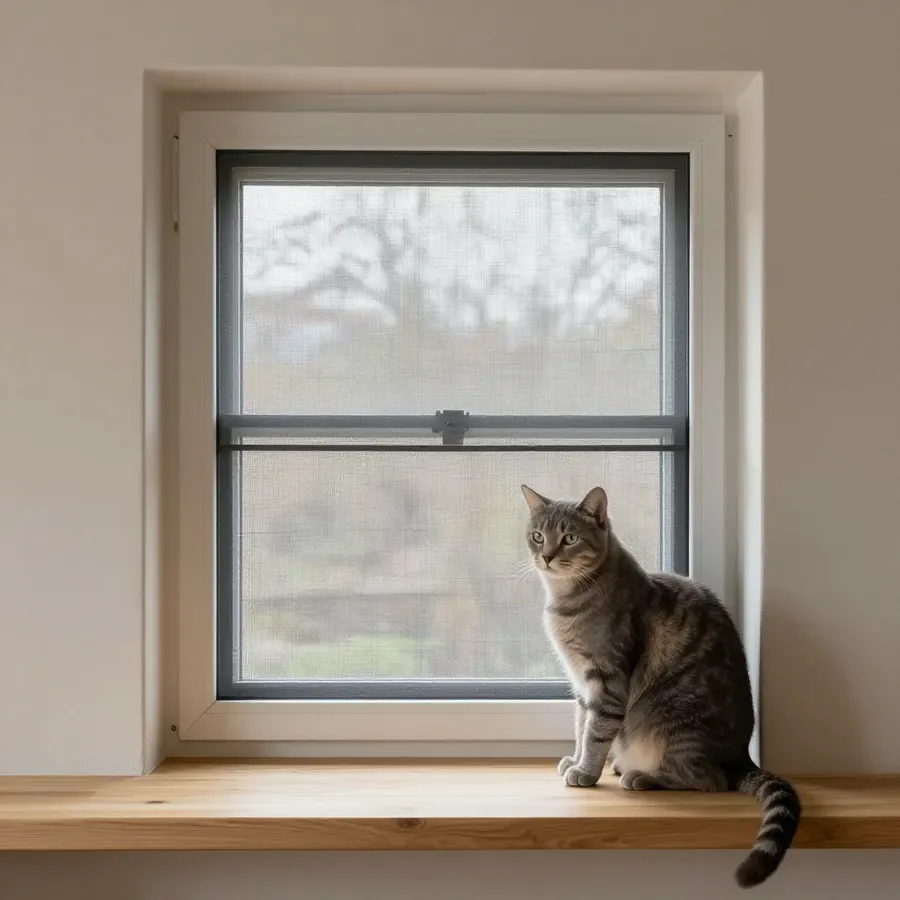
| Pet Screen | homes with cats | several times stronger than standard |
| Anti-dust | dusty, windy sides | traps fine sand and dust |
| Poll-Tex anti-pollen | allergy season | 0.25×1 mm cell for pollen |
Why the mesh choice matters more on the coast
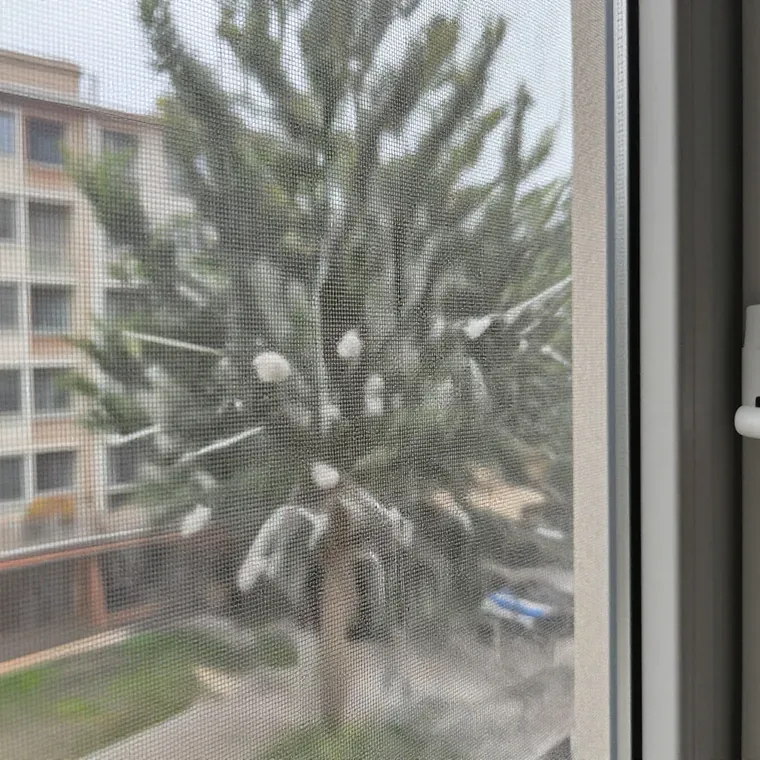
Sea wind carries fine sand that a coarse weave lets straight through, so a tighter weave earns its keep on the exposed side of a building. Poll-Tex holds a 0.25×1 mm cell, which stops pollen and the finest grit, while the anti-dust canvas takes the heavier sand that blows off the shore. Ultravue passes 25% more light and air, which matters in a room that already feels dark. A finer weave also shades the room slightly, helpful on a sun-facing wall but restrictive on a still, airless one. That is why the same mesh is rarely the right pick for every window in one flat.
Where pleated mosquito screens fit in an Aktau home
A folding screen is not only a window fitting. The same design works on balcony doors, loggia glazing, gazebos and terraces, each needing its own fixing.
Windows, balcony doors, loggias and terraces
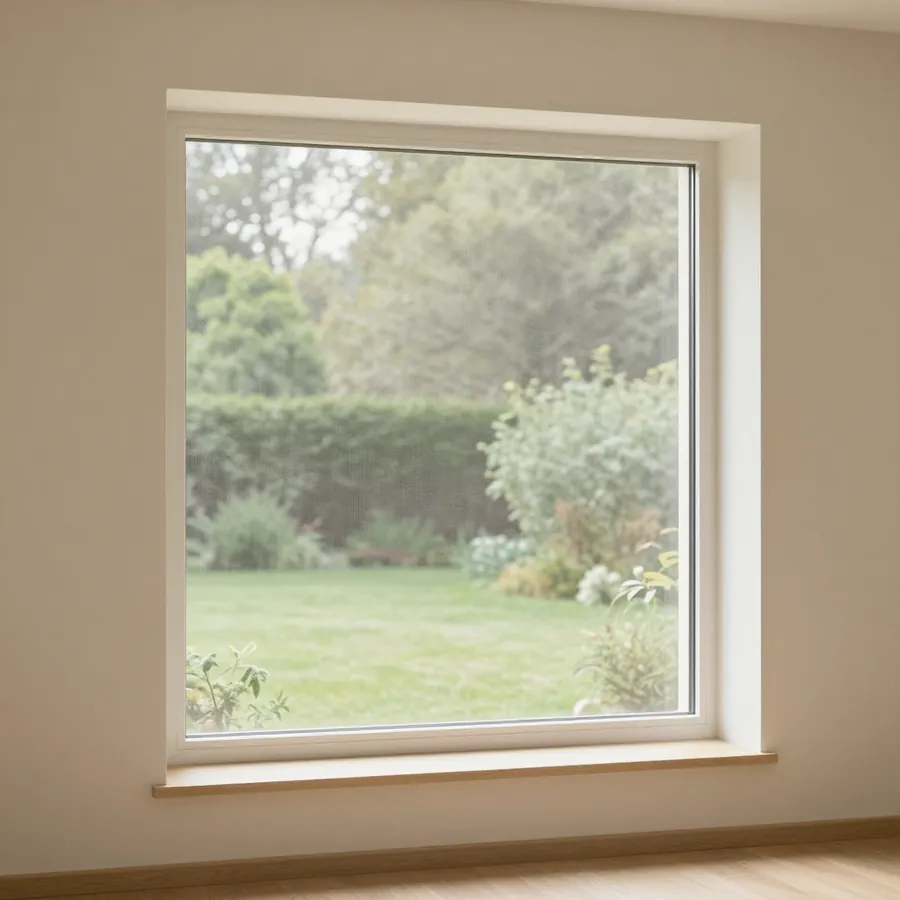
- Plastic, wooden and aluminium windows: pleated mosquito screens fit casement sashes, vent windows and loggia glazing.
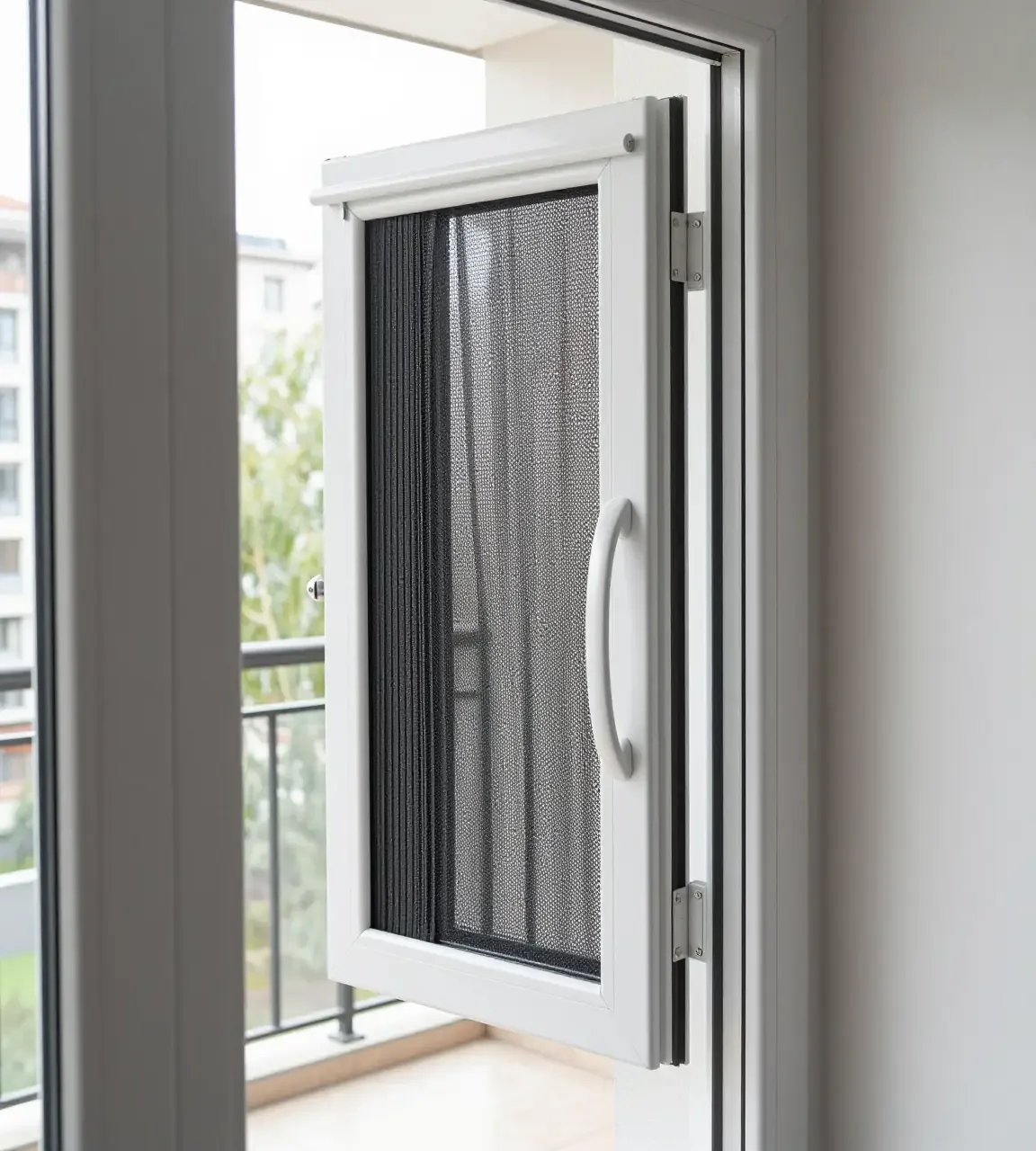
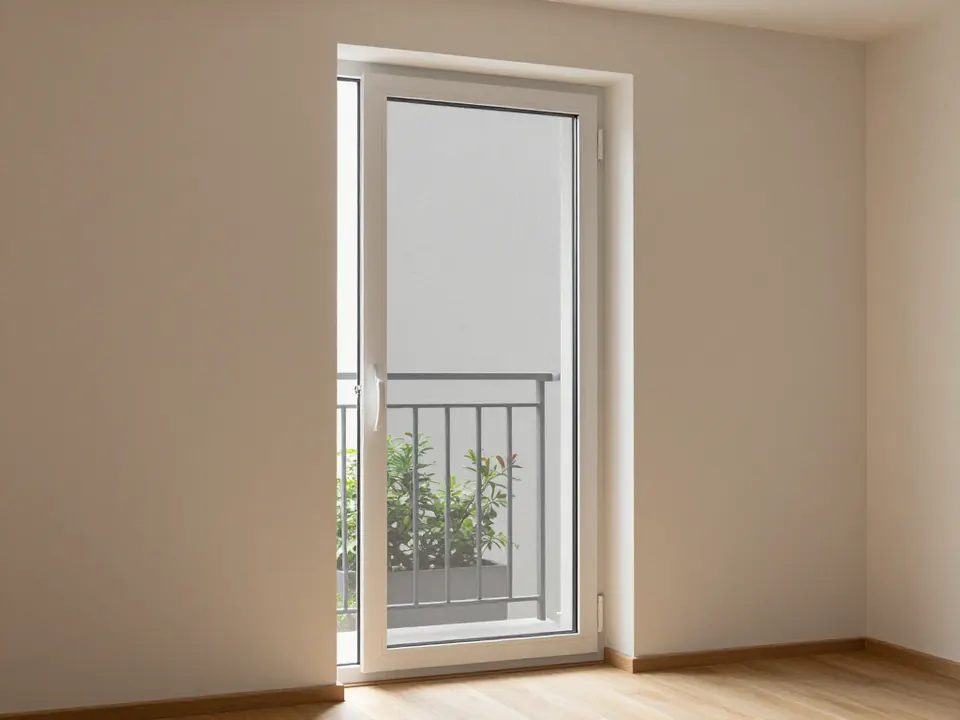
- Balcony doors: a door leaf carries more traffic than a sash, so it gets a heavier profile.
- Door profiles: hinged door screens come in Economy 32×10 mm or Prestige 42×17 mm; wider Prestige suits tall doors.
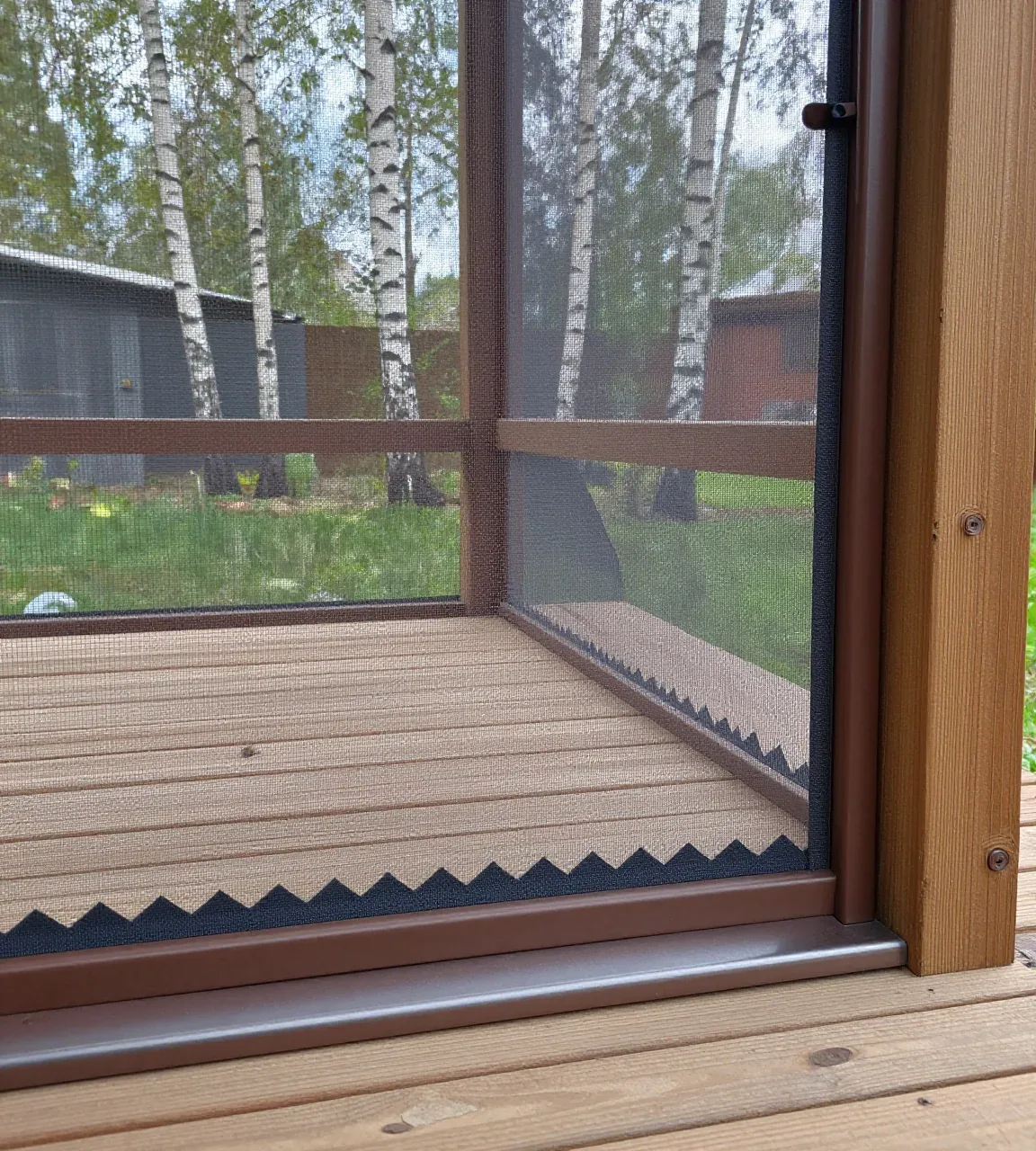
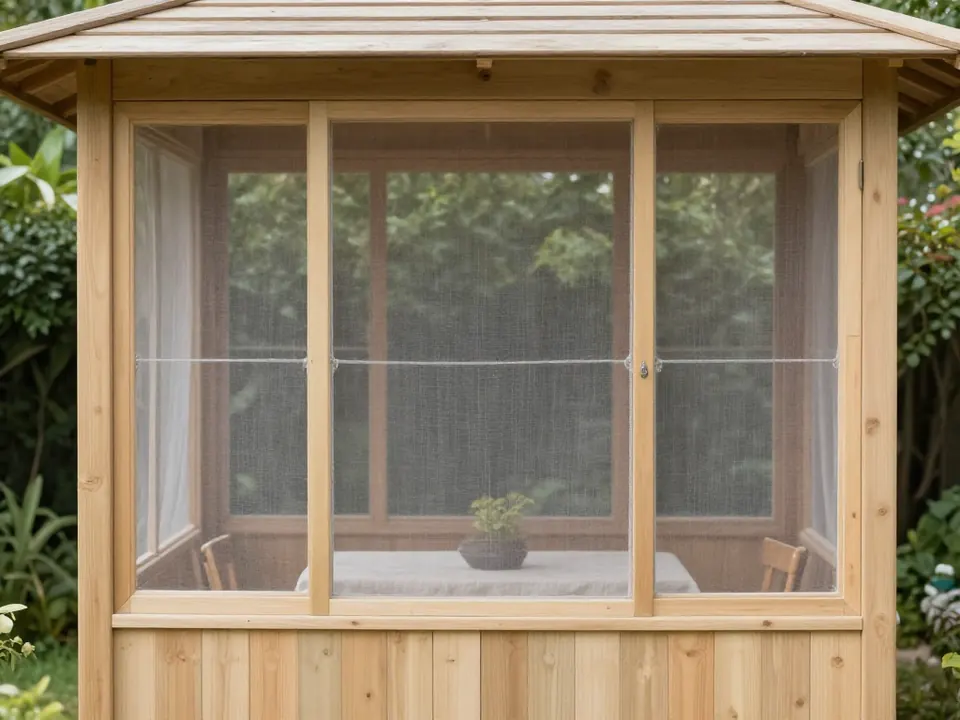
- Gazebos and terraces: the unit is anchored to the structure itself, not a window, keeping fabric taut outdoors.
- Colour matching: we paint the frame any colour to match your joinery, so the folded stack blends in.
- Free measuring: the measurer takes sizes and helps choose design, fabric and fixings.
Wide openings and windy terraces
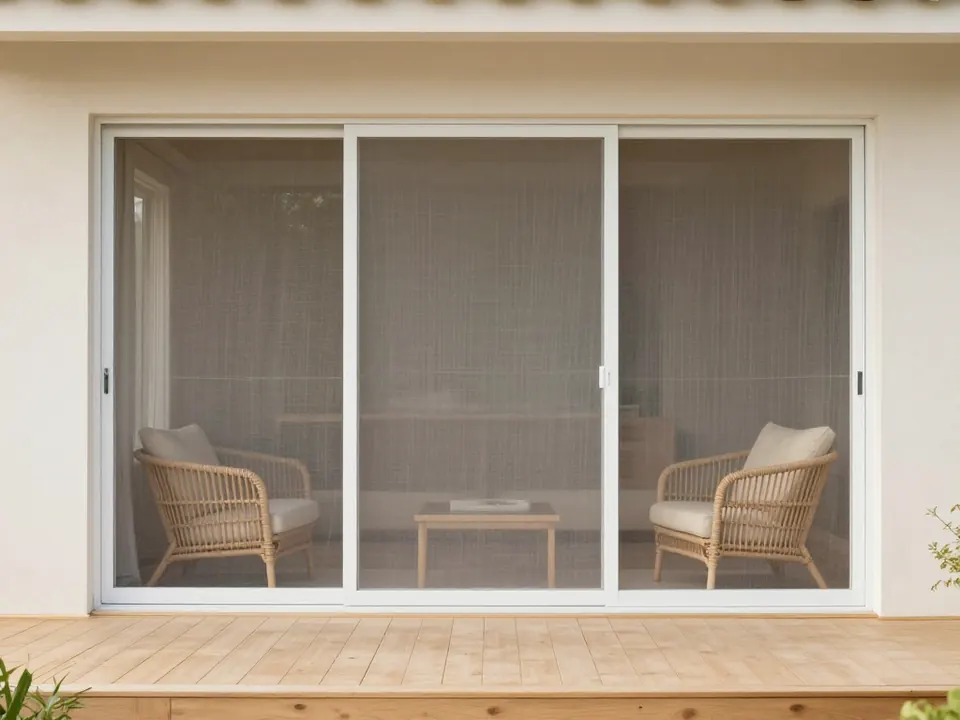
On a wide panoramic opening a folding screen is often the only type that covers the full span without a heavy section in the middle. The panels travel along a slim top track and gather at one side, so a glazed wall three metres wide opens in a single sweep and keeps an uninterrupted view. On an open terrace the unit is fixed to a solid post or wall rather than a thin sash edge, because wind load on a large fabric is far higher than on a window. Coastal gusts push hard on any surface, and a long span acts like a sail. That is why fixing points and profile are chosen for the structure behind them.
Measuring, fixings and fitting your screen
From a free measuring visit to the finished screen, we explain how the fixing is chosen for your profile and floor, and how long each stage takes.
How the free measuring visit works
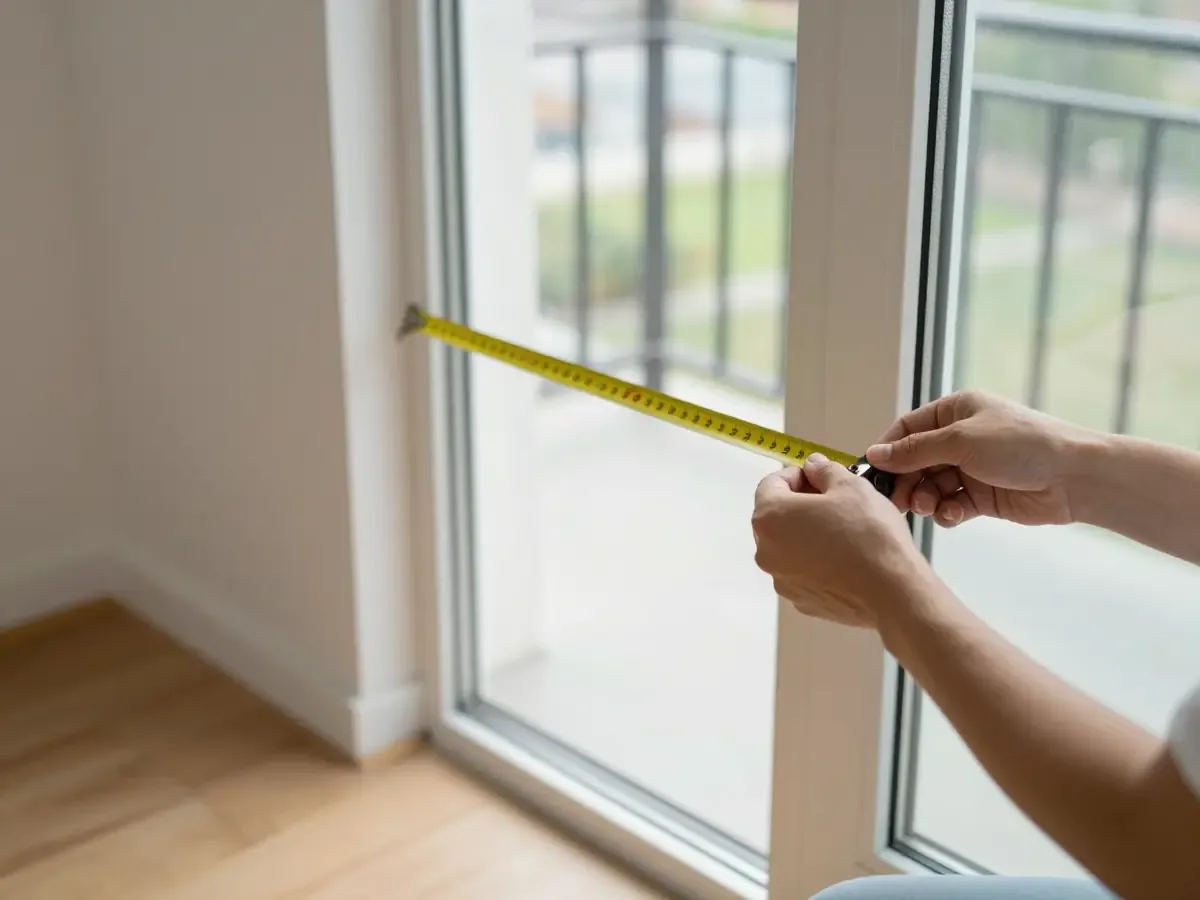
Measuring and consultation are free, and the measurer comes at a time that suits you, takes the sizes and helps you choose the design, mesh and fixings. He checks the window profile, how the frame opens and the floor level, then writes the dimensions into the order. The price is fixed at that point, so the figure you agree during the visit does not change later. We reply on WhatsApp within five minutes if you want to move the appointment or send a photo of the opening beforehand. The measurer checks the profile and floor level because those details decide which fixing will hold the screen safely.
Which fixing holds the screen on your window and floor
| Fixing | Where it suits | Why |
|---|---|---|
| Z-brackets | most plastic and wood frames | firm hold, easy to remove |
| Pins (plungers) | slim aluminium profiles | low profile, no bulky parts |
| Magnets | light screens, easy access | quick to take off and refit |
Making and fitting times and how you pay
A pleated screen made to your size takes 40 to 60 minutes to make, and we deliver and fit it on windows and doors, then you pay after installation by cash, card or Kaspi. A framed screen for comparison is ready in 10 to 15 minutes, which matters if you need one opening covered the same day. Fitting covers plastic, wood and aluminium frames, balcony doors and loggias across the city. Because the price is fixed in the order after measuring, the figure you agree at the visit is the one you settle once the screen is on the wall.
Winter, cleaning, repairs and the warranty
Care for a pleated screen focuses on the track and edge strip, not the panel. Below is how the unit behaves in cold, how to clean it, and what our repair terms cover.
Does a pleated screen stay up for winter
A pleated screen stays on its track through winter, while a framed screen is lifted out from inside in a minute and is best taken down for the cold months. The folding panel has no loose sheet to remove, and its frame is fixed to the opening, so there is nothing to store. A framed unit, by contrast, is a single rigid panel that comes off its pins by hand and leans against a wall until spring. Leaving the folding model in place keeps the track aligned and the edge strip seated in its guide. Sweeping sand out of the guides before the first frost stops the panel from stiffening, and a dry cloth keeps salt film off the painted surface.
Cleaning the mesh and the track
- Wash the panel: use a soft brush and mild soapy water, then rinse and let it dry fully.
- Clear the guides: sweep sand out with a narrow tool so the screen slides without catching.
- Wipe the frame: a damp cloth keeps painted profiles clean without scratching the finish.
- Check the edge strip: replace it once it wears thin and stops sealing the gap.
- Avoid pressure washers: a strong jet loosens the weave and fine dust slips through.
Repairs, spare parts and the 1-year warranty
We repair screens and replace fixings, and every mosquito screen carries a 1-year warranty, so a torn panel or a sticking track is put right rather than replaced outright. A service visit covers a new edge strip, fresh Z-brackets, pins or magnets, and a re-seated canvas on the existing frame; the profile stays, only the worn part changes. On the coast, most sticking tracks come from sand packed into the guide rather than a broken part, so the fix often needs no new panel. Book the visit before the sliding action feels rough — once the panel grinds against the guide, the edge strip wears through faster.
What to check before ordering pleated mosquito screens
A pleated model is a long-term part of the opening, not a seasonal extra. The points below decide whether it folds smoothly, holds in wind and keeps fine particles out for years.
- Folding design: sliding panels clear wide loggia and terrace openings that framed units block.
- Mesh for the job: tighter weaves stop fine particles and pollen, reinforced ones resist pets, open weaves keep daylight and airflow.
- Fixing first: window profile and floor level decide which bracket, pin or magnet holds steady in coastal wind.
- Winter behaviour: stays mounted through cold months, while a framed one is lifted out and stored.
- Upkeep: wiping the track and rinsing fabric keeps sashes gliding and weave trapping grit.
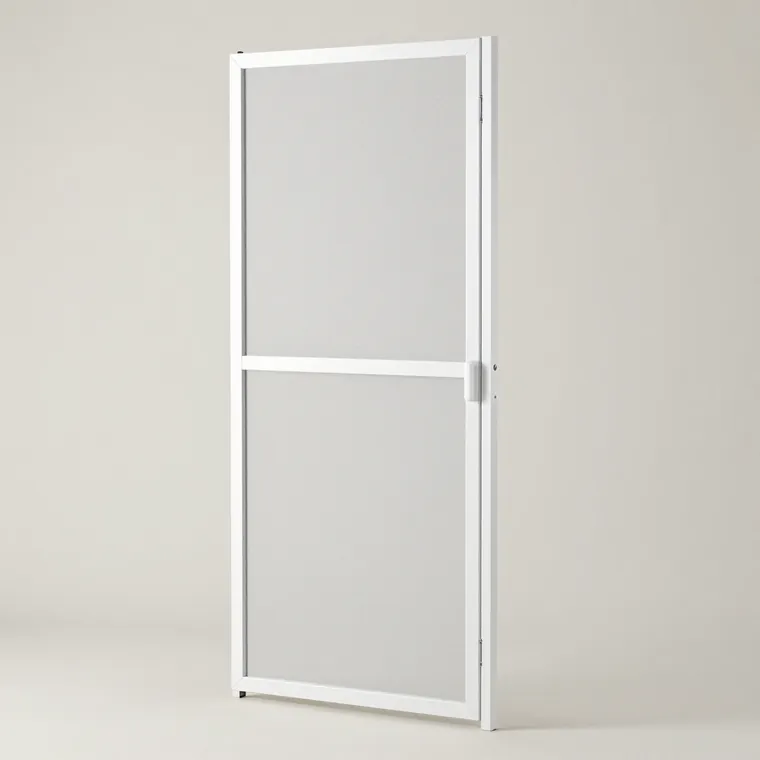 Door mosquito screens
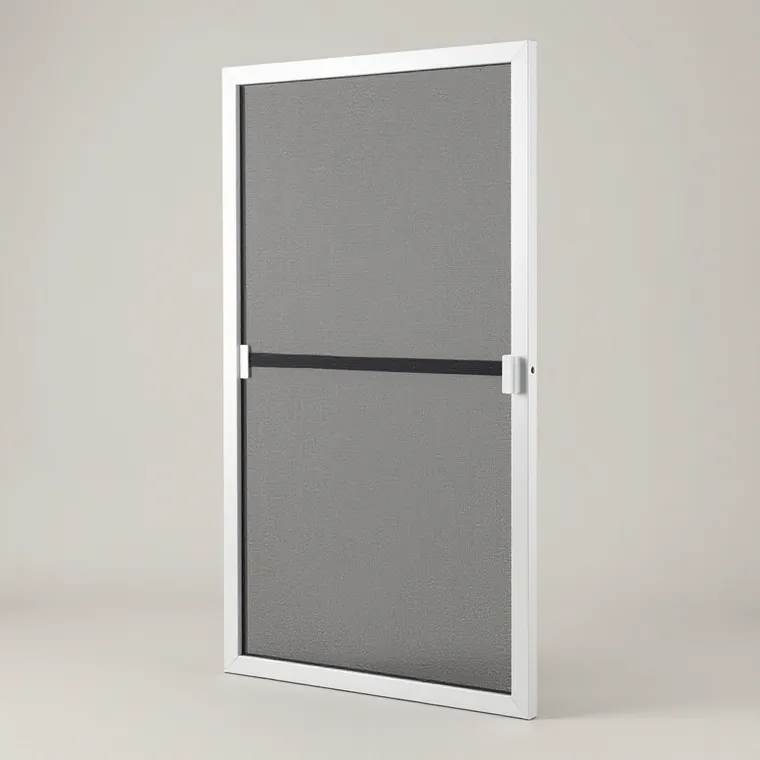 Framed mosquito screens
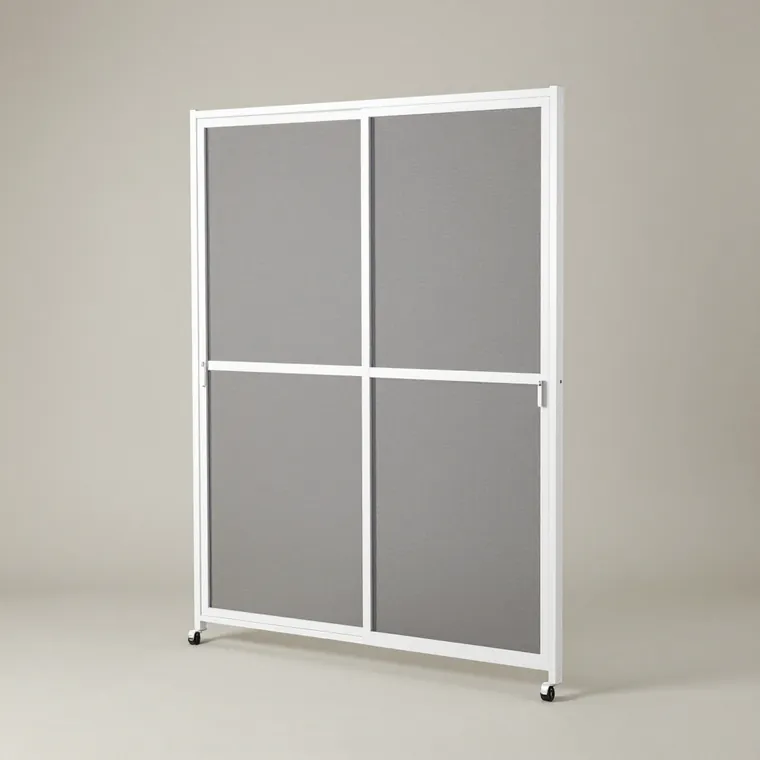 Sliding mosquito screens
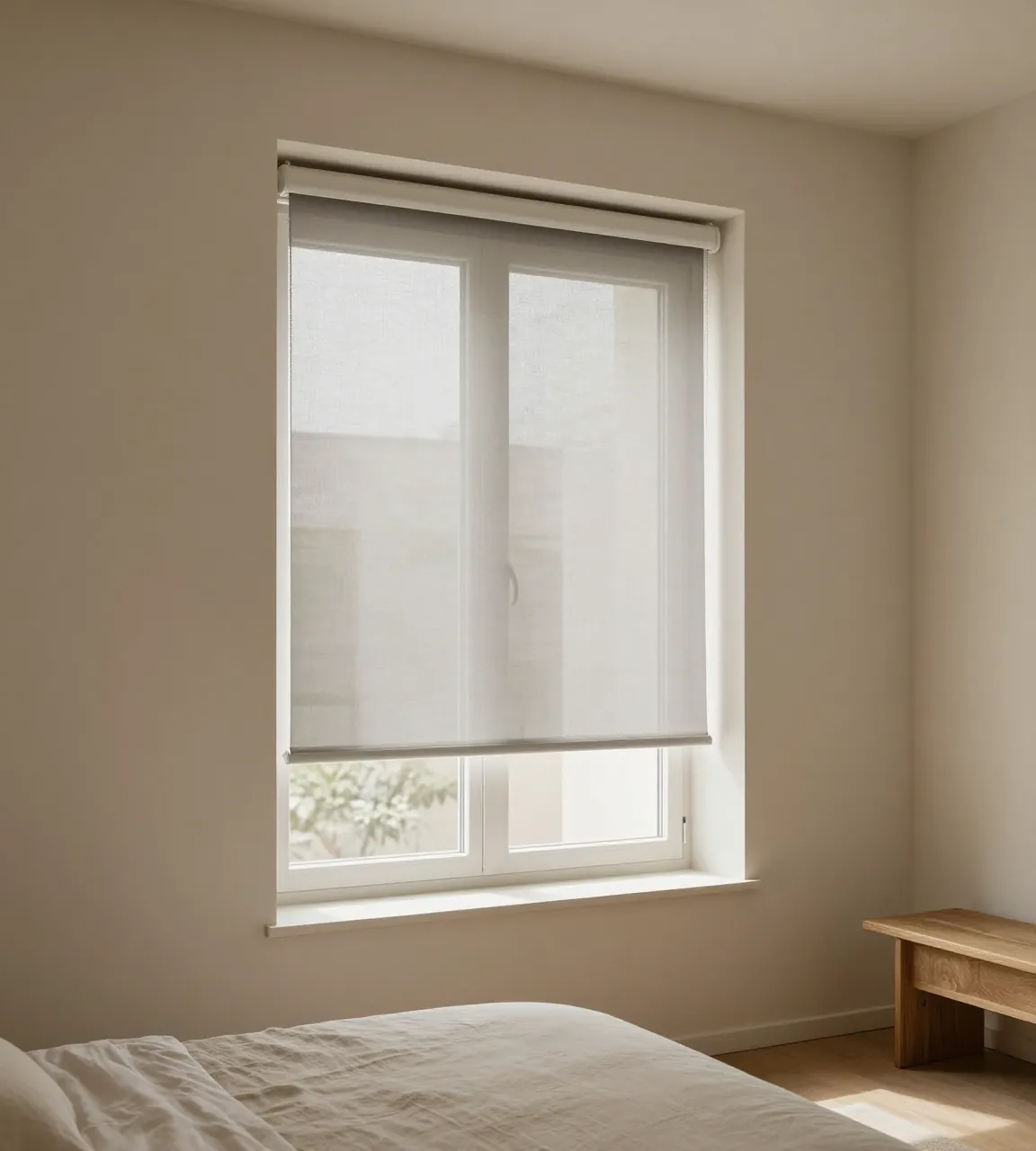 Roller mosquito screens
 Ready-made mosquito screens