
Simple steel · welded
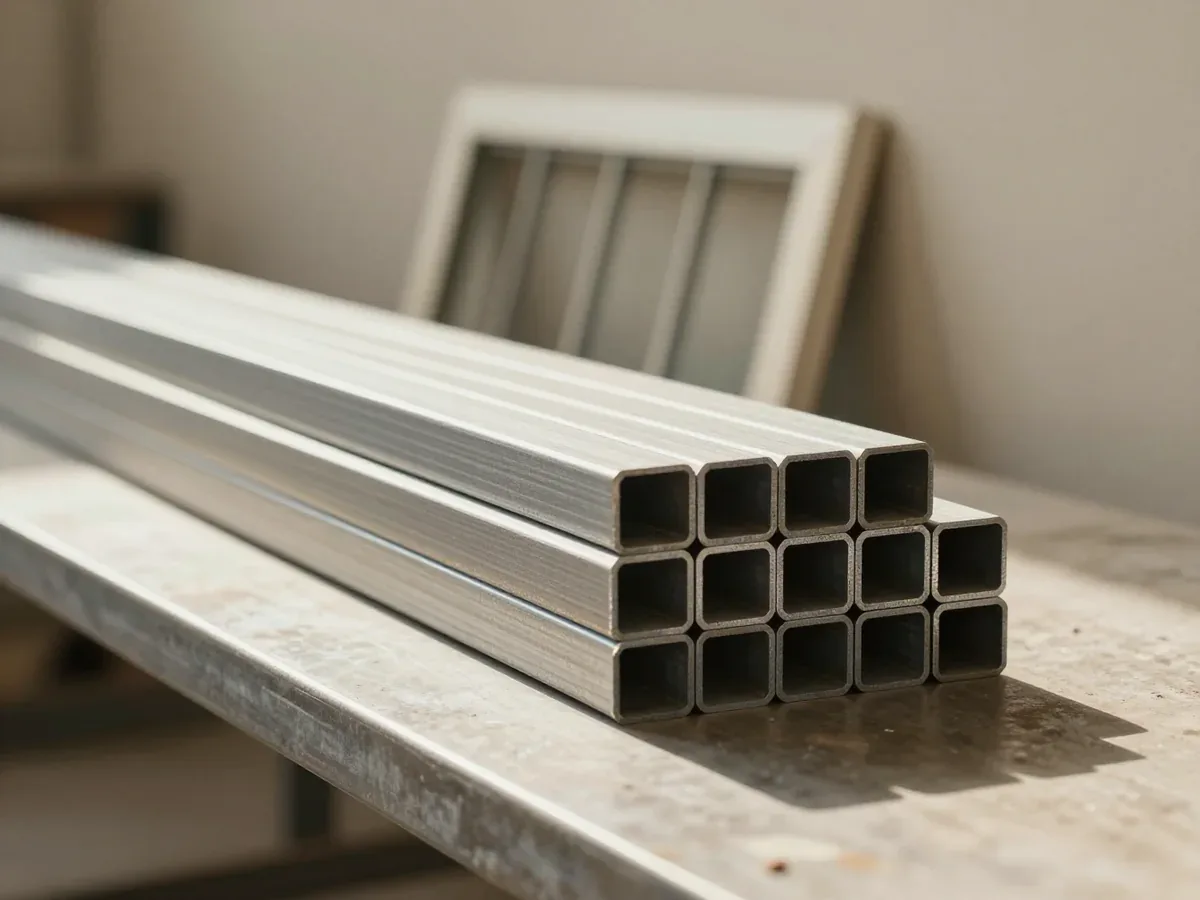
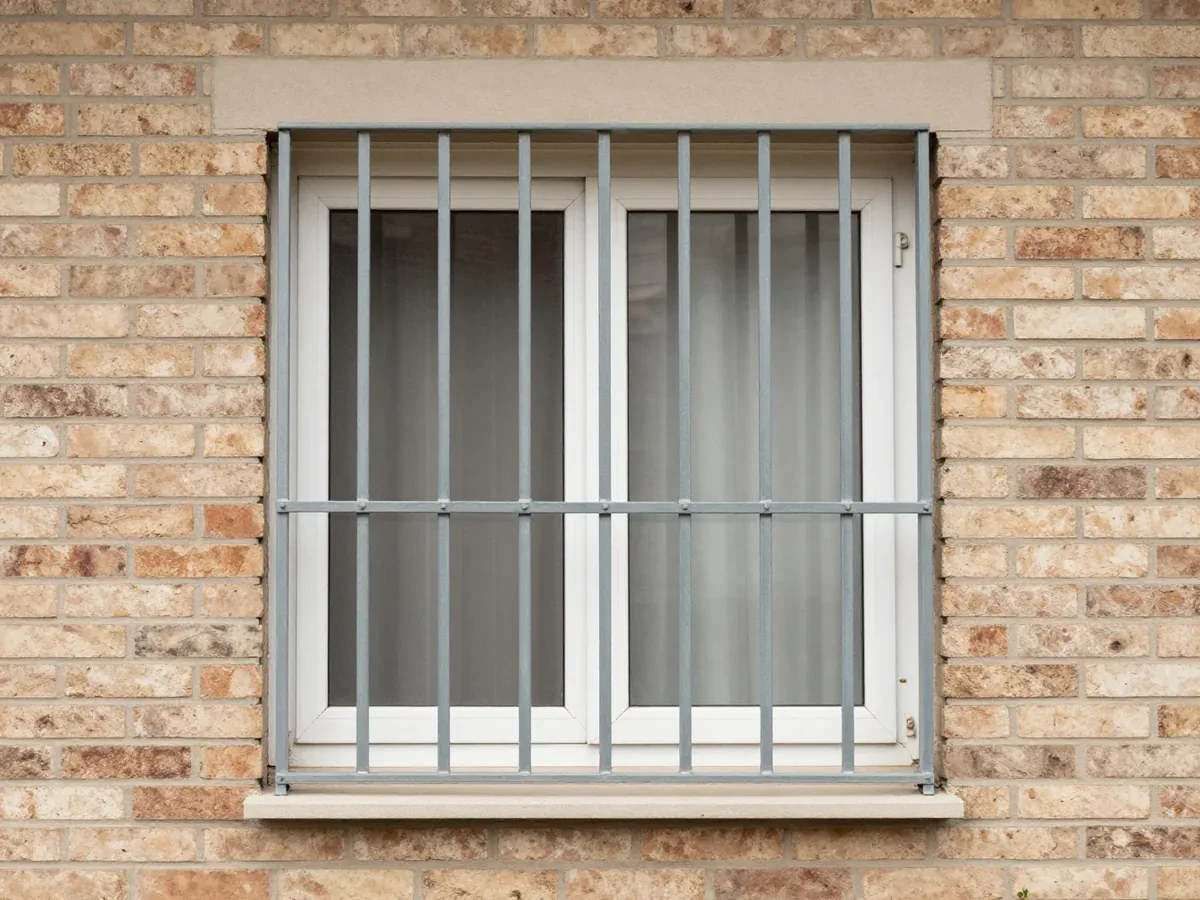
Welded grille
Standard steel pattern. Price from 7 500 ₸ per m², installation from 4 500 ₸ per m².
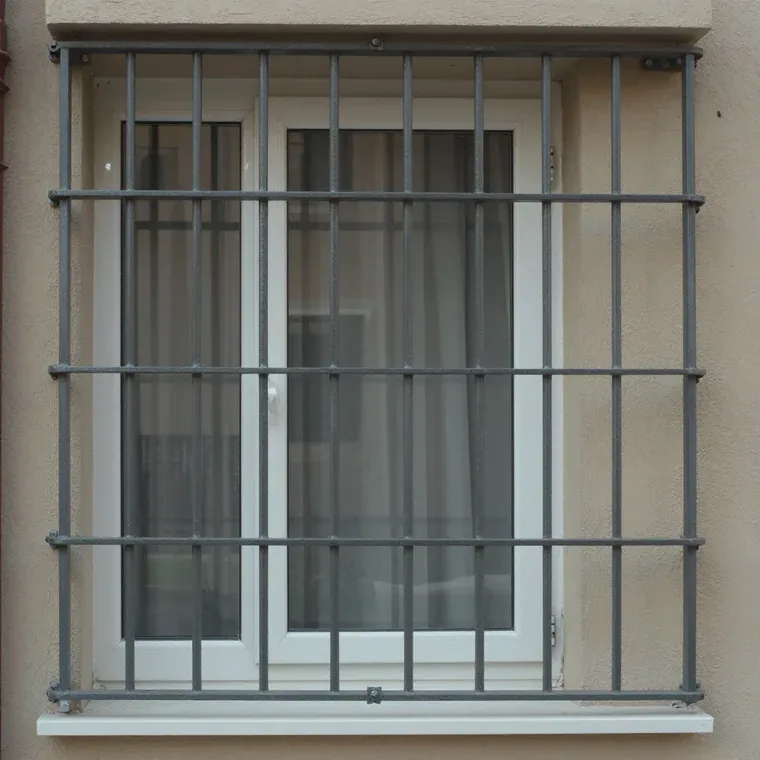
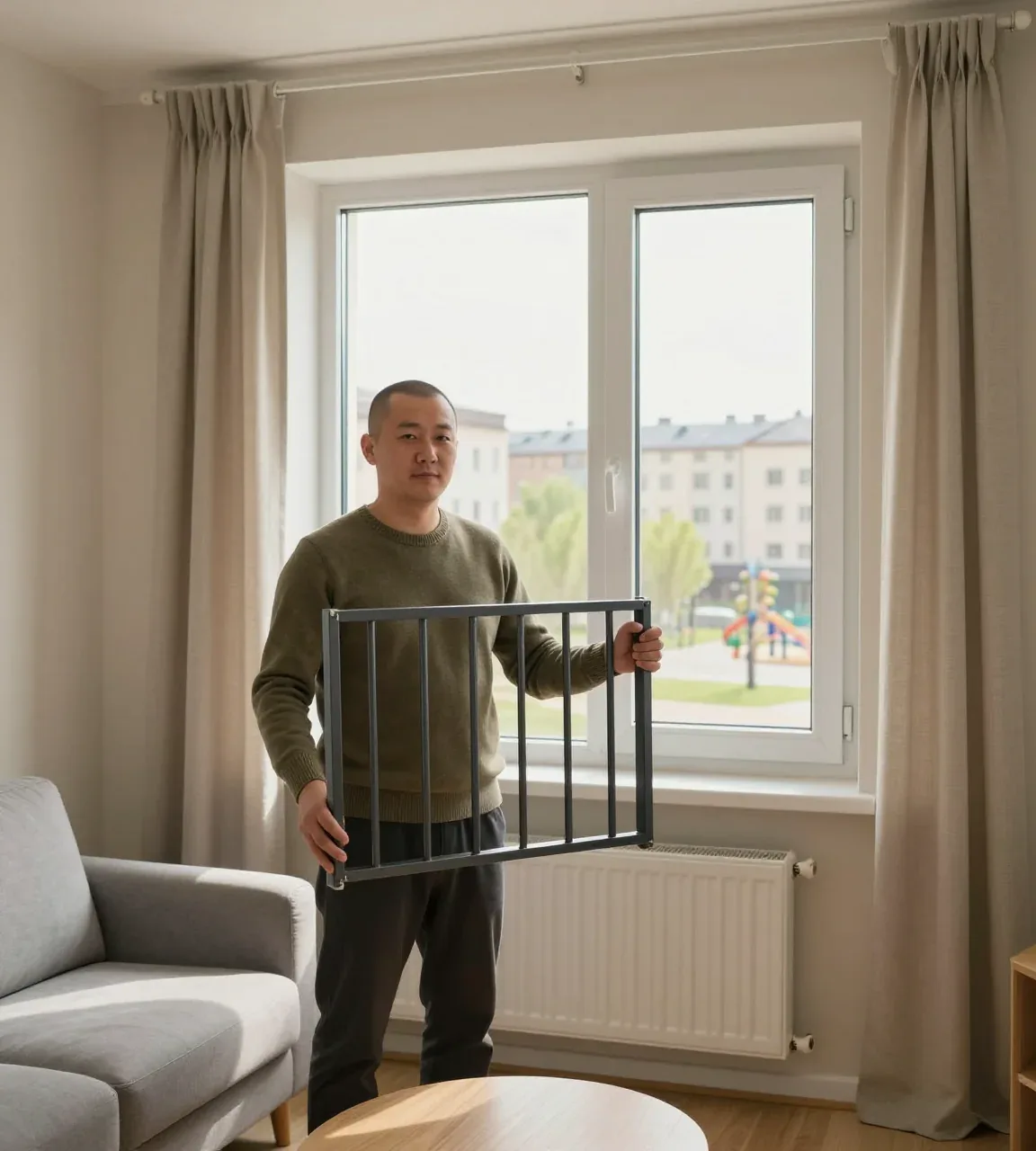
Welded grille
Standard steel pattern. Price from 7 500 ₸ per m², installation from 4 500 ₸ per m².
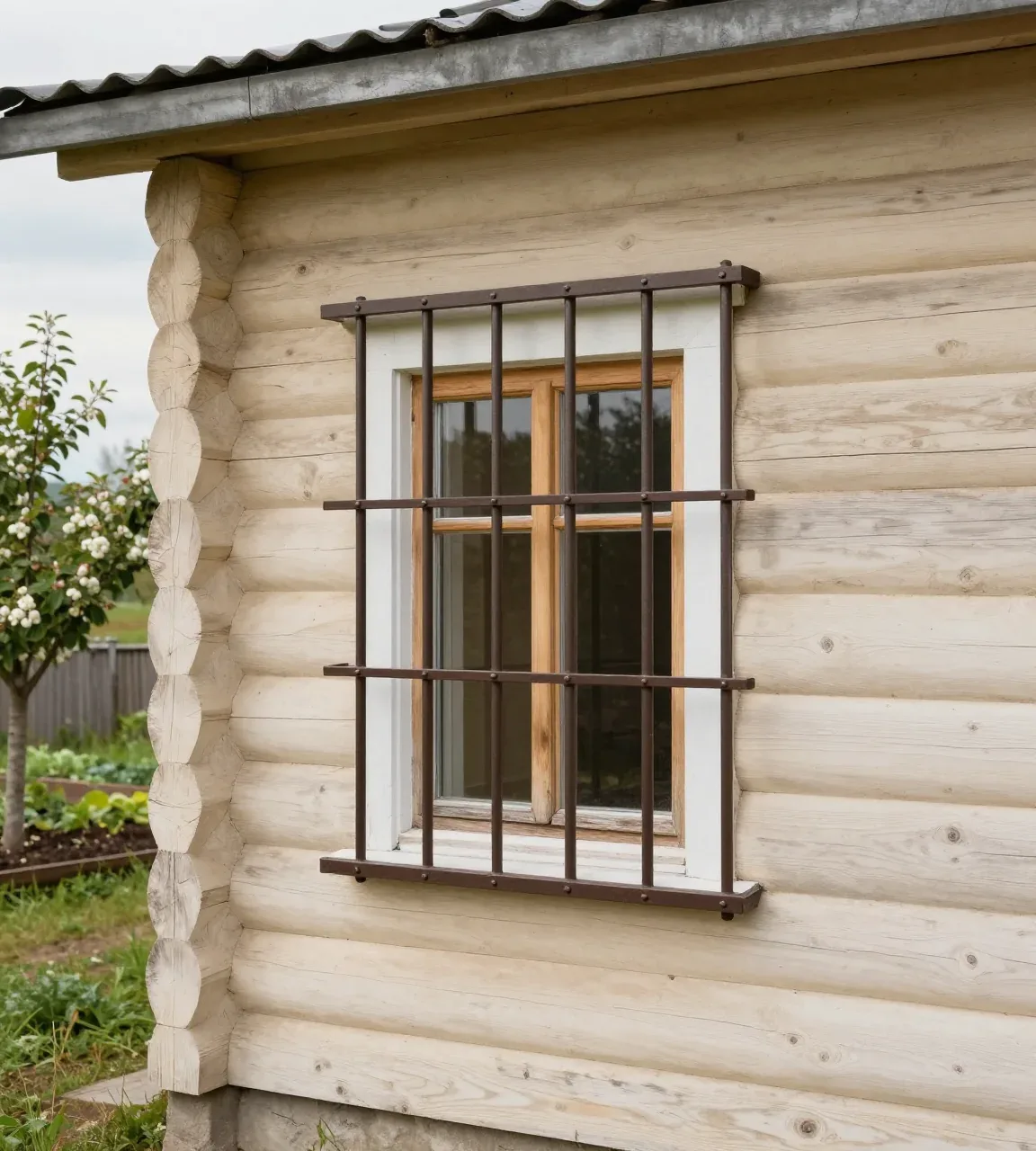
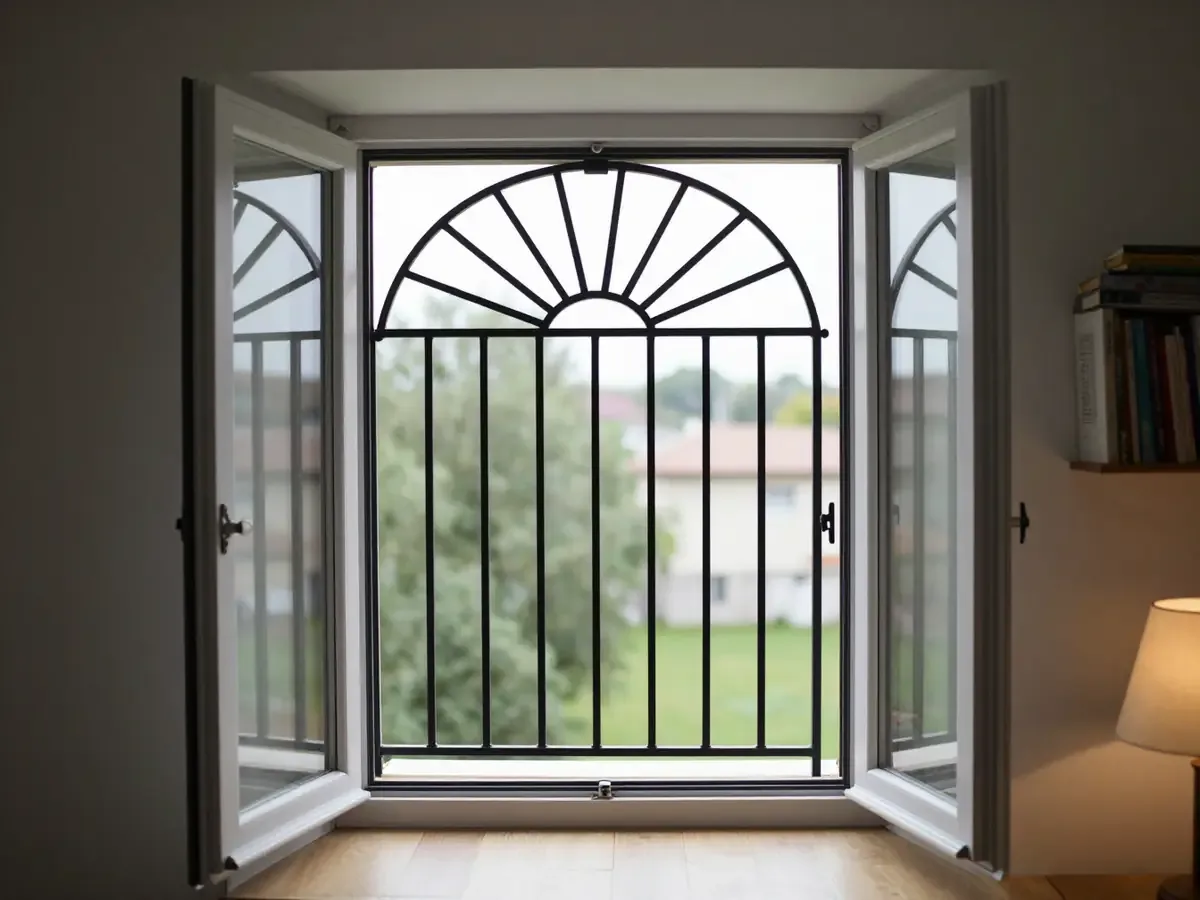
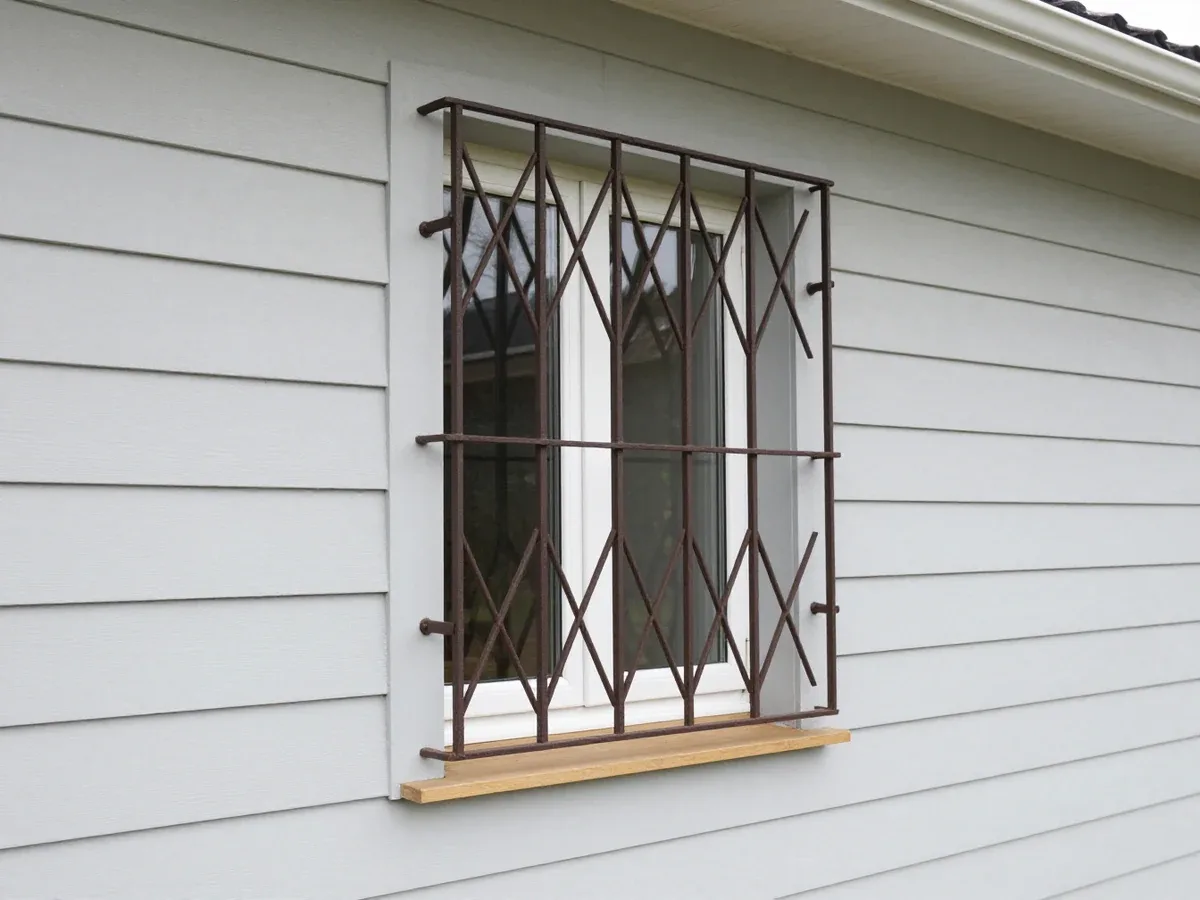
Wrought iron grille
Decorative wrought iron pattern. Price calculated individually, powder coating from 5 500 ₸ per m².
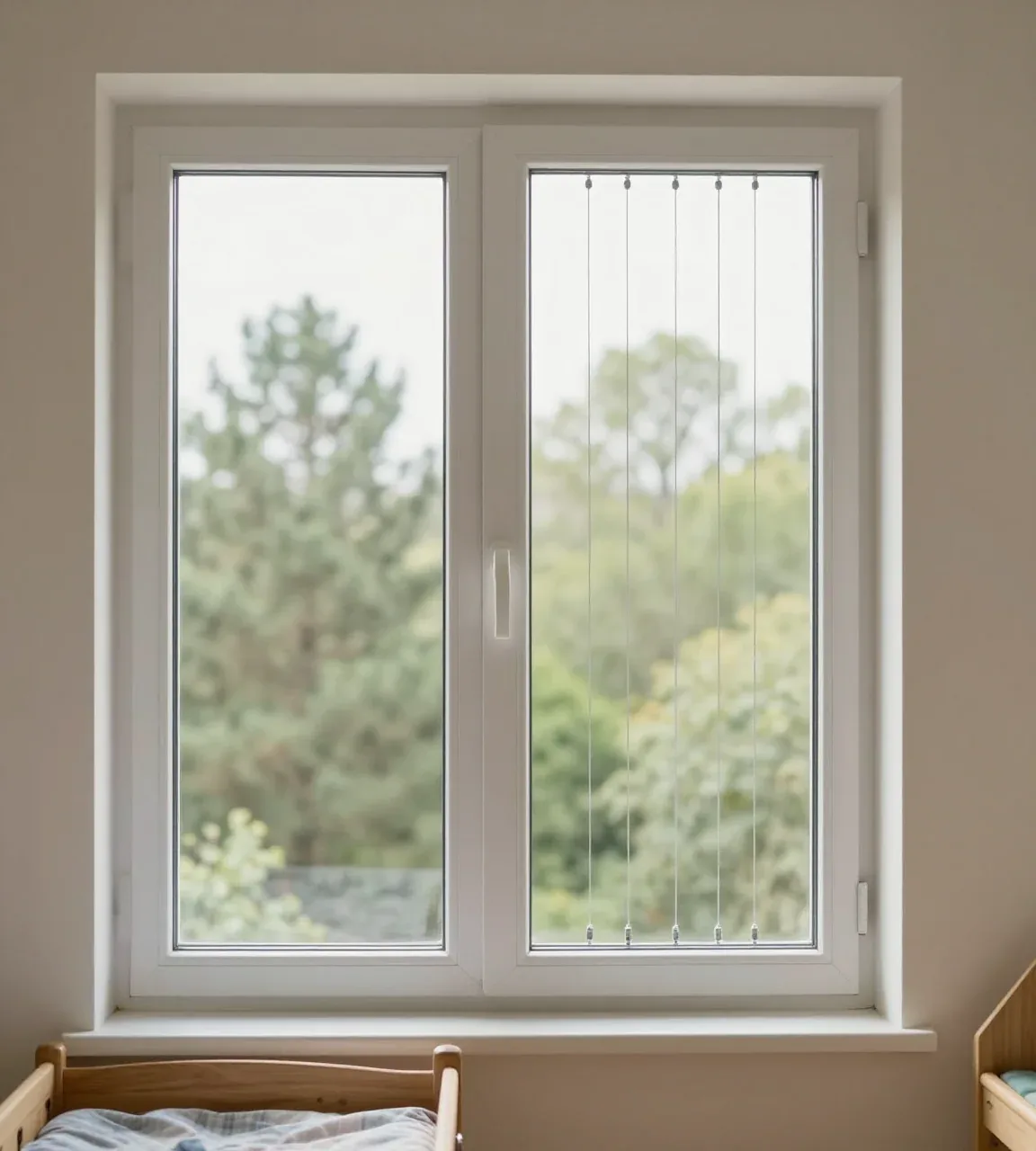
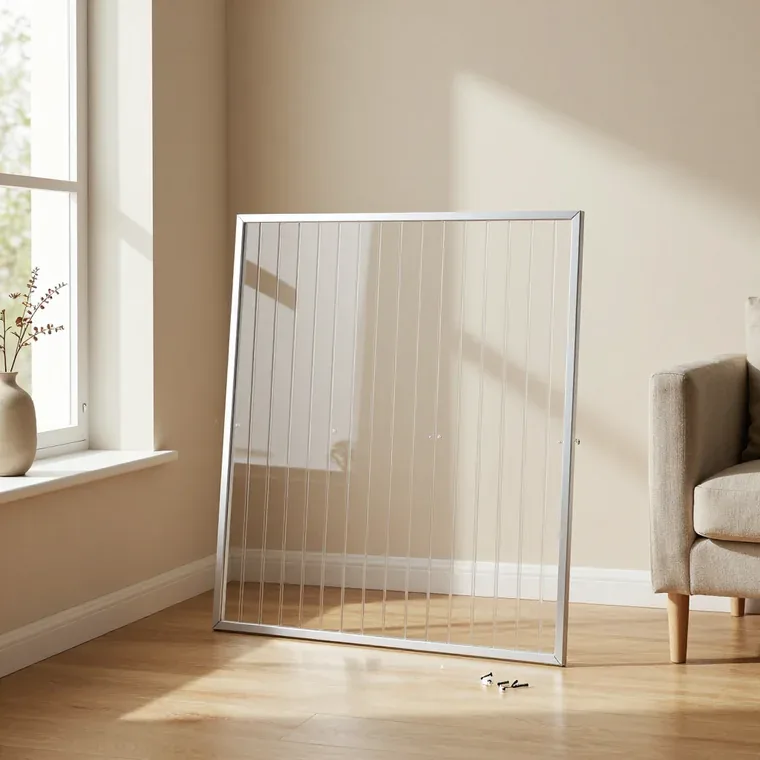
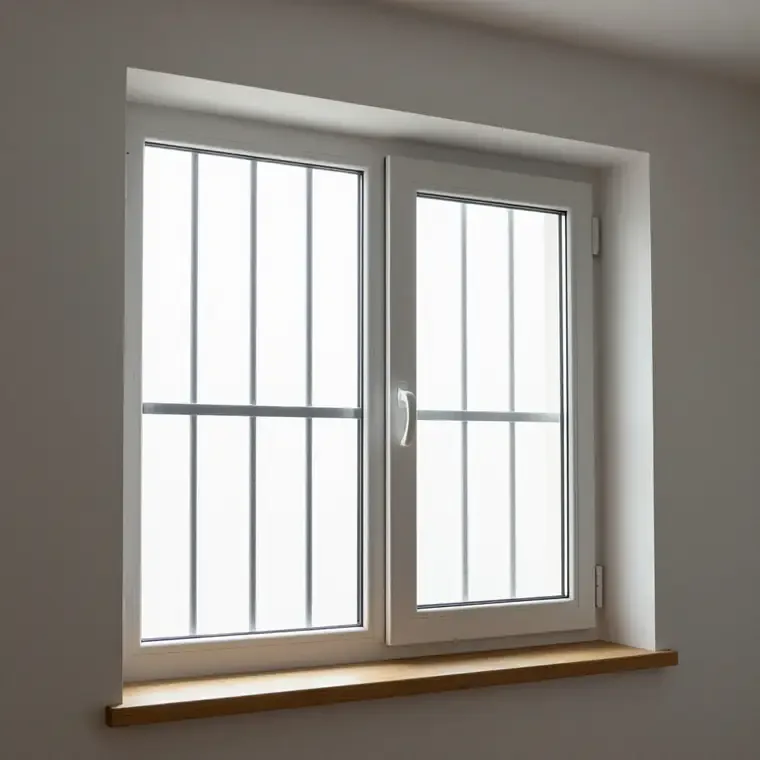
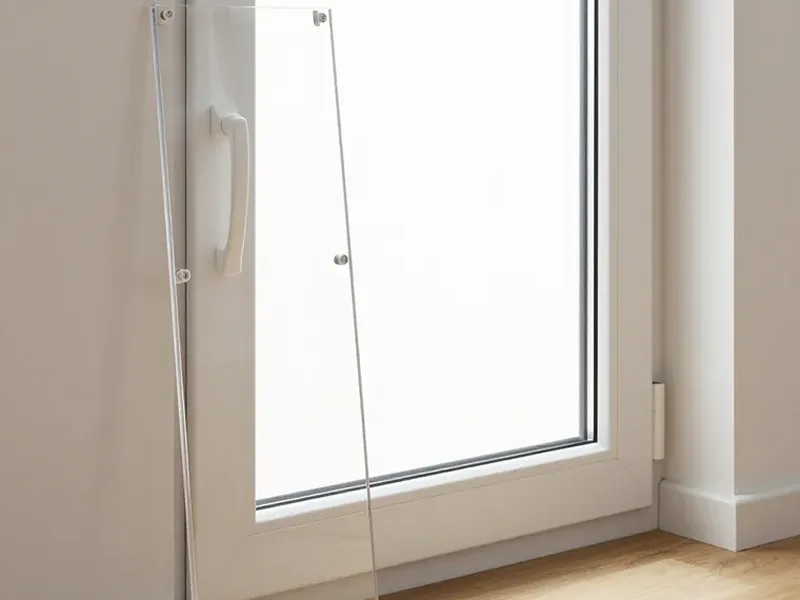
Transparent grille
Polycarbonate preserves view and light. Price calculated individually, hinged leaf from 15 000 ₸.
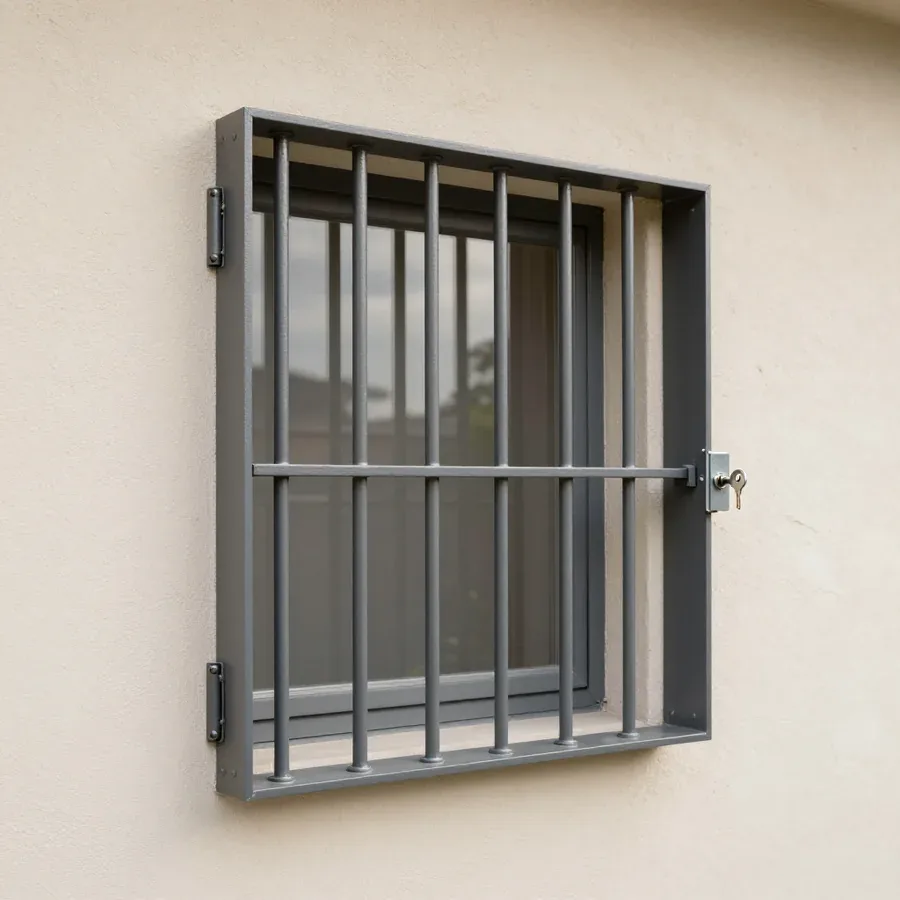
Hinged grille
Leaf opens for cleaning windows. Extra charge to the main structure from 15 000 ₸ per leaf.
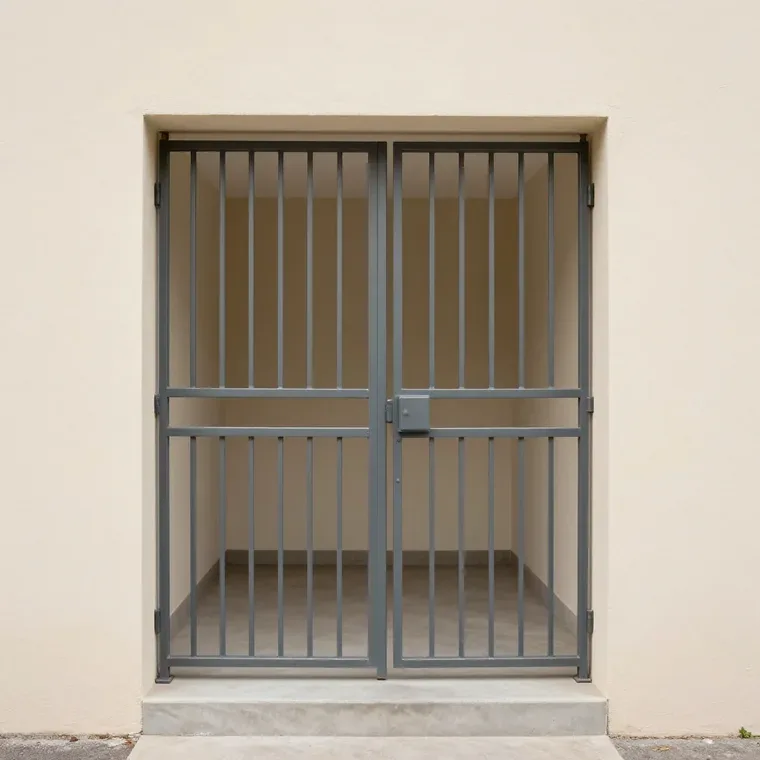
Decorative grille
Laser cutting to your design. Price from 25 000 ₸ per m², painting to match windows from 5 500 ₸.



5,097 reviews on review sites
A protective structure made of a frame and bars that attaches to the opening or wall and covers the window opening.
A window grille is a welded or wrought iron frame with bars that covers the opening outside or inside. Main elements: load-bearing frame, infill (bars, pattern, polycarbonate) and fixings. Materials: steel, aluminium or polycarbonate.
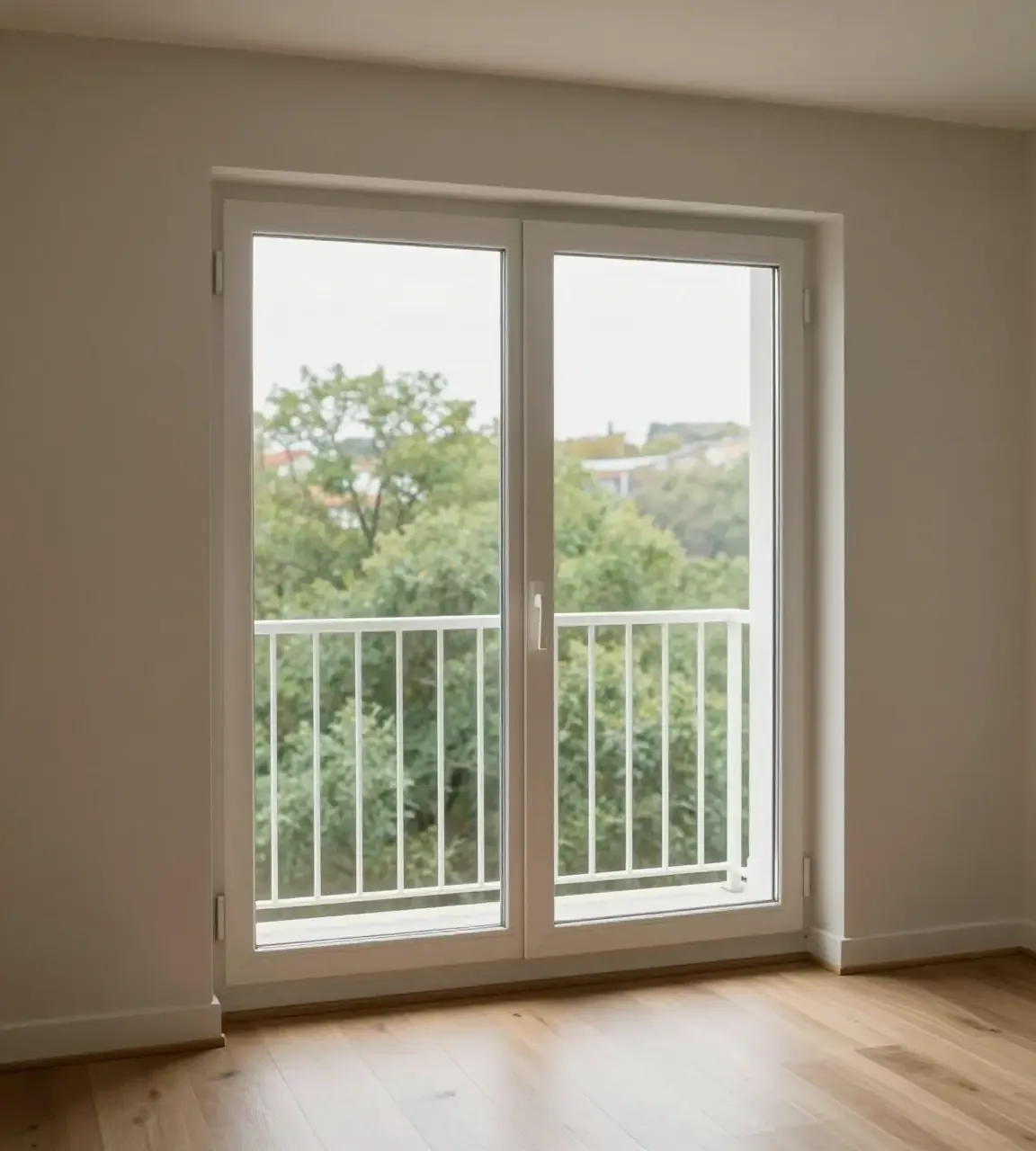
The design is chosen for the task: fall protection, break-in protection or decorative façade finishing. For apartments and houses with children, transparent or aluminium grilles are installed; for first floors, welded and wrought iron grilles.
price per m² for a welded grille with standard pattern
grille installation per m²
hinged leaf for access to the window
The installation method is chosen based on the wall and window material: anchors into the wall, fixing into the frame or removable brackets.
Anchor bolts into brick or concrete — rigid fixing. Suitable for first floors and private houses.
Framed fixings are used for plastic and aluminium windows. The surveyor selects the fixings to match the profile.
The hinges of a hinged section carry its weight and wind load, so their number and class depend on the mass and height of the opening. The removable section is taken off entirely and has no hinges, but needs storage space. When agreeing on the reveal depth, the swing of the section when opening is taken into account: the deeper the reveal, the larger the gap needed between the frame and the wall.
Removal of the old structure — from 4 000 ₸ per unit. The new grille is made after measuring.
The cost depends on the type of structure, painting and installation; the exact price is fixed after measuring.
| Type of item | Price |
|---|---|
| Welded grille with standard patternsimple pattern, steel | from 7 500₸ per m² |
| Wrought iron grilledecorative wrought iron pattern | from 26 000₸ per m² |
| Hollow convex grilleconvex shape | from 26 500₸ per m² |
| Decorative laser-cut grillecustom design | from 25 000₸ per m² |
| Sliding accordion grillefolding design | from 28 000₸ per m² |
| Hinged grille leafextra charge to the main structure | from 15 000₸ per leaf |
| Transparent polycarbonate grillepreserves view and light | from 26 000₸ per m² |
| Aluminium fall-prevention grillelightweight design | from 12 200₸ per item |
| Grille with mosquito screen 2 in 1protection and screen together | from 19 800₸ per m² |
| Powder coating for grillecolour to match windows | from 5 500₸ per m² |
| Grille installationfitting to window | from 4 500₸ per m² |
| Removal of old grilletaking down before installation | from 4 000₸ per item |
| Child safety window grillefall protection | from 12 500₸ per item |
The price is fixed in the order after measuring.Measuring and consultation are free.Payment after installation: cash, card or Kaspi.
Calculate by dimensionsOwn production, free measuring and installation, warranty on work and painting to match window colour.
the price is fixed after measuring
for work and replaced components
we accept requests every day
the measurer will come at a convenient time and take the measurements
open seven days a week
we deliver and install on windows and doors
you can order in 17 cities of Kazakhstan
we reply within 5 minutes
From request to finished structure on the window — four steps.

You leave a request or write on WhatsApp. We reply within 5 minutes and advise on types of grilles.
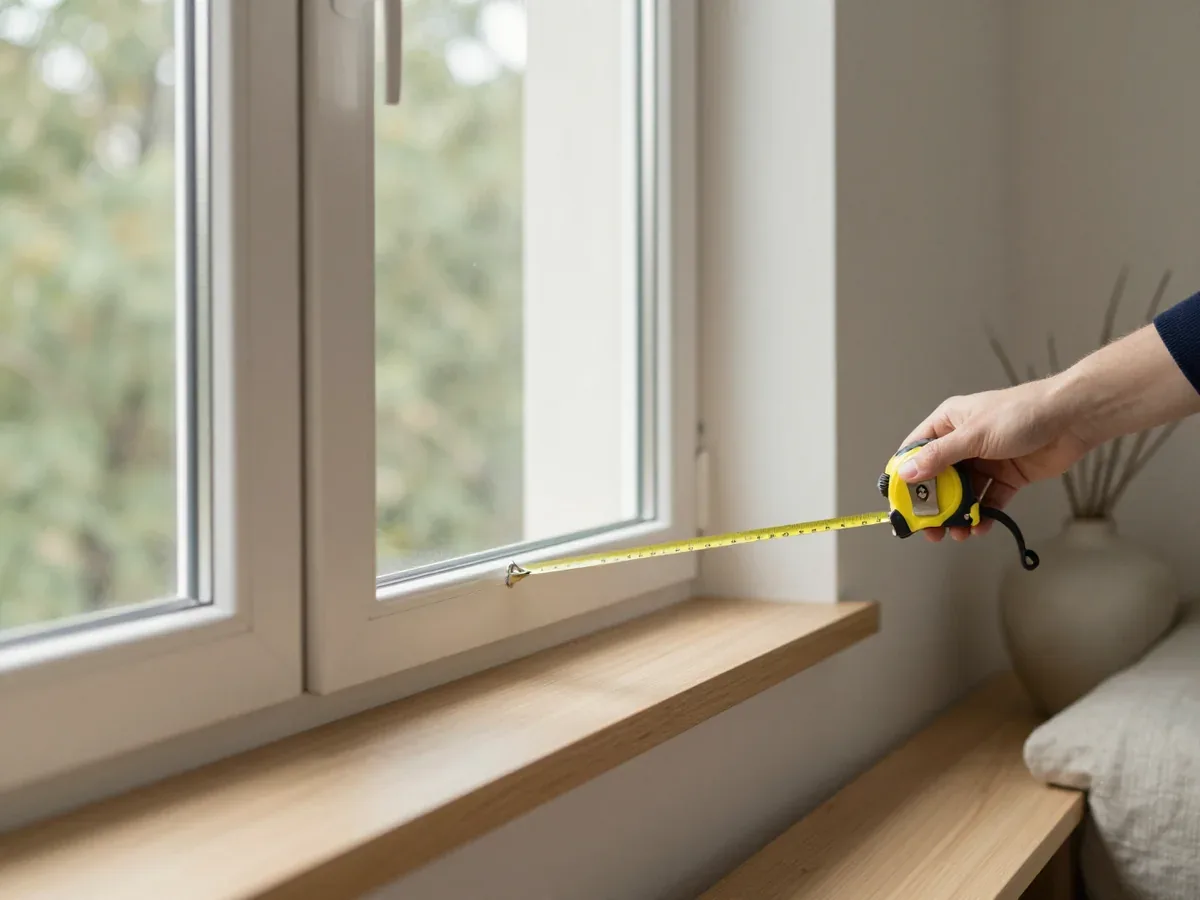
What the surveyor measures besides width and height — reveal depth, section swing, wall material — and how these data change the fixings.
We make a framed screen to your dimensions in 10–15 minutes, a pleated screen — in 40–60 minutes.
What acceptance of the finished grille on site looks like: what to check in gaps, painting and section movement before signing.
Good to know

Senior mosquito screen specialist at moskitnyesetki.kz
We make and install window grilles aktau homeowners order by size, with a free measuring visit, fixings chosen for your window profile and floor, and frames painted any colour to match your windows. You pay only after installation, by cash, card or Kaspi, and our own fitters do the work with no middlemen.
The choice is made not from a catalogue page but against three things: the opening type, the floor, and why you are ordering — a child, a break-in risk, or a view worth keeping.
We fit grilles to plastic, wooden and aluminium units, and also to vent panes, loggia units, gazebos and verandas, so the frame type never limits the order. The profile decides the fixing far more than the grille itself: a slim vent pane takes a lighter frame and a shallow bracket, while a full-height loggia unit carries a deeper one without strain on the sash. Aluminium frames on a veranda behave differently again, because the metal expands on a hot facade and the fastening has to allow for that movement. A narrow vent pane or a loggia unit usually needs a lighter frame and a different fixing than a full balcony door, so tell the measurer which opening you actually use every day before sizes are taken.
At ground level the grille is mainly about stopping entry, while higher up it is usually about stopping a fall, and the two goals point to different types and fixings. A first-floor window onto a courtyard or a walkway is reachable from outside, so the priority is a rigid fixed section over the movable half plus a lock or restrictor on the sash. From the fourth storey up, the outside threat drops away and the real risk is a child leaning on an open casement, which changes the brief to a barrier that blocks the opening but still lets you reach the handle and clean the glass. Roller shutters solve ground-floor privacy but do nothing for a fall, so they are a separate decision, not a substitute.
| Grille type | How it opens | Best for | View impact |
|---|---|---|---|
| Clear grille | Fixed or sliding | Upper floors, sea view | Keeps the view and light |
| Metal grille | Fixed | Ground floor, entry protection | Visible bars outside |
| Sliding grille | Slides sideways | Windows you open often | Moderate |
| Fixed grille | Does not open | Balcony doors, constant protection | Depends on pattern |
The difference between the main types is not only how they look, but what each one actually holds back and how it affects your view and daylight. Here is how the pairs compare.
The clear version keeps the view and light almost intact, while a welded metal barrier is the more visible, heavier-duty option for stopping entry. The clear version uses thin transparent panels or rods set in a surround, so from inside the room the street, the sea and the skyline stay readable and daylight comes through without the striped shadow a welded grid casts across the room. A welded barrier is built from steel bars joined at every crossing, which makes it the stronger option and the more obvious one from the street. On a top floor the security gain of heavy bars is small, while the loss of light is felt every day. If daylight is your main concern, a clear model on the upper floors and a metal one only on reachable ground-floor openings is a common compromise that keeps both light and security.
A sliding grille moves sideways so you can still reach the opening, while a fixed one stays put and is chosen when the sash is rarely opened. The sliding type runs on a top and bottom track and travels along the surround, which leaves the sash free for opening, cleaning the glass and wiping the sill. A stationary unit is bolted in place over the opening and gives the stiffest barrier for the least hardware. For an opening you air daily, the sliding type saves you from unbolting bars each time, but a fixed model on a balcony door you never open is simpler and leaves fewer moving parts to maintain in sandy air. Tracks collect grit over time, so a sliding version needs the rail brushed out now and then.
We paint the frame any colour to match your windows, so the grille reads as part of the facade rather than an add-on. The surround is coated rather than left in a single stock shade, which matters on the white, grey and brown profiles common on buildings in Aktau, and it holds the colour through sun and salt wind instead of fading within a season. On a building where every flat has a different profile colour, matching the surround to your own glazing keeps the street view tidy, and it is worth deciding the shade at the measuring visit while the sample is in hand.
A grille is not the only tool for making a window safe. On some openings it is helped or replaced by an opening restrictor or a window lock. Here is what works, and when.
A barrier on an upper-floor window physically blocks the opening, so a child cannot climb through or fall out even when the pane is open for air. The panel holds because the bars sit across the whole opening and the surround is anchored into the wall, which carries the load rather than the sash hinge. The gap between bars is what decides whether a small body can pass: a spacing your child's head cannot fit through is the working limit, and it narrows as the child grows. A grille clipped only to the sash looks identical from the room but moves with the window — the fixing method matters as much as the grille itself, so ask how the panel is anchored before you agree to the order.
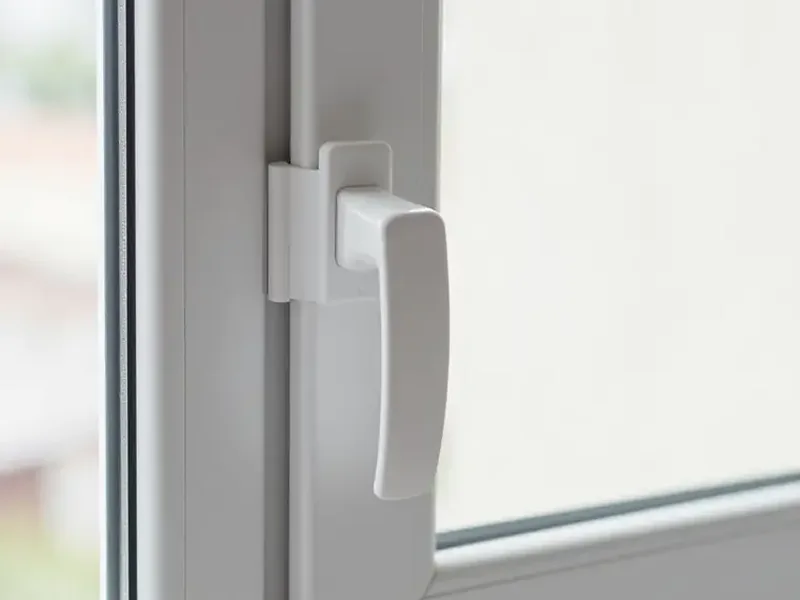
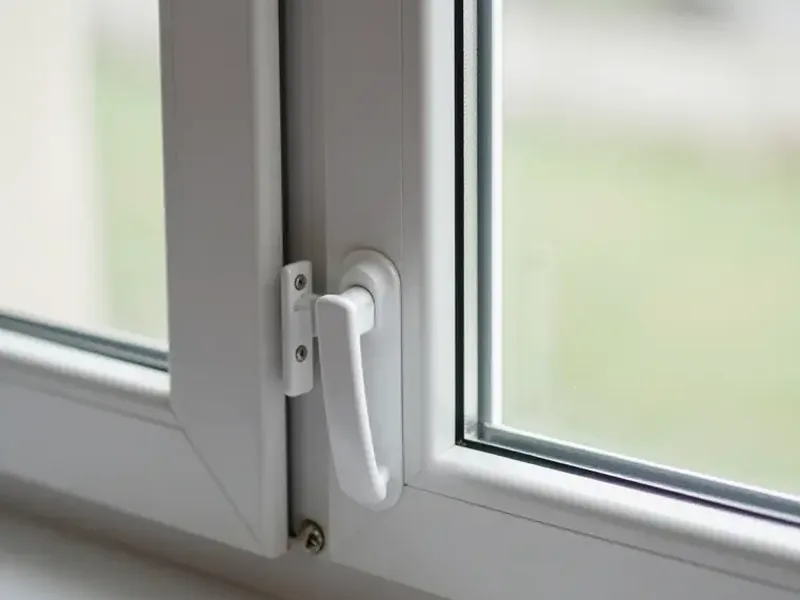
An opening restrictor limits how far the sash swings, and a window lock stops it opening at all, so for a window you want to keep usable a restrictor can be enough on its own. We fit grilles on openings that stay open for air, and on the same visit we can talk through a restrictor where the sash is opened and closed daily. The two solve different problems: a restrictor sets a safe angle, a lock removes the gap entirely, and a grille is the only one of the three that keeps the sash fully open while still blocking the way through. Many families combine a restrictor on the everyday opening with a grille on the one above the balcony, so the child keeps fresh air in the room without a full grille on every opening.
On a ground floor the priority is stopping entry, on an upper floor it is stopping a fall, and a balcony door needs a grille that still lets you step out safely. The same panel type rarely suits all three: a ground-floor opening faces the street and wants a closer bar spacing, while an upper-floor one is judged by what a child can reach. A balcony door grille is usually fixed rather than sliding, because the door is opened less often than a window and a fixed panel leaves nothing to jam in blowing sand. For residents of Aktau this matters through the windy season, when a sliding track collects grit and starts to stick.
The main fear of anyone ordering such a barrier is that the fitter will drill the frame and ruin the opening. The fixing is chosen for the profile and the floor, and drilling is not always part of it.
The measurer picks the fixing for your profile and floor from Z-shaped brackets, pins (plungers) or magnets, so the grille is held by the right method for that opening. A Z-bracket hooks onto the frame edge and spreads the load along its length, a pin sits in the sash rebate where there is no room for a bracket, and a magnet holds a light panel on a smooth profile with no visible hardware. Our measurer checks the profile depth, the opening direction and the floor before choosing, and we paint the frame any colour to match your glazing so the fixing points blend in. A high floor with strong wind load calls for a more solid bracket than a sheltered inner-courtyard opening.
Some fixings work without drilling through the sash itself, which matters in rented flats where you cannot leave permanent marks on the glazing. A wall-mounted bracket carries the grille on the reveal rather than the sash, and a magnetic set leaves nothing behind but small pads that come off before you move out. The trade-off is load: a wall fixing holds a lighter panel, so on an upper floor with open wind the frame-mounted option stays the safer one. If you rent, say so at the measuring visit, because the choice between a frame-mounted and a wall-mounted fixing is decided there and is hard to change after the grille is made to size.
From the first message to a finished barrier on your window there are a few clear steps, and at each one you know what happens next and what you are paying for. Here is the order.
Measuring and consultation are free, and the measurer comes at a time that suits you, takes the sizes and helps choose the design, the mesh and the fixings. He checks the profile, the sill depth and the floor the unit sits on, because those three decide whether the barrier is fixed with Z-brackets, pins or magnets. For a balcony or a hinged door screen he also confirms the opening side and the profile width, Economy 32×10 mm or Prestige 42×17 mm. Nothing is ordered until you have agreed the pattern, the mesh and the colour of the surround. Have the opening clear and the sill empty before the measurer arrives, because sizes taken with curtains or boxes in the way are the most common reason a made-to-size product needs adjusting on installation day.
The price is fixed in the order after measuring, so the figure you agree on the visit is the figure you pay, with no moving target once production starts. The surround is cut and painted to match your colour, the mesh is fitted to the sizes taken on site, and a framed screen made to your size takes 10–15 minutes to assemble while a pleated screen takes 40–60 minutes. Panels for a balcony door or a wide opening are built as separate sections, which keeps each leaf light enough to lift out. Because the barrier is made to your exact sizes, changing the design once the order is placed usually means a new surround, so settle the pattern and colour at the measuring visit rather than later.
You pay after installation by cash, card or Kaspi, and our own fitters carry out the work with no middlemen involved. They bring the finished product, set the brackets or magnets to the marks from the measuring visit, check that every leaf opens, slides and locks, and show you how to lift the panel out from inside for cleaning or for winter. The fitter also checks the paint on the surround and the tension of the mesh before he leaves. Settling up once the job is done means you can inspect the panel and the fixings first, so raise any wobble or paint issue before the money changes hands rather than once the fitter has left.
Windows here live with brine, wind and grit. That shapes which metal you pick, how you look after it, and how a guard sits alongside a mosquito net. We take it piece by piece.
In salty sea air the metal and its coating decide how long a barrier lasts, so a corrosion-resistant finish matters more here than in an inland city. A clear panel preserves your view and the daylight from outside, and its frame carries the same coating as any other type, so the finish — not the infill — is what takes the beating. Powder-coated steel and aluminium hold up better than bare metal, and paint protects the joints where brine settles first. On the sea side, glazing collects a film of it faster than courtyard openings, so a rinse with fresh water a few times a year slows corrosion at those joints and preserves the surface. That is why window grilles aktau homeowners order are chosen with the local salt and grit in mind.
We combine the barrier and the mosquito screen in one order, so the protection and the net are fitted together from the same set of hands. A net and a guard share the same opening, so ordering them together lets the measurer line up the fixings once instead of drilling twice, which leaves the frame cleaner and the fit tighter. Our mosquito nets carry a one-year warranty, and the measuring visit that sets both items is free. The mesh keeps the sand and insects out, the barrier keeps the opening safe, and one visit settles both. Ask the measurer to show you how the net lifts out for washing, because a sandy net washed in place pushes grit back into the runners, while one taken down and rinsed under a tap keeps both the mesh and the track clean for longer.
A few decisions made before the frame is cut save you from redoing the job later. Here is the short version to carry into the conversation with the measurer.
Installation, grille types, child protection, necessity
Konstantin Selenenkovsenior mosquito screen specialist, 10 years in the tradeOnline · replies within 5 minutes
Ask a questionWhether drilling is required depends on the design and is decided during the free measuring visit. The installer chooses the fixing method for your profile and floor so the structure holds securely and does not interfere with opening the sashes.
A transparent polycarbonate grille is almost invisible from the outside and does not darken the room, but it offers less protection than a forged or welded one. A regular metal grille is stronger and more secure against break-ins, but it blocks the view and light more.
For Aktau, powder-coated grilles are more practical: the coating protects the metal from sand, salty air and moisture. The design type depends on the window and the task — sliding grilles are convenient for a balcony, while hinged grilles with a lock are more secure for the first floor.
On upper floors, grilles are installed with a dense pattern and no wide gaps so a child cannot squeeze through. Additionally, sashes are secured with limiters or blockers — together this is more reliable than a single barrier.
A mosquito screen only protects against insects and dust, but it will not prevent falls or break-ins. If you need both protection and a screen, you can install a 2-in-1 grille with a screen or combine both structures on one window.
The timeframe depends on the grille type and production workload; the exact time is given after measuring. Measuring and consultation are free, and the price is fixed in the order after dimensions are taken.
Thank you. We will call you back within 10 minutes!
Your order number is on the receipt or in the SMS. Choose where to leave your review.
Write a review on WhatsApp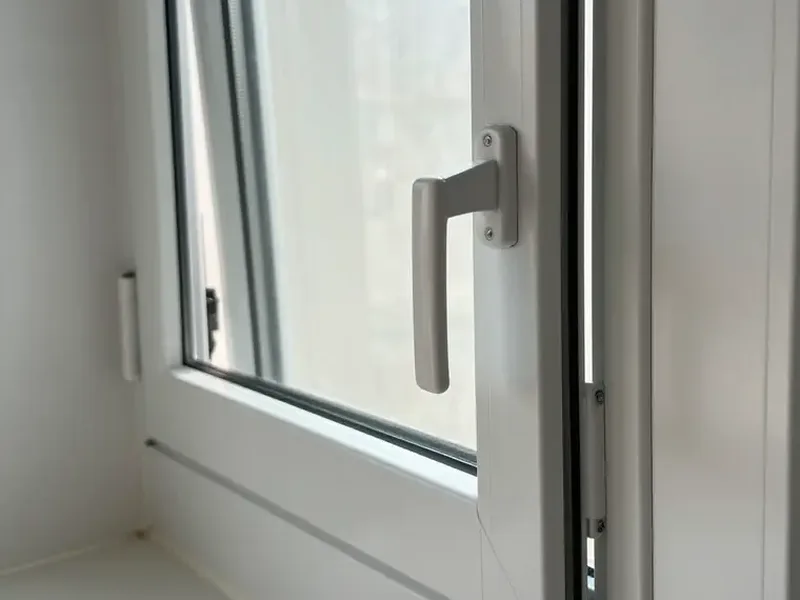 Window restrictors
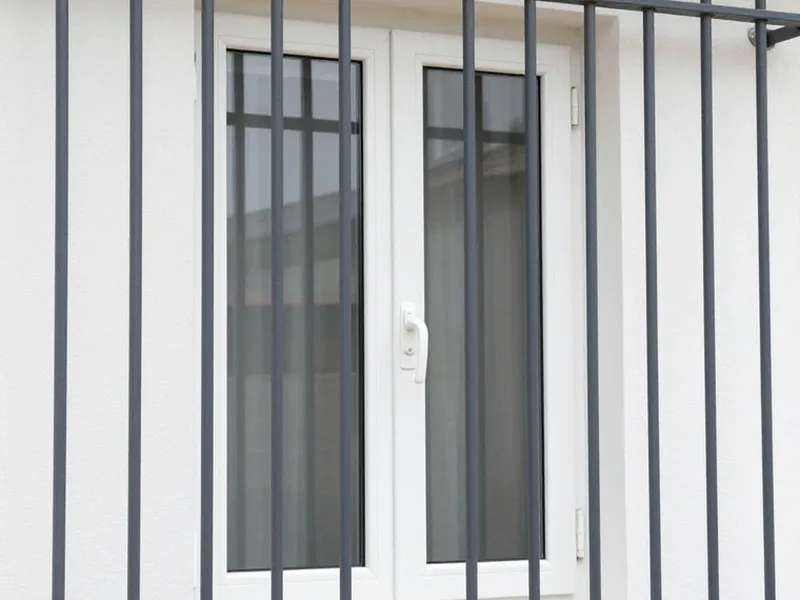 Metal grilles
 Transparent grilles
 Window blockers
 Penkid lock
