
Children · office and apartment
With button
The stop holds the sash at a narrow gap and is released only by pressing a button. Installation from 2,150 ₸ per pc.

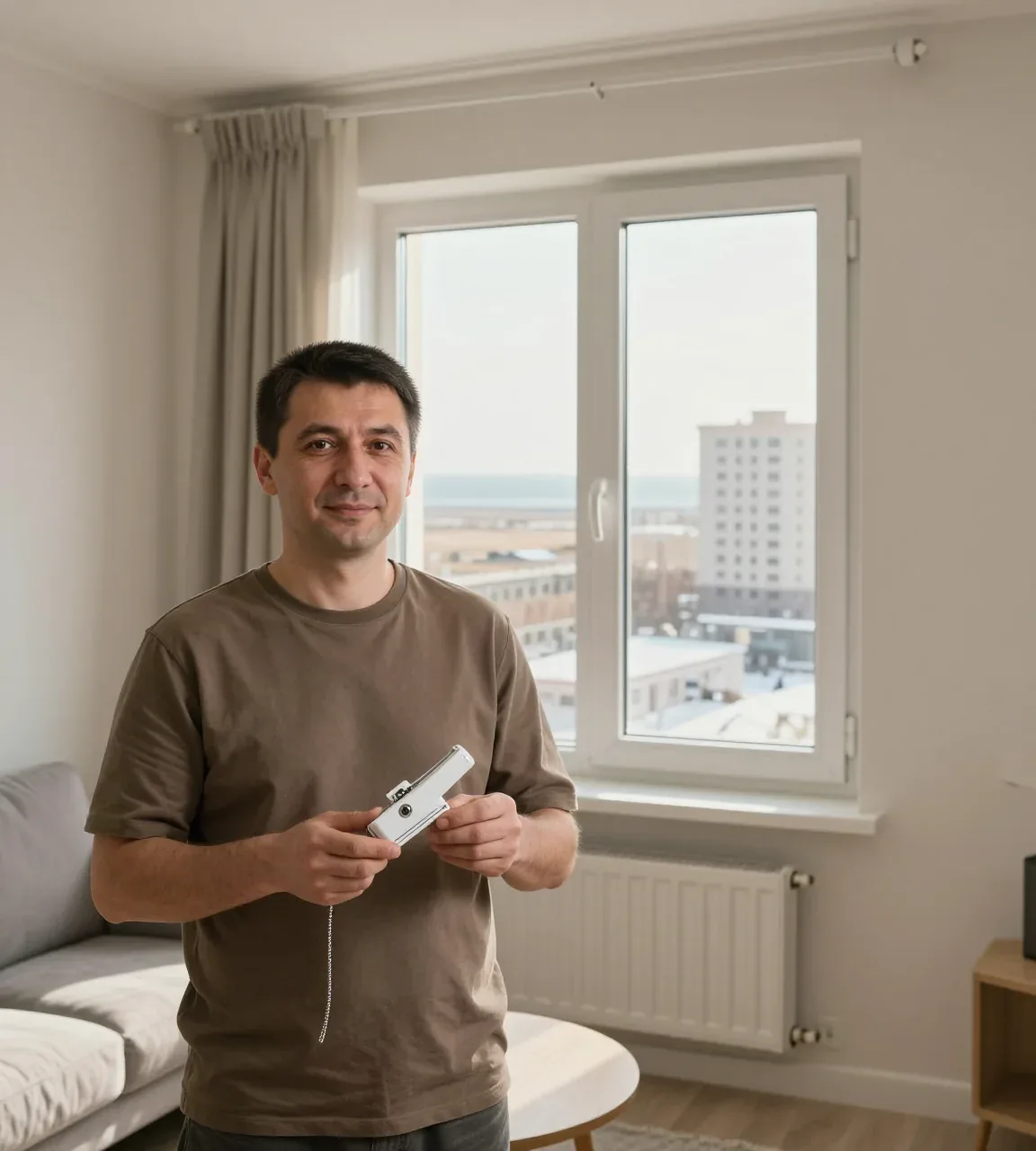
With button
The stop holds the sash at a narrow gap and is released only by pressing a button. Installation from 2,150 ₸ per pc.
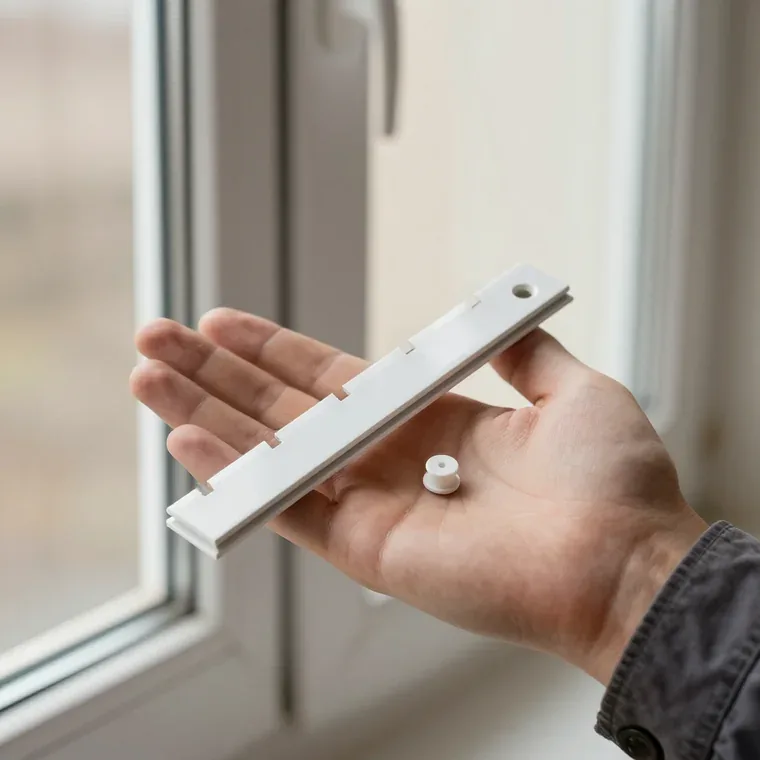
Ventilation latch
Several cut-outs let you choose the gap width, and the sash does not swing in the wind. Installed, from 1,050 ₸ per pc.
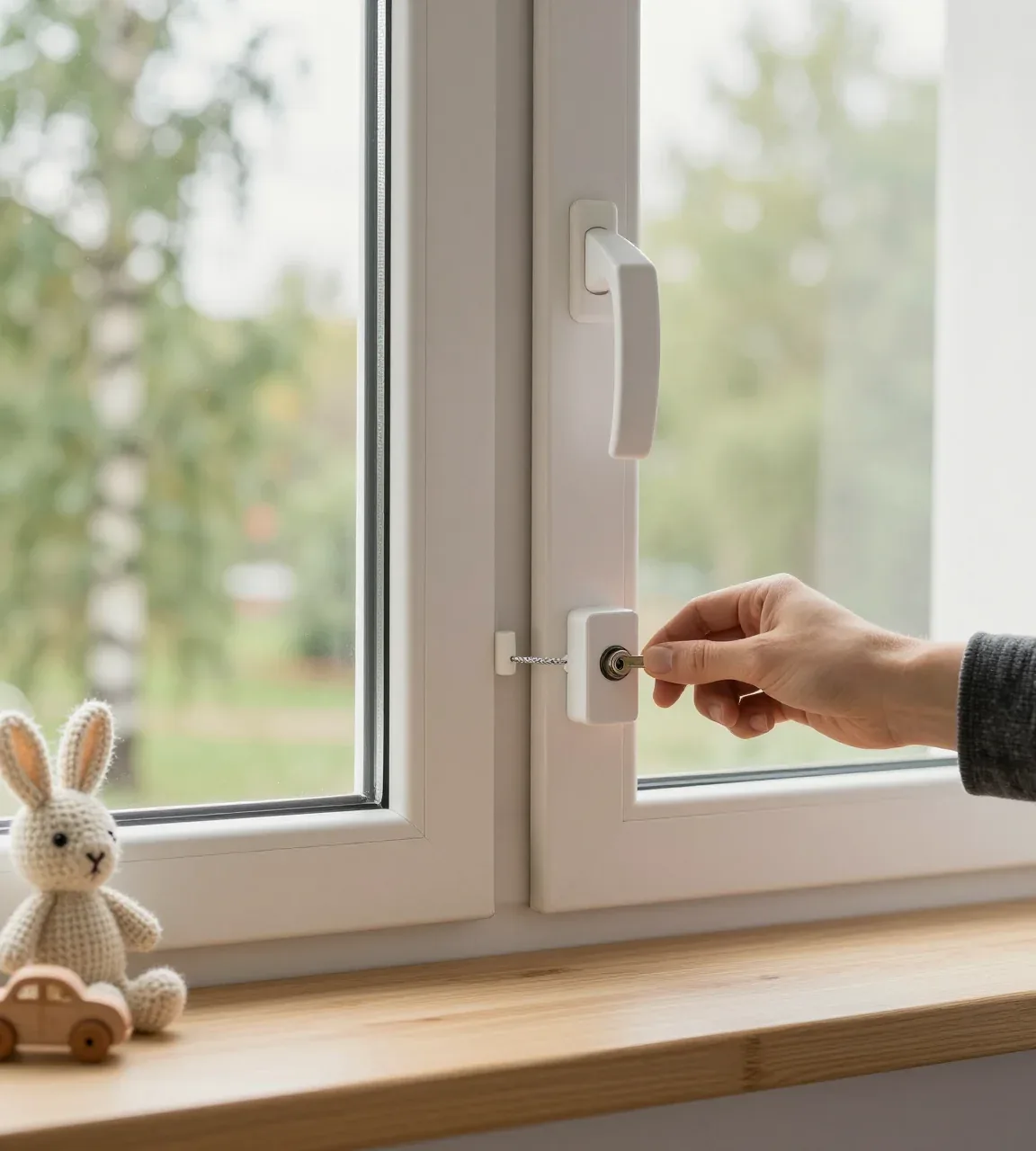
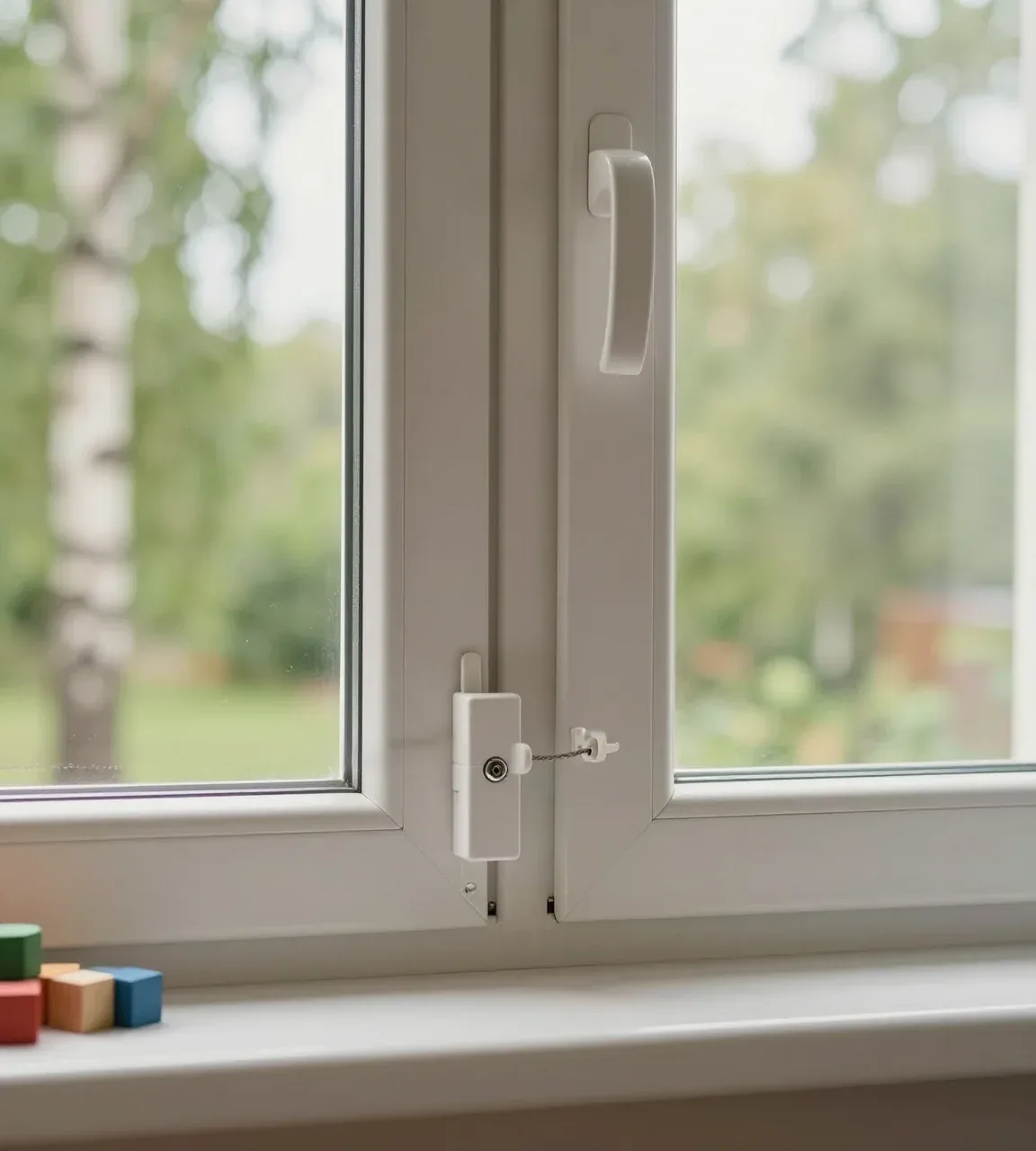
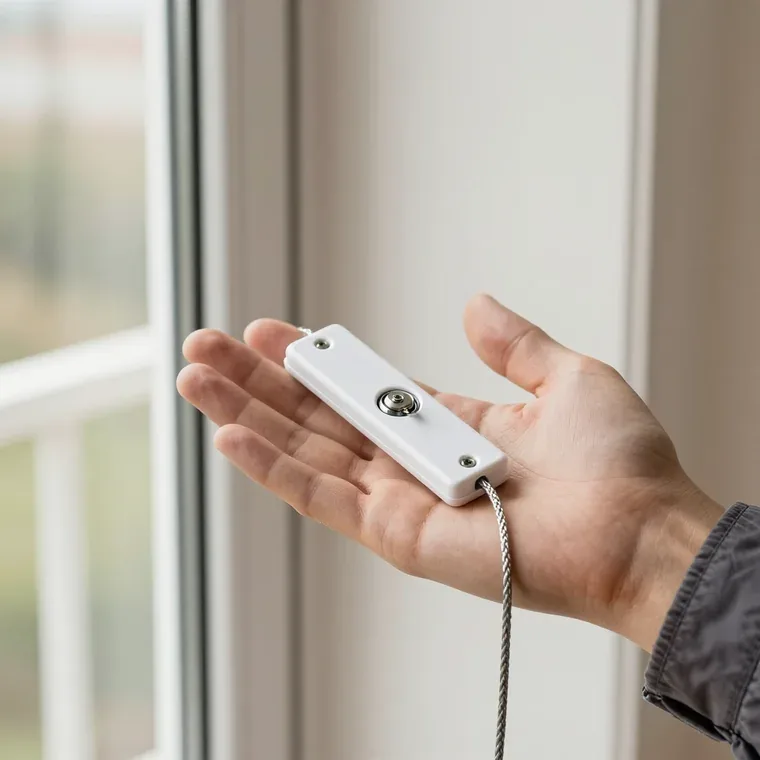
Cable with lock
A braided cable holds the sash, and only the key holder can open the window wider. From 2,500 ₸ per pc.
Catch
Holds the sash in the desired position and keeps it from banging against the frame in gusts. From 1,200 ₸ per pc.
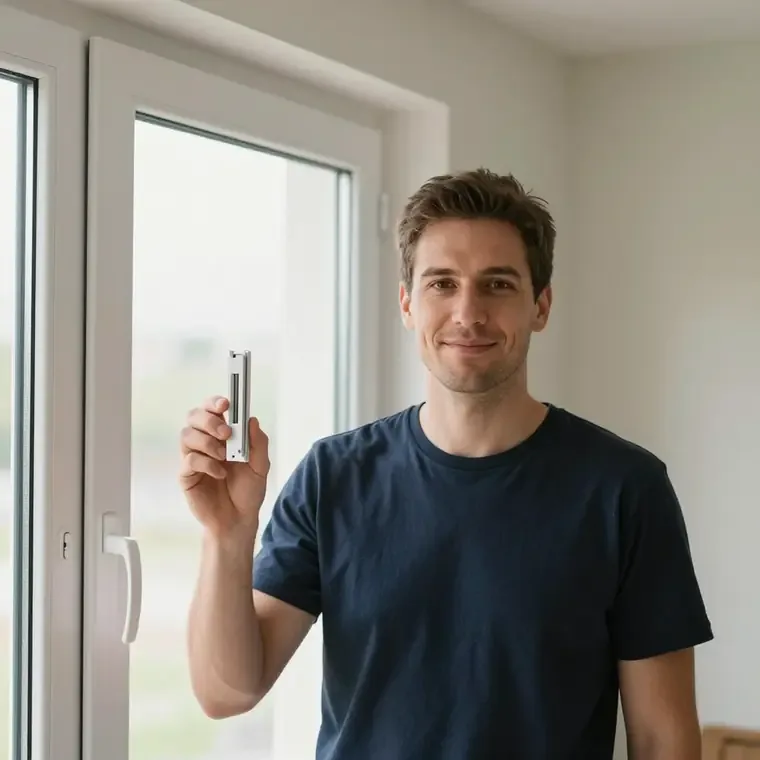
Flag lock
The surface-mounted lock opens with a turn of the flag, which a toddler cannot manage. Price from 3,250 ₸ per pc.




5,097 reviews on review sites
The window airs the room but opens only as wide as you have chosen
In summer in Aktau windows are hardly ever closed, and a gust of sea wind easily flings a sash open. The restrictor sets a limit: the sash opens to a gap and goes no further.
Adults remove it when the glass needs washing or the window has to be opened fully. For a children's room we use a button or flag, and for an office and kindergarten a cable with a key.
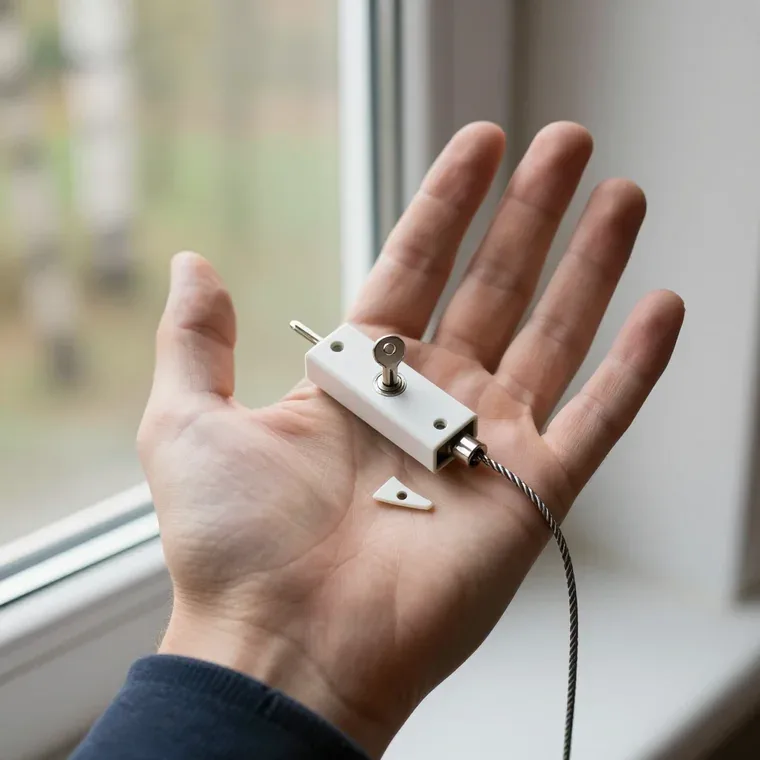
ventilation latch, installed on the sash
reply time on WhatsApp
measurer visit and model selection
Most often people write to us for one of these reasons
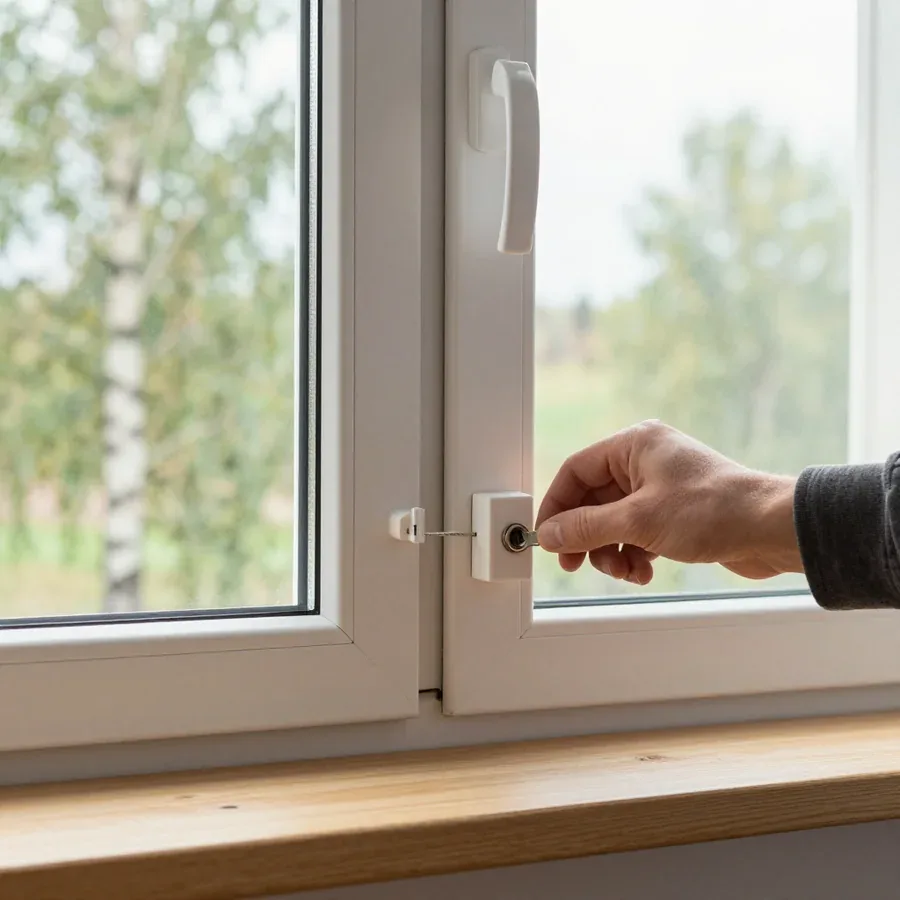
The child opens the window as soon as the adults turn away. The stop leaves a gap that is too small to lean out of.
You want to keep the window open all night. The ventilation latch holds the sash and stops the wind from flinging it open.
The pet sits by the window and reaches outside. A narrow gap and a stop keep it from jumping out onto the street.
In an office or kindergarten, staff should be the ones to open the windows. A cable model with a key lock is a good fit.
Price is per sash; we'll give the total for your flat or office after inspecting the windows
| Type of item | Price |
|---|---|
| Ventilation-latch restrictor, installeda strip with ventilation notches | from 1 050₸ per pc |
| Installation of an opening restrictorfixing to the frame and sash | from 2 150₸ per pc |
| Cable restrictor with a lockbraided cable and key | from 2 500₸ per pc |
| Opening restrictor (product)product only | from 2 000₸ per pc |
| Restrictor replacementthe old one comes out, the new one goes in | from 1 200₸ per pc |
| Penkid lock with cablecable and a key-operated button | from 2 150₸ per pc |
| Window lock for sliding windowsfor sliding loggia sashes | from 4 000₸ per pc |
| Sash lockstops the sash banging | from 1 200₸ per pc |
| Child safety window lock (surface-mounted, flag)flag mechanism | from 3 250₸ per pc |
| Installation of a window lock or child safety lockmarking and checking | from 2 750₸ per pc |
| Window handle with a keythe handle locks with a key | from 3 650₸ per pc |
We fix the price in the order after measuringMeasuring visit and consultation are freePayment after fitting in cash, by card or via Kaspi
Book a measuring visitA quick look at how we work
we work across Kazakhstan
and you already know what suits you
the measurer inspects the windows and shows the models
we write the price into the order after measuring
fitting: cash, card or Kaspi
we take requests every day from 09:00 to 19:00
we fit to plastic, wood and aluminium
cities where we work
Four steps with no extra visits
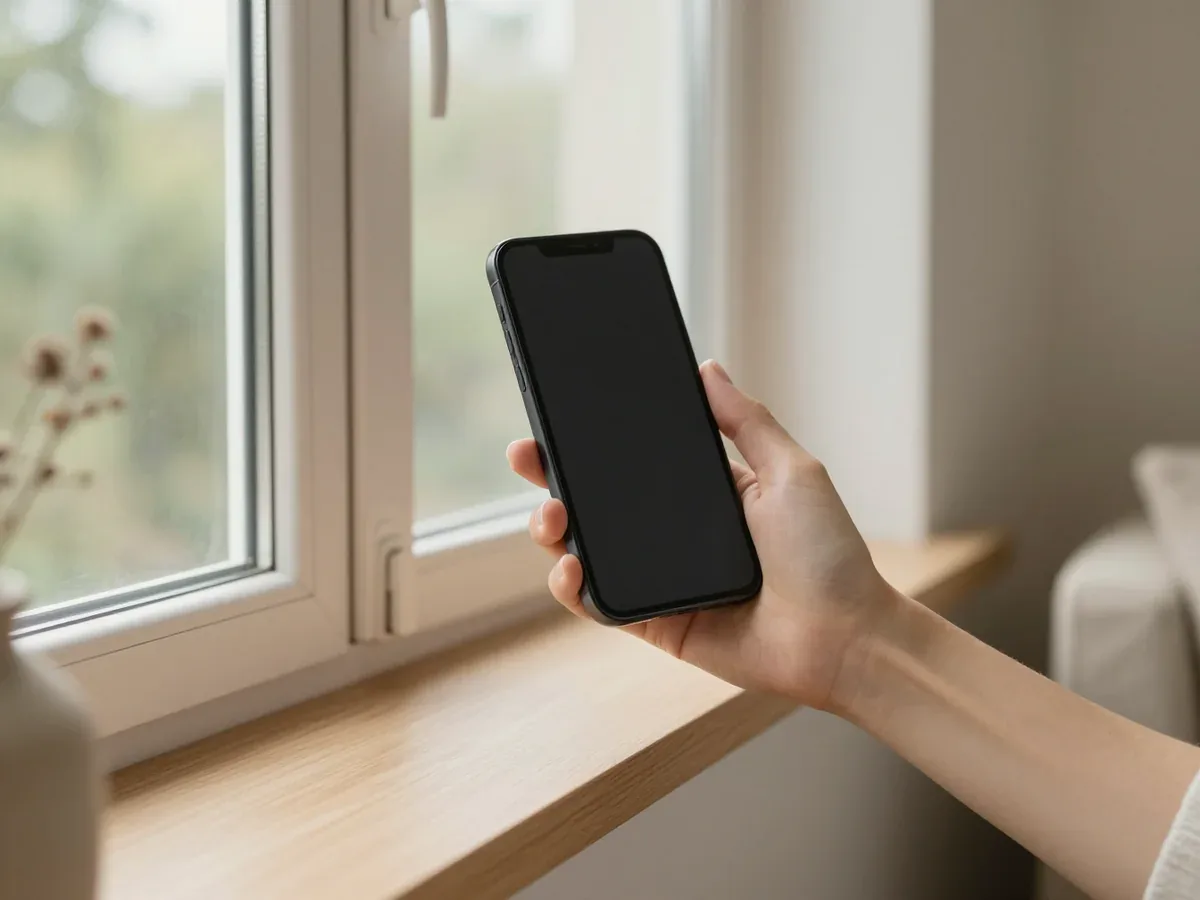
Tell us how many sashes you have and who needs protecting: a child, a cat or staff. We'll reply and suggest a time for measuring.
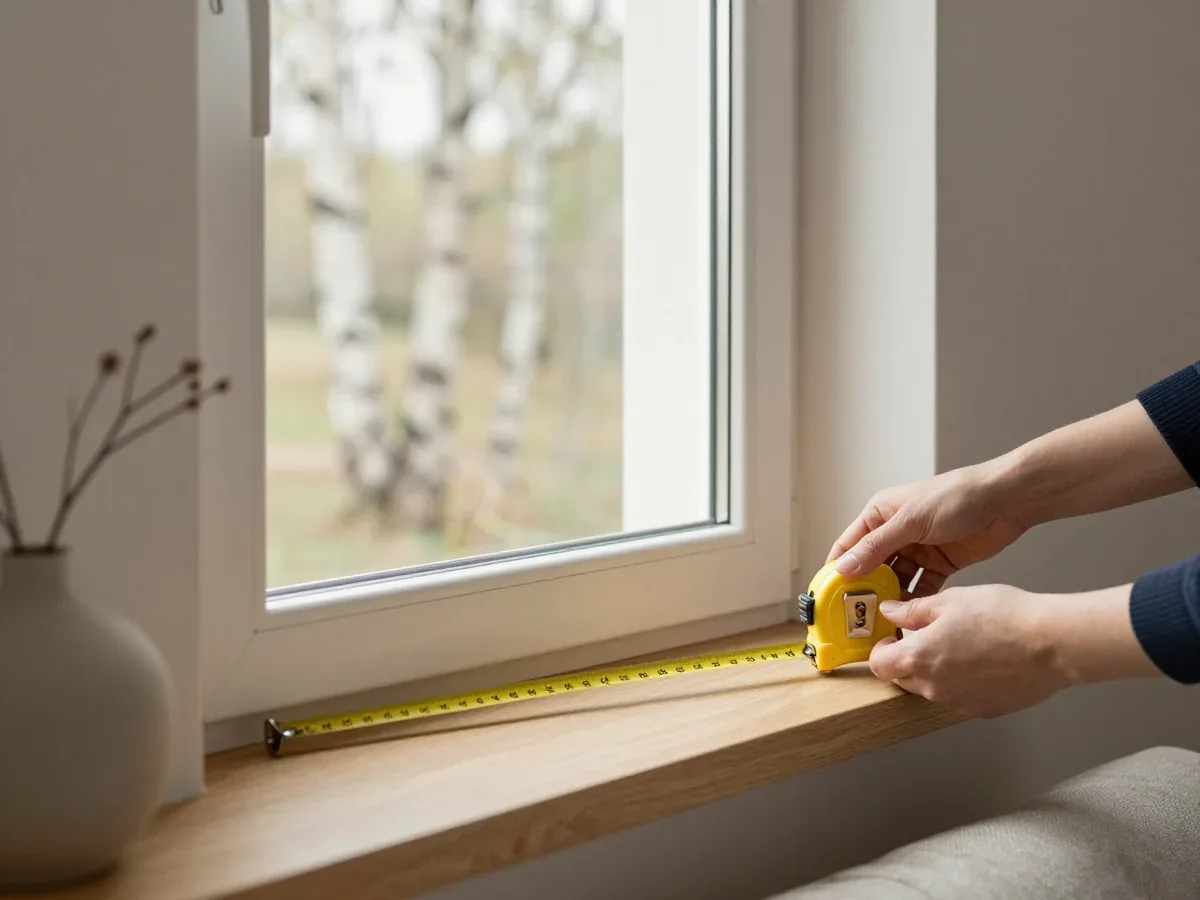
The measurer checks the profile and hardware, shows samples and helps you choose the ventilation gap width.
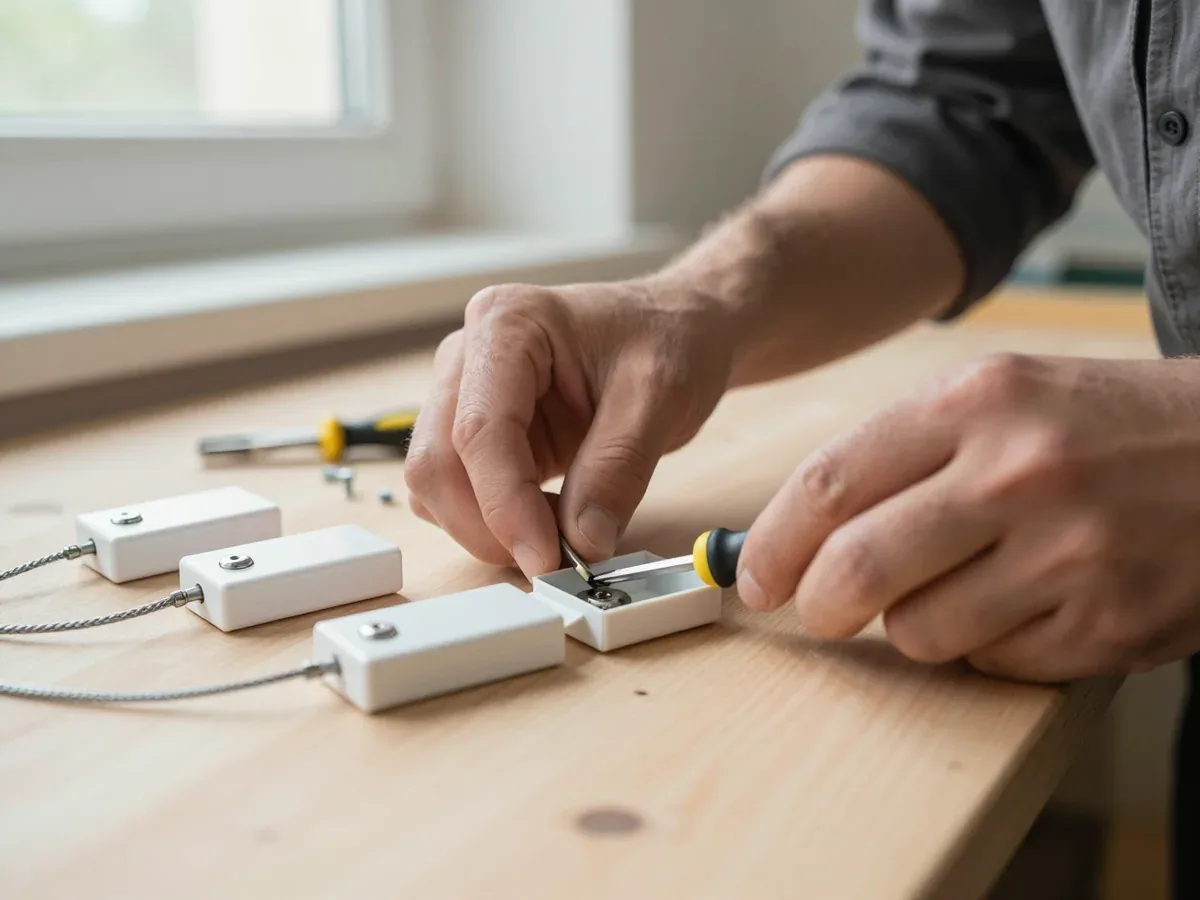
We fix the limiter to the frame and sash, and check that the window closes without effort and doesn't let draughts in.
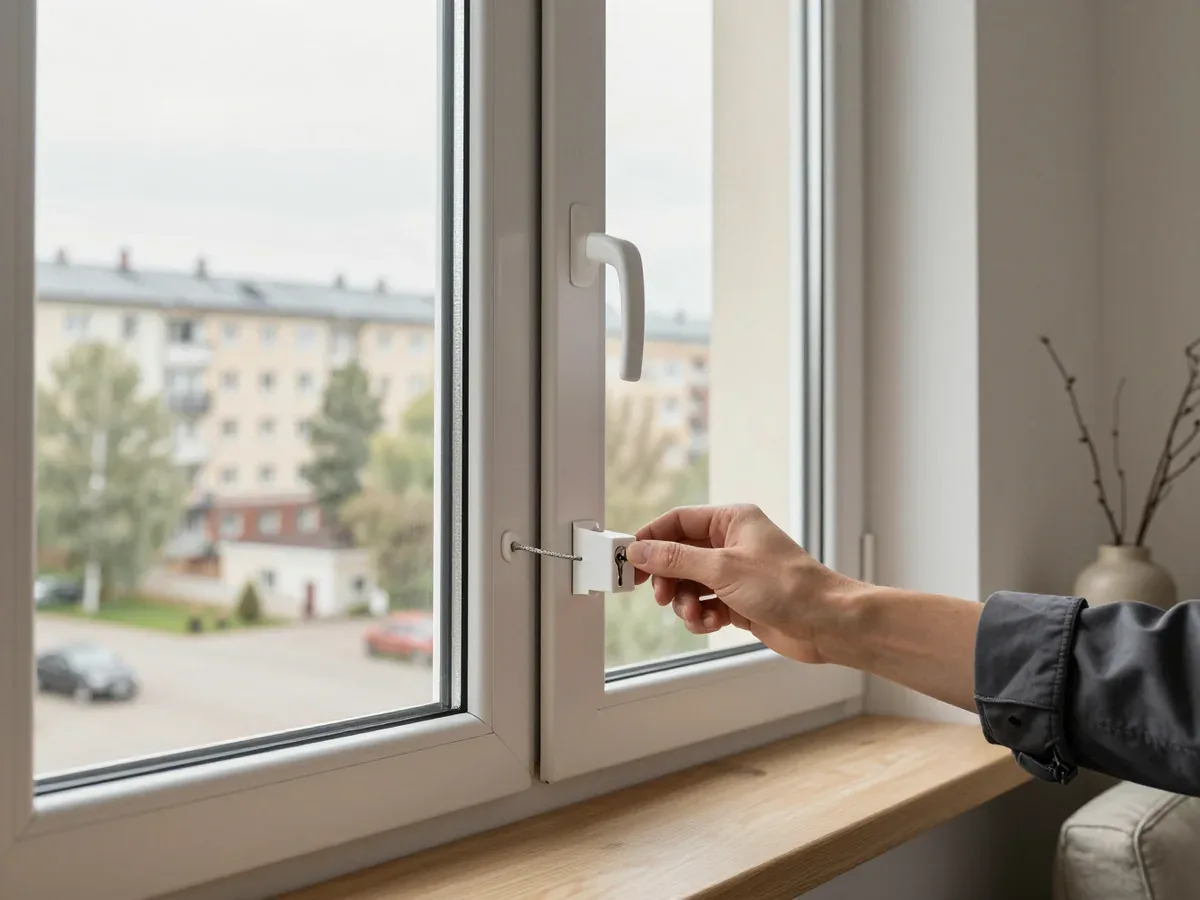
We show you how to remove the protection and hand over the keys for cable models. Payment after you've checked everything.
Good to know

Senior mosquito screen specialist at moskitnyesetki.kz
We supply and fit window restrictors in Aktau so a sash opens only for ventilation and never wide enough for a child to climb out. Our measurer visits free of charge, matches the device and fastening to your profile and floor, and our own technicians install it. You pay after installation.
A restrictor is a small piece of hardware, not a repair job and not a lock. It sets a hard limit on how far a sash travels, so the window still ventilates.
The device is a small fitting that caps how far a sash can open, so the room ventilates but the sash never swings wide enough for a child to pass through. The mechanism is either a cable that pays out to a set length or a comb with notched positions, and both stop the leaf at a fixed point instead of letting it travel the full hinge arc. On a tilt-and-turn unit the same fitting also limits the tilt angle, which matters on upper floors where a wide-open sash is the real risk. The useful limit is a ventilation gap, not a fully locked unit — a restrictor that blocks all opening defeats the point of having a sash you can air out. Window restrictors in Aktau are fitted to the same principle, holding the gap at a set width on sashes that need regular airing.
We fit limiters, locks and handle locks as separate devices, and the right pick depends on whether you want a fixed opening limit, a key-locked unit, or both on the same sash. A handle lock blocks the handle from turning, which keeps the sash shut, while a limiter governs a leaf that is already open. A cable or comb restrictor is the child safety device most parents mean: it holds the gap at a set width and releases with a key when an adult needs the full opening. A handle lock stops the handle turning but does nothing about how far an already-open sash travels, so on upper floors the two are usually paired rather than swapped.
The choice depends on the sash type, the floor and who lives in the home. Below is how we match a device to the sash and the child, and how the fixings differ.
| Window type | What we check | Suitable device |
|---|---|---|
| Tilt-and-turn | Hinge side and swing arc | Cable or arm limiter |
| Sliding window | Track depth and panel weight | Track stop |
| Balcony door | Leaf width and traffic | Door limiter with release |
| Aluminium window | Slim profile and rivet points | Low-profile bracket set |
| Loggia glazing | Frame depth and sill height | Compact limiter |
For a family with a toddler on an upper floor we set the limiter so the sash opens only to a ventilation gap, and we position the release out of a small child's reach. The gap matters more than the product label: a fitting set too loose still lets a determined toddler through, so the measurer sets the limit on site rather than from a catalogue figure. Higher up, we also check that the release sits above the reach of a three-year-old standing on a chair, and we test the swing with the parent present. The same approach works for kindergartens, where staff need quick access but children must not open the leaf wide.
Fitting a restrictor to a window that is already in use is a routine job. Below is what happens to the profile and the hardware, how long it takes, and how the device shares space with a mosquito screen.
We fix the restrictor to the frame and sash with fastenings matched to your profile, and we do not replace the existing hardware to do it. The measurer picks Z-brackets, pins (plungers) or magnets after checking the profile and the floor the sash sits on, so the load lands on points the frame already carries. Because the original handle, hinges and locking gear stay in place, the leaf keeps its normal travel and tilt. The device is a separate part, held by its own fastenings rather than spliced into the mechanism. On a rented flat, ask for a fitting that mounts on existing frame points rather than fresh holes — it comes off later with the frame intact, which matters when the unit is not yours.
Sea air, steady gusts and fine grit put pressure on every piece of window hardware. Here is how restrictors behave in these conditions and what to do when a mechanism starts to stick.
Wind load and airborne grit are the two things that wear a fitting fastest in a coastal city, and the unit takes that load every time the sash is open. A gust pushes against the held panel, the arm absorbs the force, and particles settle into the joints where they grind between moving surfaces. Heat adds a second strain: metal parts expand through a long summer and the lubricant inside the hinge thins out, so dust sticks instead of sliding off. Upper floors facing the sea collect the most of it, because wind speed rises with height and nothing blocks the salt-laden airflow. A unit that holds the leaf against a gust is doing structural work, so the fastening choice matters more here than in a sheltered inland flat.
Ordering starts with a free measure and ends with payment after the work is done. Below is how the visit runs, what you pay for and what support you can count on afterwards.
Our measurer comes at a time that suits you, takes the sizes and helps choose the device and fastening, and our own technicians carry out the installation. The visit costs nothing, and the same specialist who measures also advises on fitting height, bracket type and whether a mosquito screen will sit alongside the restrictor. Measuring and consultation are free, so you can compare options on the spot without committing to an order. Because the price is fixed in the order after measuring, the figure you agree on the visit is the one you pay — no re-quote once the device is on the frame. In our practice, the details that decide a clean result are settled at the opening itself: sash clearance, frame profile and how the screen frame will pass the mechanism.
You pay after installation by cash, card or Kaspi, we are open seven days a week, and we reply on WhatsApp within five minutes. The fitting itself is done by our own technicians rather than subcontracted crews, so the person who installs the device is the same one who measured it. Our one-year warranty covers the restrictor installation, labour and replaced parts, and the same terms apply to repair work if a mechanism needs adjusting later. Ask about after-care at the same visit — a restrictor that is cleaned and checked once a season lasts far longer in coastal air than one left to grit and salt.
A small device decides how safely the leaf opens and how calmly the flat lives with sea wind and sand. Here is what matters most before you order.
Child safety, types of restrictors, installation and care
Konstantin Selenenkovsenior mosquito screen specialist, 10 years in the tradeOnline · replies within 5 minutes
Ask a questionFor a tilt-and-turn sash, a cable restrictor with a lock or a handle blocker is suitable: they prevent turning the handle and opening the sash. A comb restrictor is also possible, but it only fixes the turning opening, so it is less often chosen for a child's room.
A comb is a bar with several positions: it prevents the sash from swinging open but does not block the handle. A cable restrictor with a lock is more reliable for a child's room: it holds the sash on a short cable and locks with a key, so the child cannot open the window themselves.
Yes, most restrictors are installed on an already installed window without replacing the handle and hardware. The fixings are selected for the profile and sash type, and if necessary, the restrictor can be removed and moved to another window.
The restrictor is designed to prevent a child from opening the sash themselves, but it is not intended to withstand a person's weight. It should not be used as a support — it is protection against accidental opening, not against falling.
The mounting method depends on the restrictor model and window profile; if the fixings go into the profile, small holes remain, and the surveyor will inform you about this in advance. They are barely noticeable, and if the restrictor is removed, the holes can be masked with plugs or painted over.
If the restrictor jams, check if dirt has got into the mechanism and lubricate it with silicone grease. If the sash does not close, the restrictor may be misaligned or the fixings may have loosened — then it is better to call a technician for adjustment.
Thank you. We will call you back within 10 minutes!
Your order number is on the receipt or in the SMS. Choose where to leave your review.
Write a review on WhatsApp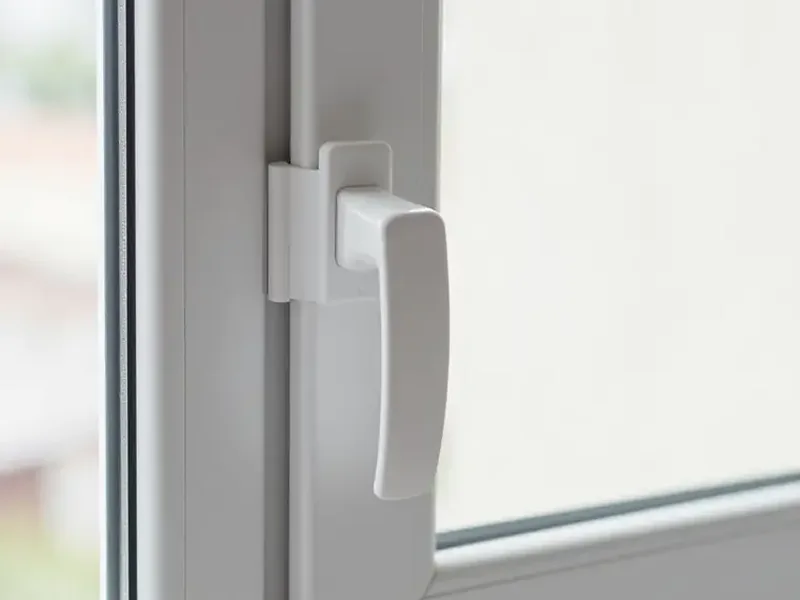 Blockers
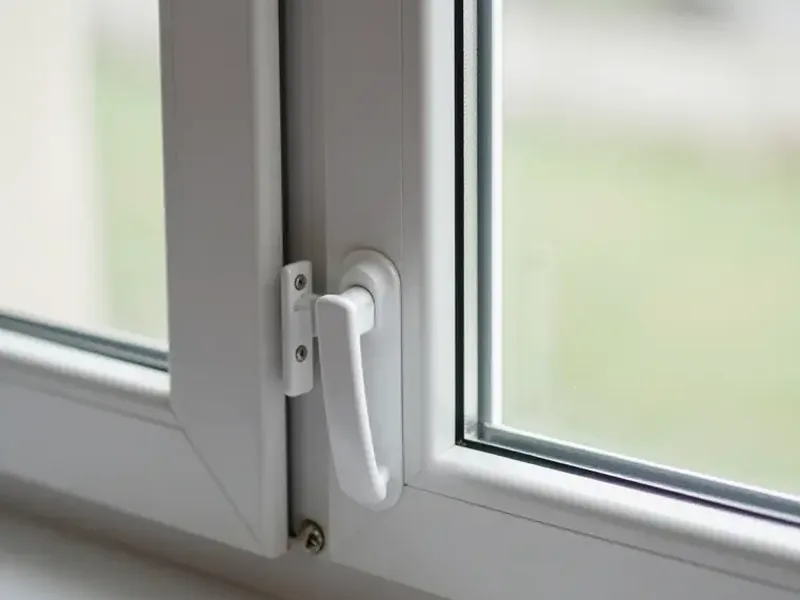 Penkid lock
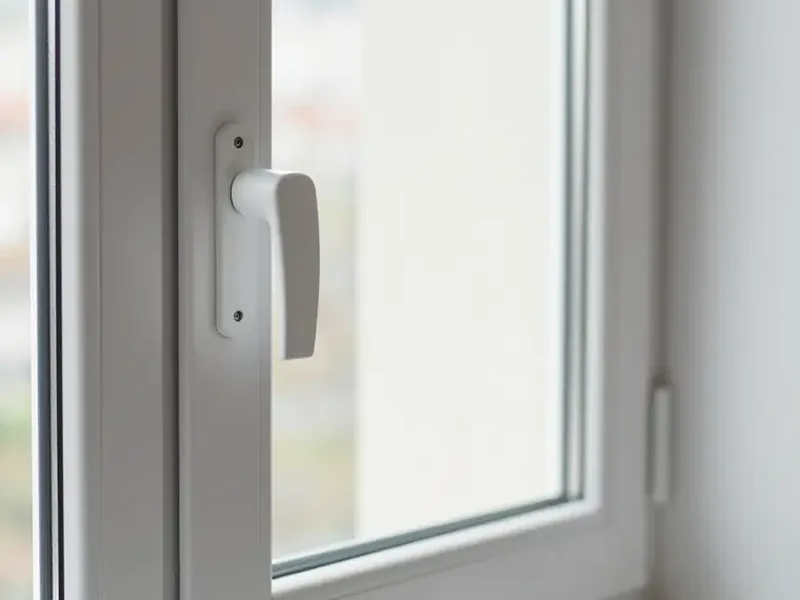 Handles with a key
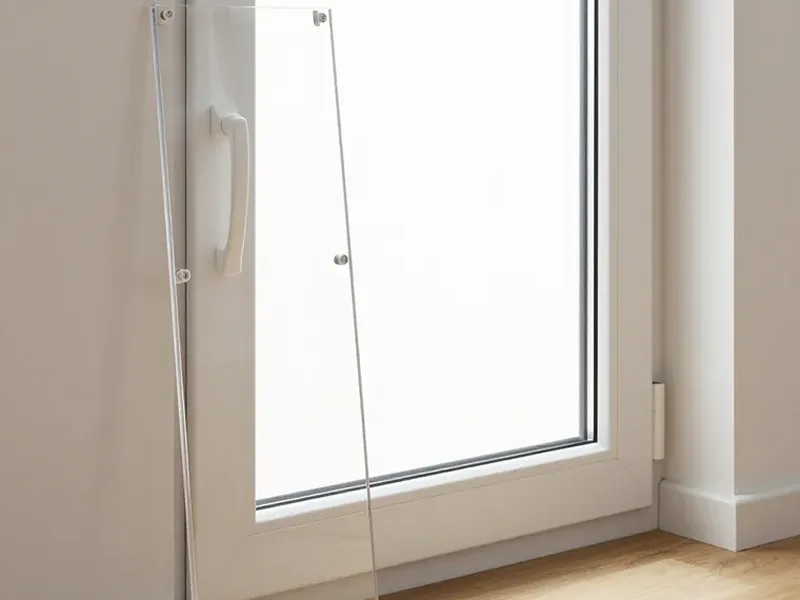 Transparent grilles
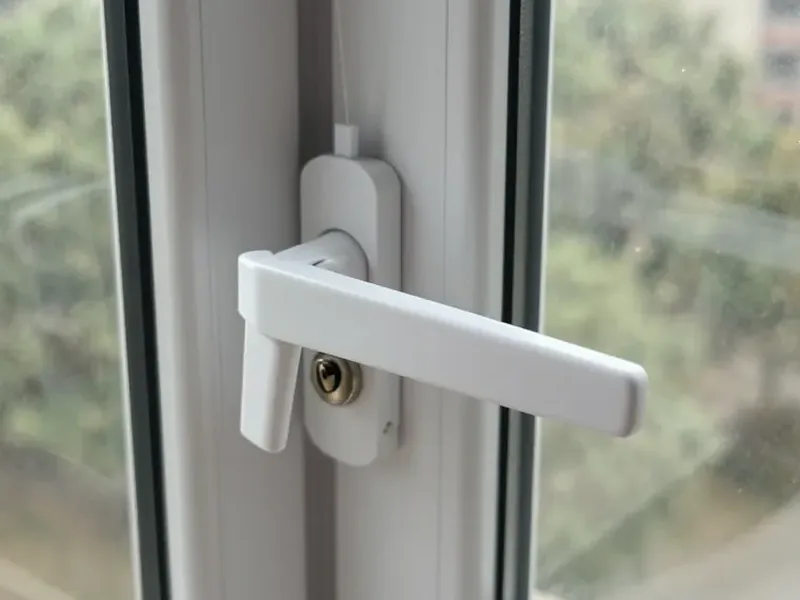 Child safety
