
Good to know
Mosquito screens Shymkent with free measuring and fitting

Senior mosquito screen specialist at moskitnyesetki.kz
We make mosquito screens Shymkent homeowners can order by exact size, with free measuring, colour-matched frames and fitting by our own fitters. A framed screen is ready in 10–15 minutes, a pleated one in 40–60 minutes, and you pay only after installation. Every screen carries a 1-year warranty.
Matching mosquito screens to your window, door or opening
The right construction follows the aperture and the way you use it, not the other way round. Below we break down framed, sliding, hinged and pleated options for specific glazing and doorways.
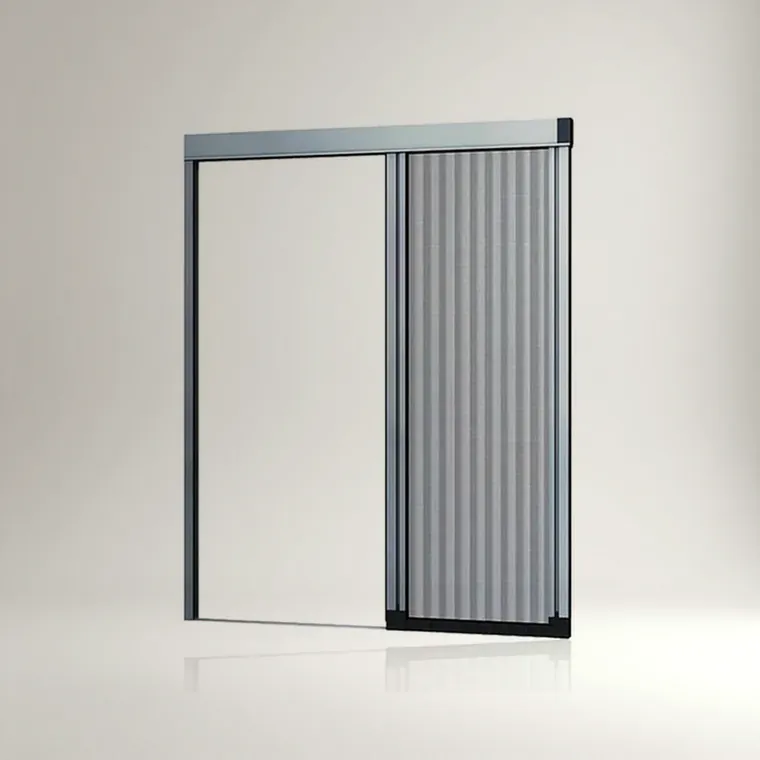
Framed, sliding, hinged or pleated and where each one belongs
| Construction | Where it fits best | How it opens |
|---|---|---|
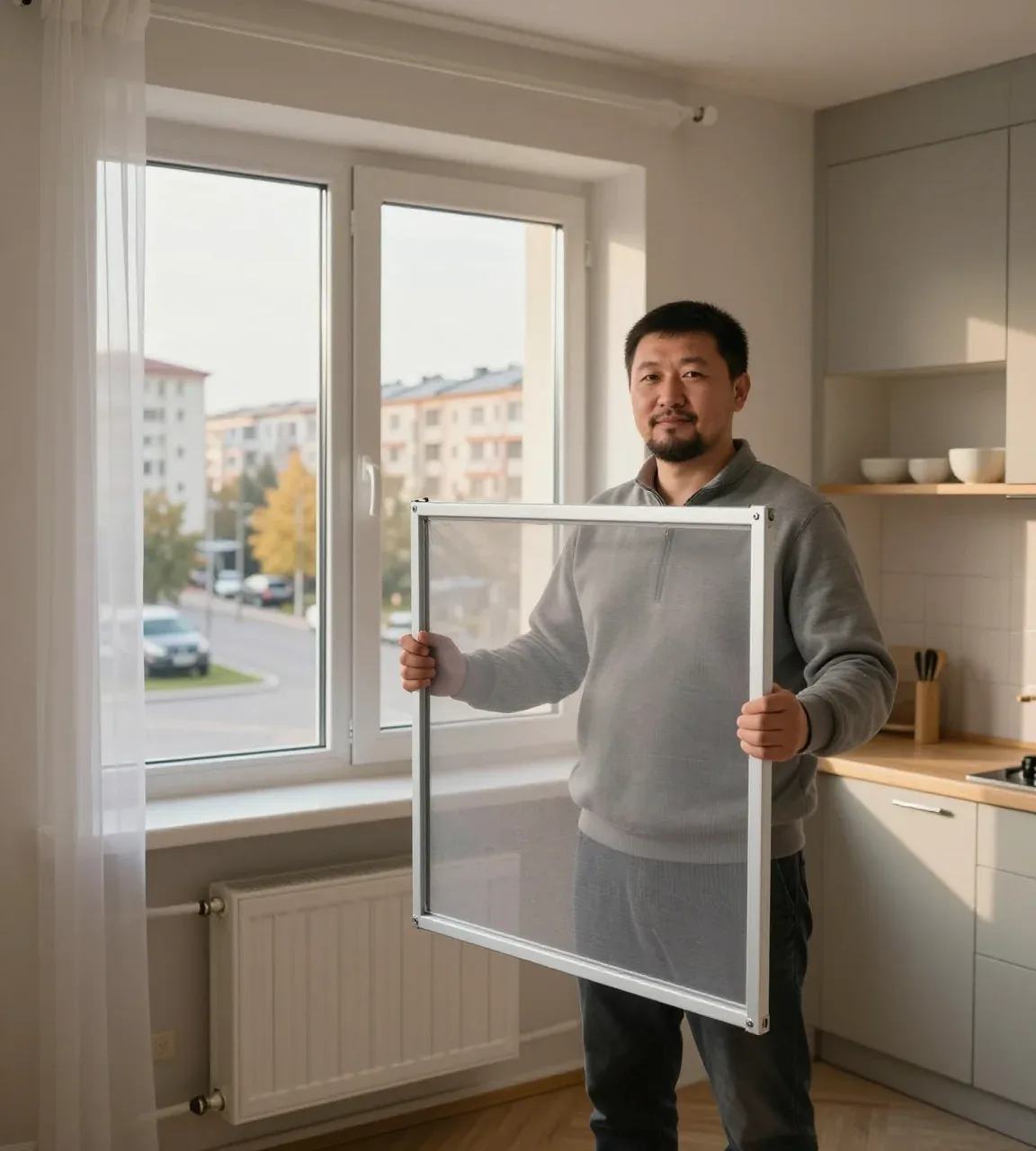
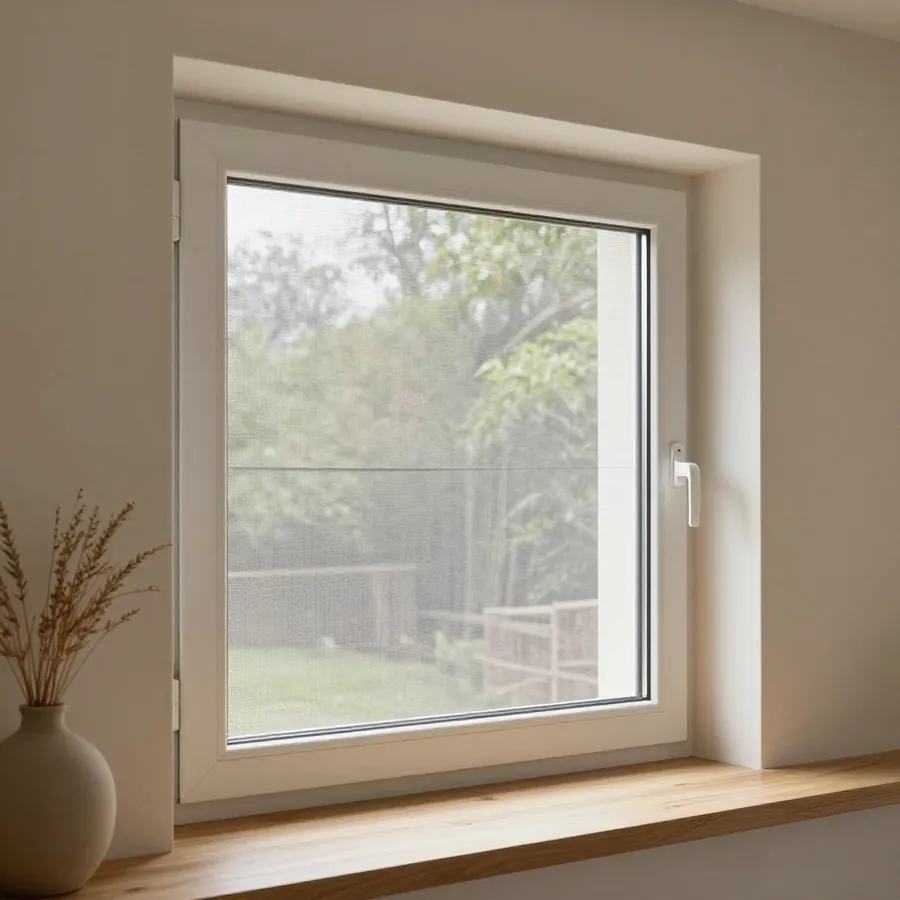
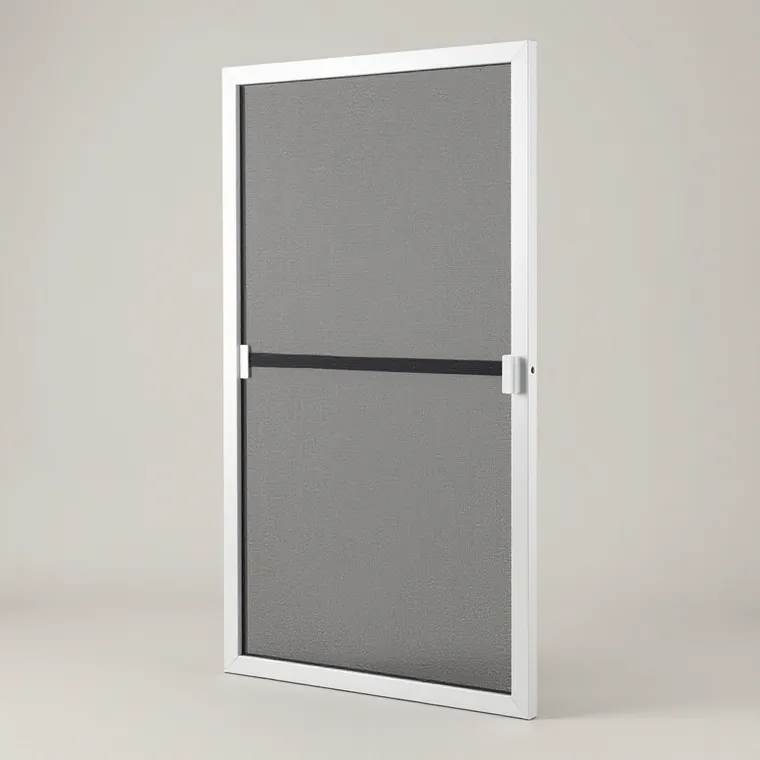
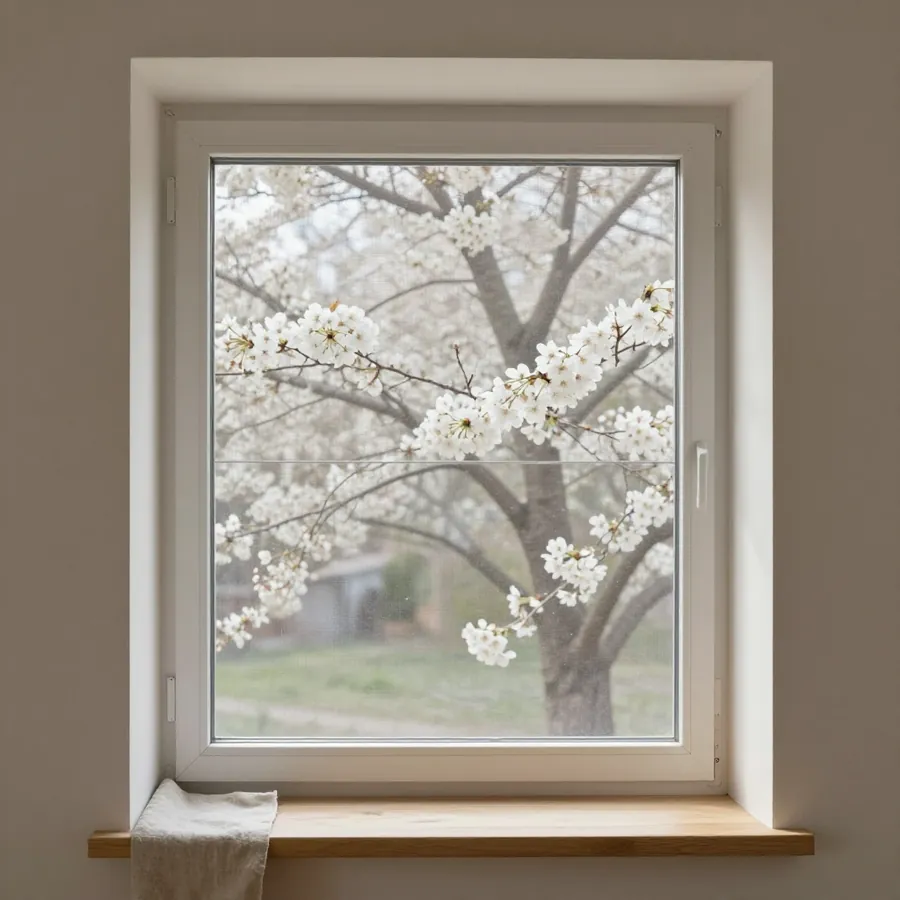
| Framed | Standard casement units | Lifts out from inside |
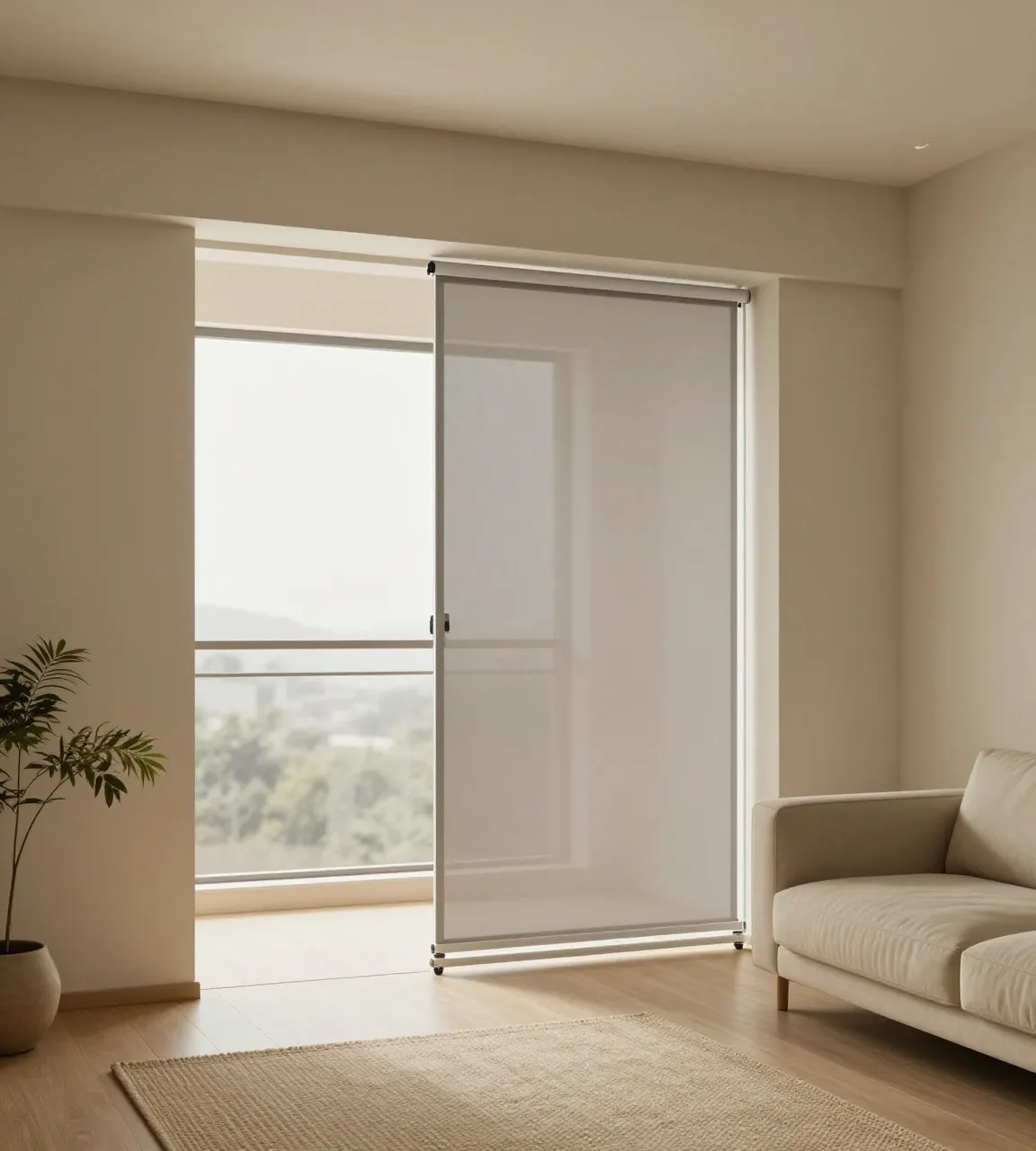
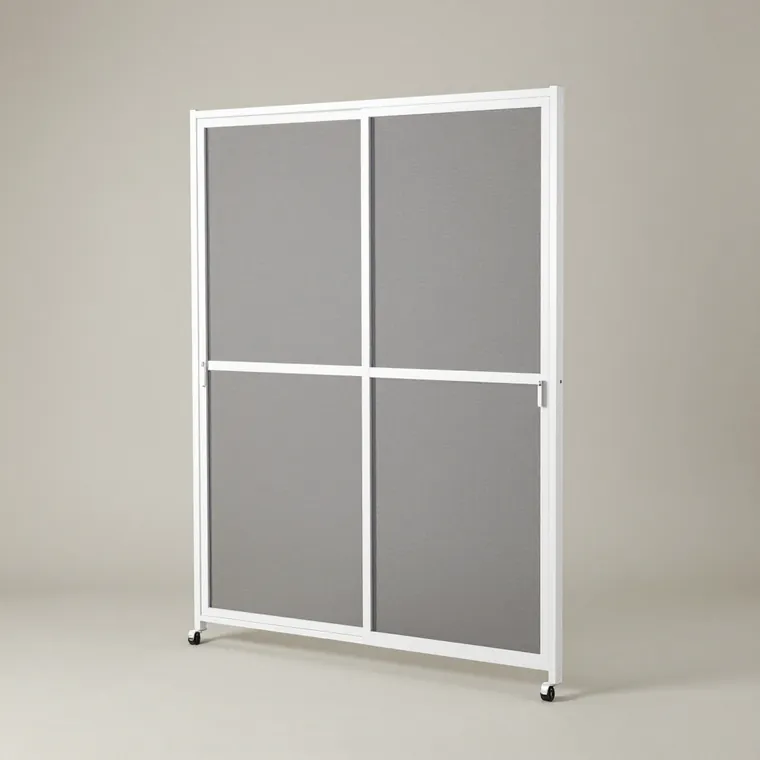
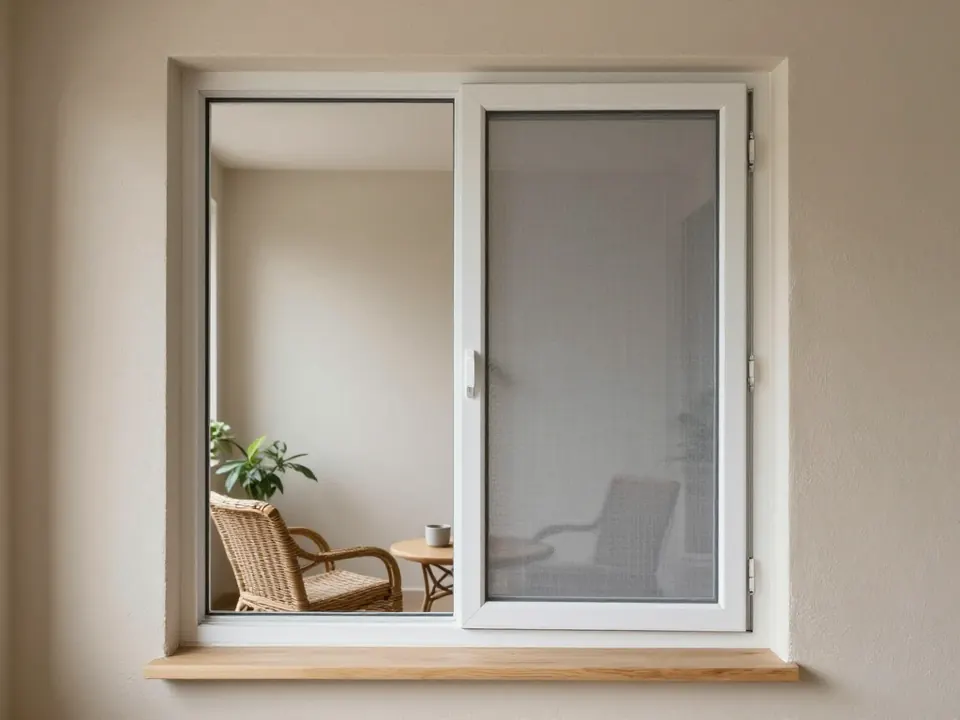
| Sliding | Balcony and loggia apertures | Slides sideways |
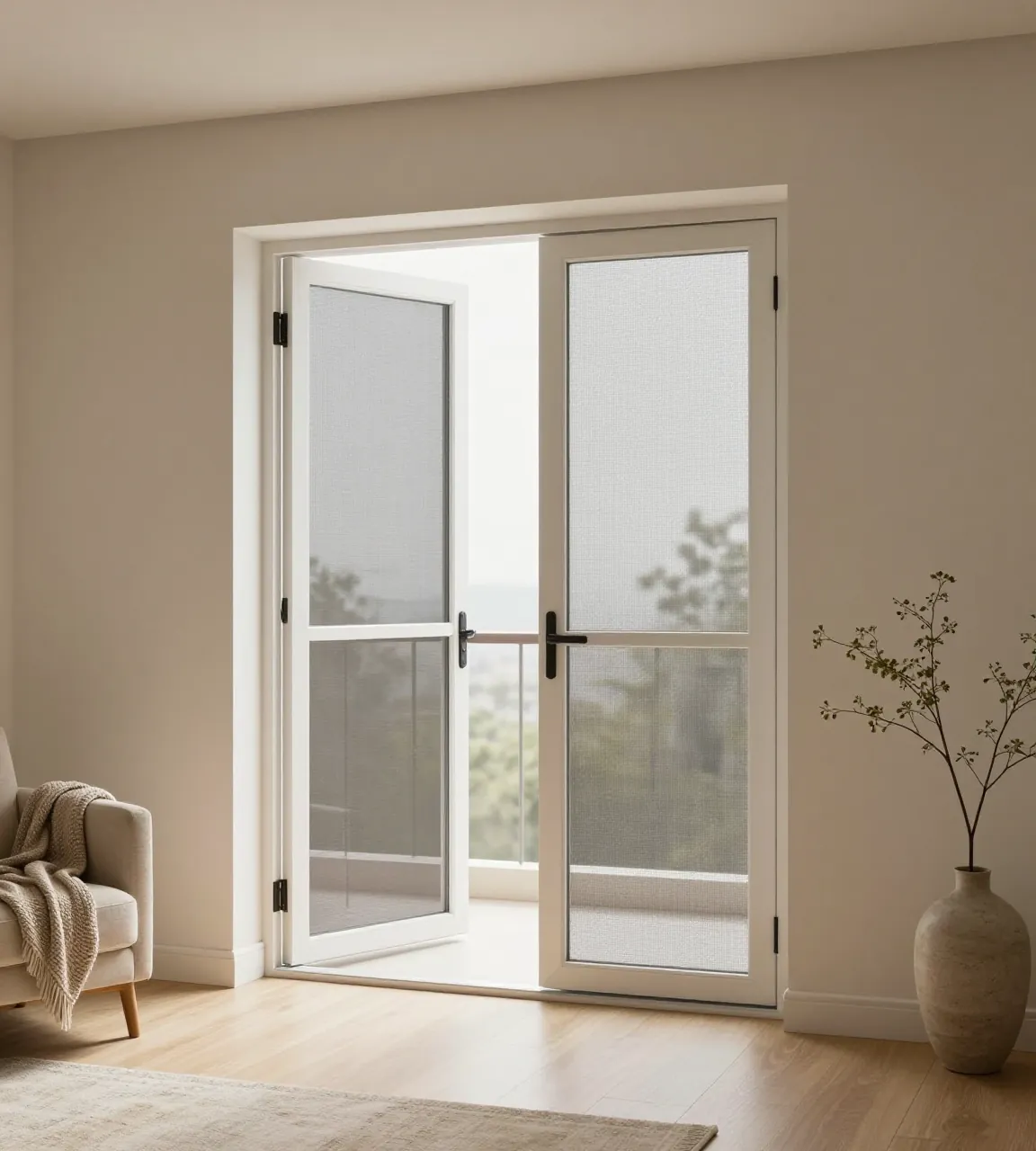
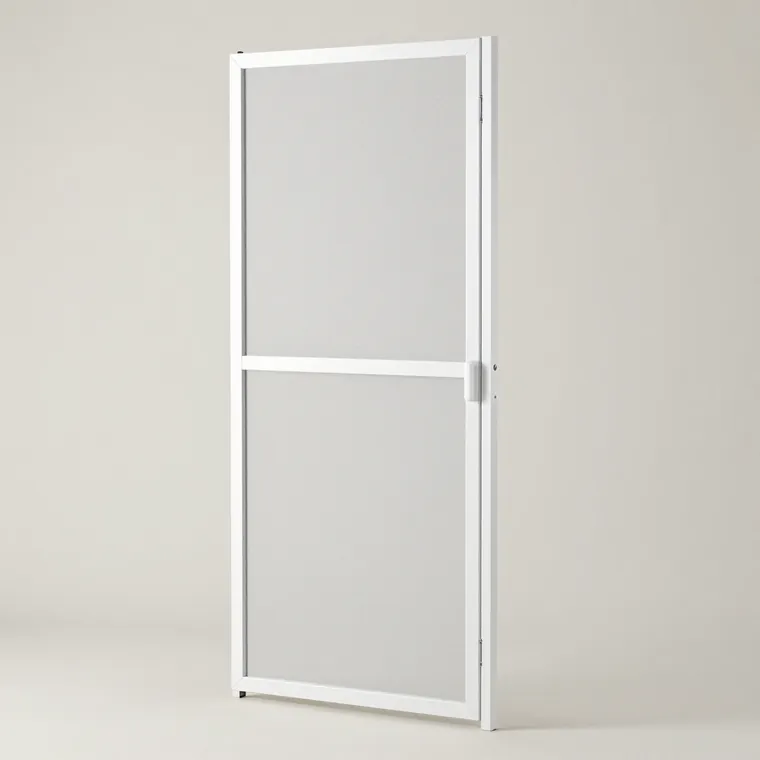
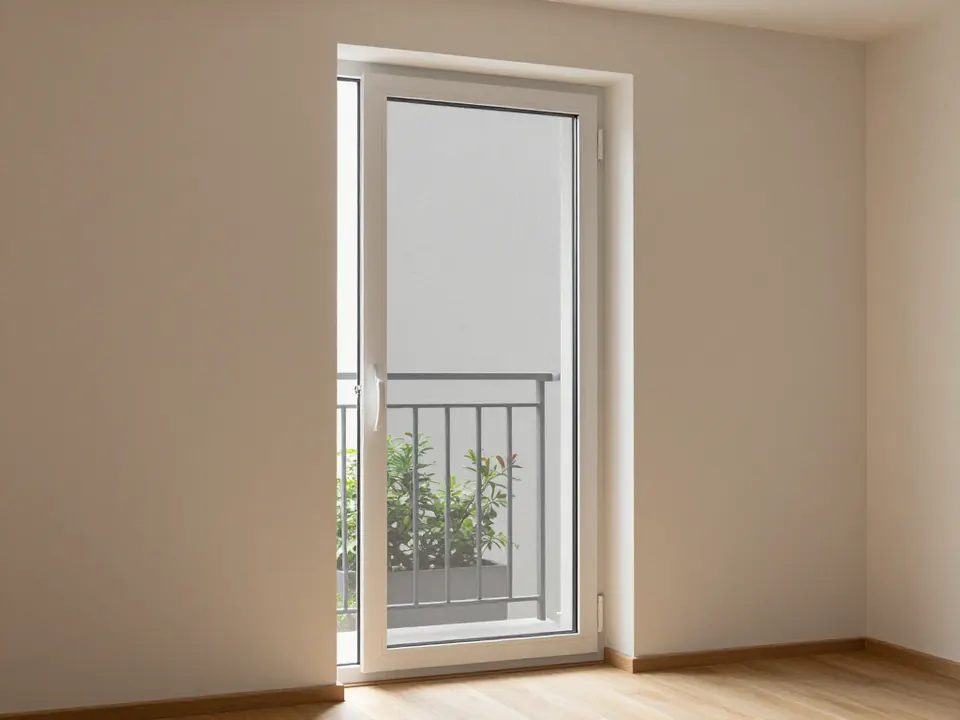
| Hinged door | Entrance and terrace doorways | Swings on hinges |
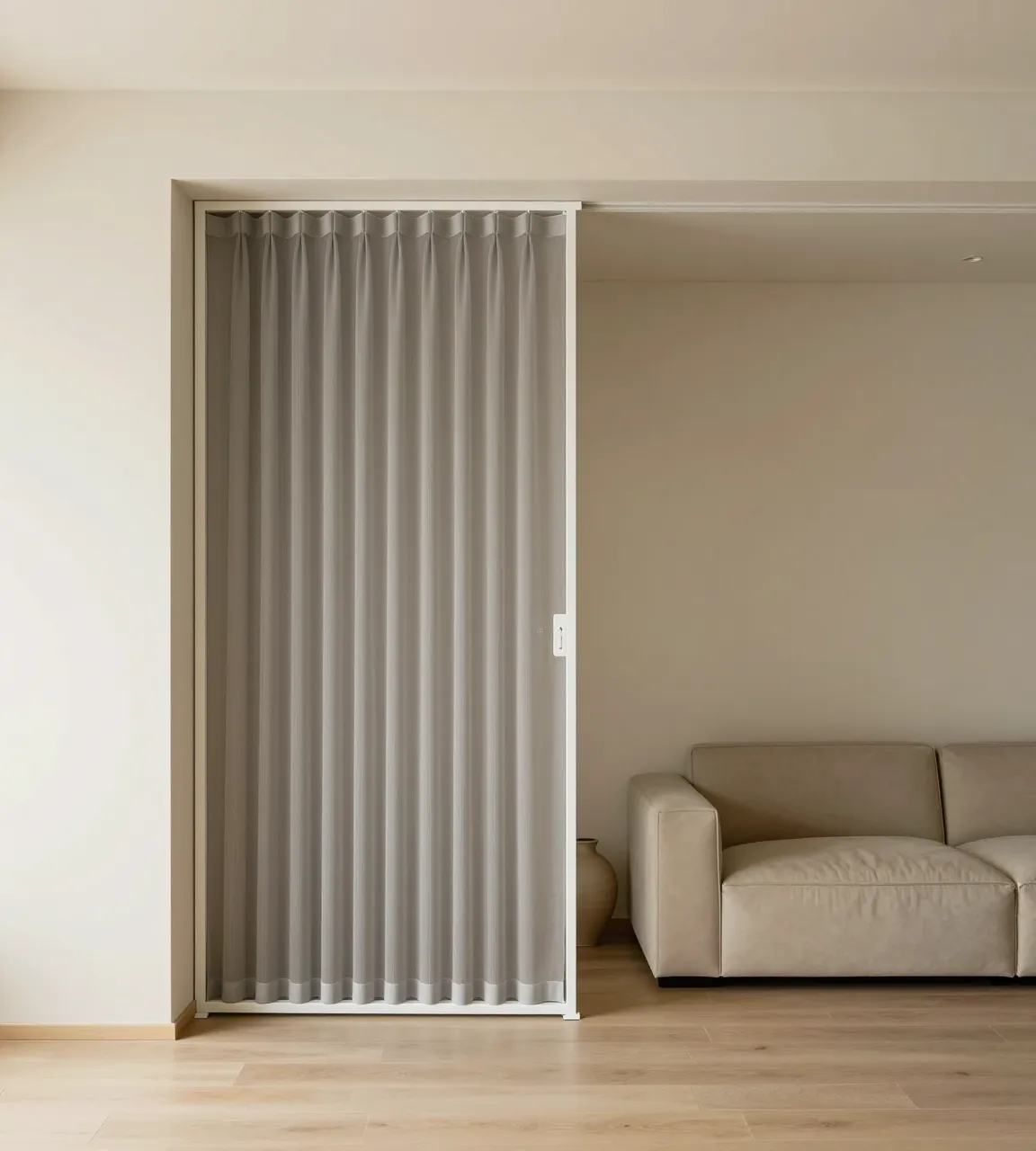
| Pleated | Narrow or high-traffic spots | Folds to the side |
Screens for plastic, wooden and aluminium windows
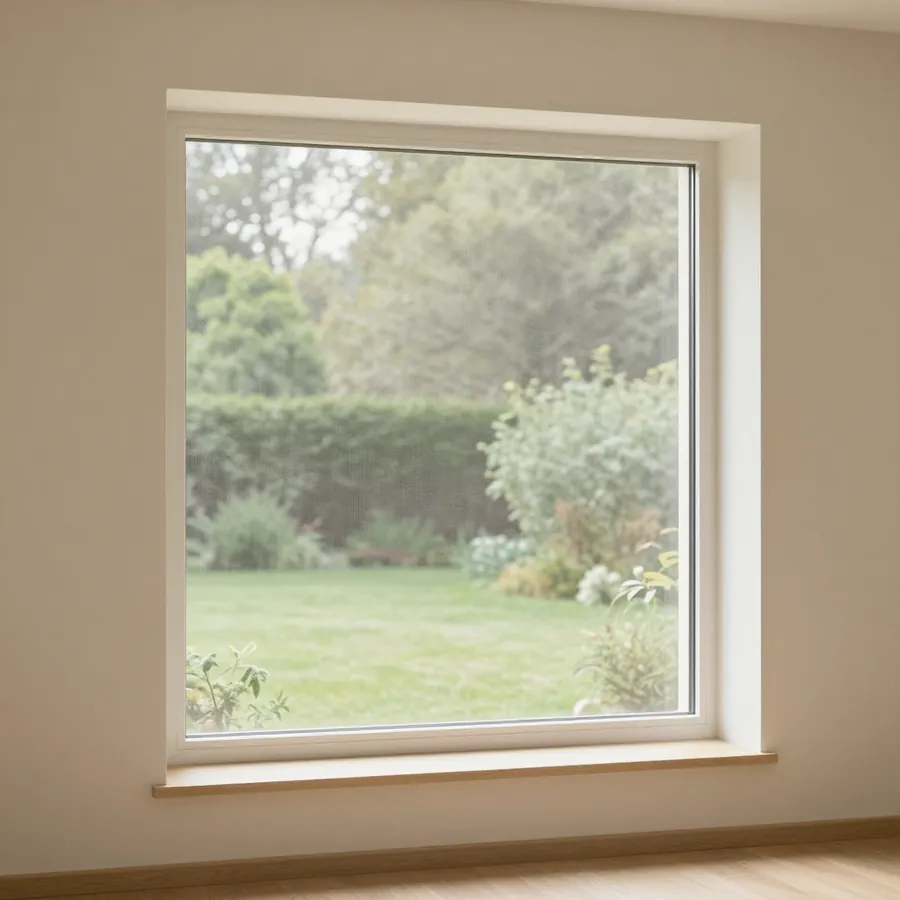
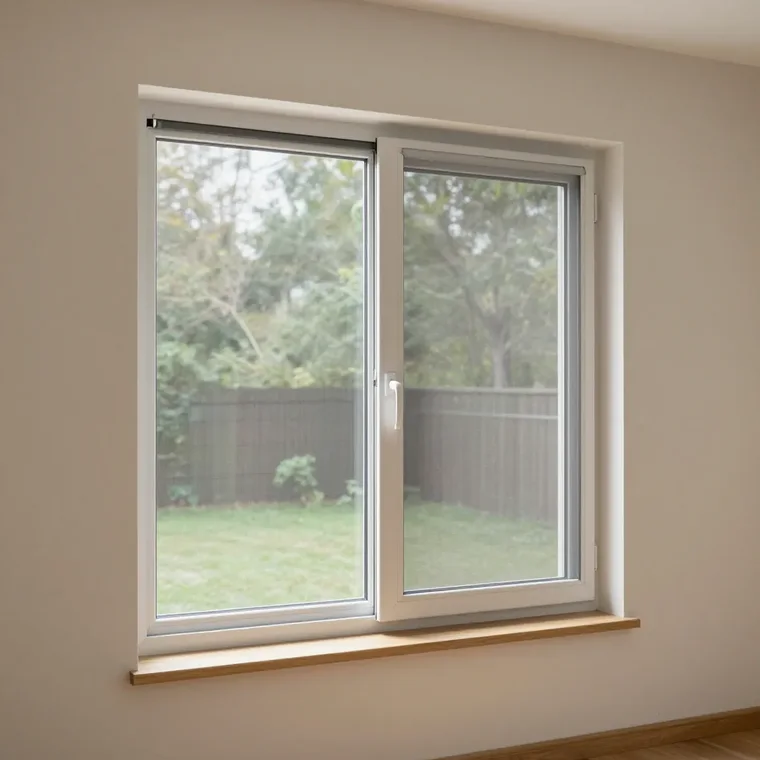
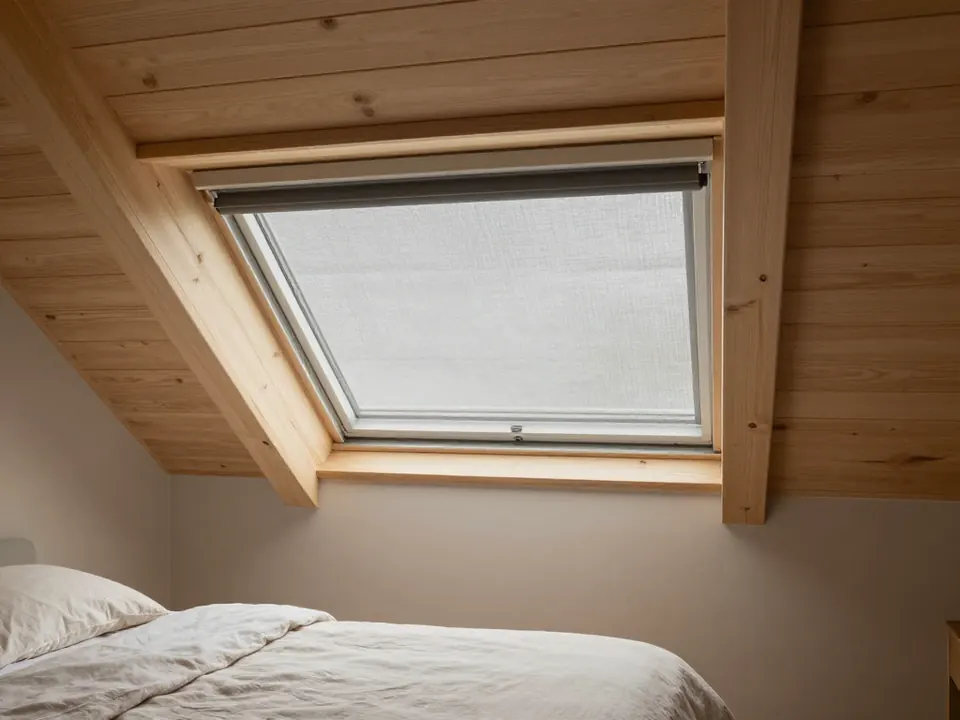
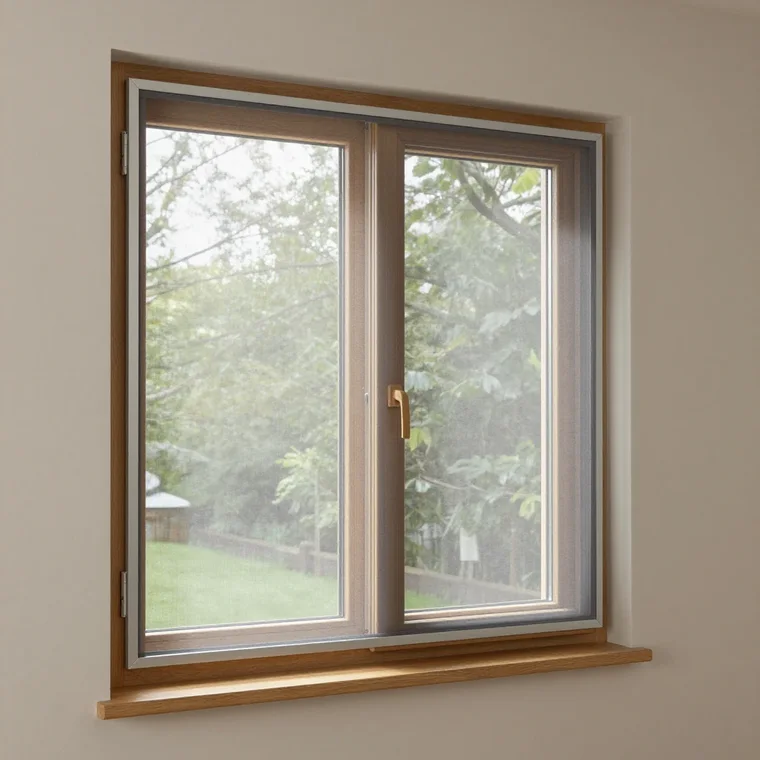
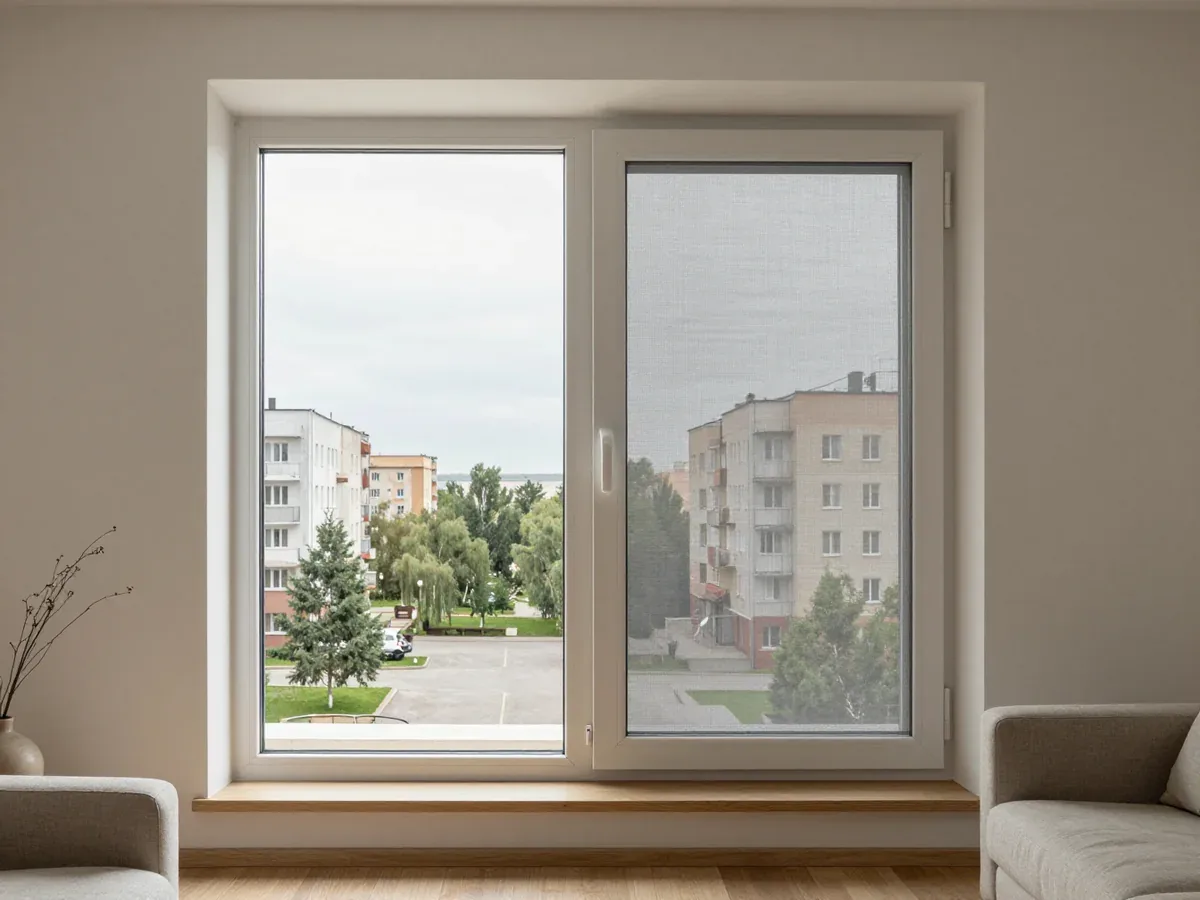
We fit mosquito screens shymkent homeowners order onto PVC, timber and aluminium frames, plus vent panes, loggia glazing, gazebos and verandas. Each unit is cut to the exact aperture, and the fastening is matched to the sash rather than taken off a shelf. On timber and aluminium systems the fitter checks the frame geometry first, because a bracket that works on PVC rarely sits the same way on a wooden sash or a thin metal section. We also supply and fit mesh for glazed balconies and covered outdoor structures, where wind load and sun exposure shape the frame choice. Ask the measurer to check sill depth before you settle on a model — a deep sill can swallow a low-profile frame and leave the mesh sitting too far back.
Non-standard openings and door screens with Economy or Prestige profiles
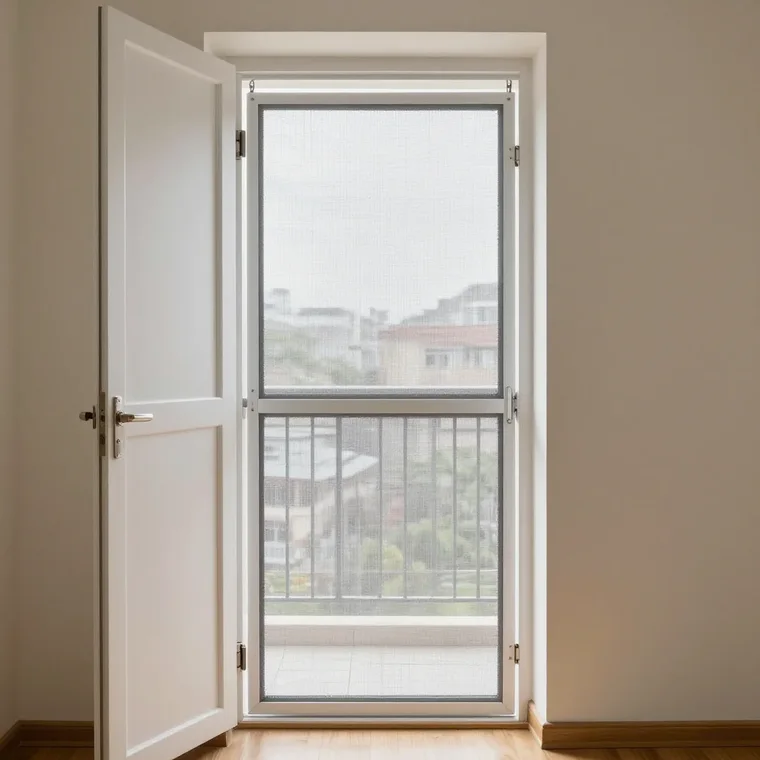
For hinged door screens we use the Economy 32×10 mm section or the reinforced Prestige 42×17 mm, and we discuss non-standard shapes at the measuring stage. Arched, triangular and very tall frames cannot be built from a standard kit, so the measurer takes the shape on site and the workshop cuts the profile to match. The wider Prestige carries more rigidity, which matters on a doorway the household passes through dozens of times a day. On a narrow balcony entry a pleated screen folds into a slim stack and keeps the walkway clear, while a framed unit in the same spot would swing into the room. In our practice, daily traffic decides the profile more often than width does.
Choosing mosquito screens for dust, daylight, pets and pollen
The mesh is chosen for the job it has to do, not by the name on the sample card. Below we show which canvas handles dust, a lack of light, a cat and pollen.
A mesh for every problem from dust to daylight
| Canvas | Best for | What it does |
|---|---|---|
| Standard (Fiberglass) | Everyday windows | Resists fire and temperature swings |
| Ultravue (Ultravue) | Dark rooms | 25% more light and air |
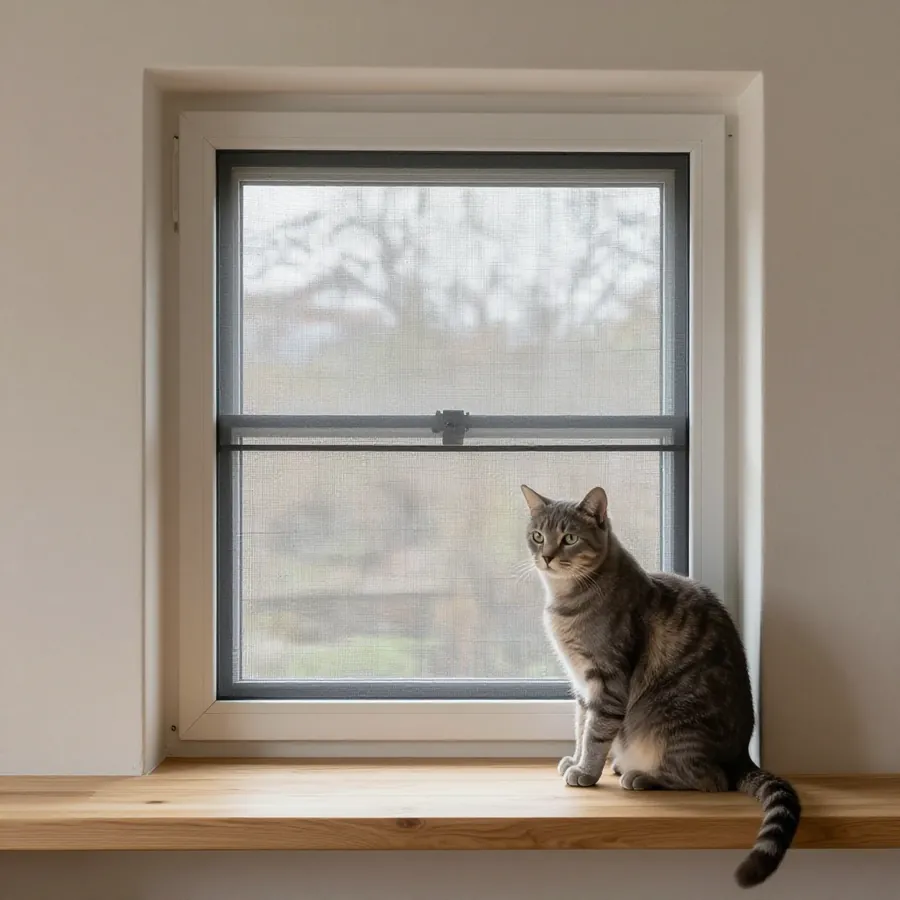
| Anti-Cat (Pet Screen) | Homes with a cat | Vinyl threads hold an animal's weight |
| Anti-Dust | Dusty streets | Traps fine particles |
| Anti-Pollen (Poll-Tex) | Allergy season | 0.25×1 mm cell stops pollen |
Pet Screen and the mesh that survives a cat
Anti-Cat (Pet Screen) is several times stronger than a standard canvas, and its vinyl threads hold the weight of a small animal. We offer it for windows and doors where a cat or a small dog climbs and pushes against the mesh. The canvas keeps the same fine weave as a regular screen, so air still moves through and the view stays clear. A standard fiberglass panel is the cheaper choice for a room the pet never reaches. But even a strong canvas tears if a cat hangs on it with its claws day after day, so on the windows where the animal spends most of its time it pays to take the reinforced option at once rather than swap an ordinary panel after a season.
Anti-pollen mesh and the fine cell that keeps pollen out
Anti-Pollen (Poll-Tex) has a 0.25×1 mm cell and holds back the pollen that passes straight through an ordinary screen. The weave is fine enough to catch the particles that trigger sneezing and itchy eyes during the flowering weeks, which matters for anyone with seasonal allergies in the city. The same fine cell is the reason the canvas needs more attention than fiberglass: dust settles in it faster and it wants washing more often. A fine cell also cuts the flow of air, so in a hot room it is usually fitted to one window rather than all of them, which keeps the rest of the flat ventilated while the bedroom stays protected.
How mosquito screens are fixed and whether your window gets drilled
The fixing depends on your window profile and which floor you live on. Below we explain which fittings we use, when a window can stay undrilled, and what the measurer checks before choosing.
Z-brackets, pins or magnets and who picks the right one
- Z-brackets: metal clips that hook onto the sash and hold a framed screen firmly without entering the profile.
- Pins (plungers): spring-loaded rods that press into the recess, quick to release when you take the mesh off.
- Magnets: flat holders for light screens and smooth sashes, the least visible option on the surface.
- Who chooses: the measurer picks the fixing to suit your profile and floor, not a generic kit.
- Why it matters: on upper floors the wind is stronger and magnets hold less firmly than clips, so the choice is also about how steadily the mesh sits in a draught.
Can you fit a screen without drilling the window
Yes, some fixings go on without drilling the sash, and the measurer will tell you which option suits your opening. Magnets and Z-brackets clip or press onto the window, so it stays whole and nothing pierces the sealed chamber. Skipping the drill sometimes means a less rigid hold, though. On doors and busy passage openings it is worth weighing what matters more: keeping the profile untouched or getting the most stable mesh possible. For a hinged door screen the aluminium carries the load, and the fitting works together with the profile rather than against it. Ask about this at measuring — the answer changes with the sash type and how often you open it.
What the measurer checks before choosing the fastening
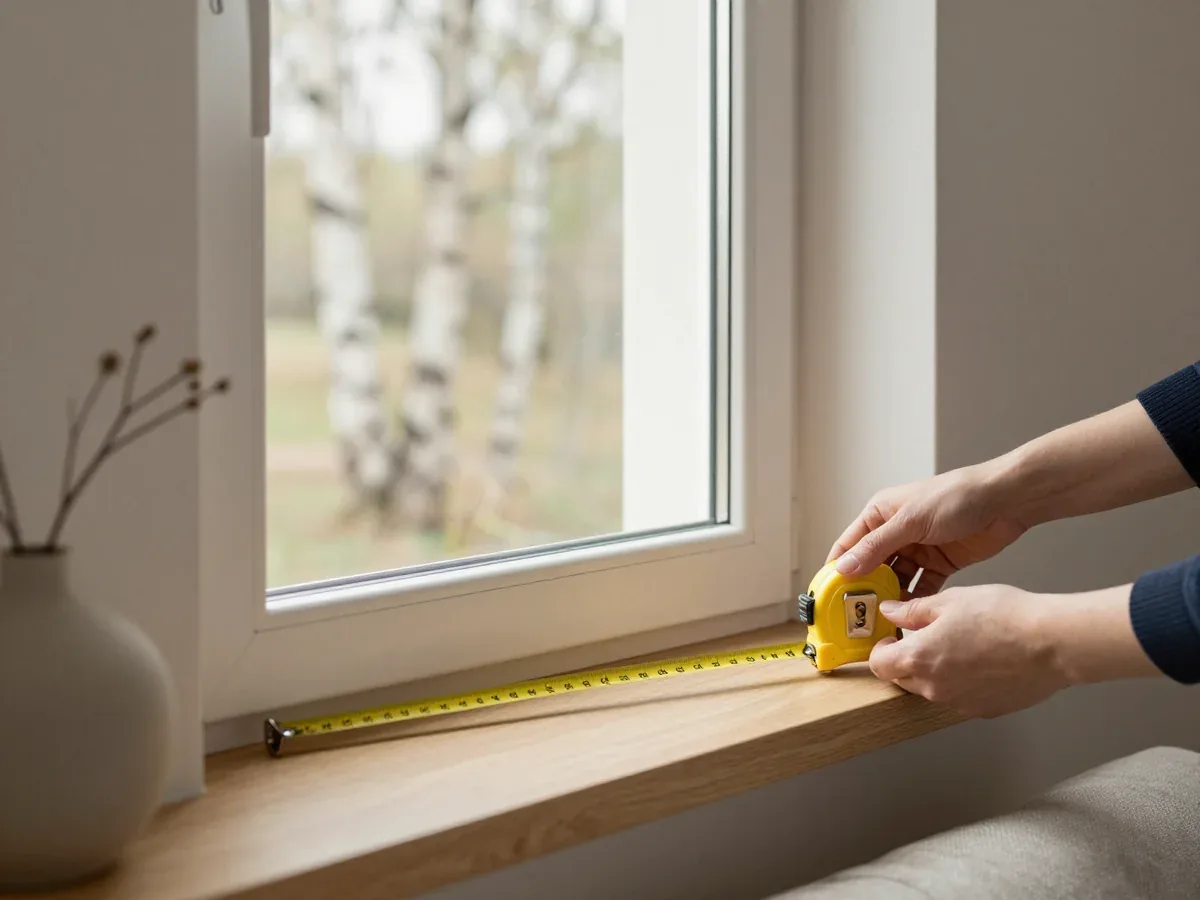
On the free measuring visit the measurer takes the sizes, looks at your window and the floor, and helps you choose the design, the fabric and the fixings. He checks whether the unit will sit inside the opening or run into the reveal, and how much clearance the clips need. The visit takes less time than most people expect, but it settles the details that decide whether everything fits cleanly. That is why we would not leave it until the last moment — a small measurement now saves a return trip later. If the reveal is shallow or the sill is tiled, he will say so on the spot rather than in the workshop.
From free measuring of mosquito screens to fitting and paying after installation
The order runs in three steps: a free site visit, manufacturing to your exact size, then delivery and fitting. Below are the timeframes, the payment moment and what gets fixed in writing.
How long a framed or pleated screen takes to make
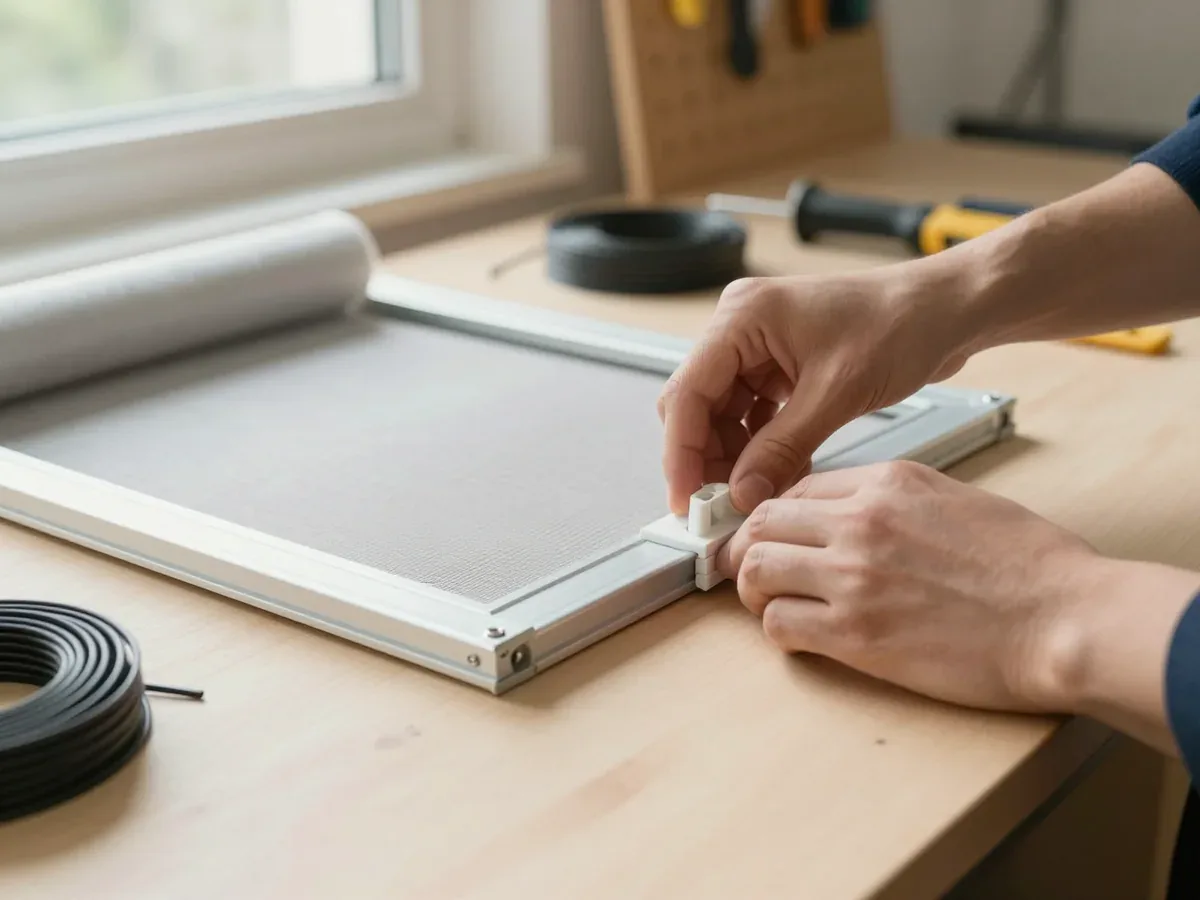
A framed screen made to your size takes 10–15 minutes, and a pleated screen takes 40–60 minutes. That is workshop time, not counting the trip — the profile is cut, the mesh is rolled in and the corners are set while the order is fresh, so a standard window screen is rarely held overnight. Pleated models sit on a track with folded fabric, which is why they need the longer slot: the cord, the tension and the fold alignment are adjusted by hand. For a flat with four or five windows, a full set can still leave the workshop within a working day. On my experience, the practical gain is this: keep the sill clear and the opening reachable before the specialist arrives, and the same-day route stays open instead of turning into a second trip.
Measuring, delivery and fitting on a day that suits you
Sizing and consultation are free, the specialist comes at a convenient time, and we deliver and fit screens on windows and doors. The call is not a quick tape measure: the technician takes the exact opening size, checks the window profile and the floor level, and helps you pick the design, the mesh and the fixings, so the screen is built for that specific window rather than trimmed on site. We work seven days a week, which matters for households where nobody is home on weekdays. If you plan screens for several rooms, book one call for all openings — the fittings, the colour and the mesh then match across the whole flat, and you avoid a second visit later.
Paying after installation and fixing the price at the order
Payment happens after installation — cash, card or Kaspi — and the price is fixed in the order once sizing is done. Nothing is charged at the site visit itself, so the advice on mesh and fastenings stays a technical conversation rather than a sales one. The fixed figure covers the size that was actually taken, including a non-standard opening, which is why the number is agreed before the profile is cut and not renegotiated on the balcony. We reply on WhatsApp within five minutes if a question comes up between the site visit and the fitting. My advice: confirm the final sum in writing at the order stage, before installation day, so the invoice after fitting simply matches what you already approved.
Frame colour of mosquito screens, winter removal and repairing a torn screen
A screen lasts longer when it is looked after properly. Here we cover three practical points: painting the frame to match your windows, taking the framed screen off before winter, and repairing a torn mesh or worn fastening.
Painting the frame to match your windows
We paint the screen frame any colour to match your windows, so it does not stand out against the facade. The coating goes onto the aluminium before the mesh is fitted, which is why the finish holds up to sun and rain without flaking. On the standard framed unit the profile is slim, so the colour reads as a thin line around the opening rather than a heavy border. Homeowners in Shymkent often ask for white, anthracite or wood-effect brown to follow the window. Choose the shade by the window profile, not by the wall: up close the screen is read against the window frame, and a mismatched tone shows most clearly there.
Taking the framed screen off for winter
A framed screen lifts out from inside in about a minute, and it is worth taking it off for the winter. Each unit sits on Z-brackets, pins or magnets, so once you know the motion it comes away without tools and goes back the same way in spring. Store it flat or standing on edge in a dry room rather than stacked under something heavy. A mesh left out through frost and wind wears faster: the fabric stiffens, the aluminium takes knocks and the fixings work loose. Taking it down protects all three, so the unit comes back in spring intact and needs repair far less often.
Repairing a torn mesh and replacing worn fastenings
- Torn mesh: we replace the canvas in the existing frame, so a single rip does not mean a whole new unit.
- Worn fastenings: we swap Z-brackets, pins and magnets when they loosen, rattle or stop holding the frame tight.
- Frame damage: a bent or cracked profile is straightened or replaced while the canvas is checked at the same time.
- Door screens: hinged door screens on Economy or Prestige profiles get the same repair, from re-meshing to new hinges.
- On-site check: the fitter tests how the frame sits and confirms the fastening holds before leaving, so the repair lasts.
- Worn seat: if a bracket has loosened, the seat in the frame is often the real cause, so we check both before fitting a new part.
Warranty, direct production and ordering across Kazakhstan
A small job still deserves clear terms. Here is what stands behind the work, who actually makes and fits your screen, and where we take requests across the country.
The 1-year warranty on every screen
Every screen we make carries a 1-year warranty. It covers both the labour and the parts we supply, so a sagging frame, a loose fastening or a mesh that has pulled out of its groove is our problem to solve, not yours to patch with tape. The construction itself is simple: a painted profile, a mesh, and Z-brackets, pins or magnets chosen for your window profile and floor. Because the parts are few, faults show up early and are easy to trace. In our practice the weak point is rarely the mesh — it is the fastening fitted to a profile it did not suit. If you notice slack in the first weeks, tell us straight away: a fastening swapped early costs you nothing under warranty, while a unit left hanging loose for a season usually needs the frame re-squared as well.
Why a direct maker beats a middleman
We are the direct maker, with our own measurers and fitters, so measuring, production and fitting stay in one pair of hands instead of being passed to a third party. That matters at the awkward moments. If the measurer finds your profile needs a different bracket than expected, the workshop hears about it the same day rather than after the job has travelled out and back. A framed unit made to your size takes 10–15 minutes and a pleated one 40–60 minutes, so most of the waiting is scheduling, not manufacturing. We answer on WhatsApp within 5 minutes, and the person replying works alongside the fitters — you can ask about your own job and get an answer about your own job.
Ordering in Shymkent and 17 cities across Kazakhstan
You can order screens in Shymkent and in 17 cities across Kazakhstan, and we are open seven days a week. That covers the whole chain: a free measuring visit, production, delivery and fitting, plus repairs and replacement fastenings later on. The measurer comes at a time that suits you, takes the sizes and helps choose the design, mesh and fixings, and the price is fixed in the order after measuring — you pay once the product is up, by cash, card or Kaspi. In our practice, the fitting standard is what people notice: the same bracket choice and the same alignment checks apply whether the frame goes onto a plastic window in a high-rise or a wooden frame on a veranda. Ask for the measuring slot rather than guessing sizes over the phone.
What to verify before ordering mosquito screens
A mosquito screen works best when the construction, the mesh and the fixing are chosen together for one specific opening. The five points below sum up what decides the result.
- Opening first: the construction follows the aperture and the way it opens, so the measuring visit settles more than any catalogue page.
- Mesh for the problem: dust, daylight, a cat or pollen each ask for a different cell and thread, so the fabric is matched to the task.
- Fixings by profile: the fastening depends on the window profile and the floor, and some options go on without drilling the frame.
- Short lead time: a framed model takes 10–15 minutes to make and a pleated one 40–60 minutes, with payment after installation once the price is fixed in the order.
- Care over the years: taking the framed unit off for winter and repairing a torn panel or worn fastenings keeps it in service longer.



