
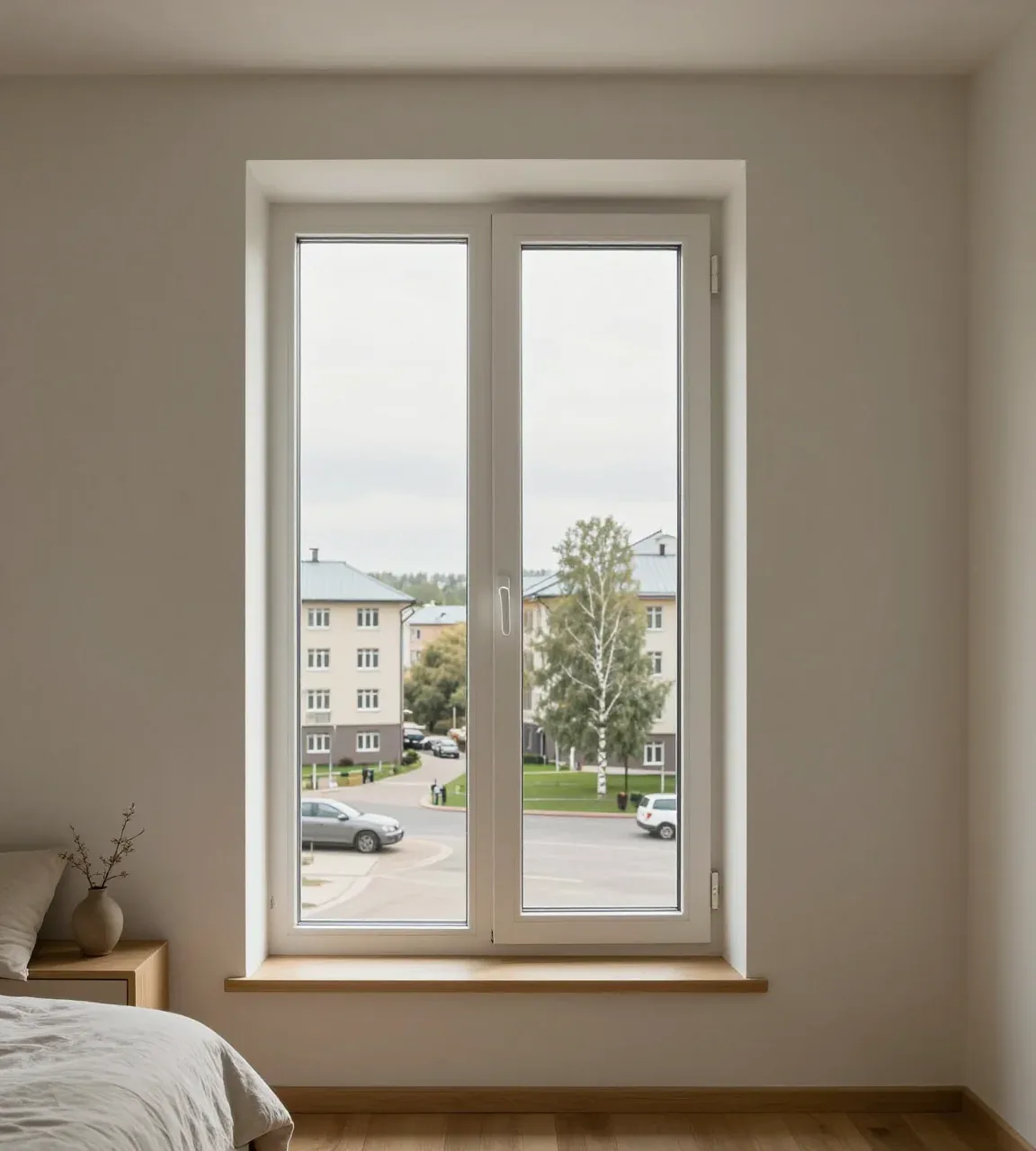
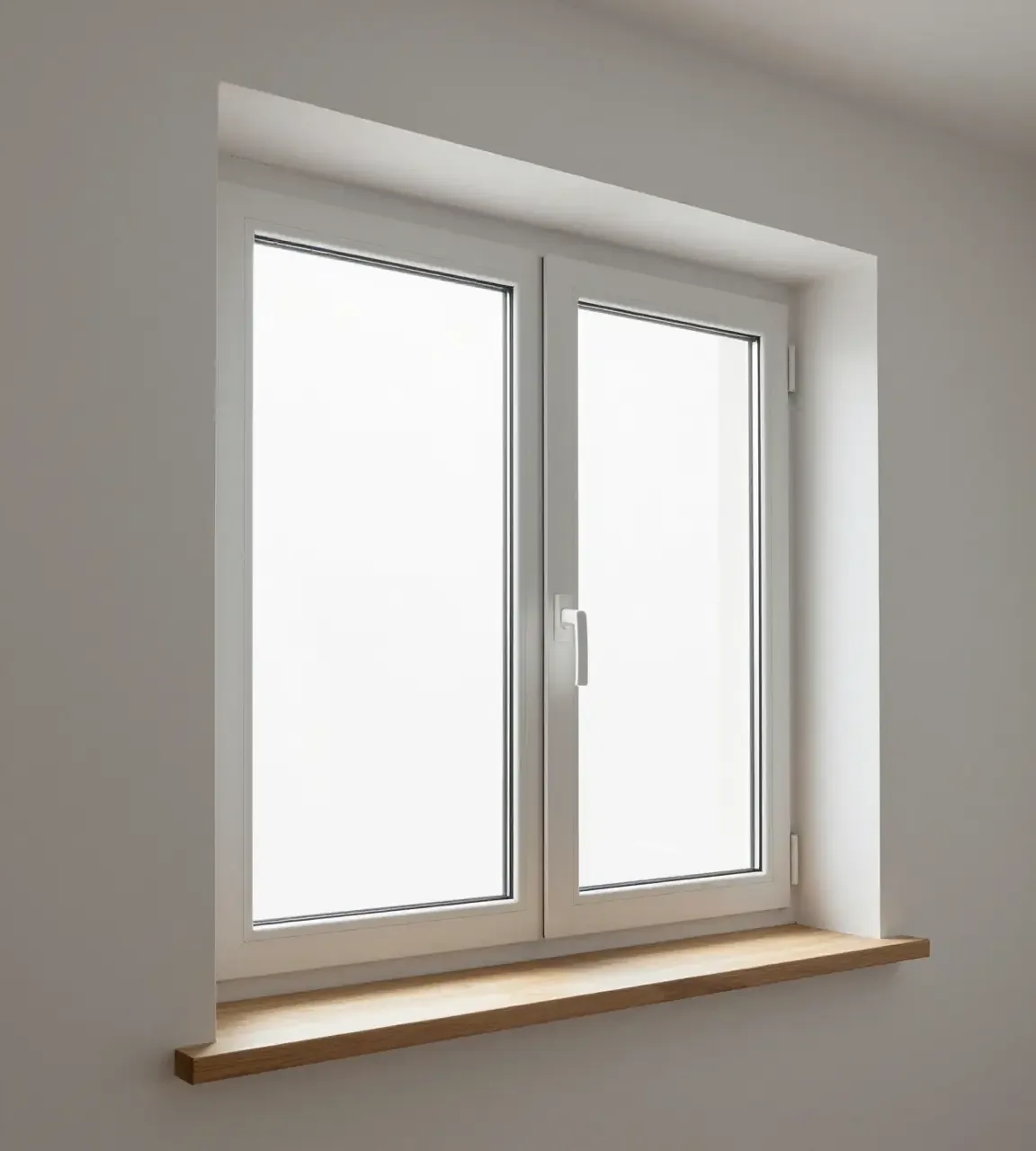
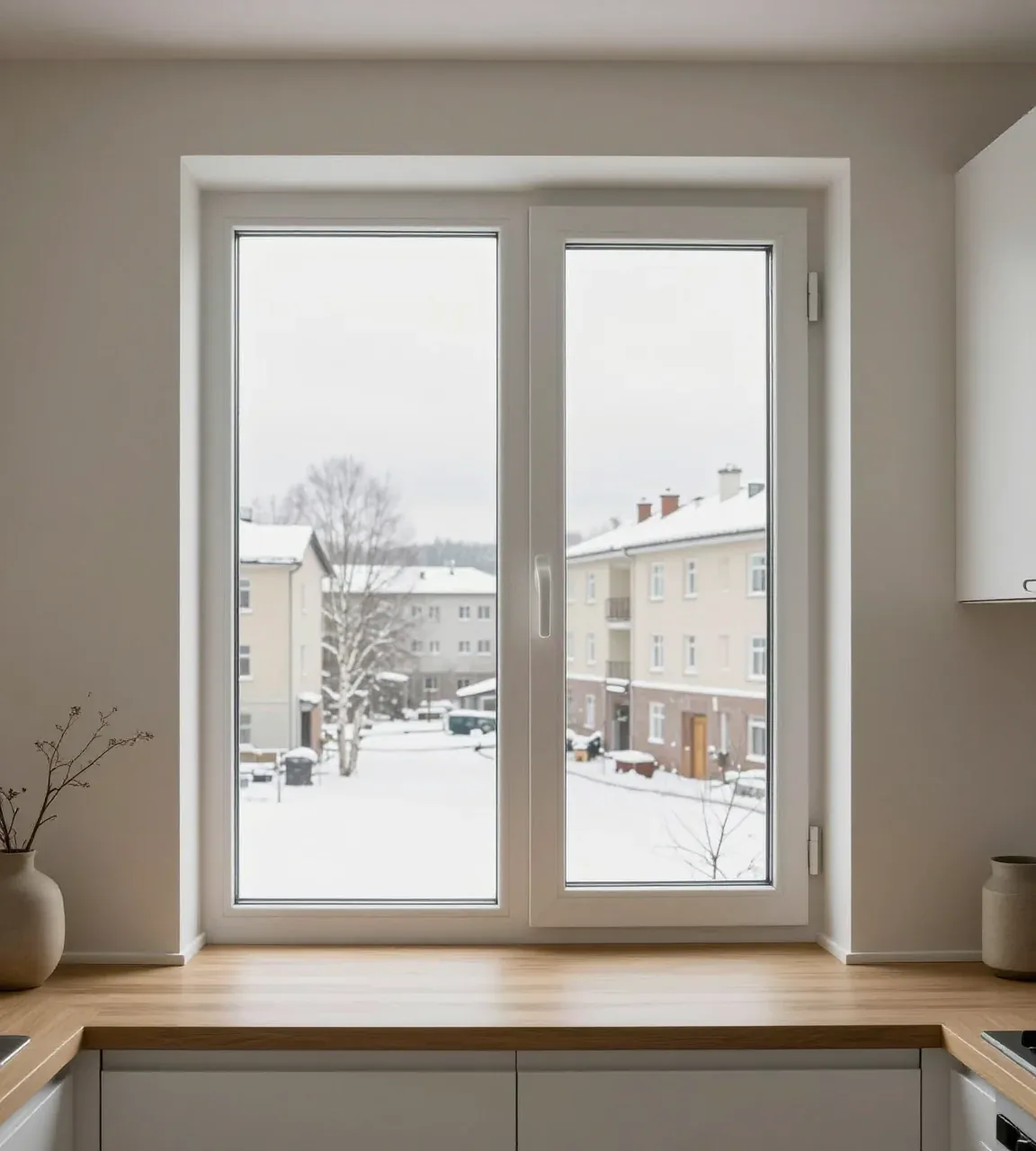
Old frames
Swedish method
A wooden window becomes tight, and the frame looks the same. From 4 200 ₸ per linear metre.
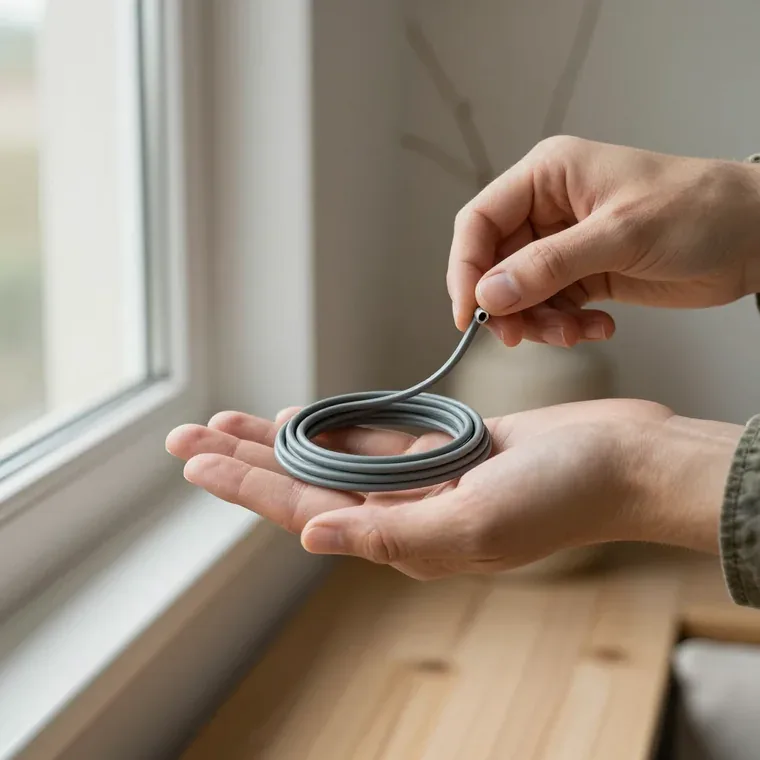

Swedish method
A wooden window becomes tight, and the frame looks the same. From 4 200 ₸ per linear metre.
Sill
We seal the seam under the sill that lets damp in during winter. From 2 000 ₸ per linear metre.
Warm balcony
We insulate the balcony from inside, and it stops being cold in winter. From 6 800 ₸ per m².
Double-glazed unit
We replace single glazing with double glazing; the price is given after measuring the window.
Reveal
We insulate the reveal where mould appears in winter. From 19 900 ₸ per linear metre.



5,097 reviews on review sites
Winter in Shymkent is mild but damp, and summer is hot. Gaps in the window hinder both heating and air conditioning.
Heat escapes in winter through gaps in the wooden frame, an open seam under the sill and thin single glazing, while summer heat gets into the house. The technician seals these places and, if desired, insulates the balcony from inside.
The damp winter months in Shymkent damage the foam in installation seams, and the summer sun dries out old wooden frames. After the work, the temperature at home is more even in both December and July.
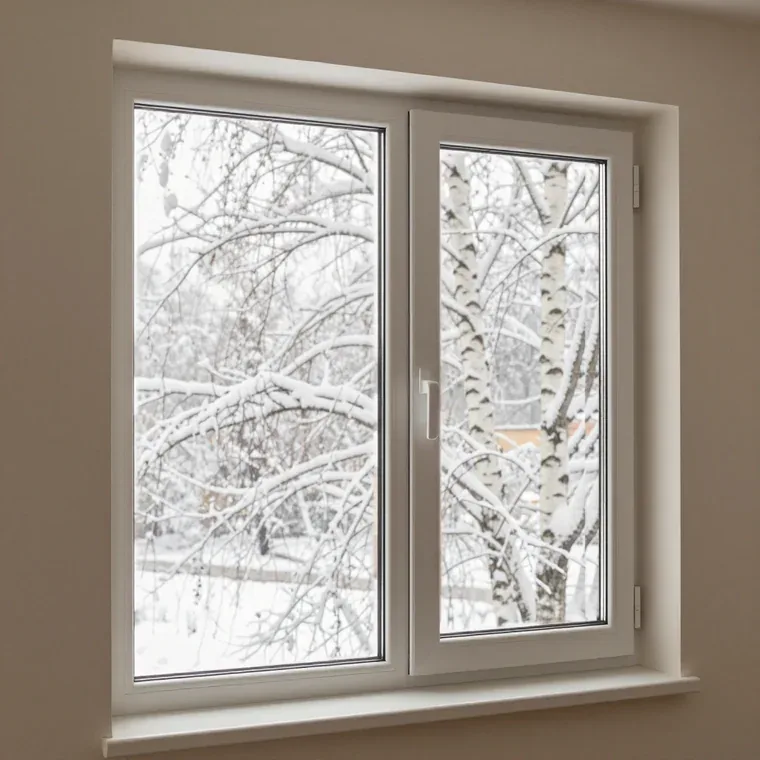
per metre of external seam sealing
warranty on repair and parts
warranty on double-glazing replacement
Four causes we find in Shymkent.
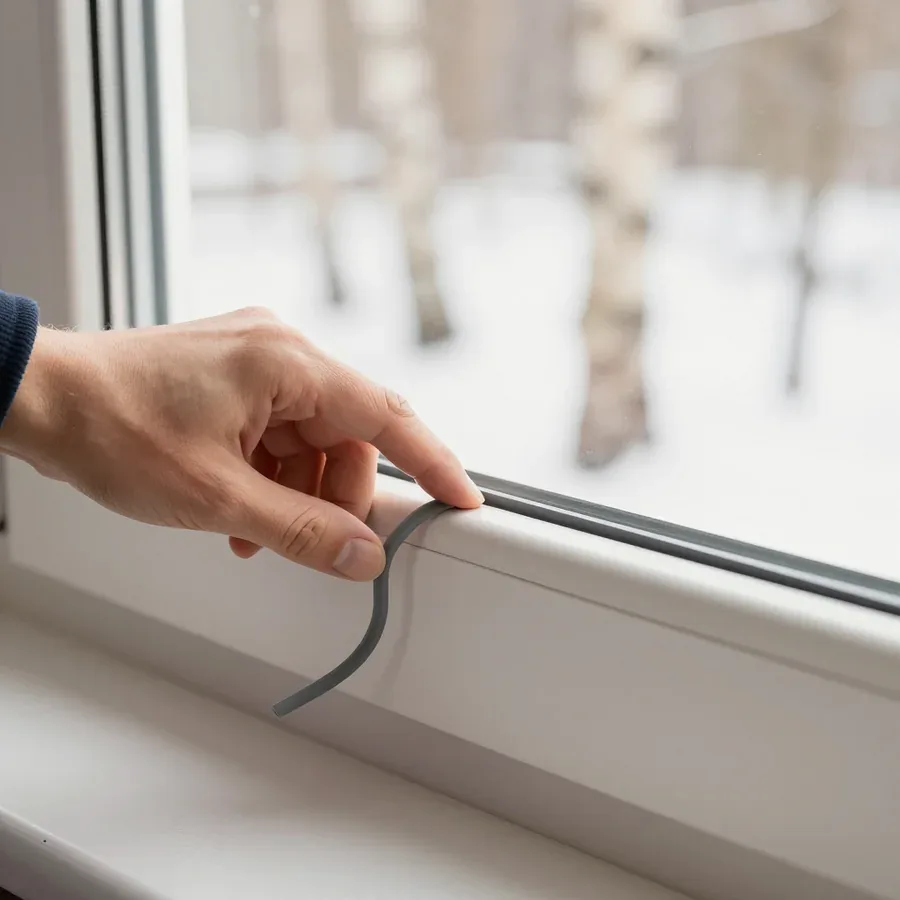
The wooden window has dried out from the sun, and air moves around the perimeter.
Outside, the seam under the sill is open, and in winter moisture gets under the frame.
The balcony sashes are loose, and cold enters the room in winter.
A single-glazed unit is cold in winter and lets heat in during summer.
We offer only what will make a difference to your window.
wooden windows
A groove in the frame and rubber around the entire perimeter.
outer seam
Sealant protects the seam from rain and wind.
from inside
Insulation of the balcony walls, floor and ceiling.
damp corner
Insulation and clean finishing.
by the frame
Liquid plastic covers the foam.
The total depends on the window type and the scope of work; the technician will give you the price before starting.
| Type of work | Price |
|---|---|
| Window insulation in one visitrubber, seams, sashes | from 3 800₸ per window |
| Fresh sealEPDM | from 1 000₸ per linear metre |
| Draughty sashwe fix it | from 3 500₸ per sash |
| Inner seamliquid plastic | from 1 500₸ per linear metre |
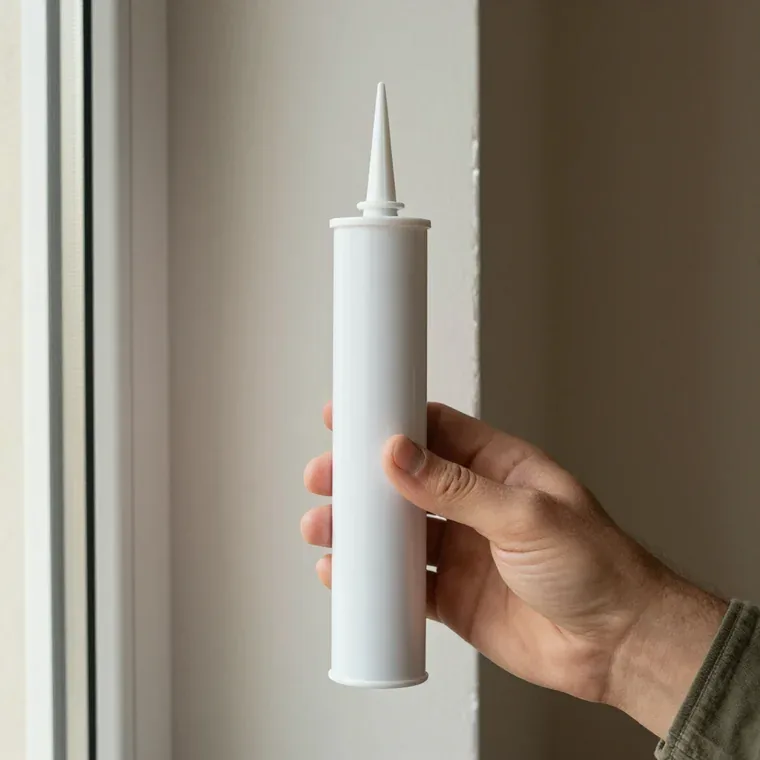
| Outer seam and sillsealant | from 2 000₸ per linear metre |
| Revealinsulation, finishing | from 19 900₸ per linear metre |
| Window sillwe fill the gaps | from 15 000₸ per job |
| Wood by Swedish methodrubber in the groove | from 4 200₸ per linear metre |
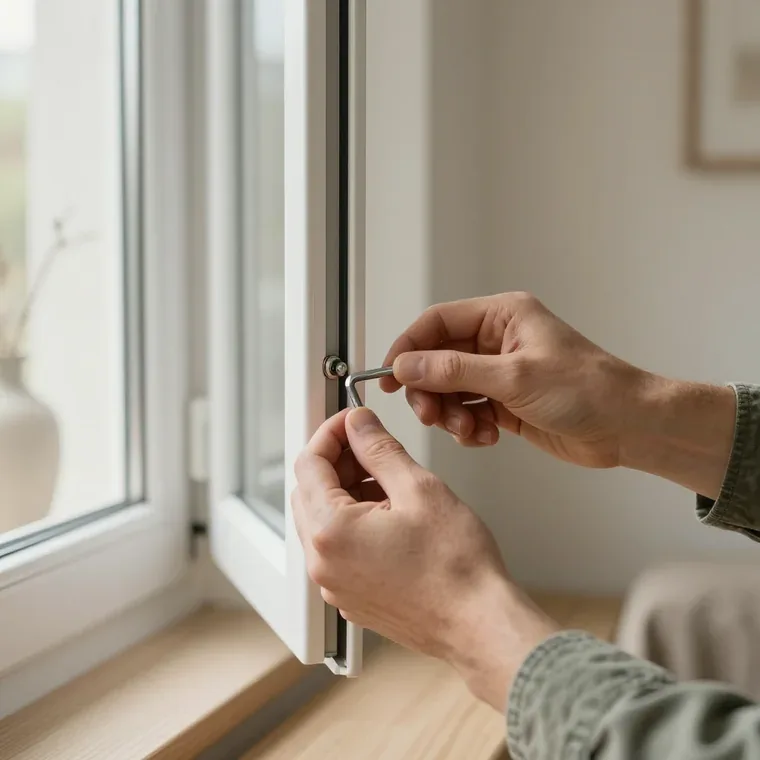
| Pressure adjusteror micro-lift | from 1 700₸ per item |
| Inter-frame rubberplus contour | from 2 800₸ per window |
| Thermal imagerleak detection | from 9 000₸ per job |
| Balcony insidewalls and floor | from 6 800₸ per m² |
The price is fixed in the order after measuringMeasuring and consultation are freePayment after installation: cash, card, Kaspi
Call a technicianA few words about how we work.
warranty on repairs and parts
warranty on double glazing replacement
we quote after inspection and put it in the order
cash, card or via Kaspi
the usual wait on WhatsApp
we come on Saturday and Sunday
we schedule a technician every day
we work across Kazakhstan
A short workflow.

Send a photo of the window, balcony or corner with mould and briefly describe what bothers you.
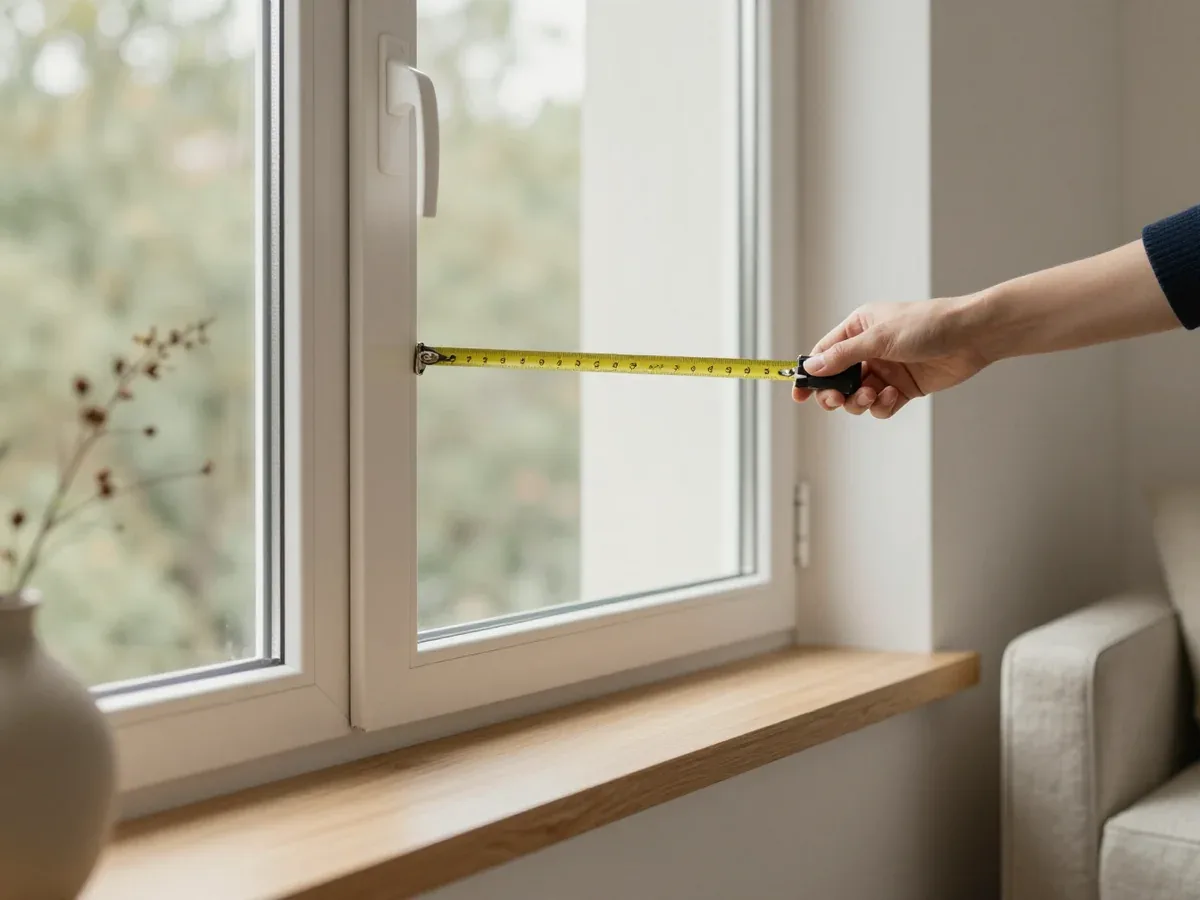
The technician examines the frame, sill, glass and reveal and quotes the price.
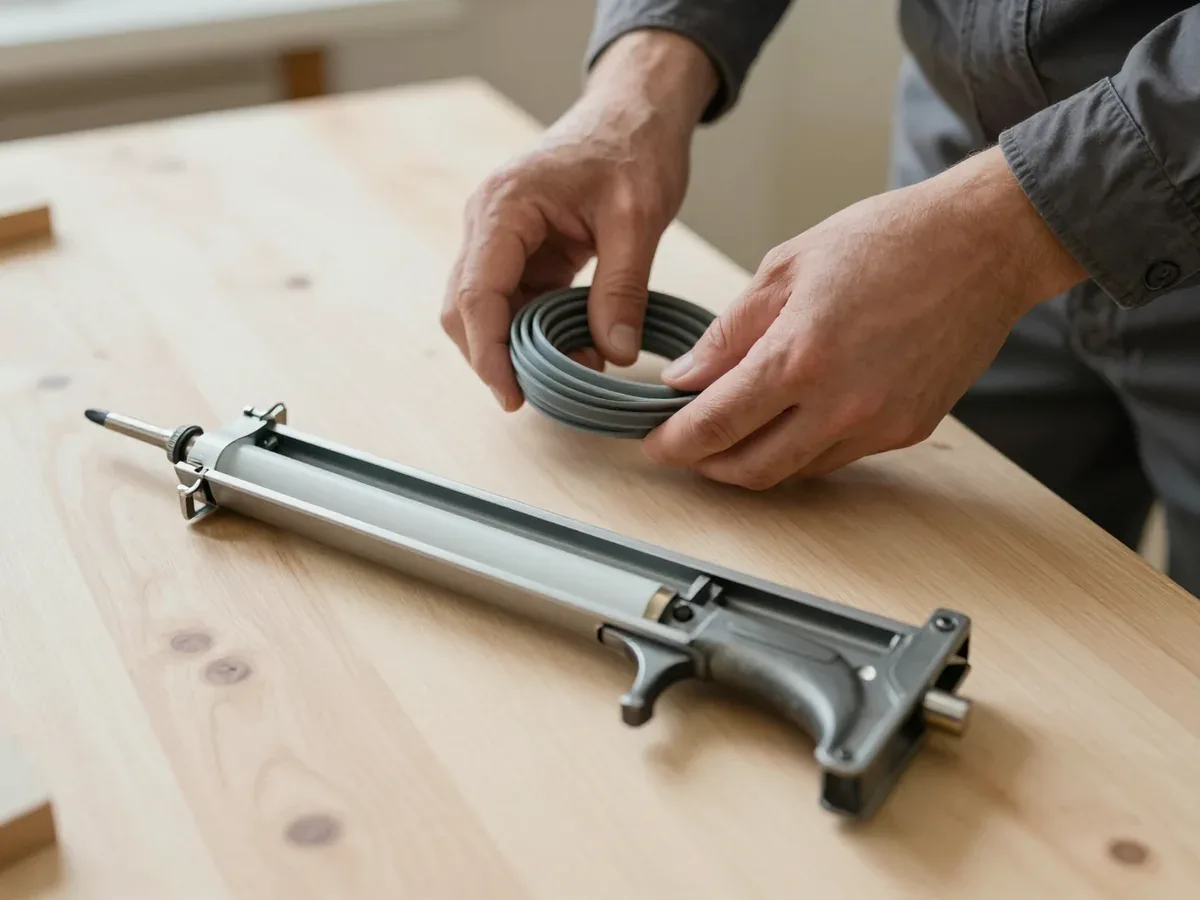
We mill a groove in the wood, seal the sills and seams, and adjust the balcony sashes.
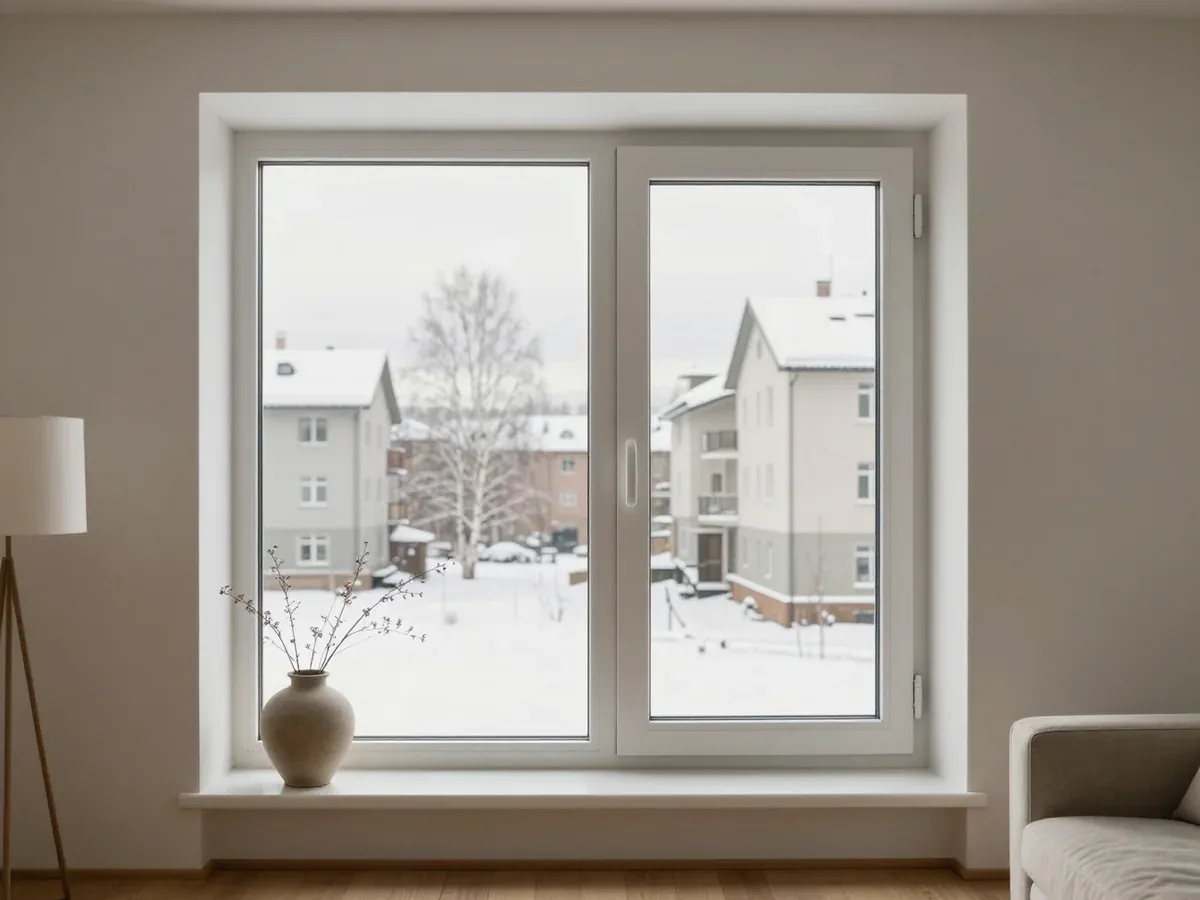
We show the result and check the window together, then you pay.
Good to know

Senior mosquito screen specialist at moskitnyesetki.kz
We handle window insulation in Shymkent as a direct contractor with our own masters, not a middleman. We find where the draught enters, replace the weatherstrip on windows of any profile, adjust the sash pressure and finish the slopes where heat escapes. Measuring and consultation are free, the price is fixed after measuring, and you pay after the work.
A closed window that still feels chilly is not a mystery — air has a few fixed routes in, and the work starts with finding which one is open.
We trace the source by hand and by eye along the whole perimeter — checking weatherstrip compression, leaf pressure against the frame, the seam and the slope joints — before quoting any work. Our measurer runs a palm along the leaf edge, listens at the corners and tests the handle lock, then notes which zone actually leaks. Pressure adjustment often closes a draught that looks like worn rubber, and the profile decides whether a new seal or a re-set hinge is the honest answer. If a unit still draughts slightly after insulation, the usual culprit is a leaf never re-adjusted, not the new rubber — so ask for the pressure check in the same visit.
Insulation is a set of steps, not a single product, and the sequence matters — here is what actually happens from the first call to the closing check.
Most insulation on a single unit is done in one visit, and you pay after the job is finished by cash, card or Kaspi. We are open seven days a week, so a convenient slot is usually free within a few days of your call. Window insulation in Shymkent follows the same order, and the visit covers weatherstrip replacement, sash adjustment and joint sealing — the three fixes that stop draughts in local flats. On older wooden frames the sashes often need re-hanging before the new gasket goes in, which adds time but prevents uneven wear. Booking for a dry, mild day lets the weatherstrip seat properly and makes the closing draught check more reliable.
The rubber that seals a window in a hot, dry city ages differently from one in a cold climate, so the material choice is not a detail.
| Material | Behaviour in heat | Service life | When to choose |
|---|---|---|---|
| EPDM | Keeps elasticity, resists dry air and swings | Longest of the three | Standard choice for most PVC profiles |
| TPE | Softens faster above 40 °C | Shorter | Budget frames, light use |
| Silicone | Stable at high temperature, does not harden | Longest, costs most | Sunny sides, south-facing windows |
We replace the weatherstrip on units of any manufacturer, including KBE, Rehau, VEKA and Provedal profiles, and recommend a fresh gasket once it stops springing back. A strip that stays compressed after you press it, or leaves a grey line on the frame, has lost its memory — no adjustment of the hinges will bring the draught back under control. Replacement takes one visit, and the price is fixed in the order after measuring. Wiping the rubber with a silicone-safe cloth twice a year and keeping the drainage channels clear adds years before the next replacement. On the sunny side of a building, check it every spring, not once a season.
Not every cold window needs a new glass unit, and not every draught is fixed by rubber — the decision comes down to what the symptom tells you.
A draught along the sash points to the weatherstrip or pressure, while condensation between the panes or a foggy unit means the sealed unit itself has failed. A pane that feels cold but stays clear inside is doing its job with a weak perimeter seal. Where air moves through the gap between sash and frame, the rubber has hardened or the hinges have dropped and no longer pull the sash tight. Where the inner pane mists on cold mornings but the perimeter is tight, insulation alone will not help — the sealed unit has lost its gas fill. Run a hand along the edges on a windy evening and watch the glass on a cold morning; the two readings usually separate the cases within a minute.
We replace glass units and can do an urgent swap within a single day for a surcharge, backed by a three-year warranty. The swap covers the sealed unit itself, while the frame, sashes and hardware stay in place. We order the unit to exact on-site dimensions, so the new pane fits the existing rebate without adapters. Replacing the unit without re-sealing the slopes leaves the same cold bridge, so the two jobs are worth pairing. If the frame is sound and only the glass has fogged, the swap restores heat and sound insulation faster than patching the perimeter. Book the measuring first and let the measurer confirm the unit size before ordering.
A perfectly sealed sash can still leave a cold, damp patch on the slope, because the frame edge and sill line are where wall meets glazing, deciding whether the assembly holds.
Finishing the slopes and sill as part of the job closes the perimeter in one visit rather than two. The mounting seam gets filled, the slope surface is levelled and painted, and the sill is set with a slight outward fall so water drains away from the frame instead of pooling under it. Doing both in the same pass matters because a slope finished over an unsealed joint traps moisture behind the panel, and the damp returns within a season. Sealing the slope joint before the sash is re-adjusted lets you test the whole assembly at once and catch anything the first pass missed. In our practice, the sill and slope work takes the longest share of the visit.
The last thing to settle before booking is what happens once the masters leave — the warranty, how you pay and how to check the result.
We reply on WhatsApp within five minutes and are open seven days a week, so a late-evening question does not wait for a working morning. Walk the perimeter with your hand once the work is finished: a draught at the frame edge means the weatherstrip has not seated — a quick adjustment, not a new job. On a windy day, trap a sheet of paper in the gap and try to pull it free; if it slides out, the pressure needs a turn. Keep the order sheet with the fixed price and warranty terms for any later claim. Most callbacks come from a fitting never re-tightened in the first week, not the material.
Insulation comes down to a few decisions made in the right order: locate the leak, match the seal to the heat, and finish the details that hold the warmth in.
Draughts, materials, fitting and warranty
Konstantin Selenenkovsenior mosquito screen specialist, 10 years in the tradeOnline · replies within 5 minutes
Ask a questionRun your hand along the sash perimeter, then the reveal and the frame-to-wall joint: cold feels like a thin stream in one spot. At the seal, the culprit is the rebate or compression; at the seam, the installation gap. A thermal camera during inspection shows it more precisely.
Insulation stops draughts at the rebate and freezing of the reveals, which lets cold in during winter. The profile and glazing unit are left alone — work is on the compression, seal and seams. The room becomes warmer and quieter, with less condensation on the reveals.
A frost-resistant seal matched to the window profile is fitted at the rebate, and the seams and reveals are sealed with elastic compounds and insulation. The set depends on the window: for wood and aluminium it is different. The technician names the exact list after the inspection.
Yes, the rebate, hardware and reveals are insulated without taking out the frame or the double glazing. It is enough to move furniture away from the window, and fine dust is collected on site. The sash is removed only when repairing the hardware, if the technician decides so.
It helps if the moisture comes from draughts and freezing at the rebate, seam or reveal. When the cause is poor ventilation or a single pane in the unit, insulating the rebate will not remove it. That is why the source of the cold is found first, and then the work is chosen.
The service life depends on the window and the conditions: a new seal and sealing last more than one season. For window repair we give a 1-year warranty on the work and the replaced parts. If draughts return after insulation, the technician will sort it out under the warranty.
Thank you. We will call you back within 10 minutes!
Your order number is on the receipt or in the SMS. Choose where to leave your review.
Write a review on WhatsApp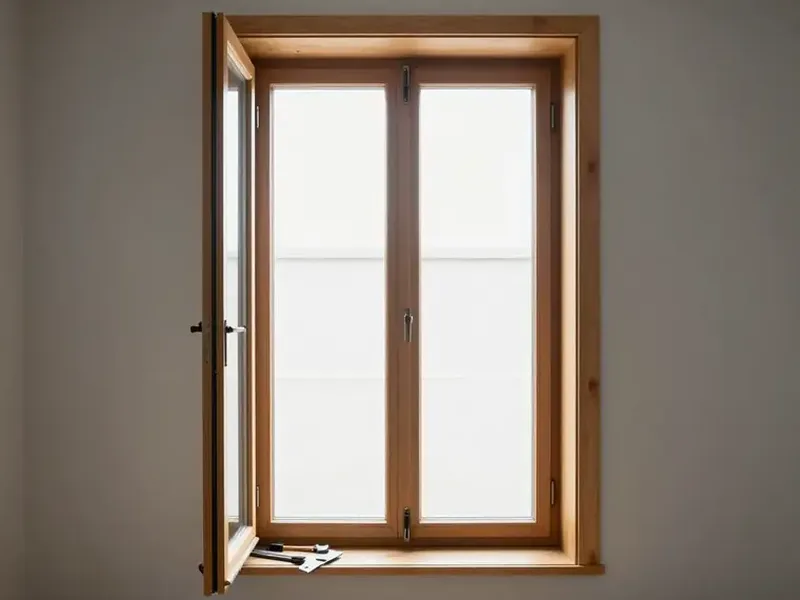 Wooden window repair
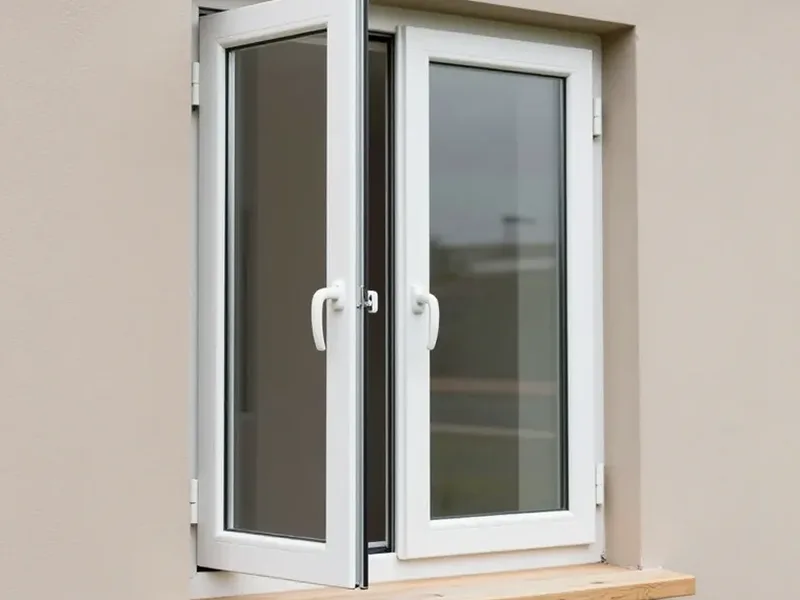 Balcony glazing
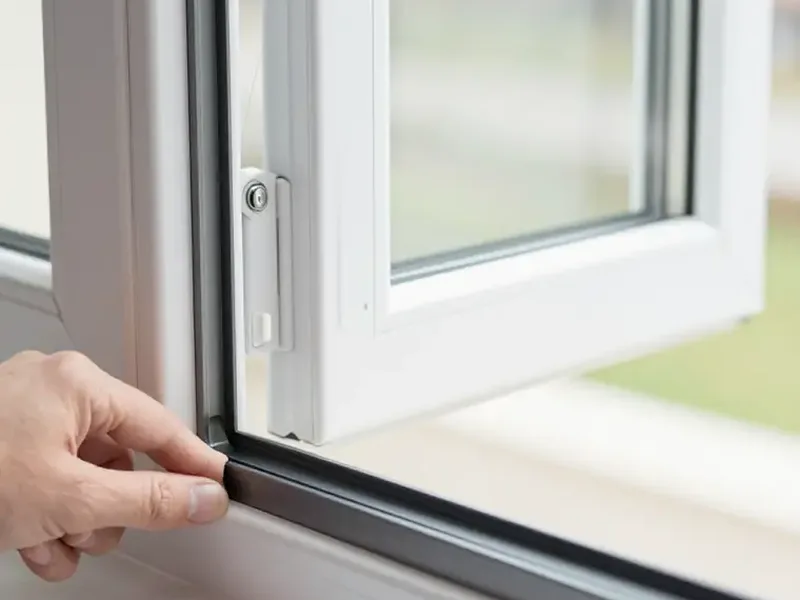 Seal replacement
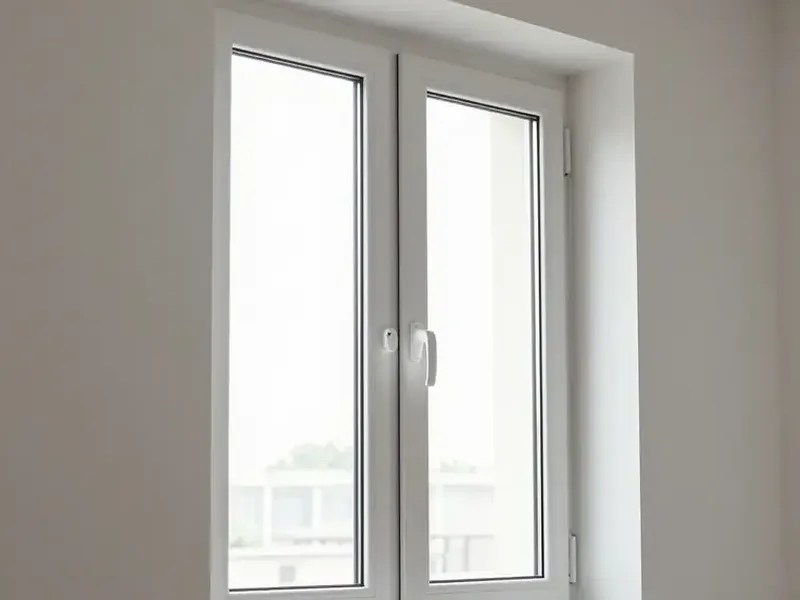 Reveal finishing
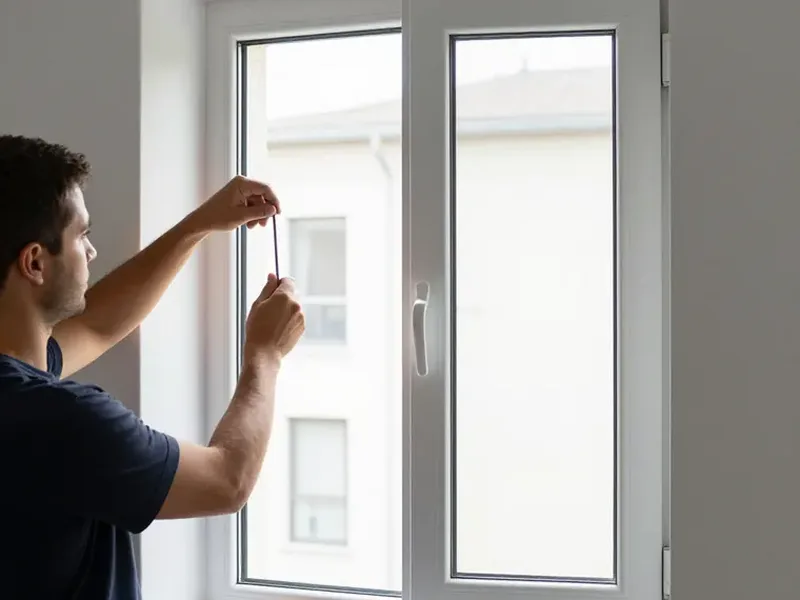 Window repair
