





Good to know
Penkid Window Lock in Shymkent Fitted to Your Window and Sash

Senior mosquito screen specialist at moskitnyesetki.kz
A Penkid window lock in Shymkent is a child-safety blocker fitted to the sash or handle so a small child cannot open the window on their own. We measure free of charge, match the fixing to your profile and floor, fit it with our own fitters and you pay only after installation.
What a Penkid window lock is and how it differs from a restrictor or a key handle
Buyers search for a Penkid window lock in Shymkent but often mean three different devices: a handle blocker, a sash restrictor or a key handle. The difference matters before you order anything.
Three devices people call a window lock and what each one does
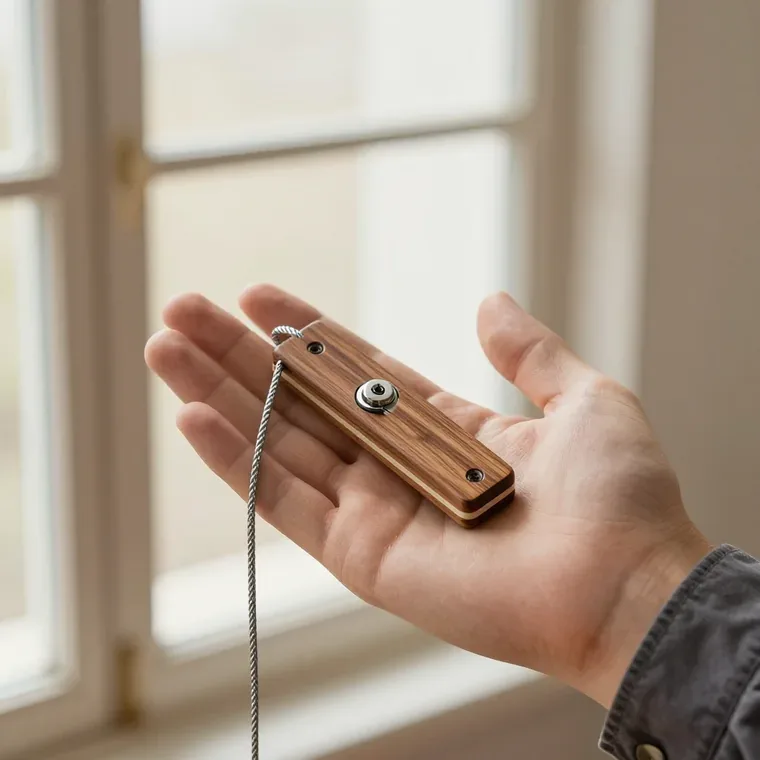
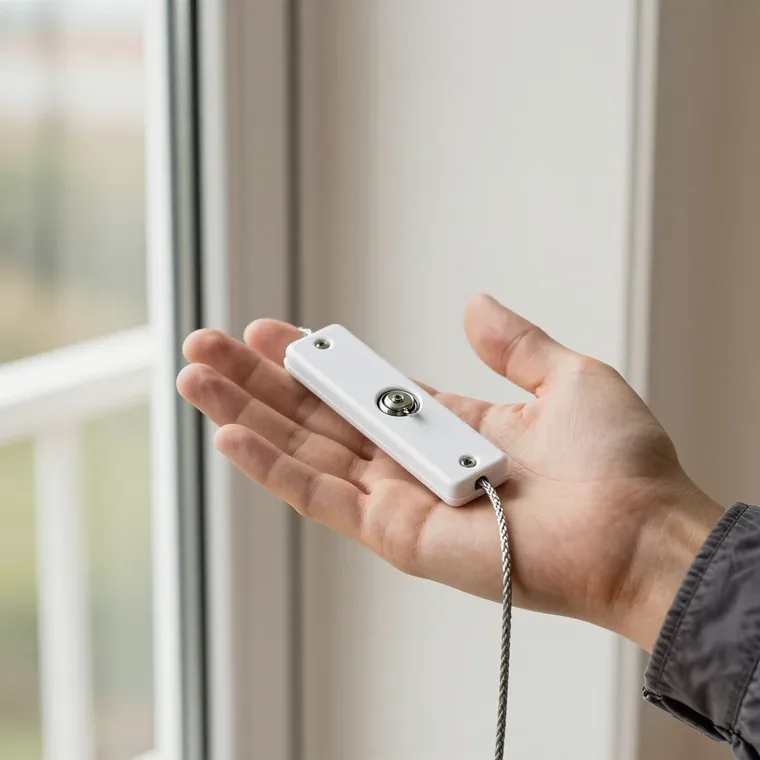
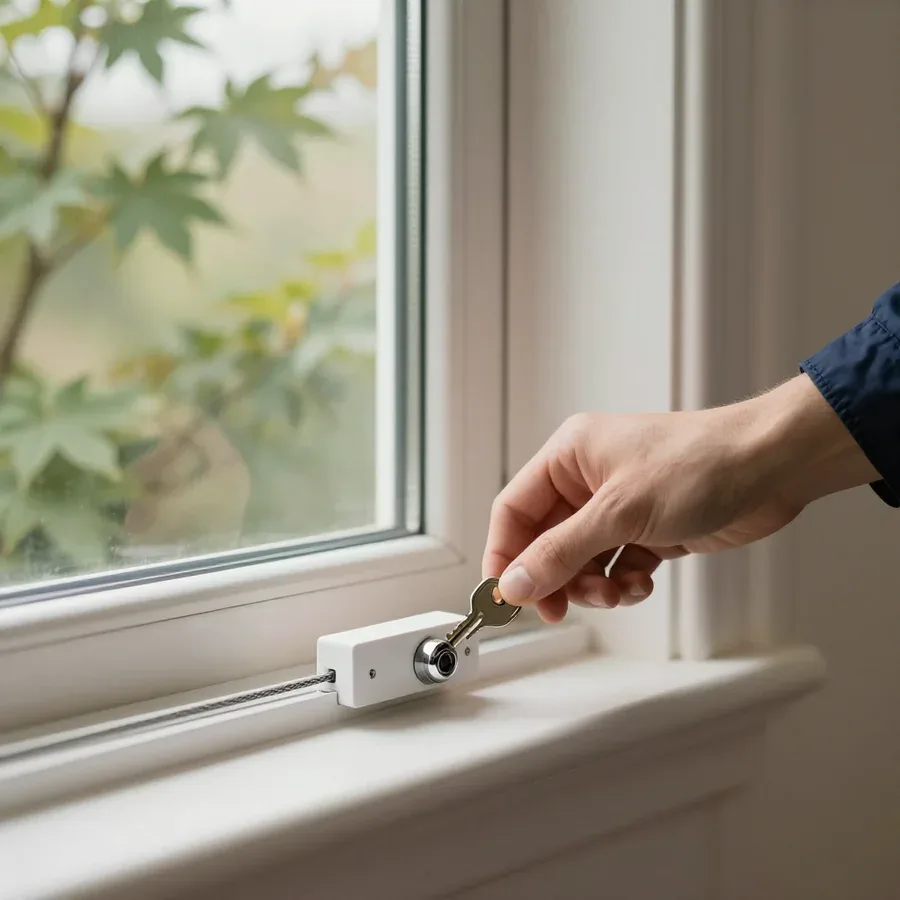
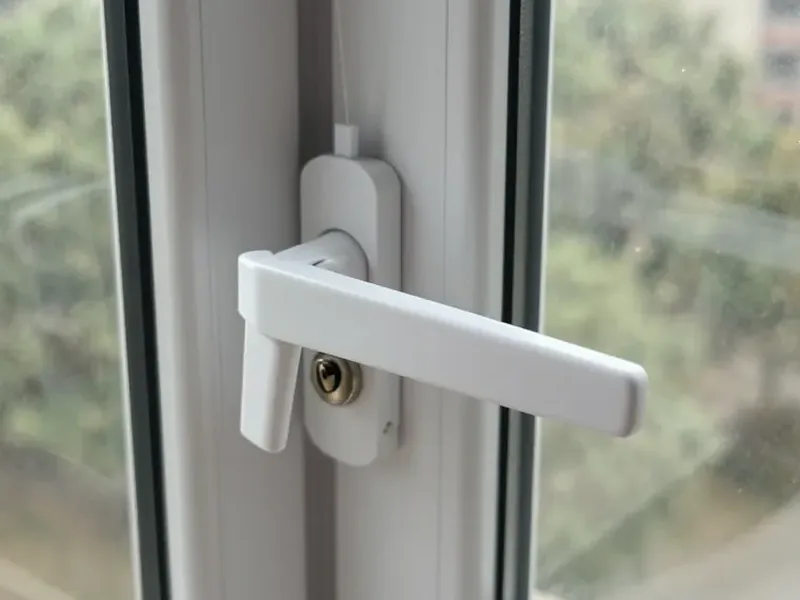
A Penkid window lock is a small blocking device that pins the lever or the sash, while a restrictor caps how far the leaf opens and a key handle simply locks the lever itself. A handle blocker sits over the base of the lever and fixes it in place, so the fitting cannot be turned without the key or without releasing the screw. A sash restrictor mounts between the frame and the opening leaf and stops it at a set angle, usually a few centimetres for ventilation. A key handle replaces the standard lever with a lockable one, so the whole window can be locked shut and unlocked only with a key. The three solve different problems, so the right choice depends on whether you want to stop the lever turning, cap the opening gap or lock the window completely.
Can a child still open a window that has a Penkid lock
With the blocker engaged a child cannot turn the lever or push the leaf past the set point, which is exactly what a comb restrictor fails to guarantee because it only holds the sash at fixed notches. A comb sits in the frame channel and holds the leaf at one of several slots, but nothing fixes it there. A determined toddler can lift the comb out of the slot, and the leaf then swings freely. A keyed or screw-fixed blocker has no such notch to defeat: the fitting stays locked until an adult releases it. On any window a child can reach, that difference is the whole point of the device, and it is why families across Shymkent ask for a lock rather than a comb.
Matching a Penkid window lock to your window, sash and floor
No single device suits every window. The choice starts from the frame material, the opening type, the floor and the place of fitting.
Which window types and sashes a Penkid window lock fits
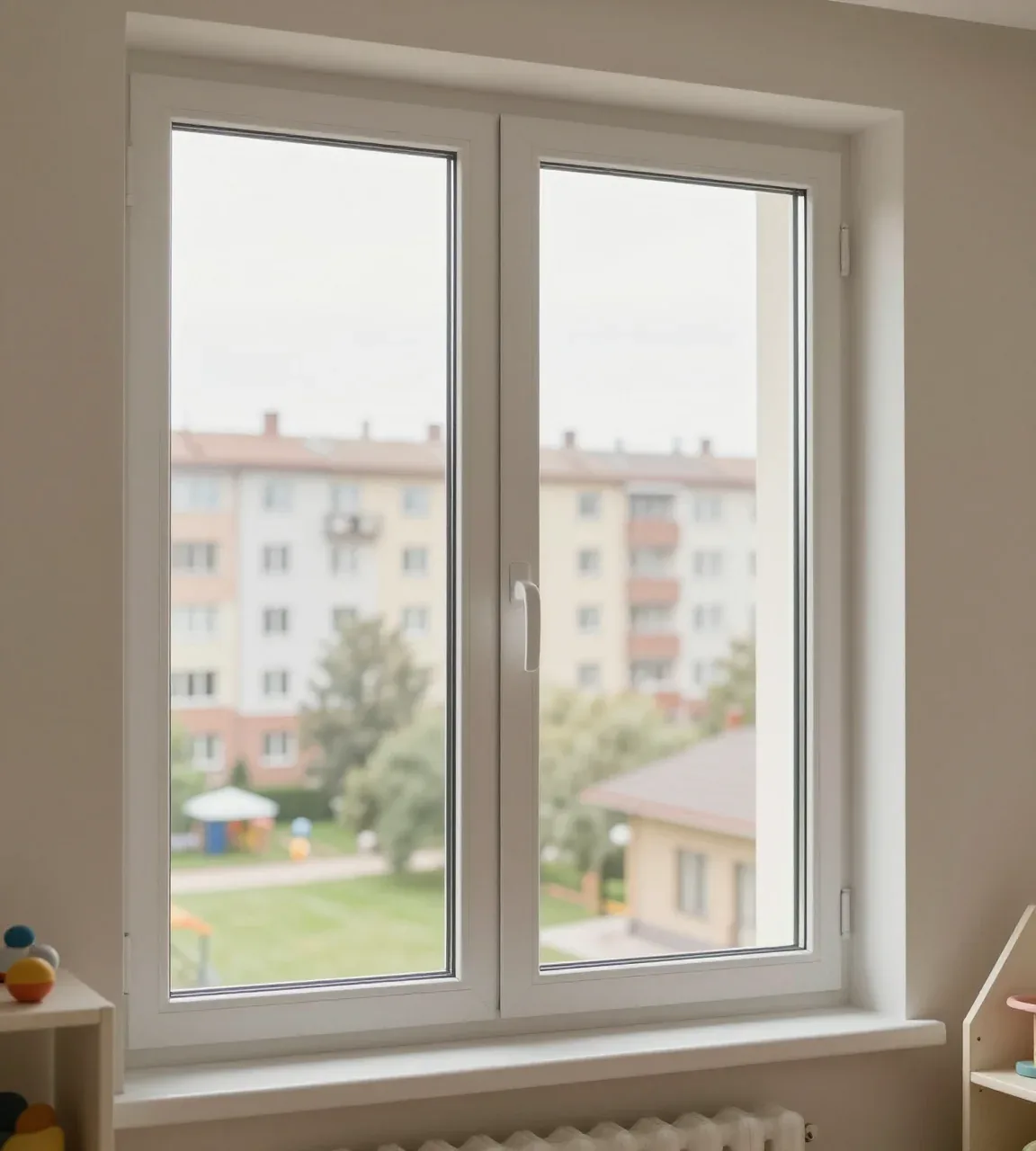
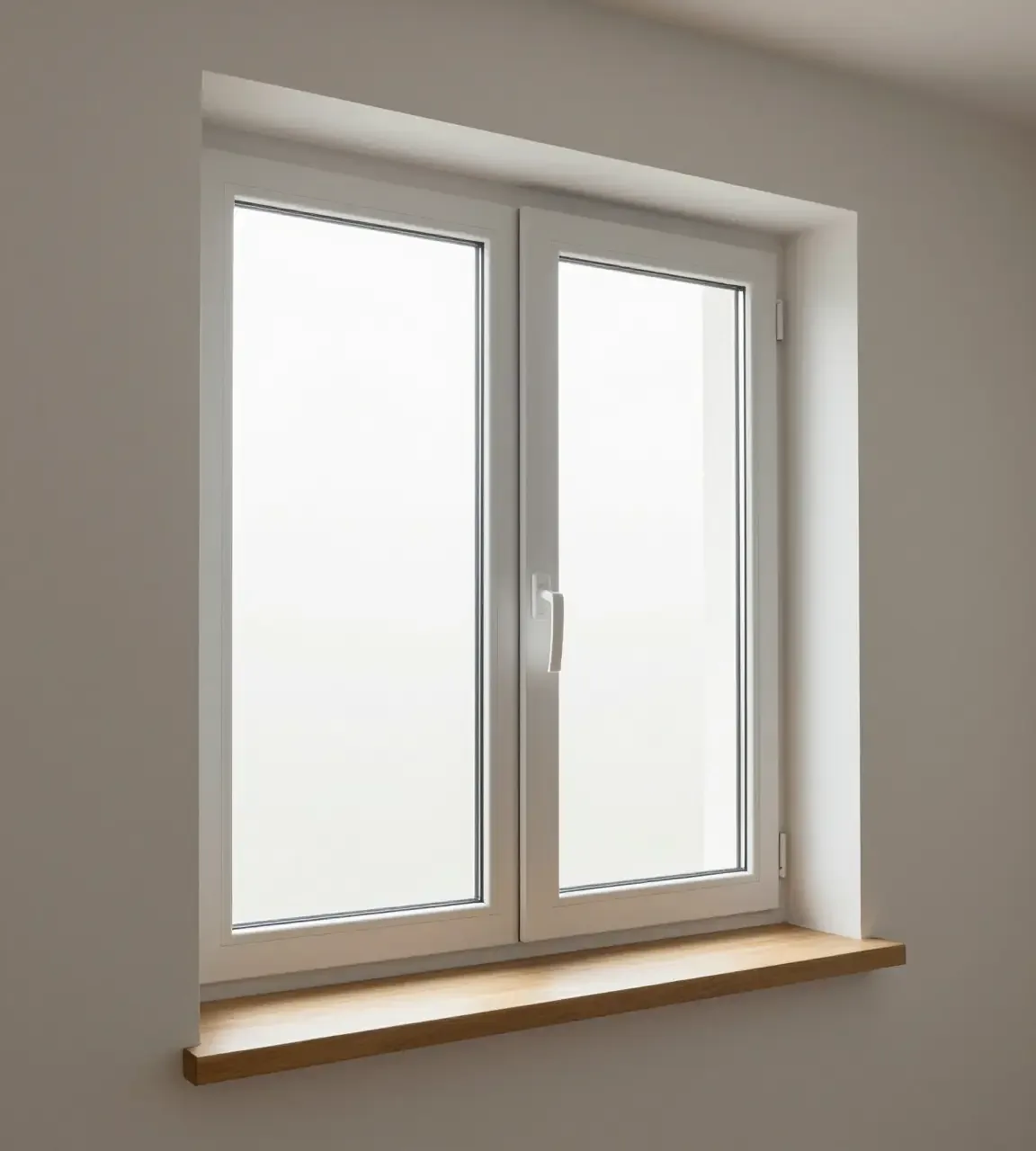
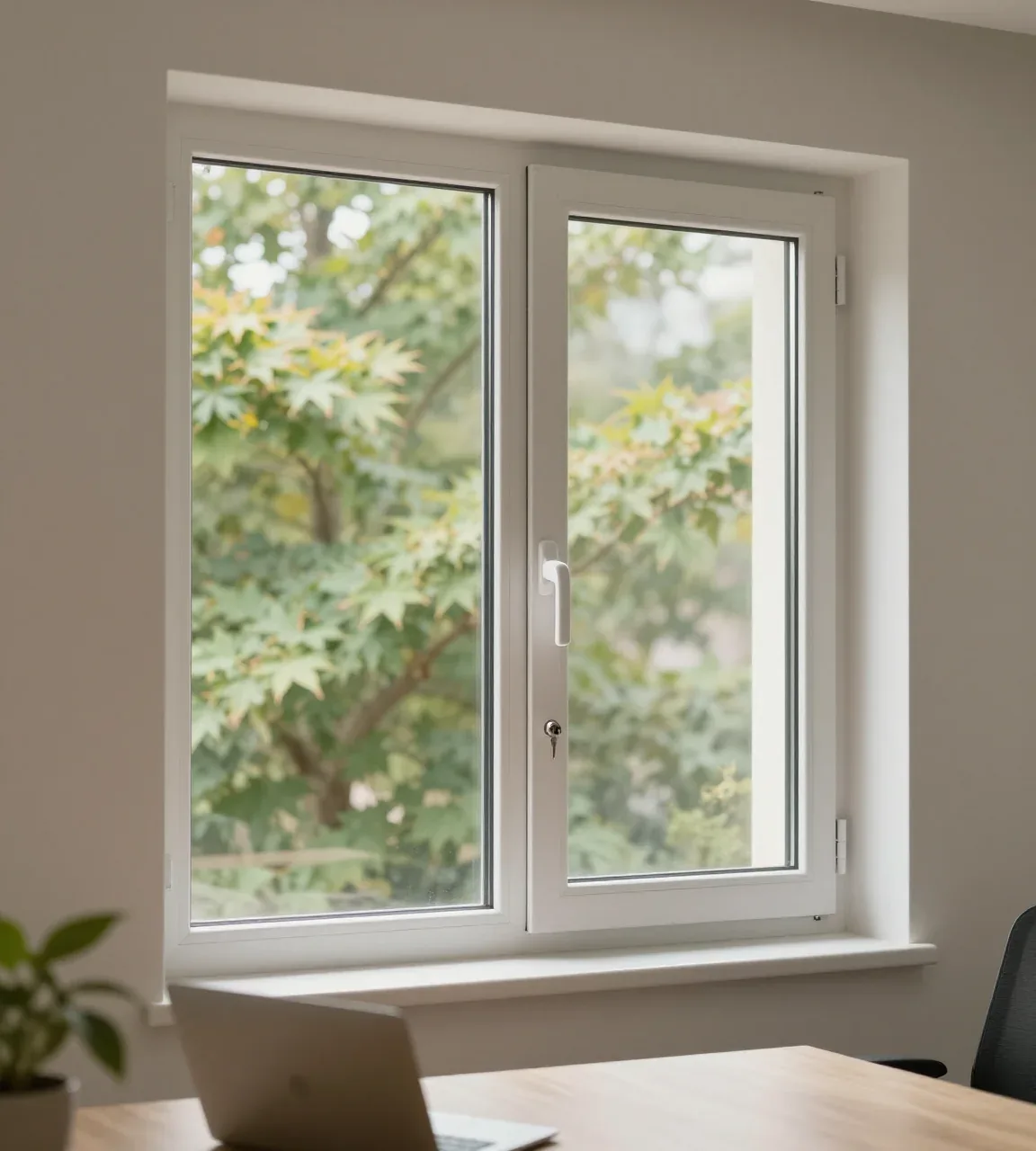
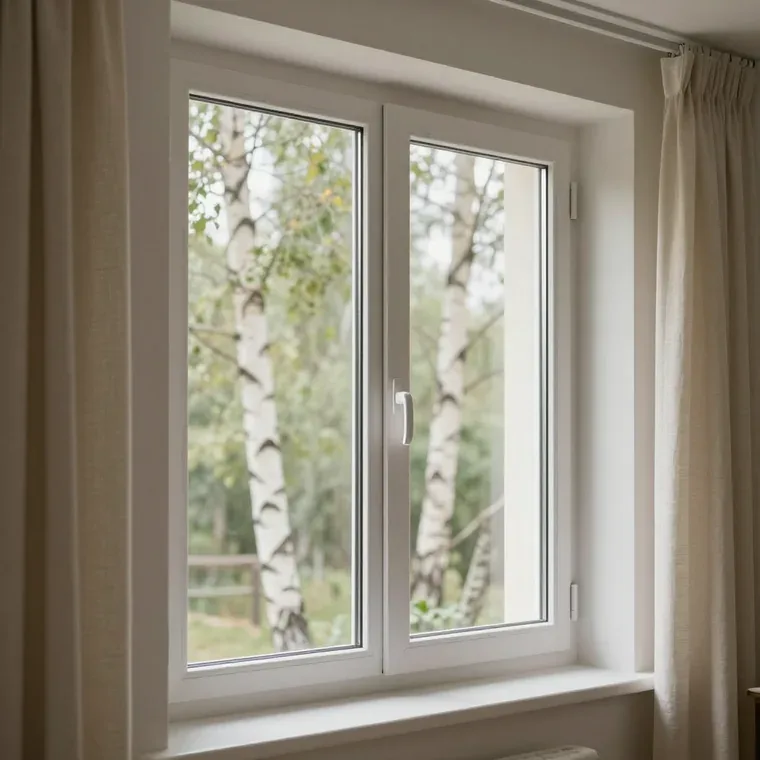
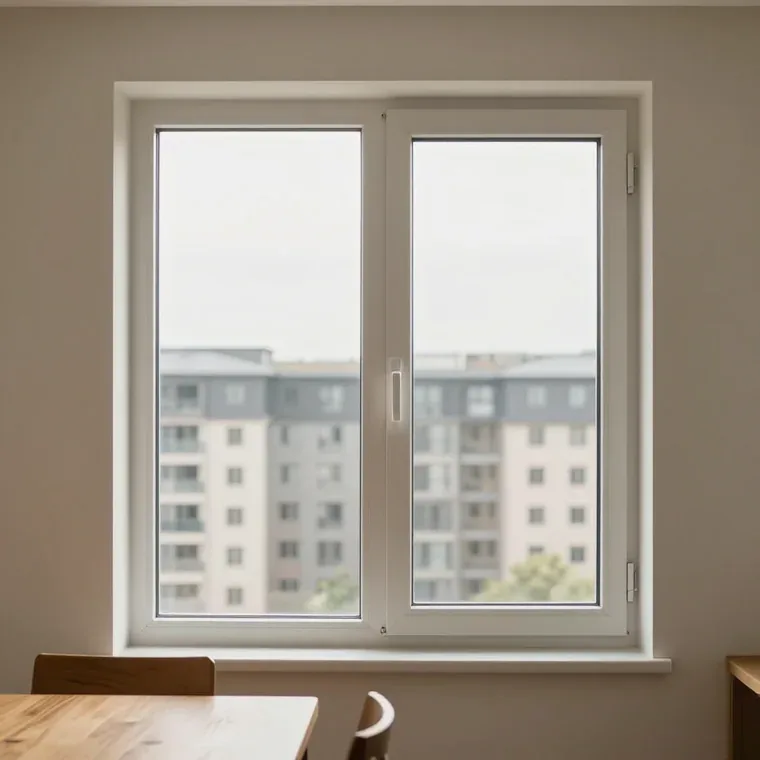
We fit Penkid blockers on plastic, wooden and aluminium windows, on opening leaves, vent panes and the glazing of loggias, gazebos and verandas. A hinged-tilt leaf is the usual case in a flat, and the fitting must let the handle turn in both modes without letting a child swing the leaf wide. Aluminium balcony frames and gazebo glazing often have thinner profiles than apartment plastic, so the fixing has to be checked on site rather than guessed from a photo. Older wooden frames sometimes carry a deeper rebate, which changes where the body sits. A fixed vent pane takes a simpler blocker than a full opening leaf, and we say so at the measuring visit instead of selling the heavier model.
Handle blocker, sash restrictor or key handle for your case
| Window situation | Device that fits | What it controls |
|---|---|---|
| Hinged-tilt leaf a child can reach | Handle blocker with key | Handle turning in both modes |
| Leaf that must open only a little | Sash restrictor | Opening gap and angle |
| Window you want fully locked | Key handle | Handle and leaf together |
| Fixed vent pane high up | Simple blocker | Handle movement only |
How the free measuring visit and the fitting work
Here is the sequence from your first call to a finished window: the measuring visit, the choice of fixing, the fitting itself, and the check of the sash afterwards.
What the measurer checks and how the fixing is chosen
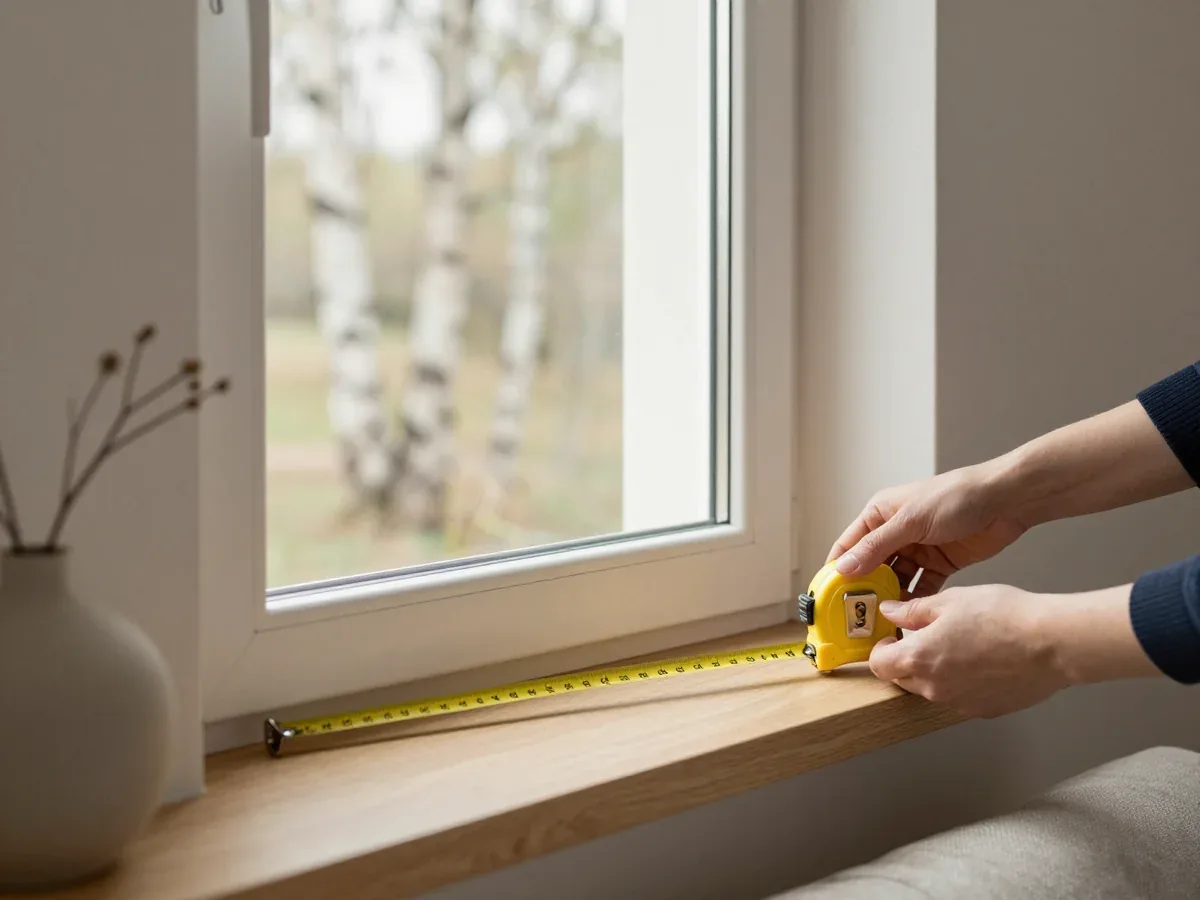
Measuring and consultation are free, and the measurer comes at a time that suits you, takes the sizes and helps choose the device and the fixing. At the window he reads the profile depth, the gap around the sash and the floor level, because those three decide where the lock sits. Fixings follow that reading: Z-shaped brackets, pins (plungers) or magnets, and the choice is never made from a photo. We fit Penkid window lock in Shymkent on plastic, wooden and aluminium frames, and the measurer brings samples so you can try the movement by hand. The fixing is picked for the profile and the floor, so a high-rise window may get a different bracket than a ground-floor one even when the sash looks identical.
Fitting time, marks on the frame and what happens if the sash sticks
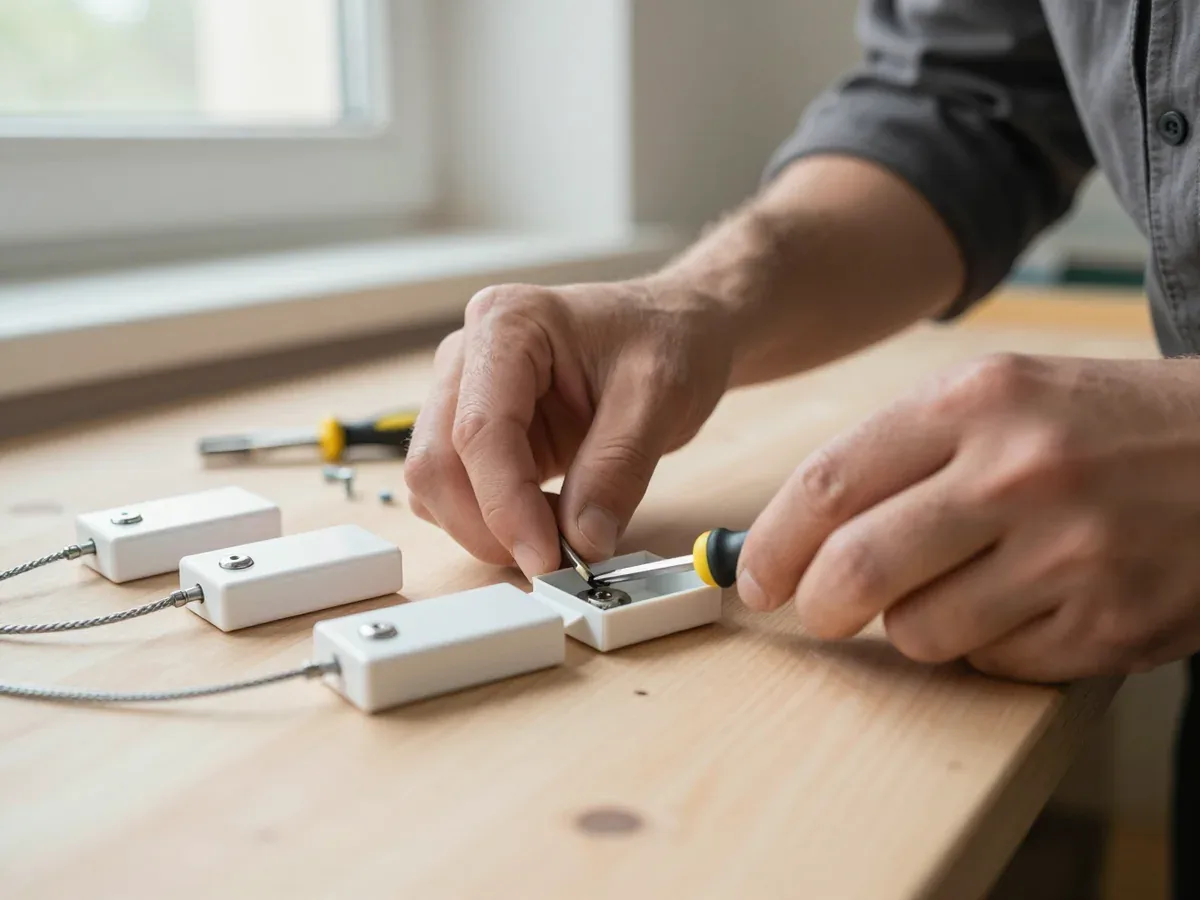
Fitting one lock is a short job, the device can be removed from inside for cleaning, and if the sash starts to stick after fitting we adjust it. The fitter works on the sash and handle with a small set of tools, and the holes he makes are hidden under the body of the device, so the frame keeps a clean line. Flats in the city often have deep reveals and wide sills, and the fitter checks that the lock does not catch the curtain or the blind cord before he fixes it. A blocker set too tight is the usual reason a window feels stiff afterwards, so the fitter checks the handle travel before leaving rather than after a complaint. If the window still needs attention later, our one-year warranty on window repair covers both the labour and the replaced parts.
Child safety in practice, height, ventilation and daily habits
A lock is only half the job. The other half is where it sits on the frame, how the room is aired and what a youngster learns about the window day to day.
Where to fit the lock and how to keep ventilation without the risk
Fit the lock out of a small child's reach and use the tilt or vent position for fresh air instead of leaving the sash wide open. On a standard casement the blocker goes high on the opening edge, well above the height a toddler can stretch to when standing on a chair or a sofa arm. For tilt-and-turn sashes the restrictor limits the swing to a narrow gap while the vent notch stays free, so the room keeps breathing on a hot afternoon. A window left on tilt still leaves a gap a small child can work at, so the fitting should stay engaged even when the room is being aired. Check the gap with your own hand at toddler height before you call the job finished.
Teaching a child the window rule and keeping the habit
Explain the rule in simple words, show that the window only opens with an adult, and keep the key or blocker out of reach so the habit holds. Name the window as an adult's job, not a forbidden toy, and repeat it each time you open the sash together. Youngsters copy what they see, so an adult opening the window the same way every time teaches the rule faster than a single warning. Let a toddler watch you engage the fitting and hear the click, then ask them to point at it and say what it does. Keep stools, boxes and bed frames away from the sill so nothing becomes a step. A short reminder at the same moment each day, before the evening airing, settles the routine within a week or two.
Warranty, payment and ordering a Penkid window lock in Shymkent
The worry with any small accessory is paying first and being left alone with a problem. Here is how payment, cover and day-to-day care work when you order such a lock.
Paying after installation and what the warranty covers
You pay after installation by cash, card or Kaspi, the price is fixed in the order after measuring, and our own fitters carry out the work rather than a subcontractor. The measuring visit is free, and the measurer confirms the final figure before anything is ordered, so no surprise appears at the end. A one-year guarantee covers the mosquito screens we make and fit, which is the category this lock is installed with; window installation itself carries five years and window repair one year on labour and replaced parts. We reply on WhatsApp within five minutes and are open seven days a week. Because the price is locked in after the measuring visit, the figure you agree on the day is the figure you settle once the lock is on the window.
Removing the lock for winter and cleaning the window
The device comes off from inside in a minute for washing the glass, and it can be left in place through winter because it does not seal the window shut. The fixing is chosen by the measurer to match your window profile and floor — Z-brackets, pins or magnets — so removal stays a one-hand job rather than a screwdriver session. We fit screens to plastic, wooden and aluminium windows, and the same approach applies to balcony, veranda and gazebo openings. Taking the blocker off for cleaning also lets you check the screws and the bracket, the easiest moment to spot a loose fixing before it becomes a problem. If a fastener does wear out, we replace fixings and repair screens as part of our service, so the hardware is not a dead end.
How the Penkid lock holds a window leaf
Five points decide whether the device you install actually protects a child and stays convenient for you day to day.
- Three devices, three jobs: a handle blocker, a sash restrictor and a key handle each solve a different problem, so name the problem before picking one.
- Site check beats guesswork: the sash type, frame material and window height decide the match, and those are verified on site rather than ordered blind.
- Free measuring settles the details: the visit confirms the fixing, the price and the match before any work starts.
- Height and habit matter: mount the lock out of a child's reach and keep it engaged while the room is aired.
- Pay on completion: payment follows installation, and a removable device keeps glass cleaning simple.
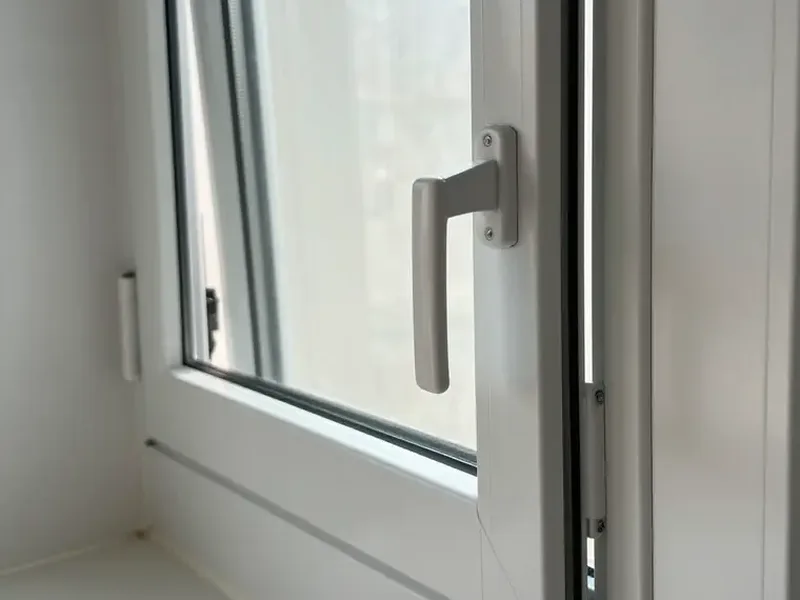 Limiters
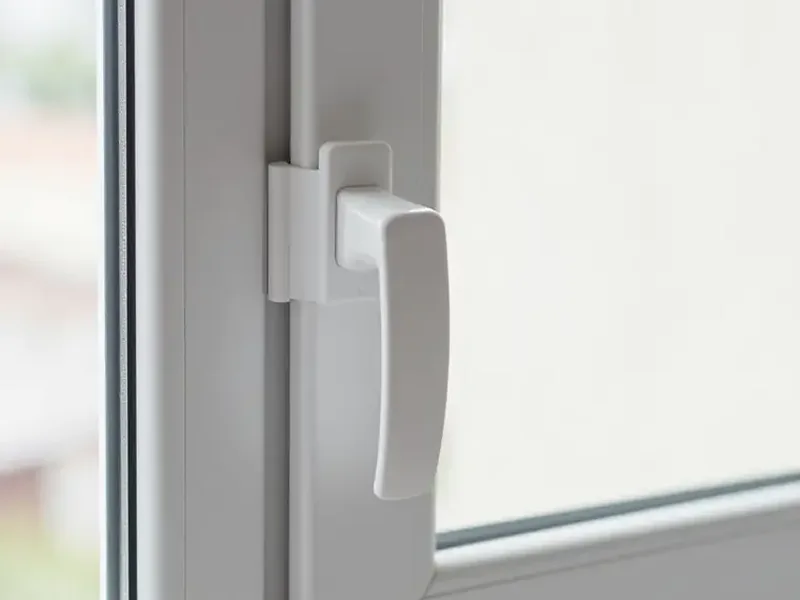 Blockers
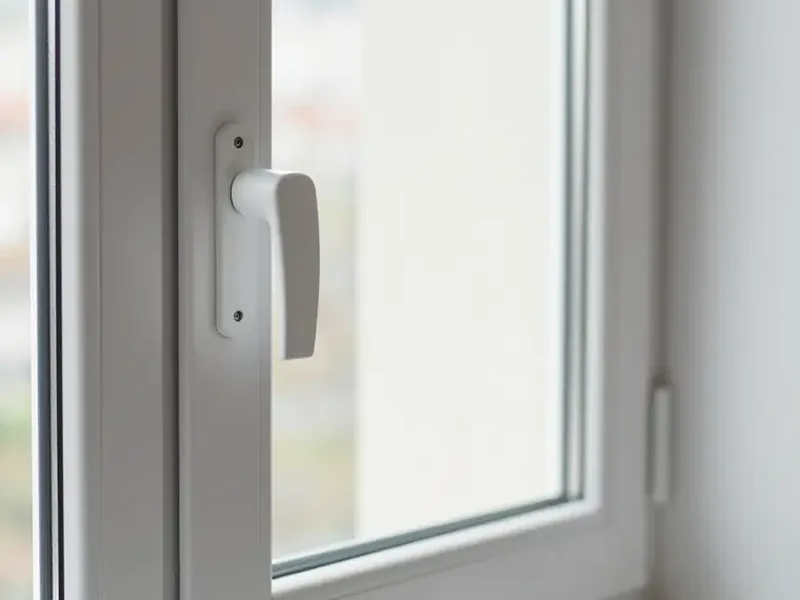 Keyed handles
 Child safety
 Metal grilles
