
Fiberglass, basic option
Standard
Resistant to ignition and temperature changes, suits most sashes — from 6 000 ₸ per m².
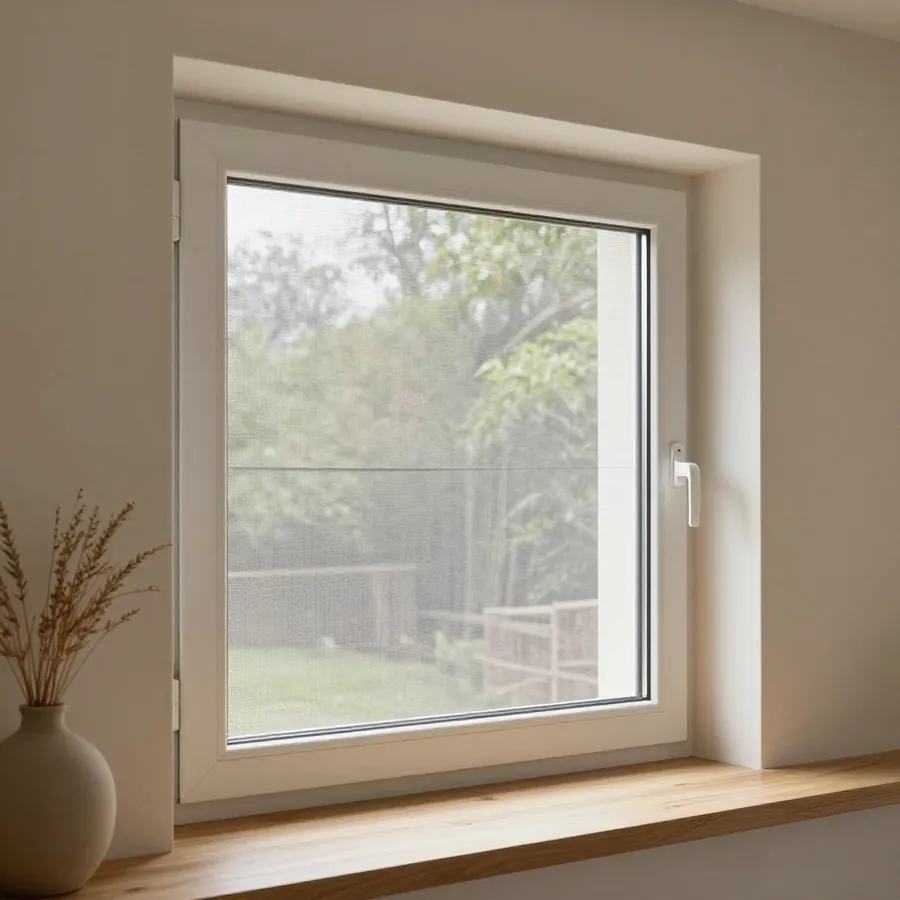
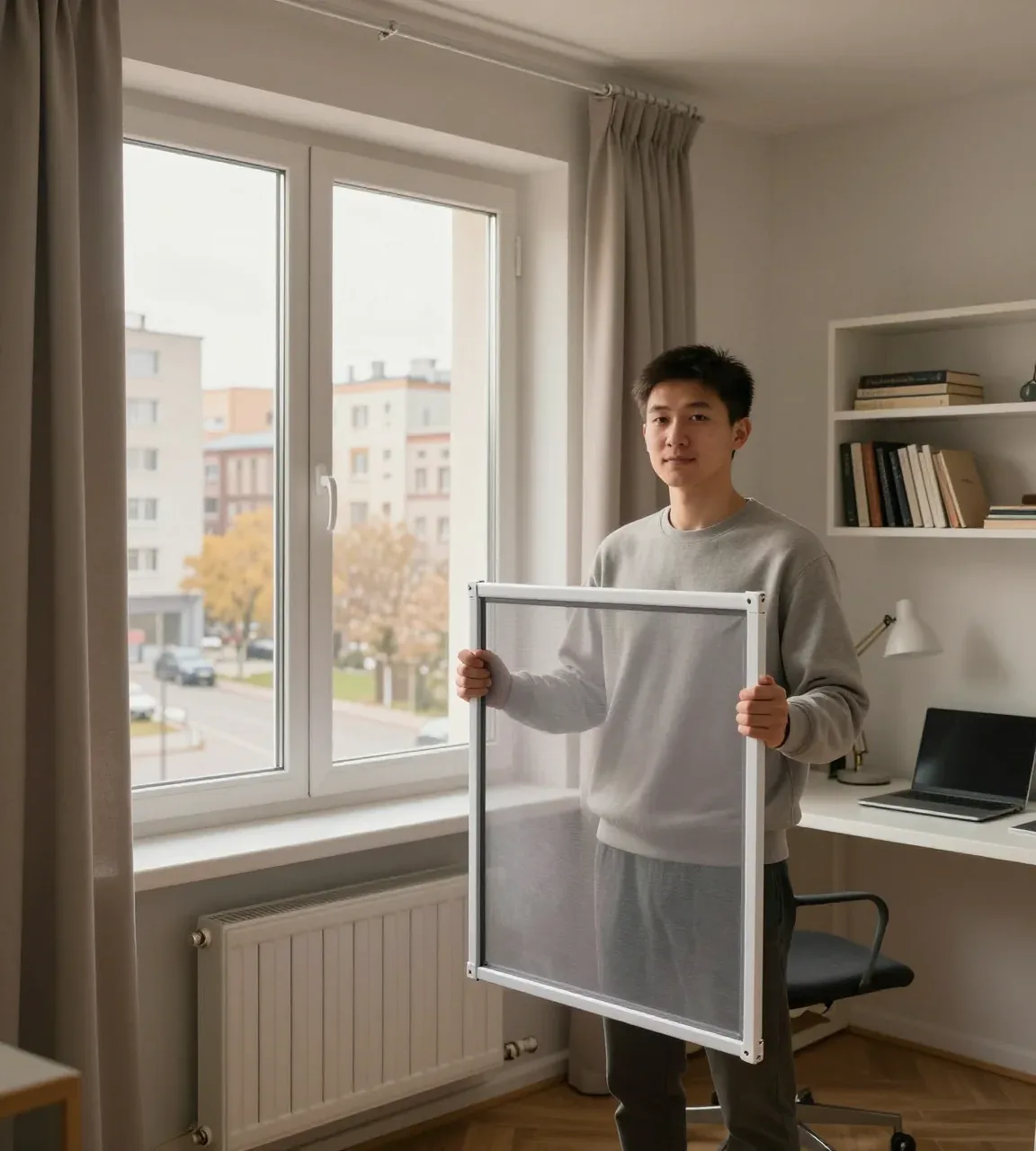
Standard
Resistant to ignition and temperature changes, suits most sashes — from 6 000 ₸ per m².
UltraVue
Lets through 25% more light and air than other meshes — from 7 900 ₸ per m².
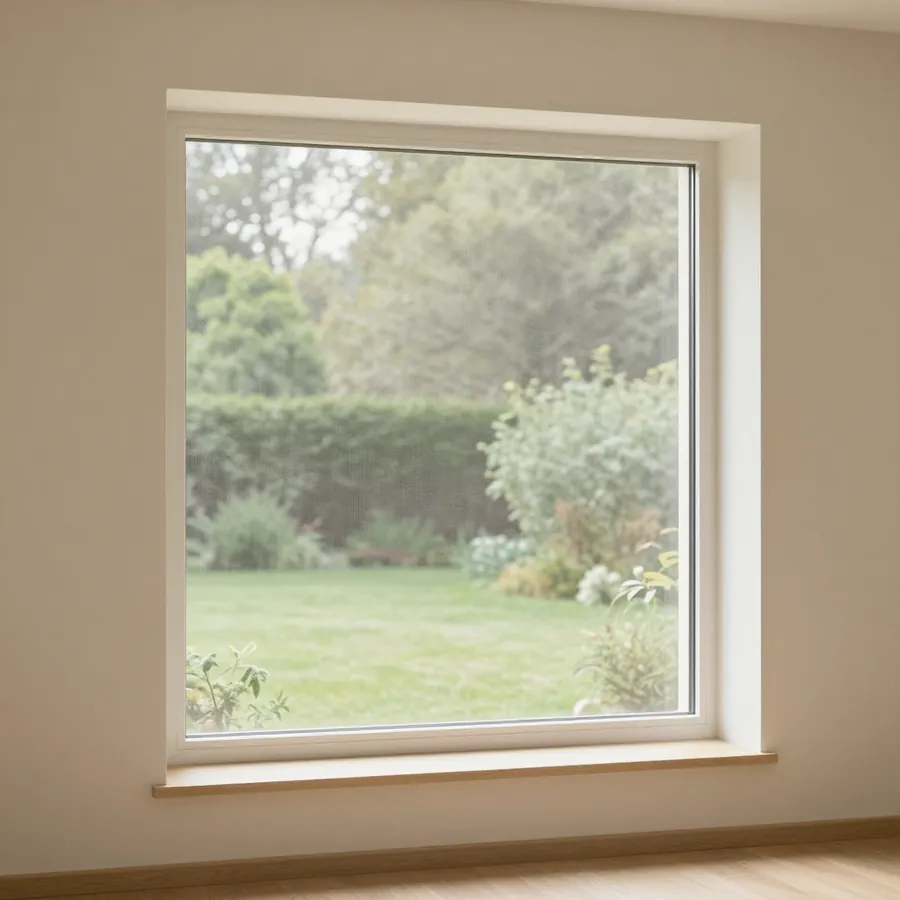
Anti-Cat
Withstands the weight of a small pet, several times stronger than standard — from 12 000 ₸ per m².
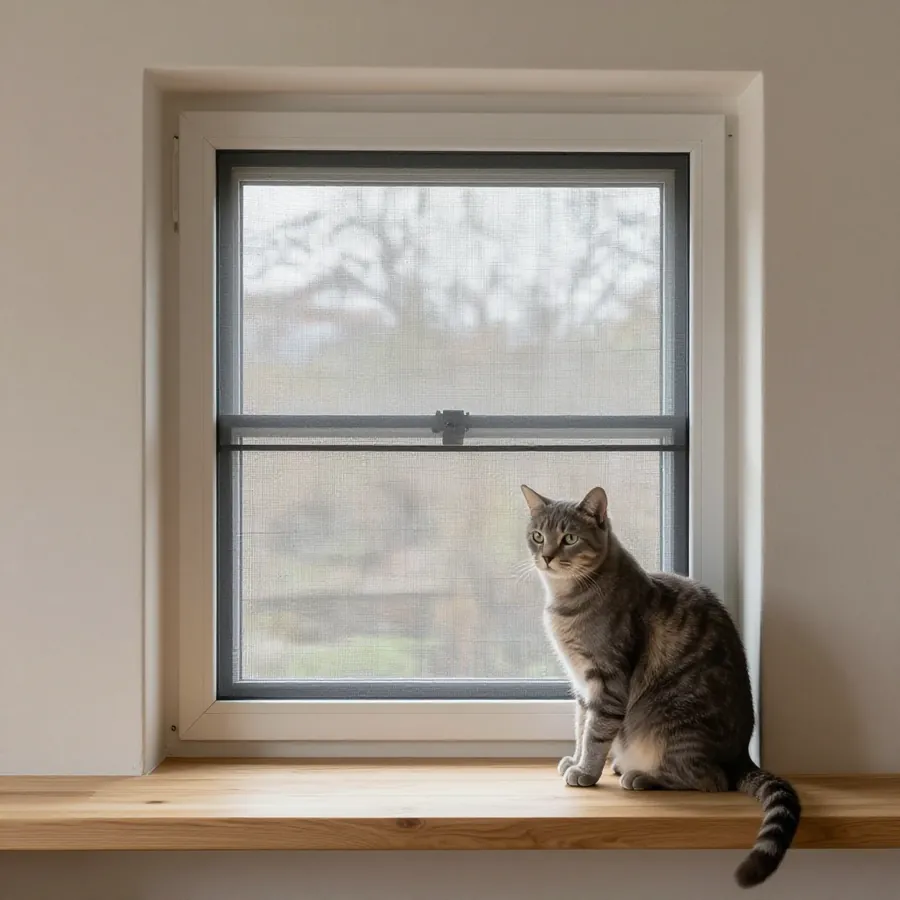
Anti-Dust
For windows by the road and on lower floors, denser than standard — from 11 800 ₸ per m².
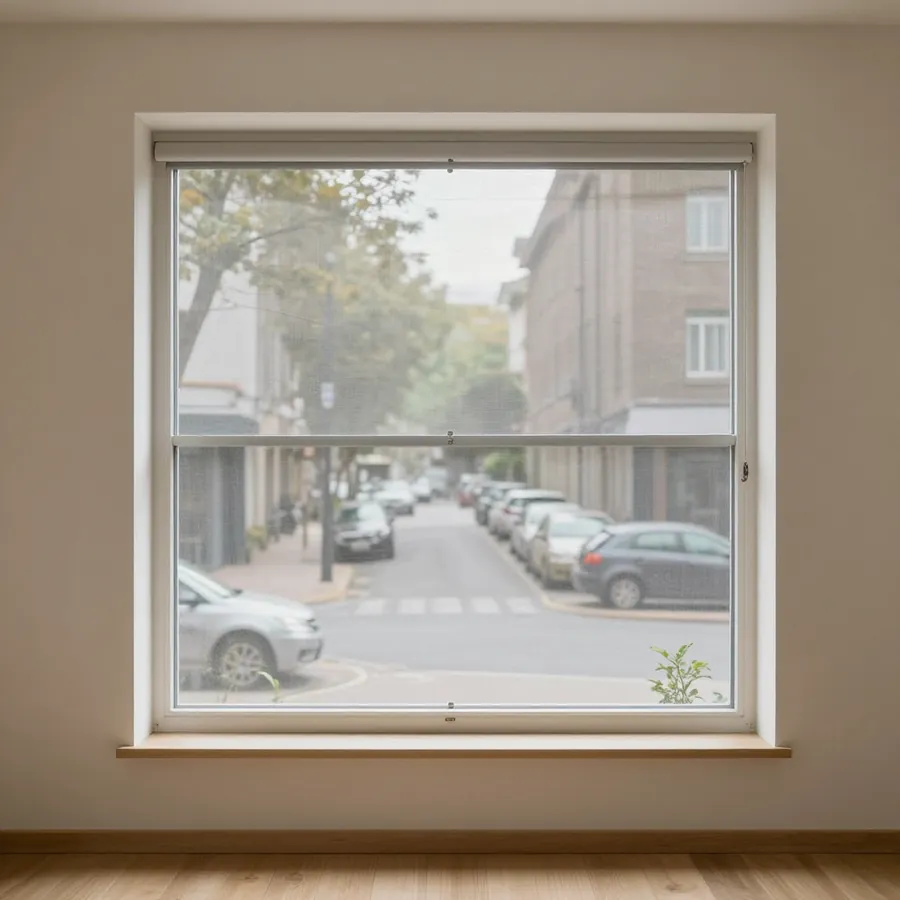
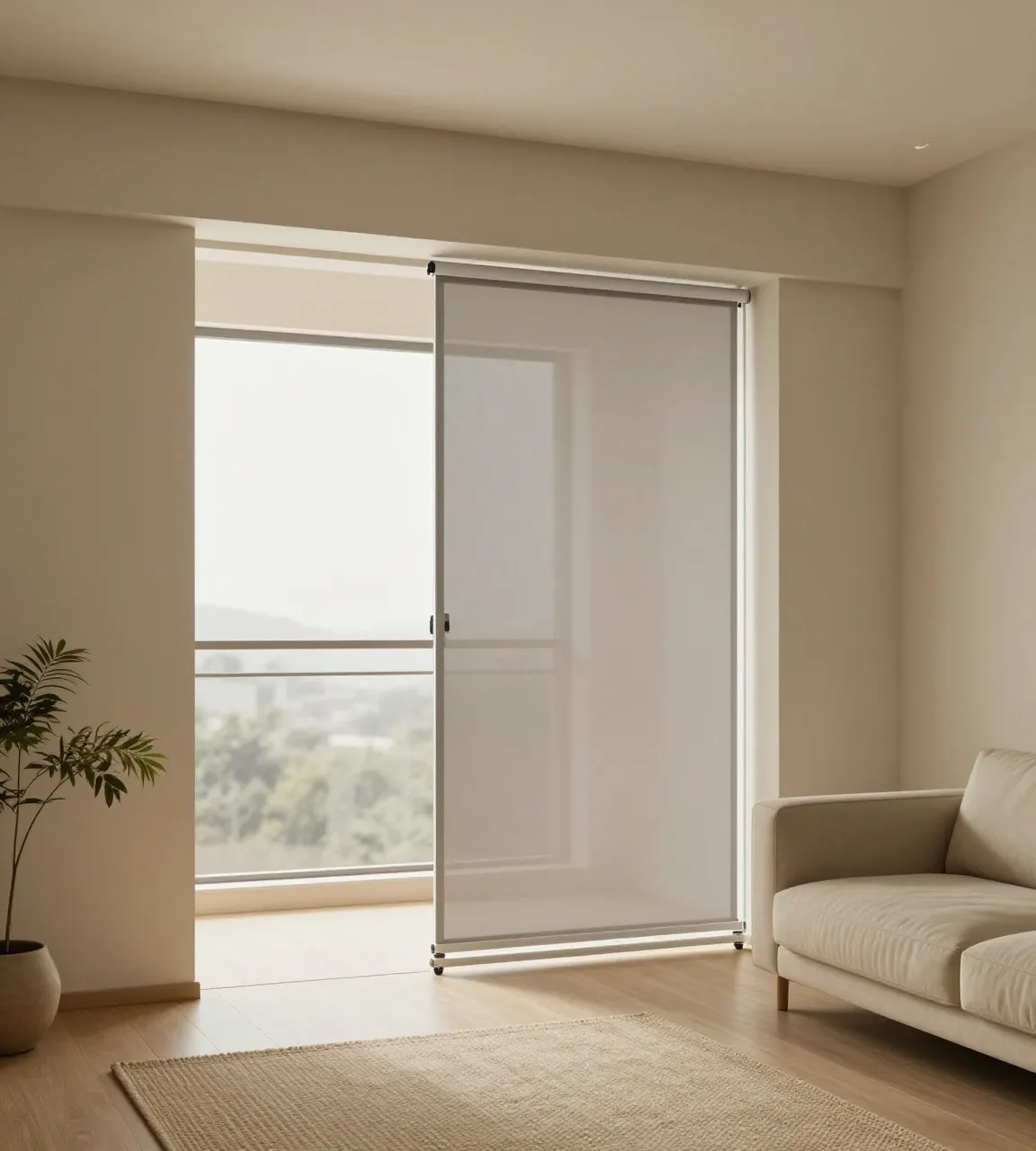
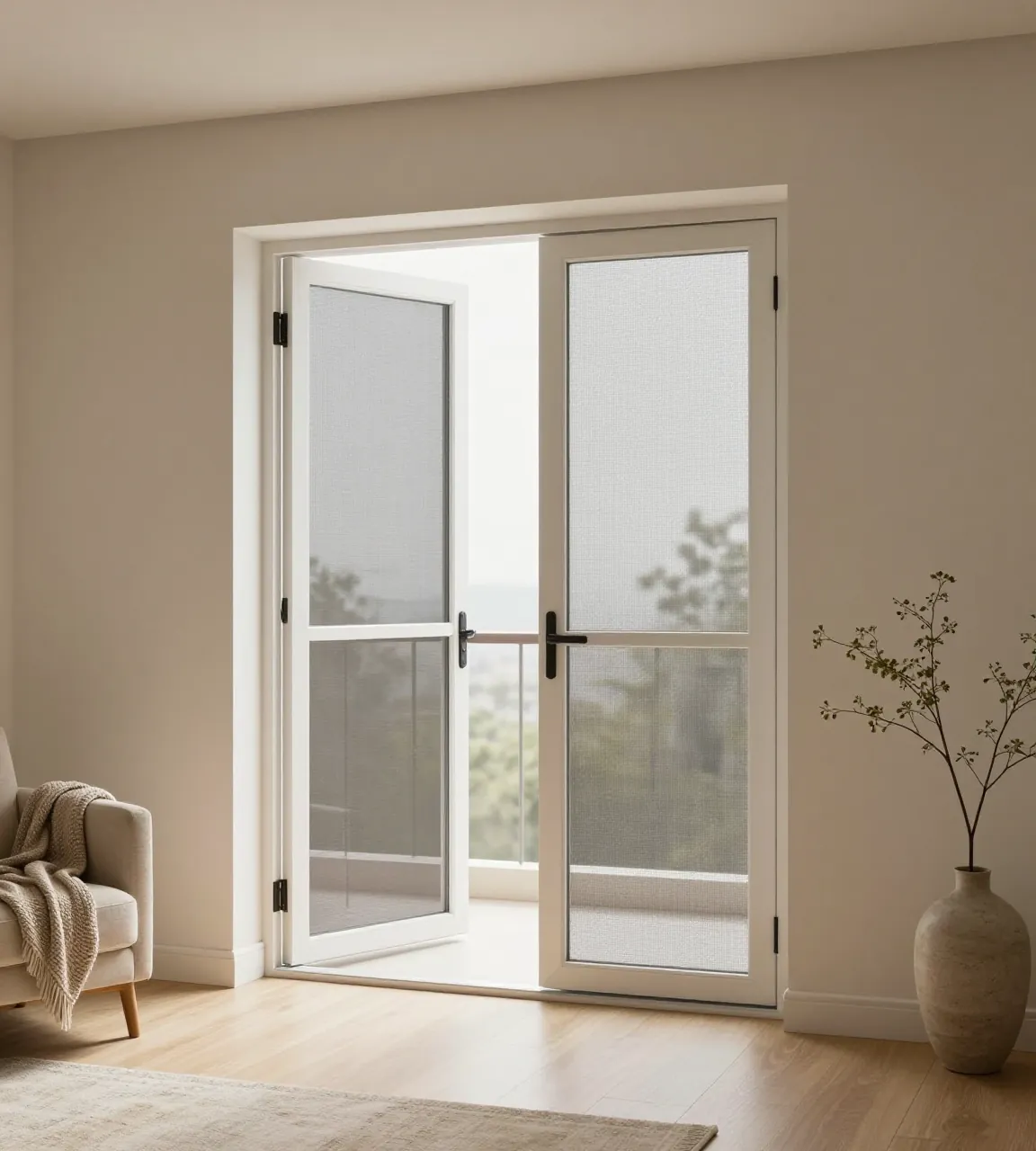
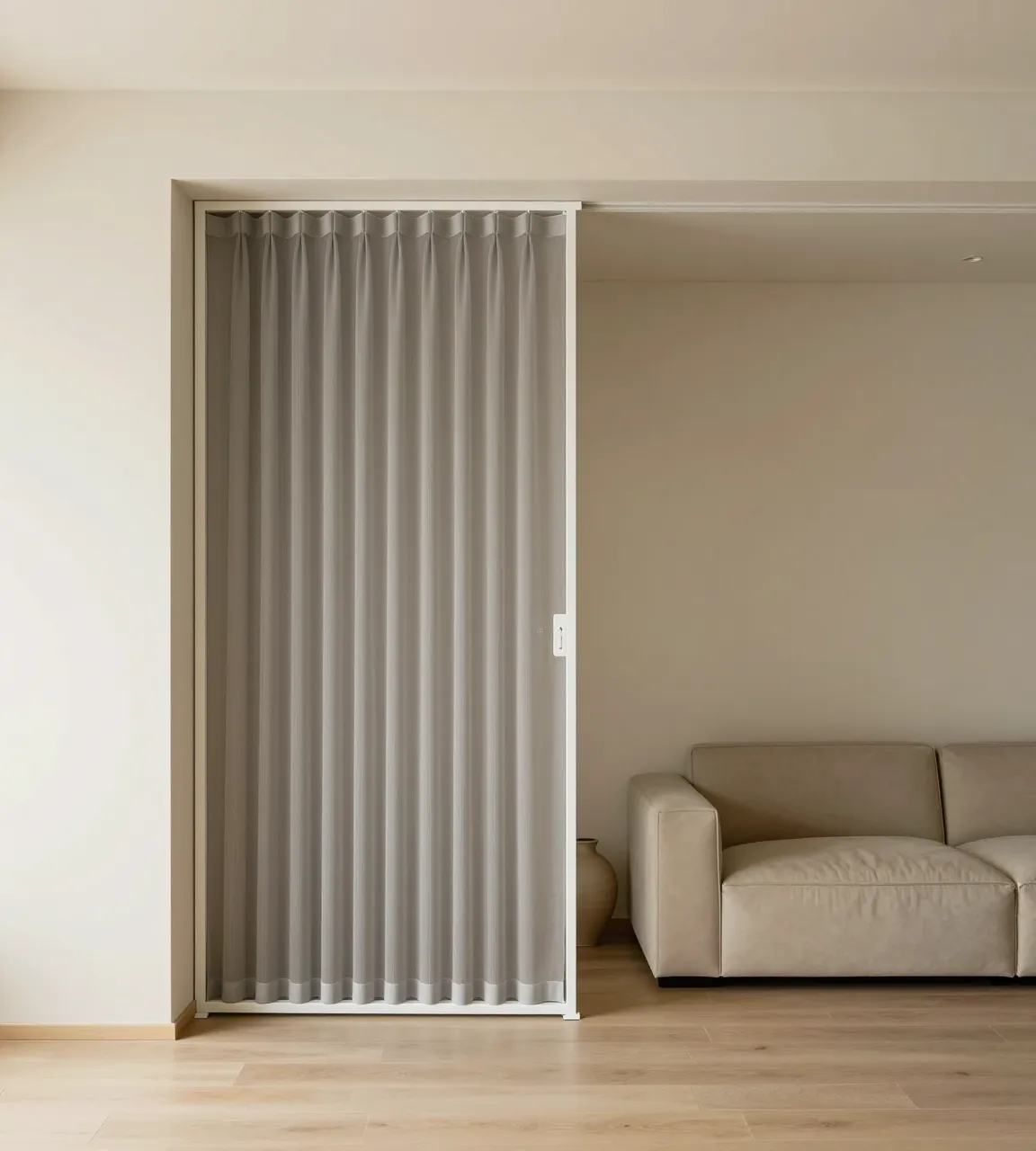
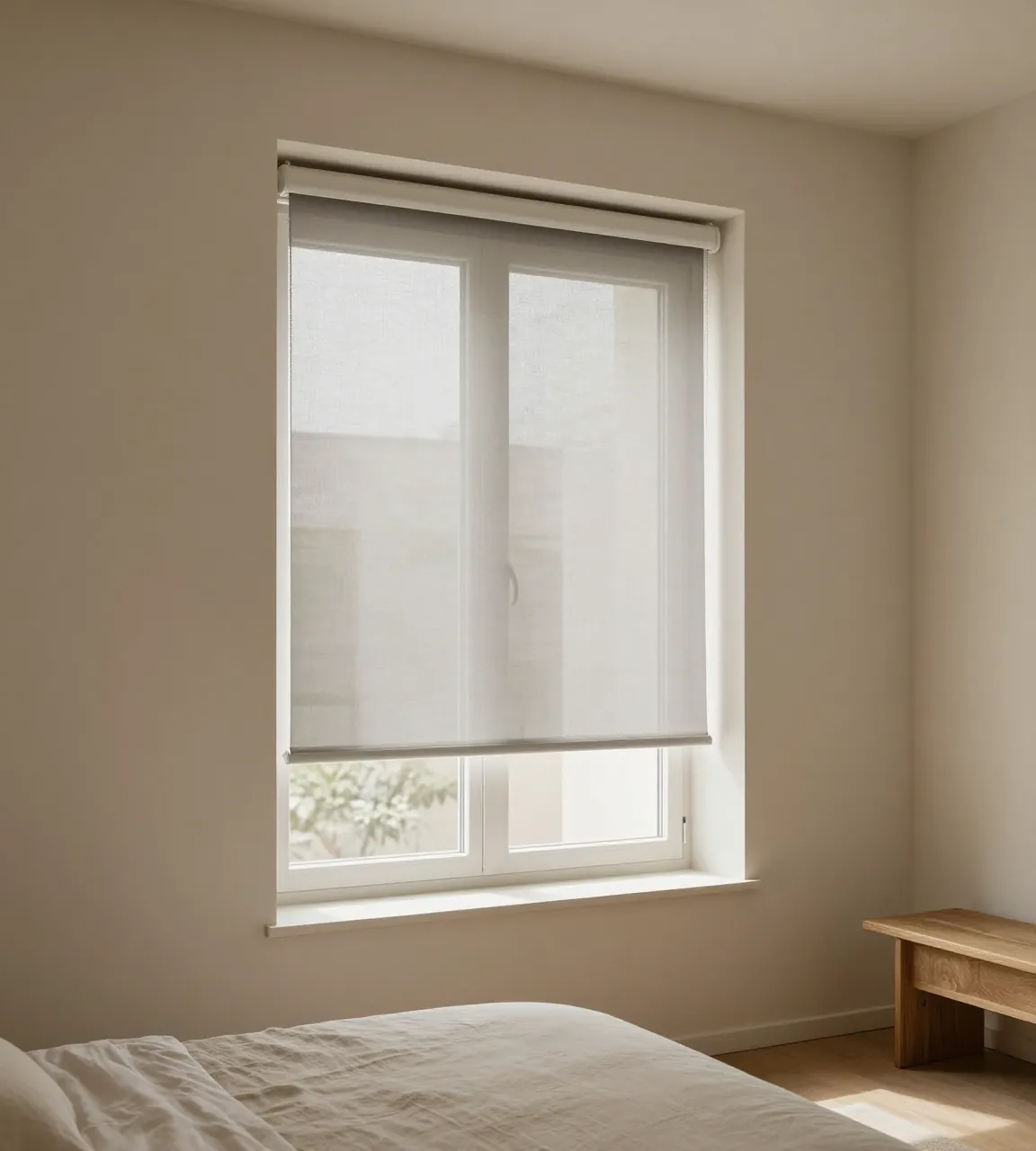
Four designs for different openings: an opening sash, a balcony, a door and a window you want to free from the frame.
All framed screensOpening sashes, vent windows, loggia windows
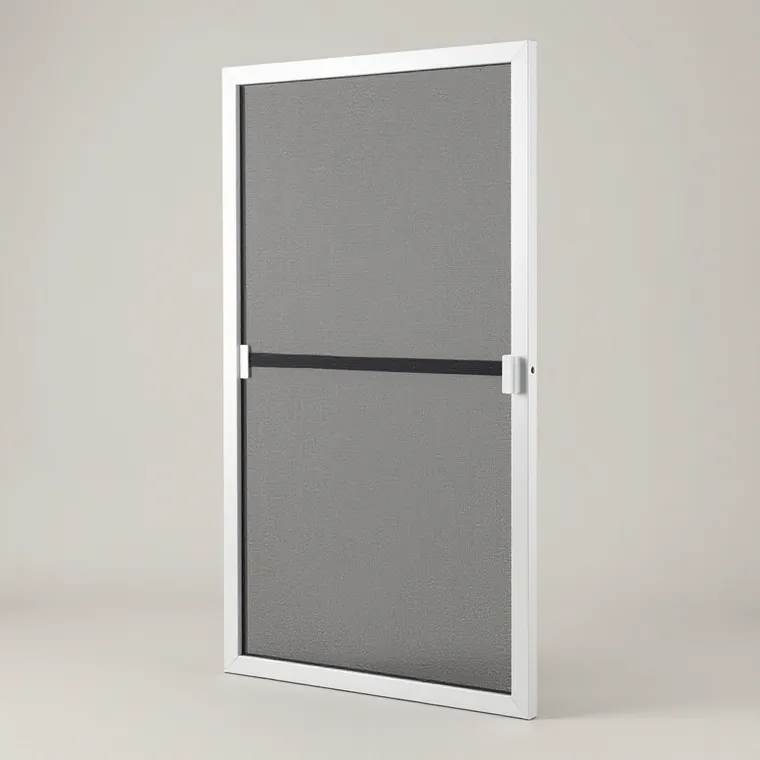
Balconies and loggias with a wide opening
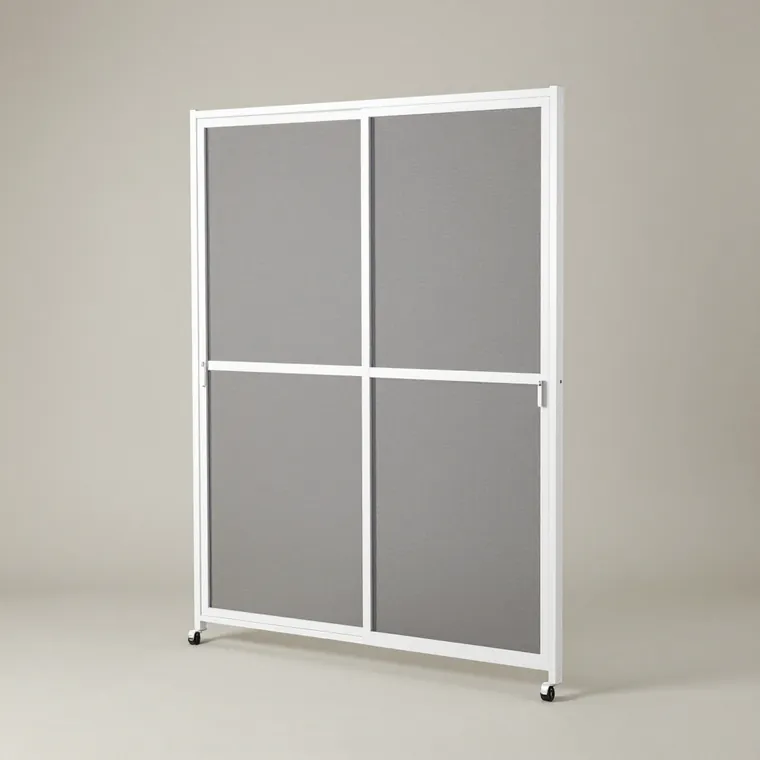
Entrance doors to a balcony, terrace, veranda
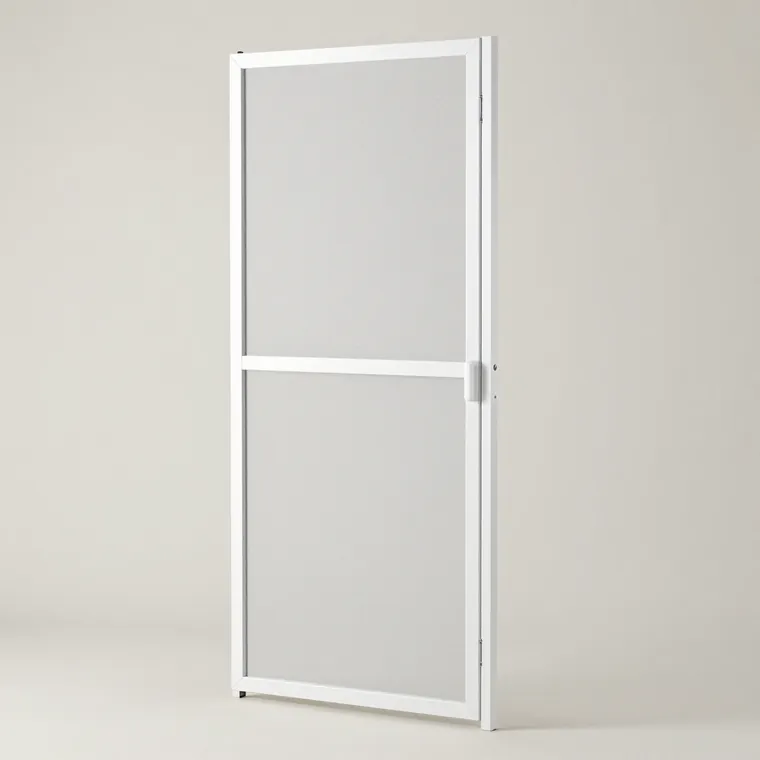
Windows and doors where space saving matters
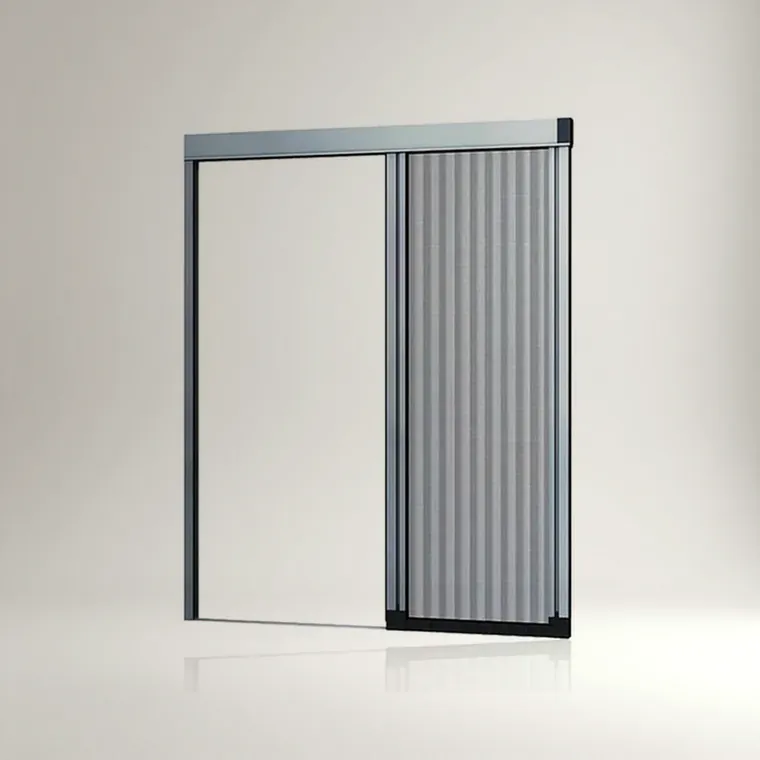
Five meshes for different tasks: from basic insect protection to a barrier against dust and pollen.
Fiberglass, resistant to ignition and temperature changes
The basic option for most sashes, copes with mosquitoes and midges.
Lets through 25% more light and air
For sunny sides and windows where keeping the view and ventilation matters.
Vinyl threads withstand the weight of a small pet
Several times stronger than standard mesh, for homes with cats.
Traps dust from the street
For windows near roads and on lower floors where the windowsill quickly gets coated.
0.25×1 mm cell, hypoallergenic
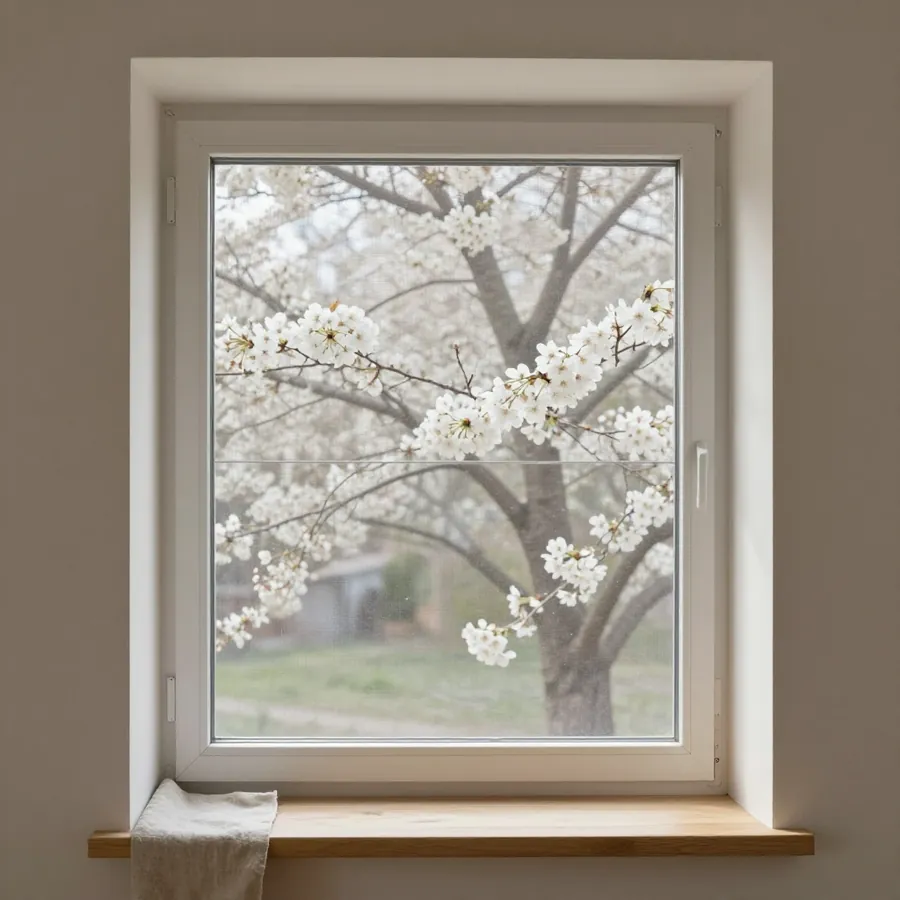
For allergy sufferers during the flowering season, traps fine pollen.
We install on plastic, wooden and aluminium windows, vents, doors, loggia windows, gazebos and verandas.
Sliding or framed screen for the opening
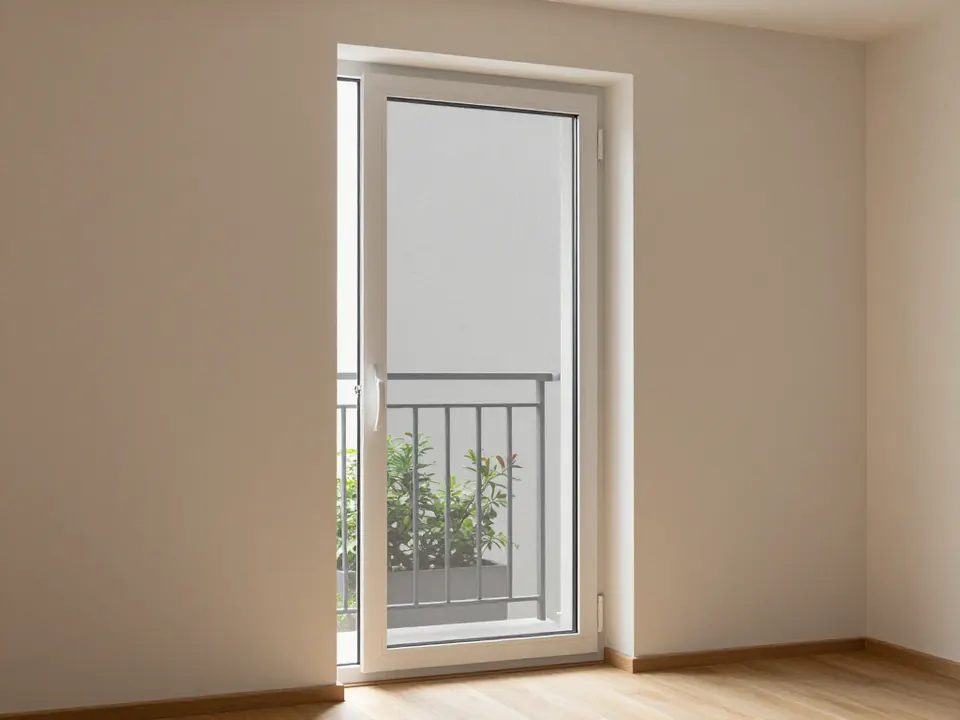
Loggia windows and glazed openings
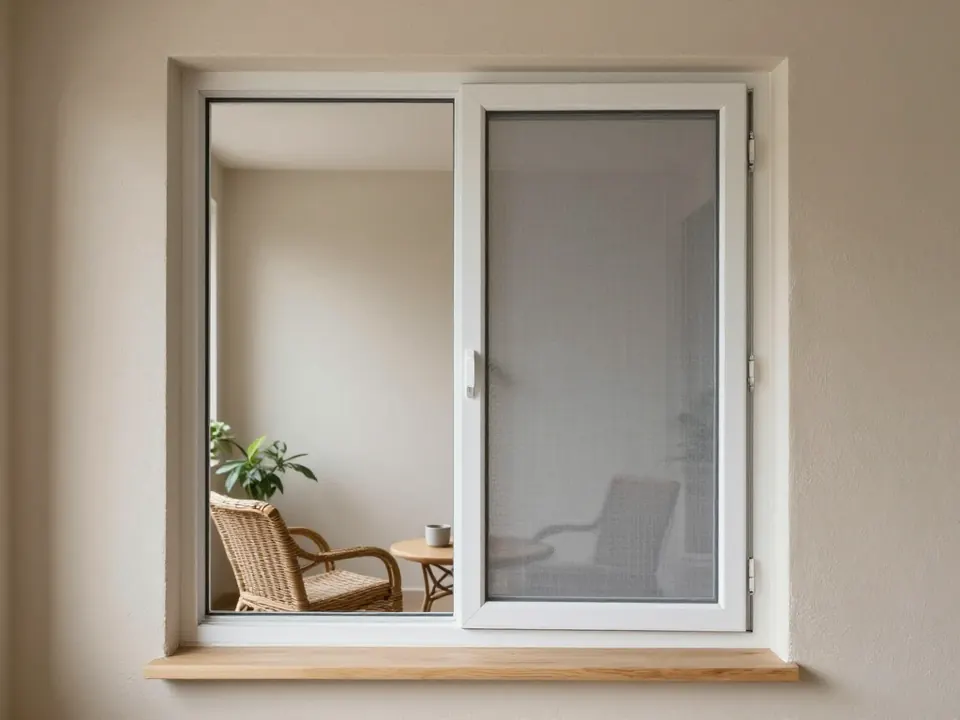
Windows, verandas, gazebos
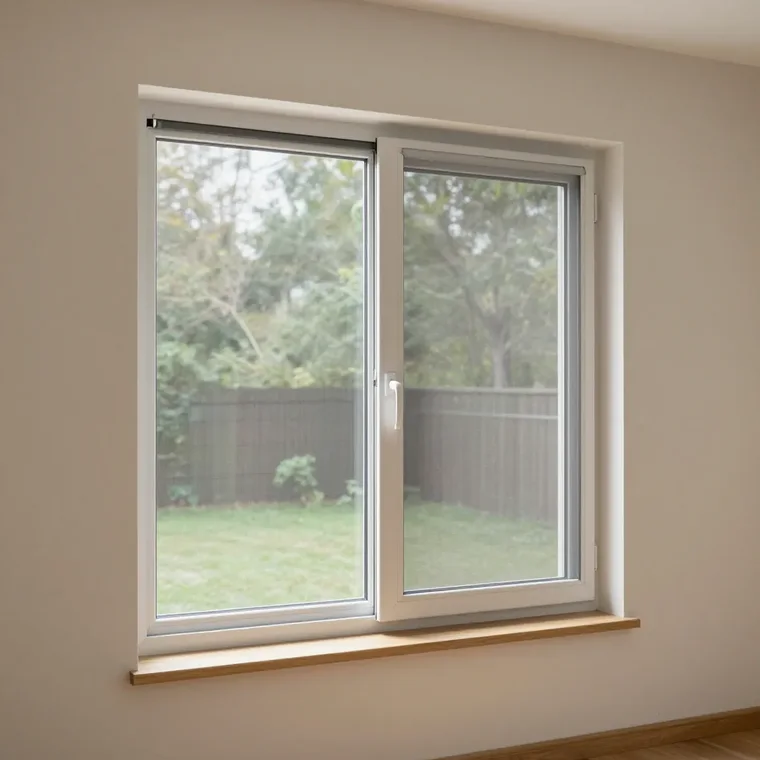
Hinged door screens
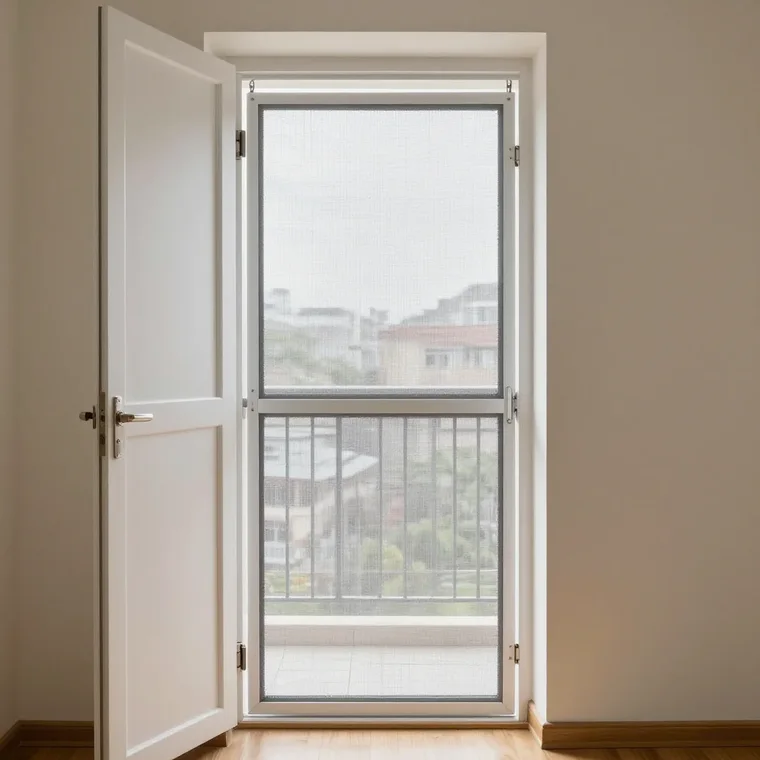
Sloped and vertical windows
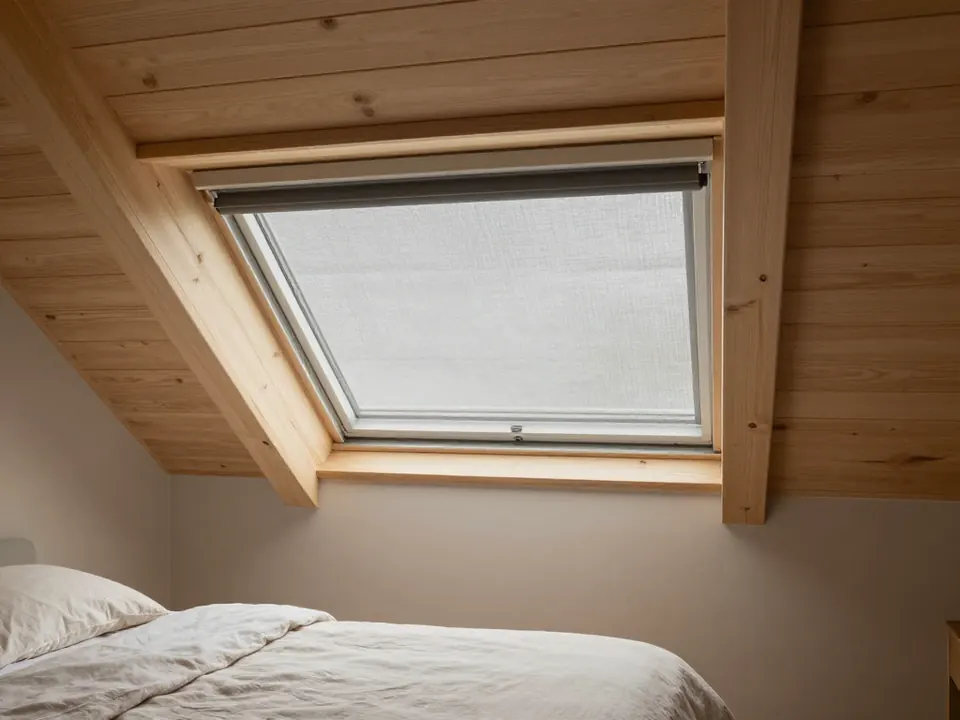
Old housing stock and country houses
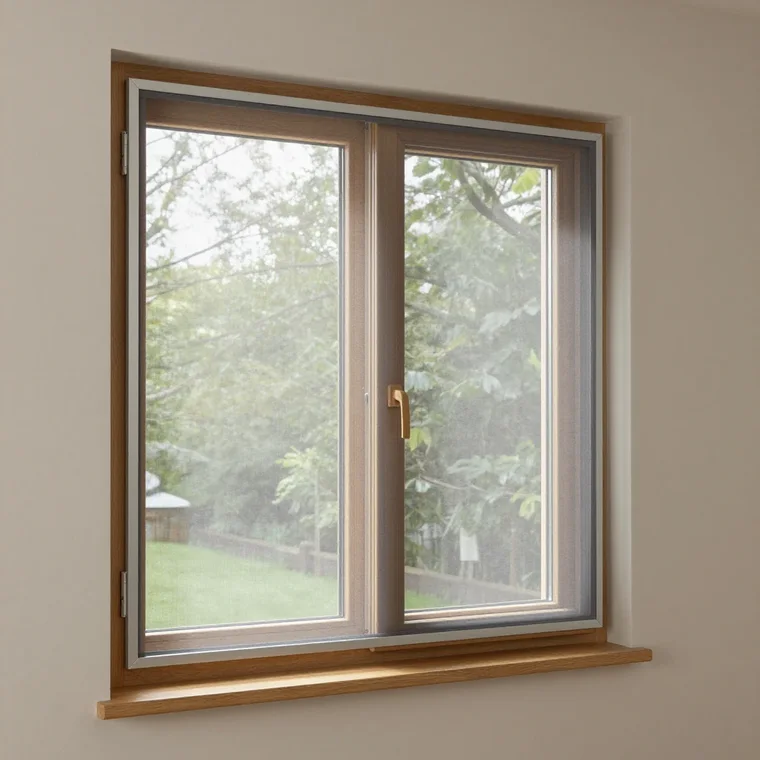
Enter the sash width and height in centimetres, choose the mesh — the calculator will show an approximate cost before measuring.
1. Screen type
2. Mesh and design
3. Opening size, cm
The cost depends on area, mesh and fixings; installation is quoted separately.
| Screen type | Price | Fitting | Making | Options and prices |
|---|---|---|---|---|
| Framed mosquito screen, Standard meshfiberglass, basic option | from 6 000₸ per m² | 1 600 ₸ | 10–15 minutes | "Anti-Cat" · 12 000"Anti-Dust" · 11 800"Anti-Pollen" · 12 200"UltraVue" · 7 900 |
| Sliding balcony mosquito screenfor loggias and balconies | from 17 400₸ per m² | — | — | |
| Hinged door mosquito screenEconomy or Prestige profile | from 15 200₸ per item | — | — | |
| Pleated mosquito screenfolding design | from 29 500₸ per m² | — | — | |
| Roller mosquito screen for windowslift mechanism | from 16 200₸ per m² | — | — | |
| Metal meshextra strength | from 11 500₸ per m² | — | — | |
| Re-meshing a frame with Standard meshnew mesh in the old frame | from 3 000₸ per job | — | — | |
| Replacement fixings, setZ-brackets | from 970₸ per set | — | — |
The price is fixed in the order after measuringMeasuring and consultation are freePayment after installation: cash, card or Kaspi
Book a measuring visitEight facts about production, lead times and order terms.
We have been making mosquito screens since 2012, with no intermediaries.
We make a framed screen to your dimensions in 10–15 minutes.
We make a folding pleated screen in 40–60 minutes.
We paint the profile to match your windows: white, brown, grey, etc.
We give a 1-year warranty on mosquito screens.
For door screens we use "Econom" 32×10 mm and "Prestige" 42×17 mm profiles.
We take requests daily, including weekends.
Mosquito screens can be ordered in 17 cities of Kazakhstan.
Four steps from request to screen on the window.
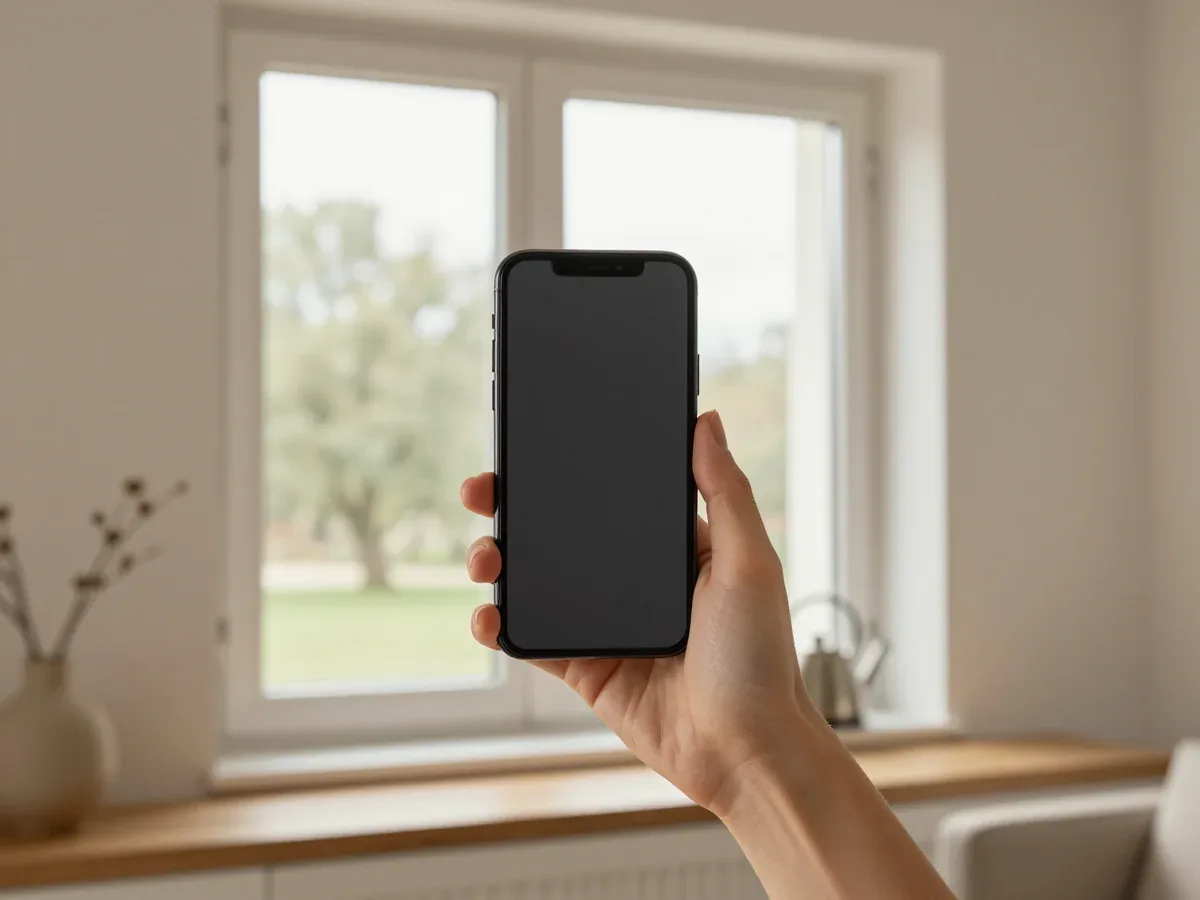
You write on WhatsApp — we reply within 5 minutes, confirm dimensions and address.
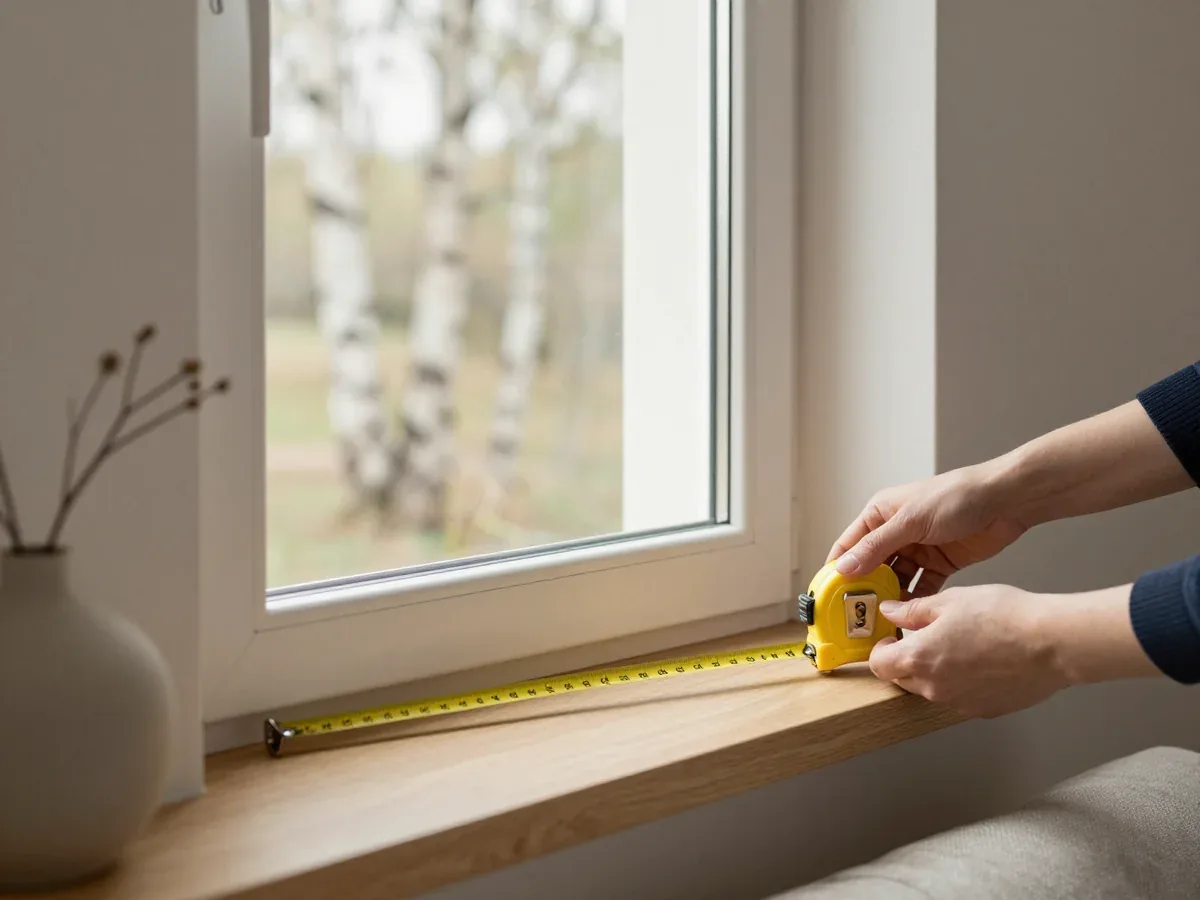
The technician agrees the sash parameters: opening width and height, opening side, profile type and fixing method, so the structure fits without gaps.
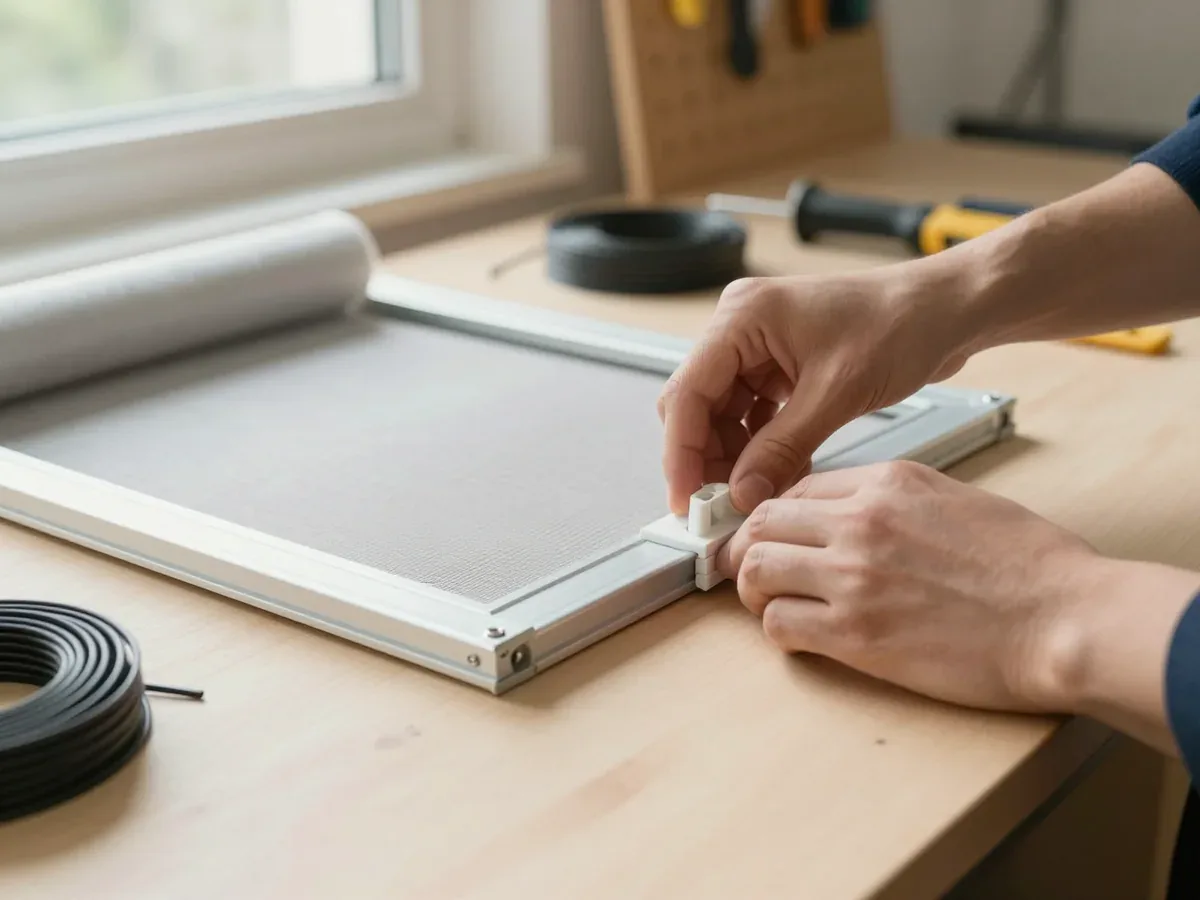
The technician agrees the delivery and installation day and selects fixings for the profile and floor.
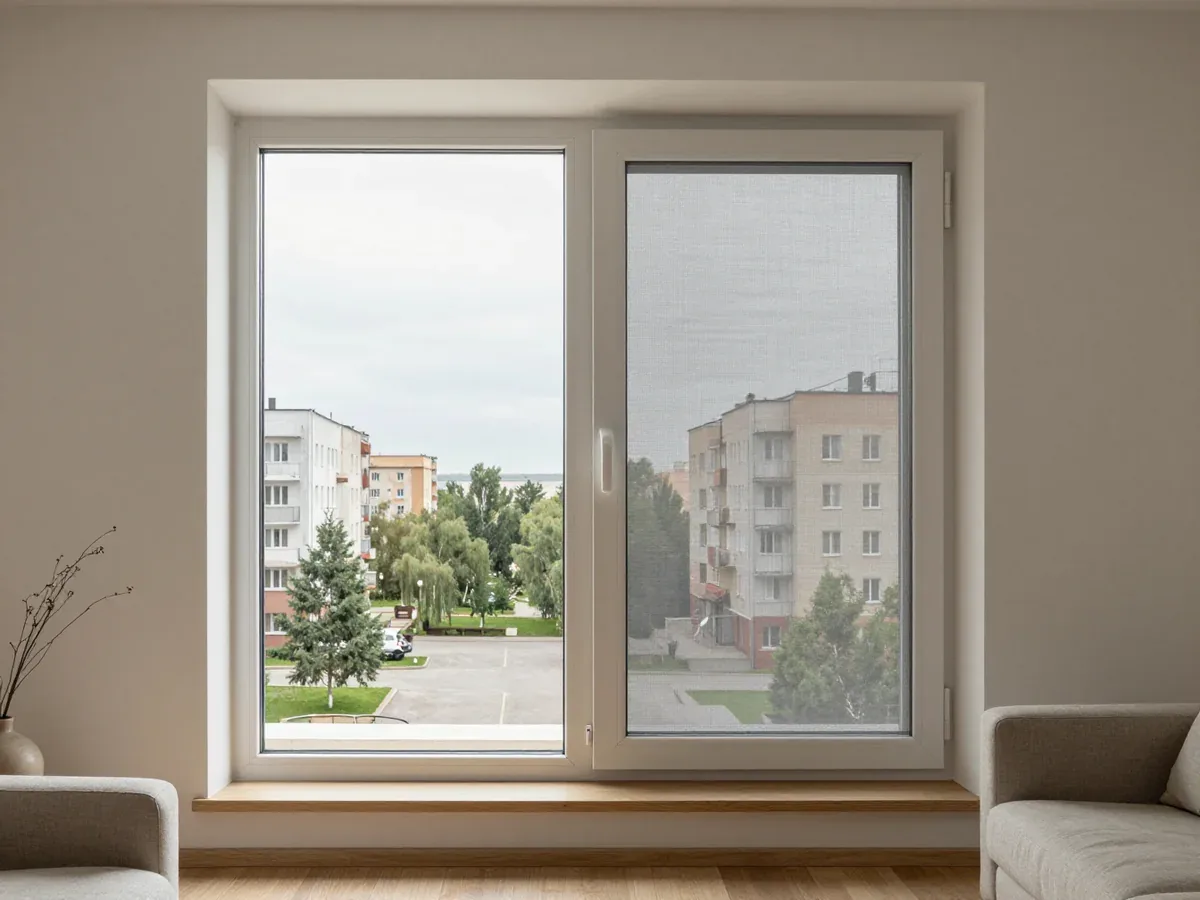
We deliver and install the screen on the window or door, selecting fixings for the profile.
Good to know

Senior mosquito screen specialist at moskitnyesetki.kz
We make mosquito screens Karaganda residents order to their exact window and door sizes, with free measuring, fitting and a 1-year warranty on every screen. Our own fitters come at a time that suits you, help choose the frame, mesh and fastenings, and you pay only after installation by cash, card or Kaspi.
Five designs cover most openings, and the right one depends on how often you open the window and where it leads. Here is how we match a construction to a window, a balcony entrance or an unusual shape.
For a balcony entrance we fit a hinged screen or a pleated one, for a loggia or veranda a framed or sliding design, and arched or odd-shaped spans get a unit cut to the individual size. On a passage you use constantly, the profile and hinges matter more than the mesh itself — the common mistake is ordering a door screen on a thin profile that sags within a season. Hinged models from us run on the heavier Prestige 42×17 mm frame when the span is wide, and the measurer checks the surround and the swing before the order is placed. Non-standard shapes are templated on site rather than guessed from a photo, and the protective units karaganda homeowners order for a glazed loggia are usually the sliding type. Mosquito screens Karaganda residents order for balcony doors are matched to the same rules.
We fit screens to plastic, wooden and aluminium windows and to small vents, and in most cases the frame itself is not drilled — the fastening holds onto the sash. Z-shaped brackets, pins or magnets are chosen by the measurer for your profile and floor level, so the unit sits flush and stays put. On older wooden frames the existing bead sometimes will not hold a bracket, which is why the measurer tests the fit before the order rather than after. The same visit settles the mesh and the fixings, and the surround can be painted any colour to match your windows.
The fabric decides how much light reaches the room and what the screen actually stops. Below are the five options we stock, plus metal and Krylo, with the parameters that matter when you pick one.
| Option | What it gives | Who it suits |
|---|---|---|
| Fiberglass (standard) | Basic protection, heat and cold resistant | Most windows and doors |
| Ultravue | 25% more light and air | Dark rooms, ground floors |
| Pet Screen | Vinyl threads, several times stronger | Homes with cats |
| Dust mesh | Holds back street dust | Lower floors, busy roads |
| Poll-Tex | 0.25×1 mm cell, traps pollen | Allergy sufferers |
Pet Screen is several times stronger than a standard fabric — its vinyl threads carry the weight of a small animal, while Ultravue lets through 25% more light and air than other meshes. A cat that climbs the frame puts load on the cloth, not on the aluminium profile, so the material is the part that fails first. Ultravue suits north-facing rooms and ground-floor flats where a dense mesh makes the interior feel dim by afternoon. Both fit the same frame profiles we use for the rest — Economy 32×10 mm or Prestige 42×17 mm on hinged doors. If a cat has already torn a screen at a neighbour's place, upgrading the material costs less than fitting a fresh frame every season.
Poll-Tex has a 0.25×1 mm cell and traps pollen before it settles indoors, the dust option handles street grit on lower floors and along busy roads, and standard fibreglass resists ignition and temperature swings. The finer the cell, the slower the airflow, so a pollen barrier trades a little ventilation for cleaner air in spring. Fibreglass stays stable through Karaganda winters and summer heat without sagging, which is why it remains the default for balconies and loggias. For an allergy sufferer the cell size is only half the story — a fine cloth clogs faster and needs washing more often than a standard one. Rinse it from the inside every few weeks through the warm season to keep the airflow steady.
The fixing is chosen to suit your window profile and the floor you live on, and it decides whether you can lift the screen out yourself and whether it will hold on a ground floor.
On a ground floor we fit a fixing that cannot be pulled off from outside without a tool, while on upper floors the priority shifts to lifting the screen out from inside for washing and winter storage. Z-brackets and pins both resist a reach-in from the street, and pins leave the profile itself untouched. Magnets are the quickest to remove, which is exactly why they suit a third-floor kitchen window better than a ground-floor bedroom facing a courtyard. If your window opens onto a busy side, raise it with the measurer — a fixing with a lock is harder to lift, but you will then take the unit down from inside for the winter. In our practice the floor decides more than the profile does: the same plastic window gets different hardware on the first and ninth floors.
We paint the screen frame any colour to match your windows, so the frame does not stand out on the facade or from inside the room. A dark window profile next to a white screen border is far more visible from the street than it looks from the room, because you see your own surround against the wall, while a passer-by sees it against the whole facade. That is why the colour is worth choosing by the outside face of the window, especially on the lower floors and on corner blocks where the frame is seen at an angle. The same painted frame then reads as part of the window from the kitchen side too, and the room keeps a single line instead of a bright rectangle over the glass.
An order moves through four clear steps: measuring, making, fitting and payment. At each stage you know what is happening, who does it and how long it takes before the next step starts.
Measuring and consultation are free: the measurer comes at a time that suits you, takes the sizes and helps you choose the design, mesh and fixings. He checks the window profile, the sill and how the sash opens, because a framed panel, a sliding one and a pleated model each need different clearances. For door openings he notes the threshold height and the traffic through the doorway, which decides between a hinged door model and a lighter sliding panel. Everything measured on site goes straight into the order, so the workshop works from real openings rather than your own figures. It is worth saying at the visit whether the window is opened every day or rarely — that answer changes which design the measurer recommends.
A framed unit made to your size takes 10–15 minutes, a pleated one 40–60 minutes, so most orders are closed in a single visit. The frame is cut and assembled on the spot, the mesh is rolled into the profile and the corners are fixed while you watch. Pleated models take longer because the folded fabric has to be set into the runners and the tension checked along the whole travel. If you have several windows, framed versions are produced as one batch in a single trip, which keeps the colour and profile consistent across the flat. A pleated model for a busy doorway is better booked as a separate item — it holds the fitter longer than a standard window panel. Ordering made-to-measure screens in Karaganda means the sizes come from your own openings, not from a standard list.
We fit the goods ourselves, you pay after installation — cash, card or Kaspi — and the price is fixed in the order once measuring is done. The same team that measured comes back with the finished items, so nothing is re-checked twice and no detail is lost between visits. Fitting takes minutes per window: the fastenings are set into the profile, the frame is seated and the travel is tested open and closed. Because the units come straight from our workshop, there is no reseller margin and no queue between the order and the fitter. When measuring and fitting sit with one crew, a disputed size is settled on the spot rather than in messages between contractors.
A mosquito screen lasts longer when its frame, mesh and fastenings are looked after between seasons. Below is what our guarantee covers, how repairs work and how to store a framed unit for the winter.
We give a 1-year warranty on the unit, and it covers the frame, the mesh and the fitting carried out by our own fitters. If a corner pulls apart, a spline works loose or a bracket we mounted lets the panel drop, the fix is on us within that year. The same period applies to window repair — both the labour and any parts we replaced. The guarantee does not cover mechanical damage: claw marks, a panel cut by a tool or a profile bent by a fall. That is why for a cat we suggest the reinforced Pet Screen from the start rather than an ordinary fibreglass one. One practical note: keep the order slip from the measuring visit — the fixed price and the fitting date on it are what we check first when a claim comes in.
We repair meshes and replace fastenings — we do not only sell new ones, so a torn panel or a dropped bracket is no reason to swap the whole construction. A single hole is usually re-splined on site, and a sheet that has gone brittle along the edge is cut out and refitted into the same profile. Fastenings are the part that fails most often, and mostly after winter, when Z-brackets or pins were taken off and pushed back once the cold passed. A five-minute check of how the unit sits in its brackets costs far less than a new frame. Pet Screen damage we handle the same way, though a chewed-through corner is cut back and re-tensioned rather than patched.
A framed screen lifts out from inside in about a minute, and it is worth taking it off for the winter — both the mesh and the fastenings last longer that way. Ice and wind load press on the panel for months, and a unit left outside collects grit in the spline groove. Store the removed piece flat in a dry place rather than standing it on edge, so the frame does not warp by the warm months. Before storing, wipe the panel with a soft damp cloth — no solvents, which dull fibreglass and attack the coating on Poll-Tex. When the cold eases, seat the profile back into its brackets and check that the pins still spring. If a bracket looks loose or rusted after the winter, we replace it during a routine visit.
We take orders in Karaganda and 16 other cities of Kazakhstan, work with our own fitters and answer quickly — below is how that arrangement actually works for you.
We work with our own fitters, without middlemen or aggregators — one team handles measuring, manufacturing and fitting. The measurer who visits you records the sizes, helps pick the design, mesh and fixings, and the same crew brings the finished frame and installs it. A framed screen made to your size takes 10–15 minutes to build, a pleated one 40–60 minutes, so the gap between measuring and fitting stays short. There is no dispatch desk reassigning your order to a stranger. With an aggregator you never know who will turn up to fit the unit; with a direct maker the fitter who took the sizes is usually the one who installs it. That continuity matters on upper floors, where the choice between Z-brackets, pins and magnets depends on a profile the measurer has already seen.
Screens can be ordered in 17 cities of Kazakhstan, we are open seven days a week and reply on WhatsApp within 5 minutes. A message with a photo of your opening and rough sizes is enough for us to suggest a construction and a mesh before anyone travels. Measuring and consultation are free, and the measurer comes at a time that suits you, including weekends. Across the region we fit screens on plastic, wooden and aluminium frames, balcony doors, loggia glazing and veranda openings, so the same crew that serves this city also covers the surrounding towns. Before the measurer sets off, send a photo on WhatsApp — it is easier to judge in advance which fastening will suit the profile and the floor.
Beyond screens, we handle window services — repair and adjustment of sashes, seal replacement, glass units, insulation, slopes, installation and glazing — and protection with grilles, restrictors and locks. Seal replacement covers units of any manufacturer, including KBE, Rehau, VEKA and Provedal profiles, and an urgent glass unit can be made and swapped within one day at a surcharge to its price. Fitting is included: we deliver and install screens on openings and doors, repair meshes and change fastenings. A screen ordered together with a window service saves a second visit, because the same fitter checks the sash and the opening in one trip. If a sash closes badly, a mesh will not stop the draught — adjust the sash first, then order the unit.
Before you order, run through five checks — they decide whether the unit fits the opening, lasts through the seasons and can be repaired rather than replaced.
Canvases, designs, care and ordering
Konstantin Selenenkovsenior mosquito screen specialist, 10 years in the tradeOnline · replies within 5 minutes
Ask a questionChoose Anti-Cat: its vinyl threads are several times stronger than regular fiberglass and can withstand the weight of a small animal. Claws won't tear it, and if your cat is especially active, you can opt for a metal mesh.
A pleated screen folds like an accordion and slides to the side, making it convenient for doors and balcony openings. A framed screen is a rigid frame that simply fits into the opening and can be removed entirely.
Yes, if the frame is intact, it's enough to re-stretch it with a new canvas. We also replace the fixings, so the screen will hold securely again.
Yes, for allergy sufferers there is an Anti-Pollen canvas with a fine mesh of 0.25×1 mm — it traps plant pollen. At the same time, the screen lets air through, so the room stays fresh.
Leave a request, and a measurer will come at a convenient time — measuring and consultation are free. They will take the dimensions, help you choose the design, canvas and fixings, after which the price is fixed in the order.
It's advisable to remove it: this way the canvas wears out less from snow and wind. A framed screen can be removed from the inside in a minute — just pull the fixings, and it will easily come out of the opening.
Choose your preferred map service — we'll route you to the office.
59/2 Bukhar-Zhyrau Ave
09:00–19:00, 7 days a week
Open in 2GISThank you. We will call you back within 10 minutes!
Your order number is on the receipt or in the SMS. Choose where to leave your review.
Write a review on WhatsApp


