
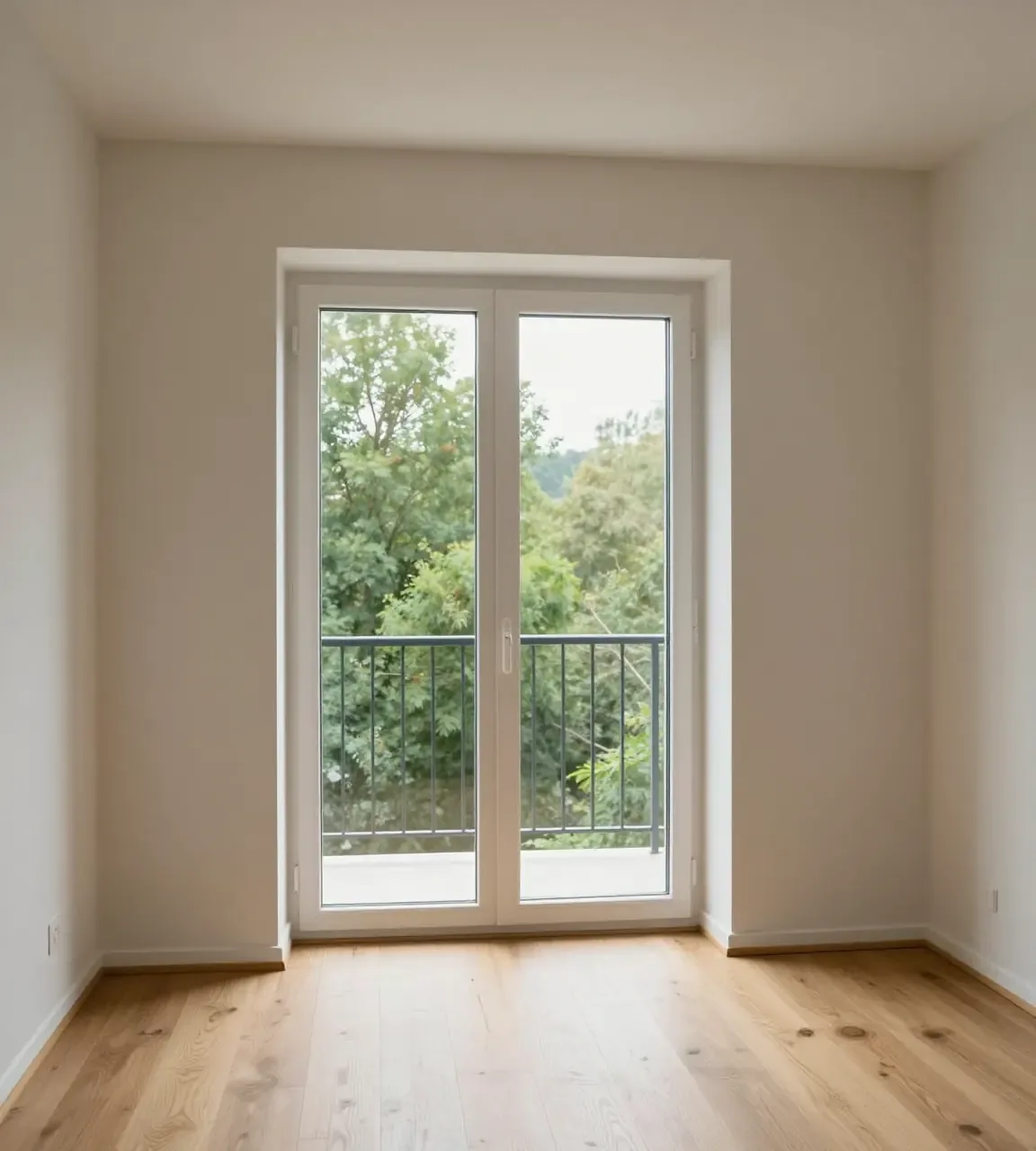
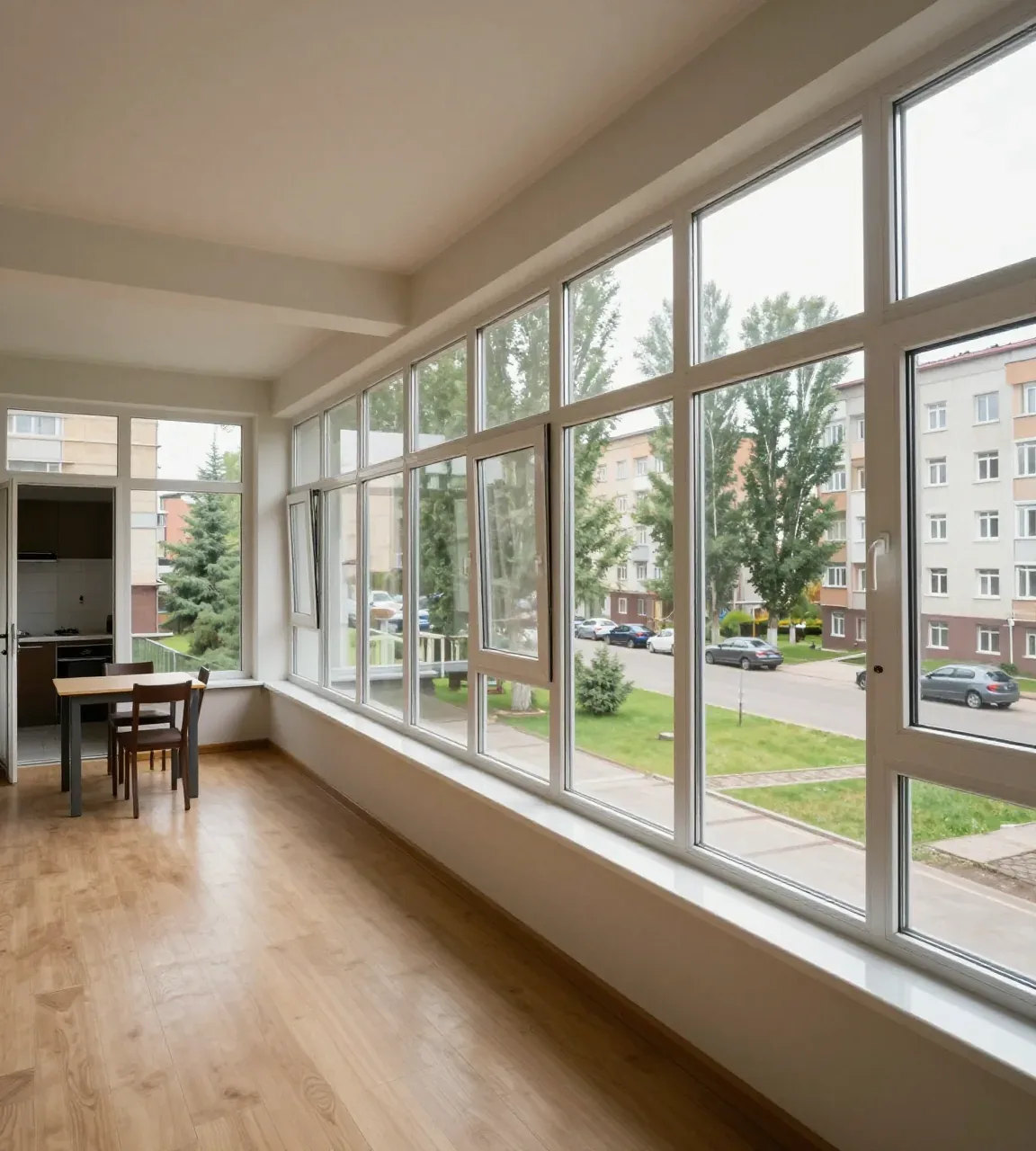
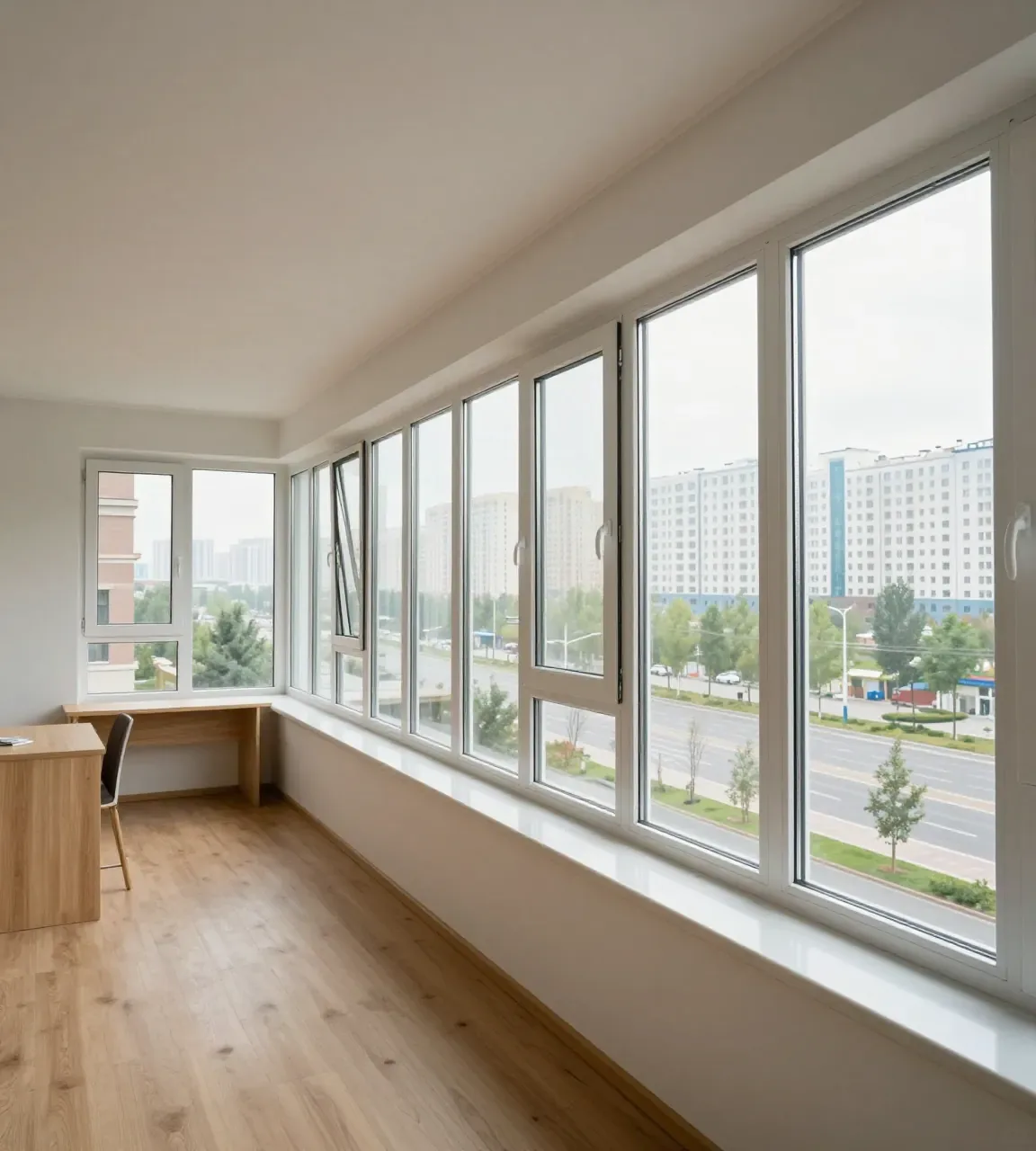
Panel building · loggia
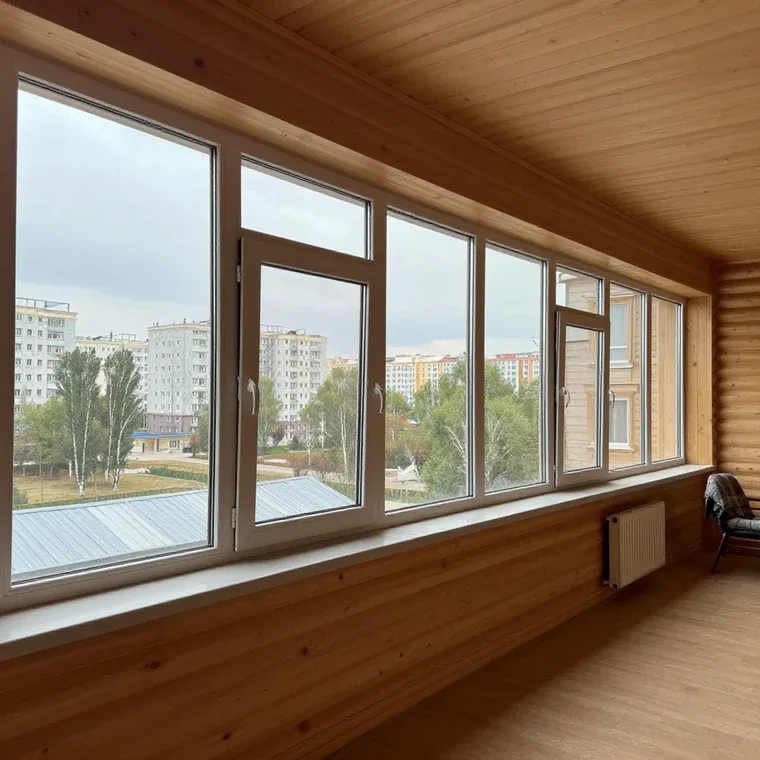
Loggia
Glazing by opening area, profile selected for your building. From 37 500 ₸ per m².
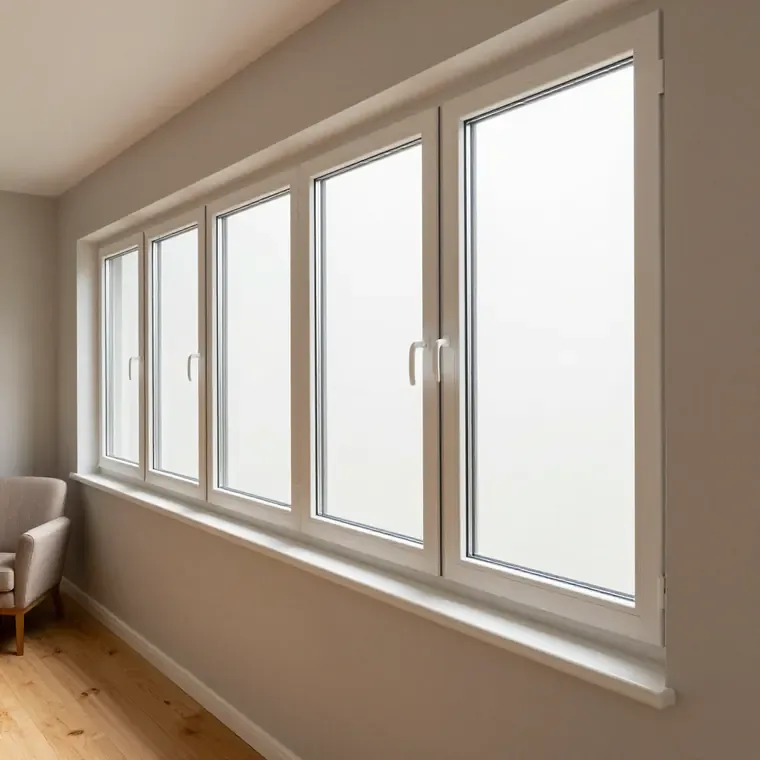
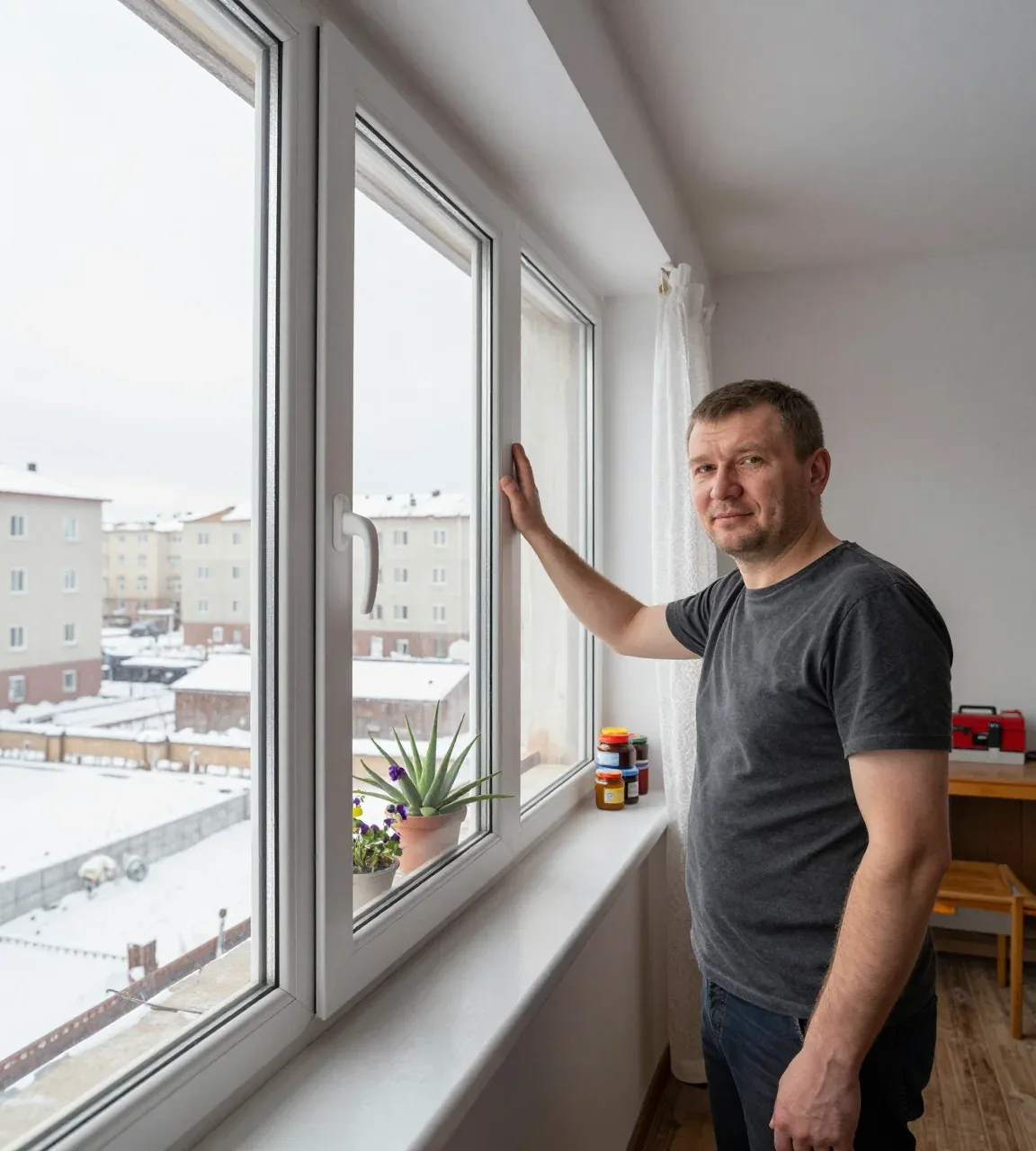
Loggia
Glazing by opening area, profile selected for your building. From 37 500 ₸ per m².
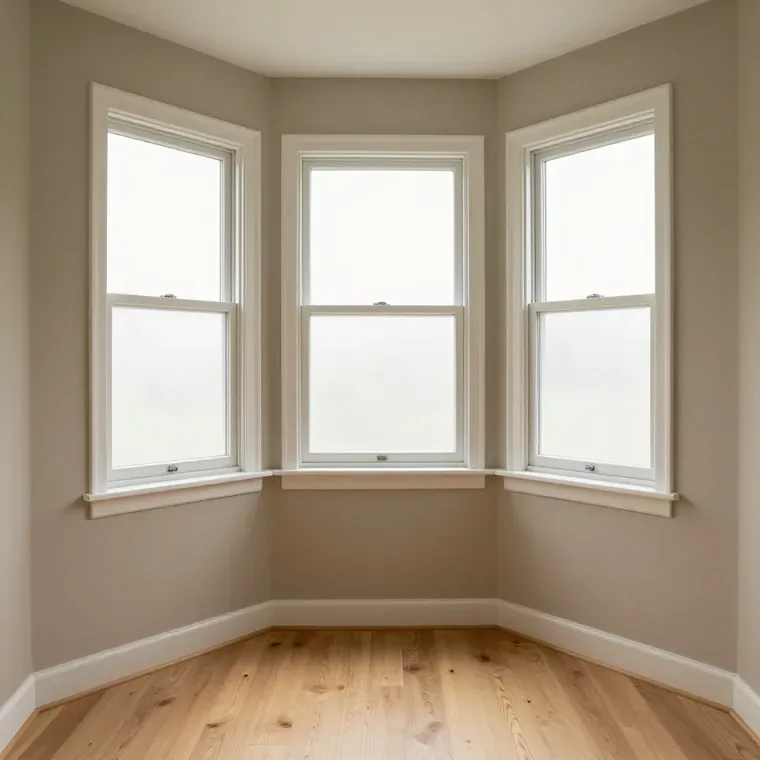
Bay window
Frames follow the shape of the bay window, each side measured separately. From 158 000 ₸ per balcony.



5,097 reviews on review sites
Not just frames, but everything you need after them: drip sills, window sills, screens and cladding
Winters in Karaganda are snowy and windy, and snow and dust blow onto an open balcony or loggia. Glazing closes the opening with frames: aluminium for a cold balcony or PVC with double glazing for a warm one.
After installing the frames, you can immediately add a window sill, mosquito screens, clad the balcony outside and insulate it inside. We do all this in one order.
glazing per square metre
PVC window sill per metre
reply on WhatsApp
Four problems that new glazing most often solves
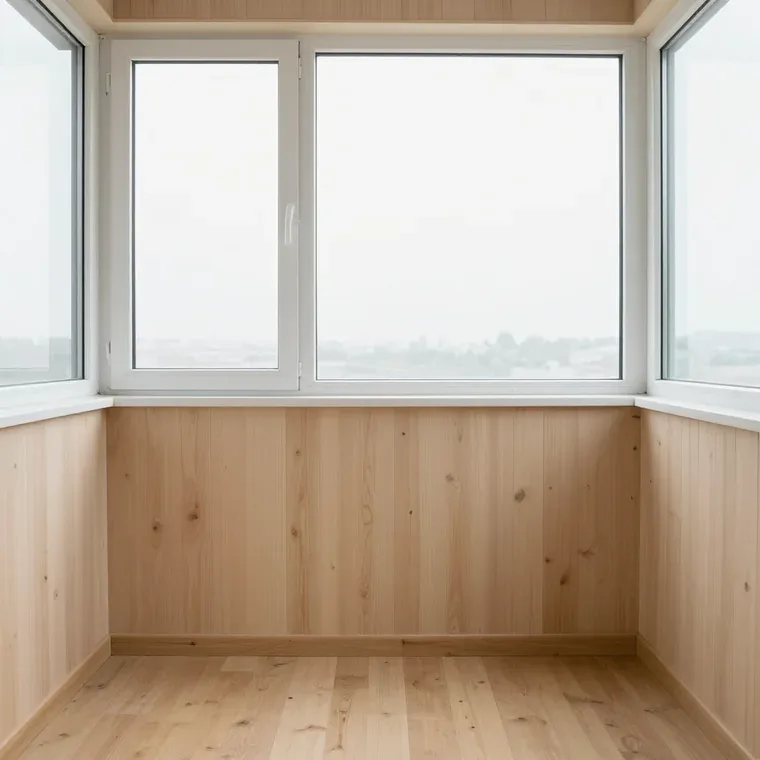
Snow and dust on the floor. Cold glazing will close the balcony, and you can store things there.
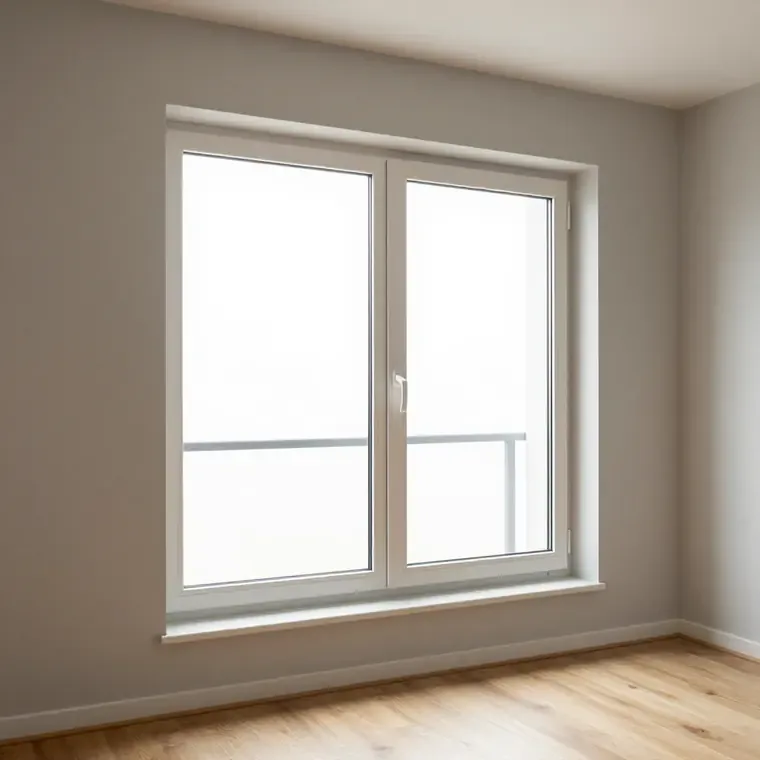
Warm PVC profile and insulation turn the balcony into a room.
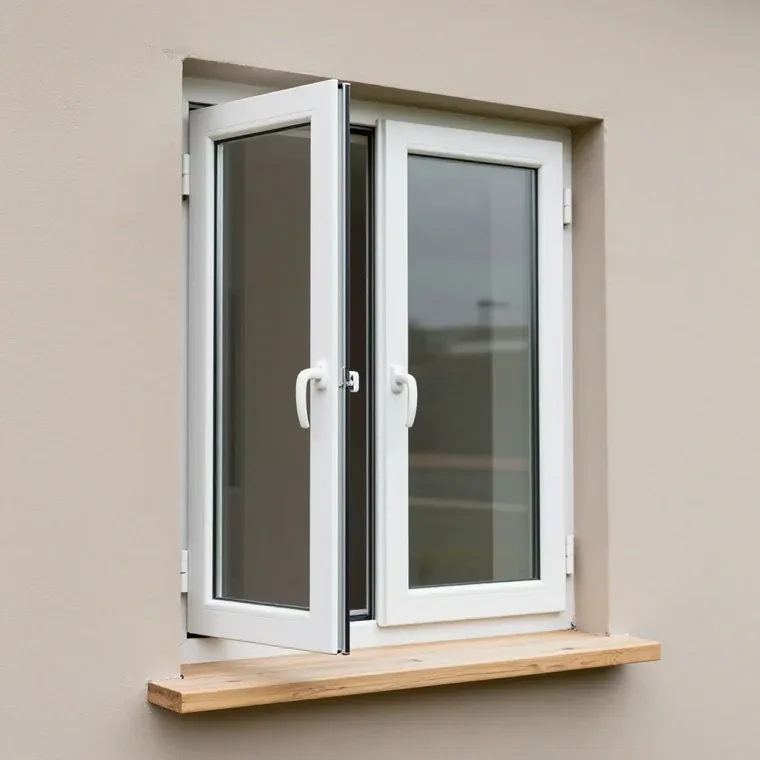
We remove them and install new glazing with drip sills.
Extending the frames along the window sill adds space.
Five most frequently ordered services
By area · m²
Frames for a loggia, balcony or bay window.
Double glazing
For a residential balcony in frost.
Sliding
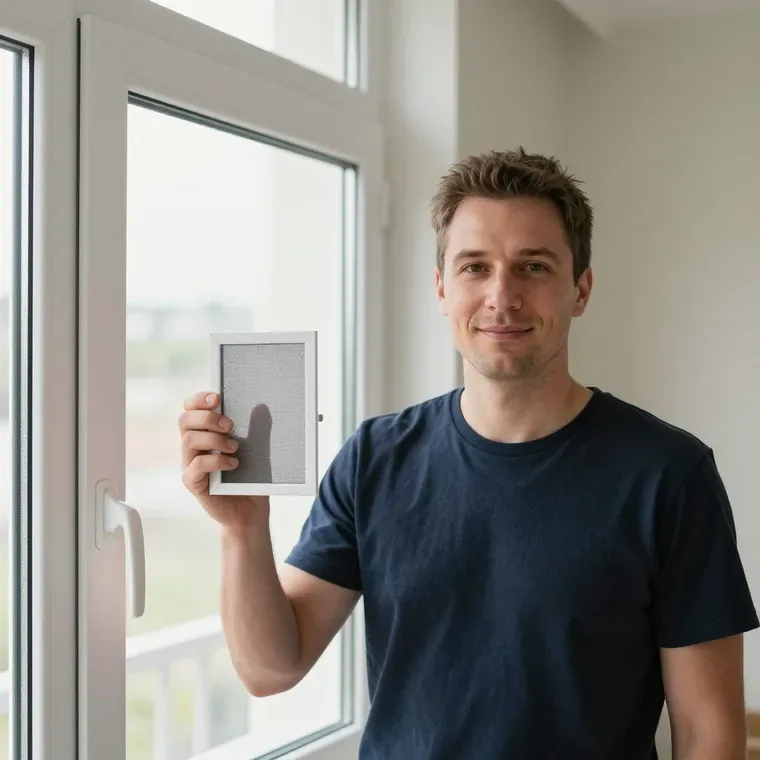
Ventilation without insects.
Outside
Neat parapet from the street.
PVC · per metre
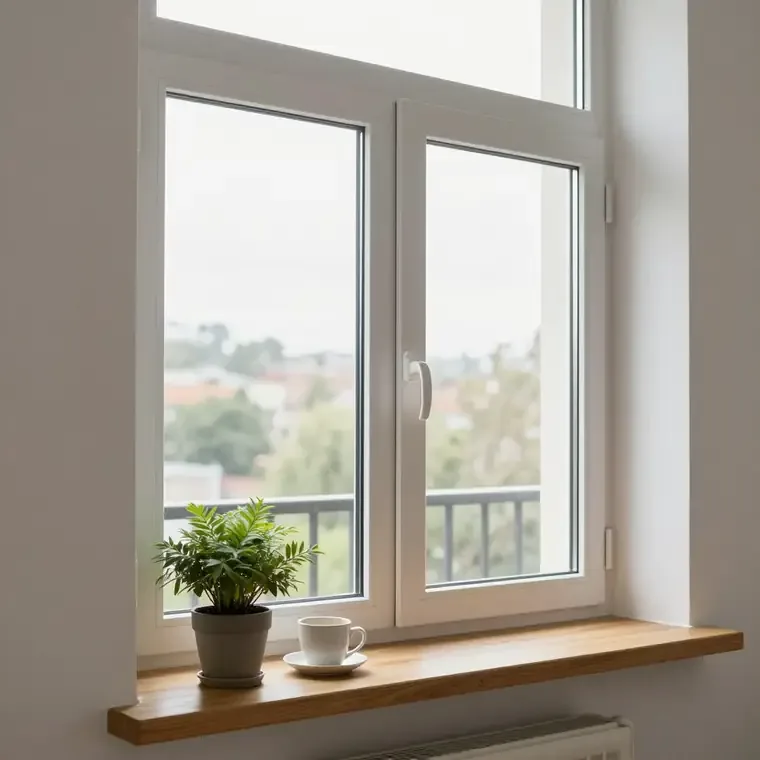
A shelf for flowers along the frames.
Prices for frames and related work; we'll quote the exact sum for your balcony during the free measuring visit
| Type of work | Price |
|---|---|
| Cold balcony glazing (aluminium)sliding aluminium frames | from 158 000₸ per balcony |
| Warm balcony glazing (PVC)PVC profile and double glazing | from 202 500₸ per balcony |
| Balcony glazing, per m²calculated by opening area | from 37 500₸ per m² |
| French (panoramic) glazingfloor-to-ceiling glass | from 322 500₸ per balcony |
| Balcony extensionextended along the window sill | from 214 000₸ per balcony |
| Balcony roof or canopyfor upper floors | from 49 000₸ per balcony |
| Removal of old glazingframe removal and disposal | from 5 000₸ per balcony |
| Exterior balcony claddingcorrugated sheet or siding | from 73 000₸ per balcony |
| Interior balcony insulationfor warm glazing | from 6 800₸ per m² |
| PVC window sill installationinside the balcony | from 5 500₸ per linear m |
| Sliding mosquito screen for balcony and loggiafor new frames | from 17 400₸ per m² |
| Drip sill installationwater drainage from the frame | from 3 250₸ per linear m |
Price is fixed after measuringMeasuring is freePayment after work: cash, card, Kaspi
Book a measuring visitHow we work
we work across Kazakhstan
on WhatsApp
we measure every side of the bay window
in the order after measuring
acceptance: cash, card, Kaspi
no days off
frames, windowsill, screens, cladding
cities of Kazakhstan
From a balcony photo to the finished job
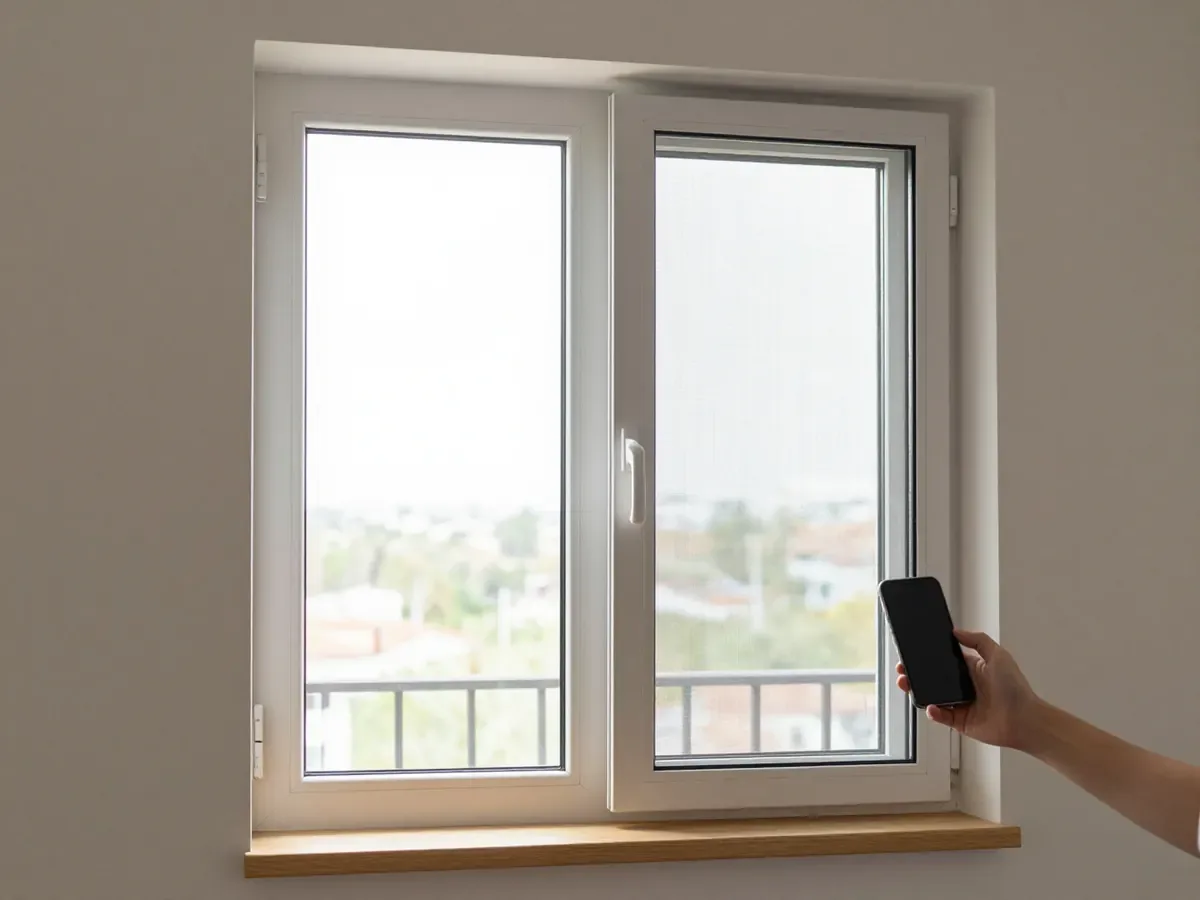
Send a photo of your balcony or loggia and tell us if you need a windowsill, screens, or cladding. We reply quickly.
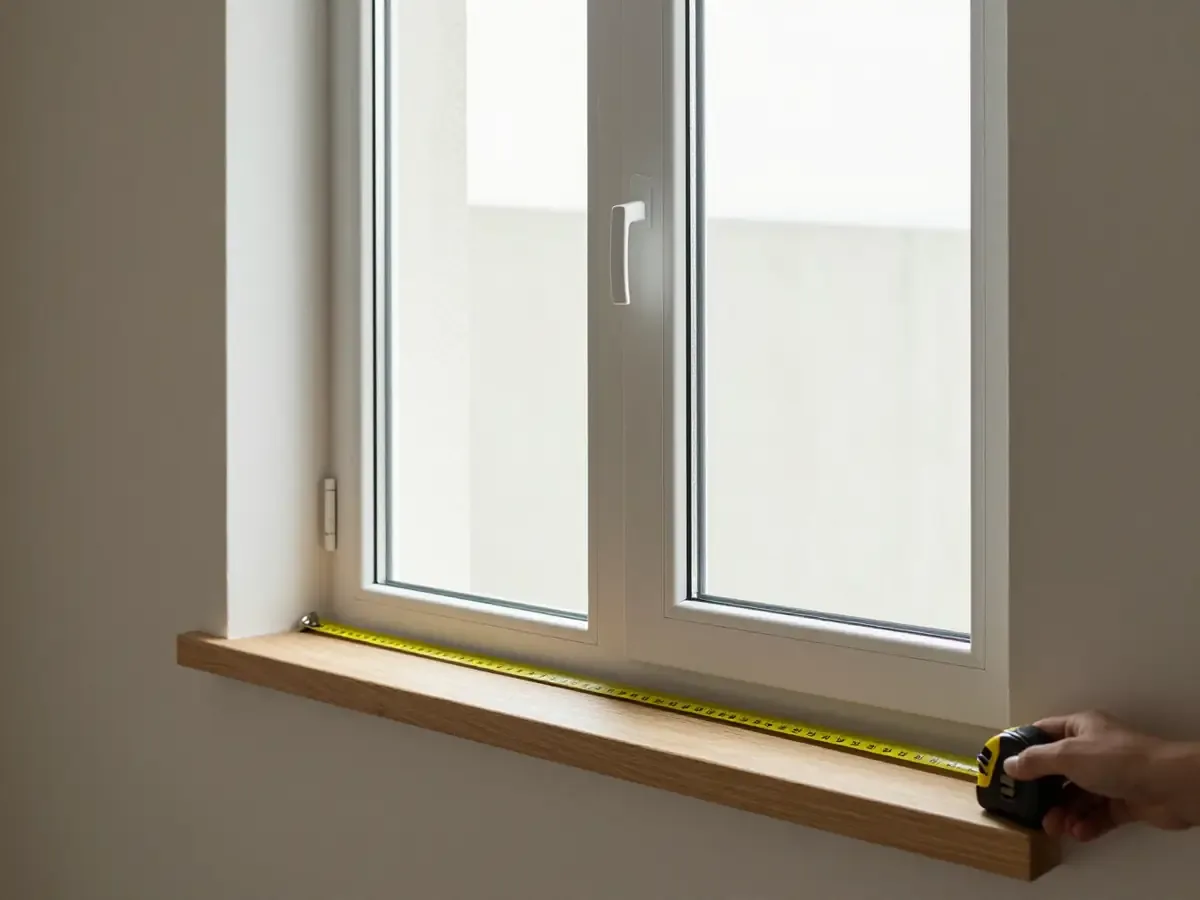
The measurer takes the dimensions of every side, checks the slab, suggests a profile and gives the order total.
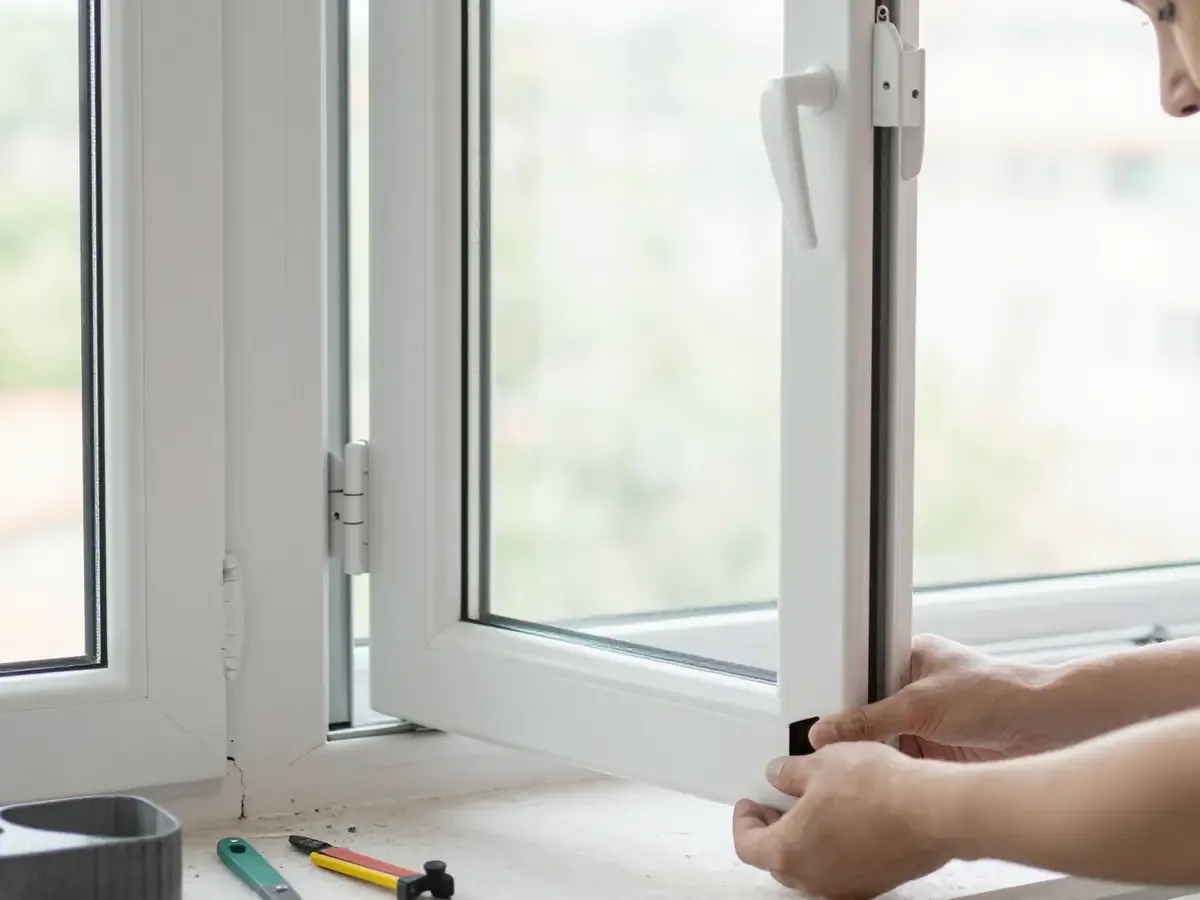
We install frames and drip sills, fit the windowsill, screens and cladding, and seal the joints.
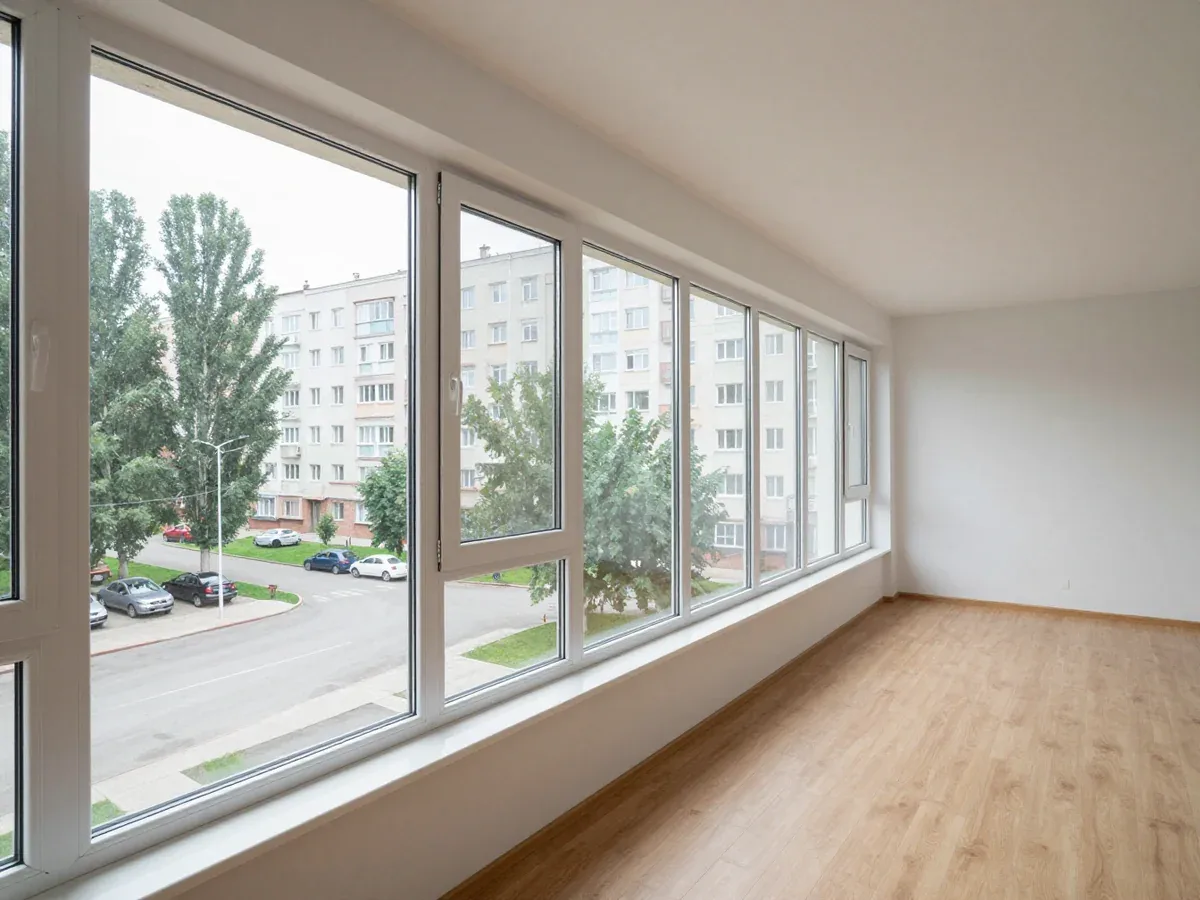
We check the sashes, screens and junctions. Payment is after acceptance.
Good to know

Senior mosquito screen specialist at moskitnyesetki.kz
We handle balcony and loggia glazing in Karaganda with our own installers, a free measuring visit and payment after installation. The measurer picks the construction, profile and fixings for your window and floor, the price is fixed in the order, and window installation carries a 5-year warranty.
The local climate and the type of building decide most of the choice between a cold and a warm option, so it helps to see what actually changes in the construction and in daily comfort.
Cold glazing is a single light frame that blocks wind, rain and dust but keeps no heat, while the warm version adds insulated profiles, multi-chamber glass units and a sealed contour. An aluminium frame handles the cold option, and a plastic profile carries the warm one, which is why the two are rarely swapped on the same opening. The difference shows up in the rooms behind the glass, not in the frame finish. The warm setup holds heat on a heated loggia and cuts street noise, and the unheated option does neither. The gap that matters is not the frame itself but the sealed contour, so a warm option only works when the junction to the base wall and the slopes are finished as one system.
| Option | Frame material | Best for | What it keeps out |
|---|---|---|---|
| Cold glazing | aluminium | unheated loggia, storage | wind, rain, dust |
| Warm glazing | plastic profile | panel-block balcony, living space | cold, noise, draughts |
| Warm with insulation | plastic plus slopes | balcony used all year | cold and condensation |
The profile and the glazing decide whether a balcony stays warm and dry, and the details around them decide whether that warmth survives the winter. Here is how chambers, gaskets and insulation work together.
We match the profile and the number of chambers to the loggia, and for a heated one a multi-chamber unit with a sealed contour holds warmth far better than a single-chamber version. Each air gap inside the frame and inside the panel slows heat loss, while the gaskets around the sashes stop cold air from bypassing the whole assembly. Hardware matters too, because a sash that does not press evenly against the frame leaves a thin gap that frost finds first. On an unheated glazed area a lighter profile is enough, while a room used through winter needs the deeper frame and the heavier panel. Adding chambers helps only while the seal holds, so the profile, the glazing and the gaskets have to be chosen together rather than upgraded one at a time.
We insulate the parapet and fit slopes as part of the warm option, because condensation forms on the coldest surface, which is usually the uninsulated parapet and the junction to the wall. The panel below the sill and the seam where the frame meets the wall stay colder than the room air, so moisture settles there and runs down in streaks. Our crews close those points before the frames go in, renew the gaskets at the same visit and seal the sill joint, since that threshold is a common cold bridge. A small controlled gap under the roof line then lets moist air escape instead of condensing on the frames. A glazed area that still feels cold afterwards is almost always losing heat at the parapet or the door threshold, not through the glass, so those two points are checked first.
Measuring and installation are the two stages where the reliability of balcony and loggia glazing is decided. Here is what the measurer does on site and how the frames are fixed to the parapet.
The measurer comes at a time that suits you, takes the sizes, checks the parapet and the window opening, and helps choose the construction, profile and fixings, and the measuring visit is free. On a panel block he notes the slab edge, the parapet height and how level the top course runs, because those three readings set the frame depth and the bracket type. He also looks at the window opening, the sill line and the slope width, then shows samples of profile and glass unit so the choice is made against the real opening rather than a photo. The price is fixed in the order after measuring, so nothing is added once work starts. The parapet survey decides the fixing type before any frame is ordered, so a weak or uneven parapet is spotted at measuring rather than on installation day.
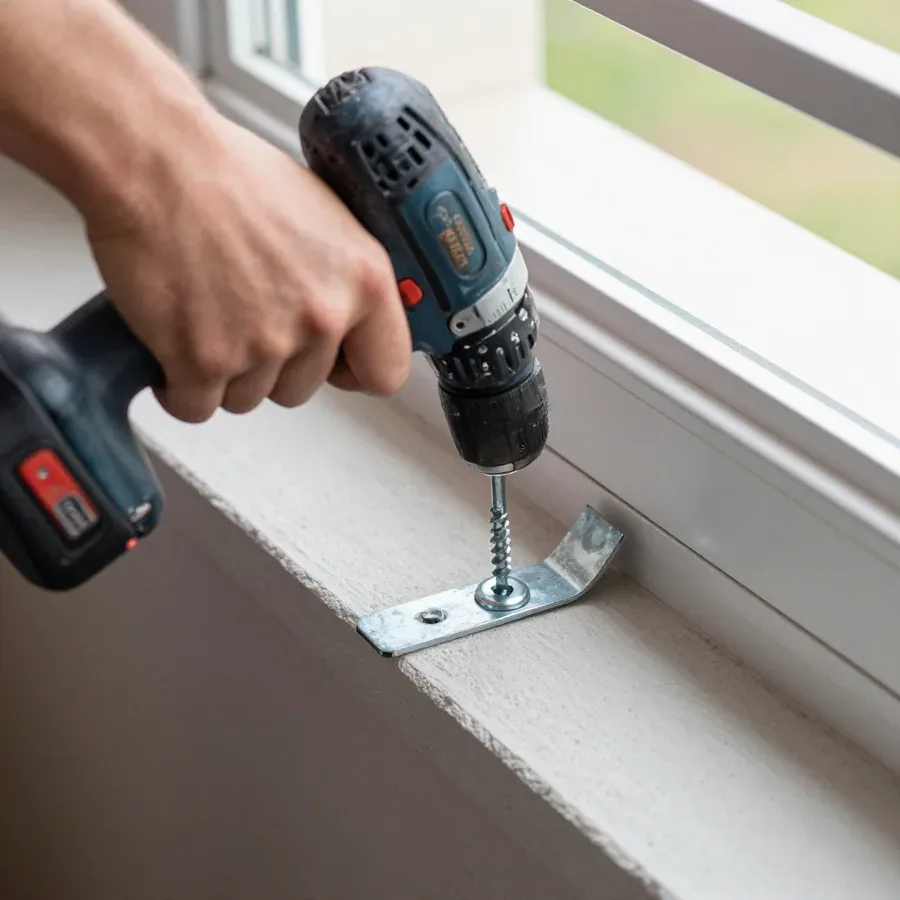
Our own installers fix the frames to the parapet with the fasteners the measurer selected, seal the junction, and you check the finished work with the team before signing off. The crew works through a set sequence: it confirms the fastener type against the survey sheet, levels each frame along the parapet, and seals the junction between frame and slab before anything else goes on. Slopes are fitted last, once the seam has been checked. You walk the finished glazing with the installers and test the opening sections yourself. Most leaks after installation come from the junction between the frame and the parapet, so that seam is sealed and checked before the slopes go on, not after.
A turnkey order means different things to different installers, so it is worth spelling out what balcony and loggia glazing in Karaganda actually includes and whether the finishing work can be left out.
A turnkey order with us covers the window units, the glass units, insulation of the parapet and the slopes, while a units-only order is possible when the loggia is not heated and only needs weather protection. The narrower route suits a space used for storage or as a summer extension, where the parapet stays cold and no one expects warmth from the room behind it. On the full route the crew insulates the parapet, seals the joints and fits the slopes around each opening, so the glazed loggia behaves like an insulated room rather than a windbreak. On a heated loggia, skipping the finishing leaves the junction exposed, and the saving there is usually paid back later in draughts and condensation. The parapet and these edges are where cold bridges form first, so we treat them as part of the glazing rather than an optional extra.
We glaze loggias in any season, including winter, and the measurer tells you at the visit whether your building requires any approval before the work starts. A panel block may have rules on changing the facade, while a private loggia usually requires none, and the measurer checks this on site instead of leaving you to guess. Winter installation is limited by temperature at the sealing stage rather than by the panels, so the schedule is planned around the seal, not the delivery. Our team works seven days a week, and the measurer comes at a time that suits you, which keeps the whole job moving without long gaps between stages. If the seal needs milder weather, the crew glazes on a workable day and returns to finish the joints — that way the units are not left half-fitted overnight.
Warranty and payment terms are what most people check before signing, so here is how the coverage is split by stage and how the glazing is looked after once the crew has left.
| Stage | Warranty | What it covers |
|---|---|---|
| Window installation | 5 years | frame fixing and sealing |
| Glass unit replacement | 3 years | the new unit |
| Window repair | 1 year | labour and replaced parts |
Five points decide whether a glazed balcony stays dry and warm through the Karaganda winter.
Season, profile, double glazing, insulation, care
Konstantin Selenenkovsenior mosquito screen specialist, 10 years in the tradeOnline · replies within 5 minutes
Ask a questionYes, installation is possible in cold weather if the temperature is not below the limit for mounting foam. We schedule measuring and work according to the weather so that installation is completed without loss of quality.
For a warm option, multi-chamber PVC is usually chosen; for a cold one, aluminum is sufficient. The choice depends on whether you plan to heat the balcony and how important structural strength is.
It is better to opt for a double-chamber double glazing with energy-saving coating and a sealed spacer frame. This reduces the risk of condensation, but much depends on the insulation of the parapet and ventilation.
Insulation is done after glazing installation, otherwise work on the parapet and reveals will have to be redone. First the frames are installed, then the walls, floor and ceiling are insulated and covered with reveals.
A loggia is built into the building and has side walls, so it is easier to insulate. A balcony is external, and the structure depends more on the condition of the parapet and slab.
In winter, it is enough to wipe the profile and double glazing with a soft cloth without abrasives and not to chip ice from the frames. Seals are lubricated with silicone once a season, and sashes are not left open for long in frost.
Thank you. We will call you back within 10 minutes!
Your order number is on the receipt or in the SMS. Choose where to leave your review.
Write a review on WhatsApp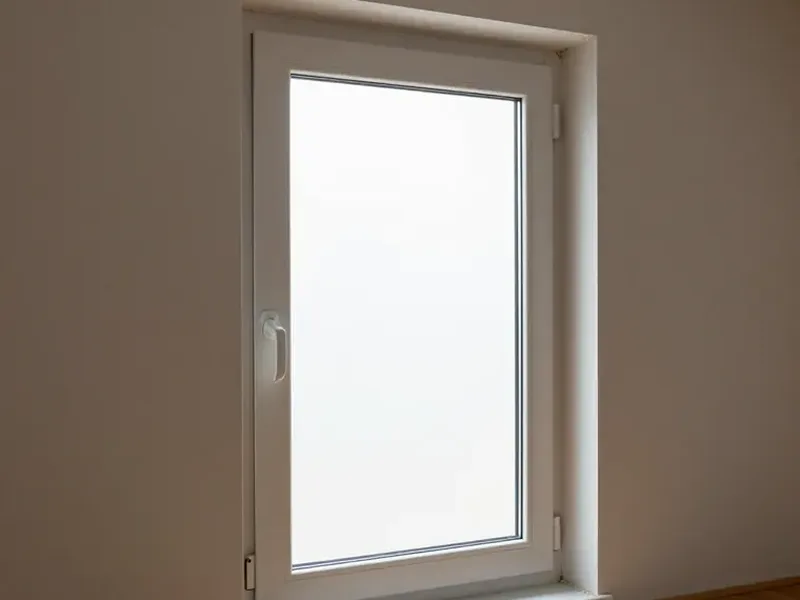 Window replacement
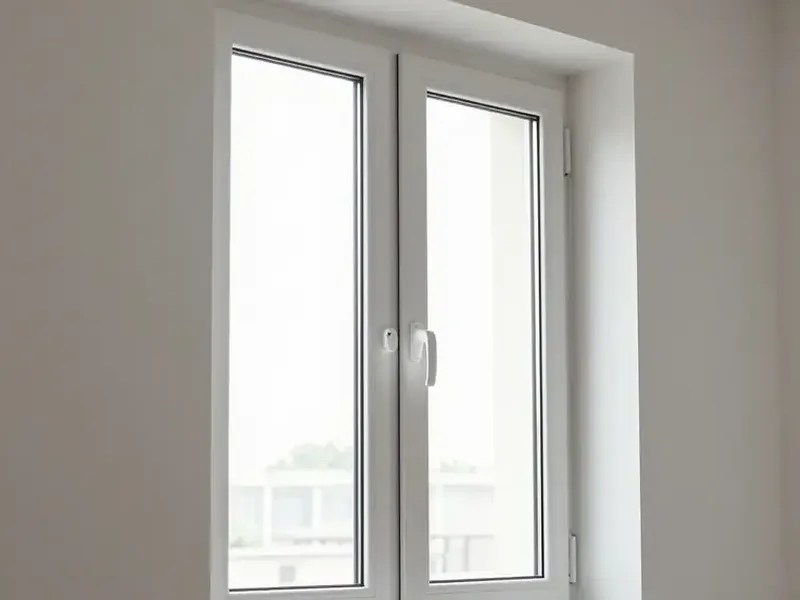 Reveal finishing
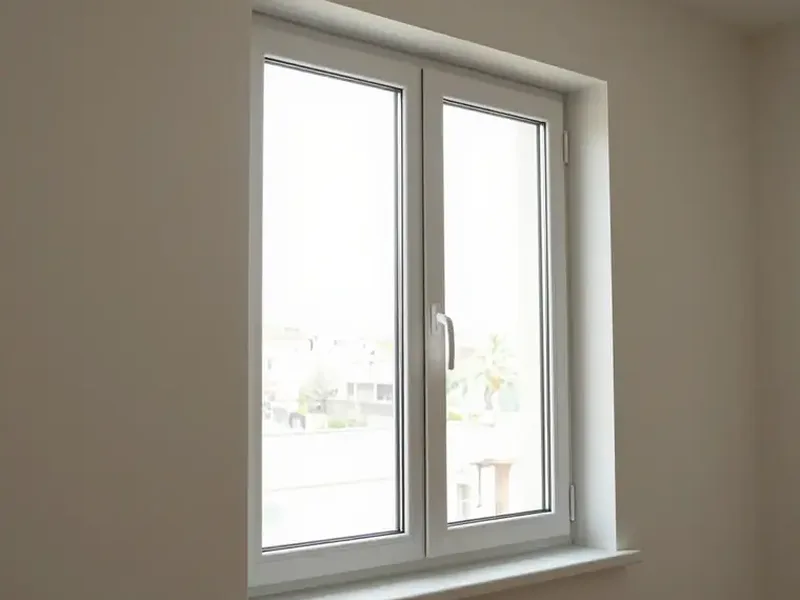 Window insulation
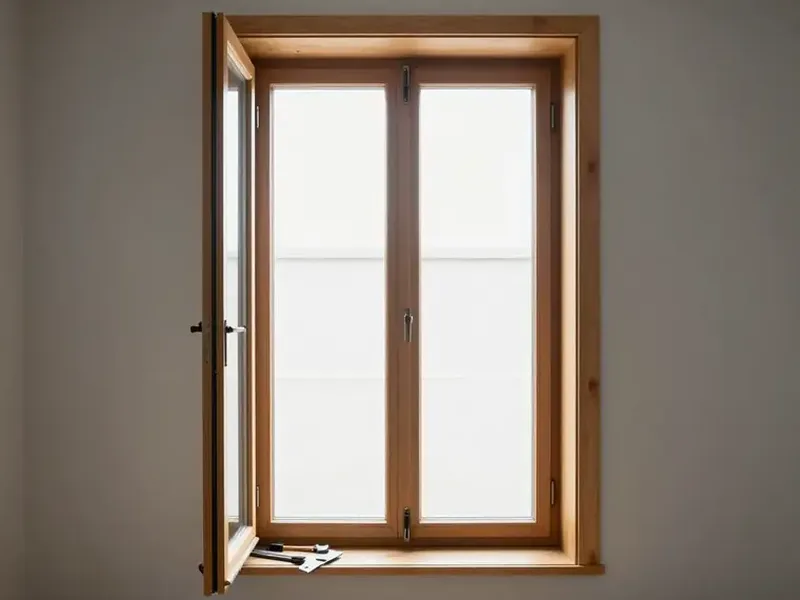 Wooden window repair
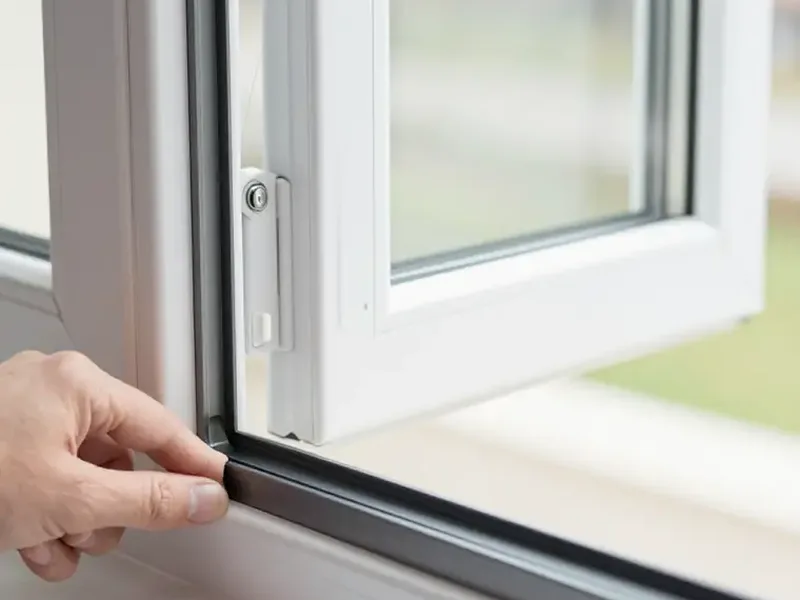 Seal replacement
