
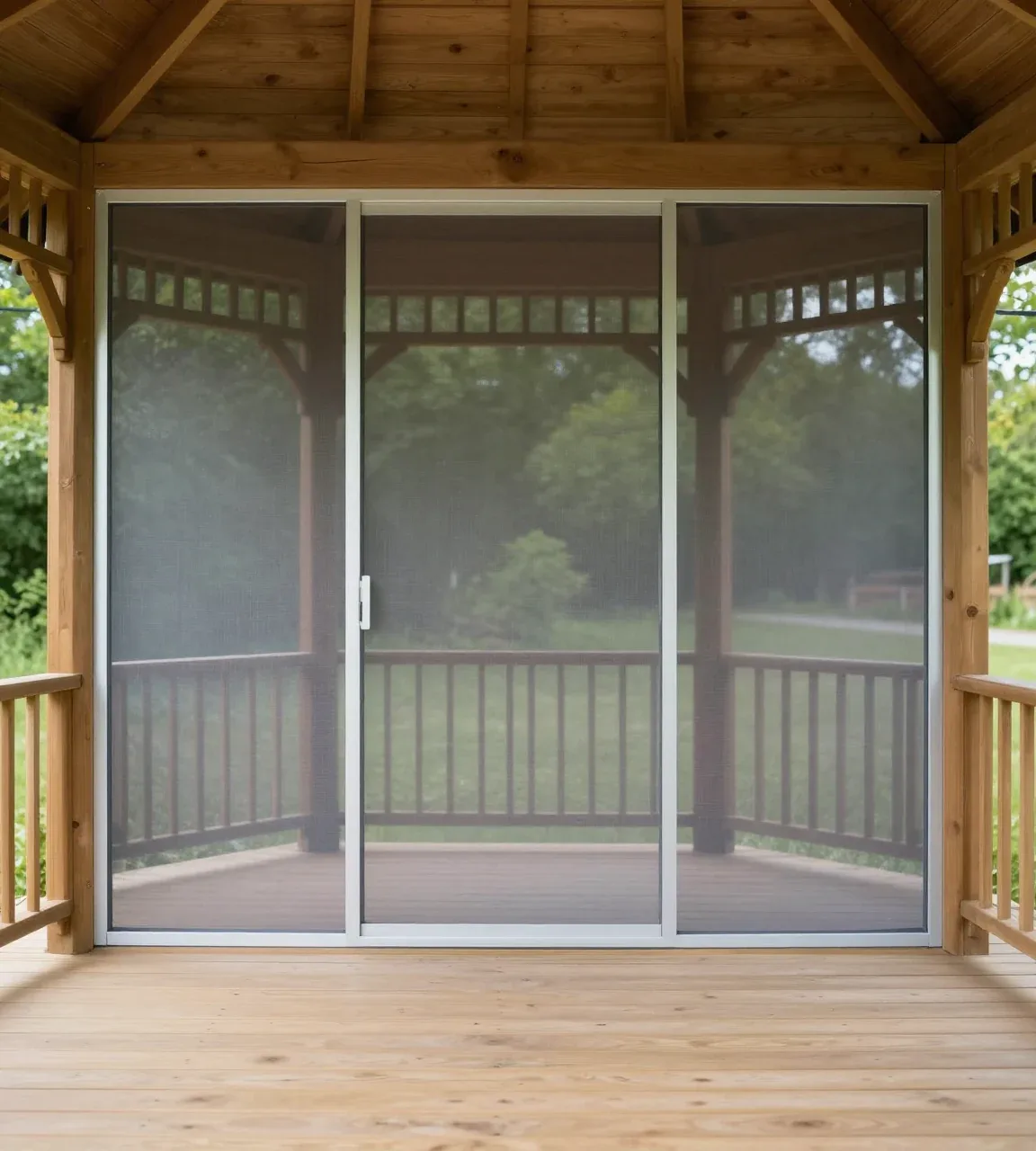
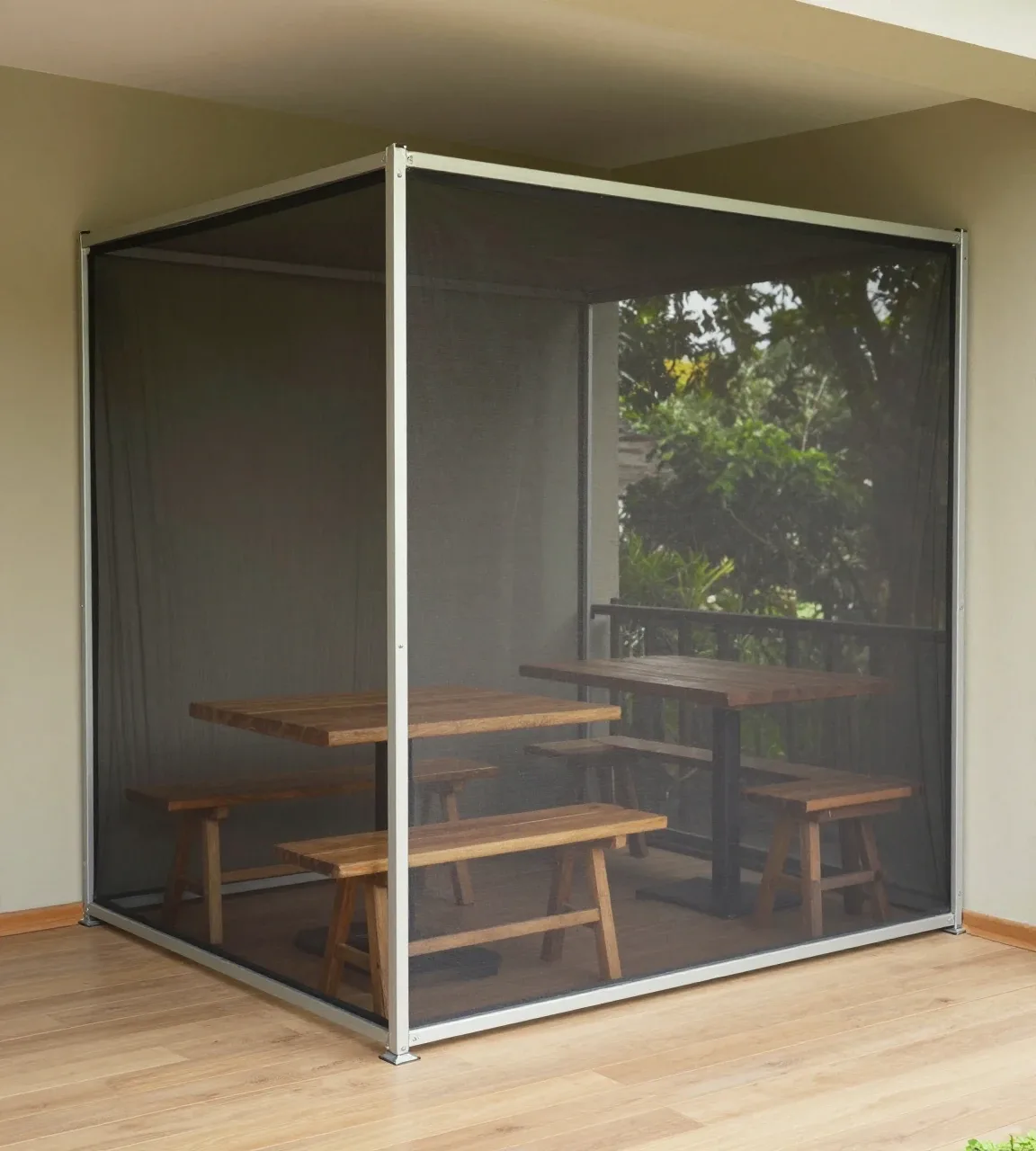
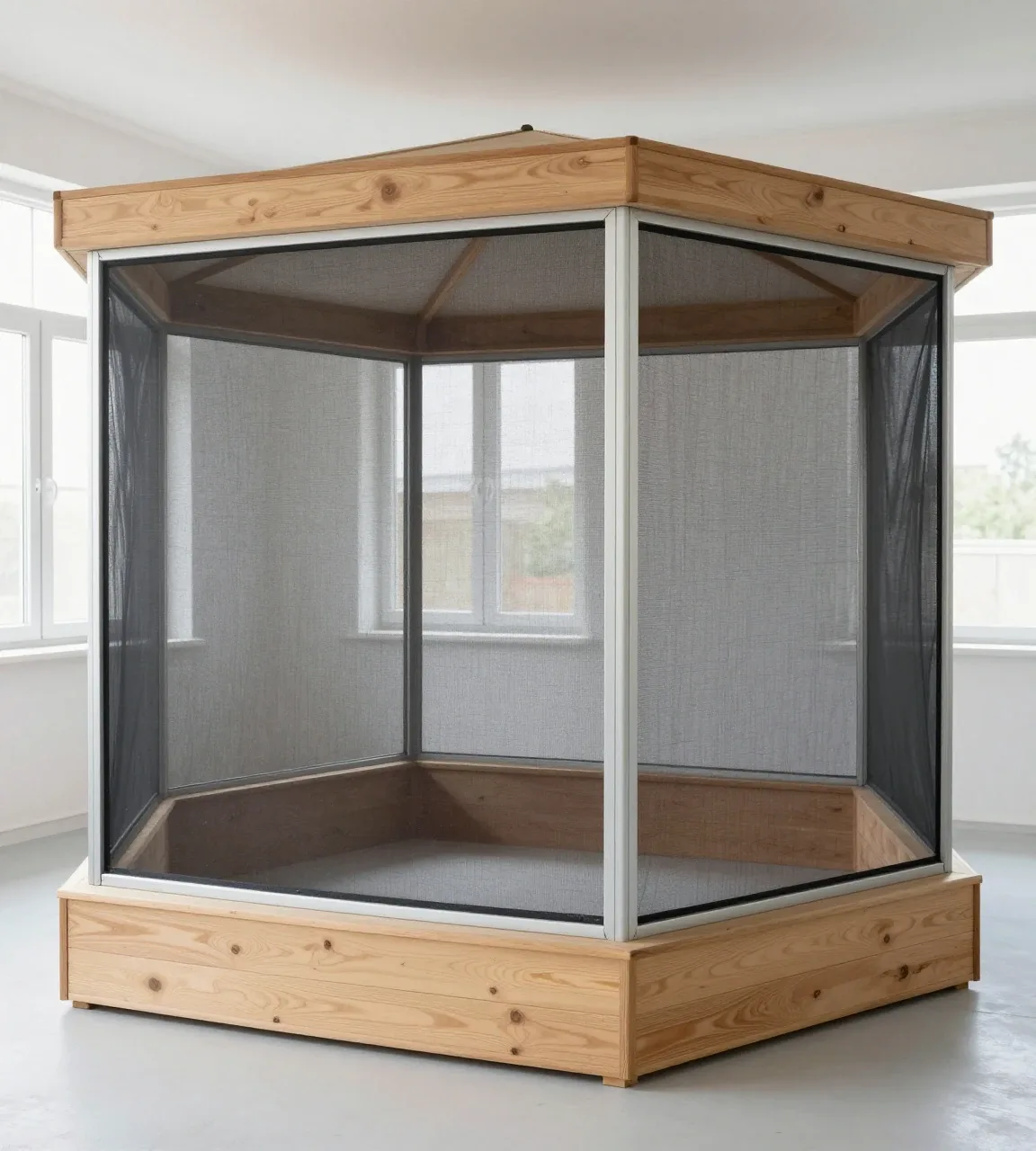
Mosquitoes and flies · Fiberglass
Standard
Fiberglass mesh resistant to fire and temperature changes. Covers gazebo opening from 6 900 ₸ per m².
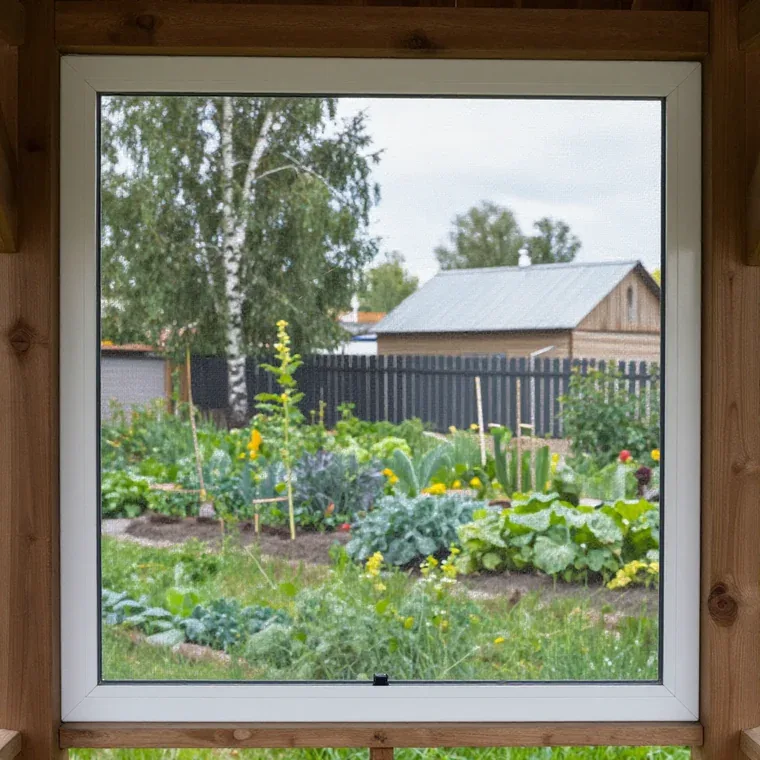
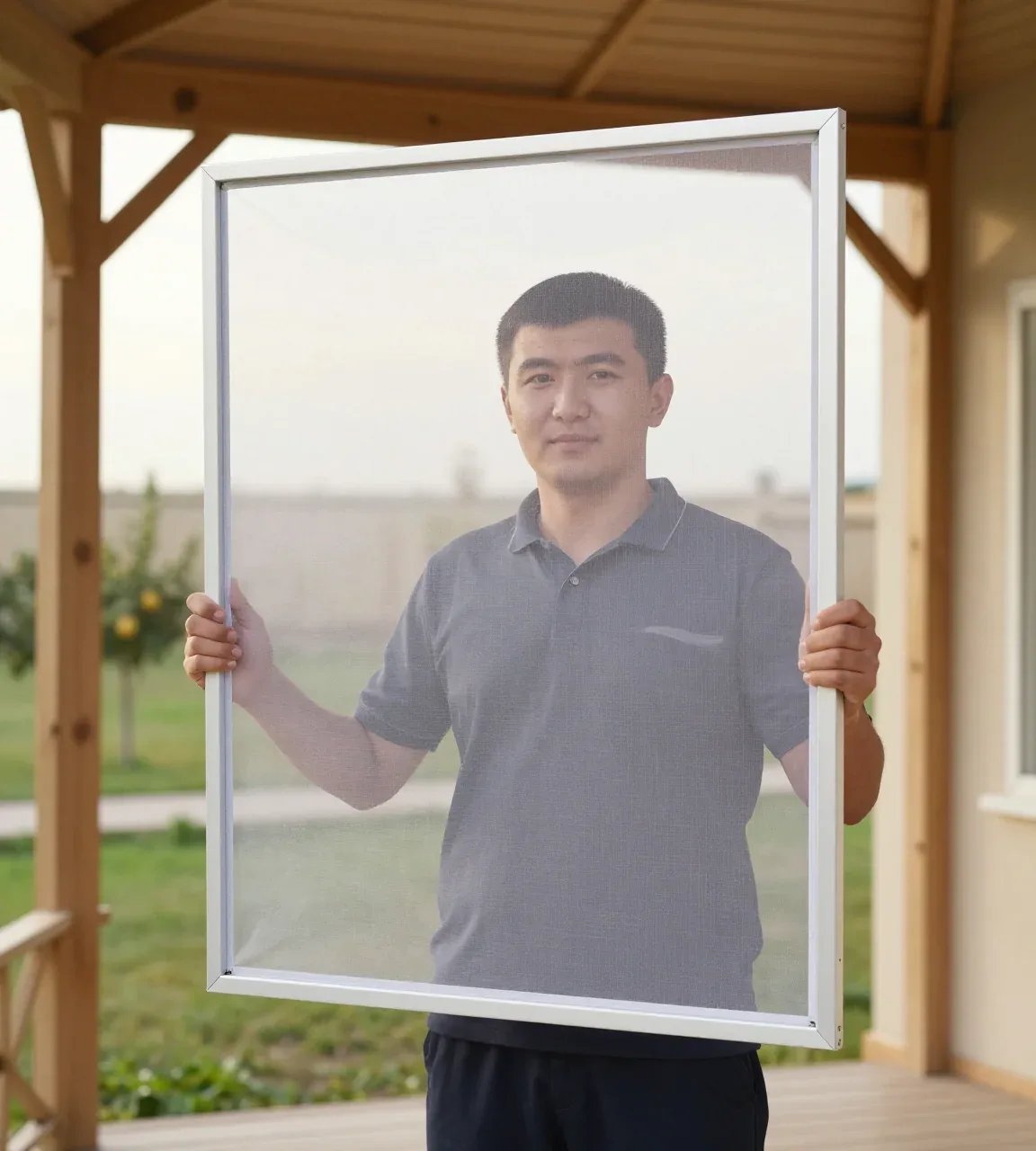
Standard
Fiberglass mesh resistant to fire and temperature changes. Covers gazebo opening from 6 900 ₸ per m².
UltraVue
Lets through 25% more light and air than other meshes. For gazebo from 6 900 ₸ per m².
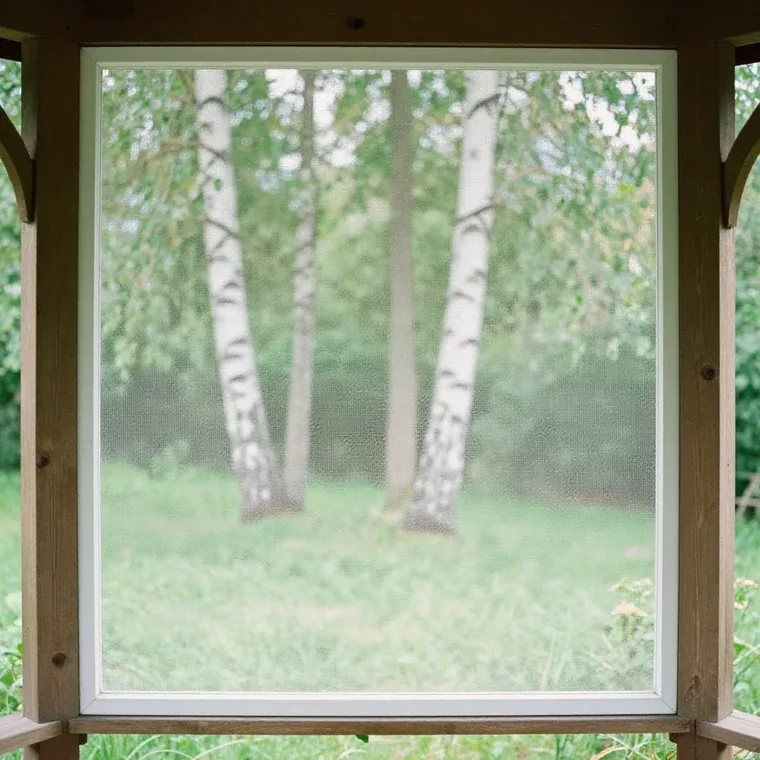
Anti-Cat
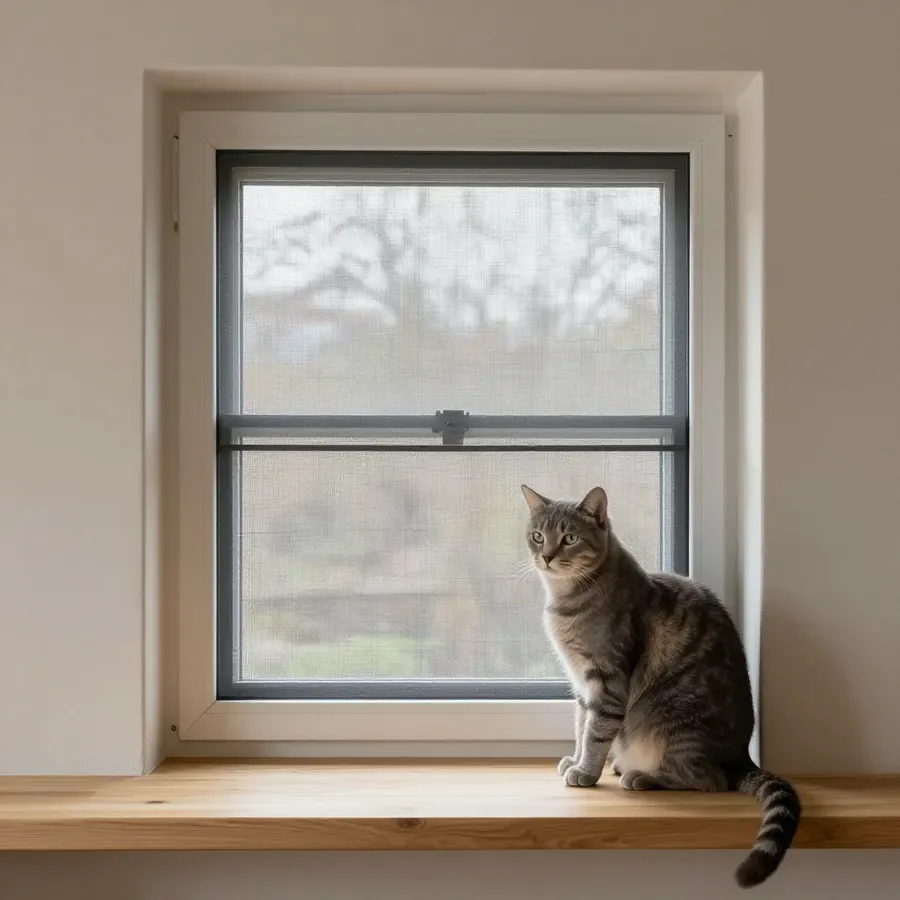
Vinyl threads are several times stronger than standard mesh, withstand the weight of a small pet. From 6 900 ₸ per m².

Anti-Pollen
Cell 0.25×1 mm, hypoallergenic mesh for those who sit in the gazebo all season. From 6 900 ₸ per m².
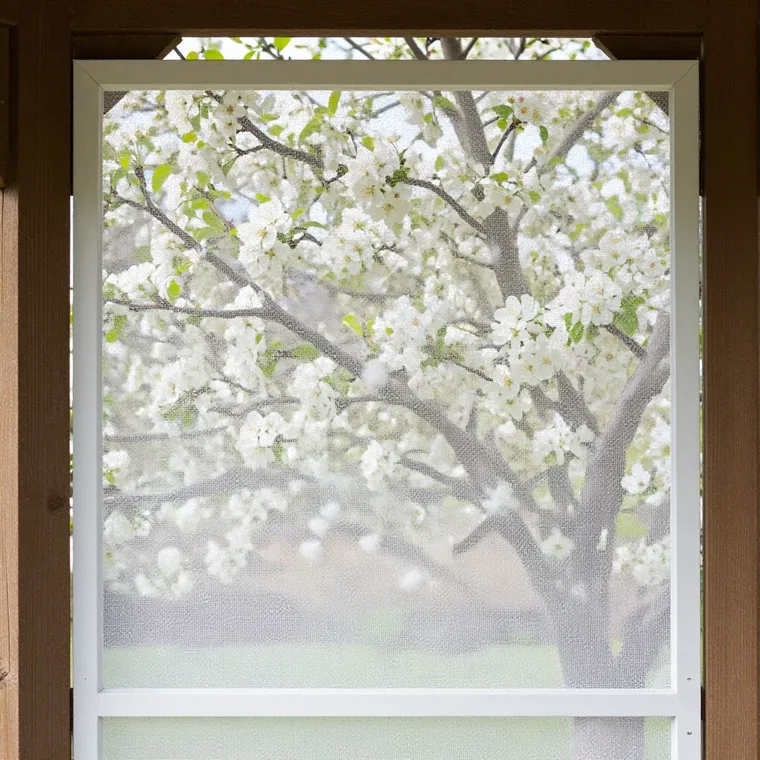
Metal
Screen with metal mesh for openings where it is important to withstand pressure. For gazebo from 11 500 ₸ per m².
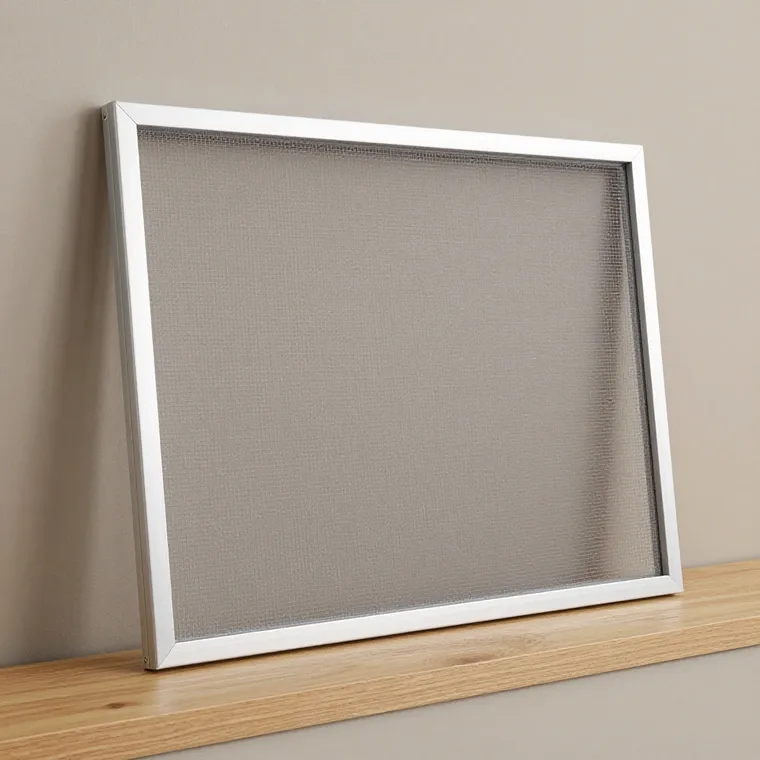



5,097 reviews on review sites
We explain what a gazebo screen consists of and what tasks it solves in season.
A gazebo screen is a mesh in a frame or on guides that is installed in the opening between the frame posts. It lets air and light through but keeps mosquitoes, flies and wasps out of the recreation area.
The construction consists of a profile, mesh and fixings for your frame. For the gazebo, both framed and pleated or roller sections for large openings are suitable.
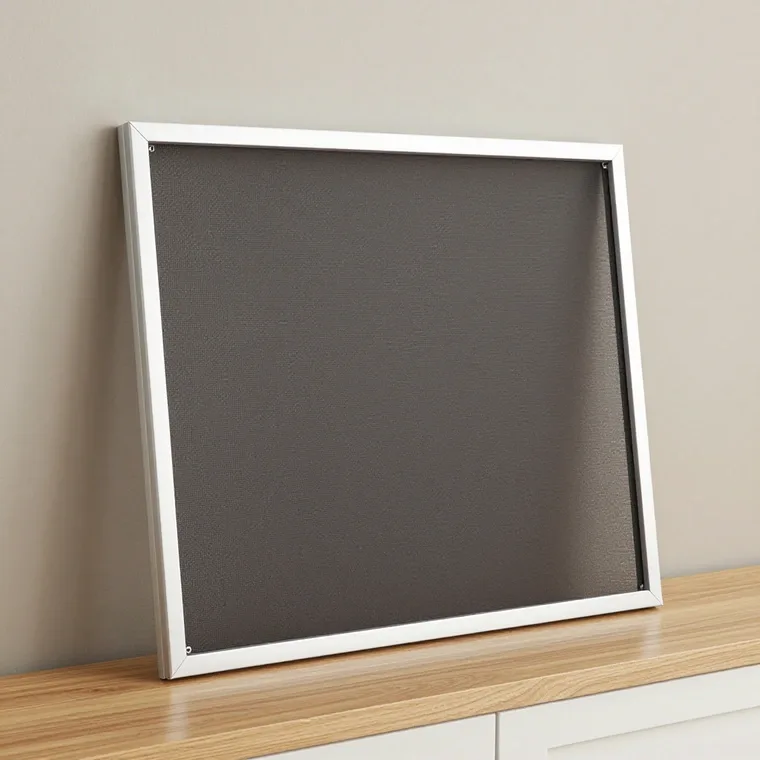
production of framed screen to your dimensions
warranty on mosquito screens
plus metal mesh and "Krylo" mesh
The measurer selects the fixing for the frame profile and floor — this determines how the screen holds in the wind.
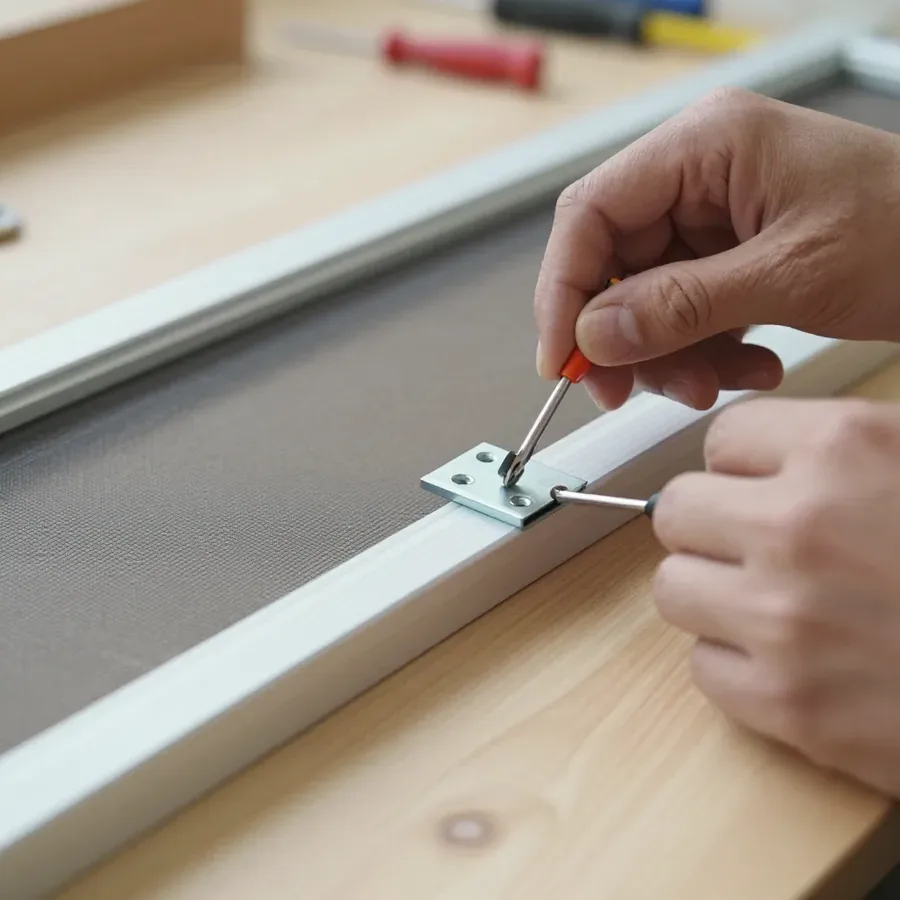
Classic frame mounting: the screen is installed from inside and removed in a minute.
Point fixings at the frame corners, convenient where quick removal of the mesh is needed.
Hold the screen without tools, suitable for lightweight meshes on small openings.
25 mm profile with four fixing points at the corners and additional fixings along the long side — frame rigidity is higher than standard.
Five meshes for different tasks: from basic protection to hypoallergenic option with fine cell.
Fiberglass
Fiberglass resistant to fire and temperature changes. Basic choice for gazebo.
Ultravue
Lets through 25% more light and air than other meshes. For shaded gazebos.
Pet Screen
Vinyl threads are several times stronger than standard mesh, withstand the weight of a small pet.
fine cell
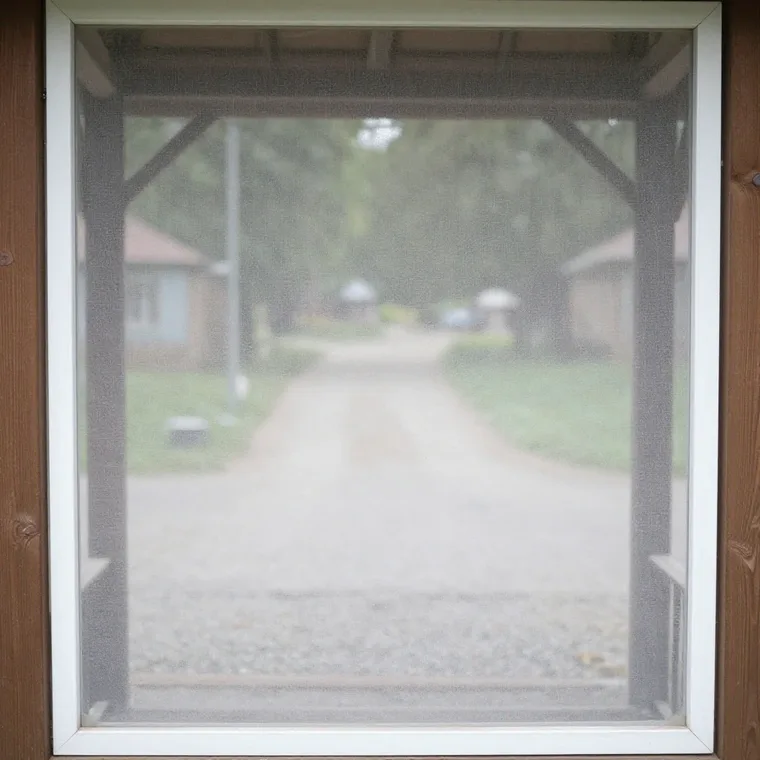
Retains fine dust and fluff, relevant for gazebo by the road or in the yard.
Poll-Tex, cell 0.25×1 mm
Hypoallergenic mesh for those who spend the whole season in the gazebo.
Framed, sliding, door and pleated screens. Our measurer will choose the right design for your opening free of charge.
Full price listOpening sashes, vent windows, loggia windows
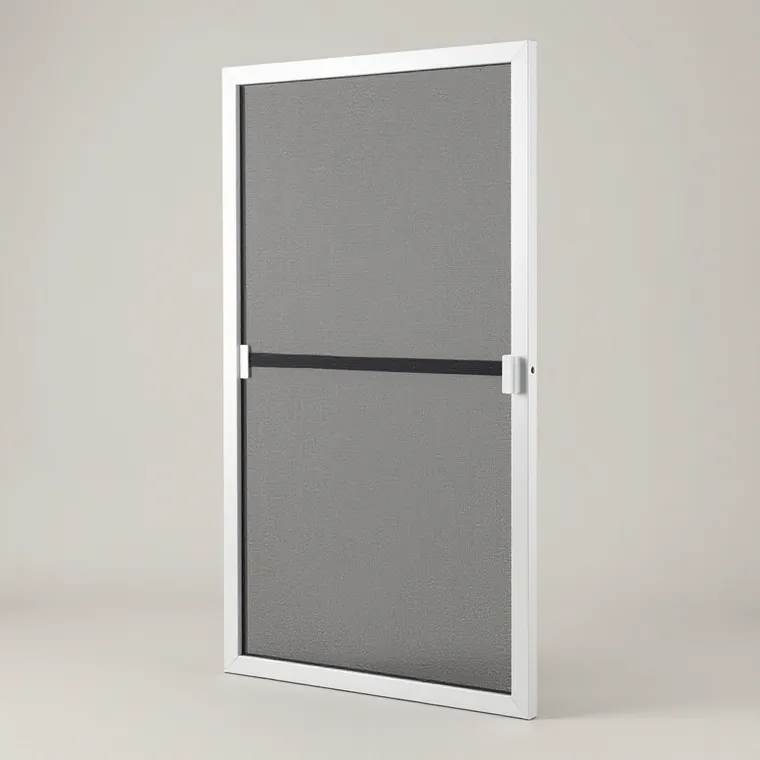
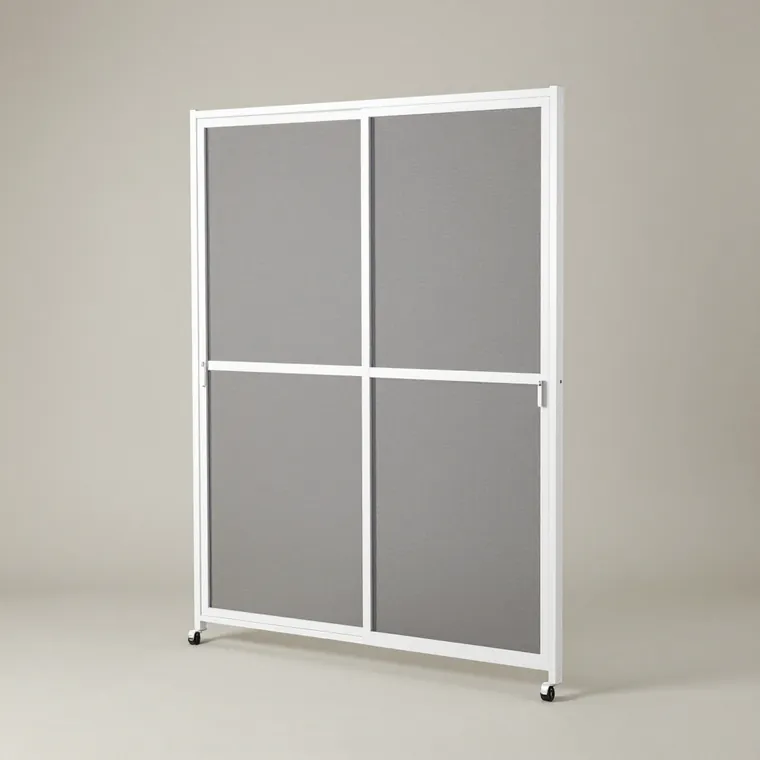
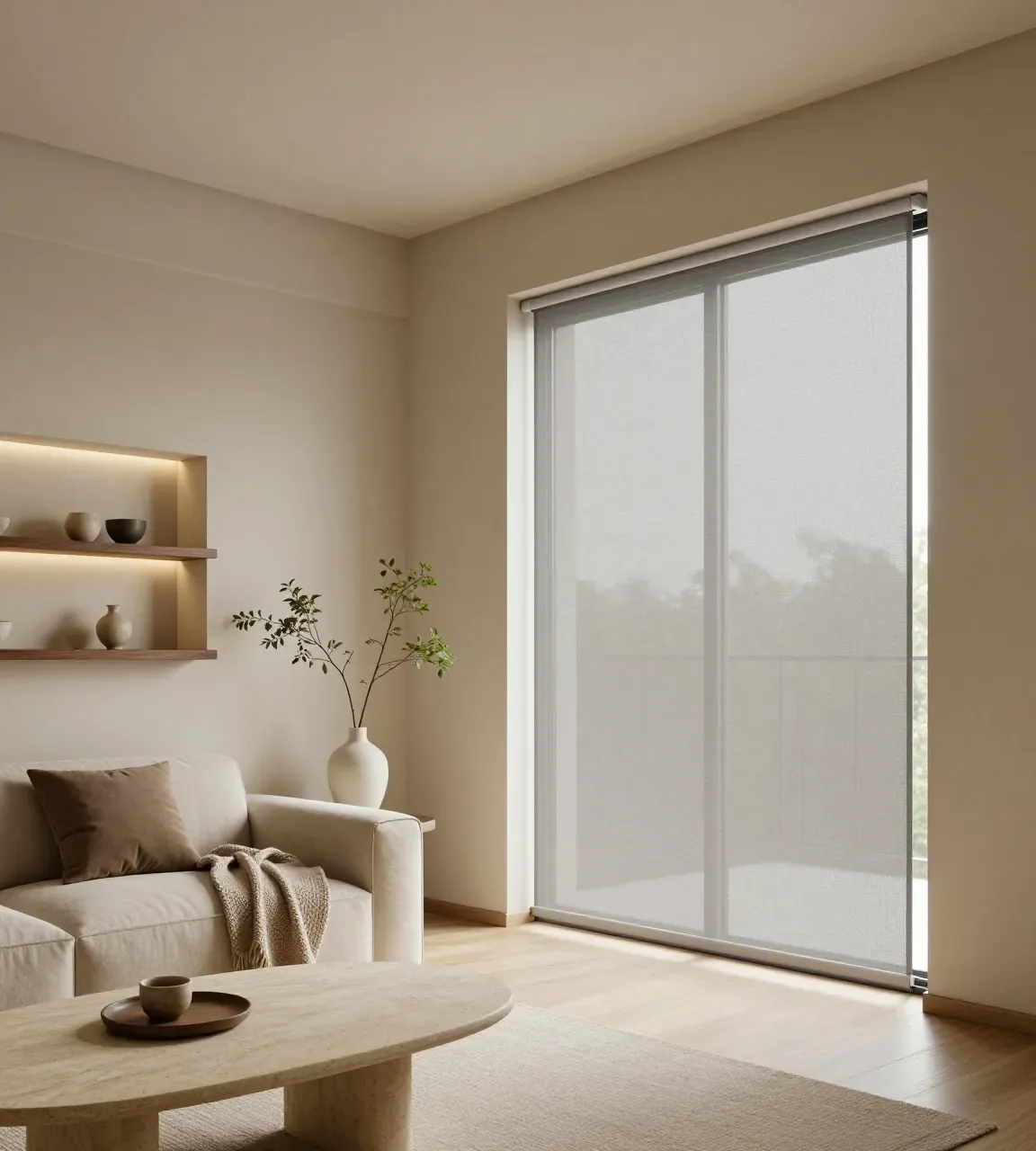
Balconies and loggias with a wide opening
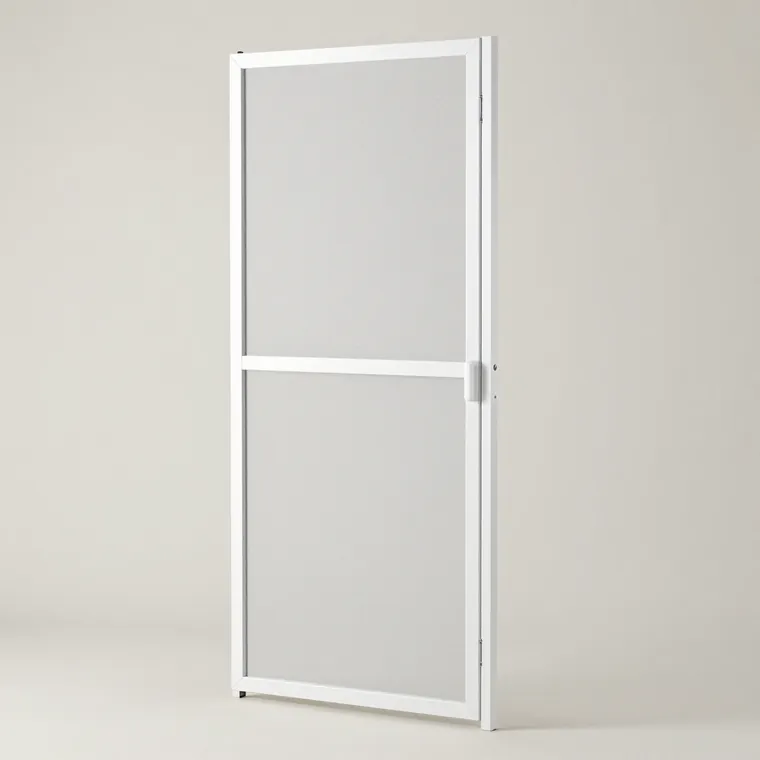
Entrance doors to a balcony, terrace, veranda
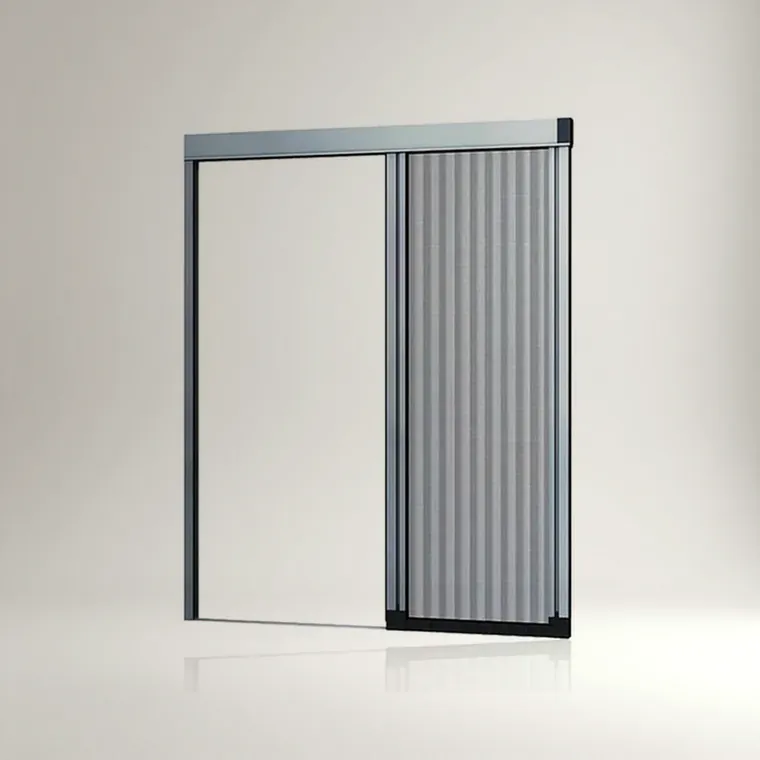
Windows and doors where space saving matters
The table lists types of gazebo screens, fitting and production times.
| Screen type | Price | Fitting | Options and prices | |
|---|---|---|---|---|
| ZIP screen for gazebo | from 50 000₸ per m² | 1 600 ₸ | ||
| Roller or pleated screen for gazebo | from 19 800₸ per m² | — | Roller screen for window · 16 200 | |
| Mosquito screen for gazebo | from 34 000₸ per item | — | ||
| Screen for gazebo or terrace | from 6 900₸ per m² | — | ||
| Pleated screen for panoramic window or terrace | from 43 500₸ per m² | — | ||
| Hinged door mosquito screen, standard | from 15 200₸ per item | — | ||
| Magnetic door curtain | from 5 800₸ per item | — | ||
| Screen with metal mesh | from 11 500₸ per m² | — | ||
| Mosquito screen for soft windows of veranda | from 10 500₸ per m² | — |
The fitting price for one screen includes installing the frame into the opening, levelling it and checking that the sash moves freelyMeasuring and consultation are freePayment after installation: cash, card or Kaspi
Get the exact price after measuringMeasure the width and height of the opening, choose the mesh — the calculator will show a price guide.
1. Screen type
2. Mesh and design
3. Opening size, cm
Eight facts about production, lead times and warranty that matter when ordering a screen for a gazebo.
we have been making mosquito screens since 2012
on mosquito screens
measuring and consultation are free
to match your windows: white, brown, grey
plus metal mesh and "Krylo"
we deliver and install without intermediaries
cities of Kazakhstan
we reply within 5 minutes
Four steps from request to a finished screen in the opening.

You write on WhatsApp or call, describe the gazebo and openings. We reply within 5 minutes.
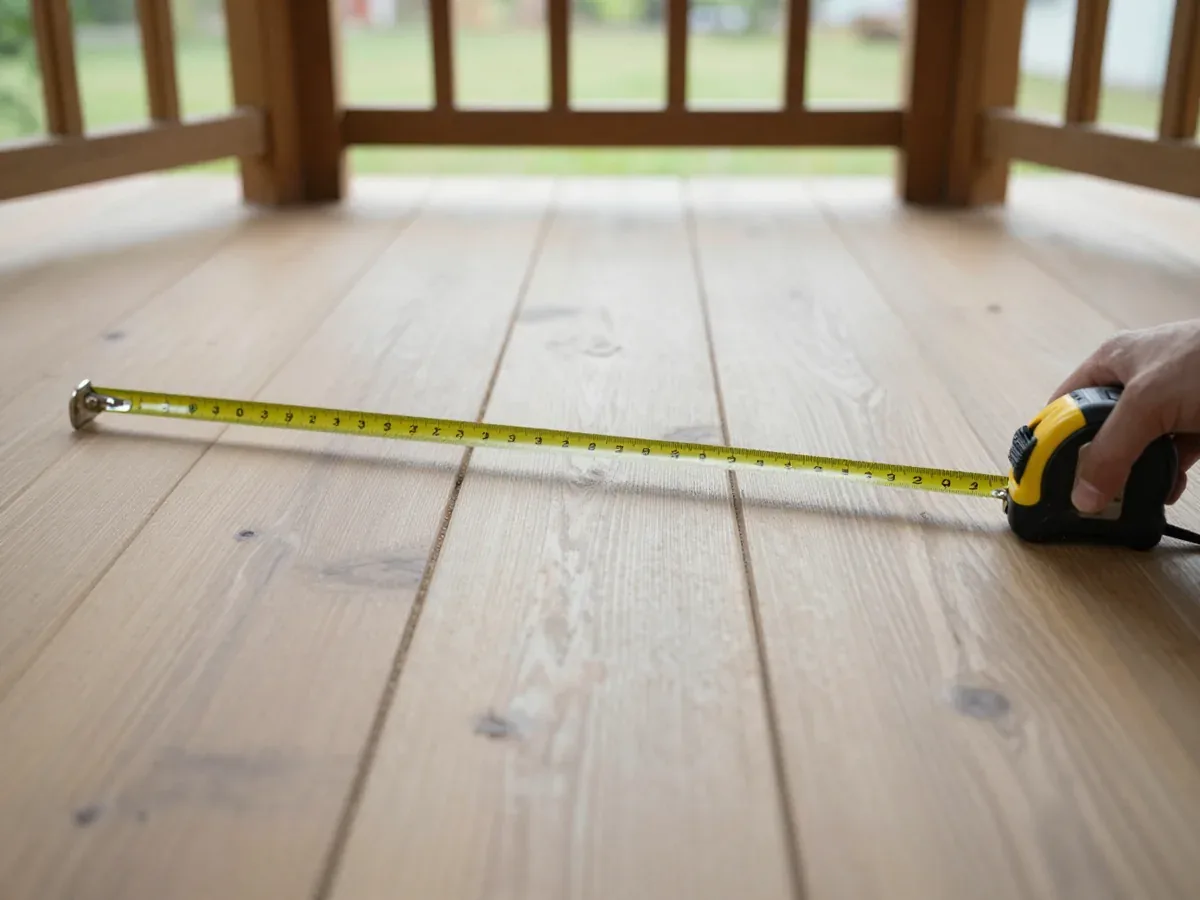
The measurer records the dimensions of each opening, the mesh type and the fixing type in the order — after that the price does not change.
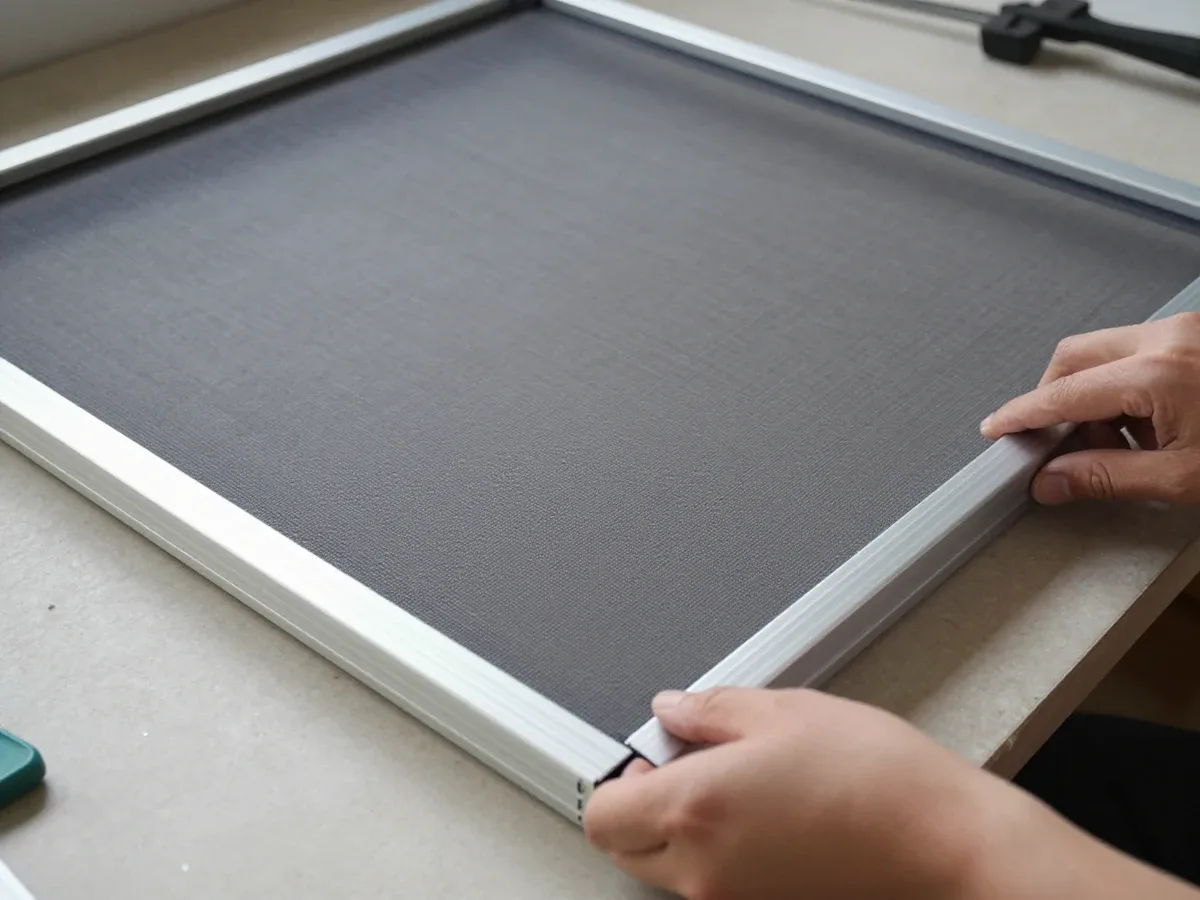
We make a framed screen to your dimensions in 10–15 minutes, a pleated one in 40–60 minutes.
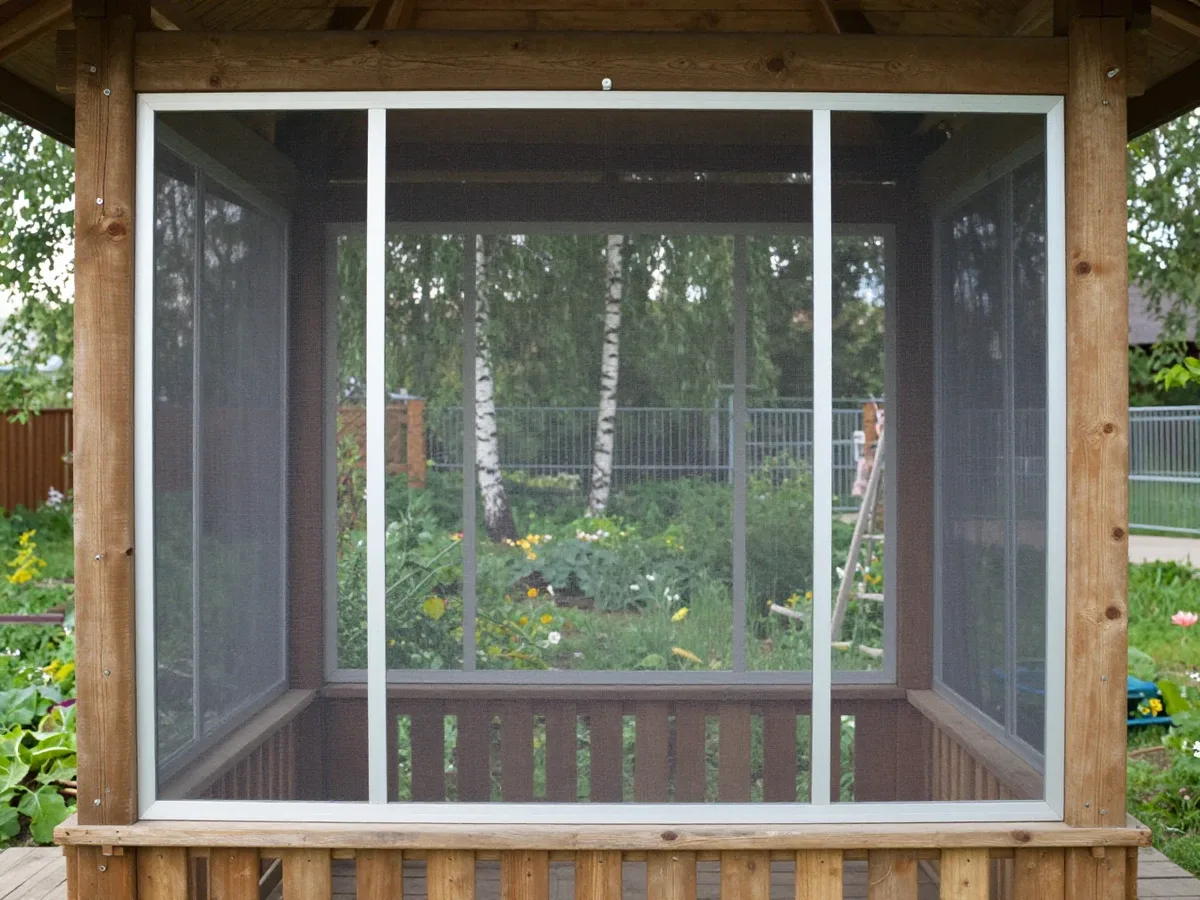
The technician shows how the mesh moves, how the fixing works and removes the framed screen from the inside so you can see that it comes off.
Good to know

Senior mosquito screen specialist at moskitnyesetki.kz
We make gazebo mosquito screens in Karaganda to your exact opening, whether it is a framed panel, a sliding pleated leaf or a hinged door screen. We measure for free, help you pick the mesh and fixings, paint the frame to match, and cover every screen with a 1-year warranty. You pay after installation.
A gazebo opening is not a window sash, so construction follows gap width and base material. Three options cover most cases, and the notes below explain which suits which.
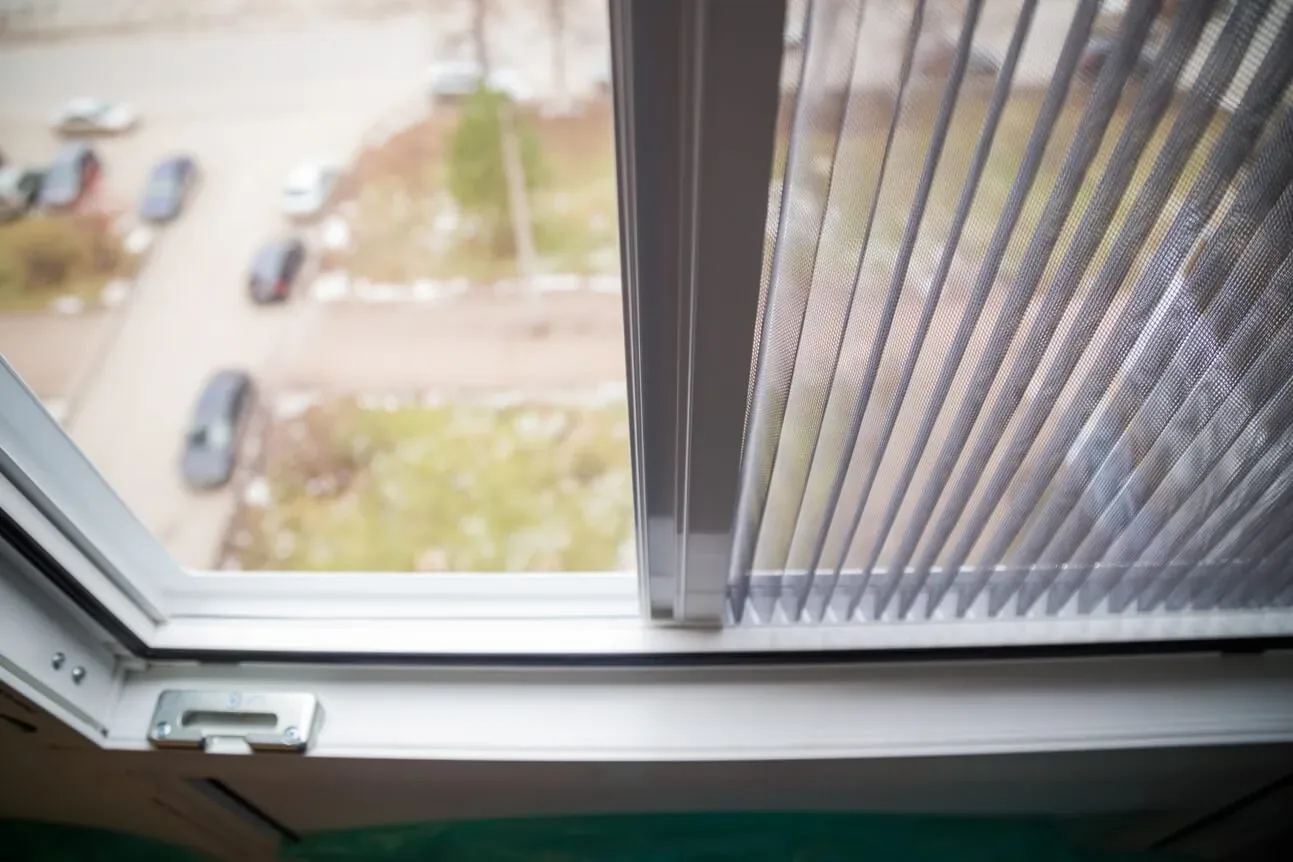
We fit three constructions to gazebo openings: a framed panel that lifts out in a minute, a sliding pleated leaf for wide gaps, and a hinged door screen for the entrance. A framed unit is one rigid panel with a painted frame, held by Z-brackets, plungers or magnets, and lifts out from the inside without tools. A pleated leaf folds sideways on a track, taking up almost no room when open and handling spans where a single rigid unit would be clumsy to lift. A hinged door unit works on the entrance itself, with Economy 32×10 mm or Prestige 42×17 mm profiles depending on how much frame the doorway can carry. A wide gap usually needs a pleated or sliding leaf, so match the construction to the opening.
We mount the units on plastic, timber and aluminium frames, including veranda and loggia openings, so the base material decides the fixing rather than ruling the product out. On a timber structure the frame is usually screwed straight to the post, giving a solid grip and a clean line along the beam. An aluminium profile is thinner-walled, so it needs a bracket that clamps or wraps the profile instead of drilling through it, chosen on site. Plastic veranda frames behave like ordinary window frames and take standard plungers or Z-brackets without modification. The measurer checks post spacing, floor level and span height, then picks the fastener that holds without stressing the base. Agree the fixing on the spot, as a bracket chosen for a window wall can crush a thin aluminium profile.
The mesh decides how much daylight reaches the gazebo and what the screen holds back. Below we break the range down by task and set the options side by side.
| Mesh | Best for | Key property |
|---|---|---|
| Standard (Fiberglass) | everyday gazebo cover | resists ignition and temperature swings |
| UltraVue | shaded or north-facing gazebos | lets in 25% more light and air |
| Anti-Cat (Pet Screen) | homes with a cat or small dog | vinyl threads several times stronger than standard |
| Anti-Dust | gazebos near a road | holds back fine dust |
| Anti-Pollen (Poll-Tex) | allergy season | 0.25×1 mm cell |
Anti-Cat (Pet Screen) is the mesh we recommend when a cat or small dog shares the structure, because its vinyl threads hold the weight of a small animal where standard fiberglass would tear. A pet that climbs the mesh puts steady load on the same few cells, and that is exactly where ordinary mesh gives way first. We also stock Krylo and metal mesh for structures that take knocks from outside. A stronger mesh trades a little airflow for durability, so if no pet climbs it, UltraVue gives a brighter result than Anti-Cat at the same span. Match the choice to how the space is used, not the heaviest option on the shelf.
The biggest worry with a made-to-size screen is getting dimensions or fixing wrong. Both are settled before cutting: the measurer takes the opening and chooses the mount on site.
Measuring and consultation are free, and the specialist comes at a time that suits you, takes the sizes and helps choose the design, mesh and fixings. Our visit covers the whole span: the sill, the posts and the way the panel will sit are checked in one pass. A gazebo opening is rarely square, so a size taken by hand at home often misses a taper of a centimetre or more that the specialist catches and builds into the frame. The same call settles the weave and the fastening, so the order goes to the workshop complete. For gazebo mosquito screens Karaganda customers can book the visit first and let the numbers come from the structure.
The measurer picks the fixing to match the window profile and the floor, choosing between Z-shaped brackets, plungers or magnets. A structure with no profile usually takes Z-brackets screwed to the post, while magnets suit a panel you plan to lift off often and plungers sit neatly on a slim rail. Height matters as much as the mount type: an upper-floor span gets a fastening that holds the frame firmly against wind, and a ground-level veranda can take the simpler option. We bring the fasteners to the visit, so the choice is made against the real structure rather than a photo. Ask the measurer to show you how the panel releases before signing the order.
Once the frame, mesh and fixings are agreed, practical questions arise: how long the wait is, what the warranty covers and how payment works. We take them in that order.
A framed screen made to your size takes 10–15 minutes, and a pleated screen takes 40–60 minutes, so a custom panel is usually ready the same day. We cut and assemble on site once the measurer has confirmed the opening, which is why an unusual width or a slightly out-of-square timber frame adds no extra days to the order. The clock starts from the confirmed size, not from the first call: a panel needing a second look at the fixings is measured again before cutting. The longest part is often the visit itself, not the bench work. Book the measurer earlier and the finished product can be fitted well before the structure is needed in the evening.
Every mosquito screen carries a 1-year warranty, and you pay after installation by cash, card or Kaspi, with the price fixed in the order once measuring is done. The warranty covers the frame, the mesh and the fixings we supplied, so a sagging panel or a loose bracket is put right under it rather than argued over. Payment follows fitting because a product that does not sit right on the frame is corrected before any money changes hands. We confirm the final figure with you at measuring, and that number stays put in the order whatever the workshop finds later. Keep the order sheet — it names the mesh and profile, which is what a warranty claim is checked against.
A screen stays in place for more than one season, so how it is stored, repaired and finished matters as much as the first fit. We handle winter, wear and colour.
A framed panel lifts out from inside in a minute, and we recommend removing it for winter, while a torn mesh or a worn fixing can be repaired or replaced rather than rebuilt. The panel sits in its guides without tools, so one person manages it alone. Store it flat indoors, away from a radiator, and the structure keeps its shape until spring. A small hole in the mesh, a stretched corner or a loose plunger does not call for a new panel — a fresh fixing or a mesh swap restores it. We repair panels and change fastenings on veranda, window and gazebo units alike. Leaving a framed panel up through a Karaganda winter loads the mesh with snow and ice, so the minute spent lifting it off in autumn keeps the profile straight for spring.
We paint the frame any colour to match your windows or the structure, so the panel reads as part of the build rather than an add-on. A timber unit usually takes a warm brown or deep green, an aluminium veranda graphite or white following the posts, and a plastic frame a shade close to its profile. The colour is chosen at measuring, when the measurer sees the structure in daylight and matches the tone to the existing finish. Frame stock comes in Economy and Prestige profiles, and paint goes on before the mesh is fitted. Order the colour with the panel rather than after fitting, because a frame painted before assembly takes an even coat, while a repaint on a hung unit risks the mesh.
Five points sum up the whole job: pick the construction, pick the canvas, measure, agree the terms, and plan for winter. Everything else follows from those.
Types, fixings, materials, care
Konstantin Selenenkovsenior mosquito screen specialist, 10 years in the tradeOnline · replies within 5 minutes
Ask a questionA standard framed screen is not suitable for a wide opening: the mesh will sag and the frame will not withstand wind loads. For large gazebo openings, a sliding or pleated screen or several frames with a reinforced profile are chosen — the surveyor will decide.
A sliding screen runs in guides and takes up no space when opened, while a framed one is removed and installed manually. For daily access to the gazebo, a sliding or hinged door screen is more convenient; a framed one is simpler and cheaper for occasional use.
To a wooden gazebo, the screen is attached with plungers, Z-shaped brackets or magnets. The surveyor selects the specific option based on the profile and condition of the wood and will say whether drilling is needed to avoid damaging the wood.
An animal can tear standard fiberglass mesh with its claws, so for gazebos with pets, Anti-Cat (Pet Screen) is used. Its vinyl threads are several times stronger and can withstand the weight of a small animal.
Yes, UltraVue lets in about 25% more light and air than other meshes, so the gazebo stays bright. If maximum transparency and visibility are important, this mesh is chosen more often than standard.
A framed screen on plungers or brackets can be removed from the inside in a minute, and it is better to take it off for the winter so it is not battered by the wind. Sliding and fixed structures are left in place, removing the mesh if necessary.
 Care
A frame screen comes off in a minute: we show how not to bend the frame or lose the fixings.
April 15, 20268 min read
 Choosing
We compare the price, lead time and how each screen performs on a door that you walk through every day.
March 2, 20268 min read
 Mesh types
How Poll-Tex mesh with a 0.25×1 mm cell works and who it helps in pollen season.
February 17, 20268 min read
 Prices
Price list breakdown: frame screen from 2 000 ₸ per m², installation 1 750 ₸, pleated from 28 000 ₸. Costing a 70×140 cm window.
February 1, 20268 min read
 Repair
Worn fixings, a wrong measurement, wind on high floors. A set of fixings costs 290 ₸, installation 871 ₸.
January 14, 20268 min read
 Choosing
Anti-Cat mesh on vinyl threads, the fixings and what to do about gaps around the window opening.
December 23, 20258 min read
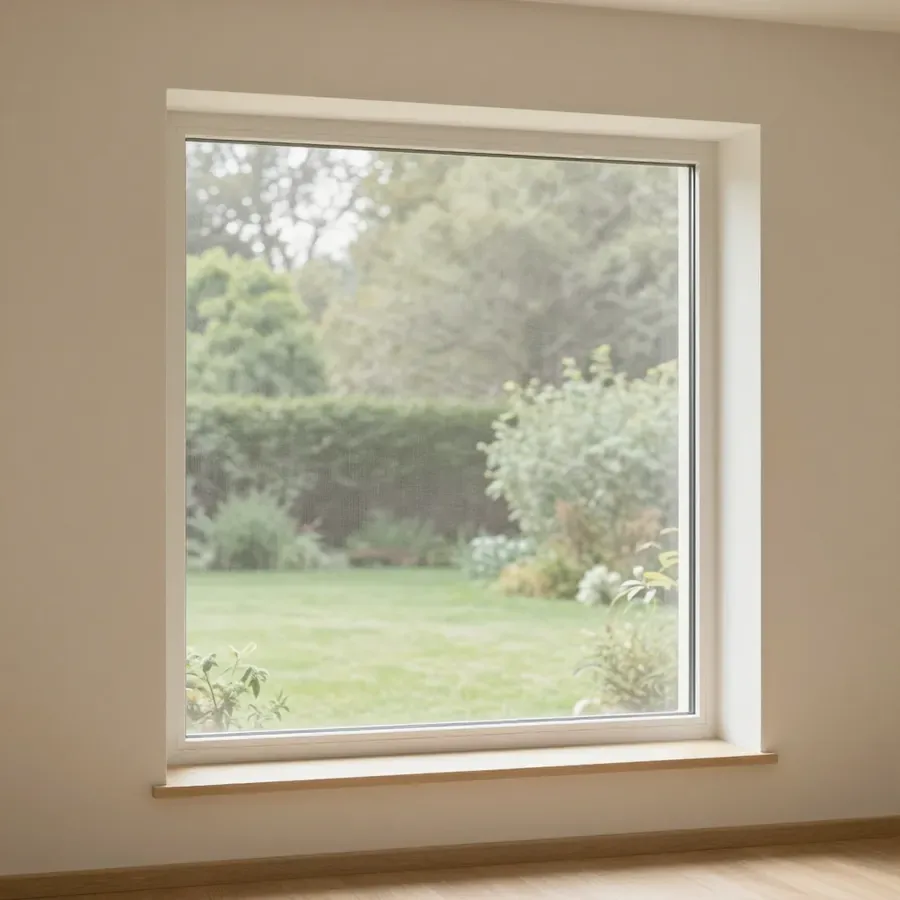 Mesh types
The mesh lets in 25% more light and air. Where the difference shows and where paying extra is not worth it.
December 11, 20258 min read
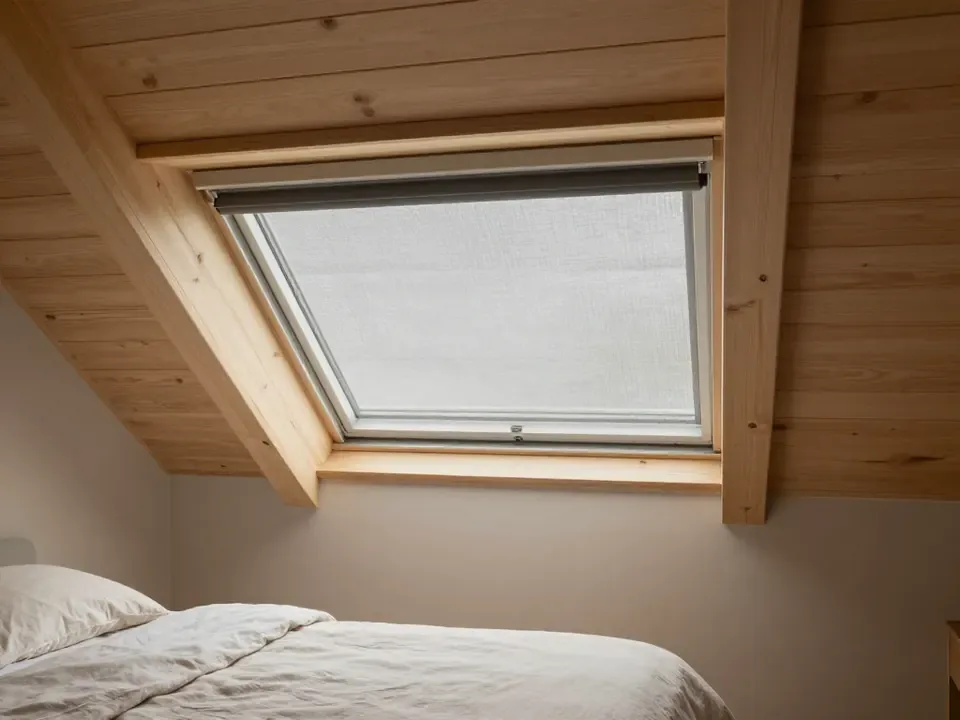 Choosing
A tilted sash, outward opening and a roller screen at 15 000 ₸ per m²: what will suit your window.
November 21, 20258 min read
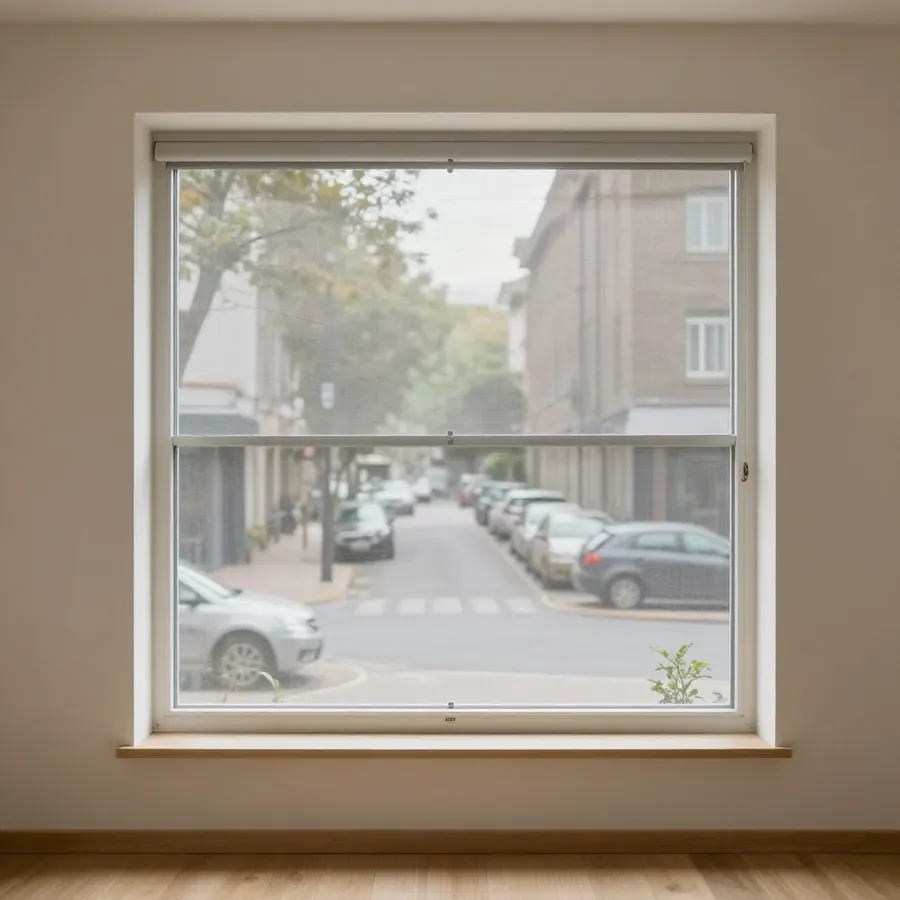 Mesh types
The mesh stops coarse and fine dust along with mosquitoes. When it is worth the price of 8 500 ₸ per m².
October 20, 20258 min read
Thank you. We will call you back within 10 minutes!
Your order number is on the receipt or in the SMS. Choose where to leave your review.
Write a review on WhatsApp Balcony mosquito screens
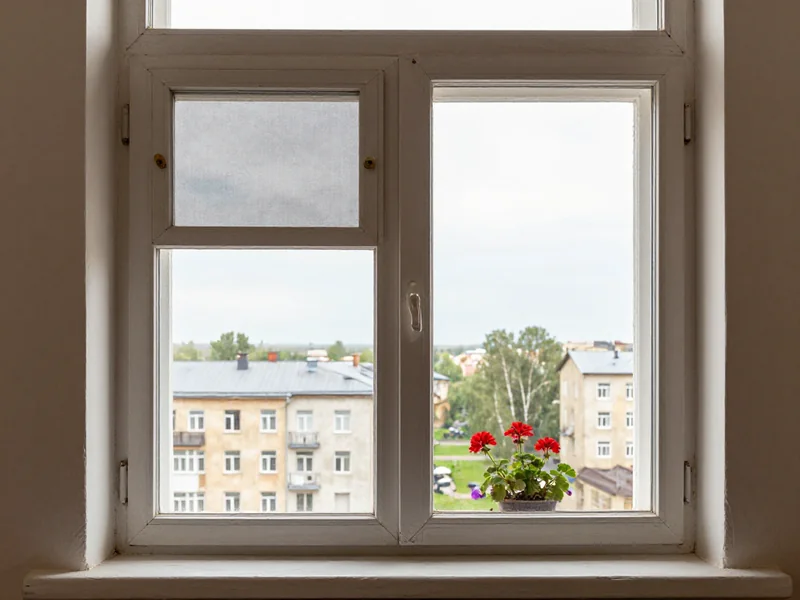 Vent mosquito screen
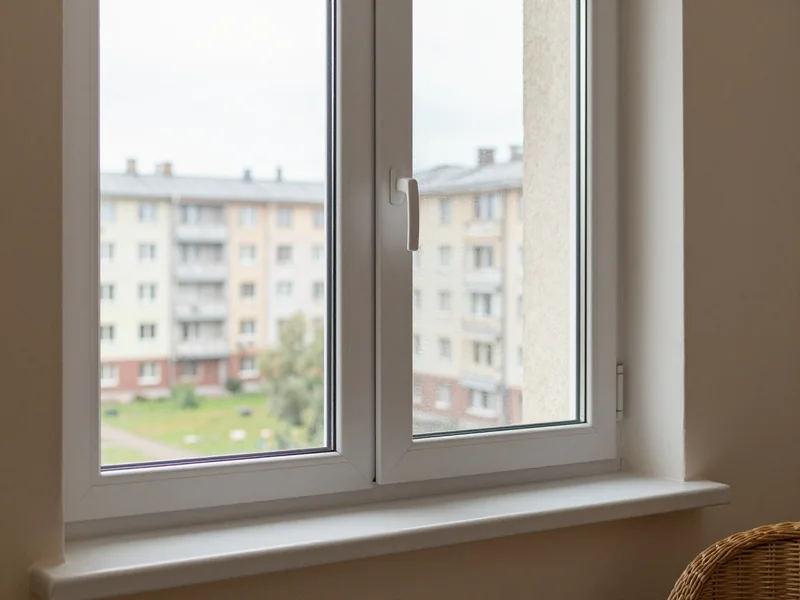 Loggia mosquito screen
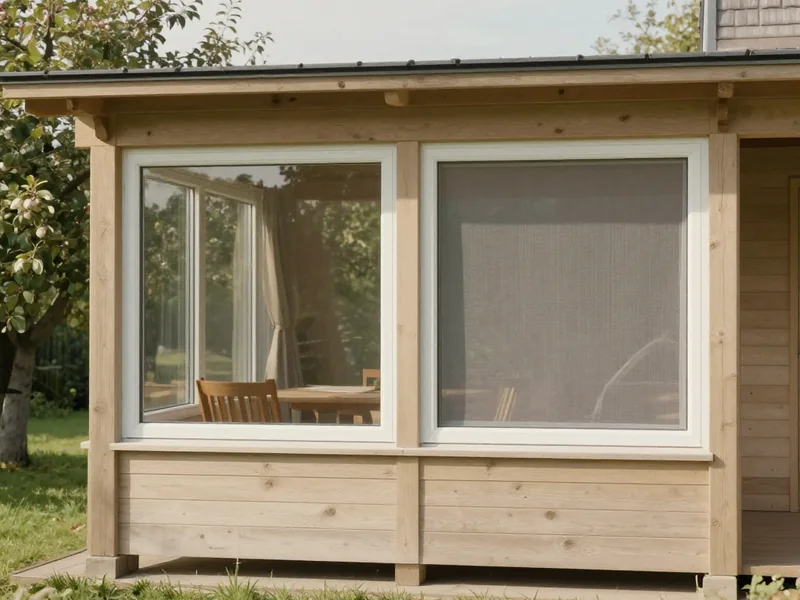 Terrace mosquito screen
