
Draught · Seal
Sashes
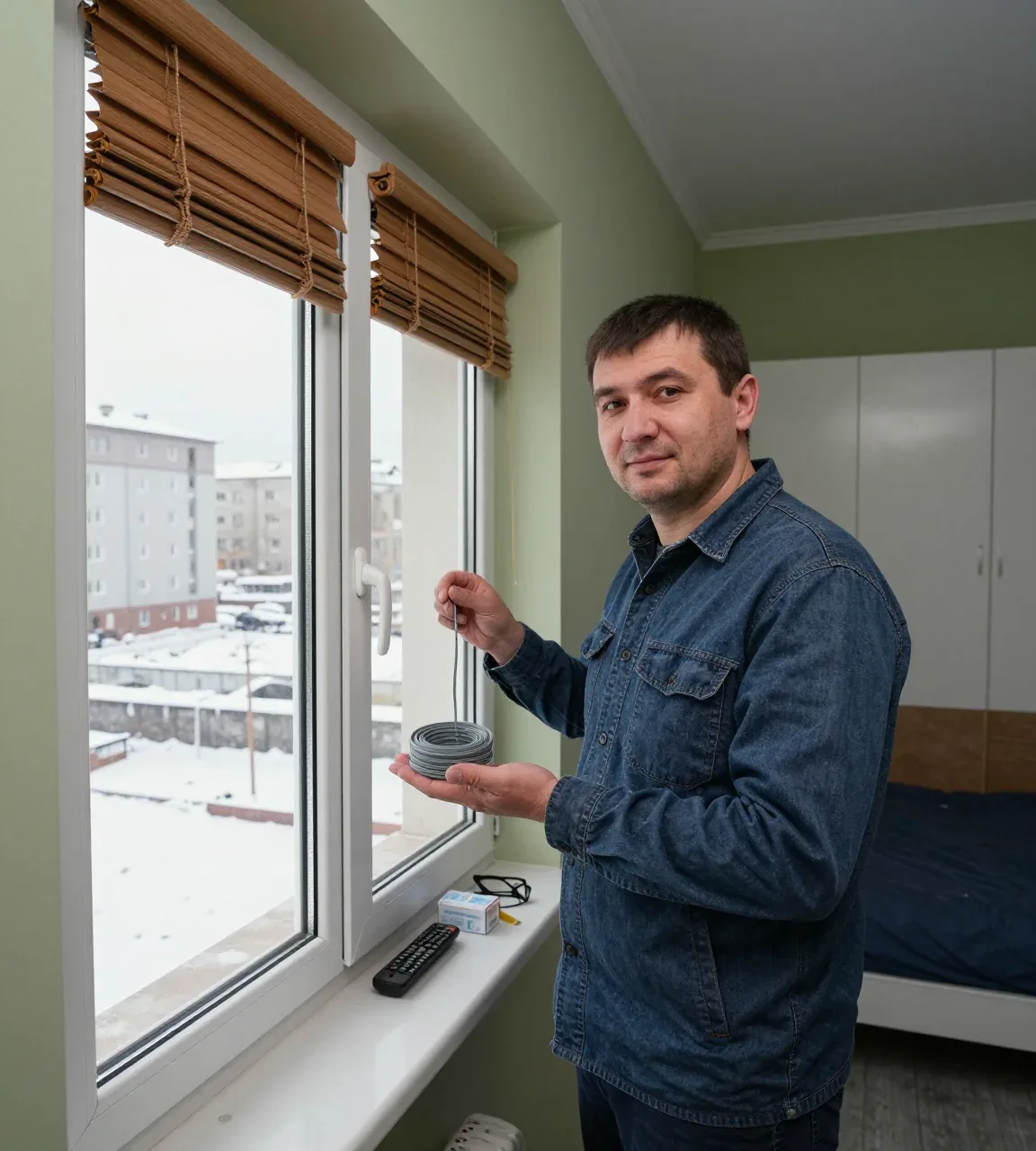
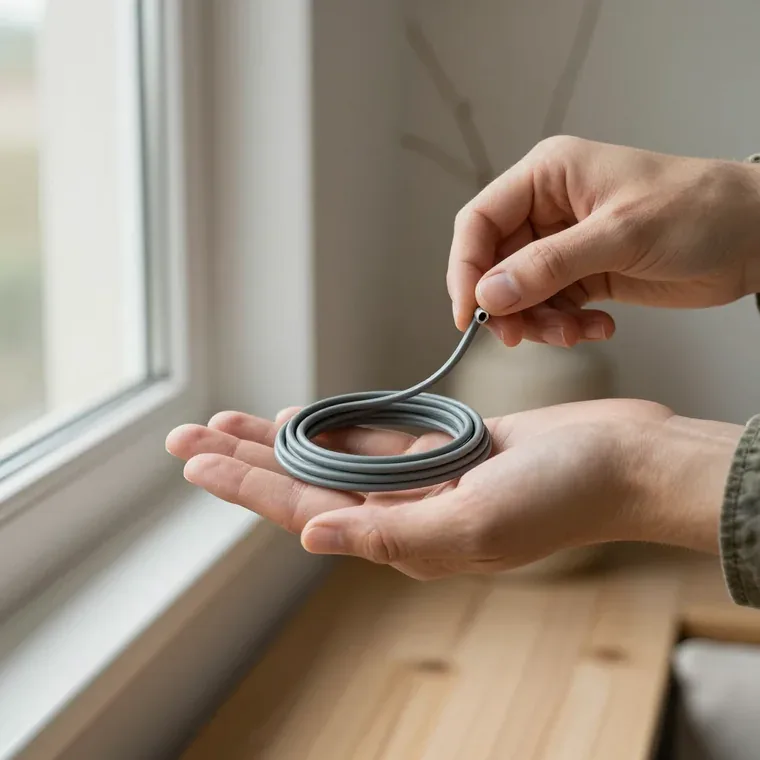
We replace the seal and switch the sash to winter pressure — the draught goes away. From 1 000 ₸ per linear metre.

Sashes
We replace the seal and switch the sash to winter pressure — the draught goes away. From 1 000 ₸ per linear metre.
Installation seams
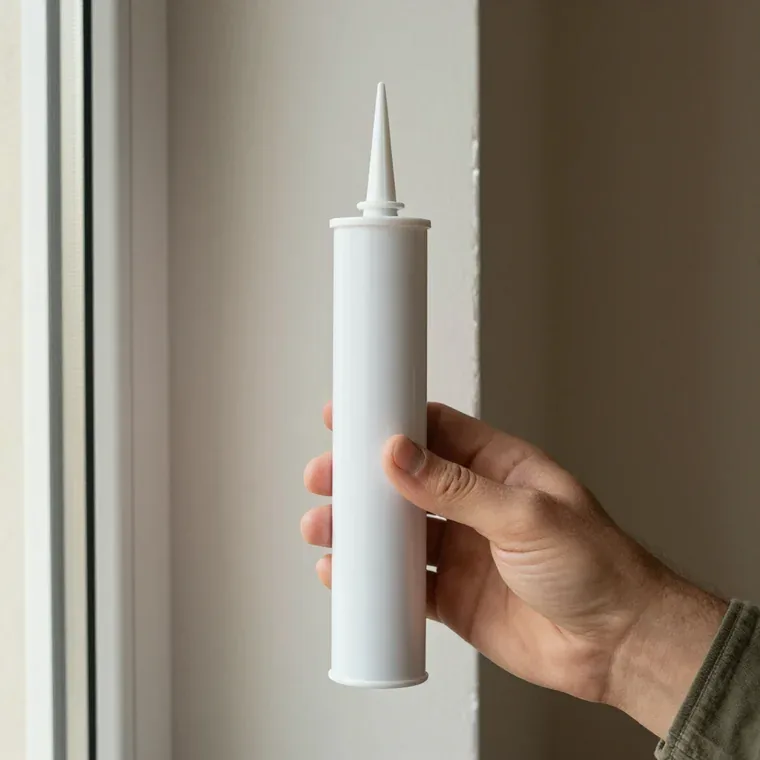
We close the dark damp seam with liquid plastic inside and sealant outside. From 1 500 ₸ per linear metre.
Reveals
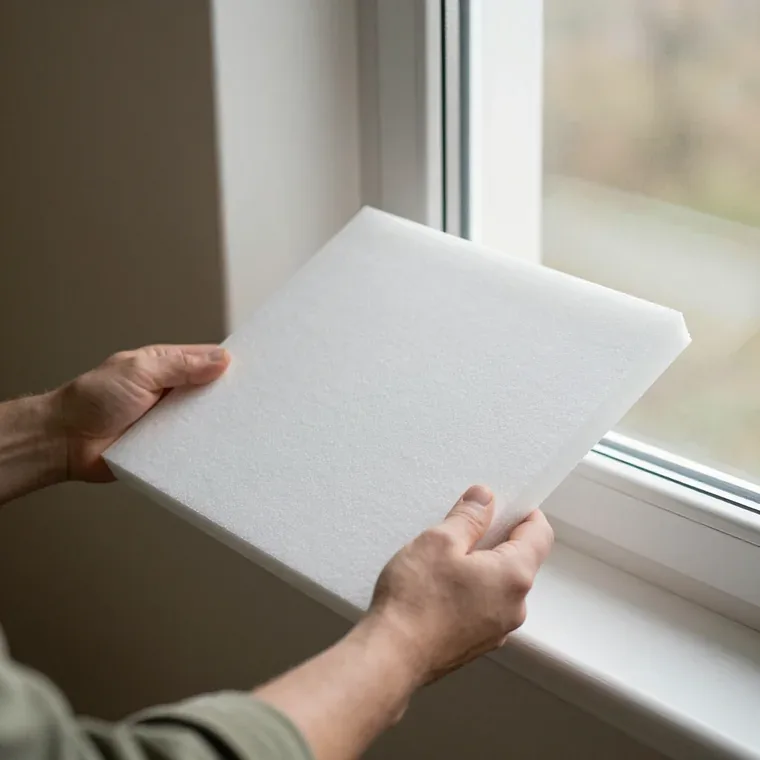
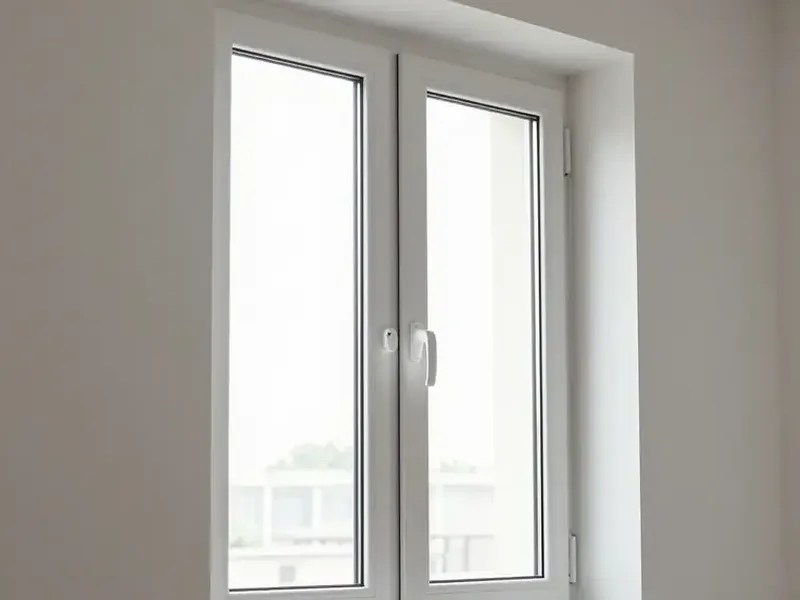
We insulate the cold reveal so that moisture doesn't settle on it. From 19 900 ₸ per linear metre.
Window sill
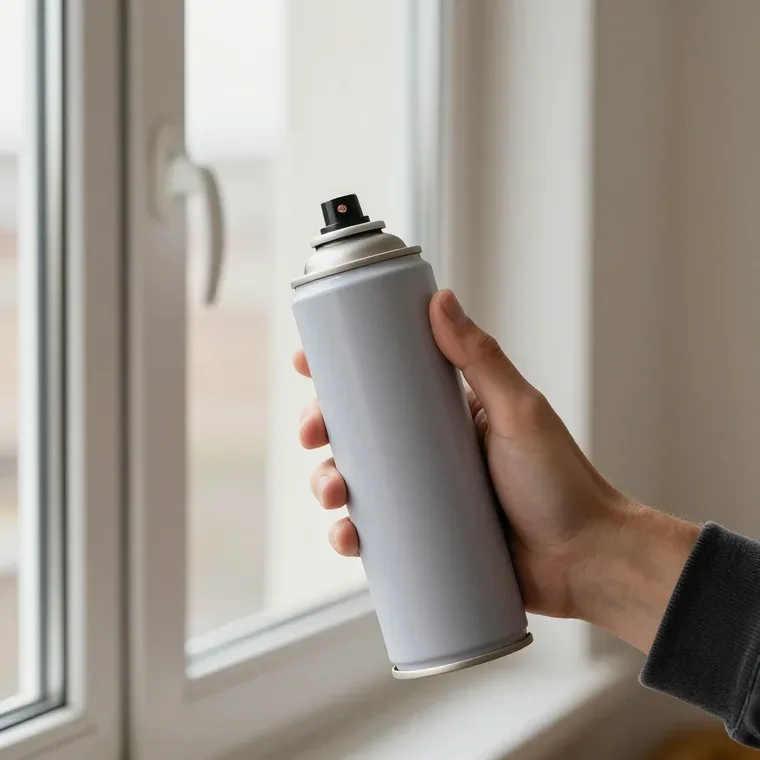
We fill the voids under the window sill with foam and close the seam — from 15 000 ₸.



5,097 reviews on review sites
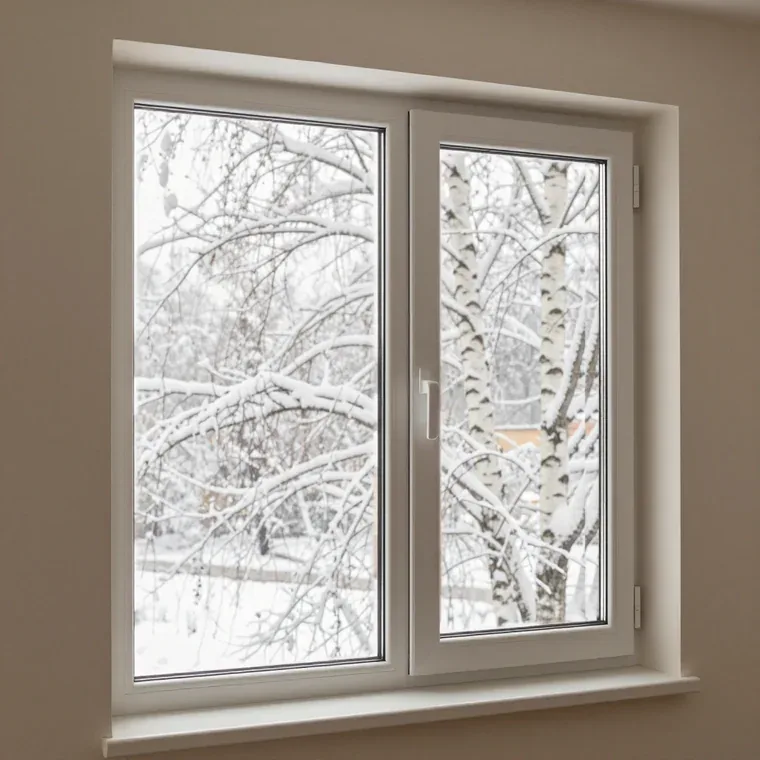
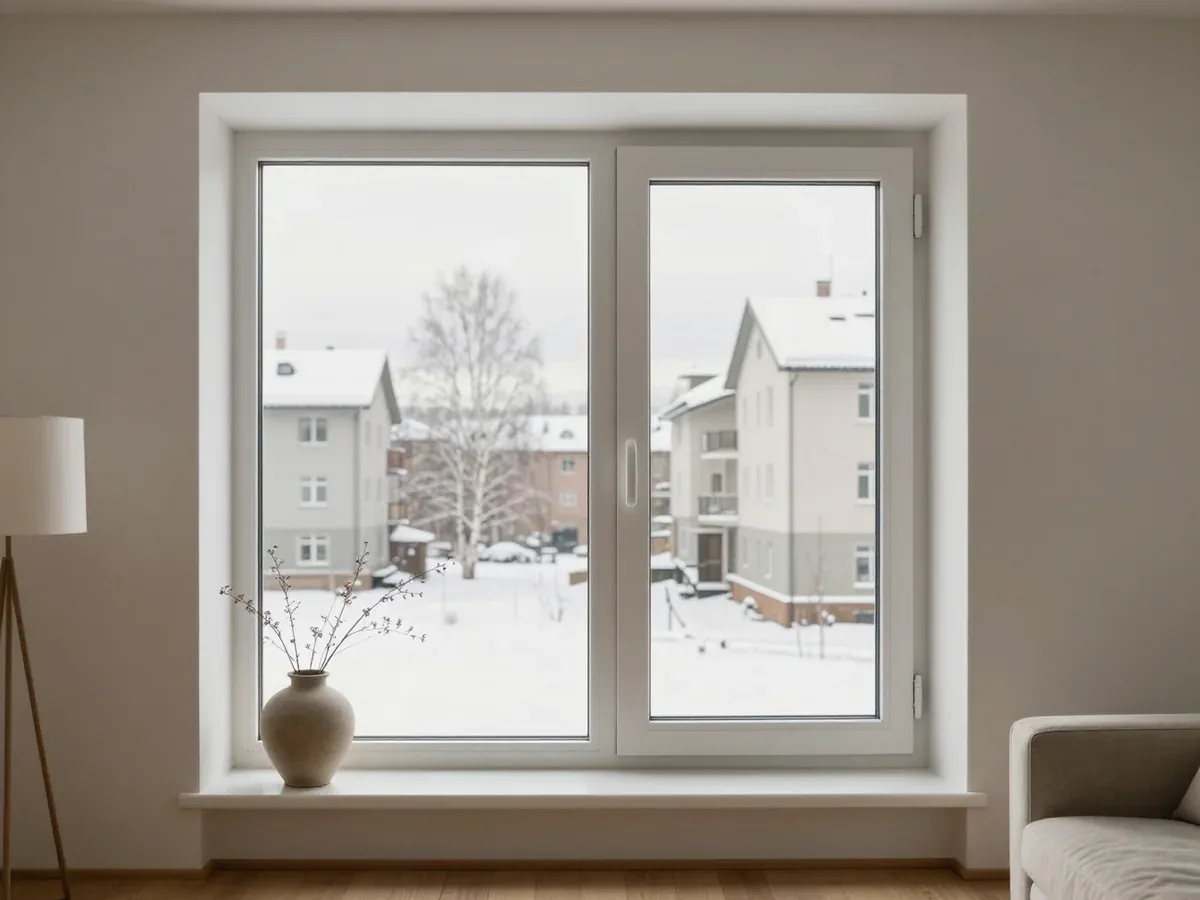
The radiators are heating but it's cold by the window? That means heat is escaping through the sash, seam or reveal. This can be fixed without replacing the window.
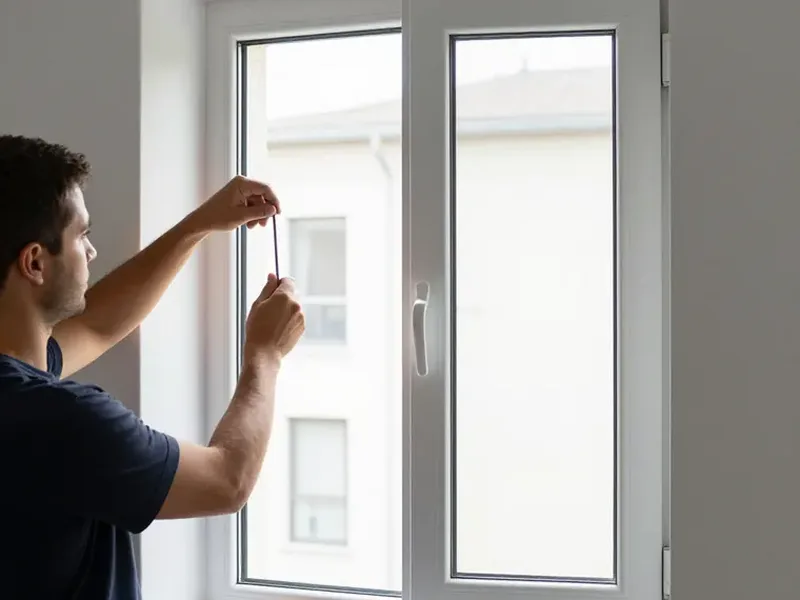
After the work the window stops blowing, the glass doesn't fog up, there's no frost on the frame, and the reveal doesn't turn black. The technician replaces the seal, adjusts the sashes, closes the installation seams, and if needed insulates the reveals and window sill.
Karaganda winters are long and windy, and in corner flats and on high floors the cold by the windows is felt more strongly. Here the inter-frame contour and seam sealing help especially well.
insulating one window as a package
guarantee on work and components
that's usually how long the work takes
Four causes that the technician most often finds.
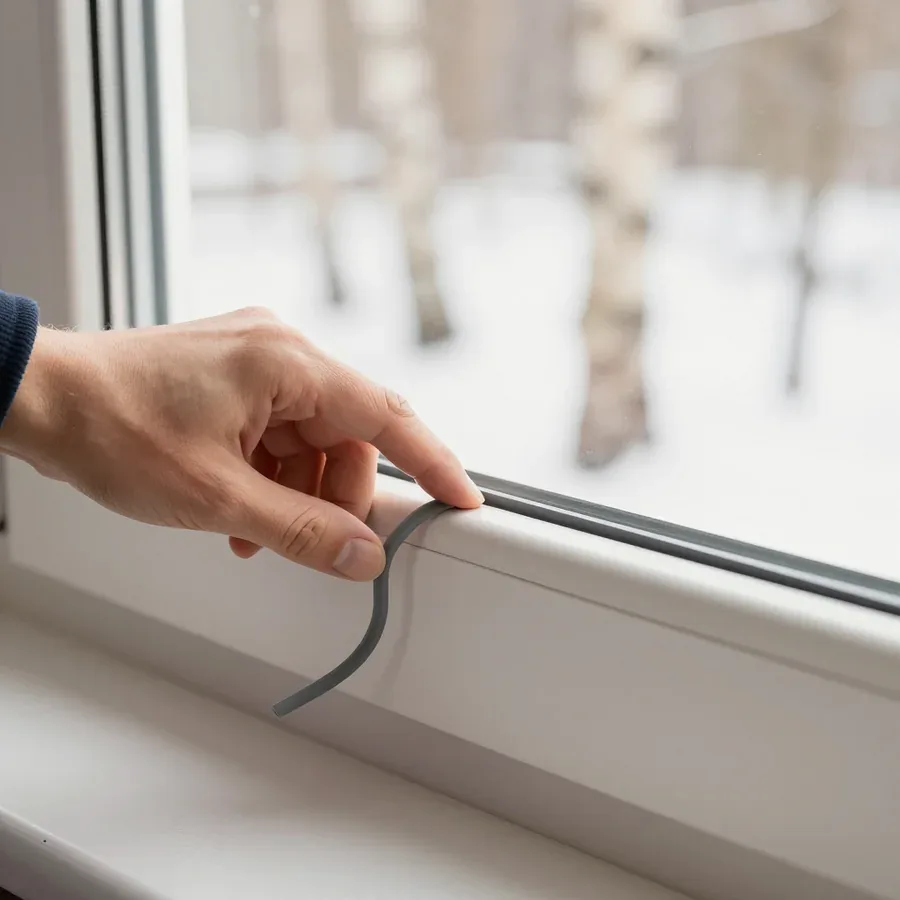
Old seal and summer pressure mode let the cold through around the perimeter.
The foam around the frame has got damp and dark, the wall by the window has become cold.
Moisture settles on an uninsulated reveal, mould appears in the corners.
Cold air comes from under the window sill straight to the radiator.
The technician offers only what your window needs and explains why.
PVC sashes
New seal and winter pressure mode.
inside and outside
Liquid plastic and sealant protect the foam from moisture.
cold corner
Insulation and new finishing without cold bridges.
gap underneath
Foam and sealant under the window sill.
windows on the windy side
An additional contour of seal.
The amount depends on how many places need closing; the technician will tell you before the work.
| Type of work | Price |
|---|---|
| Full windowseal, pressure, seams | from 3 800₸ per window |
| Sealseal replacement | from 1 000₸ per linear metre |
| Draught from the sasheliminating draughts | from 3 500₸ per sash |
| Seam with liquid plasticinside | from 1 500₸ per linear metre |
| Seam with sealant outsideagainst moisture and wind | from 2 000₸ per linear metre |
| Reveal insulationwith finishing | from 19 900₸ per linear metre |
| Window sillfoam and sealant | from 15 000₸ per job |
| Wood, Swedish technologygroove and seal | from 4 200₸ per linear metre |
| Micro-liftor extra pressure | from 1 700₸ per item |
| Inter-frame contourplus a layer of seal | from 2 800₸ per window |
| Thermal imagerleak detection | from 9 000₸ per job |
| Balcony insidewalls and floor | from 6 800₸ per m² |
The price is fixed in the order after measuringMeasuring and consultation are freePayment after installation: cash, card, Kaspi
Call a technicianHow we work.
on work and replaced parts
KBE, Rehau, VEKA, Provedal and others
fixed after inspection
work: cash, card, Kaspi
on WhatsApp to a photo of the window
we come on a convenient day
we accept requests daily
we work across Kazakhstan
Four steps without extra hassle.

Write on WhatsApp what is happening with the window: draught, condensation, frost or mould, and send a photo.
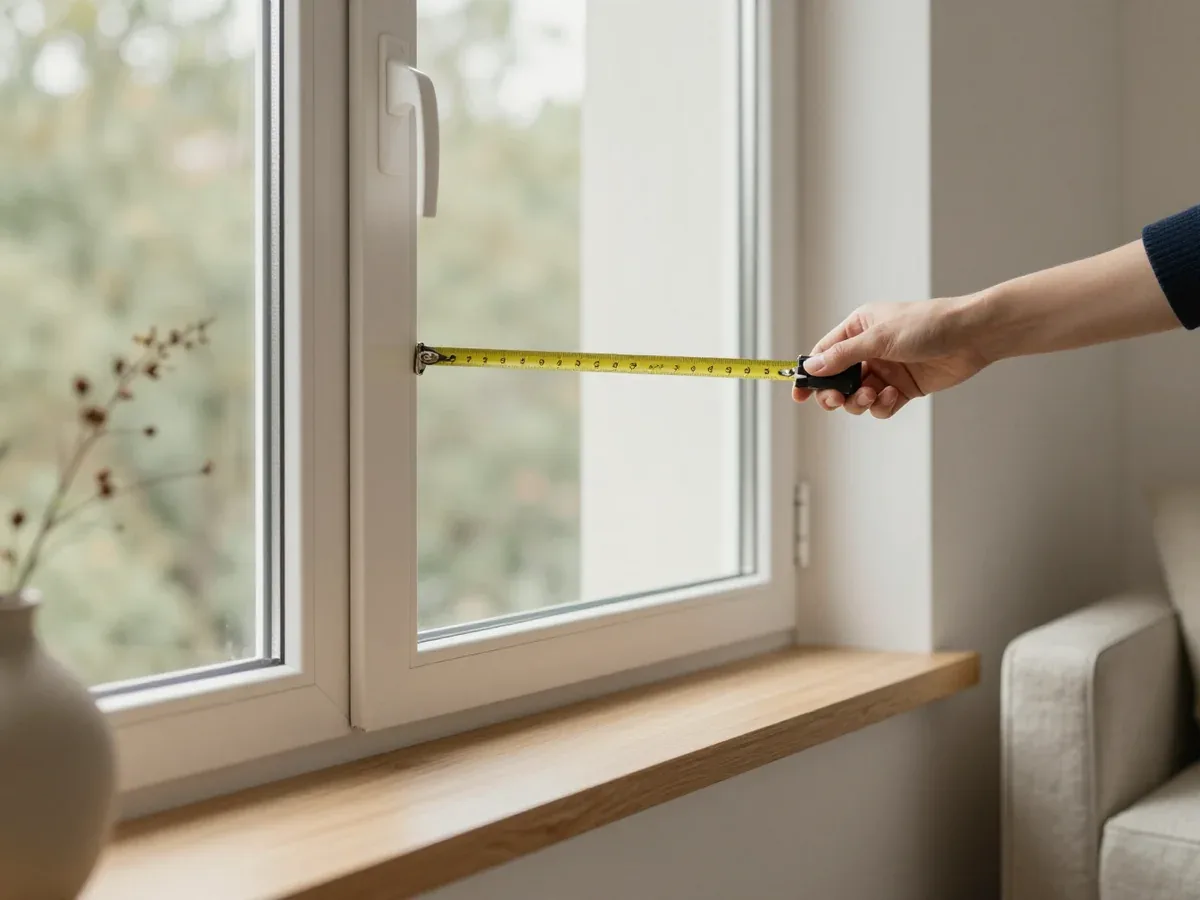
The technician checks the sashes, seams, reveals and window sill and gives the price for the work.
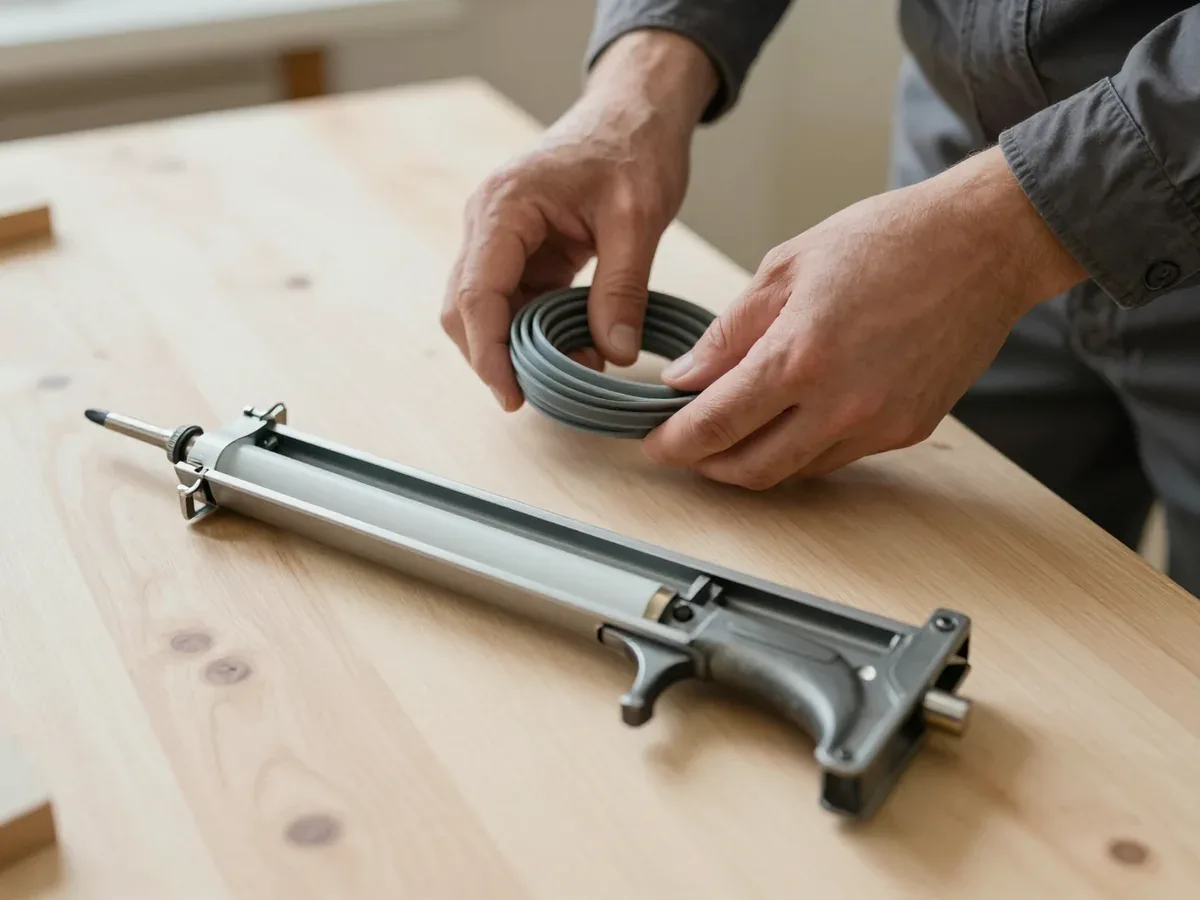
We replace the rubber, switch the sashes to winter mode, seal the seams and gaps under the window sill.
Together we check the window for draughts, and only after that you pay.
Good to know

Senior mosquito screen specialist at moskitnyesetki.kz
We handle window insulation in Karaganda as a direct contractor with our own installers, not a broker. We start with a free measuring visit, trace where the cold actually enters, and fix the seal, the reveal or the mounting joint rather than guessing. Work is covered by a one-year warranty on window repair, labour and replaced parts included.
A closed leaf is not the same as a sealed one. Cold finds three separate routes into a flat, and each route needs a different fix, so the first job is telling them apart.
Chilly drafts reach a room through the sash rebate, along the reveal and sill line, or through the mounting joint around the frame, and each one shows itself differently. A draught that appears only on windy days usually points to the rebate seal, while a chill patch that stays put in calm weather is more often the reveal or the joint. Run a hand slowly along the closing edge, then down the slope of the sill and into the corner where the frame meets the wall. The spot where your skin feels the drop first is the route that matters. At the rebate, worn pile or a compressed rubber loop lets the outside slip past the closing line. At the reveal, gaps hide behind plaster and foam that has pulled away. At the joint, the weak point sits behind the frame where you cannot see it.
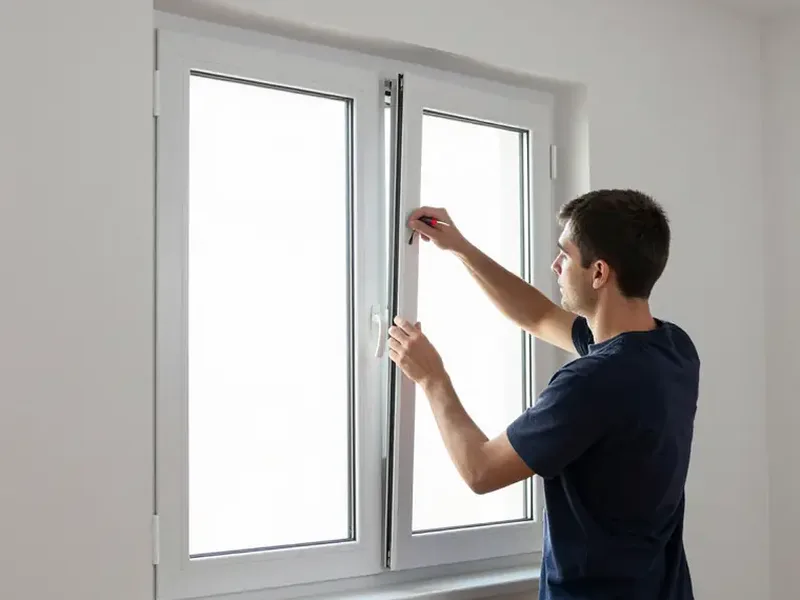
We check the hardware and the glass before quoting any insulation, because a leaf that no longer pulls tight needs adjustment, not extra sealing. Our measurer opens and closes the sash, tests the handle and the tilt mechanism, and looks at the rubber loop for compression before suggesting any perimeter work. If the pane itself frosts across the middle on a cold night, no amount of perimeter work will fix it and the sealed unit is the part to change. A leaf that sits loose in its opening lets the outside past the seal no matter how much new tape goes around the edge. Hardware adjustment restores closing pressure first, and only then does seal replacement make sense.
Insulation is a set of measures around the opening, not a single product. Here is what actually goes into the job and where the boundary with plain repair sits.
Insulation deals with air movement around the opening, while repair deals with broken parts such as a failed hinge, a cracked pane or a leaf that will not close. A hinge that has dropped a few millimetres pulls the leaf out of square, and no amount of sealing will close that gap, because the moving part is simply not sitting where it should. Cracked glass must be replaced before the opening can hold warmth at all. A sill that has pulled away lets cold run under the whole opening, so it is checked during the same visit rather than treated as a separate job later. When the reveal is cracked or the foam behind it has crumbled, that belongs to insulation. Window insulation in Karaganda follows the same logic: sealing works only while the moving parts and the glass are sound.
Karaganda winters are long and dry-cold, so the parts have to hold their shape through repeated freeze and thaw. The table below shows what we fit and what each component is for.
| Symptom | Part we fit | What it does |
|---|---|---|
| Draught along the sash edge | Weatherstripping | Restores a tight rebate |
| Chilly strip around the frame | Joint sealing | Closes the mounting joint |
| Chilly patch at the reveal | Reveal insulation | Stops the edge freezing |
| Frost across the glass | Glass unit | Raises the thermal resistance |
We work through the winter and open seven days a week, though sealing compounds behave best when the surface is above freezing. On a frosty day we still fit weatherstripping and replace glass units, because those steps do not depend on a wet seal curing. Joint sealing on an exposed frame is the one task we may postpone until the surface warms a little, since a compound applied below freezing can fail to bond and leave the same gap open again. The same applies to weatherstripping on an old wooden sash: the rebate has to be clean and dry before the new strip grips, otherwise it peels away within weeks. Booking in early autumn avoids the queue that builds once the first hard frost arrives and the same fault suddenly feels urgent.
The frame material decides how much insulation is worth doing and where the weak point sits. The same fault on three different units can call for three different answers.
A wooden frame moves with the seasons, so the seal has to flex with it and the timber itself has to be sound before any insulation is added. In dry winter air the sash shrinks back from its seat, and in summer humidity it swells again — a gap that opens and closes on its own schedule. That is why a rigid sealant bead cracks along a timber joint within a season or two, while a flexible gasket keeps contact through the whole cycle. Check the inner edge for daylight and run a hand along it on a cold morning; a draught at the hinge side usually means the gasket has flattened rather than the sash being worn out. Soft or crumbling wood around the opening means the structure is past sealing, and money spent on insulation there is wasted.
We service aluminium frames on loggias, verandas and gazebos, where the thin profile leaves little room for a seal and the joint work matters more than the frame itself. An aluminium profile is dimensionally stable and does not swell or shrink, but it conducts cold straight through the metal, so the mullion and corner joints become the first place a draught appears. We fit mosquito screens to aluminium, plastic and wooden units, including loggia glazing and gazebo openings, and the measurer picks the fixing — Z-brackets, plunger pins or magnets — to suit the profile depth and the floor. On an unheated veranda the goal is stopping wind and snow rather than holding room heat, so the specification is lighter than for a living room.
The visit follows a fixed order so nothing is decided on guesswork. Measuring comes first, the price is fixed before any work starts, and payment comes after the job is done.
The price is fixed in the order after measuring, you pay once the work is finished by cash, card or Kaspi, and repair work carries a one-year warranty on labour and replaced parts. The measurer records the sizes and the chosen parts in the order, so the figure you sign is the figure you settle at the end. A joint that turns out deeper than expected is our problem to absorb, not a reason for a mid-job surcharge. Payment after installation also means you inspect the seals and the fit before any money changes hands. Keep the order sheet: it lists the parts replaced and the date, and that is what the warranty is checked against if a seal fails within the year.
Cold air almost always enters through one specific spot, and naming that spot at the outset saves both money and repeat visits. The points below summarise the route from symptom to finished job.
Insulation without dismantling, Condensation and ice, Materials for seams and reveals
Konstantin Selenenkovsenior mosquito screen specialist, 10 years in the tradeOnline · replies within 5 minutes
Ask a questionYes, plastic window insulation is usually done without removing the frame: the technician works with the sashes, seams and reveals on site. Dismantling may only be needed for serious profile damage, which is determined during the inspection.
Often yes: moisture at the edges usually indicates a drafty seam or a freezing reveal, and after sealing them the window stops fogging up. If condensation collects over the entire glass unit area, the problem is in the unit itself, and insulation will not help.
Run your hand along the perimeter of the sash, then along the frame seam and reveal, and in frosty weather check where frost appears. A thin piece of paper clamped by the sash will show if the seal is loose. The technician uses a thermal imager to pinpoint the cold spot.
The technician adjusts the sashes, replaces worn seals, seals seams and joints, and if necessary insulates the reveals and windowsill. Taping over cracks with tape or film is a temporary measure, not insulation.
Yes, insulation is specifically designed to avoid replacing the glass unit: work is done on sash fit, seals, seams and reveals. Replacing the glass unit is only worth it if it itself freezes or fogs up from the inside.
For severe frosts and wind, frost-resistant sealants and UV-protected expanding foam are used, and reveals are insulated with board material and vapor barrier. The technician selects the specific set based on the window's condition, so it depends on the window.
Thank you. We will call you back within 10 minutes!
Your order number is on the receipt or in the SMS. Choose where to leave your review.
Write a review on WhatsApp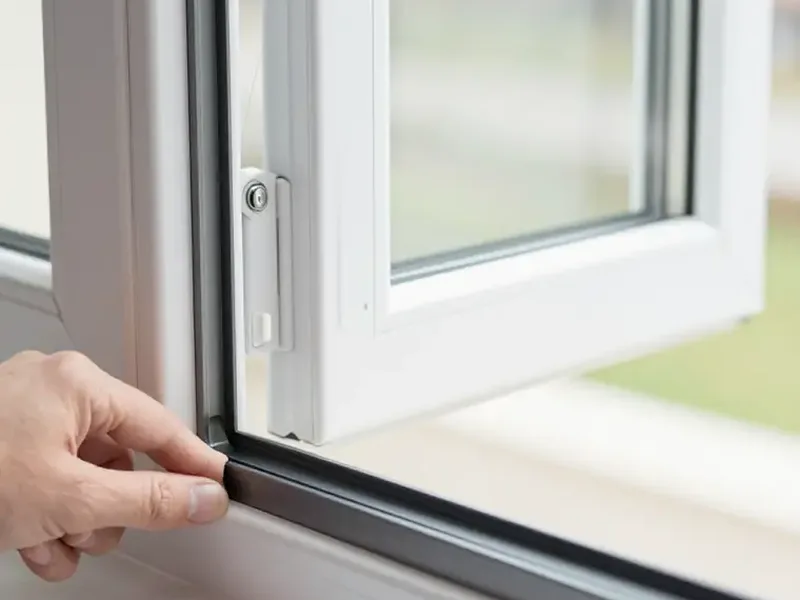 Seal replacement
 Reveal finishing
 Window adjustment
 Window repair
 Window replacement
