
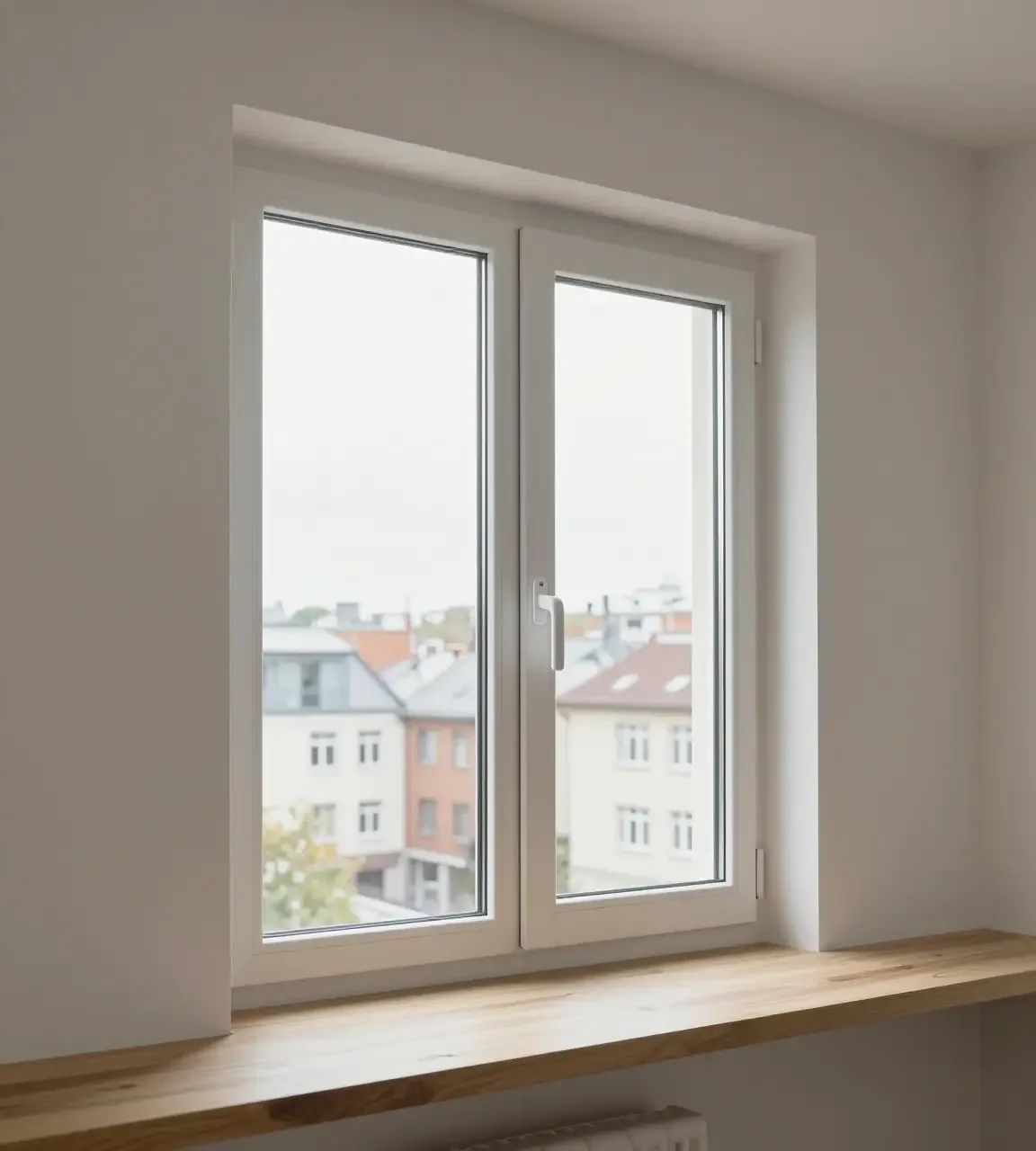
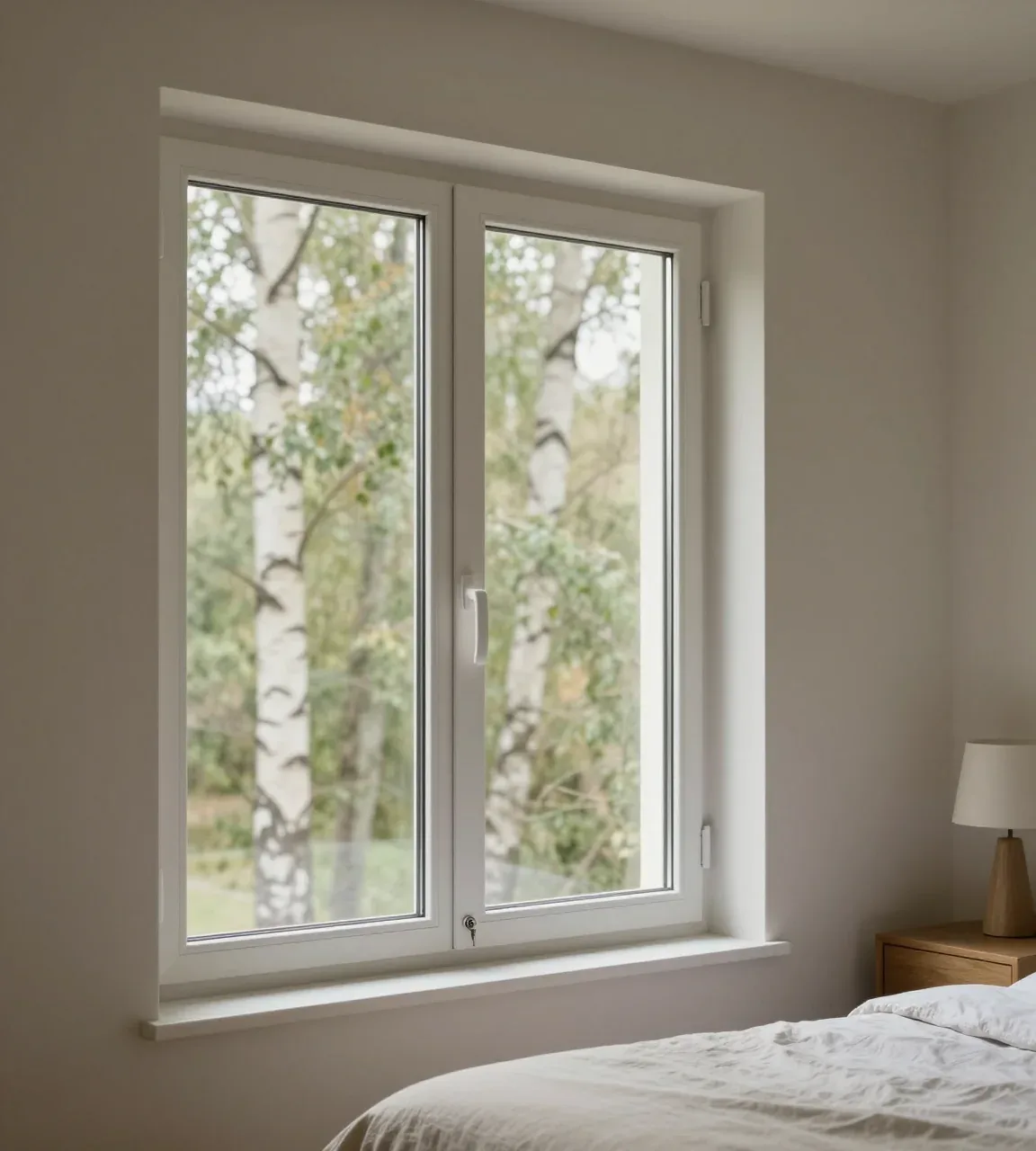
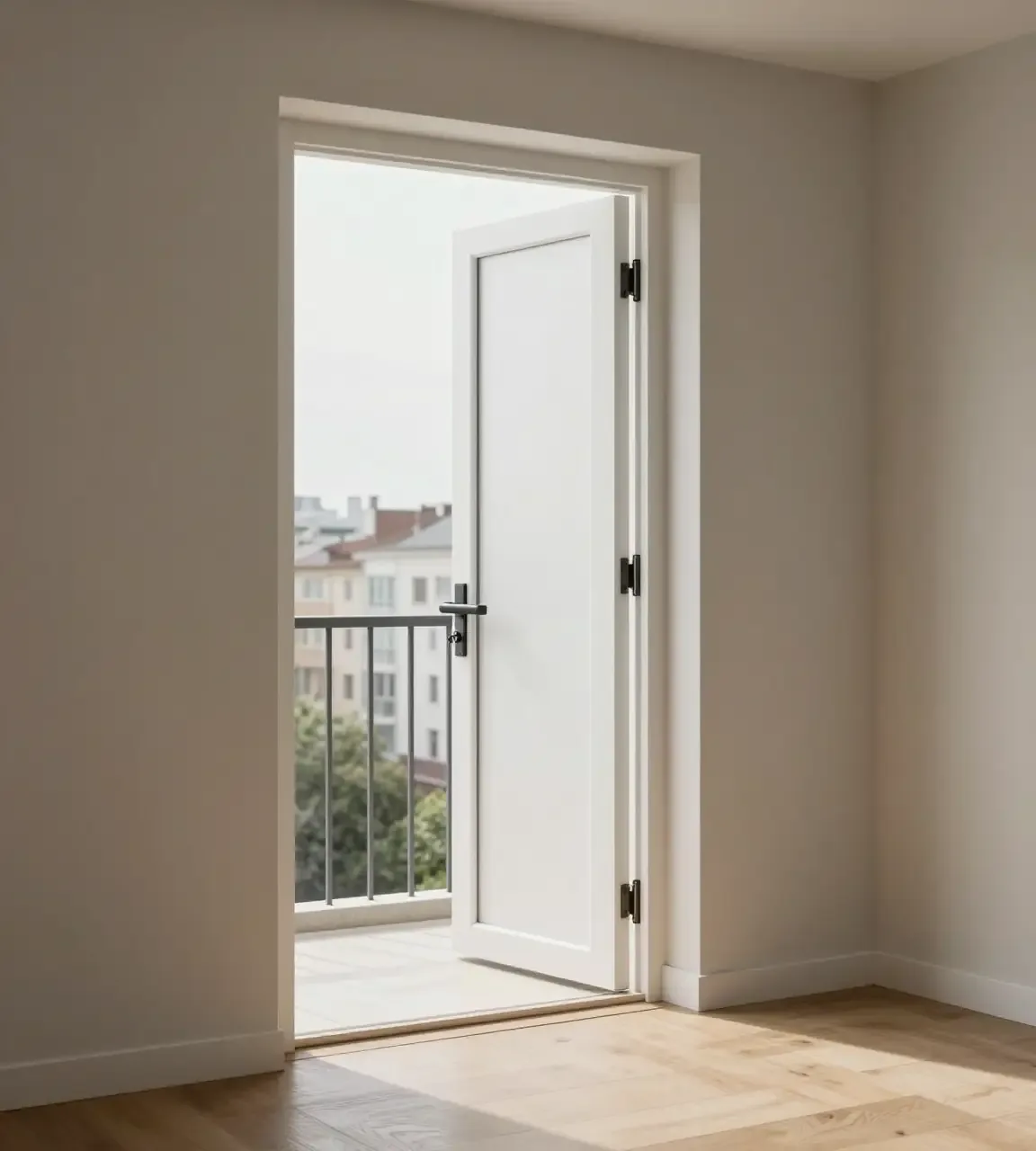
Removable · no drilling
Penkid lock
Fits on the sash and can be removed when moving. Price from 2 150 ₸ per item, fitting by technician.


Penkid lock
Fits on the sash and can be removed when moving. Price from 2 150 ₸ per item, fitting by technician.
Lockable handle
Surface-mounted lockable handle, a child cannot turn it. Price from 3 650 ₸ per item with installation.

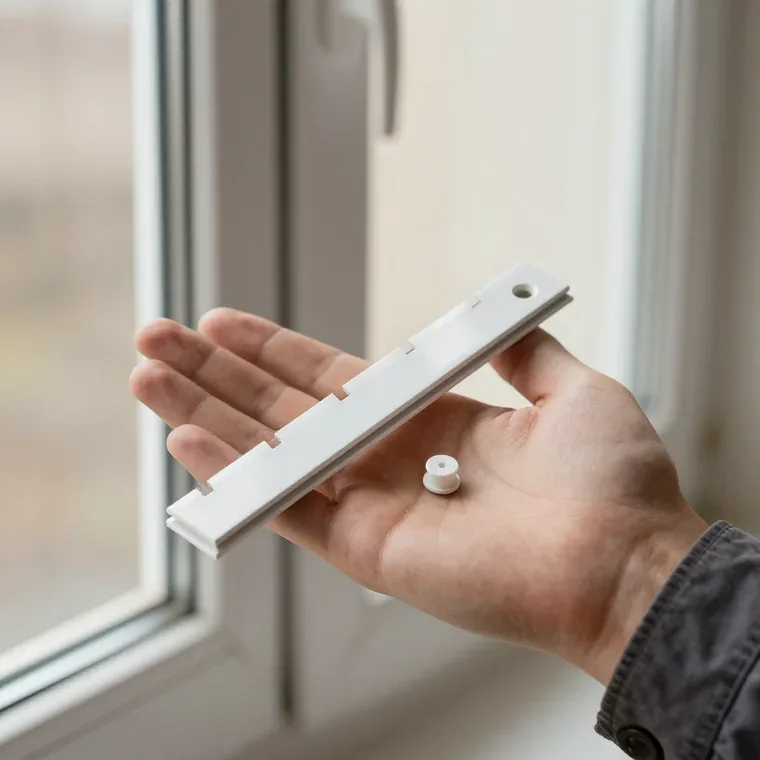
Comb limiter
Holds the sash in several positions for ventilation. Price from 1 050 ₸ per item.
Cable limiter
Prevents the sash from opening wider than a set limit. Price from 2 500 ₸ per item with lock.
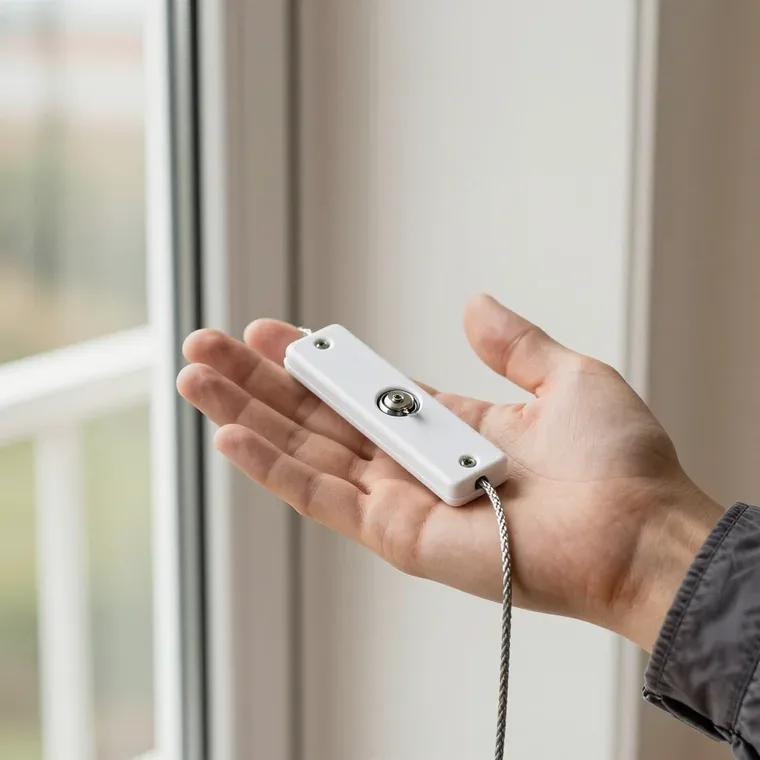
Blocker
Blocks the sliding sash from opening. Price from 1 200 ₸ per item, fitting separately.




5,097 reviews on review sites
A lock, limiter, blocker and grille solve different tasks: some prevent the handle from turning, others limit sash travel, and others cover the opening.
A lock or lockable handle blocks the handle: a child cannot turn it without a key. A limiter and blocker prevent the sash from opening wider than a set limit or moving.
A grille covers the entire window opening and prevents leaning on the mosquito screen. A turnkey kit for one window costs from 6 000 ₸, the technician fits it on site.
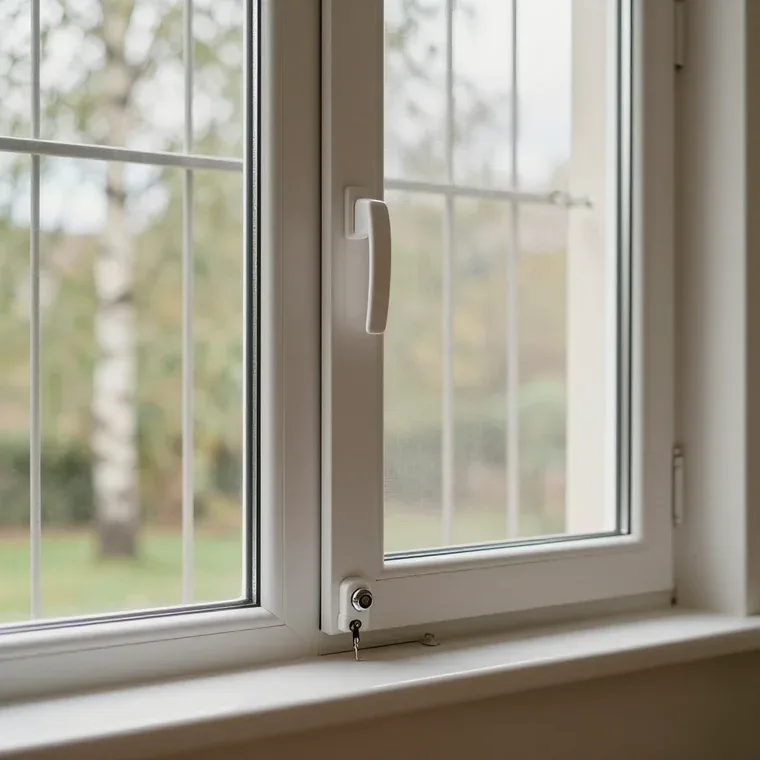
comb limiter with installation
turnkey window protection kit
warranty on mosquito screens
The installation method depends on the window design and whether the profile can be drilled: some devices are surface-mounted, others require fixing into the frame.
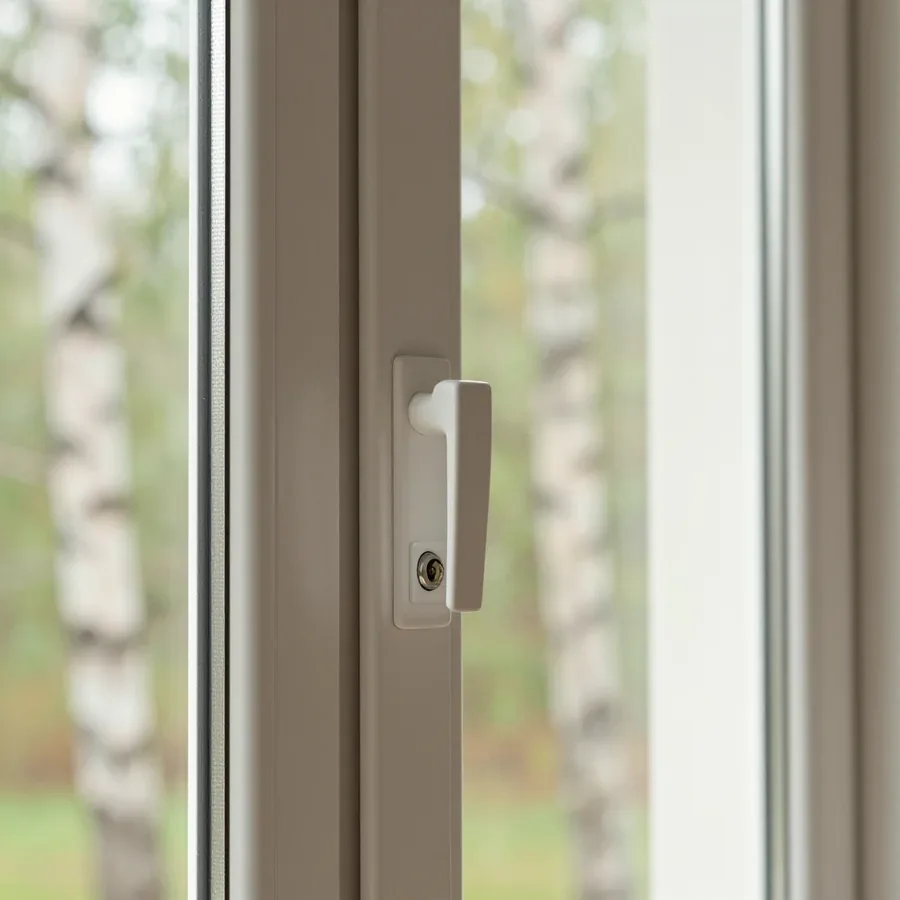
Attaches to the sash outside, a key releases the lock. Minimal or no drilling required.
One end of the cable attaches to the frame, the other to the sash. The cable sets the opening limit.
Fits on a sliding window and prevents the sash from moving. Fixings are selected for the profile.
In a plastic profile, fixings go into the reinforcing insert; in a wooden frame, into solid wood; in aluminium, through a rivet. Ask the technician about profile thickness and reinforcement: this determines screw length and fixing point.
Five versions for different windows and tasks: from a simple comb limiter for ventilation to a blocker for sliding sashes.
Removable · no drilling
Fits on the sash and can be removed when moving. Suitable for a rented apartment.
Surface-mounted · with key
Blocks the handle: without a key, a child cannot turn it or open the window.
For ventilation
Holds the sash in several positions. Convenient for ventilating a child's room.
With lock · limits travel
Prevents the sash from opening wider than a set limit. For casement windows.
For sliding windows
Blocks the sliding sash. Fits sliding windows and balcony doors.
Prices for devices and installation are in one table: choose the option for your window.
| Type of item | Price |
|---|---|
| Lockable handlesurface-mounted, with key | from 3 650₸ per item |
| Comb limiter with installationfor ventilation | from 1 050₸ per item |
| Cable limiter with locklimits opening | from 2 500₸ per item |
| Penkid lock with cableremovable, no drilling | from 2 150₸ per item |
| Sash blockerfor sliding windows | from 1 200₸ per item |
| Installation of blocker or child lockfitting by technician | from 2 750₸ per item |
| Child window locksurface-mounted, flag | from 3 250₸ per item |
| Transparent polycarbonate grillecovers the opening | from 26 000₸ per m² |
| Transparent window grilleto window size | from 22 000₸ per item |
| Child safety window grillemetal | from 12 500₸ per item |
| Grille with mosquito screen | from 19 800₸ per m² |
| "Anti-Cat" screen as window protectiondurable mesh | from 13 000₸ per item |
| Turnkey child window protectionkit | from 6 000₸ per window |
Price is fixed in the order after measuring.Measuring and consultation are free.Payment after installation: cash, card or Kaspi.
Send a requestFacts about the company: experience, warranty, free measuring and work without days off.
we work across Kazakhstan
for work and replaced components
measuring and consultation are free
we work without days off
we reply within 5 minutes
cash, card or Kaspi
you can order in 17 cities of Kazakhstan
warranty on window installation — 5 years
From request to finished protection on the window.
You write on WhatsApp, we reply within 5 minutes and clarify the task.
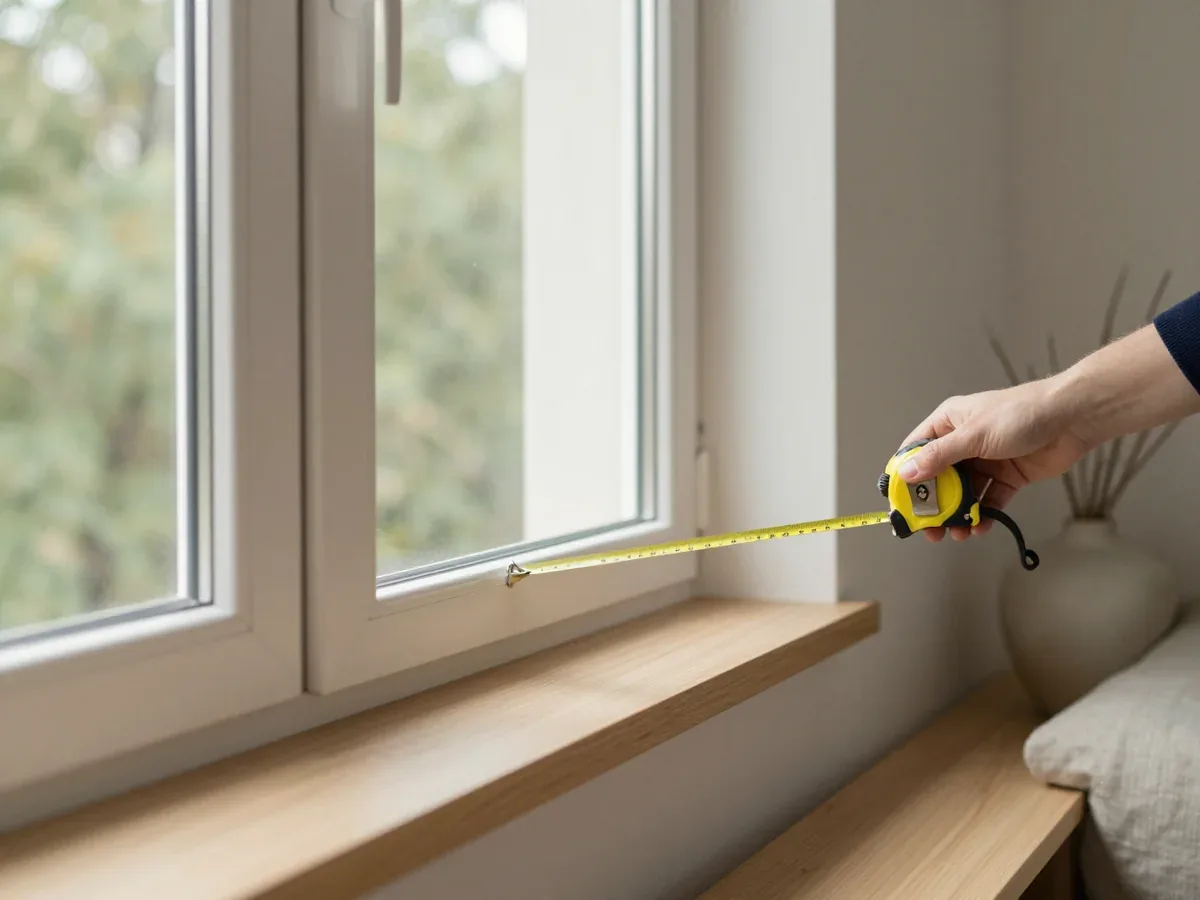
During measuring, the technician records the sash width, opening travel, profile type and handle side — these parameters determine which device fits and how to attach it.
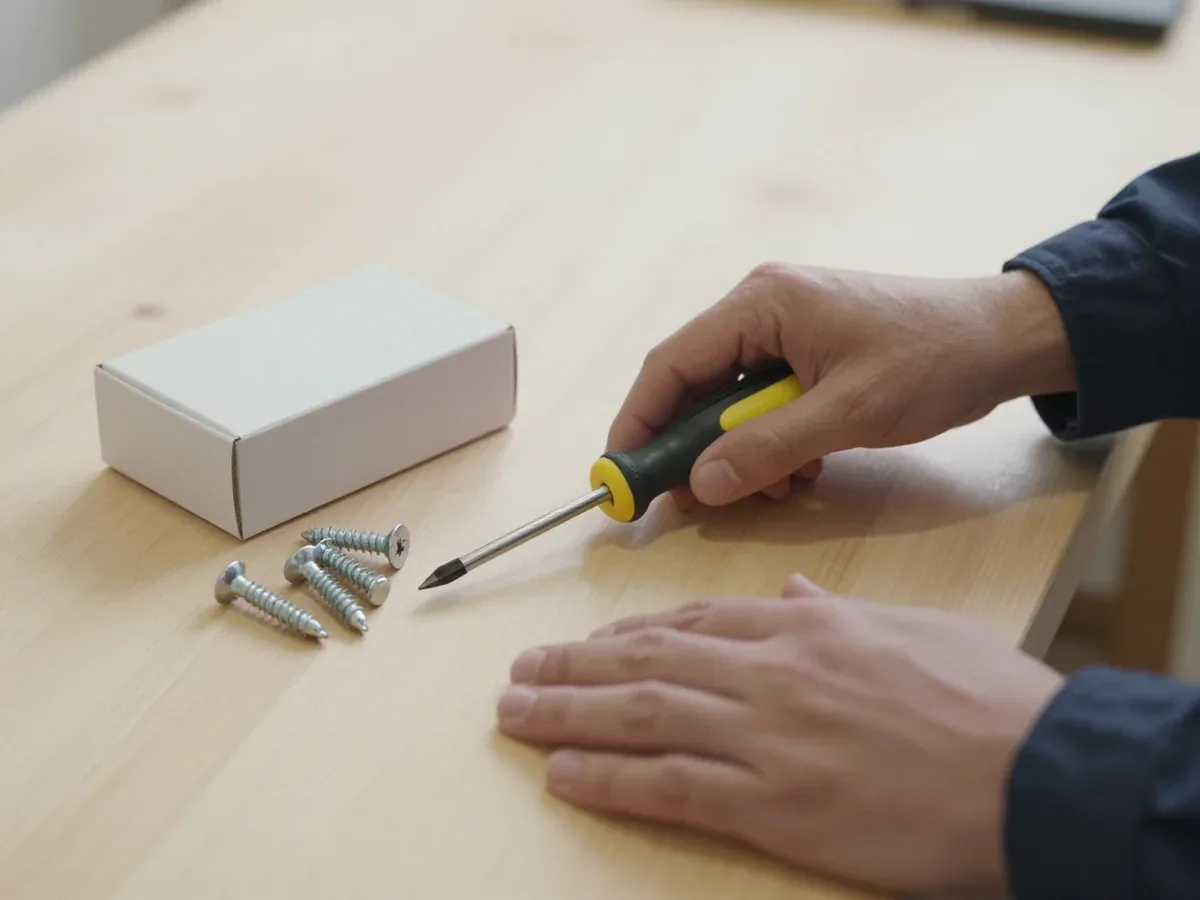
Based on the measuring results, a device is selected for the sash: for casement — a handle lock or opening limiter, for tilt-and-turn — a blocker considering two modes, for sliding — a sliding blocker.
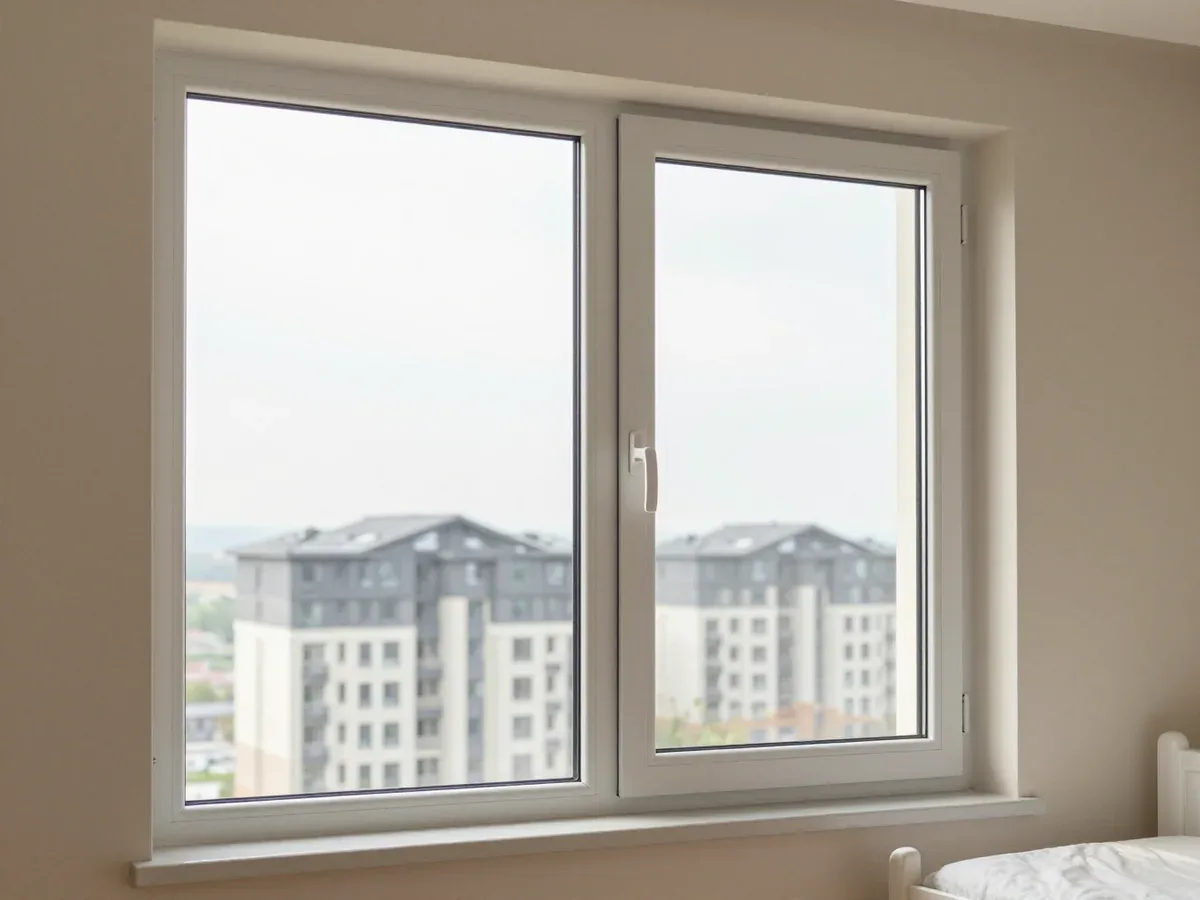
The technician will install the protection on the window, payment after installation.
Good to know

Senior mosquito screen specialist at moskitnyesetki.kz
We fit child window safety in Karaganda on plastic, wooden and aluminium windows: locks, restrictors, blockers and guards, chosen by a measurer for your sash and floor. Measuring and consultation are free, our own installers do the fitting, and you pay after installation by cash, card or Kaspi. We reply on WhatsApp within 5 minutes.
Each device has its own job: hold the frame, stop the handle from turning, or physically close the opening. Here is what each type does and which scenario it fits.
We fit a blocker when the child is small and the window stays closed, and a guard when it is often open or sits high above the ground. A blocker sits on the handle and adds a second, deliberate action before the frame turns, so a toddler's grip is not enough to move it. A guard covers the gap itself, which matters on upper floors where a wide-open window is the real risk. A blocker is barely visible from the street and keeps the view clear, while a guard protects the gap even when the window is fully open. On the ground floor a blocker is usually enough; above the second floor, I would not rely on the handle alone.
We fit locks and restrictors with a key or a two-step release, so a child cannot work them but an adult opens the window in one motion. The mechanism is deliberately simple: press, turn, release, and the frame swings free for cleaning or airing. On a tilt-and-turn unit the same release must handle both positions without jamming in winter. Keep the key or release tool out of a child's reach and check the mechanism monthly, because a stiff or painted-over lock is the usual reason it stops releasing cleanly. A drop of silicone on the moving part twice a year keeps the action light, and a quick test after each cleaning catches a loose screw before a child finds it.
Plastic, wood and aluminium behave differently under load, and a fitting that holds firm on one surface can sit loose on another. Below we set out which protection suits each profile, leaf type and floor level.
We fit child window safety on plastic, wooden and aluminium windows, choosing the fixing and hardware to suit each profile rather than forcing one type everywhere. On PVC we usually work with Z-brackets or pins that grip the reinforcement inside the profile. Aluminium leaves are thinner, so the fastener sits on the visible edge without crushing the thermal insert. Timber takes a wood screw with a pilot hole, and the fixing point moves away from the grain end where the material splits. We paint the frame of a mosquito screen any colour to match your windows, so a combined safety and insect setup reads as one unit. Timber often needs a different screw and a gentler fixing point than PVC, so tell the measurer the window material before the visit.
A tilt-and-turn leaf takes a restrictor or blocker on the handle side, while a sliding balcony panel needs a stopper that limits the travel of the moving part. On tilt-and-turn units the risk sits in two movements at once: the leaf tilts inward for air and swings open for cleaning, and a toddler at the sill can reach the control during either. A handle-side blocker stops the turn; a restrictor cable caps how far the panel swings. Sliding balcony leaves run on a track, so the stopper bolts to the rail and blocks movement before the gap is wide enough to pass through. On a balcony door the risk is the open leaf, not the control, so the hardware goes on the sliding track rather than the outer edge.
Above the fifth floor and on any window a youngster can reach, we recommend a guard or a blocker rather than a simple handle lock. Height changes the calculation: a fall from a high storey leaves no margin for a fitting that only slows the sash, so a fixed guard over the opening is the safer choice. On ground floors and in private houses the priority shifts to the glass itself and to low sills a toddler can climb. Gazebo and veranda glazing follows the same logic, because little ones run between indoor and outdoor space and an unguarded opening at head height is the same drop as one indoors. During the free measuring visit the specialist checks the floor, the sill height and the glazing layout before proposing a solution.
Not every home allows you to drill into the frame — a rented place, a newly installed profile or a simple wish to leave no marks all point the same way. These fixings work without holes.
For a rented home we fit a magnetic or clamp-based device so the frame stays whole and the protection comes off without marks when you move out. Tenants in Karaganda ask us for exactly this — a fixing that survives a landlord's inspection and a move to the next address. Child window safety in Karaganda often comes down to a fixing that leaves the profile untouched, and magnets and clamps do exactly that. Magnets and clamps leave the profile as it was, and the unit travels with you if the sizes match. A clamp mount grips the edge and holds a standard blocker or restrictor securely on most plastic sashes. Check the tenancy terms before fitting anything, and photograph the frame before the visit so you can show it was undamaged.
Measuring and consultation are free, and the measurer comes at a convenient time, takes sizes and helps choose the design, mesh and fixings. One visit can cover every window in the home — bedroom, kitchen, living room and balcony door — so you are not booking a second appointment for the next room. The measurer notes the sash type, the floor and the opening direction for each one, then matches fixings to each. Our workshop paints the frame any colour to match your windows, so the finished work looks like part of the original glazing. Ask the measurer to note every window in one visit, because a single set of sizes across the property keeps the devices consistent and the fitting quicker.
If your child has already worked out the sash, act today rather than after the weekend. Below is what to do before the installer arrives, and what to check if the window itself is the problem.
A sagging sash throws the device out of line, so we adjust the window and re-set the protection in the same visit. When it catches on the frame or drops at a corner, the hinge has shifted and the opening no longer sits square — a lock fitted to a leaning panel will not line up with its strike. We check the hinges, tighten or replace the hardware and re-hang the panel before touching the device. Our window repair carries a one-year warranty on labour and replaced parts, and a single visit covers both jobs. In our practice, most cases of a lock that stopped working turn out to be window alignment rather than a faulty mechanism. If the panel drops at a corner, fix the hinge first — new hardware on a crooked frame will fail again within weeks.
Once a little one can climb to the handle, a handle-level lock is no longer enough and the protection has to move to the opening itself. A guard that covers the opening keeps the sash beyond reach even when a chair, a sofa back or a radiator gives a small climber a step up. Watch which piece of furniture is used to climb and move it, because the device protects the window but not the route to it. On upper floors and in rooms with low sills, fit the guard across the whole gap rather than a single panel — youngsters reach sideways as readily as upward. The same applies to balcony glazing, where a low rail often gives a foothold. Fit the guard and clear the climbing route together; either alone leaves a way through.
The work usually fits into one appointment: the measurer confirms the unit and fixings, then the installer mounts and tests it. Below is how the appointment runs and how much time to set aside.
A blocker or restrictor is fitted in a single appointment, and the measurer confirms the exact model and fixing before the installer starts. The measurer checks the sash swing, the frame profile and the height of the handle, then agrees the release point with you so an adult opens the window in one motion while a child cannot reach it. The installer then mounts the unit, adjusts it and tests the release several times with you present. On the day, keep the window clear and the room accessible, because the fitter needs space to check the sash swing and test the release. If the sash has dropped, we re-align it first — a lock on a sagging sash will not hold the setting.
| Work | What it covers | Time on site |
|---|---|---|
| Child safety device | Lock, restrictor or blocker fitted and tested | Within one visit |
| Framed mosquito screen | Made to your size and fitted | 10-15 minutes |
| Pleated screen | Made to your size and fitted | 40-60 minutes |
| Window adjustment | Sash re-aligned before re-fitting a device | Within one visit |
We fit the safety device and the mosquito screen in the same appointment, so the window is protected against both the child and the insects at once. The installer mounts the unit first, tests the release, then fits the frame around it and checks that neither part blocks the other. We paint the frame any colour to match your windows, and the fixings are chosen for the profile and the floor. A framed screen comes off from inside in a minute and is best removed for winter, so plan the device so it still works with the mesh off — a handle blocker stays in place with the screen down, while a guard over the opening has to clear the frame line. Mention the winter routine at measuring and the installer will set the unit to suit it.
Once the protection is on the sash, the practical questions start: what the warranty covers, how the fixing comes off when your child grows, and how to look after the mechanism through a Karaganda winter.
We give a 1-year warranty on window repair, and it covers both the labour and the replaced parts, so the same terms apply to fitting a safety device. If a lock jams, a restrictor cable frays or a bracket works loose within that year, the visit and the replacement component come under the same cover rather than as a separate job. The cover is tied to the work we did and the parts we supplied, not to the whole window, so an unrelated fault in the sash or the glass unit sits outside it. Our window installation carries a 5-year guarantee and glass unit replacement 3 years, which matters if the protection is fitted during a larger job. Keep the order and the measuring sheet, because the fixed price and the terms are recorded there and make any later claim straightforward.
A magnetic or clamp-based unit comes off without marks, while a screwed fixing leaves small holes that we can fill on request. Magnets hold the blocker or the guard in place by force alone, so an adult lifts the hardware off the frame in seconds and the profile underneath is unchanged. Z-brackets and pins sit in the frame with small fasteners, and once they are out you are left with a few millimetre-wide openings in the plastic or timber. Those holes do not affect how the window closes or seals, but they stay visible on a white profile until they are filled and touched up. Tell the measurer you plan to remove the fitting later, so the fixing is chosen with that in mind from the start and the frame stays as clean as possible.
You pay after installation by cash, card or Kaspi, and the price is fixed in the order after measuring, so nothing changes between the visit and the final payment. That sequence suits families who want to see the hardware working on their own sash before settling the bill. Winter is the part most people overlook. A frozen lock is the most common reason a safety item stops releasing smoothly, and the cause is usually meltwater that ran into the mechanism and refroze overnight. Wipe the moving parts dry after a thaw, keep snow off the sill, and check that the release still moves freely before the first hard frost. If a handle-mounted lock stiffens, a drop of silicone spray on the pin restores it without dismantling anything.
A short checklist to close the decision: what to match, what to ask and what to confirm before the device goes onto the sash.
Child safety, locks, grilles, installation and warranty
Konstantin Selenenkovsenior mosquito screen specialist, 10 years in the tradeOnline · replies within 5 minutes
Ask a questionInstall a key-locking handle lock or a cable opening restrictor on the sash. These devices prevent a child from opening the window wide but still allow ventilation. For full safety, add a transparent grille.
The main types are a key-locking handle lock, a cable restrictor, a comb limiter, and a sash lock. The choice depends on the window type and the child's age. A free measuring visit will help you choose the right option.
To prevent a child from opening the window on their own, a handle lock is sufficient. A grille is needed if the window is often open for ventilation and there is a risk of falling. These devices are often combined for maximum protection.
Yes, a handle lock is suitable for both types of sashes. For tilt-and-turn windows, it is important that the lock does not interfere with switching modes. When ordering, specify the window type so we can select a compatible model.
Yes, we provide a 1-year warranty on the installation of child safety devices. The warranty covers the work and the installed components. If problems arise during the warranty period, we will fix them as part of our warranty obligations.
A handle lock or cable restrictor is attached to the sash, while the mosquito screen is installed on the frame. They do not interfere with each other if the fixings are chosen correctly. The measurer will take both elements into account during installation.
For a rented apartment, a removable Penkid lock with a cable is suitable: according to the price list on the page, it is installed without drilling. The measurer will select other options to suit your conditions during the visit.
Thank you. We will call you back within 10 minutes!
Your order number is on the receipt or in the SMS. Choose where to leave your review.
Write a review on WhatsApp Window restrictors
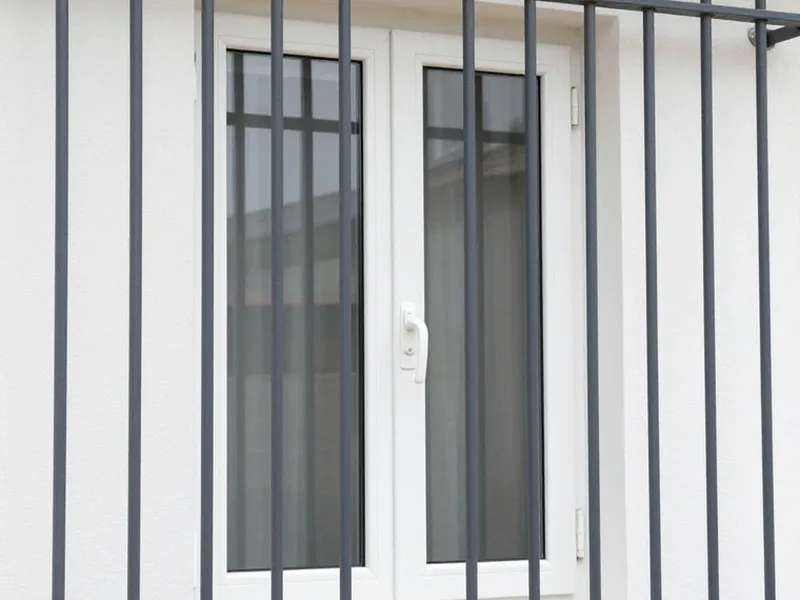 Metal grilles
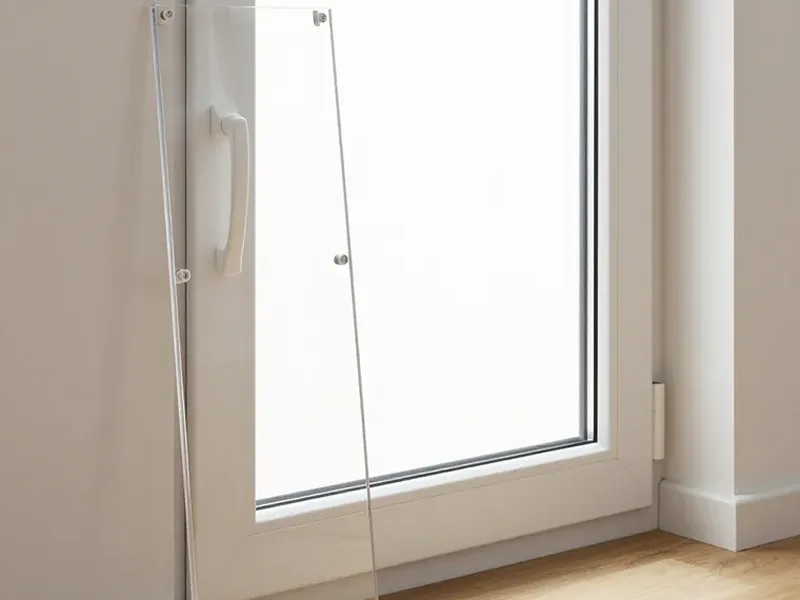 Transparent grilles
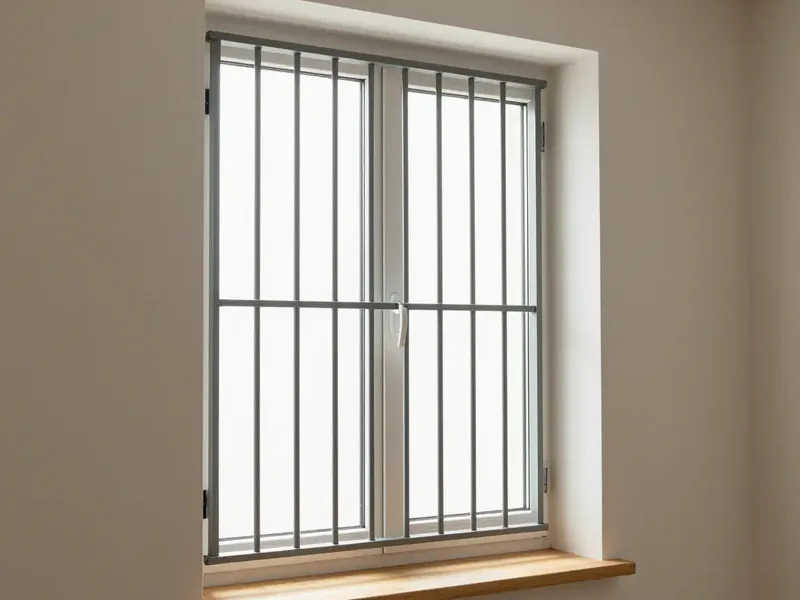 Window grilles
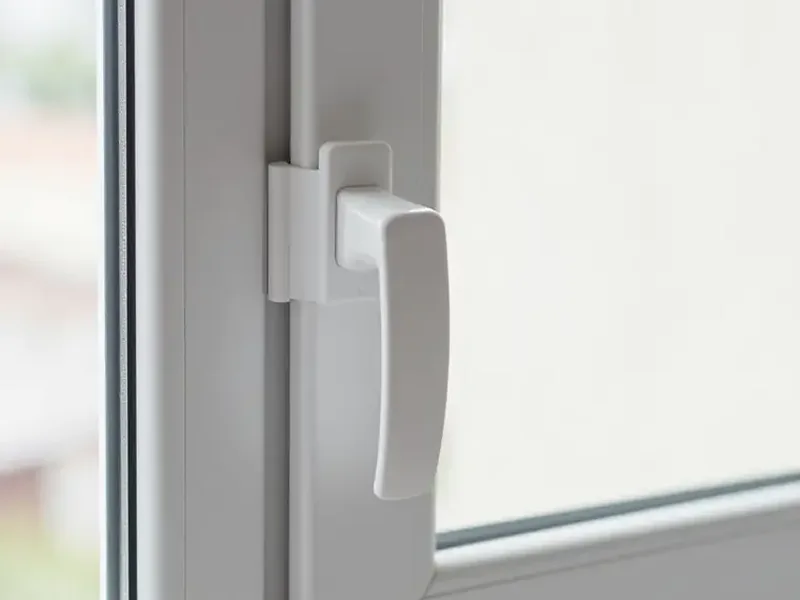 Window blockers
