
Windows and loggias · basic
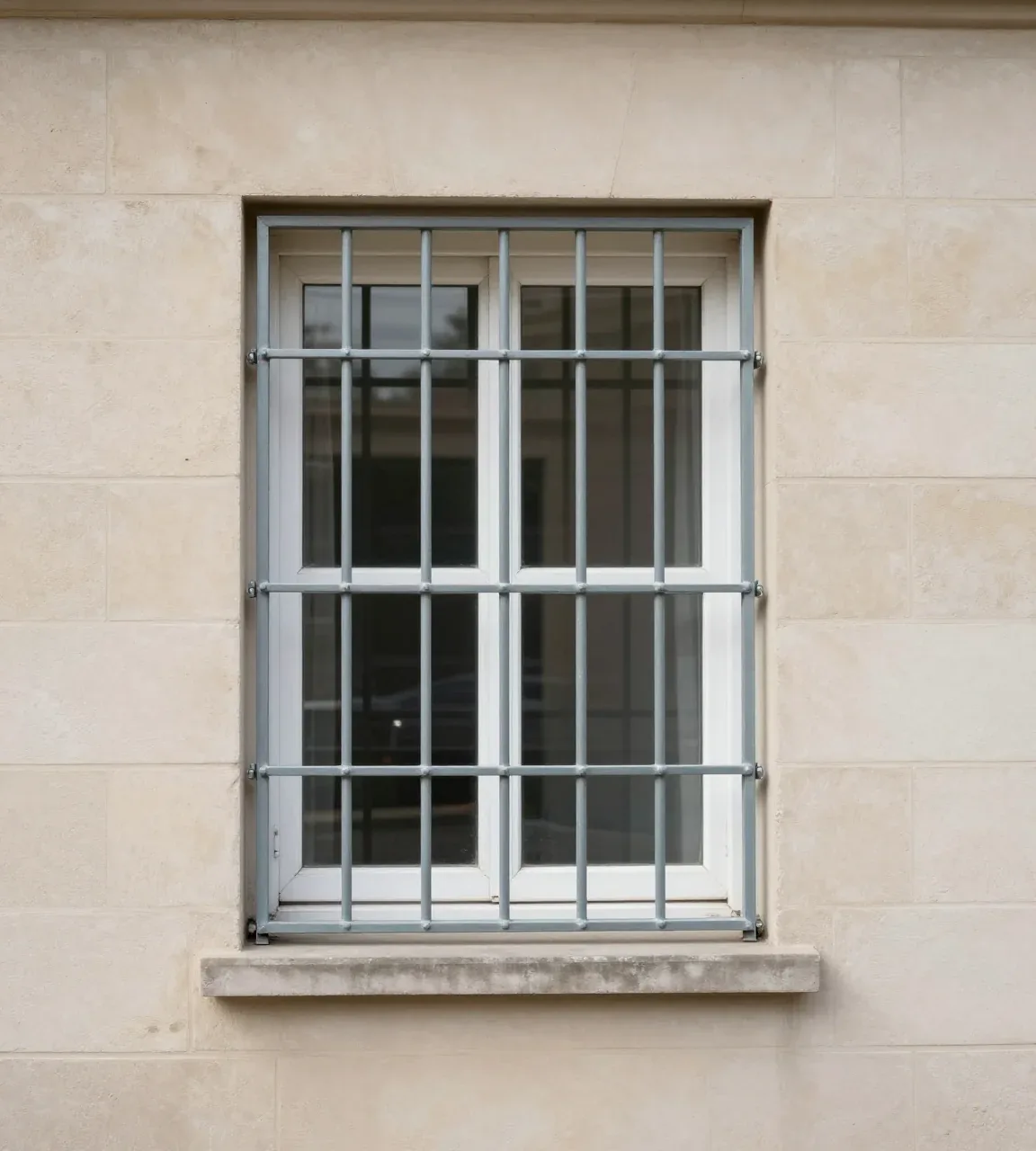
Welded
Standard pattern, rods welded into a rigid frame — from 7 500 ₸ per m², fitting to the window.
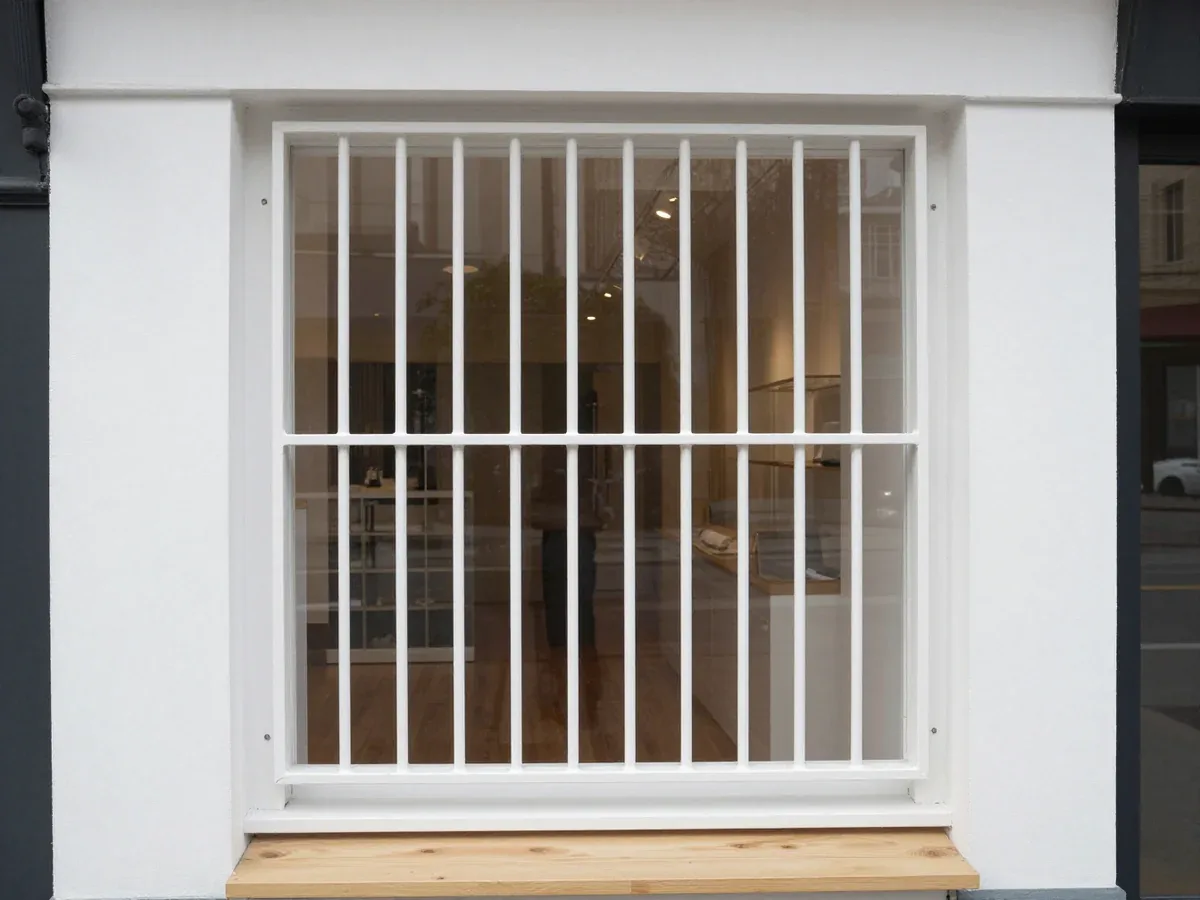
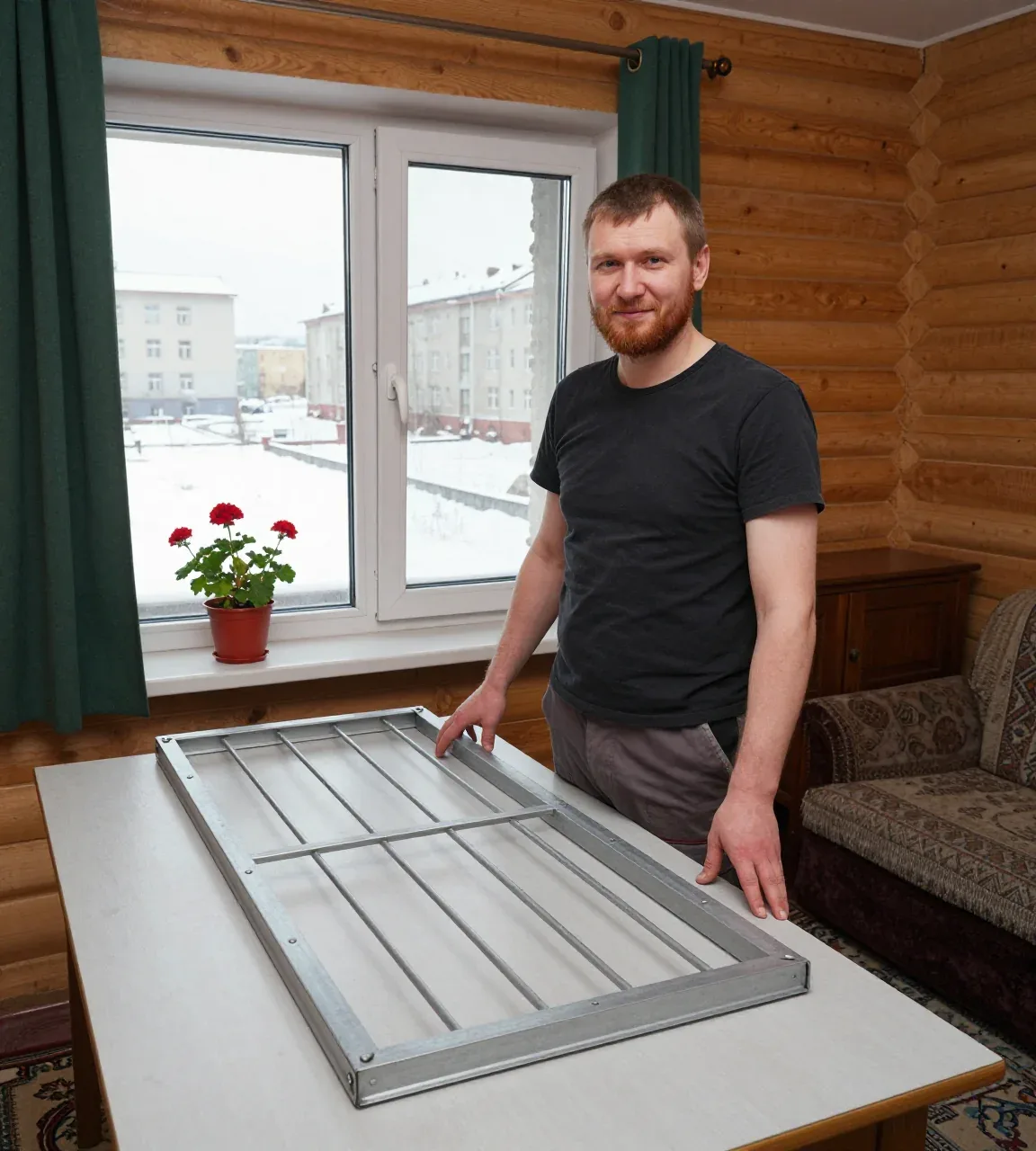
Welded
Standard pattern, rods welded into a rigid frame — from 7 500 ₸ per m², fitting to the window.
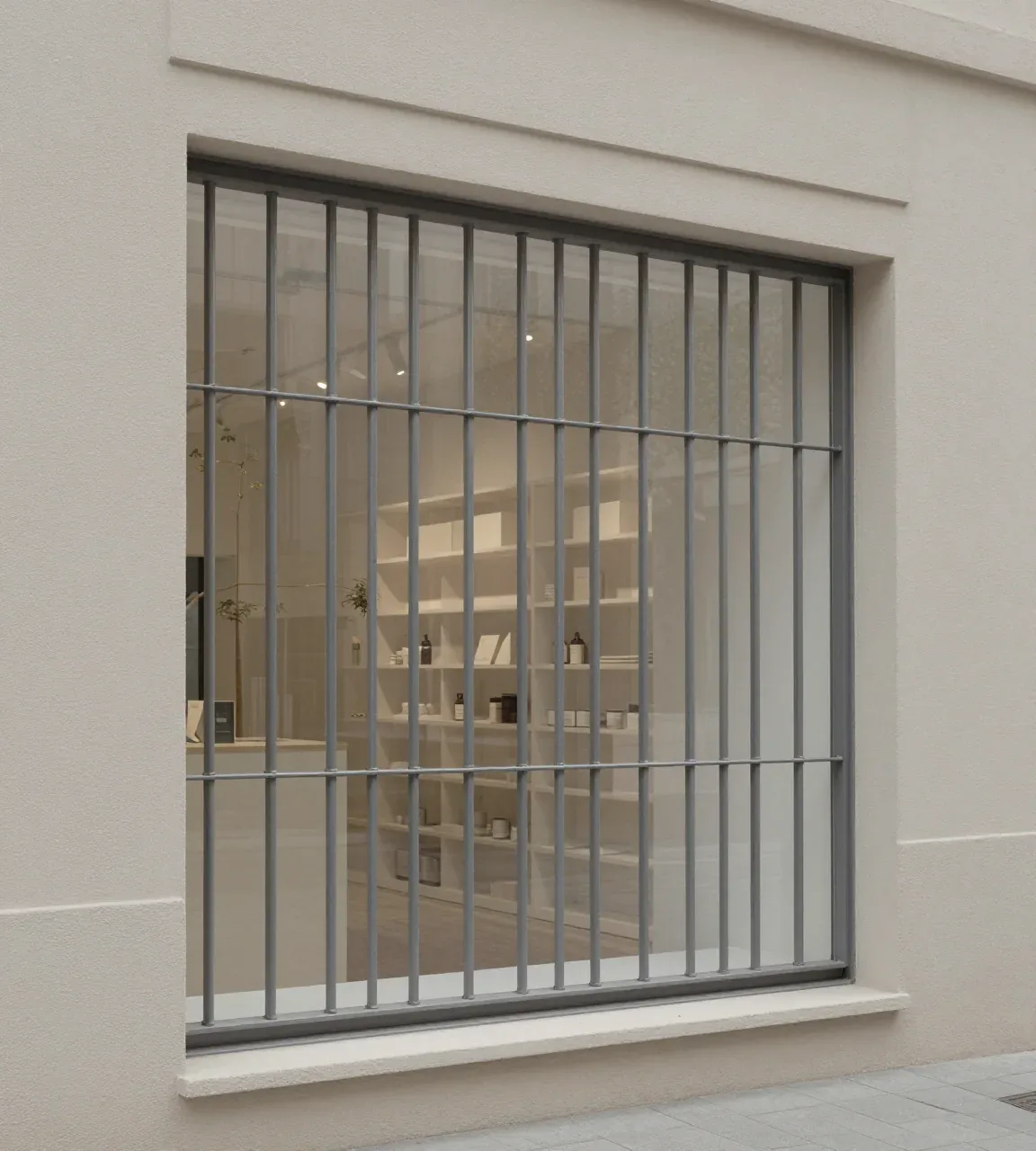
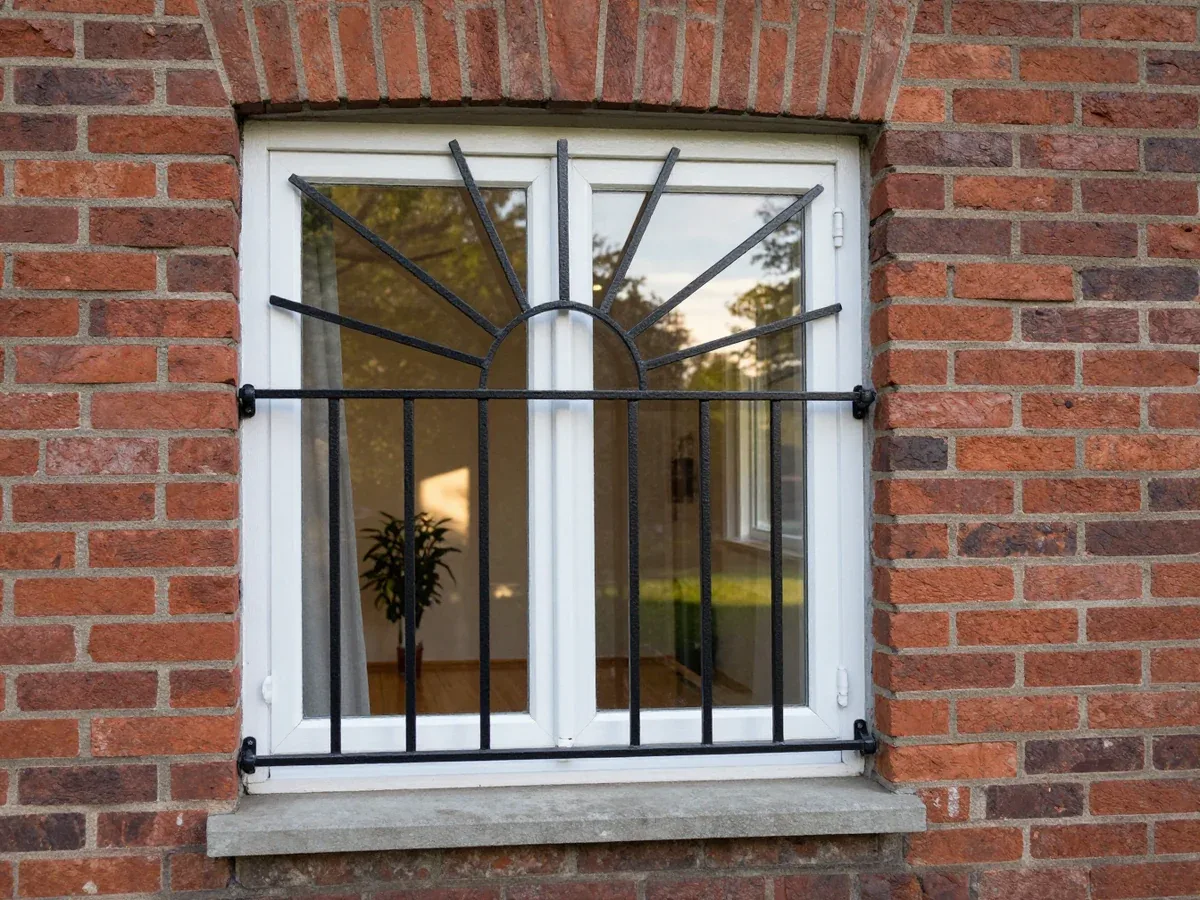
Forged
Forging with a pattern to match the facade — from 26 000 ₸ per m², pattern agreed before production.
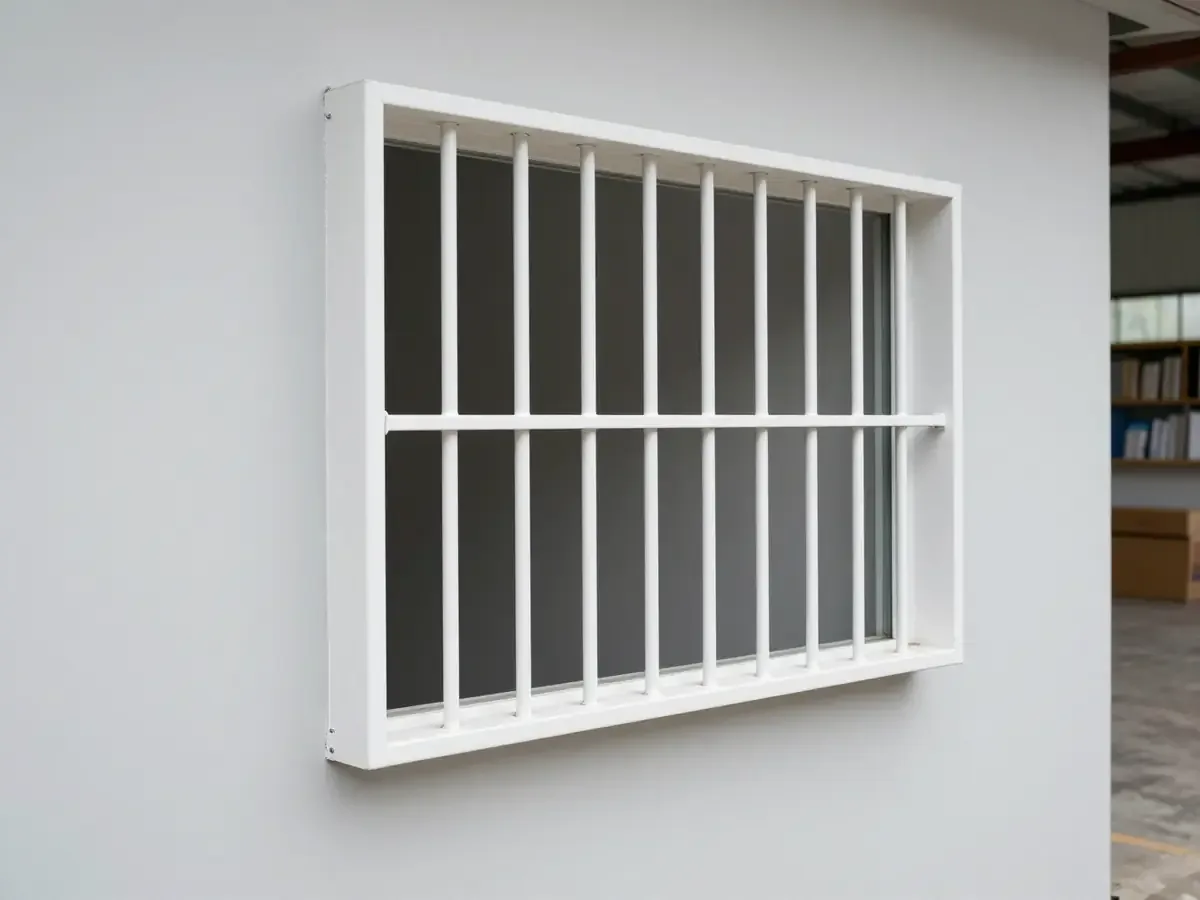
Convex
The convex shape gives space for flowers and does not press on the profile — from 26 500 ₸ per m².
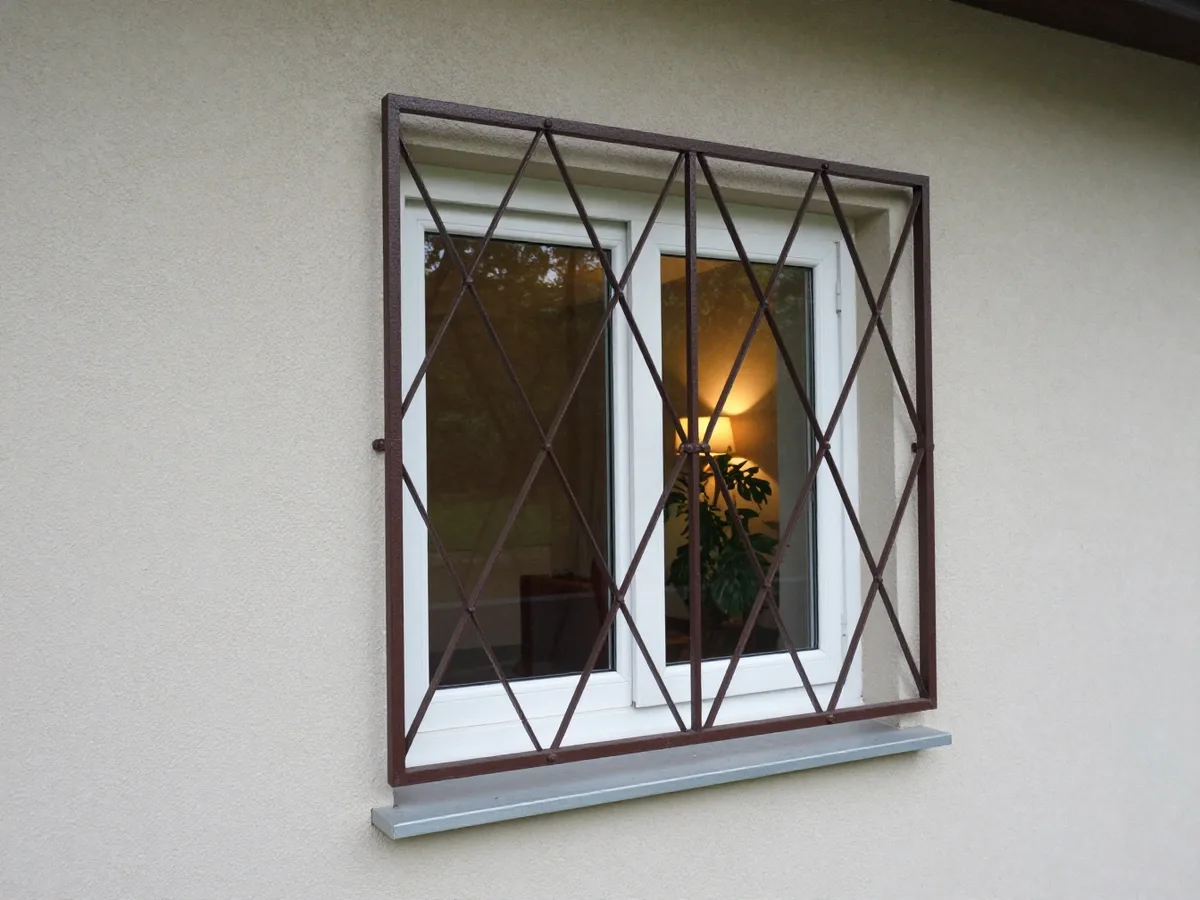
Laser cutting
Decorative sheet with a laser-cut pattern — from 25 000 ₸ per m², colour to match the windows.
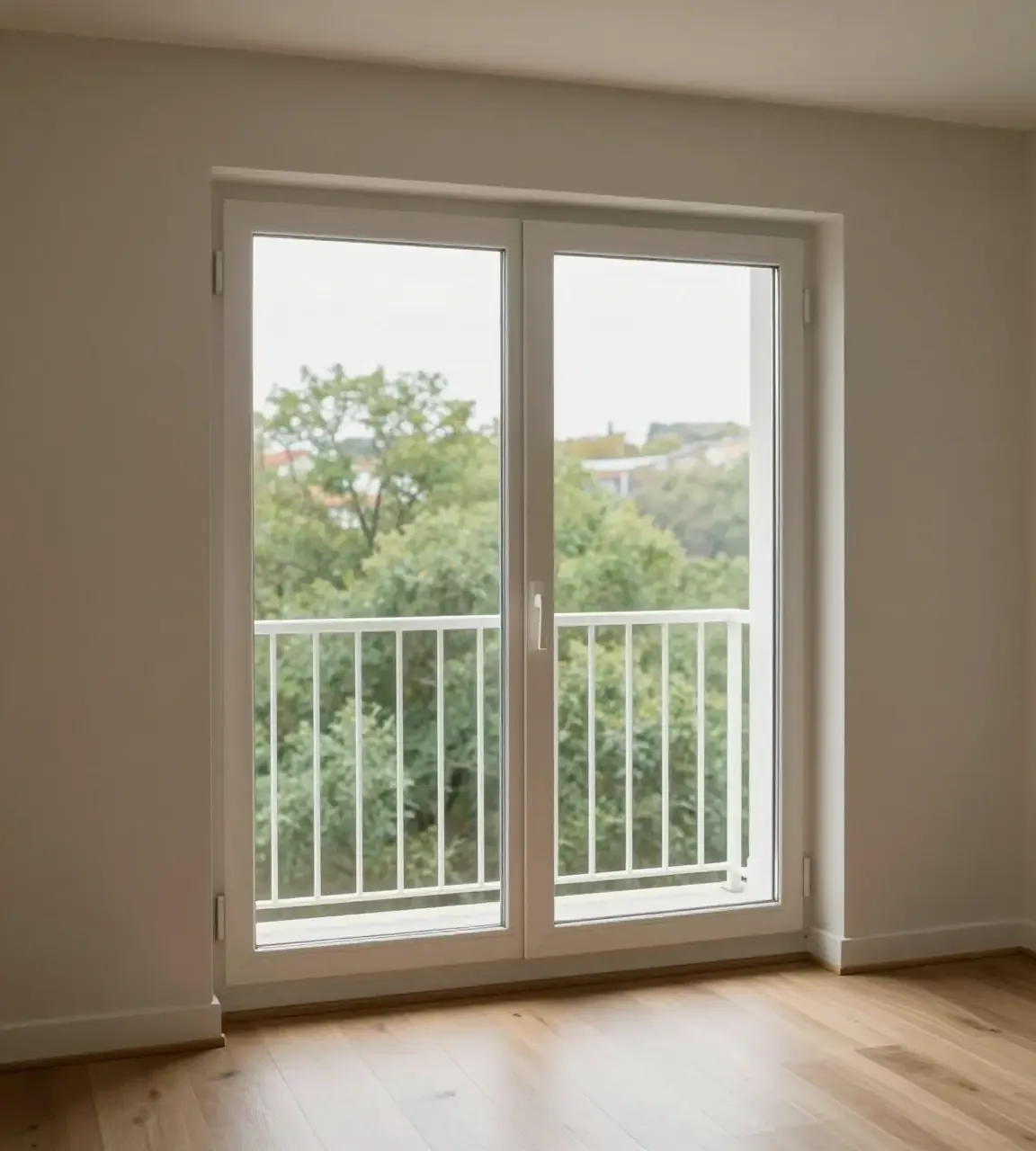
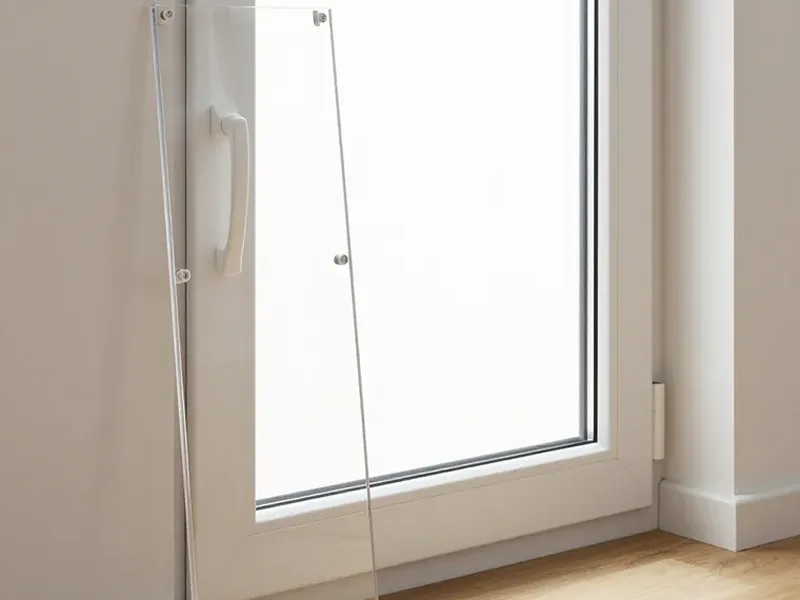
Transparent
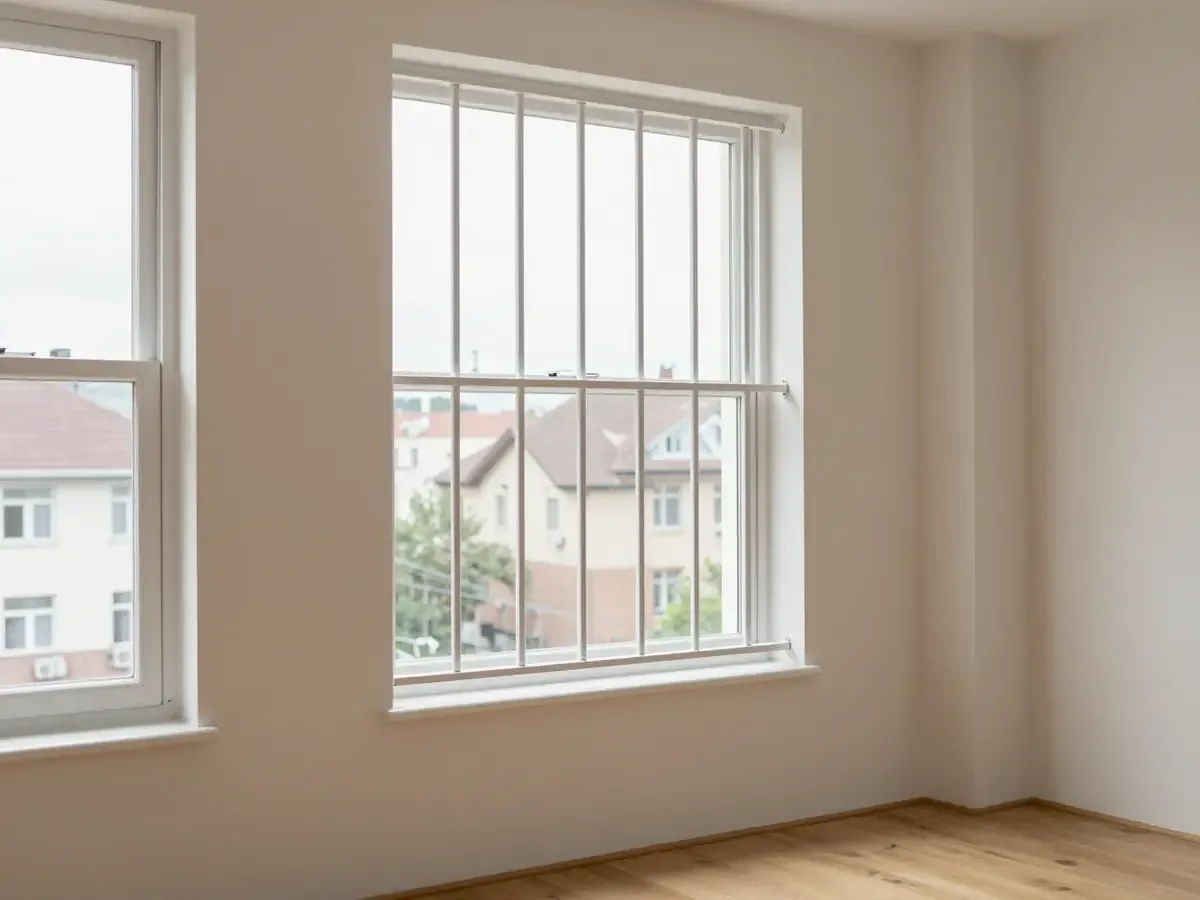
Polycarbonate instead of rods: protection is there, the view from the window remains — from 26 000 ₸ per m².



5,097 reviews on review sites
Frame, rods, pattern and fixings — four parts that determine the strength and appearance of the grille.
A window grille is a rigid metal frame with rods or a sheet inside. The frame follows the contour of the opening, the rods set the pattern and cell spacing, and the fixings hold the whole structure on the wall or on the window profile.
A grille differs from a mosquito screen in its purpose: a screen lets air through and keeps insects out, while a grille closes the opening against break-ins and falls. That is why it is priced by the area of the opening and the fixings are chosen according to the floor and window type.
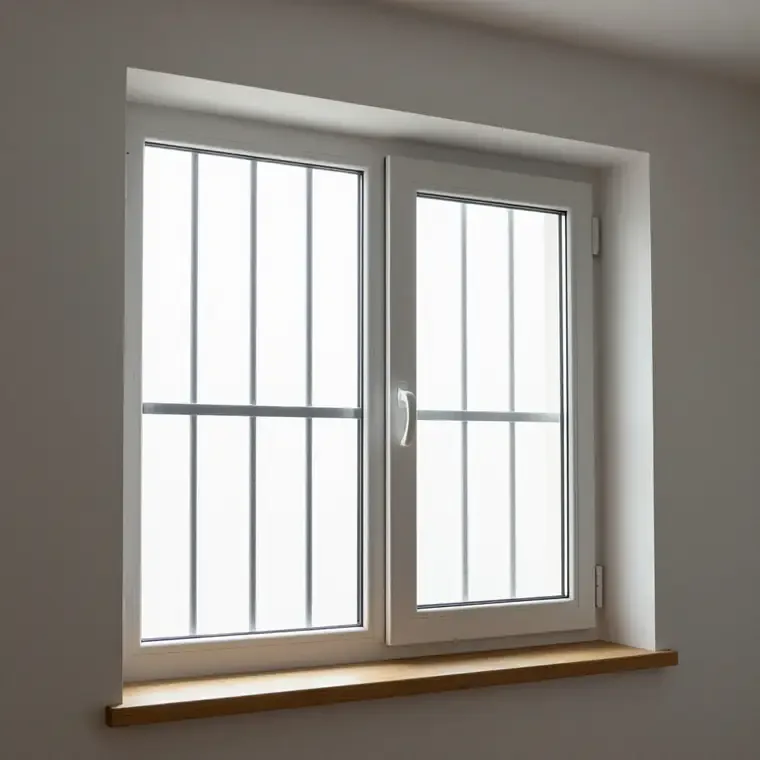
minimum cell size for the "Anti-Pollen" fabric, grilles have a larger rod spacing
profile width of hinged door mosquito screens — "Economy" and "Prestige"
warranty on mosquito screens we have been making since 2012
The surveyor selects the fixings according to the window profile and floor: this determines whether the leaf will open and how to remove the grille.
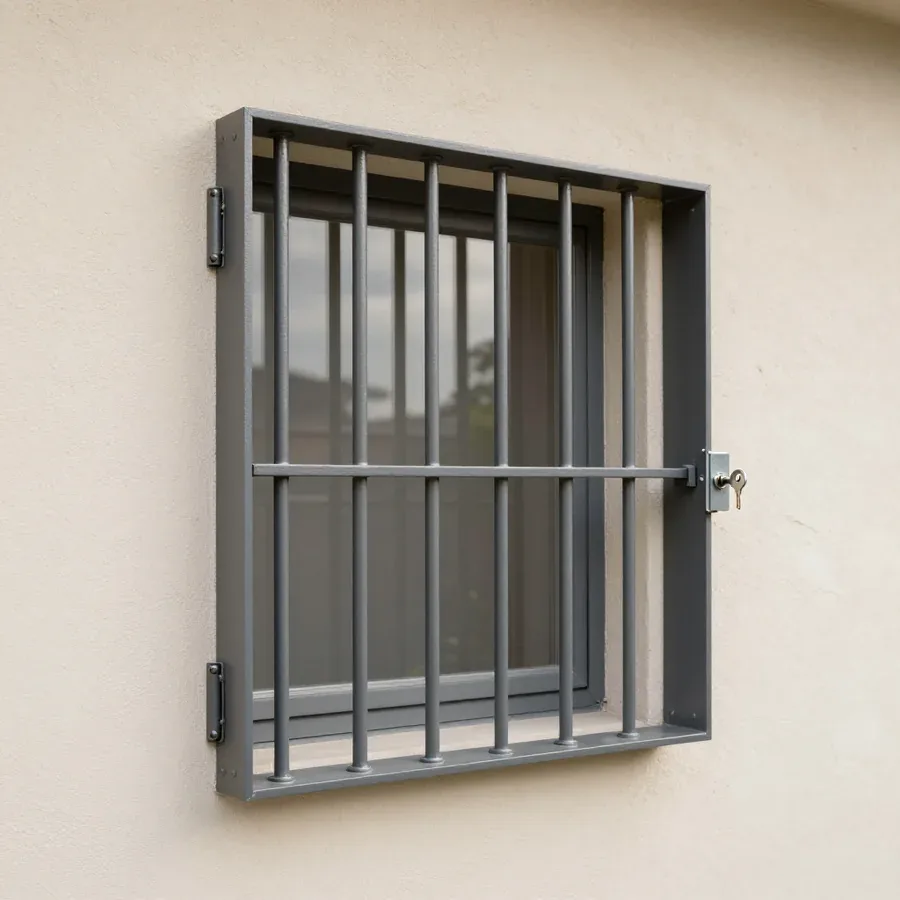
Fixing to the wall with an offset from the window: convenient for fixed structures and ground floors.
Removable option: the grille is placed in guides and removed from inside in a minute.
Hold a lightweight structure without tools, suitable for small openings.
A surface-mounted or mortise lock will work for the grille; ask the technician how the key works from inside and whether the leaf can be opened without tools.
Below are manufacturing, painting, installation and surcharges according to the page price list.
| Type of item | Price |
|---|---|
| Welded grille with a standard patternbasic version for windows and loggias | from 7 500₸ per m² |
| Forged grilleartistic pattern | from 26 000₸ per m² |
| Convex grilleprotrudes beyond the window plane | from 26 500₸ per m² |
| Decorative laser-cut grillepatterned sheet | from 25 000₸ per m² |
| Sliding accordion grillefolds when opened | from 28 000₸ per m² |
| Hinged grille leafsurcharge to the main structure | from 15 000₸ per leaf |
| Transparent polycarbonate grillekeeps the view clear | from 26 000₸ per m² |
| Aluminium fall-prevention grillefor child safety | from 12 200₸ per item |
| Grille with mosquito meshtwo in one | from 19 800₸ per m² |
| Powder coating for the grillecolour to match the windows | from 5 500₸ per m² |
| Grille installationfitting to the window | from 4 500₸ per m² |
| Removal of the old grilletaking down before replacement | from 4 000₸ per item |
| Child safety window grillefall-prevention barrier | from 12 500₸ per item |
The price is fixed in the order after measuringMeasuring and consultation are freePayment after installation: cash, card or Kaspi
Book a measuring visitEight facts about production, timelines, measuring and warranty — without promises that are not in the contract.
the price is fixed after measuring
for work and replaced components
measuring and consultation are free, the measurer will come at a convenient time
we accept requests every day
we deliver and install on windows and doors
we reply in WhatsApp within 5 minutes
we work daily, in Karaganda — 09:00–19:00
you can order in 17 cities of Kazakhstan
Four steps from request to the finished structure on the window.

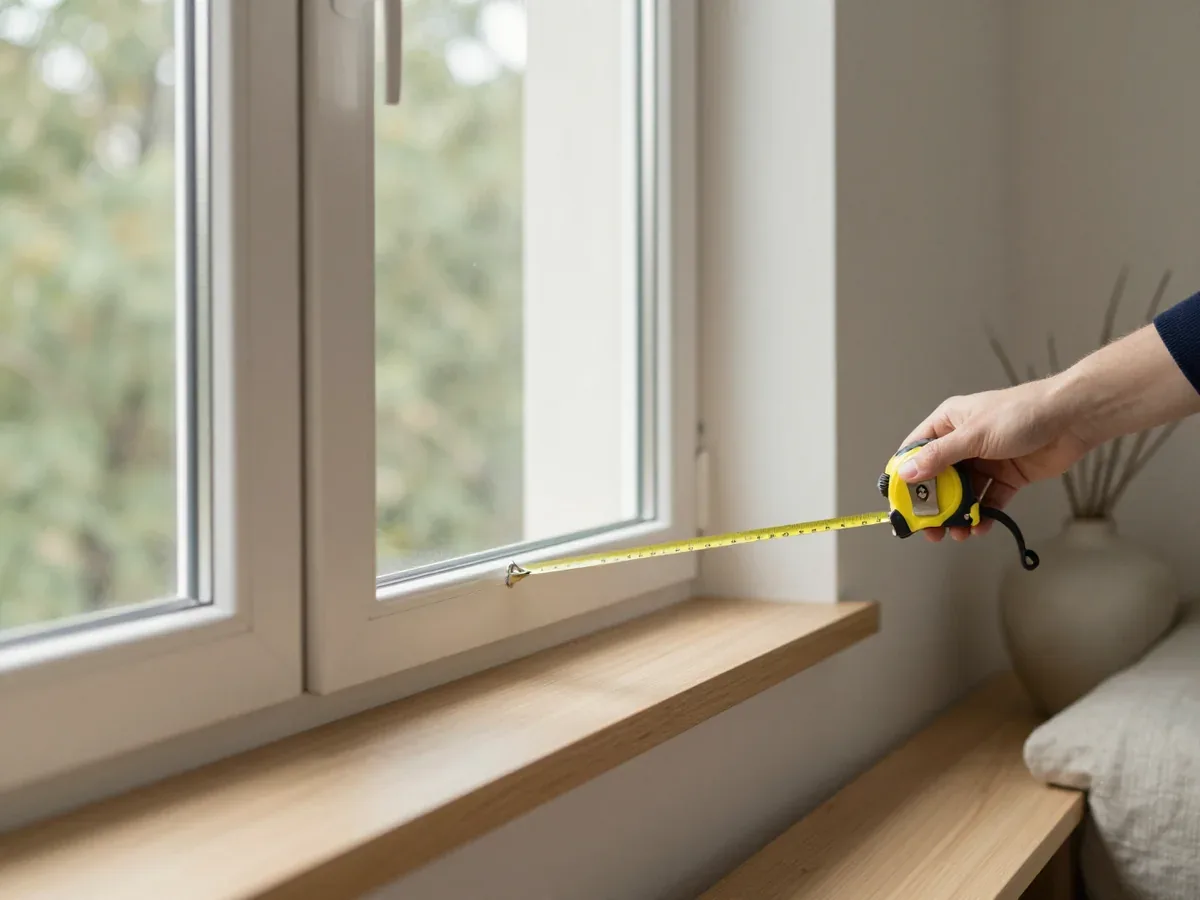
We take your dimensions or send a measurer: they will measure, help choose the pattern and fixings.
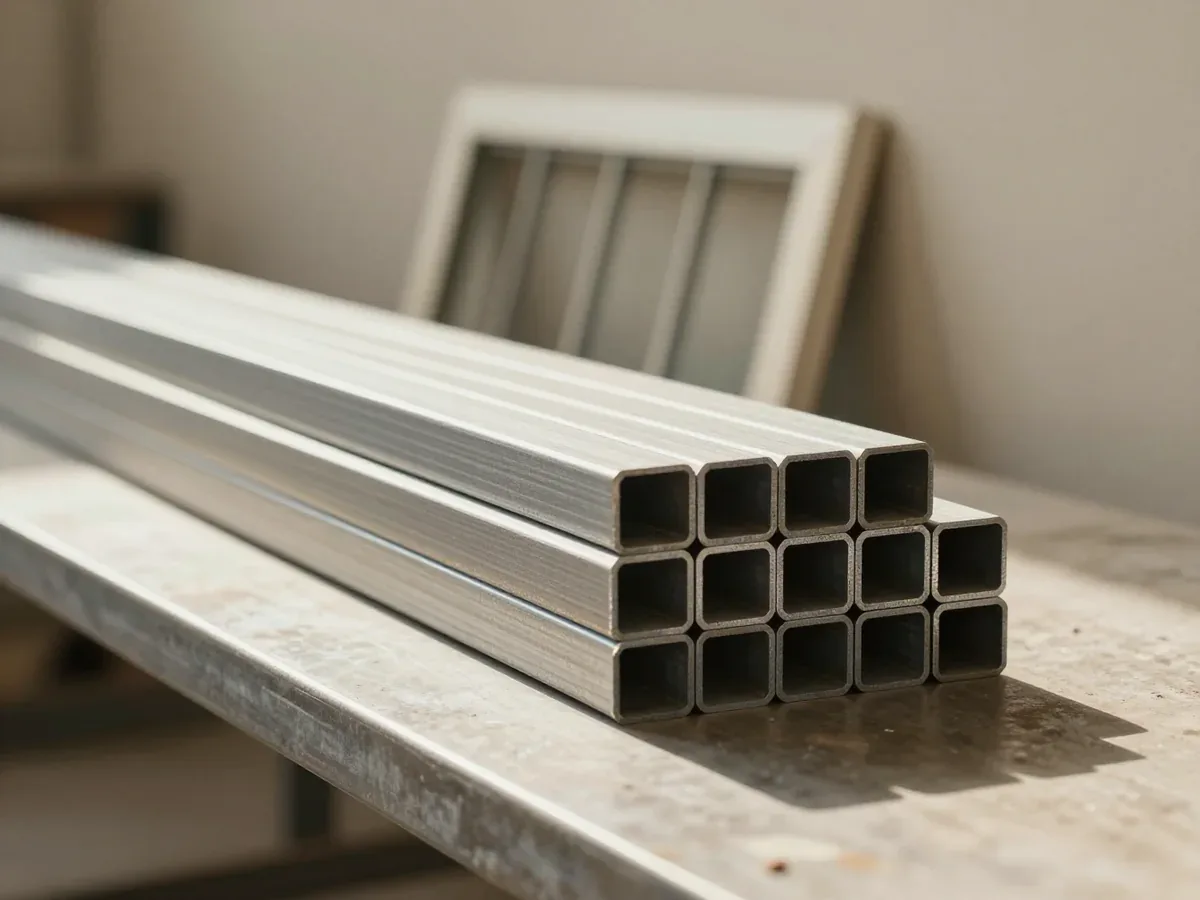
We weld the frame and rods to your dimensions, and if necessary paint the profile to match the windows.
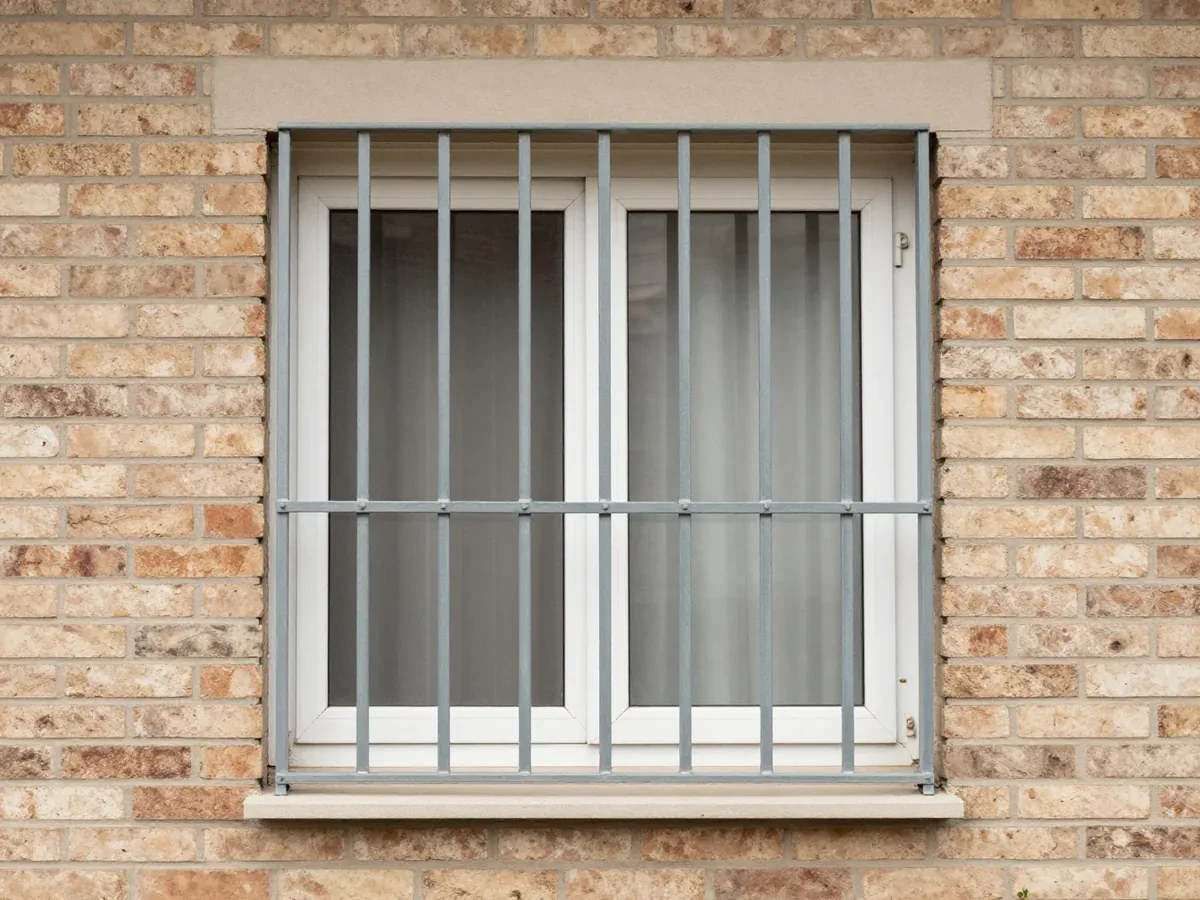
We deliver and mount the structure on the window or door, selecting fixings for the profile and floor.
When inspecting the finished structure, check the frame is level, gaps are even and fixings work. Ask the technician how to care for the coating and what loads the leaf can bear.
Good to know

Senior mosquito screen specialist at moskitnyesetki.kz
We make and install window grilles in Karaganda to your exact sizes, with a free measuring visit, fixings chosen for your window profile and floor, and frames painted to match your windows. Our own fitters do the work, you pay after installation, and the price is fixed in the order once measuring is done.
The choice rests on three things rather than on a picture in a catalogue: the type of window, the floor the flat sits on, and the reason you are ordering. We take each factor in turn.
A fixed model is the simplest to live with and the easiest to keep clean, a sliding one keeps the opening usable, and a hinged one swings clear so you can reach the whole pane. Fixed units bolt straight onto the surround and never move, which suits sashes that are rarely opened. Sliding versions run on a track and let you open the sash without taking anything off. Hinged ones open on a side hinge, so washing the glass on a wide unit stops being a stretch. On narrow vents and loggia openings a sliding leaf often catches the reveal before it is fully open, so the measurer checks the travel of the sash before the order is placed. When you order window grilles in Karaganda, the measurer brings the samples to your flat and checks the travel on the spot.
We fit grilles to plastic, wooden and aluminium windows, plus sashes on loggias, verandas and gazebos, and the frame material decides which fixing we bring. On plastic profiles the wall is thick enough for Z-brackets driven into the reinforcement. Timber needs a different approach, since screws hold well but the wood moves with the seasons. Aluminium is the thinnest of the three, so the measurer checks not only the size of the opening but exactly where the fastener can sit without costing the surround its stiffness. We paint the metal any colour to match your frames, so it disappears against the profile instead of cutting across it. Ask the measurer to show you the fixing point on your own surround — it is the one decision that is hard to change later.
On the ground floor the barrier works against entry, while higher up the job is usually to stop a child or a pet getting through the opening. First-floor and ground-floor units face the street and the yard, so the priority is a rigid fixed or hinged lattice that will not flex under pressure. Above the third or fourth level the risk shifts indoors: an open sash next to a sofa or a bed is where accidents start, and there the barrier only has to close the gap. On upper levels a solid design is often overkill — light and view matter more, so the choice moves towards clear and sliding versions that keep the outlook while still limiting the opening. Decide which of the two problems you actually have before you look at patterns.
The barrier is only one part of a child-safe setup. Here is what actually works on a window in a home with small children, and how to avoid turning the room into a cage.
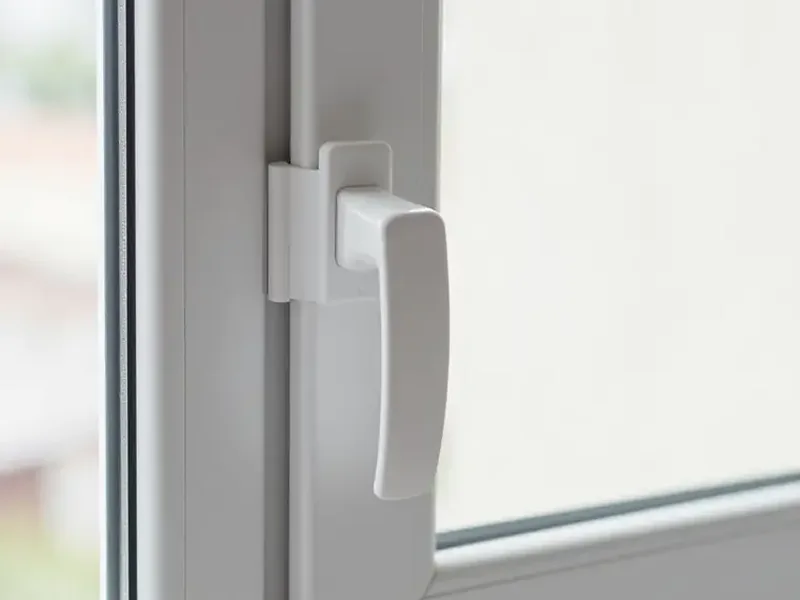
A child-safe setup combines a barrier that a child cannot open with a way to ventilate that does not leave the sash wide open. A grille covers the gap so a small body cannot pass through, while an opening restrictor caps how far the sash swings — usually a hand's width — so the space stays too narrow to climb out of. Together they cover both risks: the fall through the gap and the toddler reaching the handle on their own. A grille on its own still leaves the sash fully openable, because the handle sits inside the room within a child's reach. That is why the two parts work as a pair rather than as substitutes, and why the barrier is chosen for the gap while the restrictor is chosen for the handle.
For a rented flat we pick fixings that leave the smallest possible mark, and the measurer tells you up front what will stay on the frame after the grille comes off. The fixings are chosen to suit the profile and the floor: Z-brackets, pins or magnets, with magnets leaving no holes at all and Z-brackets holding firmest on a high floor. Before any drilling, agree the work with the flat's owner — some fixings leave holes in the frame, and that is easier to settle before installation than to explain afterwards. A removable frame also lifts out from inside in a minute, so it comes off for cleaning or for winter without tools.
Three guards solve three different jobs, and mixing them up is the most common mistake we see. We compare them by the risk they remove, not by price, so the choice holds up.
| Option | Protects against | Works from |
|---|---|---|
| Barrier | Entry and falls | Outside and inside |
| Restrictor | Wide opening | Inside only |
| Handle lock | Turning the handle | Inside only |
A barrier can go onto a window that has been in use for years, and the free measuring visit confirms the frame is sound enough to take the fixings. The measurer comes at a convenient time, takes the sizes, checks the profile and helps choose the design, mesh and fixings — measuring and consultation cost nothing. We fit these guards to plastic, wooden and aluminium frames, including sashes, balcony units and verandas. If the frame has cracks or old fasteners have worked loose, it is worth putting things right first, because a barrier on a shaky base will not hold as it should. We also repair and adjust frames and replace seals on units from any maker, so the base is sorted before the guard goes on.
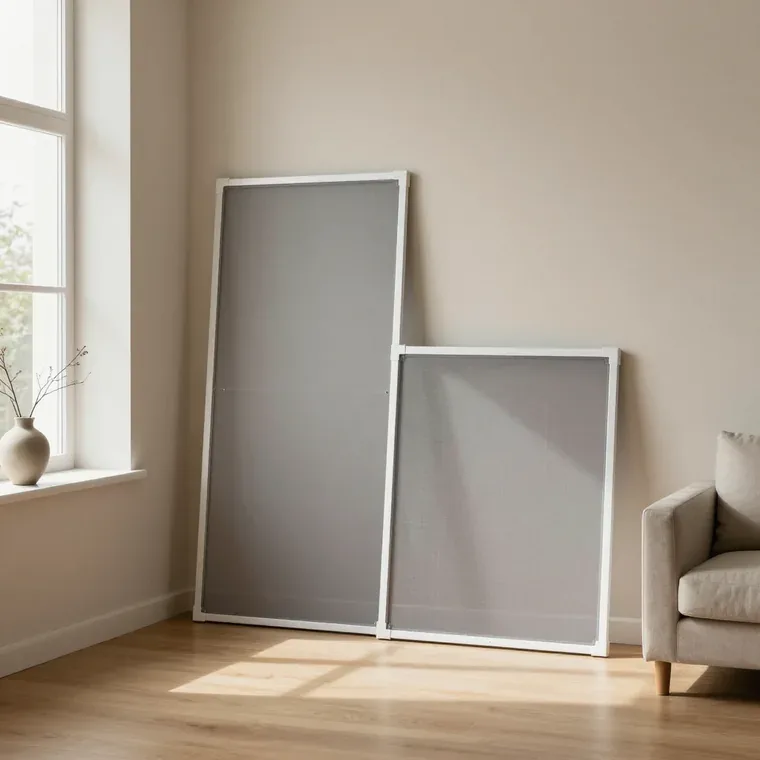
We fit the guard and the mosquito screen on the same visit, so the opening gets both barriers without a second team coming back. A framed screen made to your size takes 10–15 minutes and a pleated one 40–60 minutes, and we paint the screen frame any colour to match your units. Both are ordered across 17 cities in Kazakhstan, and the fitter picks the fixings for the profile and floor so the two do not fight for the same mounting points. A framed screen lifts out from inside in a minute and is best removed for winter, while the barrier stays up all year — ordering them together means the fasteners are chosen so the seasonal removal never disturbs the guard.
The barrier does not have to darken a room or argue with the facade. Here is how to make window protection read as part of the window, without giving up strength where it matters.
A clear grille keeps the view and the daylight because the bars are thin and spaced wider than on a solid metal model, while still giving a physical barrier. The gap between bars on clear aluminium versions is measured in tens of centimetres, so the eye reads the opening first and the metal second. On upper floors of a Karaganda block this matters more than the steel gauge, because nobody is climbing up to test it. A welded unit with bars every ten centimetres blocks far more light and turns a bright room into a shadowed one, which residents notice within the first week. The trade-off is honest: a clear design wins on view and loses on resistance to a deliberate forced entry, so on a ground-floor opening facing a yard it deserves a second thought.
We paint the grille frame any colour to match your windows, so the unit reads as part of the glazing rather than an add-on bolted to the wall. The profile is aluminium, and the colour is matched at the order stage, before the profile is cut to size, so the shade and the finish go on together. White, the usual colour of plastic frames, is the most requested, but grey, brown, anthracite and the wood-look tones of aluminium and wooden frames are equally routine. Pick the colour from a sample of the actual frame rather than from a photo: a phone camera shifts the shade of white or grey, and the difference shows on a facade where two openings sit side by side. The profile is the same one we use for hinged door screens, Economy at 32×10 mm or Prestige at 42×17 mm.
From the first call to a finished unit on your window there are only a few steps, and most of the work happens before anything is made. Here is what each stage involves and what you need to have ready.
The measurer comes at a time that suits you, takes the sizes and helps choose the design, the mesh and the fixings, and the visit costs nothing. He checks the profile, the sill depth and how the sash opens, because a grille that fits the frame but blocks the handle is a wasted order. You see the mesh samples on the spot: Ultravue, which lets in 25% more light and air than other meshes, Poll-Tex with its 0.25×1 mm cell, Pet Screen for a cat, or standard fiberglass. The frame is painted any colour to match your windows, so the sample is matched against the actual frame rather than a catalogue photo. Say at the visit which floor you are on and which side the opening faces — that decides both the fixing and how much the grille will cut into ventilation.
| Fixing | How it holds | When it is chosen |
|---|---|---|
| Z-shaped brackets | Screwed to the frame, strongest hold | Ground floor and larger frames |
| Pins | Spring into the profile, no deep drilling | Upper floors, quick removal |
| Magnets | Hold by pull, release by hand | Light grilles, easy seasonal removal |
With a hinged or sliding grille the sash still opens for cleaning and air, while a fixed grille leaves the opening closed and the glass reached from inside. A hinged grille swings out on its own frame, so the handle stays reachable and the sash opens as it did before. A sliding grille travels sideways along the frame and leaves the opening clear without taking up floor space. A fixed grille is the simplest of the three, but the glass behind it is cleaned from the room side only, and ventilation comes through a sash that carries no grille. If a sash is opened every day, a sliding or hinged model saves daily effort — with a solid fixed design you ventilate only through the sash left uncovered.
What happens after the work is done matters as much as the visit itself. This section covers seasonal care, what the warranty actually protects, and how to tell a direct contractor from a reseller.
Our mosquito screens carry a one-year warranty, and the terms for the grille work are fixed in your order after measuring. The price you agree at the visit is the price on the order, so a later change of mesh or profile is quoted separately rather than added quietly. The warranty covers manufacturing faults — a frame that does not sit square, a mesh that pulls out of its groove, a fixing that fails under normal use. It does not cover impact damage, a unit removed and refitted by hand, or wear from abrasive cleaners. That is why we ask you to let the fitter handle the fixings and the removal: a bracket forced into the wrong profile is the most common cause of a claim we cannot honour.
We are the direct contractor with our own fitters, so the person who measures your opening is the same team that installs the grille and answers for it. The measuring visit is free, the measurer takes the sizes and helps pick the mesh and fixings, and you pay only after installation — cash, card or Kaspi. A middleman usually splits the job: one firm measures, another manufactures, a third installs, and when the unit arrives the wrong size or a bracket will not hold, each points at the other. With a direct contractor the order, the fitment and the warranty sit with one party, and a question about a loose fixing reaches the person who fitted it. Ask who will actually drill the wall before you sign anything — that one question separates the two.
Four decisions settle almost every order for window protection, and none of them needs a showroom visit to work through. This closing list pulls those decisions together before you pick up the phone.
If you are torn between two options, start with the question of what exactly you are protecting against — it removes half the unnecessary choices on its own.
Installation and fixing of grilles, child protection, measuring and custom windows
Konstantin Selenenkovsenior mosquito screen specialist, 10 years in the tradeOnline · replies within 5 minutes
Ask a questionYes, grilles are installed on windows with wooden and aluminium frames. Fixings are chosen to match the material: for wood, pins or brackets are most often used, for aluminium, clamps, so the profile is not damaged.
Check the fixings and welded seams: if there is wobbling, rust or cracks, the grille needs repair. Bent bars and loose anchors are also reasons for repair, as they reduce protection.
Assess the condition of the frame and hardware: the sash should open easily and the profile should have no cracks. Also check whether the wall or reveal can support the fixing, and clarify how the grille will open for window cleaning.
Yes, the grille is made to individual sizes after measuring. You can order a design for an arched, round or trapezoidal window — the technician will take exact measurements and suggest a suitable pattern.
If the distance between the bars is more than 10 cm, a child can easily put their head through. In this case, you can additionally install a transparent panel or replace the grille with a model with closer bar spacing.
Measuring and consultation on choosing grilles are free. The measurer will come at a convenient time, take measurements and help choose a model and fixing for your windows.
Yes, grilles are installed not only in apartments but also on windows of loggias, gazebos and verandas. The design and fixing are chosen taking into account the specifics of the site and the type of windows.
On upper floors, reinforced brackets and anchors are used, which are securely fixed in the wall or reveal. The fixing is calculated with a strength margin to withstand wind loads.
Thank you. We will call you back within 10 minutes!
Your order number is on the receipt or in the SMS. Choose where to leave your review.
Write a review on WhatsApp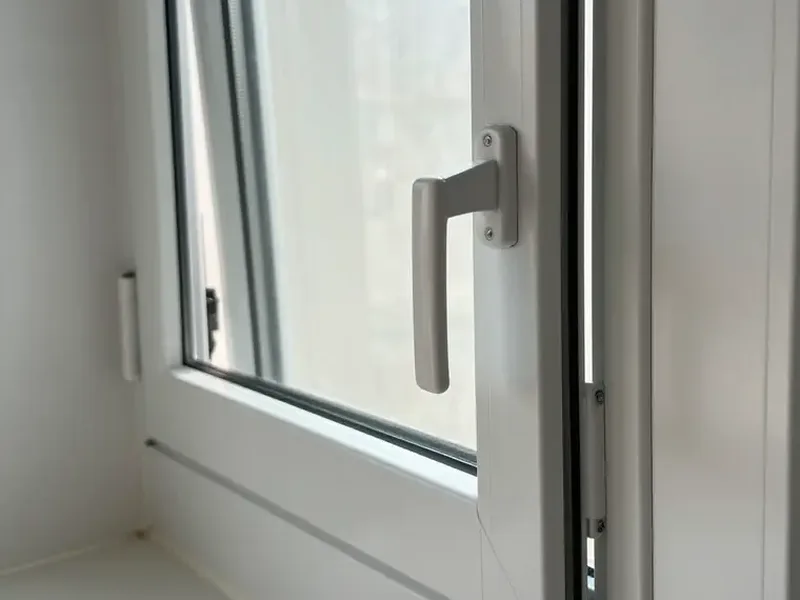 Window restrictors
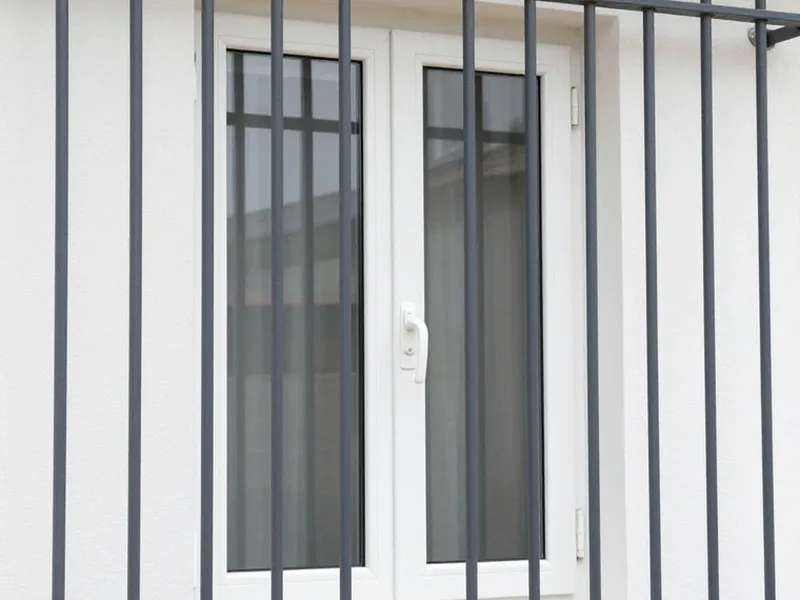 Metal grilles
 Transparent grilles
 Window blockers
 Ready-made mosquito nets
