
EPDM · Most windows
Standard perimeter
Soft rubber restores a tight fit to the sash, and draughts from the steppe wind disappear. From 1 000 ₸ per linear m.
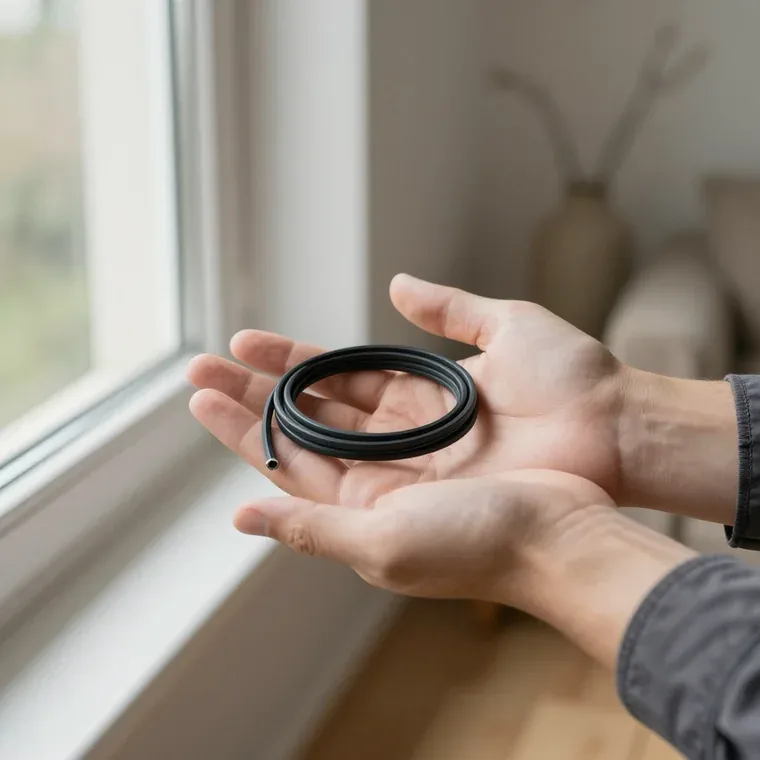
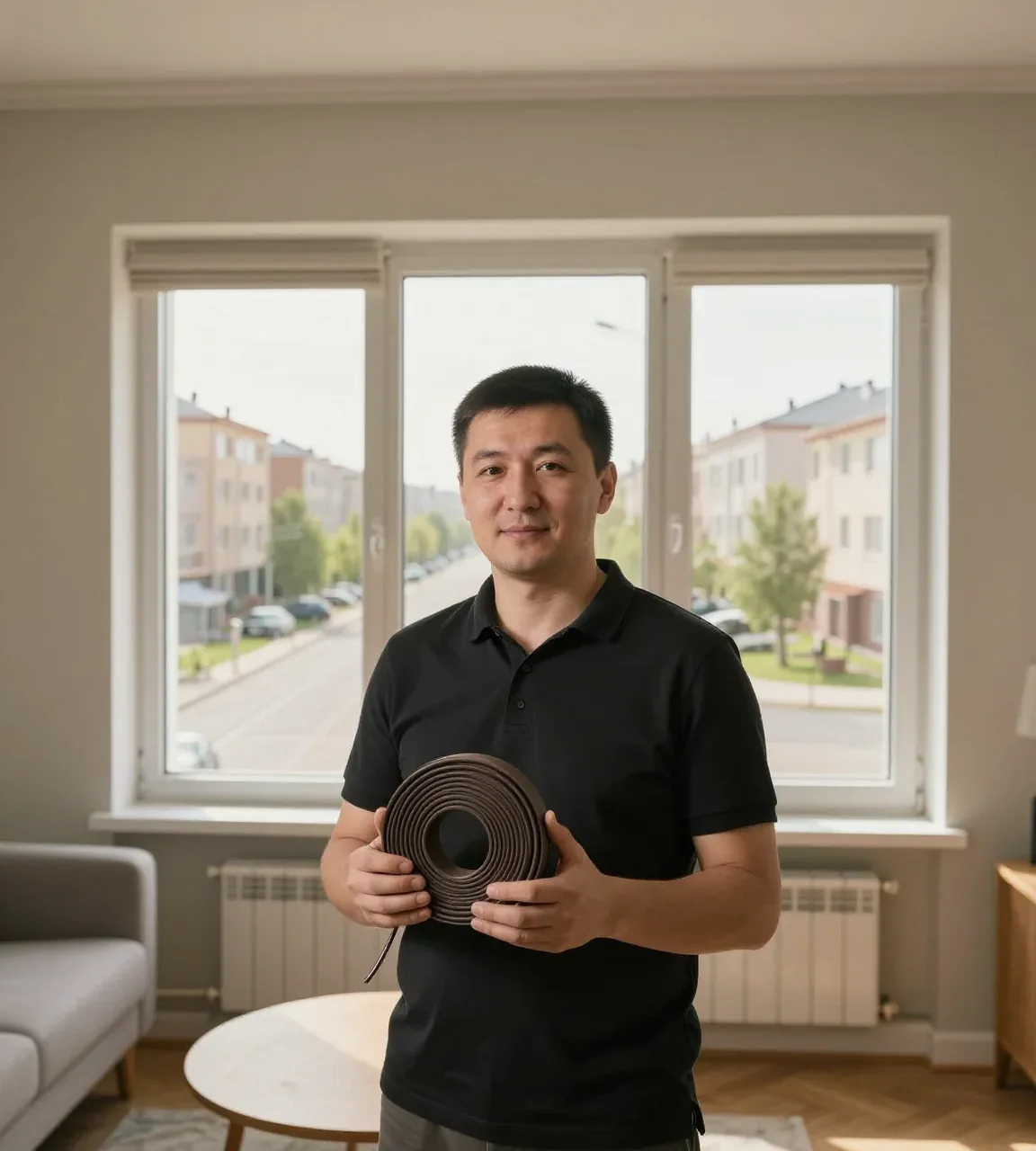
Standard perimeter
Soft rubber restores a tight fit to the sash, and draughts from the steppe wind disappear. From 1 000 ₸ per linear m.
German seal
Rubber from Germany hardens more slowly in cold and dry radiator air, suitable for the bedroom. From 1 200 ₸ per linear m.
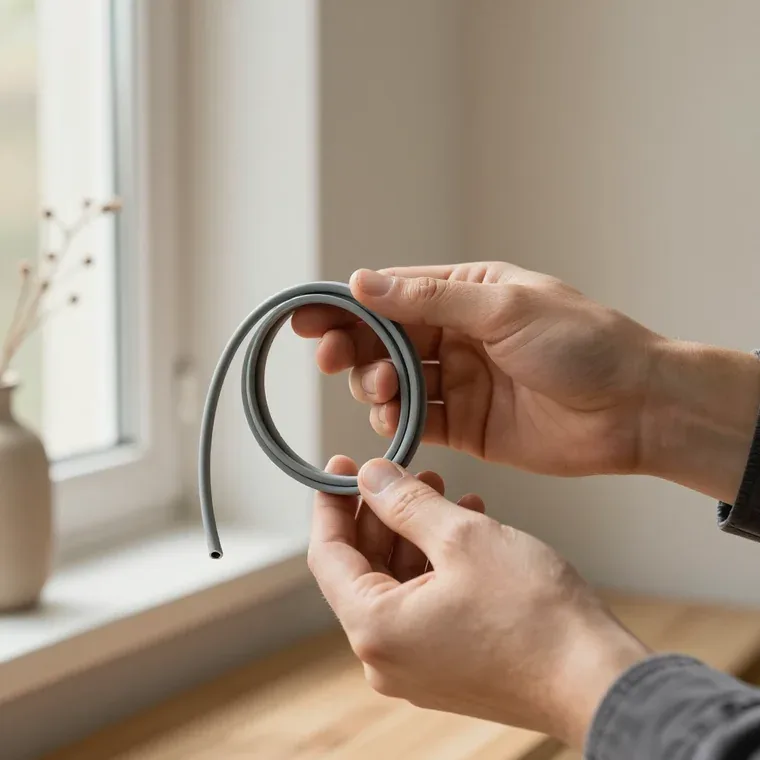
Balcony perimeter
A worn door seal lets cold across the floor of the whole room. New perimeter — from 5 000 ₸ per item.
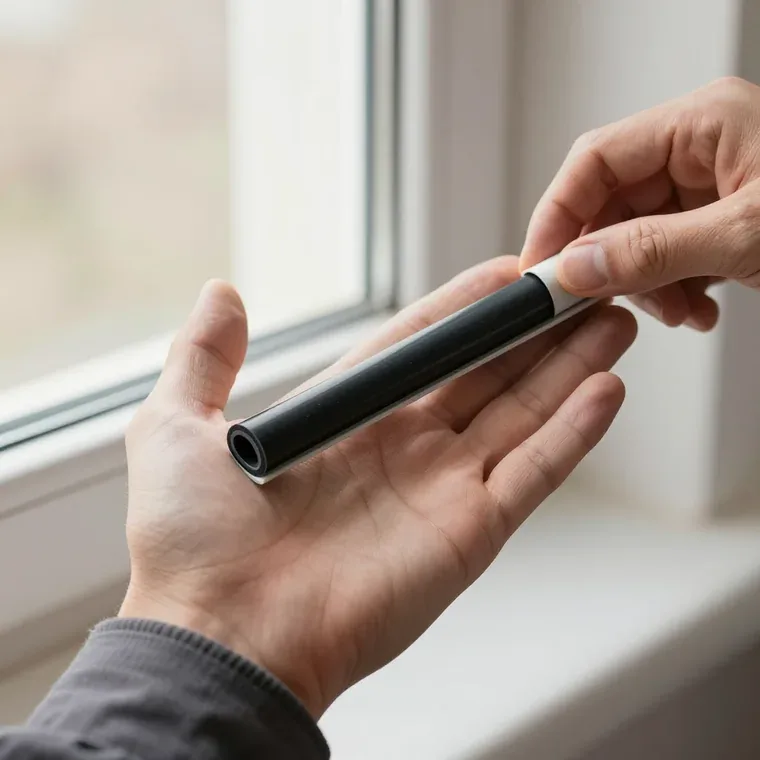
Brush for aluminium
The pile on aluminium sashes wears out over time and lets dust through. New brush from 1 150 ₸ per linear m.
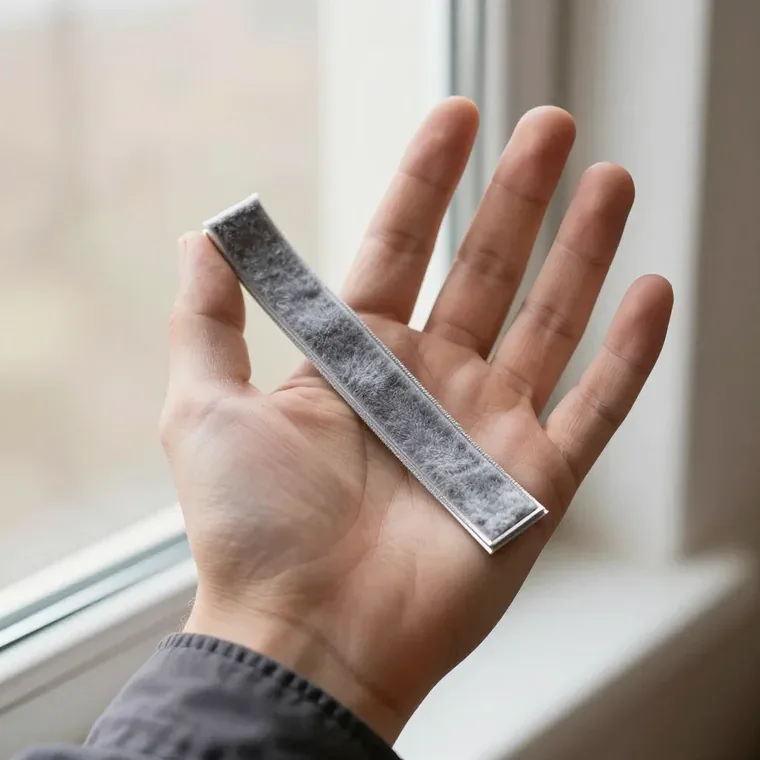
Between-frame layer
An extra perimeter between sash and frame noticeably reduces street noise. From 2 800 ₸ per window.
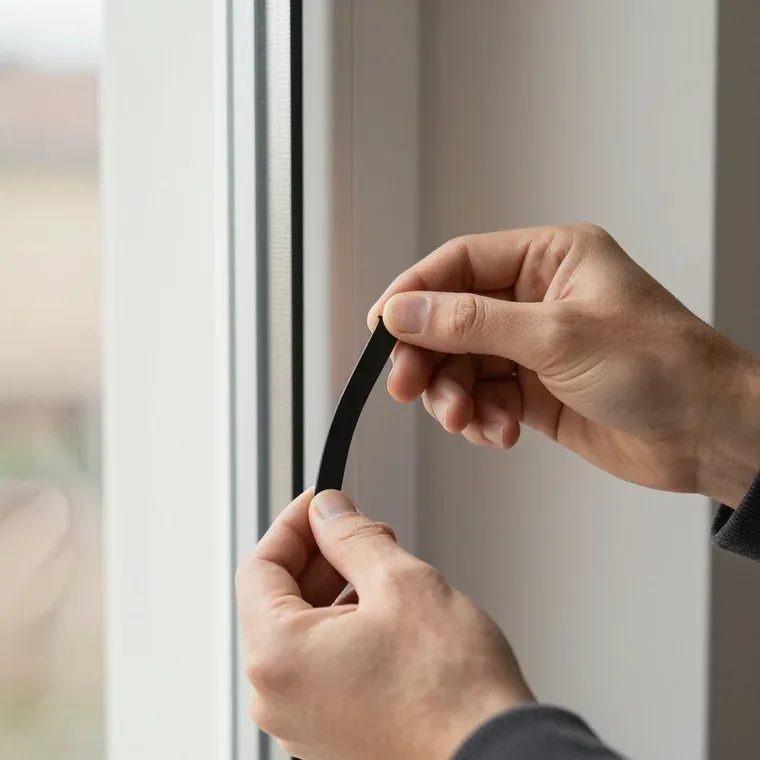



5,097 reviews on review sites
Cold, noise and dust through a closed window are usually the fault of an old seal, not the frame. We change the perimeter and restore the window's tightness.
A PVC window is airtight only when the rubber on the frame and sash is soft and pressed along its whole length. Over time the rubber hardens, flattens and cracks, and cold, courtyard noise and fine dust come into the flat through the gap.
Karaganda winds and the long winter quickly find such gaps, especially in corner flats and panel buildings. The technician will match the seal to your window brand and replace it without removing the sash.
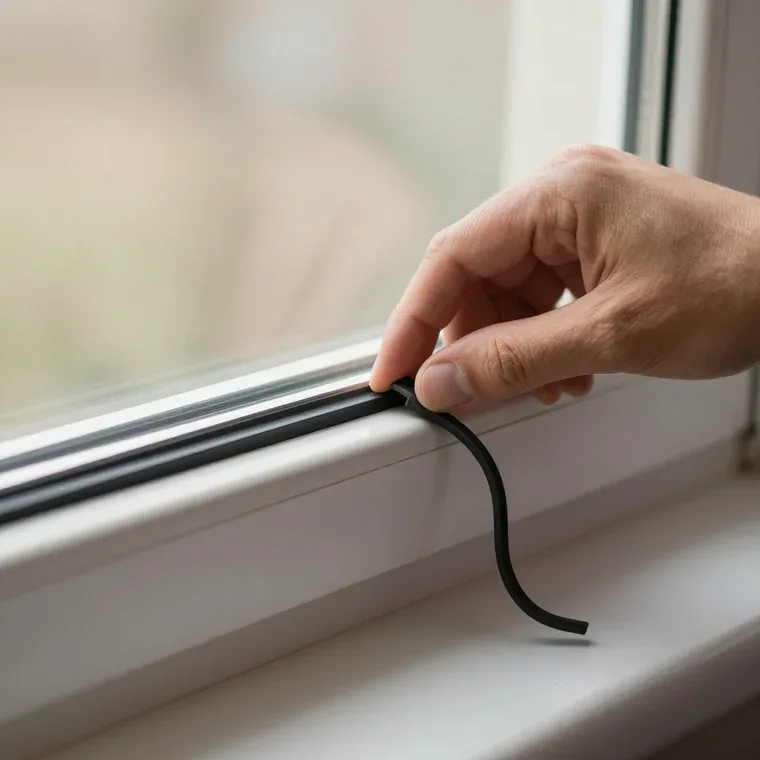
per linear metre of new seal including labour
warranty on the work done and the seal
we change the perimeter without removing the window
Four things you can check yourself in a couple of minutes.
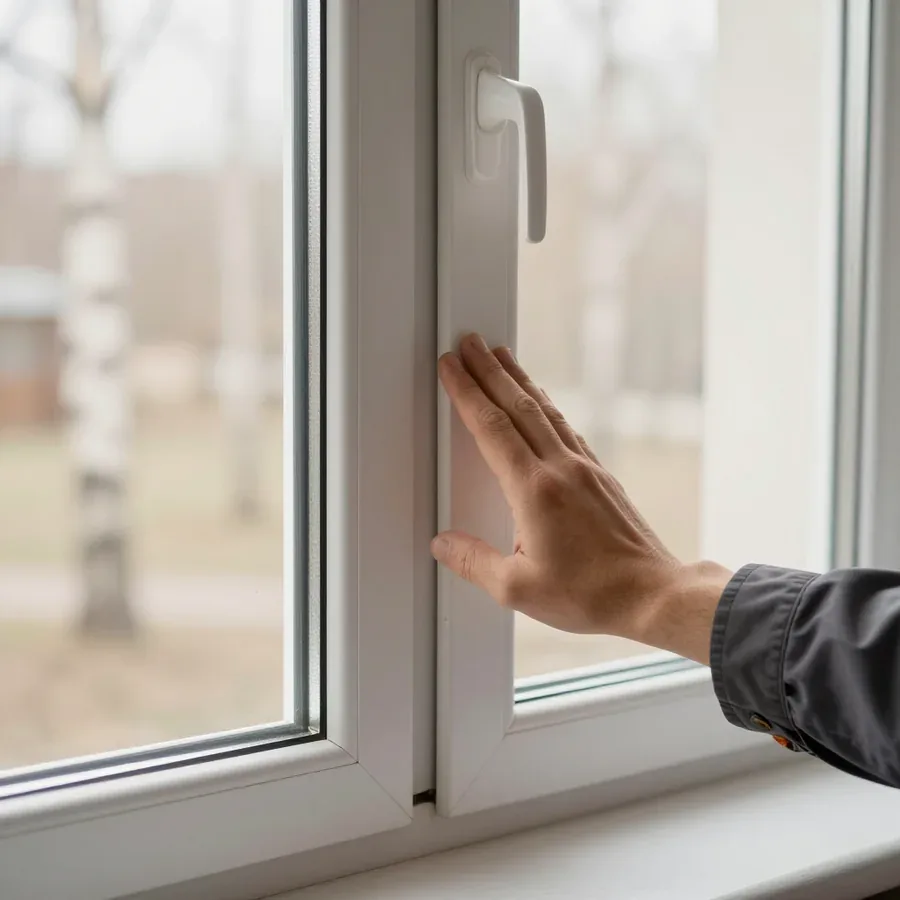
Press with a fingernail: if no mark appears straight away, the rubber has hardened and no longer presses the sash.
Look at the sash corners — cracks appear there first and let cold in.
If the seal has fallen out somewhere, draught comes through that section whatever the handle position.
Through a sound window the street sounds muffled; if you hear voices, the perimeter is letting sound through.
We'll advise during the inspection: a between-frame perimeter helps on the noisy side, German rubber for the bedroom, a brush or door perimeter for the loggia.
ordinary flat
Elastic EPDM perimeter fits most profiles and keeps its shape for years.
bedroom, children's room
Stays soft longer and dampens sound better than budget rubber.
balcony door
A durable seal for a door that works harder than any window in the flat.
aluminium sliding
New bristles close the gap again and keep out dust and snow grains.
windows facing the yard and road
A third layer of rubber dampens noise and stops draughts along the bottom edge.
The total depends on the length of the seal and the chosen rubber; the technician gives the exact sum after inspection.
| Type of work | Price |
|---|---|
| Standard sealEPDM rubber | from 1 000₸ per linear m |
| German sealsoft, lasts longer | from 1 200₸ per linear m |
| Replacement on a whole windowframe and sash | from 3 500₸ per window |
| Balcony doorfull door perimeter | from 5 000₸ per item |
| Aluminium windows, brushsliding frames | from 1 150₸ per linear m |
| Cleaning and silicone greasefor rubber still in good shape | from 750₸ per linear m |
| Between-frame sealquieter indoors | from 2 800₸ per window |
| Draught eliminationfinding and closing the gap | from 3 500₸ per sash |
| Sash adjustmentpressure set to the seal | from 3 000₸ per sash |
| Liquid plasticinternal seams | from 1 500₸ per linear m |
| Insulation of a wooden frameSwedish method | from 4 200₸ per linear m |
The price is fixed in the order after measuringMeasuring and consultation are freePayment after fitting: cash, card, Kaspi
Book a technicianHow we work with windows in the city.
on seal replacement and new components
seals for KBE, Rehau, VEKA, Provedal and other windows
we fix the sum in the order after inspection
the work and checking the window, by cash, card, Kaspi
on WhatsApp to your message with a photo
technicians work on Saturday and Sunday too
we take requests every day
we work across Kazakhstan
Four steps with no extra hassle.

Write on WhatsApp what is wrong and attach a photo of the sash: this way the technician understands the scope of work in advance.
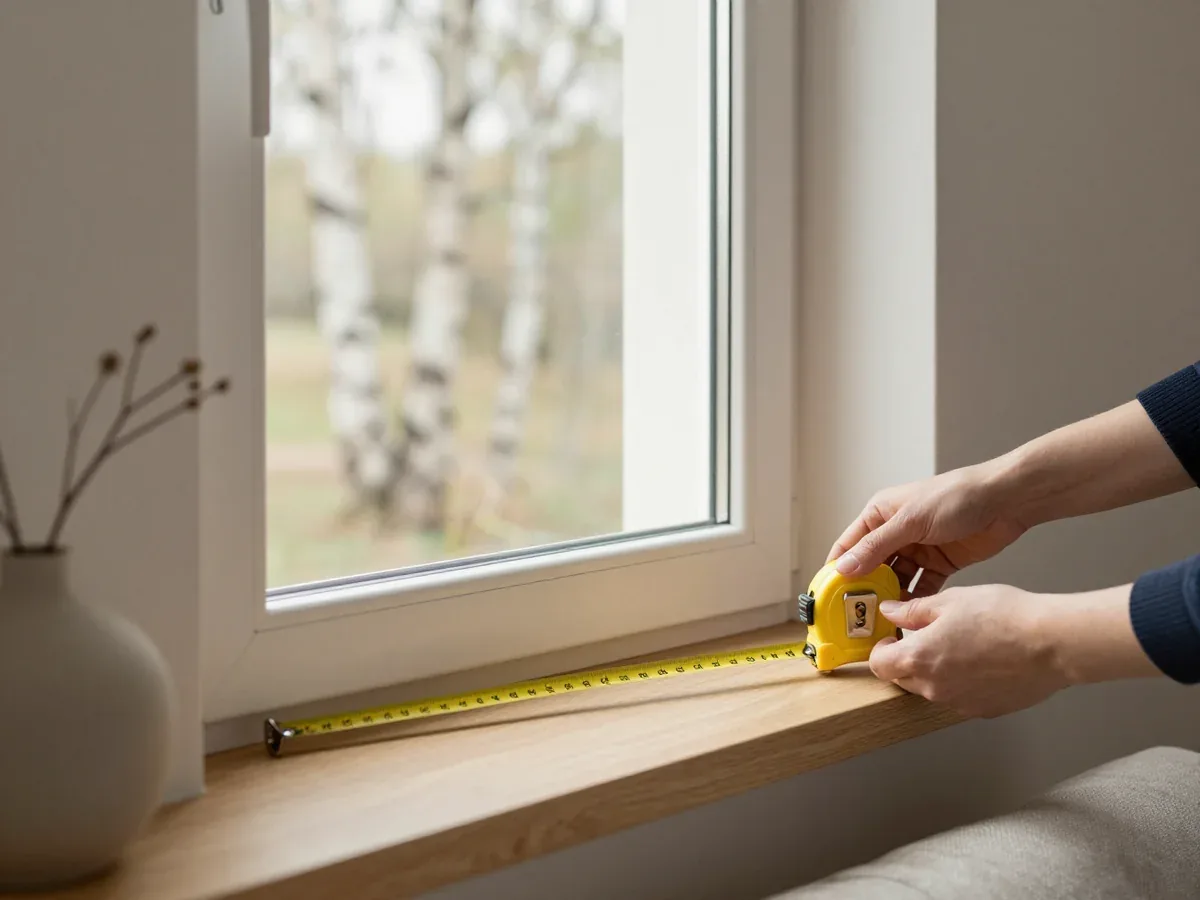
The technician checks the rubber, hinges and pressure, identifies the profile and gives the price before starting work.
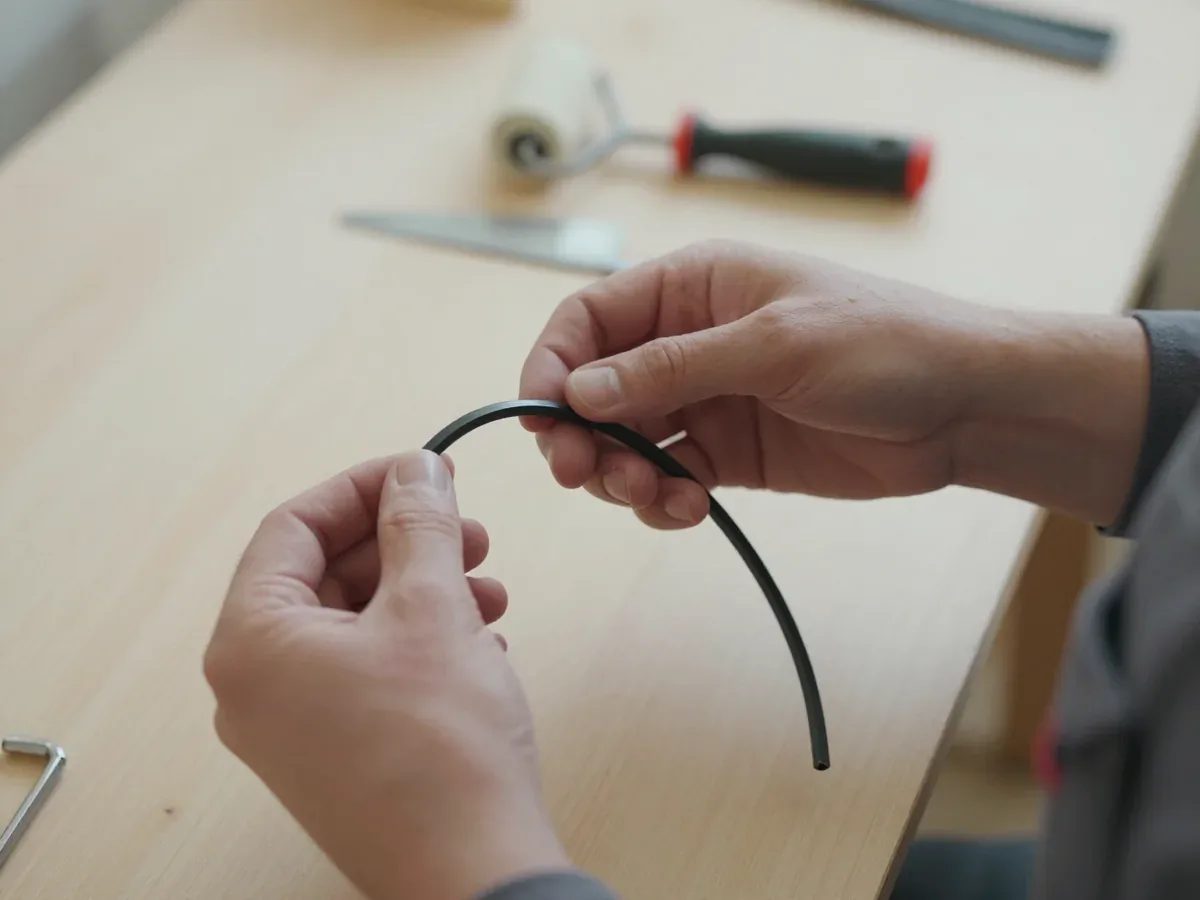
We remove the old seal, clean dust from the grooves and fit a new seal around the entire sash perimeter.
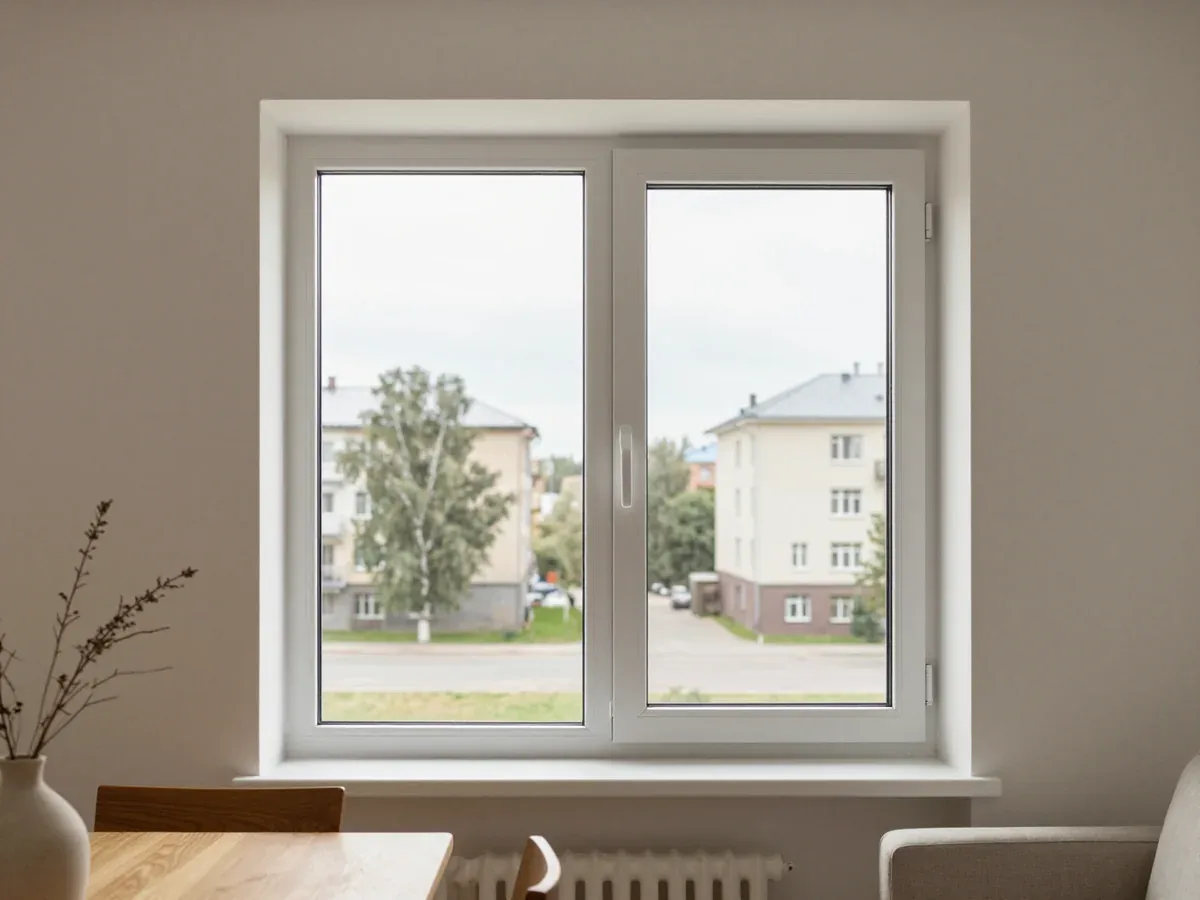
We adjust the pressure, check the window for draughts together, and only then do you pay.
Good to know

Senior mosquito screen specialist at moskitnyesetki.kz
We handle window seal replacement in Karaganda for windows of any brand, including KBE, Rehau, VEKA and Provedal. We start with a free measuring visit, match the seal to your profile, replace it around the frame and sash, then check the result. Work and replaced parts carry a 1-year warranty, and you pay after the job is done.
A draught from a shut window does not always mean the seal is finished. Before ordering a window seal replacement in Karaganda, a fitter separates a worn contour from a dropped sash and a failed glass unit.
A draught from a shut sash comes from one of three sources — a worn seal, a dropped sash, or a failed glass unit — and each shows different signs. A worn seal feels flat and hard along the rebate, loses its spring and leaves a thin dark gap when you press it with a finger. A dropped sash sits crooked: the gap at the top corner grows while the bottom corner tightens against the frame, and the handle needs a push to lock. A failed glass unit shows fogging or a milky film between the panes, and no seal work will stop that. Run a sheet of paper around the closed sash; if it pulls out easily at one corner only, the sash has dropped, and a new seal alone will not fix it.
A worn seal lets warm indoor air reach the cold frame, so condensation, frost and damp patches along the rebate appear long before the draught becomes obvious. Water collects in the groove, the paint or laminate at the sash edge swells, and dark spots of mould start in the corner where the contour no longer presses tight. In a Karaganda winter the same spot freezes first, and the ice pushes the seal further out of its seat. The heat loss is steady rather than dramatic: the room cools near the glazing, the radiator runs longer, and the frame stays cold to the touch. Check the seal line on the coldest mornings — a continuous wet strip or ice beads at one section points to that section losing its compression.
A seal is chosen for the profile and for how the sash behaves in winter, not by width alone. Below are the material types and the two contours that should be renewed together.
We replace seals in windows of any manufacturer, including KBE, Rehau, VEKA and Provedal, and the measurer picks the material that matches your profile and how exposed the unit is. EPDM is a dense rubber that keeps its memory through frost and summer heat, TPE is a softer thermoplastic that seals well on light indoor sashes, and silicone holds up where the surround runs hot, as on dark aluminium. On the windward side of a Karaganda flat, a firmer EPDM strip holds compression longer than a soft foam-backed tape that flattens within a couple of seasons. The practical consequence is simple: match the strip to the sash weight and the side it faces, since a soft tape on a draughty windward frame loses its rebound fast and lets cold air creep in along the rebate.
A window has two seal lines, one on the sash and one on the outer surround, and we renew both because a fresh inner strip pressed against a hardened outer one still leaks. The moving contour takes the daily flex of opening and closing, while the fixed contour sits still and hardens from the outside in, so the two wear at different rates. On wooden and aluminium units the gap between them is wider than on plastic, and a single new line leaves a channel where air slips past the corners. If only one is renewed, the old rubber keeps its set shape and the new strip cannot compress evenly, so the draught returns at the corners first.
The whole job is a short chain of steps, from your first message to the final inspection of the closed sash. Below is what happens at each stage and how long it takes.
We pull the worn rubber, clean the rebate of dust and adhesive, press the new edging into the groove around the sash and frame, then close it and inspect the compression line all the way round. Both runs get replaced in one pass, because fresh material pressed against a hardened band never sits evenly. The visit takes about an hour for a standard unit, and we work seven days a week. If the sash still closes loosely after the new gasket goes in, the fix is a hinge adjustment rather than a thicker layer, and we do that in the same visit. A week later, slide a sheet of paper around the perimeter — it should drag evenly everywhere, not only at the corners.
A new seal holds its working life in years, not months, and daily treatment decides how much of that you actually get. Balcony doors and loggia units follow the same logic as standard units.
| Care step | When | Why it matters |
|---|---|---|
| Damp-cloth wipe-down | Spring and autumn | Heating cycles load the rubber most |
| Silicone-safe care stick | Right after cleaning | Keeps the profile elastic |
| No solvents or abrasives | Every time you clean | They dry the rubber faster than frost |
| Vacuum the rebate | Before closing the sash | Trapped sand grinds the lip down |
We re-seal balcony doors, loggia units and frames in plastic, wood and aluminium, because the sealing lip works the same way whatever the frame is made of. Wooden sashes often need the groove cleaned back to bare timber before the new profile sits flat, and aluminium frames take a thinner strip than a standard PVC rebate allows. Door seals wear faster at the threshold and on the handle side, since that is where the sash is pushed, pulled and leaned on every day. On a glazed balcony the unit faces the temperature swing between the heated room and the cold outer side, which hardens rubber sooner than an ordinary room unit. When a draught shows up at floor level, we check the threshold section first — it is usually the first place to fail and the cheapest to put right.
Some seal faults are small enough to handle yourself, while others are better left to a technician. Below is where the line sits, what our cover includes and how a visit gets booked.
A single short section of flattened seal on an accessible sash can be swapped by hand, but a full contour, a dropped sash or a unit still under its installer's cover is a job for a technician. Replacing the whole perimeter means lifting the sash out, clearing the old groove and pressing the new cord evenly into every corner — a slow job on a tall frame. Any unit fitted by an installation crew is usually still protected, and opening it up yourself can void that protection. Buying cord by the metre rarely matches the original groove profile, and a slightly wrong cross-section leaks at the corners even when it looks seated. On a unit fitted by a crew, call that crew first — a free callout beats losing your cover over a length of cord.
Repair work and the parts we replace carry a 1-year guarantee, the price is fixed in the order after measuring, and you pay once the job is finished by cash, card or Kaspi. Measuring and consultation are free, the measurer comes at a time that suits you, and we work seven days a week. To book, message us on WhatsApp — we reply within five minutes — and describe the unit, the draught and any visible flattening. Keep the order sheet with the seal type noted on it: if a section ever flattens early, that record is what lets us match the same profile on the return visit. Residents across the city can reach us the same way, and we also change seals on doors and loggia frames.
A draught that survives a closed window usually comes down to the seal, the fit of the moving panel or the contour itself, and the fix depends on which one you have. Here is the short version.
Replacement frequency, seal selection, DIY repair, seasonality of work
Konstantin Selenenkovsenior mosquito screen specialist, 10 years in the tradeOnline · replies within 5 minutes
Ask a questionThere is no single timeframe: the seal lasts several years and wears faster on the sunny side and with sharp temperature changes. Replace it when the rubber has hardened, cracked, or the window starts to draft.
Yes, you can replace the rubber only where it has worn out. But if the window is many years old, the seal around the entire perimeter wears evenly, and the technician may suggest replacing it entirely.
No, these are independent things: the rubber is responsible for airtightness, while the hardware is responsible for the pressure and operation of the sash. Hardware is only touched in case of breakage or imbalance; otherwise, replacing the seal is enough.
By the profile and groove shape: KBE, Rehau, VEKA, and other systems have seals with different cross-sections. The technician inspects the window and selects a rubber that fits tightly into the groove without gaps or creases.
Yes, a careful homeowner can do it themselves if they find the seal of the required cross-section and lay it correctly in the groove without tension. But without experience, it is easy to make a mistake with the rubber profile, and then the window will draft more than before.
Yes, the seal can be replaced in cold weather too: the work is quick and does not require disassembling the window. The main thing is that the rubber is soft and elastic, so the technician brings a seal that has been stored in a warm place.
Thank you. We will call you back within 10 minutes!
Your order number is on the receipt or in the SMS. Choose where to leave your review.
Write a review on WhatsApp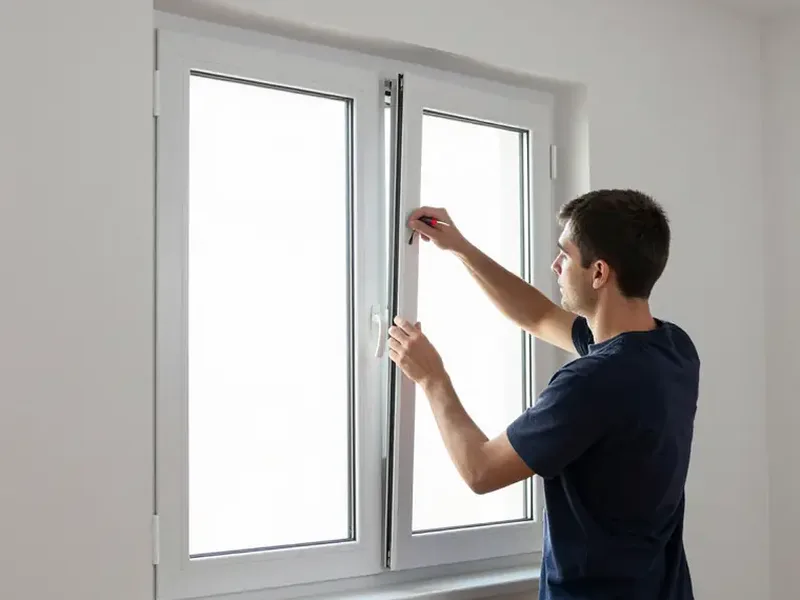 Window adjustment
 Window insulation
 Window repair
 Window replacement
 Reveal finishing
