
Fiberglass, resistant to temperature changes
Standard
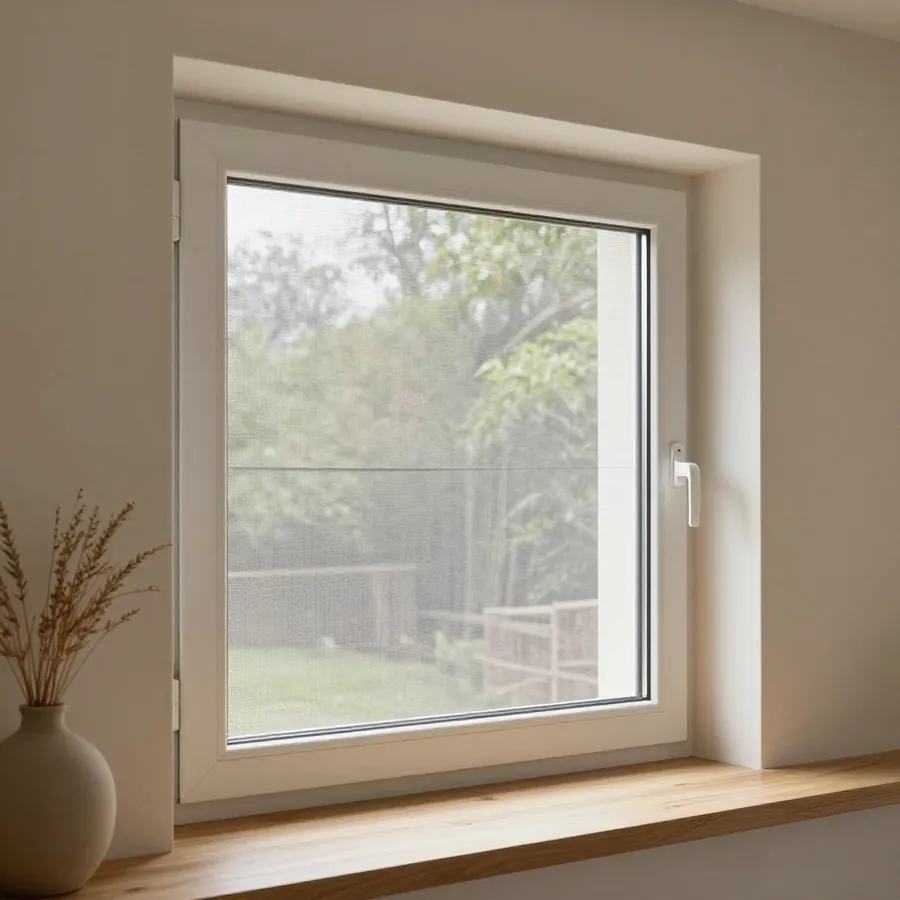
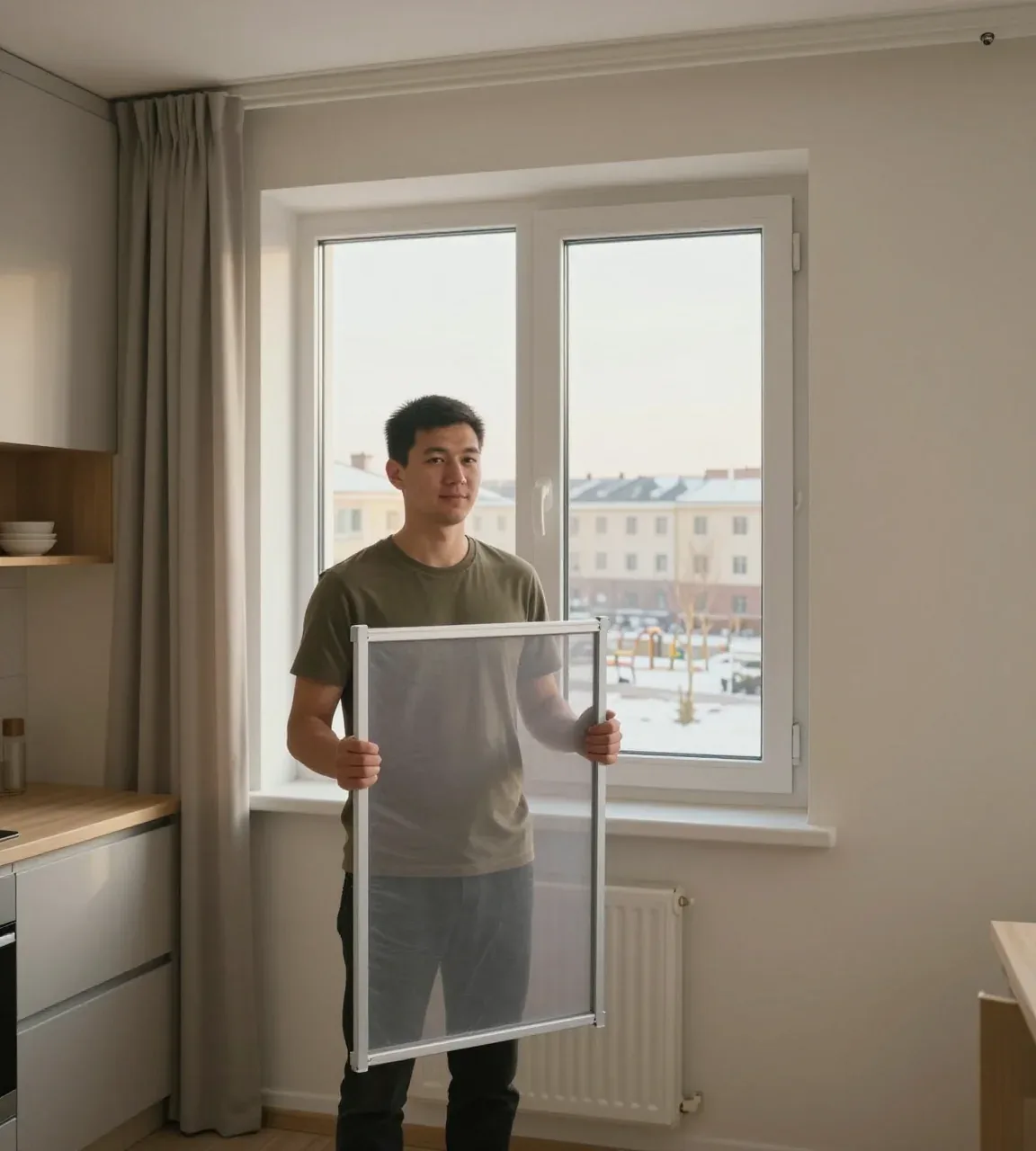
Standard Fiberglass mesh is resistant to ignition and temperature changes. Price from 6 000 ₸ per m².
Standard
Standard Fiberglass mesh is resistant to ignition and temperature changes. Price from 6 000 ₸ per m².
Anti-Cat
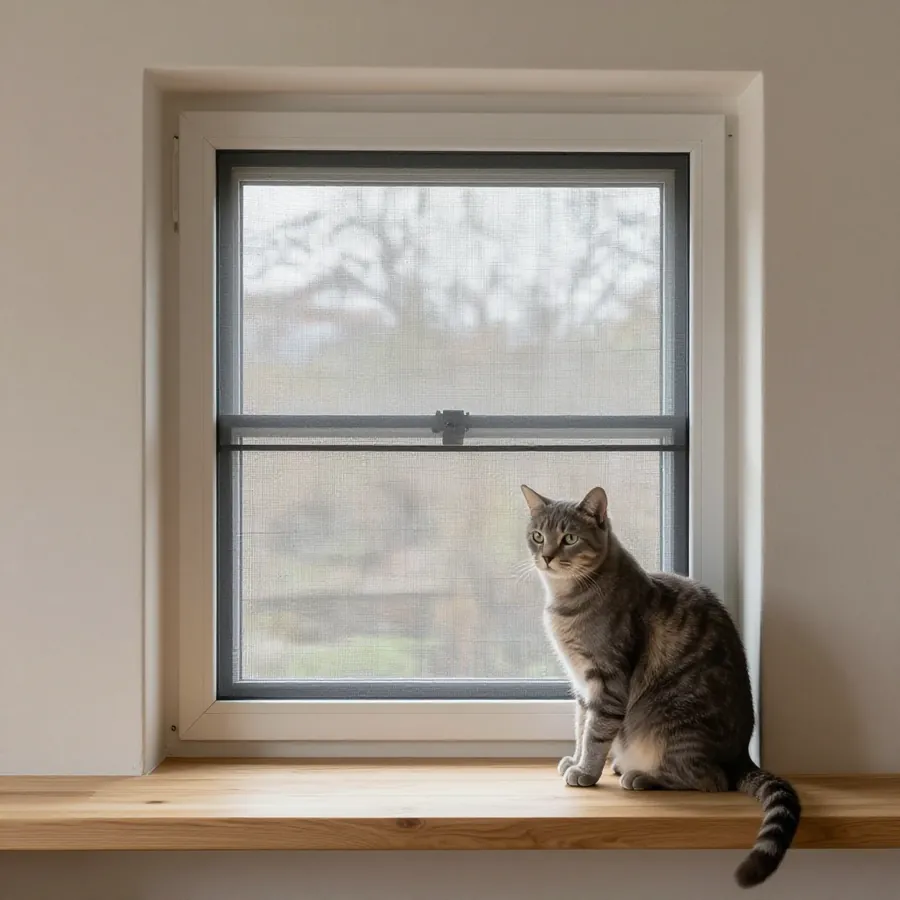
Pet Screen is several times stronger than standard: the threads withstand the weight of a small animal. Price from 12 000 ₸ per m².
Anti-Dust
The fine mesh traps road dust, so less settles on the windowsill. Price from 11 800 ₸ per m².
UltraVue
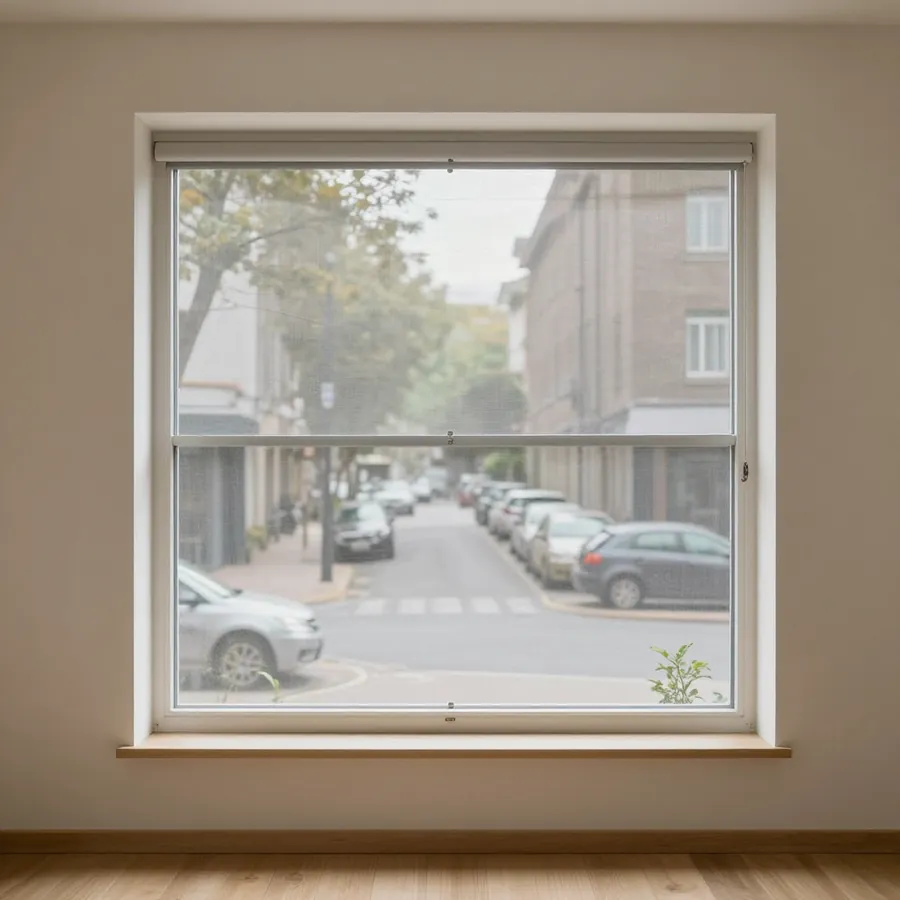
Ultravue lets through 25% more light and air than other meshes. Price from 7 900 ₸ per m².
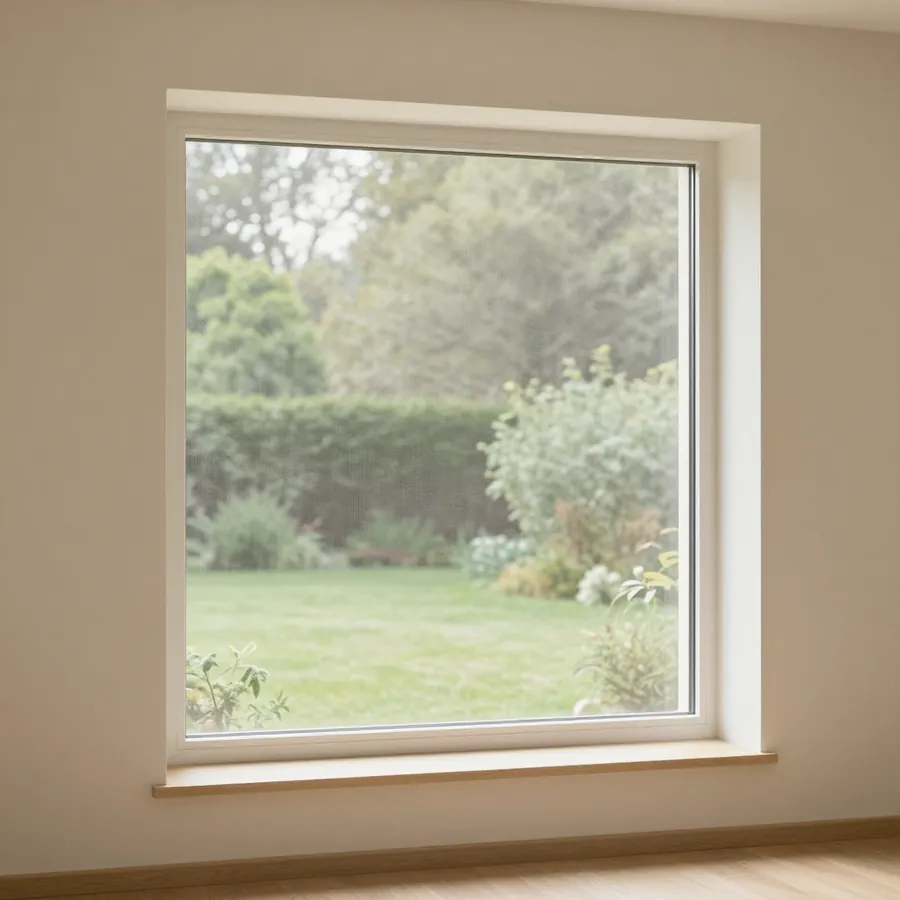
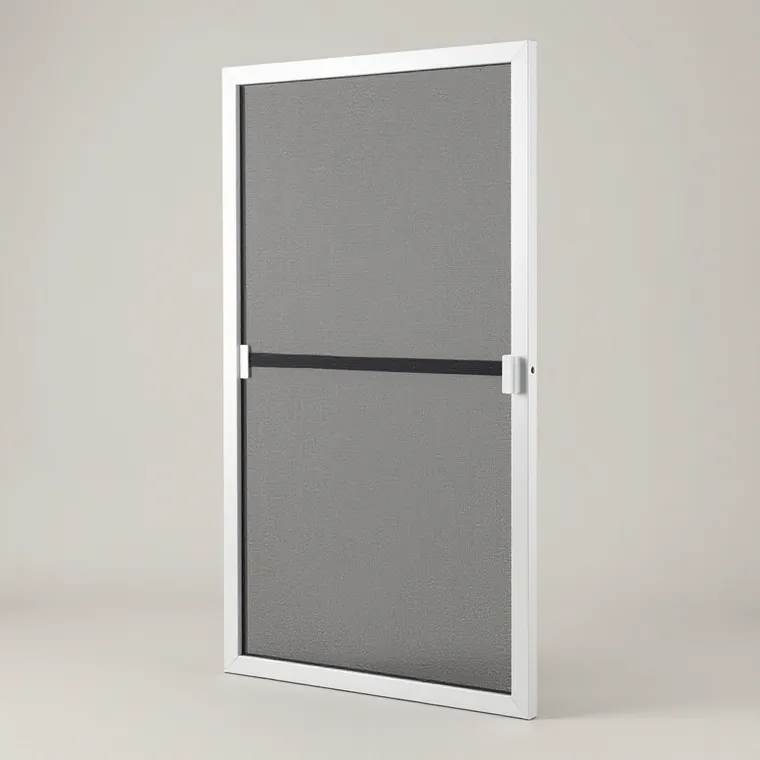
Four main types: framed for sashes, sliding for balconies, hinged door screens and pleated accordion. The price depends on the type and area.
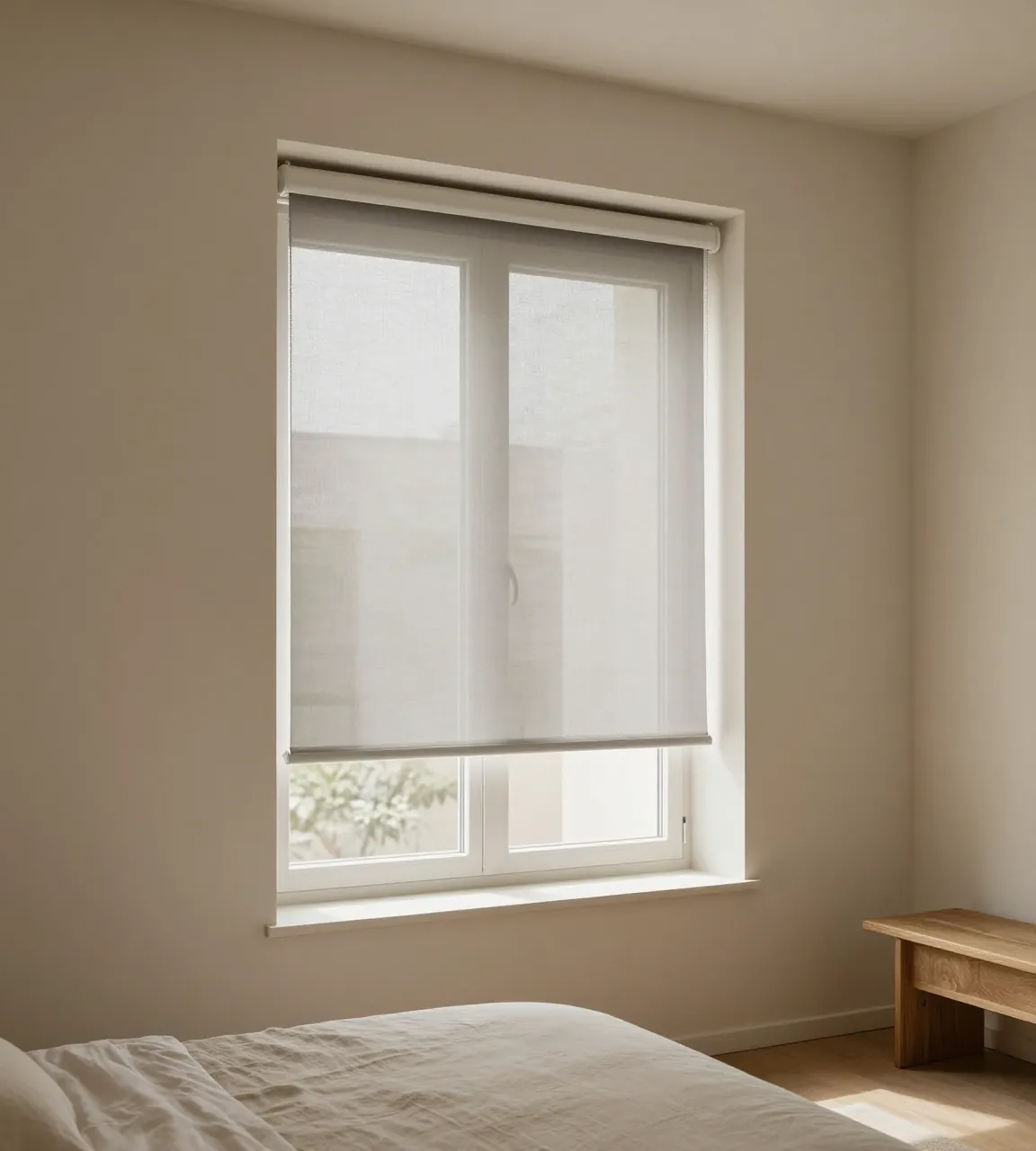
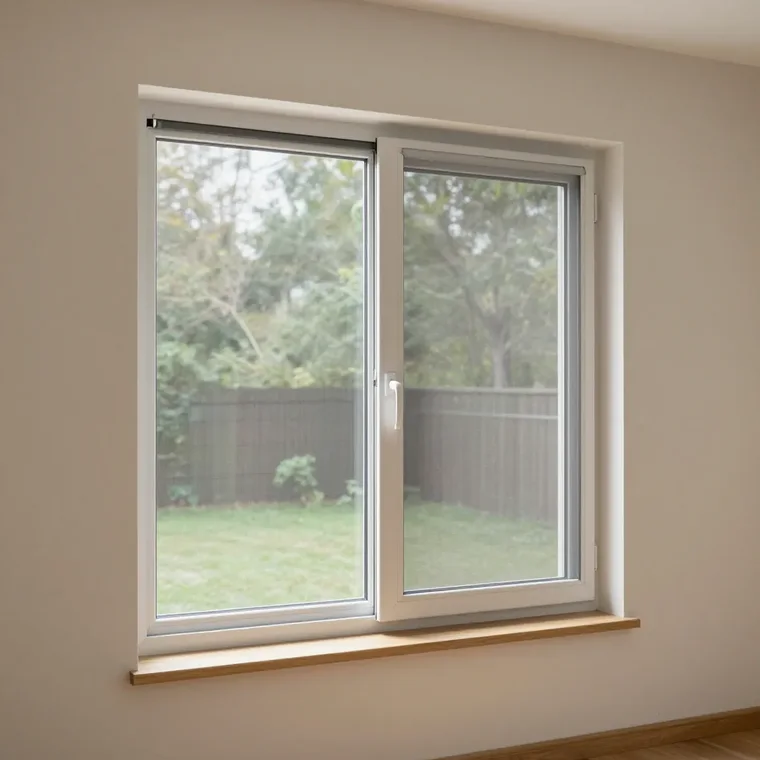
All screen typesFor opening sashes, removable, fixed with Z-brackets
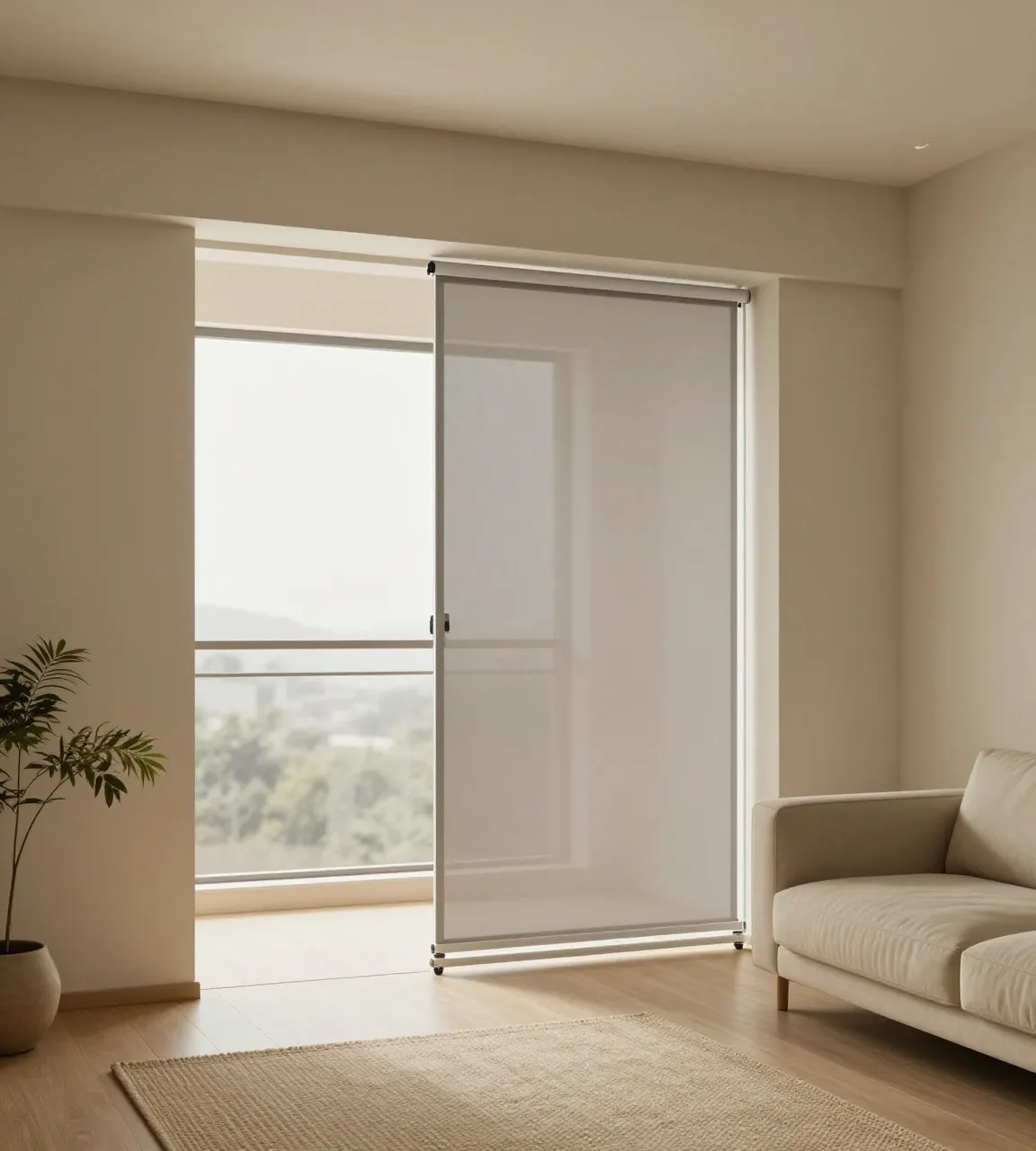
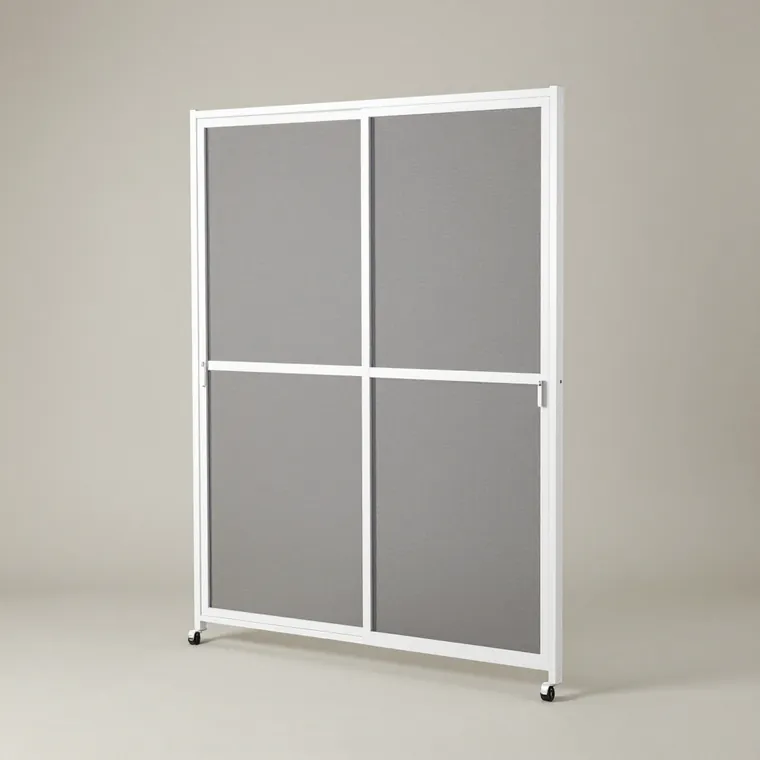
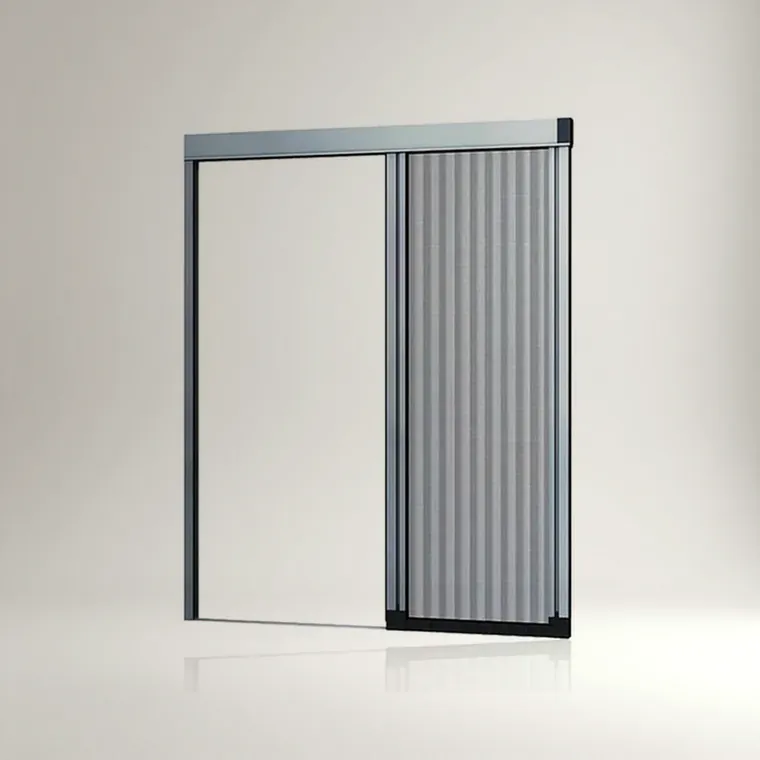
For balconies and loggias, the sash slides to the side
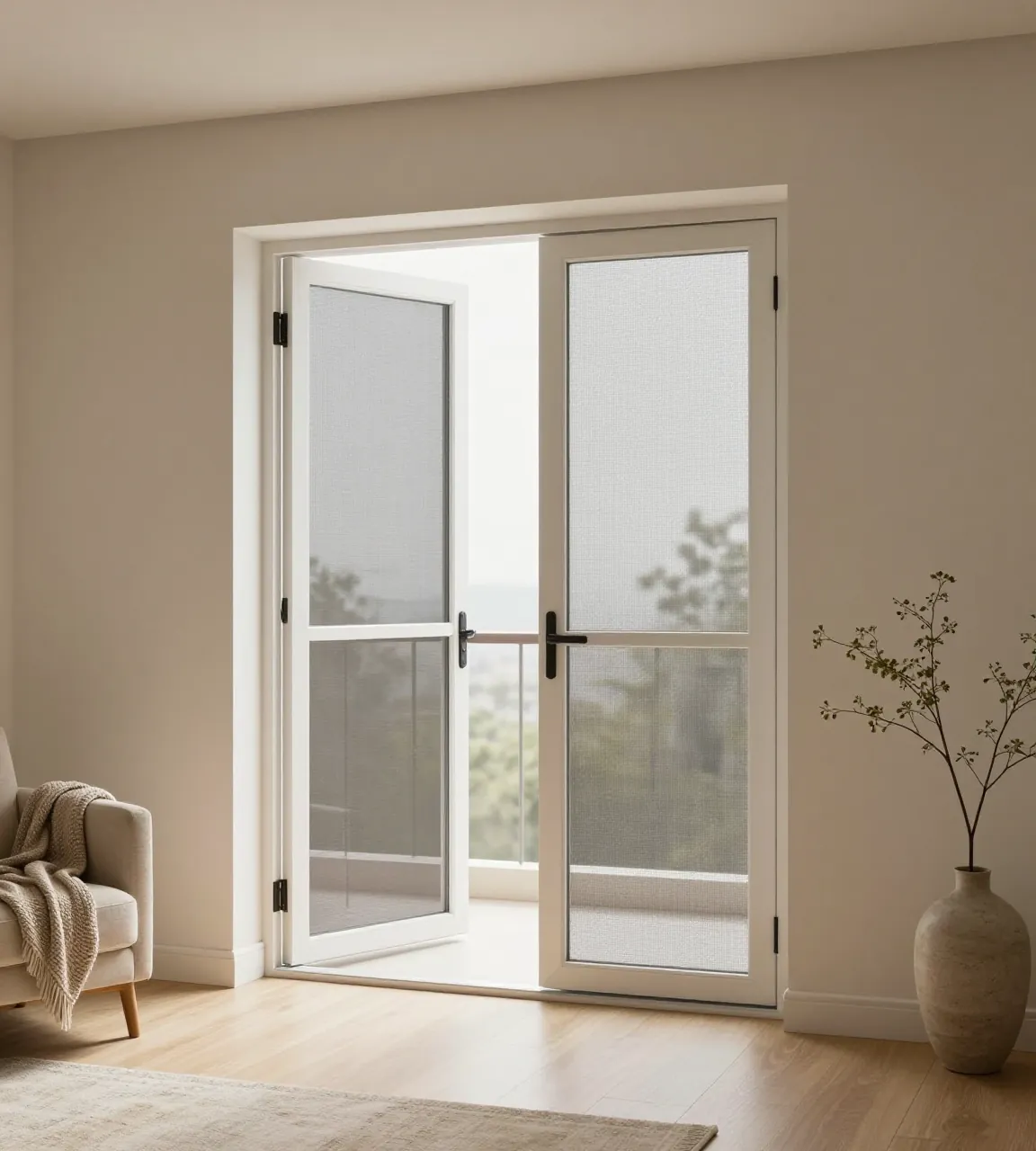
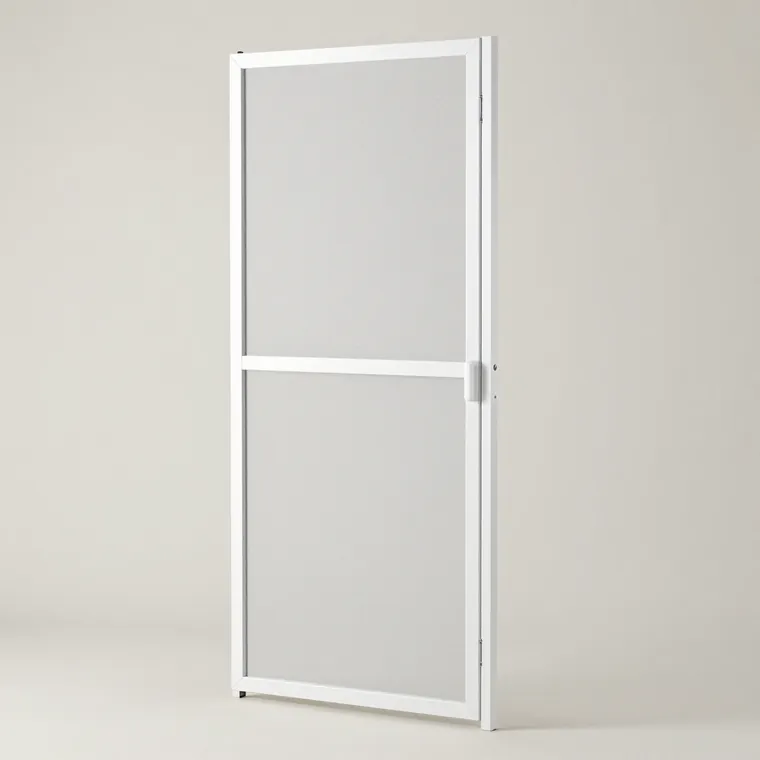
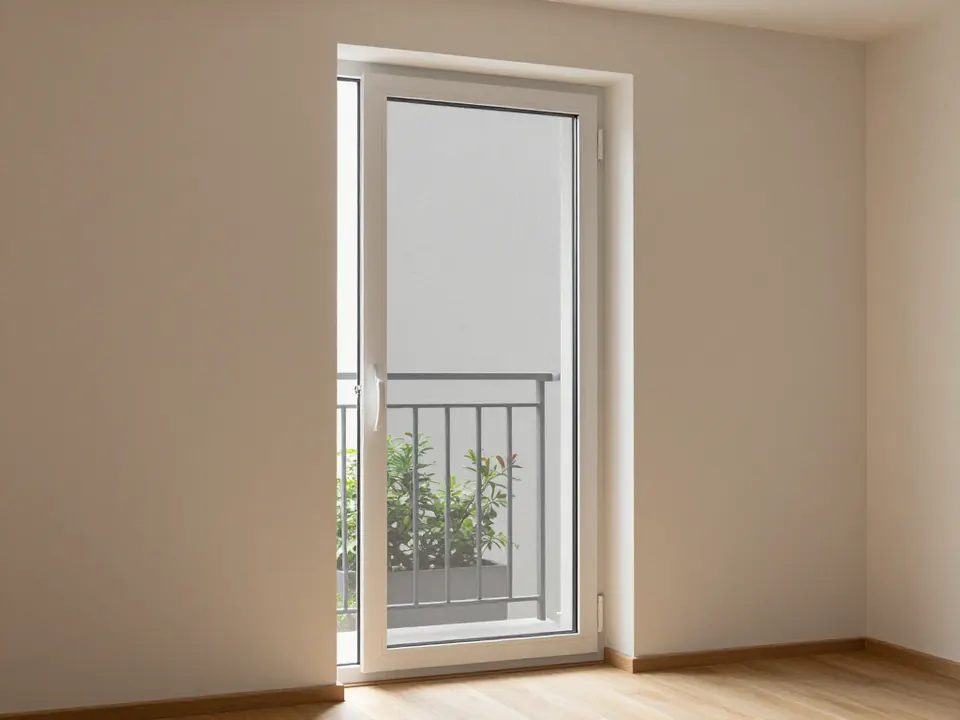
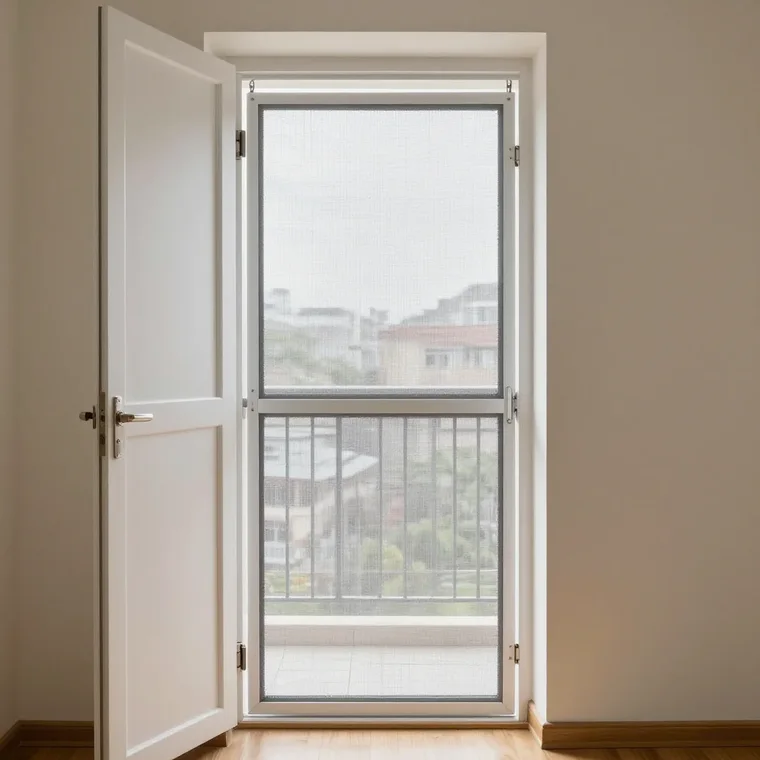
Hinged, "Econom" profile 32×10 mm or "Prestige" 42×17 mm
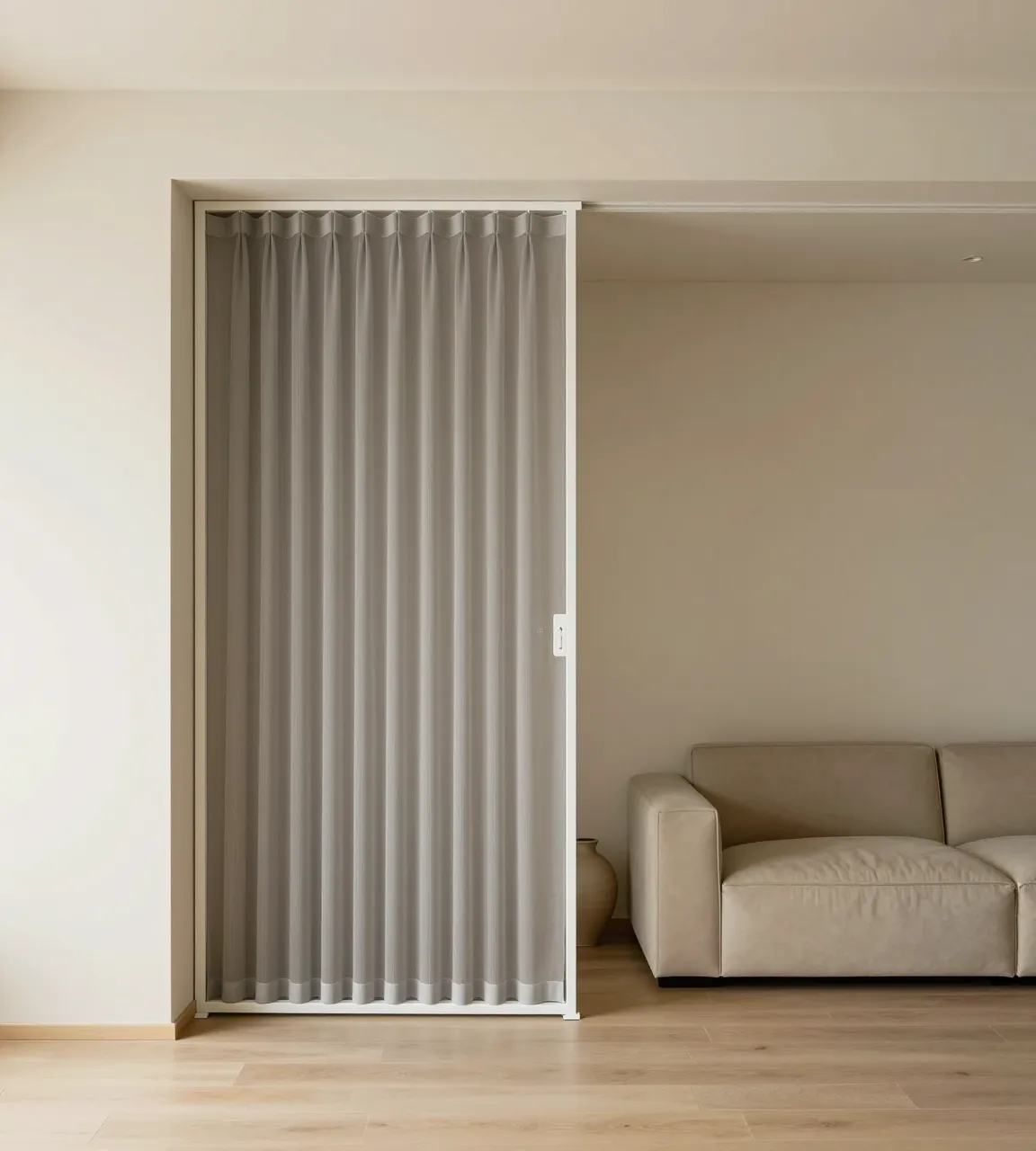
Folds like an accordion, made in 40–60 minutes
Five meshes for different tasks: from standard protection to anti-allergenic and scratch-resistant. Price is per square metre.
Fiberglass, resistant to ignition and temperature changes
Basic protection against mosquitoes and midges, suitable for most windows.
Pet Screen, vinyl threads several times stronger than standard
Withstands the weight of a small animal, a cat won't push through with its claws.
Poll-Tex, 0.25×1 mm mesh, hypoallergenic
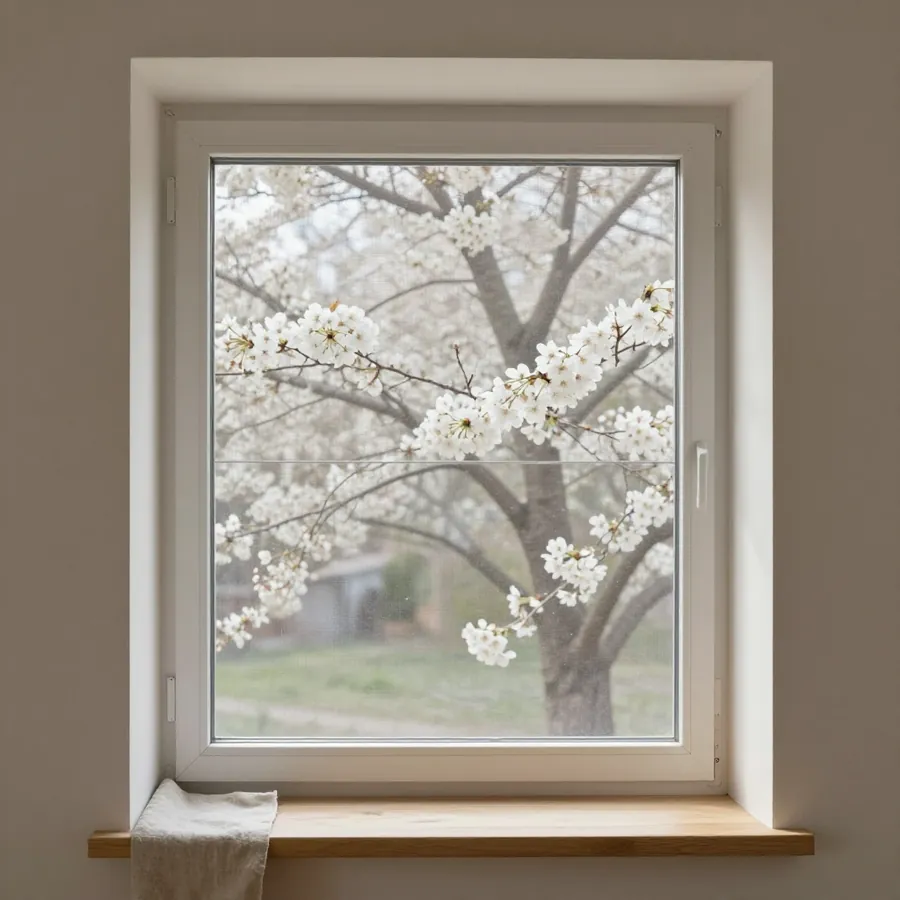
Traps plant pollen, helpful during allergy season.
Fine mesh, less dust settles on the windowsill
For windows near roads and on lower floors where there is a lot of street dust.
Ultravue, lets in 25% more light and air
Almost invisible on the window, the room stays bright.
We install on plastic, wooden and aluminium windows, vents, doors, balconies, loggias, gazebos and verandas.
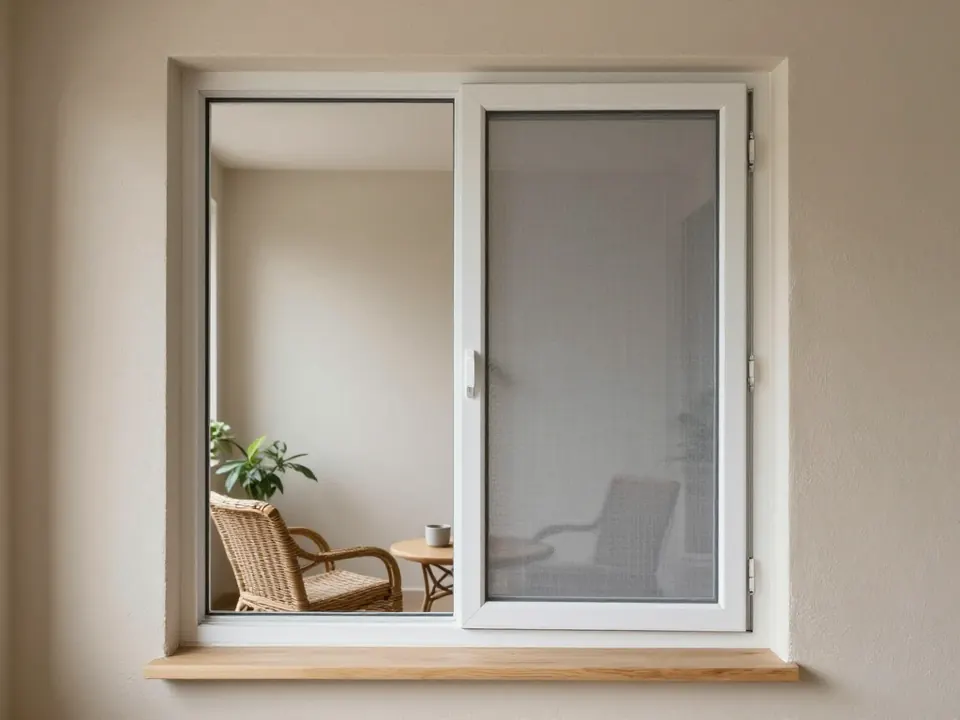
Sliding and framed for sashes
Sliding structures for wide openings
Framed, door and pleated
Hinged, Economy or Prestige profile
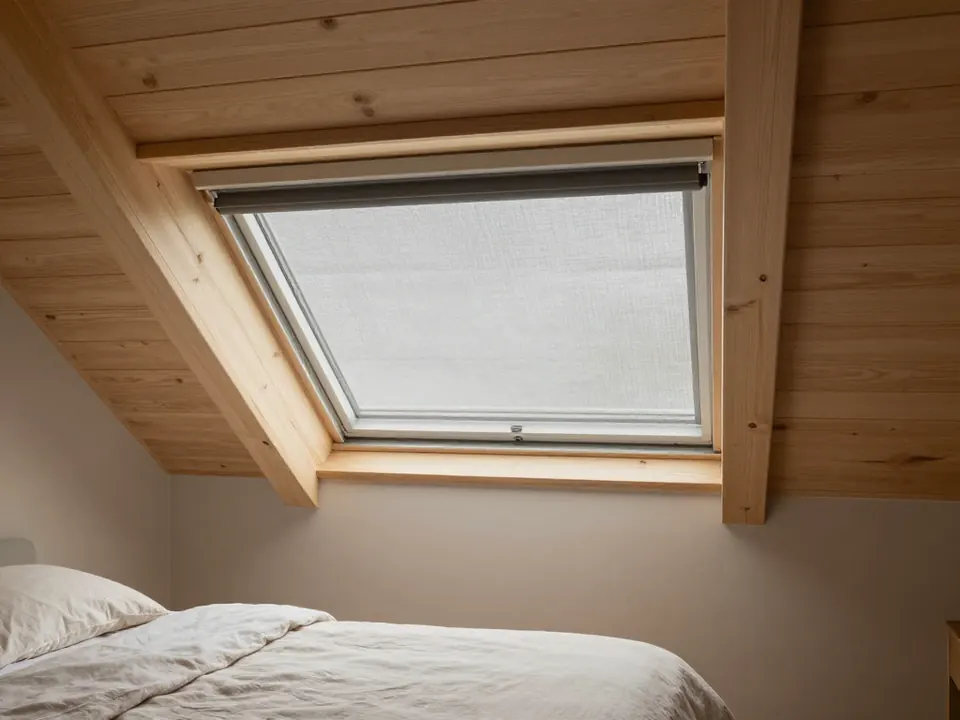
Framed and pleated for sloping windows
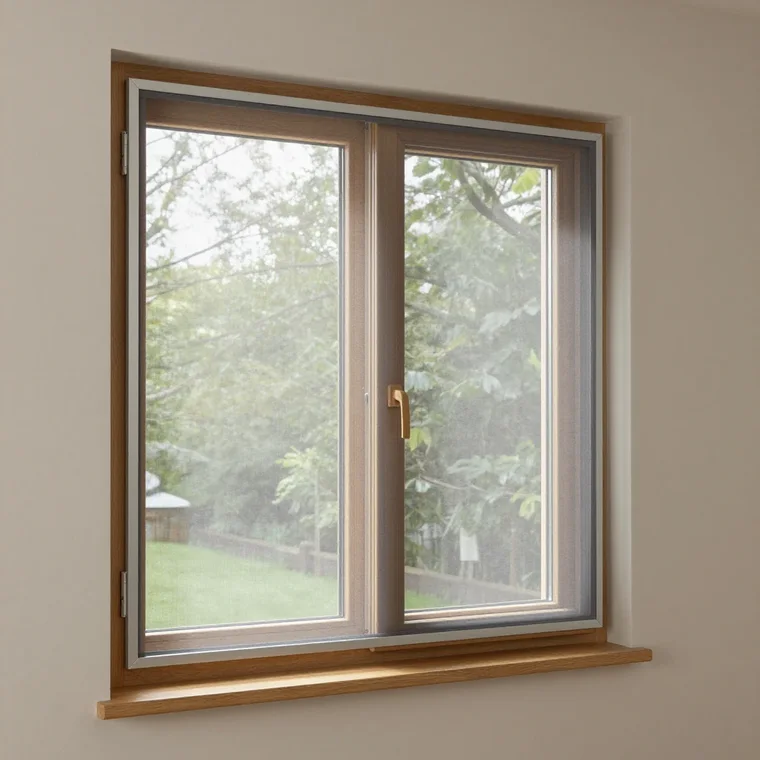
Framed with wooden fixings
Measure the width and height of the sash opening in millimetres, enter them into the calculator and get a preliminary price.
1. Screen type
2. Mesh and design
3. Opening size, cm
Price list by structure type, mesh and repair with installation and production time.
| Screen type | Price | Fitting | Making | Options and prices |
|---|---|---|---|---|
| Framed mosquito screen, standard mesh | from 6 000₸ per m² | 1 600 ₸ | 10–15 minutes | "Anti-Cat" · 12 000"Anti-Dust" · 11 800"Anti-Pollen" · 12 200"UltraVue" · 7 900 |
| Sliding mosquito screen for balcony and loggia | from 17 400₸ per m² | — | — | |
| Hinged door mosquito screen, standard | from 15 200₸ per item | — | — | |
| Pleated mosquito screen, standard mesh | from 29 500₸ per m² | — | — | |
| Roller mosquito screen for windows | from 16 200₸ per m² | — | — | |
| Mosquito screen with metal mesh | from 11 500₸ per m² | — | — | |
| Frame re-meshing with standard mesh | from 3 000₸ per job | — | — | |
| Replacement of fixings (Z-brackets), set | from 970₸ per set | — | — |
The price is fixed in the order after measuringThe price includes a set of fixings for the window type; it is not listed as a separate line in the invoicePayment after installation: cash, card or Kaspi
Calculate the costOur own production, manufacturing to your dimensions, profile painting and a 1-year warranty on screens.
We have been making mosquito screens since 2012 in our own production, without intermediaries.
Our own production lets us control dimensions and components on every order without outsourcing.
We paint the profile white, brown, grey or another colour to match your windows.
1-year warranty on mosquito screens, including installation and components.
Standard, "UltraVue", "Anti-Cat", "Anti-Dust", "Anti-Pollen", as well as metal mesh.
We help choose fixings for the window profile and floor: Z-brackets, plungers or magnets.
We deliver and install screens ourselves, repair and replace fixings.
Mosquito screens can be ordered in 17 cities of Kazakhstan.
Four steps from request to a finished screen on the window.
You leave a request on WhatsApp or by phone, we reply within 5 minutes and clarify the task.
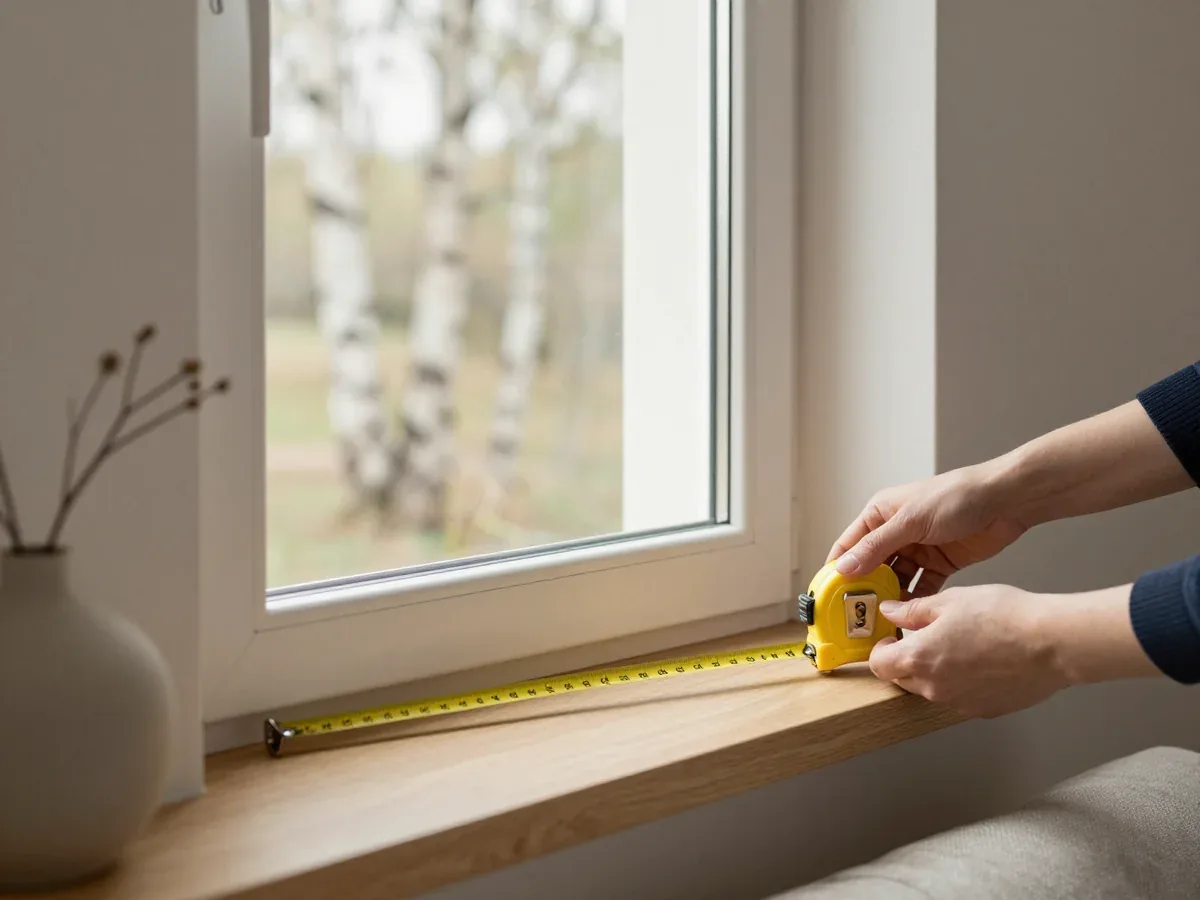
The measurer arrives at a convenient time, takes dimensions and helps choose the structure and fixings.
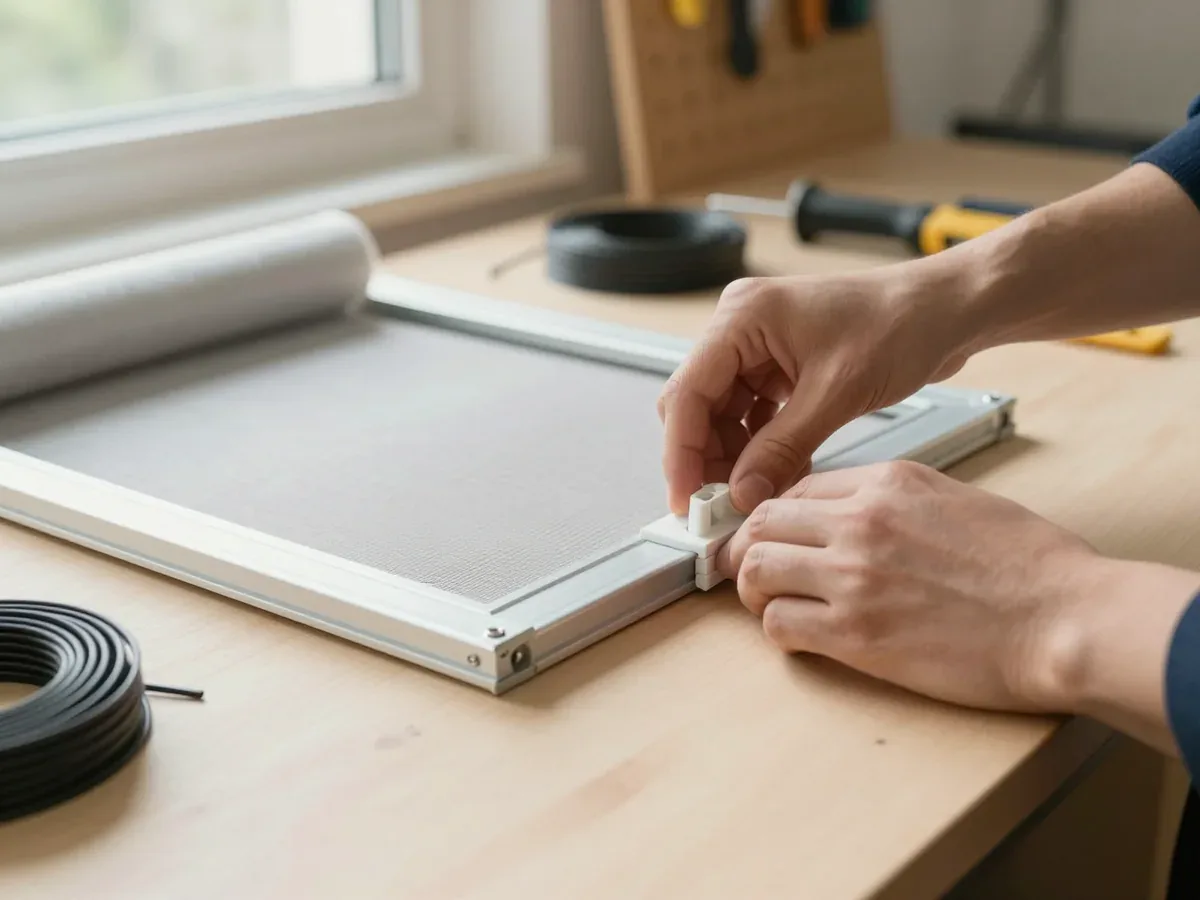
After measuring, the dimensions are sent to production and the mesh is checked before assembly so the finished screen fits the opening exactly.
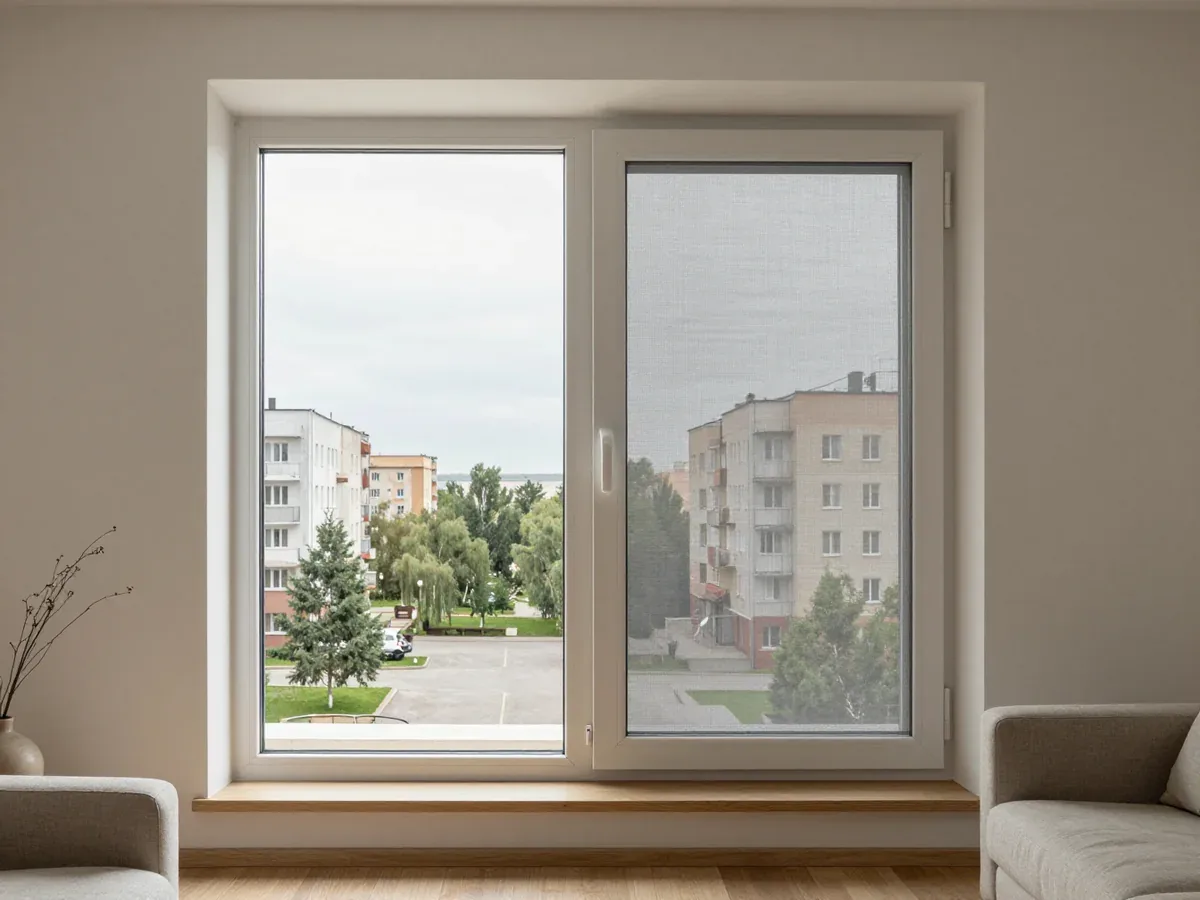
We install the screen on the window, check the fixings and sash operation, payment after installation.
Good to know

Senior mosquito screen specialist at moskitnyesetki.kz
We make mosquito screens atyrau homeowners can order to exact size, with free measuring, fitting and a 1-year warranty. We build framed, sliding, door, pleated and roller screens in five meshes plus metal, paint the frame to match your windows, and you pay only after installation.
The right design follows the opening and how you use it — a window you open daily, a balcony door, an entrance door or a gazebo — rather than habit or price alone. Below is how we match each one.
| Screen type | Best for | How it opens | Made in |
|---|---|---|---|
| Framed | Standard windows, vent panes | Lifts out from inside | 10–15 minutes |
| Sliding | Balcony doors, wide openings | Slides sideways | 10–15 minutes |
| Hinged | Entrance and balcony doors | Swings on hinges | 10–15 minutes |
| Pleated | Walkways, narrow reveals | Folds to one side | 40–60 minutes |
| Rolled | Windows opened often | Rolls into a cassette | 10–15 minutes |
For a balcony door we usually fit a sliding or pleated design, and for an entrance door a hinged panel on an Economy 32×10 mm or Prestige 42×17 mm profile. A sliding panel runs parallel to the wall, so it never swings into a narrow balcony. A pleated one folds into a slim stack where a full frame would catch the door handle. Hinged panels come in two profiles: the lighter Economy suits a quiet household, while Prestige carries a thicker frame. A hinged panel takes the knocks of daily traffic, so the heavier Prestige profile is worth it where children or a dog push through the doorway.
We fit screens to plastic, wooden and aluminium windows, vent panes, loggia windows, gazebos and verandas. Each material needs its own fixing: a plastic profile takes Z-brackets or pins into the groove, while an aluminium frame often calls for self-tapping screws and magnets where drilling is unwanted. On timber the fastening has to bite into the wood rather than clip a plastic groove, so the measurer checks what the window is made of before choosing fixings. That check happens during the free measuring visit, and it decides whether the mesh sits outside the surround or inside the reveal. A gazebo or veranda is measured the same way, though the fixings there often need to resist wind on an open side.
The fabric decides how much daylight and air reaches the room and what the barrier keeps out. We sort the five canvases, metal and Krylo by the job they do, not by the name on the roll.
| Canvas | What it is for | Key property |
|---|---|---|
| Standard (Fiberglass) | Everyday windows and doors | Fire-resistant, stable in temperature swings |
| Ultravue (Ultravue) | Shaded or north-facing rooms | 25% more light and air |
| Anti-Cat (Pet Screen) | Homes with cats and small dogs | Vinyl threads hold a small animal's weight |
| Anti-Dust | Dusty streets and ground floors | Denser structure traps fine dust |
| Anti-Pollen (Poll-Tex) | Allergy season | 0.25×1 mm cell |
Ultravue lets in 25% more light and air than other screens, which matters on a shaded or north-facing window. The weave is finer than a standard fiberglass roll yet keeps the open area that airflow depends on, so a room that already feels dim does not get darker behind the barrier. We fit it on vent panes, kitchen windows and any opening where daylight is already short, and the extra brightness shows up the moment the panel goes on. The gain is most noticeable on narrow vent panes, where a standard fabric already dims the room; on a large south-facing opening the difference is smaller and harder to catch by eye.
Pet Screen uses vinyl threads that hold the weight of a small animal, Poll-Tex has a 0.25×1 mm cell for pollen, and we paint the frame any colour to match your windows. The vinyl weave in Anti-Cat takes claws without tearing the way a plain fiberglass roll does, and Poll-Tex keeps the fine grains out during the flowering weeks that bother allergy sufferers most. Pet Screen resists claws but not a determined large dog, so for a big animal the measurer may suggest a metal canvas instead. Frame colour is matched on site, and the same paint holds up on a balcony door profile.
The fastening is chosen to suit your window profile and floor, and not every screen needs drilling into the frame. Below are the fixings we use and what each one means for your window.
| Fastening | How it holds | Best for |
|---|---|---|
| Z-brackets | Hook over the frame edge, no drilling | Most PVC windows, quick removal |
| Pins (plungers) | Spring-loaded pin seats in the frame groove | Aluminium and slim profiles |
| Magnets | Magnetic strip pulls the frame flat to the window | Rented flats, no drilling allowed |
| Screw brackets | Fixed with screws into the frame | Timber frames, large door screens |
On upper floors we favour fixings that hold the frame firmly against wind load rather than relying on a light clip. A high-rise flat in Atyrau takes steady wind off the steppe and the Caspian side, and a screen that sits loose on the frame starts to shift in gusts. The measurer looks at the floor, the window size and how exposed the facade is, then picks between Z-brackets and pins — the two that grip the frame edge rather than hang on a single point. A screen that rattles in gusts wears its fastening loose over a season, so a firmer bracket on a high floor saves a repair later.
The same screen type is fitted differently on a plastic groove, a timber frame and an aluminium profile. On PVC we usually hook a Z-bracket over the frame edge, so the profile itself is left whole. On timber the bracket is screwed straight into the wood, because the surface is flat and takes a fixing well. Aluminium needs the most care: the profile is thin, and a bracket sized for PVC can sit proud and let insects past the edge. We fit screens on plastic, wooden and aluminium windows, and the measurer checks the profile depth and the groove width before choosing the fixing. An aluminium frame is thinner than plastic, so a pin that seats correctly in PVC may need a different size here.
The order runs in clear steps: a measuring visit, production to your size, then fitting and payment. Below is what happens at each step and how long each one takes.
Measuring and consultation are free, and the measurer comes at a time that suits you, takes sizes and helps choose the design, mesh and fixings. This appointment covers more than a tape measure: the specialist checks the profile, the way the sash swings and the floor level, because those decide whether a framed, sliding or pleated unit will sit correctly. On upper floors and in exposed spots he picks the fastening that will hold in strong wind — Z-brackets, pins or magnets — and confirms the frame colour against yours. This is also where the price is fixed in the order, so nothing changes after the product is made. If you are unsure between two meshes, ask to see samples during the appointment — the choice is easier in daylight against your own glass.
A framed screen made to your size takes 10–15 minutes, and a pleated screen takes 40–60 minutes. Both are assembled to the sizes taken at the opening, not cut from a stock size, so the frame follows the contour instead of leaving gaps at the edges. The framed version is the quicker of the two: the frame is cut, the mesh is stretched and the corners are joined while you wait. Pleated models take longer because the folded fabric has to be set into its guides and checked for smooth travel along the whole width. Because we make them on our own line rather than ordering in, a standard opening can often be measured and fitted on the same appointment. For a full flat with several units, plan the fitting as a single booking rather than one at a time.
We deliver and fit screens on windows and doors, and you pay after installation by cash, card or Kaspi. Fitting is done by our own fitters, who check that the unit opens, closes and sits flush before they leave; if a fastening needs adjusting on the spot, it is adjusted the same day. Payment only follows once you have seen it in place, so the order is settled against a finished job rather than a promise. Working with our own fitters rather than a middleman means the person who measured the opening is accountable for how the screen sits. Orders are accepted in 17 cities of Kazakhstan, and the same sequence — measure, make, fit, pay — applies in each of them.
After fitting, the screen stays our responsibility — warranty, repair and simple care. Below is what the 1-year cover includes and how routine handling keeps a screen working for years.
Every screen we make carries a 1-year warranty. It covers the frame, the canvas and the fastenings against defects in materials and workmanship — a seam that pulls apart, a profile that warps, a bracket that fails under normal use. If something goes wrong within those twelve months, we look at it and put it right, whether the unit sits on a plastic window, a wooden frame or a balcony opening. The warranty does not cover damage from a pet clawing through, a ladder knocking the profile, or a panel left up through a storm. Most warranty calls come from a fastening that worked loose rather than a torn canvas, so a quick check of the brackets each season prevents the common failure.
We repair screens and replace fastenings, so a torn canvas or a loose bracket does not mean a new unit. A hole near the edge is usually a quick fix with the profile still in place, while a tear across the middle is more often a re-mesh than a patch — the old canvas comes out and a fresh one goes in on the same profile. Fastenings get the same treatment: worn Z-brackets, bent pins or magnets that no longer hold are swapped for new ones matched to your window profile and floor. Bring the frame to us or ask for a visit, and we will tell you which route makes sense before any work starts.
A framed screen lifts out from inside in a minute, and it is worth taking it off for the winter. The unit sits in its brackets with a light push-fit, so you release the catches, tilt it toward you and lift it clear — no tools, no ladder, no risk on an upper floor. Through the cold months the canvas collects less dust and ice when it is stored indoors, and the fastenings stay clean. Storing the frame flat rather than leaning it against a wall keeps the fabric from stretching out of shape over the cold months. Come spring, the same minute puts it back. On a ground-floor window you can leave a framed unit up all year if you prefer — just wipe the canvas with a damp cloth now and then.
In Atyrau most screens are sold through classifieds and aggregators, where the seller and the fitter are rarely the same person. Here is what changes when the screen is made by the workshop that also measures and fits it.
We make and fit screens with our own masters rather than passing the order to a middleman. One team takes the sizes at your window, cuts the profile, pulls the mesh and hangs the finished frame, so nobody re-measures what a stranger wrote down. The workshop paints the frame any colour to match your windows and stocks five canvases, from standard Fiberglass to Ultravue, Pet Screen, anti-dust and Poll-Tex. When one team measures, builds and fits, a size that is slightly off is corrected before the screen leaves the workshop, not after it is on your window. In our practice the weak point of a bought-in screen is almost never the mesh — it is a bracket chosen for the wrong profile, which the same master would have caught on site.
Mosquito screens atyrau can be ordered in 17 cities of Kazakhstan, and here the measuring visit is arranged at your convenience. The measurer comes seven days a week, takes the sizes and helps choose the design, mesh and fixings, and the visit costs nothing. A city with the same climate and window stock as Atyrau gets the same screen build, so a neighbour's recommendation travels well between towns. What matters more than the city is the window: plastic, wooden and aluminium frames, balcony-logia openings and gazebo or veranda glazing each take a different fastening, and the master picks Z-brackets, pins or magnets by profile and floor. Ask for the measuring visit before you decide on the mesh — the sizes decide more than the catalogue does.
The price is fixed in the order after measuring, and you pay after installation. Cash, card or Kaspi all work at the door, once the frame is hung and you have checked the fit. Fixing the price at the measuring stage means a change of mesh or fastening later is a new decision, not a surprise on the invoice. That order also covers our 1-year warranty on mosquito screens, and the workshop keeps the profile and mesh sizes on file, so a repair or a replacement fastening matches the first build. Our advice: decide the canvas and the fastening at the visit, not after the frame is made, because swapping a mesh on a finished screen is a rebuild rather than a tweak.
A well-chosen screen should fit its opening and last through daily use. These are the points worth keeping in mind before you place an order.
Choosing the mesh and fixings, care and installation
Konstantin Selenenkovsenior mosquito screen specialist, 10 years in the tradeOnline · replies within 5 minutes
Ask a questionFor cats, Anti-Cat (Pet Screen) is the best choice: its vinyl threads are many times stronger than standard mesh and resist tearing from claws. If your cat likes to climb on the screen, this mesh will last longer and keep its appearance.
On upper floors, Z-brackets or plungers are more reliable due to wind—they press the frame more tightly. Magnets are suitable for lightweight screens on small sashes, but the final choice of fixing is made by the measurer based on the window profile.
Yes, for sliding doors we install pleated or sliding structures. Pleated folds like an accordion and saves space, while sliding moves along guides and is more familiar in everyday use—the choice depends on the opening.
A framed screen is assembled in 10–15 minutes, while a pleated one takes 40–60 minutes. Once manufacturing is complete, we can proceed with installation right away.
Wash the mesh with a soft brush and soapy water, and remove framed screens for the winter to reduce wear. In strong winds, check the fixings and tighten them promptly.
Anti-Dust traps street dust and fluff, while Anti-Pollen (Poll-Tex) with a 0.25×1 mm cell additionally traps pollen and is considered anti-allergenic. The choice depends on what matters more: dust or allergies.
UltraVue mesh lets through 25% more light and air than other screens because its threads are thinner and more transparent. A room with this mesh is noticeably brighter even on cloudy days.
We paint the profile white, brown, gray, or another color to match your windows. This allows the screen to blend with the frame and be less noticeable from the street.
Bring the screen in or call a technician: we will re-mesh the frame with new fabric or replace the fixings. The technician will determine exactly what is needed after inspection.
Yes, we install screens on gazebos and verandas—we select fixings and mesh for the structure to protect against insects. The measurer will inspect the opening and suggest a suitable option.
Choose your preferred map service — we'll route you to the office.
54/2 Tauman Amandosov St
09:00–19:00, 7 days a week
Open in 2GISThank you. We will call you back within 10 minutes!
Your order number is on the receipt or in the SMS. Choose where to leave your review.
Write a review on WhatsApp


