



Good to know
Balcony and Loggia Glazing in Atyrau with a Free Measuring Visit

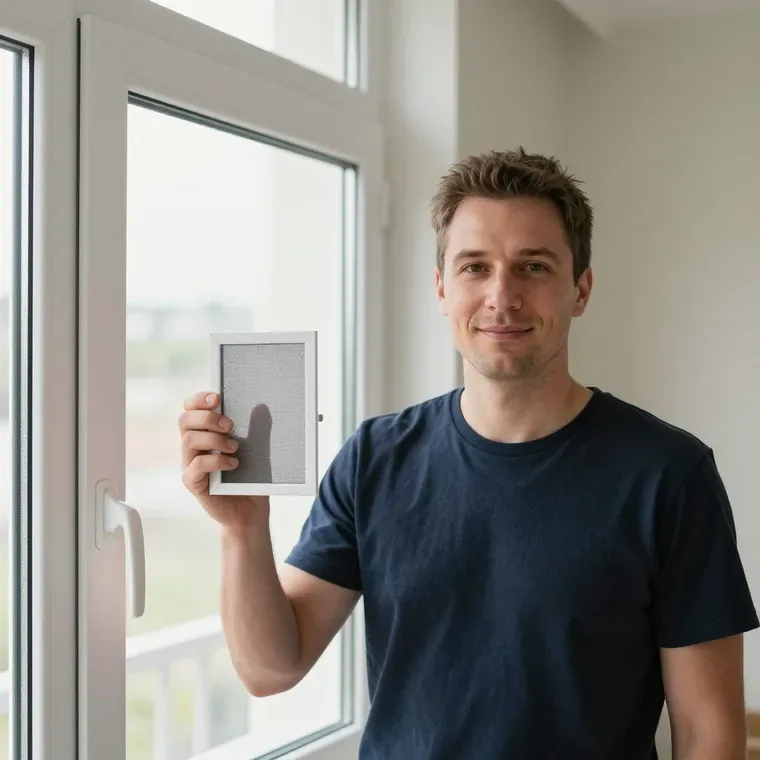
Senior mosquito screen specialist at moskitnyesetki.kz
We handle balcony and loggia glazing in Atyrau with our own installers, starting from a free measuring visit where the measurer takes sizes and helps pick the construction, glass unit and fixings. The price is fixed in the order after measuring, you pay after installation, and window installation carries a 5-year warranty.
Warm or Cold Glazing and Which Construction Suits Your Balcony
Wind and sharp seasonal swings make the choice between warm and cold systems the first real decision on any loggia here. Below is how the two differ and what suits your building.
How Warm and Cold Glazing Differ and Who Each One Fits
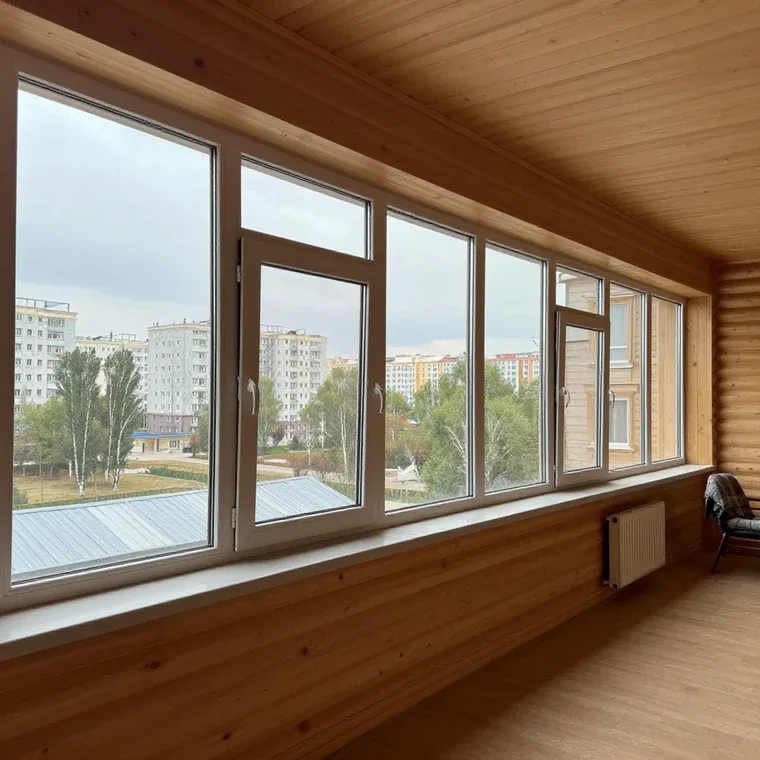
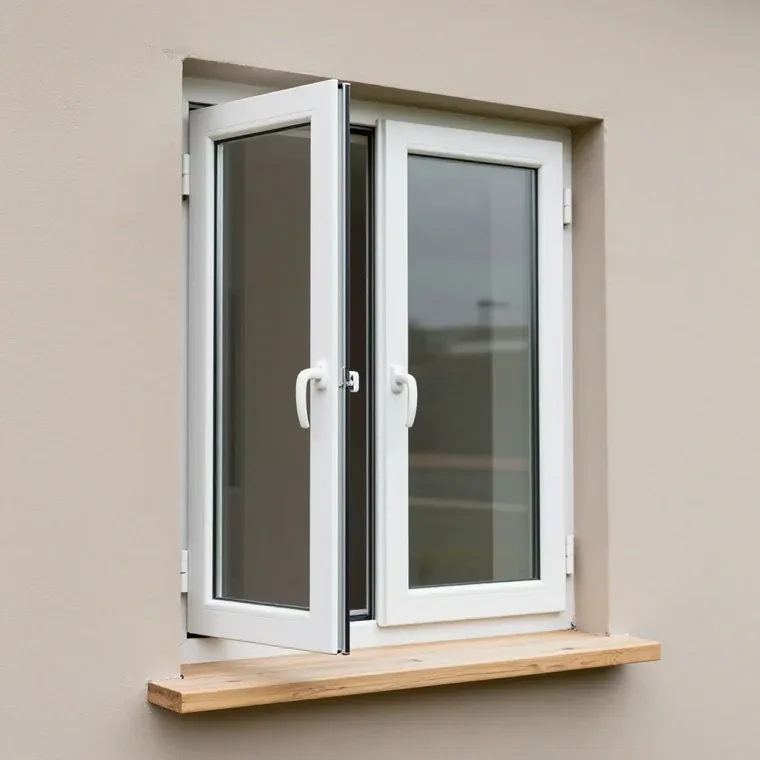
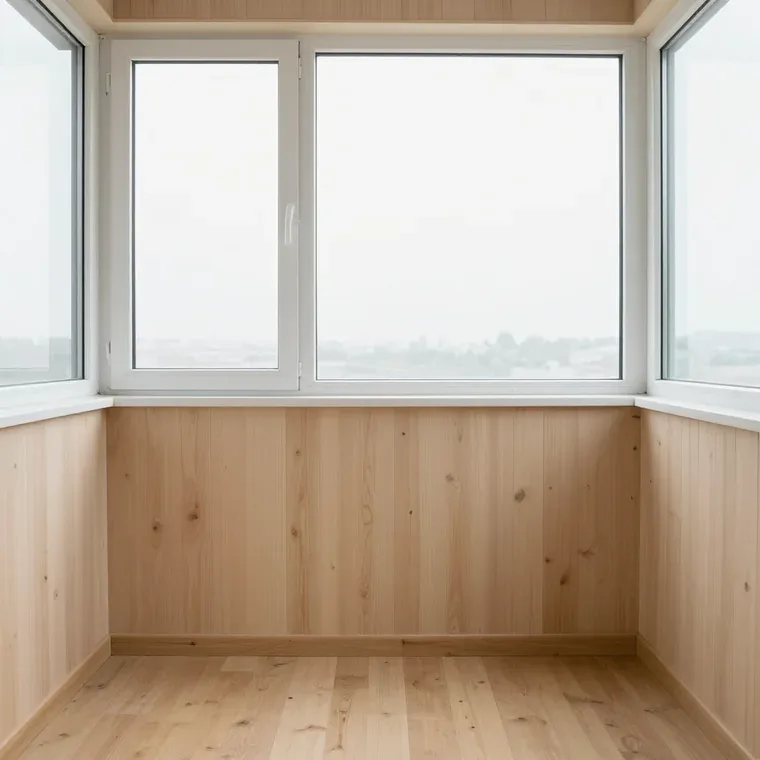
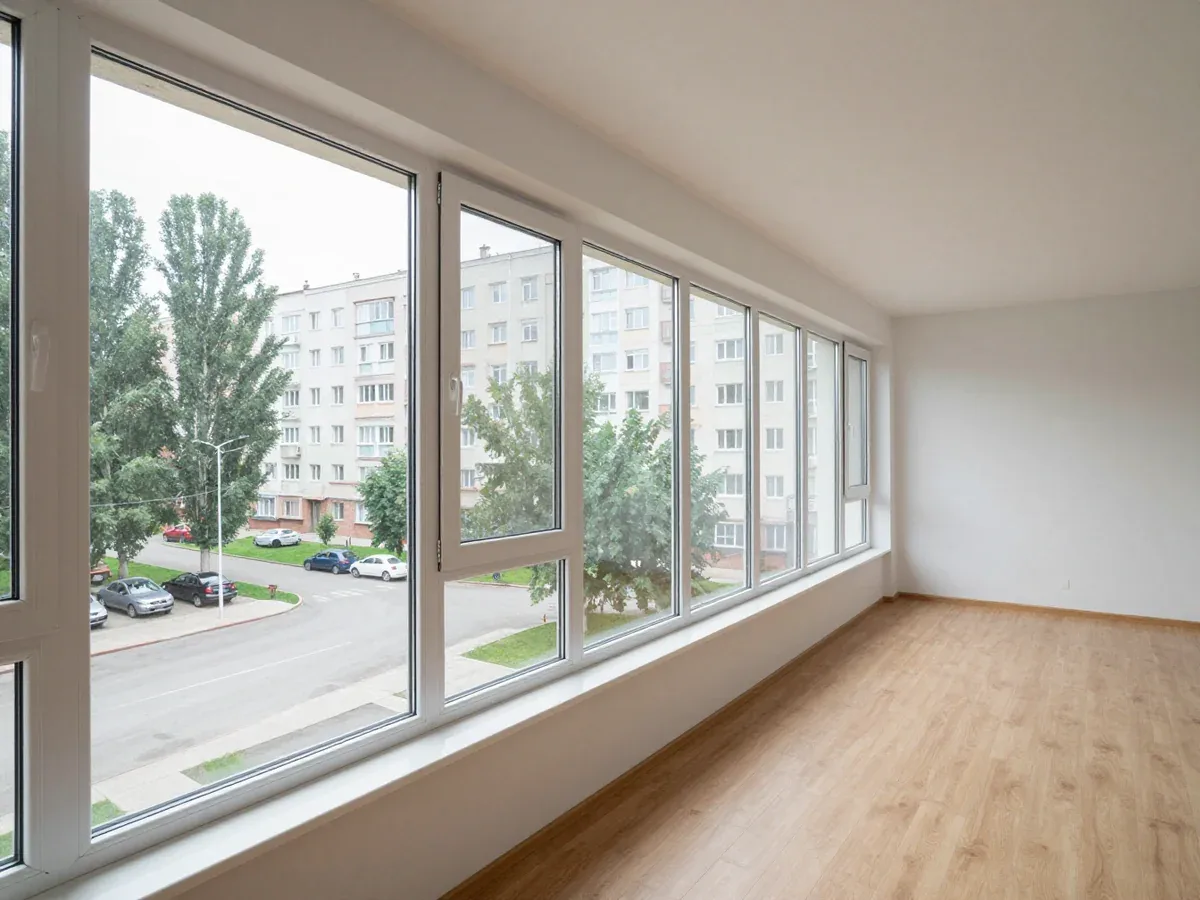
Warm glazing is a full window system built on insulated glass units for year-round use, while the lighter option relies on aluminium sections that stop wind and dust but leaves the loggia a seasonal space. Warm systems use PVC profiles with double-glazed units, so the room holds heat in winter and stays usable through summer heat. The lighter build is single-sheet aluminium, thinner and cheaper to mount, with no thermal barrier. The dividing line is use: a space you enter in January needs the insulated build, one for drying clothes and storing jars does not. If you plan to move a laundry, office or storage zone out there, the seasonal option will not hold warmth on its own, so budget for insulation and heating before you commit to it.
Matching the Construction to Your House, Floor and Wind Load
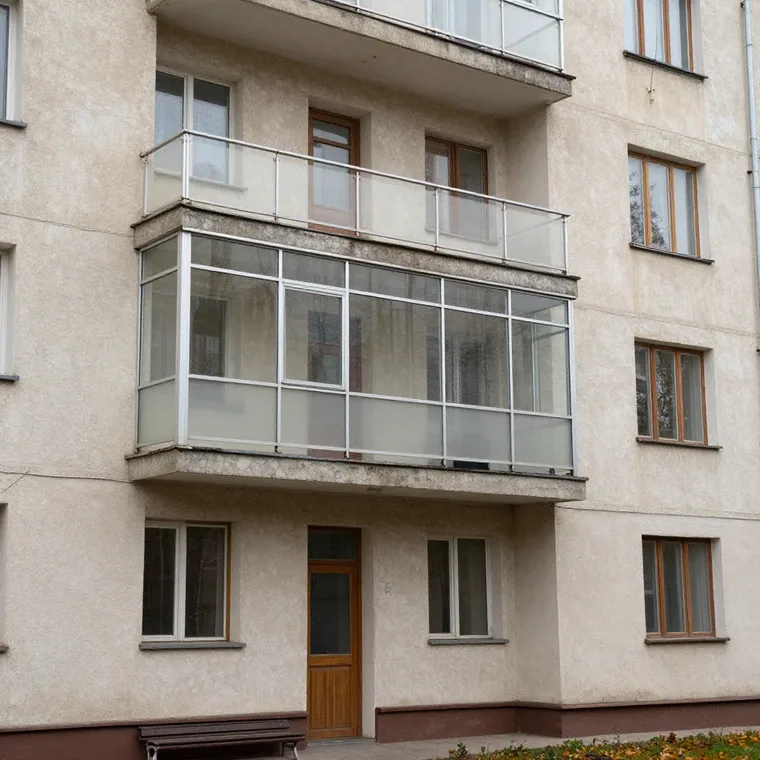
Our measurer checks the opening, the floor and the wind exposure before recommending a frame, because a high floor in Atyrau catches stronger gusts and needs sturdier fixings than a low panel-house unit. On upper floors the profile depth and anchor points carry more load, so we match the section to the slab and railing rather than to a catalogue default. Panel and brick buildings from the older housing stock often have a narrow parapet and a thin slab, which caps how much weight the glazed structure can add. We confirm this during the free measuring visit, before any order is fixed. In those buildings the slab and railing set the limit, so the construction follows the existing base.
What a Turnkey Balcony and Loggia Glazing Order Includes
A turnkey order is more than frames and glass: it is a set of works and components that have to fit your opening. Below we break down what the job includes and how the scope is counted, without price figures.
The Parts of the Order and How the Price Is Fixed
A turnkey order covers measuring, the frame and glass unit, fixings, installation and the finishing of the window opening, and we fix the price in the order right after the measuring visit so it does not move during the work. Measuring and consultation are free: the measurer comes at a convenient time, takes sizes and helps choose the design, fixings and glass unit. The scope then lists the PVC or aluminium frame, the glass unit, hardware, brackets or pins, plus slopes and sills where the opening needs them. Replacing only the balcony windows is cheaper than glazing the whole loggia, but if the railing and slab are sound, full glazing adds usable floor area that a window swap alone never returns.
Comparing Glazing Options by Frame, Glass and Use
| Option | Frame | Glass unit | Best for |
|---|---|---|---|
| Cold glazing | Aluminium | Single glass | Wind and dust protection, seasonal use |
| Warm glazing | PVC profile | Multi-chamber unit | Year-round living space |
| Sliding glazing | Aluminium or PVC | Single or double | Loggias with limited swing space |
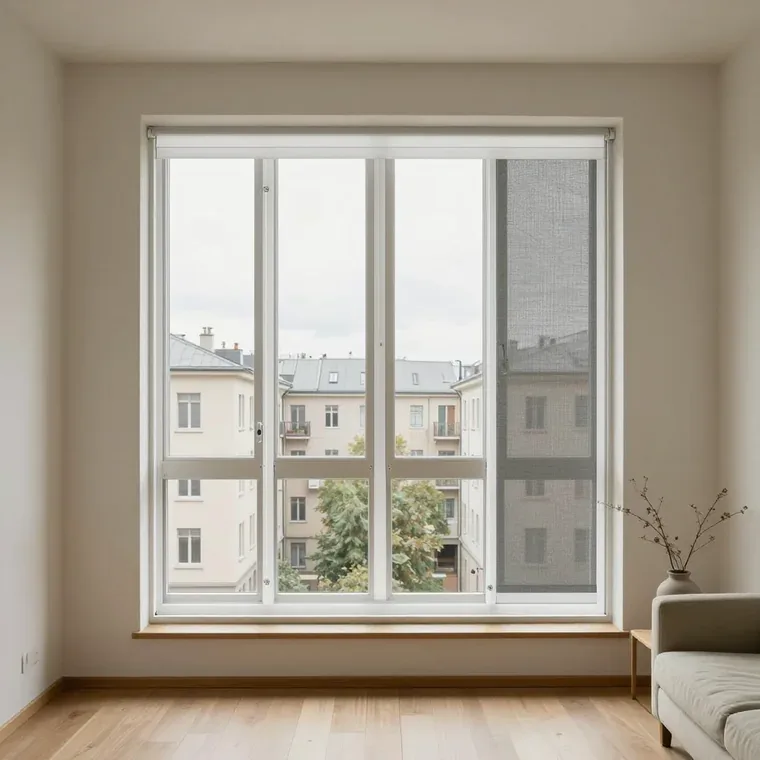
| Panoramic glazing | Slim aluminium | Tempered or laminated | Maximum light and view |
How the Free Measuring Visit and Installation Run Step by Step
From the first call to accepting the finished job, a glazing order moves through a short, predictable chain of steps. Here is what happens at the measuring visit, how the installation runs, and what to check before you sign off.
What the Measurer Does and What the Free Visit Covers
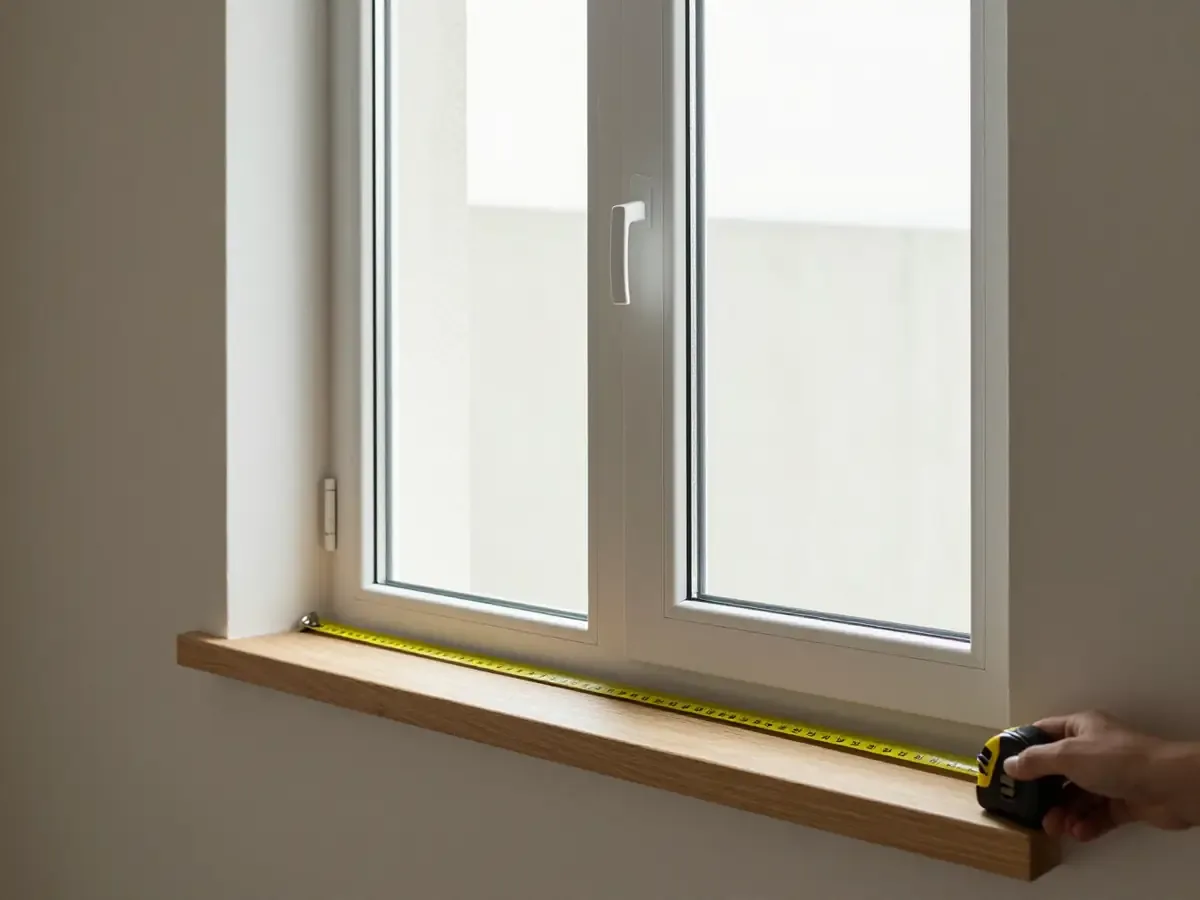
Measuring and consultation are free, and the measurer comes at a time that suits you, takes the exact sizes and helps choose the construction, the glass unit and the fixings for your aperture. During the visit the specialist checks its geometry, the profile of your existing sashes and the way the loggia connects to the wall, then writes the sizes into the order so the price is fixed before anything goes into production. Our measurer also advises on warm or cold framing, the number of sashes and the seal type, because those choices drive both the fit and the lead time. Ask the measurer to note the floor and the railing condition during the visit, since those two details decide the fixing type and are far harder to change once the structure is ordered.
Installation Sequence and How to Accept the Finished Work
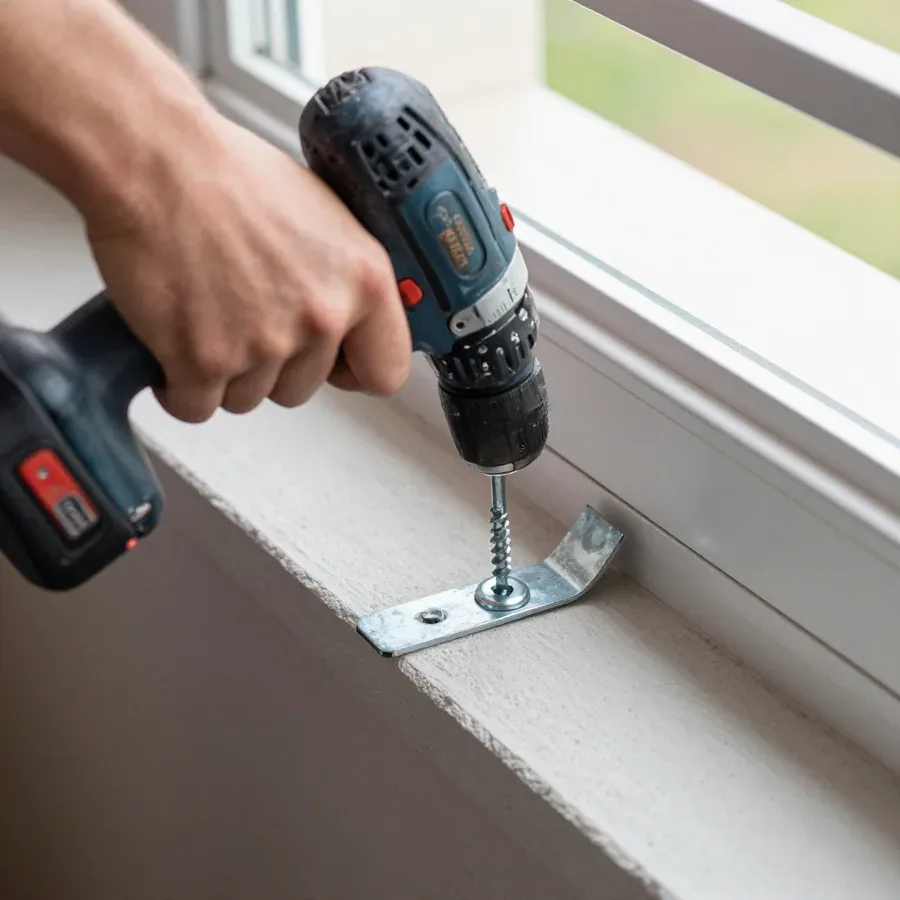
Our own installers mount the structure, set the glass units and seal the perimeter, and you pay only after installation, by cash, card or Kaspi, once you have checked the work. The crew removes the old sashes where needed, levels the new unit on packers, foams the gap, fits the sills and seals the joints, then hands the finished structure back to you clean. Installation of a standard unit takes one working day, and the team confirms the date after the order is signed. At acceptance, open and close every sash, look for daylight gaps along the seal and check that the assembly sits level, since a small tilt shows up as a draught only after the first cold wind.
Insulation, Slopes and Finishing Around Your Balcony and Loggia Glazing
Glazing alone does not turn a balcony into a warm room. This section covers why insulation belongs in the same job, how slopes and sills are fitted, and what to check when a finished loggia feels chilly.
Why Insulation Comes Before or With the Glazing
We insulate windows and balconies as part of the same job, because a glazed but uninsulated loggia loses heat through the slab, the railing and the wall joints once the temperature drops. Glass units block the wind and hold warm air, yet cold bridges in the concrete keep pulling warmth out of the room behind. In our practice the slab and the railing joint are where most heat escapes, and both are easier to reach while the opening is bare. Insulating the space before the frame goes in is simpler than after, since the slab and railing are exposed and the insulation can be fitted tight against them without cutting around finished glazing. If you are planning balcony and loggia glazing in Atyrau, put insulation and the frame on one schedule so the crew does not have to come back twice.
Slopes, Sills and What to Do If the Space Feels Cold
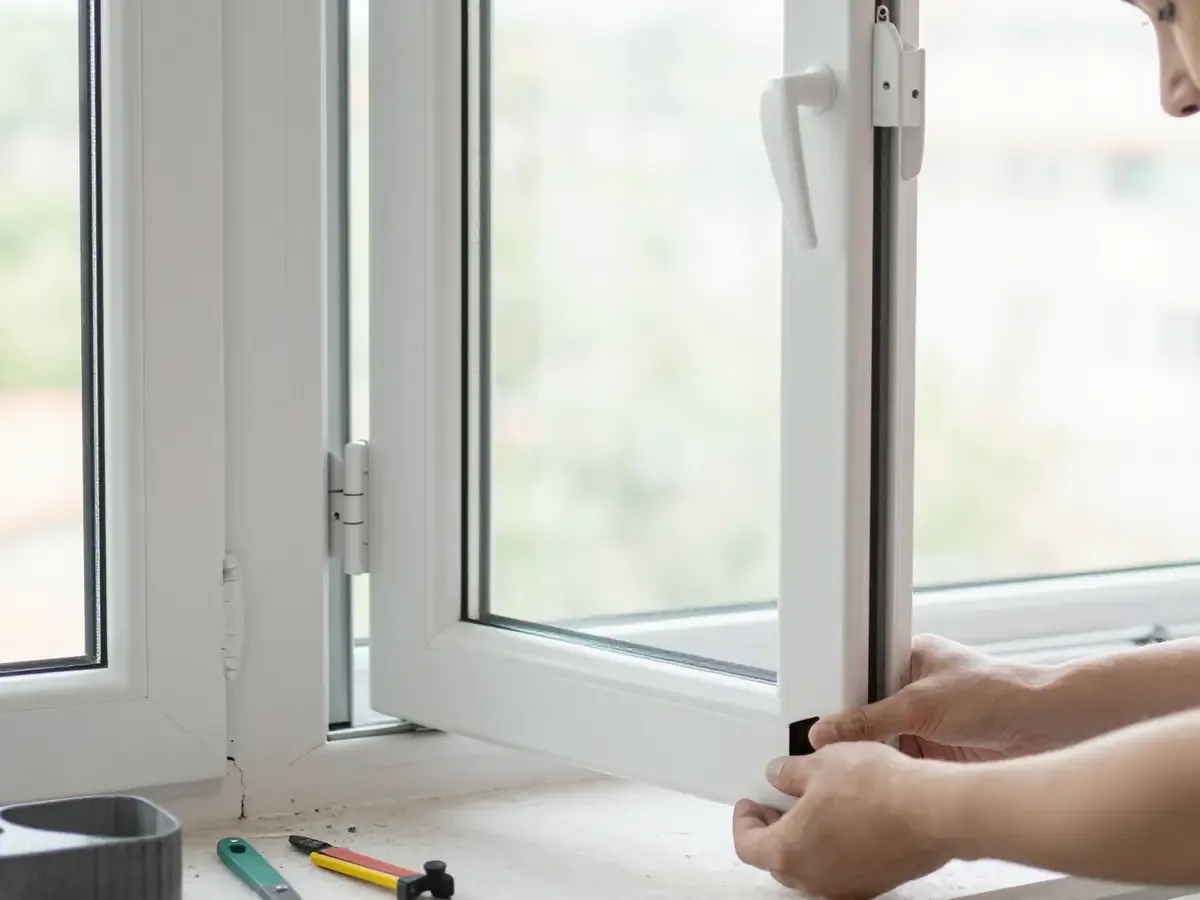
We fit slopes and sills on windows of the loggia to close the gap between the frame and the wall, and if a finished space feels chilly, the usual cause is a seal or fitting that needs adjusting rather than the glazing itself. Slopes cover the raw edge of the opening and stop cold air from reaching the joint, while the sill carries condensate away instead of letting it pool on the floor. A draught along one edge after the first winter is often a compressed gasket, and replacing that strip costs far less than reworking the whole opening. We change the seal on windows of any make, including KBE, Rehau, VEKA and Provedal, and adjust the fittings at the same visit. In our practice one service call for the strip and the hinges solves most complaints about a chilly space that reach us from residents across the city.
Warranty, Payment and Care After Your Balcony and Loggia Glazing
After installation, three things decide how long the glazing serves you: what the guarantee covers, when you pay, and a little seasonal care. Below is what each stage covers and how to keep the windows working through winter.
Warranty Coverage by Stage and How Payment Works
Window installation carries a 5-year guarantee, glass unit replacement a 3-year term, and window repair a 1-year term covering both labour and the parts we swap. Payment follows the same staged logic: you settle after installation, by cash, card or Kaspi, and the price is fixed in the order once measuring is done, so no figure shifts mid-job. Seals changed during a repair fall under the 1-year repair term, while a pane replaced on its own runs on the separate 3-year term. Keep the order and the acceptance note together, because coverage is tied to the stage it applies to, and a seal handled under the repair term differs from a pane handled under its own.
Winter Care for Fittings, Seals and Glass Units
- Seals: wipe them clean and check for hardening before the cold season, since KBE, Rehau, VEKA and Provedal strips stiffen with frost and sun.
- Fittings: open and close every sash and adjust the hardware if it starts to catch.
- Panes: watch for fogging between the layers, which signals the unit needs replacing.
- Ventilation: air the loggia briefly each day to keep condensation off the room-side surface.
- Urgent work: a failed pane can be swapped within a day when you need it fast.
What to know about balcony and loggia glazing
A glazing job holds up when system choice, measuring and acceptance line up. These points cover what matters most once the work is finished.
- Match the system to use: pick warm or cold glazing by how the space will be lived in, not by the profile alone.
- Check the building first: confirm the house type, floor and wind exposure before signing, since these decide fixings and weight.
- Plan insulation early: treat insulation and slopes as part of the glazing work, not as a later fix after the profiles are set.
- Inspect at handover: test every sash, seal and level line on the spot, because small faults surface with the first cold wind.
- Keep the paperwork: store the contract and handover note to claim warranty by stage and to schedule winter care for seals and fittings.
 Window replacement
 Reveal finishing
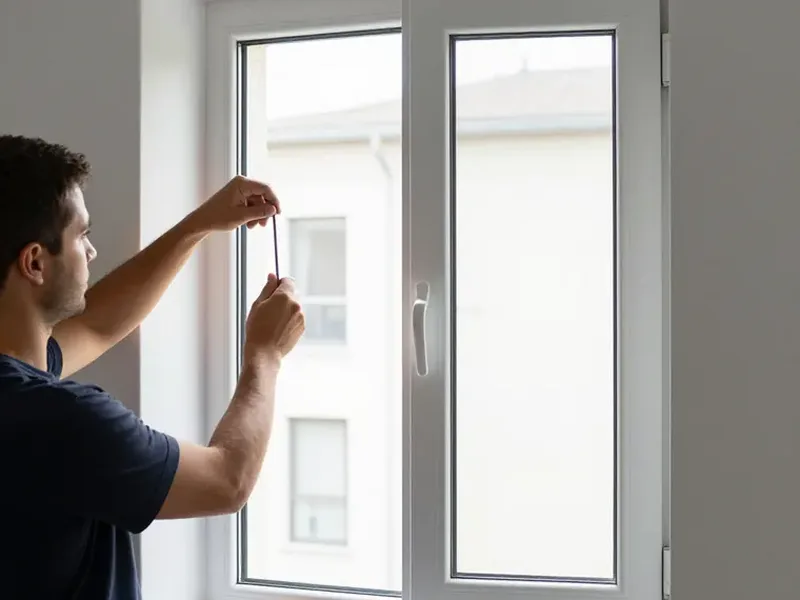 Window repair
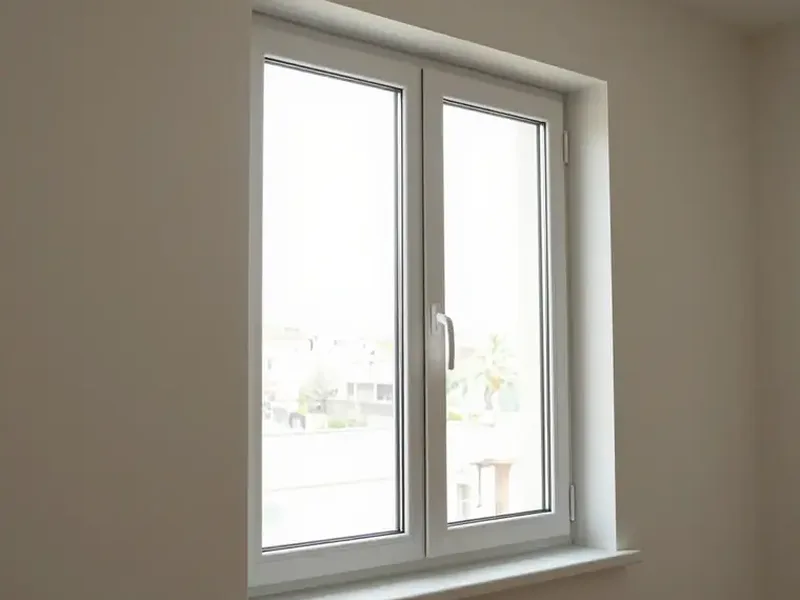 Window insulation
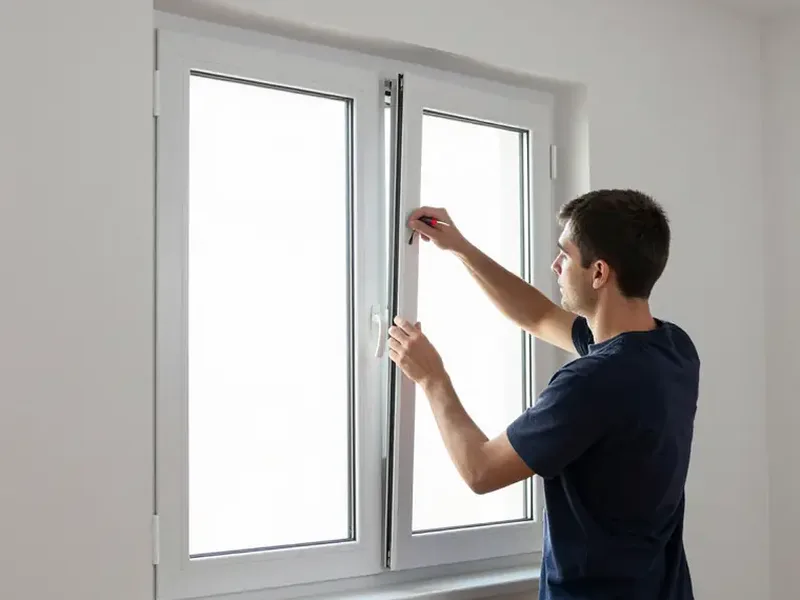 Window adjustment
