
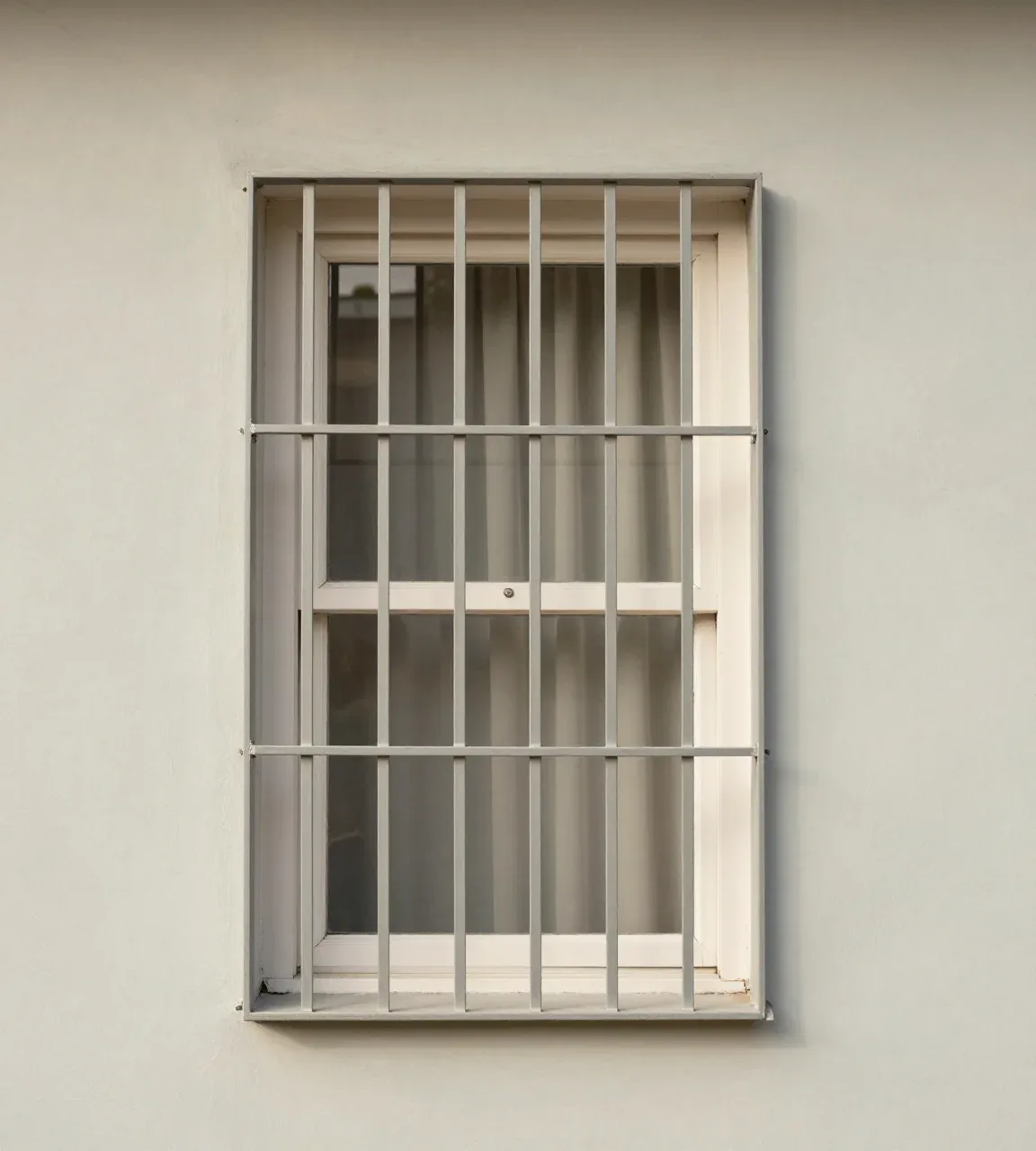
Standard · welded
Welded grille
Simple rod pattern, suitable for windows and balconies. Price from 7 500 ₸ per m².
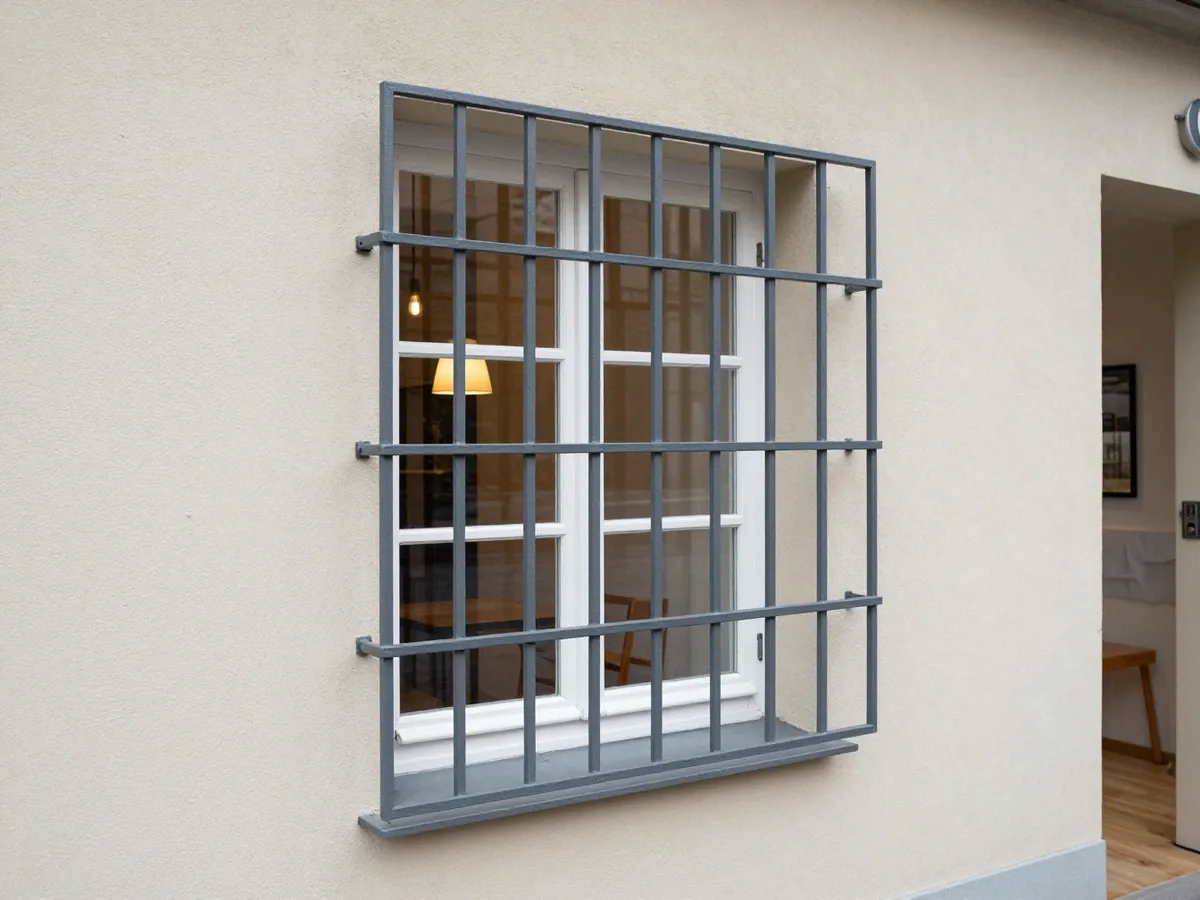
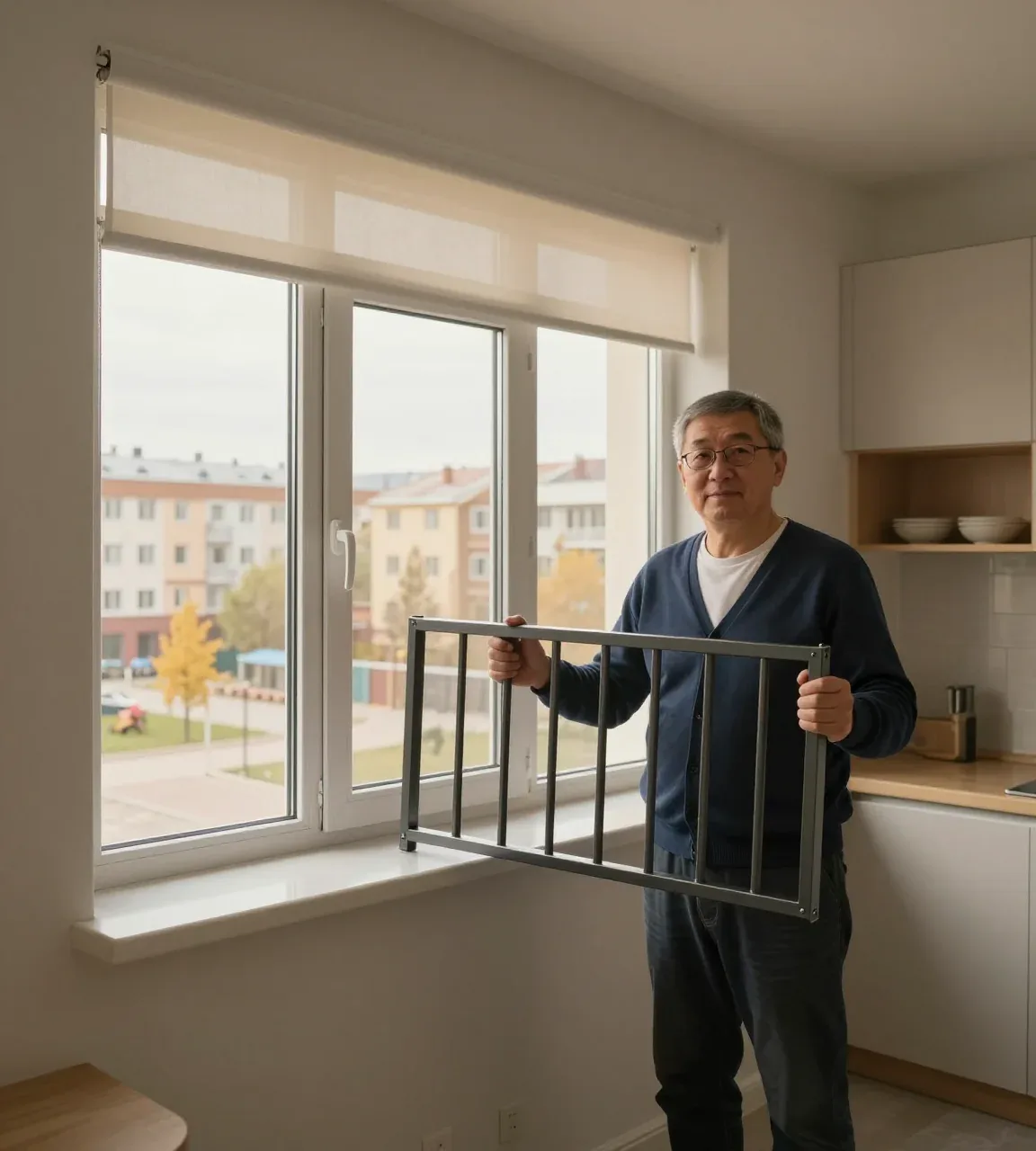
Welded grille
Simple rod pattern, suitable for windows and balconies. Price from 7 500 ₸ per m².
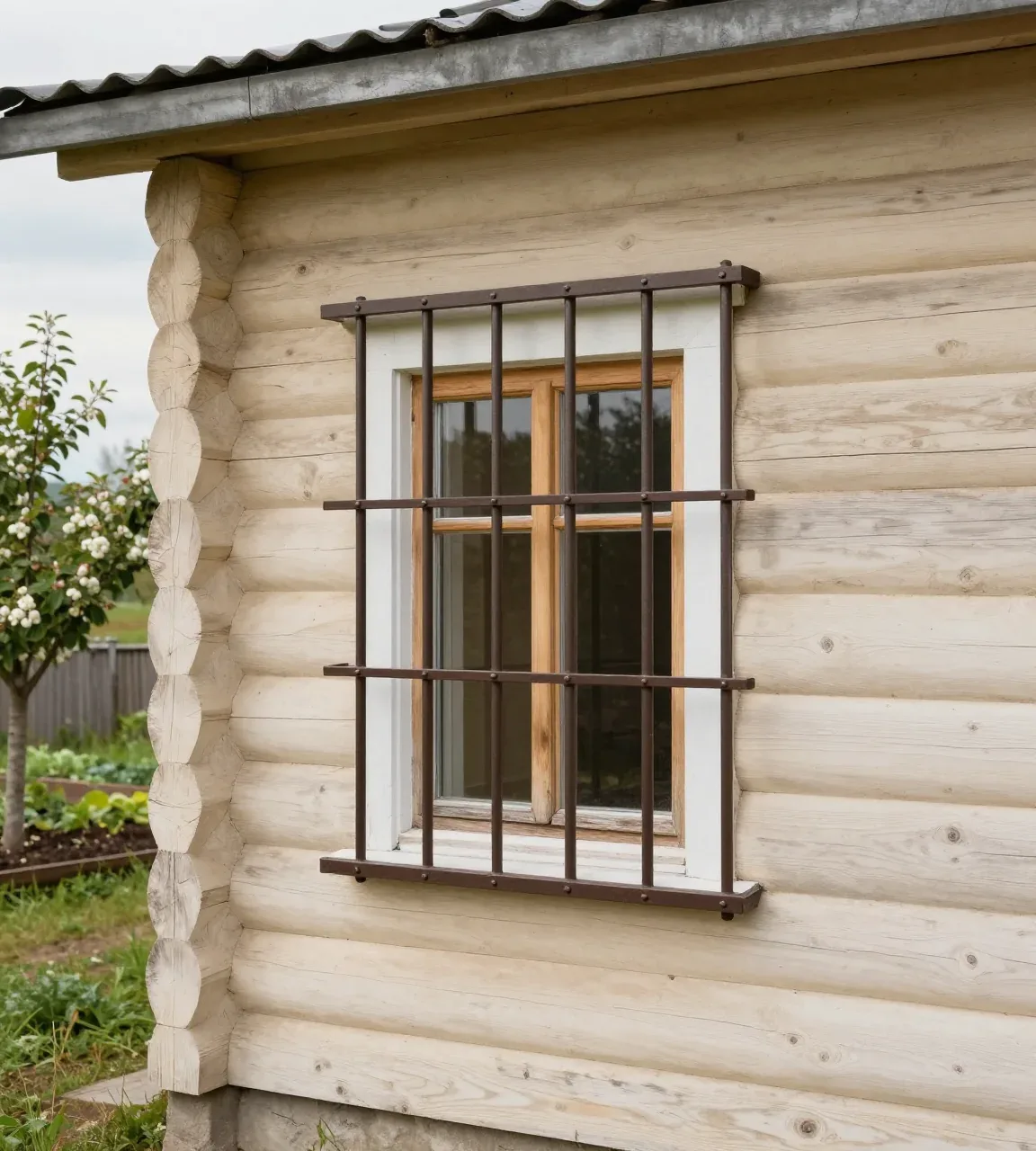
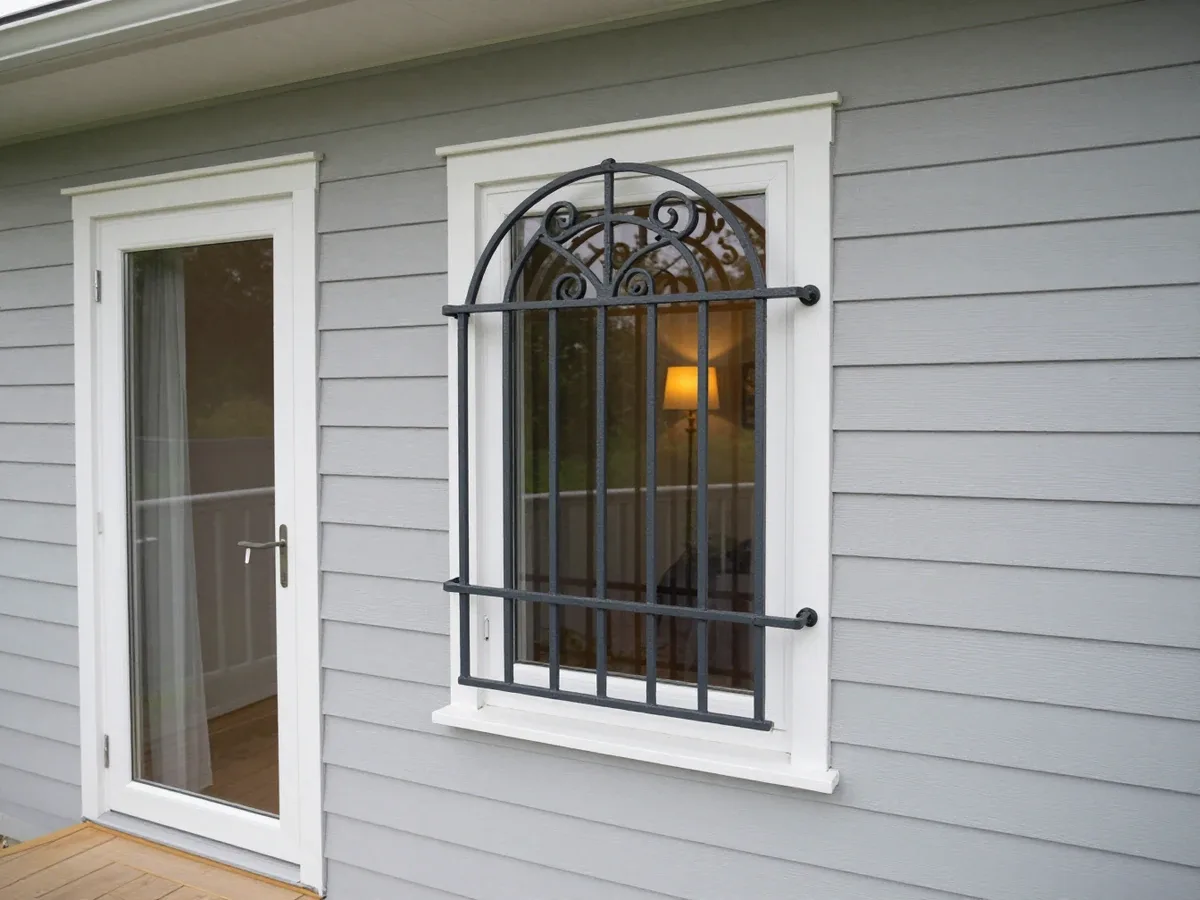
Forged grille
Pattern made of forged elements for the facade. Check the price per m² in the price list.
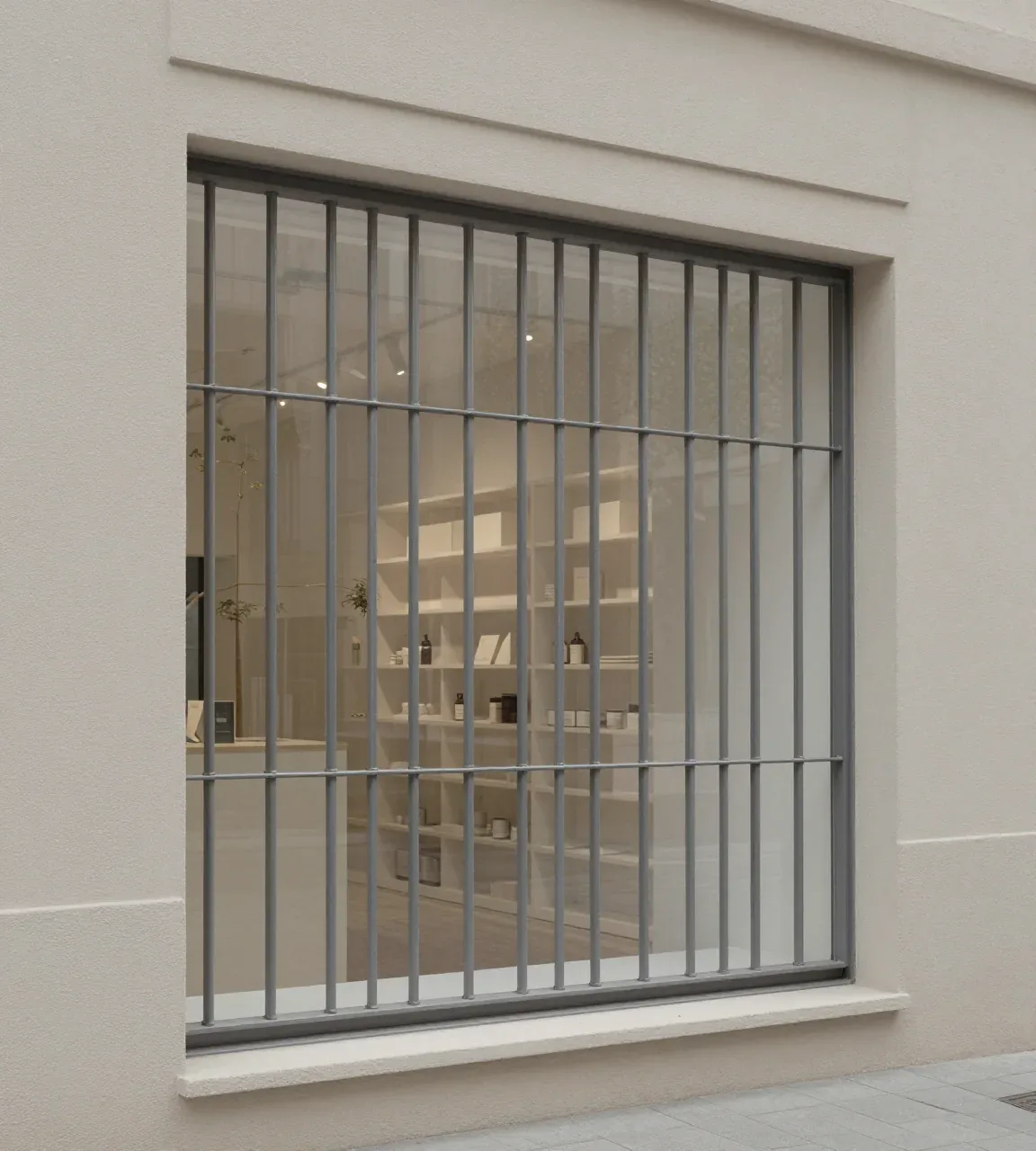
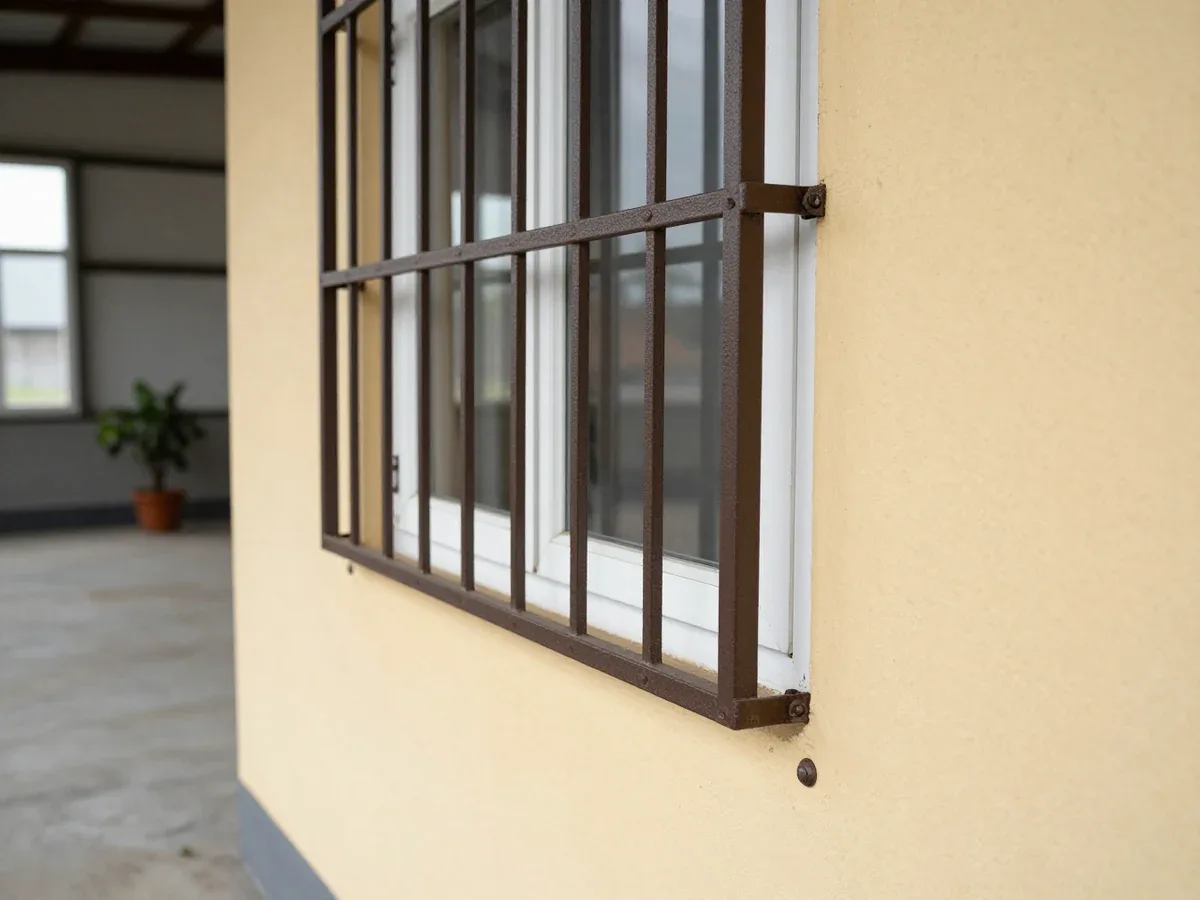
Convex grille
The convex shape gives more space at the window. Check the price per m² in the price list.
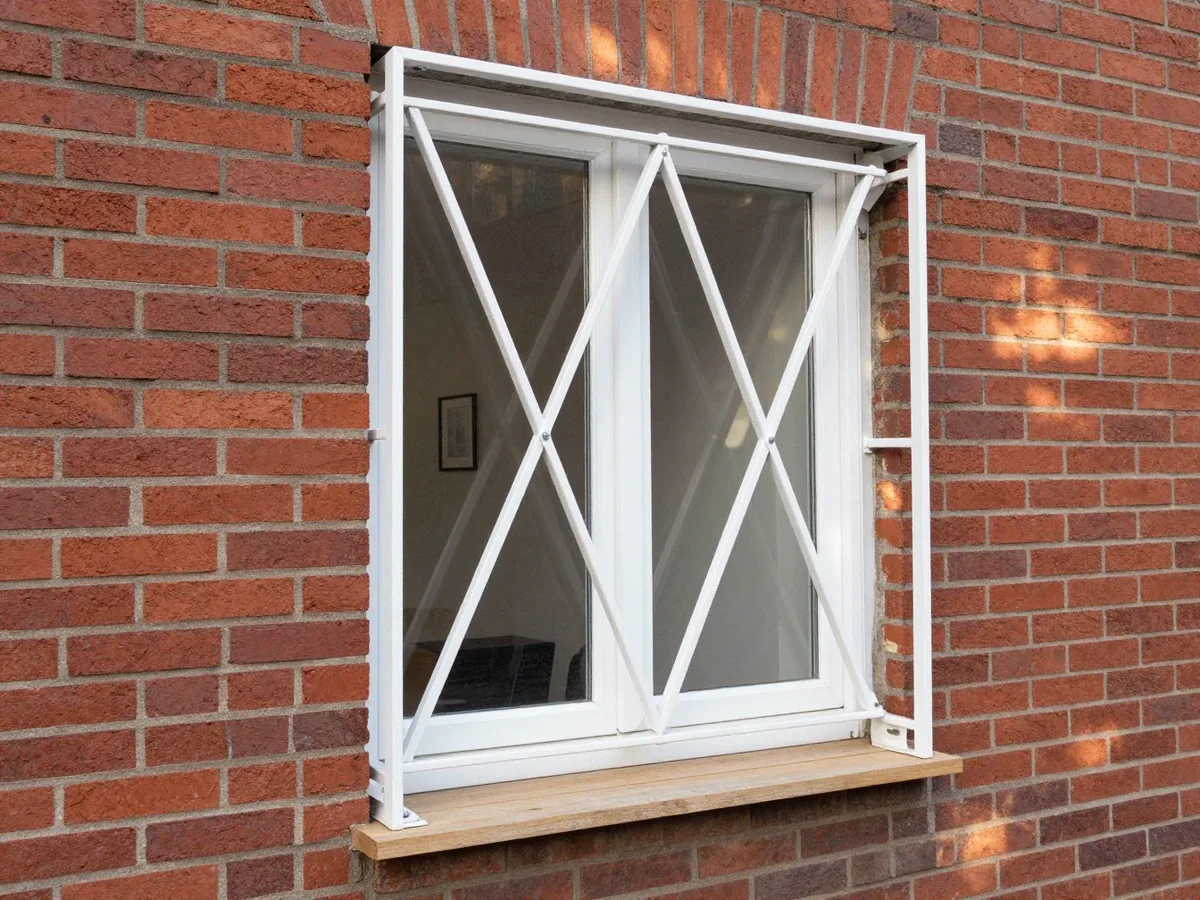
Decorative
Metal pattern made to your sketch, does not block the view. Check the price per m² in the price list.
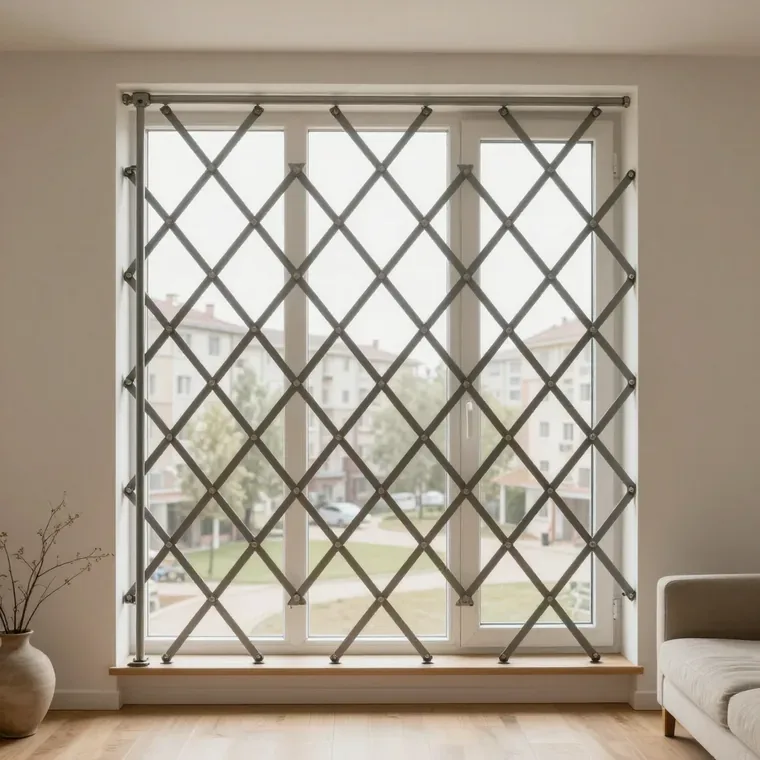
Sliding
Folds like an accordion, saves space on the balcony. Check the price per m² in the price list.



5,097 reviews on review sites
The grille consists of a frame, rods and crossbars. Fixings are selected to match the wall material and window profile.
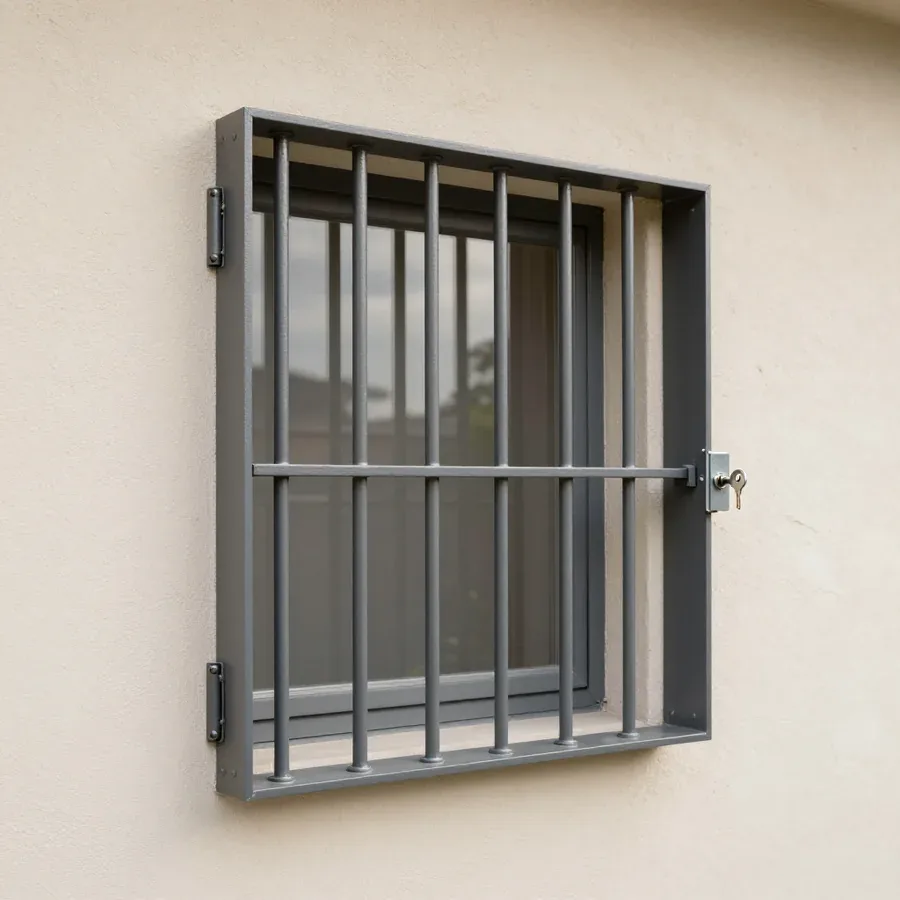
The grille frame is welded from steel profile, with rods inside at a set cell spacing. The pattern can be straight, convex or forged. Fixings — anchors or brackets — secure the structure in the wall or reveal.
Outside, the grille protects the window from break-ins and children from falling, and also prevents large objects from entering the opening. For balconies and shop windows, separate designs are made taking the load into account.
price per m² of a standard welded grille
manufacturing a framed mesh to your dimensions
grille fitting per m²
The fixing method is chosen based on the wall material and the weight of the grille. For a hinged leaf, hinges and a lock are added.
Anchors go into brick or concrete to a depth sufficient for the weight of the structure.
Fixing to the side reveals of the opening if the wall is thin or the finish does not allow drilling.
Brackets are fixed to the window profile when a removable option without drilling walls is needed.
Removal of a worn-out grille and installation of a new one — from 4 000 ₸ per item.
The price depends on the type of grille, the area and additional work.
| Type of item | Price |
|---|---|
| Standard welded grillestandard pattern | from 7 500₸ per m² |
| Forged grilleartistic forging | from 26 000₸ per m² |
| Convex grilleconvex shape | from 26 500₸ per m² |
| Decorative grillelaser cutting | from 25 000₸ per m² |
| Sliding accordion grillefolding design | from 28 000₸ per m² |
| Hinged grille leafsurcharge to grille | from 15 000₸ per leaf |
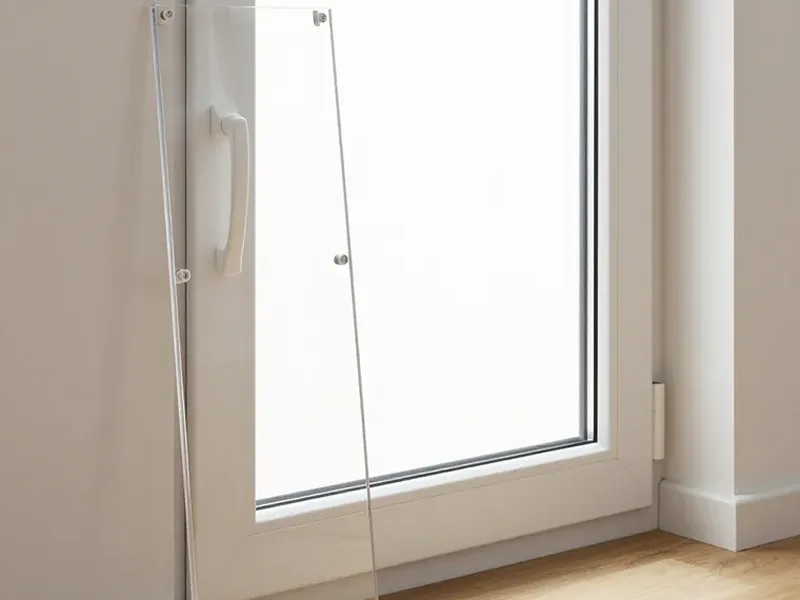
| Transparent polycarbonate grilletransparent panel | from 26 000₸ per m² |
| Aluminium fall-prevention grillelightweight design | from 12 200₸ per item |
| Grille with mosquito screentwo in one | from 19 800₸ per m² |
| Powder coating for grilleany colour | from 5 500₸ per m² |
| Grille installationmounting on window | from 4 500₸ per m² |
| Removal of old grilletaking down the structure | from 4 000₸ per item |
| Child safety window grillefall protection | from 12 500₸ per item |
During the measuring visit, ask the specialist about the rod thickness, mesh spacing and the opening side of the leaf so the structure fits your opening.Compare grille quotes by area and type of finish to understand what you are paying for.Before placing an order, ask the specialist about painting and fixings: what compound is used for painting, how seams are protected from corrosion and what anchors will secure the frame to your wall.
Book a measuring visitEight facts about our work: from our own production to warranty and coverage.
the price is fixed after measuring
we accept requests every day
we paint to match your windows: white, brown, grey
for work and replaced components
the measurer will come at a convenient time
we deliver and install on windows and doors
you can order in 17 cities of Kazakhstan
we work without days off
Four steps from request to finished structure.

You write on WhatsApp, we reply within 5 minutes and clarify the task.
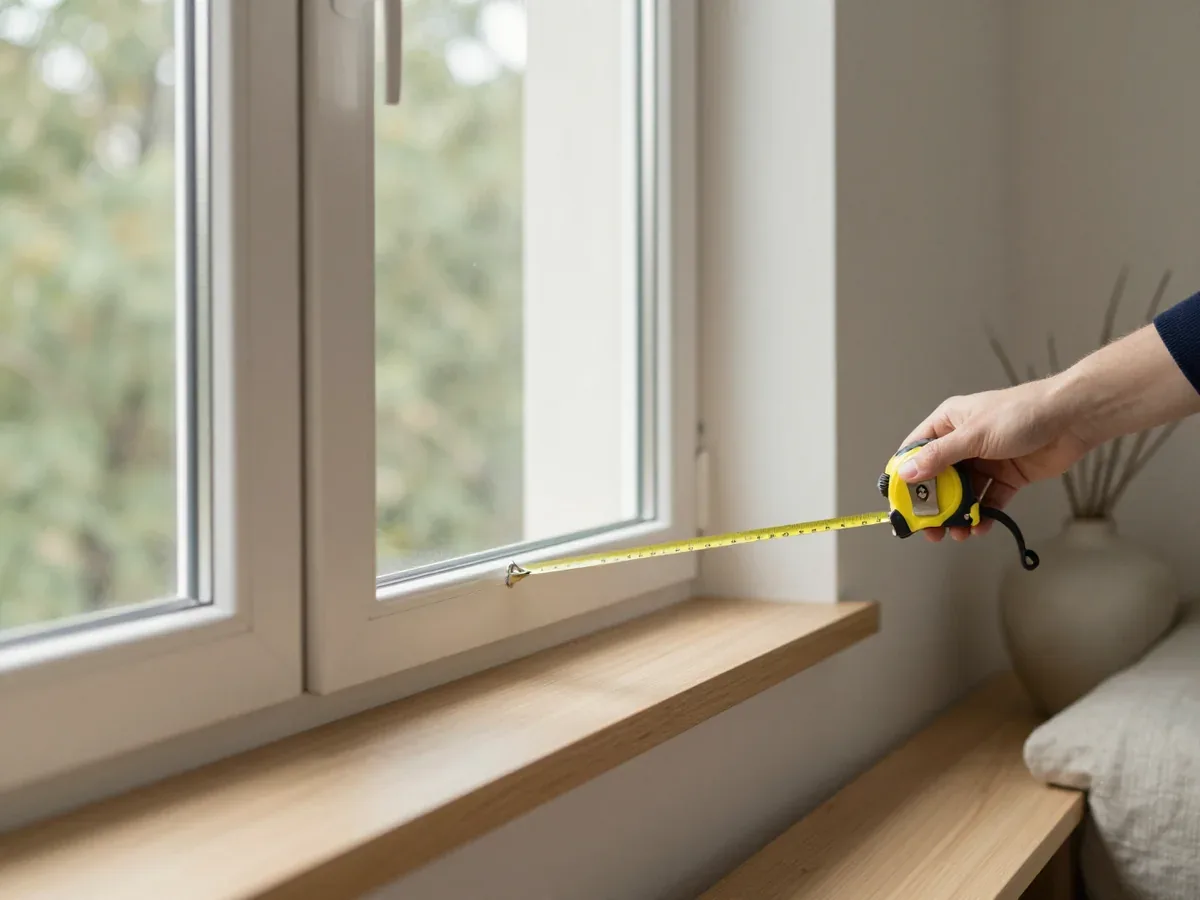
The measurer comes free of charge, takes dimensions and helps you choose the type.
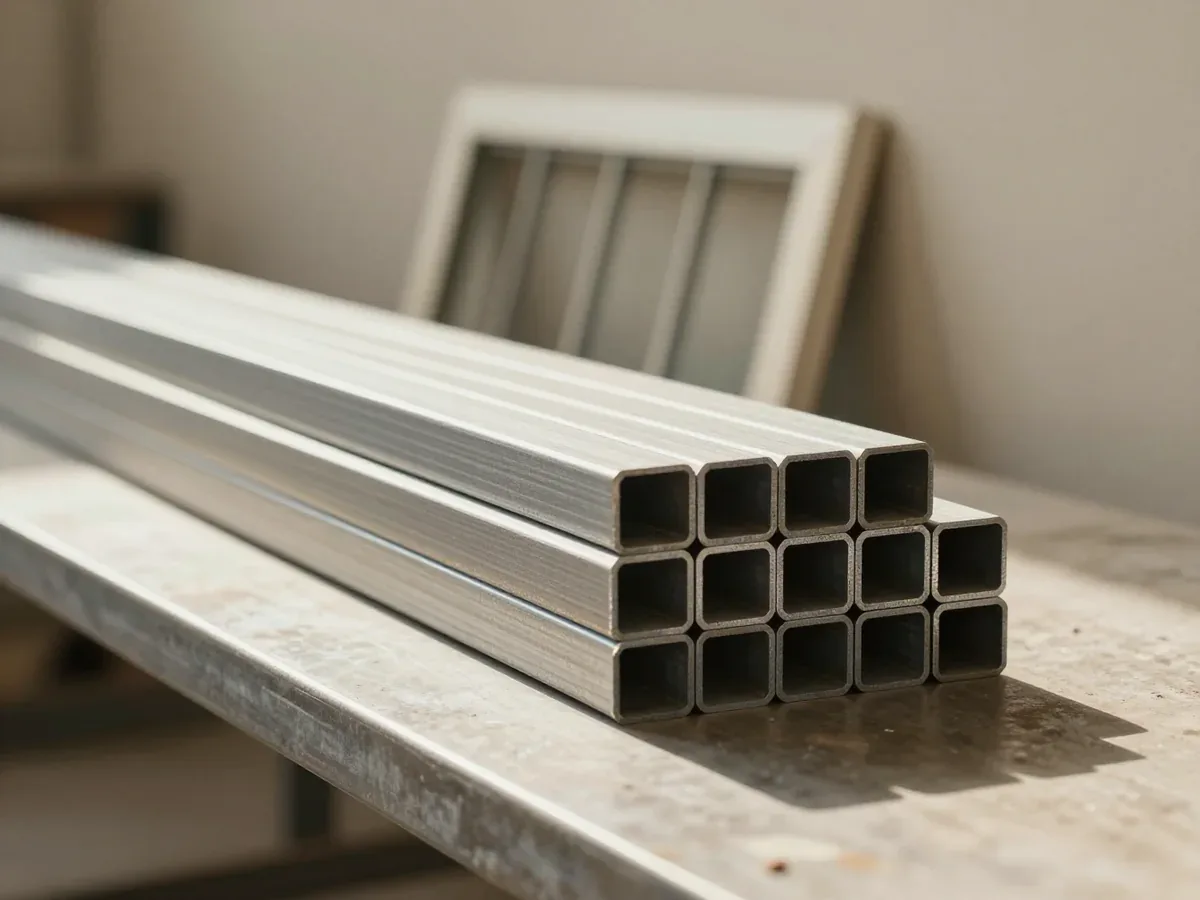
We make the framed screen to your dimensions at our own production.
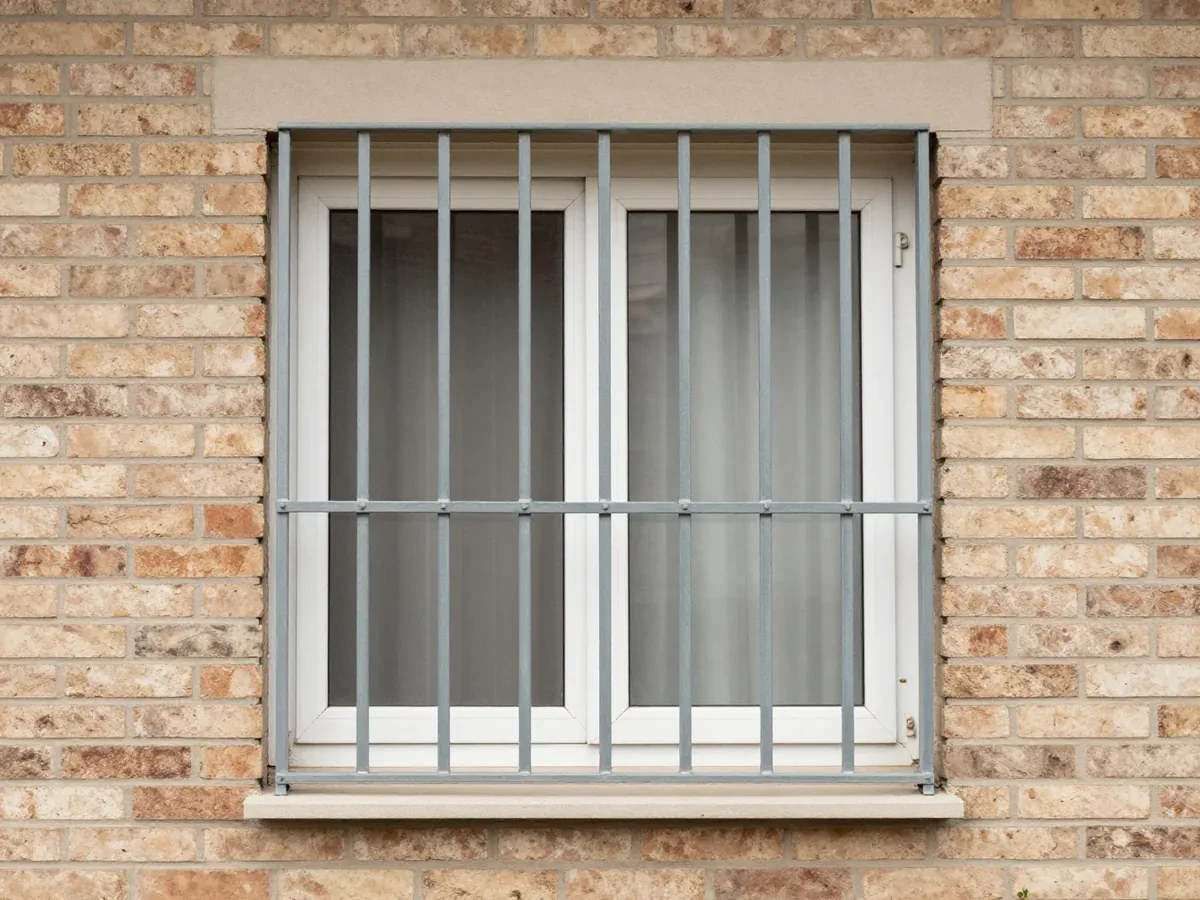
We fit the grille, you accept the work and pay in cash, by card or via Kaspi.
Good to know

Senior mosquito screen specialist at moskitnyesetki.kz
We make window grilles in Atyrau to your exact sizes, bring them over and install them on plastic, wooden and aluminium windows. Measuring and consultation are free, the frame is painted any colour to match your windows, and you pay only after installation by cash, card or Kaspi. We reply on WhatsApp within five minutes.
The product solves one of three different jobs — keeping daylight in the room, keeping people out, or keeping a child from falling. The job decides the type, the infill and the fixing, not the other way round.
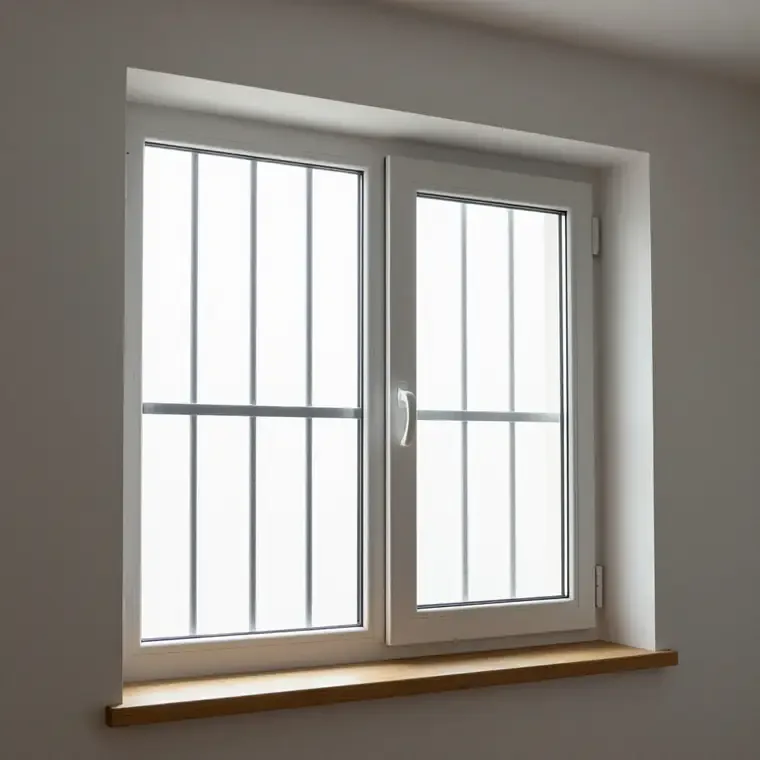
Transparent grilles use a slim metal frame with clear or near-clear infill, so daylight still reaches the room, while welded metal grilles are built from solid rods and block more of the view. A transparent model reads as a light grid against the glass and suits a living room or kitchen where the window is the main source of light. Welded rods give a full physical barrier and a visible deterrent, which matters on a first floor or in a private house facing the street. Both take a frame painted to match your windows and can carry a lock on an opening section. Pick by the window, not by the picture in a catalogue. If you are choosing window grilles atyrau, start from the job the grille has to do and the window it will sit on.
| Reason for ordering | What fits | What it protects | Where it works best |
|---|---|---|---|
| Keep daylight, block entry | Transparent grilles | Break-in on lower floors | Living rooms, kitchens |
| Full barrier, visible deterrent | Welded metal grilles | Break-in, vandalism | First floor, private houses |
| Stop a child falling out | Child-safety grilles | Children at open windows | Bedrooms, upper floors |
| Ventilate and stay locked | Grilles with lock | Entry through an open sash | Any room with opening sashes |
It is a barrier against people and falls, not a filter against dust and wind, so for pollen, dust and insects the answer is a mosquito screen, not a metal barrier. A grille leaves the sash open to the air and to everything the air carries, which in a windy riverside city means fine dust settling on sills within a day. A mosquito screen with a Poll-Tex anti-pollen mesh and its 0.25×1 mm cell stops that dust and pollen at the frame, while a grille on the same window only stops a person. The two products sit on different planes and do not replace each other. Ordering a grille to deal with dust spends money on the wrong product — ask for a screen instead and keep the grille for security.
For a toddler, what matters is not a grille as such but that the window cannot be thrown wide and that the sash will not swing open on its own. Three tools handle this in different ways.
| Solution | What it stops | Where it fits | Needs drilling |
|---|---|---|---|
| Child-safety grille | Child passing through the opening | Bedrooms, upper floors | Depends on fixing |
| Opening limiter | Sash swinging wide open | Any opening sash | Usually no |
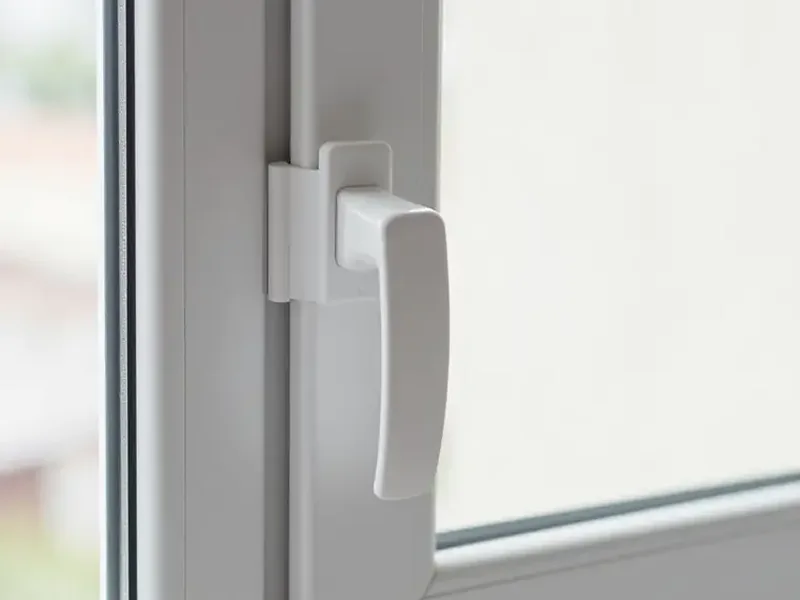
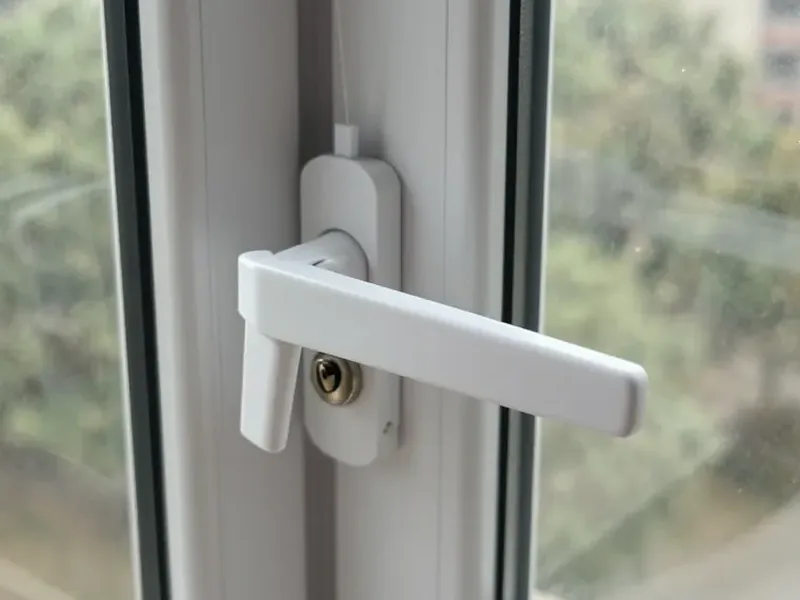
| Window lock | Handle being turned | Any opening sash | No |
We recommend a child-safety model when the opening gives onto height and the child can reach the handle, because it closes the gap itself rather than just the sash. On upper floors this matters more than most parents expect: a mosquito screen feels protective but holds nothing heavier than a fly, and a small kid leaning on it creates a false sense of safety. A unit fixed across the opening takes the load at the frame, not at the flimsy mesh. In first-floor apartments the risk is lower, yet families with toddlers still ask for one on the room where the child sleeps and plays. Before you decide, look at how far the sash travels and whether the sill gives a child something to climb on — that combination, not the floor number alone, tells you whether a grille earns its place.
We often fit a grille together with a limiter or a lock so the sash can still be opened for air while the child stays safe. A limiter holds the sash to a narrow gap that lets a breeze through but not a body, and a handle lock simply removes the temptation of a turning knob within reach. The pairing works because each covers what the other misses: the grille guards the opening, the limiter and lock guard the sash. If the grille itself is fixed, the sash behind it still has to be washed and aired, so plan an opening leaf at the measuring visit rather than after installation — retrofitting an opening section onto a finished frame costs more and rarely matches the original line.
Ordering from the workshop that actually builds the product is four visible steps, and at each one you know exactly what you are getting. An intermediary usually hides those steps behind a promise that a manager will call back.
The measurer comes at a time that suits you, takes the exact sizes of the opening, and helps you choose the type, the infill and the fixings, and the visit costs nothing. He checks the profile, the sill depth and the floor, because a bracket that works on a third-floor panel unit is not the one you want on a ground-floor opening. We reply on WhatsApp within five minutes and work seven days a week, so a visit can be booked for the weekend. More is settled on site than just width and height — the fastening follows the profile and the storey, and that is far easier to judge in person than to guess from a photo.
We make every unit to the measurements taken at your opening, so it fits rather than being cut down from a standard panel. Custom-size manufacturing means the frame is welded or assembled to your figure, and the infill is tensioned to that frame, not trimmed afterwards. A stock item that fits almost anything only does so on paper: on a non-standard opening it leaves gaps at the reveal or forces you to rework the slope around it. On older housing stock and on loggia openings the difference shows up straight away. Ask for the measurement to be taken at the reveal, not across the frame — that one number decides whether the piece sits flush or rattles.
The common worry is simple: the unit goes on and the window stops working, so nobody can air the room or wash the glass. Fixing method and sash type settle that before installation starts.
The measurer picks the fixing for your profile and floor — Z-brackets, pins or magnets — so the grille holds where it matters without weakening the frame. Plastic, wooden and aluminium units take different hardware, and the same bracket does not suit a ground-floor opening and an upper-floor one. On lower floors the load is mostly a person pulling at the bar, so Z-brackets spread that pull across the profile; higher up, wind pressure shifts the choice toward pins set into the casement. We paint the surround any colour to match your glazing, so the hardware reads as part of the unit rather than an addition. Ask the measurer to show you the fixing he intends to use on your own profile before the order is signed — a bracket chosen for the wrong one is what shows up months later as a rattle.
Units are normally fixed on the outside so they block entry before the opening is reached, while inside fixing is chosen when the facade or the building rules do not allow outside work. Outside mounting puts steel between a stranger and the sash, which is why it is the default on ground floors and private houses. Inside mounting keeps the facade clean and suits balcony and loggia units where the glazing sits behind a parapet. The trade-off is maintenance: an outer grille shields the glass but also blocks a straight arm, so washing the pane from the room becomes harder. On upper floors that matters more, because reaching the face from a ladder is not an option. When the grille is going outside, plan the opening section at the same time — it is the detail that keeps the glass cleanable without dismantling anything.
An opening grille with a lock lets you reach the casement for air and cleaning while staying locked the rest of the time. The sash swings out on hinges, the lock holds it shut, and the rest of the frame stays fixed — so ventilation and glass washing happen without removing the whole unit. We build the opening section into the order from the start; adding it later means a new frame, not a hinge kit. A grille with a lock for ventilation is the usual request on kitchen and bedroom units, where the sash is opened daily and a fixed bar would turn every airing into a project. Decide which sashes you actually open before the measurer leaves — that single answer sets the hinge side, the lock position and the frame size, and changing it after production means starting again.
The product is not fitted to a window in general — it goes onto a specific window, and both the fixing and the type depend on the sash material and the level your home sits at.
We fit grilles on plastic, wooden and aluminium sashes, on vent panes, loggia openings and the frames of gazebos and verandas. On PVC casements the unit usually sits on Z-brackets or magnets that grip the profile without drilling the sealed seam, while aluminium takes pins that hold firmly in the thin wall. A wooden casement behaves differently — it moves slightly with humidity, so the fastener has to leave the casement room to breathe and the load spreads over a wider point. Loggia and veranda openings are often wider than a standard casement, which changes the number of fixing points more than the product itself. Because of that, the sash material is named at the measuring visit, not after the order is placed.
On the ground level and in a private house the barrier is mainly about break-in, while higher up it is mainly about a child and the opening. Apartments at street level and courtyard-facing casements in a private house sit within easy reach of a ladder or a ledge, so bar spacing and the lock matter more than the light. From the third storey upward the entry risk drops sharply, and the reason to order shifts to a toddler leaning on the casement or a pet pushing at the mesh. A transparent model covers the child-safety case up high without turning the opening into a dark grid, yet the same design downstairs gives less protection than a welded one. Identical products on the first and the tenth level solve different jobs, so copying a neighbour's choice rarely fits.
A painted metal unit handles local dust and wind well, and the surround is painted any colour to match your sashes so it does not stand out on the facade. Powder coating on the bars resists the salt haze and the fine sand that the wind carries across the region, and that layer holds its colour on the sunny side of the building where UV does most of the damage. Dust settles on the bars and works into the fixing points, so the product is wiped down a few times a season — that keeps the coating intact far better than any single treatment. We paint the surround to the sash colour at the workshop, which matters on street-facing facades where a mismatched edge is the first thing anyone notices.
Buyers worry about two things: that the unit arrives in the wrong size, and that the price grows after the measuring visit. Both worries are settled by what gets written down before anyone lifts a tool.
Once measuring is done, the paperwork records the sizes, the product type, the infill, the fixings and the colour, and the price is locked in at that point. Custom-size manufacturing means each panel is cut to your opening, not adjusted on site, so the numbers on paper have to be right. We paint the screen frame any colour to match your glazing, and that shade is named in the same document. Fasteners go in too: Z-brackets, plungers or magnets, whichever the measurer picked for your profile and floor. The more detail the sheet carries, the fewer arguments there are at installation — talk through the fixing type and the colour before you sign, not once the metal is already drilled.
You settle up once the unit is already on your opening, by cash, card or Kaspi. That sequence matters more than it looks. A direct contractor with their own installers has no reason to ask for money up front, because the same team that took the job is the one standing on your balcony. Nothing is invoiced before the work exists in front of you. Paying at handover also changes the tone of the conversation: you inspect the frame, the mesh and the anchors first, and the bill comes second. If something looks off, it is settled while the crew is still there.
The warranty on grilles is agreed when you place the job, and we stay reachable afterwards — we reply on WhatsApp within five minutes and work seven days a week. Terms are set case by case, so read what your paperwork states rather than assume a standard figure. A guarantee is only worth something if there is a person behind it: a direct contractor with their own masters answers for the installation themselves instead of passing you between subcontractors. Keep the sheet — it names the sizes, the mesh and the fixings, and that is exactly what a service call will ask about. Message us with a photo of the problem and your reference number, and the reply tells you what happens next.
A grille protects an opening only when its type, size and fixing all match the frame and the household. These are the points that decide the outcome.
Installation, fixing, safety, compatibility
Konstantin Selenenkovsenior mosquito screen specialist, 10 years in the tradeOnline · replies within 5 minutes
Ask a questionGrilles can be fitted to plastic, wooden and aluminium windows, as well as to loggias, verandas and gazebos. The fixing method is chosen to match the profile and floor, so the final decision is made by the surveyor on site.
The fixing method depends on the wall, the reveals and the window itself, and for a panel house the strength of the base is important. The surveyor will determine the suitable option and dimensions on site; the measuring visit and consultation are free.
The fixing is selected for the specific window so as not to damage the profile. The method is determined by the surveyor on site; the measuring visit and consultation are free.
For windows that are opened frequently, a combination is safer: a restrictor prevents the sash from swinging open, while a grille secures the opening. If the window is almost always closed, a lockable restrictor is sometimes enough.
Yes, transparent polycarbonate grilles are installed to protect against children and pets falling out, while the view from the window remains almost unchanged. They differ from standard metal grilles by lower burglary resistance.
The structures are separated by planes: the screen is fixed closer to the frame, the grille outside or in the reveals, so they do not interfere with each other. During the measuring visit, the specialist will show how to arrange this on your window.
Thank you. We will call you back within 10 minutes!
Your order number is on the receipt or in the SMS. Choose where to leave your review.
Write a review on WhatsApp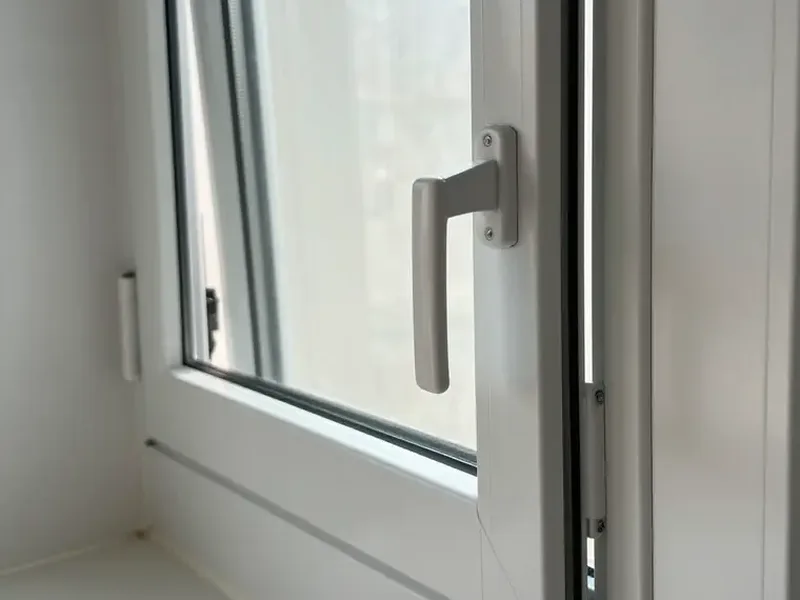 Window limiters
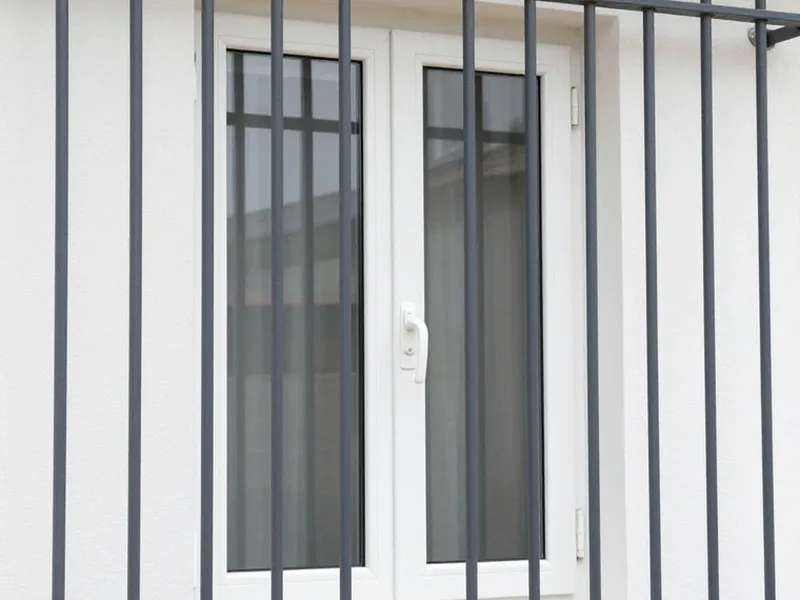 Metal grilles
 Transparent grilles
 Window blockers
 Child safety
