
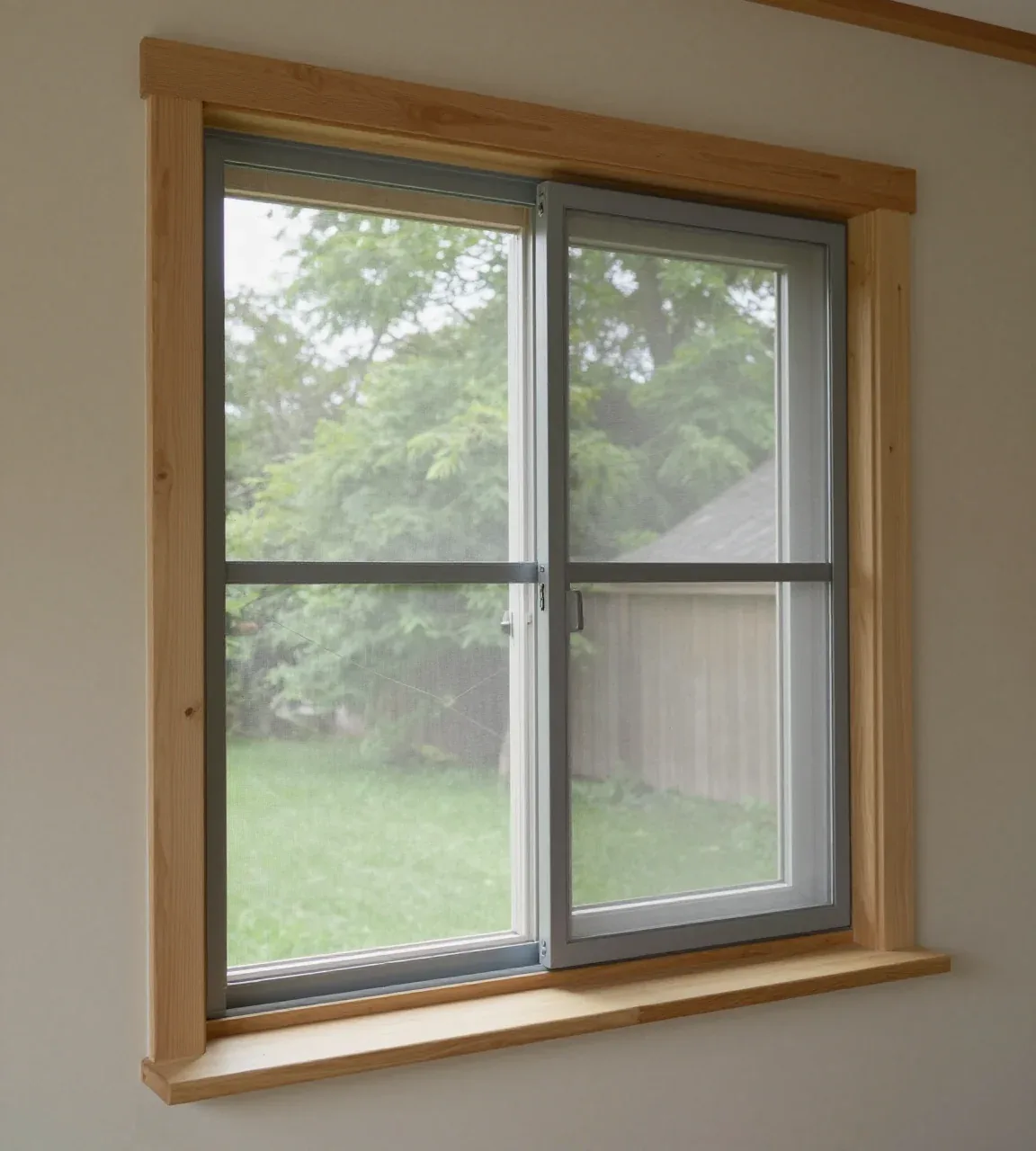
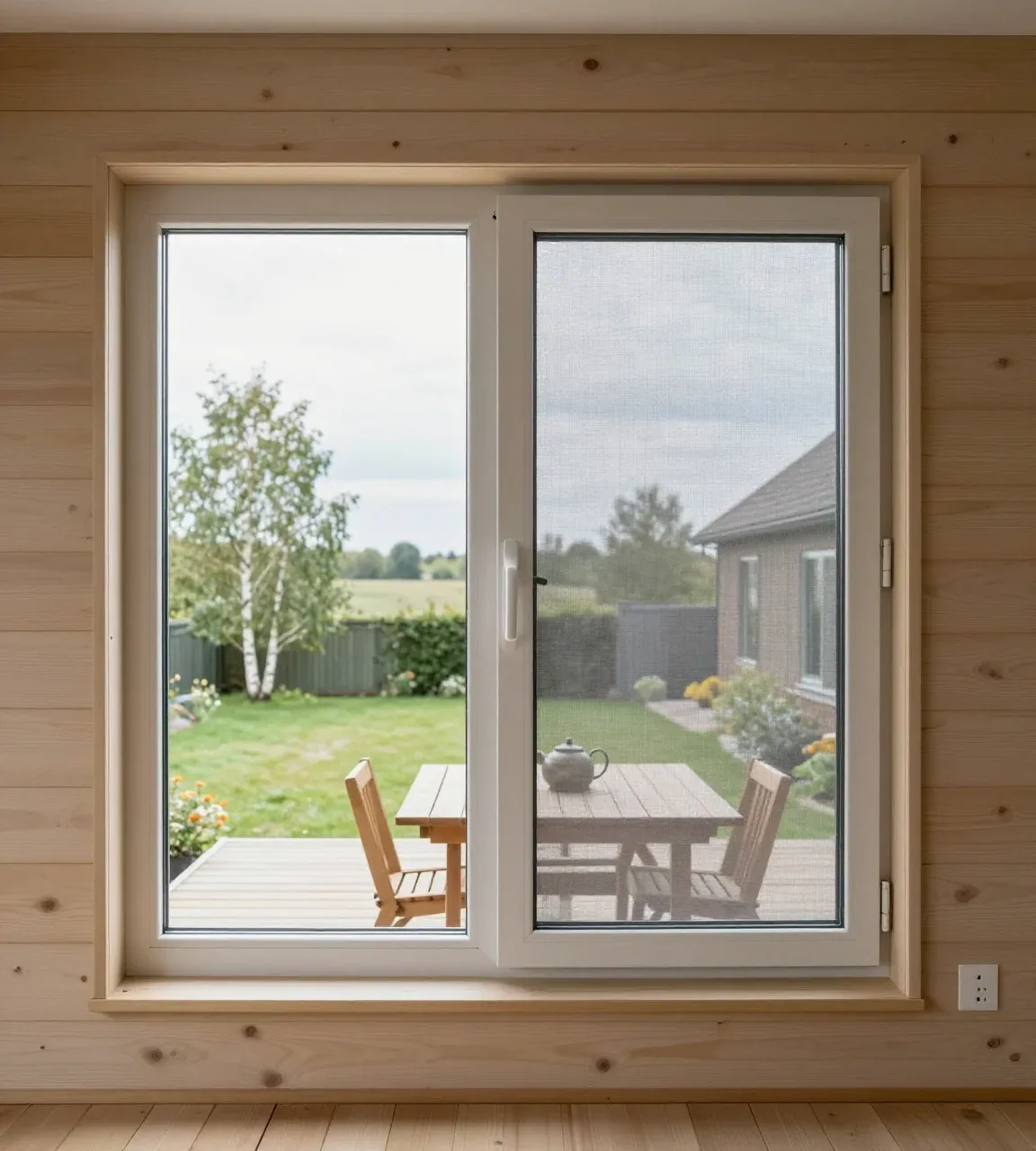
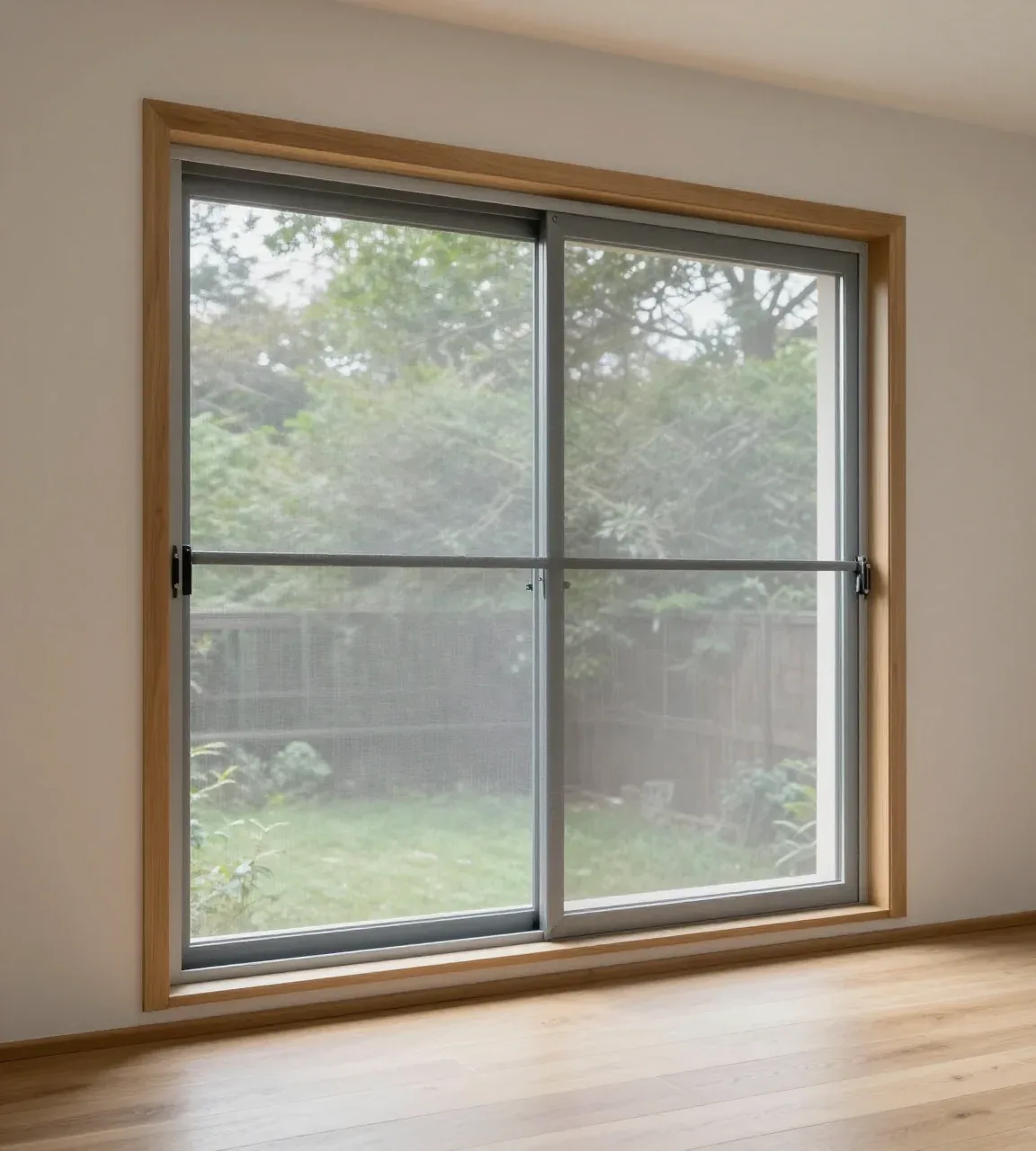
All windows
Framed
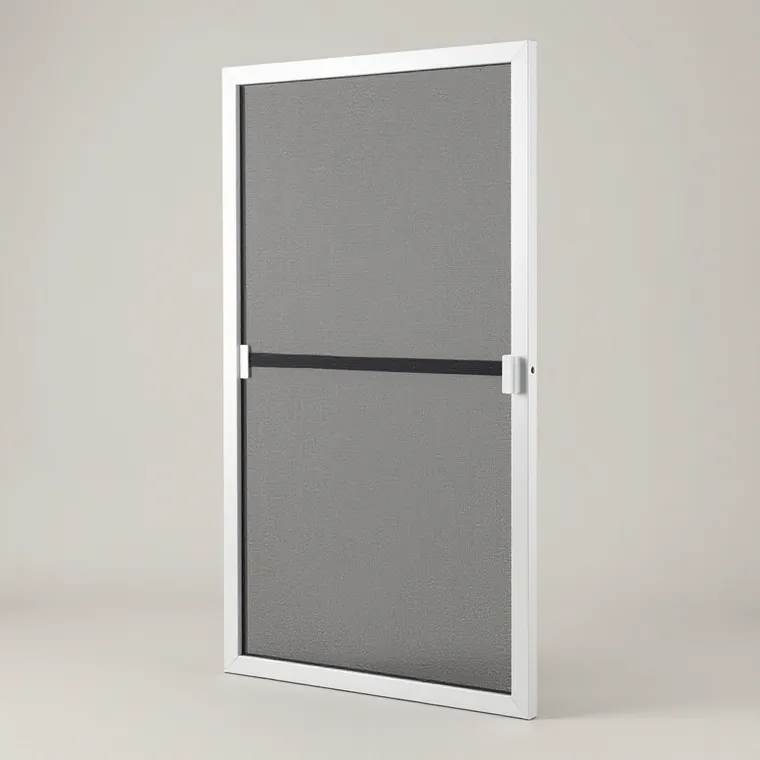
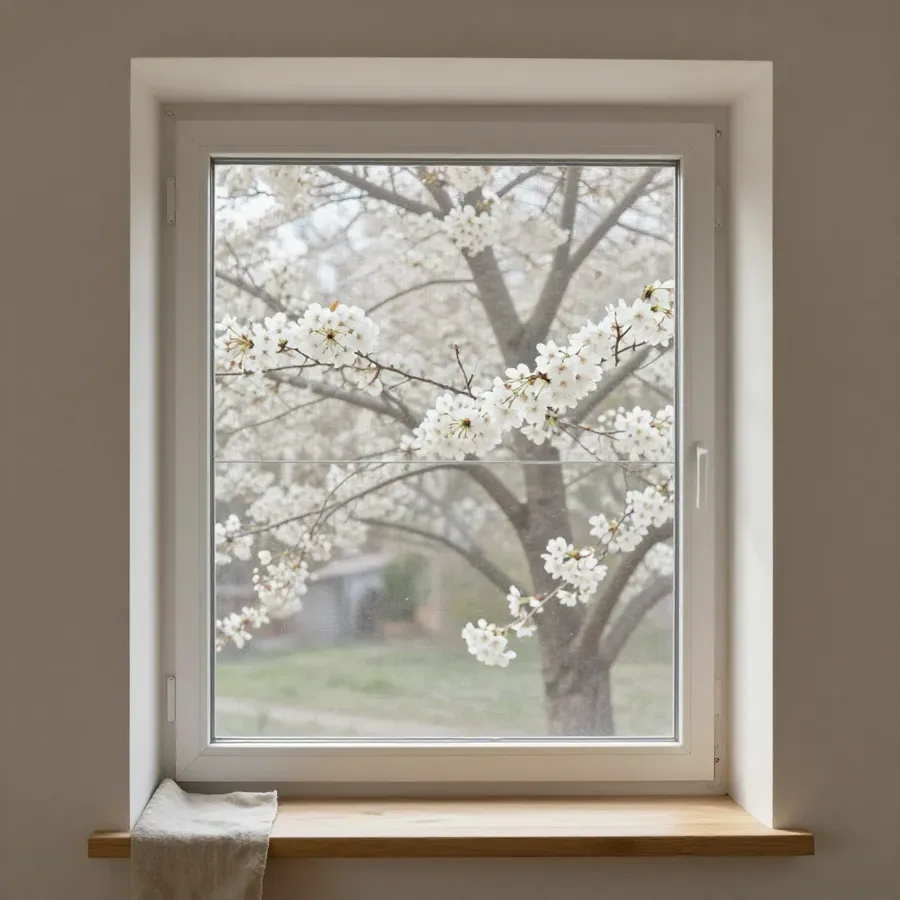
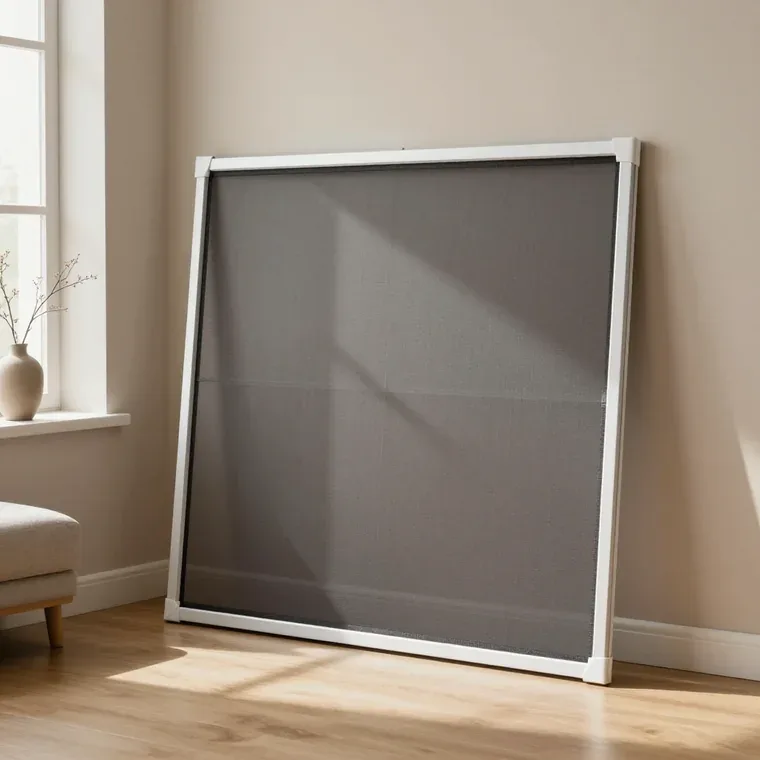
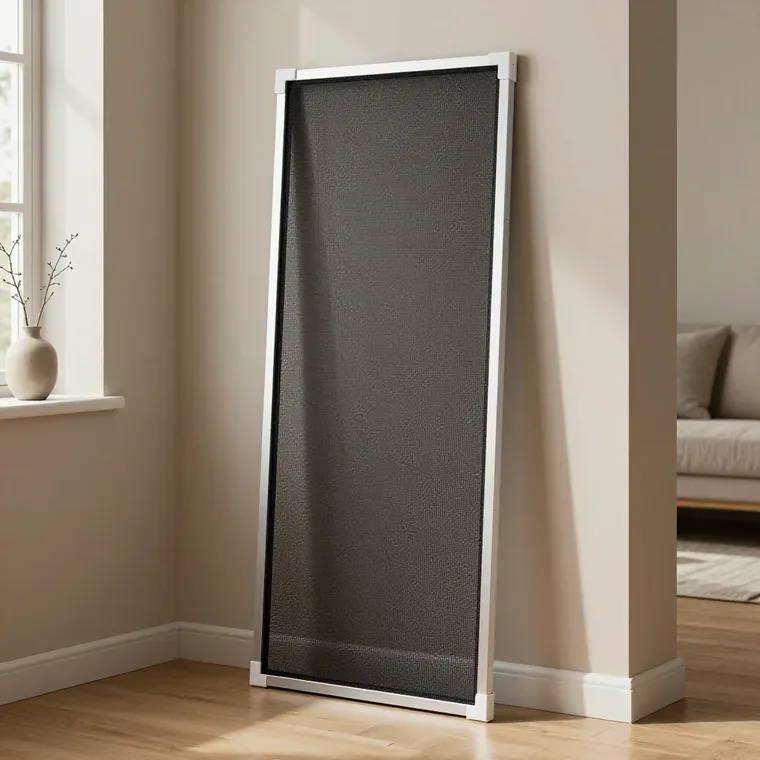
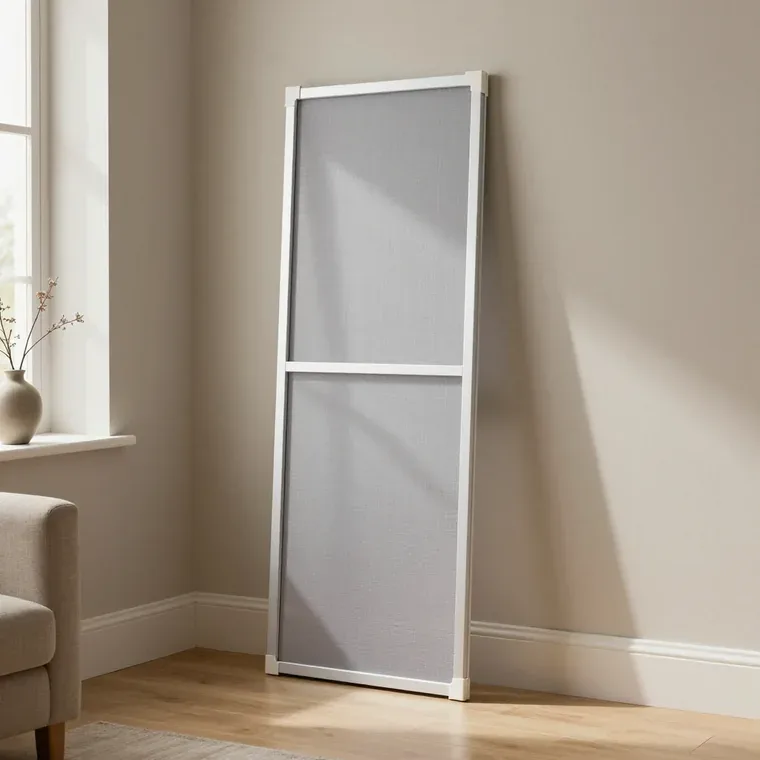
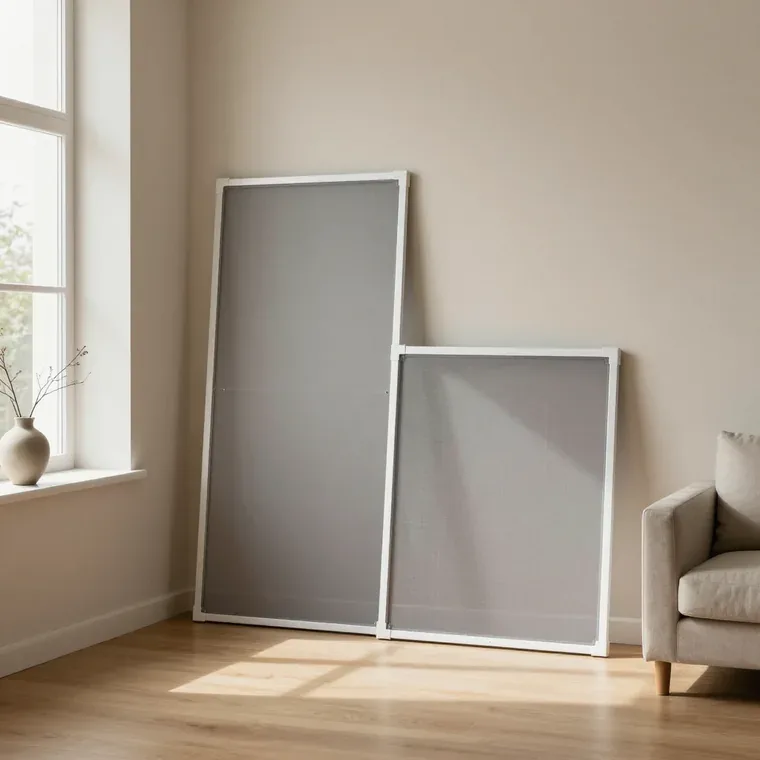
A screen sized for each terrace window, removable from inside. From 6 900 ₸ per m².
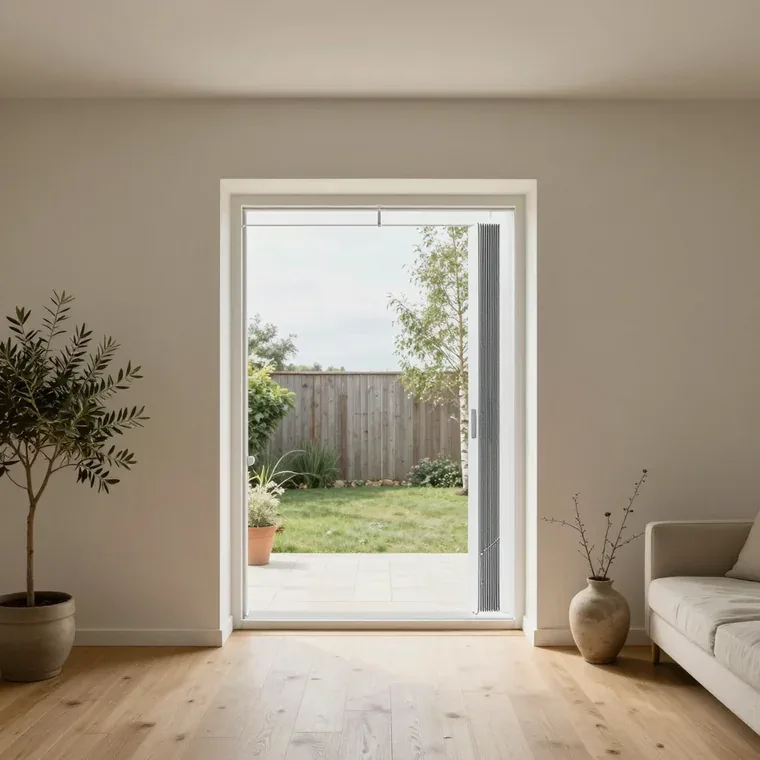
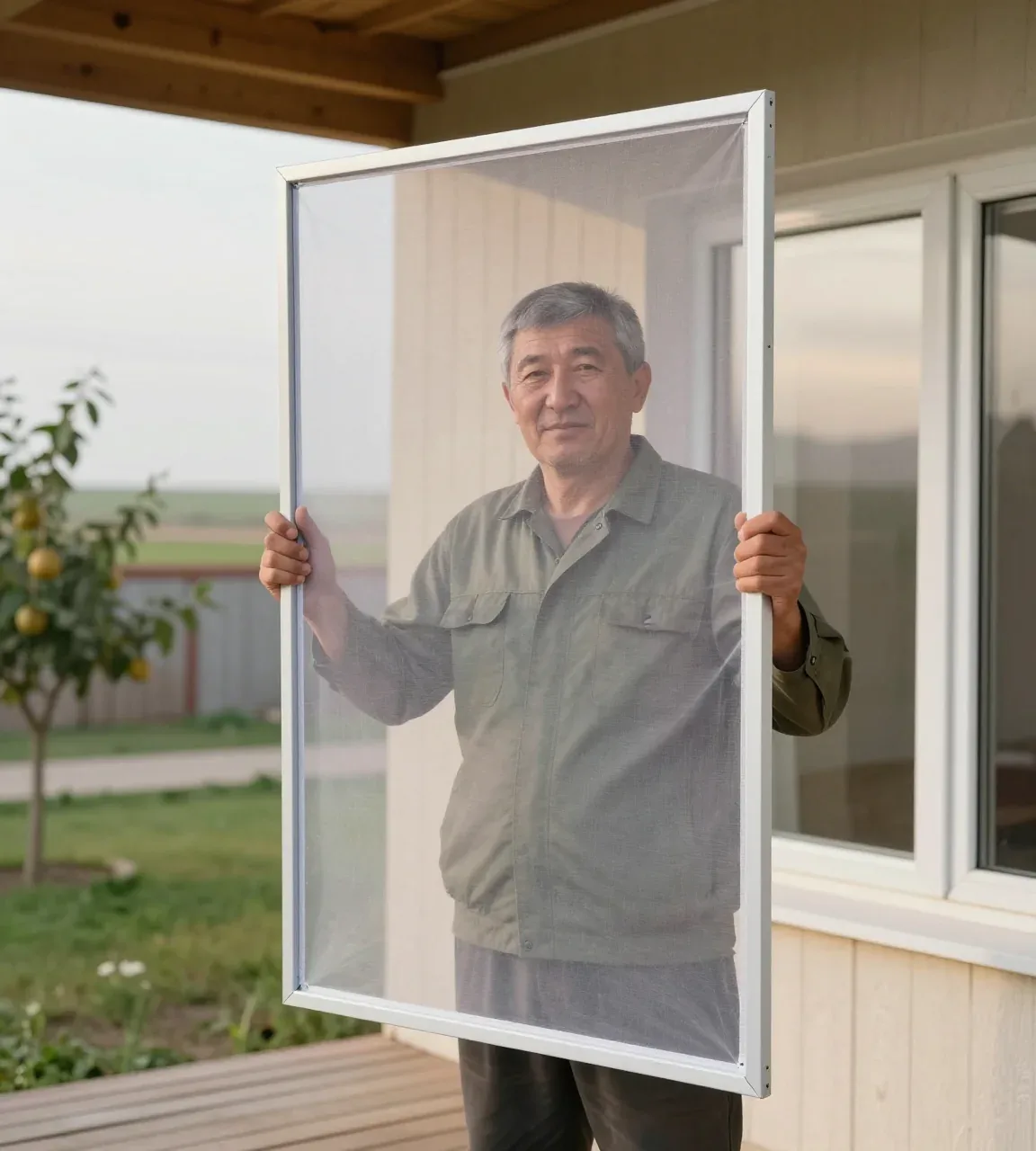
In summer Atyrau has especially many mosquitoes from the river. Without screens you cannot sit on the terrace in the evening.
Mosquitoes find any gap, so we cover all terrace openings: windows with framed screens, the door with a hinged screen, wide openings with pleated screens. We choose the mesh for the task: Standard, "Anti-Dust", "Anti-Cat" or metal.
Hot summers and the Ural floodplain give Atyrau many mosquitoes from May to September. Screens let you air the terrace and the house day and evening without letting insects in.
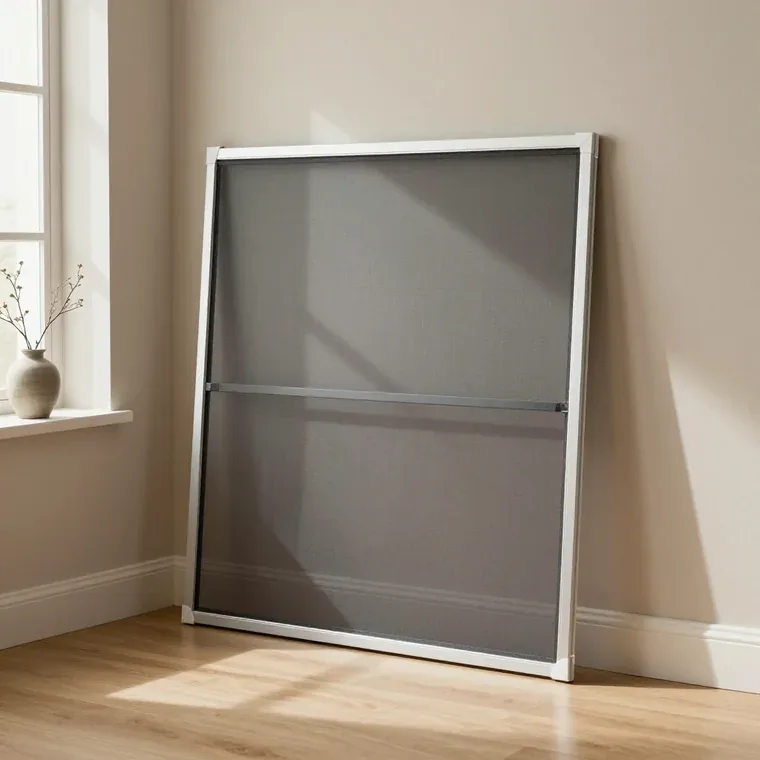
making a framed screen
measuring all openings
warranty on mosquito screens
We choose based on the frame material.
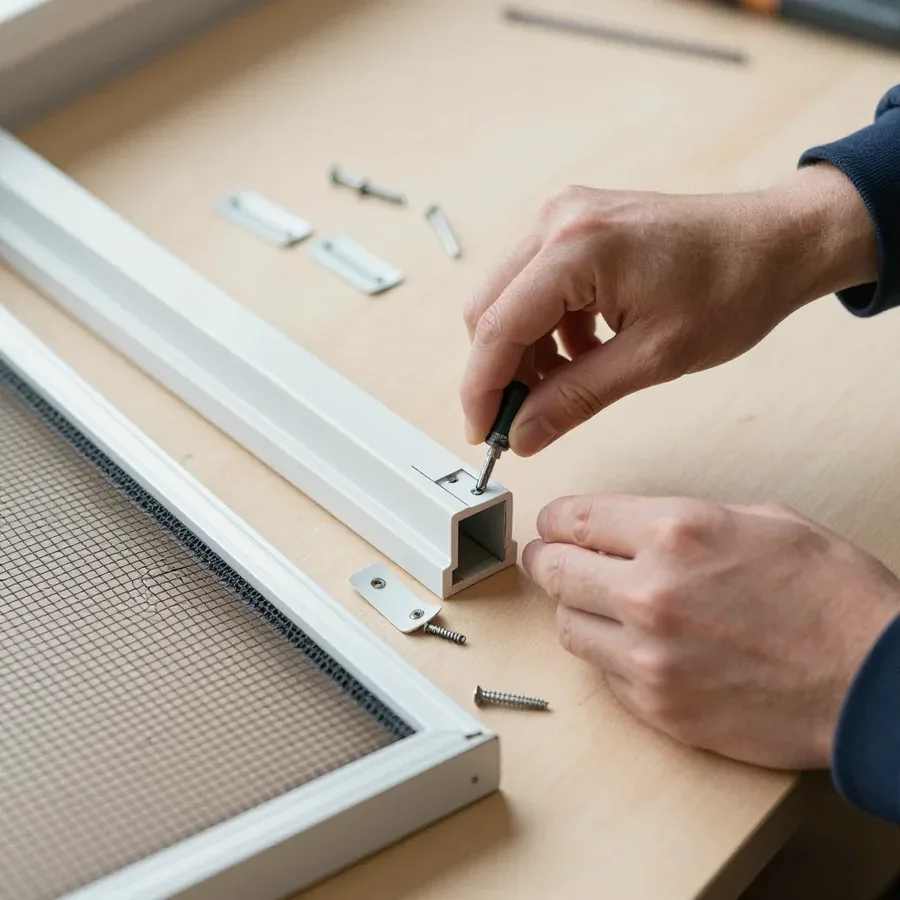
We mount brackets directly on the wooden opening, and the frame sits on them.
Z-brackets hold the frame, and you can remove the screen from inside in a minute.
Magnetic tape holds the screen on a sash that is opened dozens of times.
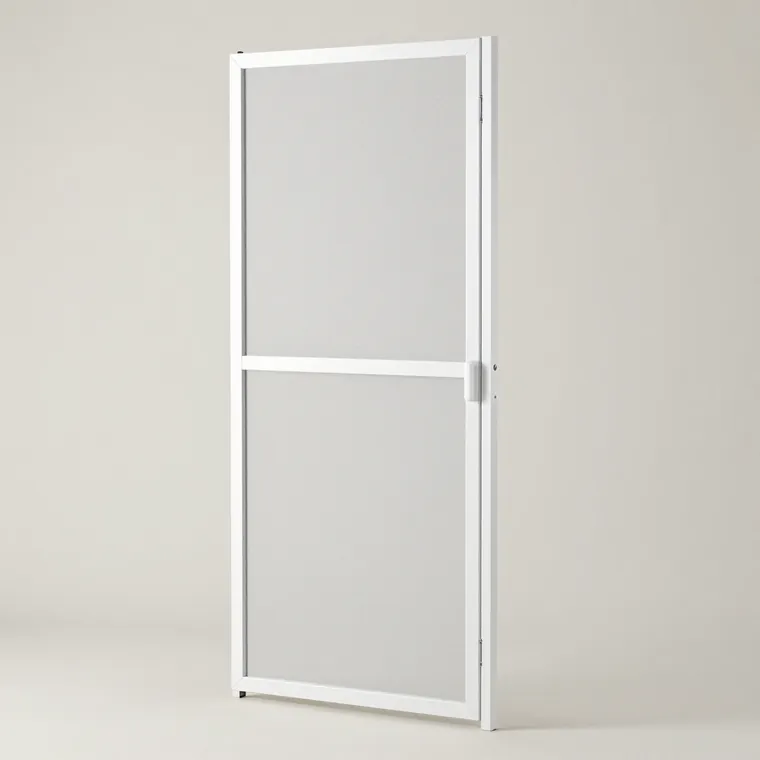
Hinges and a closer, profile 32×10 or 42×17 mm, the screen closes by itself.
A window, a door or a wide exit — each has its own solution.
Five meshes for different needs: from mosquito protection to a barrier against pollen and cat claws.
Fiberglass, resistant to ignition and temperature changes
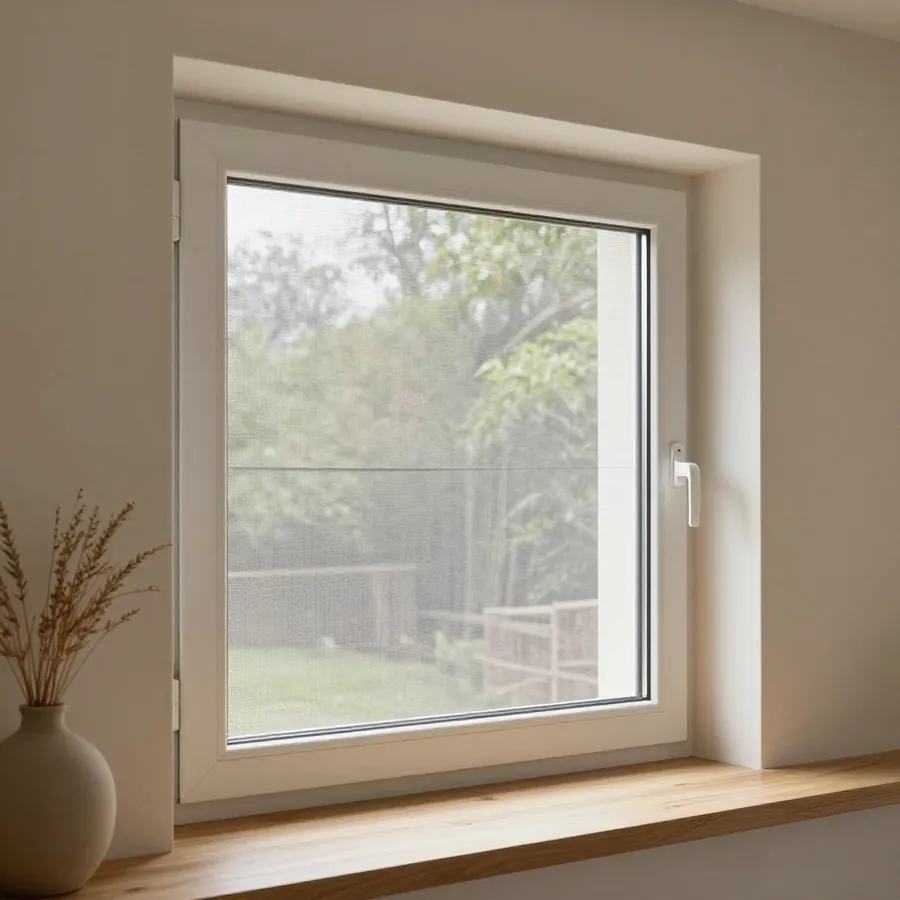
Basic protection against mosquitoes and midges, suitable for most windows.
Poll-Tex, 0.25×1 mm mesh, hypoallergenic
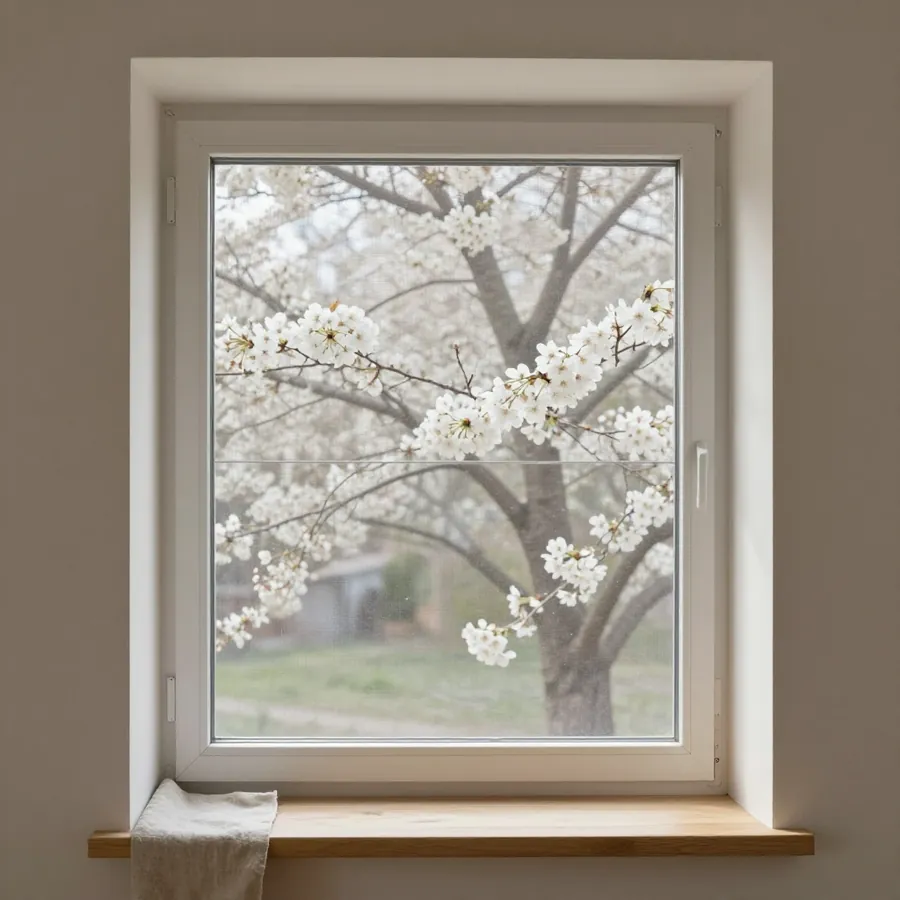
Traps plant pollen, helpful during allergy season.
Pet Screen, vinyl threads several times stronger than standard
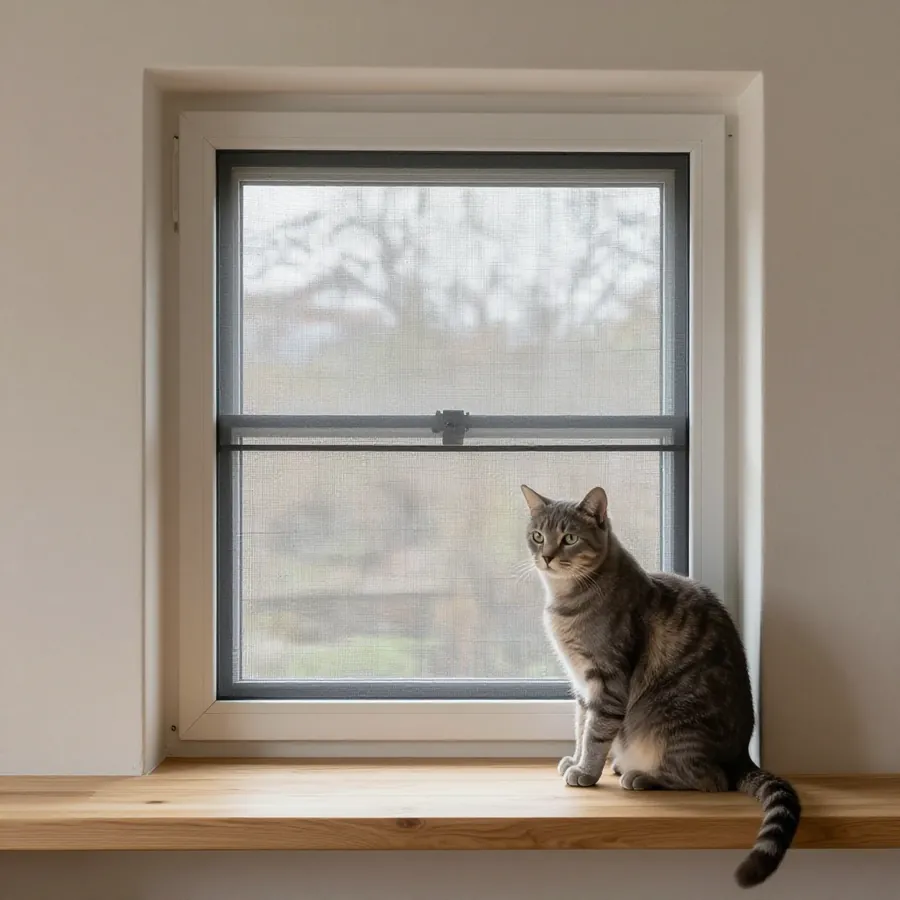
Withstands the weight of a small animal, a cat won't push through with its claws.
Fine mesh, less dust settles on the windowsill
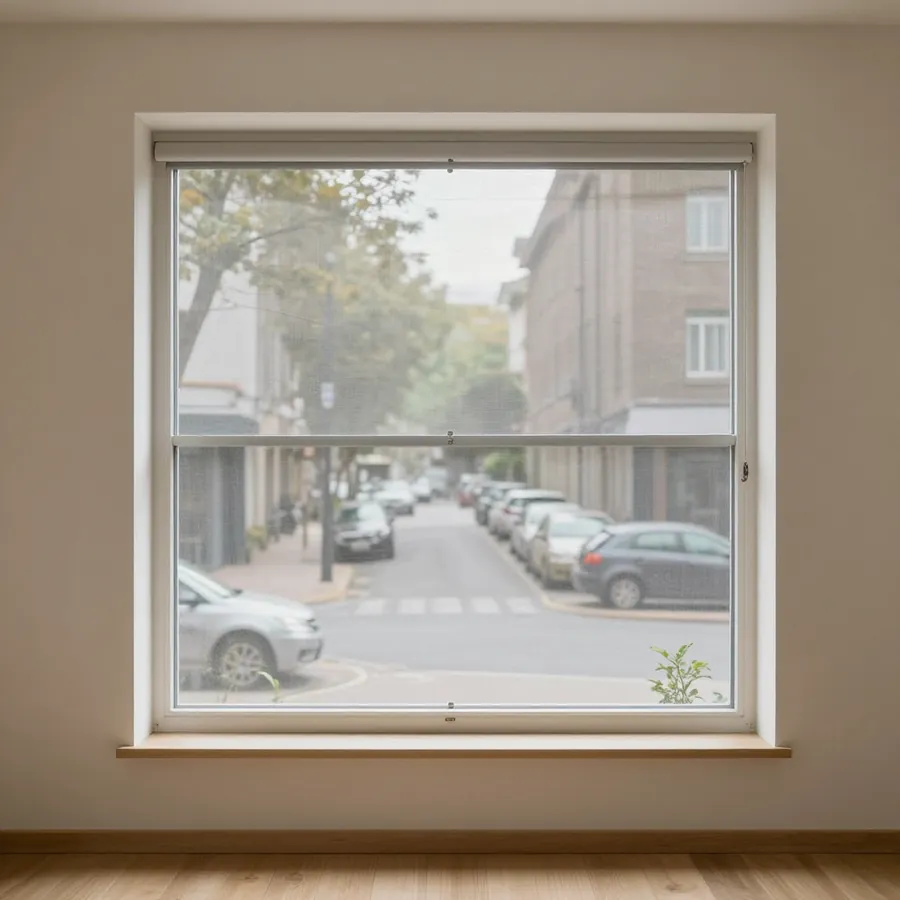
For windows near roads and on lower floors where there is a lot of street dust.
Ultravue, lets in 25% more light and air
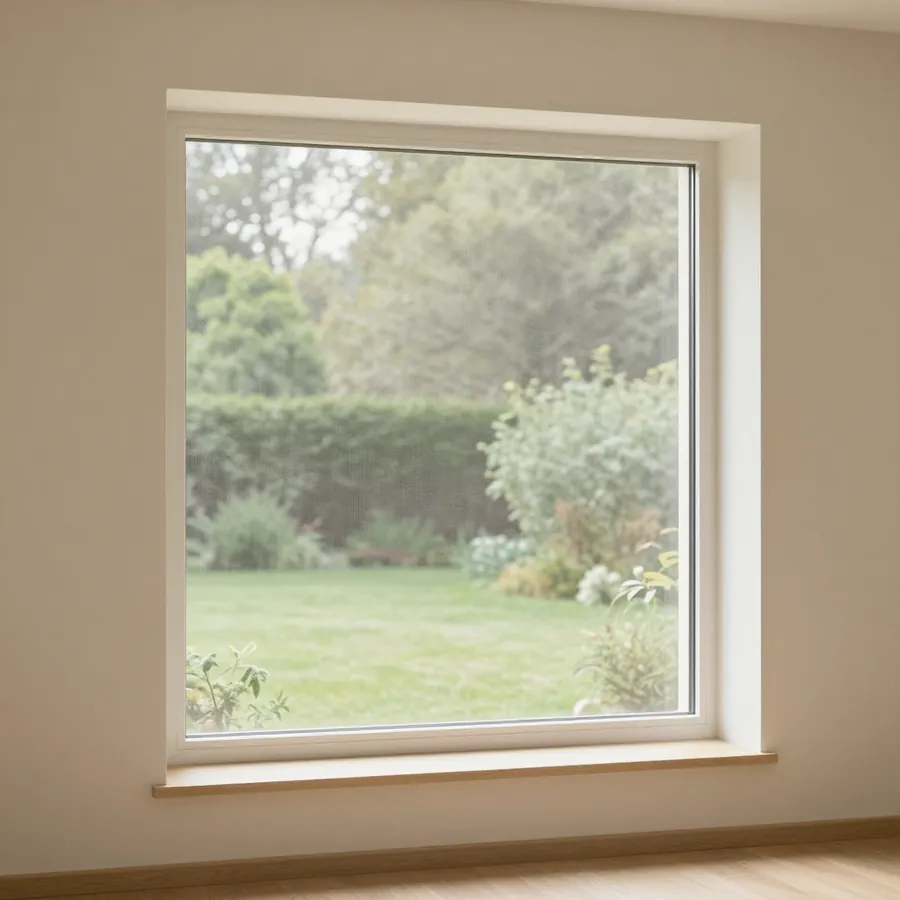
Almost invisible on the window, the room stays bright.
Framed, sliding, door and pleated screens. Our measurer will choose the right design for your opening free of charge.
Full price listFor opening sashes, removable, fixed with Z-brackets
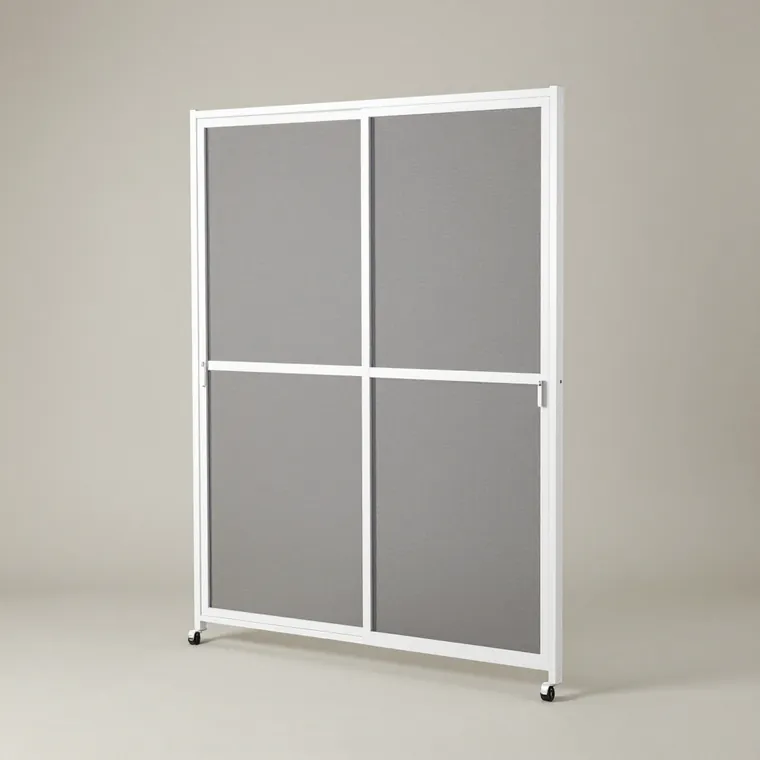
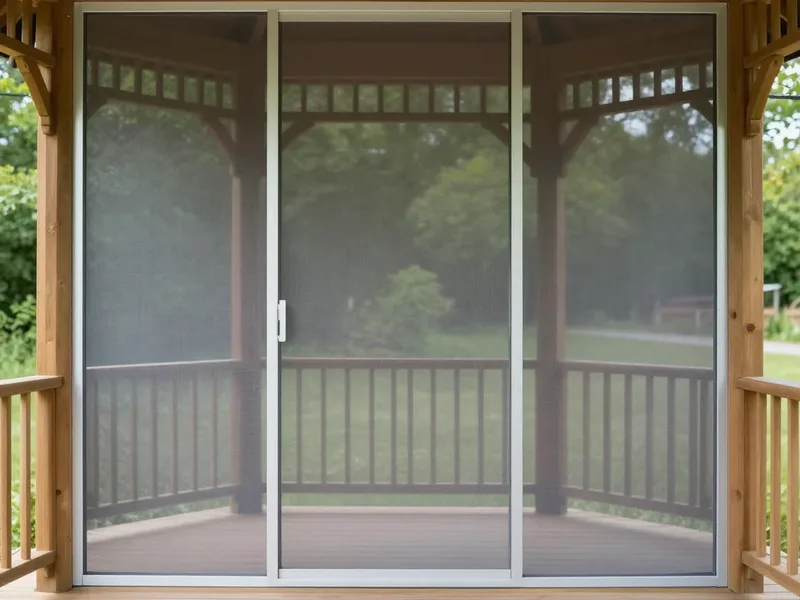
For balconies and loggias, the sash slides to the side
Hinged, "Econom" profile 32×10 mm or "Prestige" 42×17 mm
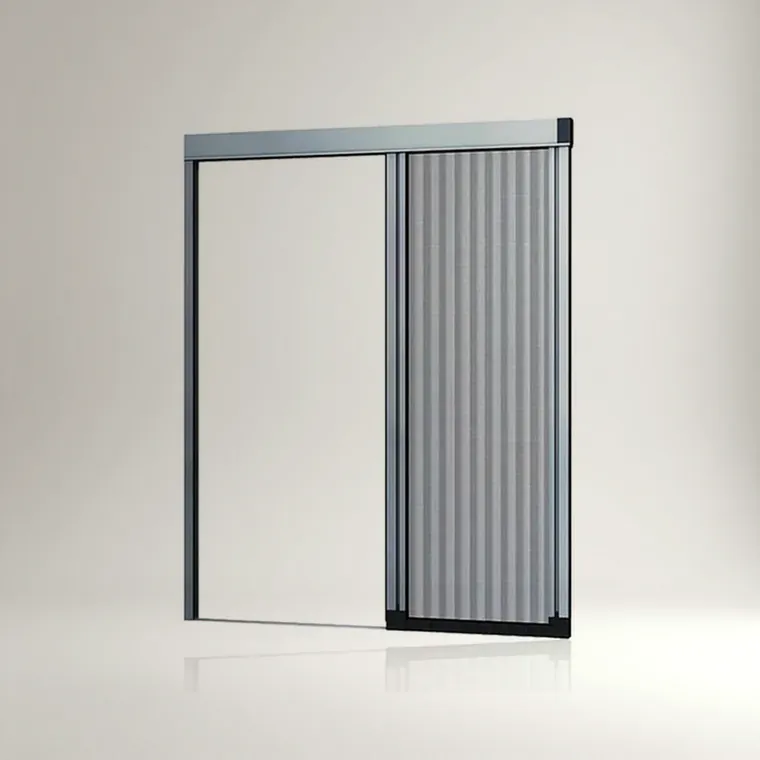
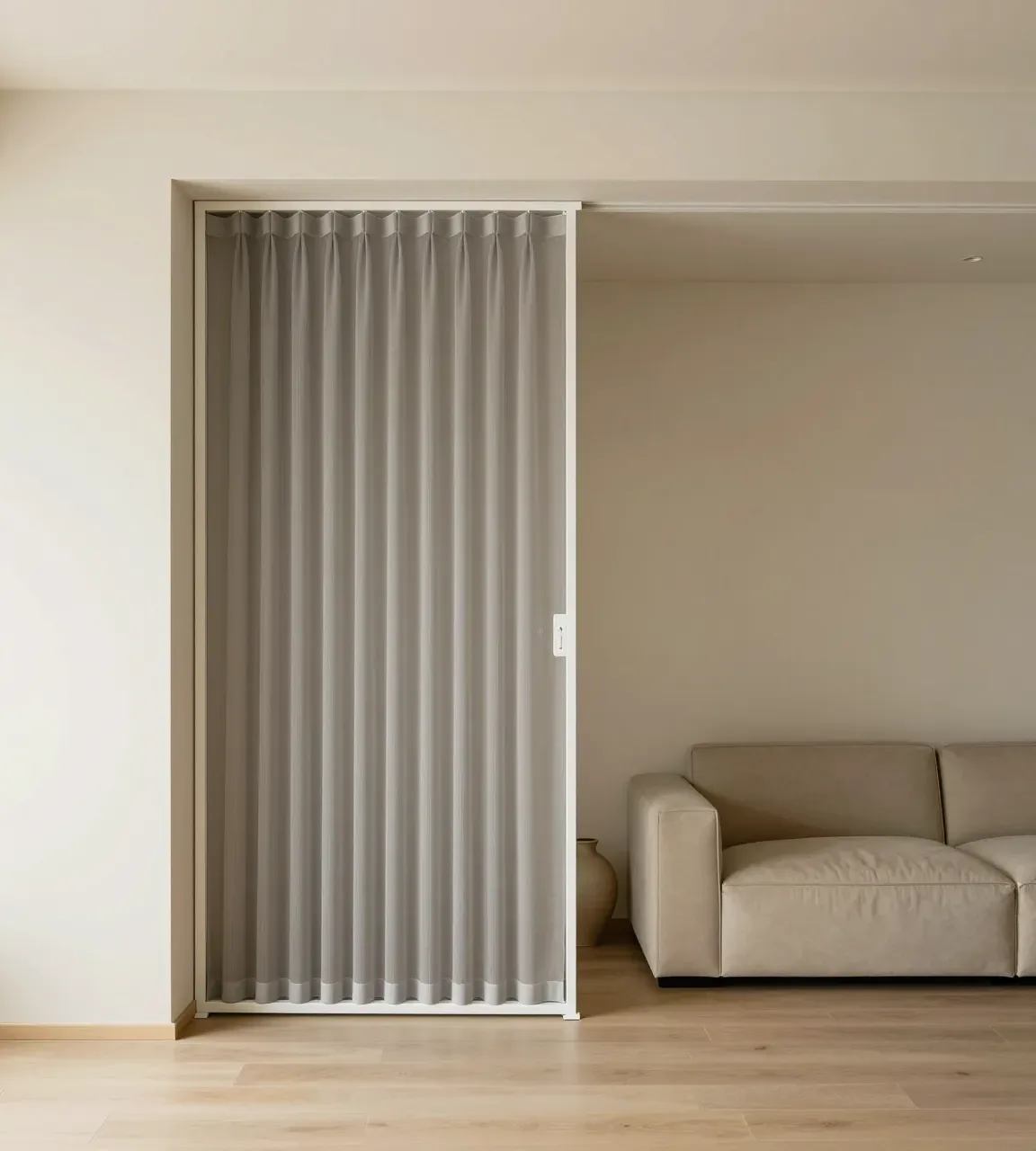
Folds like an accordion, made in 40–60 minutes
The cost depends on the size of the opening and the design; we will give you the exact amount during the measuring visit.
| Service / item | Price |
|---|---|
| Framed window screenmade to fit the opening | from 6 900₸ per m² |
| Mesh for soft windowsPVC film | from 10 500₸ per m² |
| Hinged door screencloses by itself | from 15 200₸ per item |
| Reinforced door screenfor frequent use | from 19 500₸ per m² |
| Pleated door screenfolding | from 32 000₸ per item |
| Pleated terrace screenwide opening | from 43 500₸ per m² |
| Sliding screenon rails | from 17 400₸ per m² |
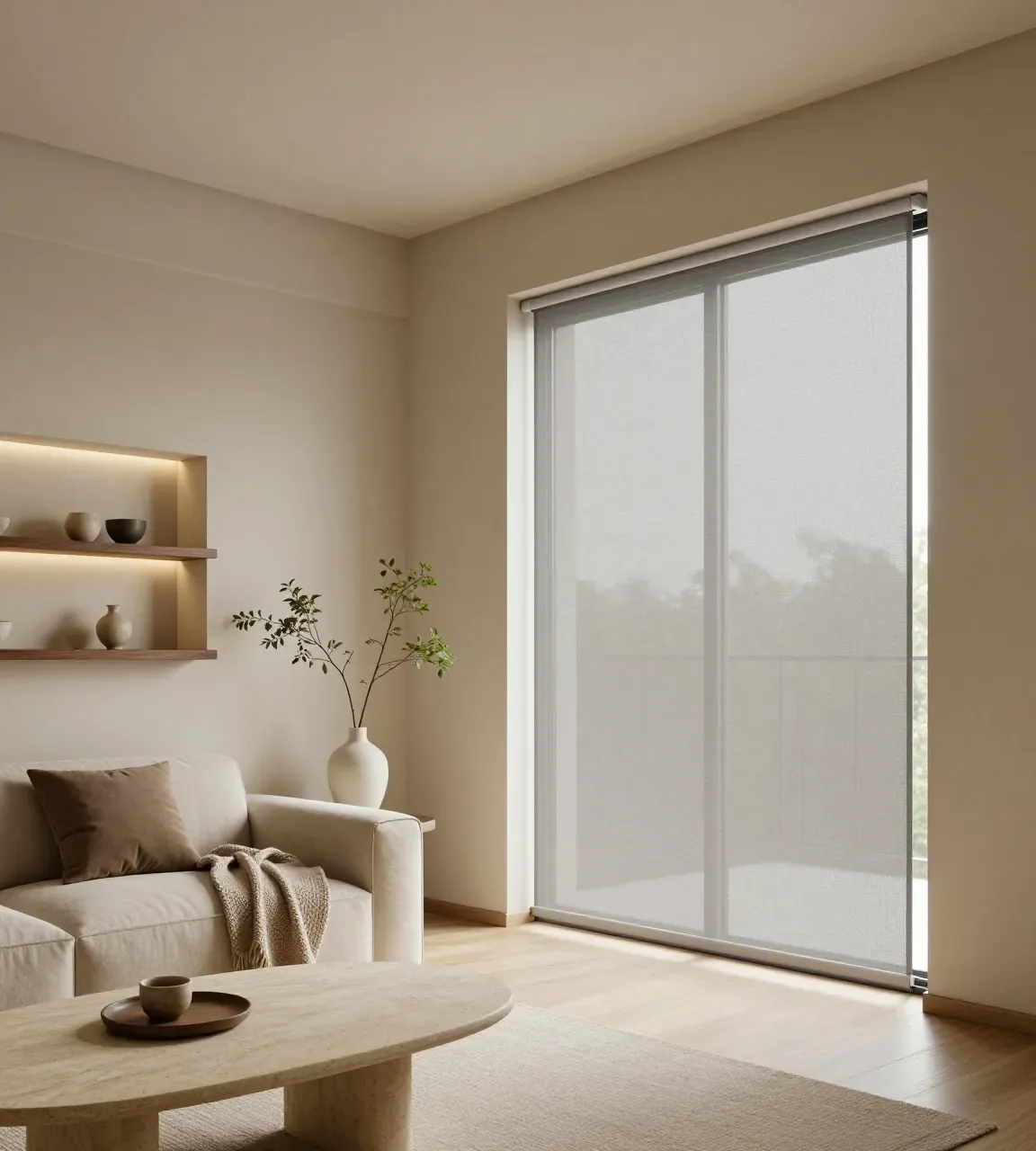
| Roller screenrolls up | from 18 400₸ per m² |
| Metal screensteel mesh | from 11 500₸ per m² |
| ZIP screenin side channels | from 50 000₸ per m² |
| Installationone screen | from 1 600₸ per item |
The price is fixed in the order after measuringMeasuring and consultation are freePayment after installation: cash, card, Kaspi
Book a measuring visitEnter the width and height of your window or door to get an idea.
1. Screen type
2. Mesh and design
3. Opening size, cm
Key facts about our work.
framed screen to your size
to make
for all terrace openings
plus metal mesh
frame to match your windows
on mosquito screens
installation
making screens
Workflow.

Send a photo of your terrace via WhatsApp and tell us how many windows and doors.
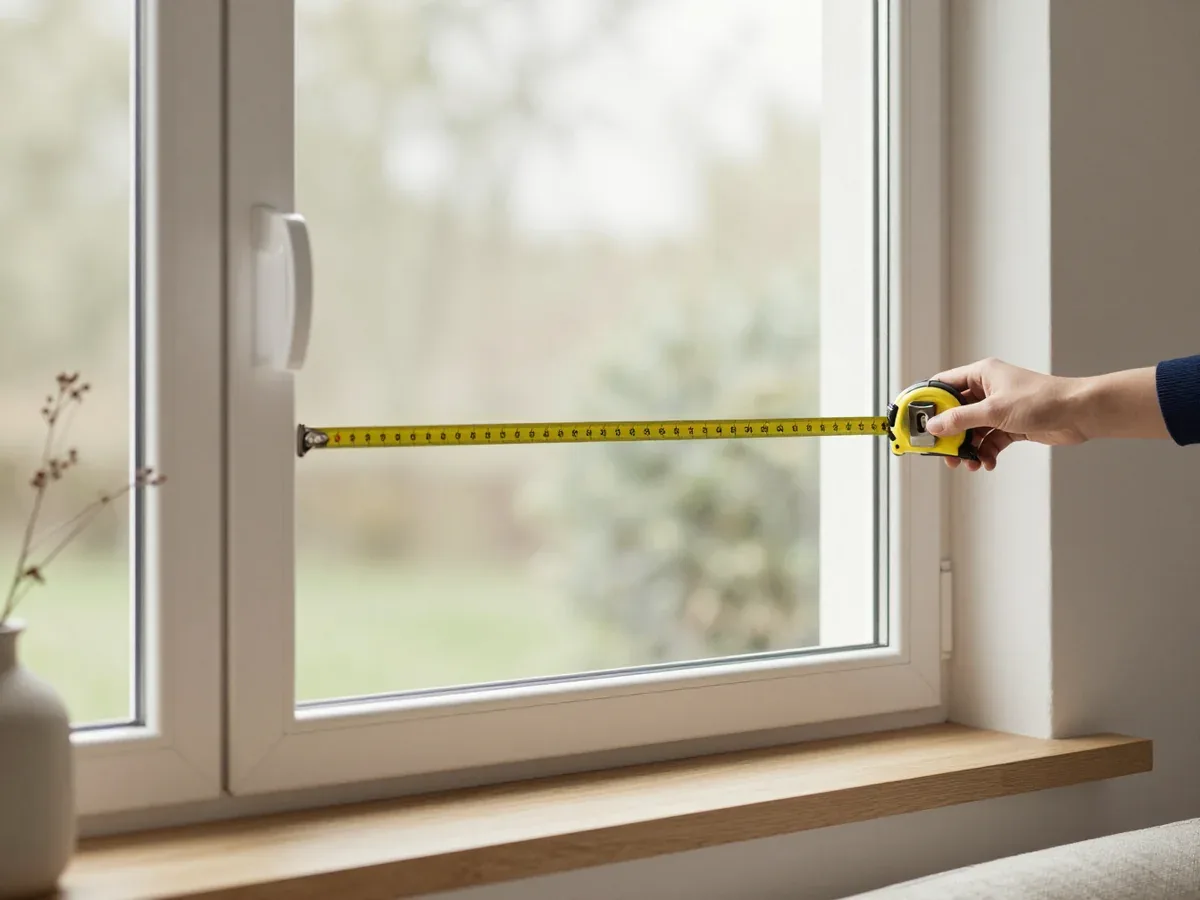
The measurer takes dimensions of each opening and selects the fixings.
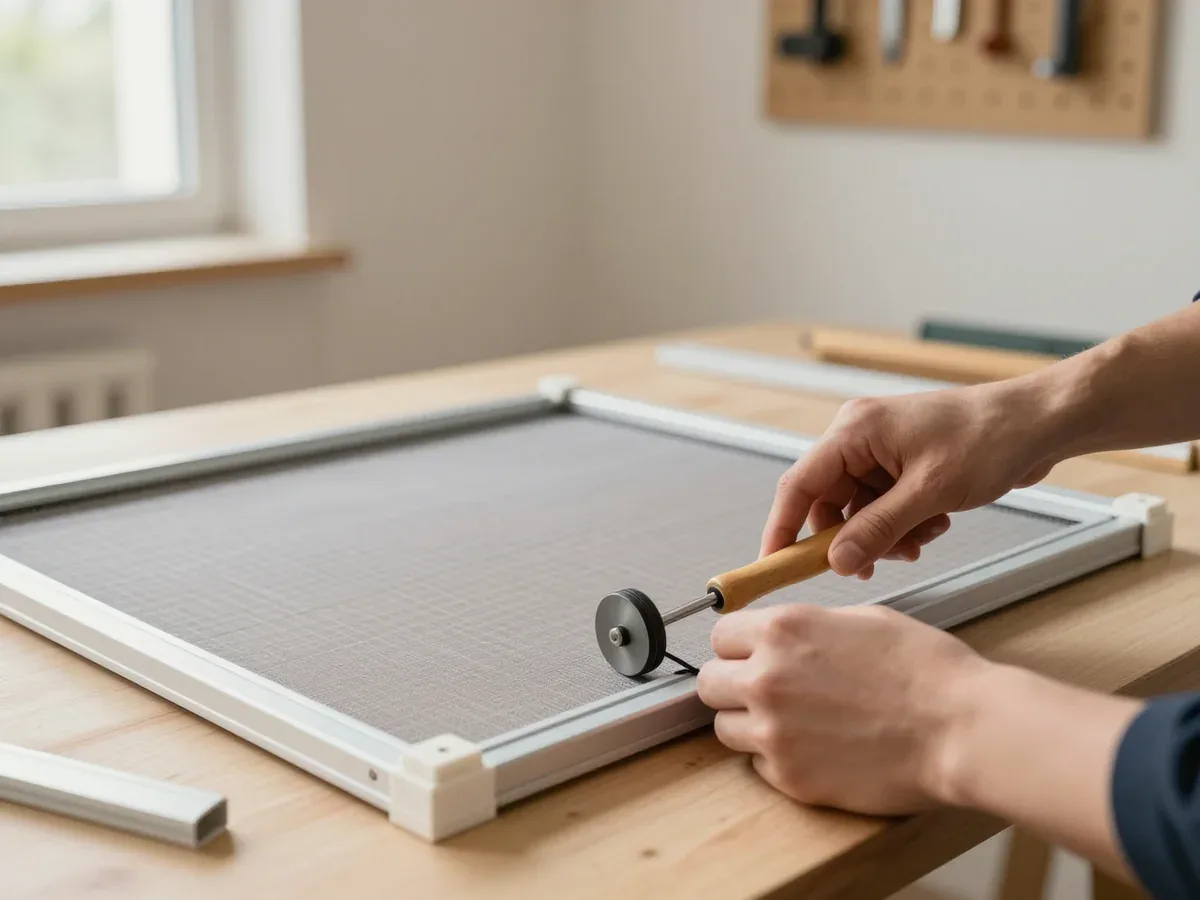
Framed screens — 10–15 minutes each, pleated — 40–60 minutes.
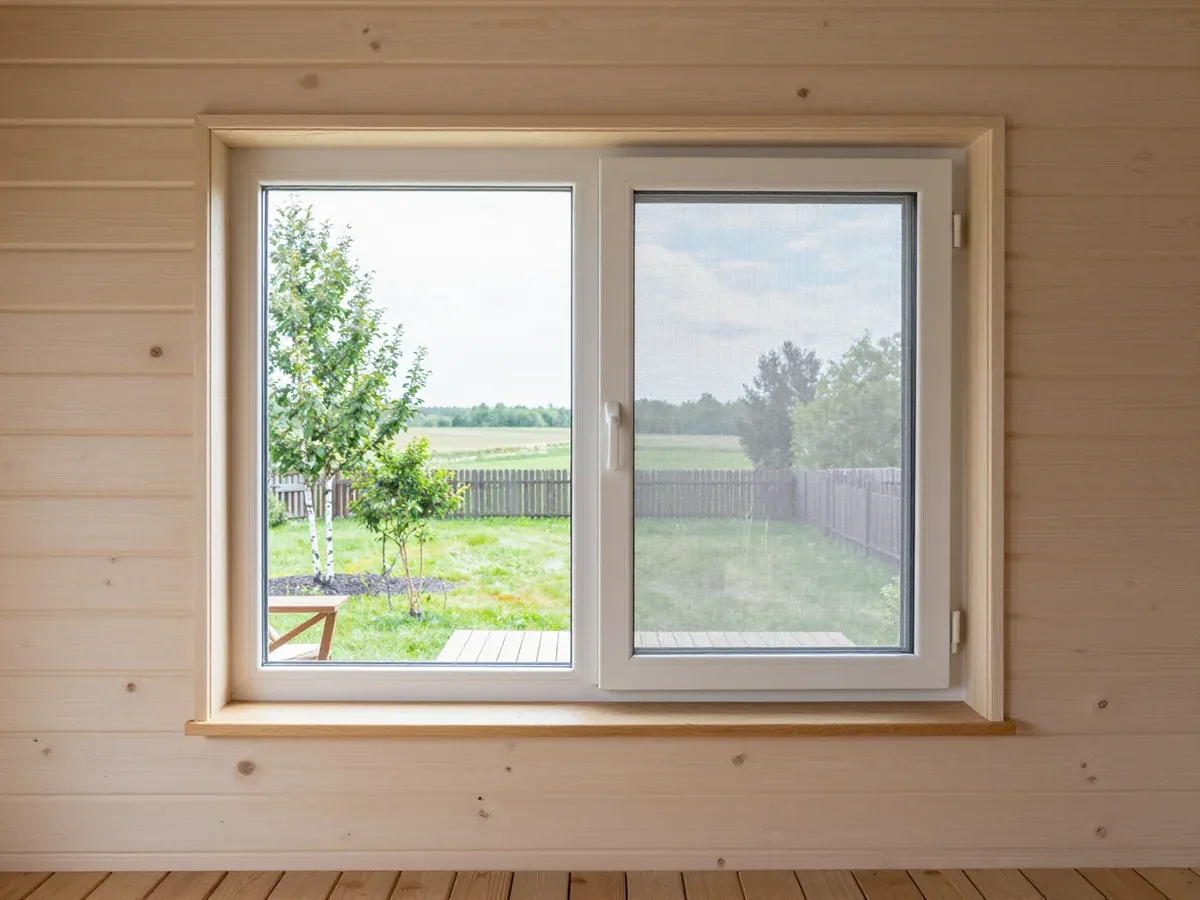
We install the screens, check the doors, and only then you pay.
Good to know

Senior mosquito screen specialist at moskitnyesetki.kz
We make veranda mosquito screens in Atyrau to your exact opening, choosing the frame, mesh and fixings for your terrace or gazebo. Measuring and consultation are free, a framed screen takes 10–15 minutes to make, and every screen carries a 1-year warranty. You pay after installation.
A veranda is rarely one window: it is an opening, a door and several leaves at once, following how you move and what you keep out.
| Screen type | Best for on a veranda | How it opens | Frame profile |
|---|---|---|---|
| Framed | fixed window and small opening | lifts out from inside | standard frame |
| Sliding | wide terrace opening | slides sideways | standard frame |
| Hinged door | main veranda entrance | swings on hinges | Economy or Prestige |
| Pleated | doorway you walk through often | folds to the side | slim pleated track |
| Roller | large glazed span | rolls up into a cassette | cassette housing |
Pleated or framed screen for a veranda door A pleated model folds away to the side so the doorway stays clear, while a framed door version swings open on hinges and takes more room. We make a pleated leaf in 40–60 minutes and fit it on a slim track close to the frame. A hinged door unit runs on Economy 32×10 mm or Prestige 42×17 mm profiles, and the wider Prestige section holds a larger leaf without sagging. If people carry trays or furniture through the door, the folding pleated leaf leaves both hands free and does not catch the wind like a hinged panel. For veranda mosquito screens in Atyrau, the choice depends on door use.
The mesh decides how much light reaches your veranda, how well sand stays outside and whether the panel survives a cat. Below, five options matched to a veranda scenario.
| Mesh | What it gives you | Best veranda use |
|---|---|---|
| Standard (Fiberglass) | fire-resistant, handles temperature swings | general cover |
| UltraVue | 25% more light and air than other meshes | shaded or glazed veranda |
| Anti-Cat (Pet Screen) | vinyl threads several times stronger than standard | homes with a cat |
| Anti-Dust | tighter weave for dusty air | terrace near a road |
| Anti-Pollen (Poll-Tex) | 0.25×1 mm cell traps fine pollen | allergy season |
Steady wind carrying sand wears the mesh at the edges and corners first, so the mesh grade and how the frame is fixed matter more than the weave alone. Standard fiberglass resists ignition and temperature swings, which keeps it stable through a hot summer and a cold winter on an open terrace. Anti-Cat (Pet Screen) uses vinyl threads several times stronger than the standard weave, so a cat leaning on the panel stretches it far less. A panel left up through a dusty season collects grit in the weave, and rinsing it from the inside out stops the sand from grinding the threads.
The fixing and profile decide how steadily a mesh panel holds on a windy veranda and how safely it sits on an upper floor, plus the options we fit and colour choice.
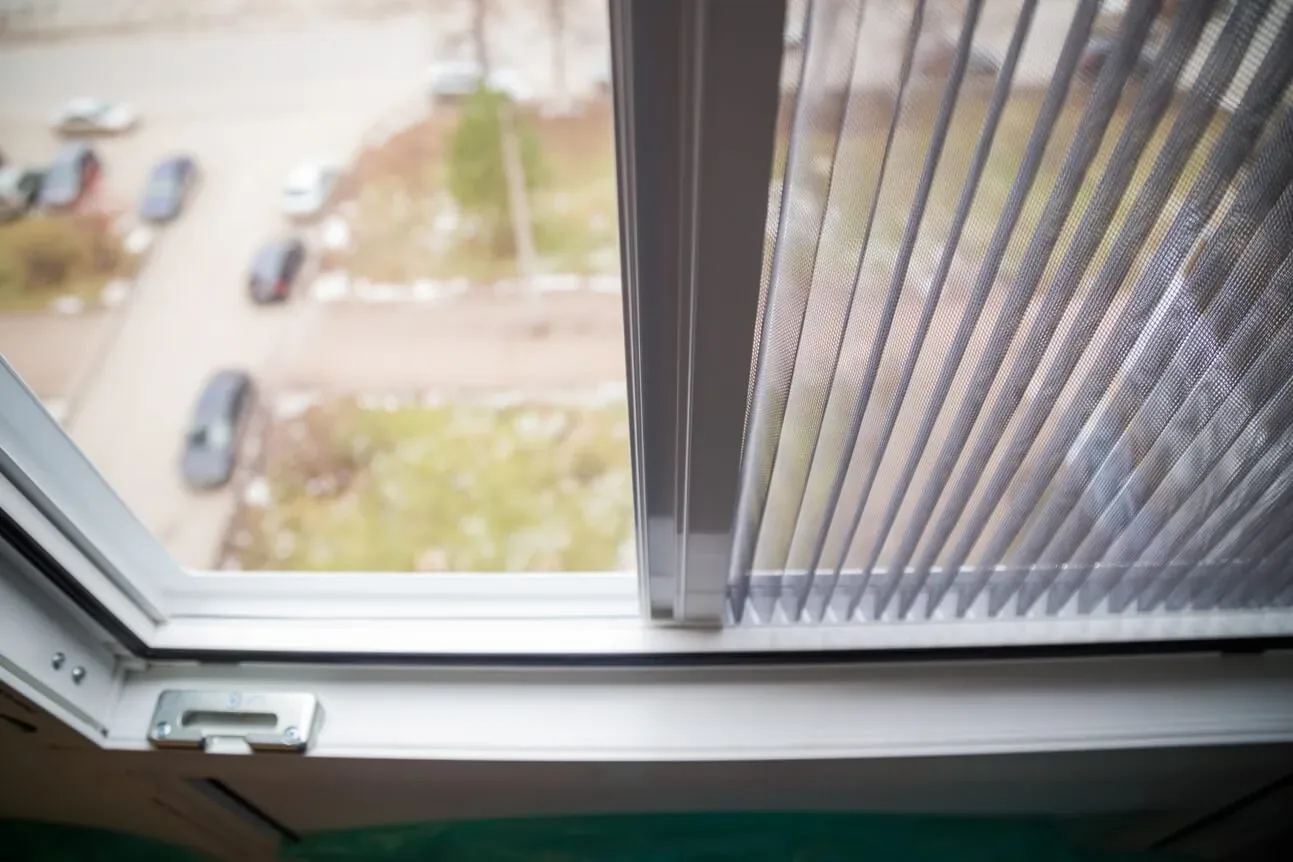
Our measurer picks the fixing to match your window profile and floor, choosing between Z-shaped brackets, pins or magnets. Z-brackets hook over the frame edge and clamp a large panel tight against the opening, the usual choice for framed units on plastic and aluminium. Pins push into the frame and let you lift a panel out in one movement, so they suit an opening you use often. Magnets hold a light panel flush and release it without tools, best on small sizes and smooth profiles. On an upper-floor space exposed to gusts, brackets that grip the edge hold a large panel steadier than magnets. Tell the measurer which floor the space sits on and how often you open that window.
Hinged door screens come with the Economy 32×10 mm profile or the heavier Prestige 42×17 mm, and the wider Prestige suits a leaf used all day. The Economy section keeps a standard leaf light and easy to swing, and it is the profile we fit where the doorway is sheltered and traffic is moderate. Prestige carries a wider leaf, so the panel resists twisting when someone pushes through with hands full. A wider profile keeps a tall door square through a season of opening and closing. If the doorway is the main route for family and guests, Prestige is the one we recommend; for a side door opened a few times a day, Economy keeps the leaf light.
From the first call to a finished product on your veranda, the process takes little time. Here is how measuring, making and payment work step by step.
Measuring and consultation are free, and the measurer comes at a time that suits you to take sizes and help choose the design, mesh and fixings. The visit covers the opening itself, the window profile and the floor level, because each of those decides which mounting type will hold. For a veranda door the measurer also checks the swing and the threshold, so a hinged panel does not catch on the sill. We paint the frame any colour to match your windows, and the colour sample is agreed on the same visit. Because the measurer checks the actual opening, an uneven frame still gets a unit that closes cleanly.
A framed model made to your size takes 10–15 minutes and a pleated one 40–60 minutes, and you pay after installation by cash, card or Kaspi. Framed panels are assembled on site, so the finished product goes straight onto the opening while the fitter is still there. Pleated models need longer because the cord, the tension and the folded stack are set by hand before the unit is fixed. The price is fixed in the order after measuring, so the figure you agree on the visit is the figure you settle once it is up. For mosquito screens in Atyrau, booking early in the week usually means the fitter returns within days.
A mesh lasts longer when taken down correctly for cold months and damage is dealt with early. Here is how we handle winter storage, repairs and cover.
A framed panel lifts out from inside in a minute, and it is worth taking it down for winter so ice and grit do not stress the weave. It is held only by its brackets or pins, so you press it slightly toward the opening, tilt the bottom edge out and lift it clear — no tools are involved. Once it is off, brush away the sand along the lower rail, because grit trapped against the fabric abrades the threads every time the panel flexes. We suggest a cloth cover or a large plastic bag rather than a sealed box, since the material needs to stay dry. Storing it flat keeps the frame square.
We repair screens and replace fixings, so a torn panel or worn bracket does not always mean a whole new unit. A hole smaller than a coin is usually patched with a matching insert glued and stitched to the surrounding weave, while a long split along the groove calls for fresh canvas re-tensioned onto your existing profile. Fixings wear faster than fabric: Z-brackets bend, plungers lose their spring, magnets weaken. Our fitters carry all three types and swap them on site, and they also re-set a unit that has started to rack out of square. A small tear near the edge often means a fixing has loosened, so replacing the bracket and canvas together stops the same spot failing again.
Four choices decide whether a screened veranda stays insect-free: screen type, mesh, fixing and size—the short version to carry to the measuring visit.
Installation, materials, care
Konstantin Selenenkovsenior mosquito screen specialist, 10 years in the tradeOnline · replies within 5 minutes
Ask a questionYes, on upper floors we install the same way as on the ground floor: the measurer selects fixings for the profile and the height of the opening. Z-shaped brackets or plungers are most often used — they hold the frame securely in the wind.
Choose "Anti-Cat": its vinyl threads are many times stronger than fiberglass and easily withstand the weight of a small animal, even if it claws at the mesh. A standard mesh on such a terrace will quickly get snagged.
Look at "Anti-Pollen": this mesh has a cell size of just 0.25×1 mm, so it traps both pollen and fine street dust. The measurer will bring samples and show how much darker the opening will become.
Wipe the mesh with a soft damp cloth without abrasives and do not slap it, so as not to stretch the cells. It is advisable to remove the framed screen for the winter — it can be taken off from the inside in a minute.
Yes, on a wooden veranda we install the same way as on plastic or aluminium: the measurer checks whether there is a rebate in the opening and selects the fixings. The profile can be painted to match the wood so the screen does not stand out.
A hinged door screen opens like a regular casement and is suitable for frequent access outside. A sliding screen moves sideways along guides and saves space, but the opening must allow the mesh to slide.
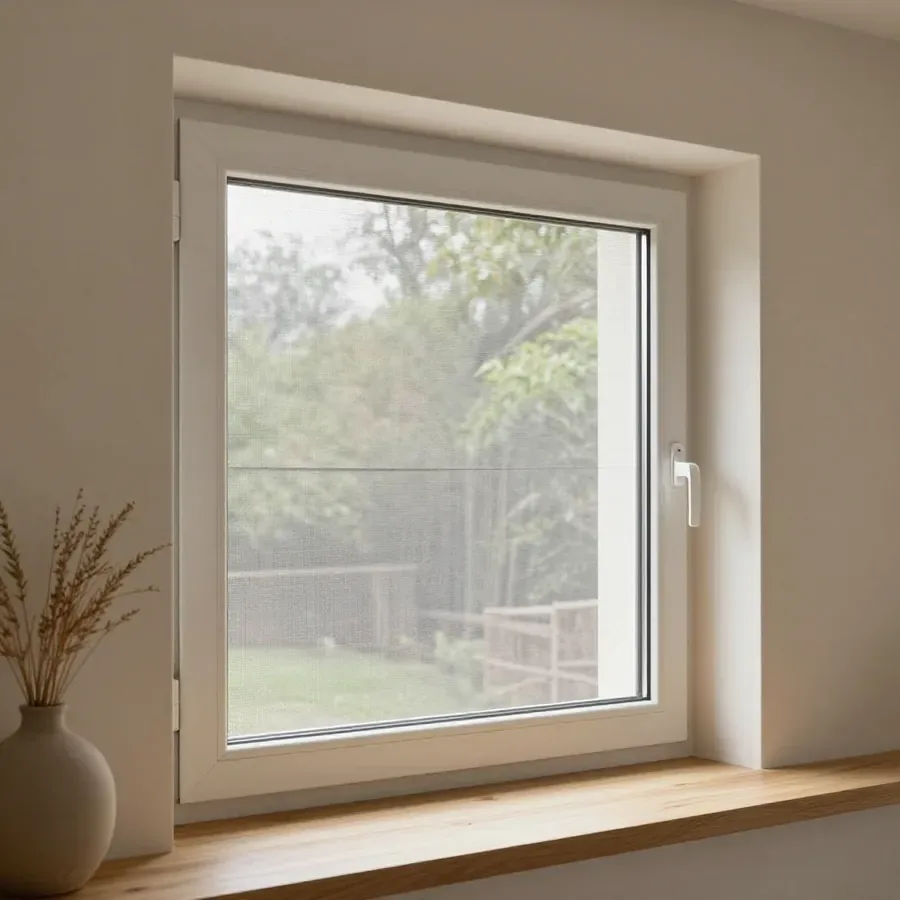 Care
A frame screen comes off in a minute: we show how not to bend the frame or lose the fixings.
April 15, 20268 min read
 Choosing
We compare the price, lead time and how each screen performs on a door that you walk through every day.
March 2, 20268 min read
 Mesh types
How Poll-Tex mesh with a 0.25×1 mm cell works and who it helps in pollen season.
February 17, 20268 min read
 Prices
Price list breakdown: frame screen from 2 000 ₸ per m², installation 1 750 ₸, pleated from 28 000 ₸. Costing a 70×140 cm window.
February 1, 20268 min read
 Repair
Worn fixings, a wrong measurement, wind on high floors. A set of fixings costs 290 ₸, installation 871 ₸.
January 14, 20268 min read
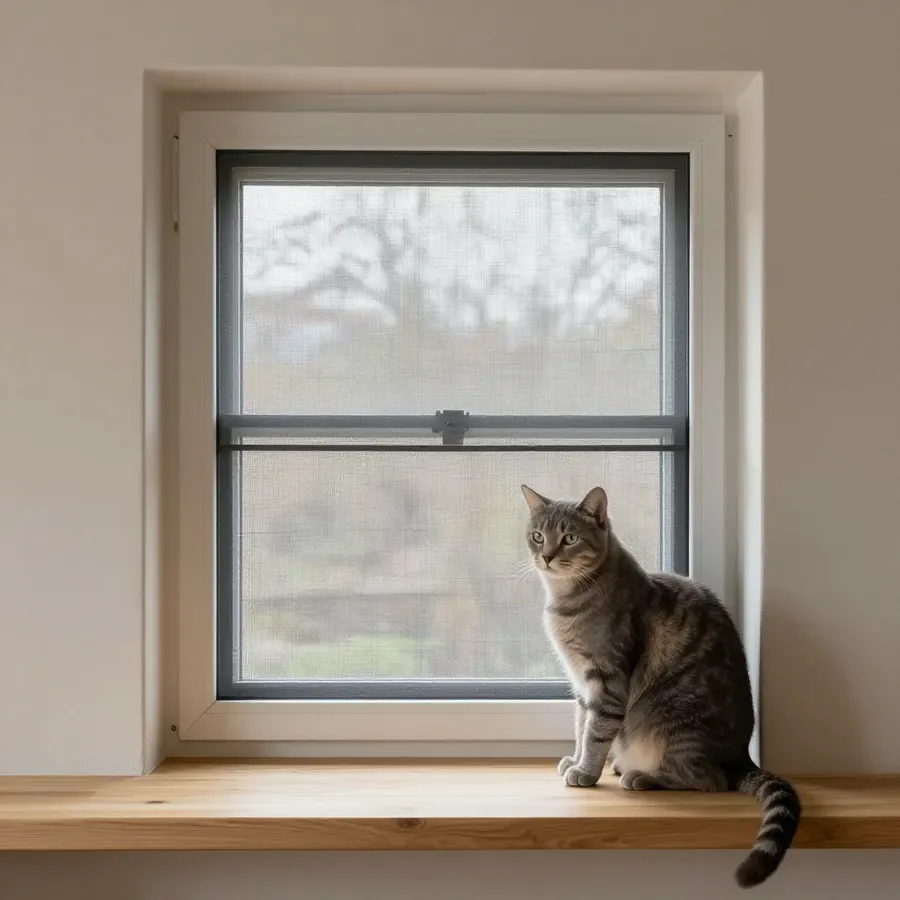 Choosing
Anti-Cat mesh on vinyl threads, the fixings and what to do about gaps around the window opening.
December 23, 20258 min read
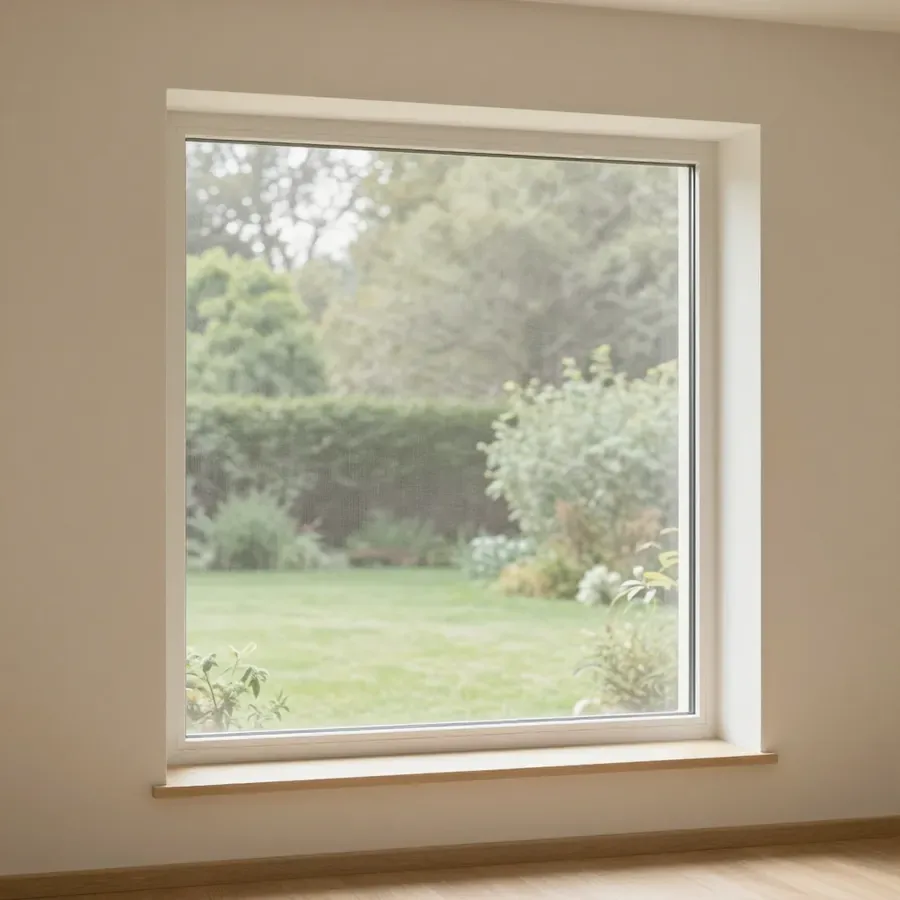 Mesh types
The mesh lets in 25% more light and air. Where the difference shows and where paying extra is not worth it.
December 11, 20258 min read
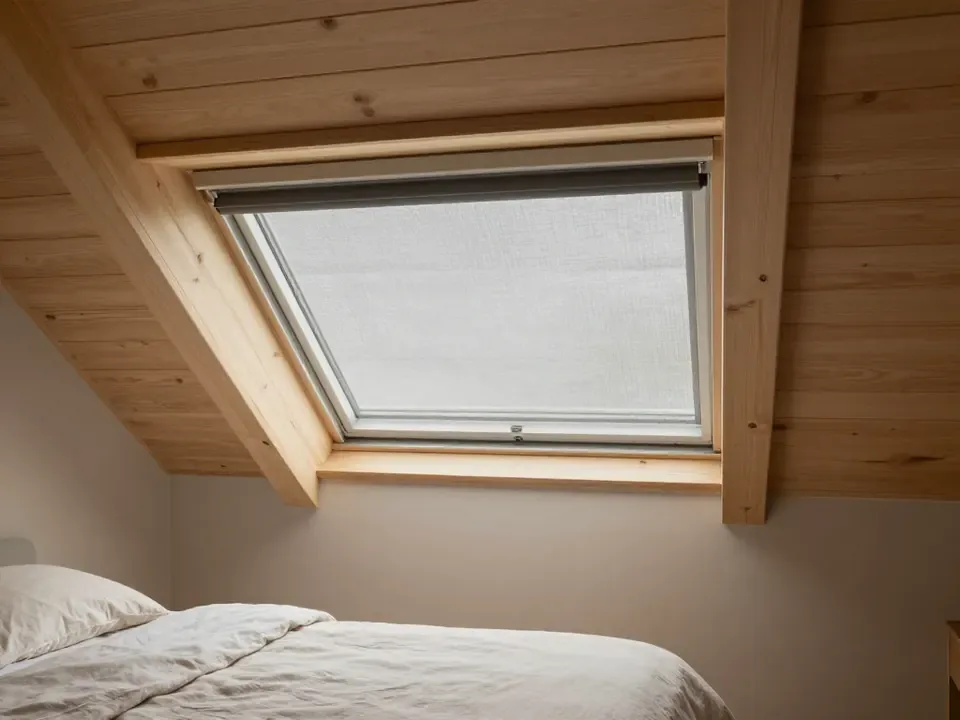 Choosing
A tilted sash, outward opening and a roller screen at 15 000 ₸ per m²: what will suit your window.
November 21, 20258 min read
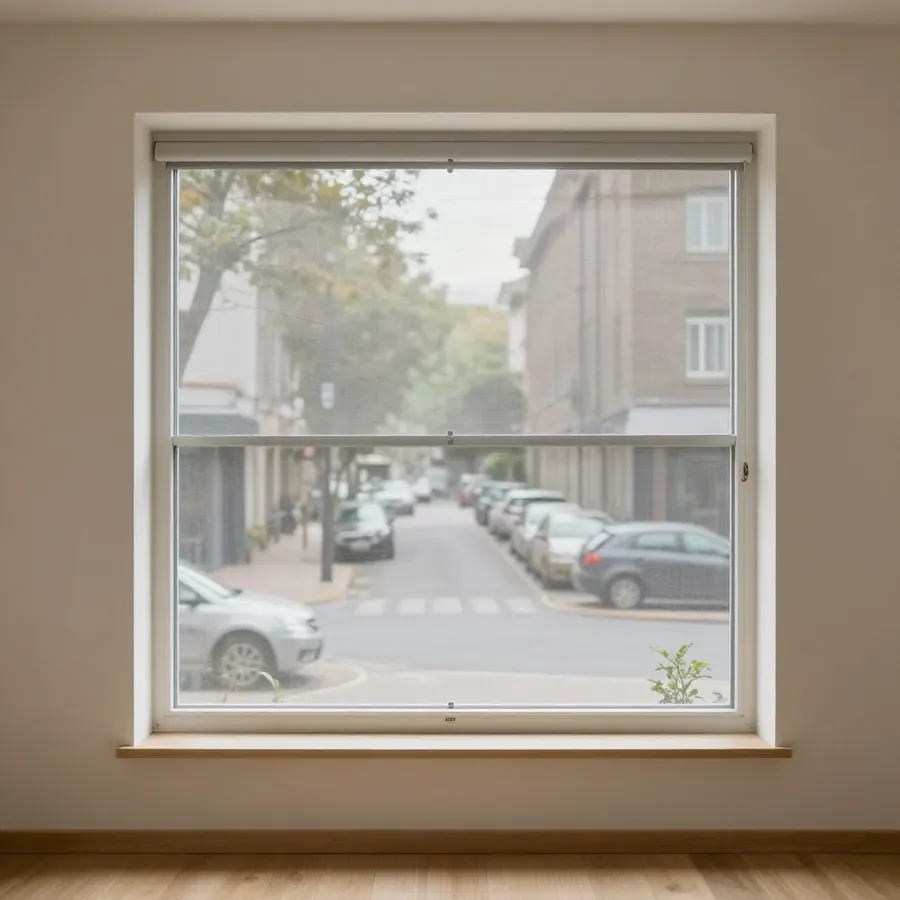 Mesh types
The mesh stops coarse and fine dust along with mosquitoes. When it is worth the price of 8 500 ₸ per m².
October 20, 20258 min read
Thank you. We will call you back within 10 minutes!
Your order number is on the receipt or in the SMS. Choose where to leave your review.
Write a review on WhatsApp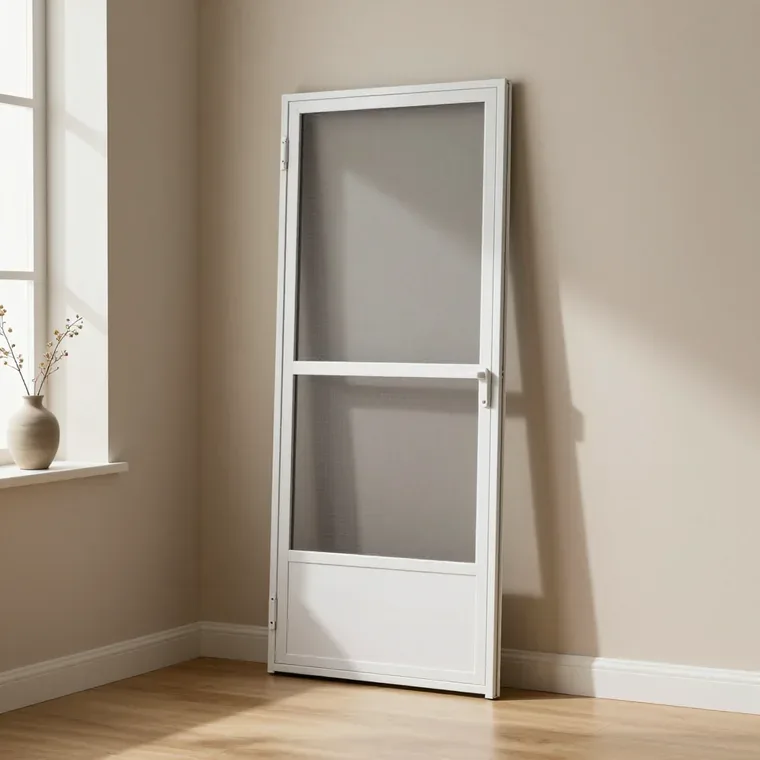



 Gazebo screens
 Balcony screens
 Loggia screens
 Ready-made screens
