
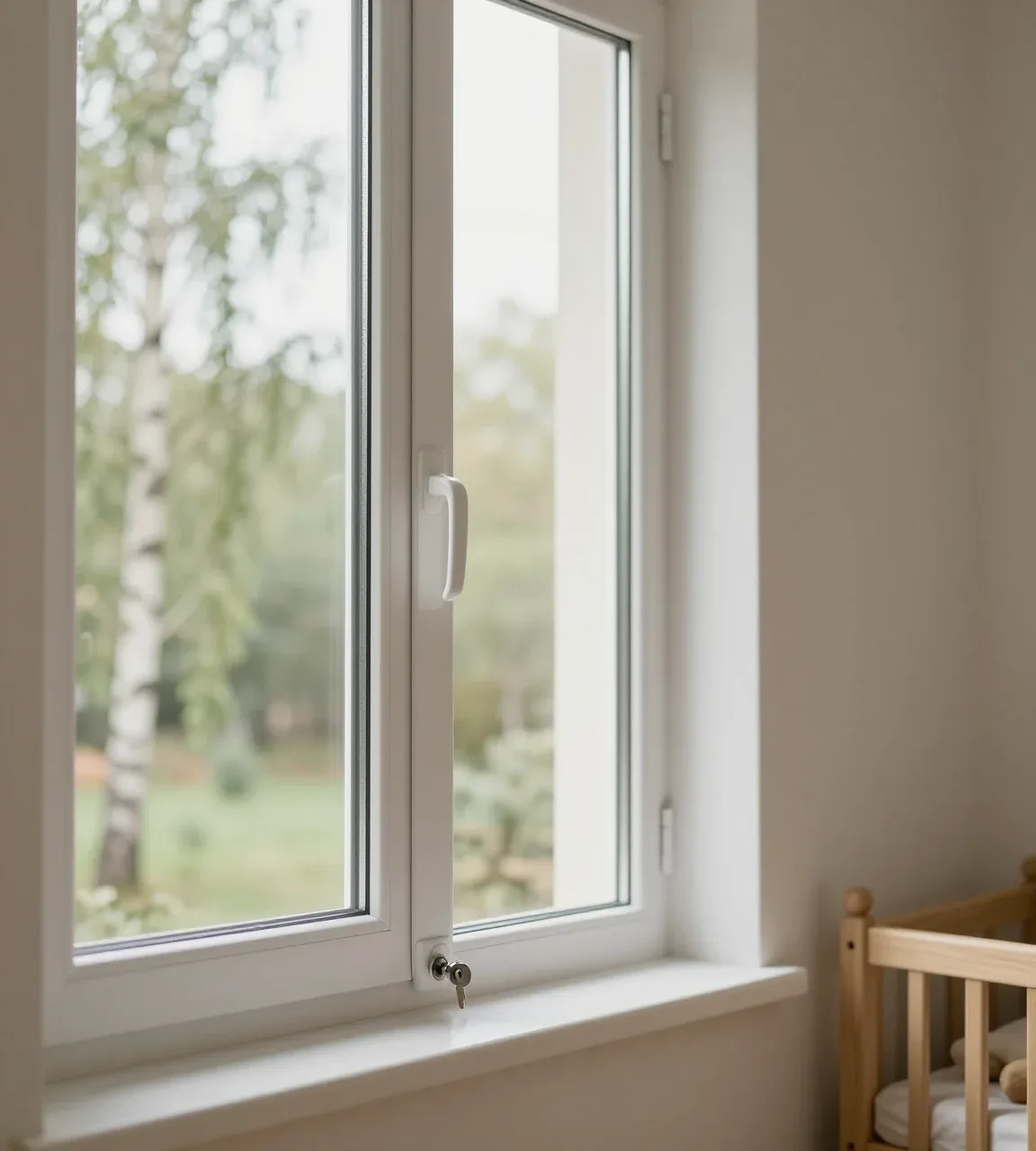
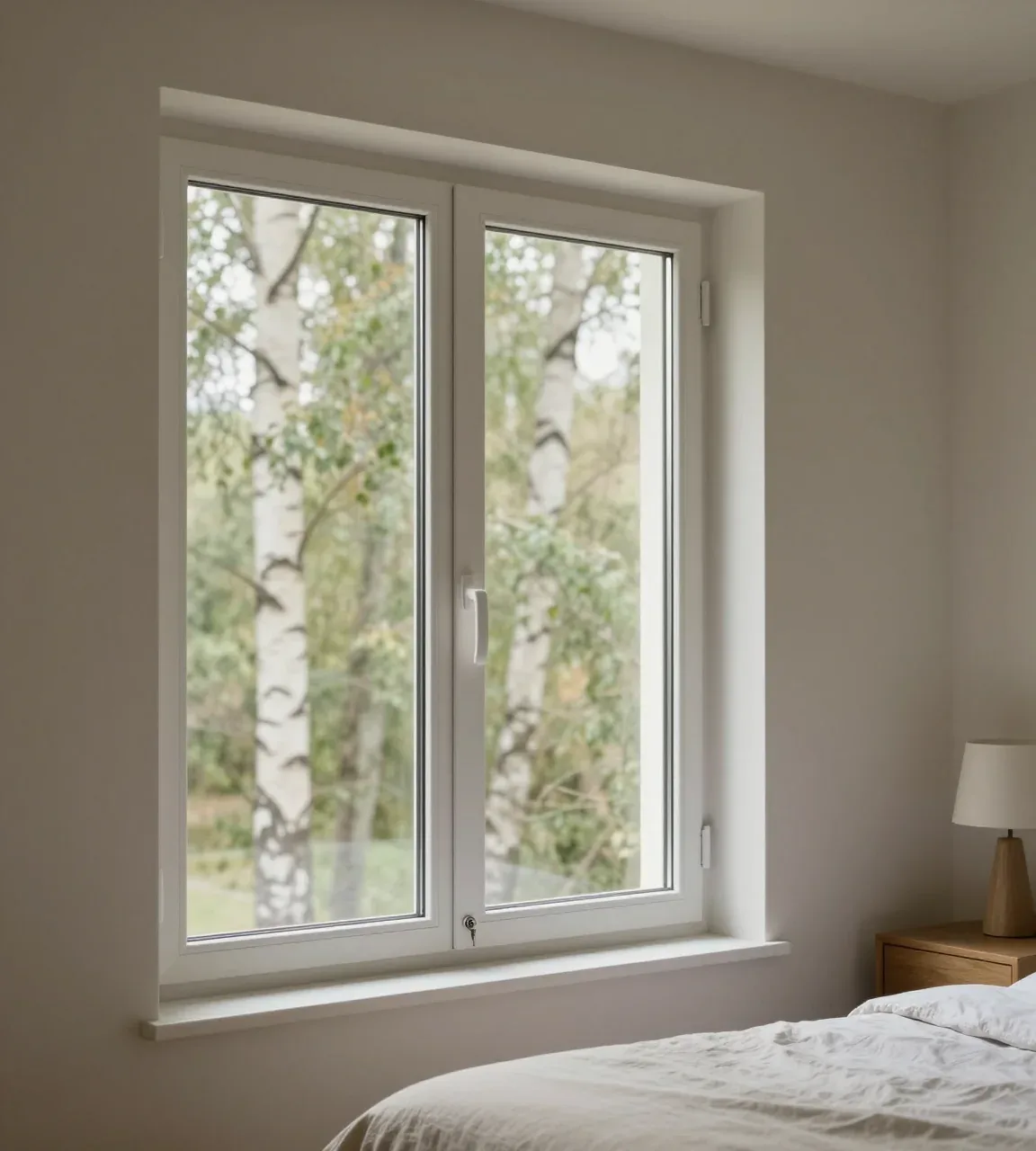
Ventilation · comb
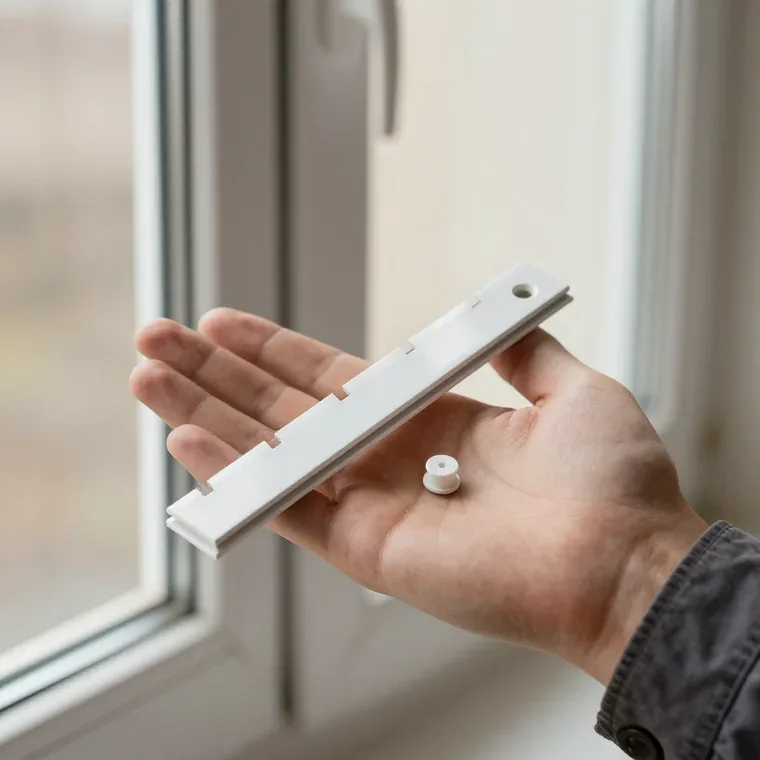
Comb limiter
Holds the sash in several positions. Price from 1 050 ₸ per item with installation.
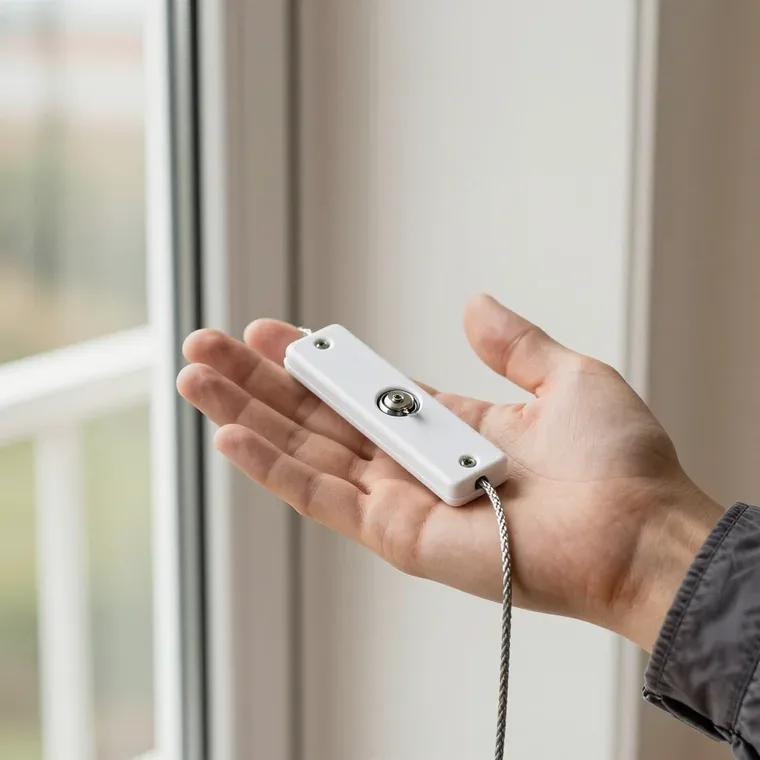
Comb limiter
Holds the sash in several positions. Price from 1 050 ₸ per item with installation.
Sash blocker
Prevents a child from opening the window wide. Price from 1 200 ₸ per item without installation.

Penkid lock with cable
Surface-mounted lock with cable for plastic windows. Price from 2 150 ₸ per item.

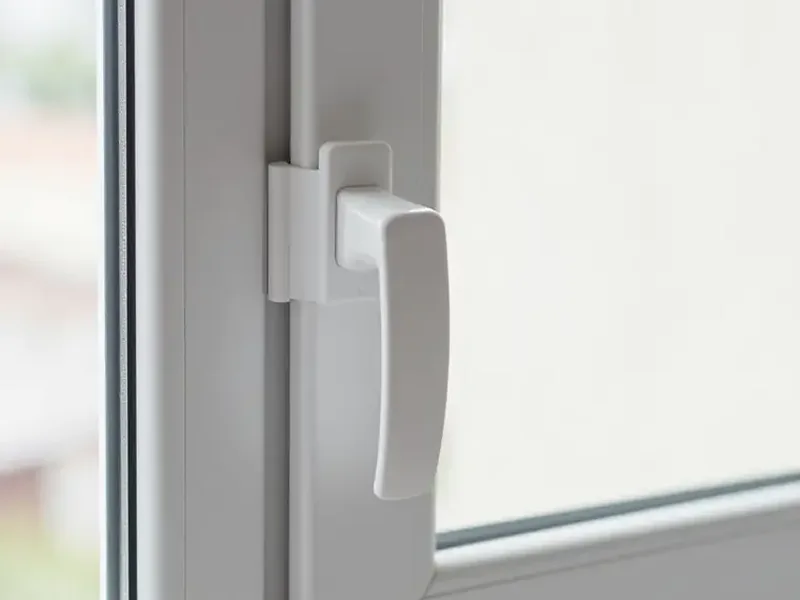
Handle with key
A child cannot turn the handle without a key. Price from 3 650 ₸ per item.

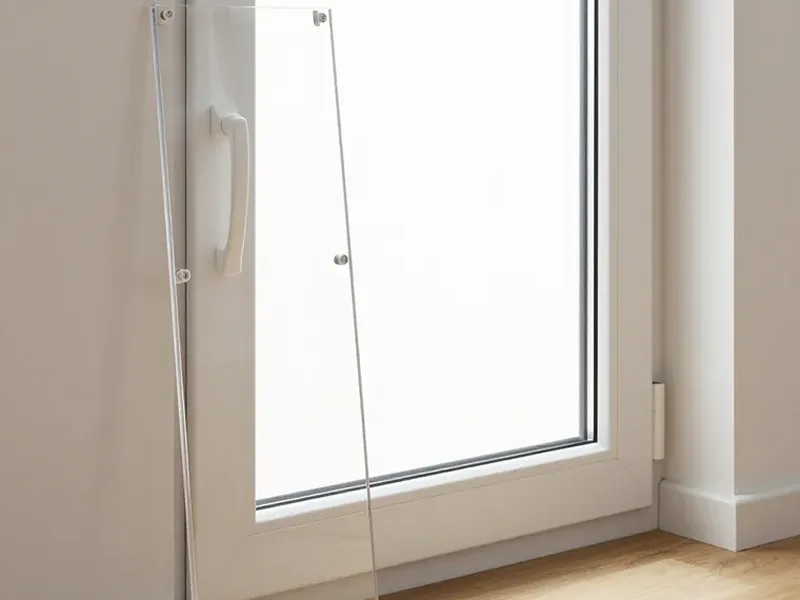
Transparent grille
Covers the opening from the windowsill. Price from 22 000 ₸ per ready-made module.



5,097 reviews on review sites
Child window protection is a system of locking elements on the sash and a barrier on the opening.
Child window protection includes a handle with a lock, a limiter, a blocker and a grille. The key-lock handle prevents turning the hardware, the limiter holds the sash in a safe position, the blocker prevents opening wide, and the grille covers the opening.
The elements are fitted to plastic, wooden and aluminium windows, as well as balcony doors. The kit is selected for the profile and floor: for high floors a grille and lock are often recommended, for ventilation — a comb.
price of comb with installation
framed screen production
protection versions in the cloud
Four protection scenarios: from a lockable handle to a lock on a balcony door, with the option to replace an element.
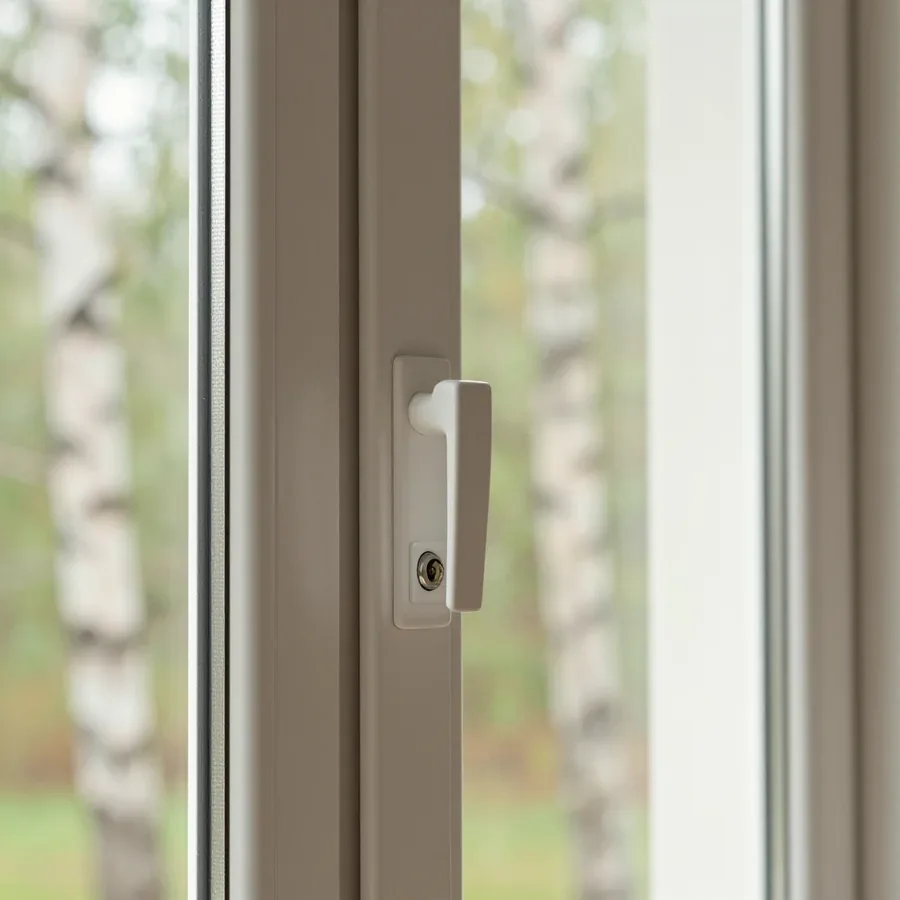
A lockable handle prevents a child from turning the hardware. Suitable for windows in the nursery and living room.
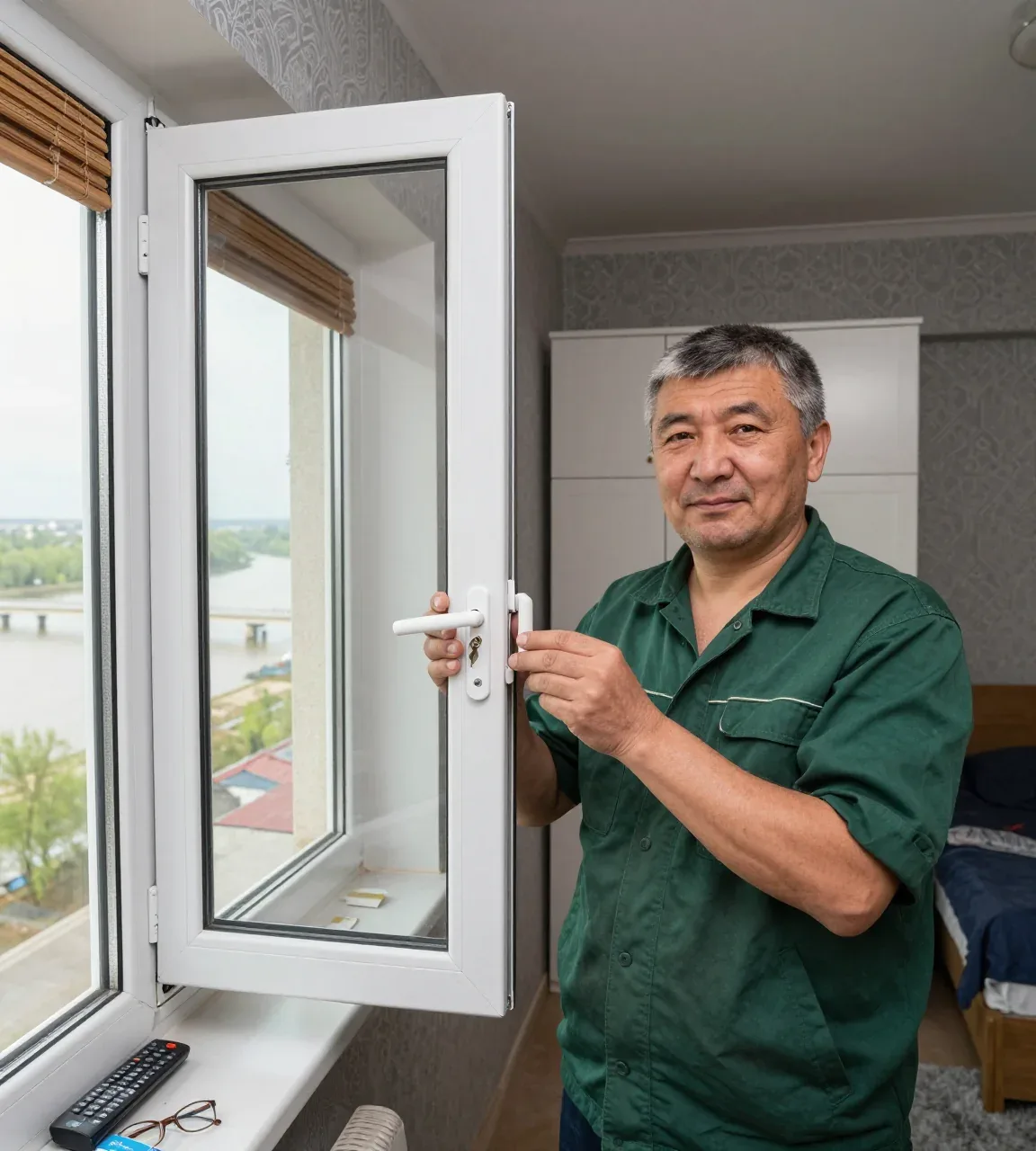
They keep the sash from opening wide. The blocker is mounted on the frame, the limiter on the sash.
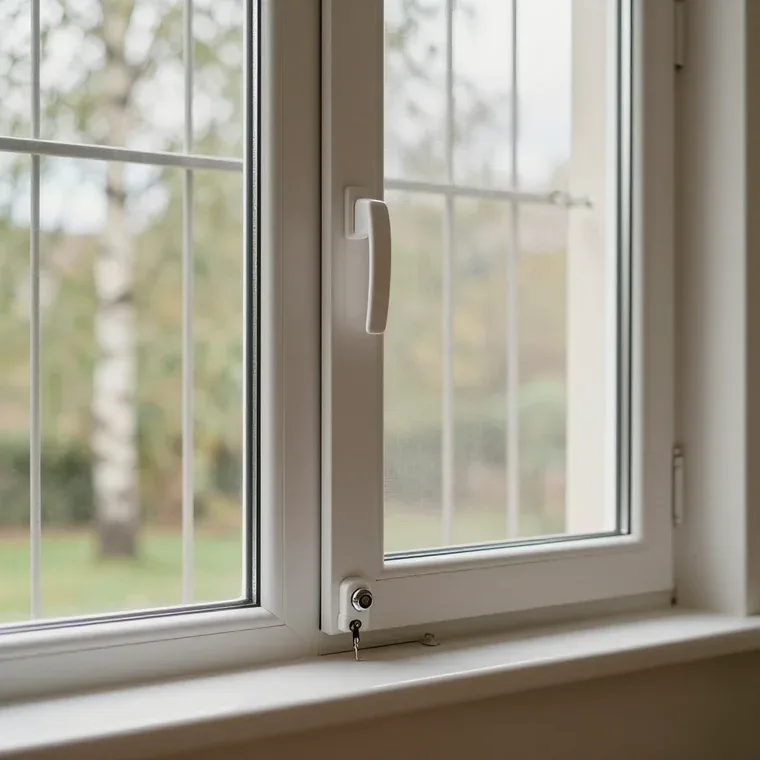
A surface-mounted lock with key prevents unauthorised access to the balcony. Attached to the door leaf.
We replace a failed blocker or lock with a new one. Replacement price — from 1 200 ₸ per item without installation.
Five protection versions with unit price: from a comb for ventilation to a transparent grille for the opening.
Comb limiter
Holds the sash in several positions for ventilation. Price with installation.
With lock and key
The cable prevents the sash from opening wide, the lock fixes the position. Price per item.
Surface-mounted with cable
Locks the sash in the closed position. Suitable for plastic windows.
Child surface-mounted
A simple surface-mounted flag lock to secure the sash. Price per item.
Polycarbonate
Covers the opening from the windowsill without blocking the view. Price per ready-made module.
Items with installation and lead time; the exact price is fixed after measuring.
| Type of item | Price |
|---|---|
| Comb limiterwith installation | from 1 050₸ per item |
| Sash blockersurface-mounted, no installation | from 1 200₸ per item |
| Installation of blocker or child locktechnician's work | from 2 750₸ per item |
| Cable limiter with lockwith key | from 2 500₸ per item |
| Penkid lock with cablesurface-mounted | from 2 150₸ per item |
| Child window locksurface-mounted, flag | from 3 250₸ per item |
| Handle with keylockable | from 3 650₸ per item |
| Transparent polycarbonate grillecustom-sized to opening | from 26 000₸ per m² |
| Transparent window grilleready-made module | from 22 000₸ per item |
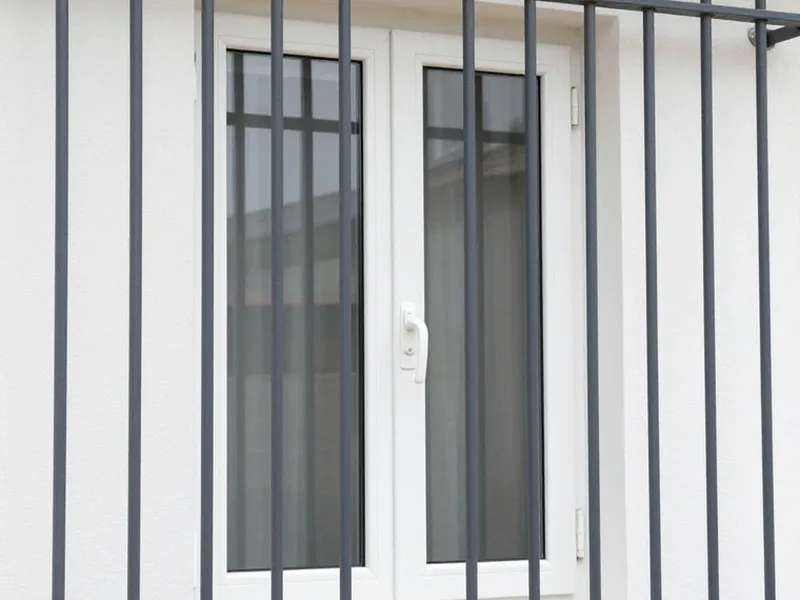
| Child safety window grillemetal | from 12 500₸ per item |
| Grille with mosquito screentwo in one | from 19 800₸ per m² |
| "Anti-Cat" screen as window protectionreinforced mesh | from 13 000₸ per item |
| Turnkey child window protectionkit with installation | from 6 000₸ per window |
The price is fixed in the order after measuring.How the calculation differs for one sash and for a set covering several windows.What installation includes beyond the element itself (marking, fixings, adjustment).
Book a measuring visitEight facts about the company's work: from in-house production to installation warranty.
The price is fixed after measuring.
We give a 5-year warranty on window installation work.
For work and replaced components.
The measurer will come at a convenient time and help you choose the design.
We accept requests every day, including weekends.
You can pay in cash, by card or via Kaspi.
You can order in 17 cities of Kazakhstan.
We reply within 5 minutes.
Four steps from request to checking the mechanisms.
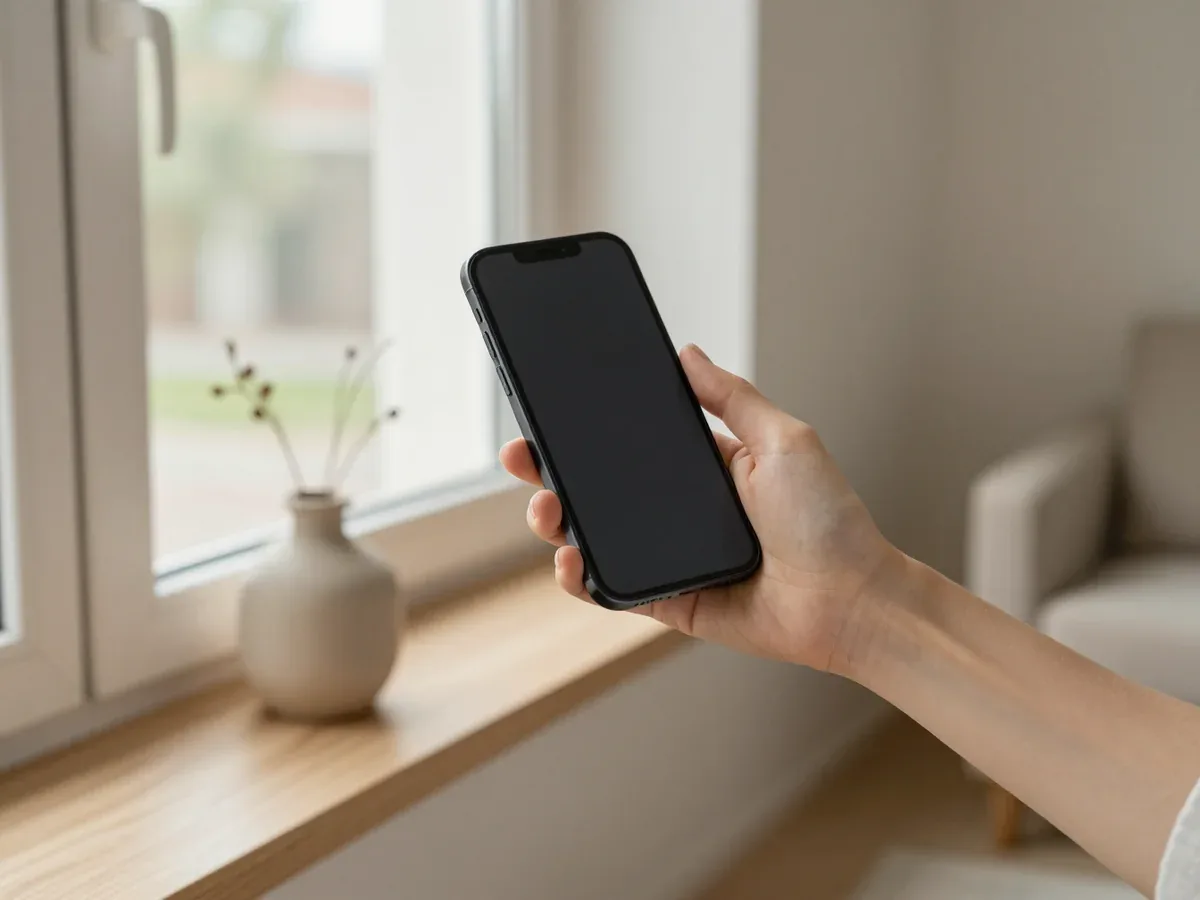
What details about the child and windows we ask for when you request, to prepare the kit.
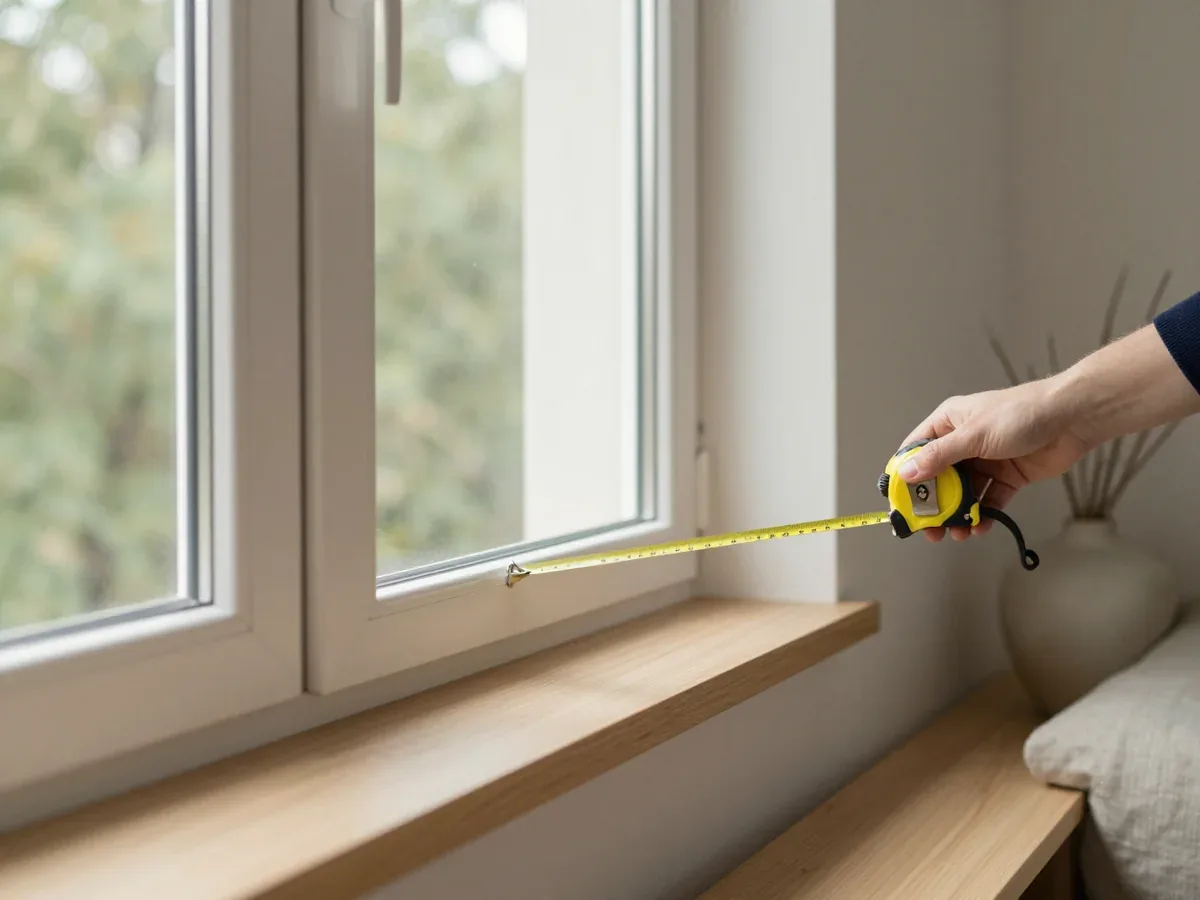
How the day and time of the visit are agreed and what to do if your plans change.
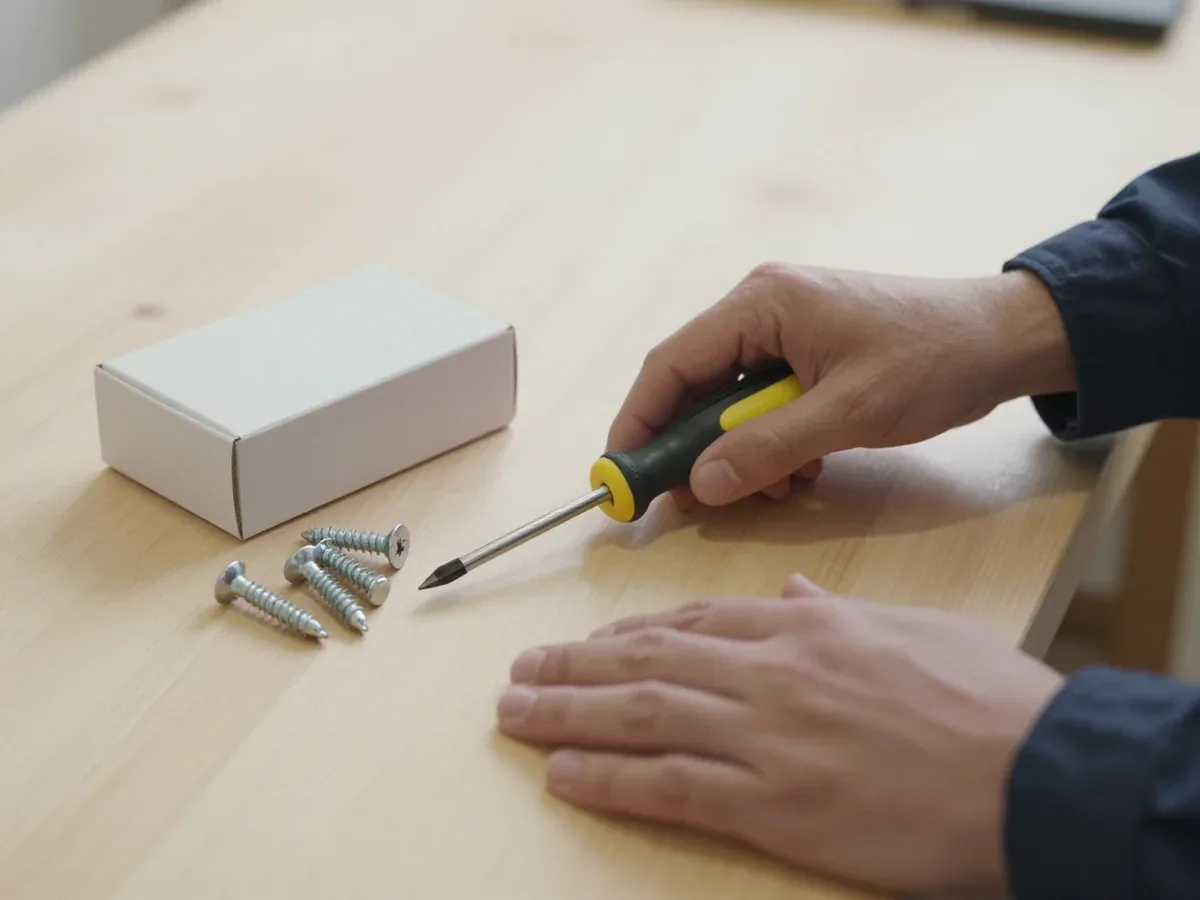
We install the protection and adjust the mechanisms for smooth operation.
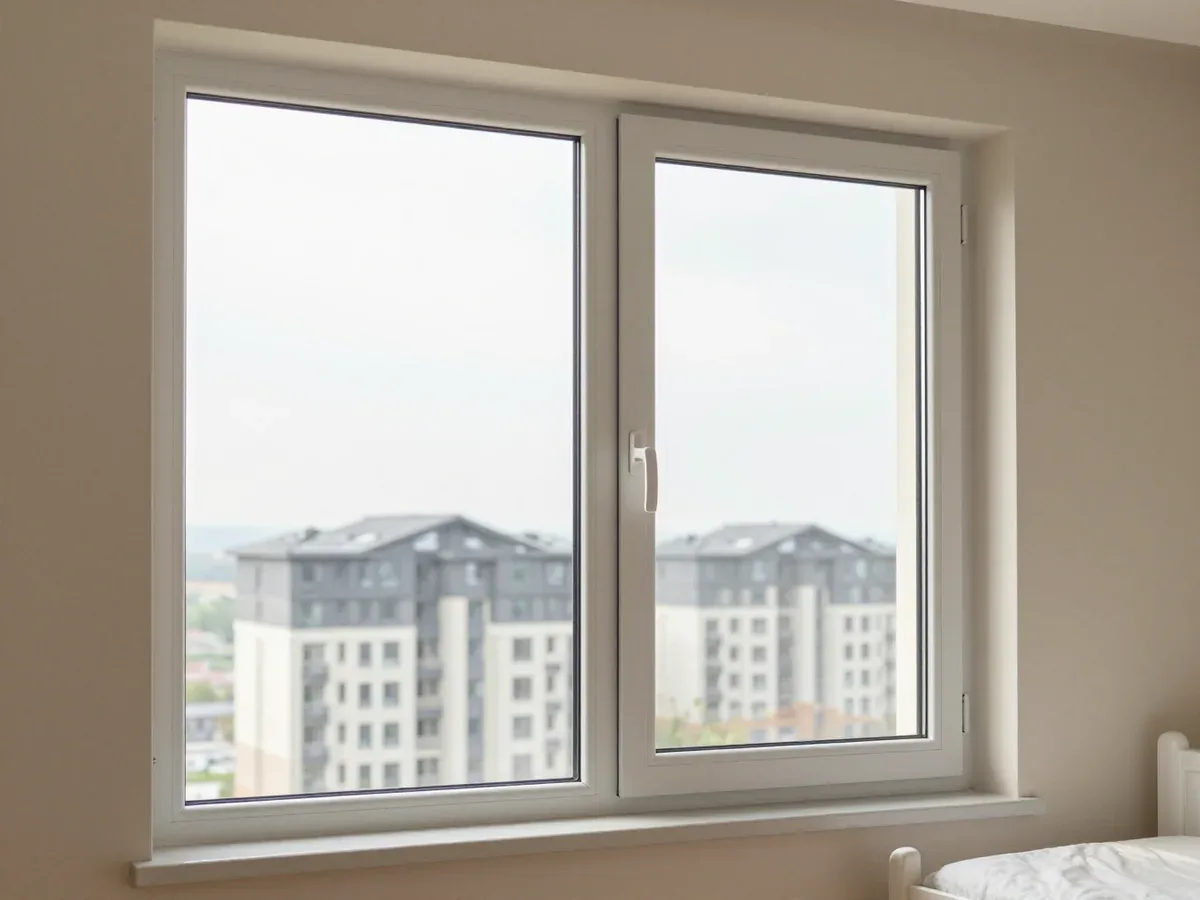
Together with the parent, we check the locking and explain how to use it.
Good to know

Senior mosquito screen specialist at moskitnyesetki.kz
We install child window safety in Atyrau as a direct contractor with our own fitters, not through an agency. We fit restrictors, window locks and protective grilles on plastic, wooden and aluminium windows, plus balcony doors and sashes. Measuring and consultation are free, you pay after installation, and we answer on WhatsApp within 5 minutes.
Window safety is not one fitting but a set of solutions matched to a specific sash, floor and daily routine. Below we separate what genuinely holds a child back from what only looks solid from inside the room.
A mosquito net holds insects, not weight — even a reinforced Pet Screen canvas is fixed with light fasteners and is not designed to carry a child. The frame sits in guides or on small brackets meant to keep the mesh taut, and the whole assembly releases under a few tens of kilograms of pull. Vinyl threads in the Anti-Cat canvas resist claws and stay several times stronger than standard fibreglass, yet strength against a pet is not the same as anchorage against a body. Parents often trust the net because it looks solid from inside; the real test is what the frame is anchored to, and that is why a net and a safety device are chosen separately.
| Device | What it does | Best for |
|---|---|---|
| Restrictor | Holds the sash at a fixed opening angle | Rooms where you still want fresh air |
| Window lock | Locks the handle or sash, often with a key | Children who already reach the handle |
| Cable blocker | Limits how far the sash can swing | Wide casement windows and balcony doors |
| Protective grille | Physical barrier in front of the glass | Ground floors and family flats |
The choice depends on the scenario: regular ventilation, a child who already reaches the handle, wide casements or a ground-floor flat. Each device solves a different problem, and one window can carry more than one of them.
A restrictor sets a fixed opening angle for ventilation, while a cable blocker limits how far the casement can swing and is fitted higher so a child cannot reach the release. We fit restrictors on frames that are opened every day for air, and blockers on windows where the moving panel should stay almost closed. A restrictor is a small arm or a folding bracket screwed to the frame and the leaf; a blocker is a steel cable inside a plastic sleeve that lets the panel travel a few centimetres and then stops it. The mounting height matters more than the device itself — a restrictor placed at adult waist level is useless if a child can stand on the sill and reach it. On our measuring visit we check the sill height and the furniture below the opening before choosing the fixing point.
A key lock is the right answer when a child already opens the handle or removes a simple blocker, because the key stays with an adult and the window cannot be opened from inside. The lock is a small cylinder or a lever set into the frame, and it holds the leaf closed rather than limiting its swing. We fit it on the handle side, at a point an adult can reach without stretching. Keep the key in a fixed place every adult in the flat knows — a lock that nobody can find in a hurry turns a safety device into a hazard. In our practice, the most workable spot is a hook beside the window at shoulder height, out of a child's reach.
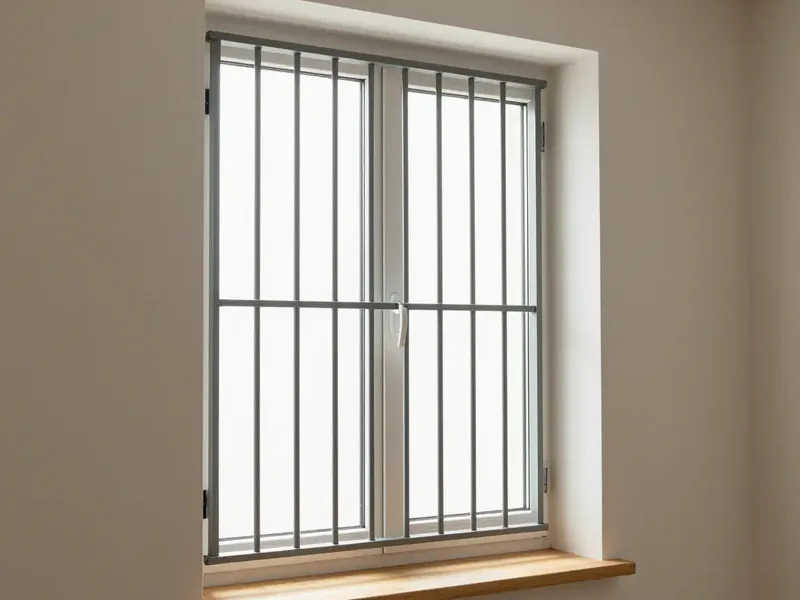
A protective grille makes sense on ground floors, in family flats with several small children and where you want a physical barrier in front of the glass rather than a limit on the casement. A grille is a frame of vertical bars or a transparent panel fixed to the wall or the window opening, and it stays in place whether the leaf is open or closed. It is the only option that still works if the window itself is faulty or the handle has been forced, which is why it is often combined with a lock rather than used alone. On upper floors, check that the grille can be opened from inside for cleaning and for an emergency route.
A device that suits a plastic casement can be useless on a sliding sash or a timber surround. Material, opening direction and floor level decide what we bring and where the fasteners go.
| Frame | Typical device | What the fitter checks |
|---|---|---|
| Plastic | Restrictor or handle lock | Profile width and reinforcement inside |
| Wooden | Lock or cable blocker | Screw type and wood condition |
| Aluminium | Cable blocker or grille | Wall thickness of the profile |
Balcony doors and sideways-moving leaves need a different solution than a standard casement — a cable blocker or a door-mounted latch, because such a leaf has no handle to secure in the usual way. We fit safety hardware on small vents, loggia windows, gazebos and verandas as well, and every opening gets its own fixing plan. When it comes to child window safety in Atyrau, the same principle applies to every opening we handle. A hinged door screen carries an Economy 32×10 mm or Prestige 42×17 mm profile, and the specialist matches the bracket, pin or magnet to the surround and the floor level. A sideways leaf is the one case where a grille or a door latch usually beats a restrictor, since the sash travels horizontally and a standard restrictor has nothing to push against.
In a rented flat or a new build we choose hardware that fixes to the sash or the surround without replacing the window, so the developer warranty on the glazing stays intact. Nothing is drilled through the glass unit, and the surround itself is left as it was. Our own fitters do the work, and the price is fixed in the order after measuring, so a tenant can show the landlord the exact scope before anyone touches the opening. Ask the specialist to show where the fasteners will go before drilling — a landlord or a developer is far more likely to accept the work when the fixing points are agreed in advance.
A child who can already reach the fitting, climb onto the sill or undo a basic blocker has outgrown the first stage of protection. The setup now needs to match a thinking, moving child rather than a toddler.
For a child who already opens the window we often combine a key lock on the handle with a restrictor that keeps a ventilation gap, so the moving panel can breathe but cannot be opened wide. The lock takes the fitting out of the child's control, while the restrictor limits the swing to a few centimetres even if the handle is somehow turned. The two devices cover each other's weak point — the lock stops the lever, the restrictor stops the swing, and neither one alone closes both routes. Our measurer checks the profile and the floor before recommending this pairing, because a restrictor behaves differently on a tall leaf than on a small vent.
After fitting, we test the device with a firm pull at the point a child would use, and the fitter shows you which fastener holds the load and which element is only a guide. The measurer picks the fastener for the profile and the floor — Z-brackets, pins or magnets — so the load lands on the wall or the frame rather than on the thin edge. A device that flexes at the frame rather than at the moving panel means the fastener, not the body, is the weak link. That is the element to check again after the first month, once daily use has settled the fixings.
Safety devices slow a child down, but they must never lock a household out of its own window. The balance between stopping a fall and keeping a way out is the part parents ask about most.
A key lock keeps the sash closed against a child but still opens with the key, so an adult can release the window in an emergency without tools. The mechanism is a small cylinder or a latch that blocks the handle, and turning it returns full travel to the casement in a second or two. What changes is not the frame itself but who controls the opening — the grown-up holding the metal piece. A restrictor works differently, holding the casement at a fixed gap of a few centimetres that no turning overrides. The device is only as safe as the access policy around it — a single spare on a hook by the door, known to every adult in the flat, is the difference between a safety device and a trap.
In a flat with several windows, the usual approach is to protect the windows a child can reach and leave at least one opening that adults can clear quickly in an emergency. That route is often in a room the child does not sleep in, fitted with a lock rather than a fixed restrictor, and kept free of furniture in front of it. A grille on every casement removes the exit entirely, which is why protective grilles belong on ground-floor and courtyard windows, not on the only opening of an upper-floor room. Tell children which window is the escape one and practise releasing it together — a route nobody has used is not a route.
A device works best when the little one understands it is there to stop falls, not to punish curiosity, and knows to call an adult rather than force the handle. Explain the rule in one sentence a four-year-old can repeat: the window opens with an adult, never alone. Show where the spare hangs and that it is not a toy, without turning it into a forbidden object that invites testing. Children copy what they see, so a parent who releases the protected sash in front of them should show the metal piece and explain why — that turns the device into a rule, not a mystery. A handle that suddenly resists is far less frightening when the young one already knows the reason.
Here is the whole route, step by step: a message, a free measuring call, fitting by our own fitters, then payment once the hardware is in place.
You message us on WhatsApp, we reply within 5 minutes, and the measurer comes at a time that suits you, takes the sizes and helps choose the device, the fasteners and the finish — measuring and consultation are free. The fitter brings a tape, a level and samples of frame profiles, so the choice of a restrictor, lock or grille happens at your window rather than from a catalogue photo. He checks the frame material, the handle position and the floor, because a fifth-floor plastic sash and a ground-floor wooden one take different fixings. For safety atyrau households usually book an evening or weekend slot, and those fill first. Have the window photos ready beforehand — the fitter can rule out half the options from a picture of the frame and the handle, which shortens the appointment.
Our own fitters install the hardware, not a subcontractor, and the work goes ahead in any season — the mounting itself is quick and does not depend on outdoor temperature. A framed screen made to your size takes 10–15 minutes on the bench, a pleated one 40–60 minutes, and a restrictor or lock is mounted in a similar window of time once the sash is prepared. The team carries Z-brackets, pins and magnets and picks the fixing to match the profile and the floor, so no second trip is needed for a missing part. We paint the frame any colour to match your windows, and the same crew repairs screens and swaps fasteners later. Winter fitting is usually calmer for the flat because the sash stays closed for most of the appointment, so a cold month is no reason to postpone a device a child can already reach.
You pay after installation by cash, card or Kaspi, the price is fixed in the order after measuring, and the warranty terms for the device are confirmed in that same document. Nothing is charged at the measuring stage, and the figure quoted on the sheet does not move afterwards unless you add a second window or change the canvas. Mosquito screens carry a 1-year warranty, window installation 5 years, glass unit replacement 3 years, and window repair 1 year on labour and replaced parts — the hardware you buy sits under the term written on its own line. Keep the order sheet with the model and the fitting date — it is what the warranty check asks for first if a fastener ever needs attention.
Safety at the window comes down to a few decisions made in the right order: the device, the fixing point, the key policy and the family rule. Here is what matters most.
Protection choices, mosquito screen myths, balcony doors, rented housing
Konstantin Selenenkovsenior mosquito screen specialist, 10 years in the tradeOnline · replies within 5 minutes
Ask a questionA transparent window grille is the most reliable: it physically blocks the opening. A lock or restrictor only prevents the sash from being opened wide, so they are used as an addition to safe ventilation.
Yes, that is true: the screen is held by thin fixings and pops out even under light pressure. A separate device on the sash or a grille protects against falling, while the screen is for insects.
For a balcony door, a lock or a blocker with a key is more often installed: a small child cannot open the sash, while an adult releases the lock with one hand. A restrictor is suitable if you only need to fix the ventilation angle.
Yes, these are blockers and locks with a key or a hidden button: an adult releases the lock with one movement, while a small child lacks the strength and understanding. The specific model is selected for your window hardware during the free measuring visit.
Yes, many devices are removable. The fixing is chosen during the free measuring visit based on the profile and floor, and whether drilling is needed will become clear on site. Tell us about this during the measuring visit, and we will select a fixing that will not damage the window.
Thank you. We will call you back within 10 minutes!
Your order number is on the receipt or in the SMS. Choose where to leave your review.
Write a review on WhatsApp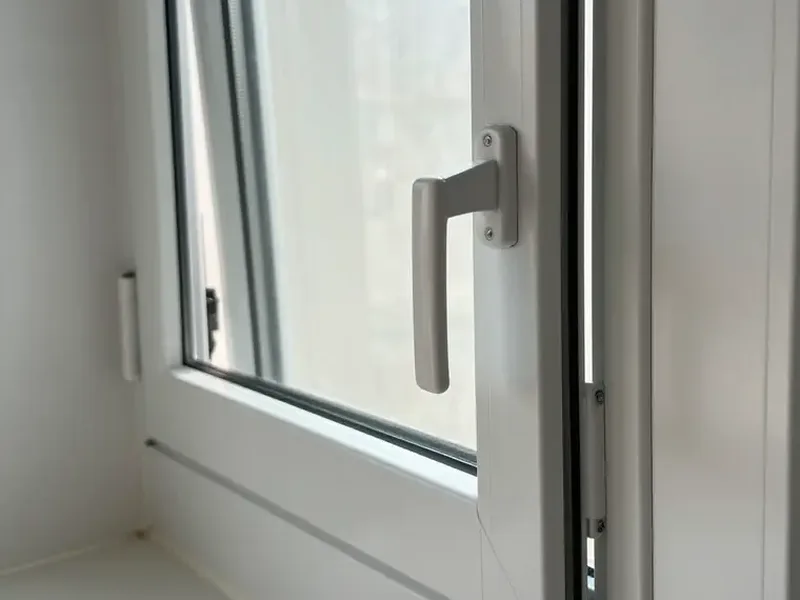 Window limiters
 Metal grilles
 Transparent grilles
 Window grilles
 Window blockers
