
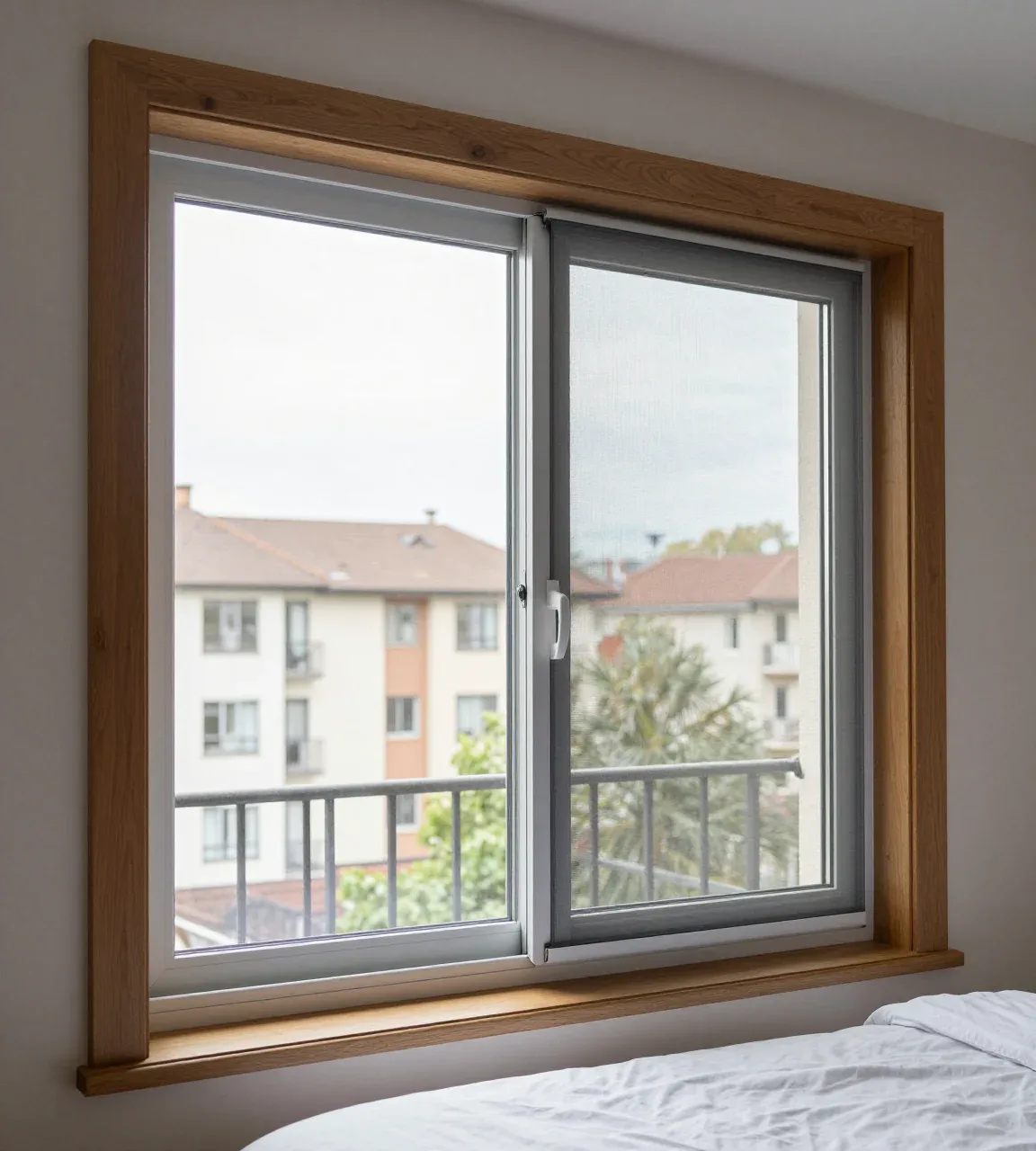
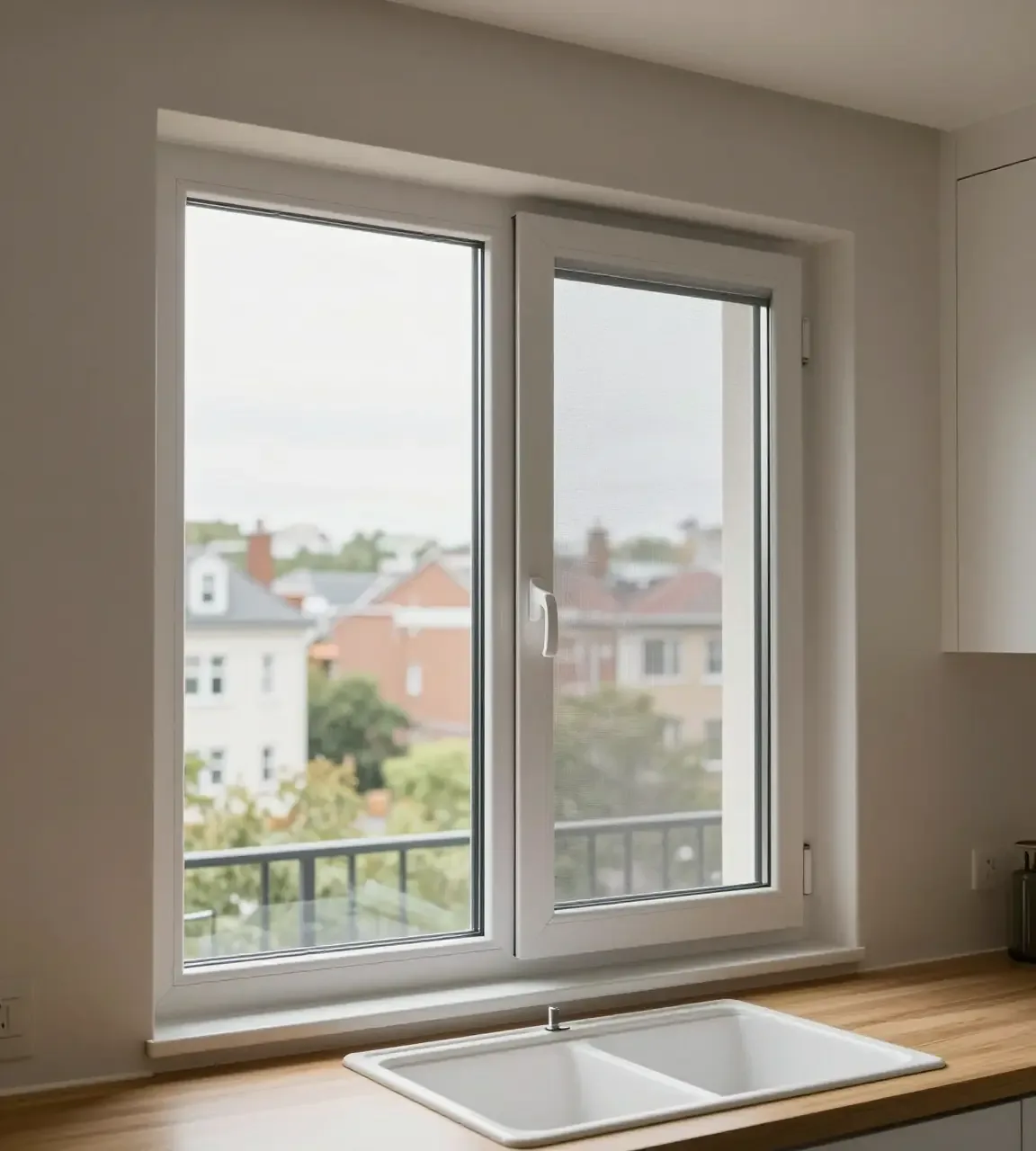
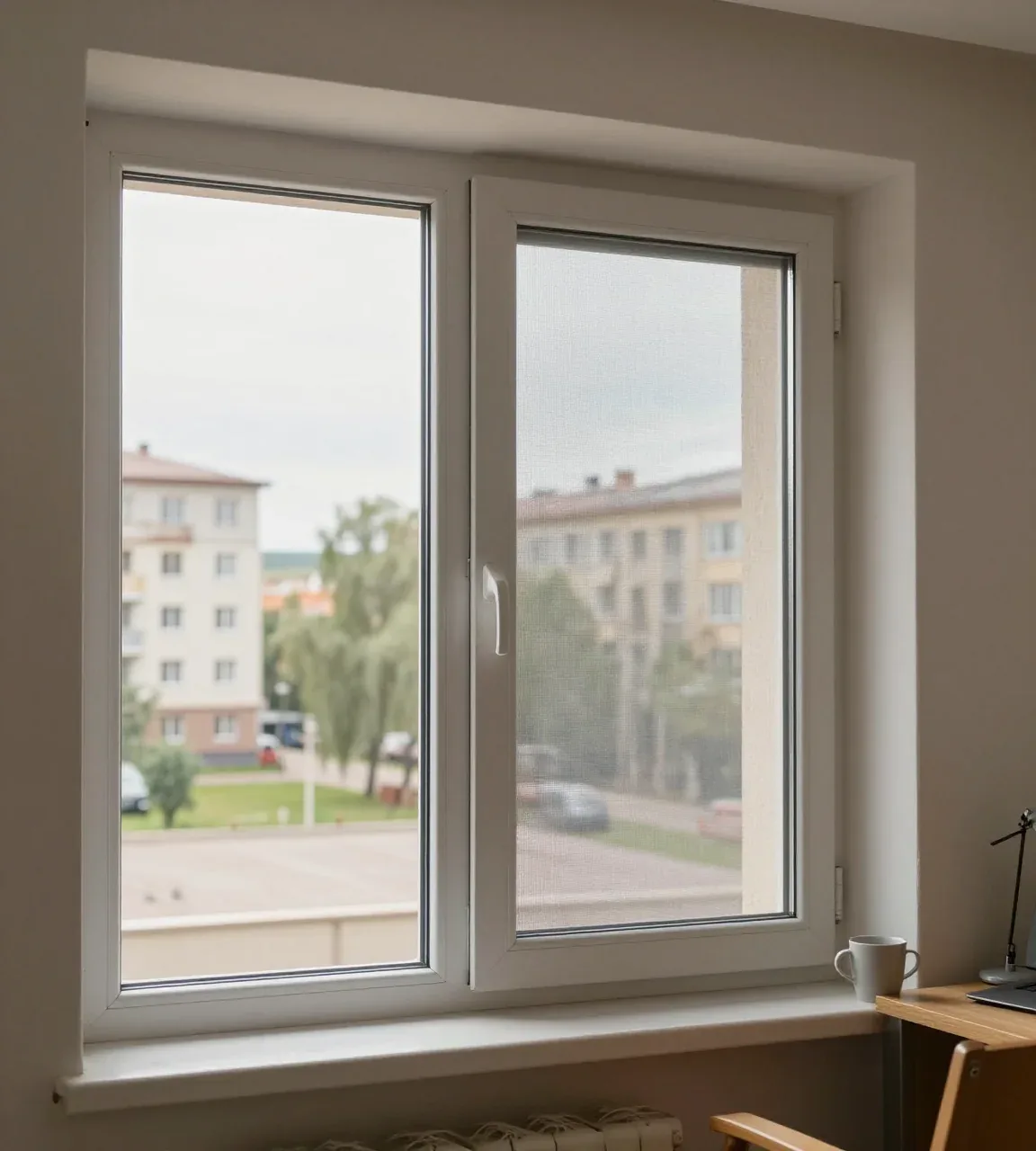
Mosquitoes and flies · Fiberglass
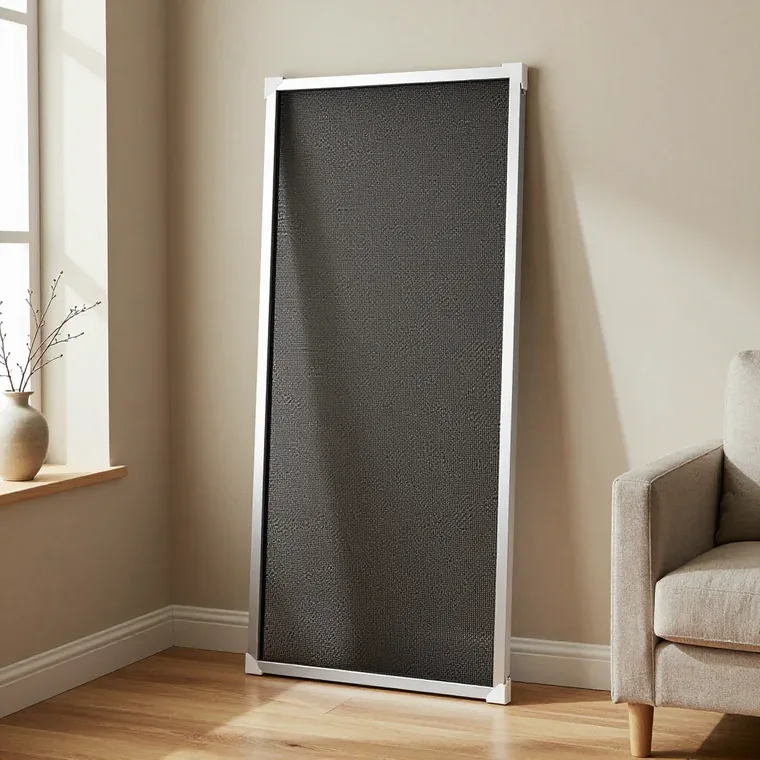
Framed
Standard mesh for each opening sash of the loggia. Price from 6 000 ₸ per m², production 10–15 minutes.
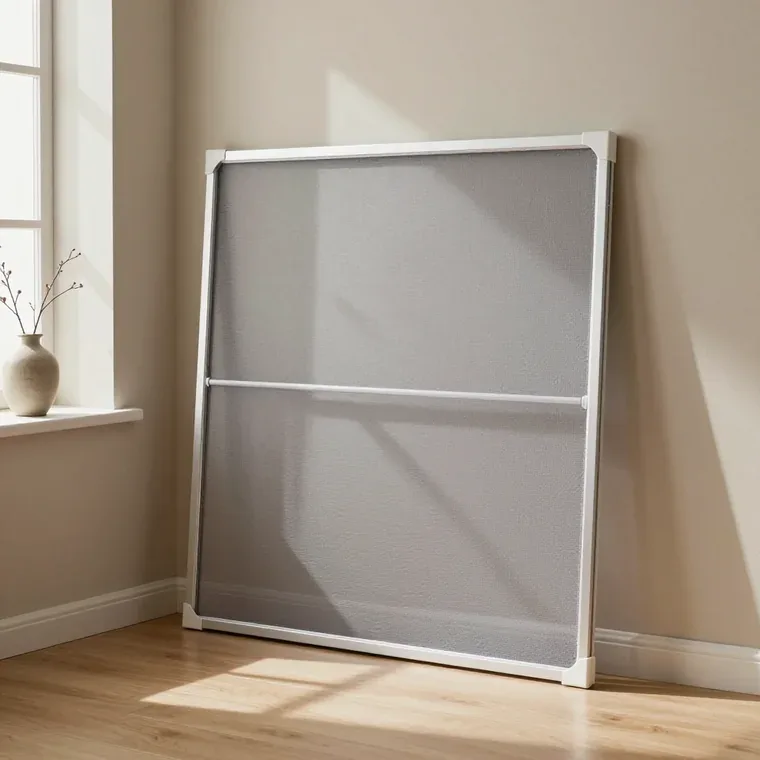
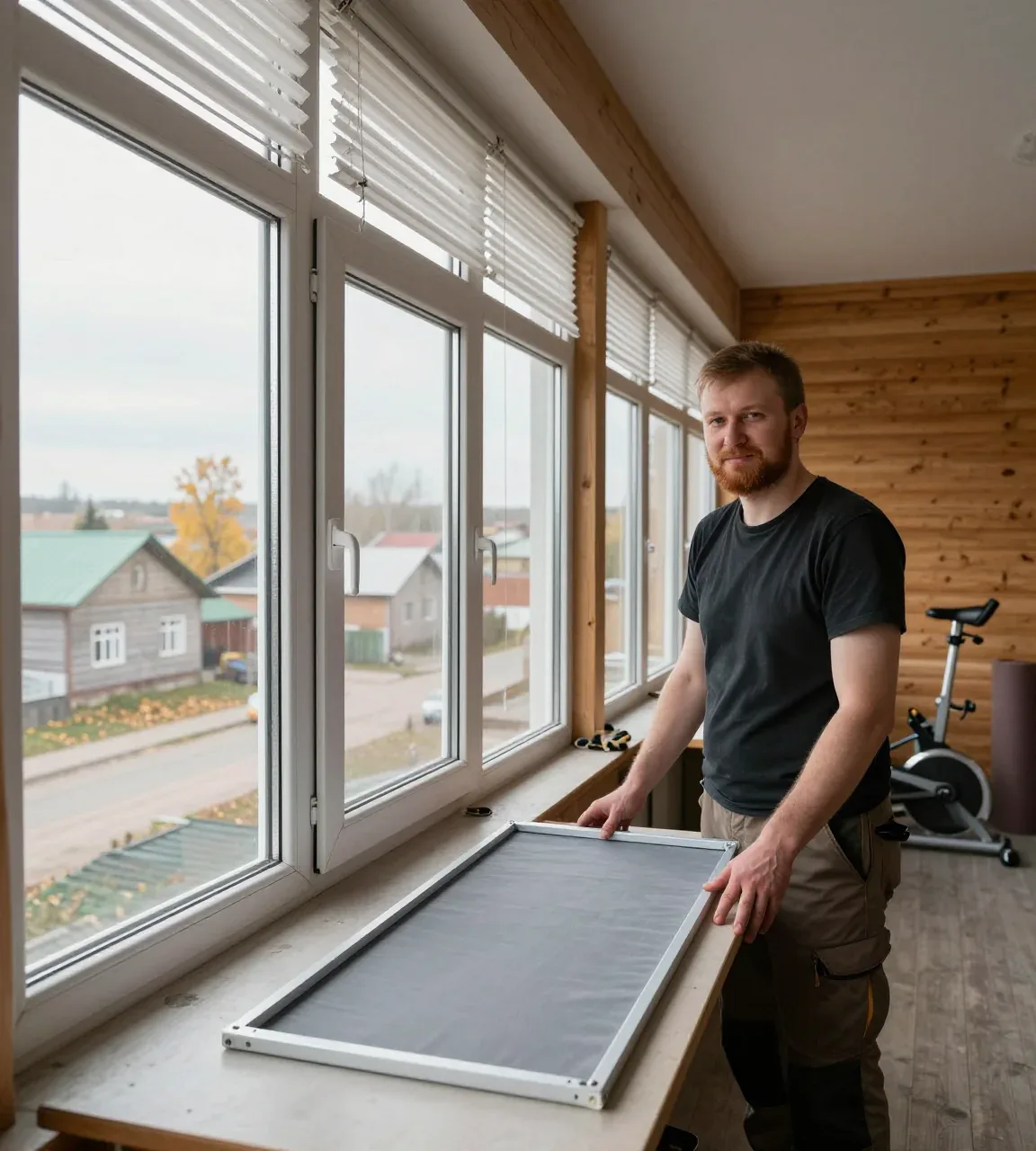
Framed
Standard mesh for each opening sash of the loggia. Price from 6 000 ₸ per m², production 10–15 minutes.
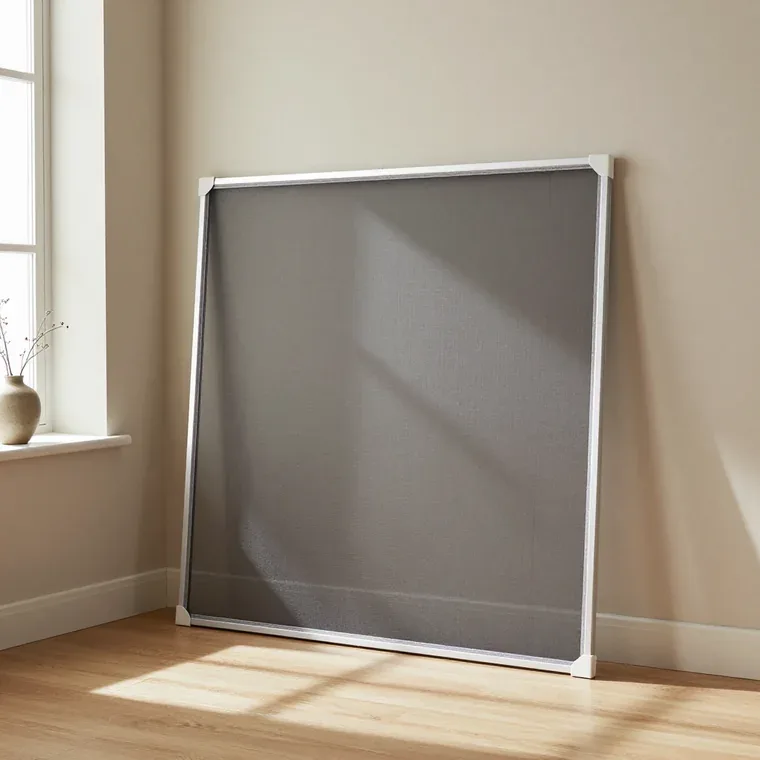
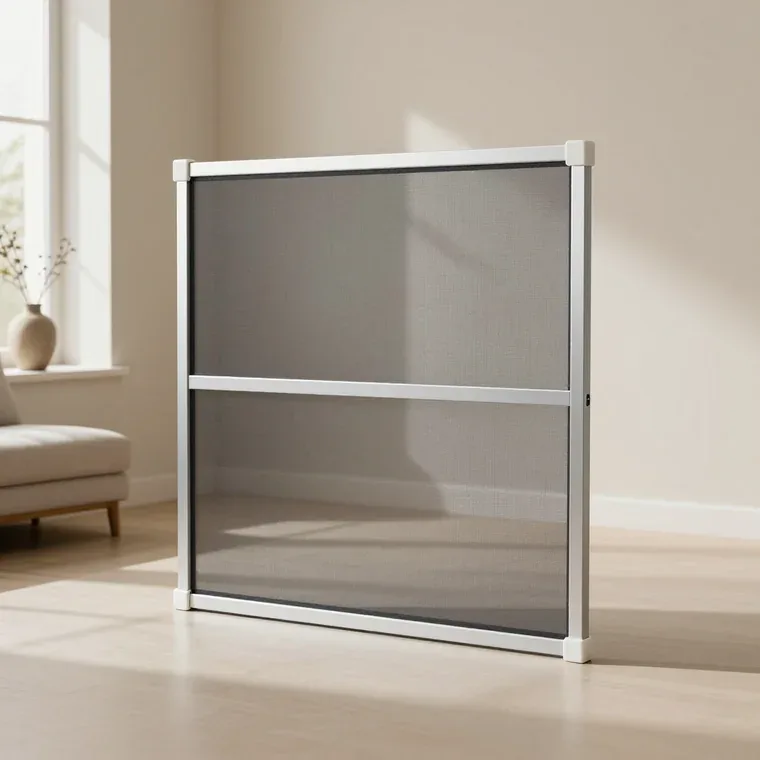
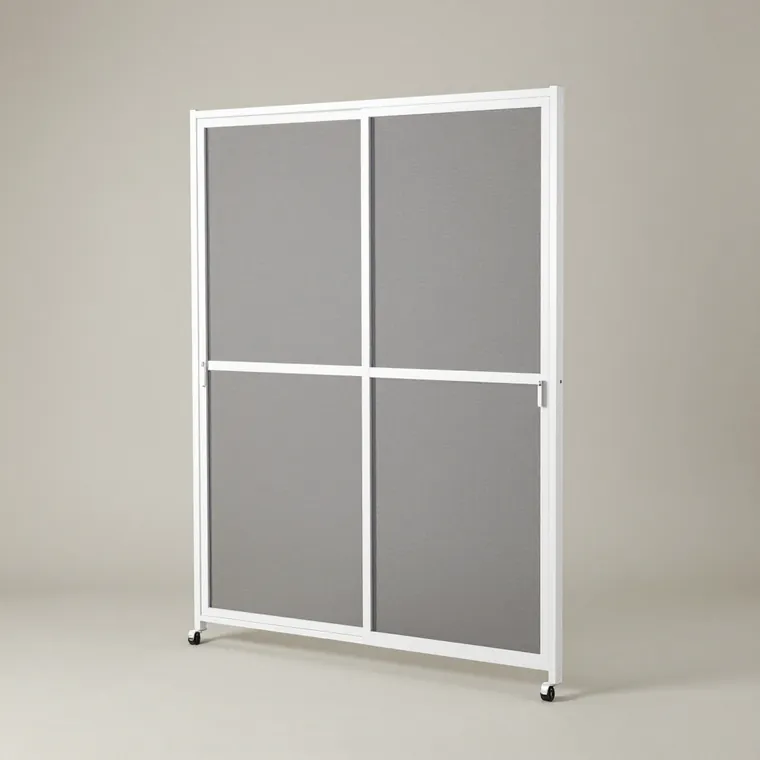
Sliding
Screen in frame guides for cold glazing. Price from 17 400 ₸ per m², installation of guides included.
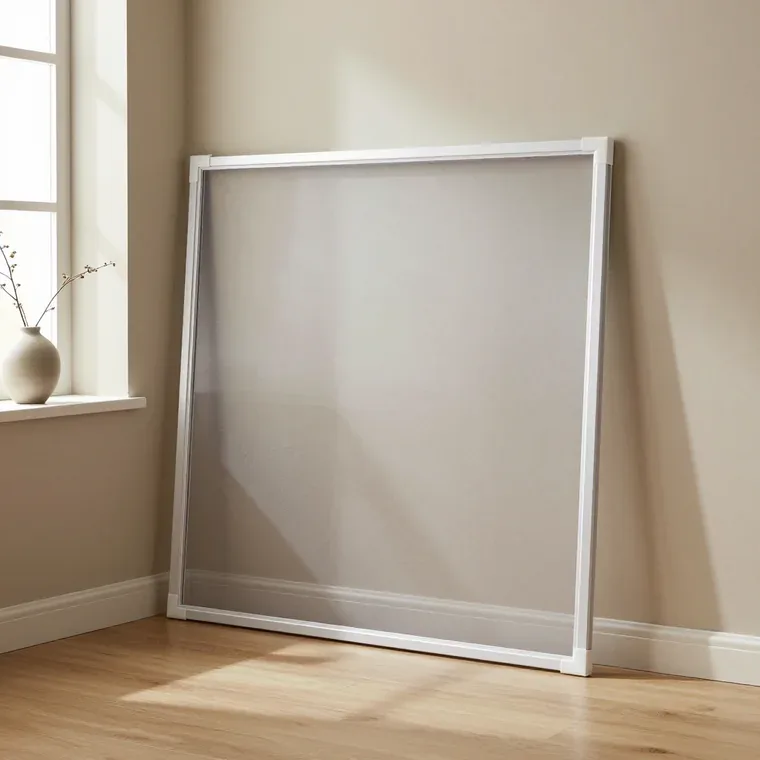
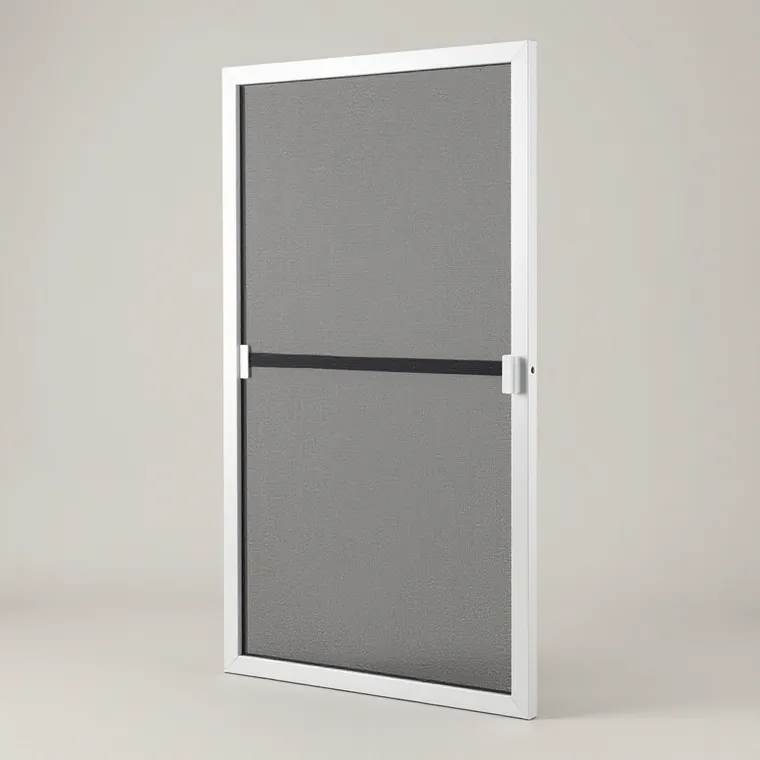
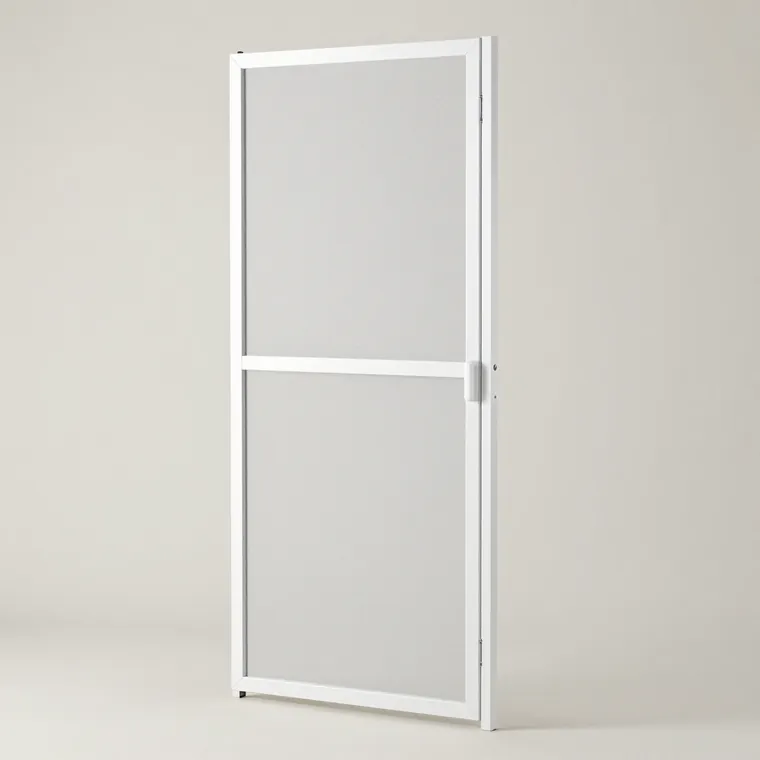
Door
Door mosquito screen for balcony door with "Econom" or "Prestige" profile. Price from 9 600 ₸ per item.
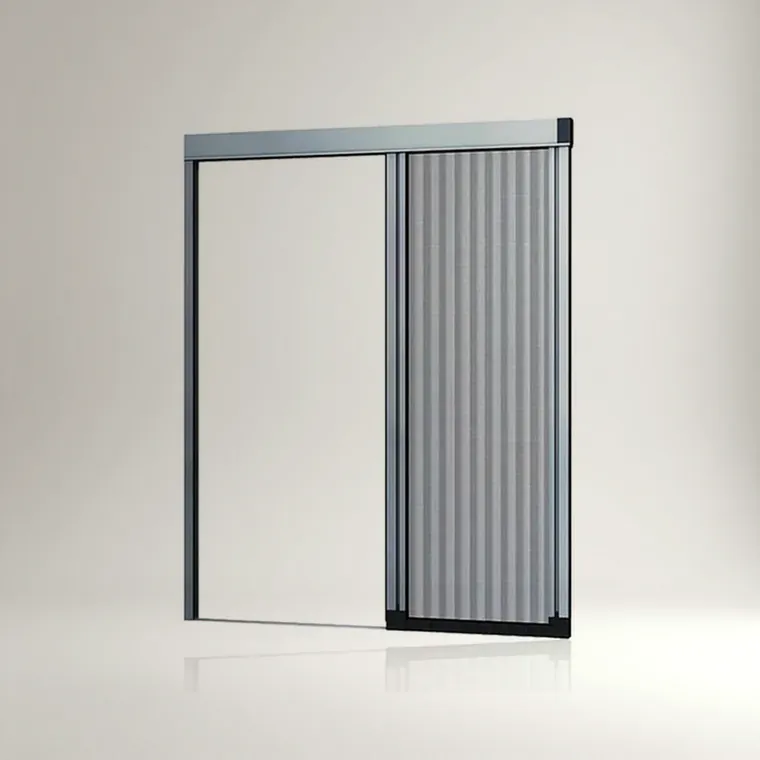
Pleated
Folding pleated mosquito screen for loggia door. Price from 32 000 ₸ per item, production 40–60 minutes.
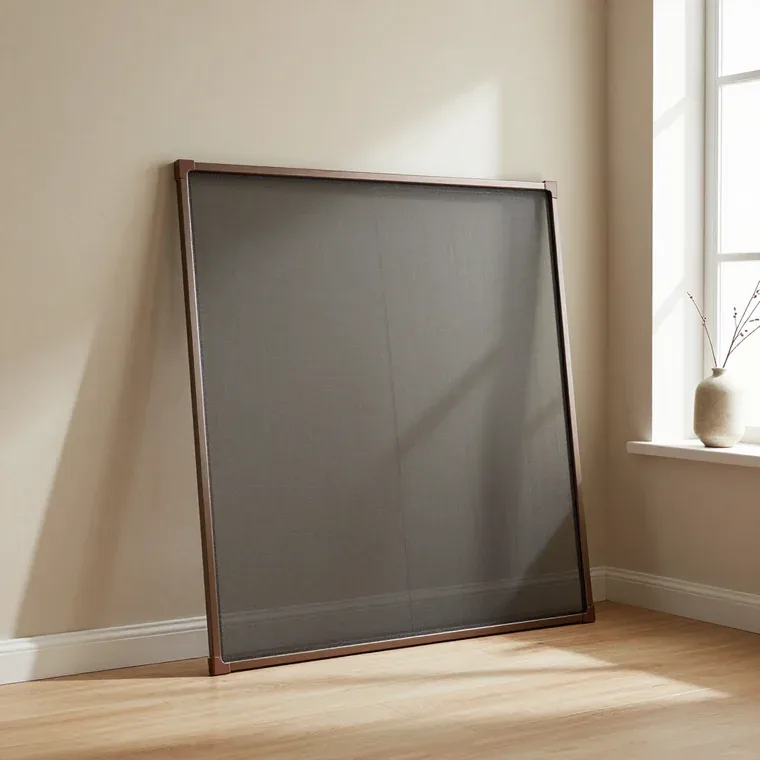
Anti-Cat
Reinforced mesh for loggia where a cat walks. Price from 21 000 ₸ per m², vinyl threads are stronger than standard.



5,097 reviews on review sites
Framed and sliding screens cover loggia sashes from mosquitoes, flies and poplar fluff without blocking ventilation
A mosquito screen for the loggia is an aluminium profile with stretched mesh and fixings for your window type. Framed screens are installed on each opening sash, sliding screens run in guides of cold aluminium frame.
Protection is installed on typical loggia sashes: fixed, casement, tilt-and-turn and balcony door. For each sash the size and fixing are calculated separately, so the measurer measures all elements, not just the whole opening.
price of framed screen per m² of standard mesh
production of framed screen to your dimensions
installation of one standard mosquito screen
Fixings are selected for the window profile and floor: this determines how the screen holds and how easily it is removed
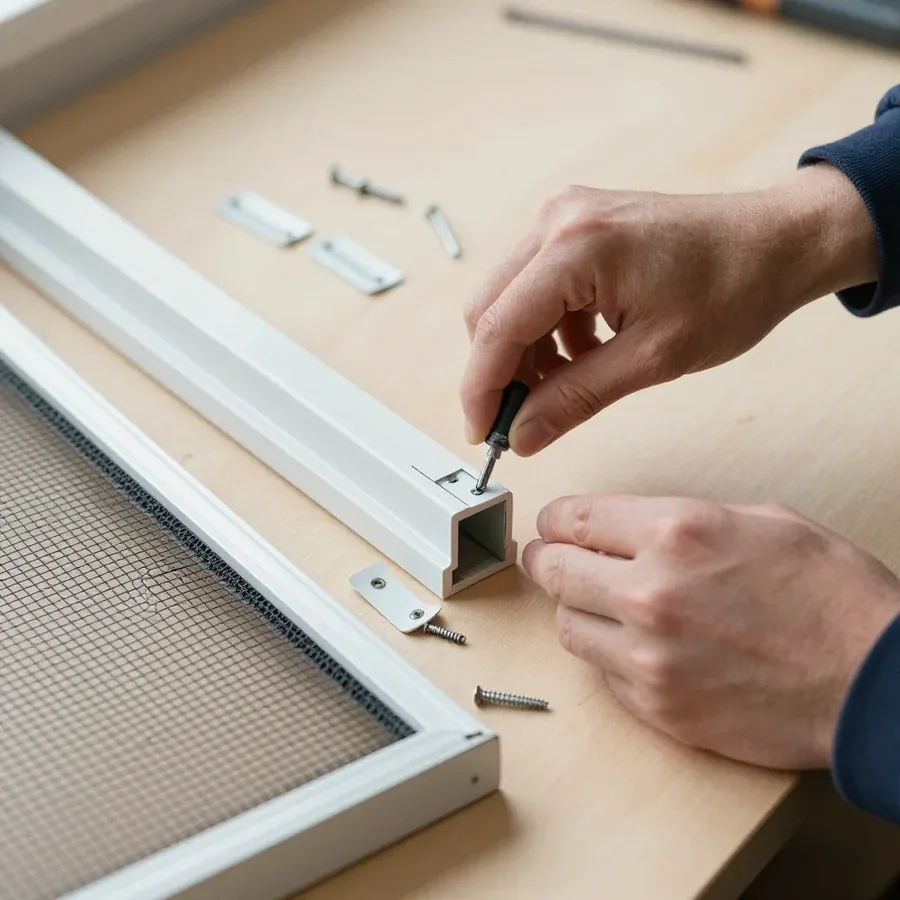
Metal brackets hook onto the frame from outside. Suitable for plastic and aluminium loggia windows.
Spring pins fit into profile grooves. Convenient where there is nothing to hook brackets onto.
Magnetic holders allow quick removal and installation of the screen. Chosen for lightweight framed structures.
If the screen is blown off or sagging, we replace the fixings. Set of Z-brackets — from 970 ₸ per set.
Five meshes differ in light transmission, strength and cell size; price is per m²
Fiberglass · fire-resistant
Standard mesh for loggia sashes. Resistant to temperature changes, suitable for everyday protection.
Ultravue · more light
Transmits 25% more light and air than other meshes. Chosen for a home office on the loggia.
Pet Screen · reinforced threads
Vinyl threads are several times stronger than standard mesh and can withstand the weight of a small pet.
Dense mesh · less dust
Traps fine dust and fluff. Suitable for loggias facing a road or construction site.
Poll-Tex · 0.25×1 mm mesh
Hypoallergenic mesh with fine cells. Traps plant pollen during the flowering season.
Framed, sliding, door and pleated screens. Our measurer will choose the right design for your opening free of charge.
Full price listFor opening sashes, removable, fixed with Z-brackets
For balconies and loggias, the sash slides to the side
Hinged, "Econom" profile 32×10 mm or "Prestige" 42×17 mm
Folds like an accordion, made in 40–60 minutes
The price list includes mesh types and individual works; the final cost is fixed after measuring
| Screen type | Price | Fitting | Options and prices | |
|---|---|---|---|---|
| Sliding mosquito screen for loggiainto frame guides | from 17 400₸ per m² | 3 300 ₸ | Opposing sliding system · 55 000 ₸ per item"Anti-Cat" · 21 000 | |
| Sliding mosquito screen for loggia (per item)ready-made product | from 25 500₸ per item | — | ||
| Framed mosquito screen, standard meshFiberglass | from 6 000₸ per m² | — | ||
| Door mosquito screen for balcony doorhinged | from 9 600₸ per item | — | ||
| Pleated mosquito screen for doorfolding | from 32 000₸ per item | — | ||
| Installation of guidesfor sliding | from 8 500₸ per job | — | ||
| Repair of sliding mosquito screen, mesh replacementre-meshing | from 13 200₸ per job | — | ||
| Installation of one mosquito screenstandard | from 1 600₸ per item | — | ||
| Replacement of fixings (Z-brackets)set | from 970₸ per set | — |
Price is fixed in the order after measuring
Book a measuring visitEnter the width and height of the sash — the calculator will calculate the area and approximate cost
1. Screen type
2. Mesh and design
3. Opening size, cm
Own production, clear manufacturing time and a 1-year warranty on screens
We make, deliver, install and repair screens ourselves, without intermediaries
minutes for a framed screen to your dimensions
color to match your windows: white, brown, gray and others
on mosquito screens
options: Fiberglass, UltraVue, Anti-Cat, Anti-Dust, Anti-Pollen
requests accepted from 09:00 to 22:00
we deliver and install screens on windows and doors
cities in Kazakhstan where you can order screens
From request to finished screen on the sash — four steps
Write on WhatsApp — we reply within 5 minutes, clarify dimensions and a convenient time
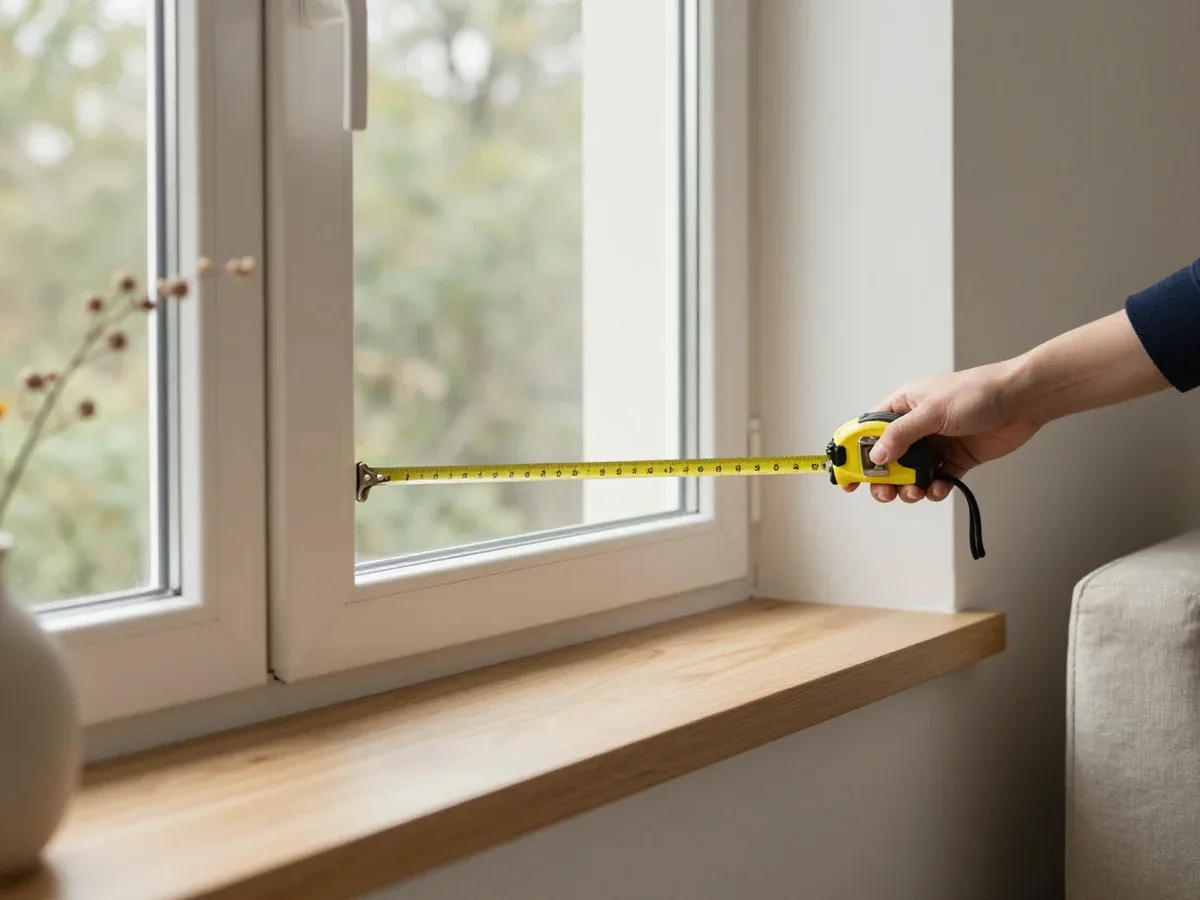
The measurer records sash dimensions and confirms the order
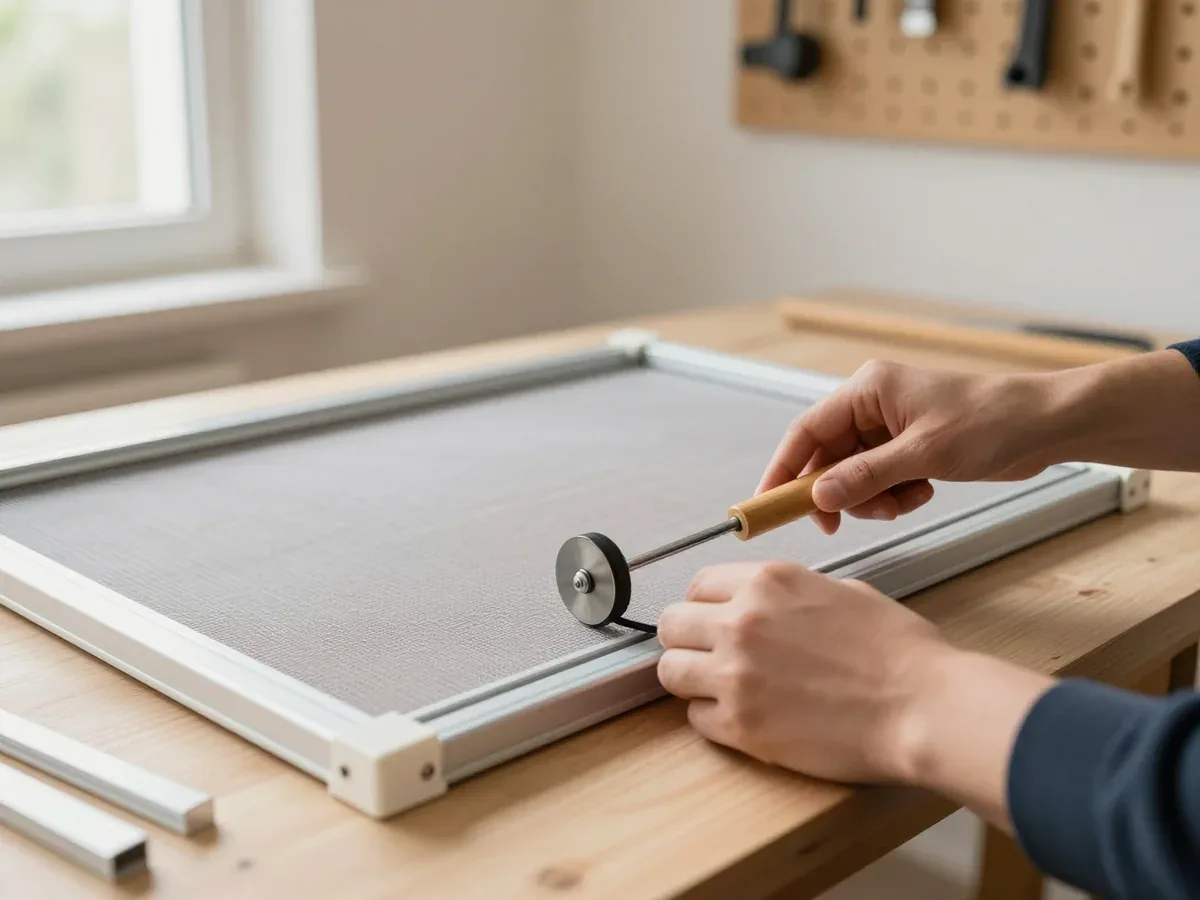
We make framed screens at our own production in 10–15 minutes, pleated — in 40–60 minutes
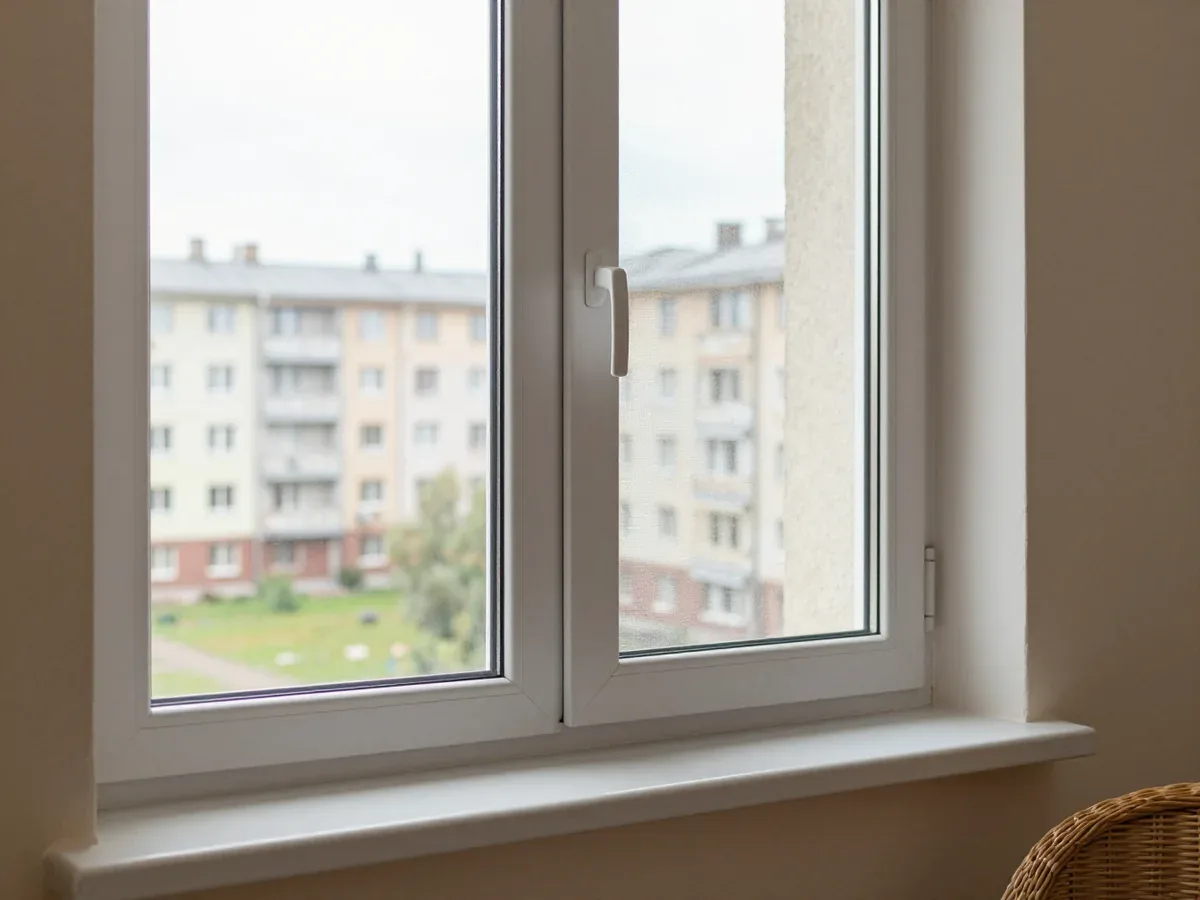
We deliver and install the screen on loggia sashes or door, check movement and fixings
Good to know

Senior mosquito screen specialist at moskitnyesetki.kz
Our company makes loggia mosquito screens in Atyrau to your exact sizes, with free measuring and installation by our own fitters. We supply framed, sliding, door, pleated and roller screens, match the mesh and fixings to your window profile and floor, and back every screen with a 1-year warranty. You pay only after installation.
A loggia means tall windows plus a door, so one type never covers the whole space. Here is what we put on the glazing, what goes on the doorway, and when a pleated model earns its place.
We fit framed screens on loggia windows as the everyday choice and sliding screens where the window is wide or opens onto a walkway. A framed panel is rigid, painted to your colour, sized to the sash and held by Z-brackets, pins or magnets. A sliding unit runs on its own track and moves sideways, so the sash behind it stays reachable without lifting anything out. On wide glazing the sliding panel covers the opening in one movement instead of a full panel you have to store. Loggia mosquito screens in Atyrau are made to the size of each sash, so the panel sits tight on the glazing. A framed model lifts out from inside in a minute, so it is the easier one to take down and wash; a sliding unit stays on its track and suits a window you open often.
| Opening on the loggia | Screen we fit | Why it suits |
|---|---|---|
| Standard opening window | Framed unit | Lifts out from inside for cleaning |
| Wide window or walkway | Sliding unit | Stays on its track, opens sideways |
| Balcony door you use daily | Pleated model | Folds into a slim stack |
| Window you rarely open | Roller model | Rolls up out of the way |
| Door with heavy traffic | Door unit | Built for constant passing |
The fixing decides whether the mesh holds in the wind and whether the window profile stays intact. Here is what our measurer chooses from, and when an installation can go up without a single drilled hole.
The higher the balcony and the more open the side, the more we lean on brackets that hold the surround tight rather than on light magnetic mounts. A ground-floor balcony shielded by a neighbouring building takes pins or magnets without trouble, while an upper storey on the open steppe side needs the panel clamped at every corner. A rattling panel in gusts wears its fasteners faster, so a firm fixing on a windy floor saves a repair call later. On the exposed upper floors of Atyrau homes we usually recommend the bracket set, and the measurer settles the final choice on site.
The fabric decides more than the view: how much daylight reaches the room and what the cells hold back. Here is how the range maps onto the jobs a balcony does.
UltraVue lets in 25% more light and air than other meshes, while Standard fiberglass resists ignition and temperature swings. We keep both because they solve opposite problems: one is built for openings that need every lumen, the other for frames that sit through hot summers and cold snaps without warping. UltraVue suits a glazed opening where this layer is the only barrier between the room and the sky, and its cells still keep insects out. Because that single layer carries the whole job, check the frame fit and tension first, since a loose edge lets light and air escape and undermines the gain. Standard is the workhorse for stairwells, utility rooms and rented flats where the mesh has to survive neglect, so choose it wherever durability matters more than maximum airflow.
The Anti-Cat variant uses vinyl threads that hold the weight of a small animal, and Anti-Pollen has a 0.25×1 mm cell that traps fine grains for an allergic household. Anti-Dust is the third in that group, woven denser than Standard to hold back the grit that blows off the steppe and settles on a sill within a day. The cat mesh stretches rather than tears when claws catch it, so it keeps its shape after a few climbs. The allergen weave is the one to discuss with the measurer if someone in the flat reacts to the seasonal load. A cat tests the weakest point first, so pair this mesh with a firm fixing rather than a light magnetic mount.
| Mesh | Best for | Key property |
|---|---|---|
| Standard (Fiberglass) | Everyday use | Resists ignition and temperature swings |
| UltraVue | Bright, airy loggia | 25% more light and air |
| Anti-Cat (Pet Screen) | Homes with a cat | Vinyl threads hold a small animal |
| Anti-Pollen (Poll-Tex) | Allergy season | 0.25×1 mm cell traps pollen |
| Anti-Dust | Dusty streets | Denser weave against dust |
| Krylo | General protection | Alternative weave in the range |
A balcony mesh carries more load than a window one, so the section and the measuring matter more here. Below is the difference between Economy and Prestige and how the call-out works.
Hinged models come with the Economy 32×10 mm profile or the heavier Prestige 42×17 mm, and the wider option suits a door that is opened all day. The slimmer Economy section is the standard choice for a balcony opening used a few times a day, while the larger one wraps a wider band of aluminium around the same sheet. We paint either to match your windows, so the decision comes down to how the opening is used rather than how it looks. On a loggia that doubles as the main exit, the stiffer section keeps the unit from flexing over the years.
Measuring and consultation are free, the measurer takes sizes and helps choose the panel and fixings, and a framed unit made to your size is ready in 10–15 minutes while a pleated one needs 40–60 minutes. The specialist comes at a convenient time, checks the opening, your window profile and the floor, and confirms which fasteners suit the section and the storey. We work seven days a week, and you can send a photo on WhatsApp first — we reply within five minutes. The price is fixed in the order after measuring, so nothing changes once the sizes are confirmed. A framed model is assembled and fitted on site in that same short visit, and a pleated one is built up over the longer slot. Accuracy at that first visit decides whether the finished product sits flush, so clear the sill before the specialist arrives.
A well-made unit lasts for years when it is taken down on time and wiped clean now and then. Below is how winter storage, routine care, servicing and the guarantee work in practice.
A framed unit lifts out from inside in a minute, and we suggest removing it for the cold months and wiping the fabric with a soft damp cloth to stop dust and sun from dulling it. Every frame from our workshop is painted to match your windows, so the coating also benefits from a wash rather than a scrub with abrasives. Store the panel flat instead of leaning it against a wall, so the corners stay true. Sliding and pleated models stay in their guides, so for those a vacuum on low suction along the track does most of the cleaning.
We service screens and swap fasteners, and every unit carries a 1-year guarantee, with payment taken after installation by cash, card or Kaspi. A torn fabric or a popped bracket is usually a fix rather than a new build, so describe what failed and we can tell you before the visit which it is. Z-brackets, pins and magnets all wear differently, and a single failed fixing is replaced without touching the aluminium profile. The cover includes the labour and the parts we fitted; accidental damage from a falling branch or a pet is handled as a paid job.
Five decisions shape a screen that lasts: the opening, the fixing, the mesh, the door profile and the seasonal care. Here is the short version to keep at hand.
Installation, removal, types and mesh
Konstantin Selenenkovsenior mosquito screen specialist, 10 years in the tradeOnline · replies within 5 minutes
Ask a questionSliding aluminium windows on a loggia usually take a sliding screen or a pleated one: a framed screen would cover the sash and stop it from moving. The measurer will check the profile and suggest a design that fits without blocking the opening.
The framed screen comes off from inside in a minute: pull the handles and move the frame away from the fixings. Store it in a dry place, such as behind a wardrobe or on a mezzanine, so the mesh does not crease or get dusty.
An internal screen is fitted from inside the room and does not require going outside, while an external one is mounted on the facade side and protects the window from the outside. For a loggia, internal fitting is usually chosen: it is easier to maintain and remove for the winter.
Yes, UltraVue lets through about 25% more light and air than other meshes. If the loggia is dark or the windows face north, the difference is noticeable, and protection against insects remains.
Anti-Cat is made from vinyl threads and is several times stronger than a standard mesh, withstanding the weight of a small animal. If the cat even occasionally reaches for the window on the loggia, it is better not to risk it: a torn screen is usually replaced rather than repaired.
Choose Anti-Pollen (Poll-Tex): it has a 0.25×1 mm cell and traps pollen, keeping it out of the room. During the measuring visit, you can compare this mesh with Anti-Dust and Standard to choose by density and light.
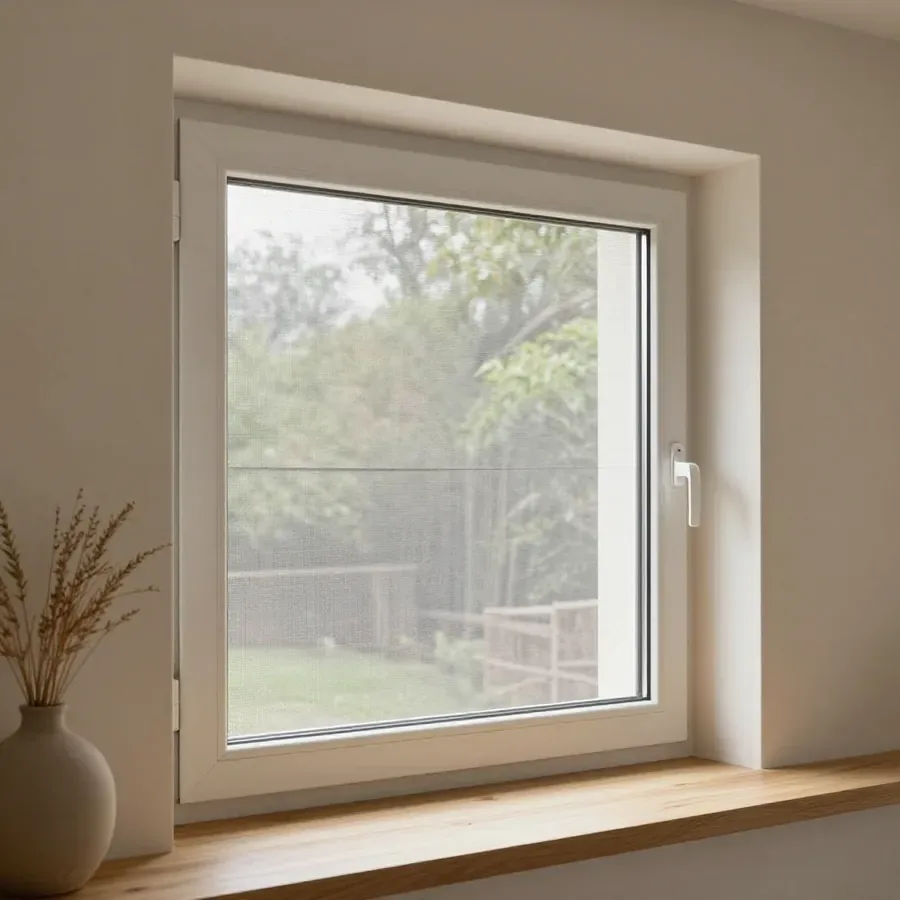 Care
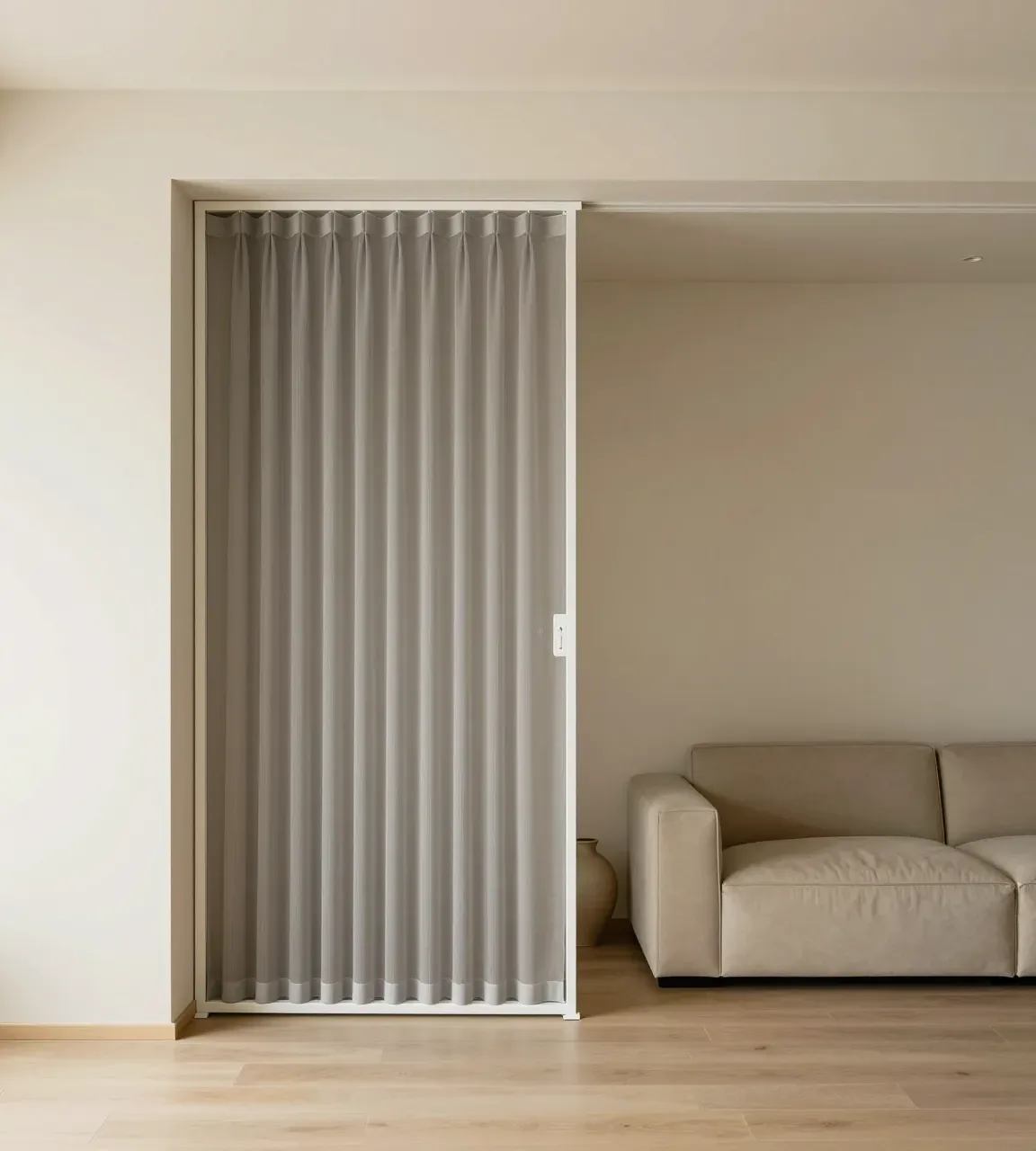
A frame screen comes off in a minute: we show how not to bend the frame or lose the fixings.
April 15, 20268 min read
 Choosing
We compare the price, lead time and how each screen performs on a door that you walk through every day.
March 2, 20268 min read
 Mesh types
How Poll-Tex mesh with a 0.25×1 mm cell works and who it helps in pollen season.
February 17, 20268 min read
 Prices
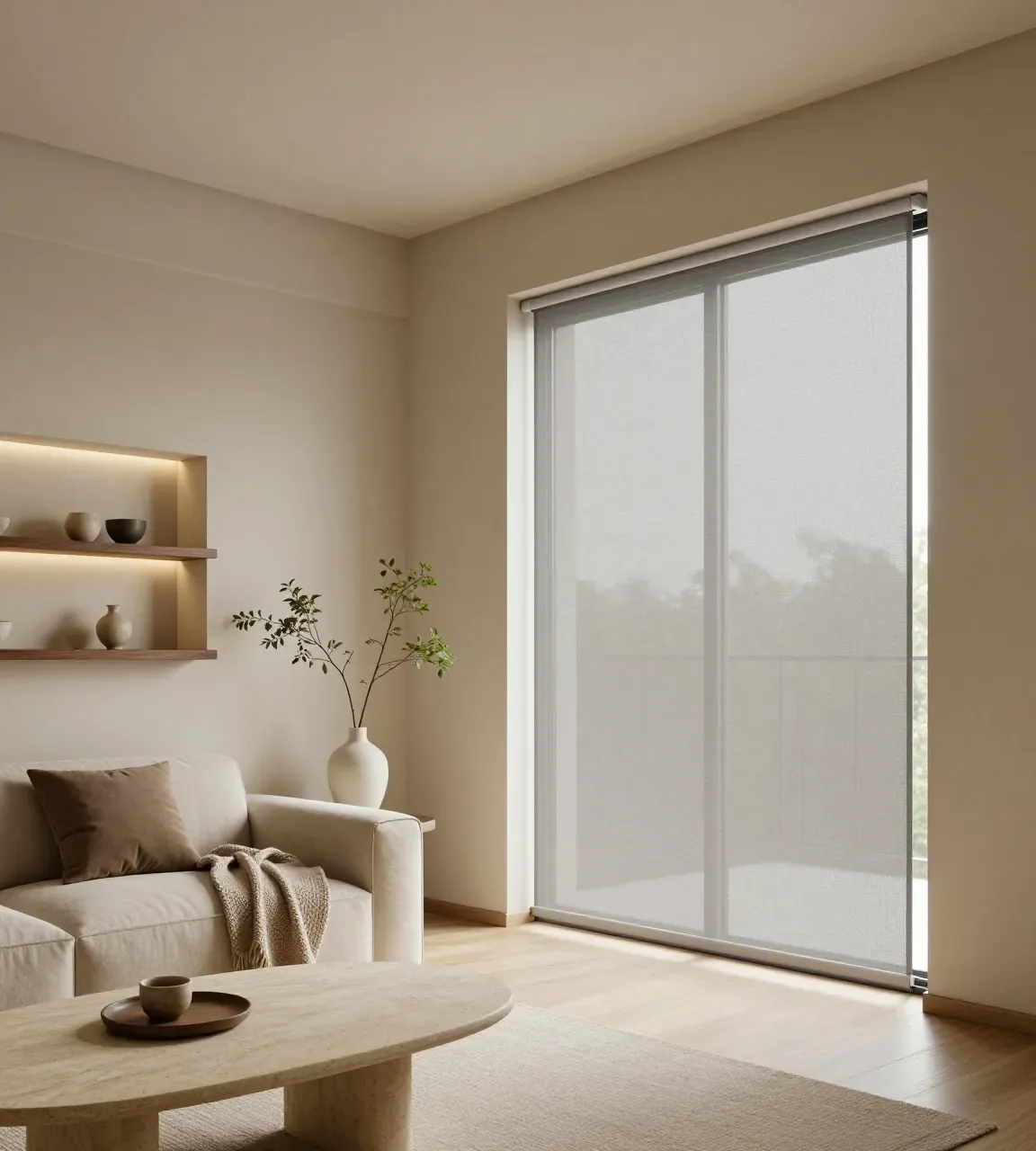
Price list breakdown: frame screen from 2 000 ₸ per m², installation 1 750 ₸, pleated from 28 000 ₸. Costing a 70×140 cm window.
February 1, 20268 min read
 Repair
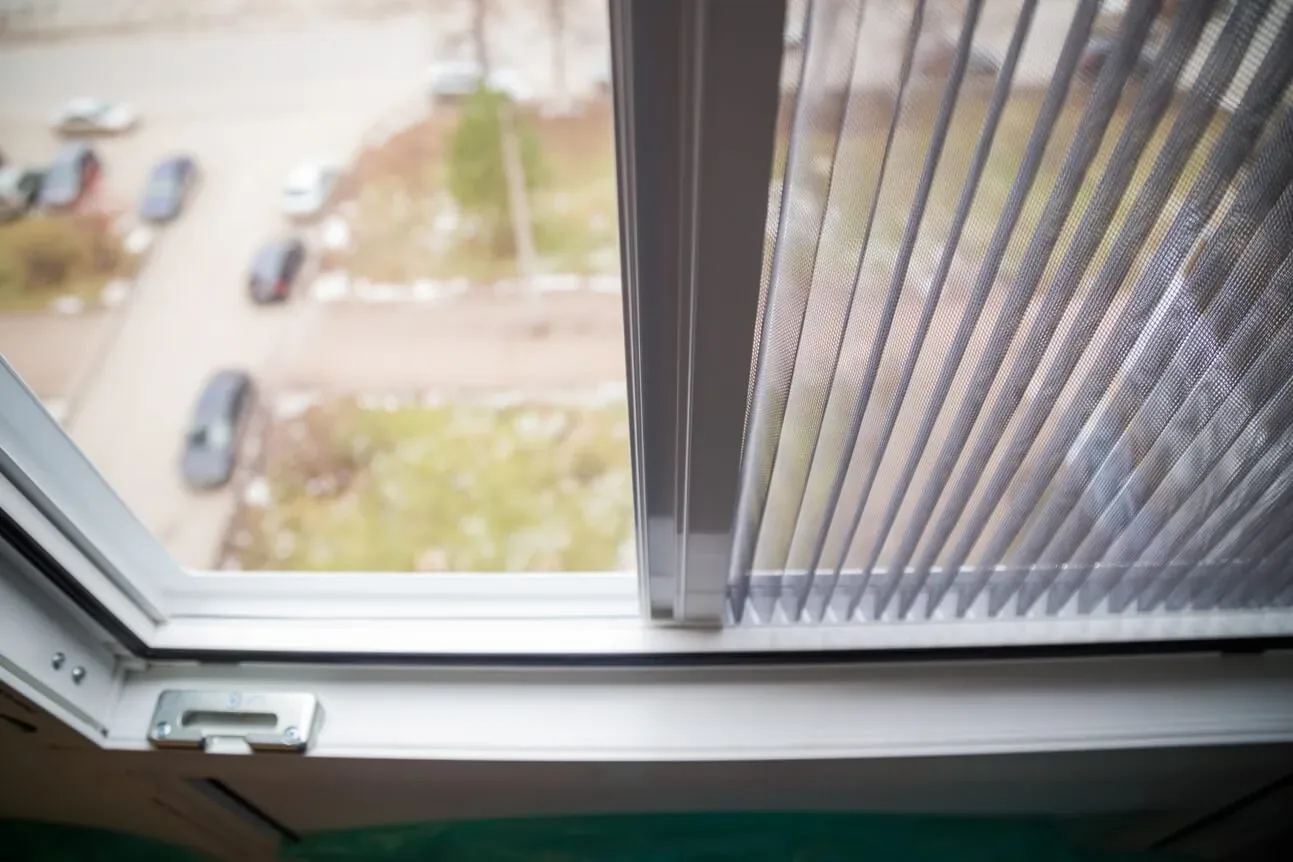
Worn fixings, a wrong measurement, wind on high floors. A set of fixings costs 290 ₸, installation 871 ₸.
January 14, 20268 min read
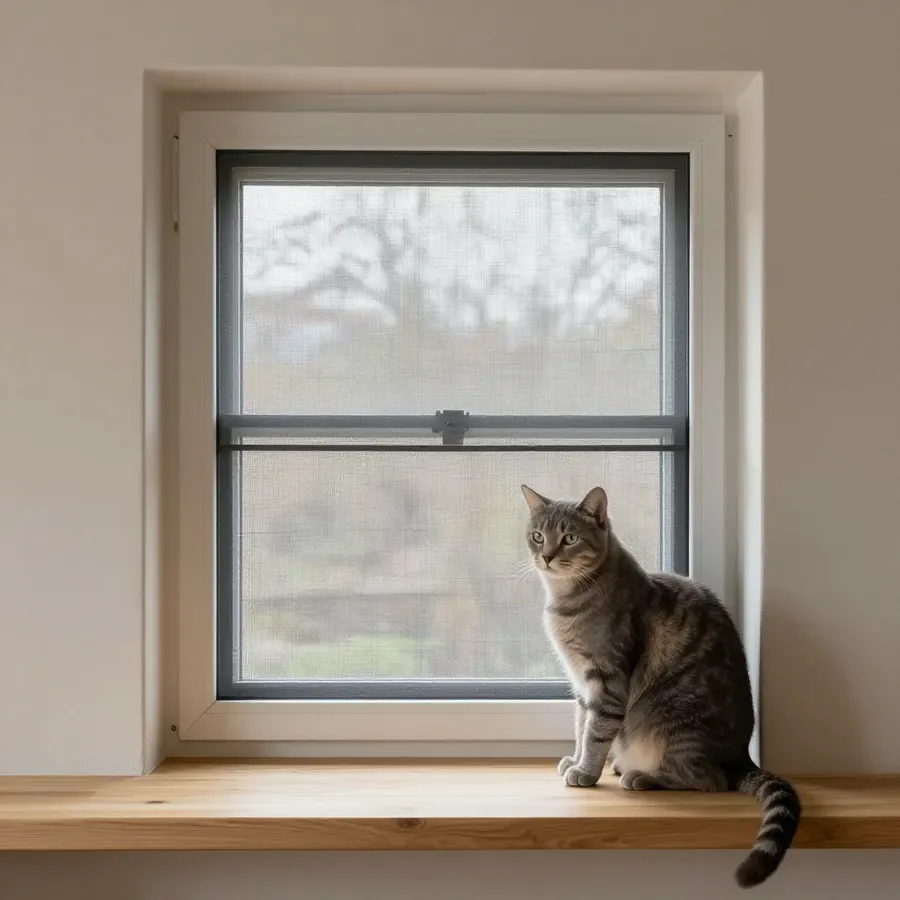 Choosing
Anti-Cat mesh on vinyl threads, the fixings and what to do about gaps around the window opening.
December 23, 20258 min read
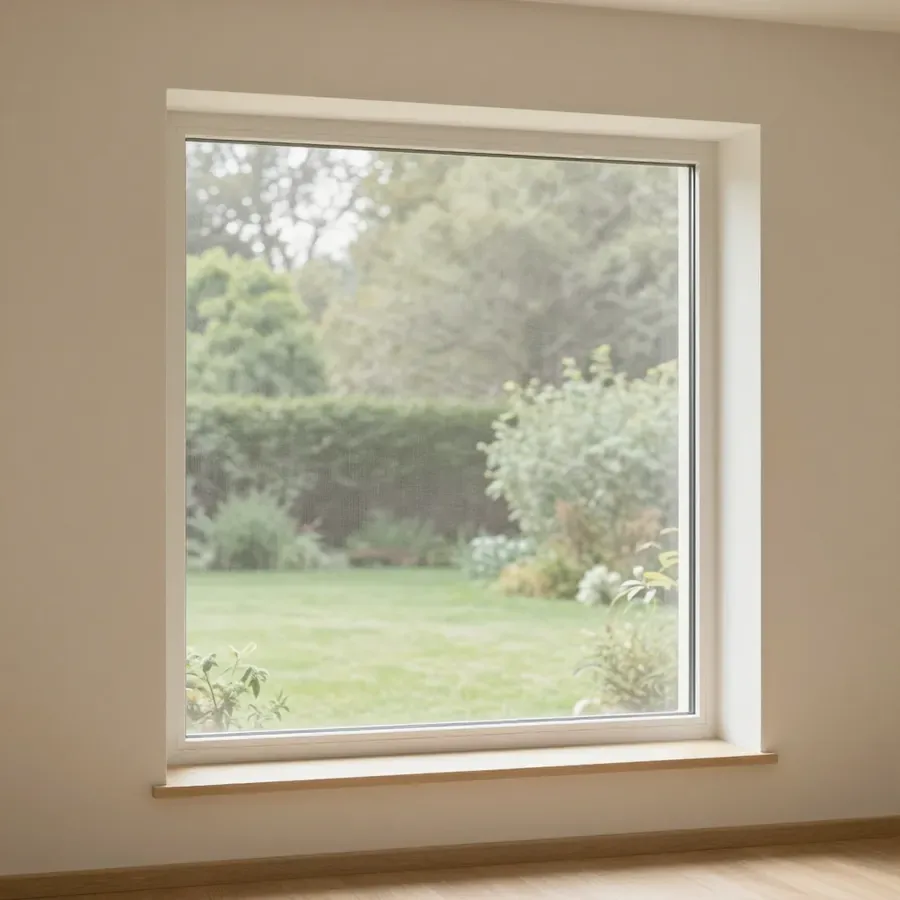 Mesh types
The mesh lets in 25% more light and air. Where the difference shows and where paying extra is not worth it.
December 11, 20258 min read
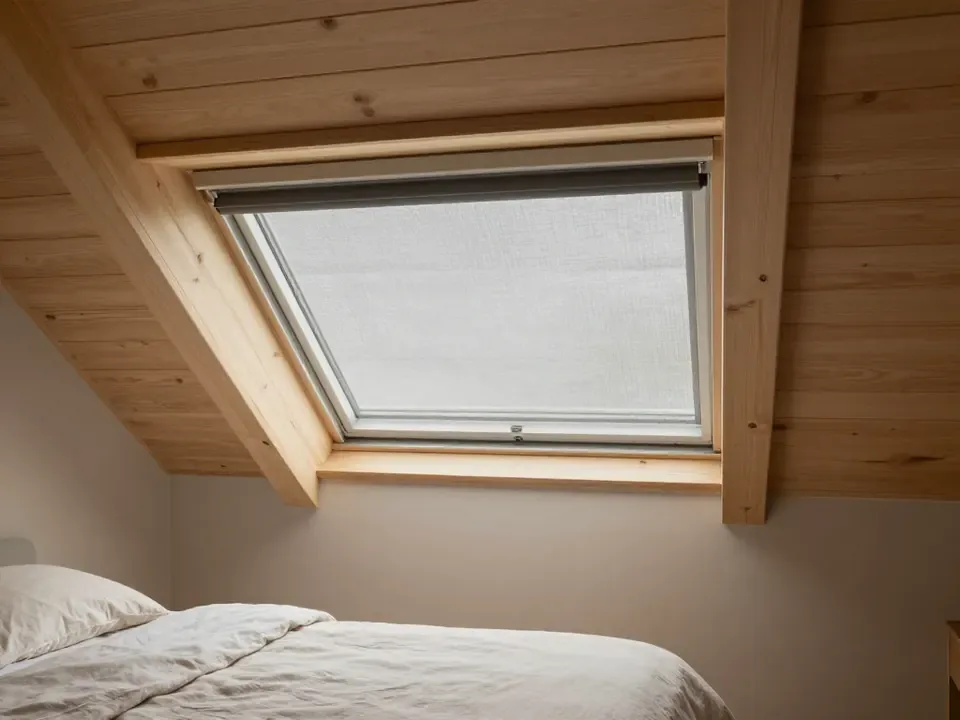 Choosing
A tilted sash, outward opening and a roller screen at 15 000 ₸ per m²: what will suit your window.
November 21, 20258 min read
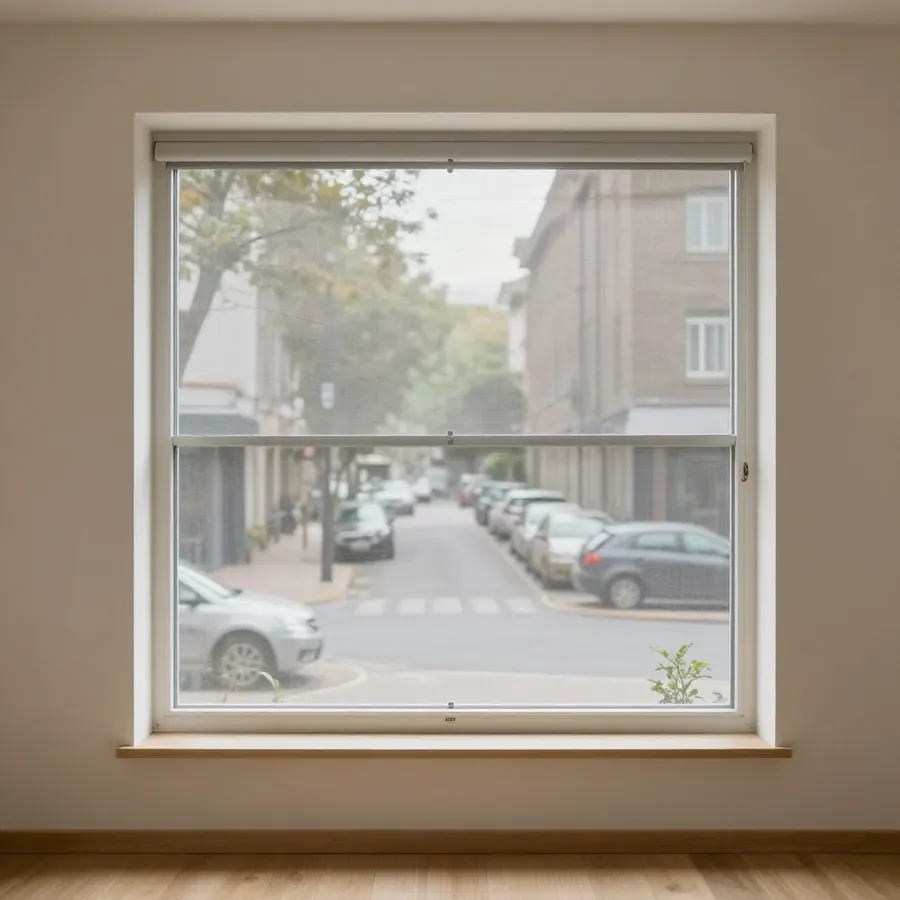 Mesh types
The mesh stops coarse and fine dust along with mosquitoes. When it is worth the price of 8 500 ₸ per m².
October 20, 20258 min read
Thank you. We will call you back within 10 minutes!
Your order number is on the receipt or in the SMS. Choose where to leave your review.
Write a review on WhatsApp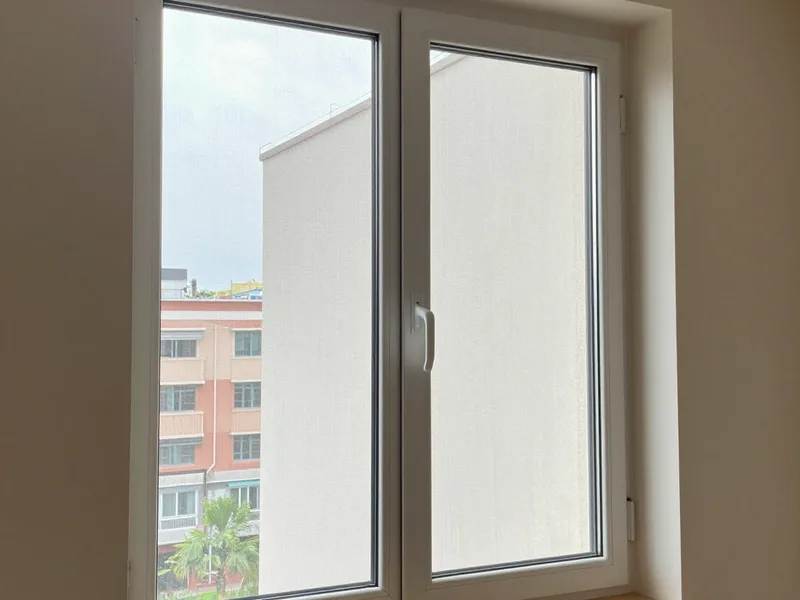 For balcony
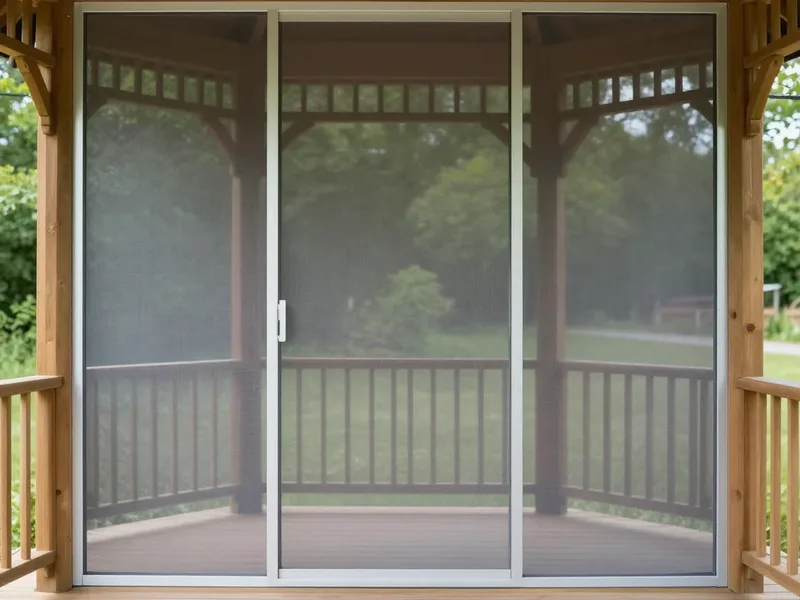 For gazebo
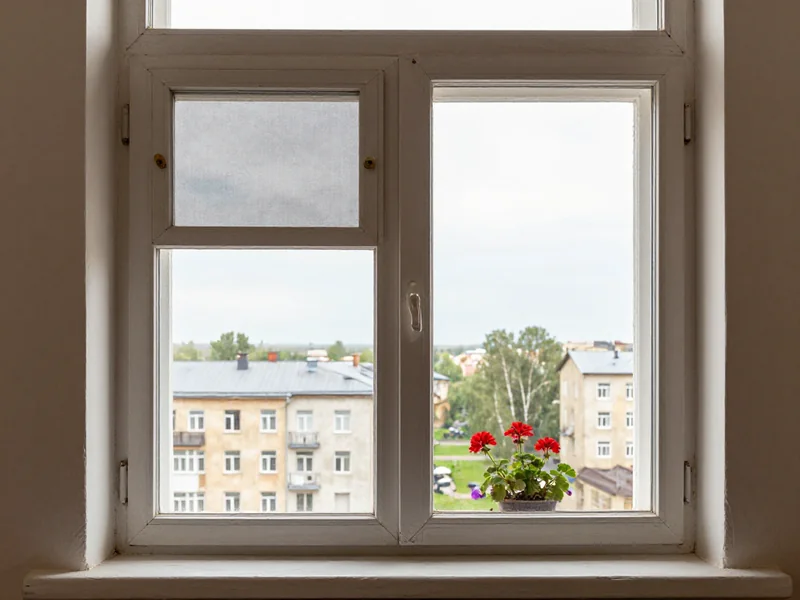 For vent window
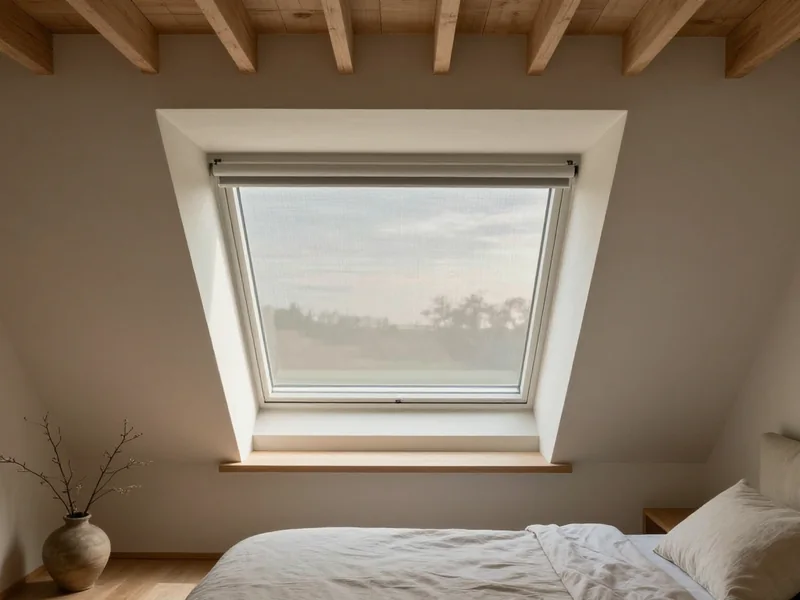 For skylight
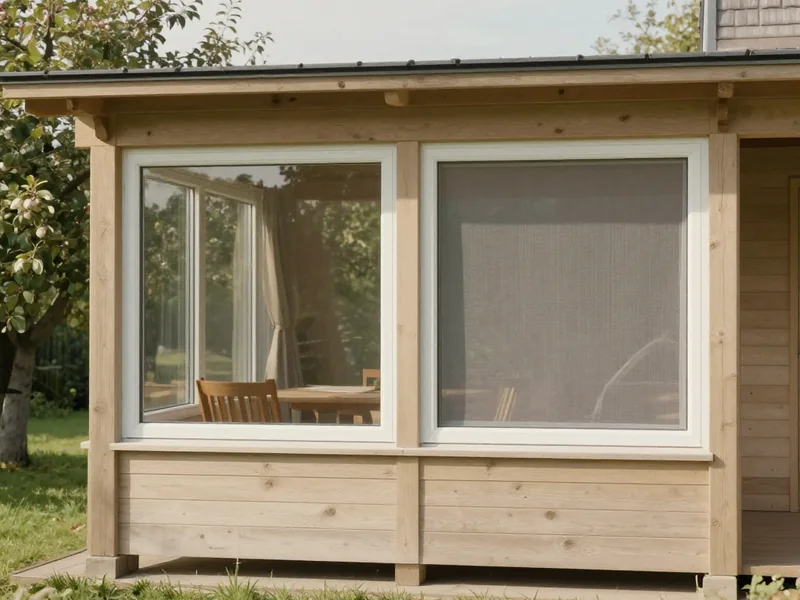 For terrace
