


Good to know
Pleated Mosquito Screens in Atyrau

Senior mosquito screen specialist at moskitnyesetki.kz
We make pleated mosquito screens to your exact size and fit them on windows, doors, loggias and gazebos across Atyrau. A measurer comes free at a time that suits you, the pleated screen is made in 40–60 minutes, and you pay only after installation. Every screen carries a 1-year warranty.
How a pleated screen folds and where it beats a framed one
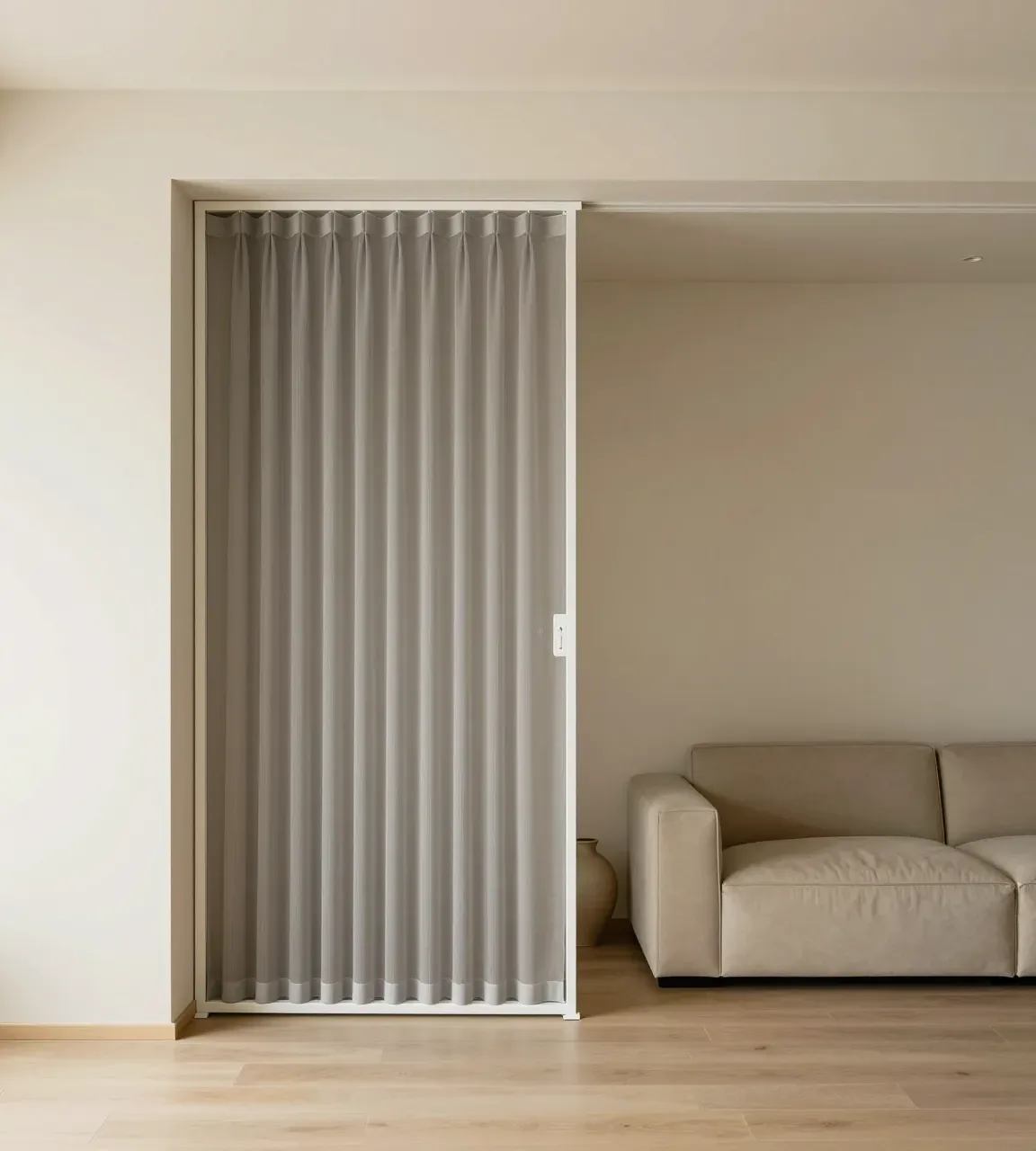
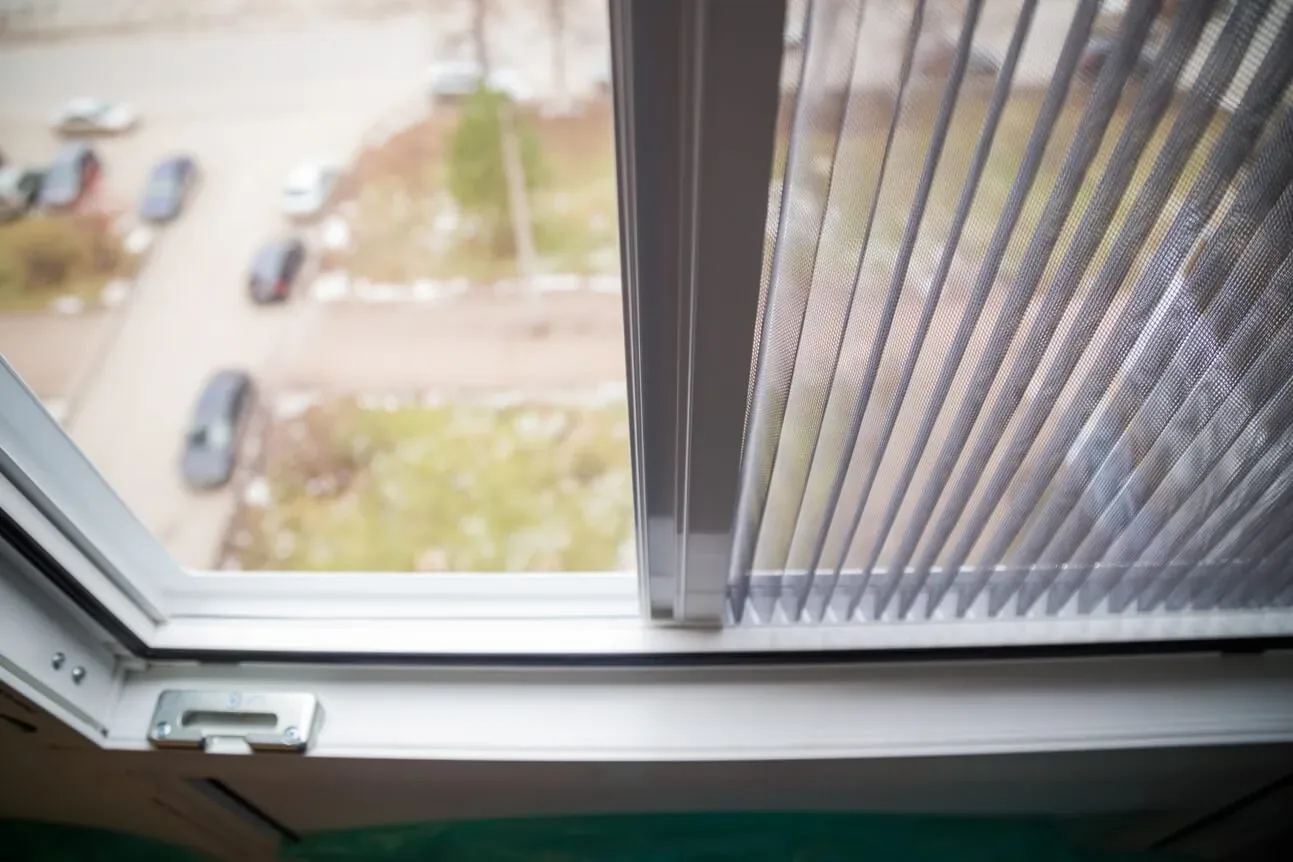
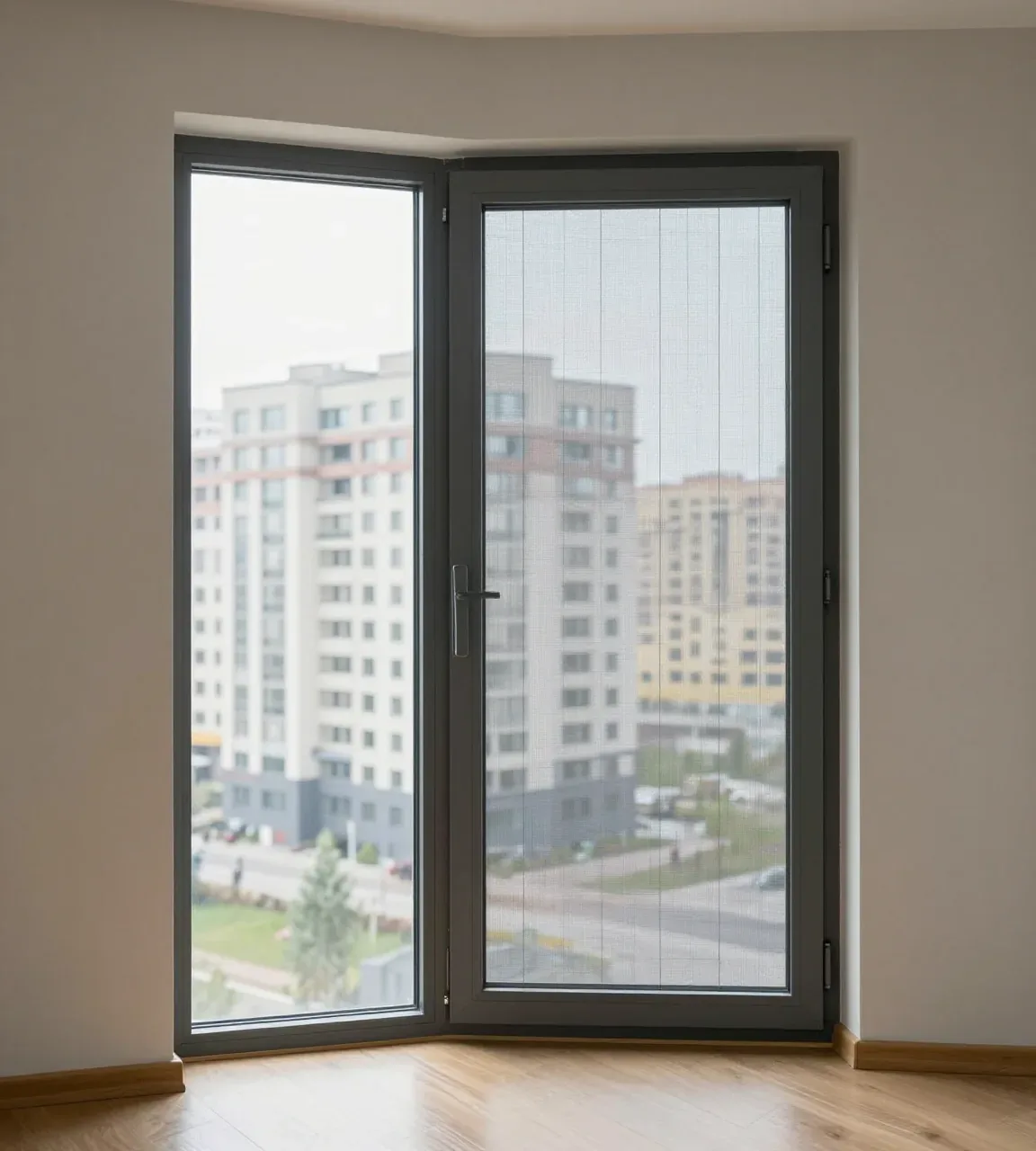
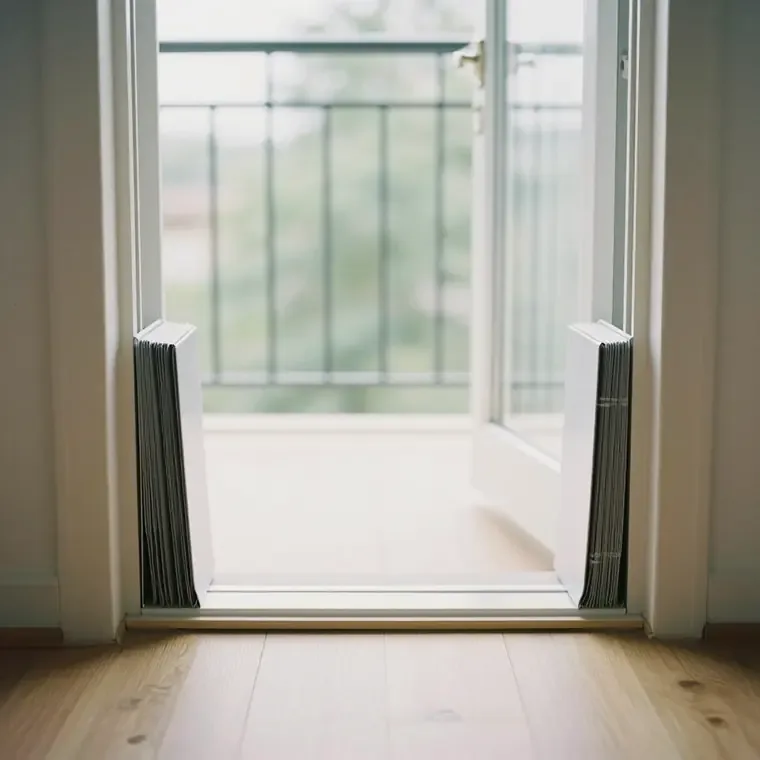
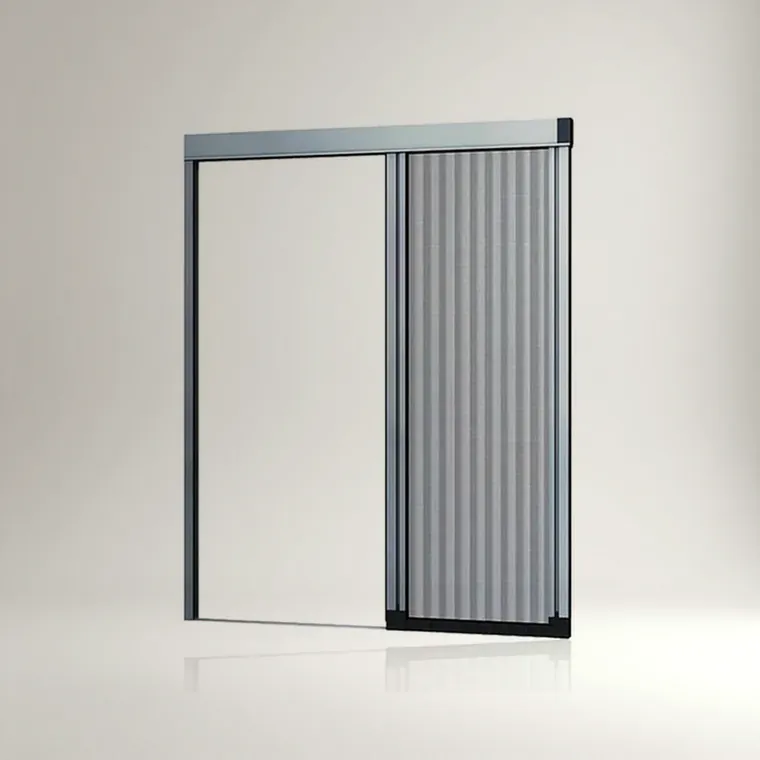
A pleated unit is a folded fabric panel that runs on guide tracks and gathers to one side when you open it. Below we explain the mechanism and where it wins over a framed screen.
How the accordion mesh opens and closes
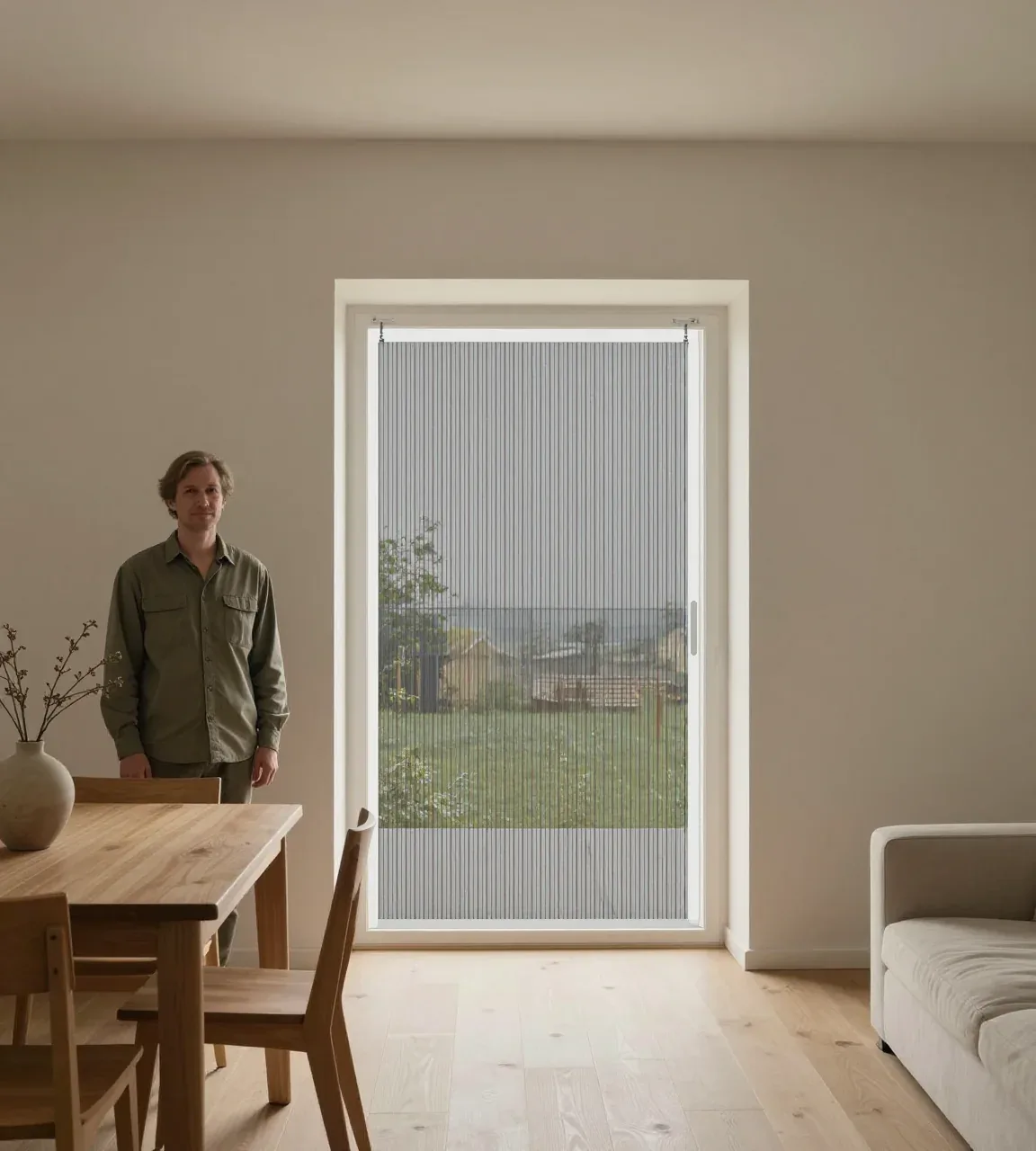
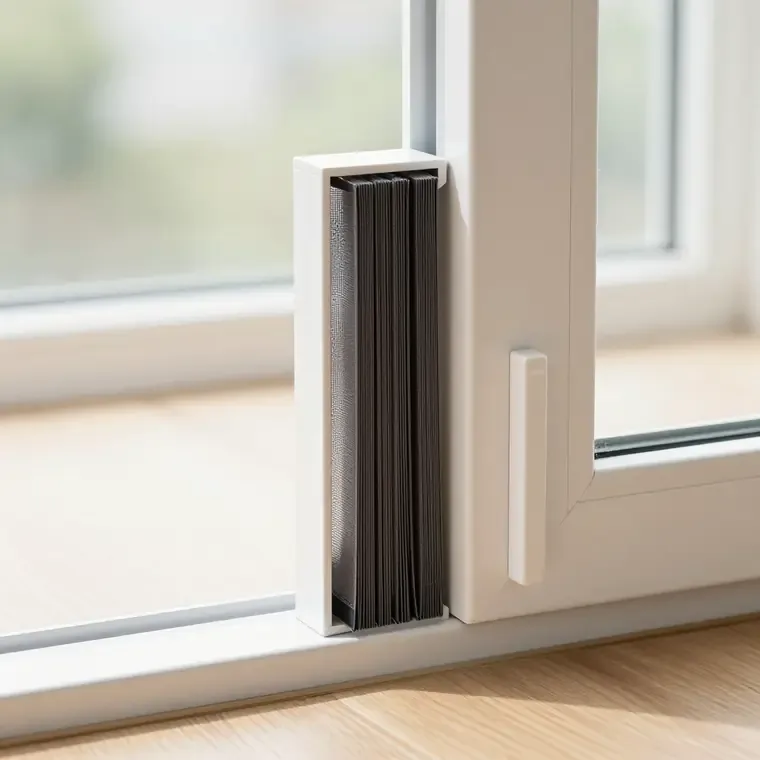
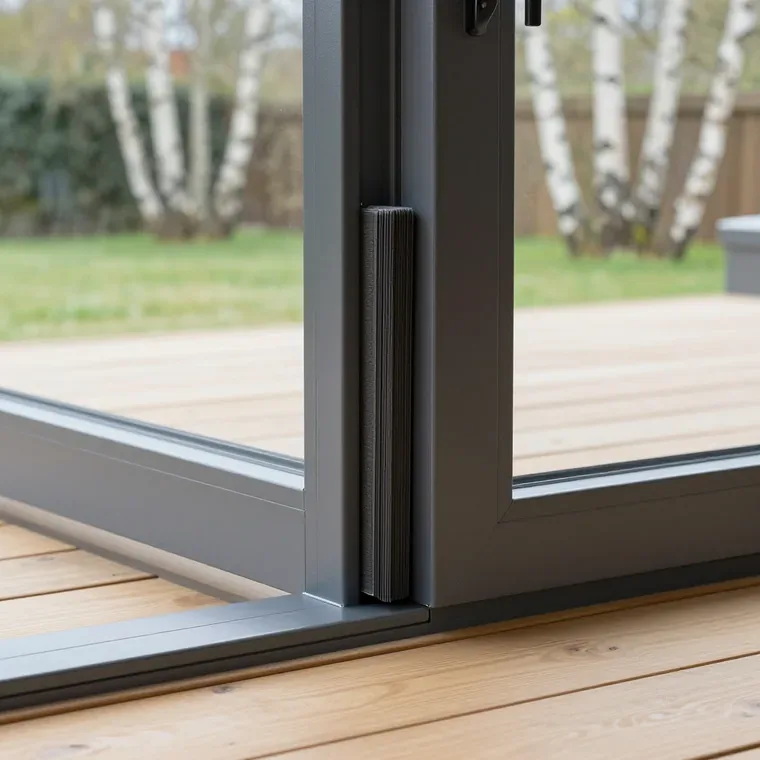
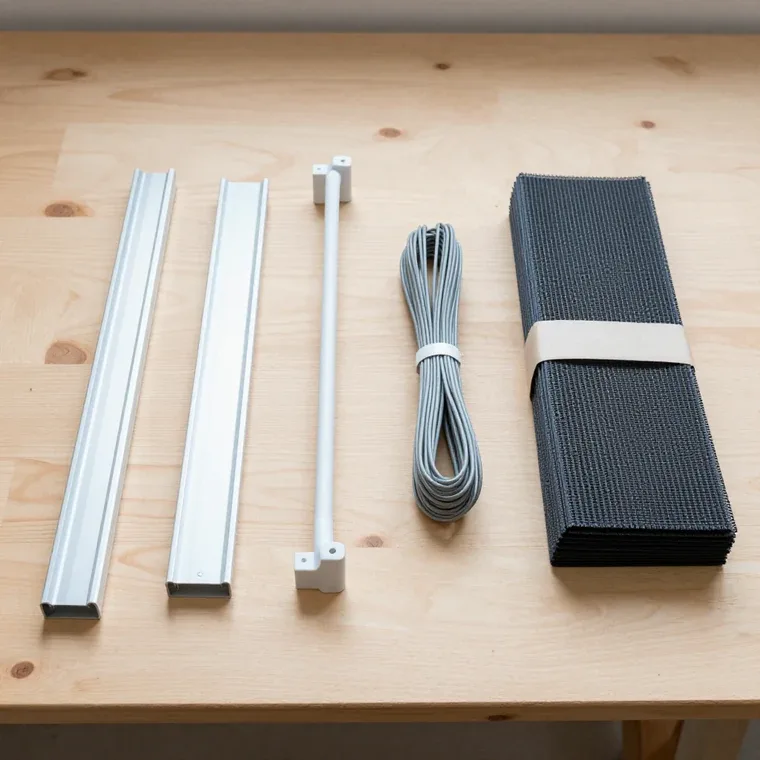
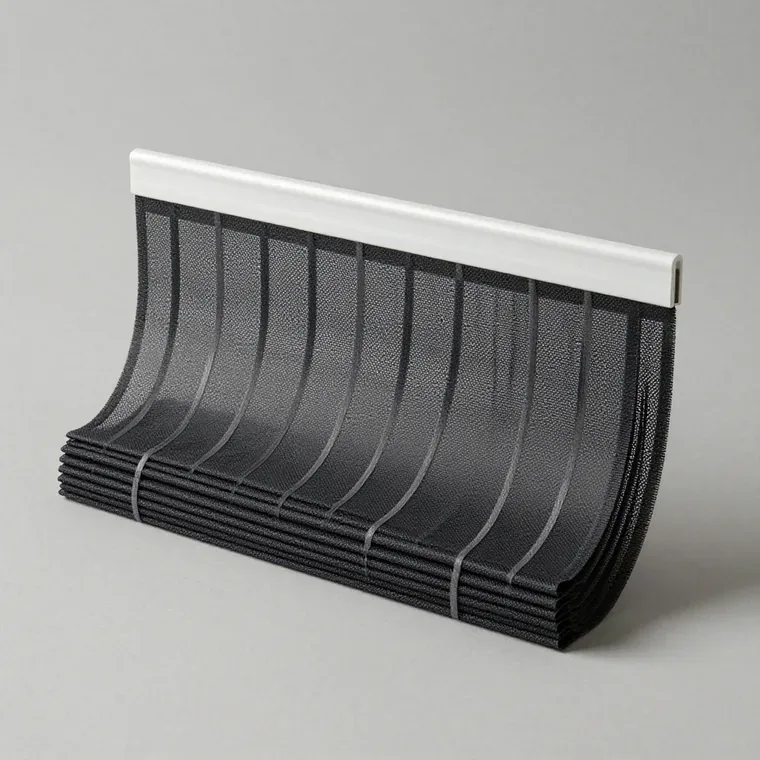
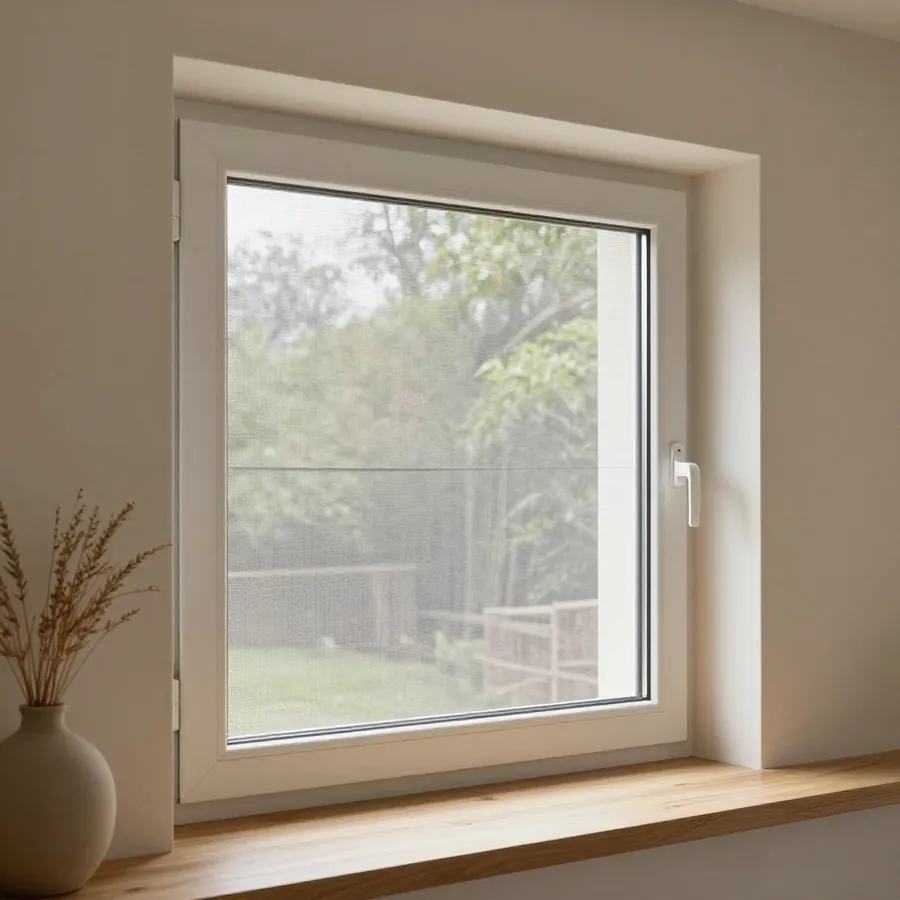
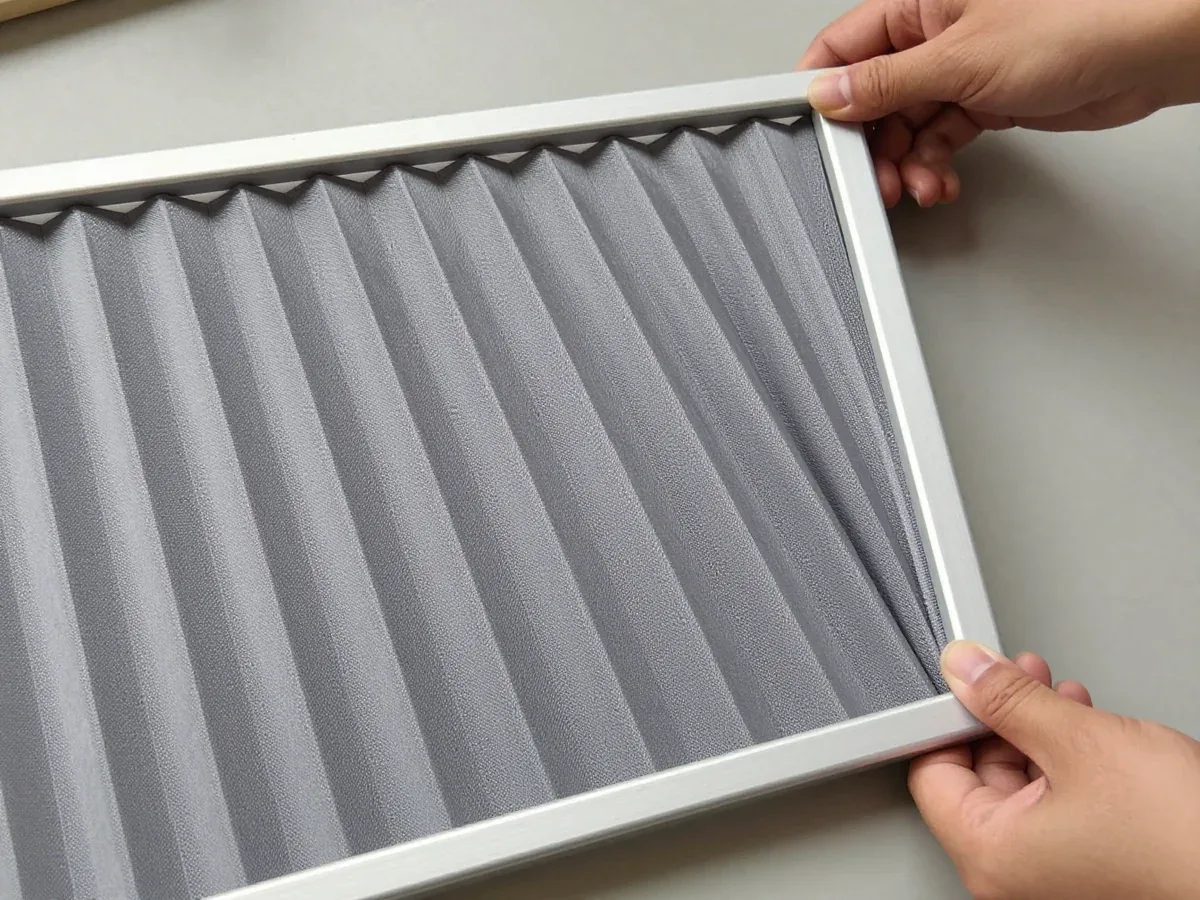
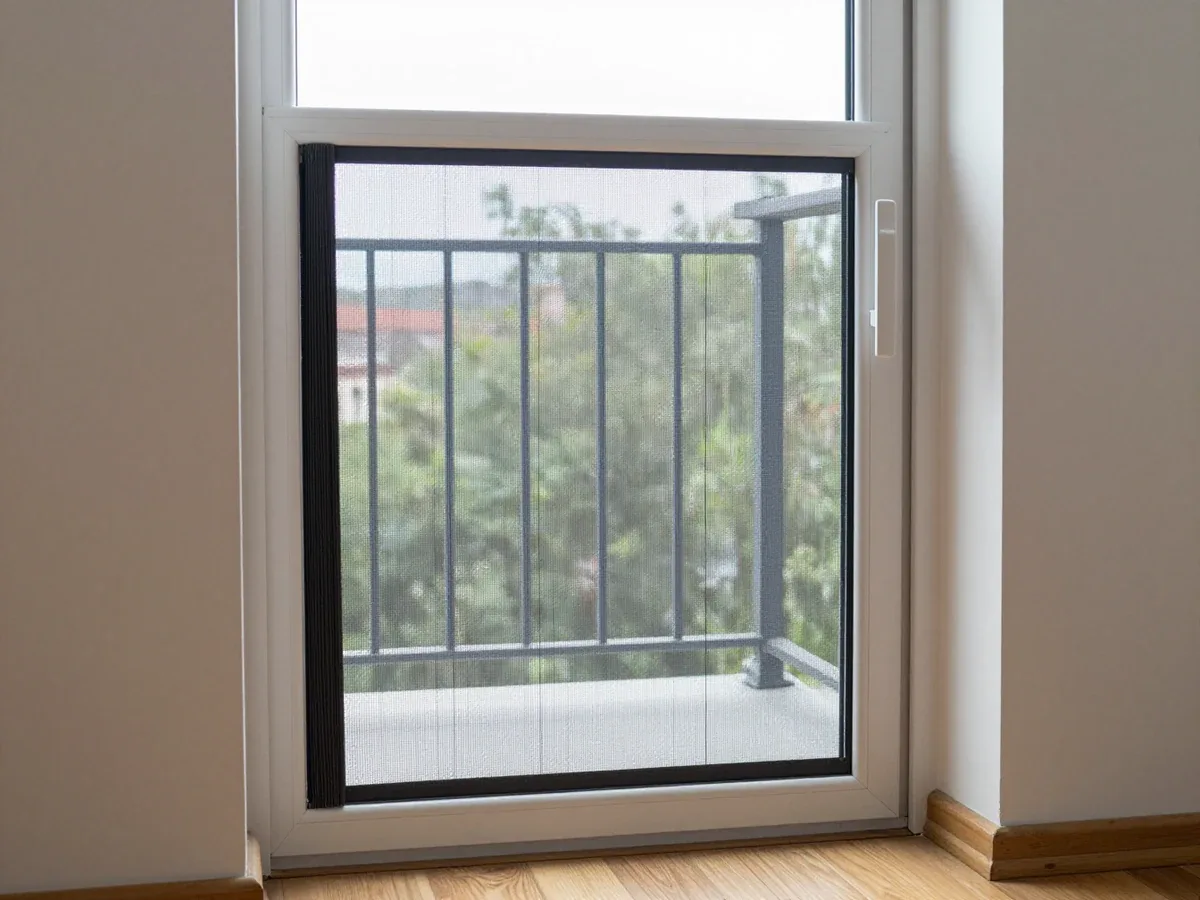
A pleated mosquito unit folds into a slim stack along its track, so it slides sideways instead of lifting out like a framed one. The fabric gathers in even pleats between two guide rails, and a light pull on the handle compresses the whole panel into a narrow column at the edge. On a window it travels horizontally across the frame; on a balcony door the tracks can be mounted to run sideways or upward. The fabric sits on the room side, so you reach the sash handle without stepping around it. Because the fabric gathers rather than swings, the aperture stays usable all season and the panel never blocks the handle.
Pleated, framed or sliding screen for your window
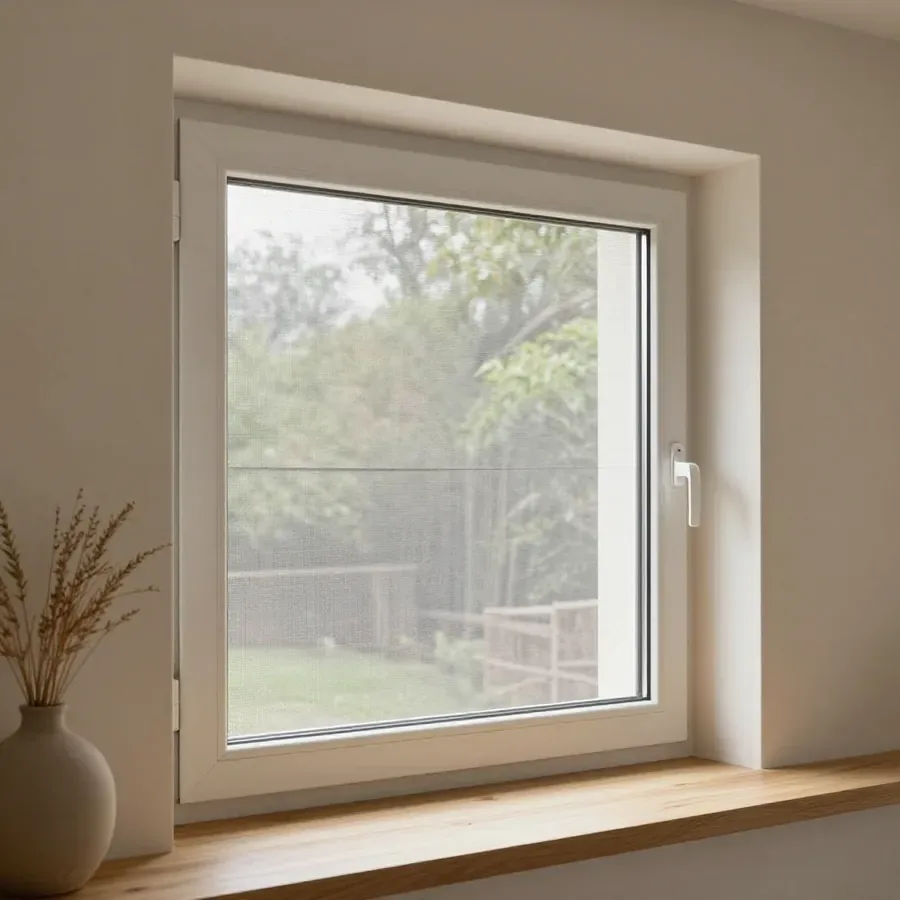
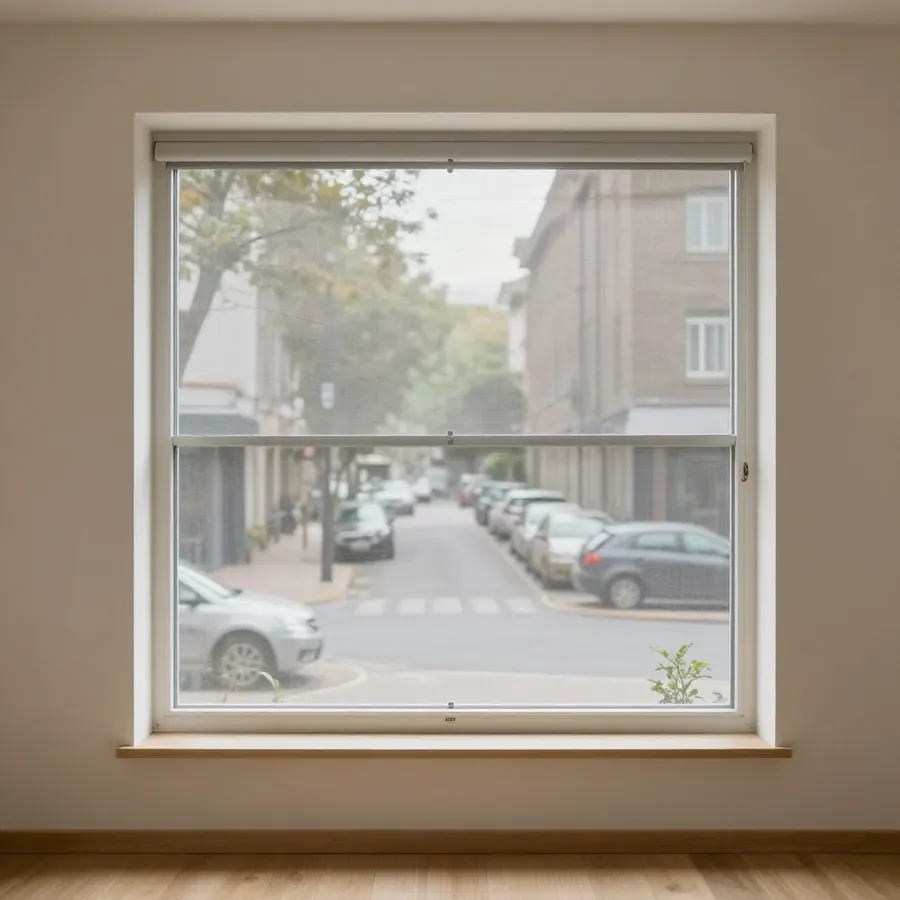
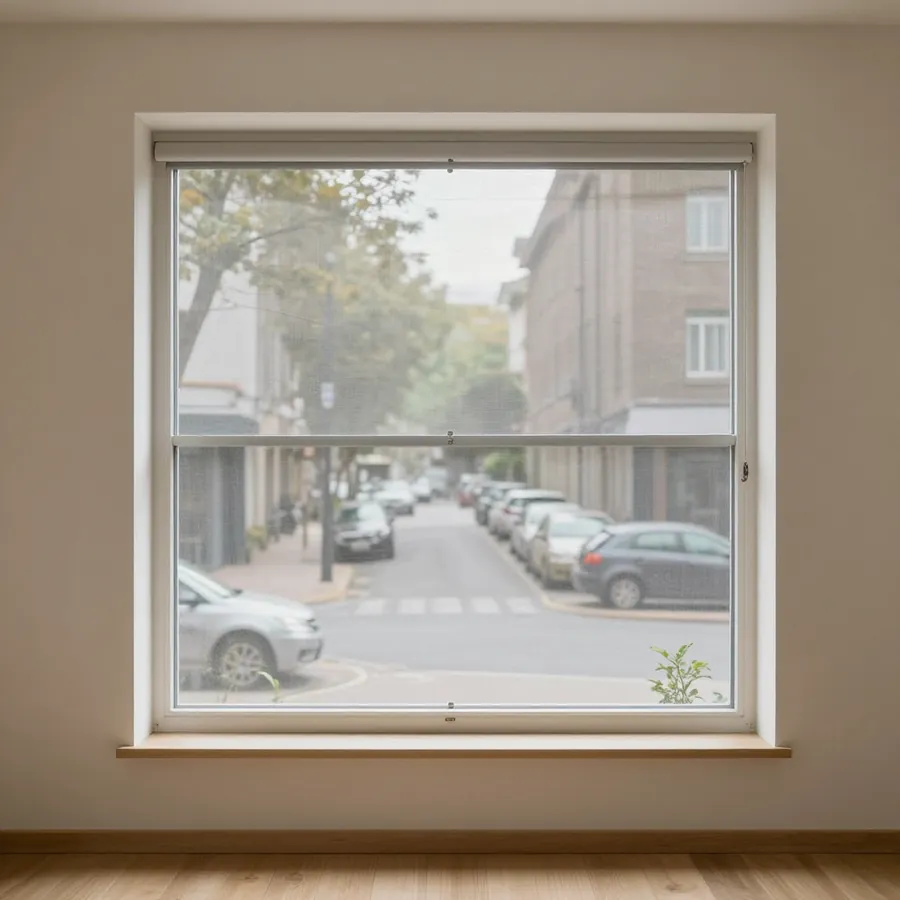
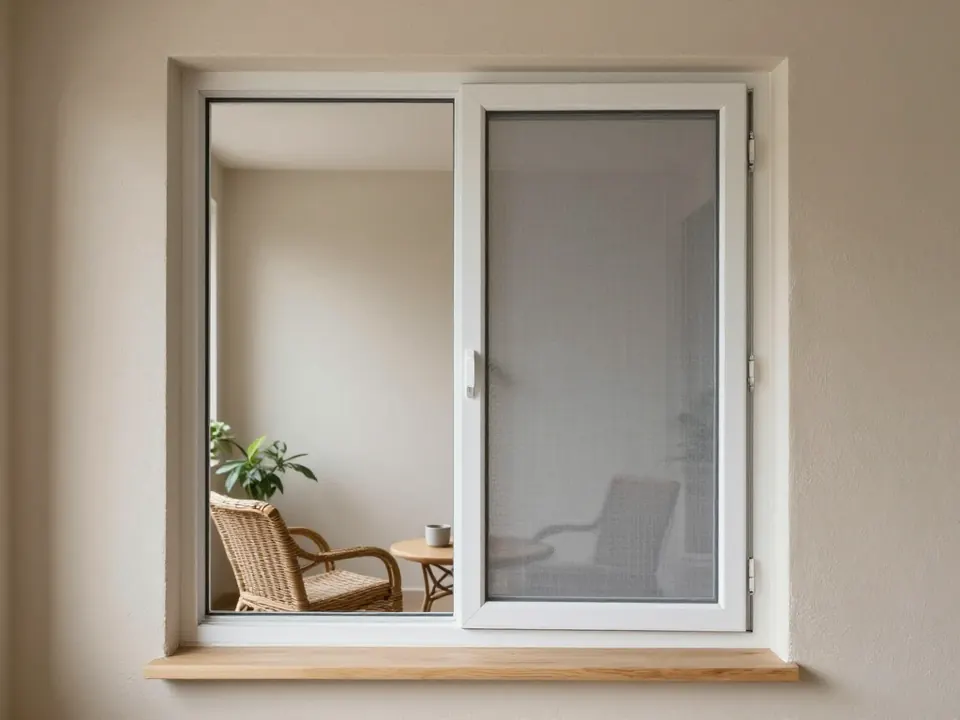
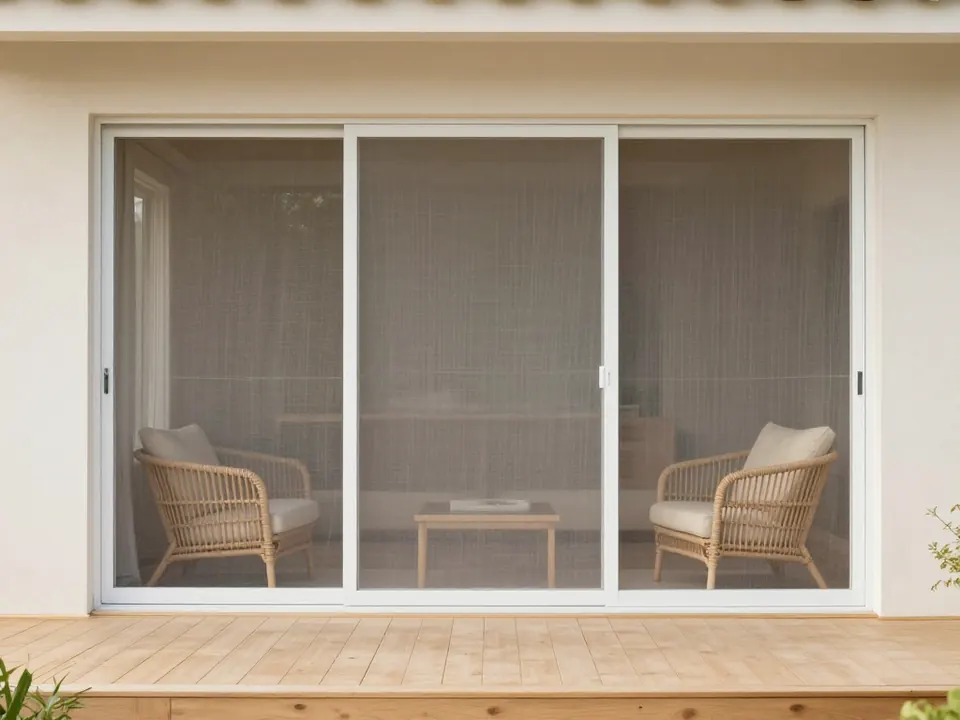
We fit pleated, framed and sliding screens, and the right choice depends on how often you open the window and how wide the aperture is. We put screens on plastic, wooden and aluminium frames, on vent panes, loggia windows, gazebos and verandas, so one team handles a standard sash and a broad garden doorway. A framed panel is held by Z-brackets, pins or magnets that the measurer picks for your profile and floor. A sliding one travels on a horizontal rail and suits a broad sill. A framed panel suits a sash you rarely touch, while a pleated one pays off on a balcony door or a sash you use every day.
Screen types side by side
| Type | How it opens | Where we fit it | Best for |
|---|---|---|---|
| Pleated | Gathers to the side on tracks | Windows, balcony and entrance doors | Openings used daily |
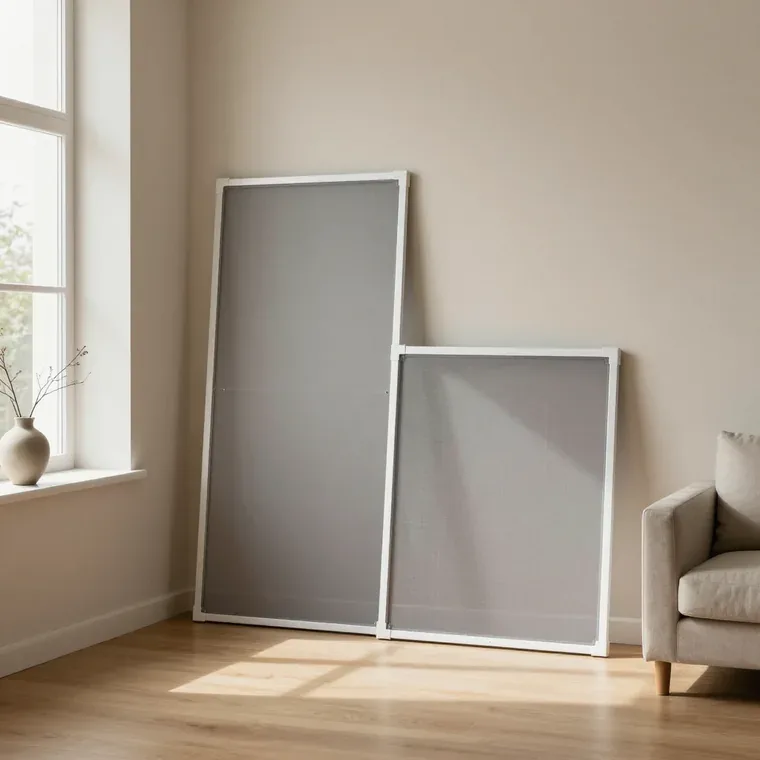
| Framed | Lifts out of its fasteners | Standard windows and vent panes | Sashes opened rarely |
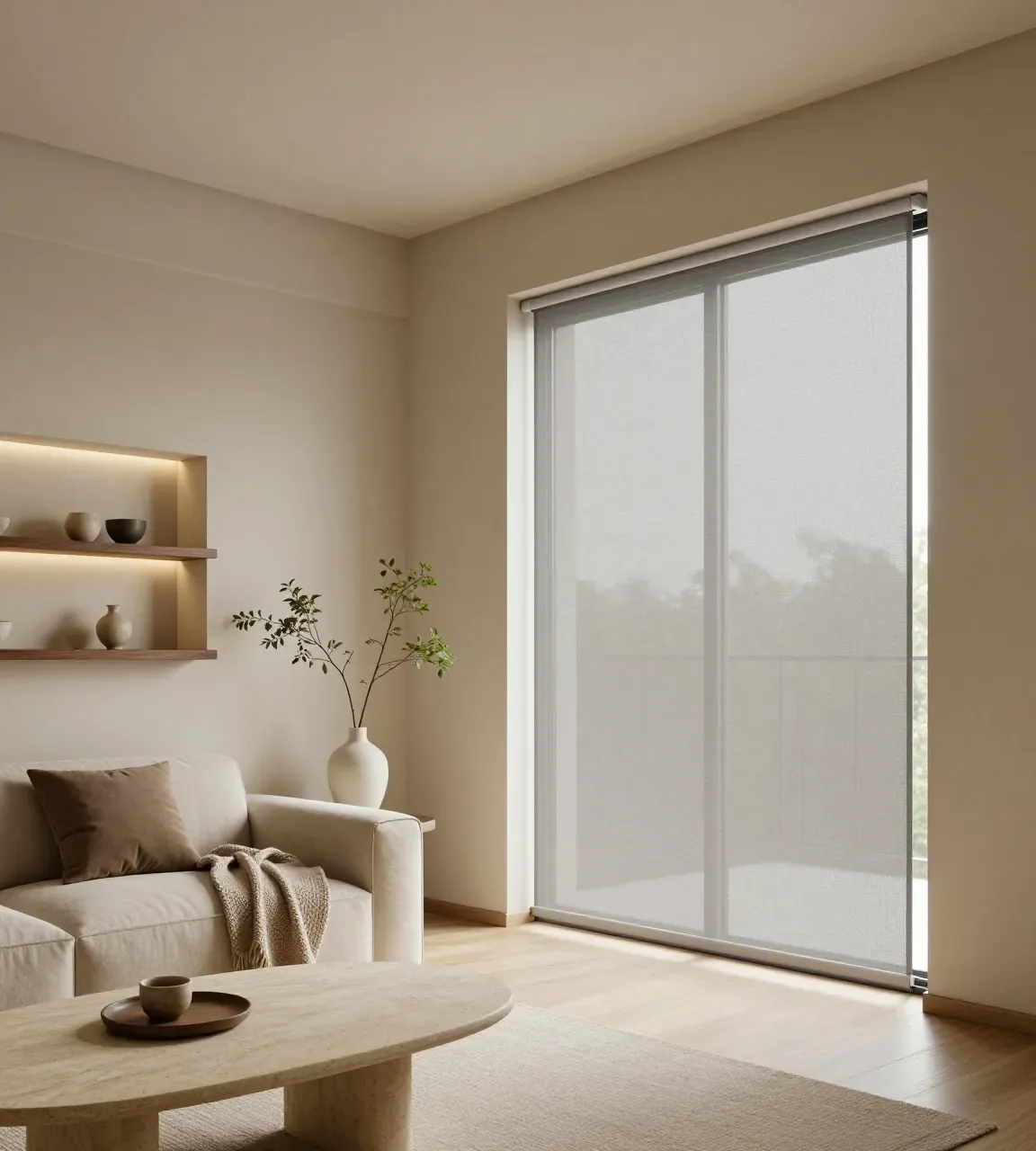
| Sliding | Rolls or slides on a rail | Broad windows and sills | Large, low-use openings |
Choosing the mesh for pets, pollen, dust and daylight
The fabric decides what a pleated mosquito screen keeps out and how much light reaches the room. We break down the range for cats, dust, pollen and daylight.
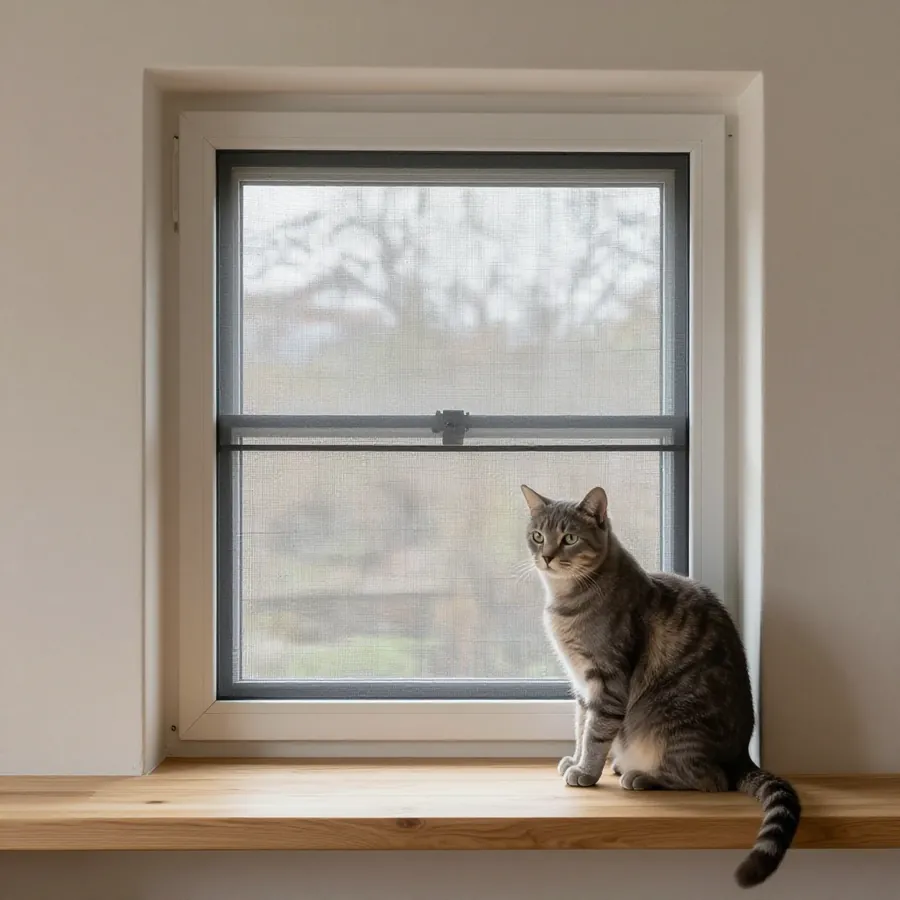
Which mesh suits a home with a cat
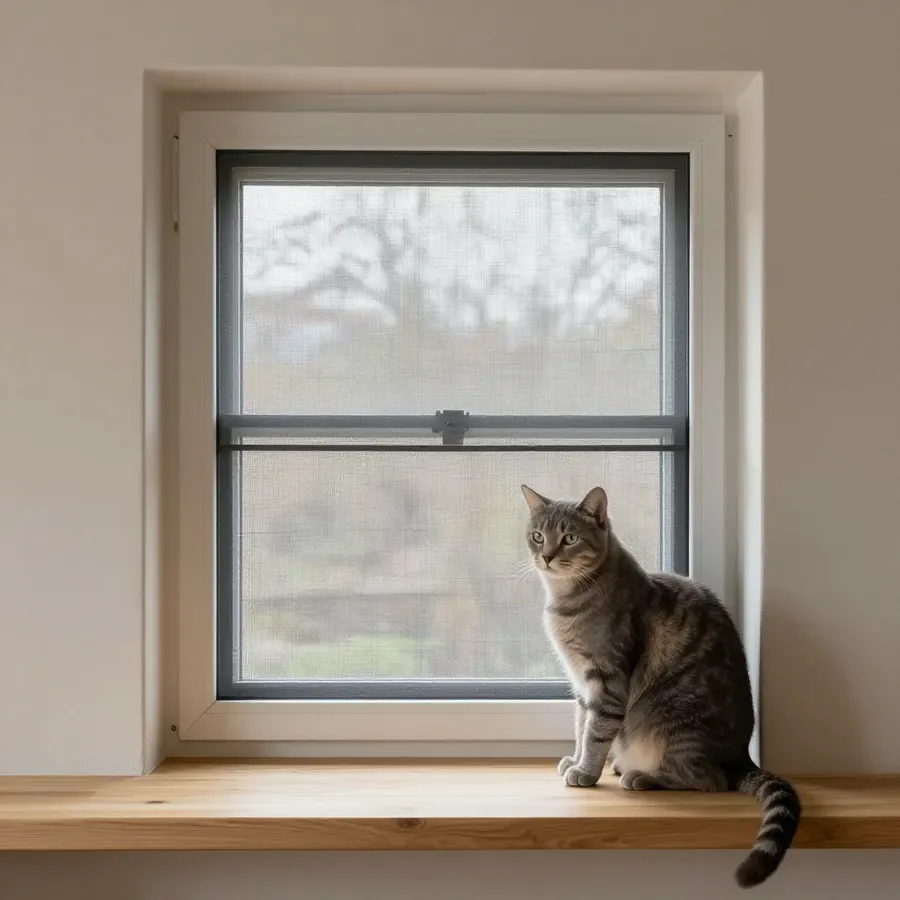
- Anti-Cat (Pet Screen): the cloth we recommend for a home with a cat, because its vinyl threads hold the weight of a small animal.
- Stronger than Standard: Pet Screen is several times tougher than the standard Fiberglass cloth, so claws do not tear it on the first swipe.
- Standard (Fiberglass): fine for rooms the cat never reaches, and it resists ignition and temperature swings.
- Krylo and metal mesh: heavier options for openings where a cat leans on the screen rather than scratching at it.
- Our advice: even a strong cloth lasts longer when the cat has a scratching post nearby, so the screen is not the only thing taking the load.
Anti-Pollen, Anti-Dust and UltraVue compared
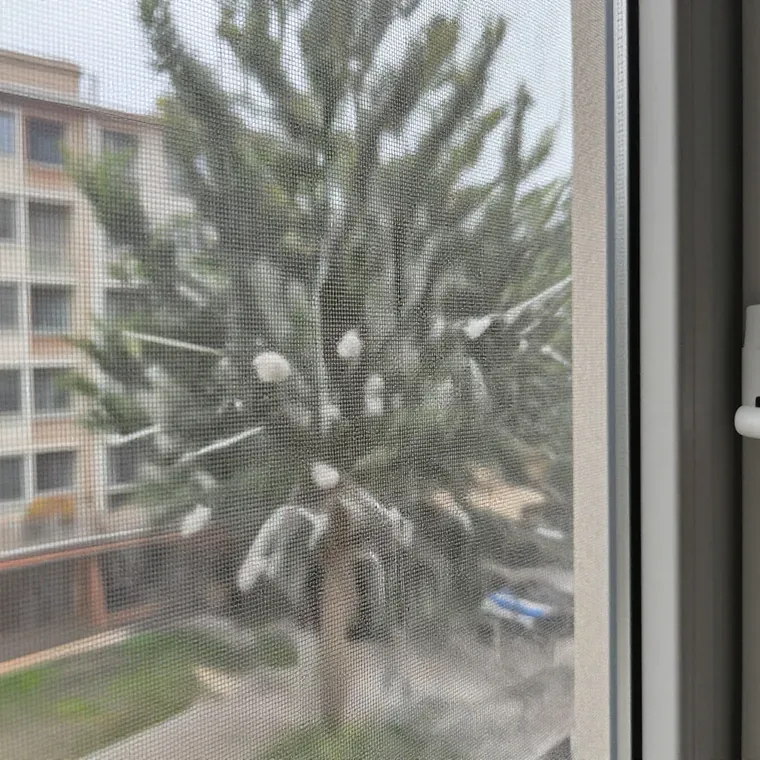
Anti-Pollen (Poll-Tex) has a 0.25×1 mm cell that filters pollen through allergy season, Anti-Dust traps fine street dust, and UltraVue lets in 25% more light and air than other meshes. Poll-Tex suits a bedroom window above a dusty road or a courtyard full of flowering trees, while Anti-Dust is the practical pick for ground-floor flats where grit settles on the sill. UltraVue keeps a living room bright and airy when a standard cloth would grey the view. Krylo and metal mesh sit at the other end — heavier, more open, built for balconies rather than bedrooms. A finer cell catches more but needs gentler cleaning, so match the cloth to what bothers you most rather than to the finest option on the list.
Matching the mesh to what bothers you
| Mesh | What it holds back | Best for | Light |
|---|---|---|---|
| Standard (Fiberglass) | Large insects | Living rooms, low traffic | Standard |
| UltraVue | Insects | Bright rooms, wide views | 25% more |
| Anti-Cat (Pet Screen) | Claws and pets | Homes with a cat | Standard |
| Anti-Pollen (Poll-Tex) | Pollen, fine particles | Bedrooms, allergy season | Reduced |
| Anti-Dust | Street dust, grit | Ground floors, roadside | Reduced |
| Krylo | Insects, some wind | Balconies, loggias | Open |
Fitting pleated screens on doors, wide openings and loggias
A door, terrace, loggia or gazebo puts its own demands on profile and fastening. Below we show what suits your particular opening and how the choice is made.
Door profiles and fixings for your opening
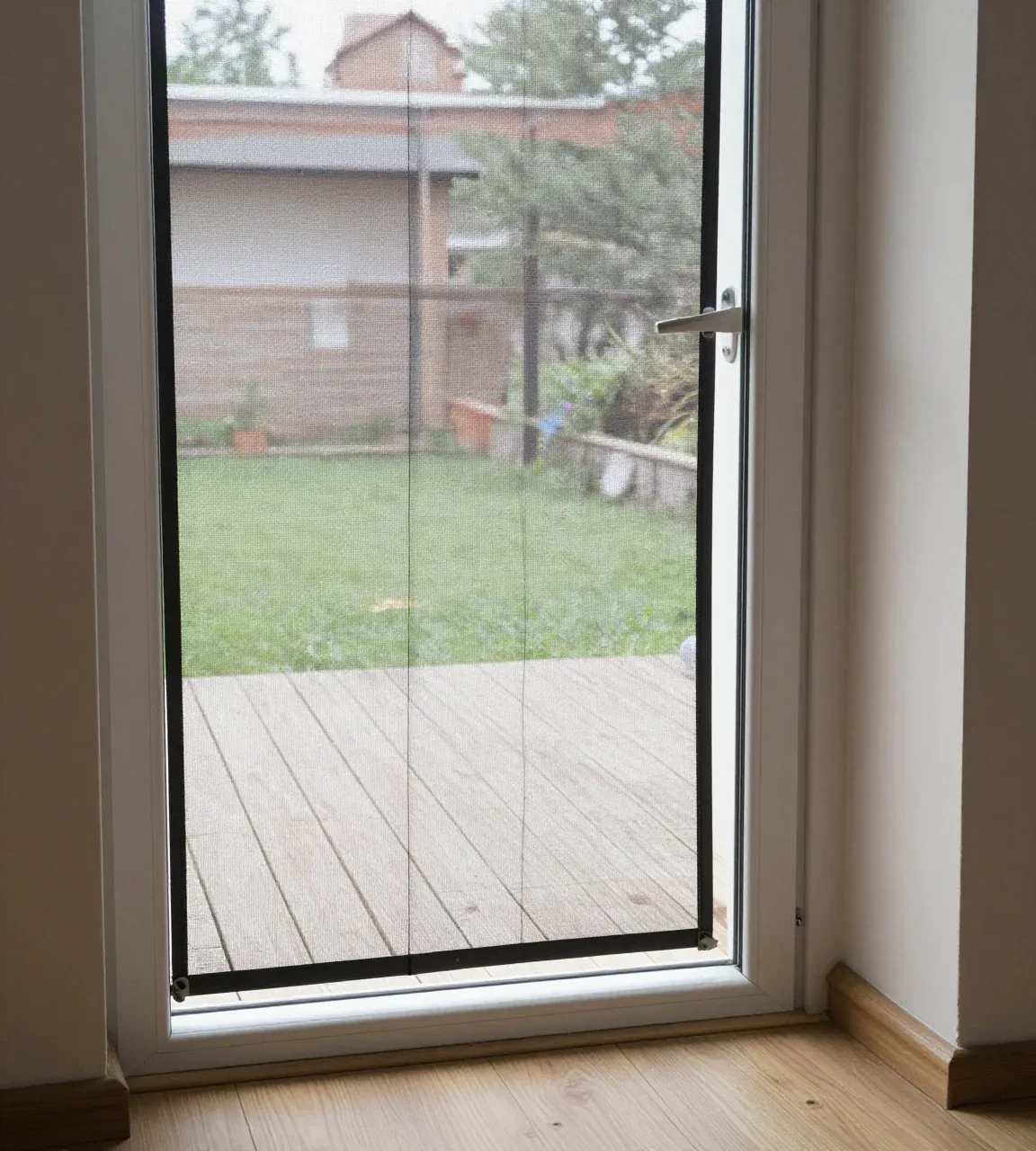
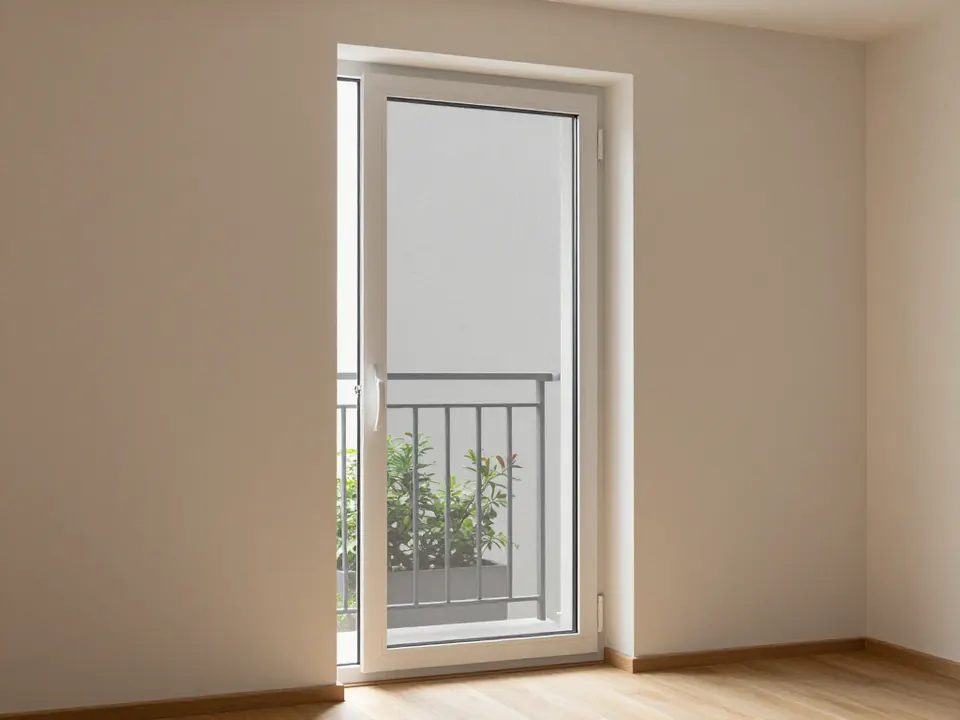
Hinged door screens come with the Economy 32×10 mm or the stronger Prestige 42×17 mm profile, and the measurer picks the fastening to match your window profile and floor. The two profiles differ in wall thickness, and that difference shows up on a door leaf that opens and closes dozens of times a day. For fastenings we use Z-shaped brackets, pins or magnets — the choice depends on the window profile and the floor level, so a ground-floor door and an upper-floor one rarely get the same set. A wide terrace door needs the stiffer Prestige profile, because a slim profile flexes more on a heavy daily-used leaf.
Loggias, gazebos and non-standard window types
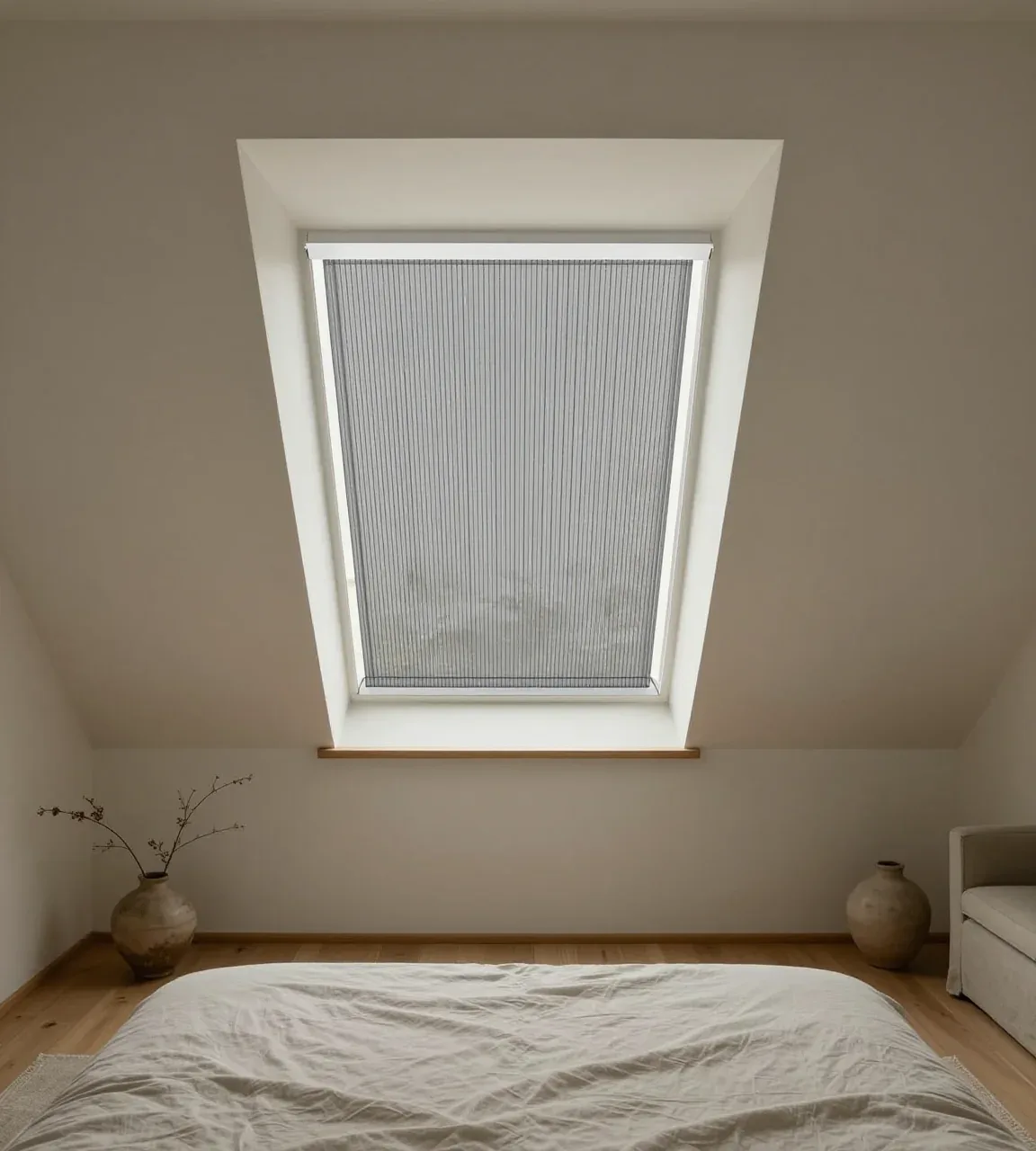
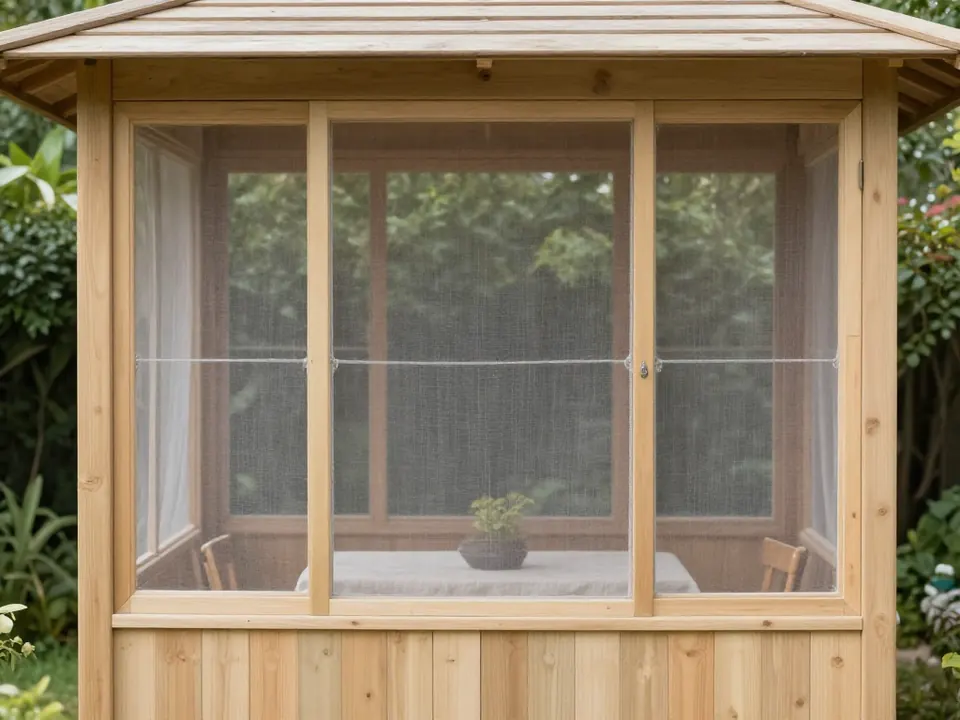
We fit pleated mosquito screens atyrau homes need on plastic, wooden and aluminium windows, on fortochkas, and on loggia, gazebo and veranda openings. Wooden and aluminium frames take different fastenings from plastic ones, and a small fortochka needs a lighter track than a full-height leaf. On a tall loggia opening the track carries the load, so the frame must be level before the unit goes in, otherwise the mesh drifts to one side. That is why we check level on site rather than trusting the opening as built — a few millimetres of tilt is enough to make a tall leaf rub along one edge.
Measuring, making and fitting your pleated mosquito screen
From the first call to a finished unit, the route is short: a free measuring visit, a made-to-size unit in 40–60 minutes, then delivery, fitting and payment. Here is what happens at each step.
From free measuring to a screen made in 40–60 minutes
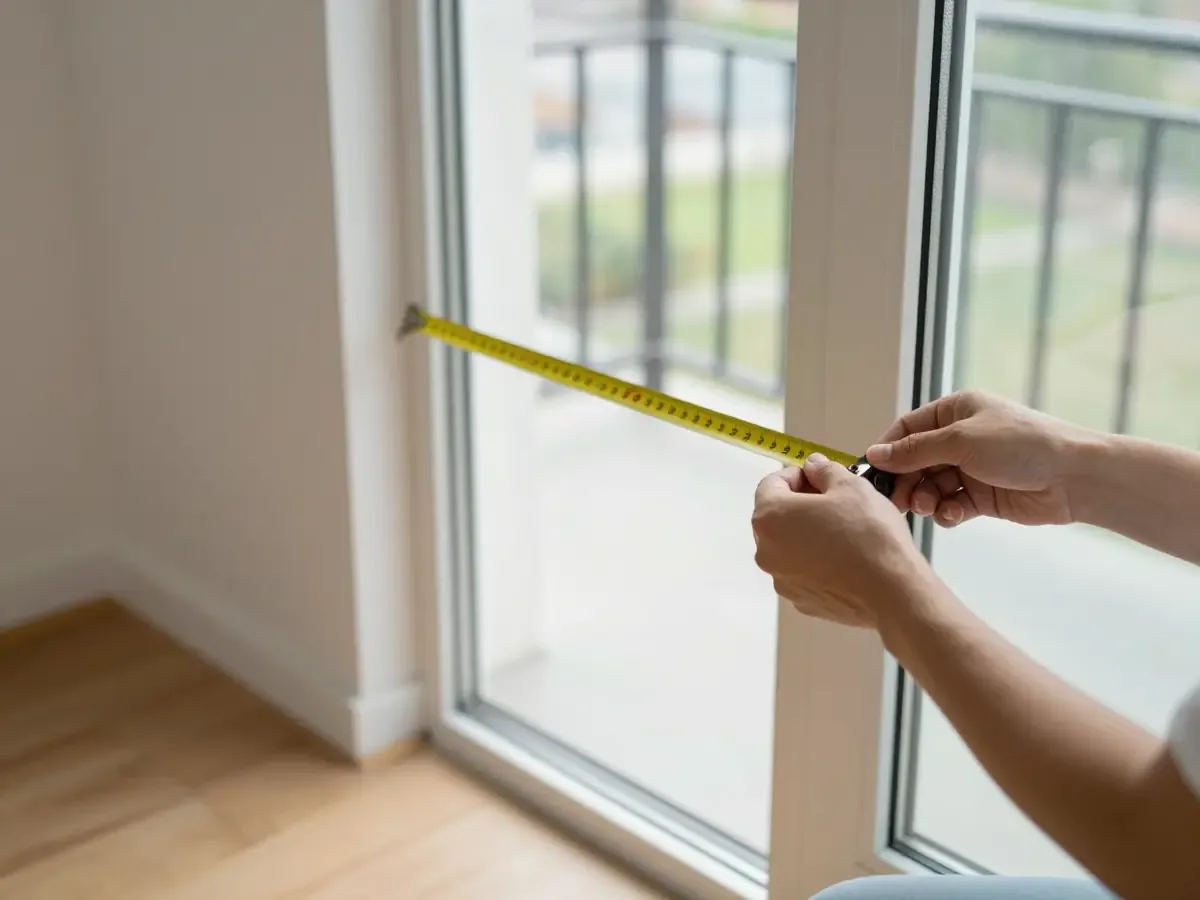
Measuring and consultation are free, the measurer comes at a time that suits you, takes the sizes and helps you choose the design, mesh and fixings; the finished product is then made in 40–60 minutes. The same visit settles the details that decide how the product sits in the opening: the profile colour matched to your windows, the mesh from the five canvases we keep, and the fasteners chosen for your window profile and floor. A framed version for a standard window is quicker still, at 10–15 minutes. Getting the sizes right on site is what keeps the price fixed, so the measurer confirms the opening before the order is locked.
Installation, payment after fitting and the 1-year warranty
We deliver and install the unit, you pay after installation by cash, card or Kaspi, and every mosquito product carries a 1-year warranty. The price is fixed in the order once measuring is done, so the figure you agree on the day of the visit is the figure you settle after fitting. Our team fits these products to plastic, wooden and aluminium windows, vent panes, and loggia, gazebo and veranda openings, and we also repair screens and replace fasteners. Paying after fitting lets you check the fold and the slide yourself before any money changes hands, so raise any stiffness on the spot while the fitter is still at your door.
Care through the seasons, repairs and frame colour
A pleated unit holds its shape for years when it is cleaned the right way and small faults are fixed early. Here is how to look after the mesh, store the fitting for winter and refresh the frame.
Cleaning the mesh without creasing it
Clean the fabric with a soft sponge or microfibre and a mild soap solution, and vacuum it on low power to lift dust from the folds. The cloth gathers like an accordion along its guides, so dirt settles deep between the panels where a flat wipe never reaches. Run the vacuum brush gently down the guides first, then go over the surface with the damp sponge and let it air-dry fully open. Wiping across the folds instead of with them is what causes permanent creases, so follow the direction the fabric gathers. Skip harsh solvents and a stiff brush — they fray the threads and dull the finish on the runners.
Winter, repairs and painting the frame to match
- Repair: we repair screens and replace fastenings, and a mesh that has slipped off its track needs fresh tension rather than a new cloth.
- Fastenings: worn pins, magnets and Z-brackets are swapped for new ones matched to your window and floor.
- Winter: a framed screen lifts out from inside in a minute, and taking it down for the cold months keeps the fabric in shape.
- Colour: we paint the frame any colour to match your windows, so the unit blends into the facade.
What to check before ordering pleated screens
Five decisions taken ahead of ordering shape how an accordion insect unit fits, ages and looks on your opening, so weigh each one while production has not yet started.
- Opening type: settle first whether the mesh covers a casement, a hinged door or a loggia, because each one calls for its own frame and fitting.
- Canvas for the situation: choose by what troubles you most — a cat, pollen, street dust or daylight — instead of by cost alone.
- Profile and fixing: match the profile and fasteners to the frame material and floor, since upper storeys and wide openings need different brackets.
- Measuring and locked cost: book the free visit, confirm dimensions on site and fix the figure in the order ahead of production.
- Care after fitting: plan seasonal removal, gentle cleaning and the 1-year warranty, so small repairs stay simple.
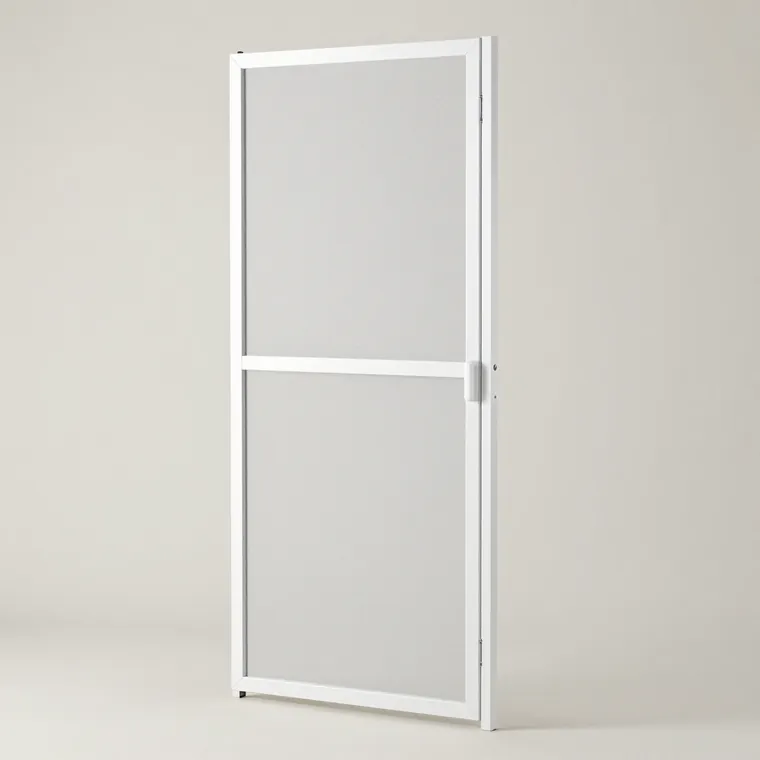 Door mosquito screens
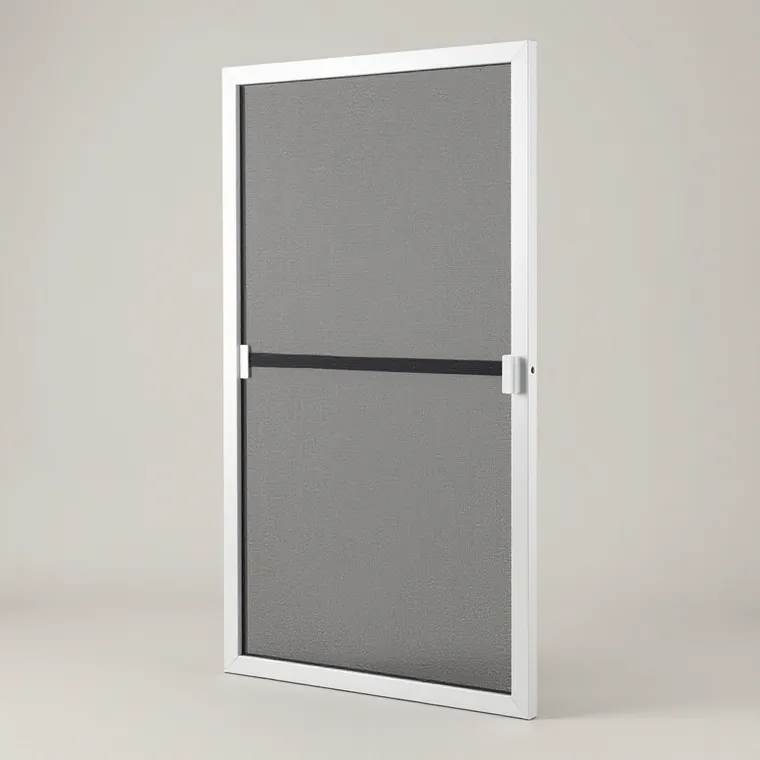 Framed mosquito screens
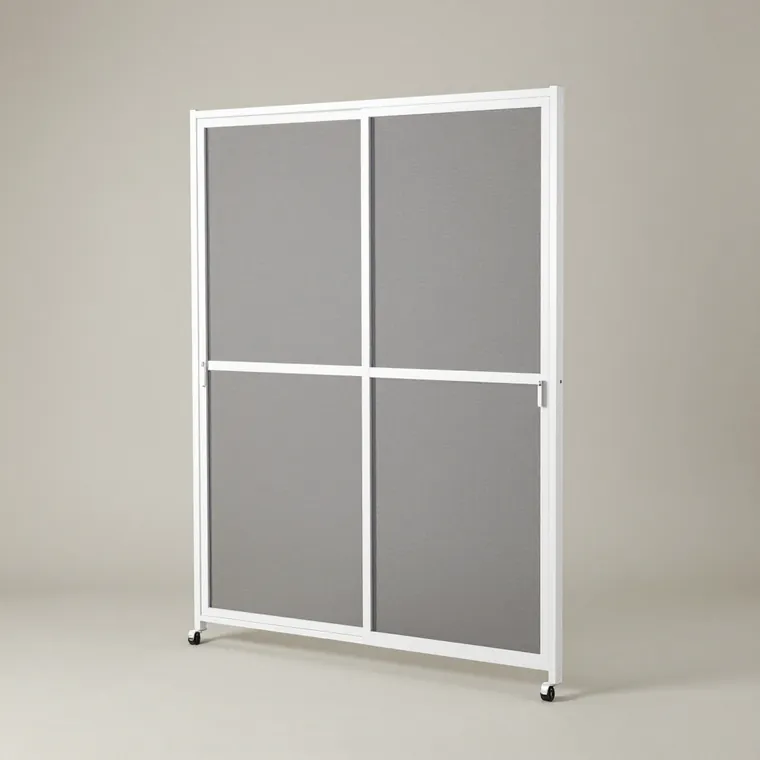 Sliding mosquito screens
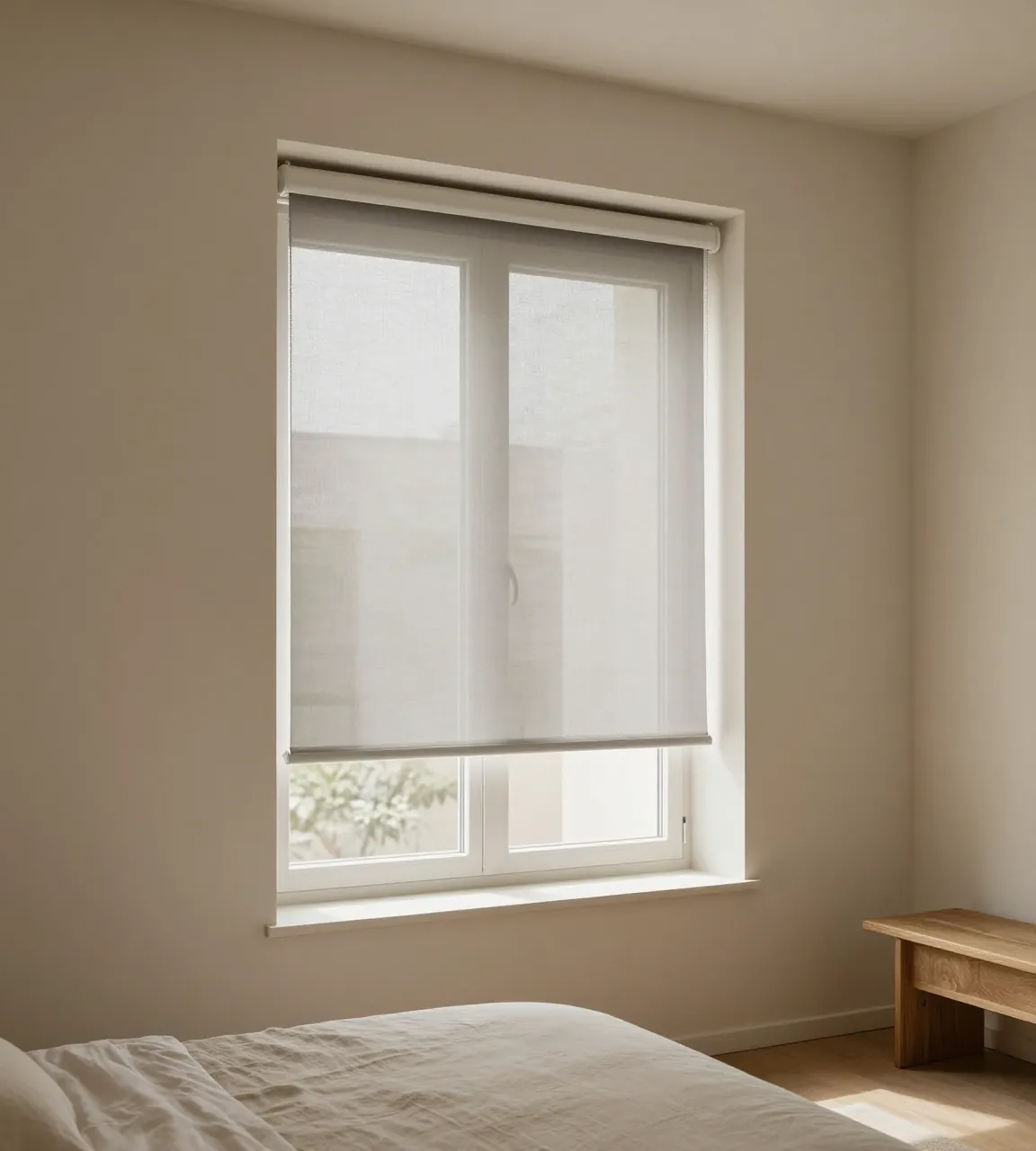 Roller mosquito screens
 Ready-made mosquito screens