
Windows and balcony
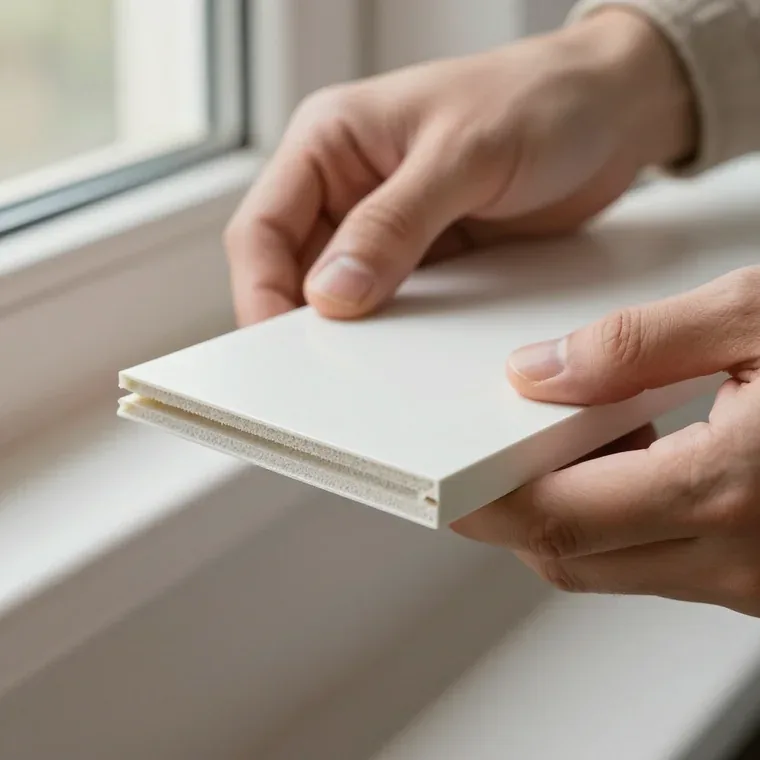
PVC sandwich
Panels cover the seam, resist moisture and are easy to clean. From 4 700 ₸ per linear metre.
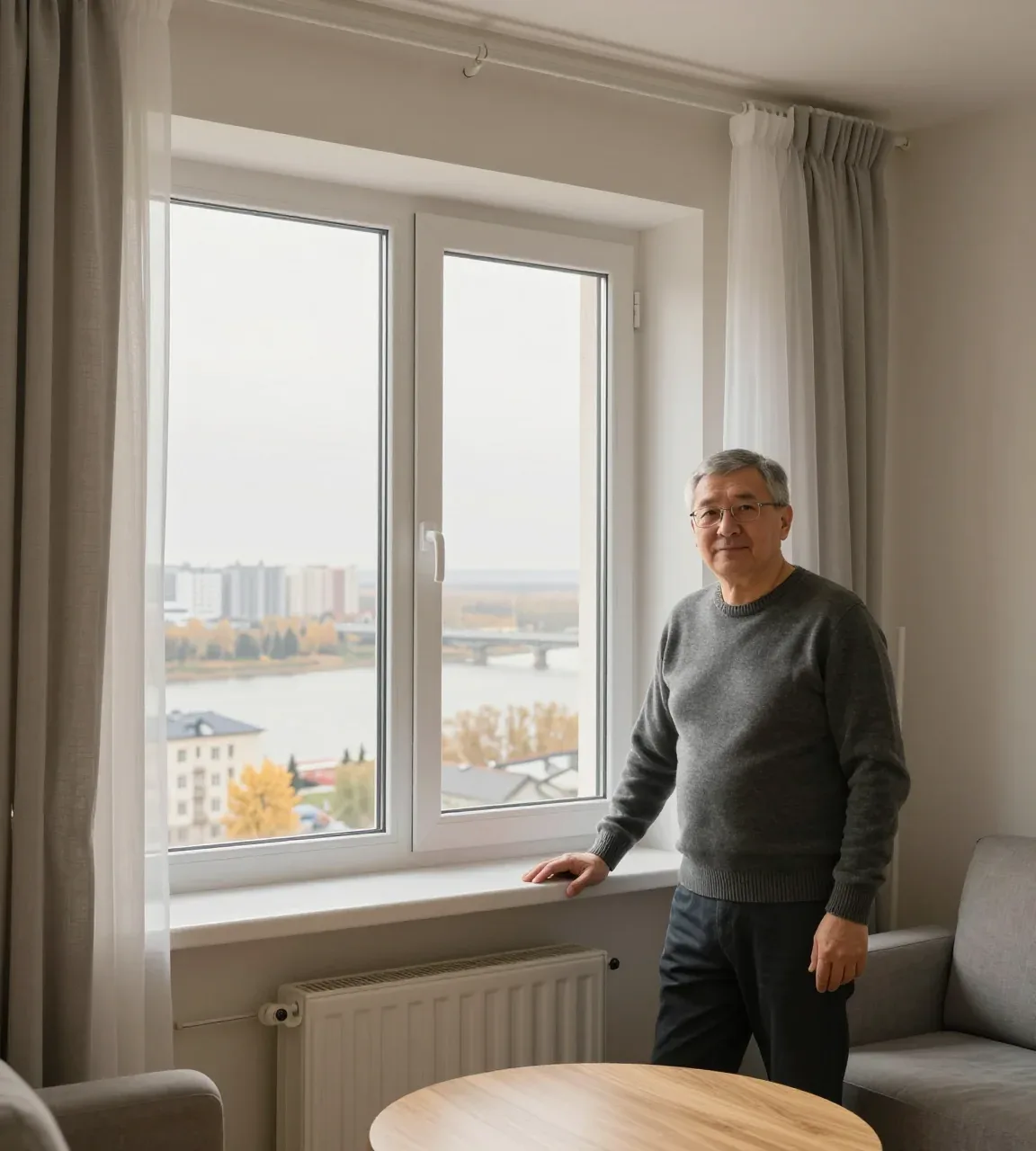
The seam around the window must be closed both inside and outside
In summer Atyrau is very hot and dusty. An open installation seam breaks down in the sun, and dust flies into the flat through gaps at the windowsill. Reveals and sealing close all these paths.
Inside we fit PVC sandwich panels, plastered or drywall reveals; outside — external reveals and drip sills. We also repair chipped corners and match reveals to the frame colour.
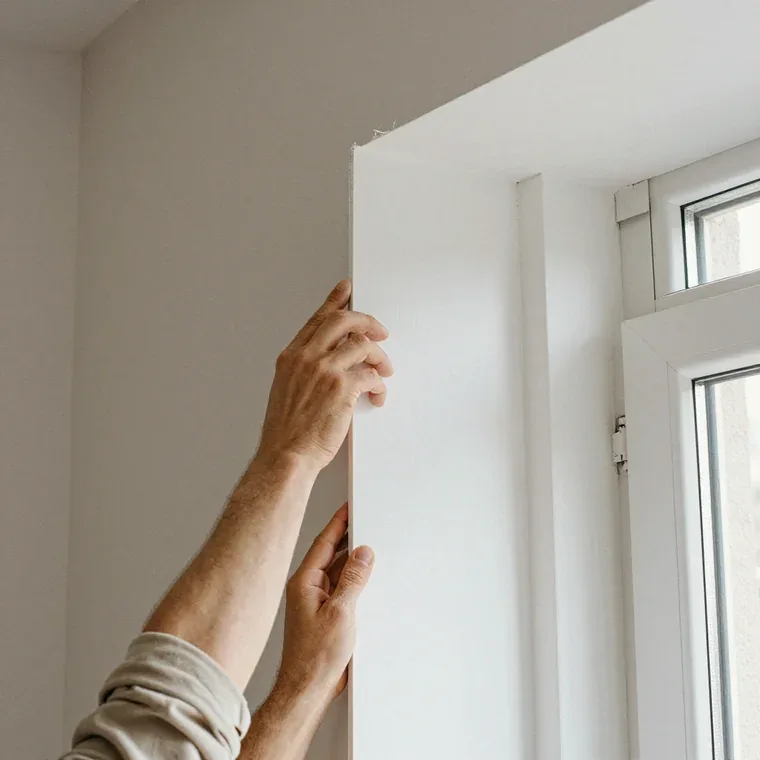
external reveals per metre
sealing per metre
measuring and consultation
Four common problems after window replacement
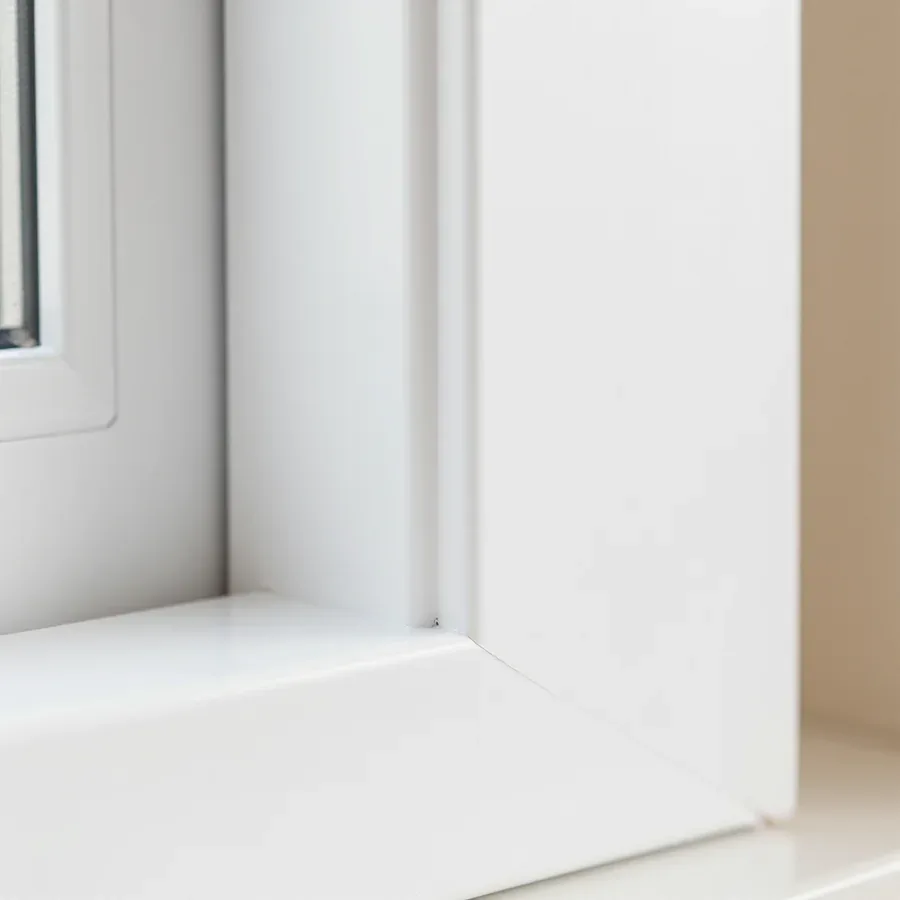
The seam breaks down in the sun. We cover it with PVC reveals.
The plastered reveal has cracked. We cover it with sandwich panels.
We insulate the reveal and finish it again.
Moisture on the reveal in winter. A warm layer removes it.
We choose by opening and budget
Inside
Fast, even, no cracks.
Window or door
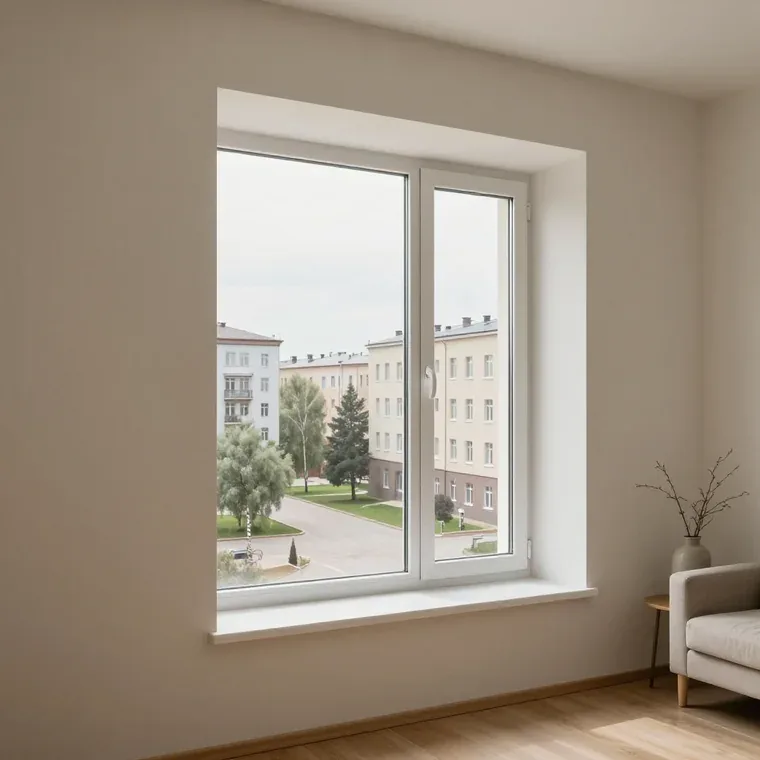
All sides and corner pieces.
Ready for painting
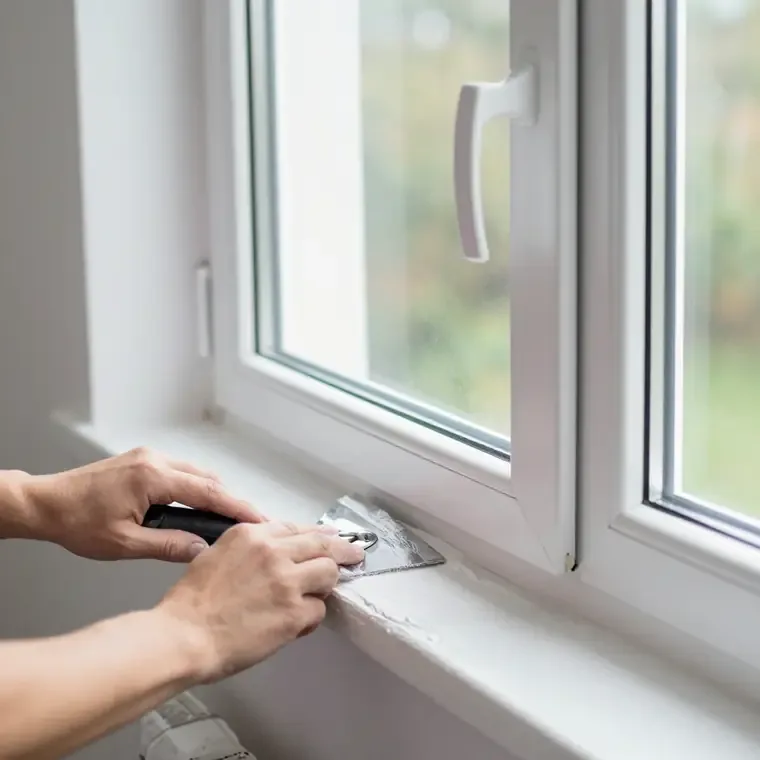
Classic reveal.
Outside
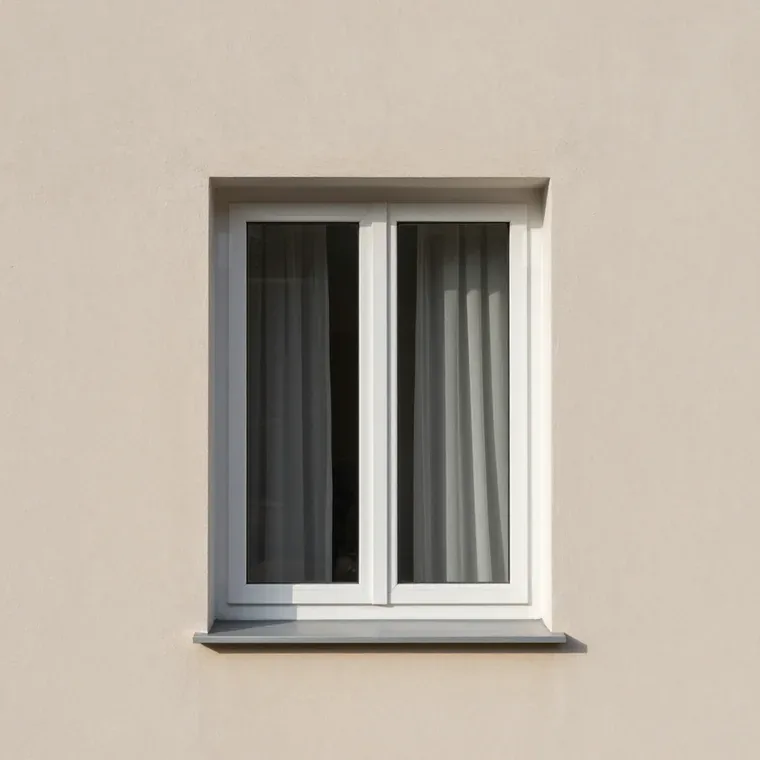
Against sun and rain.
Joints
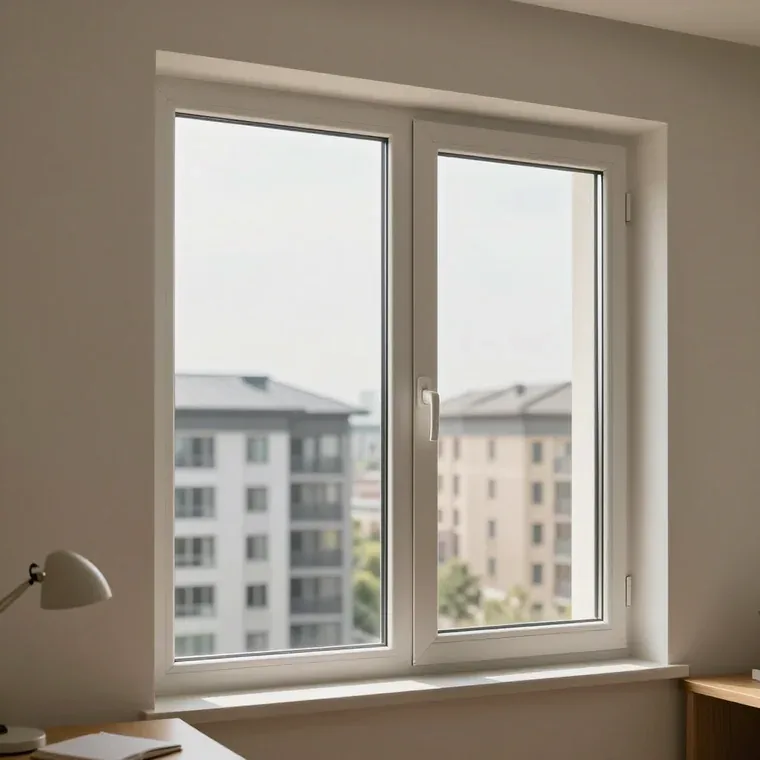
Seals gaps at the windowsill.
Prices per metre or opening; we give the total after measuring
| Type of work | Price |
|---|---|
| PVC reveals (sandwich panels), per linear metrepanel with insulation inside | from 4 700₸ per linear metre |
| Reveals for a standard window, turnkeythree sides and corner pieces | from 15 000₸ per window |
| Plastered revealswith levelling and filling | from 3 000₸ per linear metre |
| External revealsprotects the seam from outside | from 4 500₸ per linear metre |
| Drywall revealsready for painting | from 1 500₸ per linear metre |
| Reveal insulationagainst freezing and condensation | from 19 900₸ per linear metre |
| PVC windowsill fittingtogether with reveals | from 5 500₸ per linear metre |
| Drip sill fittingdrains water away from the frame | from 3 250₸ per linear metre |
| Sealing internal seams (liquid plastic)joints of frame, reveal and windowsill | from 1 500₸ per linear metre |
| Sealing external seamsprotects foam from moisture and sun | from 2 000₸ per linear metre |
The price is fixed in the order after measuringFree measuring visitPayment after work: cash, card, Kaspi
Book a measuring visitHow we work
we work across Kazakhstan
on WhatsApp
all openings at once
no extra charges
acceptance
no days off
corners and gaps on the same visit
cities of Kazakhstan
Four steps

Send photos of the openings. We will reply and suggest a time for measuring.
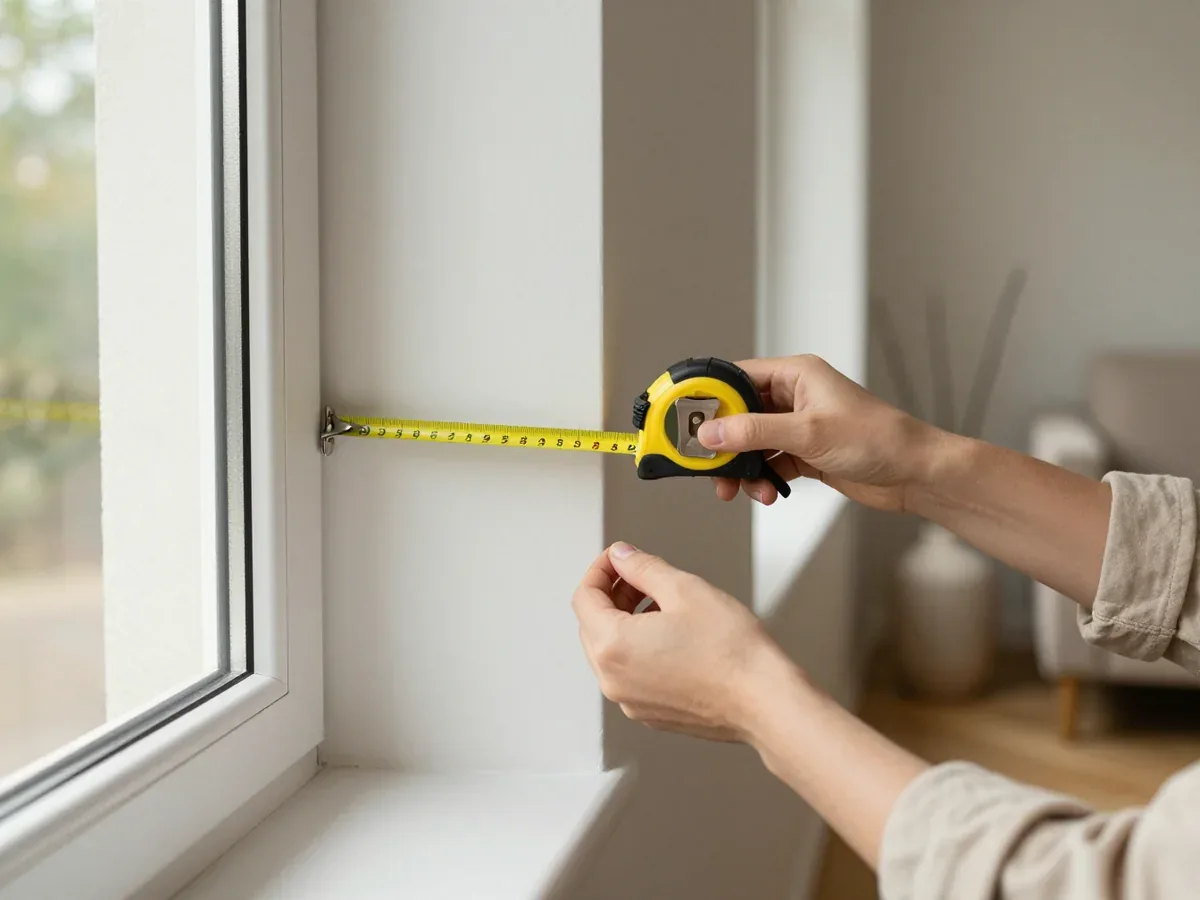
We inspect the seam, wall and joints, choose the material, and give you the price.

We install reveals, repair corners, seal gaps, and if needed work outside.
We check every opening. Payment after acceptance.
Good to know

Senior mosquito screen specialist at moskitnyesetki.kz
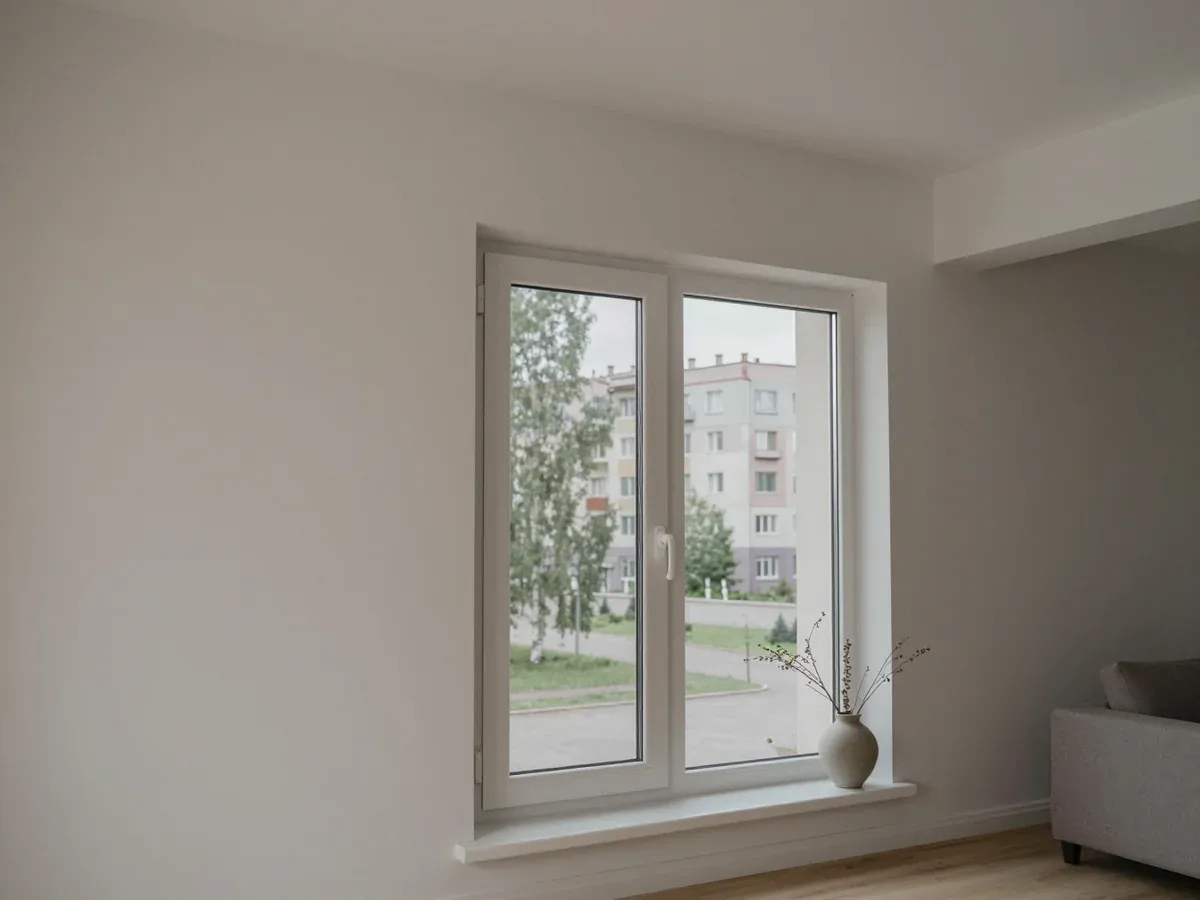
We handle window reveal finishing in Atyrau as a standalone service, not a line in a window invoice. Our measurer visits for free, checks your wall type and window profile, and helps pick the reveal material, insulation and fixings. We fit PVC, sandwich-panel or plasterboard reveals, seal the joints, and you pay only after installation.
A reveal is part of the thermal envelope, not decoration. Choose the material to suit the base and the room, not a neighbour's flat.
We fit PVC and sandwich-panel reveals most often because they go up fast, wipe clean and hide the mounting foam without extra plastering. A plastic trim is a rigid board that clicks into an F-profile fixed around the frame, with a corner piece closing each joint, so the whole edge reads as one straight line. Sandwich boards carry a core between two skins, which is why they suit kitchens, hallways and bathrooms where a painted surface would soon mark. We paint the frame any colour to match your glazing. That board already carries its own insulation layer, so on a thin base it does part of the thermal work. For window reveal finishing in Atyrau, this is the option we fit most often.
| Wall type | Typical reveal choice | How it is fixed |
|---|---|---|
| Shell rock | Sandwich panel | Wider bearing fasteners, sealed edges |
| Aerated block | PVC trim | F-profile plus foam, reinforced corners |
| Brick | PVC or plasterboard | F-profile on a level line |
| Panel block | PVC trim | Direct to a flat plane, minimal packing |
Condensation on a reveal is rarely a bad window: it is a temperature difference plus damp air with nowhere to go, cured by insulation with proper vapour control.
We insulate the reveal with a mineral-wool or foam layer behind the panel, then close it with a vapour barrier so warm indoor air cannot reach the chilly surface. Thickness depends on the wall: a thin sheet over a deep opening needs more fill than a reveal that already sits close to the frame. Mineral wool suits irregular gaps and holds its shape around the corners, while rigid polystyrene gives a flatter, firmer base for the finishing panel. Insulation only works if the barrier is continuous; a gap at the top corner lets damp through and the whole layer stops helping.
The job starts with a free measuring visit and ends with the room swept clean, with each step and its duration explained below.
Fitting runs from preparing the opening to the final seal, and a standard reveal is finished in a single visit once the foam has cured. The fitter trims excess foam, checks the opening is level and fixes a starter F-profile along the frame edge. The panel slides into that profile, is cut to the measured width, then the outer edge is fixed to the wall and the joint sealed. We paint the frame any colour to match your glazing, so the reveal reads as part of the wall. Foam must cure before the panel goes on, so book the two stages a day apart.
| Stage | Panel reveal | Plastered reveal |
|---|---|---|
| Measuring visit | One visit | One visit |
| Foam cure | Same day | Same day |
| Fitting | Single visit | Two or more visits |
| Final finish | Seal and clean | Filler, sand, paint |
Balconies, loggias and deep-set openings need their own fixing and reveal depth approach, keeping the surface flat while sealing and insulating the joint behind.
We finish reveals on balconies and loggias with the same panel systems as in living rooms, but the fixing is chosen for the balcony slab and the frame profile rather than a solid wall. The panels are cut to the actual opening, and the frame is painted any colour to match your units. Because a balcony reveal has one cold side facing the street, we pack the cavity behind the panel before closing it, so the decorative face sits over a sealed and insulated base. This approach keeps the reveal visually consistent with the interior while accounting for the different substrate, and it prevents cold bridging and draughts at the slab edge. As a practical tip, confirm the fixing points and cavity depth before ordering panels, so the frame profile and insulation fit without rework.
When the unit sits back from the wall, the reveal becomes deeper, and we build it out with a frame or packed profile so the surface stays flat and level. Extra packing goes behind the build-out, and the panel is fixed to that base rather than to the bare wall. The same approach works where the wall around the opening is out of plumb on one side. A deep reveal not levelled with a laser line shows every wobble, so the level check happens before the panel is cut. Where the build-out is deep, a temporary batten holds the packed profile straight until the fixings take the load.
Warranty, upkeep and payment terms separate a direct fitter from a middleman who passes work on, and our paperwork shows how the process runs.
You can book reveal finishing on its own, without a window order, and the price is fixed after measuring so it does not move during the work. Measuring and consultation are free: the measurer comes at a convenient time, takes sizes and helps choose the panel, sealant and fixings for your wall. Payment happens after installation, in cash, by card or through Kaspi, and we reply on WhatsApp within five minutes. Reveal work can run in cold weather because the panel systems do not depend on wet plaster drying, so winter is not a blocker — the fitting is booked on a day that suits you, seven days a week.
Reveal finishing comes down to a few lasting decisions: the right base, a warm and sealed joint, and an accountable fitter.
Materials, insulation, timelines, measuring
Konstantin Selenenkovsenior mosquito screen specialist, 10 years in the tradeOnline · replies within 5 minutes
Ask a questionA sandwich panel is two layers of plastic with insulation inside, so it is warmer and stiffer than a standard panel. For a kitchen with steam and temperature changes, a sandwich panel is the better choice: it is less prone to freezing and does not sag.
The foam seals the joint, but the reveal itself remains a thin cold bridge, so insulation is advisable. A layer of insulation under the cladding prevents freezing and reduces the risk of condensation, especially at the corners.
The plaster layer gains strength gradually, and the exact time depends on the layer thickness and the room temperature. Wallpaper should only be hung after it is completely dry, otherwise mould will appear at the joint.
You cannot apply a new layer directly over cracked finishes: the defects will show through again. The old panels or plaster are removed, the foam and joint are checked, and then new cladding is installed.
The width of a reveal is the distance from the frame to the edge of the wall and is different for each window, so there is no universal size. Measure the depth along the entire height of the window, and it is best to leave exact measurements to the measurer.
Yes, we do reveal finishing in Atyrau for windows installed by another company as well. The measurer will check the joints and foam, and after the work you will receive a warranty on the cladding itself.
Thank you. We will call you back within 10 minutes!
Your order number is on the receipt or in the SMS. Choose where to leave your review.
Write a review on WhatsApp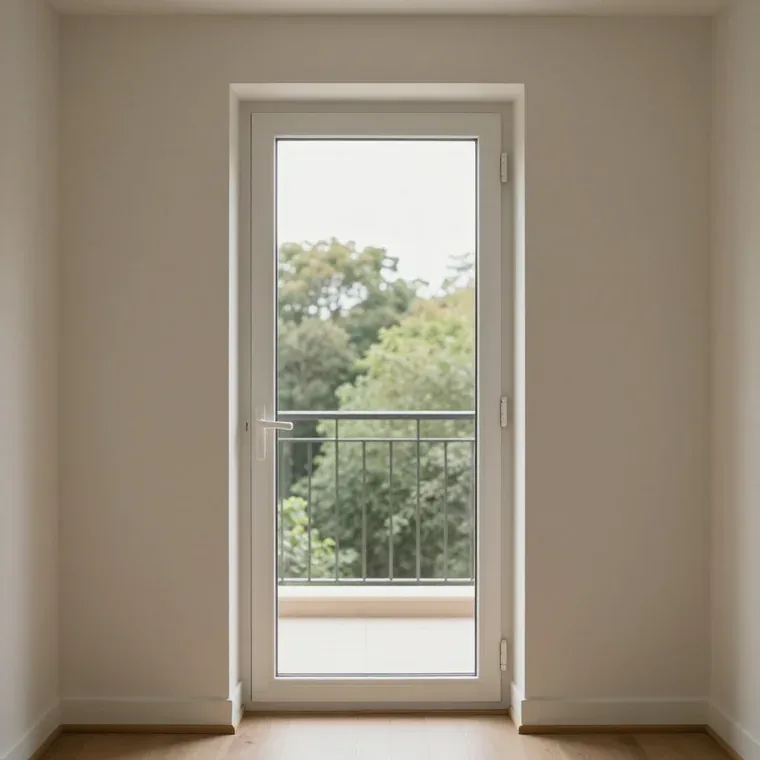



 Window replacement
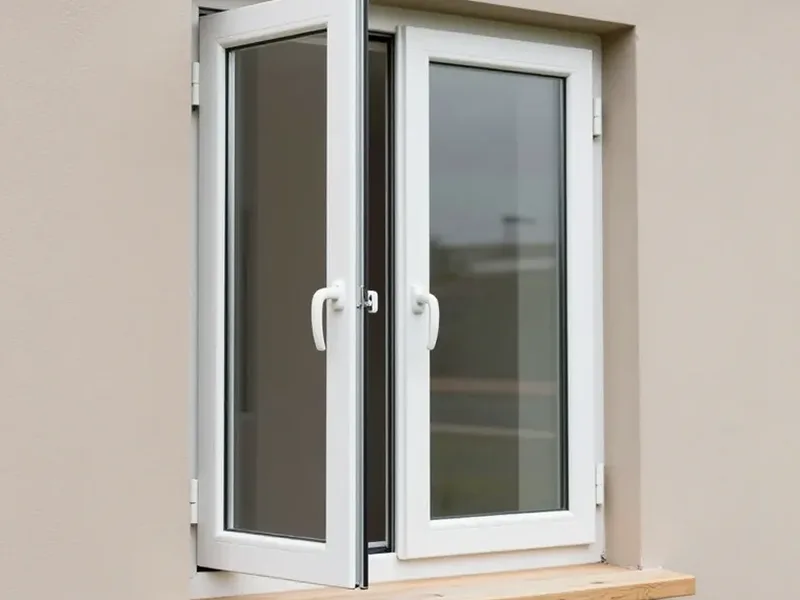 Balcony glazing
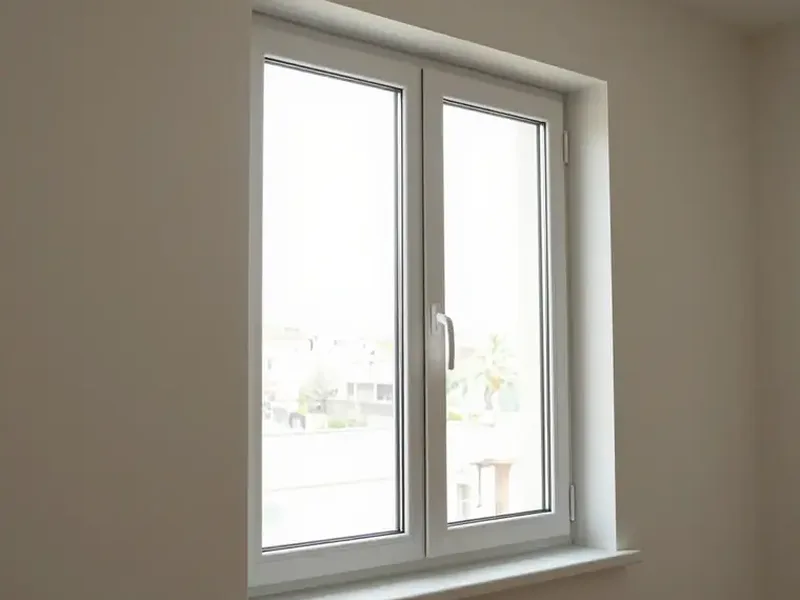 Window insulation
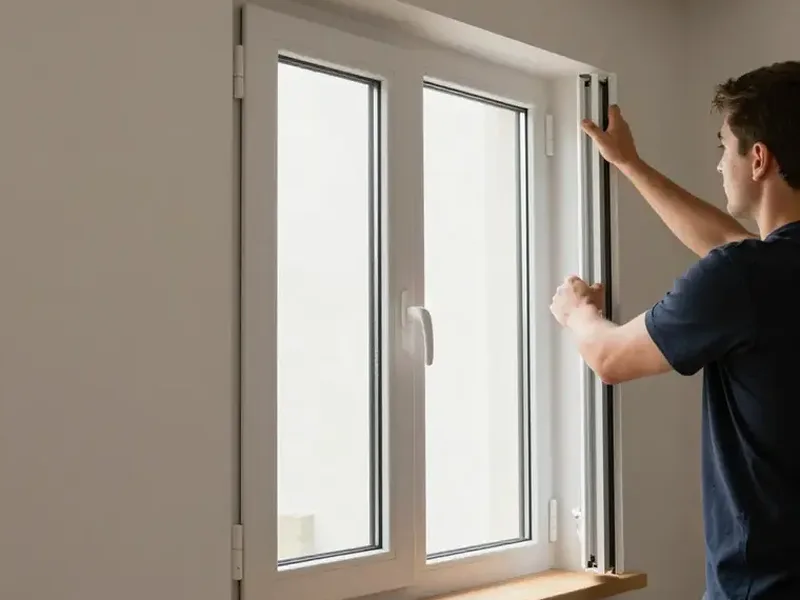 Plastic window repair
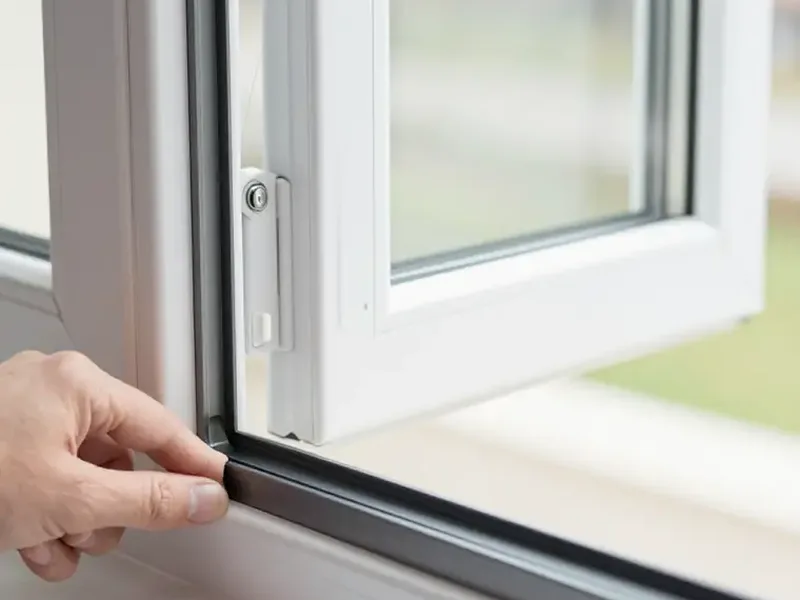 Seal replacement
