




Good to know
Penkid Window Lock in Atyrau Fitted to Your Sash and Floor

Senior mosquito screen specialist at moskitnyesetki.kz
We supply and fit a Penkid window lock in Atyrau on PVC, wooden and aluminium sashes, balcony doors included. A free measuring visit comes first, the fitter matches the fixing to your profile and floor, and you pay only after installation by cash, card or Kaspi. We reply on WhatsApp within 5 minutes.
What a Penkid window lock actually does on a sash
A blocking lock is not a handle and not a grille. It is a separate device that holds the sash shut, and the two cases below are why people ask for one.
How the lock keeps a child from opening the sash
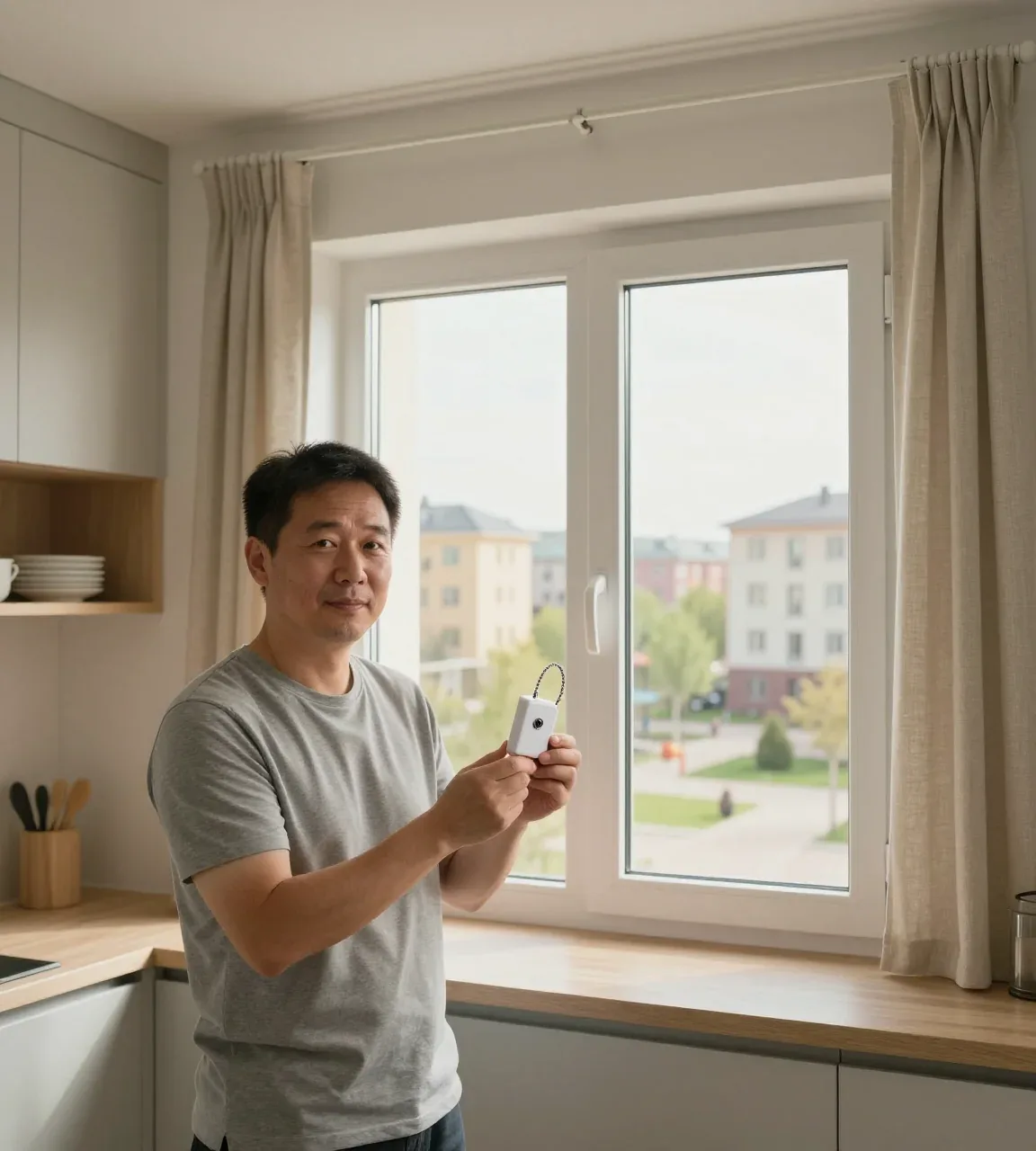
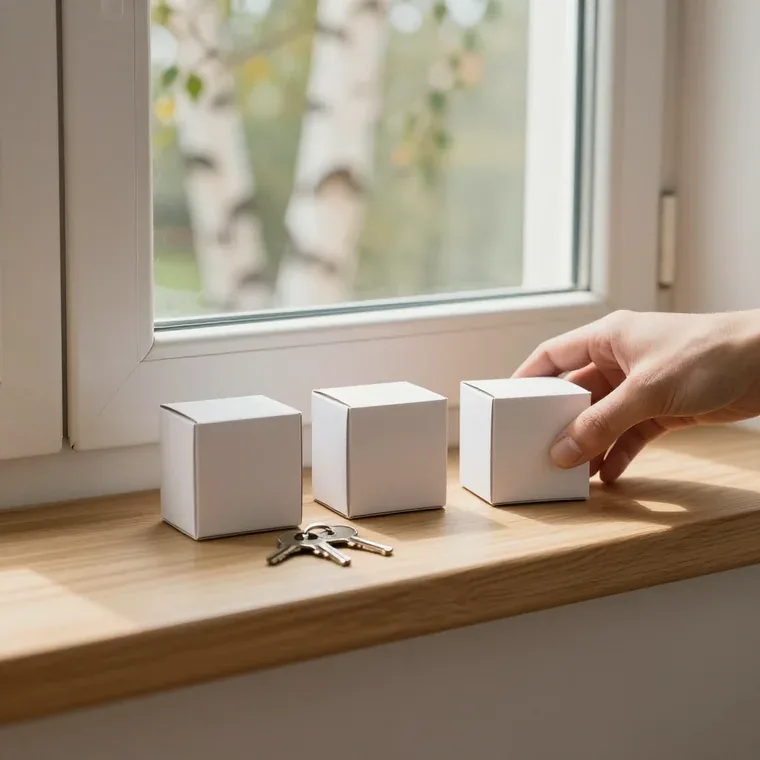
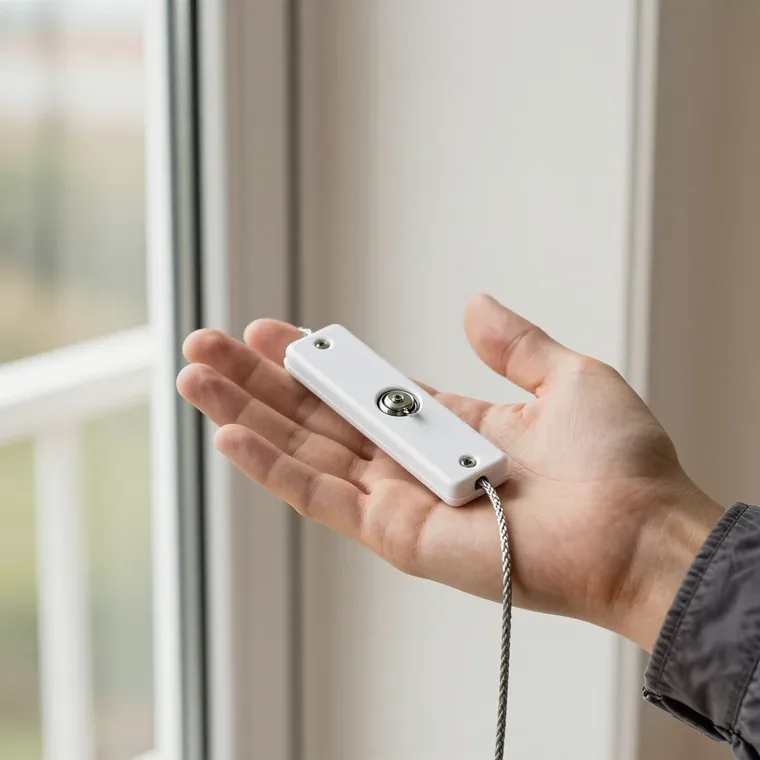
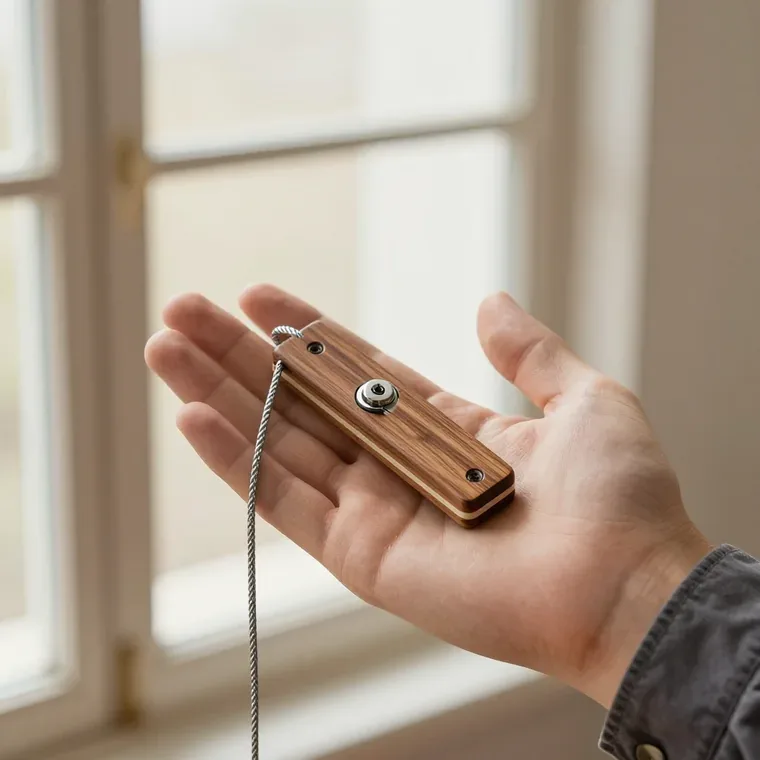
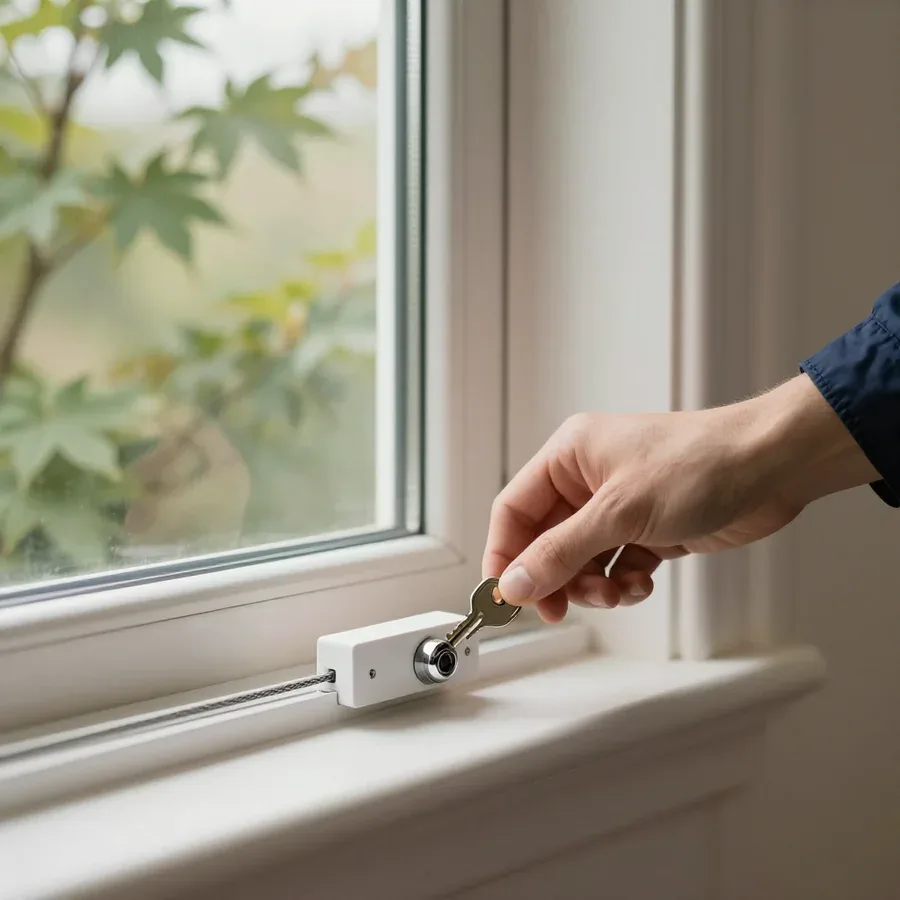
We fit a window lock so the sash stays locked until an adult turns the key, which stops a small child from swinging the window open on their own. The mechanism sits on the frame and catches the leaf, so a pull on the handle moves nothing until the key releases the catch. The key is removable, and on some models it doubles as the handle itself, which means an empty keyway gives a child nothing to grip and turn. A child can reach the sill from a sofa or a chair, so the barrier has to work at the level of the fitting rather than the handle. The device only works as a barrier when the key is kept out of a child's reach, so plan where the key lives before the fitter leaves.
Why ground-floor flats ask for a lock first
On a ground floor the lock makes the window harder to open from outside, because the catch releases only with the key rather than a simple handle turn. A standard handle on a plastic window lifts and swings in one motion, and anyone standing at the sill can repeat that motion from the street side. A keyed catch breaks that sequence: the leaf stays seated in the frame until the key turns the mechanism, and the strike plate holds it there. The unit is small and sits inside the frame line, so it does not change how the window looks from the yard. A lock slows an opportunist down but is not a grille, so pair it with a restrictor or bars if the window faces a walkway or a yard gate.
Matching a Penkid window lock to your profile and floor
The right device comes down to three things: what your profile is made of, how the leaf opens, and how high you live. The fitter checks all three on site before anything goes into the order.
Which sashes and frames take the lock
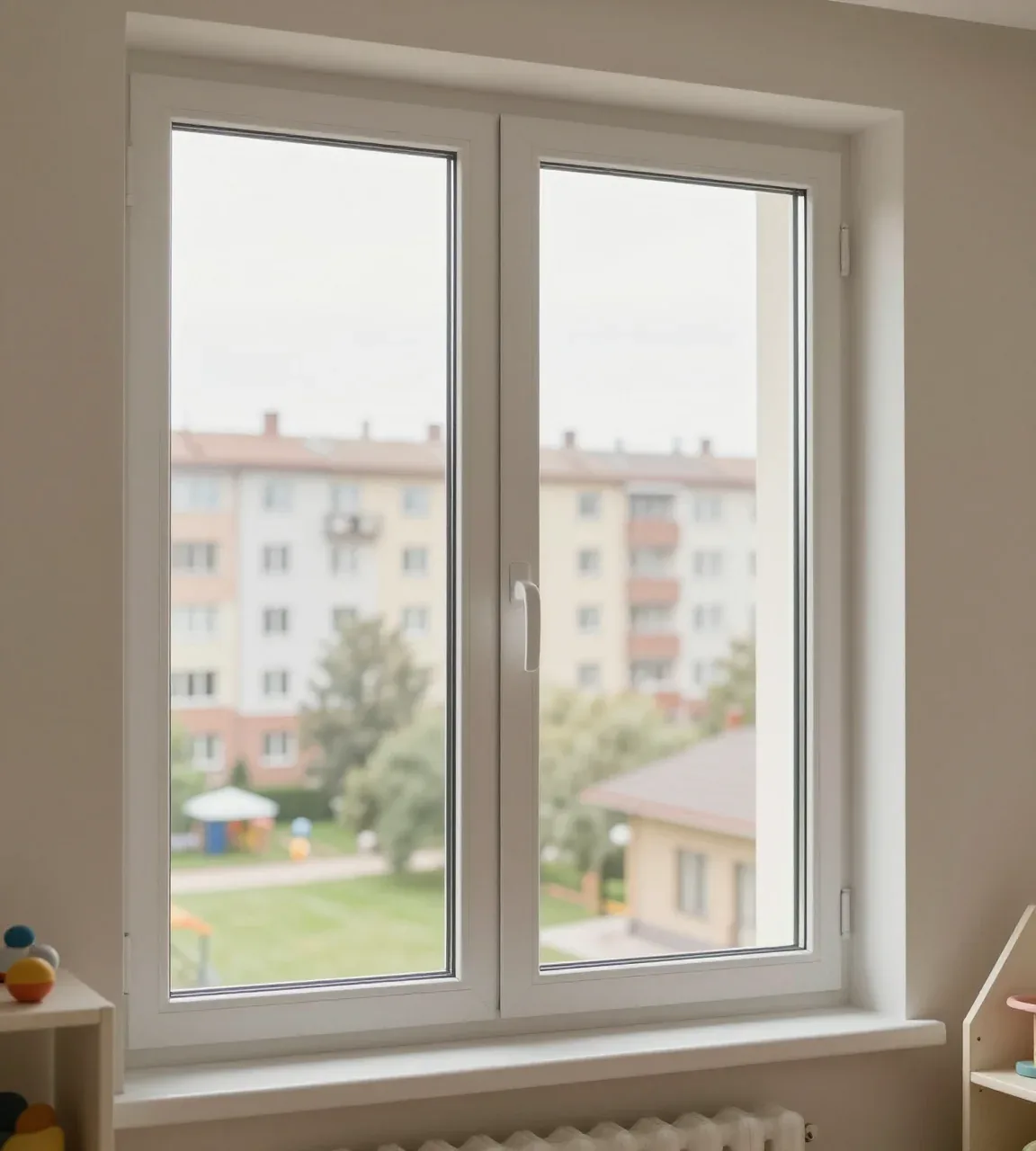
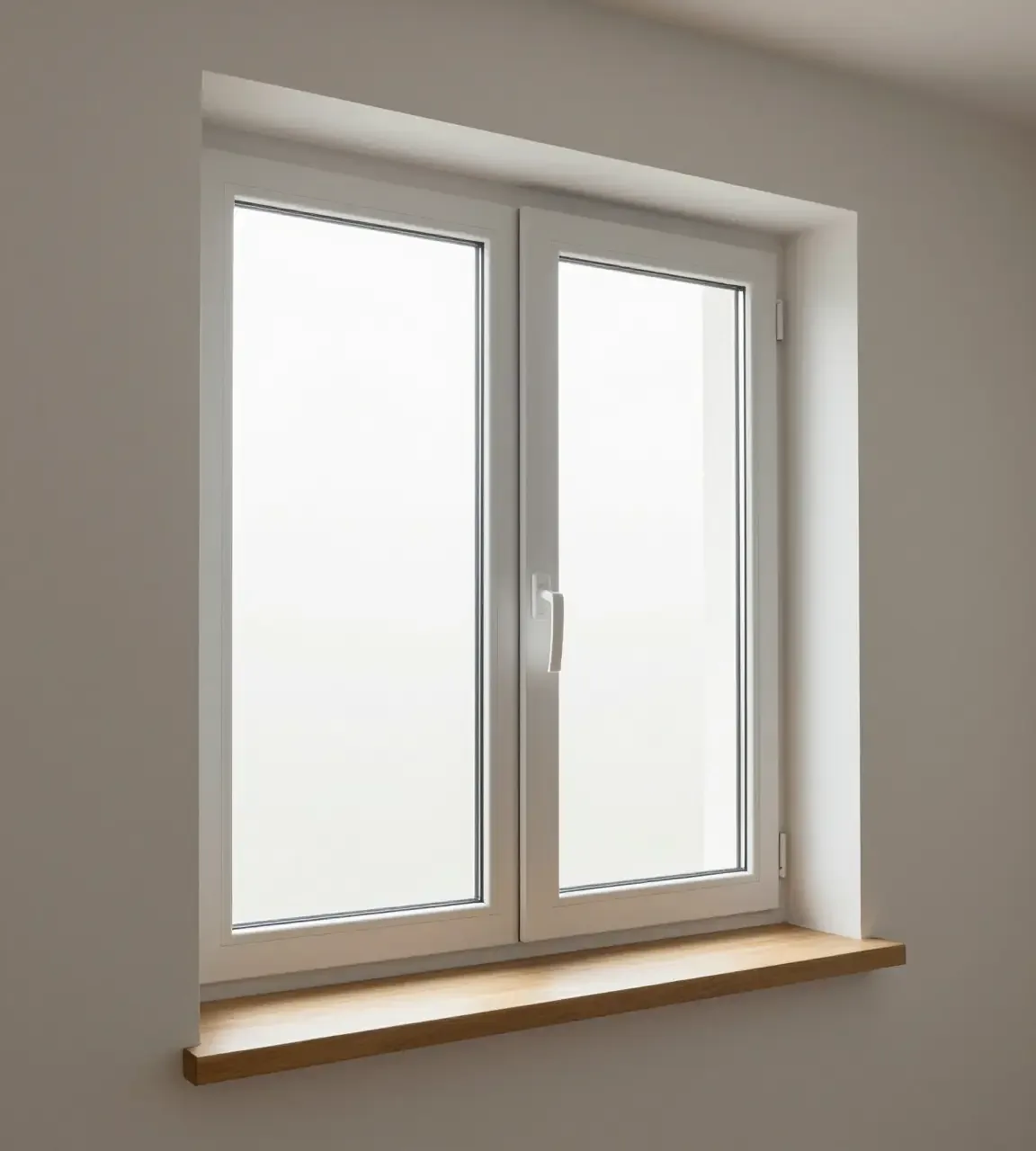
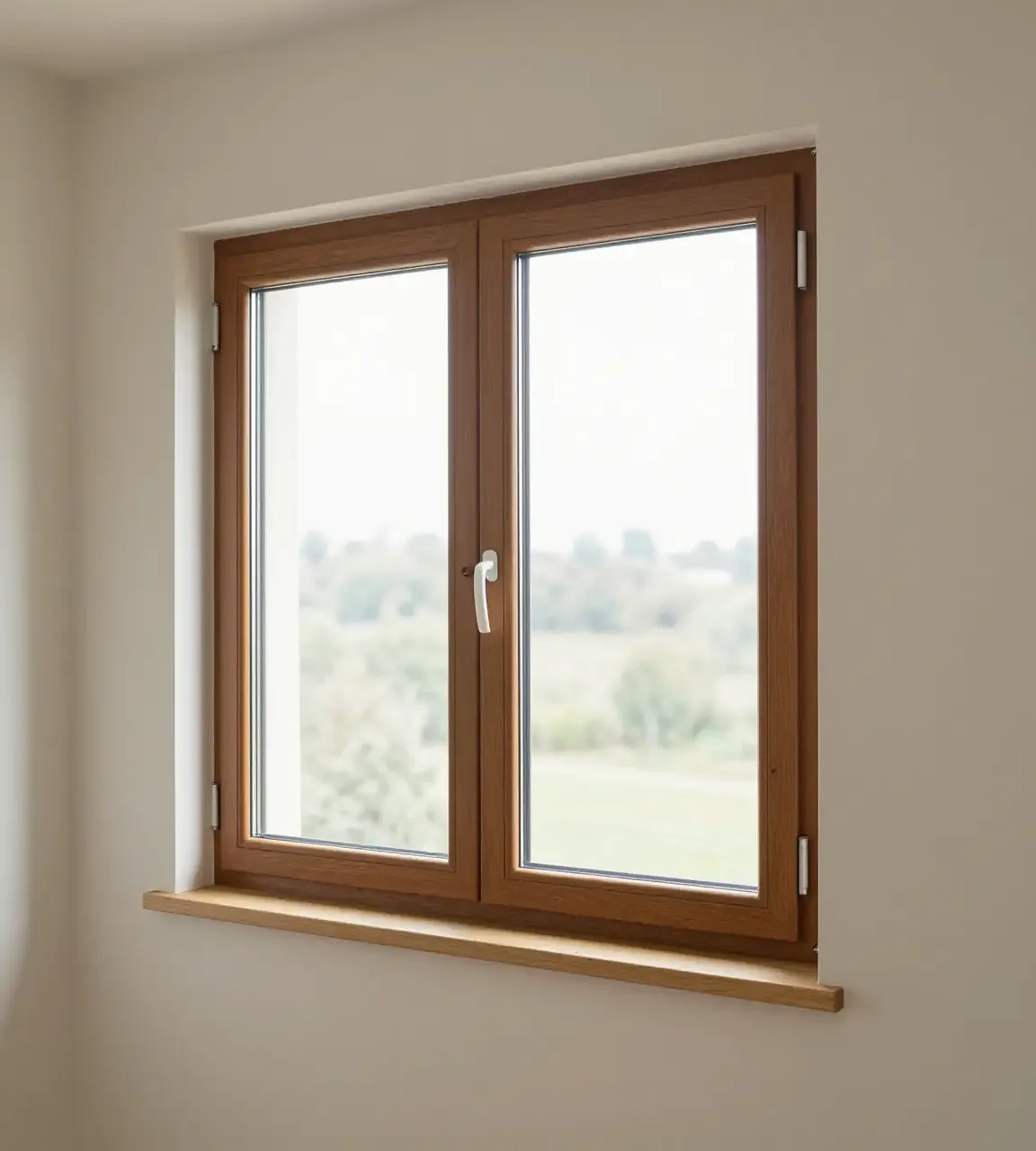
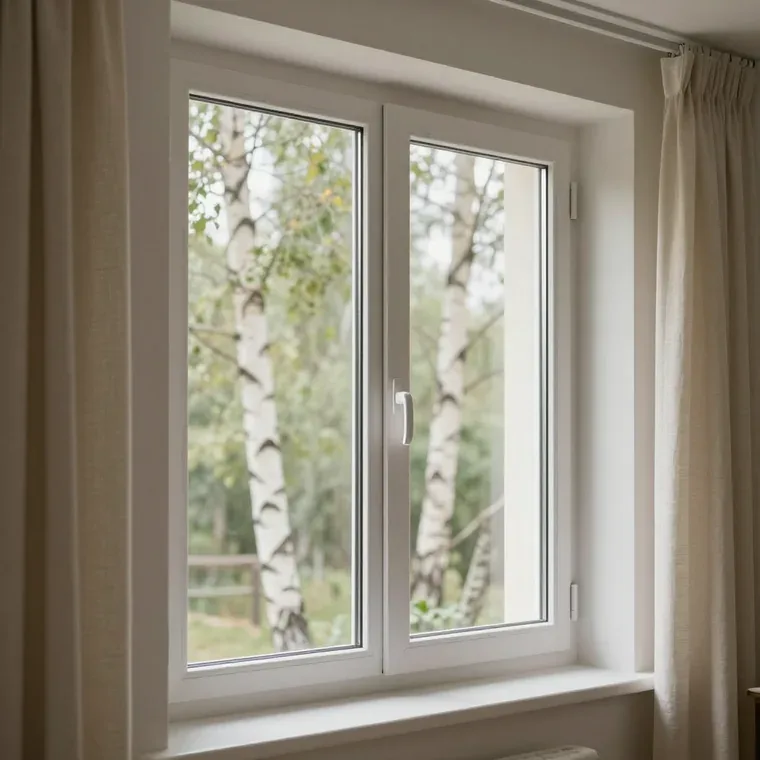
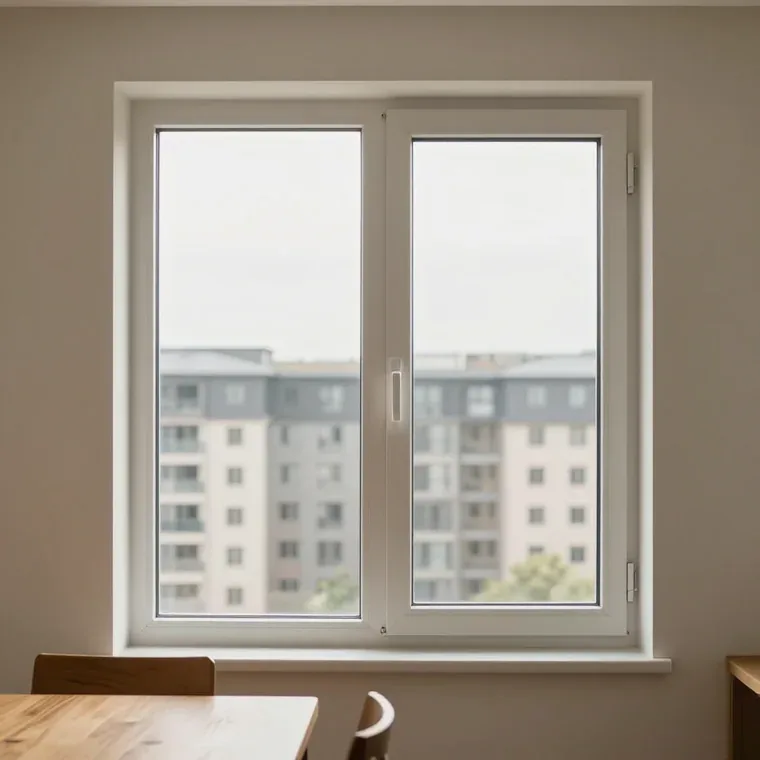
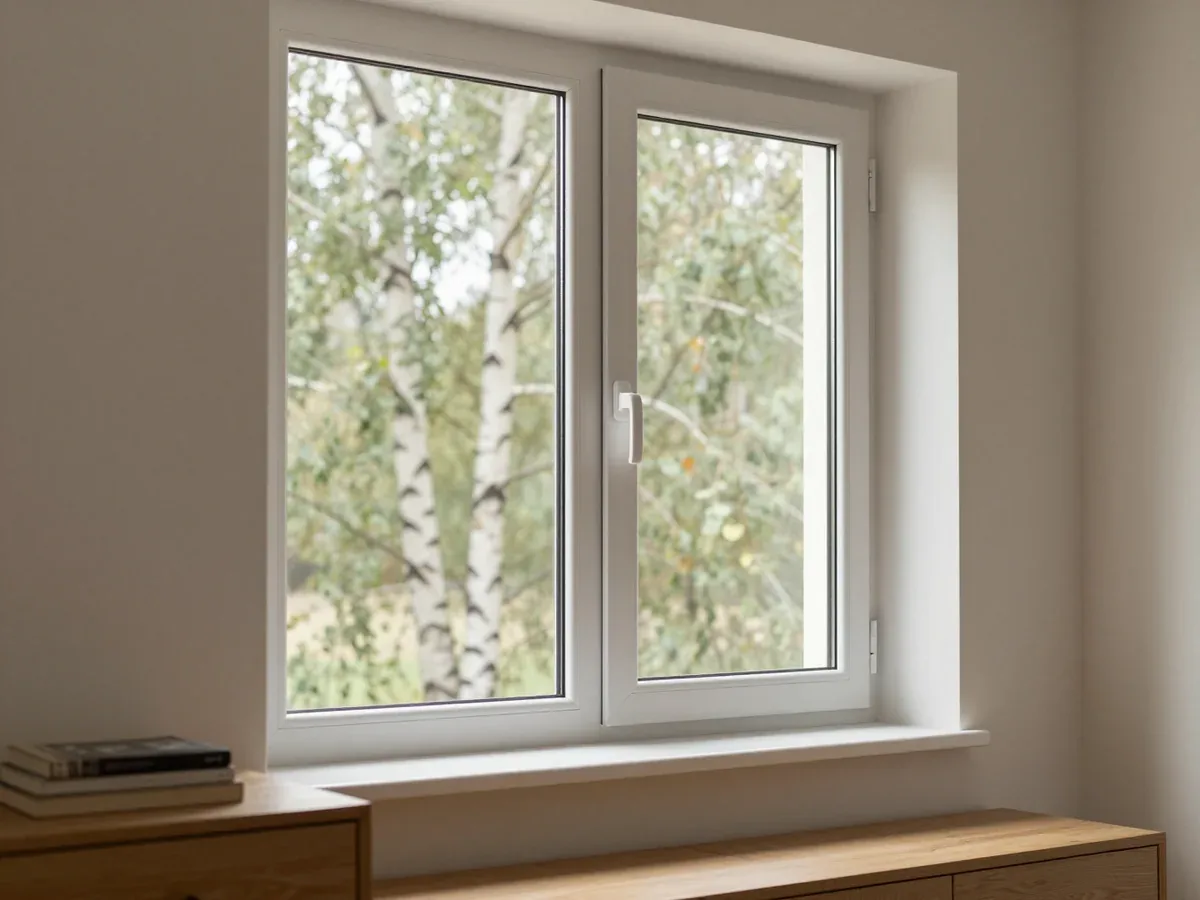
We fit a Penkid window lock on PVC, wooden and aluminium windows, on standard sashes, balcony door leaves and small vent panels alike. On PVC, the lock sits on the frame and leaf edge where the two meet, so the sash cannot swing or tilt open even when the handle is turned. Timber and aluminium sashes behave differently under load, and the frame wall there is often thinner, so the fixing point has to be chosen with more care. A balcony door leaf carries more weight than a vent panel, and the lock is set to match that load. Aluminium and timber sashes often need a different fixing than PVC, so the fitter checks the frame wall thickness before choosing the bracket. If you are looking for a penkid window lock atyrau, the fitter will help you pick the right model for your profile and floor.
Lock, handle lock or restrictor for your case
| Device | What it stops | Where it mounts | Best for |
|---|---|---|---|
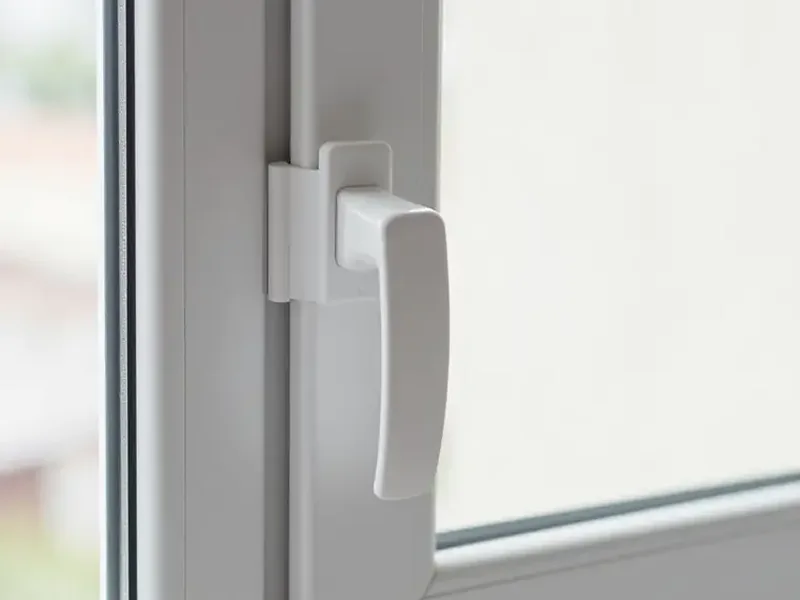
| Blocking lock Penkid | Sash opening at all | Frame and sash edge | Child safety, ground floor |
| Handle lock with key | Handle turning | Over the handle base | Quick upgrade, rented flats |
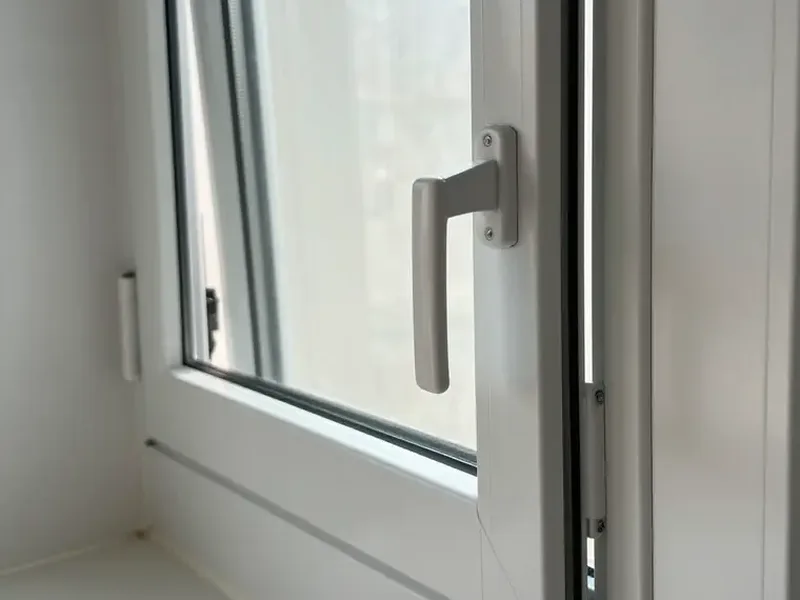
| Restrictor | Full swing, keeps vent gap | Sash arm to frame | Ventilation with a limit |
| Window grille | Entry through glass | Outside the frame | Ground floor facing a yard |
Fitting a Penkid window lock on a window you already have
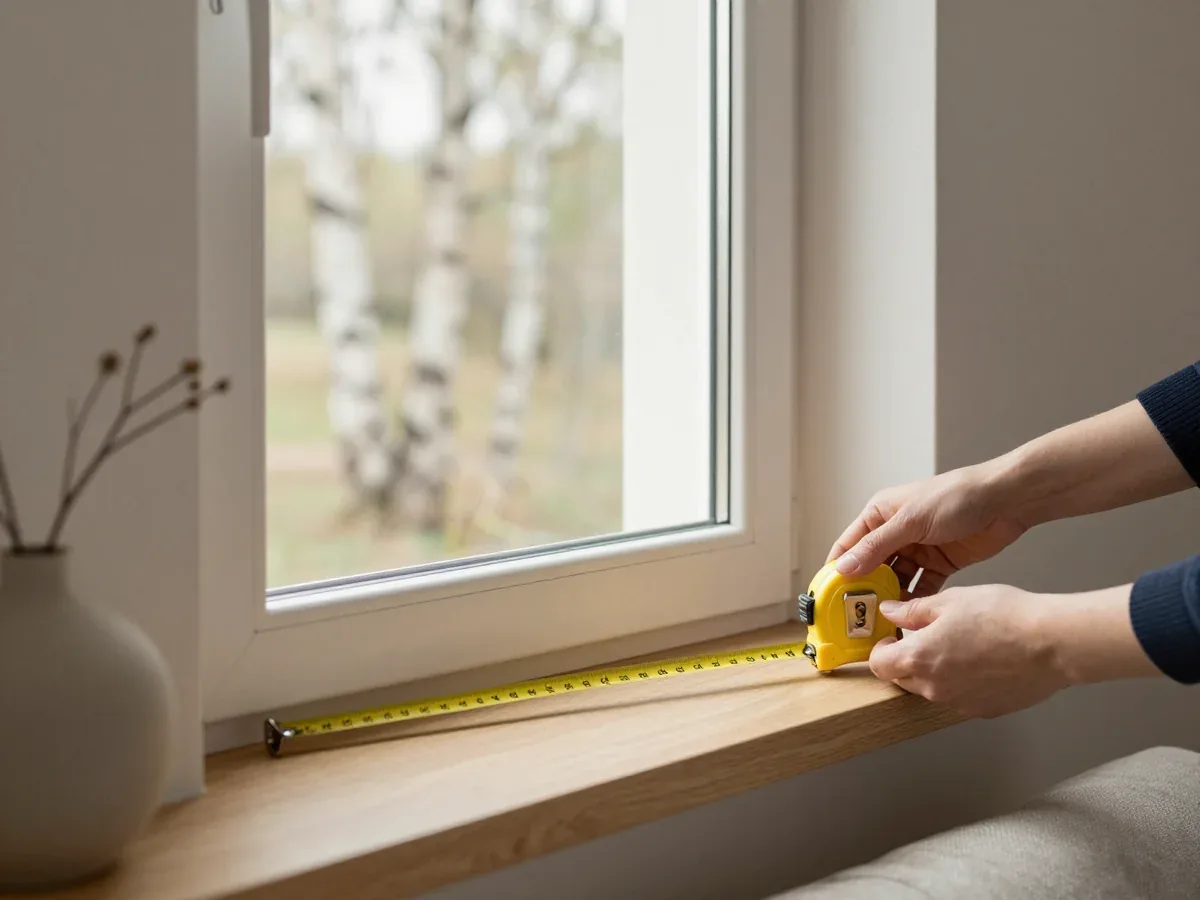
The lock goes onto the window already in your wall, with no frame swap and no glass work. The visit is short: measure, mount the hardware, test the opening.
Does fitting the lock mean drilling the frame
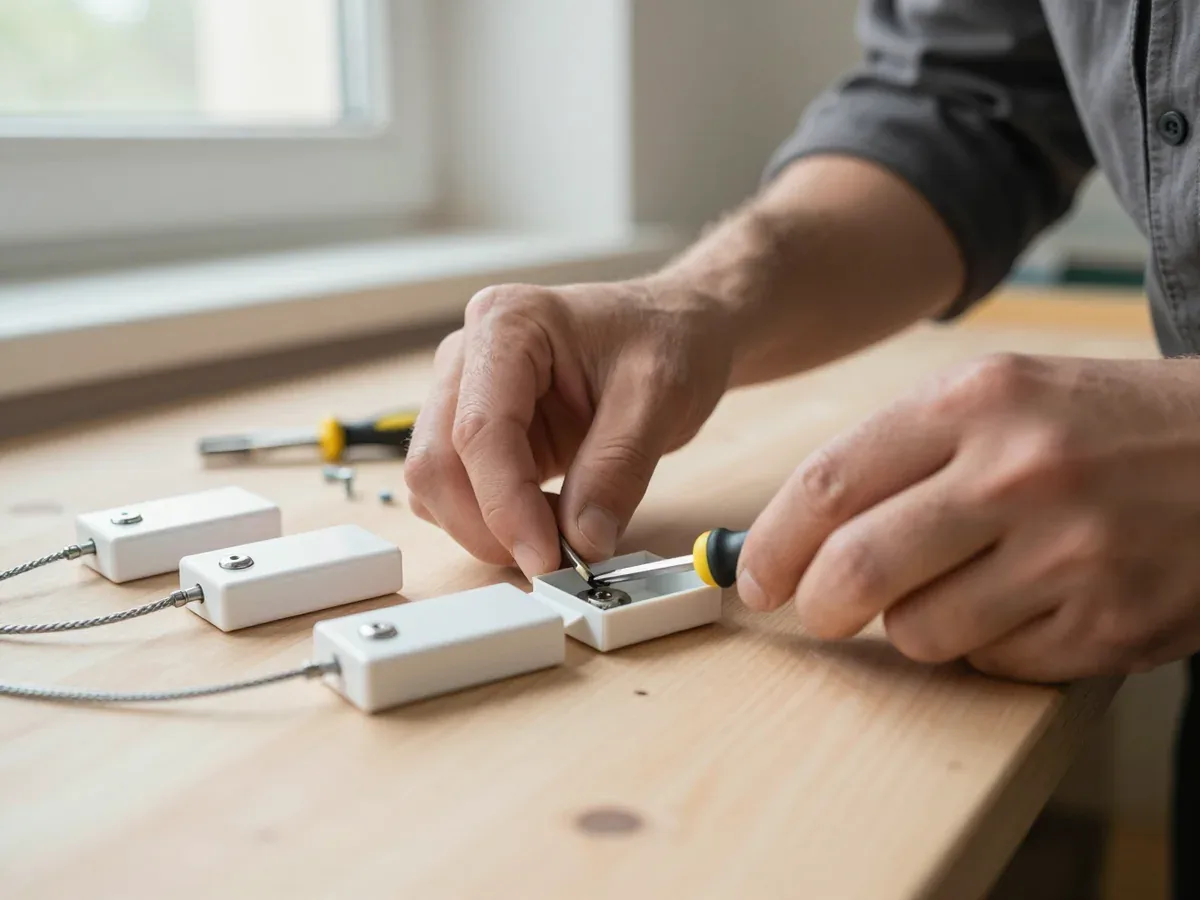
We fix the lock with short screws into the profile and sash, so the section is marked and drilled only where the catch and the keeper sit. The body of the lock sits on the moving sash, the keeper on the fixed part, and the fixing follows the window section — a slim plastic one and a deep aluminium one take different screws. An opening that has stood for years may have a slightly warped leaf, so the fitter checks the gap along the closing side before drilling anything. On a leaf that has dropped a few millimetres, the keeper is set to the real gap rather than the factory line, otherwise the key turn catches halfway. Ask the installer to show you the marked points before the drill goes in — it takes a minute and prevents a misplaced hole in a section you cannot patch.
How the visit runs from measuring to the final check
- Measuring visit: the fitter takes sizes, checks the section and floor, and confirms the fixing type.
- Order fixed: the model, bracket and colour go into the order, and the price is locked.
- Mounting: the installer drills the catch and keeper, then aligns the lock to the leaf.
- Test: the leaf is opened and closed several times, and the key turn checked.
- Payment: you settle after installation by cash, card or Kaspi.
Penkid window lock or another way to secure the opening
A lock is only one of four ways to close a window, and the right choice depends on who you are keeping out — a toddler, a burglar or a draught.
When a lock beats a grille or a key handle
A lock wins when you want the opening shut but the window still looks like a normal window, while bars suit a ground level facing a yard and a key handle suits a quick swap. Steel or aluminium grilles change the look of the facade; a blocking lock sits inside the frame profile and stays invisible from the street. A key handle replaces the existing fitting without frame work, yet it only stops the lever turning — it does not stop a child who has learned to lift the sash. Bars and locks solve different problems, so a first-storey flat often ends up with a lock on the living room leaf and bars on the one by the stairwell.
Picking the device by room and by risk
- Child's bedroom: a blocking lock on the leaf, with the key kept on a high hook out of reach.
- Ground-level living room: a lock plus a restrictor, or bars if the window faces a walkway.
- Balcony door leaf: a lock rated for a door leaf, checked against the heavier swing.
- Rented flat: a key handle that swaps back before you move out.
- Kitchen vent panel: a restrictor that keeps a fixed air gap without a full swing.
Care, warranty and ordering a Penkid window lock in Atyrau
Once the lock is fitted, three questions remain: how to look after the mechanism, what the warranty covers and how to book the visit. We take them in that sequence below.
Living with the lock through winter and cleaning
The lock does not block normal use, so you can still open the window for air, wash the glass and lift out the mosquito screen for winter. The catch sits on the frame and the key turns a small cylinder, which leaves the handle and the seals free for everyday ventilation. A framed screen comes out from inside in about a minute, so the cold-season routine stays the same as before. Wipe the mechanism with a soft cloth instead of a wet rag, and keep the keyhole clear of dust and salt carried in from the street. A lock that starts to stick usually needs a drop of lubricant on the catch rather than force, and a lost key means a new cylinder rather than a new lock.
Warranty, payment and how to book the fit
We confirm the warranty terms for the lock and the installation in your paperwork, and you pay only once the job is finished, by cash, card or Kaspi. A measurer visits at a time that suits you, takes the sizes and helps pick the fixings for your profile and floor, and the measuring itself costs nothing. We reply on WhatsApp within five minutes and work seven days a week, so a booking does not have to wait for a weekday. Because the price is fixed when the sizes are taken, a change of model at the fitting stage is the one thing that can move the figure, so settle it at the measure.
How to choose a Penkid lock for your task
Before you book anything, four details decide whether the lock fits right the first time and keeps working for years.
- Purpose first: decide whether the device guards a child, a ground-floor opening or both, since that shapes the choice.
- Profile check: confirm the frame material and sash type, because aluminium and timber take different fixings.
- One visit: a measuring call settles the model, the bracket and the price before any drilling starts.
- Everyday use: the fitting still allows cleaning, ventilation and removing the screen for winter.
- Aftercare: keep the key out of reach, lubricate a stiff catch, and confirm warranty terms in the order.
 Limiters
 Blockers
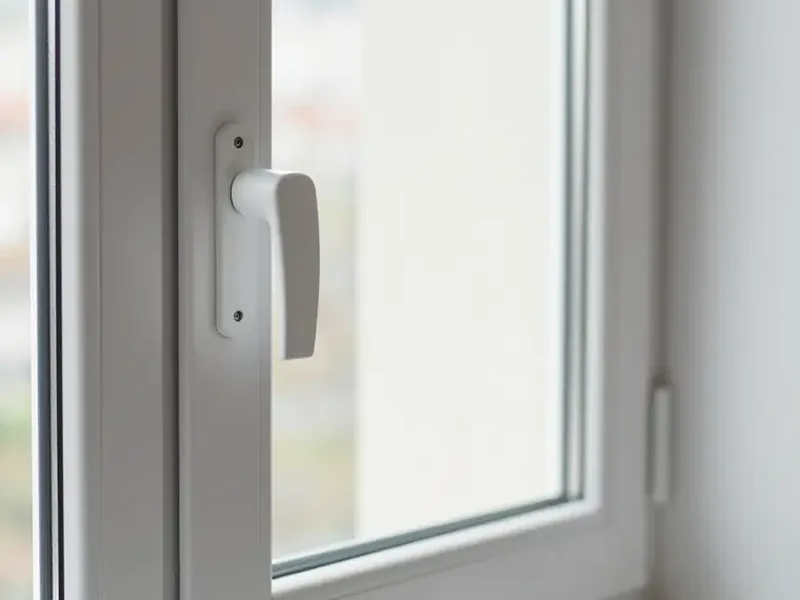 Keyed handles
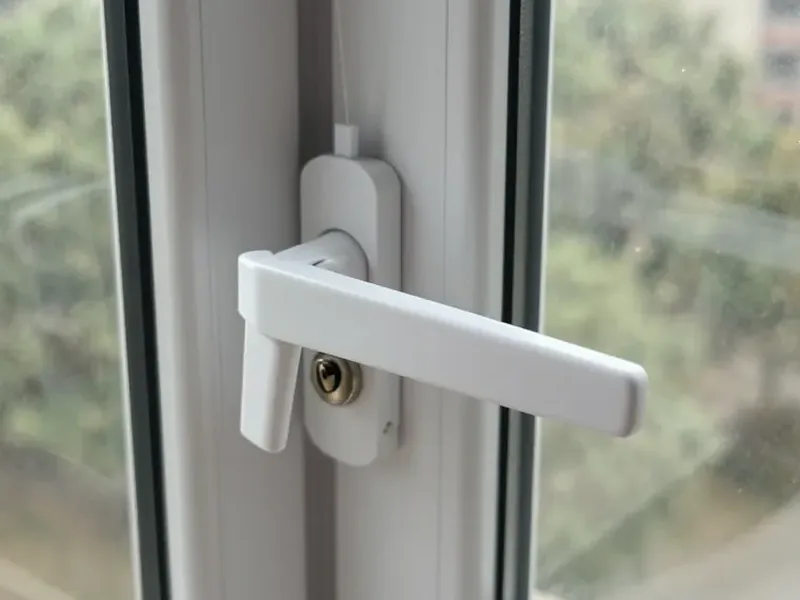 Child protection
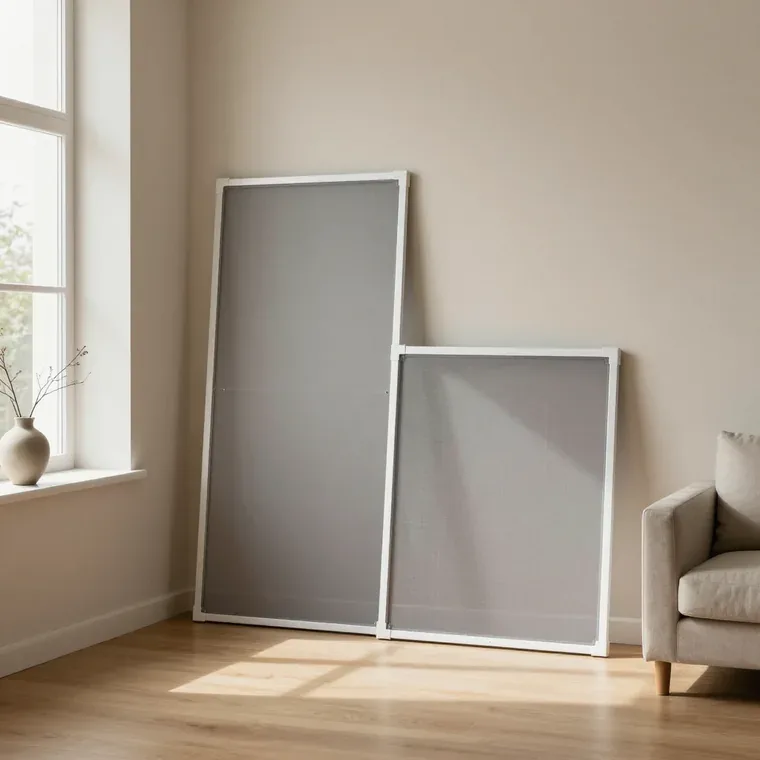 Ready-made screens
