


Good to know
Inside-Mount Mosquito Screens in Atyrau

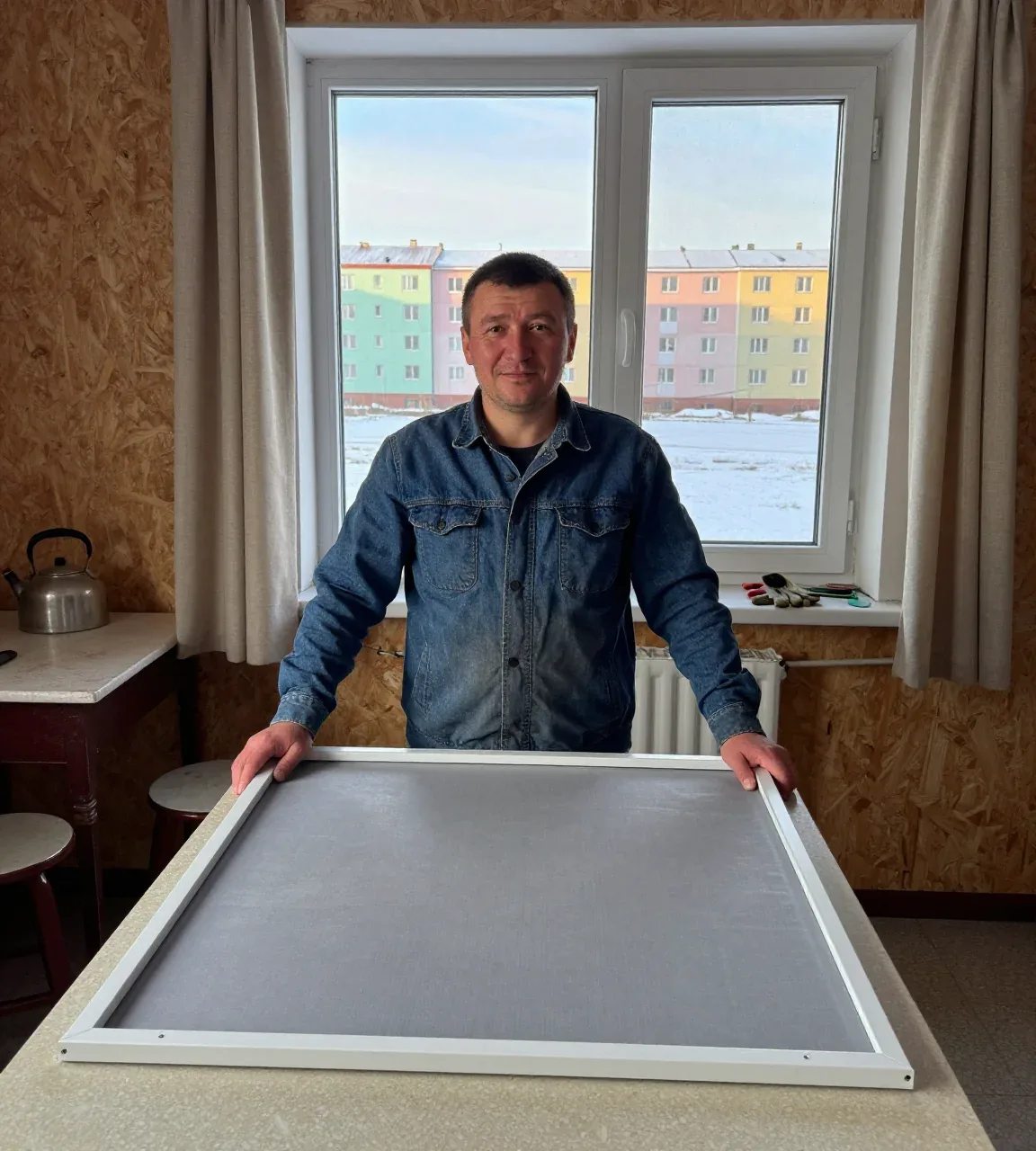
Senior mosquito screen specialist at moskitnyesetki.kz
We make inside-mount mosquito screens to your window size and fit them from indoors in Atyrau, with free measuring, a mesh and fastening chosen for your profile and floor, and payment only after installation. A framed screen is ready in 10–15 minutes, a pleated one in 40–60 minutes, and every screen carries a 1-year warranty.
Inside-mount or outside-mount and what each one does for your window
Where the screen sits decides how you clean it, open the window and handle winter. Here is how the two mounting positions differ and when the indoor option is the practical one.
Where an inside-mount screen sits and how it differs from an outside one
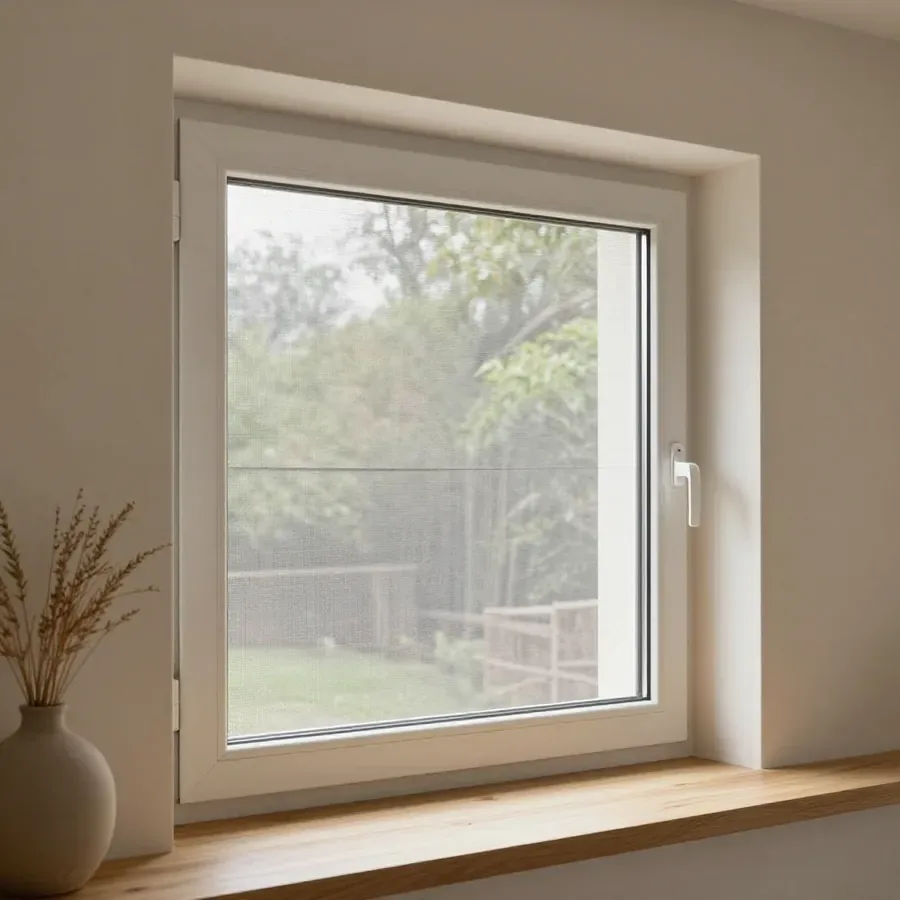
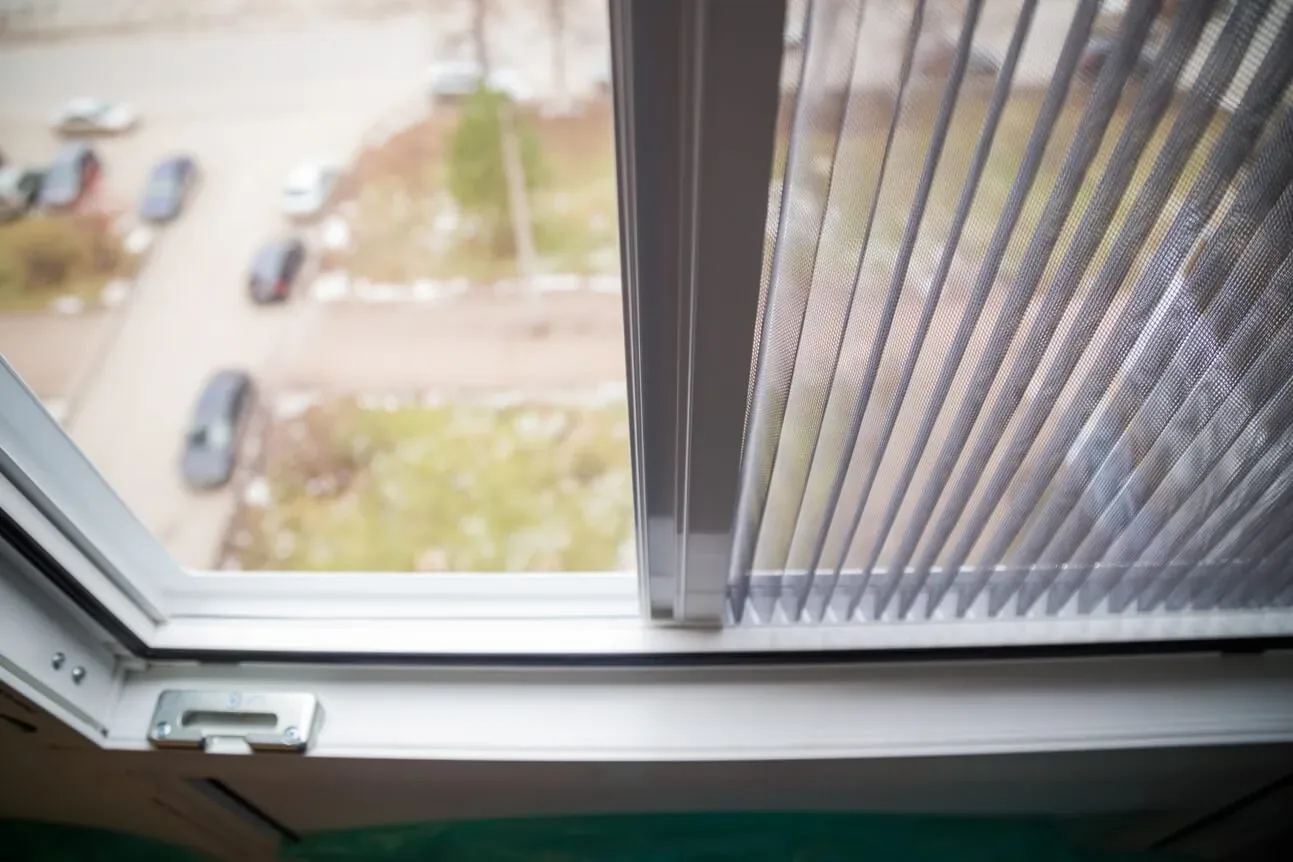
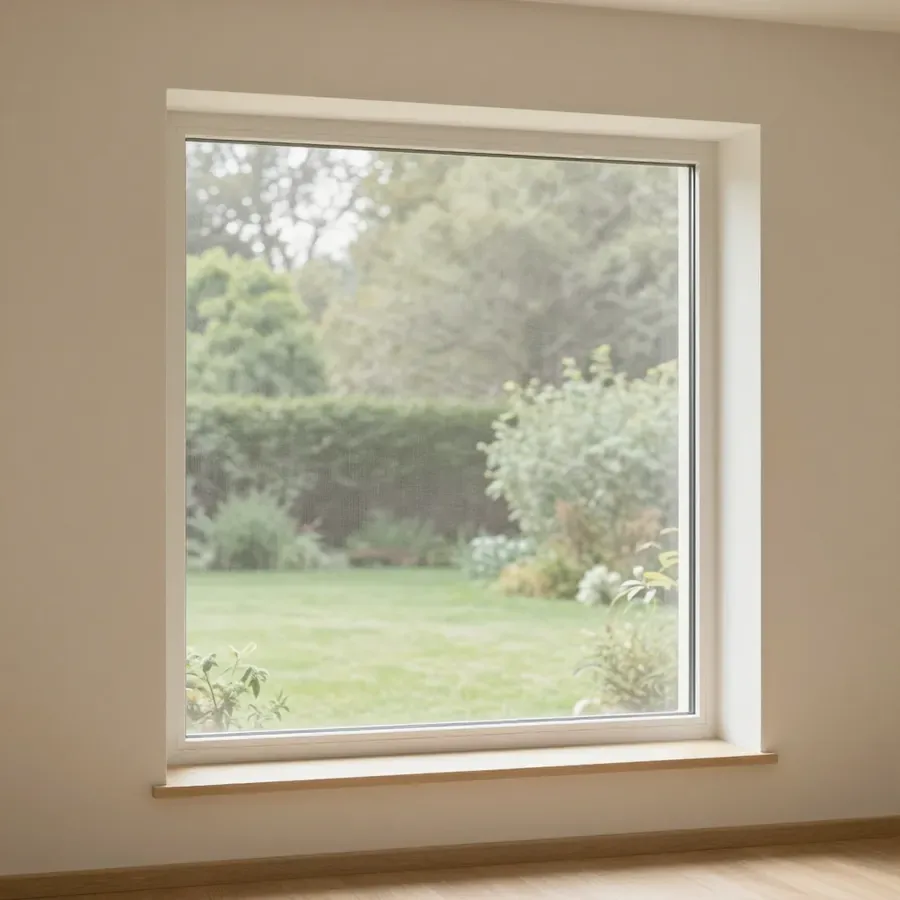
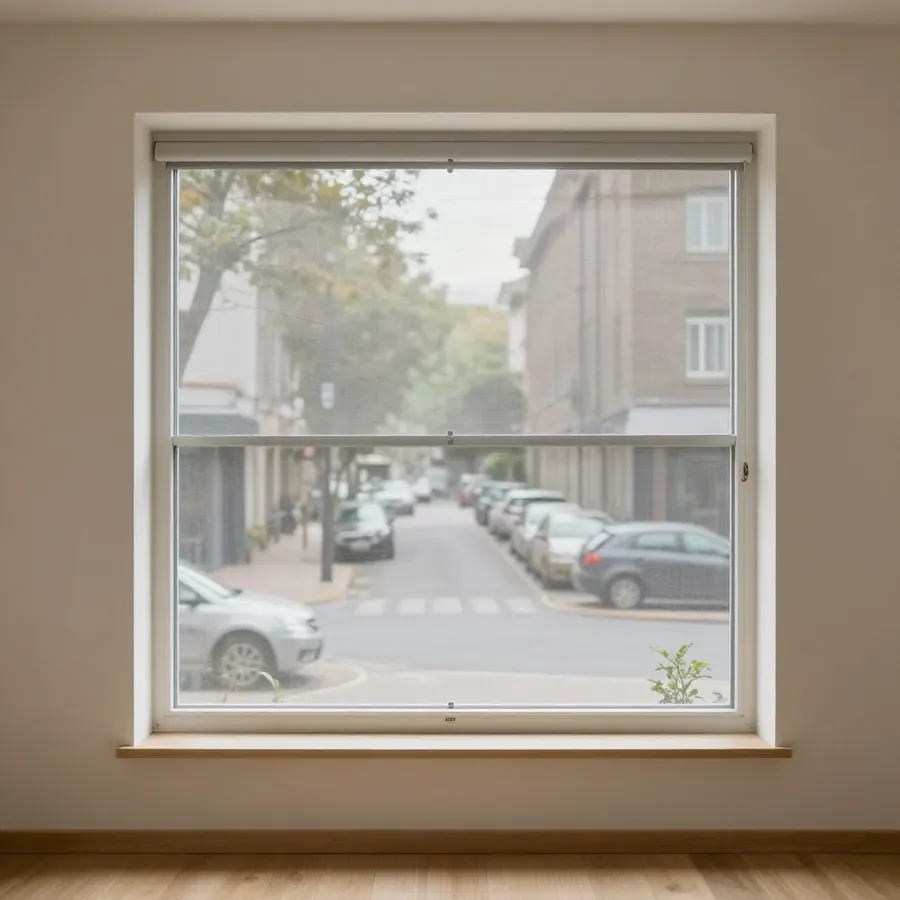
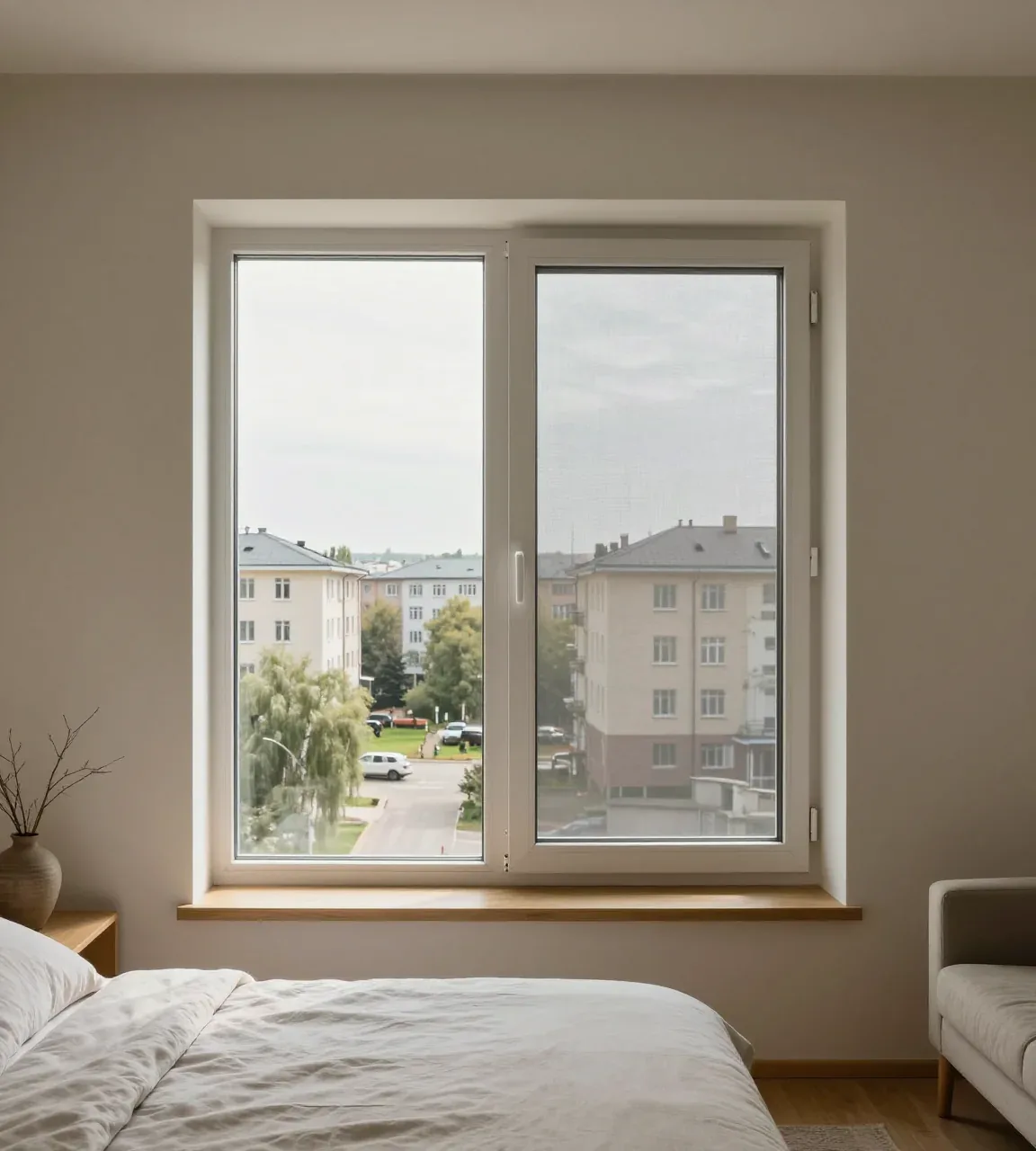
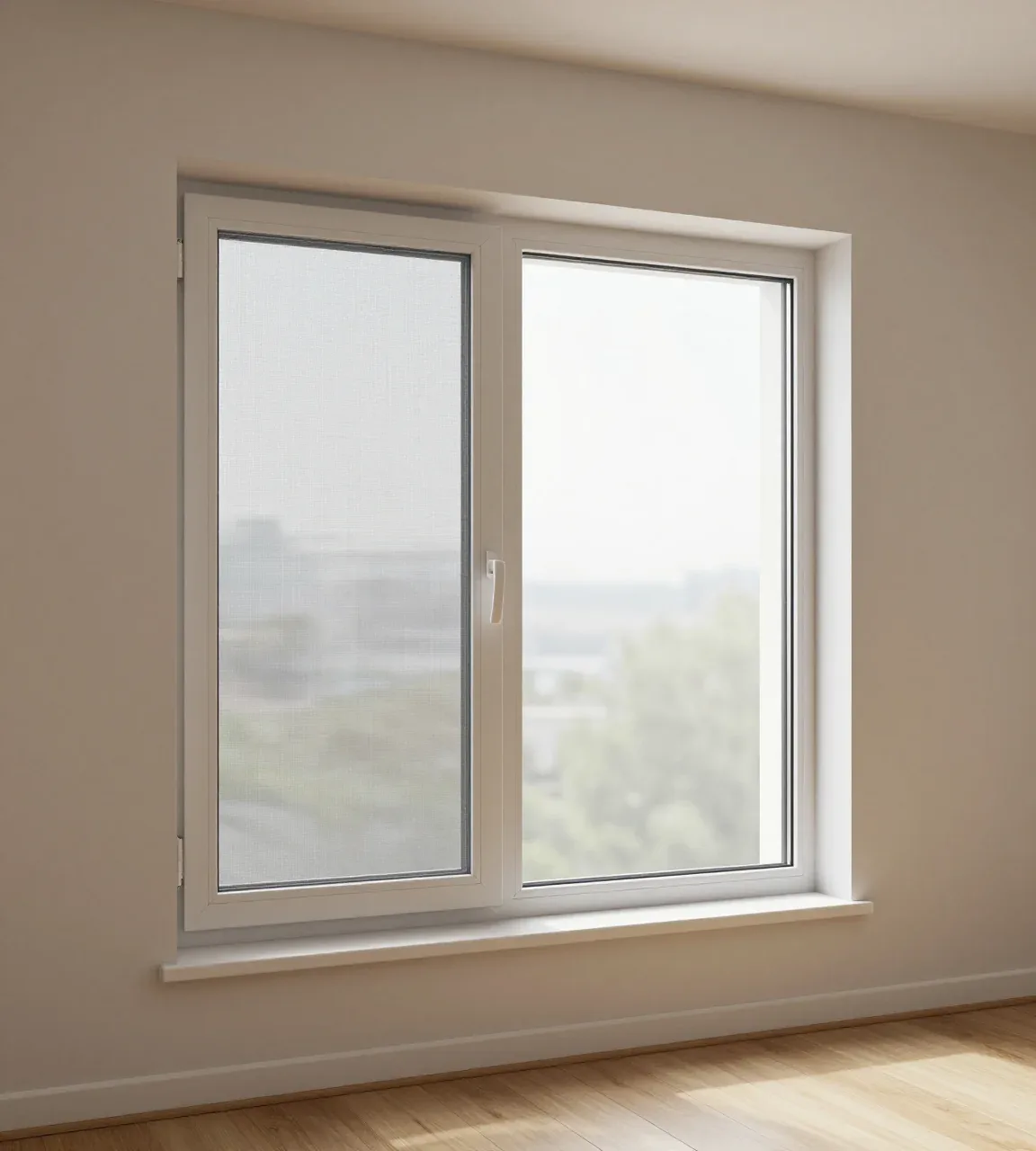
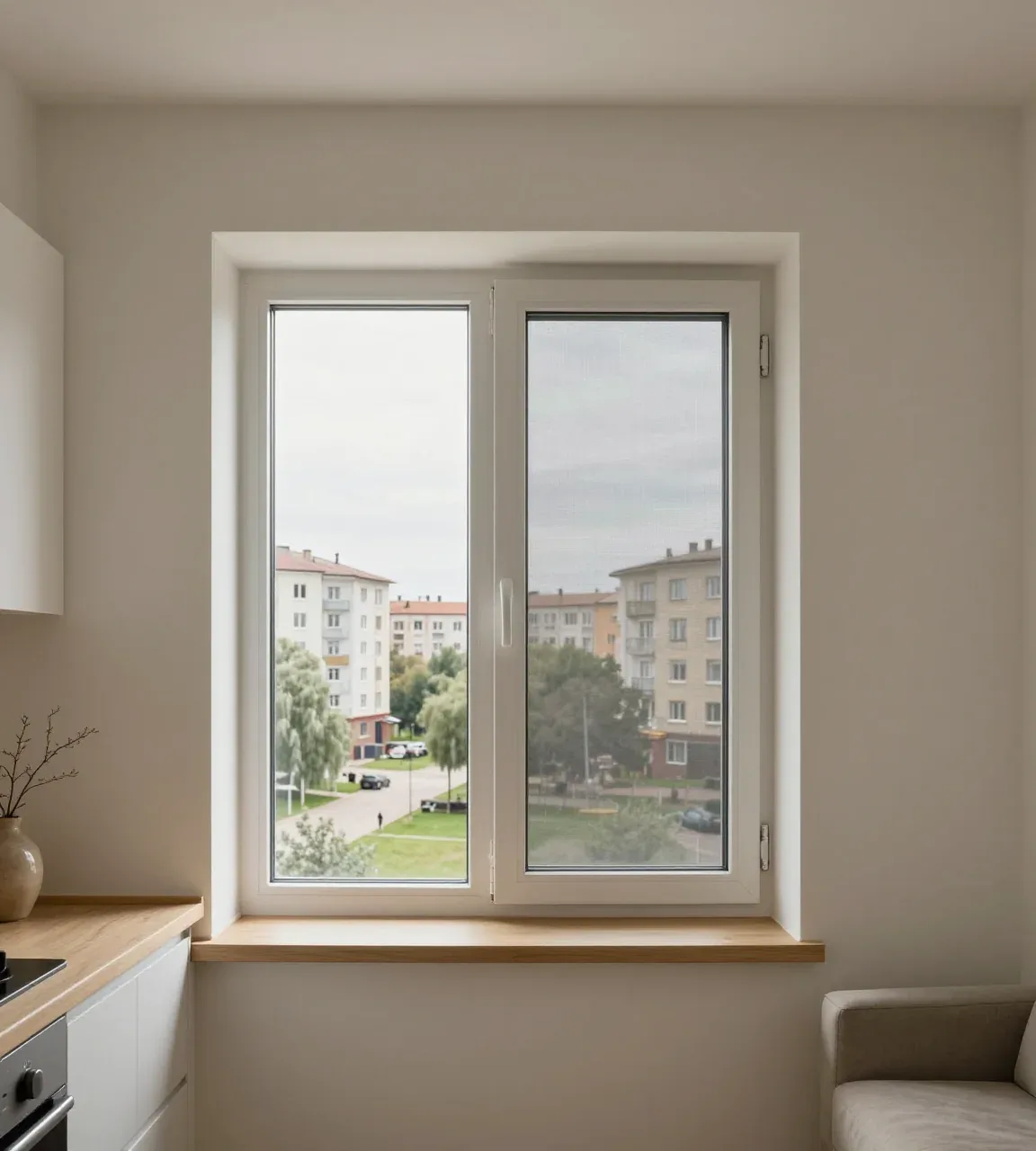
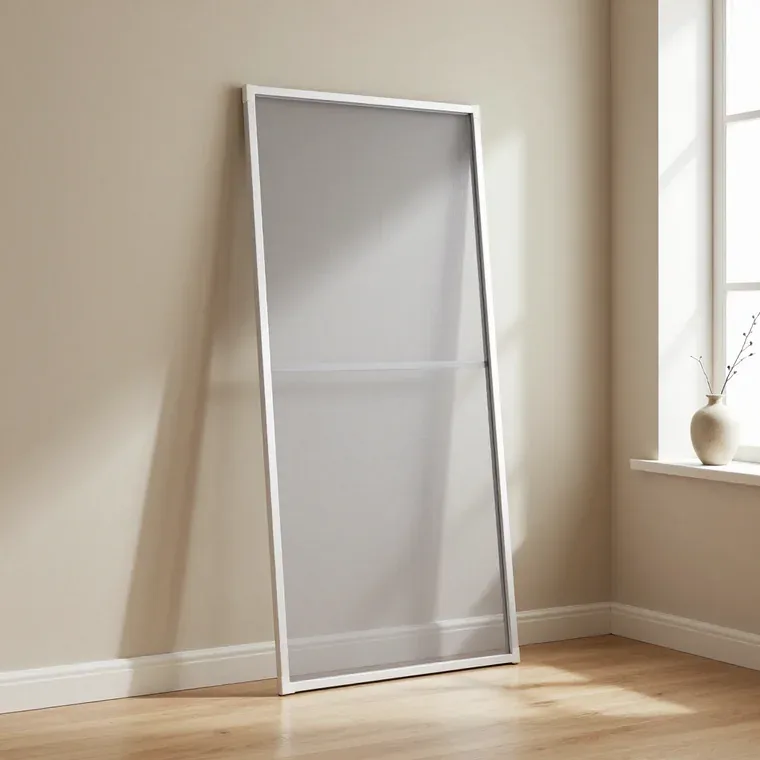
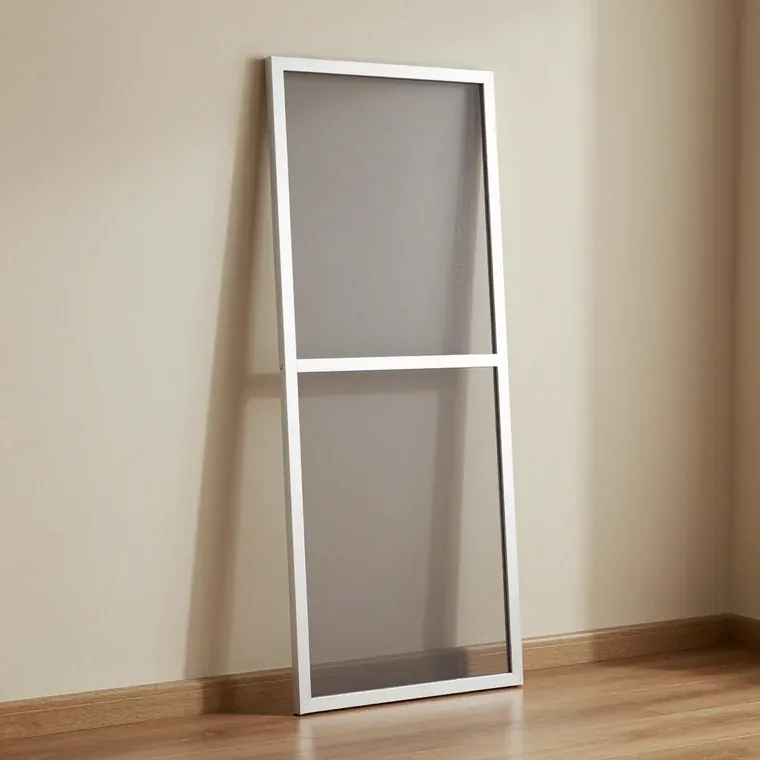
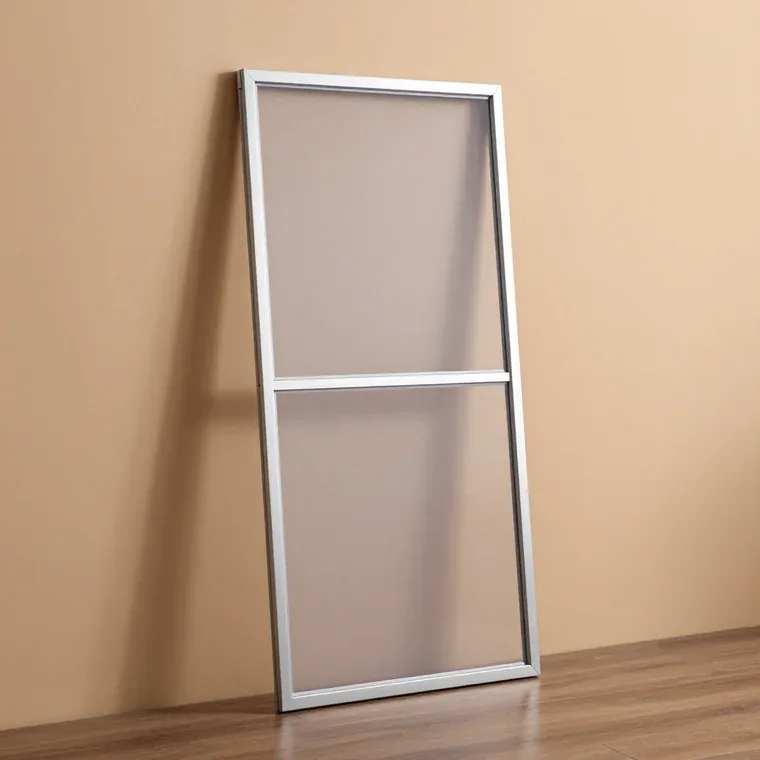
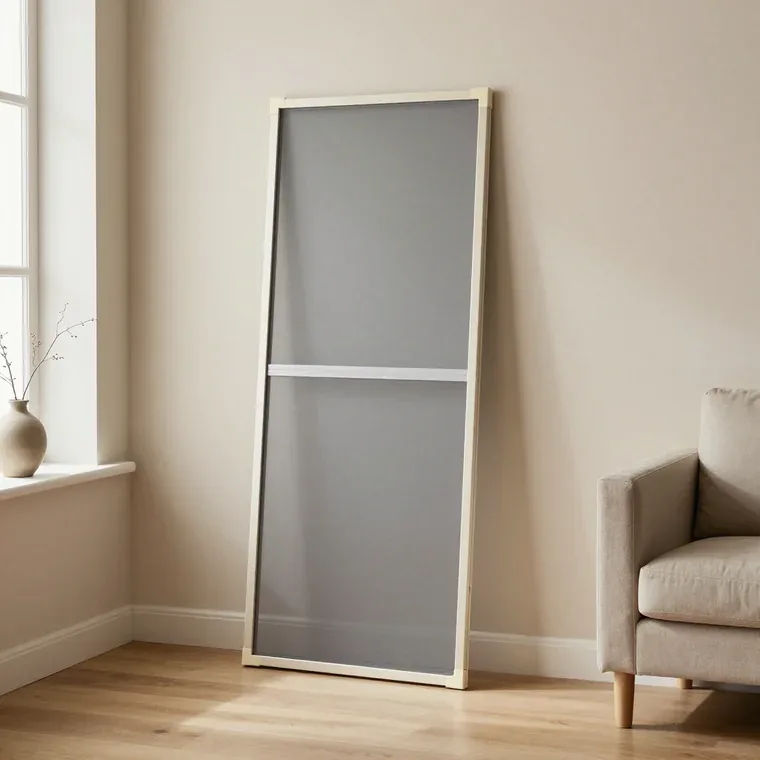
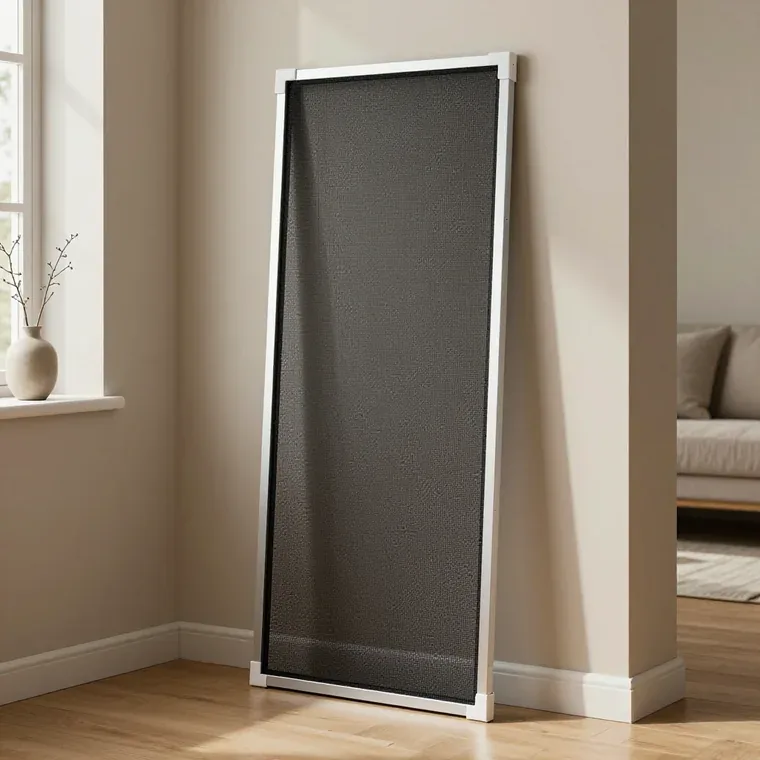
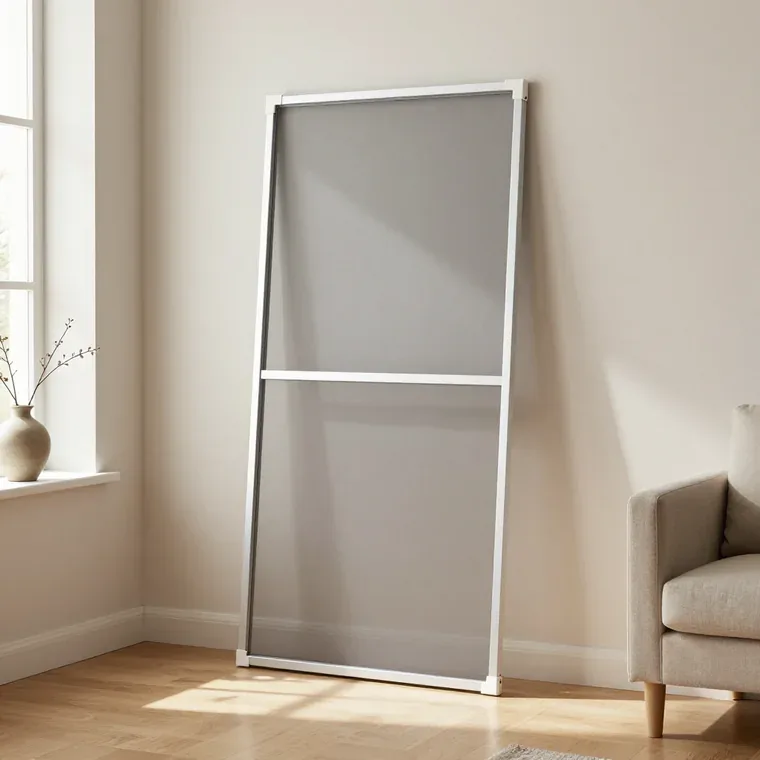
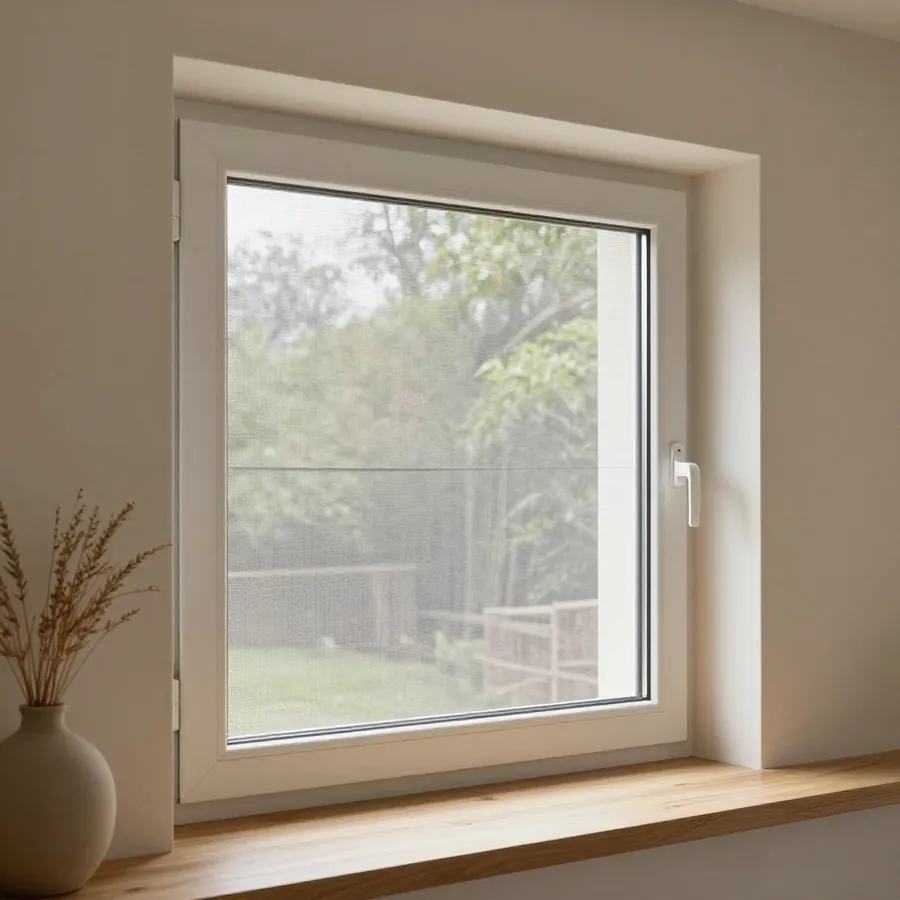
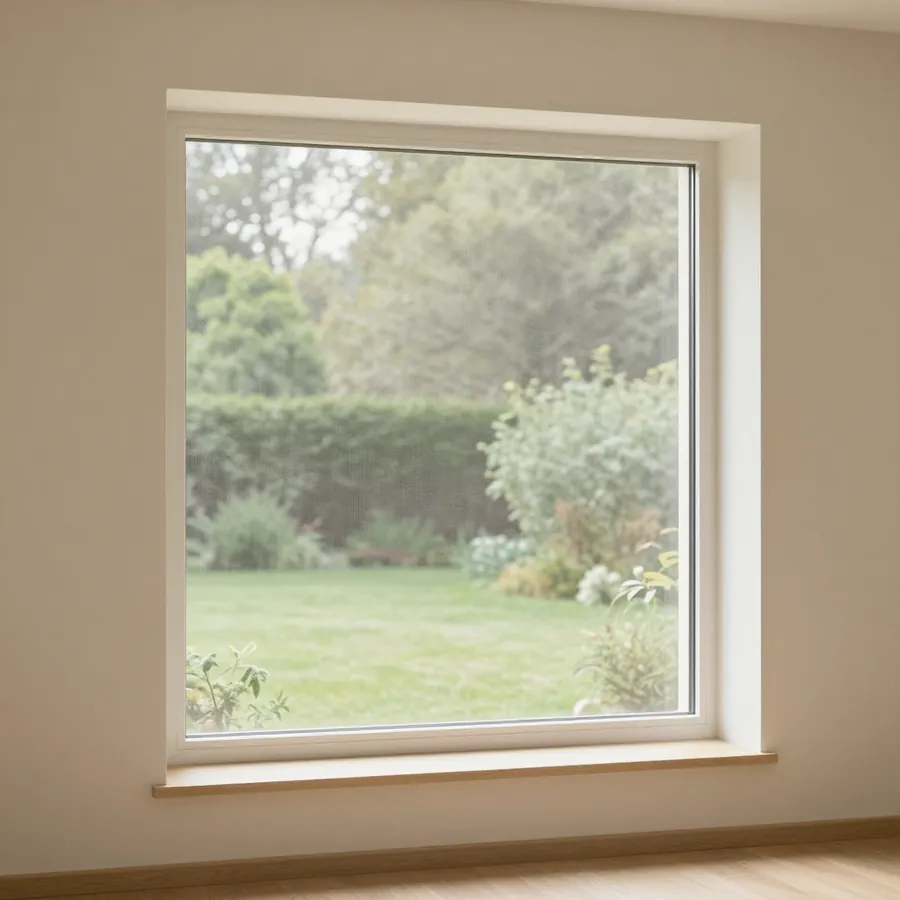
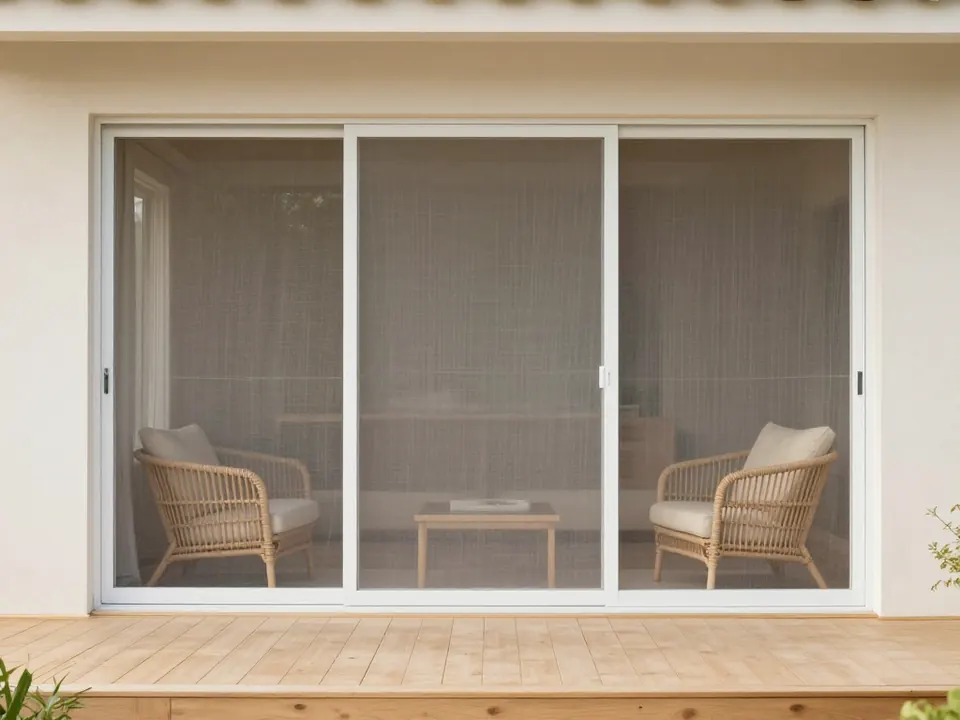
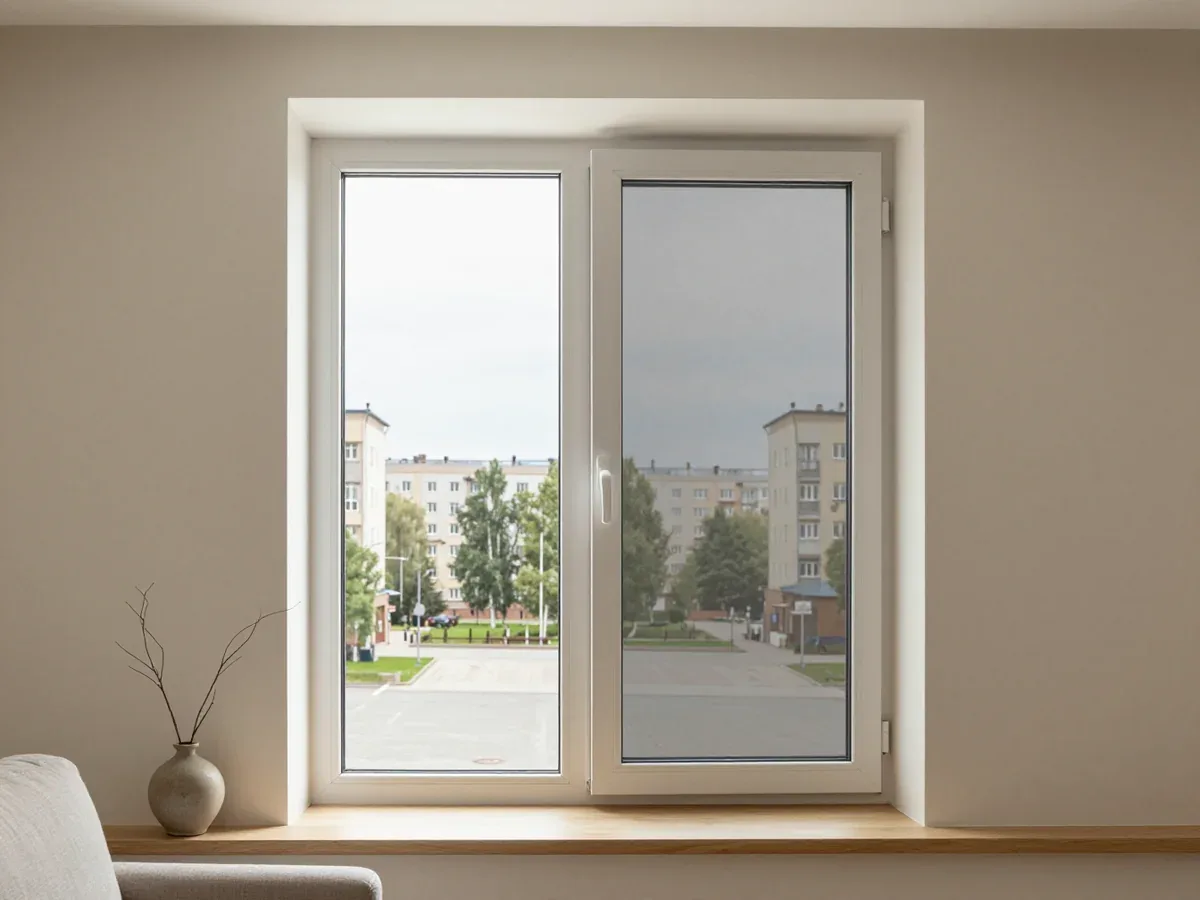
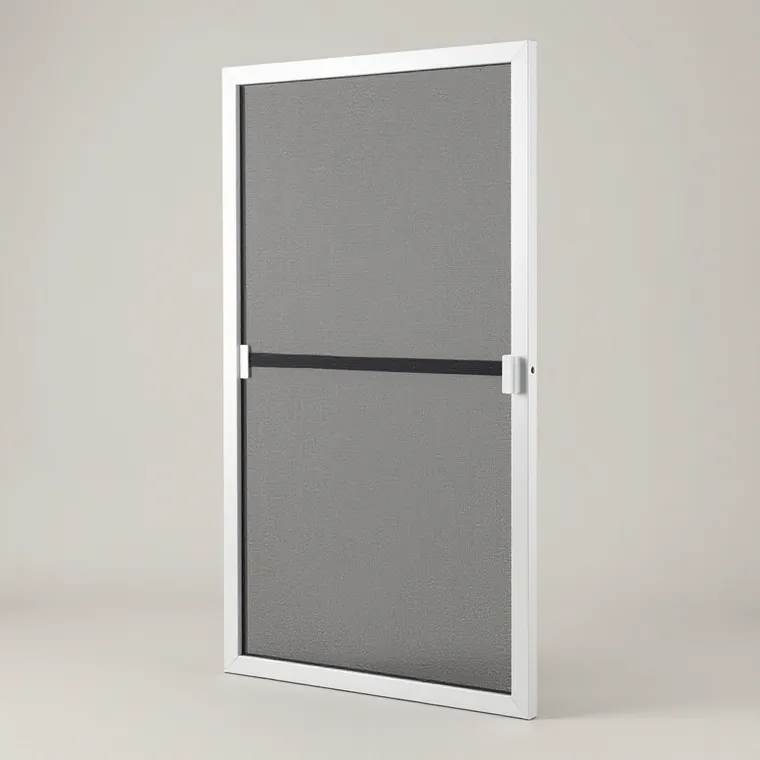
An inside-mount screen is fixed on the room side of the window frame, so it never hangs over the facade and can be lifted out from indoors. An outside screen covers the same opening from the street side and is reached only by leaning out or working from a ladder. Both are framed screens with a rigid aluminium profile, a mesh panel and a set of brackets, and both keep mosquitoes, midges and flies out of the room. The difference shows up in daily use: the indoor version leaves the outer sill free, does not change the look of the building and stays within arm's reach when you wash the glass. Because this unit sits inside, it is shielded from wind and street dust, which keeps the frame and mesh cleaner between seasons.
When inside mounting is the better choice
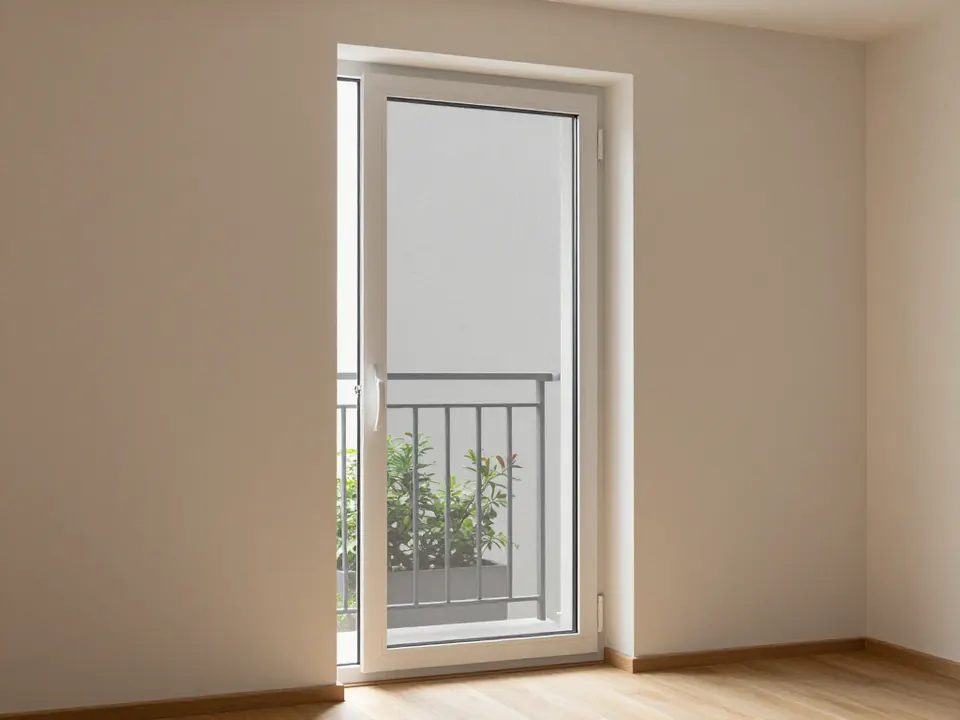
We fit indoor mosquito screens without drilling the outer frame, which suits windows that open inward or sit on upper floors where outside work is awkward. On high floors such a barrier also means no ladder work and no risk to the mesh from wind, so it stays taut longer. The measurer checks your window type first — plastic, wooden or aluminium, a standard casement, a vent or a loggia opening — and then picks the fastener that matches the profile and the floor. Nothing is drilled on the street side, so the facade and the outer sill stay untouched. If you live above the fourth or fifth floor, ask for the indoor version before the visit: the fitter measures once and brings the ready frame, and the product goes up from the room in minutes.
Fastenings that hold inside-mount mosquito screens on your window
The measurer picks the fixing to match your window profile and floor, so the mesh sits tight without rattling. Here are the three types we use and the frames each one suits.
Z-brackets, pins or magnets and how the measurer picks
Our measurer chooses Z-brackets, pins (plungers) or magnets based on your window profile and floor, so the mesh locks in place without rattling. Z-brackets hook over the frame edge and suit deeper profiles and higher floors where wind pressure is stronger. Pins press into the frame groove and leave no visible hardware on the sash. Magnets clip the unit on and off in seconds, which helps on windows you open every day. The measurer checks the profile width, the opening direction and how often you air the room before deciding. Pins hold a framed unit firmly on most plastic profiles, while magnets make daily removal easier on windows you open often.
Which windows take an inside screen
| Window type | Usual screen | Fastening |
|---|---|---|
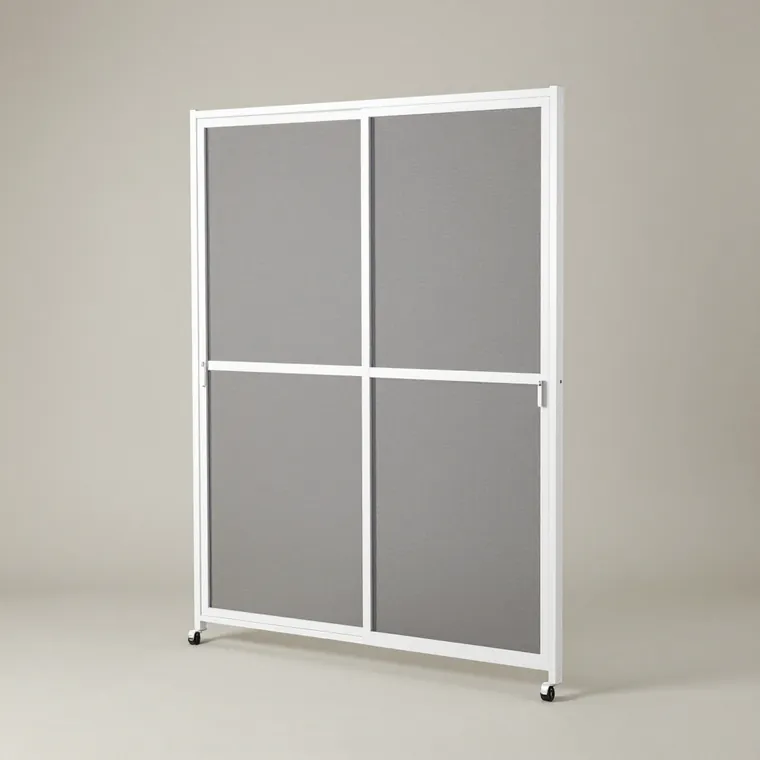
| Plastic, opening inward | Framed | Pins or magnets |
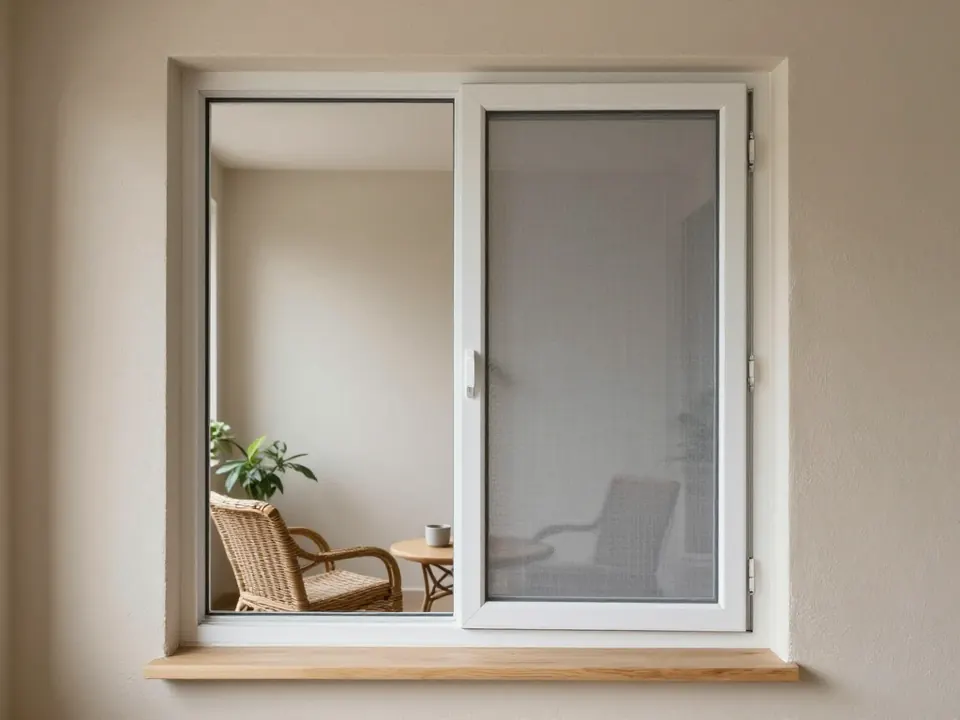
| Aluminium balcony | Sliding | Track guides |
| Old wooden frame | Framed | Z-brackets |
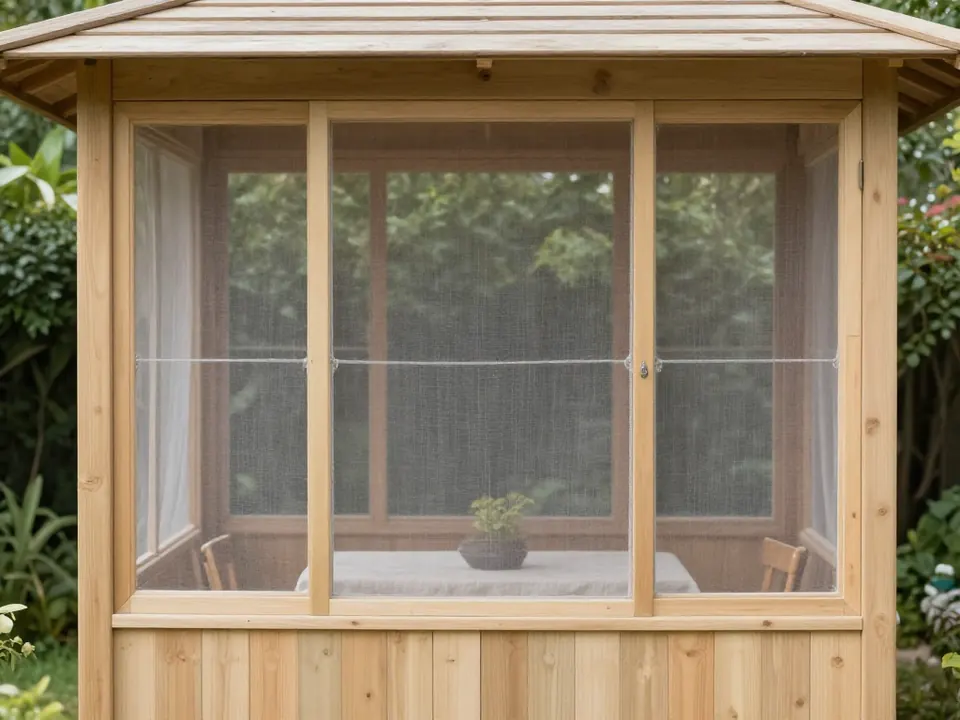
| Veranda or gazebo | Framed | Z-brackets |
Choosing the mesh for light, dust, pollen or a cat
The netting matters more than the frame for how a room feels day to day. It decides how much air comes through, what stops at the window and how long the panel survives its first summer.
Matching the mesh to your problem
- Standard (Fiberglass): the everyday pick for living rooms, stable through heat and temperature swings.
- UltraVue: for darker spaces, letting in 25% more light and air than other canvases.
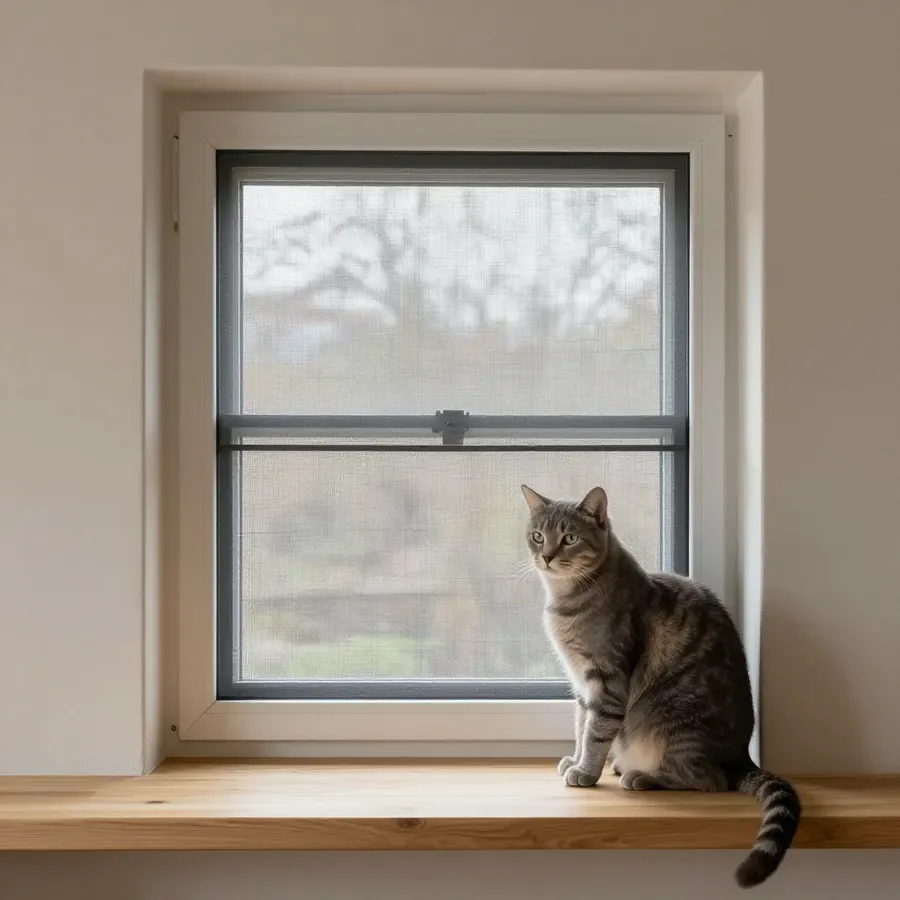
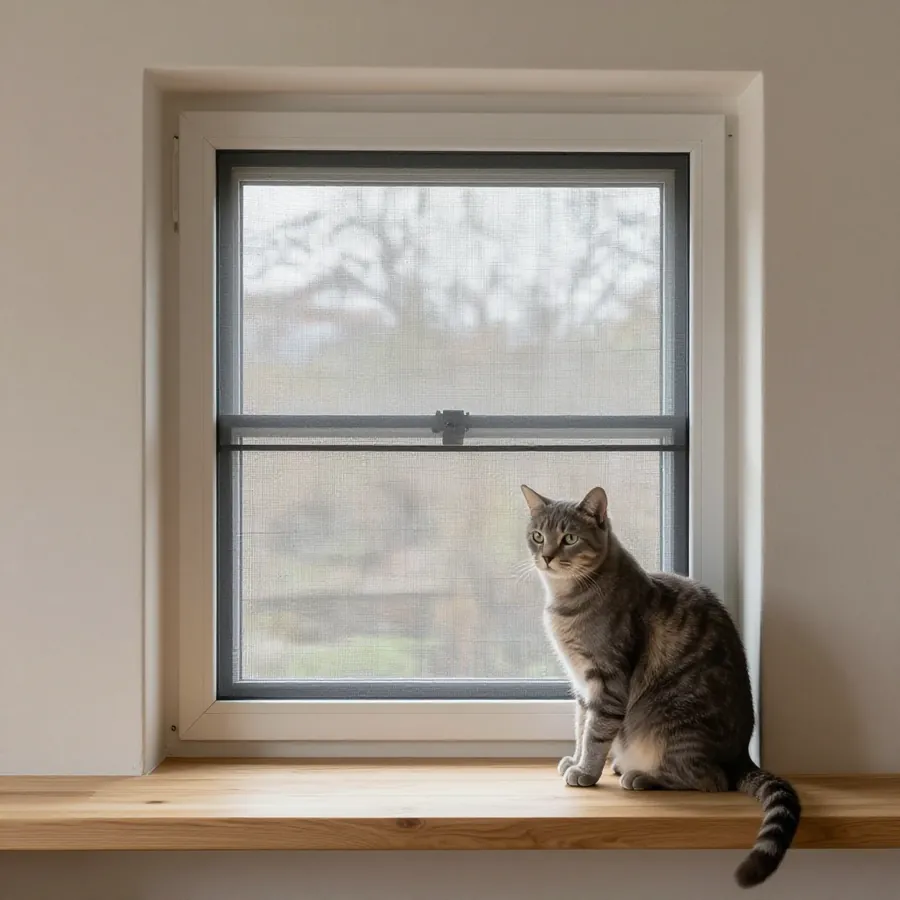
- Anti-Cat (Pet Screen): vinyl threads hold a small animal, so claws do not tear through.
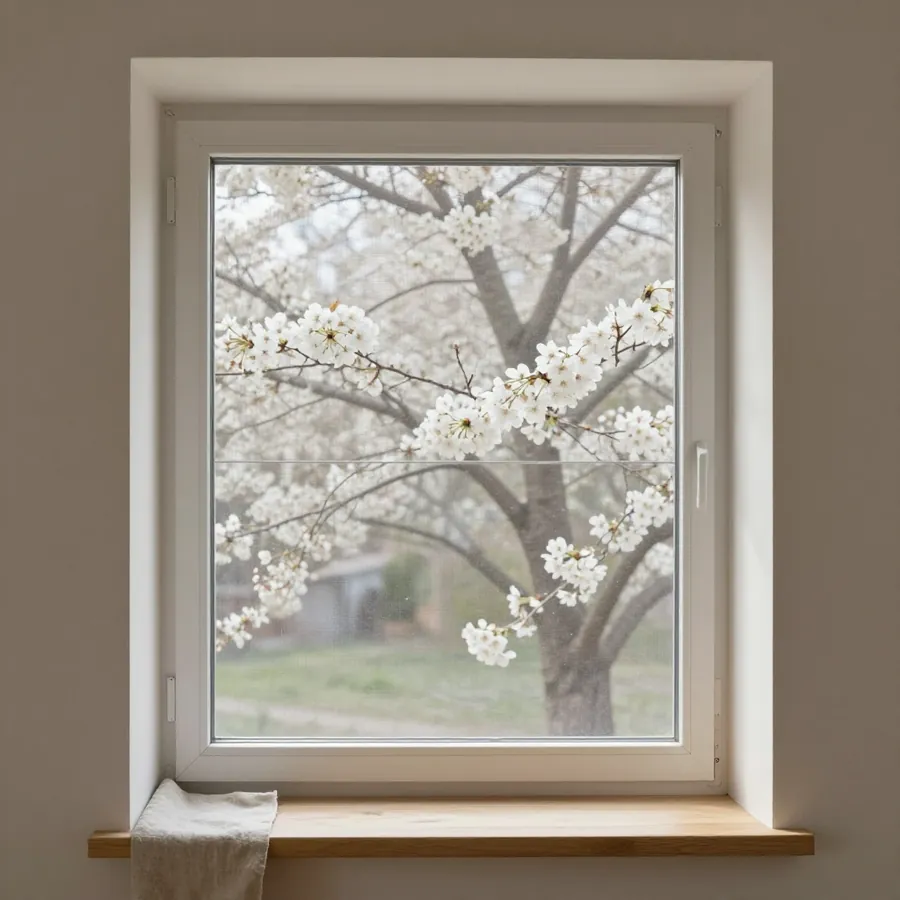
- Anti-Pollen (Poll-Tex): a 0.25×1 mm cell that catches fine pollen in flowering season.
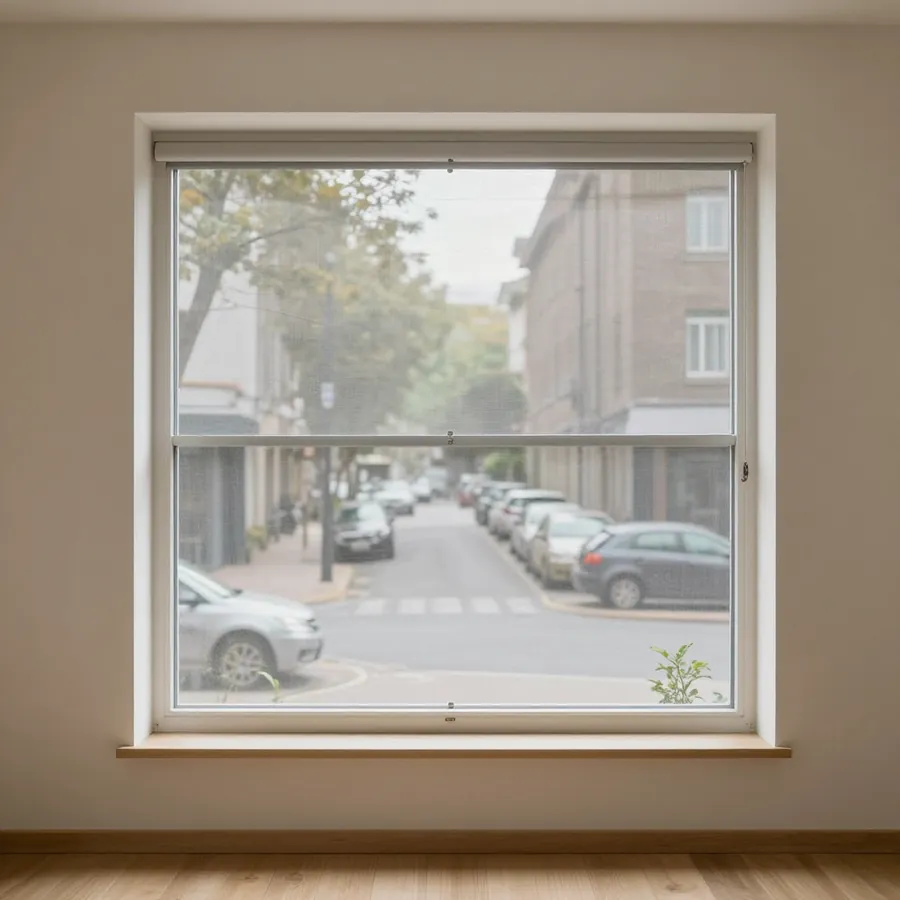
- Anti-Dust: a finer weave that traps grit blowing in from dusty streets.
What each mesh actually gives you
| Mesh | Best for | Key property |
|---|---|---|
| Standard (Fiberglass) | Everyday windows | Resists heat and temperature swings |
| UltraVue | Dark spaces | 25% more light and air |
| Anti-Cat (Pet Screen) | Homes with a cat | Vinyl threads hold a small animal |
| Anti-Pollen (Poll-Tex) | Allergy season | 0.25×1 mm cell |
| Anti-Dust | Dusty streets | Finer weave traps grit |
Measuring, making and fitting inside-mount mosquito screens
Here is the practical part most people ask about first: how the measuring visit works, how long production takes, when you pay and what the warranty covers on a finished product.
From free measuring to a finished unit on your window
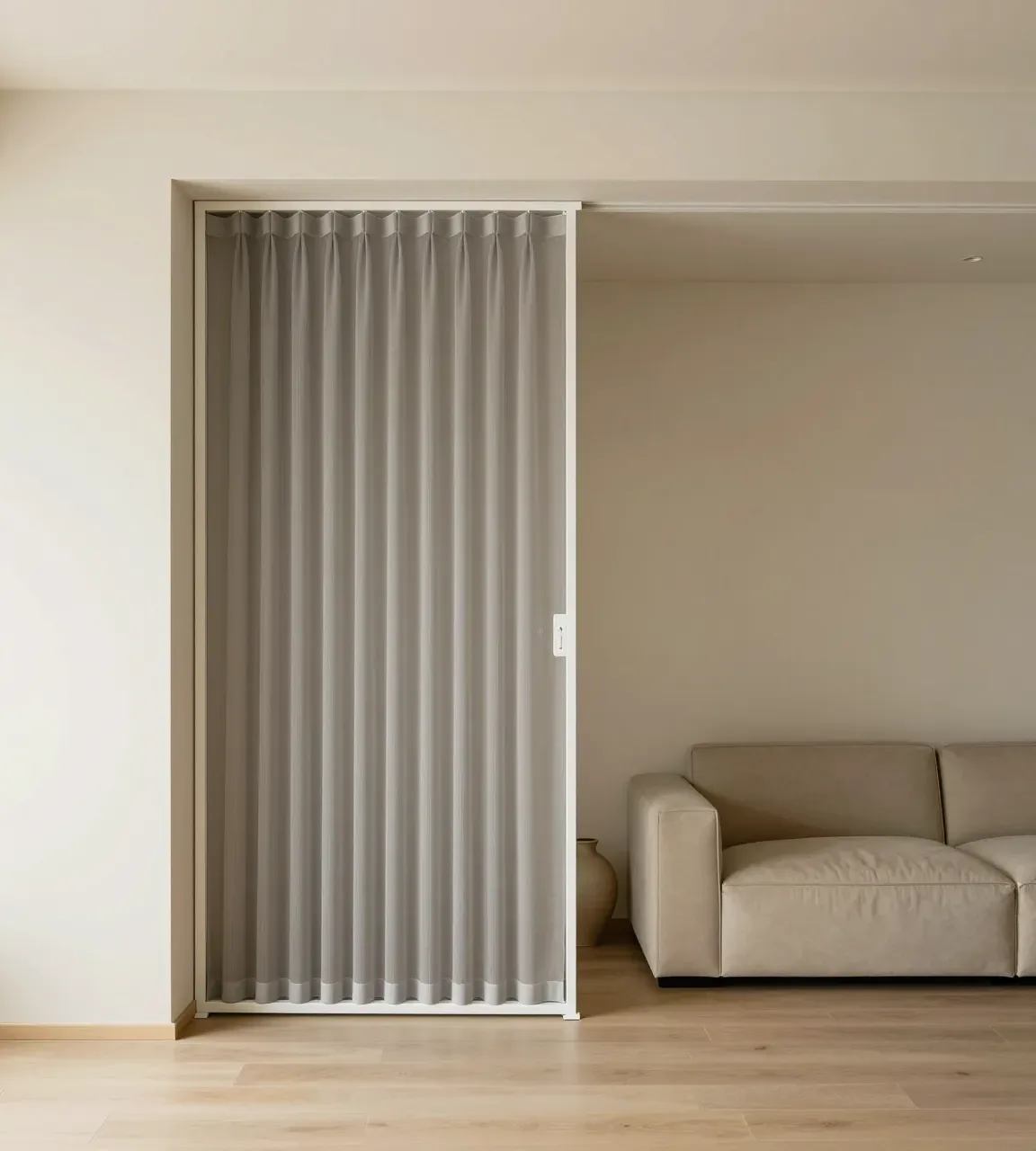
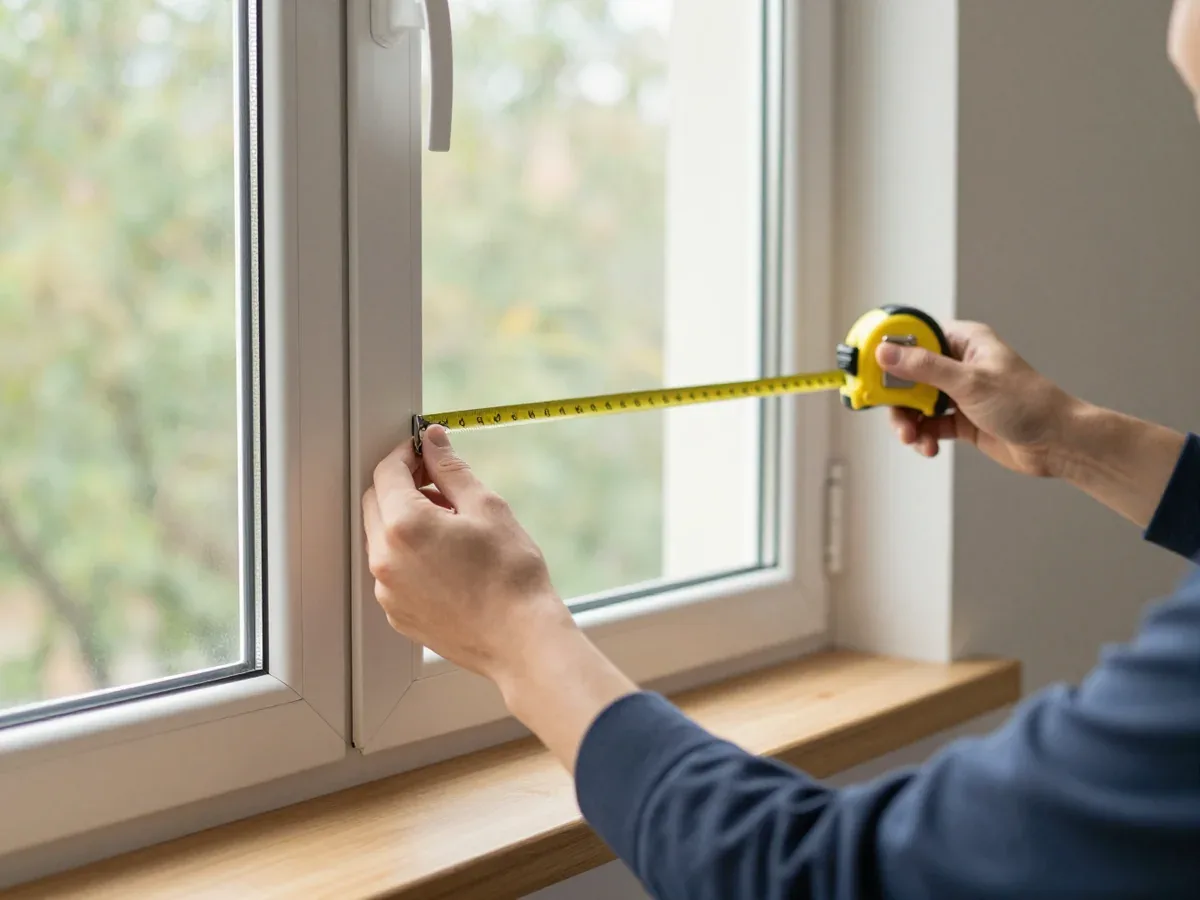
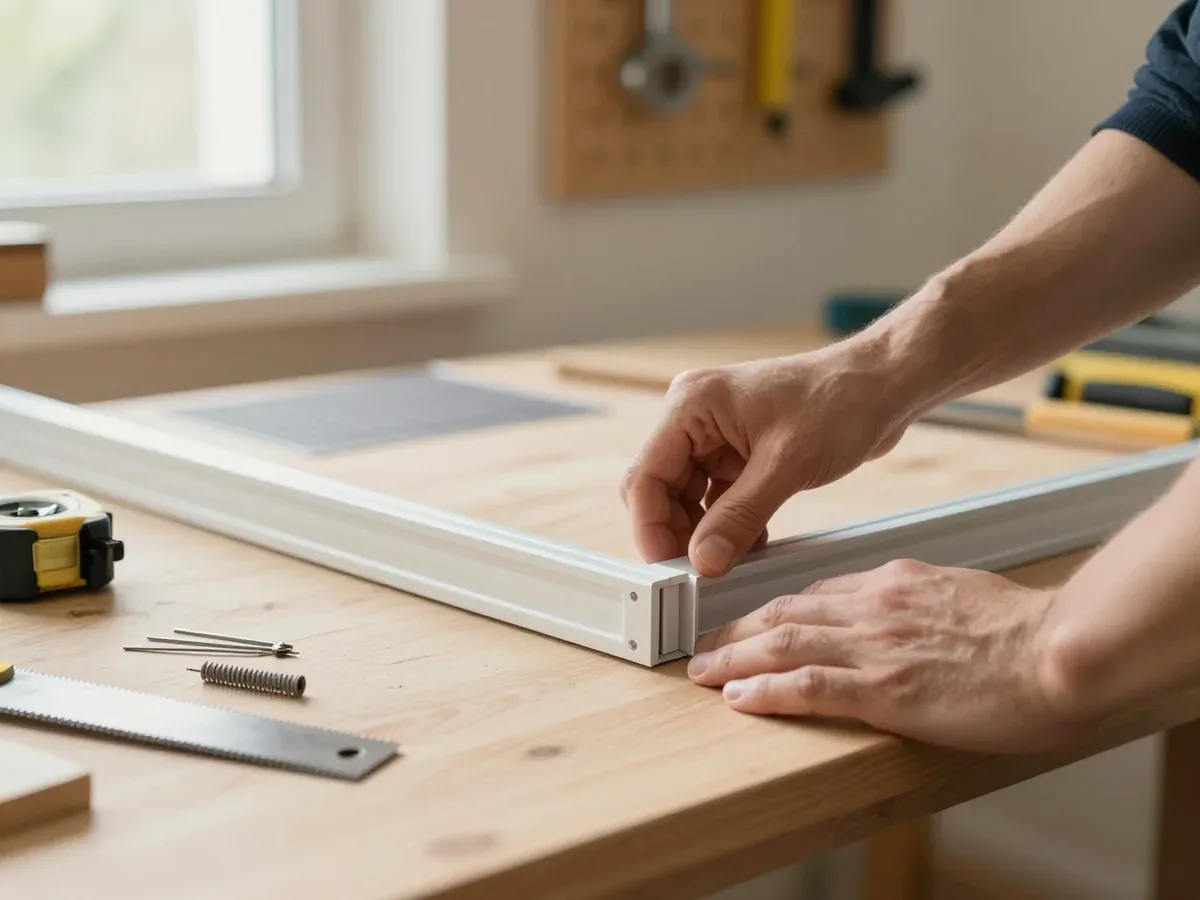
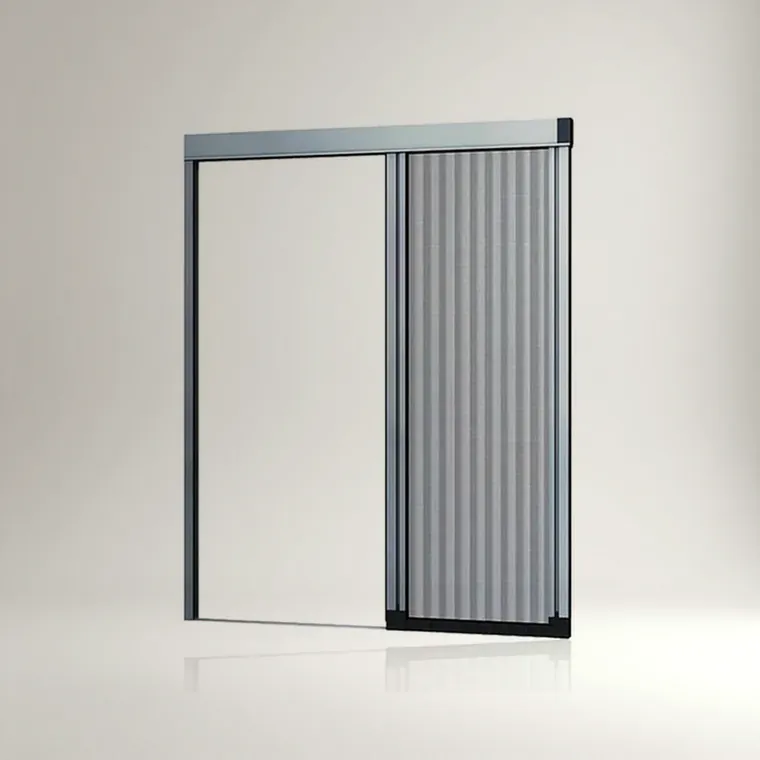
Measuring and consultation are free, the measurer comes at a time that suits you, and a framed unit made to your size takes 10–15 minutes while a pleated one takes 40–60 minutes. The measurer takes the sizes of your opening, checks the window profile and the floor, then helps you choose the design, the netting and the fixings on the spot. We paint the frame any colour to match your windows. Because the measurer takes sizes and picks the netting and fastenings on site, the product is made to fit your exact opening rather than a standard size. Inside-mount mosquito screens in Atyrau are made to your exact opening, so the measuring visit is where the fit is decided.
Payment, warranty and repairs after fitting
You pay after installation by cash, card or Kaspi, and every mosquito screen carries a 1-year warranty. We deliver and fit screens on windows and doors across the city, and the price is fixed in the order after measuring, so the figure you agree to is the figure you settle. If the netting tears within that year we repair it or replace the fastenings, so a torn panel is a service call rather than a new order. The same visit covers the small things that fail first — a bent pin, a magnet that has lost its grip, a bracket pulled loose by wind. The measurer picks the fastenings carefully at the start, since a bent pin or a loose bracket is what usually needs attention first.
Winter removal, care and repairs for inside-mount mosquito screens
A framed unit comes out of its guides in seconds, and knowing when to pull it, how to store it and when a repair beats a new order keeps the same product working for years.
Taking the screen off for winter
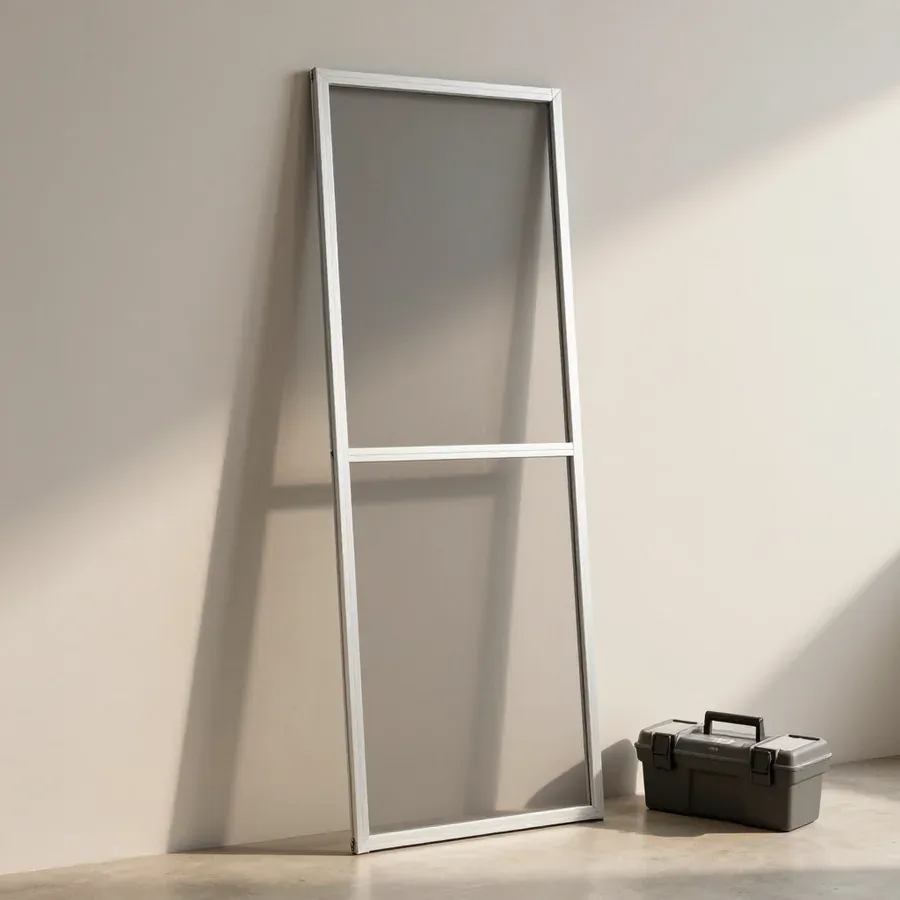
A framed unit lifts out from indoors in about a minute, and we recommend removing it for winter so snow and ice do not stress the netting. The panel sits in Z-brackets, pins or magnets, so you press it slightly toward the glass, tilt the top edge free and lift the whole thing out — no tools, no ladder, nothing to unscrew. A pleated version folds into its cassette and stays in place through the cold months. Store the panel flat, in a dry room, away from a radiator and out of reach of children and pets. Storing it flat rather than leaning it against a wall keeps the aluminium from warping before you refit it in spring. Bring it back once night frosts stop and daytime air dries out, and check the fabric for creases before you seat it.
Repair or replace a damaged screen
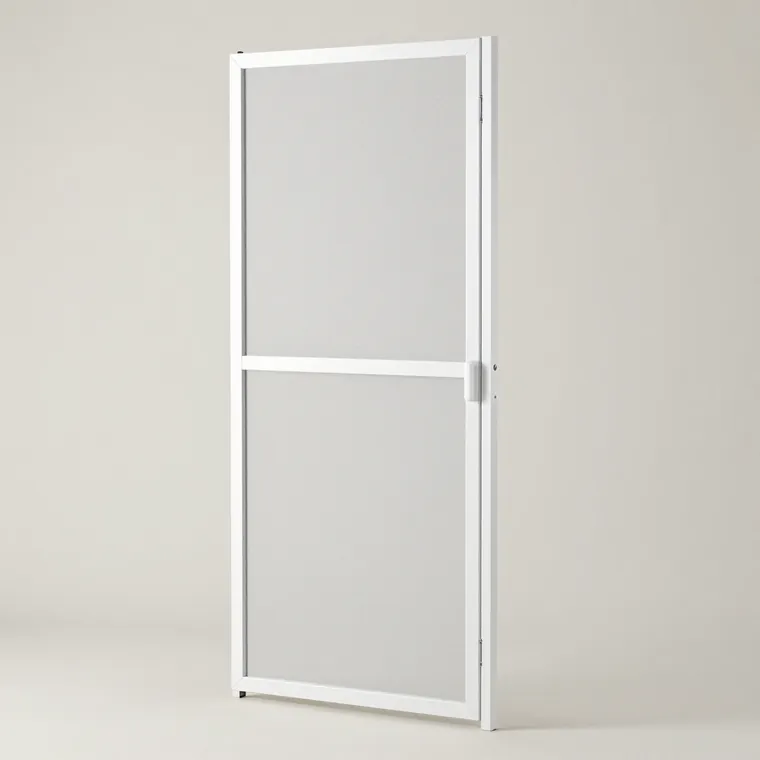
We repair mosquito screens and replace their fastenings, so a torn panel or a loose bracket does not always mean a new order. A hole in the corner, a sagging sheet or a magnet that no longer grips are all fixable on the existing unit: we re-mesh the netting, swap the pins or brackets and re-seat everything in the window profile. A single torn corner is usually a re-mesh job, while a bent frame on a door version is often cheaper to rebuild on a new Economy 32×10 mm or Prestige 42×17 mm profile, since a twisted profile never sits flush again. Send a photo of the damage on WhatsApp — we reply within five minutes and tell you whether the item comes in for repair or needs a fresh build. Either way the work carries our one-year warranty on mosquito screens.
What to consider before ordering inside-mount mosquito screens
Five points decide whether an inside-mount mosquito screen works for your window, and each one is settled before the frame leaves the workshop.
- Room-side position: the panel sits on the room side of the frame and lifts out from indoors, so no outside access is needed.
- Fastening on site: Z-brackets, pins or magnets are chosen for your window profile and floor, not picked from a catalogue in advance.
- Mesh to the job: UltraVue for more light, Poll-Tex for allergies, Pet Screen for a pet, Anti-Dust for a dusty street.
- Order of work: free measuring comes first, a framed unit is made in 10–15 minutes, and payment follows installation.
- Long-term use: a framed product comes off in a minute for winter, and a torn panel can be repaired instead of replaced.
 Framed screens
 Pleated screens
 Sliding screens
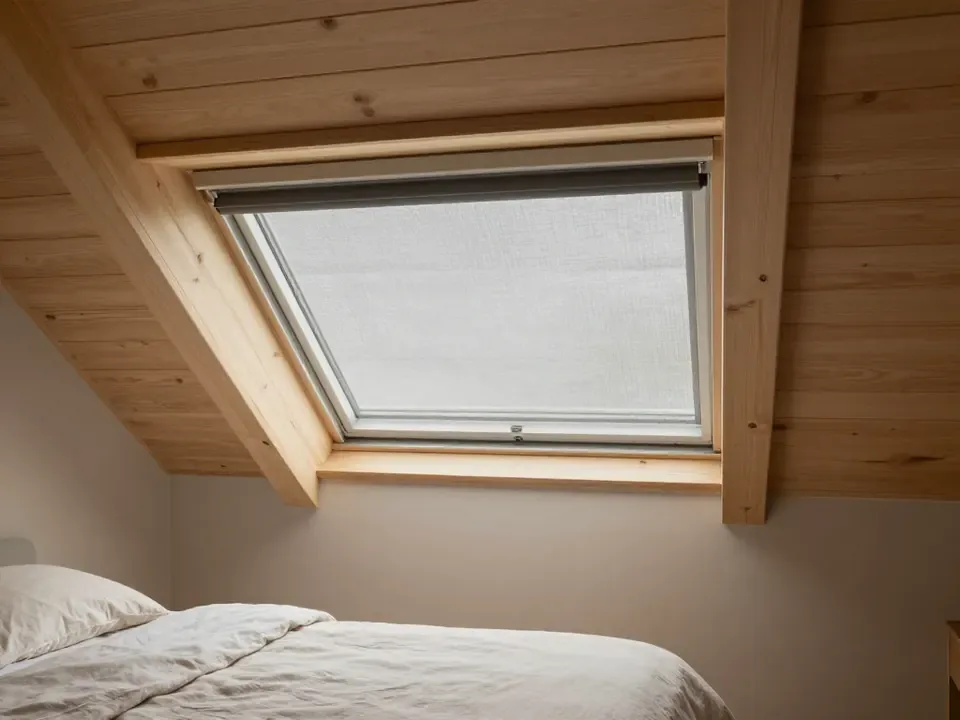
 Roller screens
 Mosquito doors