
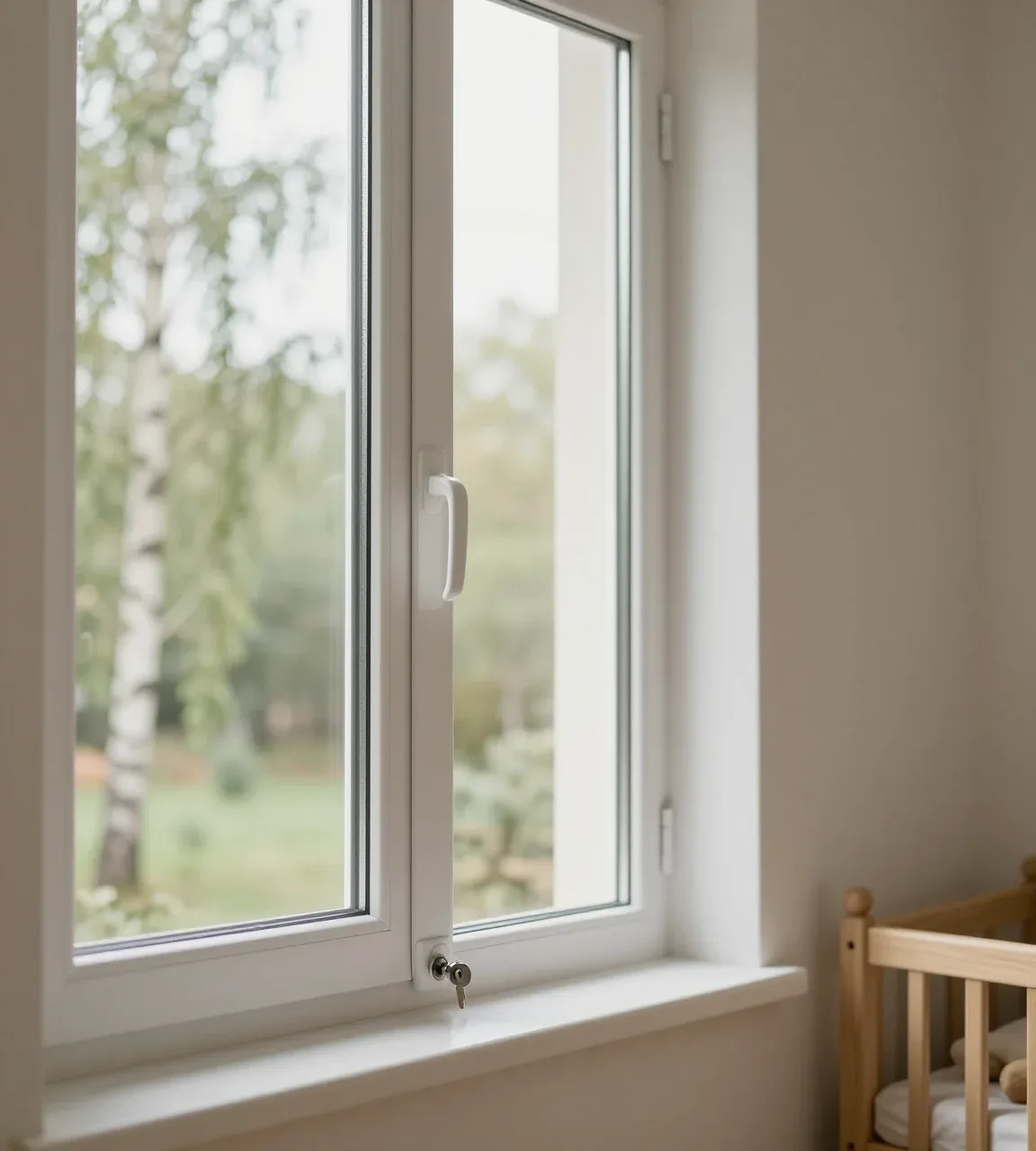
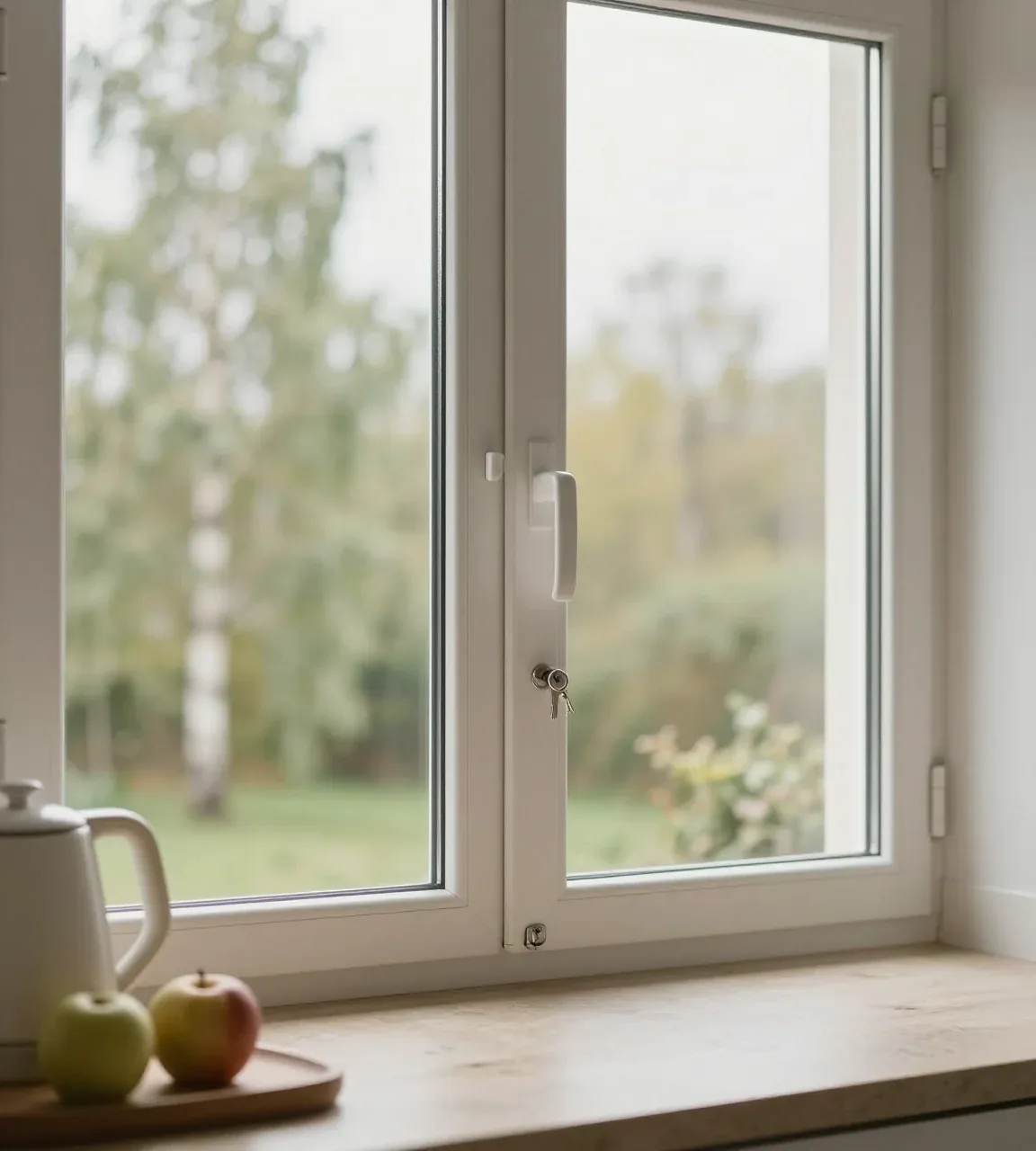
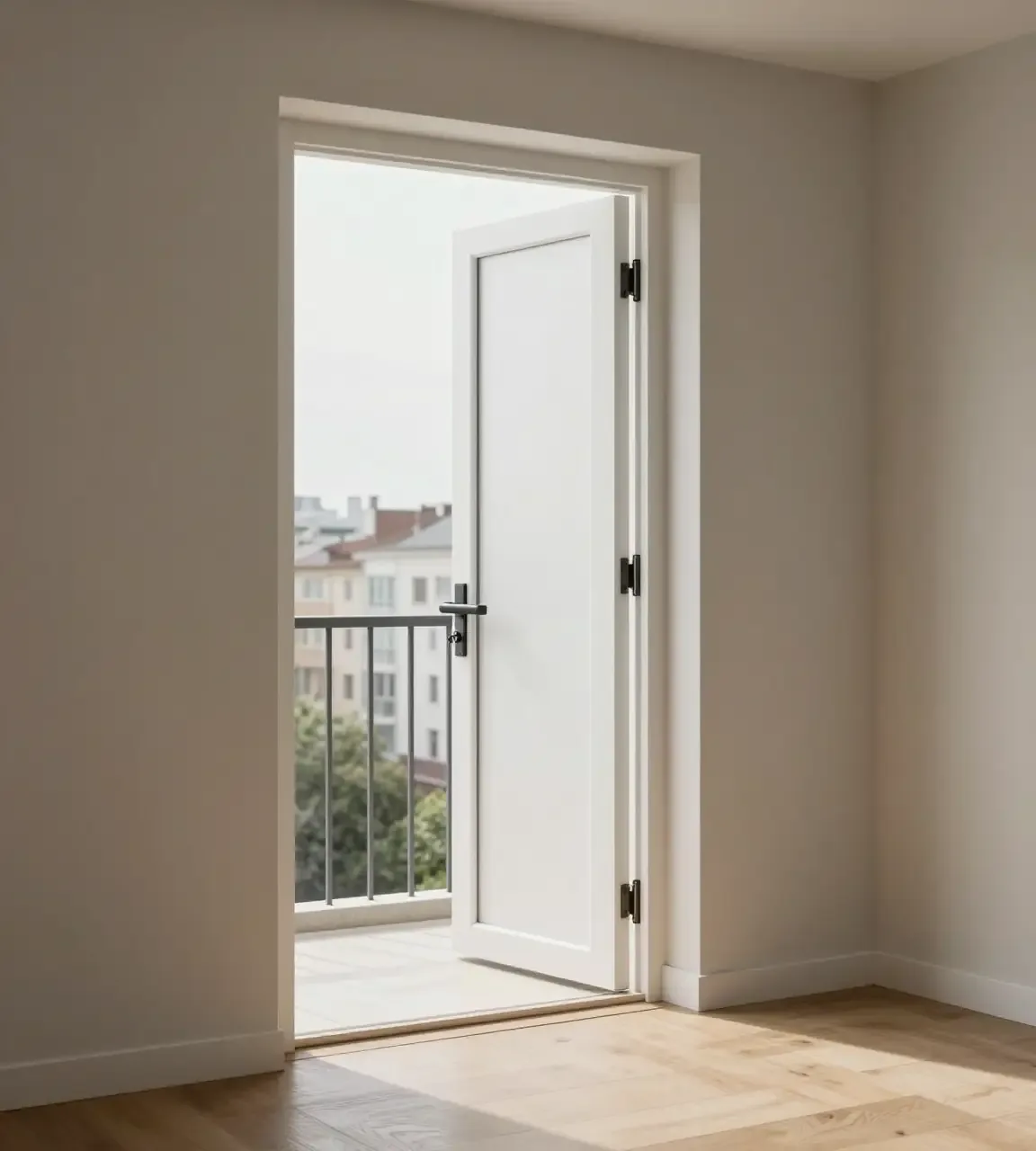
Key handle · sash
Key handle
Key handle from 3 650 ₸ per item with fitting. A child cannot turn the handle without a key.
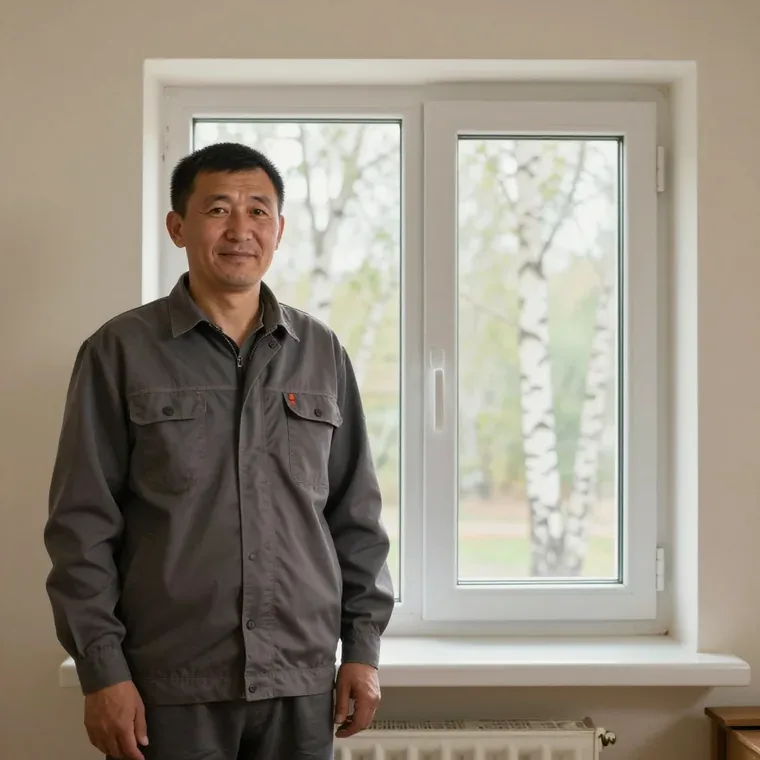
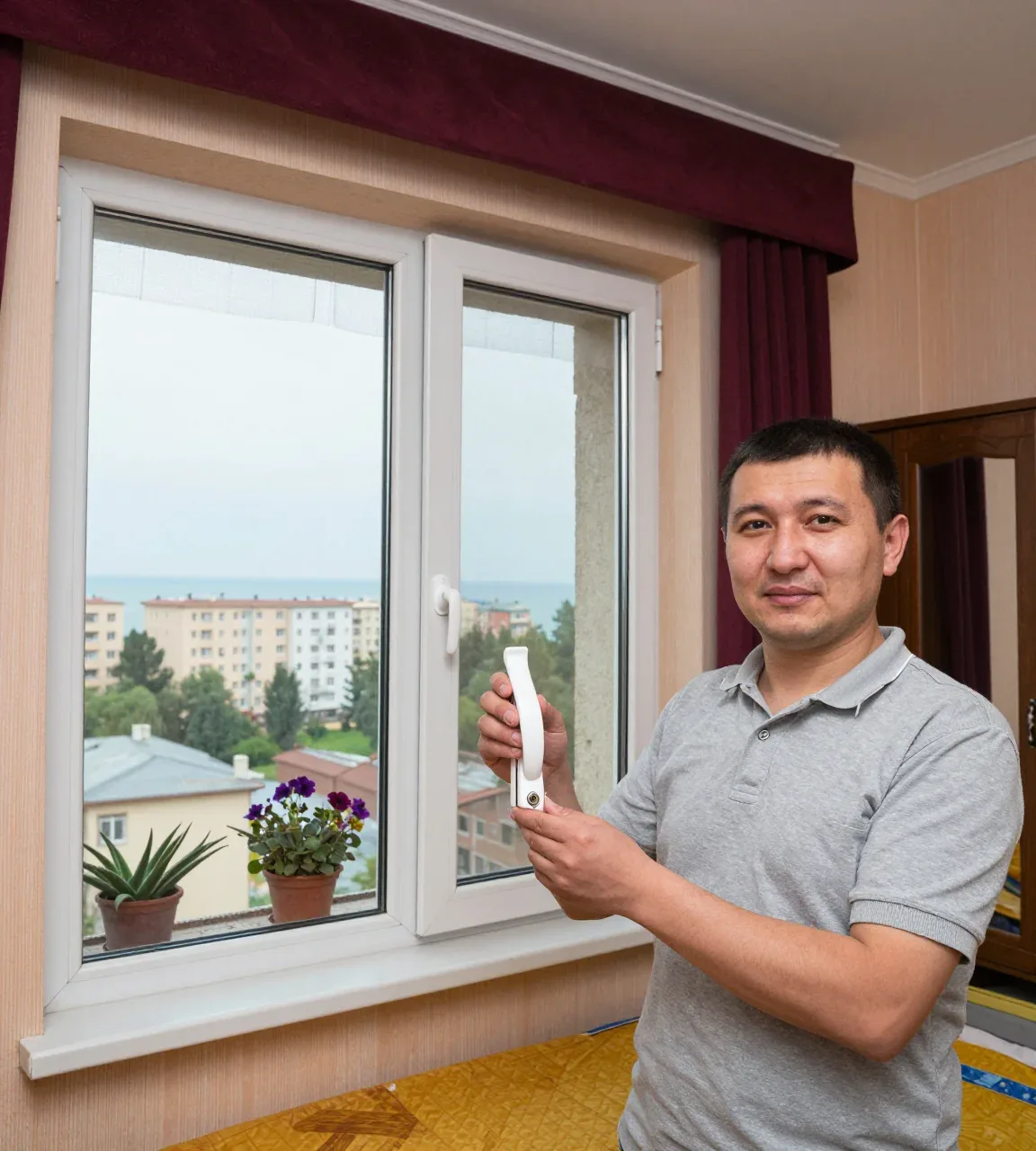
Key handle
Key handle from 3 650 ₸ per item with fitting. A child cannot turn the handle without a key.
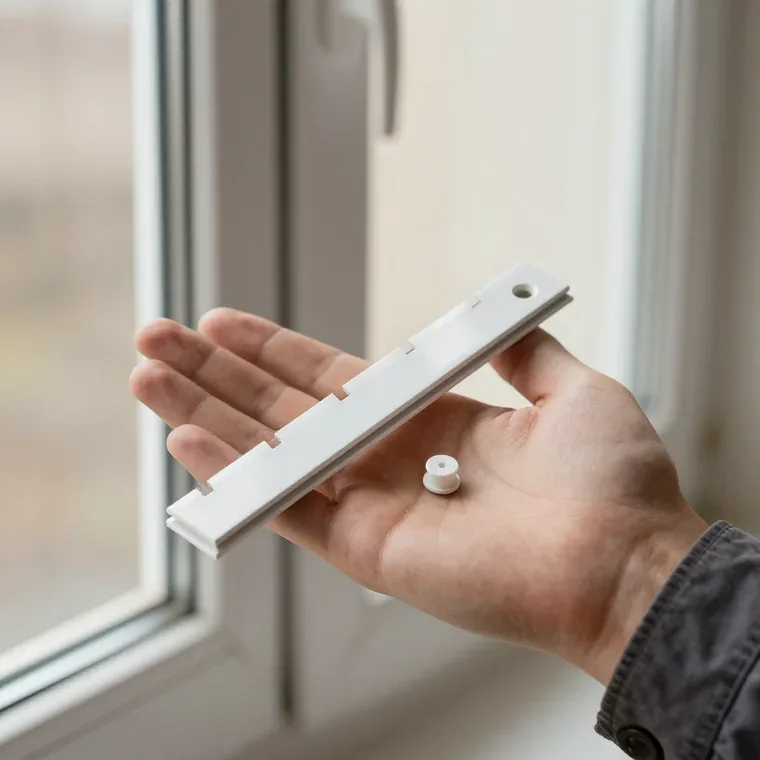
Comb limiter
Comb limiter from 1 050 ₸ per item with installation. Holds the sash in several positions.
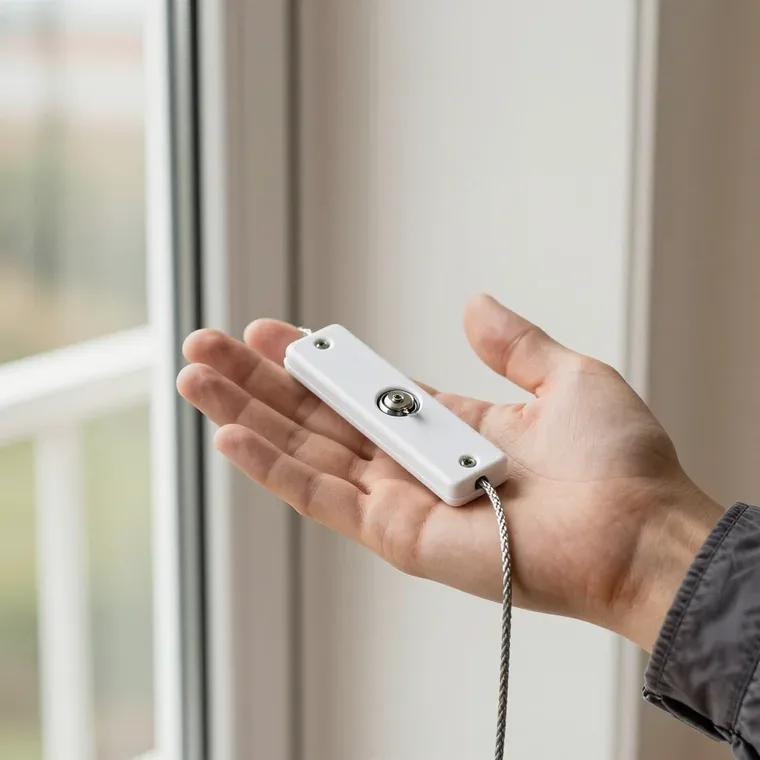
Cable limiter
Cable limiter with lock from 2 500 ₸ per item with fitting. Limits the opening width.
Penkid lock
Penkid lock with cable from 2 150 ₸ per item with installation. Blocks the sash from opening.

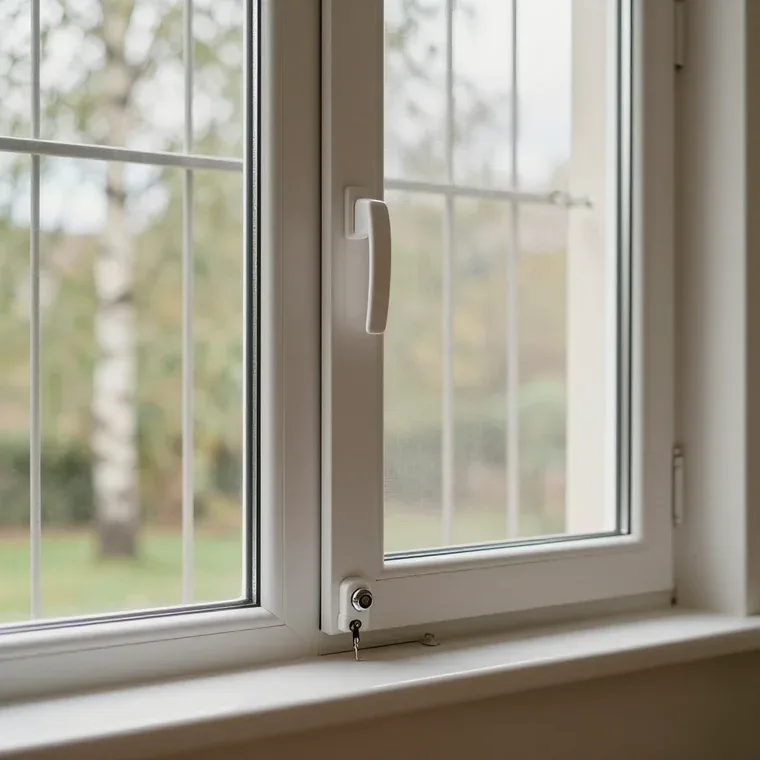
Sash blocker
Sash blocker from 1 200 ₸ per item with fitting. Prevents a child from opening the sash.




5,097 reviews on review sites
Devices that prevent a child from opening the sash or climbing onto the windowsill.
Child window protection is hardware and structures that limit sash opening or access to the windowsill. The kit includes a key handle, comb limiter, cable limiter with lock, Penkid lock and sash blocker.
Each device has its own task: the key handle prevents turning the handle, the comb limiter holds the sash in several positions for ventilation, the cable and lock limit the opening width, the blocker stops the sash. The choice depends on the window type and the child's age.
price per device with installation
measurer will come at a convenient time
we fix to plastic, wood, aluminium
The fixing method depends on the window profile, floor and sash type — the measurer selects for your structure.
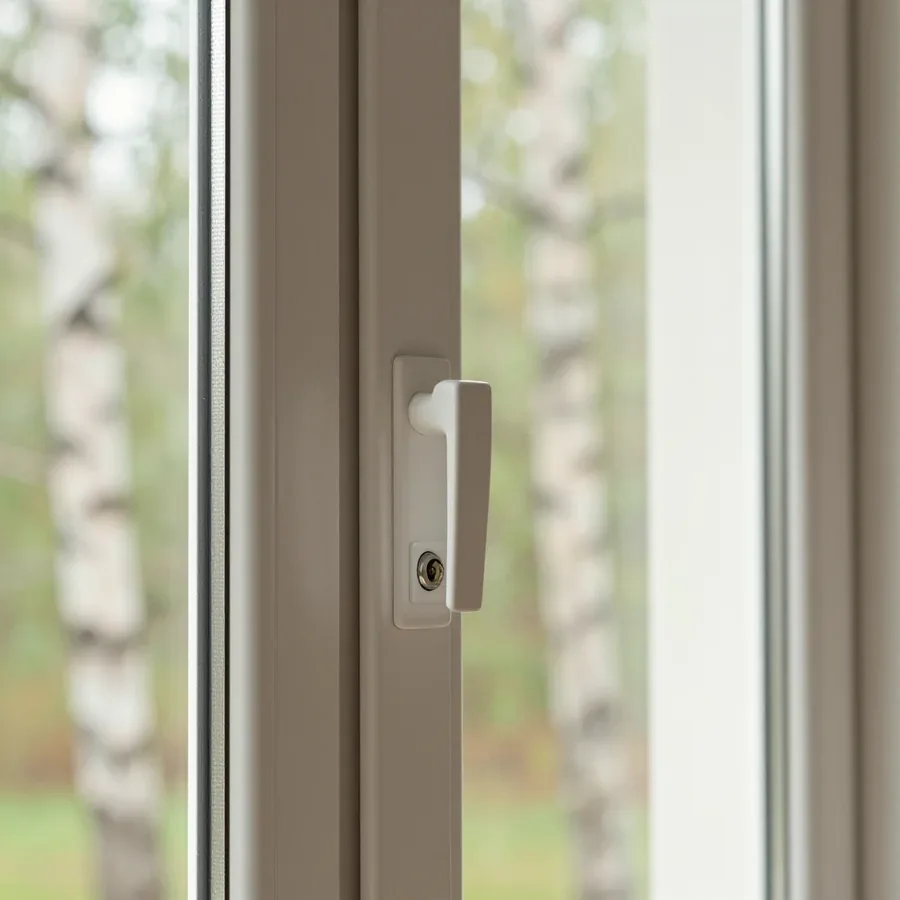
Fixing with screws into the profile — a reliable option for plastic and wooden windows.
Adhesive and clamp fixings are suitable for rented apartments and aluminium profiles.
A lock or blocker is fitted to the door, taking into account sash travel and handle height.
We replace fixings and devices; installation of a blocker or child lock — 2 750 ₸ per item.
Five options with price per unit — choose by sash type and task.
sash · with fitting
The key handle prevents a child from turning the handle without a key.
ventilation · with installation
The comb limiter holds the sash in several positions for ventilation.
with lock · with fitting
The cable with a lock limits how wide the sash opens.
with cable · with fitting
The Penkid lock with a cable blocks the sash from opening.
stopper · with fitting
The sash blocker stops the sash and prevents a child from opening it.
Prices for devices and fitting are fixed in the order after measuring.
| Type of item | Price |
|---|---|
| Window handle with keywith fitting | from 3 650₸ per item |
| Comb limiterwith installation | from 1 050₸ per item |
| Cable limiter with lockwith fitting | from 2 500₸ per item |
| Penkid lock with cablewith installation | from 2 150₸ per item |
| Sash blockerwith fitting | from 1 200₸ per item |
| Installation of blocker or child locklabour | from 2 750₸ per item |
| Child window lock (surface-mounted, flag)with installation | from 3 250₸ per item |
| Transparent grille (polycarbonate)manufacture and fitting | from 26 000₸ per m² |
| Transparent window grillewith installation | from 22 000₸ per item |
| Child safety window grillewith fitting | from 12 500₸ per item |
| Grille with mosquito screen (2 in 1)set | from 19 800₸ per m² |
| "Anti-Cat" mesh as window protectionwith installation | from 13 000₸ per item |
| Turnkey child window protectionpackage | from 6 000₸ per window |
The price is fixed in the order after measuring.When ordering several windows, the unit price depends on the sash type and profile; the final amount is fixed after measuring.For an accurate quote, prepare the window details: profile type, sash width and floor.
Book a measuring visitFacts about the company and order terms.
we work across Kazakhstan
for work and replaced components
the measurer will come at a convenient time
daily 09:00–19:00
you can order in 17 cities of Kazakhstan
the profile can be painted to match the windows
in Almaty at Tole bi, 83, without intermediaries
we reply within 5 minutes
Four steps from request to finished protection.
In your first message, specify the window type, number of sashes and whether there is a balcony door — so the technician can choose the right device straight away.
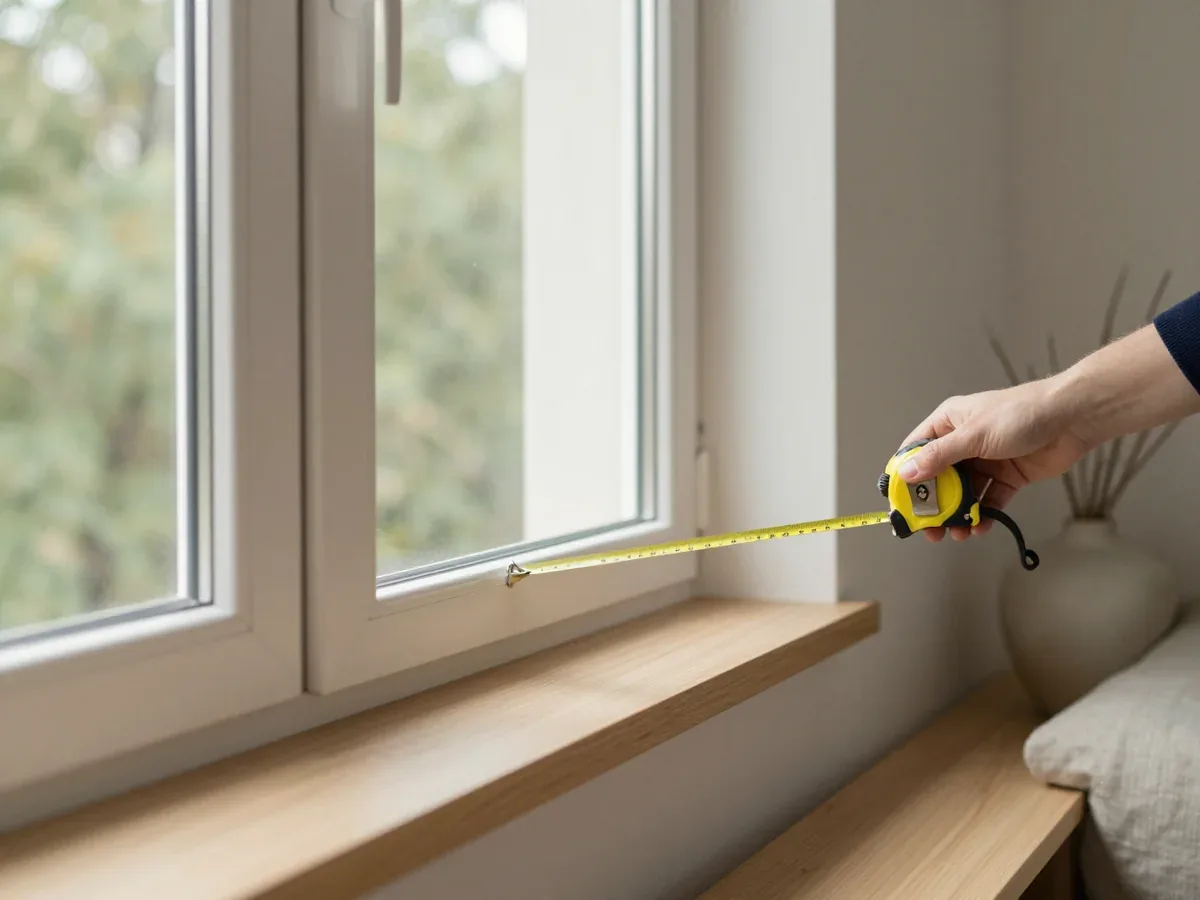
The measurer will come at a convenient time, take dimensions and help you choose a device.
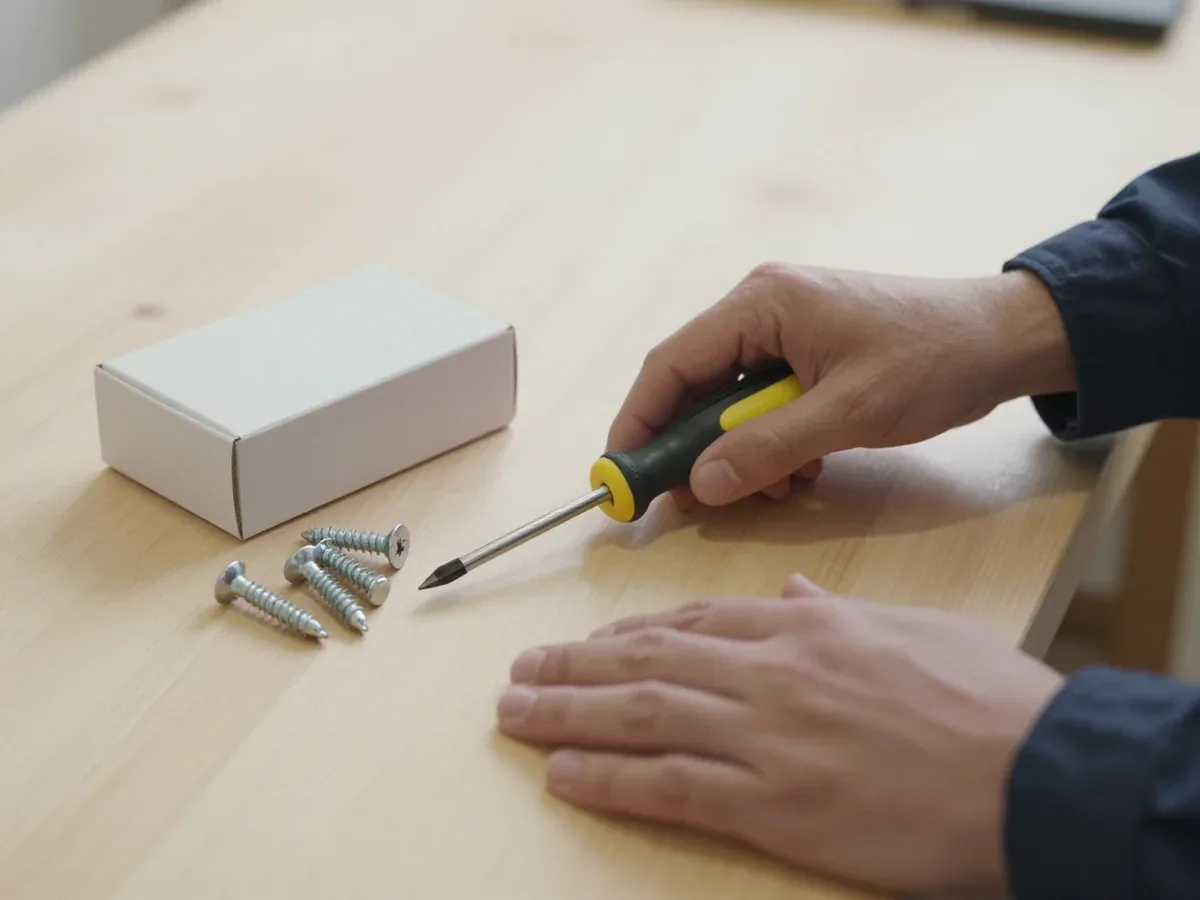
We agree on the fitting position on the sash and the device height relative to the child's height.
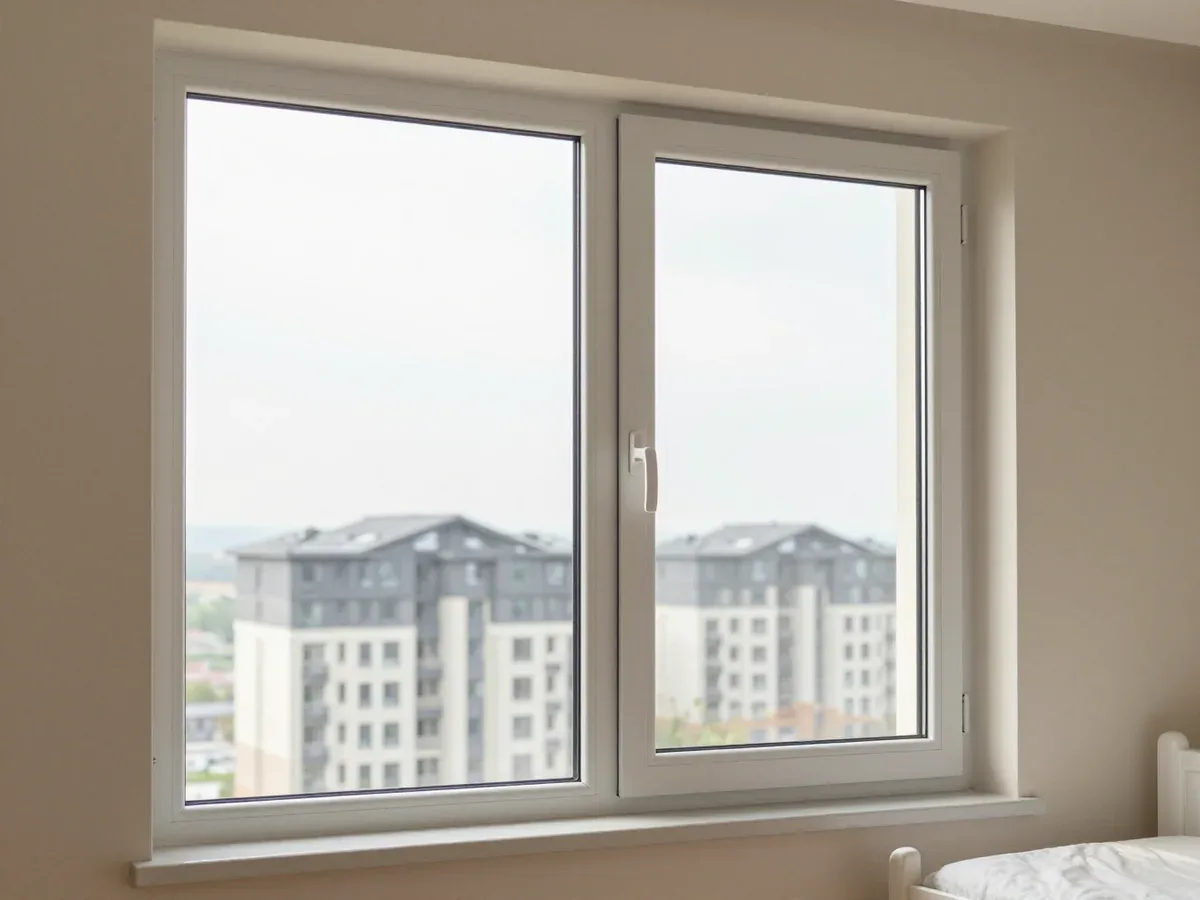
We install and test the protection; payment after installation.
Good to know

Senior mosquito screen specialist at moskitnyesetki.kz
Child window safety in Aktau means window guards, opening restrictors and handle locks fitted by our own fitters, not through an agency. We measure for free, choose the device for your window type and floor, and you pay only after installation by cash, card or Kaspi. The price is fixed in the order after measuring.
Window safety here is often mistaken for noise insulation or burglary protection, while the real question is a child near an open sash. Here is what the term covers and which devices do the work.
A mosquito net holds insects out, not a child in — we fit nets for comfort and separate safety devices for the opening, and we say so plainly when a customer asks for one product to do both. When it comes to child window safety in Aktau, the net is never the answer. A standard fibreglass net is stretched on a light frame and fixed with clips or plungers; it carries an insect barrier, not body weight, and the fixings release under a push. We make framed nets in 10–15 minutes and pleated ones in 40–60 minutes, and every screen carries a 1-year warranty — that warranty covers the mesh and frame, never a fall. A screen that looks solid from indoors gives a false sense of protection, so the safety device should be chosen for the load it carries, not for how the window looks.
You pick by the job the device does, not by its name on the box. Three scenarios cover most flats here, and the comparison below shows what each option blocks and where it mounts.
Match the device to what the child can already do — a baby who only crawls needs the opening capped, a toddler who climbs needs the handle locked, and a child who pushes on glass needs a guard. A window restrictor is a small arm or cable that limits how far the sash swings open, usually to a hand's width, so the gap is too narrow for a body to pass. A handle lock replaces or covers the handle so the sash cannot be turned at all. A guard is a rigid grille fixed to the frame or the reveal, and it holds a child back even when the sash is fully open. Reassess as the child grows, because a device that was enough at one age can be worked around a year later.
| Device | What it blocks | Best for |
|---|---|---|
| Restrictor | Sash swing beyond a set gap | Tilt-and-turn sashes a child can reach |
| Handle lock | Turning the handle at all | Windows a toddler can climb to |
| Guard | The whole opening, inside or out | Panorama glass and wide sashes |
We often pair a restrictor with a handle lock on the same sash, because one caps the swing and the other keeps the handle out of a child's reach. On a tilt-and-turn window the two work on different movements: the restrictor controls the outward swing, while the lock stops the handle from being turned to the tilt position a small child can squeeze through. When we fit any of these, the measurer picks the fastener for the window profile and the floor — Z-brackets, pins or magnets — because a high floor and a wide reveal change what holds safely. A single device leaves one route open — the swing or the handle — so pairing closes both without adding a visible guard.
No single device suits every window. A panorama, a balcony door and a small vent each ask for a different approach. Here is how the hardware is matched to the opening in front of you.
A panorama is usually secured with a restrictor or a clear guard rather than a solid grille, so the opening is capped while the view stays open. Clear guards use transparent panels or slim cables that read as almost invisible against the glass, and a restrictor simply limits the sash to a fixed gap a child cannot pass through. Both leave the full glazing visible, which matters on floor-to-ceiling units where a heavy bar would dominate the room. The trade-off is accessibility: the release has to stay within adult arm's length. On a full-height panorama the device has to sit where an adult can still get to it, otherwise the household stops using it and the protection lapses.
We mount safety devices on plastic, wooden and aluminium windows, and the material decides the fastening and whether drilling is needed. A plastic profile takes self-tapping screws and Z-brackets cleanly, a wooden sash holds a screw fixing firmly, and a thin aluminium section often calls for pins or magnets that spread the load without weakening the metal. The same restrictor can therefore go on three different ways in three flats across the city. A wooden sash can take a screw fixing that an aluminium profile would not, so one device may be mounted differently from one home to the next. Tell us the material when you book the measuring visit and the fitter arrives with the right parts rather than improvising on site.
Many parents assume a screen and a child-safety fitting cannot share a frame. In practice they do, and the local climate shapes how both behave over the seasons.
A screen and a safety device can share one window, because the mesh sits on its own frame while the restrictor or handle lock works on the sash and lever. We combine the two without cutting either one short: the mesh keeps its full surface area, the restrictor keeps its full opening travel, and the lock stays reachable by an adult. The framed product mounts on Z-brackets, pins or magnets that the measurer picks for your window profile and floor, and the limiter goes onto the sash and lever where nothing overlaps. Plan both at the same measuring visit, so the fixings do not compete for the same spot on the frame. Ask the measurer to dry-fit the frame before drilling the hardware — that one step prevents a bracket from blocking the arm later.
Sand and heat in Aktau wear window hardware faster, and a mechanism that sticks or grinds can make a safety fitting harder to operate correctly. Airborne grit settles into the sash track and hinge pockets, then a strong onshore wind drives it deeper; on south and west elevations the metal heats up through the afternoon and the lubricant thins out. The result is a lever that needs force, an arm that catches halfway, or a lock that no longer clicks cleanly. A mechanism an adult struggles to release in the heat is one the household will leave disengaged, so smooth operation matters as much as strength. Wipe the tracks and apply a dry lubricant before the hot months, and have a sticking part adjusted rather than forced.
The route from a first message to a working safety device on your window is short: measure, choose, fit. Below is what happens at each stage and who does the job.
Measuring and consultation are free, and the measurer comes at a convenient time, takes the sizes and helps choose the device, mesh and fixings. On site the specialist checks the frame profile, the sash travel and the floor level, then matches the hardware to the window rather than to a catalogue page. For a restrictor that means the opening angle and the cable length; for a handle lock it means the handle type and whether a key or a button suits the household. The measuring visit is where the floor and frame profile get checked, because those two decide which fixing will actually hold.
We reply on WhatsApp within 5 minutes and work seven days a week, so a measuring visit can be booked for the same week. A framed screen is made to your size in 10–15 minutes, and the fitting on site is a short job rather than a half-day visit. Payment follows installation — cash, card or Kaspi — and the price is fixed in the order after measuring, so nothing shifts between the quote and the finished job. Send a photo of the window and the handle when you message, so the first reply can already narrow down the right choice.
Warranty terms, payment timing and who does the fitting decide how calm you feel once the van leaves. Here is what we confirm in writing and when money changes hands.
We confirm the warranty terms at the measuring visit and write them into the order, so you know exactly what is covered before fitting. Our measurer records the hardware type, the frame profile and the fixings in the same document, which keeps the conditions tied to your actual window rather than to a generic promise. We hold a one-year warranty on mosquito screens and a one-year warranty on window repair covering both labour and replaced parts, and those terms are stated in the order at the moment you approve it. Ask what happens if a fixing loosens after a windy season — that answer tells you more about the cover than the headline.
You settle up after the hardware is on the window by cash, card or Kaspi, and the price is fixed in the order after measuring, so nothing changes once the job is done. The figure you approve on paper is the figure you pay at the end. We reply on WhatsApp within five minutes and work seven days a week, so scheduling the visit around a workday is rarely a problem. Settling up after everything is finished means you can check the device on your own window first, which is the fairest way to judge the fit. If a bracket sits loose or a release catches, you say so on the spot and the fitter corrects it before any money changes hands. That single habit — inspect, then pay — keeps the finished job honest and saves a second visit for a small adjustment.
We are a direct fitter with our own measurers and fitters, not an agency that forwards your request to whoever is free. The same team takes the sizes, chooses the fixings for your profile and floor level, and returns to install, so the measurements and the finished job stay in one pair of hands. Measuring and consultation are free, and the measurer comes at a time that suits you. With an agency the person taking sizes and the person fitting may never meet, so a mismatch between the hardware and the frame surfaces only after the job — and by then the crew has packed up and left. Ask any installer who signs the order, and the answer shows whether one team owns the result or several hands pass it along.
A safe window is a decision made once and checked twice — the right hardware, correctly fixed, still working the way it did on day one.
Installation without drilling, reliability, panoramic windows, inspection
Konstantin Selenenkovsenior mosquito screen specialist, 10 years in the tradeOnline · replies within 5 minutes
Ask a questionYes, for rented housing, models with adhesive mounting or cable limiters that do not require holes in the profile are suitable. The specific option is selected by the measurer, taking into account the frame material and the condition of the seals.
On the opening sashes of panoramic glazing, a lockable blocker or cable limiter is installed, while the fixed parts do not need protection. For the balcony door, a key-lockable handle lock is suitable so that the child cannot open it themselves.
The limiter is designed for the force a child can create and, when properly installed, withstands their weight. The strength depends on the type of mounting and the window profile, so the measurer selects the option for the specific frame.
Yes, the technician comes for a measurement at a convenient time in Aktau, selects the mounting for the profile and floor, and then installs the protection. Measurement and consultation are free, and we provide a warranty on the installation.
Check that the sash opens to the set angle, the lock turns with the key, and the mounting does not wobble when pressed. If the limiter is installed without drilling, make sure it fits tightly against the frame and does not come loose after several openings.
Thank you. We will call you back within 10 minutes!
Your order number is on the receipt or in the SMS. Choose where to leave your review.
Write a review on WhatsApp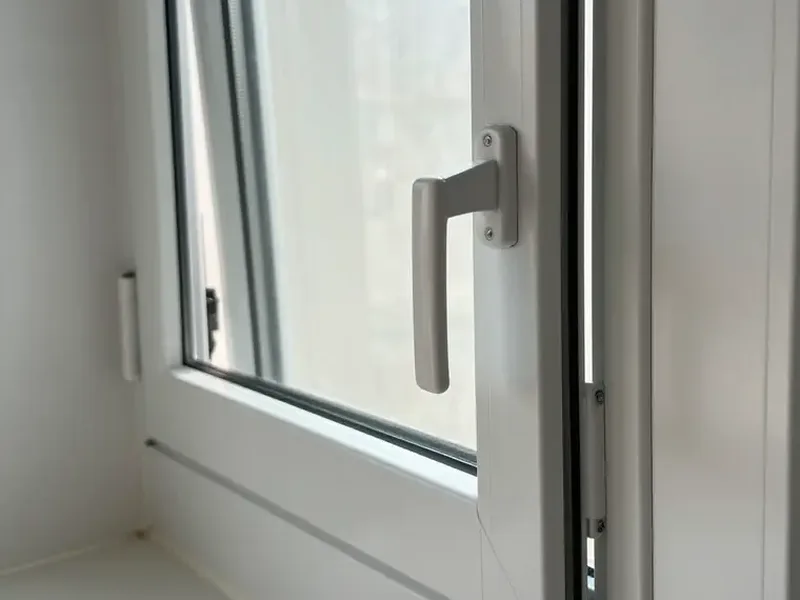 Window restrictors
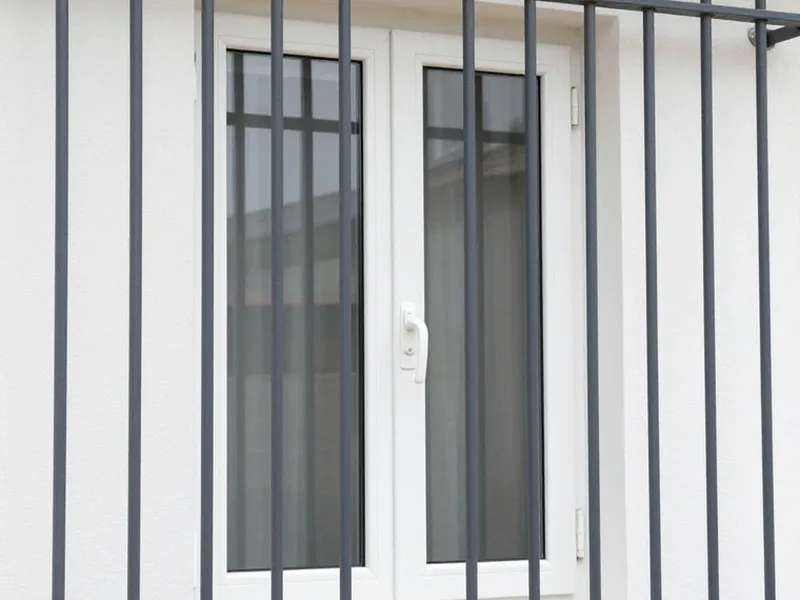 Metal window grilles
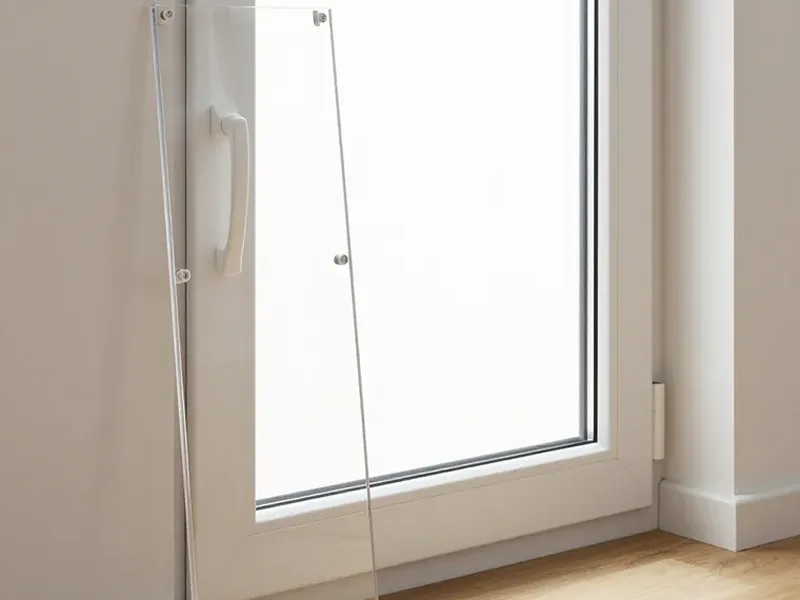 Transparent window grilles
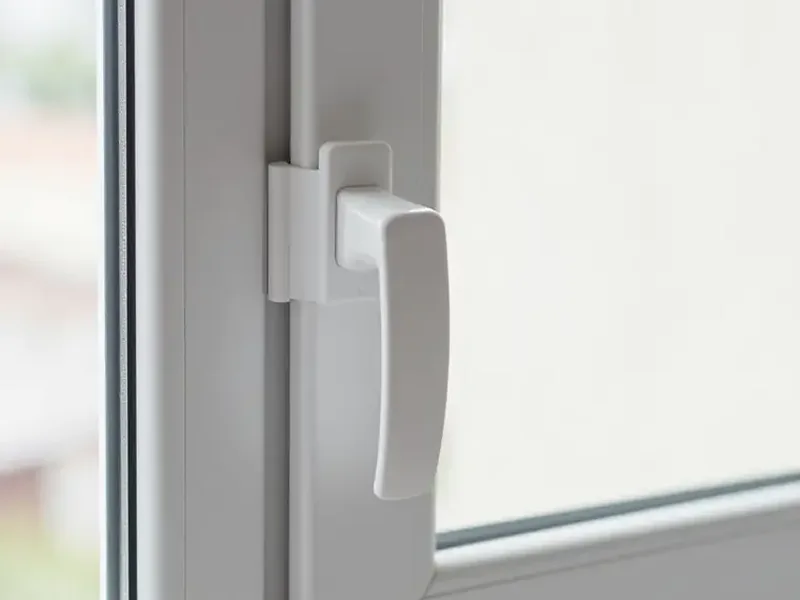 Window blockers
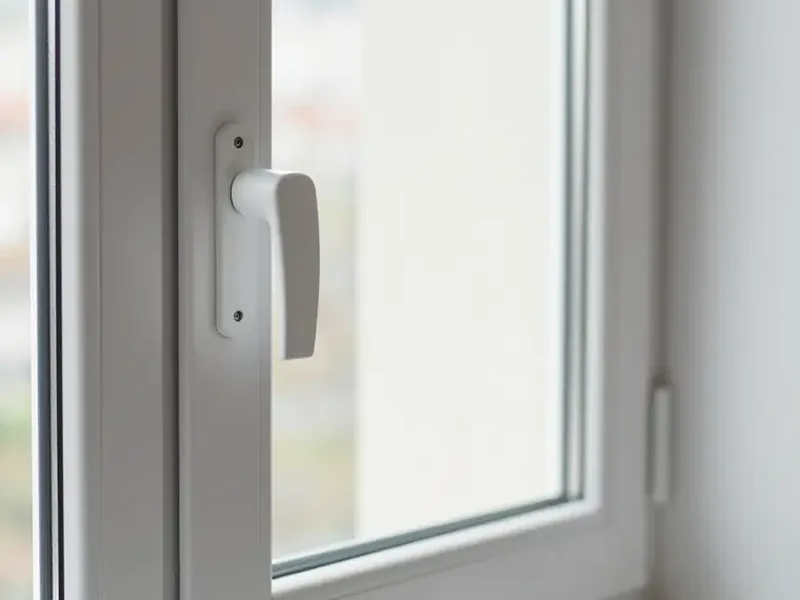 Window handles
