
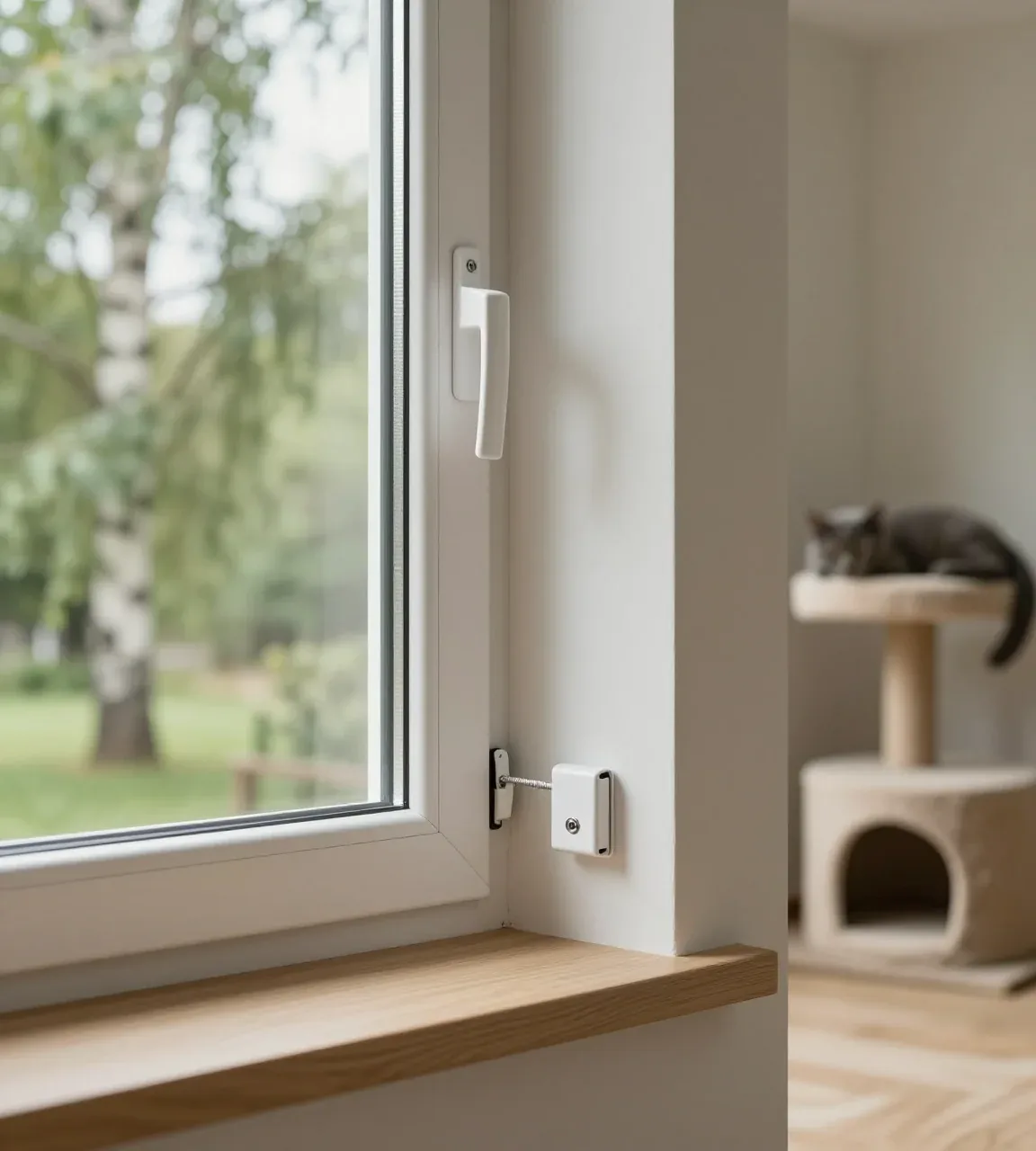
Child and cat
Opening stop
Sash opens to a narrow gap, button released only by an adult. Installation from 2 150 ₸ per unit.


Opening stop
Sash opens to a narrow gap, button released only by an adult. Installation from 2 150 ₸ per unit.
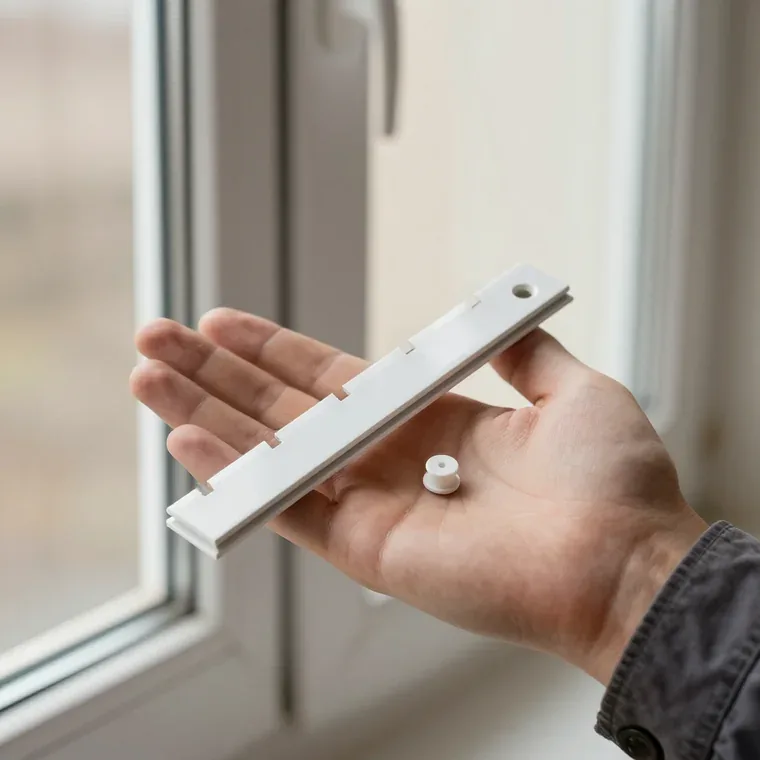
Comb
Sash stays at selected notch, gust won't blow it open. With installation from 1 050 ₸ per unit.
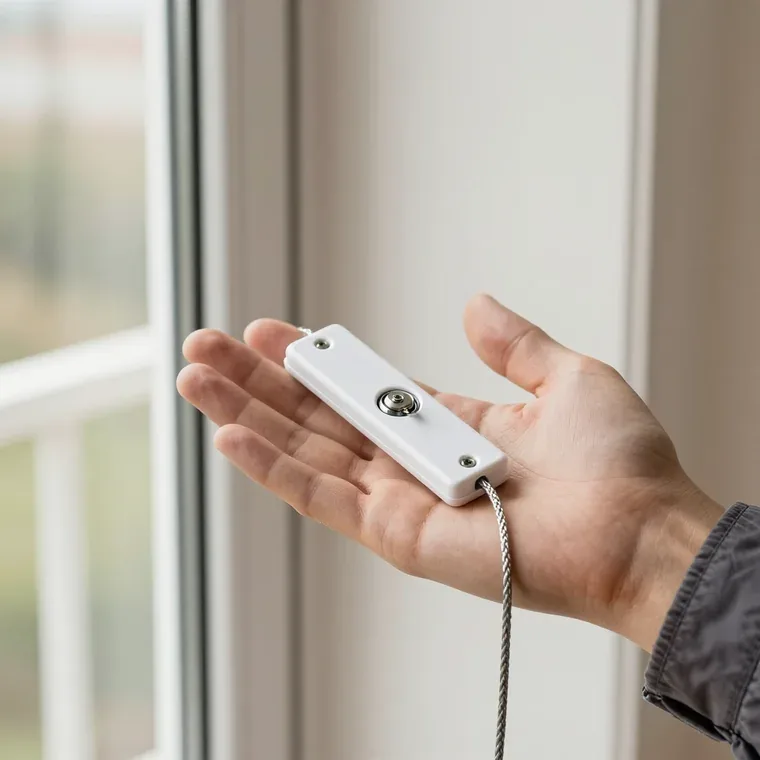
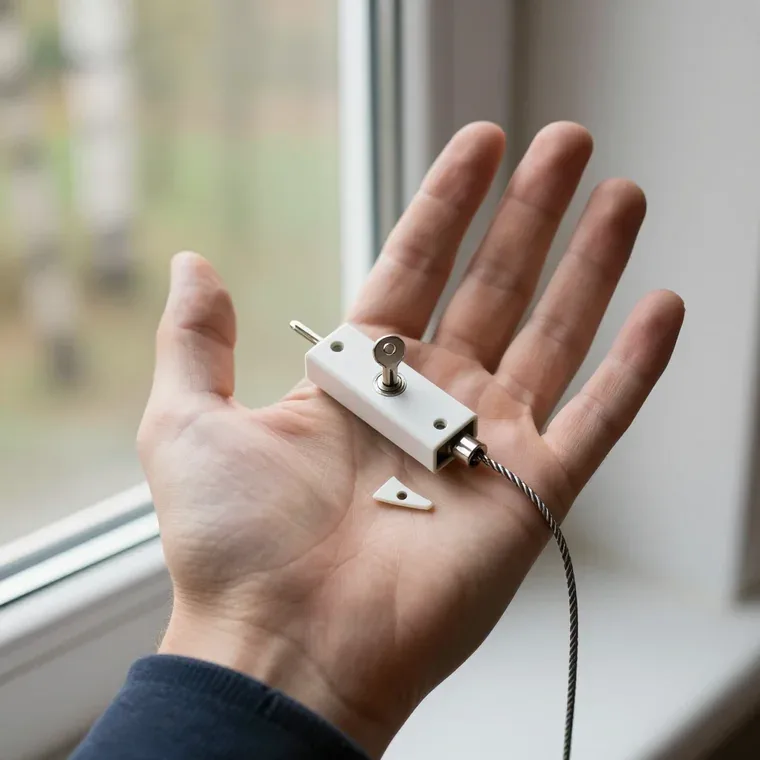
Cable with lock
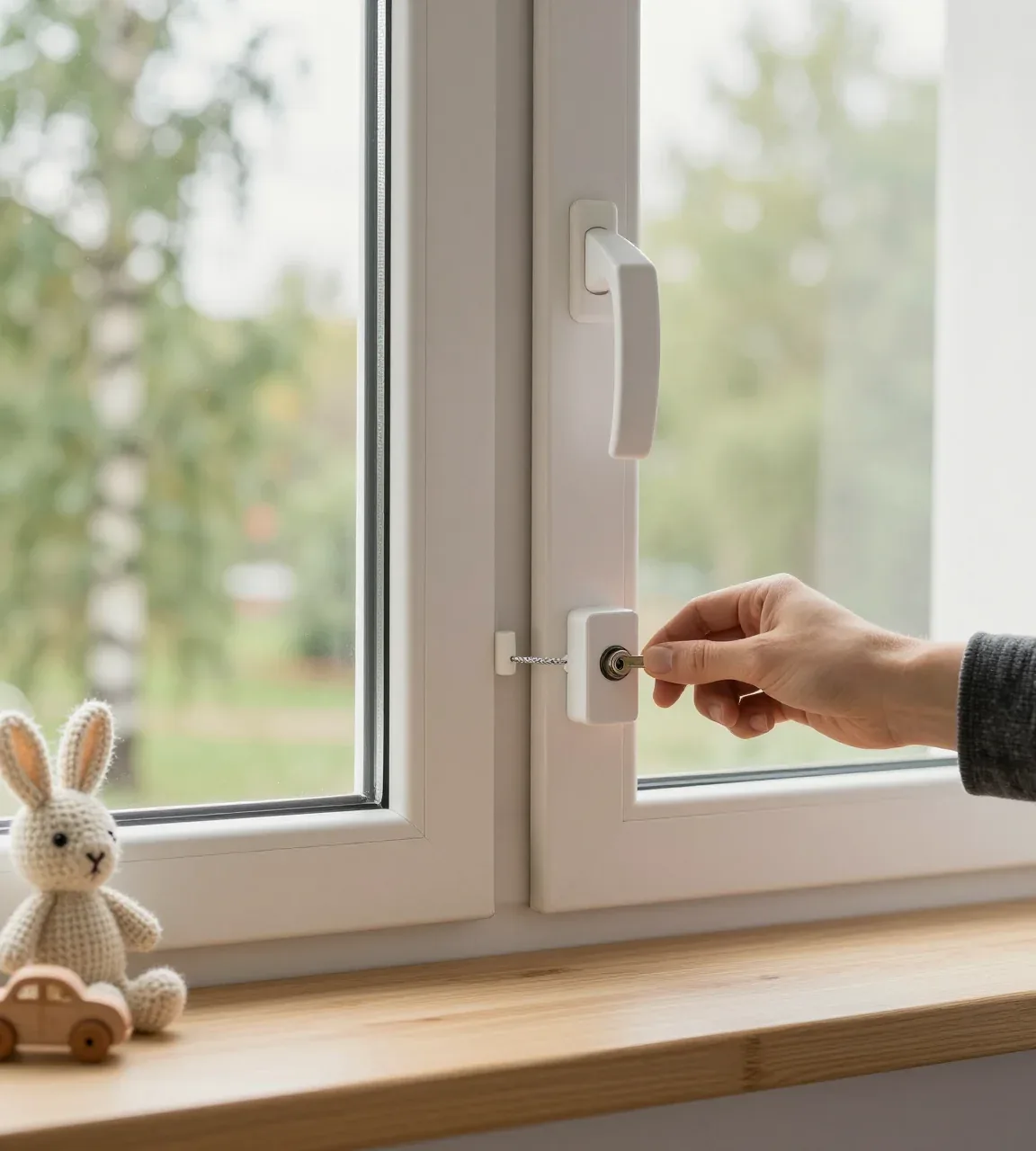
Window opens wider than gap only with key. From 2 500 ₸ per unit.
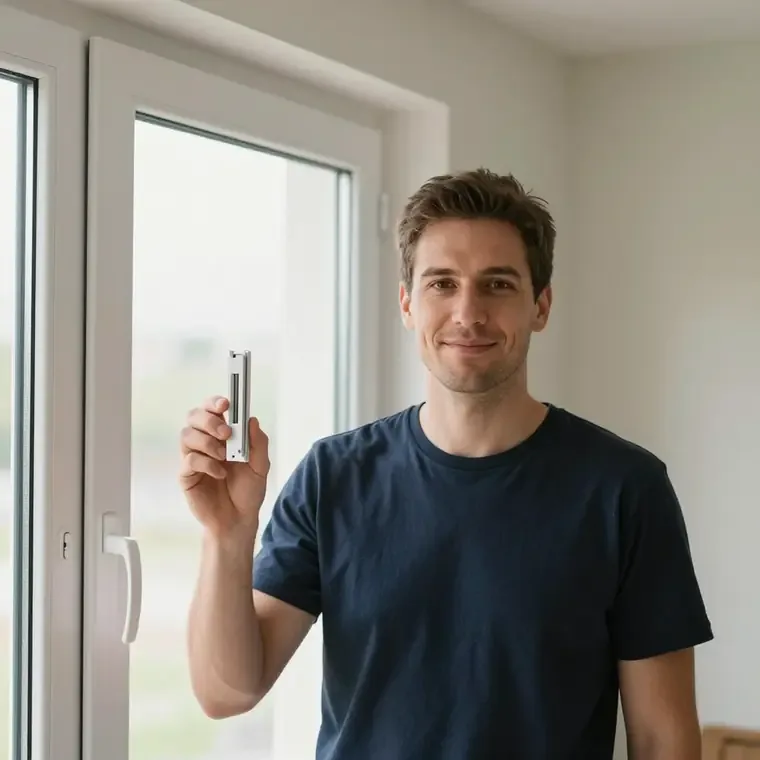
Fixer
Sash doesn't slam or hit the double glazing against the frame. From 1 200 ₸ per unit.
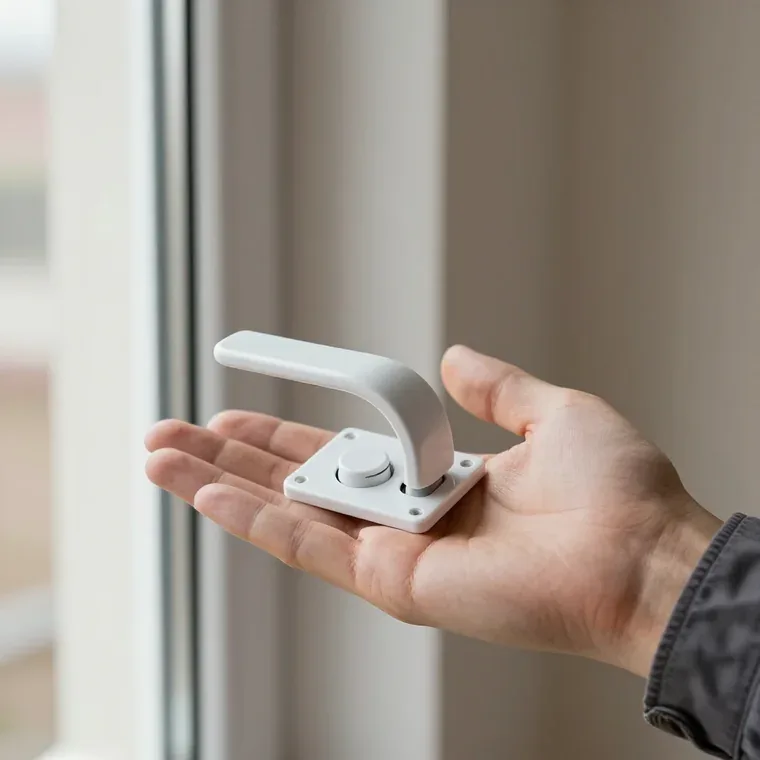
Child lock
Surface-mounted lock that an adult opens with a flag. Price from 3 250 ₸ per unit.



5,097 reviews on review sites
Depends on who we protect and where the wind blows from
In Taldykorgan, strong winds often blow from the mountains, and an open sash can easily be blown wide. If the goal is ventilation, a comb limiter will do. If there is a child or cat in the house, better a stop with button or cable with lock.
All models are mounted between frame and sash and stop the window at a narrow gap. The measurer will show samples and help choose the option for your profile and floor.
comb with installation
measuring and selection
requests accepted without weekends
Most frequent requests from our clients
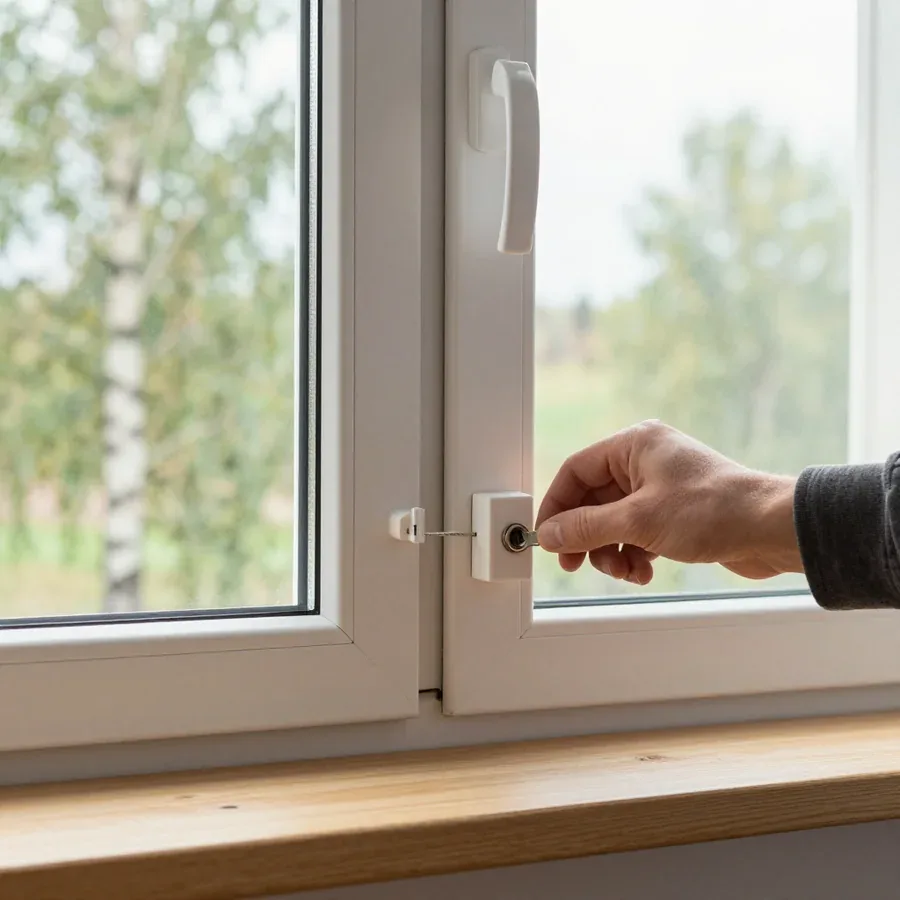
Little one pulls the handle while you are in the kitchen. The stop prevents the sash from opening wider than the gap.
A gust from the mountains tears at the slightly open sash. The comb holds it firmly.
The animal might jump after a bird. It won't squeeze through the narrow gap.
If only an adult should open the window, we install a cable with lock.
Prices per sash, total for the whole apartment will be named after measuring
| Type of item | Price |
|---|---|
| Comb-type window limiter with installationwind protection and ventilation | from 1 050₸ per unit |
| Installation of opening limitermounting on the sash | from 2 150₸ per unit |
| Cable limiter with lockcable and key | from 2 500₸ per unit |
| Opening limiter (product)item | from 2 000₸ per unit |
| Replacement of limiterbroken to new | from 1 200₸ per unit |
| Penkid lock with cablefor children's room | from 2 150₸ per unit |
| Blocker for sliding windowssliding frames | from 4 000₸ per unit |
| Sash blockerfixer | from 1 200₸ per unit |
| Child window lock (surface-mounted, flag)with flag | from 3 250₸ per unit |
| Installation of blocker or child locklabor | from 2 750₸ per unit |
| Window handle with keylockable | from 3 650₸ per unit |
Price is fixed in the order after measuringMeasuring is freePayment after installation: cash, card, Kaspi
Call a measurerBriefly about our work
we work across Kazakhstan
on WhatsApp
we will select the model and gap
fixed after measuring
installation: cash, card, Kaspi
from 09:00 to 19:00
plastic, wood, aluminium
cities of Kazakhstan
Four steps in one visit

Tell us how many windows, which side of the house, and who we are protecting. We will reply and agree on a time.
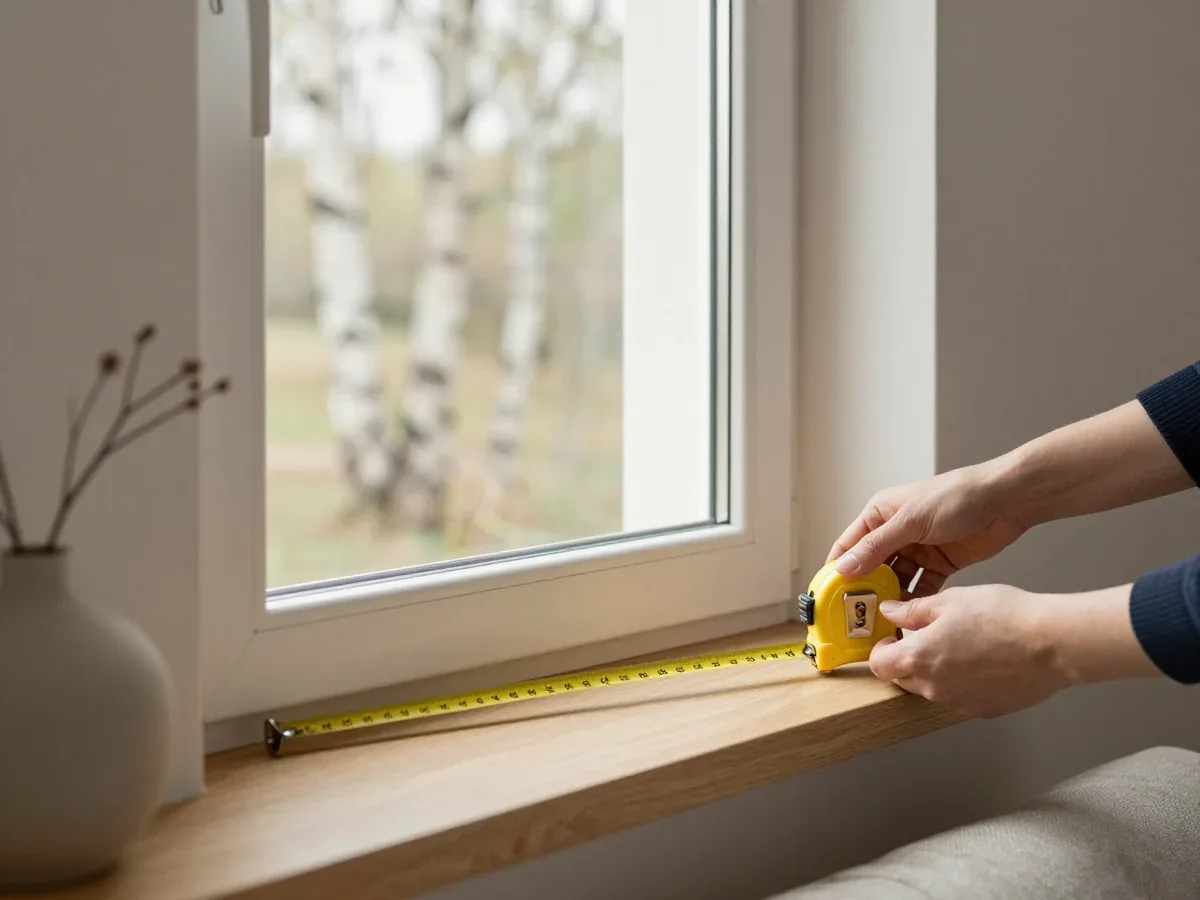
The measurer inspects the sashes, shows models and gives the price for the order.
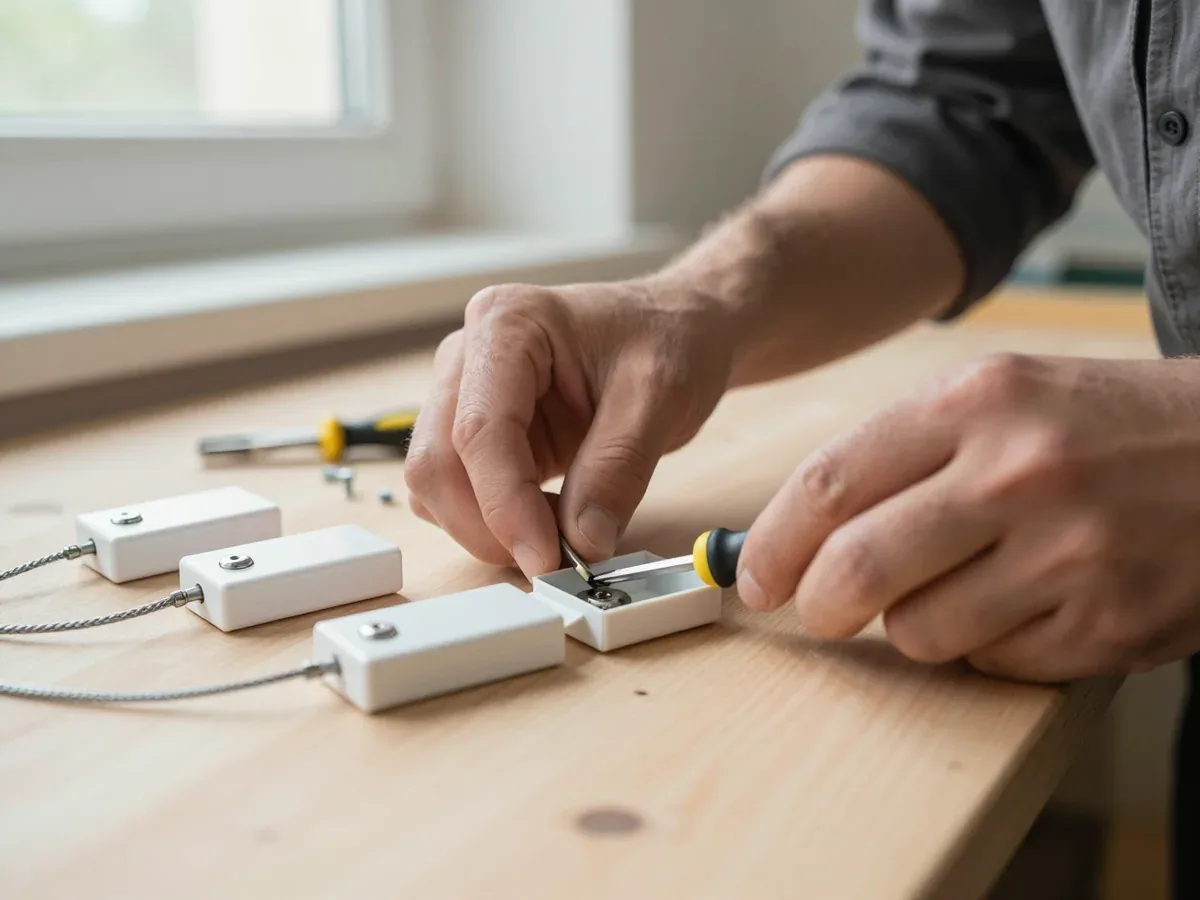
We install restrictors and fixators, check that the windows close tightly.
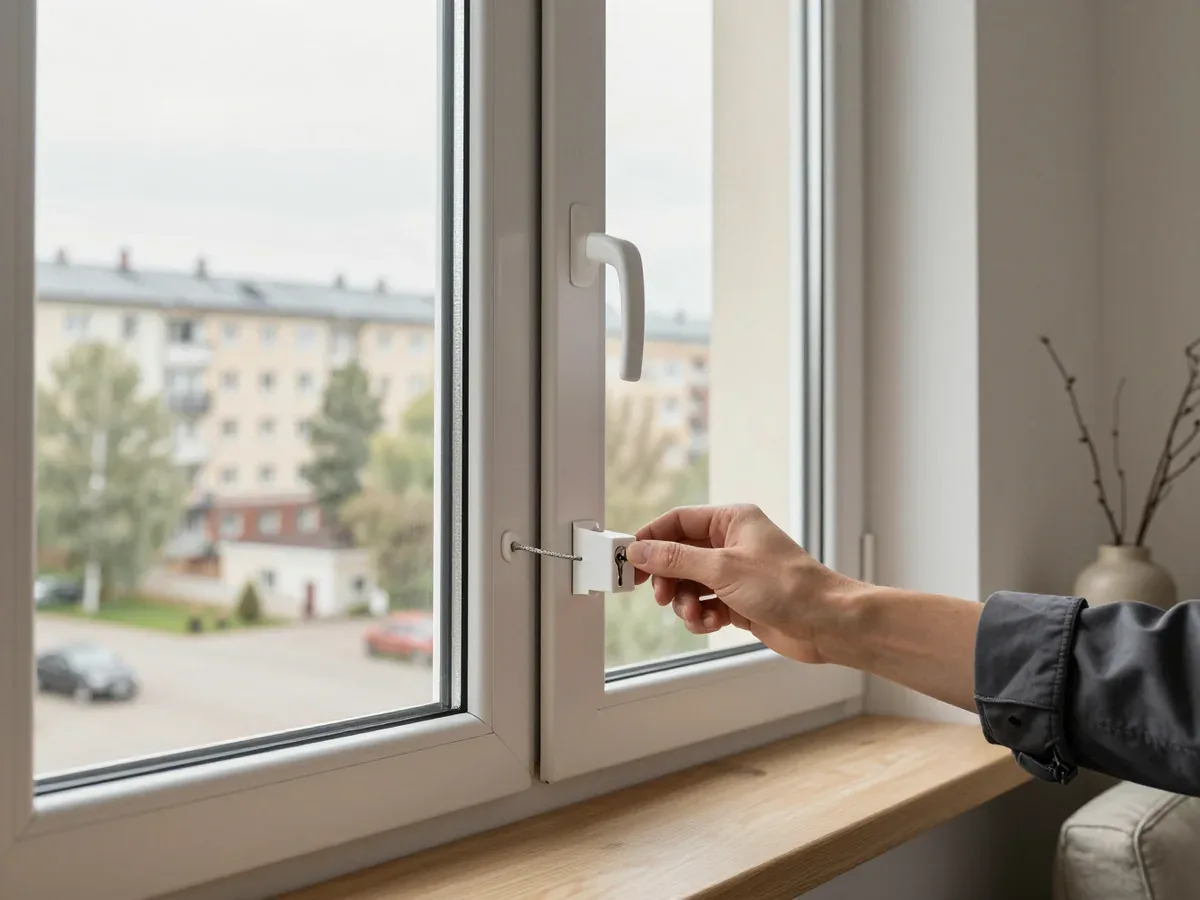
We show how to remove the protection and hand over the keys. Payment after inspection.
Good to know

Senior mosquito screen specialist at moskitnyesetki.kz
We supply and fit window restrictors in Taldykorgan on plastic, wooden and aluminium windows, choosing the fixing to suit your profile and floor. A free measure comes first, the price is fixed in the order afterwards, and you pay only after installation by cash, card or Kaspi. We work seven days a week.
Buyers often arrive with one problem — the panel swings far too wide — and four names for the fix. Each device does a separate job, so the choice starts with what the opening must do.
A restrictor is a small fitting that links the frame and the casement and caps how far the panel can swing, while still leaving a gap for ventilation. On a tilt-and-turn unit the hardware usually sets two positions, a wide swing and a narrow vent mode, and the part holds the second one steady. The component is compact: a steel cable, a folding arm or a short bracket, mounted at the hinge side or on the moving edge. Because travel stops at a fixed point, the handle still turns and the room still gets air, but nobody can lean out through the full gap. A comb differs in staying loose — it holds the panel at set notches and lifts out, while this fitting stays attached and limits every opening.
| Device | What it does | Best for |
|---|---|---|
| Restrictor | Caps how wide the panel swings, keeps a vent gap | Ventilation with a limit |
| Blocker | Stops the handle turning | Windows that must stay shut |
| Window lock | Holds the sash closed and locked | Ground floor, absence |
| Grille | Separate barrier over the opening | Highest safety demand |
The same device behaves differently on a slim aluminium frame, a wide plastic casement or a balcony door. What settles the choice is the profile, the opening sash, the storey and the opening type.
Our measurer picks the fixing to match your profile and storey, choosing between Z-shaped brackets, pins (plungers) or magnets rather than using one universal part. A Z-bracket grips the frame edge where the profile is narrow, a plunger pin suits a casement that opens daily, and a magnet holds a light panel without drilling into the visible face. Height changes the answer too: on an upper storey of a Taldykorgan block the casement sits in more wind load, so the fixing has to hold against a stronger pull. That is why window restrictors in Taldykorgan are matched to the storey as carefully as to the frame. A bracket that is too light for a high level or a wide sash will work loose over time, so weight and height matter as much as the profile when the part is selected.
The first thing a parent asks is whether the device truly keeps a child safe, and the second is whether the sash still opens for air. Both concerns come down to one setting.
A restrictor keeps the sash from opening wide enough for a child to climb through, so it can stay partly open for air without turning into a fall risk. The device fixes the swing at a small gap, usually a hand's width, and a child's body simply cannot pass that opening. It is the same principle behind fall protection on upper floors, where a full swing is the real danger and a small controlled opening is not. What the device does not do is act as a barrier: it limits travel, it does not cover the opening. For a toddler who climbs, move low furniture and beds away from the sill, and never leave the sash fully open unattended. Treat it as one layer of safety, not the only one.
A restrictor is fitted so the sash still opens to a vent position, and it works alongside the tilt and micro-ventilation modes rather than blocking them. On a tilt-and-turn model the handle still tilts the panel inward for steady airflow, while the fitting governs only how far the swing goes. Choose the limit to match the opening you actually use in summer, because a setting that is too tight turns every airing into a handle operation and people start propping the casement open instead. A few centimetres moves plenty of air through a room and still stops a child. Decide the width with the person doing the measuring, standing at the opening you use most, so the result matches your routine rather than a default.
From your first message to a working restrictor, the job runs through three steps. Here is what happens at each one, who does it, and how long the parts take.
Measuring and consultation are free: the measurer comes at a time that suits you, takes the sizes and helps choose the device, the fixing and the position on the panel. He checks the profile, the opening direction and the floor, because a Z-bracket, a plunger pin or a magnet is picked for the sash type and the height above ground, not for looks. The visit also settles the frame colour and the mesh, so nothing is guessed from a photo. Have the opening type and the floor ready before the visit, because those two answers decide which fixing the measurer brings and save a second trip.
Once the fitter leaves, everyday questions come up: how and when you pay, what the warranty actually covers, whether the mechanism needs taking down for winter and how to keep it from seizing with dust.
You pay once the work is done, by cash, card or Kaspi, the price is locked in the paperwork following the measurement, and repair labour and replaced parts carry a 1-year warranty. The measurement visit itself is free, the specialist arrives at a time that suits you, and the device, the mounting and the labour all appear on the same document. A restrictor is a small mechanism, yet the fastener choice — Z-brackets, pins or magnets — depends on your profile and floor, so a written record keeps the exact parts traceable if anything needs attention later. Because the sum is fixed only after the measuring, ask for that document before the fitter starts so the unit, the mounting and the work sit in one place.
The unit does not need removing for winter, but it should be wiped and the moving joint checked a few times a year so it keeps gliding instead of sticking. Dust from the street and grit from the frame settle in the hinge and the sliding slot, and a joint that is never cleaned starts to catch, then to jam halfway. A dry cloth on the arm and a drop of light oil on the metal twice a season is enough for most openings. A framed mosquito screen, by contrast, is best taken off for the cold months and lifts out from inside in a minute, so the two fittings are handled differently at the end of the season.
Picking a limiter comes down to matching it to the profile, the floor and the people in the room, then getting the fixing right at the measure.
Installation, types, fitting, safety
Konstantin Selenenkovsenior mosquito screen specialist, 10 years in the tradeOnline · replies within 5 minutes
Ask a questionRemovable models come off in a couple of minutes if the fixings are not fixed permanently. Cable and lock versions require removing the fixings, so check this in advance.
It does not interfere with ventilation: the sash opens to a set angle, and the comb provides several fixed positions. For cleaning, the limiter is usually detached so the sash opens fully.
The opening limiter keeps the sash in the turn mode and prevents it from opening wider than a set angle. The tilt limiter works in the tilt mode and prevents the sash from tilting too far.
During the free measuring visit, the fixing will be selected for your profile, and whether drilling is needed depends on the design. The type of fixing is chosen based on the sash to avoid damaging the hardware.
No, there is no universal option: the fixing is selected for the profile, hardware, and sash weight. The same stop may not fit a tilt-and-turn window with a different system, so it is better to check on site.
Not quite: a limiter simply prevents the sash from opening wider than a set angle, while a blocker locks the window with a key. For a child's room, they are often installed together or a cable version with a lock is chosen.
Thank you. We will call you back within 10 minutes!
Your order number is on the receipt or in the SMS. Choose where to leave your review.
Write a review on WhatsApp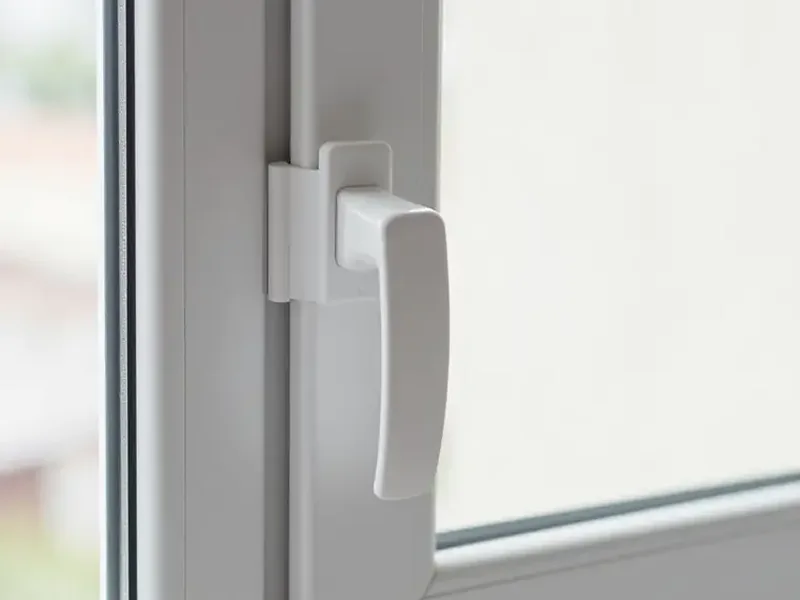 Blockers
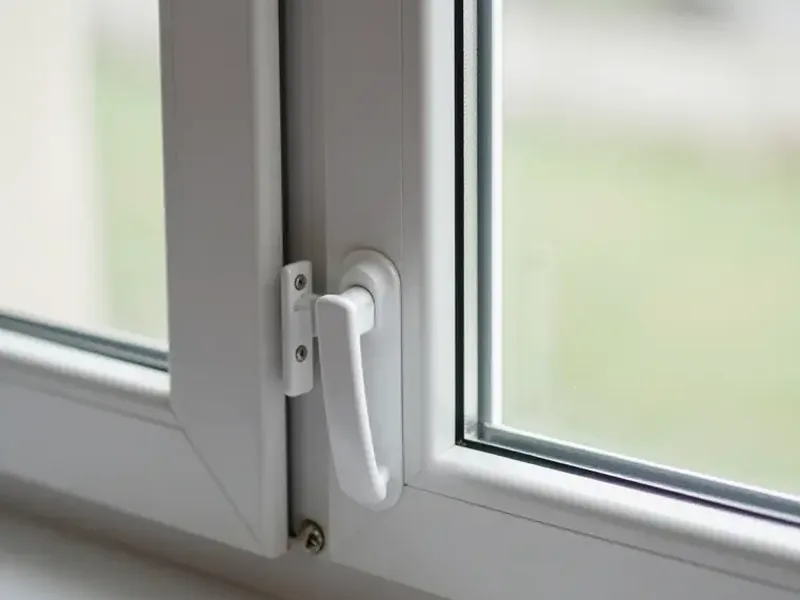 Penkid lock
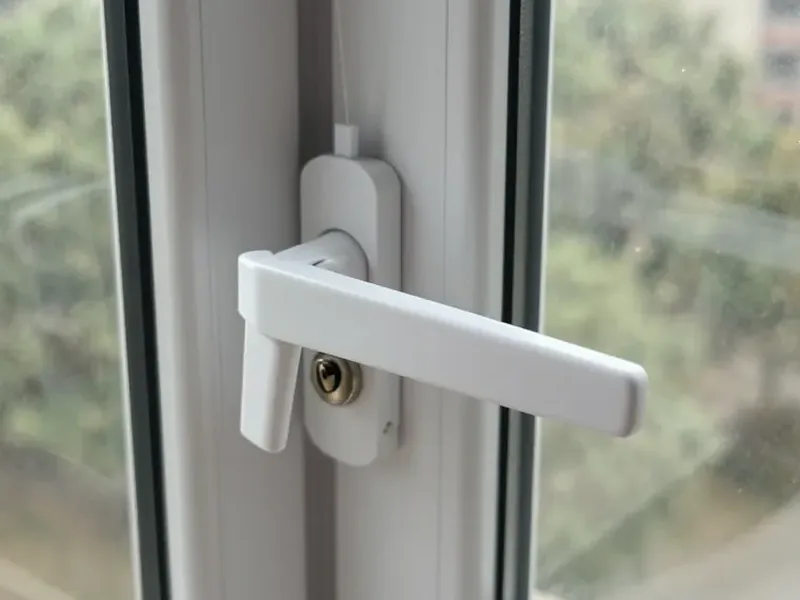 Child safety
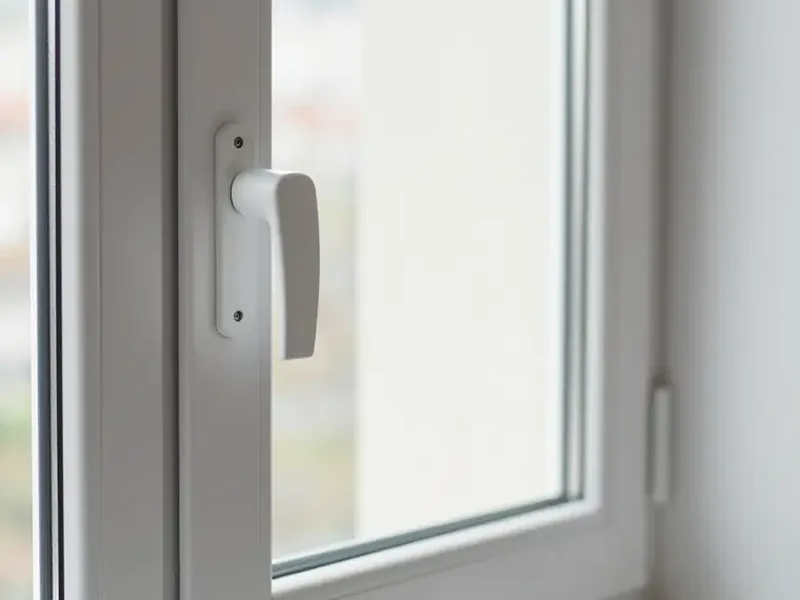 Window handles
 Ready-made screens
