



Good to know
Anti-Pollen Window Screens in Taldykorgan

Senior mosquito screen specialist at moskitnyesetki.kz
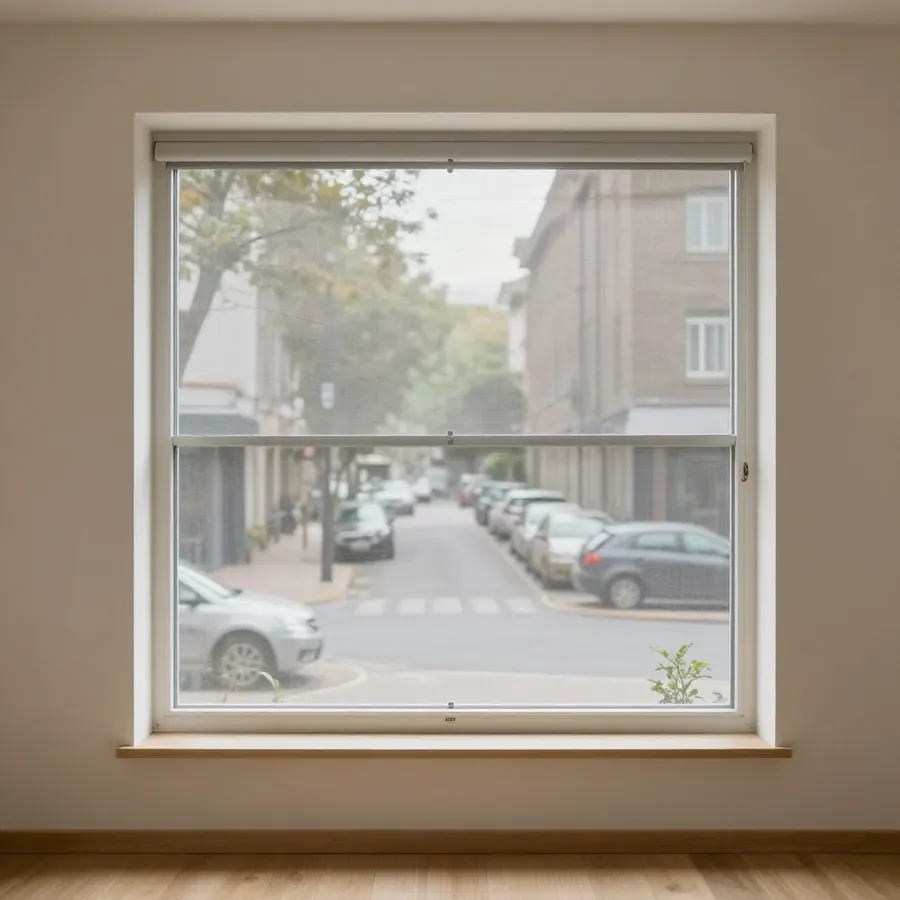
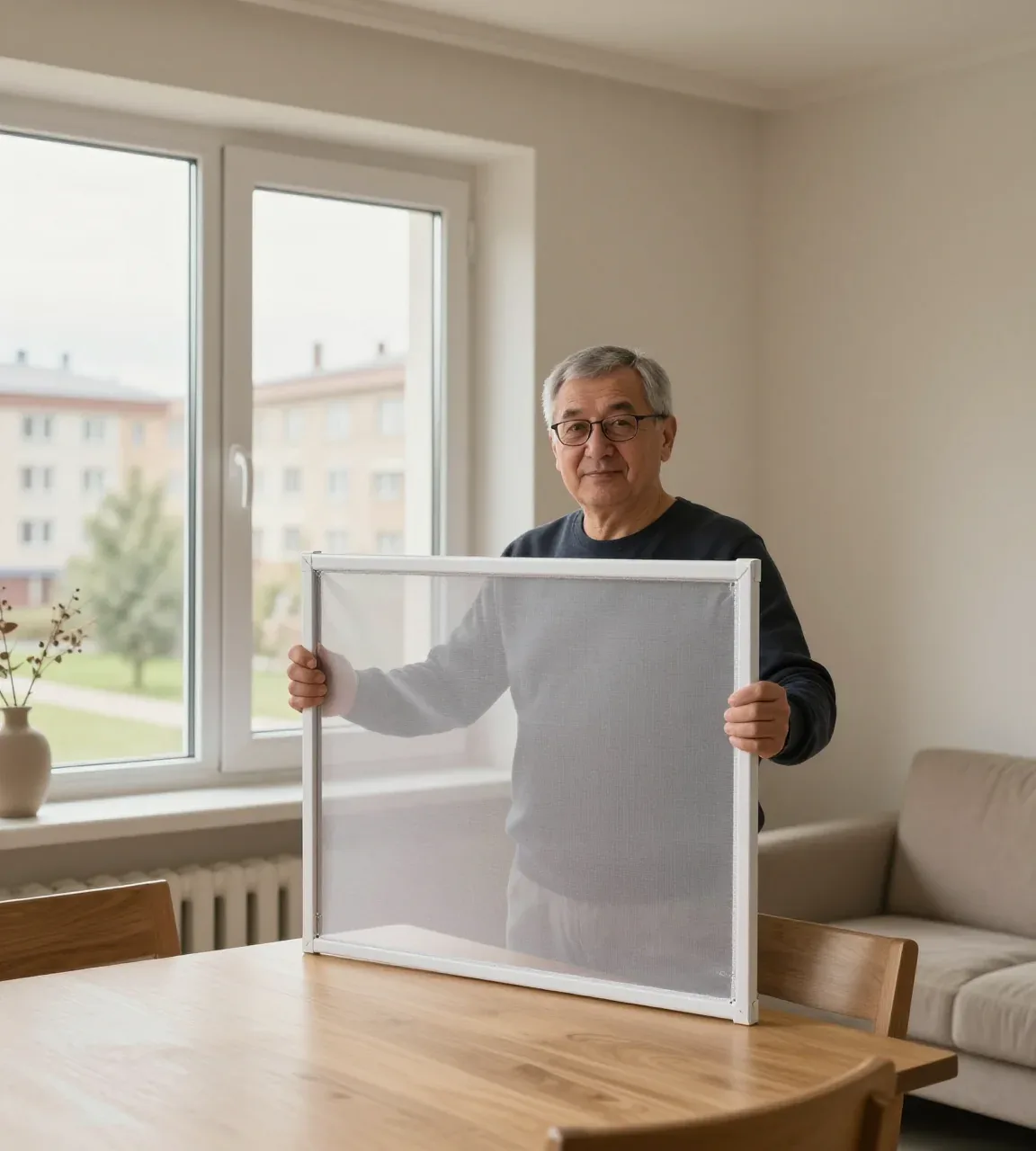
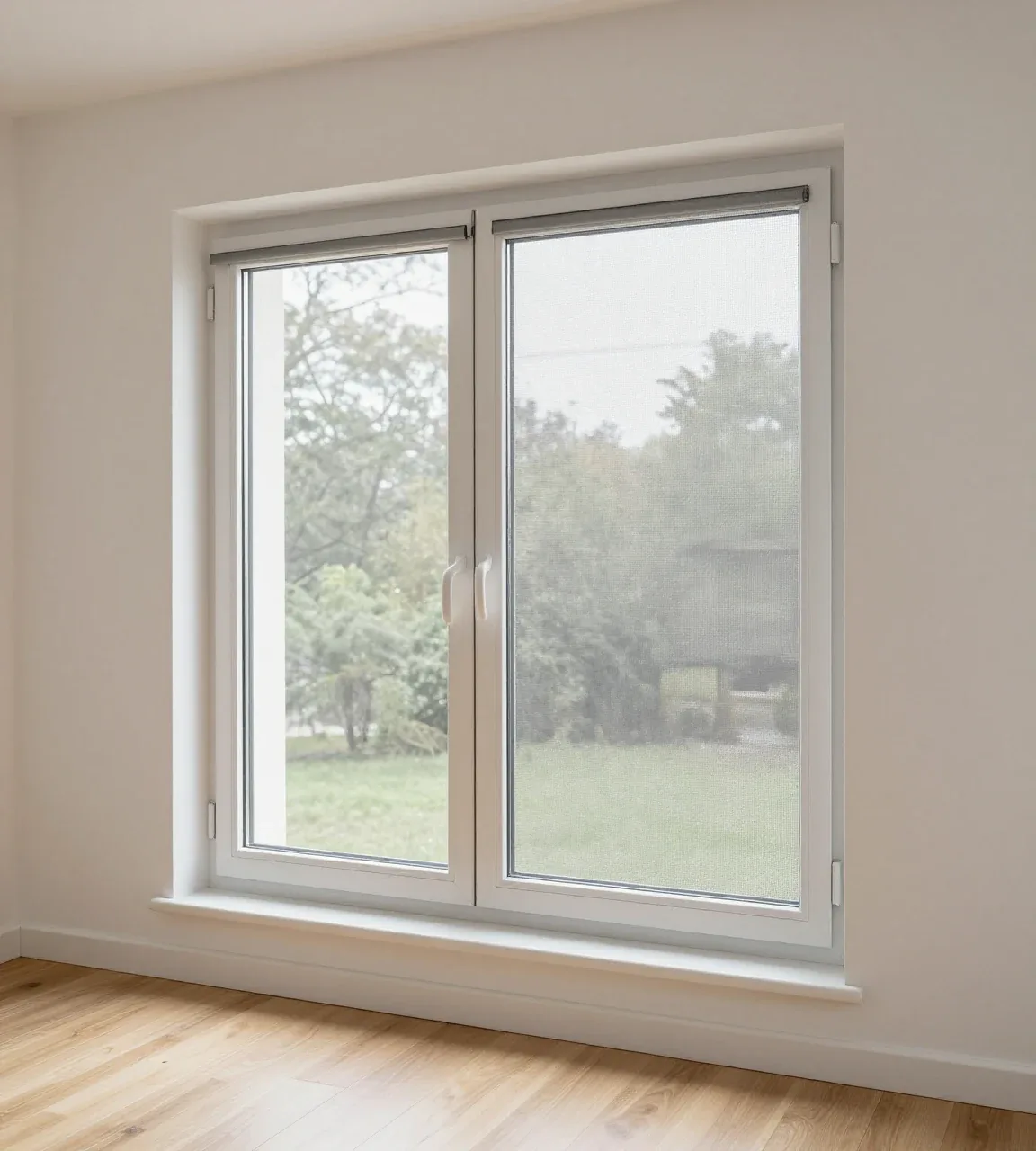
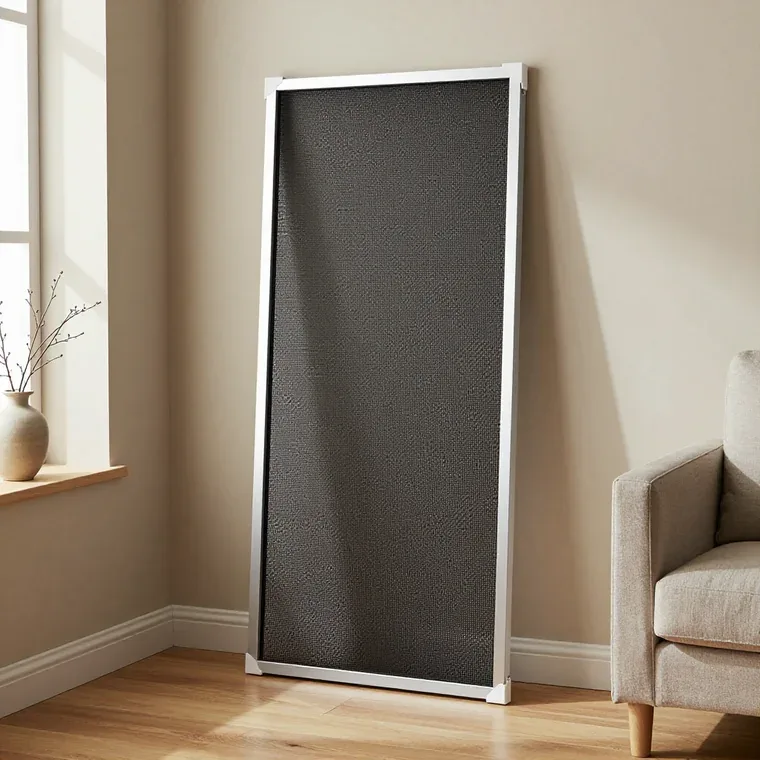
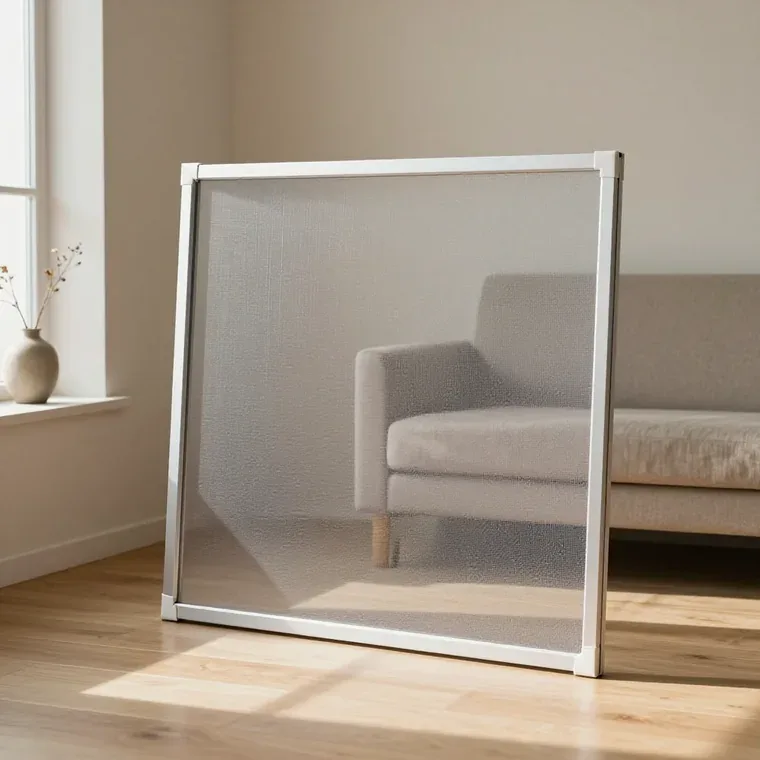
We make anti-pollen window screens in Taldykorgan with Poll-Tex mesh and a 0.25×1 mm cell that traps pollen while keeping airflow. We measure for free, build a framed screen in 10–15 minutes, paint the frame to match your windows, install it, and cover it with a 1-year warranty. You pay after installation.
What Poll-Tex anti-pollen mesh holds back and how it differs from anti-dust
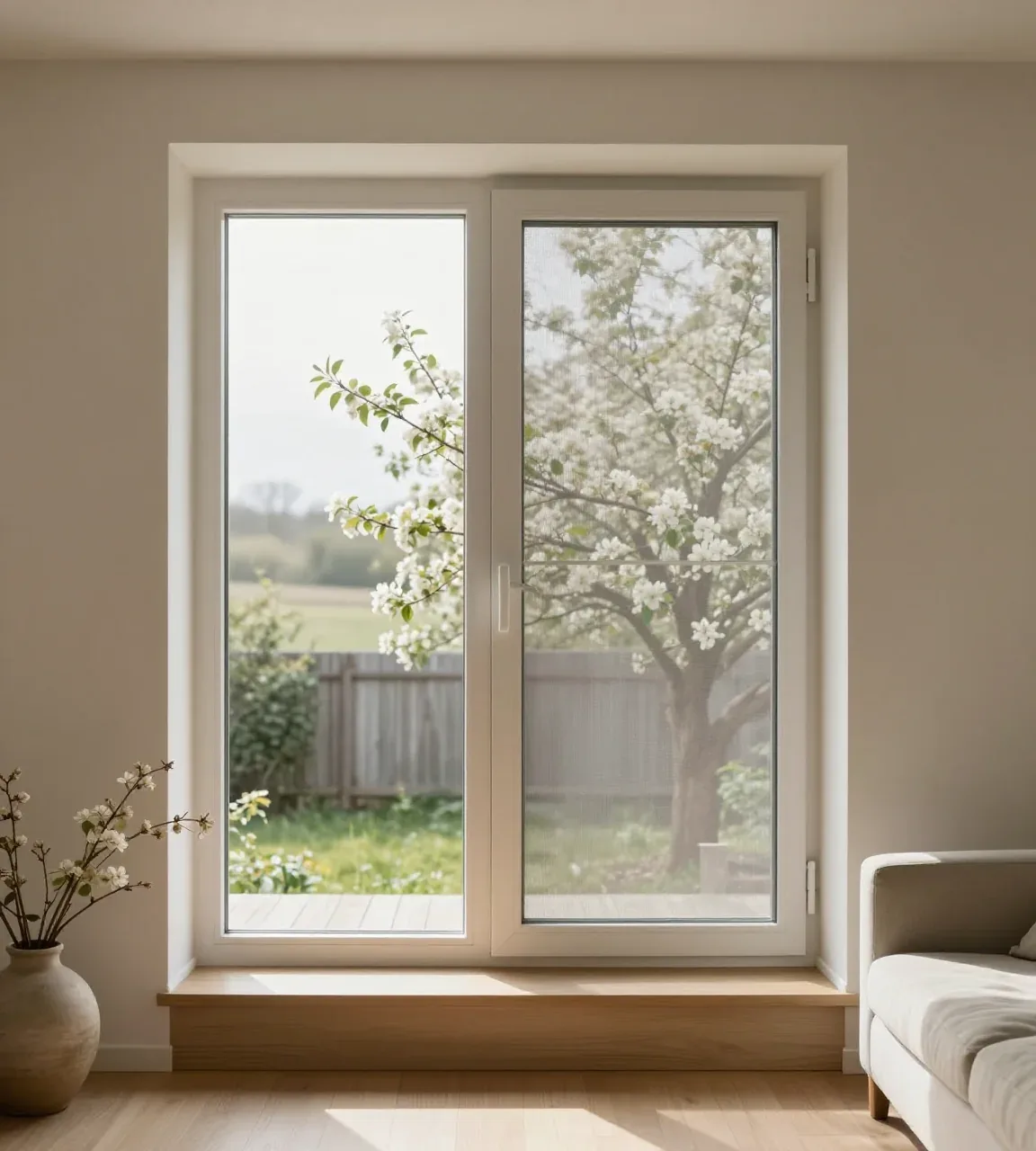
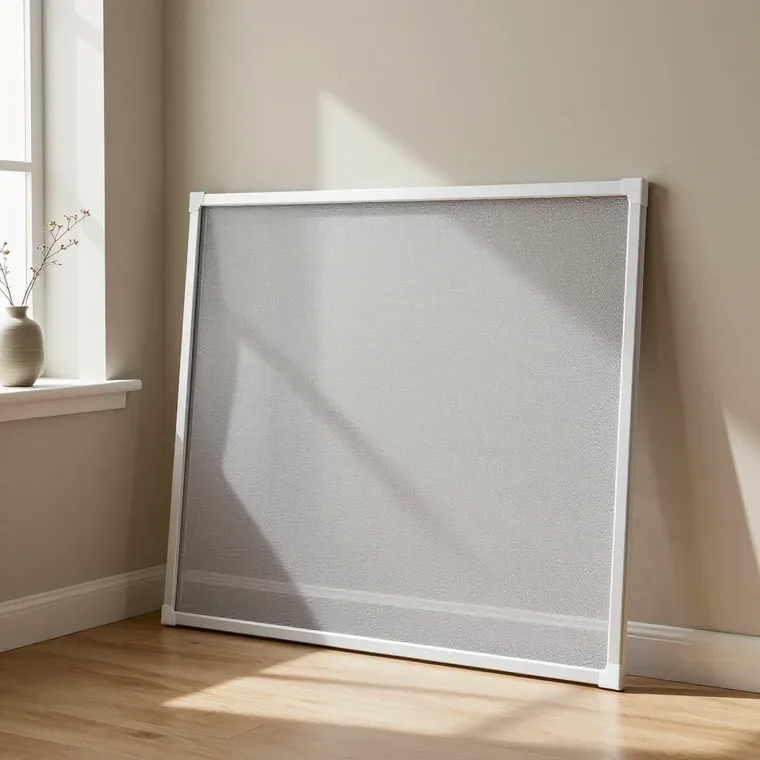
Anti-Pollen (Poll-Tex) is a fine weave with a 0.25×1 mm cell that stops pollen grains and poplar fluff at the window line. Below we compare it with Anti-Dust and Standard.
How the 0.25×1 mm cell of Poll-Tex works against pollen
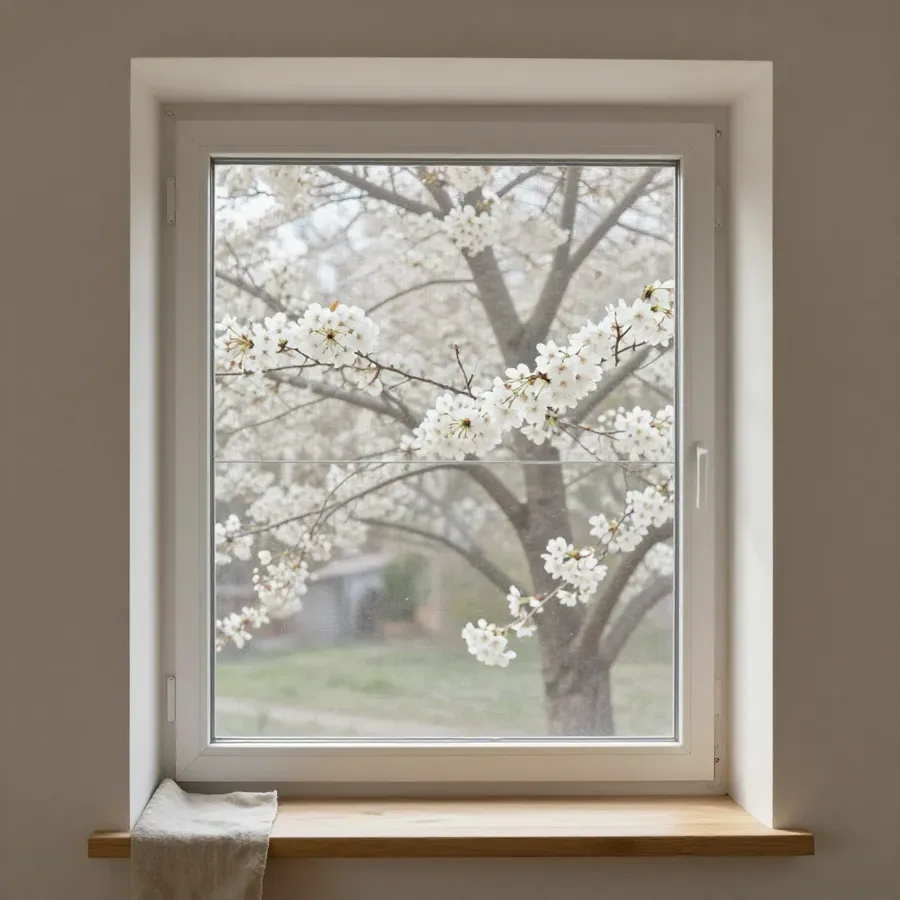
We fit Poll-Tex mesh with a 0.25×1 mm cell, fine enough to trap pollen grains and poplar fluff before they reach the room. The narrow slot of the Poll-Tex weave catches most pollen on the outer face instead of letting it drift indoors. The same slot holds back the white summer fluff that blows through Taldykorgan from the poplars along the streets. It is a real filter, not a label printed on a standard roll. A finer cell also means the screen needs washing more often, because trapped grains build up and start to block airflow.
Anti-Pollen, Anti-Dust and Standard side by side
| Mesh | Cell / build | Best for | Airflow |
|---|---|---|---|
| Anti-Pollen (Poll-Tex) | 0.25×1 mm | Pollen allergy, poplar fluff | Reduced, fine filter |
| Anti-Dust | Fine weave | Street dust, city air | Moderate |
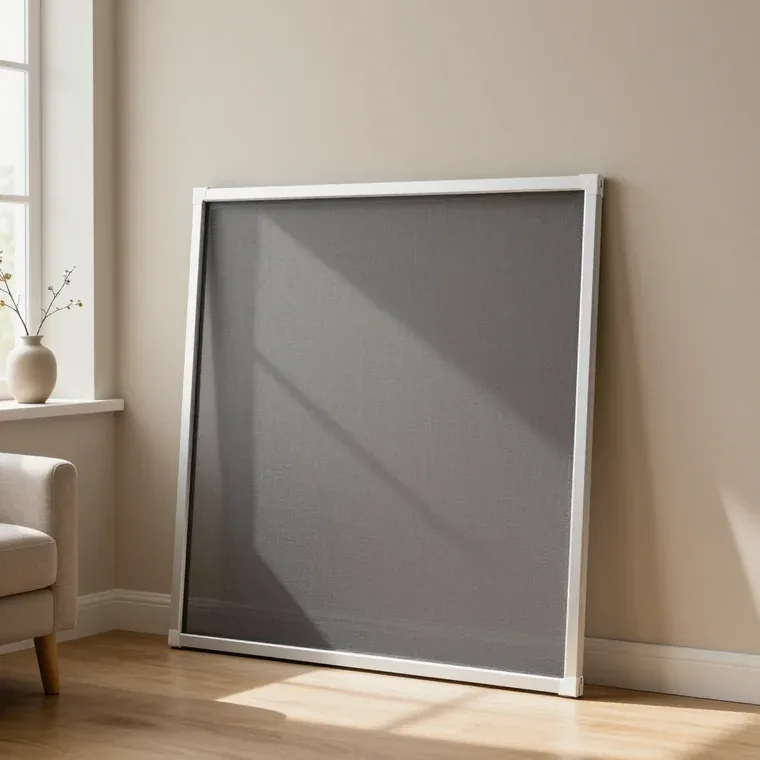
| Standard (Fiberglass) | Standard weave | Everyday insects | Highest |
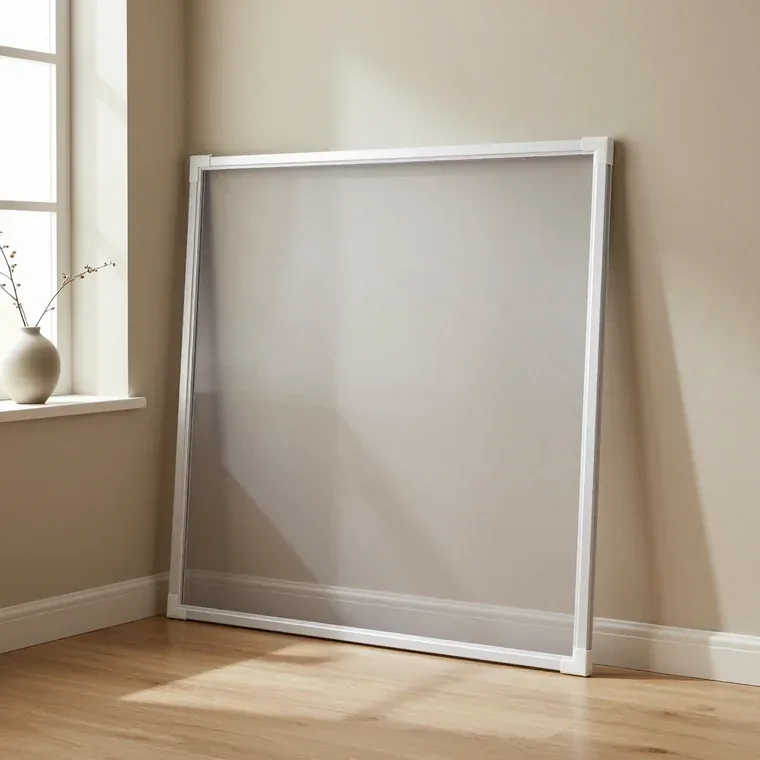
| UltraVue (Ultravue) | Light weave | More light and air | +25% vs other meshes |
How much light and air an anti-pollen window screen lets through
A tight mesh filters better but passes less air, and that trade-off drives the whole choice. Here is how we balance the two against your window.
Will a fine mesh make the room stuffy in summer
A Poll-Tex screen does cut airflow a little compared with a coarser cloth, but on a normally ventilated window the difference is mild and the pollen protection is worth it. The 0.25×1 mm cell blocks the grains that trigger sneezing, and the open area still lets a bedroom breathe through an open casement. The tight spot is a single-window flat under the roof, where hot air has nowhere to leave. Orientation and floor matter as much as the fabric, so the fix is rarely a looser weave but a second opening. On a hot top-floor flat with one window, pair the dense cloth in the bedroom with UltraVue in the living area to keep cross-flow without losing the barrier in the room you sleep in.
When UltraVue or Standard is the better choice
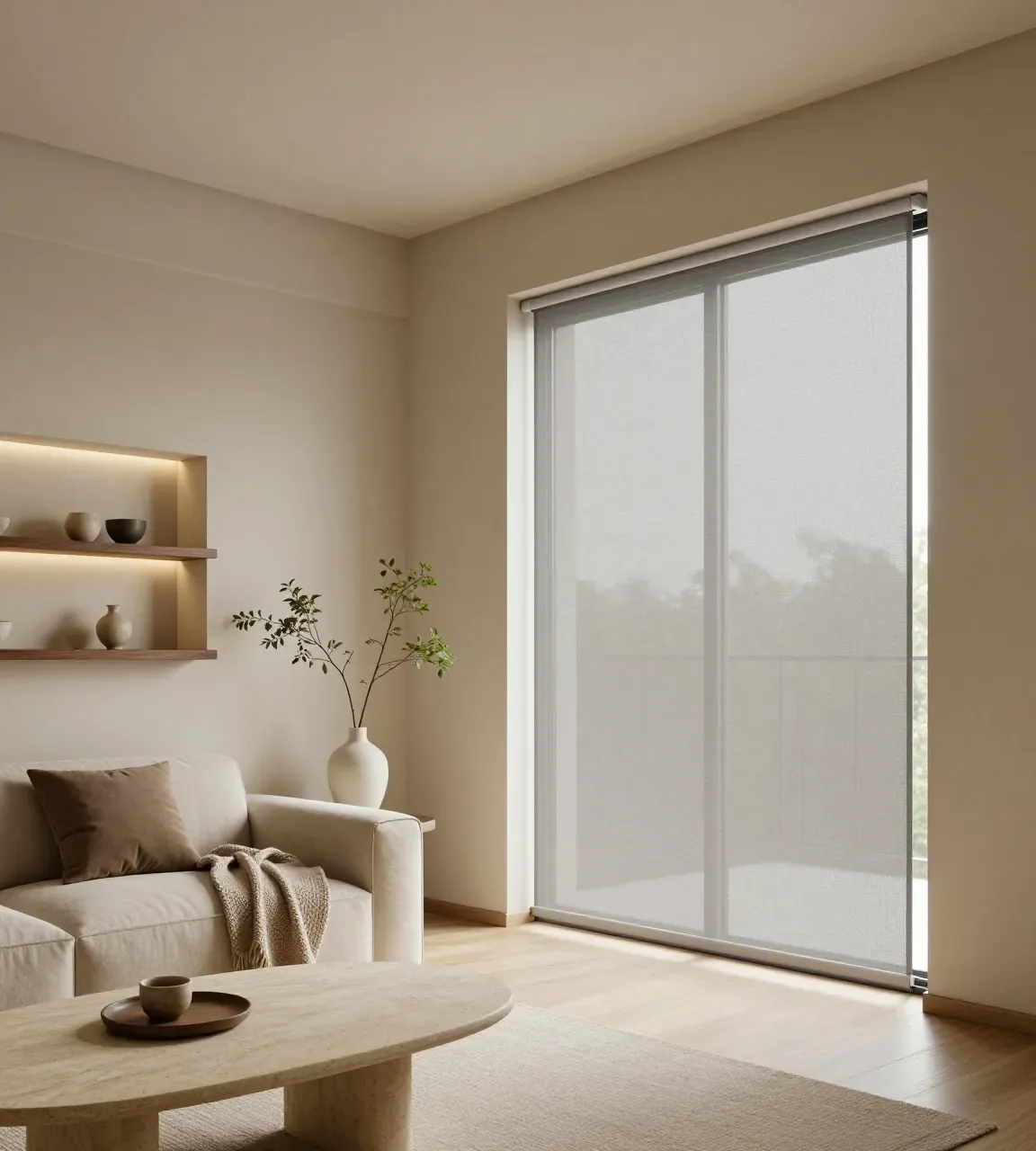
We recommend UltraVue when daylight and airflow matter more than pollen, and Standard when you only need insect protection on a budget window. UltraVue lets in 25% more light and air than other meshes, which shows on north-facing rooms and shaded courtyards where brightness is already short. Standard is plain fiberglass, resistant to fire and temperature swings, and does the basic job of keeping flies and mosquitoes out. The Anti-Pollen cloth sits between them: finer than the fiberglass option, denser than the light-passing one, and the pick for a bedroom or a child's room during the flowering season. Mixing cloths across a flat is common — the dense fabric in the sleeping room, the light-passing option on the sunny side — and we cut each screen to its own window size.
How we measure, build and install your anti-pollen window screens
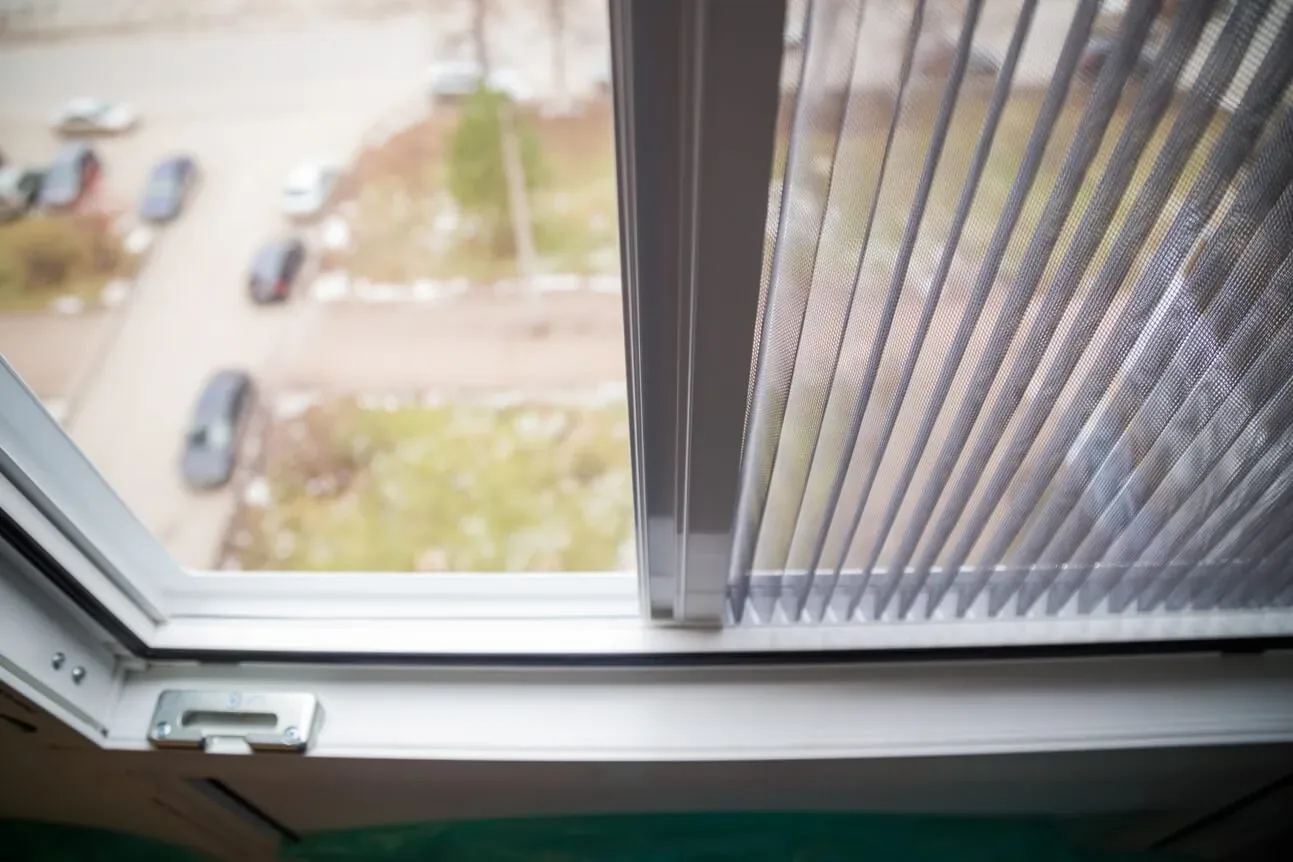
The route from your first message to a finished product is short: a free visit, measurements taken on site, then manufacturing and fitting. A framed unit is built in 10–15 minutes, a pleated one in 40–60.
Free measuring and build time for framed and pleated screens
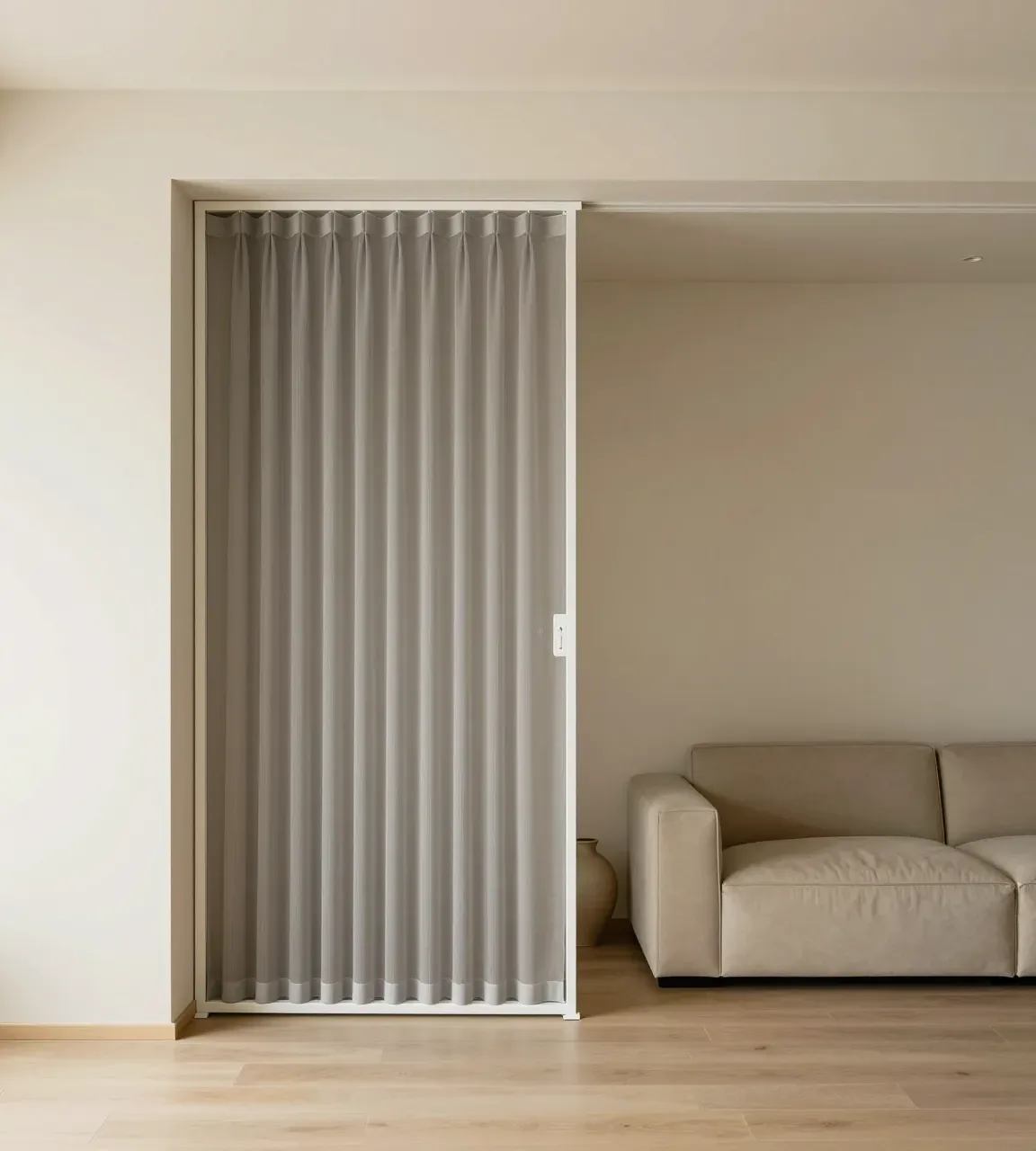
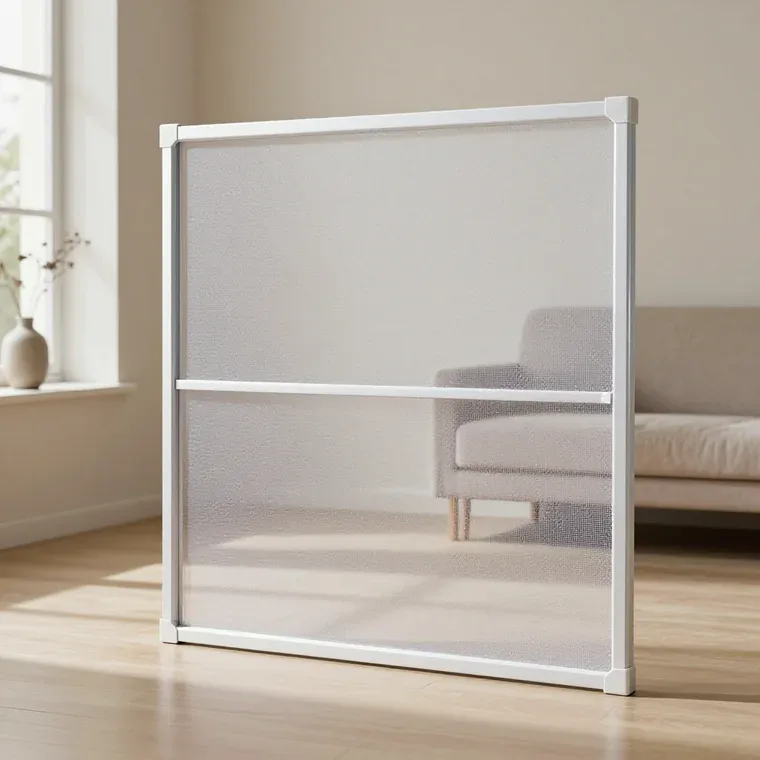
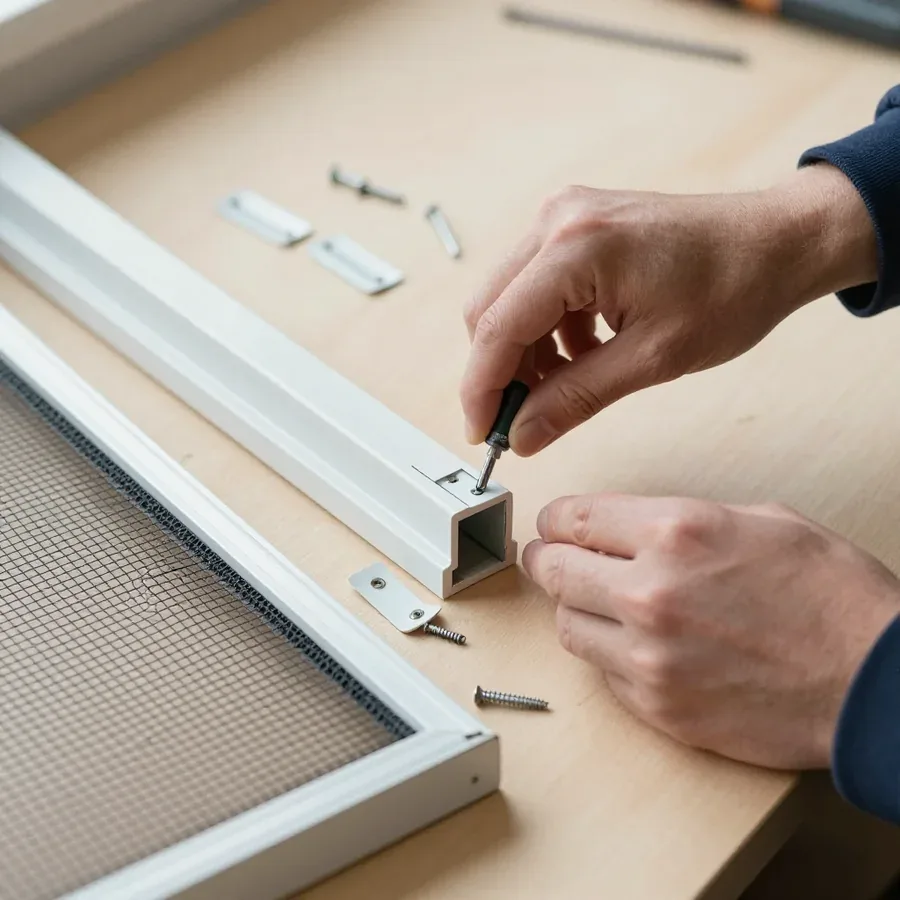
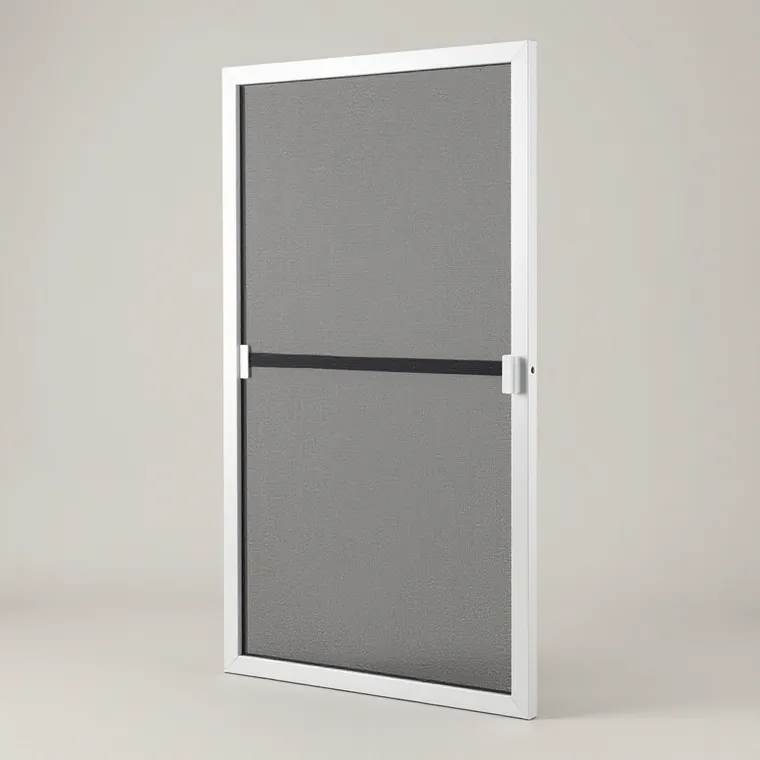
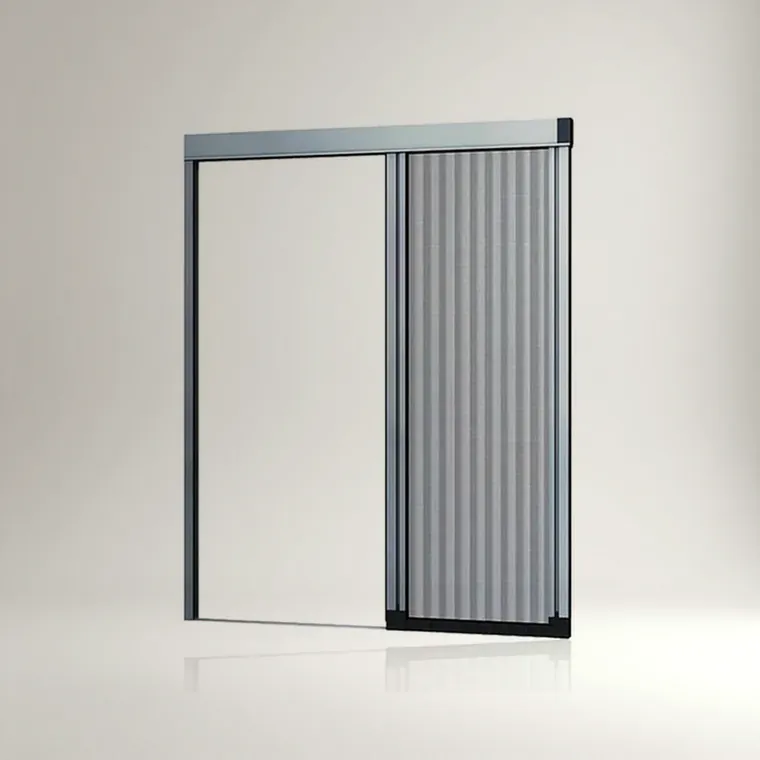
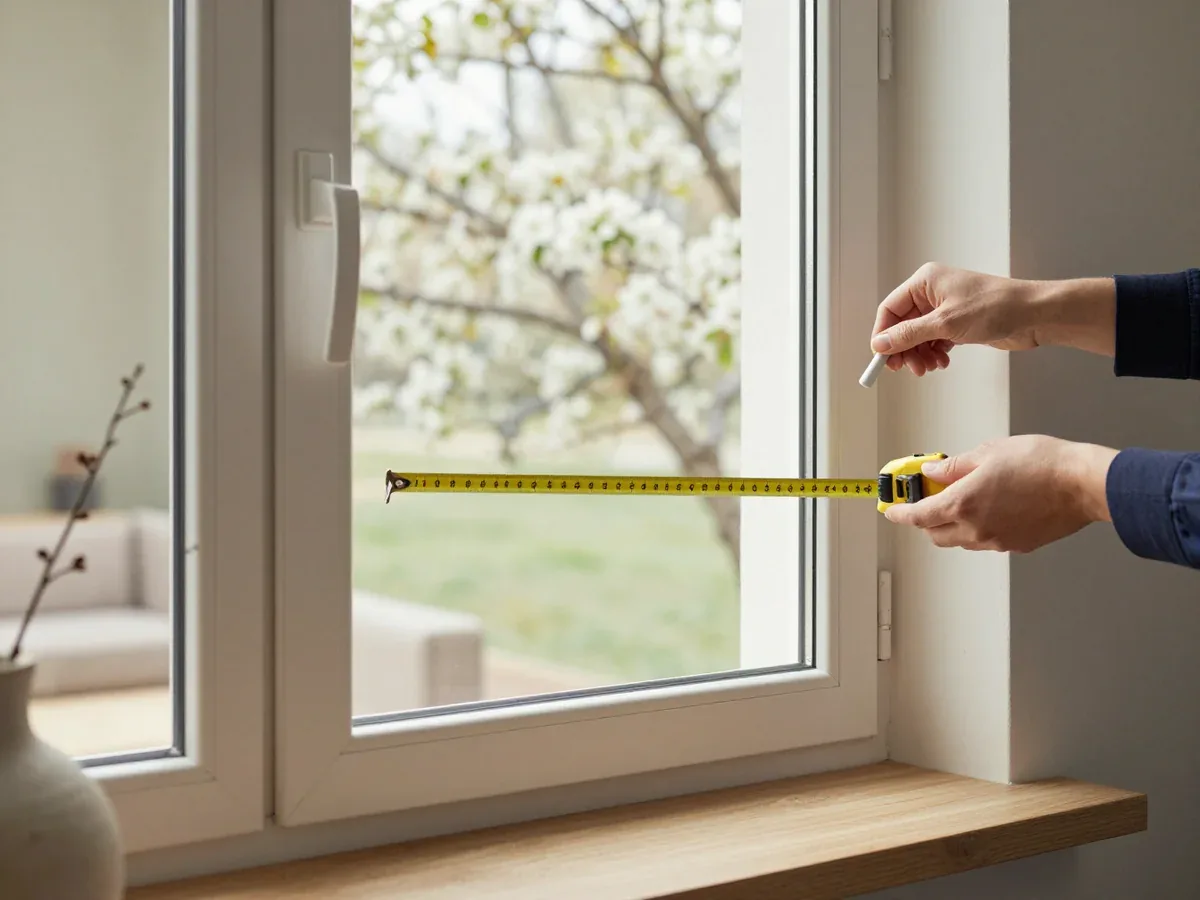
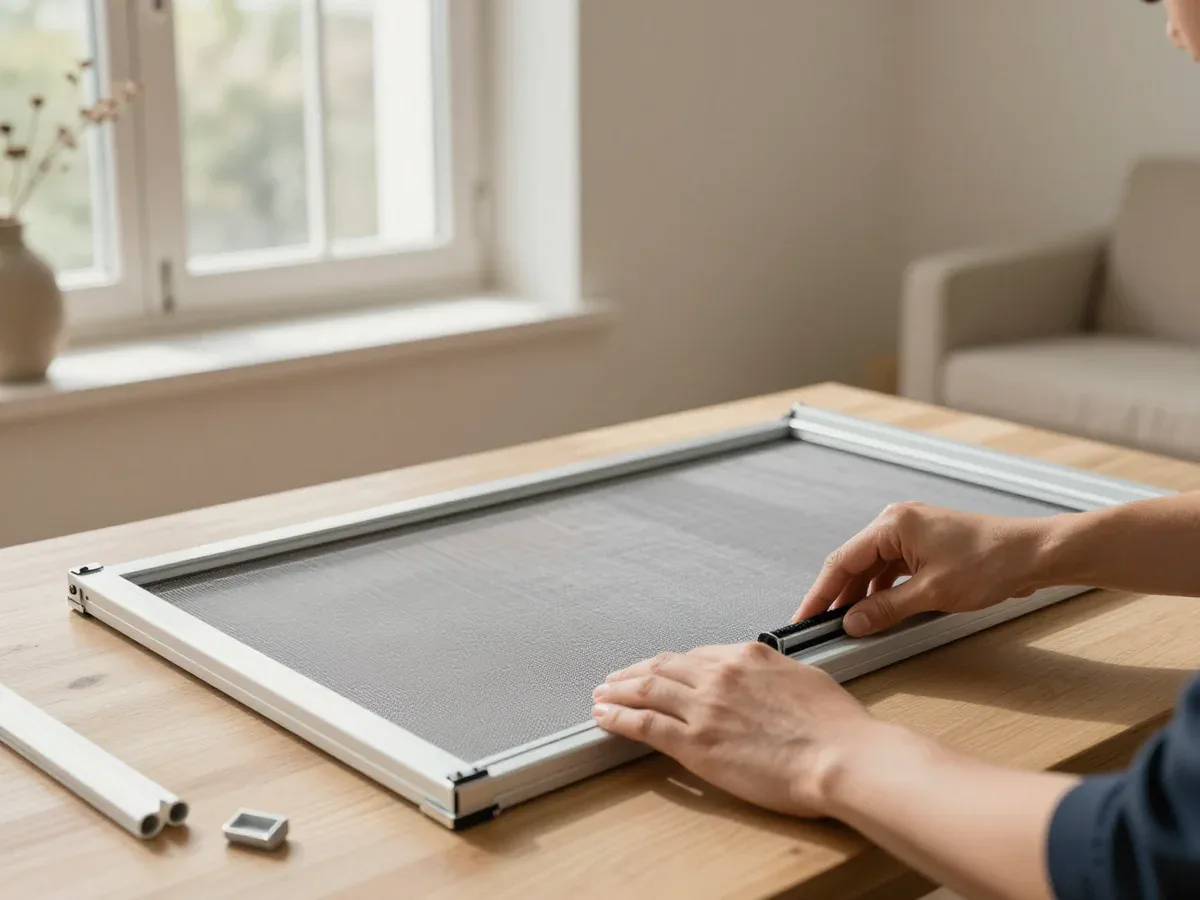
Measuring and consultation are free, and once the figures are set a framed unit takes 10–15 minutes to build while a pleated one takes 40–60 minutes. The measurer comes at a time that suits you, takes the dimensions, and helps pick the design, the mesh and the fixings on the spot. We know which profile suits a given opening, so the choice happens at your window rather than on paper. Because the framed model is built so fast, the measurer can often bring the numbers back and the installer fits soon after, so book the visit when someone is home. A pleated panel needs the longer slot, and that is worth planning around if the opening is in daily use. We supply and fit anti-pollen window screens in Taldykorgan, so the same short route applies whether you order one unit or a full set.
Which windows and doors take a pollen screen
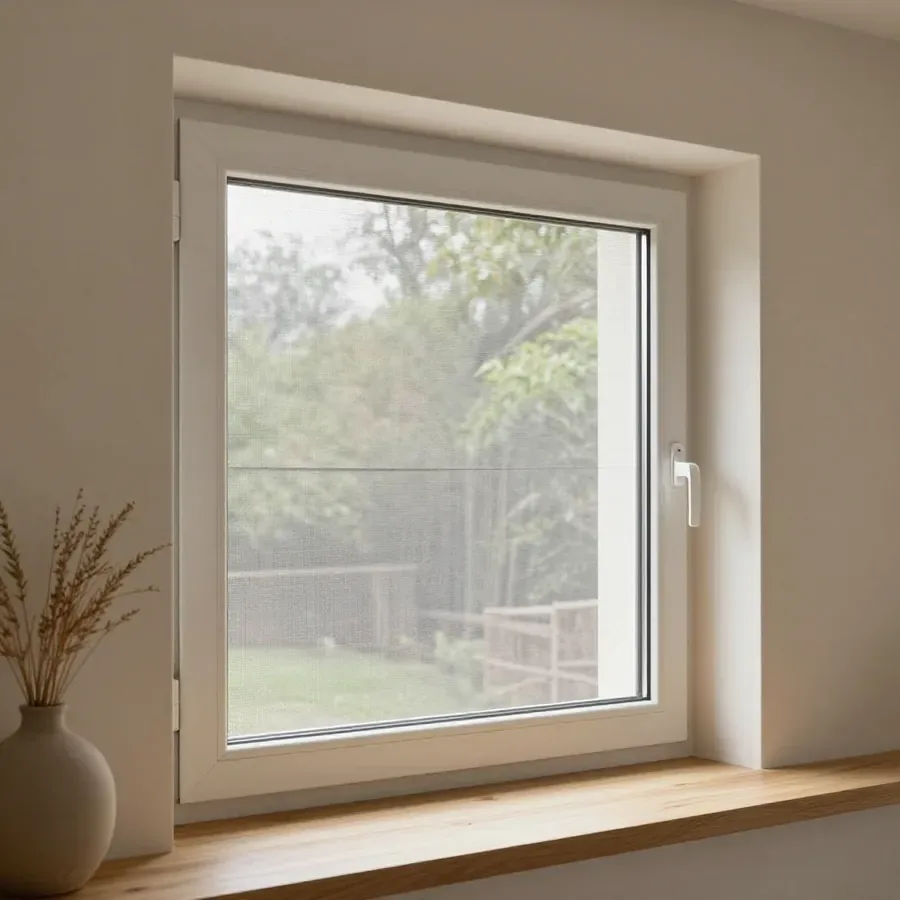
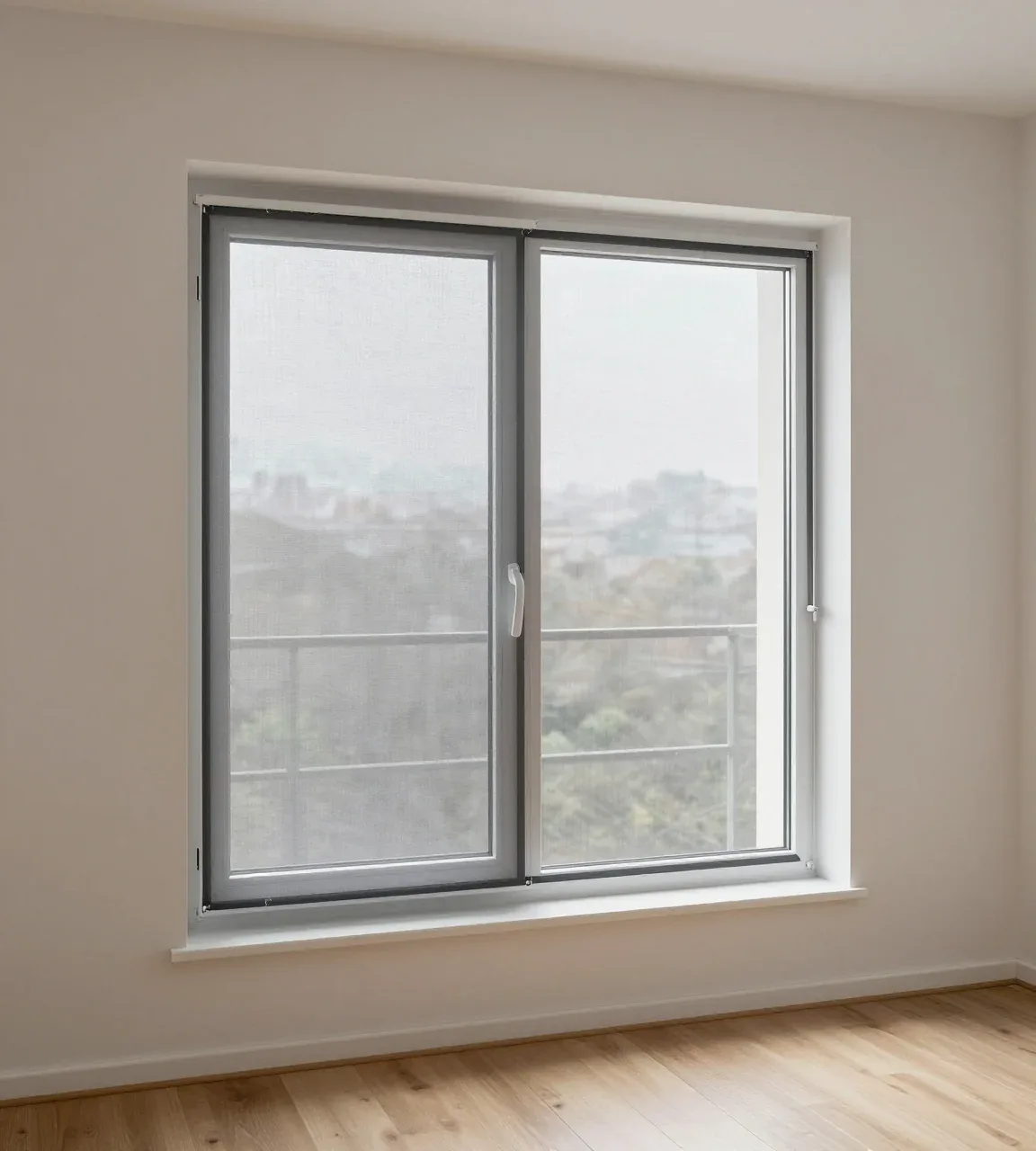
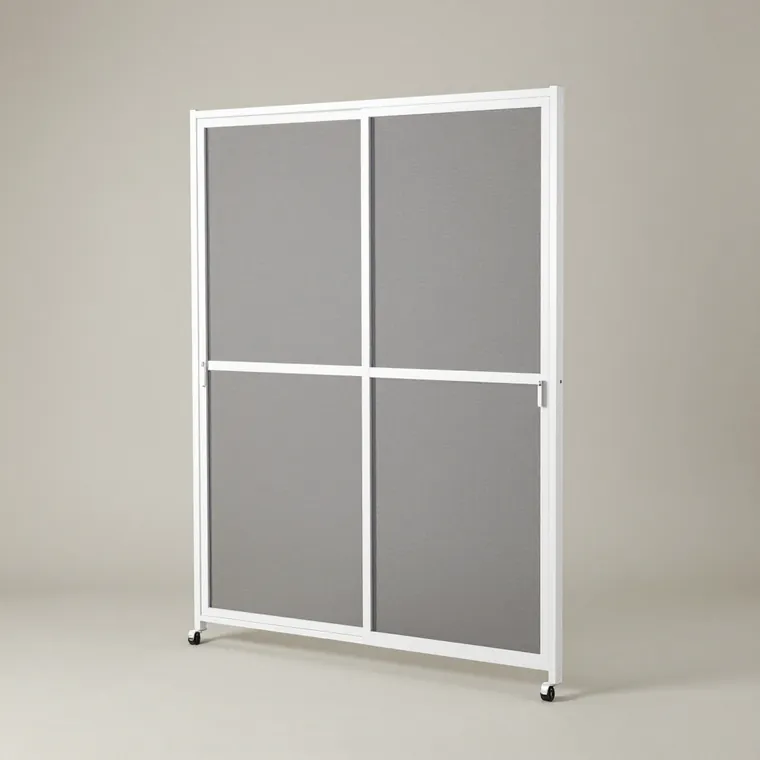
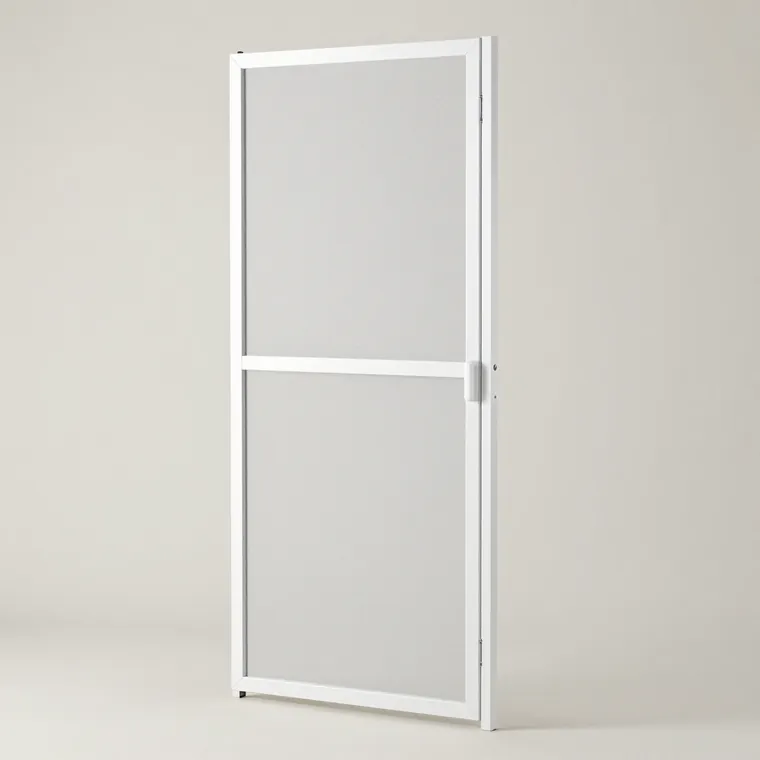
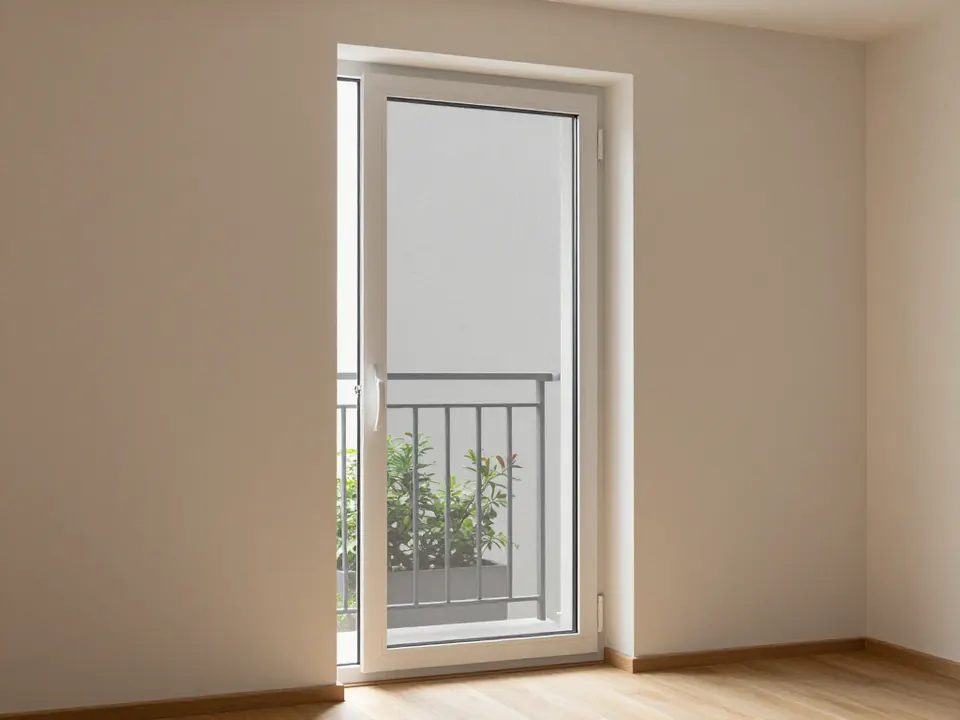
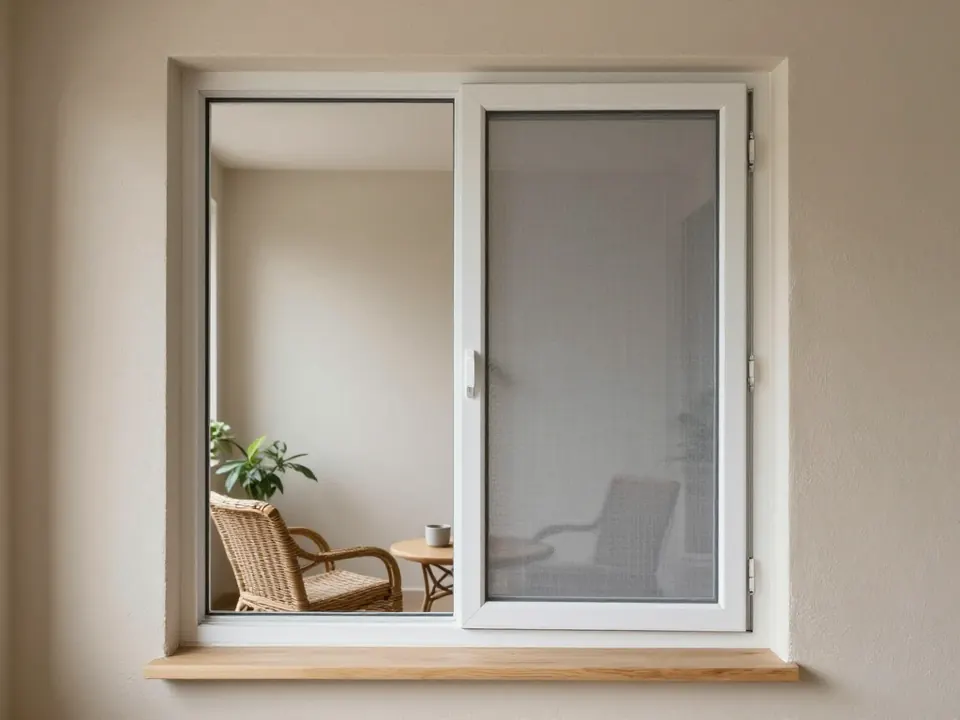
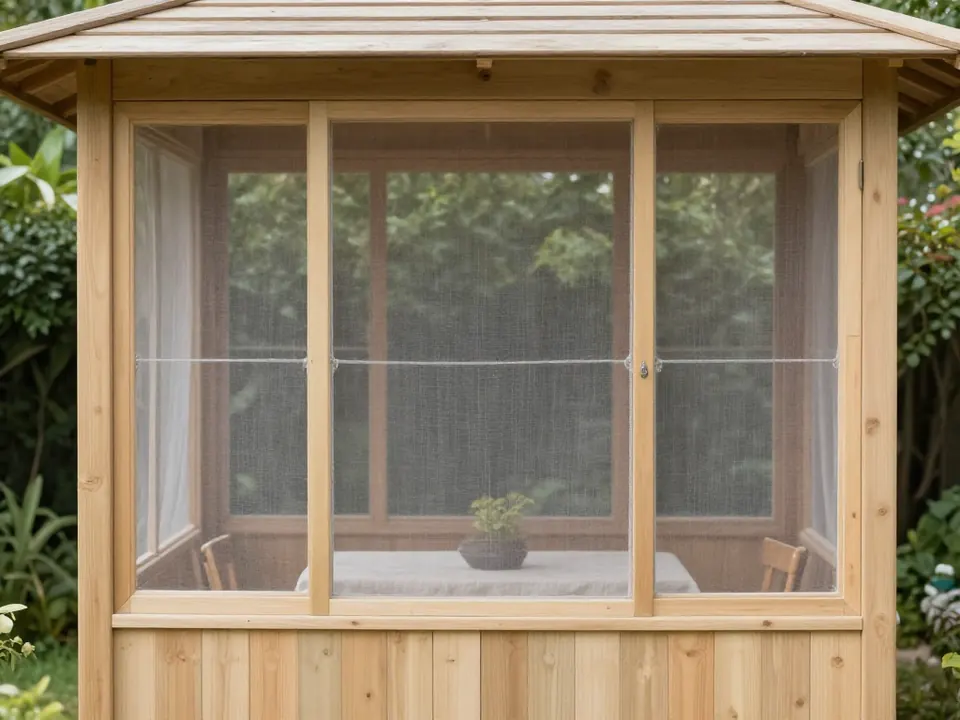
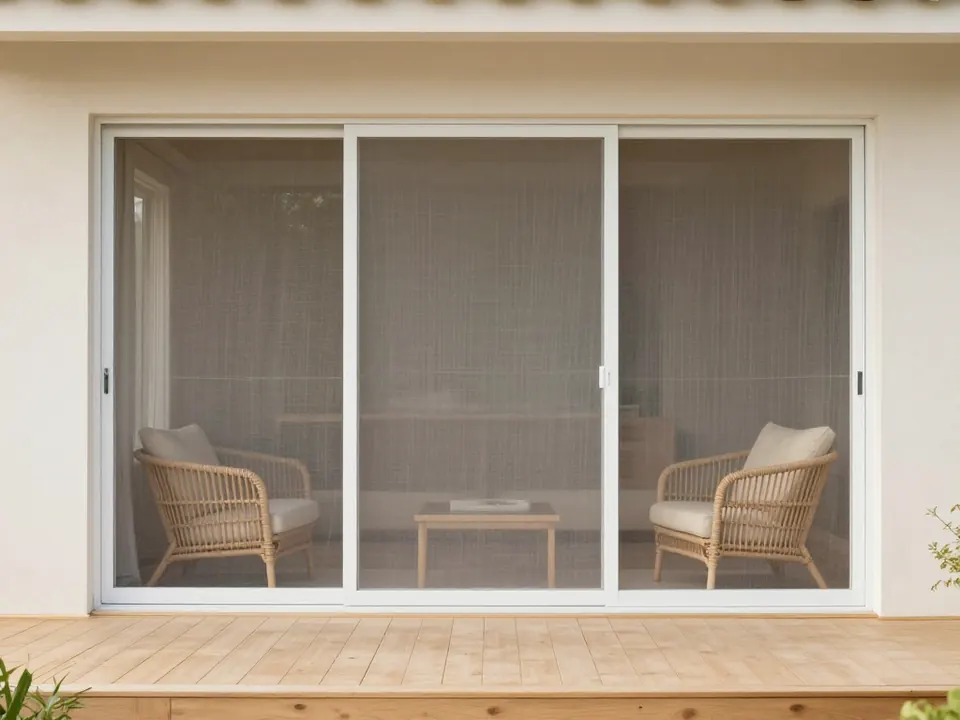
We fit pollen window screens in Taldykorgan on plastic, wooden and aluminium windows, on vents, loggia windows, gazebos and verandas, and cut every unit to a custom measure. Non-standard openings are taken on site rather than guessed, so an old wooden frame or a wide veranda span gets its own set of figures. A wooden window in a private house usually needs a different fixing than a plastic one, so the measurer checks the frame profile before choosing brackets or pins. The same rule covers aluminium loggia frames, where the profile is thinner and the fastener has to sit differently against the metal. Door models follow the same measuring step and come with Economy 32×10 mm or Prestige 42×17 mm profiles, and we paint the frame any colour to match your windows.
Fixings, frame colour and payment for anti-pollen window screens
The fixing and the frame colour are matched to your window, and the bill is settled only after the screen is up. Here is how those choices are made and what the terms look like.
Choosing brackets, pins or magnets for your window and floor
The measurer picks the fixing to match your window profile and floor height, choosing between Z-shaped brackets, pins (plungers) or magnets. A framed screen with brackets sits tight against the sash, which matters on taller buildings where gusts push on the frame. Pins suit narrow sashes and inward-opening vents, since they hold with small drilled seats and leave the sill clear. Magnets are the quickest to release, so they work well on windows you open several times a day. We set the type during the free measuring visit, before anything is cut or drilled. On upper floors we lean toward brackets that hold the frame firmly against wind, while magnets suit windows you open and close often.
Frame colour to match your windows and paying after installation
We paint the screen frame any colour to match your windows, and you pay after installation by cash, card or Kaspi, with the price fixed in the order after measuring. That order also records the fixing type and the profile — Economy 32×10 mm or Prestige 42×17 mm for hinged door screens — so nothing changes once production starts. Painting happens before assembly, which keeps the corners clean and the shade even along the whole frame. Fixing the price at the measuring stage means the colour choice and fixing type are agreed before the screen is built, so the final bill matches what you signed.
Care, winter removal and the 1-year warranty on anti-pollen window screens
The fine cell of an anti-pollen mesh needs gentle washing, a framed panel comes off for winter, and every unit we make carries a 1-year warranty with repair support.
How to wash Poll-Tex mesh without damaging the fine cell
- Warm water only: rinse with a soft cloth and lukewarm water, never hot water or steam that warps the weave.
- No brushes: stiff bristles and pressure washers stretch the 0.25×1 mm cell and leave gaps wider than pollen.
- Room-side rinse: wash from inside so loosened pollen falls outward instead of being pushed deeper into the fabric.
- Weekly in season: in Taldykorgan, clean the panel about once a week during peak pollen and poplar fluff, less often after.
- Air-dry in place: let the Poll-Tex fabric dry on the frame before you close the window, so no moisture sits in the weave.
Winter removal, repairs and what the 1-year warranty covers
A framed unit lifts out from inside in a minute, so we suggest taking it off for winter, and every mosquito screen we make carries a 1-year warranty, with mesh repair and fixing replacement available when something wears out. Pleated models stay on the frame and only need a soft brush along the guides. Store the panel flat rather than leaning it against a wall — that keeps the mesh from stretching, which is the most common reason a product comes back to us for service. If a bracket, pin or magnet loosens, we swap that part rather than the whole panel. We are open seven days a week, and we reply on WhatsApp within 5 minutes to confirm the time.
What to know about anti-pollen mesh and fixings
A quick recap of what decides whether a window screen works well: the mesh, the fit and the care it gets over the seasons.
- Match the mesh to the job: a fine Poll-Tex cell traps pollen, while standard or light weaves favour ventilation.
- Expect a small trade-off: fine filtering cuts the breeze slightly, so mix meshes across rooms if summer heat matters.
- Measure before you commit: custom sizing and the right fixing under the window profile decide how well the unit sits.
- Plan for care and winter: weekly washing in season and removing a framed model for winter extend its life.
- Check the terms: a fixed price after measuring, payment after installation and a 1-year warranty keep the deal clear.
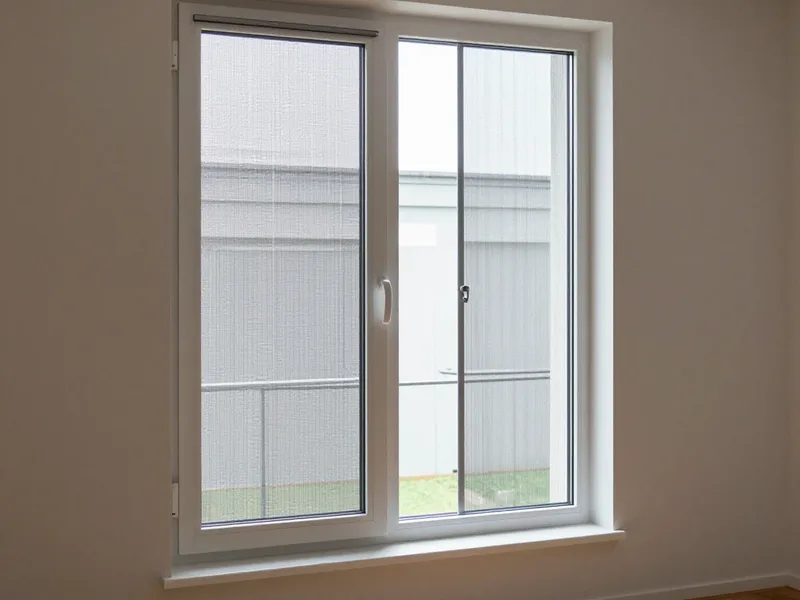 Metal mosquito screen
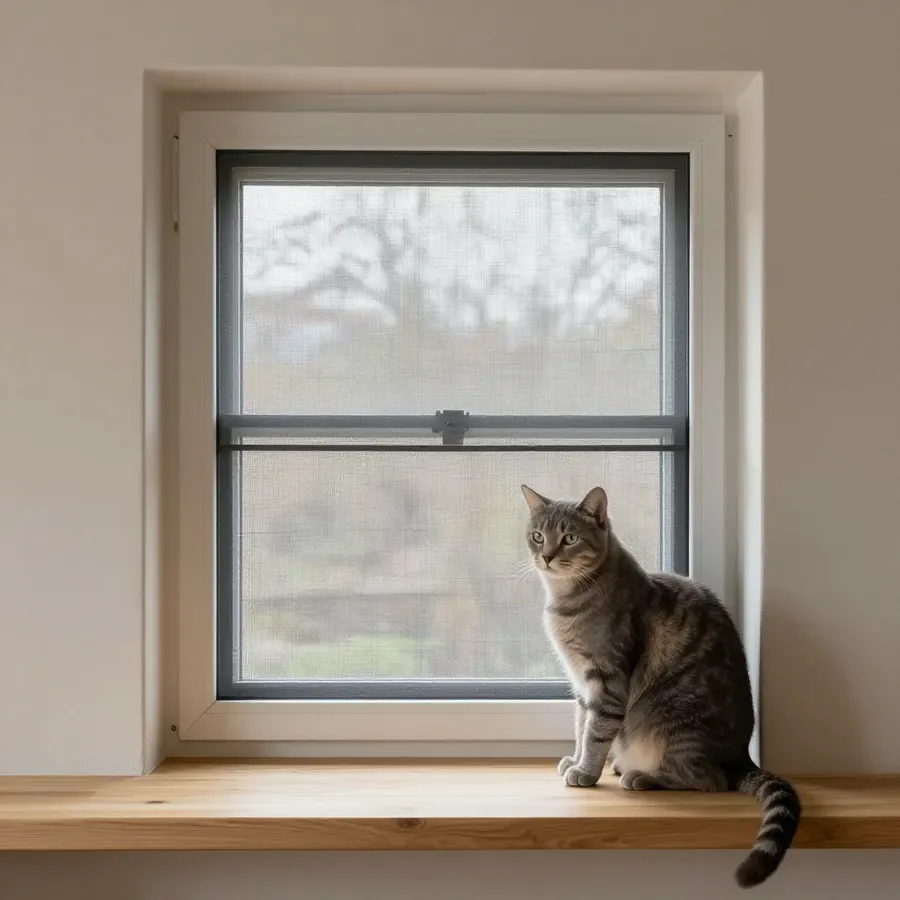
 "Anti-Cat" mosquito screen
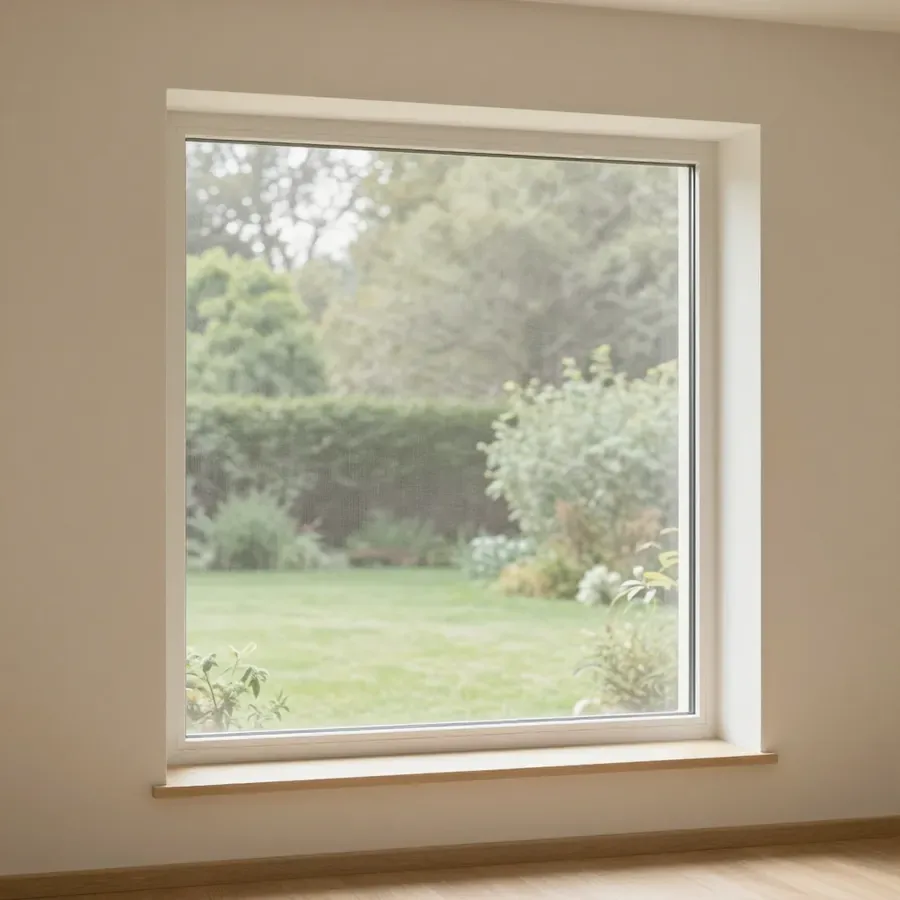
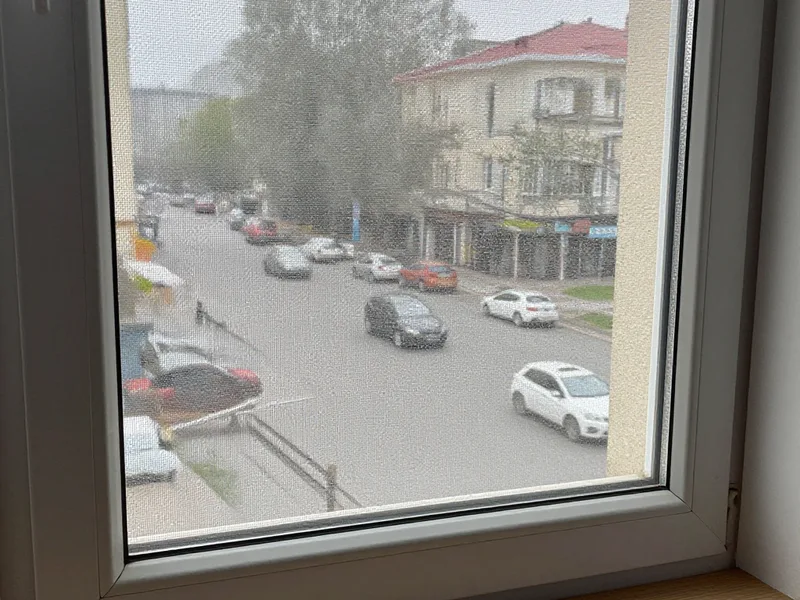 "Anti-Dust" mosquito screen
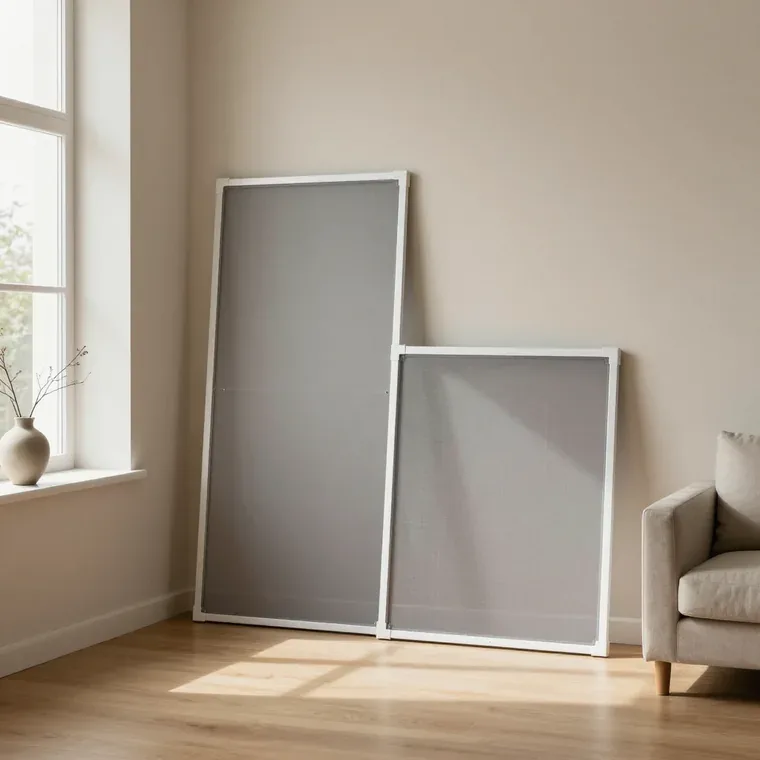 Ready-made mosquito screens