
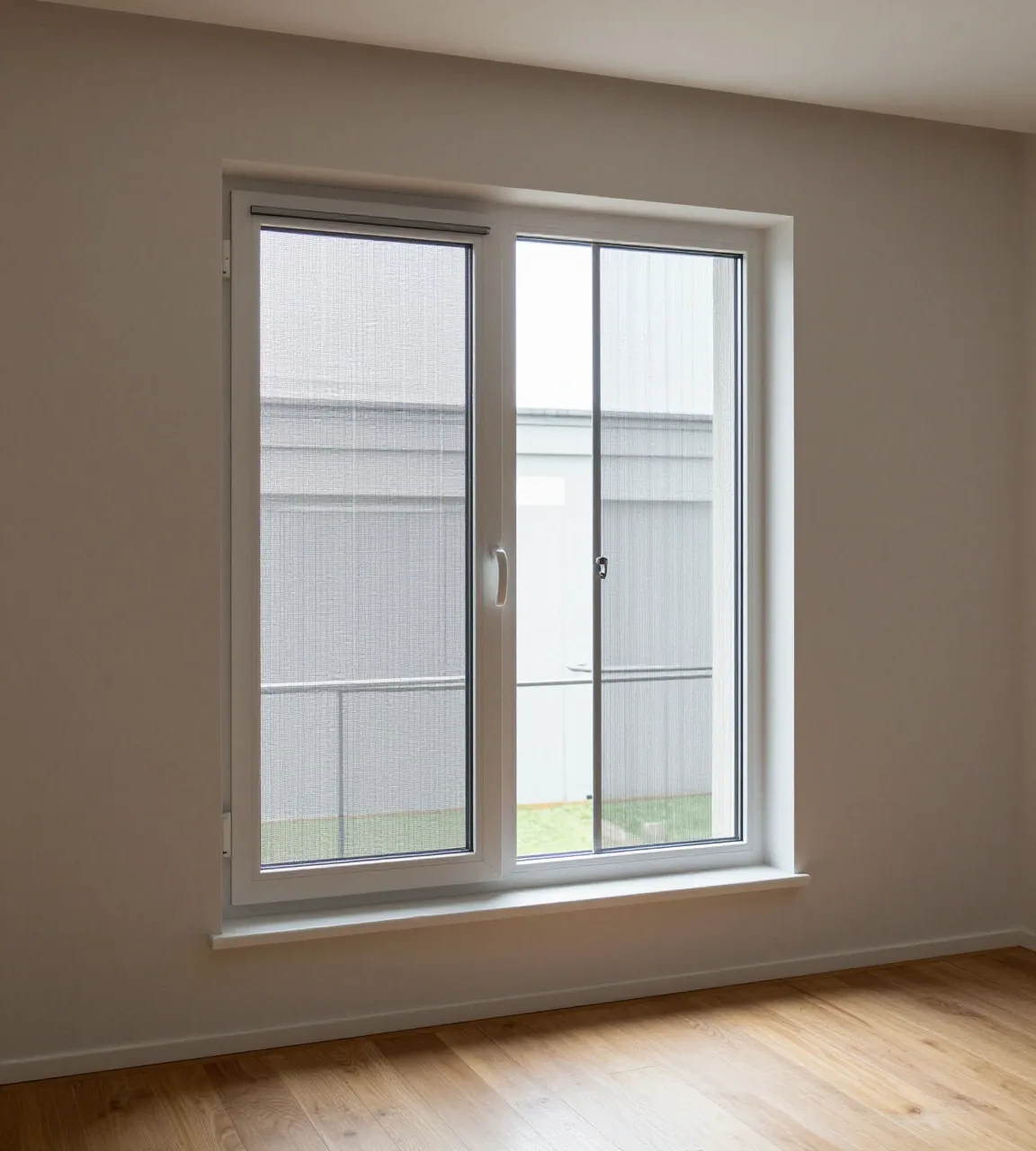
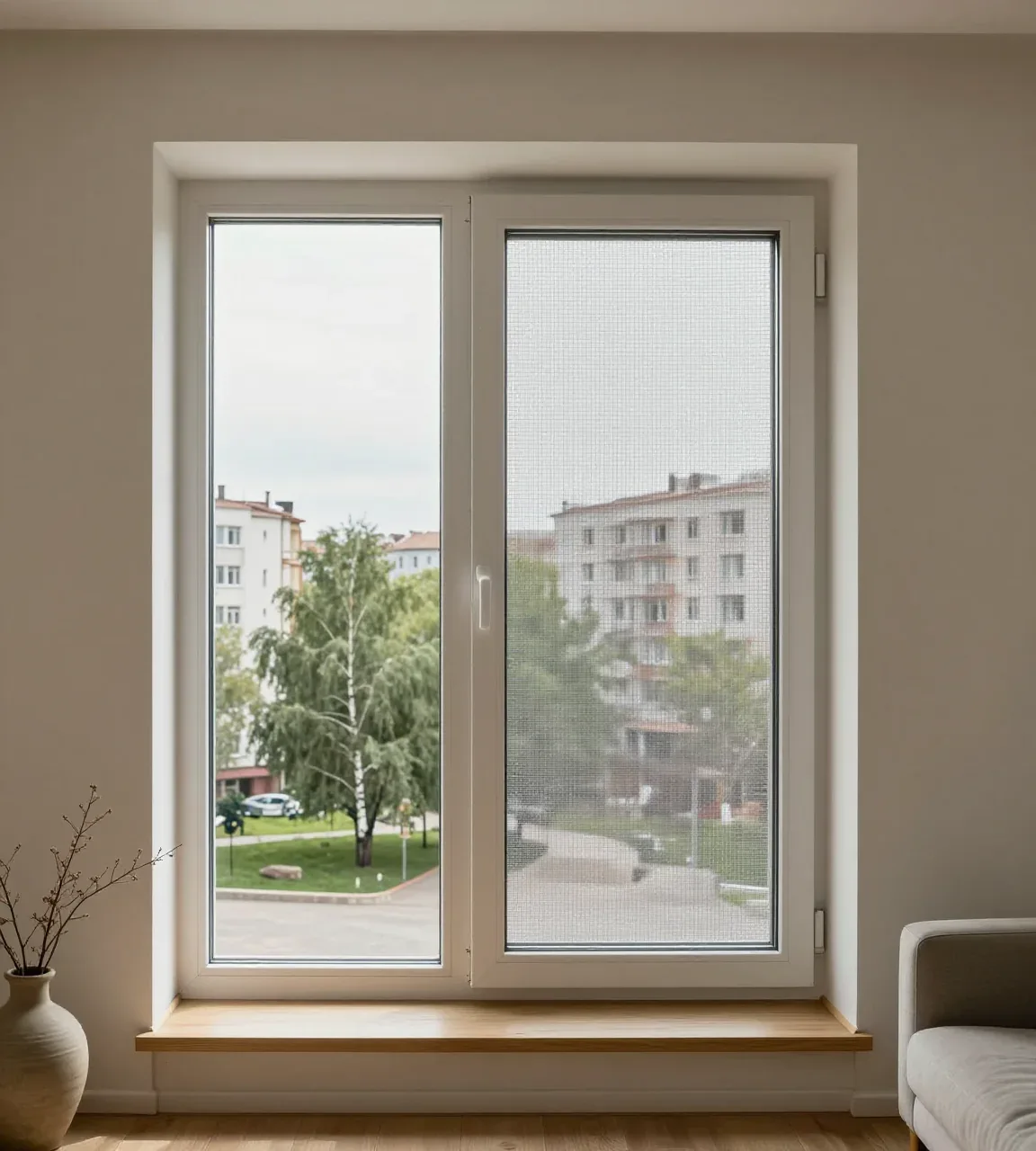
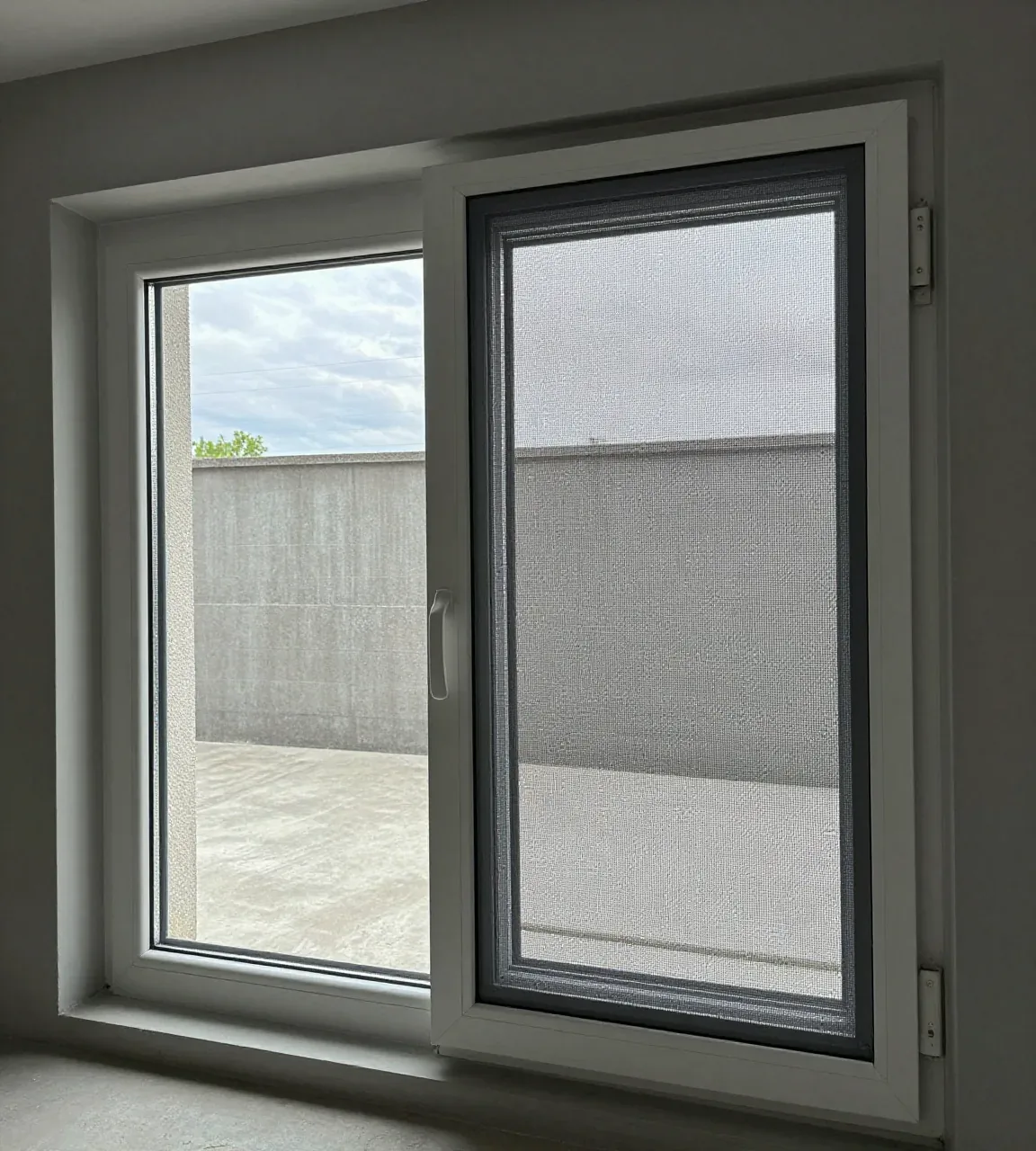
Mosquitoes and flies · metal
Aluminium mesh
Aluminium mesh does not tear from claws or beaks and lasts on windows and doors. Price from 11 500 ₸ per m², fitting separately.
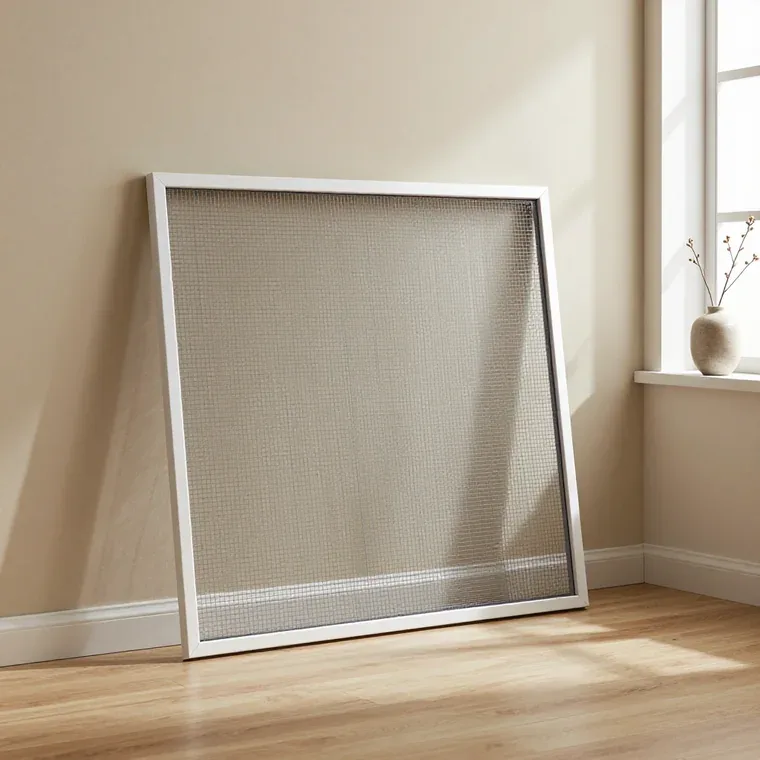
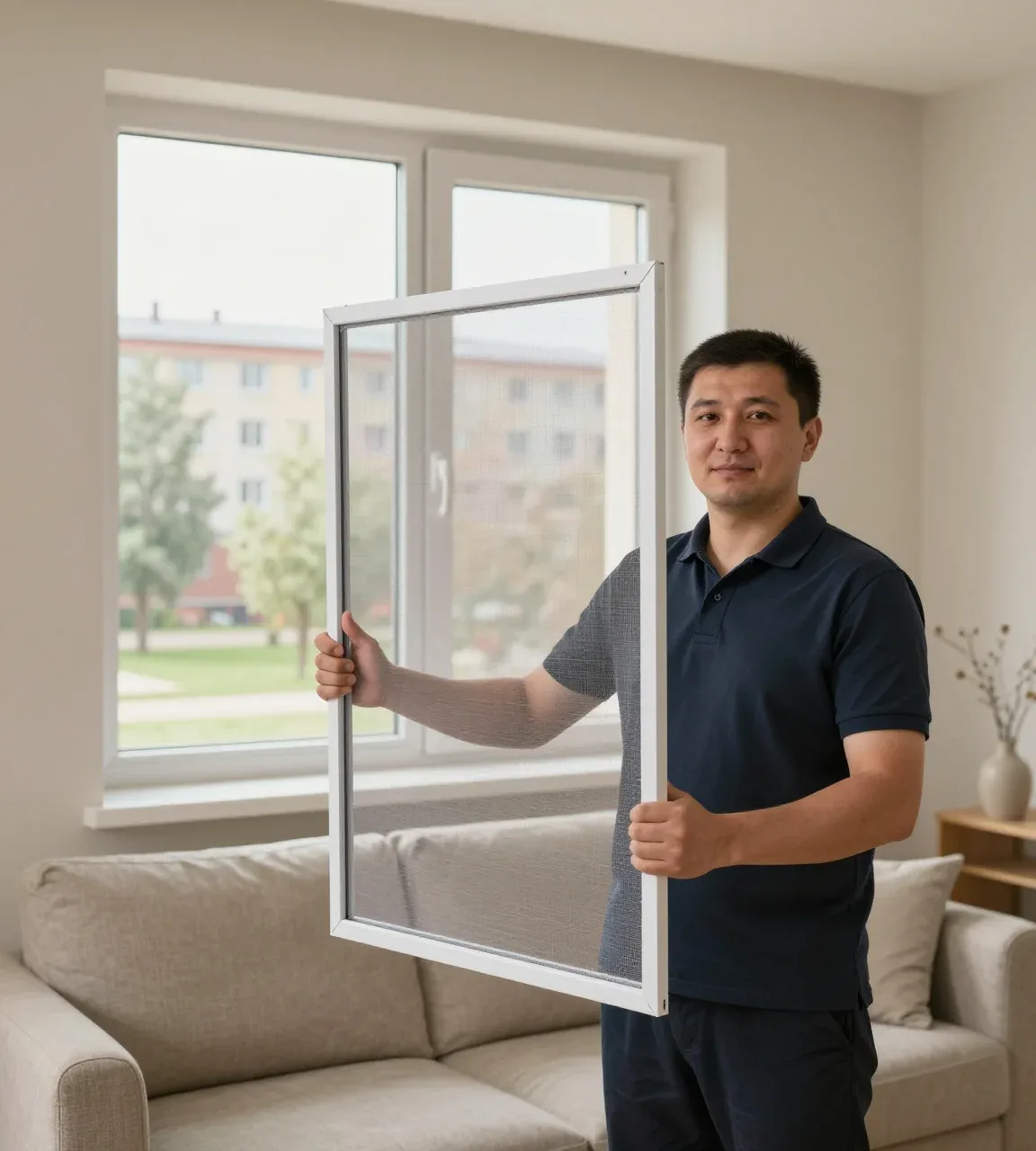
Aluminium mesh
Aluminium mesh does not tear from claws or beaks and lasts on windows and doors. Price from 11 500 ₸ per m², fitting separately.
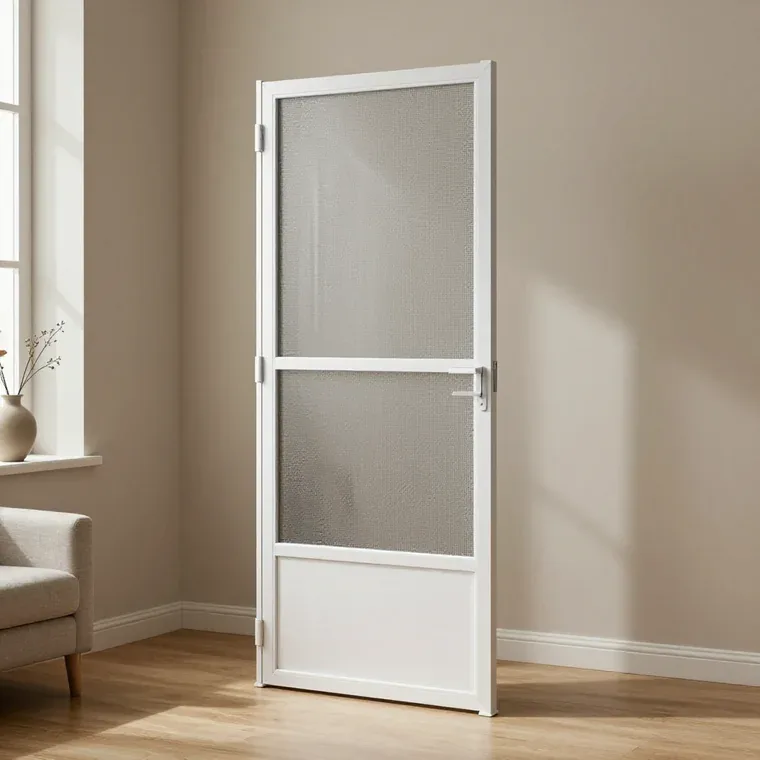
Door screen
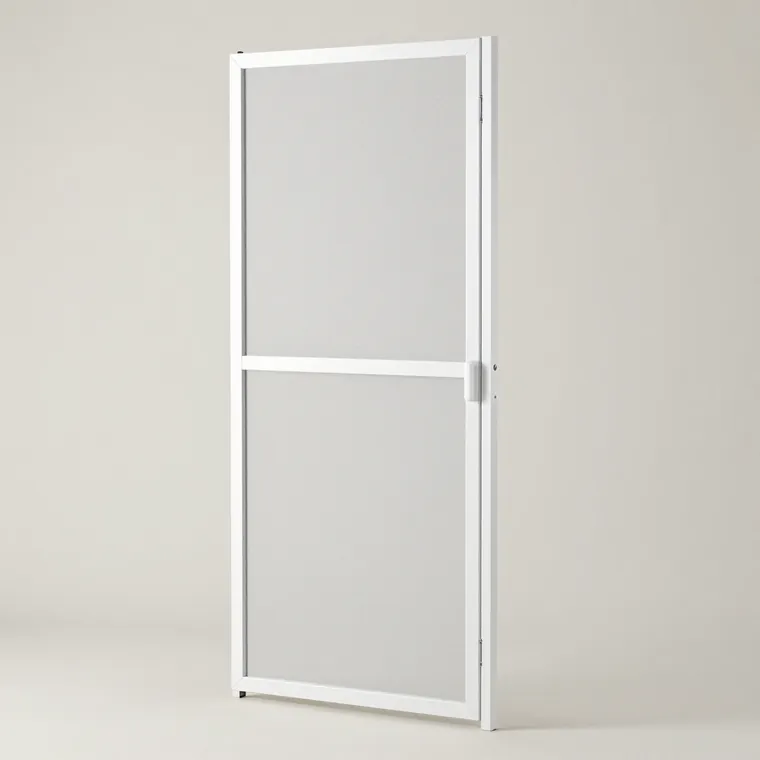
Installed on hinges with "Econom" or "Prestige" profile, metal mesh. Price from 20 500 ₸ per unit.
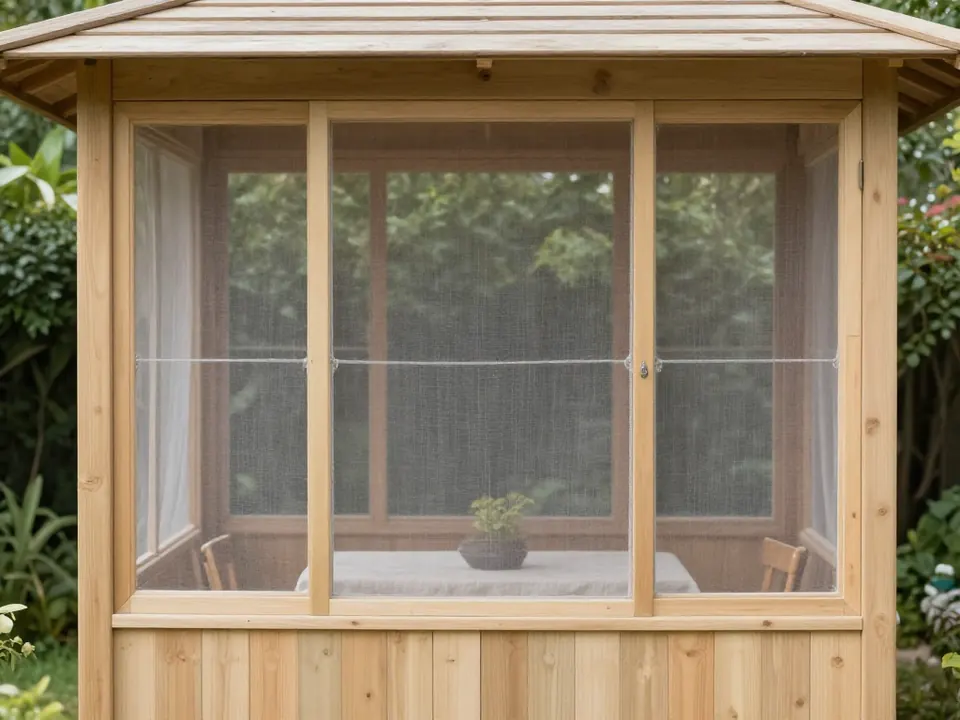
For gazebos
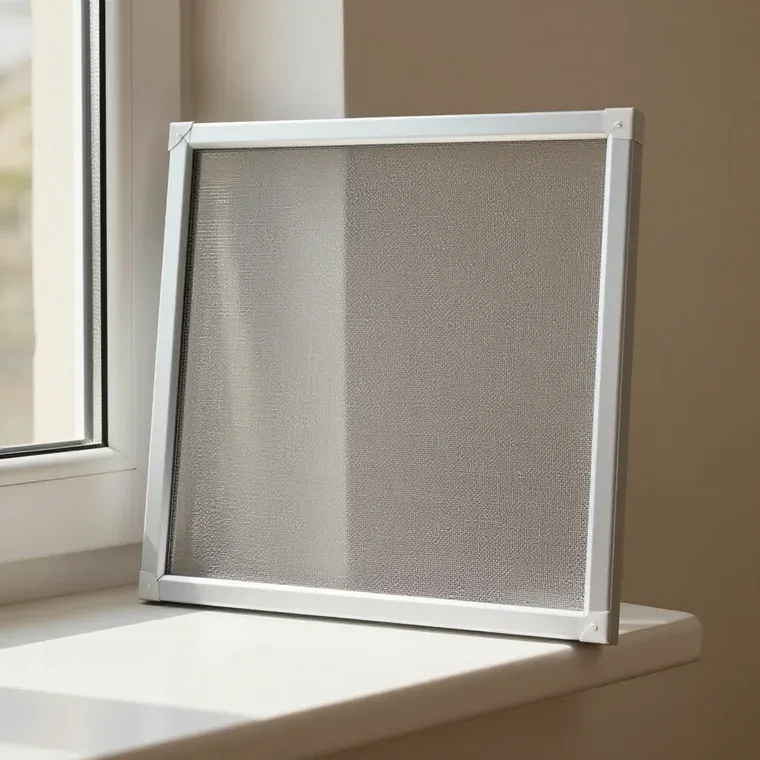
Metal mesh withstands wind gusts and does not sag. Price from 11 500 ₸ per m², we paint the profile in the colour you need.
For garages
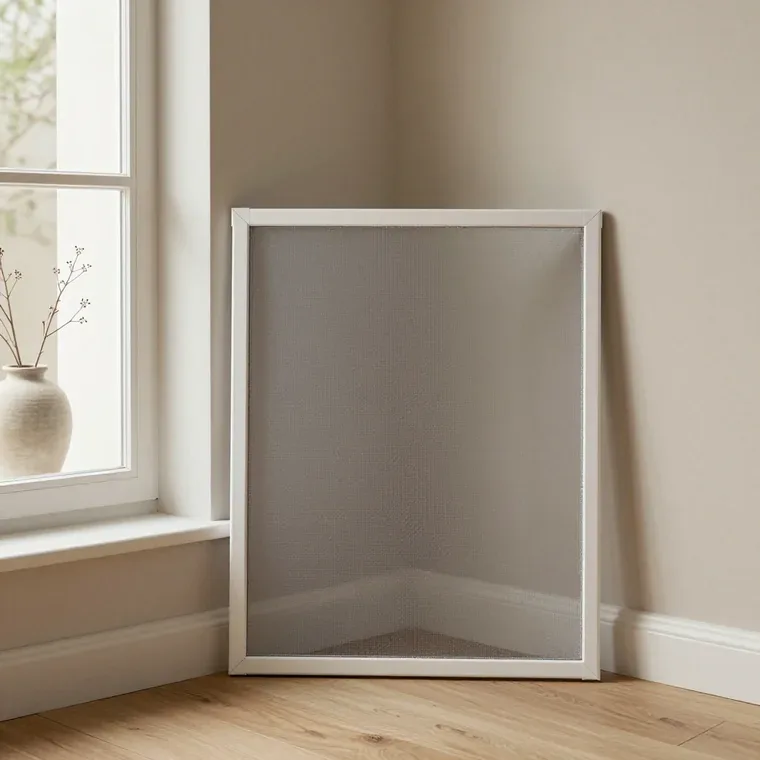
Metal mesh protects against rodents and birds in garages and utility rooms. Price from 11 500 ₸ per m².



5,097 reviews on review sites
Frame, metal mesh and fixings — three parts that determine whether the screen withstands claws, a beak or wind.
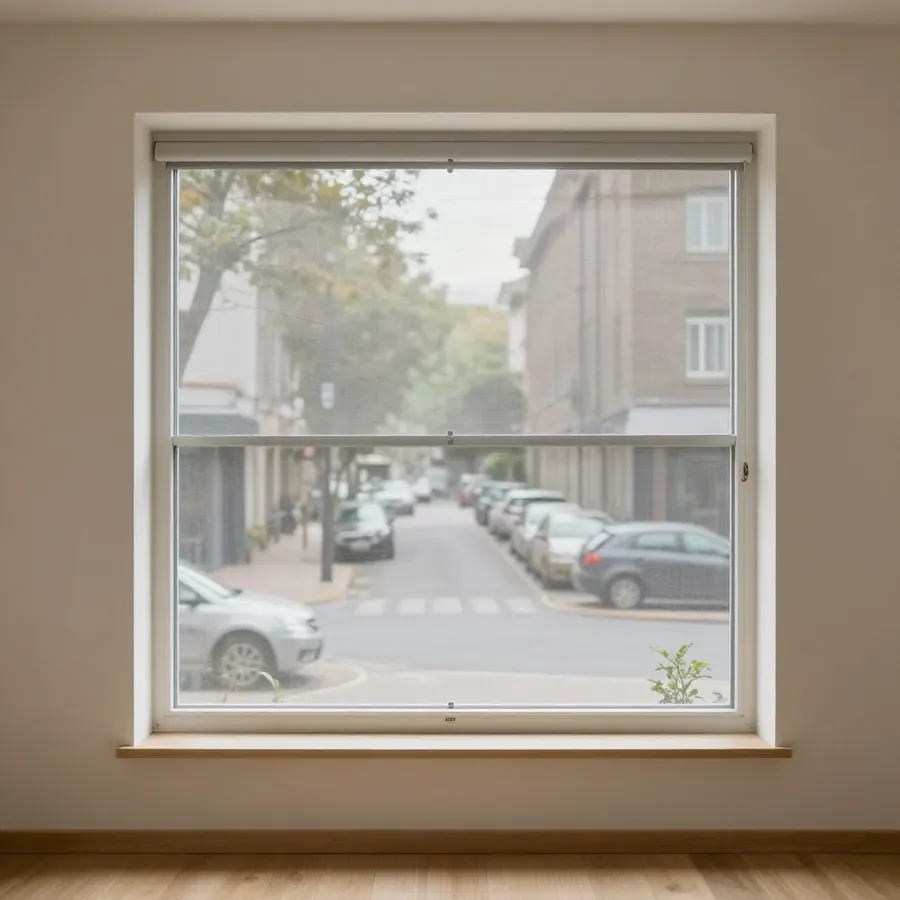
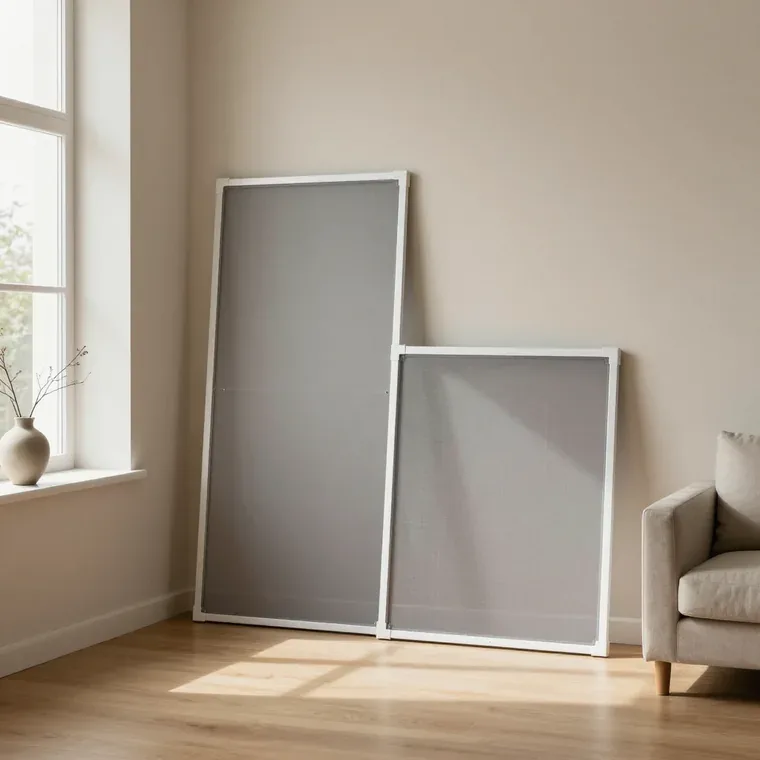
A metal mosquito screen is a frame made of aluminium profile with woven metal threads stretched inside. The frame is inserted into the window opening or mounted on hinges if it is a door model. Fixings are selected for the window profile and floor.
Unlike fibreglass, metal does not tear from a cat's claws or a bird's beak and does not melt in the sun. It is installed where ordinary mesh quickly fails: on ground floors, in gazebos, warehouses and garages.
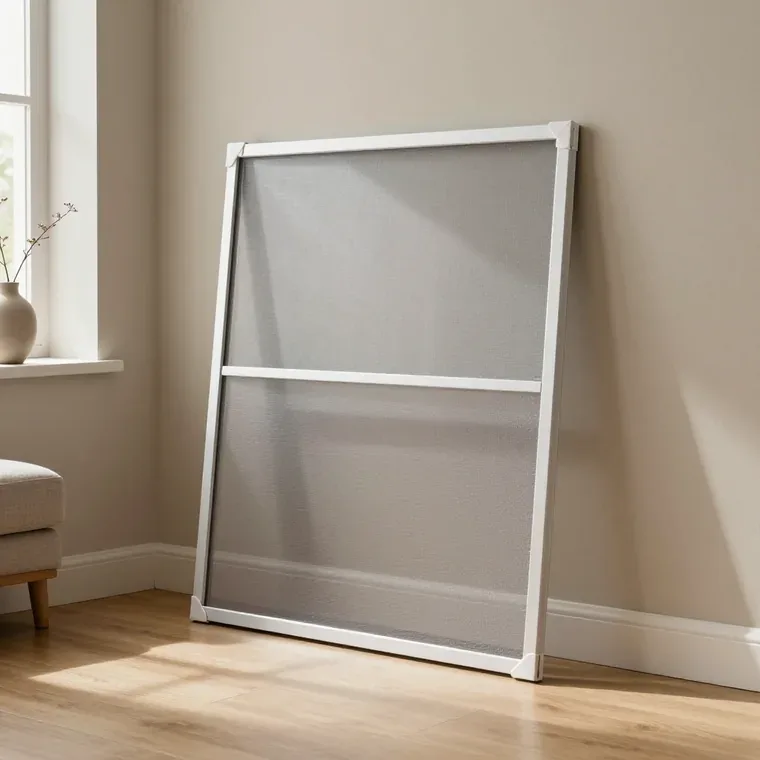
price of metal mesh in a frame
making a framed screen to your dimensions
warranty on mosquito screens
The surveyor selects fixings for the window profile and floor: Z-brackets, plungers or magnets. If the mesh is torn, it can be replaced.
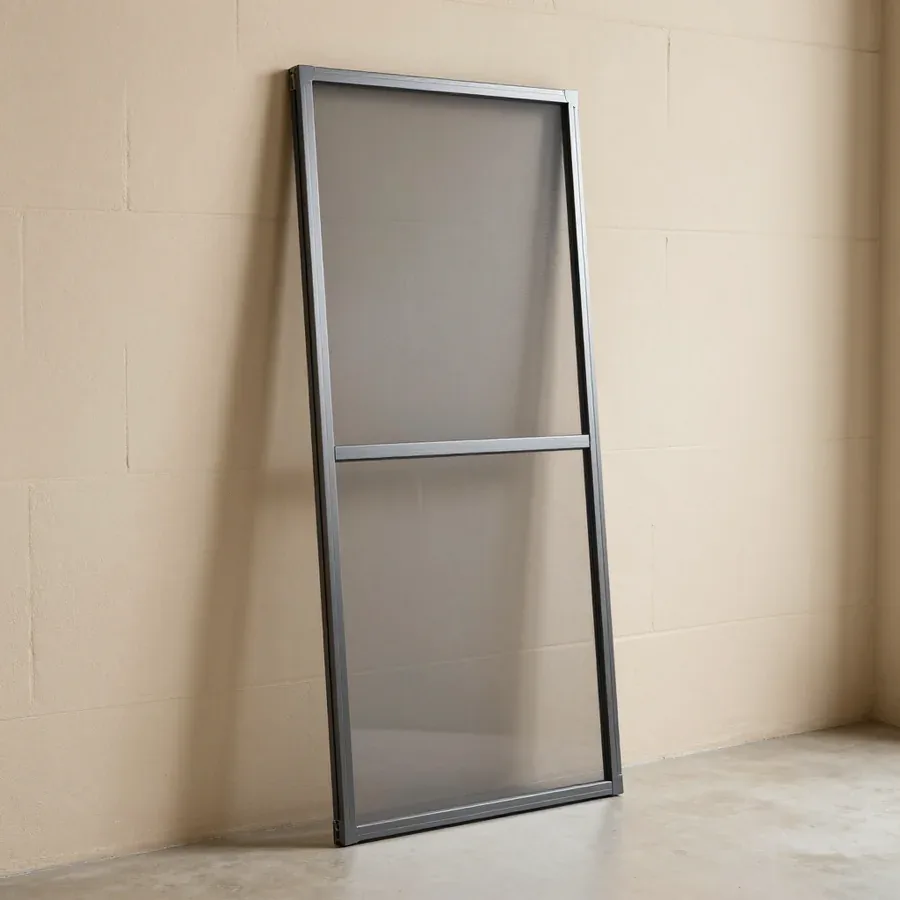
A reliable fixing for plastic windows. It holds the frame with metal mesh and can be removed from inside in a minute.
Suitable for wooden and aluminium frames. The surveyor checks the fit and selects the plunger length.
A neat option for loggias and vents. The frame is fixed without tools and removed with one movement.
If the metal is bent or torn, the mesh can be re-stretched onto the same frame. When the profile is deformed or the fixings no longer hold, the frame is replaced entirely. The technician will advise what suits your case after inspection.
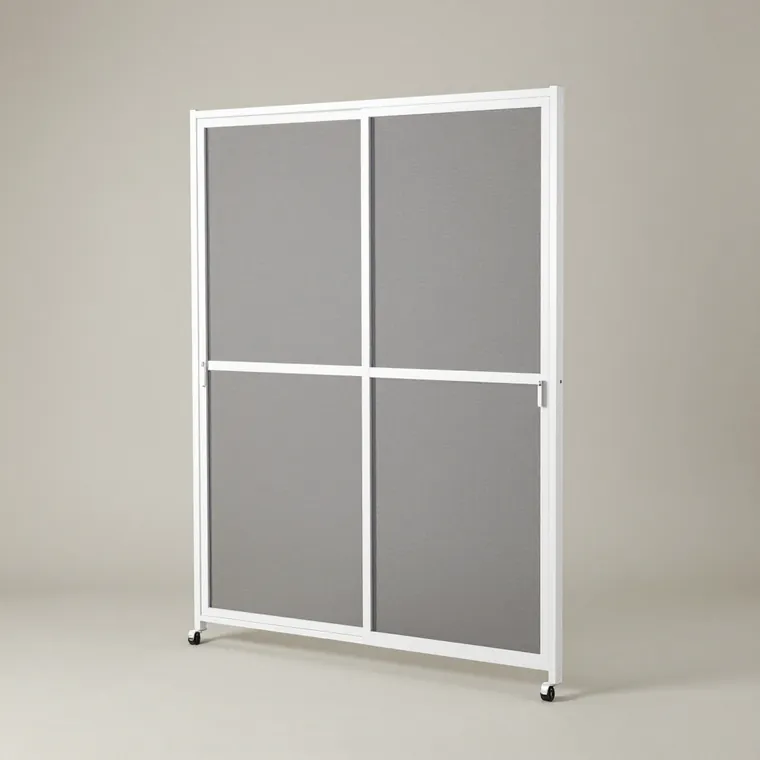
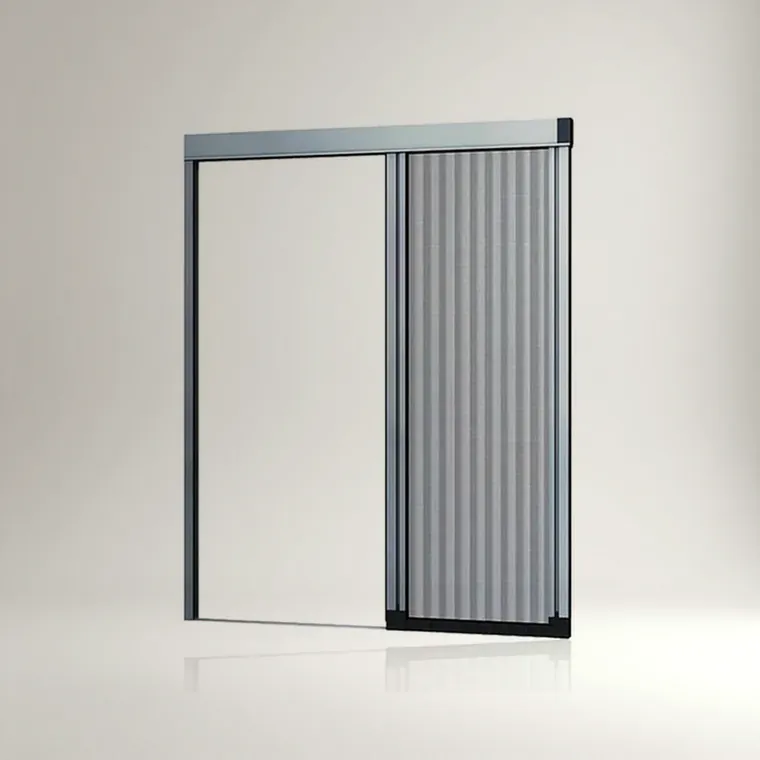
Framed, sliding, door and pleated screens. Our measurer will choose the right design for your opening free of charge.
Full price listPlastic, wooden and aluminium windows, vents, loggia, gazebo and veranda windows. The measurer chooses the fixing.
Balcony door: hinged, sliding or pleated screen
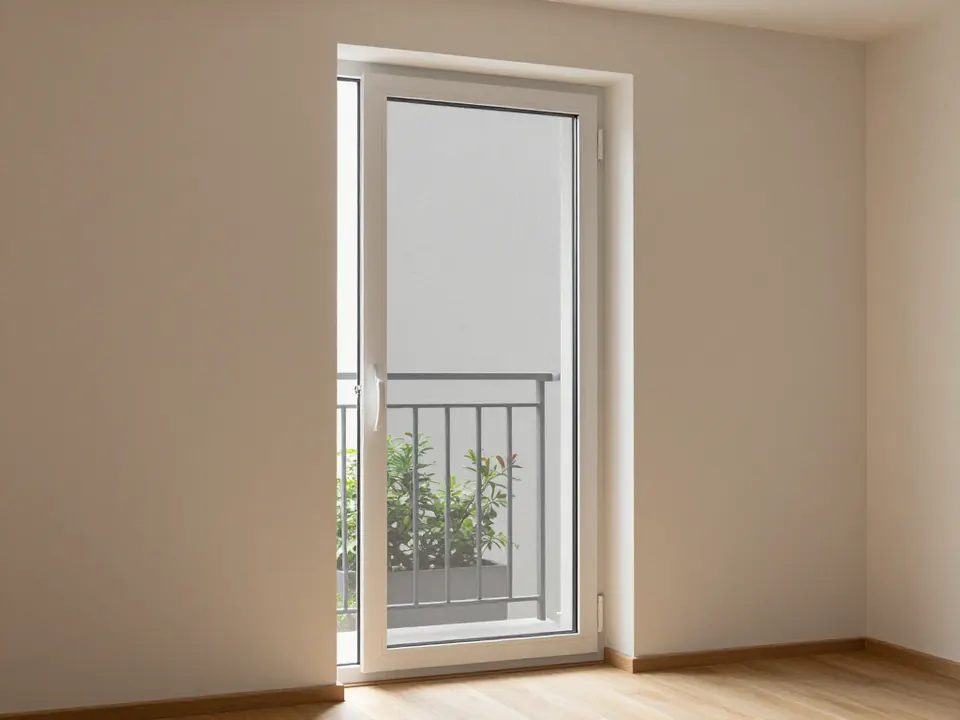
Framed screens for opening sashes
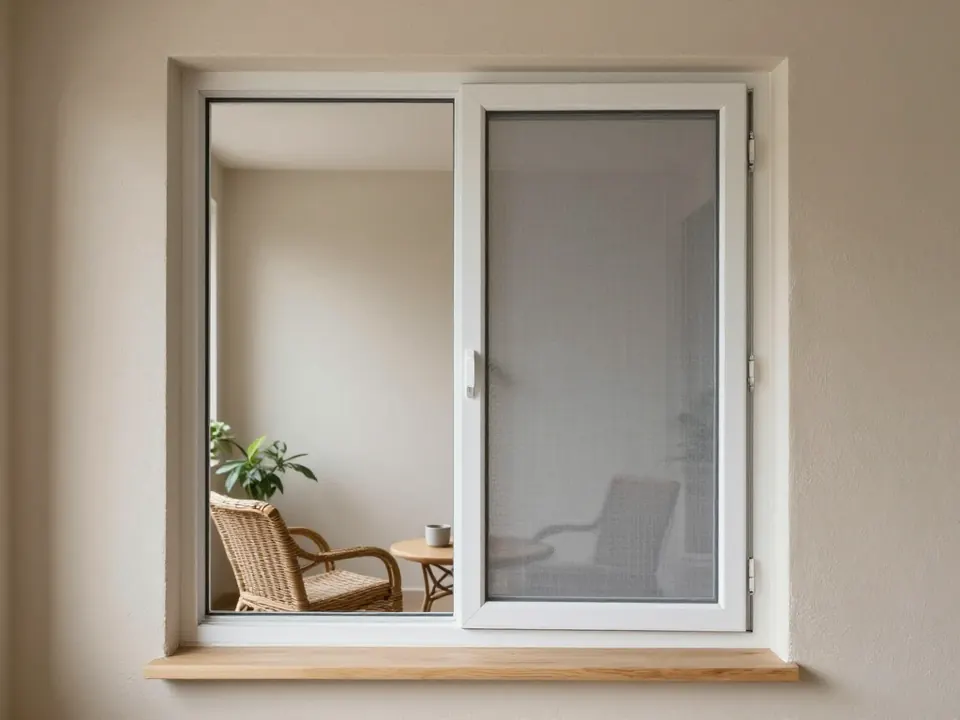
Wide openings: sliding and pleated screens
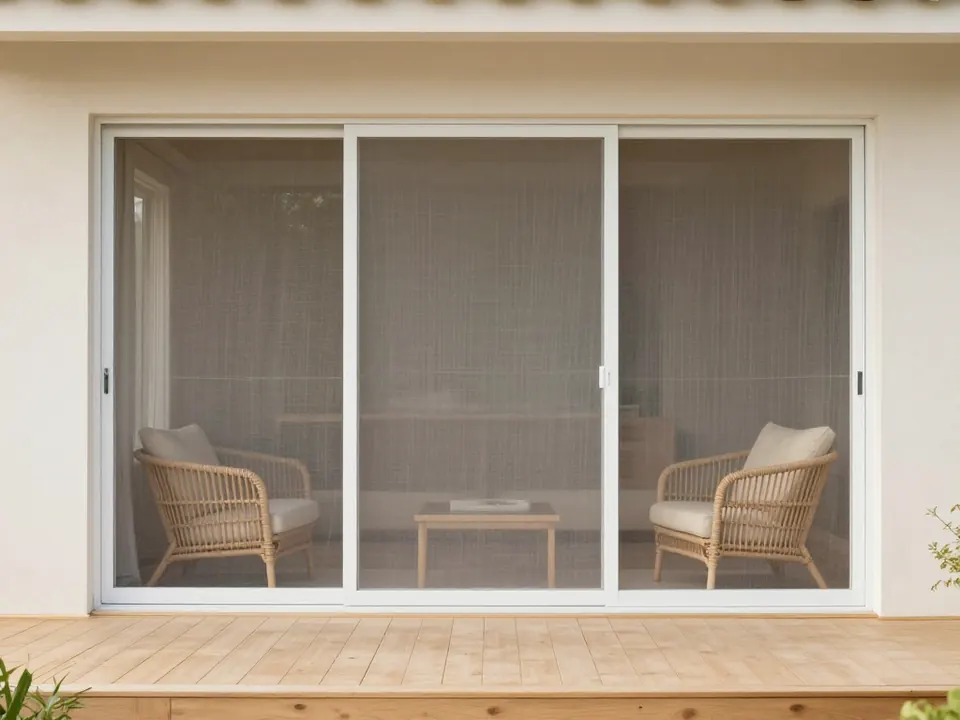
Large windows and doors to the terrace
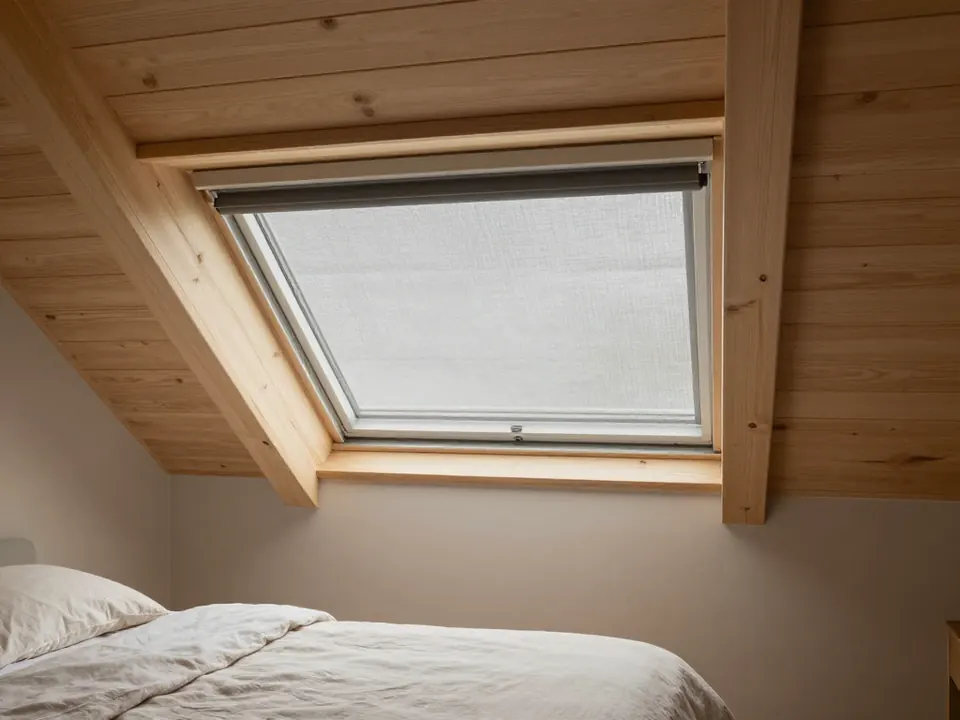
Sloped windows: the measurer chooses the fixing
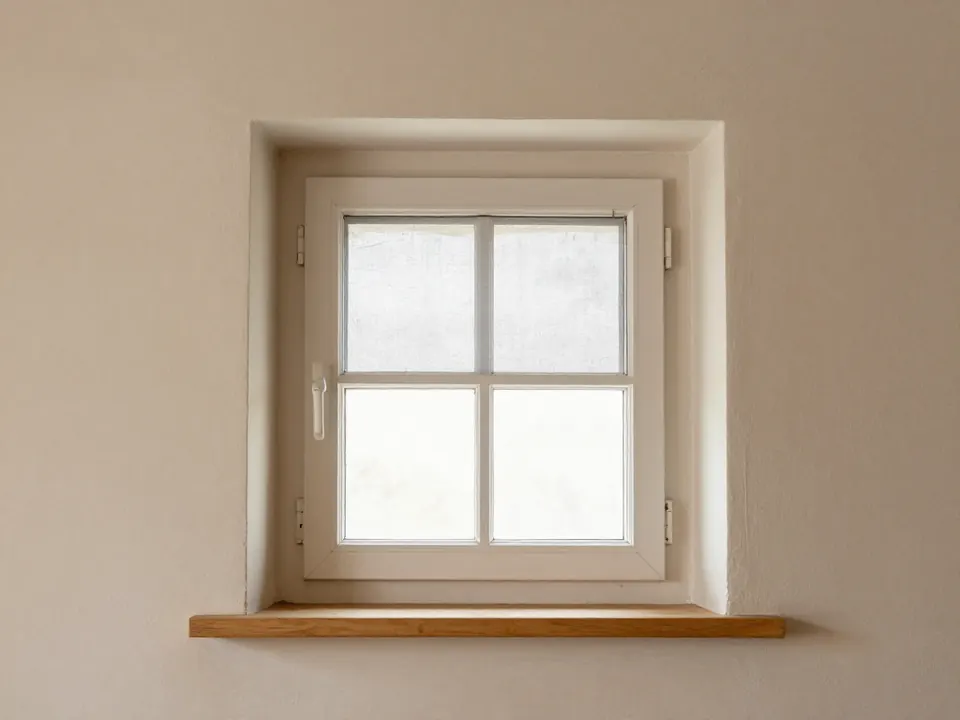
Framed screen made to the exact size of the transom
Price list for metal screens and work: the price is fixed in the order after measuring.
| Screen type | Price | Fitting | Options and prices | |
|---|---|---|---|---|
| Metal mesh per m² | from 11 500₸ per m² | 1 600 ₸ | "Anti-Cat" · 12 000 | |
| Metal mesh per unit | from 20 500₸ per unit | — | ||
| Replacement with metal mesh | from 17 000₸ per job | — | ||
| Metal mesh (aluminium, copper) | from 5 300₸ per m² | — | ||
| Roller or sliding system with metal mesh | from 27 000₸ per unit | — | ||
| Internal screen with reinforced mesh | from 18 500₸ per unit | — | ||
| Coloured profile surcharge | from 2 250₸ per m² | — | ||
| Replacement fixings (Z-brackets), set | from 970₸ per set | — |
The price is fixed in the order after measuring.Measuring and consultation are free.Payment after installation: cash, card or Kaspi.
Book a measuring visitEnter the width and height of the opening, choose the mesh — the calculator will show the price.
1. Screen type
2. Mesh and design
3. Opening size, cm
We have been making mosquito screens since 2012 at our own production facility in Almaty. Measuring is free, payment after installation.
We make, deliver, install and repair screens ourselves, without intermediaries.
For mosquito screens. For window installation — 5 years.
We paint the profile to match your windows: white, brown, grey, etc.
The surveyor will come at a convenient time, take measurements and help choose the design.
Standard, UltraVue, Anti-Cat, Anti-Dust, Anti-Pollen, as well as metal and "Krylo".
Own production in Almaty at Tole Bi, 83: the product is made without intermediaries, so dimensions and profile colour are not recalculated by a subcontractor.
Mosquito screens can be ordered in 17 cities of Kazakhstan.
We reply within 5 minutes. We work without days off.
From request to screen on the window — four steps. Measuring is free, and you pay once the screen is fitted.
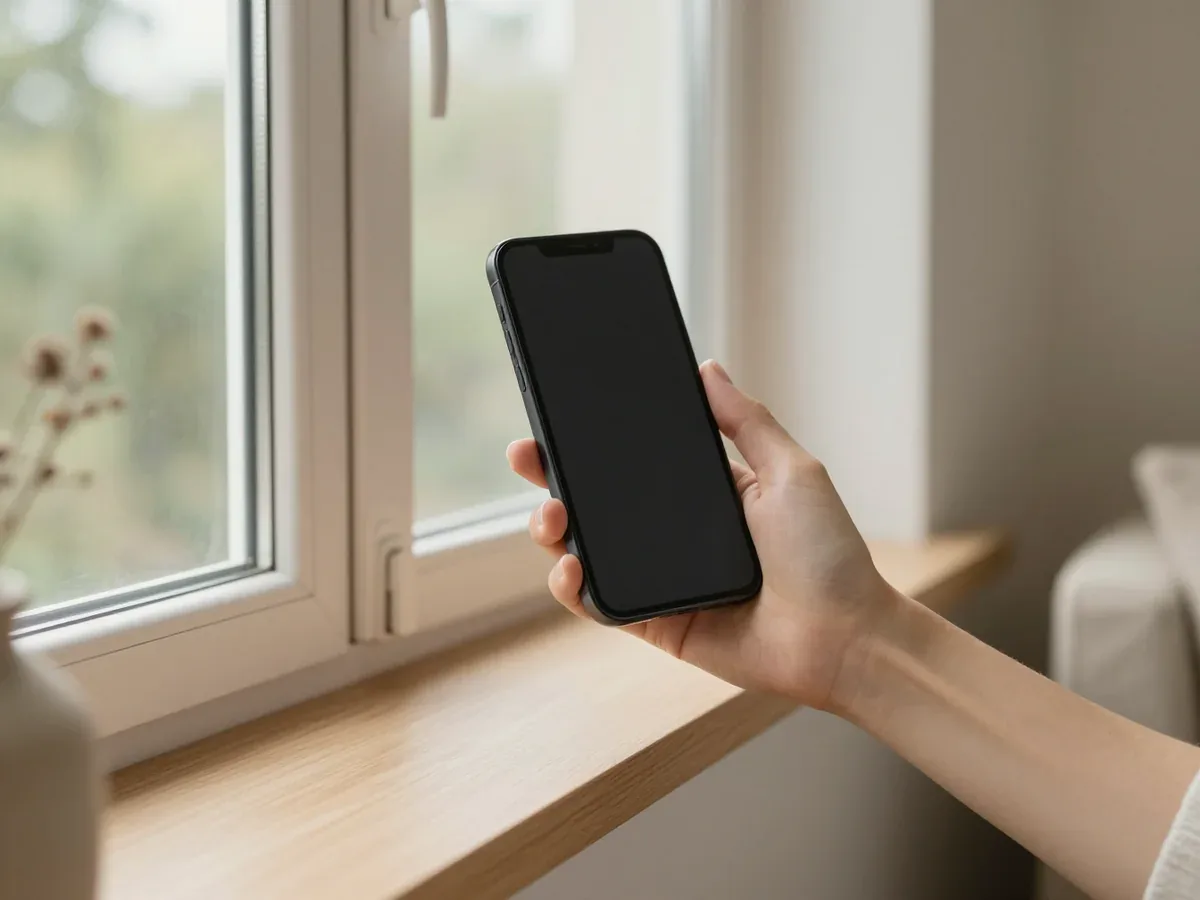
You leave a request with the opening dimensions and a photo of the window — that is enough for the technician to prepare for the visit.
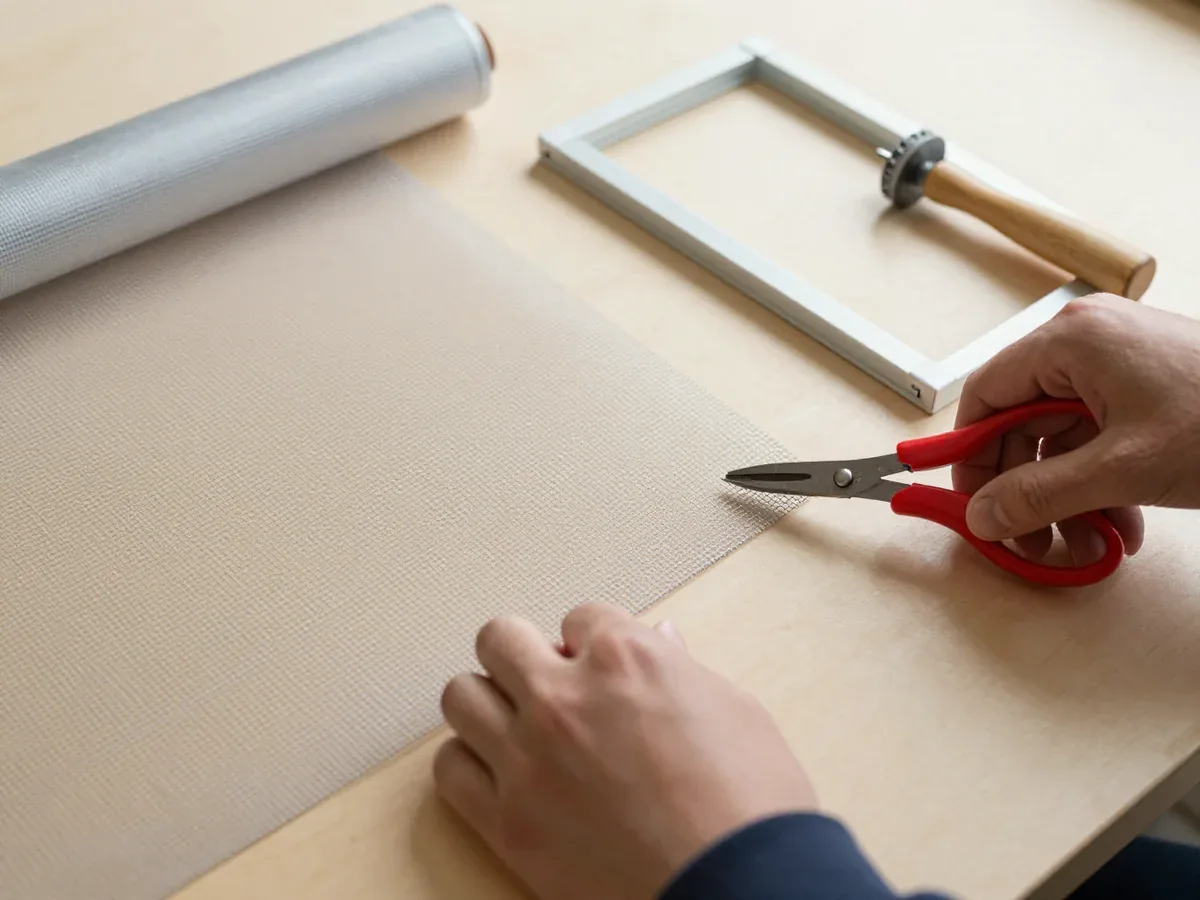
We make a framed screen to your dimensions in 10–15 minutes, a pleated one — in 40–60 minutes. We paint the profile in the required colour.
We deliver and install the screen on a window or door. We select fixings for the profile and floor, and check the frame movement.
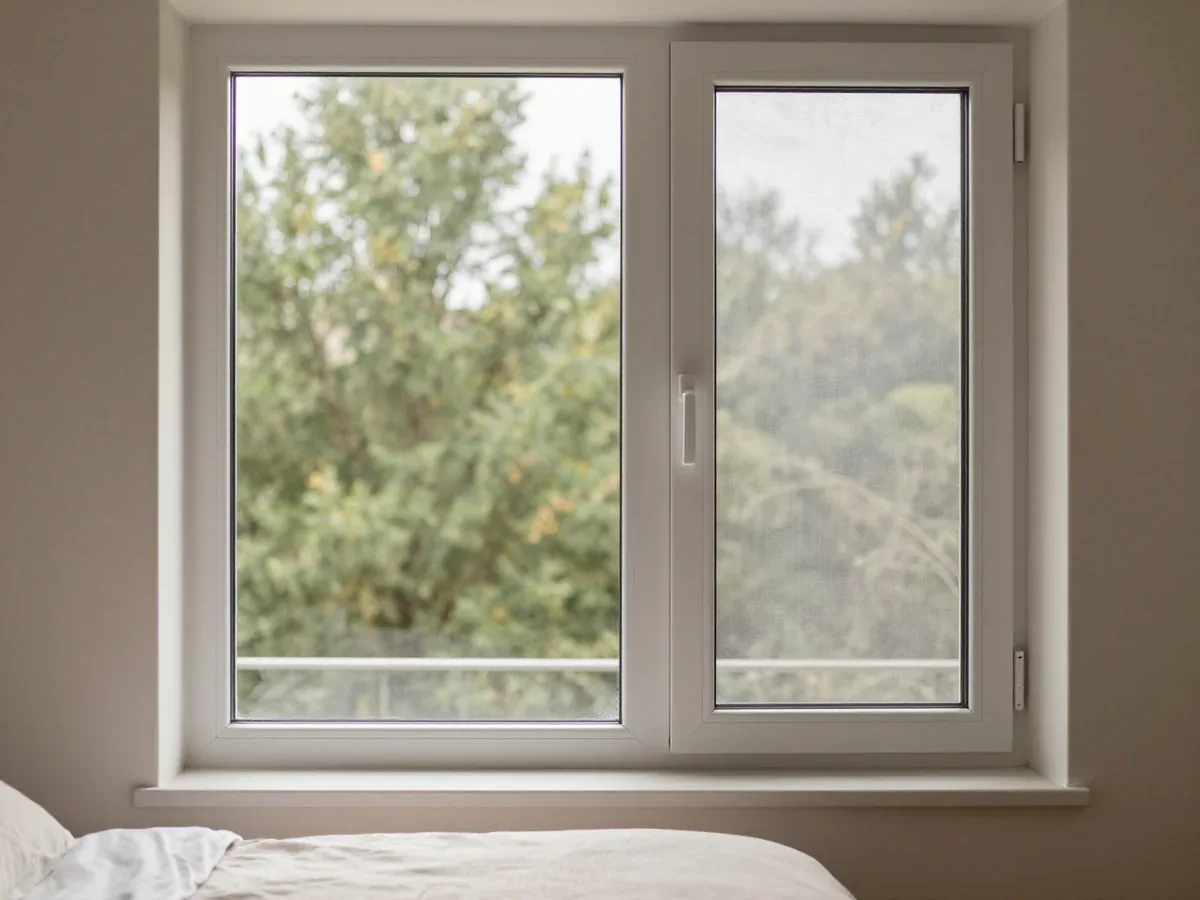
The technician shows how to open and remove the frame, checks how tightly the mesh fits and how the fixings work, and explains care rules.
Good to know

Senior mosquito screen specialist at moskitnyesetki.kz
We make metal mosquito screens to your exact size and install them on windows and doors across Taldykorgan, with free measuring and a 1-year warranty. The measurer helps you choose the mesh, frame and fixings, we paint the frame to match your windows, and you pay only after installation.
Metal is the toughest option we fit, but it costs you weight and daylight. Here is an honest comparison with fibreglass, Anti-Cat and UltraVue, so you can match the weave to your room and your risk.
This fabric is the toughest we fit, so it holds its shape against wind, pets and knocks far better than a Standard fibreglass screen. The woven strands keep their tension season after season, where a fibreglass panel slowly sags and pulls away from the frame at the corners. The tight weave also blocks fine dust and the smallest midges that slip through a looser Standard weave. The material is heavier and denser, though, and that extra mass matters on tall windows and wide sashes — it loads the fasteners more than a fibreglass panel of the same size. On upper floors and large openings we choose the fixing together with the fabric, not after it, so the frame stays square and the mesh stays taut. Ask for the stronger option where strength matters most, and fibreglass where light weight wins.
| Canvas | Best for | Light and air | Strength |
|---|---|---|---|
| Metal mesh | Wind, knocks, fine dust | Lowest of the set | Highest |
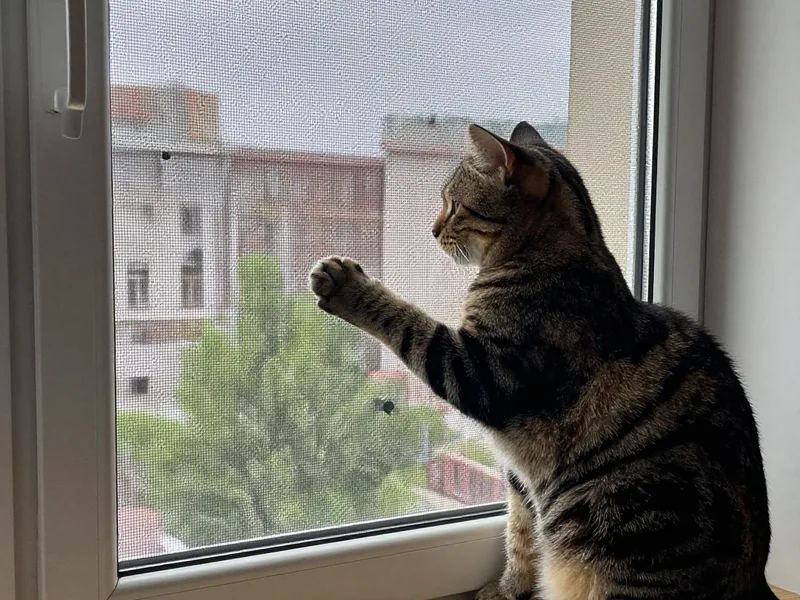
| Anti-Cat (Pet Screen) | Cats and small pets | Medium | High |
| UltraVue | Dark rooms, airflow | 25% more than others | Medium |
| Standard (Fiberglass) | Tight budgets | Medium | Basic |
The fixing decides whether the mesh holds firm in a gust and whether the surrounding joinery stays intact. Here is what the measurer chooses for your sash type and floor, and why it matters.
The measurer picks the fixing to match your window profile and floor, choosing between Z-brackets, pins (plungers) or magnets so the unit sits tight without drilling the joinery. Z-brackets hook over the outer edge and hold a heavy canvas steady; pins sit in the groove and keep the frame flush; magnets let you lift the whole thing off in seconds for washing. On upper floors wind load is higher, so a stiffer fixing is chosen more often, while magnets stay a good fit for light sashes and quick removal. Ask the measurer to show you all three on your own opening before the order is fixed — the right bracket on the wrong profile rattles within a season, and swapping it later costs more than choosing once.
We paint the screen frame any colour to match your windows, and hinged entry screens come with either the Economy 32×10 mm or the Prestige 42×17 mm profile. The wider Prestige option holds a large leaf stiffer, while the narrower Economy is lighter and is taken more often for standard sashes. Colour is matched to your surround, so the unit reads as part of the opening rather than an add-on. Hinged versions swing on hinges and take the same canvas as the window ones. In our practice the choice follows the leaf size, not the other way round: a big balcony leaf on a light Economy surround flexes at the corners, and the canvas starts to sag along the bottom rail within the first year.
A screen is not only for a standard plastic window. The frame, the opening and the way the panel moves decide which build works, so here are the cases we see most often.
We fit protective screens on plastic, wooden and aluminium windows, and also on fortochkas, loggia windows and the openings of gazebos and verandas. Each opening takes its own fixing: a plastic section holds Z-brackets well, while a timber one and a thin aluminium section need a gentler approach. On a fortochka the panel is usually smaller and lighter, so it swings without catching the frame. Gazebo and veranda openings are often wider than a standard unit, and there the surround is built to the full span rather than pieced together from offcuts. On wooden and aluminium units it matters more not to drill into the profile, so the fitter picks the fixing with extra care to keep the lacquer or the anodised finish intact. Ask the measurer to note the material before the order is placed — that single detail decides the brackets and saves a return visit.
For balcony and entrance doors we build a hinged screen on a stronger profile, with hinges and a magnetic catch so the door closes softly behind you. Two options cover most doorways: Economy at 32×10 mm for a light balcony opening, and Prestige at 42×17 mm when the screen is opened many times a day. A door panel takes more slamming and pulling than a window unit, so saving on the surround shows up faster here — Prestige usually lasts longer on a passage people actually walk through. The hinges carry the weight of the frame and mesh, and the magnetic catch keeps the barrier from swinging in a draught. We install these screens on windows and doors across the city, and the fitter checks the swing and the threshold before choosing the profile.
From the first call to a finished screen on your window the path is short, and most of it happens at your home. Here is what the measurer does and how long each step takes.
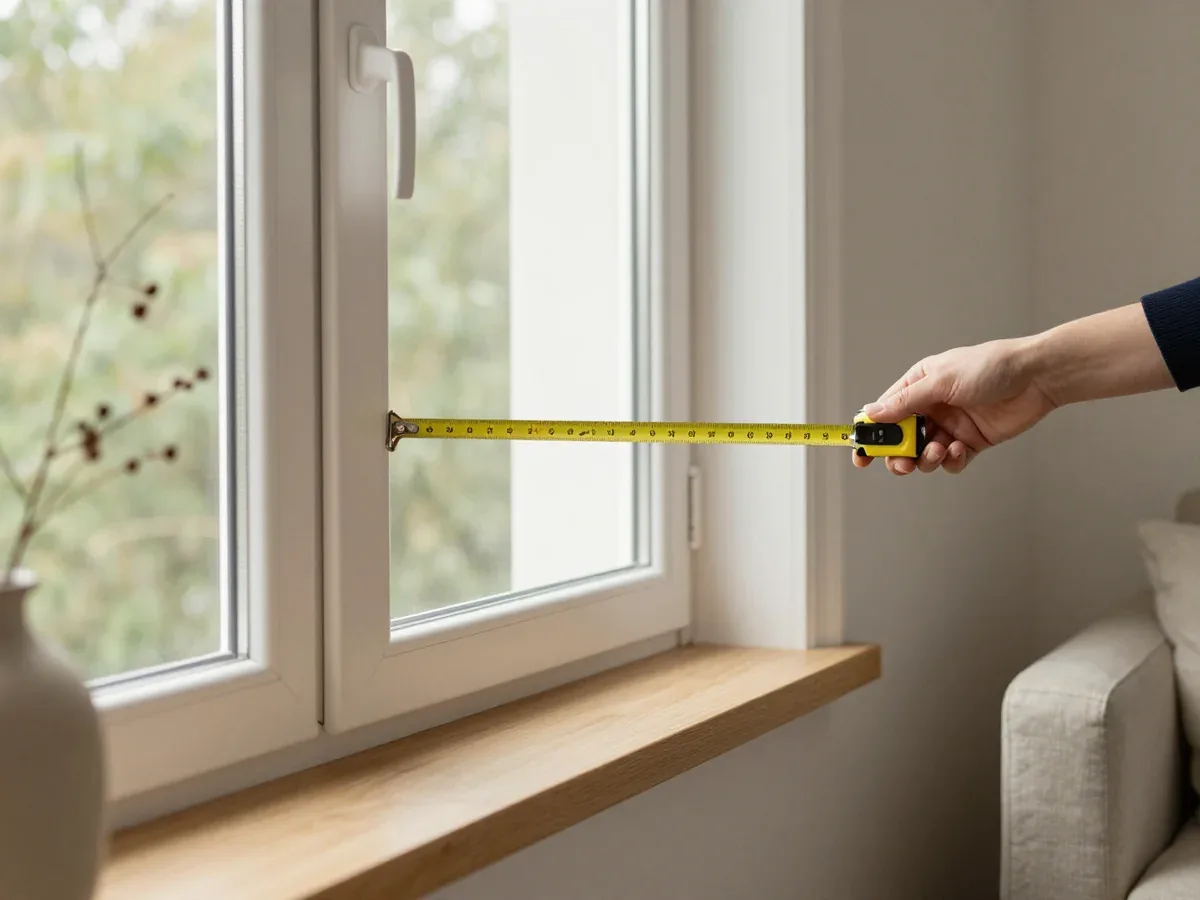
Measuring and consultation are free, and the measurer comes at a convenient time, takes the sizes and helps you choose the design, mesh and fixings. He checks the window profile, the opening direction and the floor, because a unit on the first floor and one on the ninth need different fasteners. You see and touch the samples on the spot: metal mesh, UltraVue, Anti-Cat (Pet Screen), Anti-Pollen (Poll-Tex) and Standard fibreglass, plus the frame colour matched to your windows. We have been making mosquito screens long enough to know where a millimetre decides the fit. Metal mosquito screens in Taldykorgan are measured the same way, with the same free visit and the same choice of mesh and fixings. A frame cut to a size you measured yourself often leaves a gap along the edge, and that gap is exactly where insects come in.
| Type | Making time | Where it fits |
|---|---|---|
| Framed | 10–15 minutes | Windows, fortochkas, balcony doors |
| Pleated | 40–60 minutes | Doorways you walk through |
| Economy 32×10 mm | 10–15 minutes | Entrance and balcony doors |
| Prestige 42×17 mm | 10–15 minutes | Heavier hinged doors |
The steppe climate tests a mosquito screen every season, with dust, wind and sharp temperature swings. Here is how upkeep, winter removal, repair and the warranty work in practice.
We repair screens and replace fasteners, and every mosquito screen carries a 1-year warranty, so a torn panel or a loose fixing gets dealt with rather than left. When an item comes in, we first check what actually failed: the weave, the spline that holds it in the frame, a bent profile or a single broken bracket. Often replacing the netting or the fixing is quicker and cheaper than rebuilding the whole unit, and a metal sheet usually outlasts a fibreglass one under cats and steady wind. We also swap fasteners on units fitted by others, and repaint a frame to match your windows if the coating has worn. At the inspection, ask which part failed before agreeing to a full replacement, since a new spline alone often restores a unit that looks finished.
Choosing a mosquito screen comes down to matching the weave, the frame and the fixings to your window and how you use the room. These points cover the essentials before you order.
Choosing, fitting, light transmission, care
Konstantin Selenenkovsenior mosquito screen specialist, 10 years in the tradeOnline · replies within 5 minutes
Ask a questionNo, these are different materials: "Anti-Cat" is a strong vinyl fabric, while a metal mesh is made of aluminium or steel wires. Metal is stiffer and holds its shape better, while "Anti-Cat" is softer and more flexible. The measurer will advise what suits your case during a free measuring visit.
For a humid climate and temperature changes, an aluminium fabric or stainless steel with a protective coating works better. Aluminium does not rust, is lightweight and puts no extra load on the frame. The measurer will show samples and help you choose for your windows.
Yes, we fit such meshes to plastic, wooden and aluminium windows, as well as to vent panes and loggia windows. A small vent pane usually needs only a lightweight frame with plungers, while an aluminium profile needs its own fixings. The measurer checks that the brackets have something to attach to.
For a door, we install a mesh on hinges with an "Economy" profile 32×10 mm or "Prestige" 42×17 mm — they withstand the weight of the metal fabric. The fixings are hinges and a handle so the door opens like a regular one. The measurer will select an option for your doorway.
The metal cell is denser than a standard one, so the room seems a little darker, but it lets air through freely. The difference depends on the cell size and profile colour: a light profile and a large cell give more light. If maximum transparency matters, compare it with the "UltraVue" fabric.
A metal mesh just needs wiping with a damp cloth without abrasives. If a cell is bent, it can be carefully straightened by hand or with pliers, and if it is badly deformed, replace the fabric. We replace the fixings when they wear out.
Yes, a framed mesh is removed from the inside in a minute. For the winter it is better to take it off, clean off the dust and store it in a dry place so the metal does not oxidise. In spring, install it back — the fixings allow the mesh to be removed and installed many times.
 Care
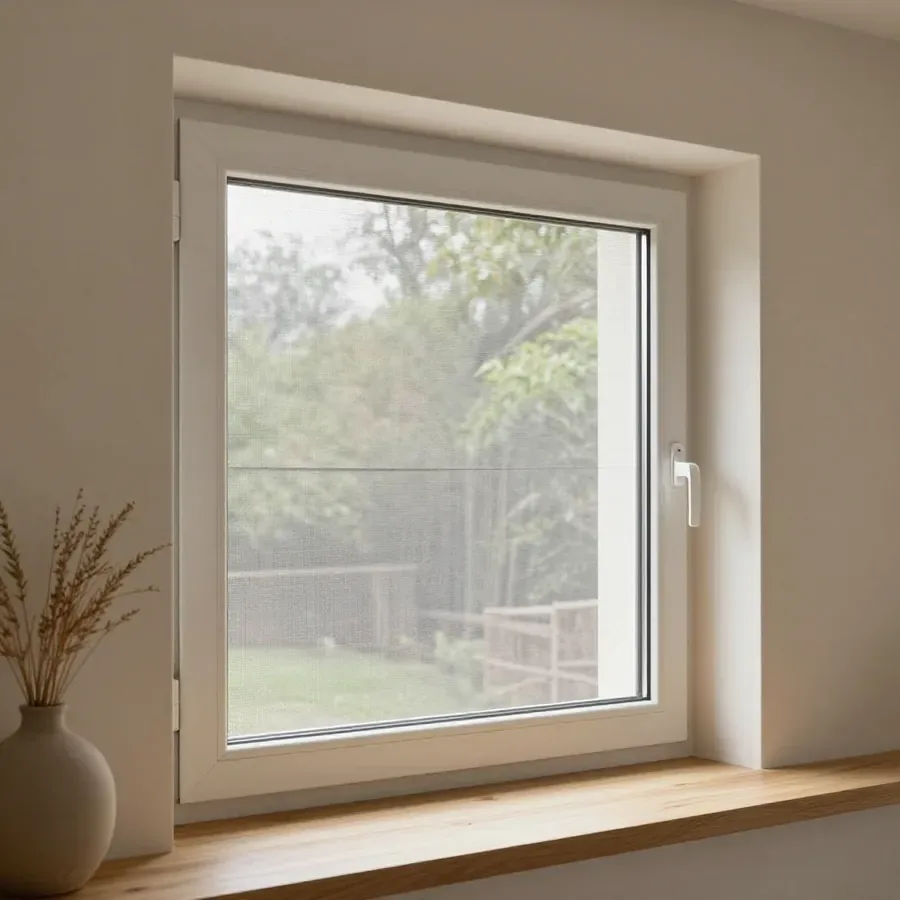
A frame screen comes off in a minute: we show how not to bend the frame or lose the fixings.
April 15, 20268 min read
 Choosing
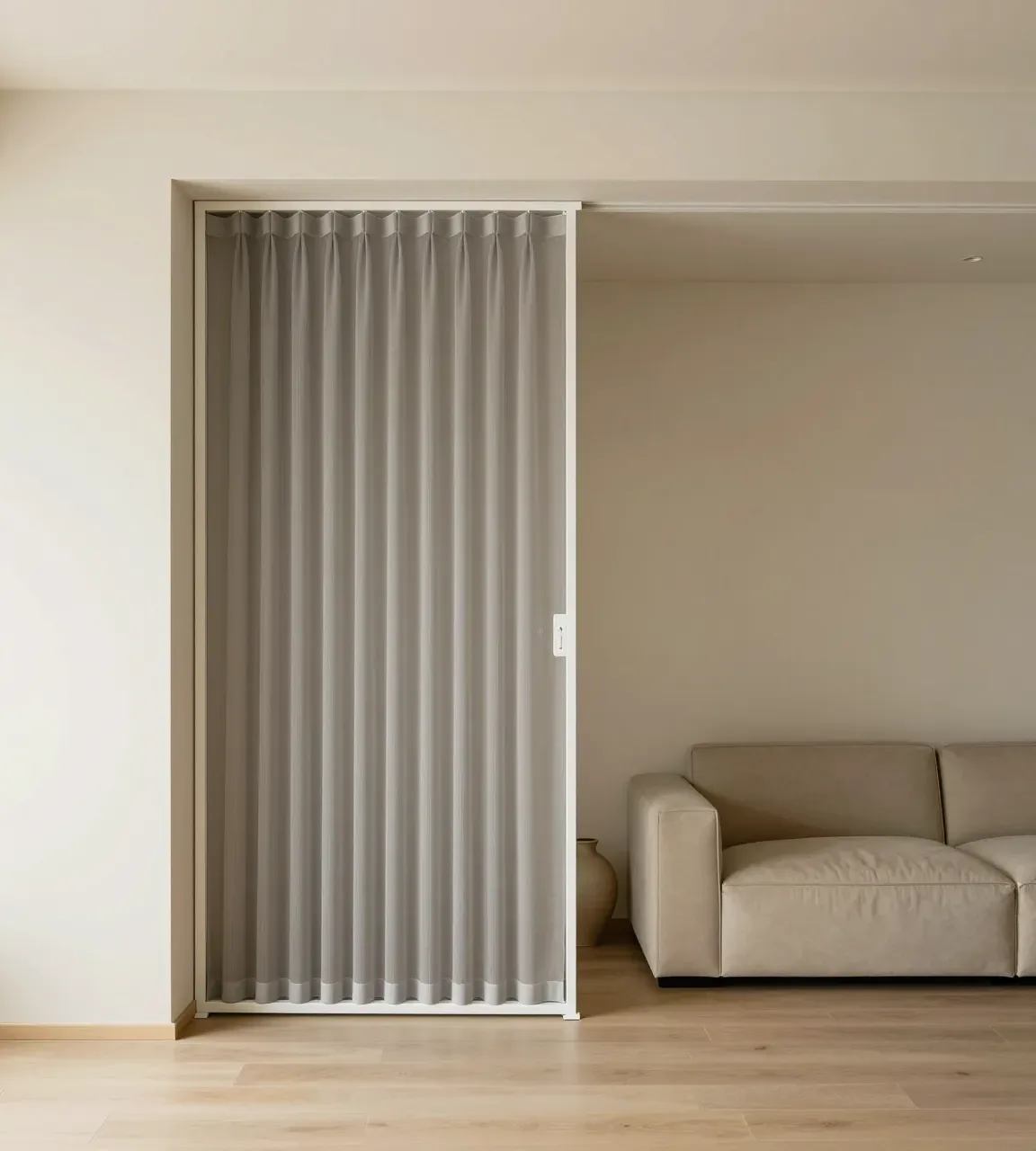
We compare the price, lead time and how each screen performs on a door that you walk through every day.
March 2, 20268 min read
 Mesh types
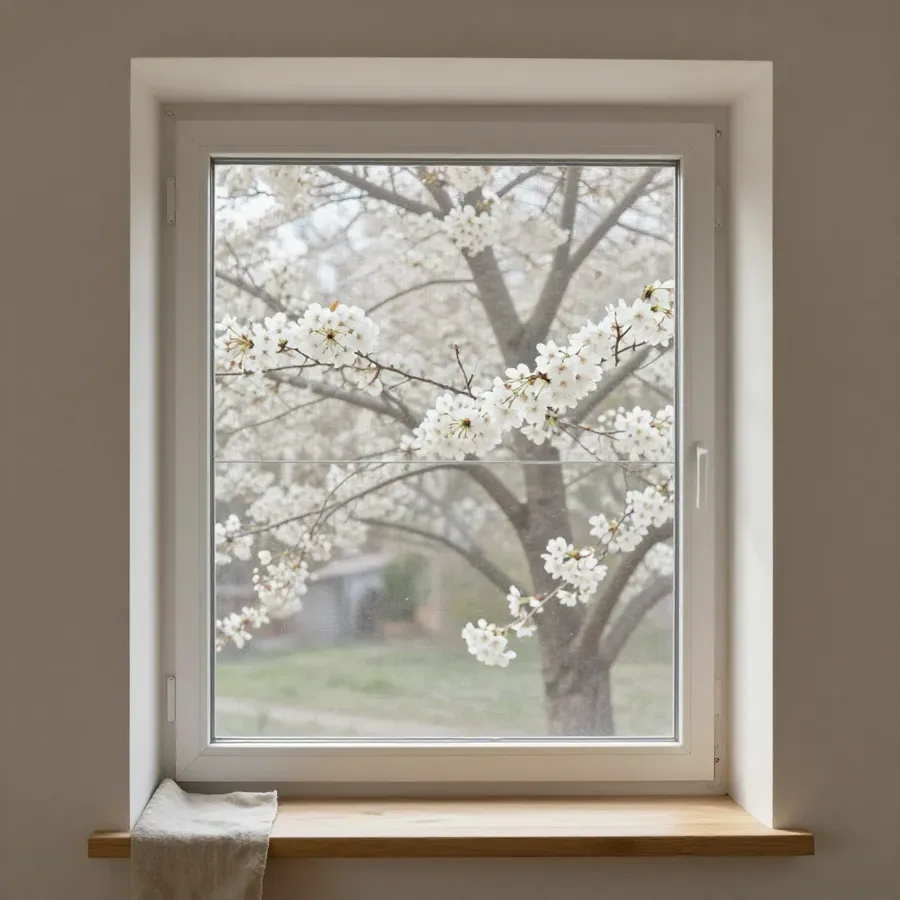
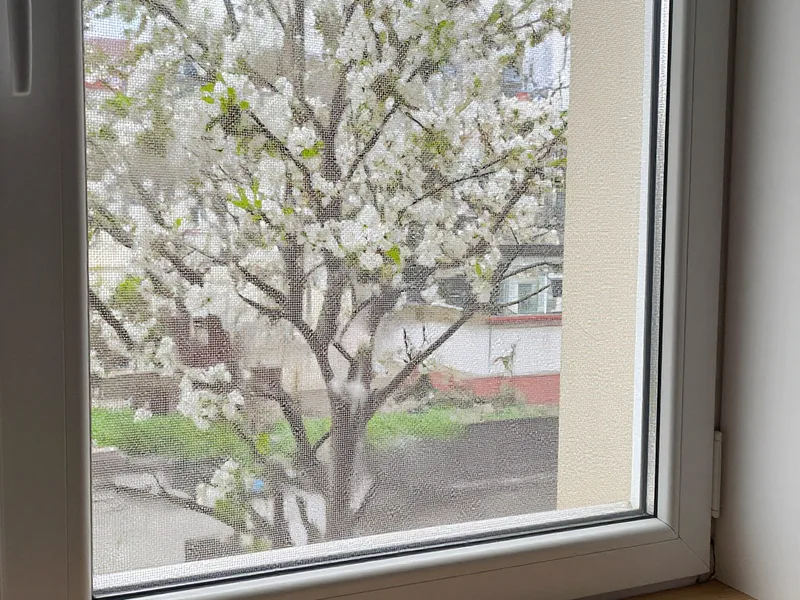
How Poll-Tex mesh with a 0.25×1 mm cell works and who it helps in pollen season.
February 17, 20268 min read
 Prices
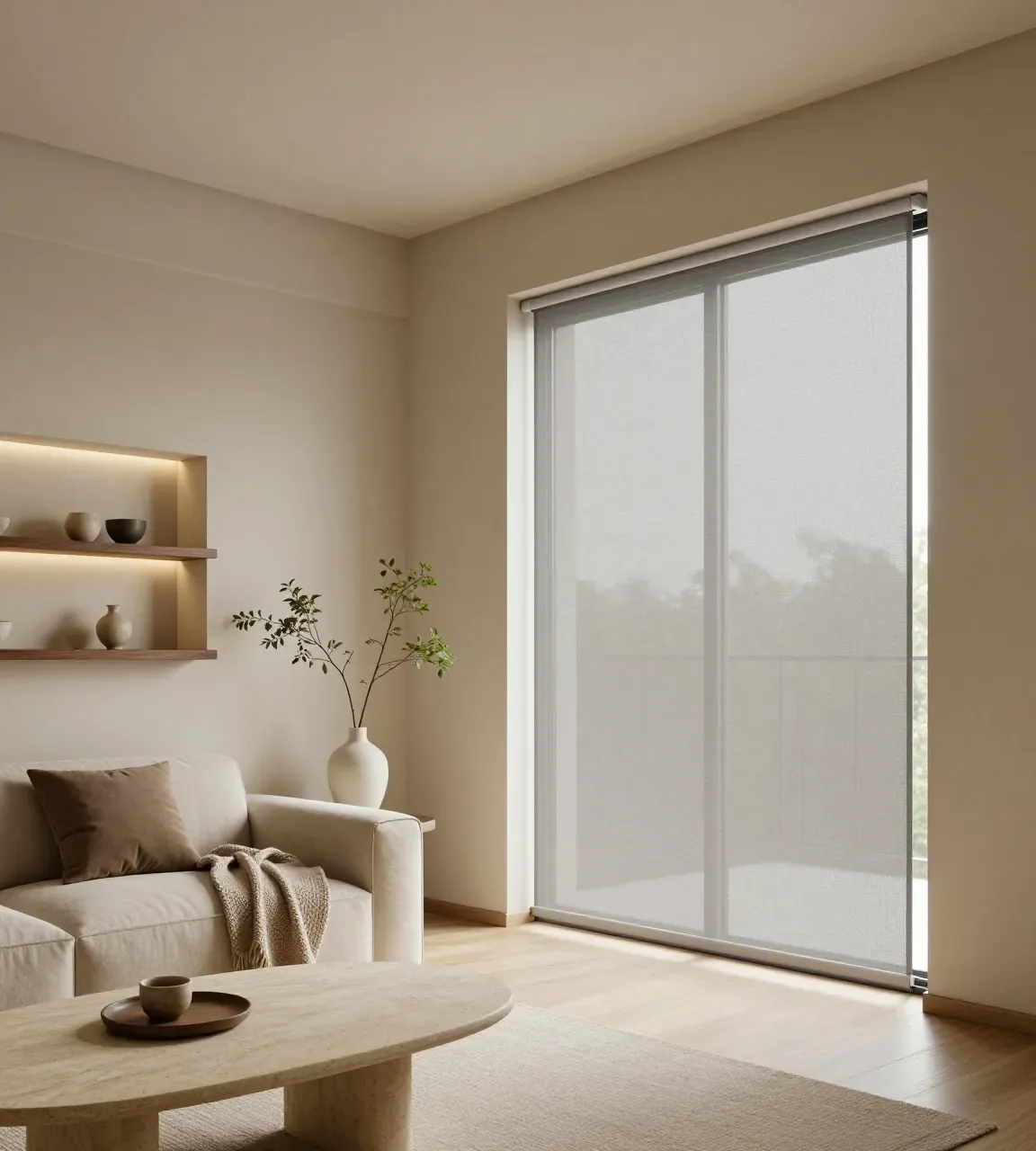
Price list breakdown: frame screen from 2 000 ₸ per m², installation 1 750 ₸, pleated from 28 000 ₸. Costing a 70×140 cm window.
February 1, 20268 min read
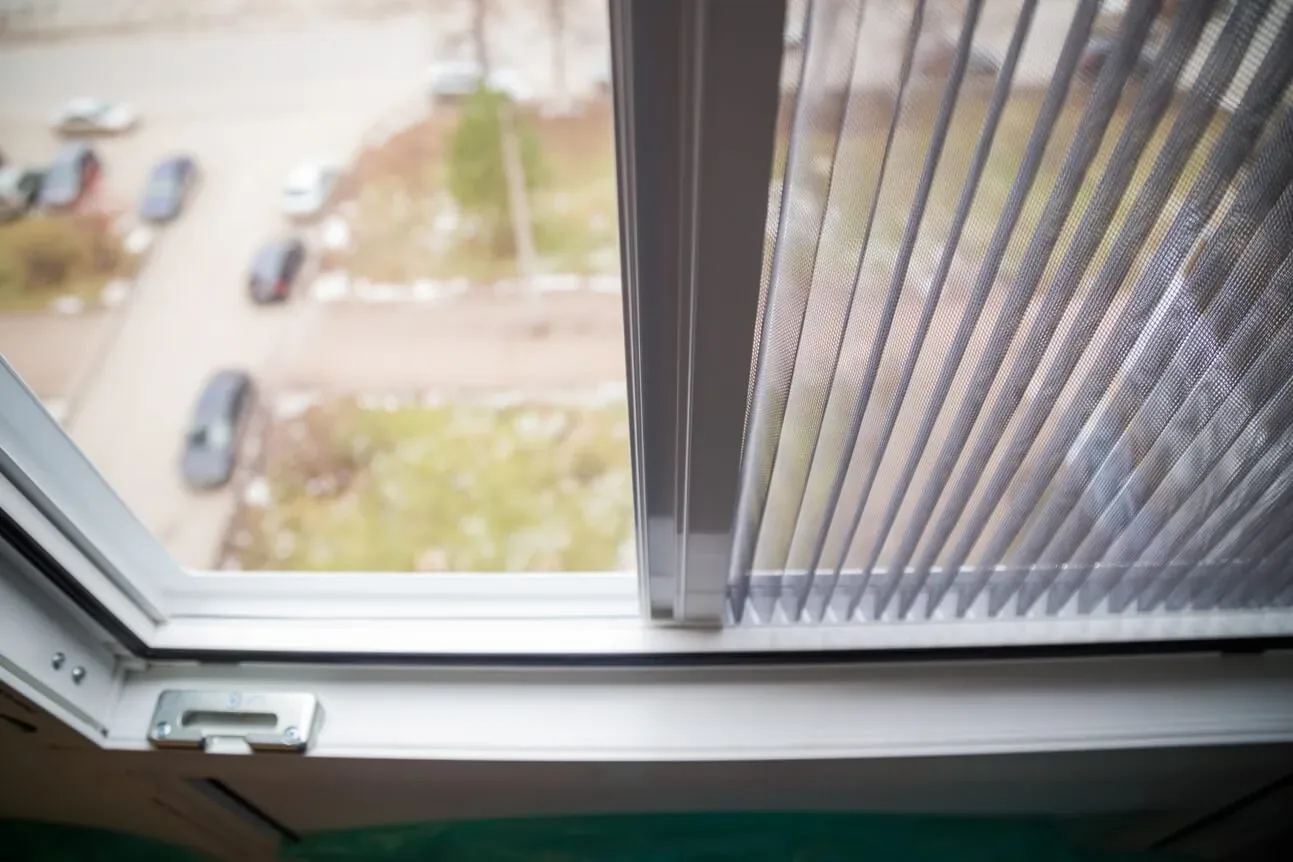 Repair
Worn fixings, a wrong measurement, wind on high floors. A set of fixings costs 290 ₸, installation 871 ₸.
January 14, 20268 min read
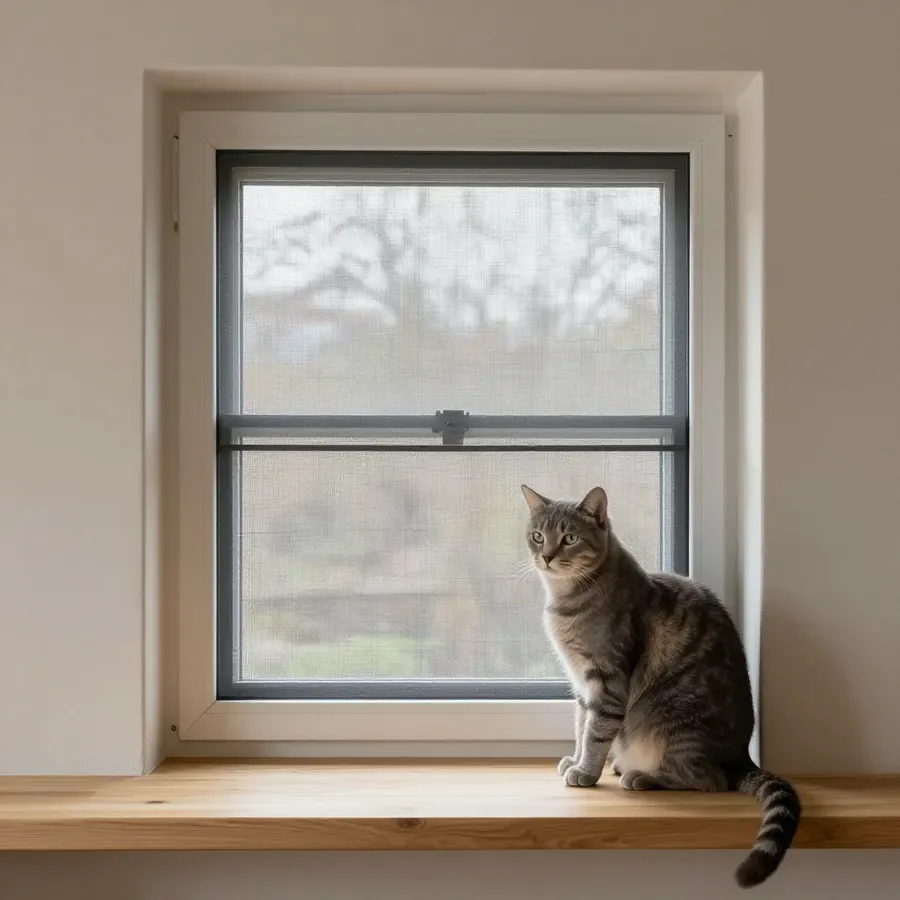 Choosing
Anti-Cat mesh on vinyl threads, the fixings and what to do about gaps around the window opening.
December 23, 20258 min read
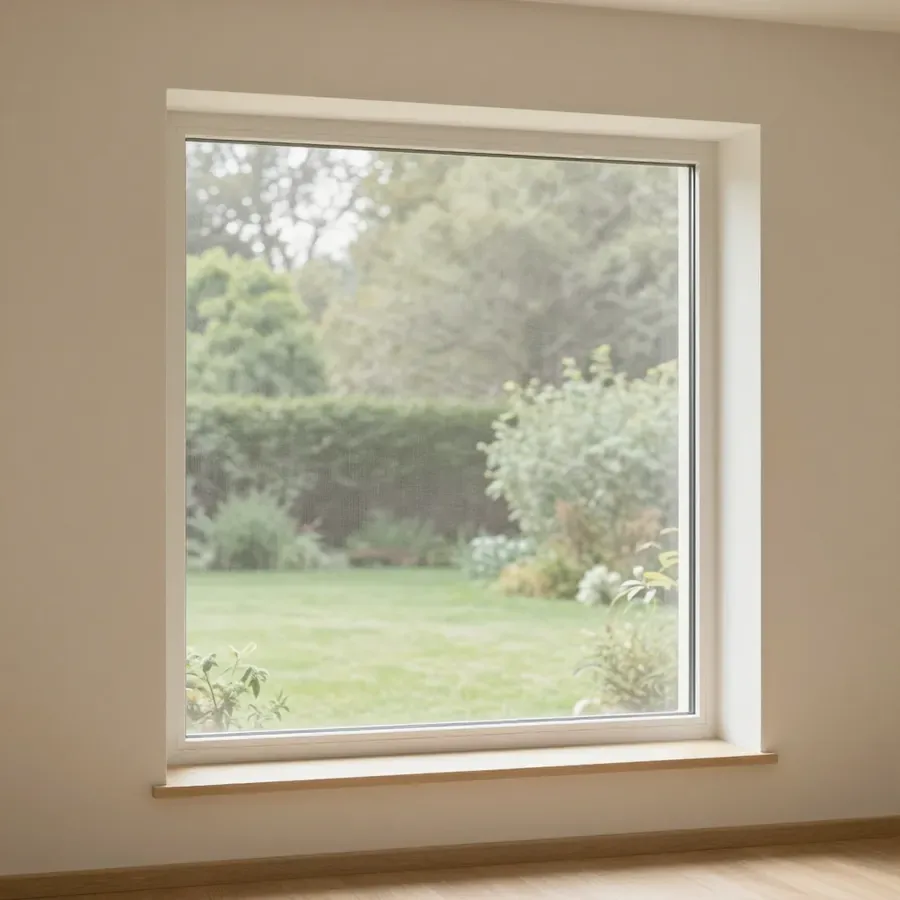 Mesh types
The mesh lets in 25% more light and air. Where the difference shows and where paying extra is not worth it.
December 11, 20258 min read
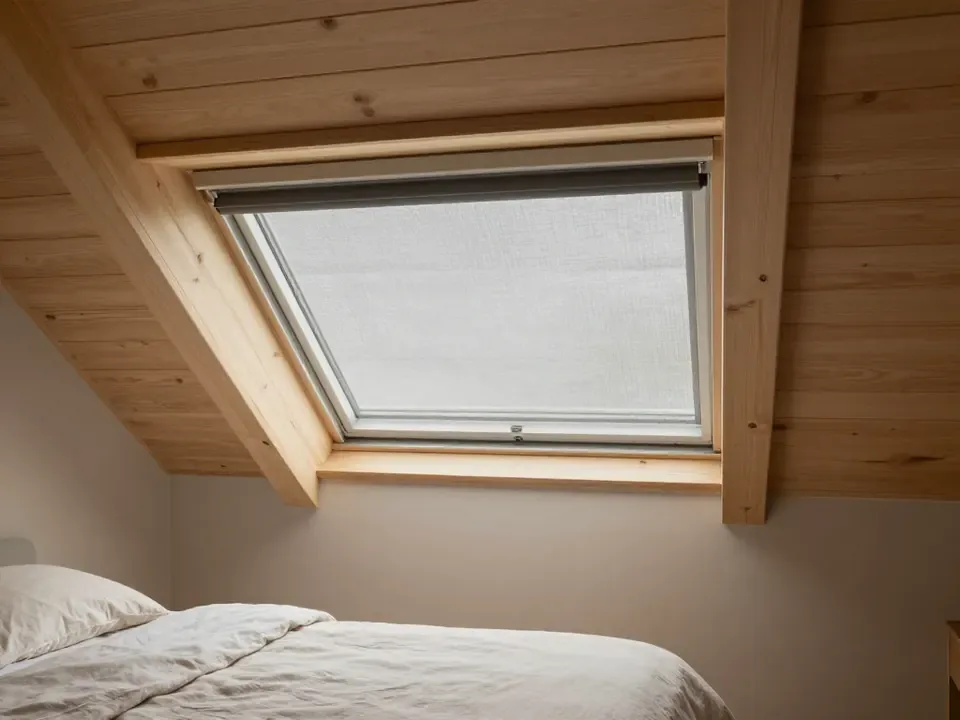 Choosing
A tilted sash, outward opening and a roller screen at 15 000 ₸ per m²: what will suit your window.
November 21, 20258 min read
 Mesh types
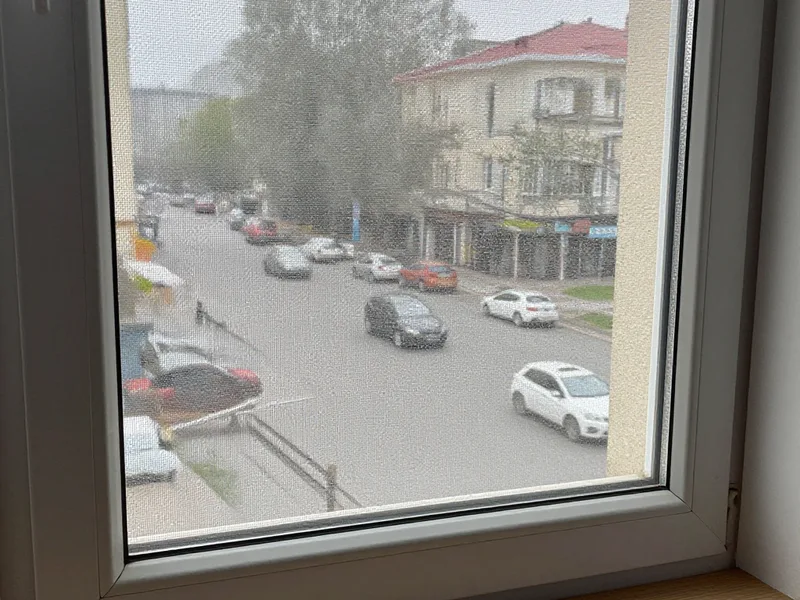
The mesh stops coarse and fine dust along with mosquitoes. When it is worth the price of 8 500 ₸ per m².
October 20, 20258 min read
Thank you. We will call you back within 10 minutes!
Your order number is on the receipt or in the SMS. Choose where to leave your review.
Write a review on WhatsApp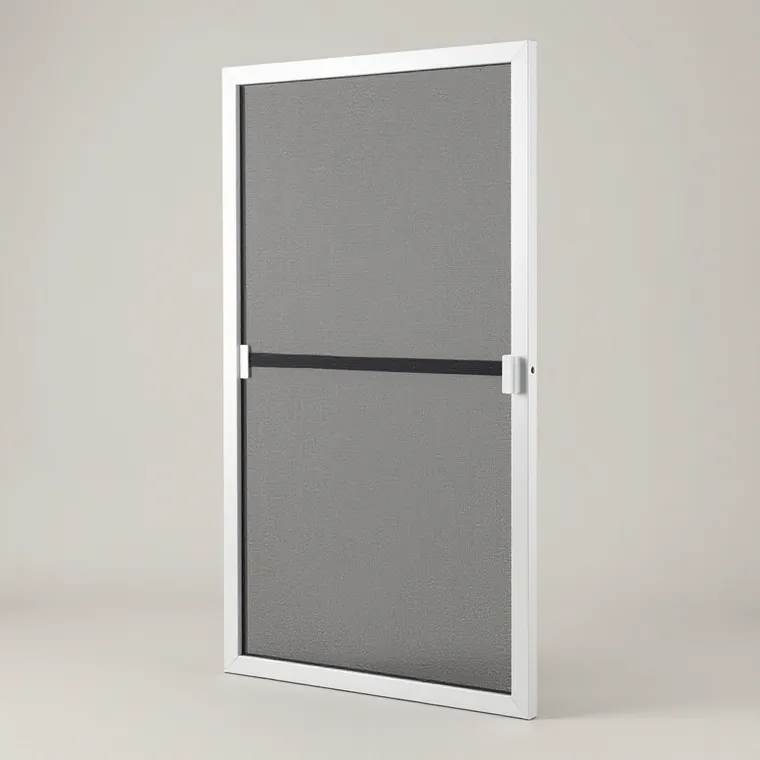
 Anti-Cat
 Anti-Dust
 Anti-Pollen
 Ready-made screens
