


Good to know
Pleated Mosquito Screens in Pavlodar

Senior mosquito screen specialist at moskitnyesetki.kz
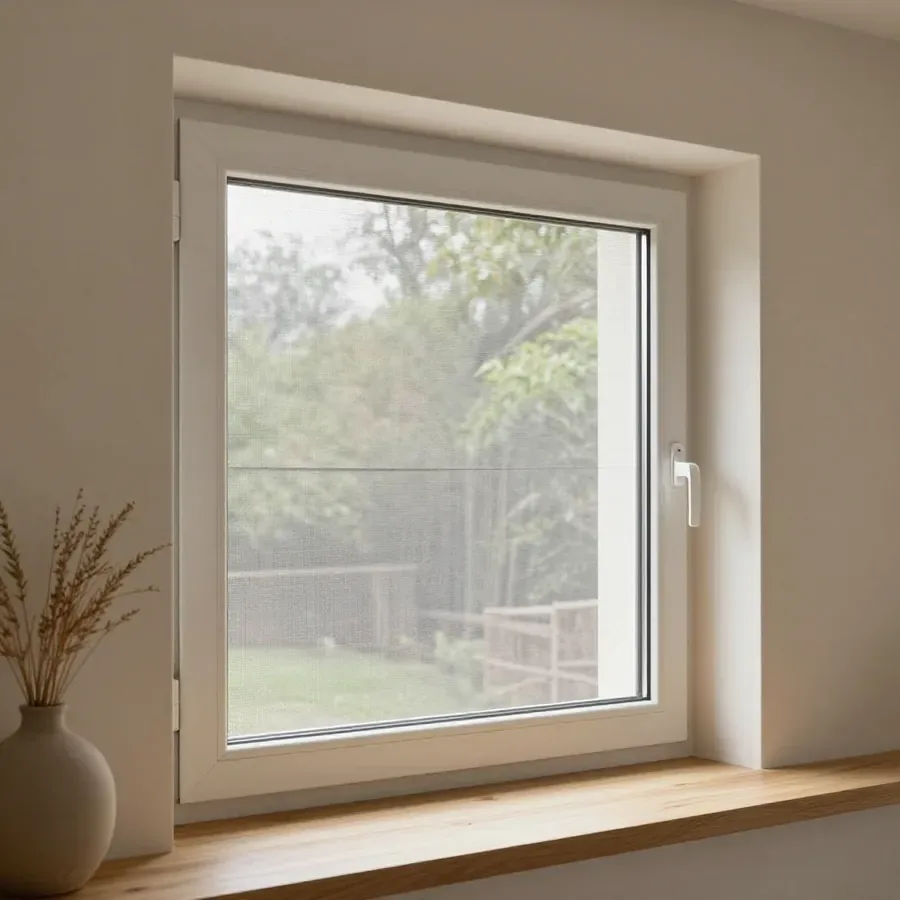
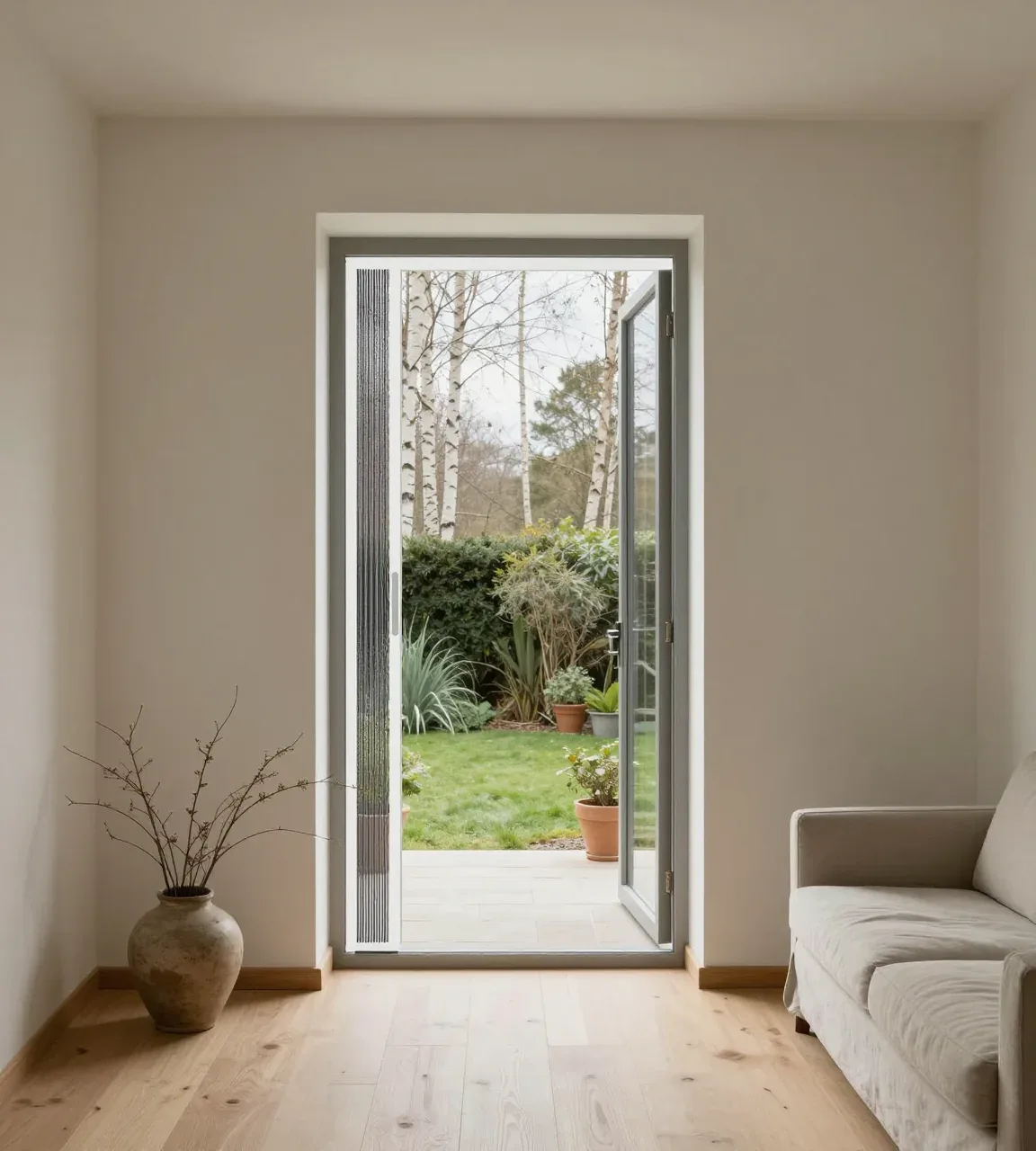
Pleated mosquito screens Pavlodar are made to your exact size, with free measuring and fitting by our own fitters. The pleated design folds sideways into a slim profile, suiting balcony doors, wide openings and loggias where fixed frames get in the way. Frames are painted to match your windows.
Pleated mosquito screens pleated or framed for your window door or wide opening
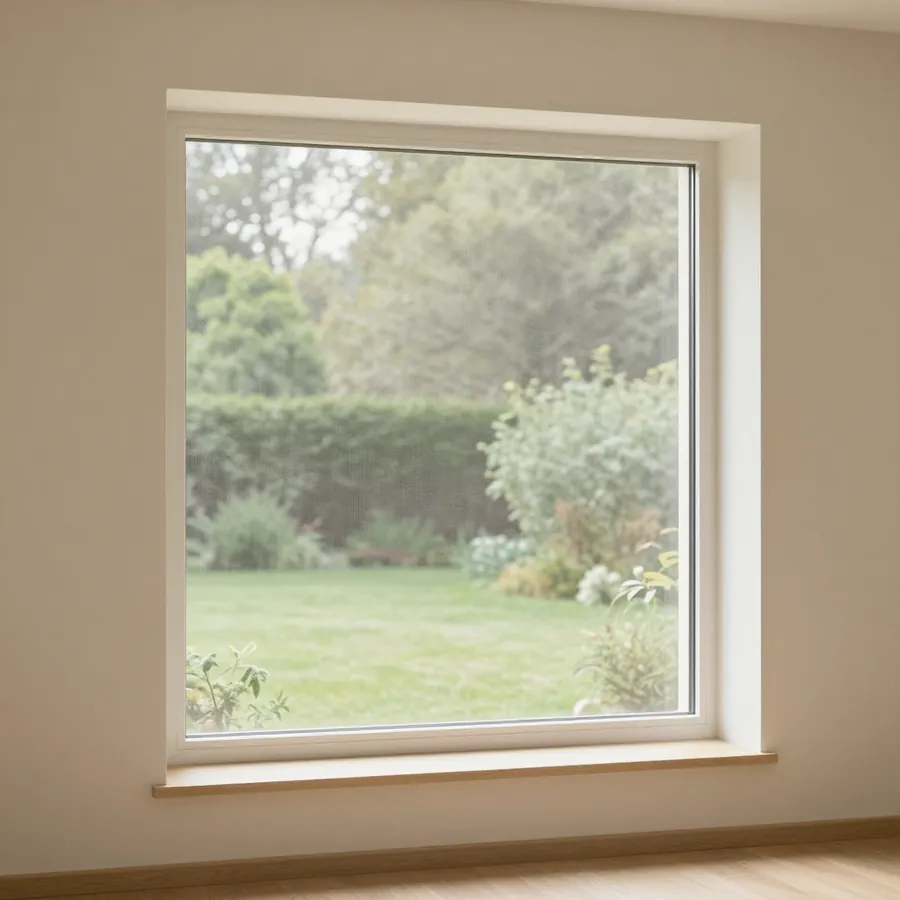
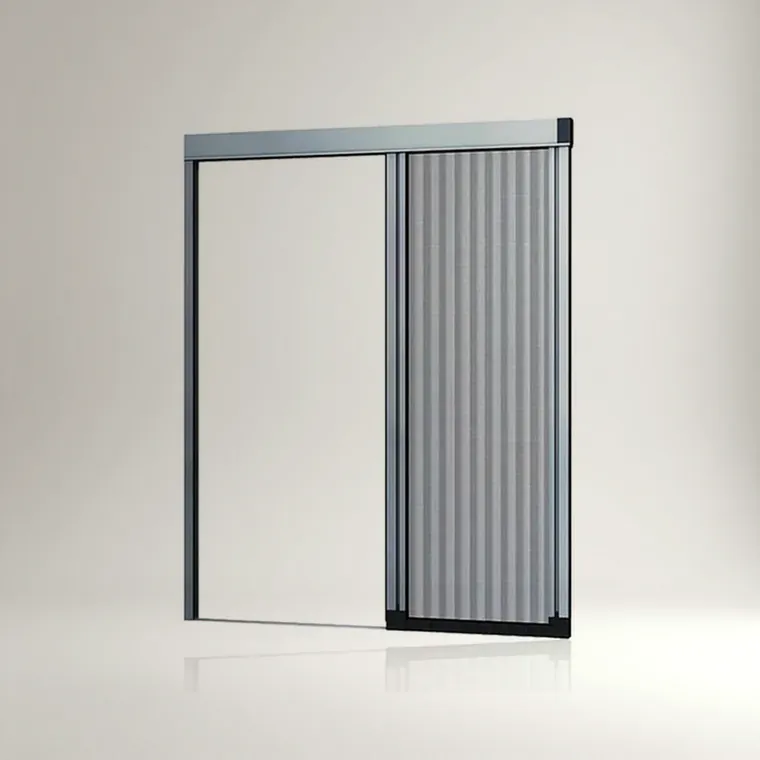
A pleated leaf folds sideways into a slim cassette and stays out of the way when opened, a framed unit is a simple removable panel, and a sliding one covers very wide spans. The right pick depends on the opening.
How a pleated screen folds and where it beats a framed one
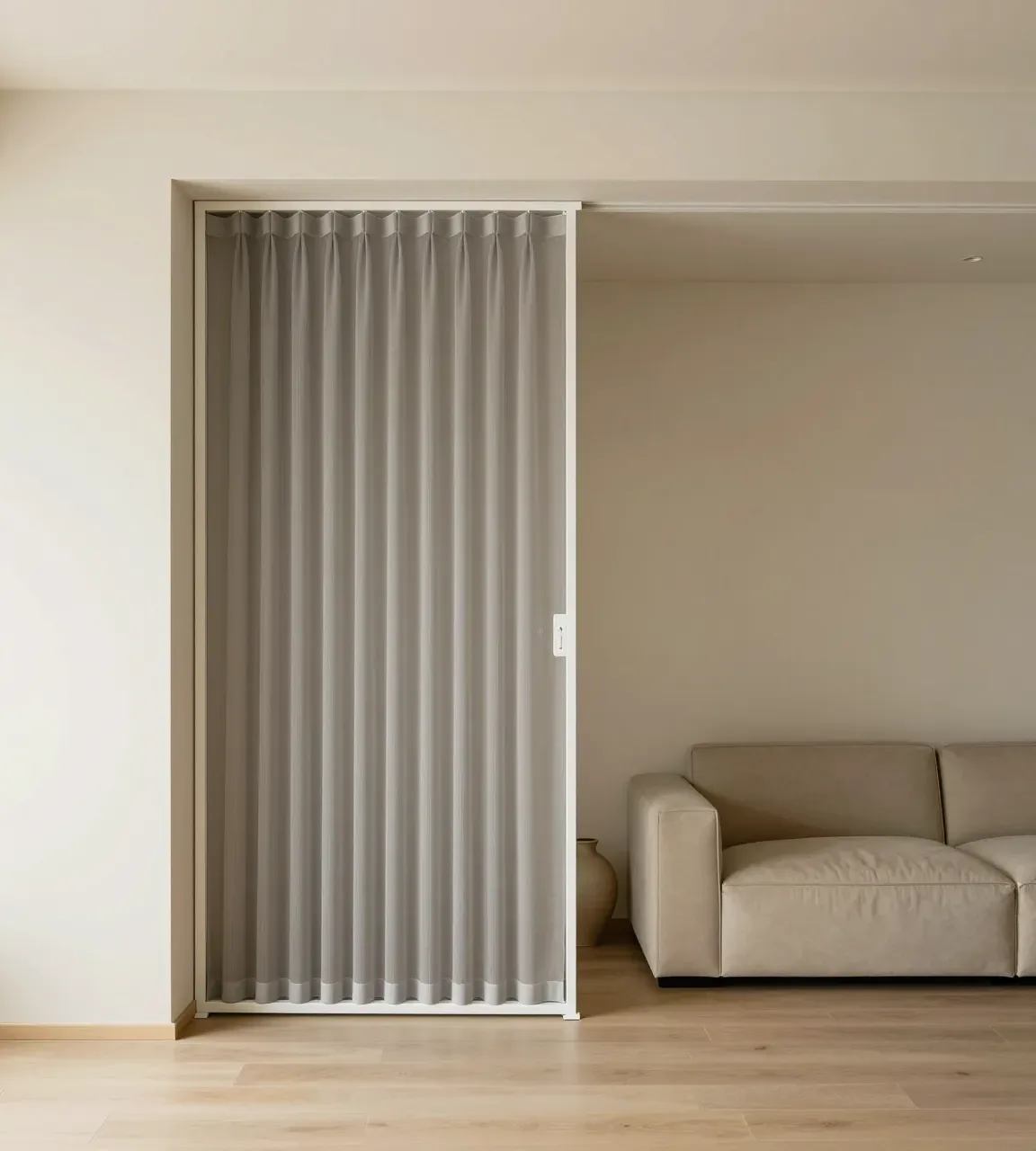
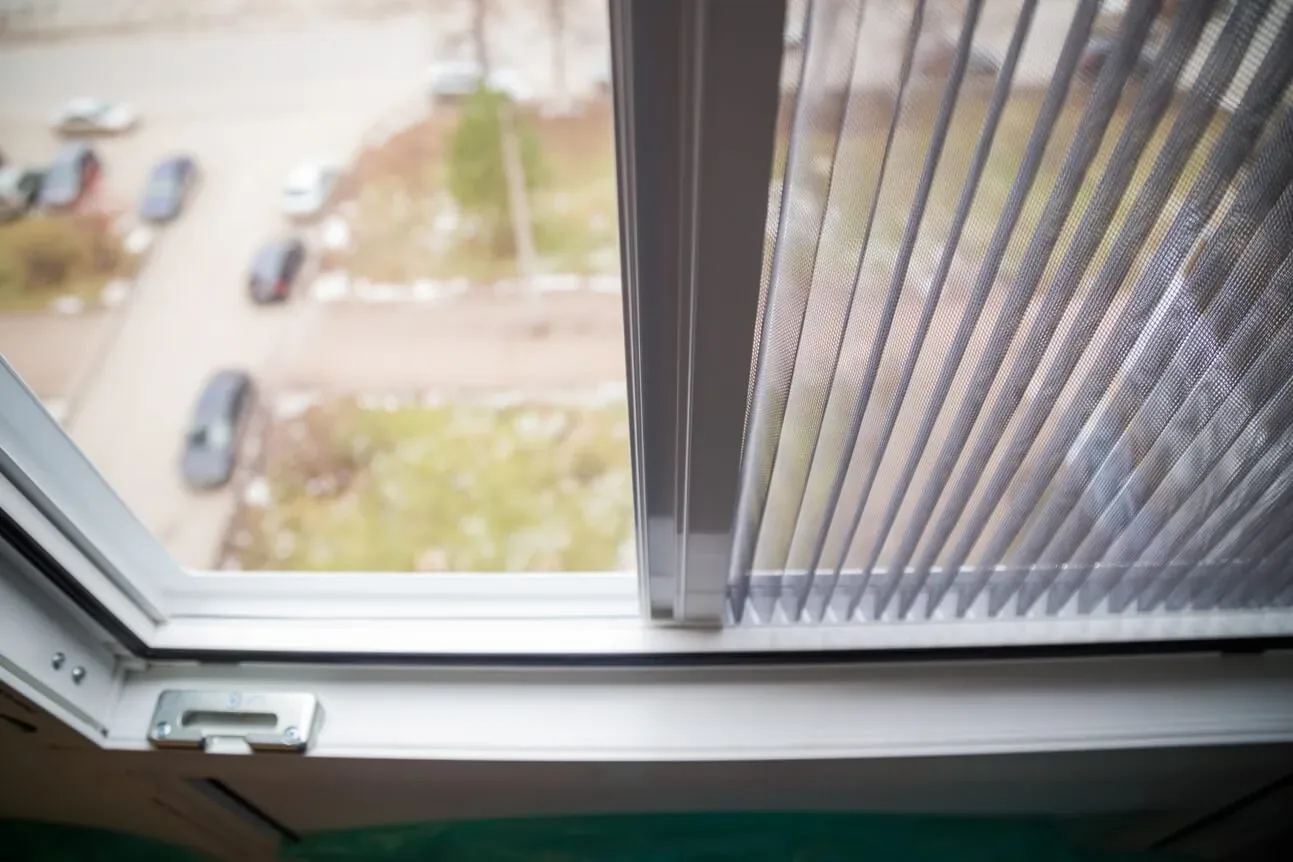
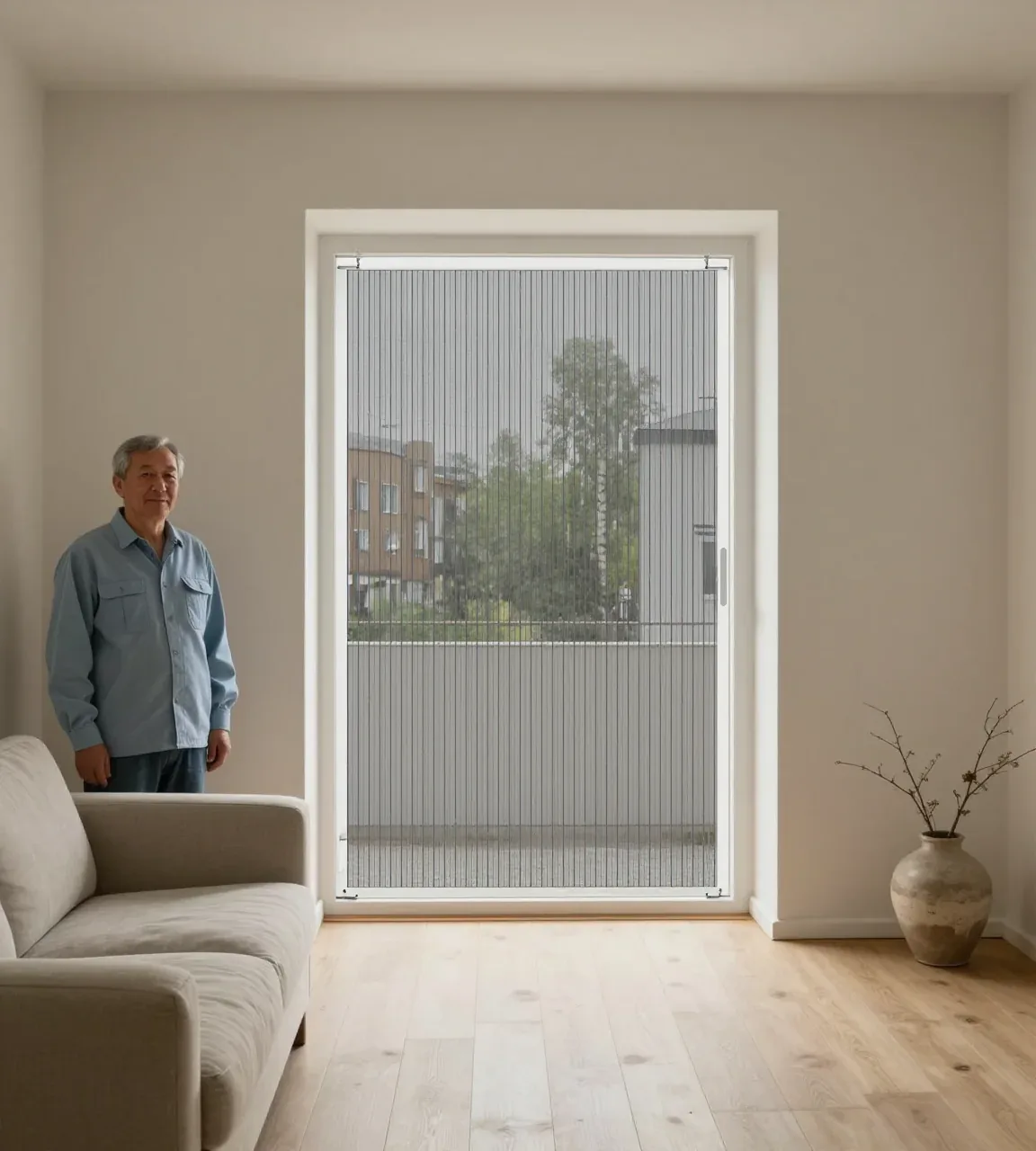
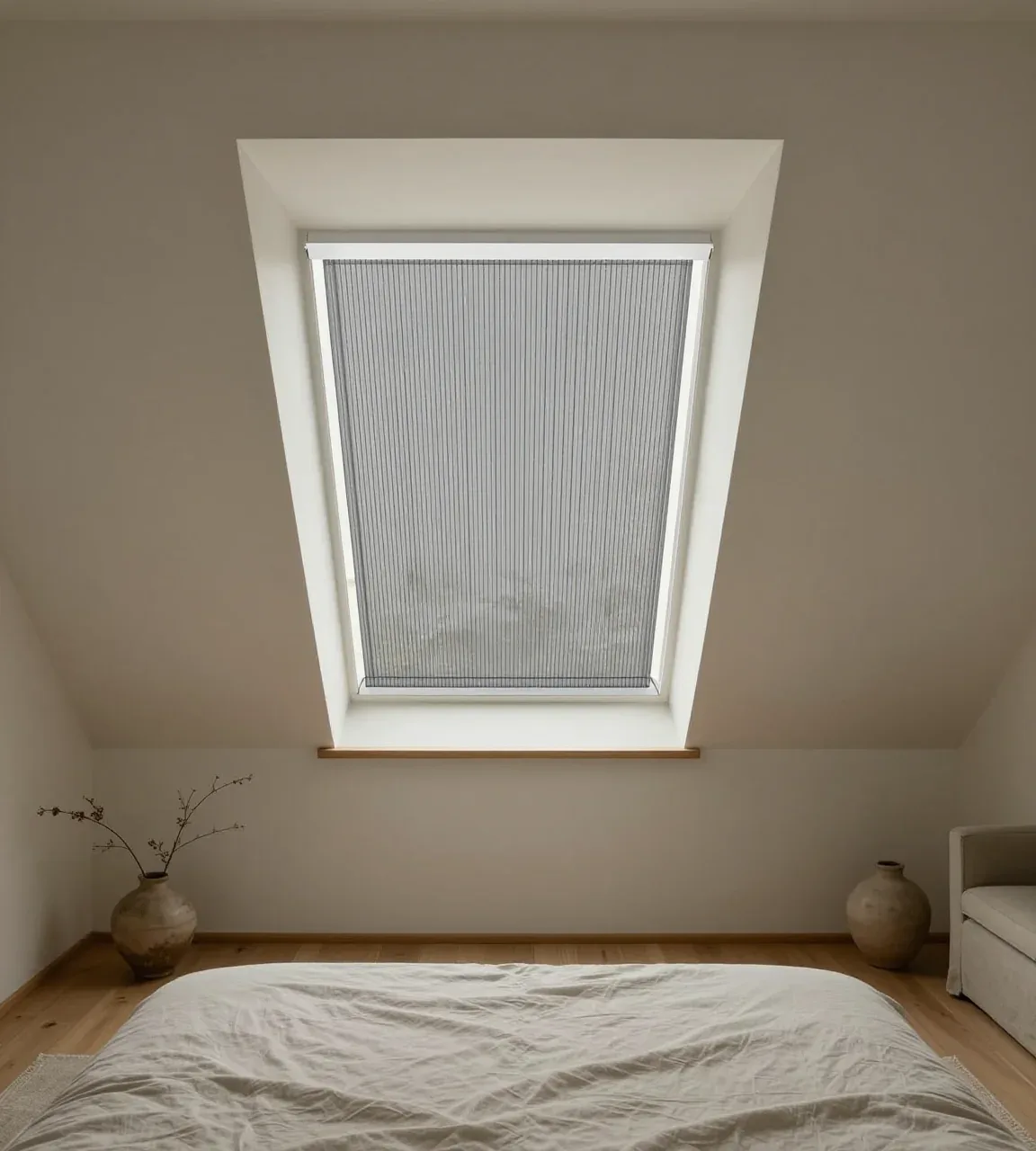
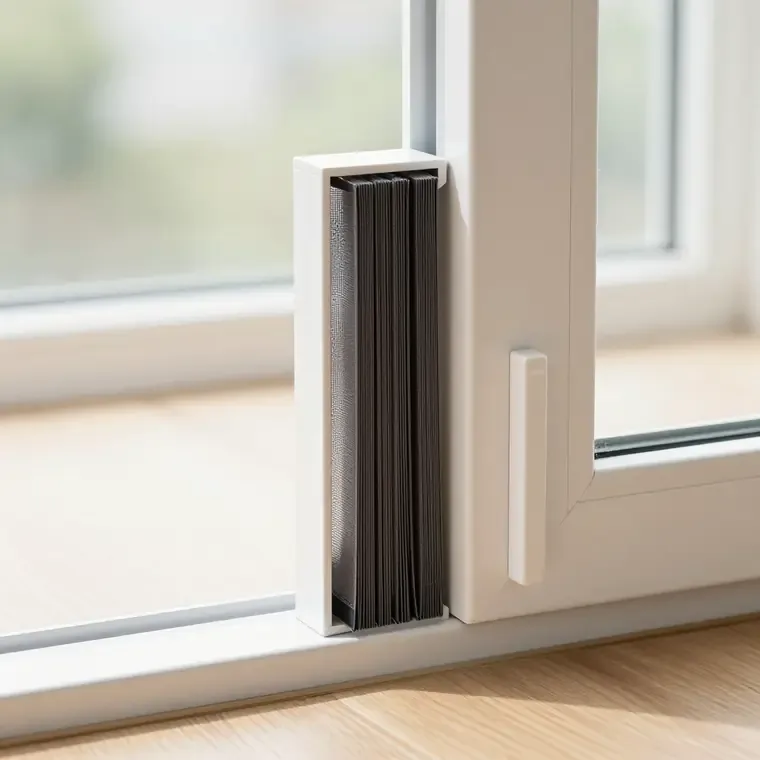
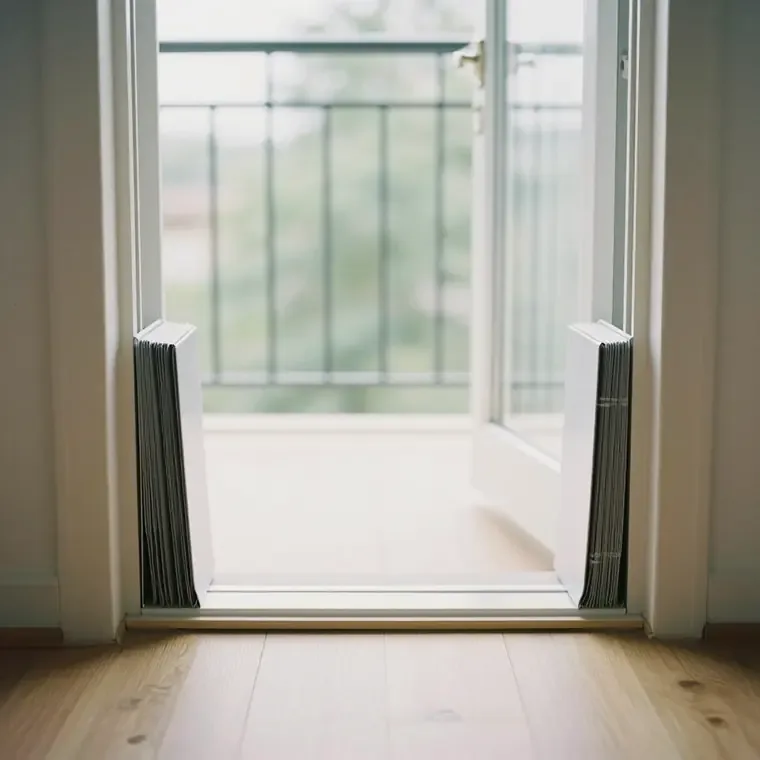
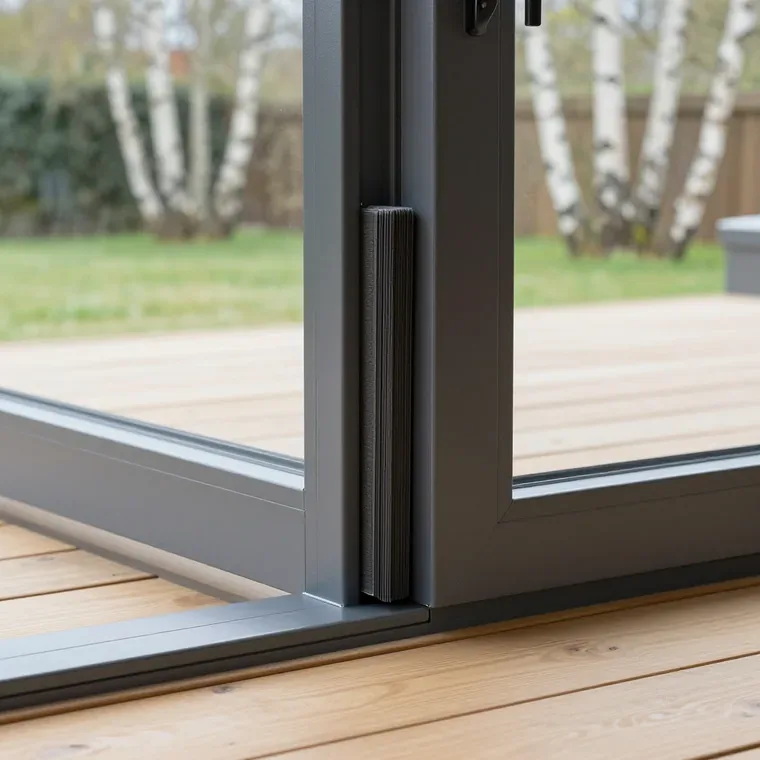
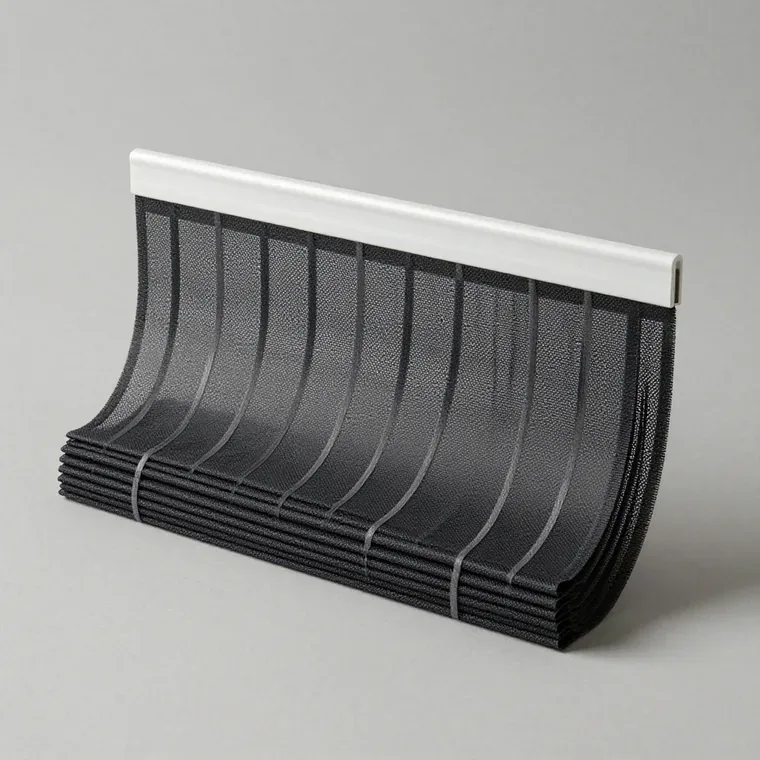
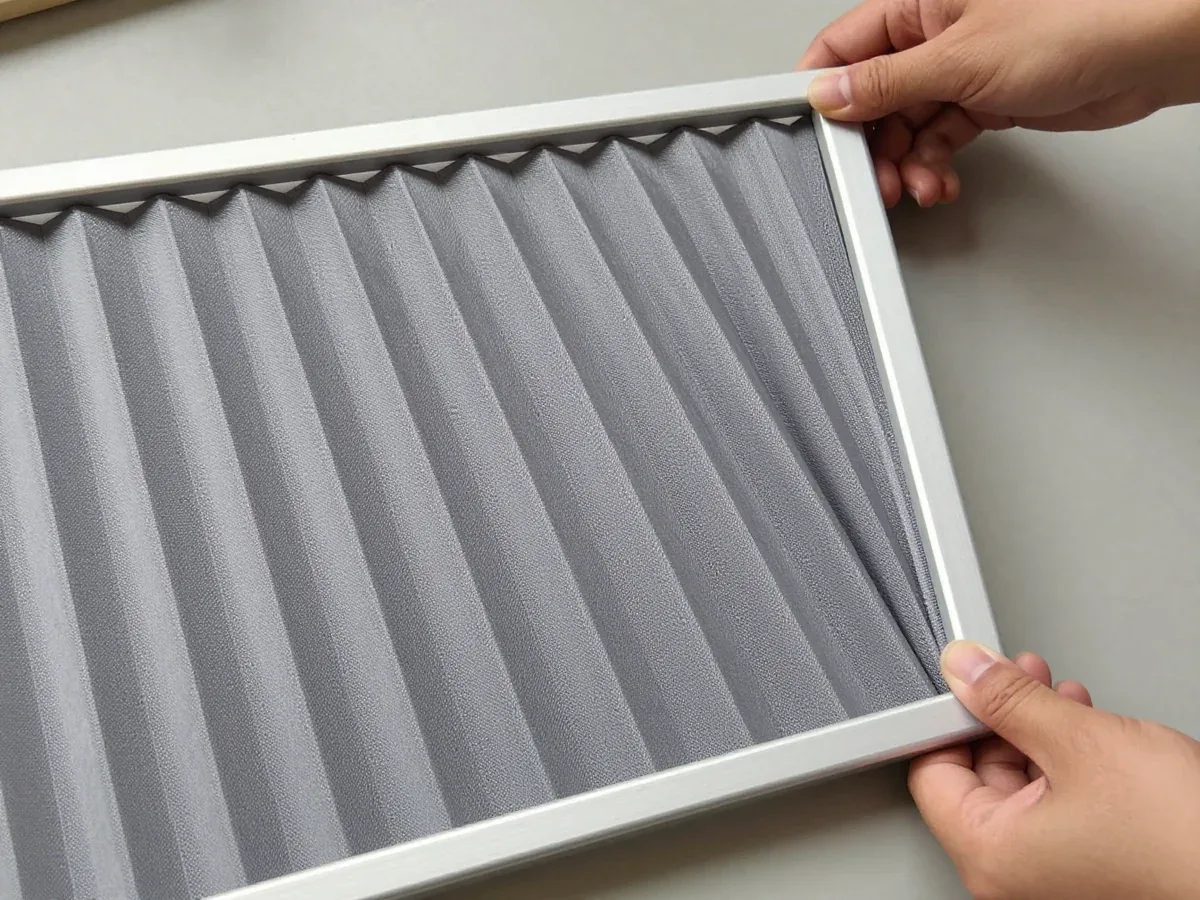
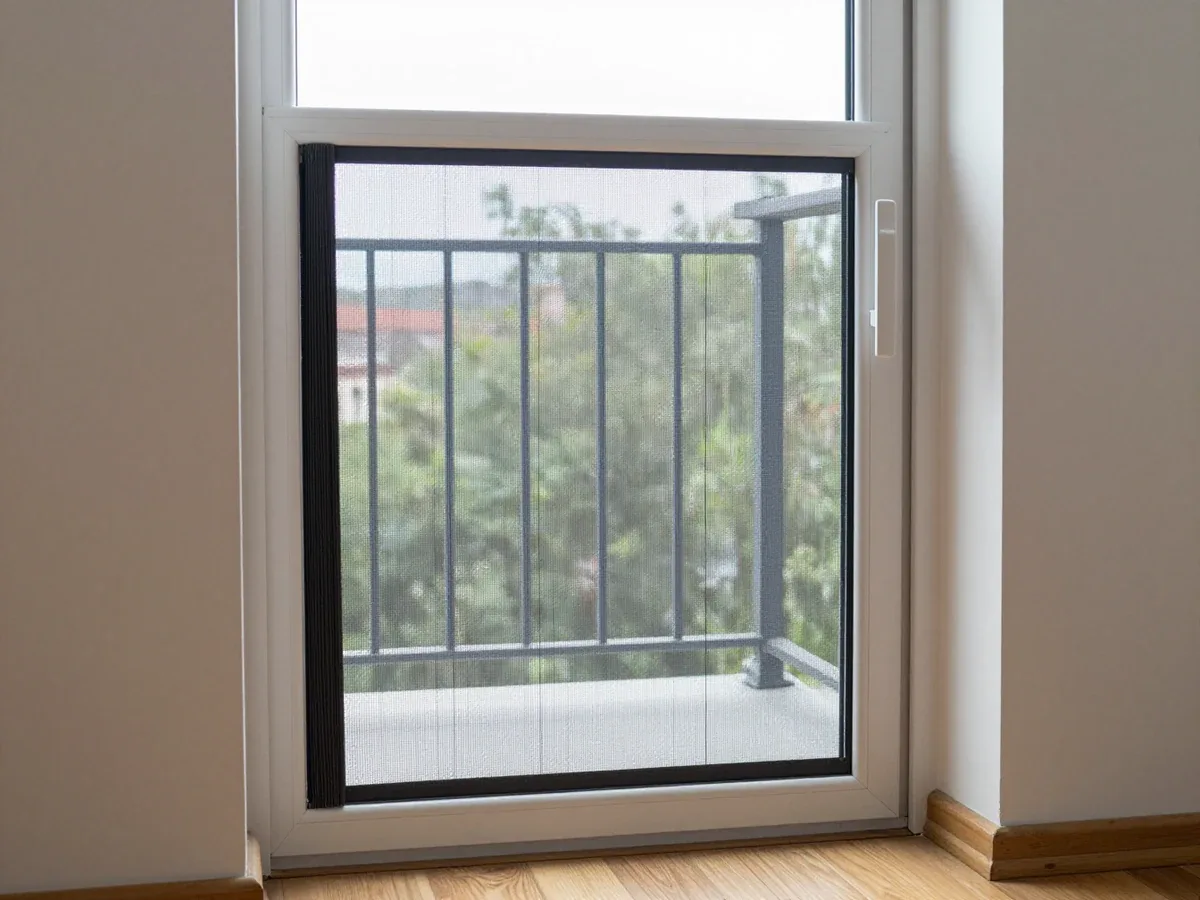
Folding mosquito screens slide sideways into a slim cassette instead of hanging as one fixed leaf, so the mechanism opens with a light push and leaves the passage clear. The fabric gathers in even vertical pleats along a track at the top and bottom, and the whole unit sits inside a narrow frame no wider than a hand. On a balcony door the folding section slides out of the walking path, which is why it works where a framed panel would have to be lifted off every time. The difference shows on busy summer evenings, when the door swings every few minutes. A framed unit is quicker to make and easier to take down for washing, so it still earns its place on a casement you rarely open.
Matching the format to your opening, from a vent to a 3 m span
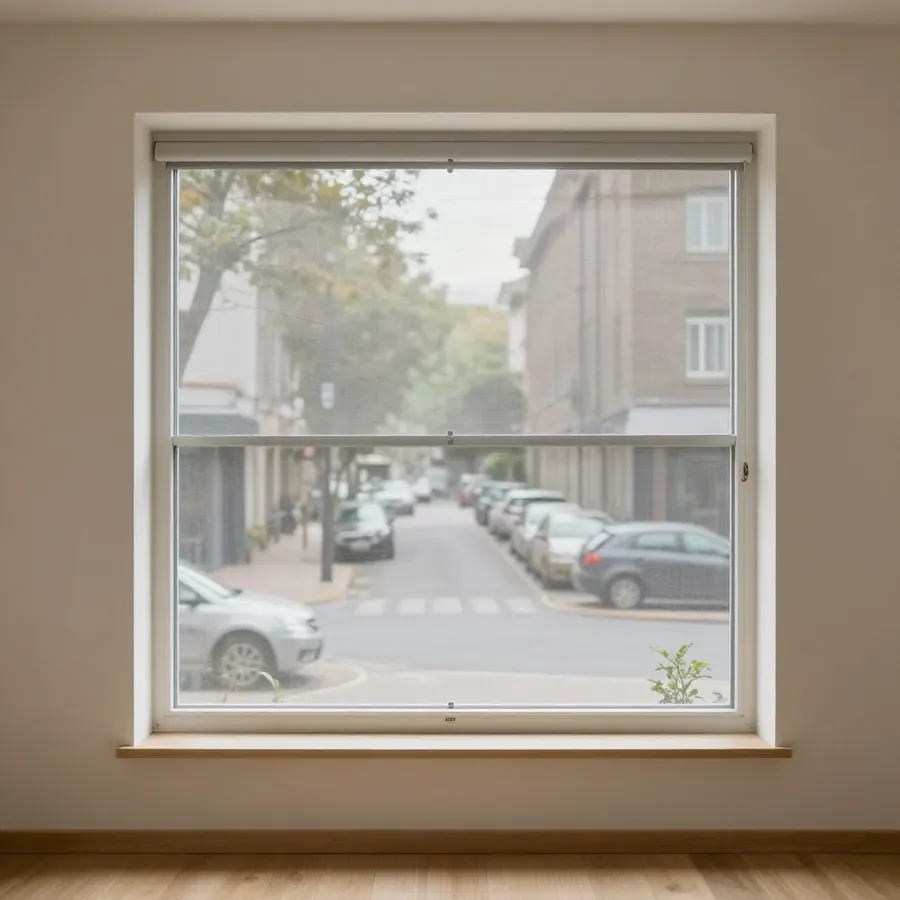
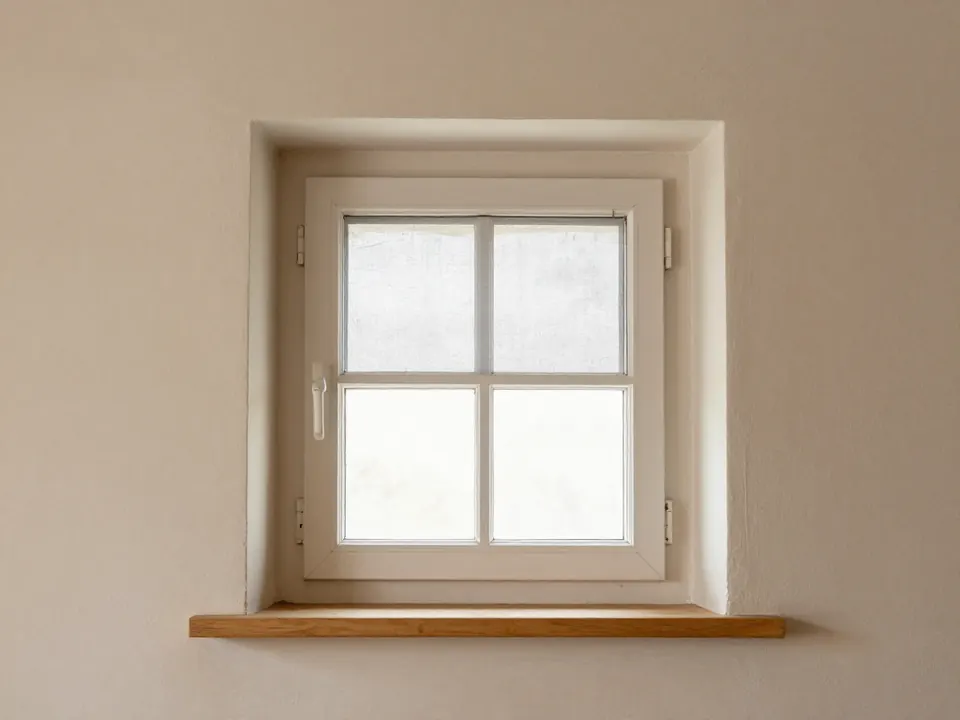
- Vent and small windows: a framed panel covers a vent or a narrow casement with the least hardware and the simplest fixing.
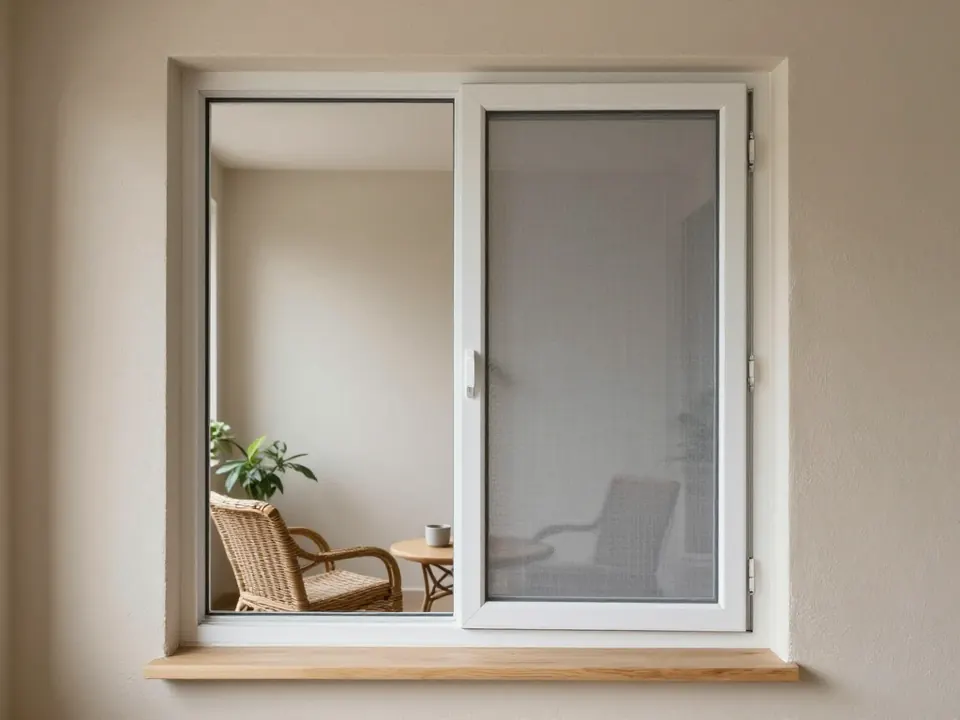
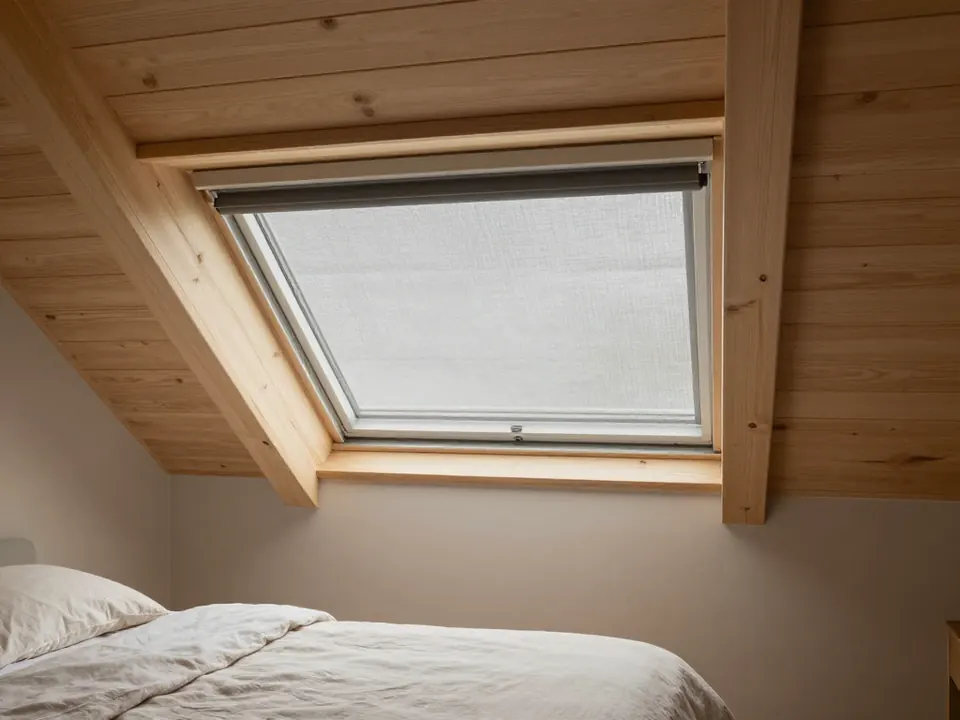
- Standard casements: a folding leaf slides aside without a panel to lift out, which suits windows you open daily.
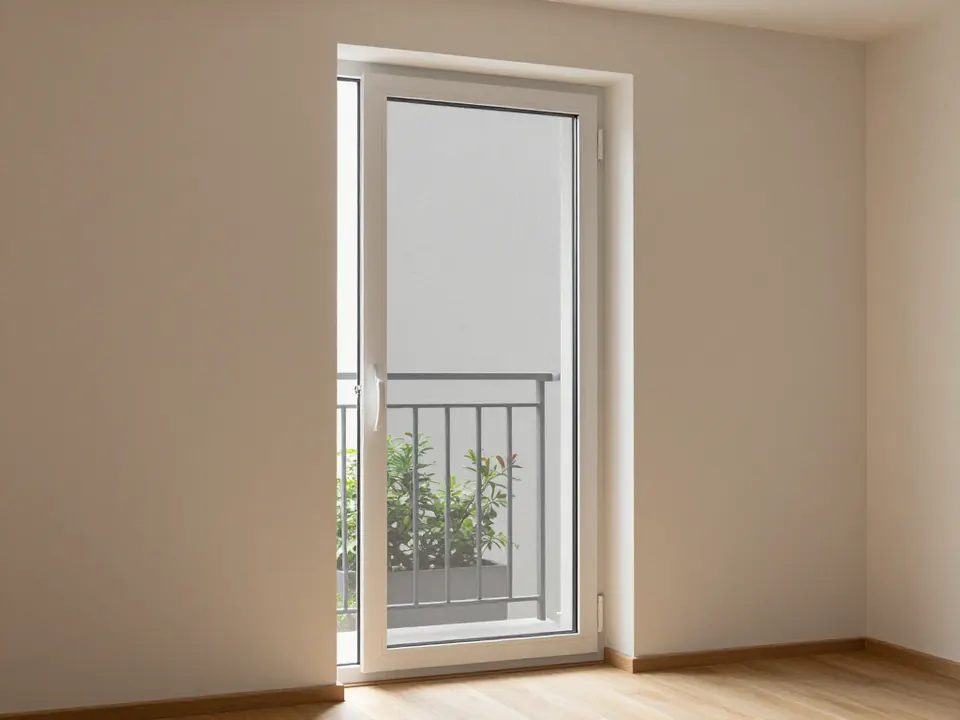
- Balcony doors: the folding leaf clears the walking path, and that matters on a door used many times a day.
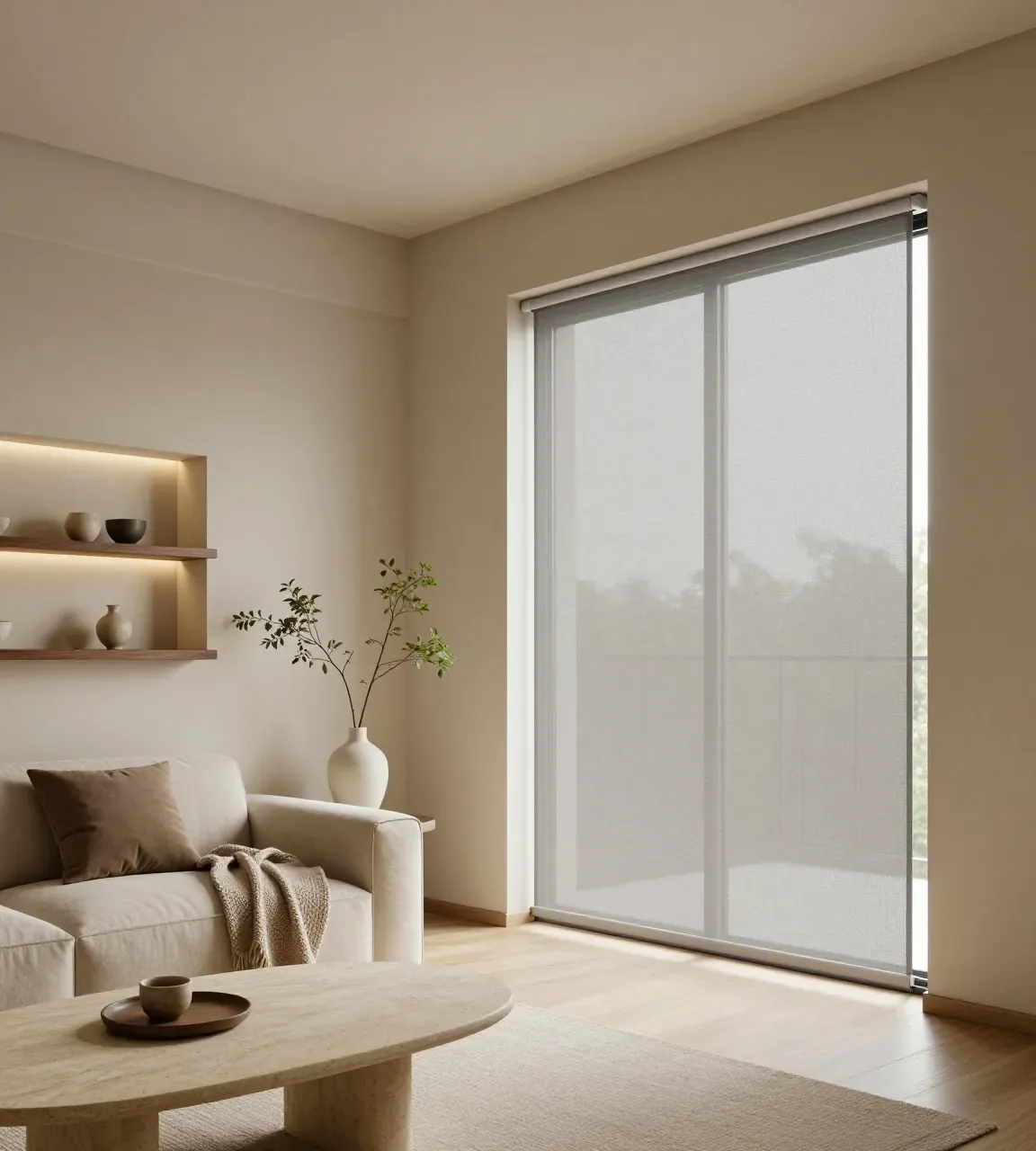
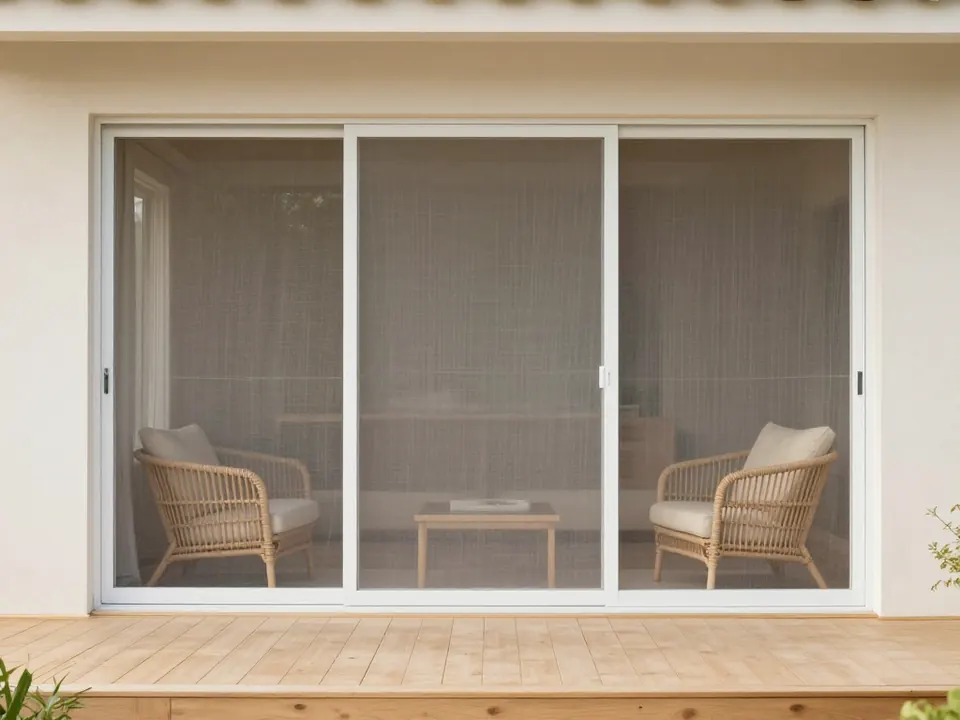
- Wide spans up to 3 m: two or three sections each move on their own, so one person can open half the passage.
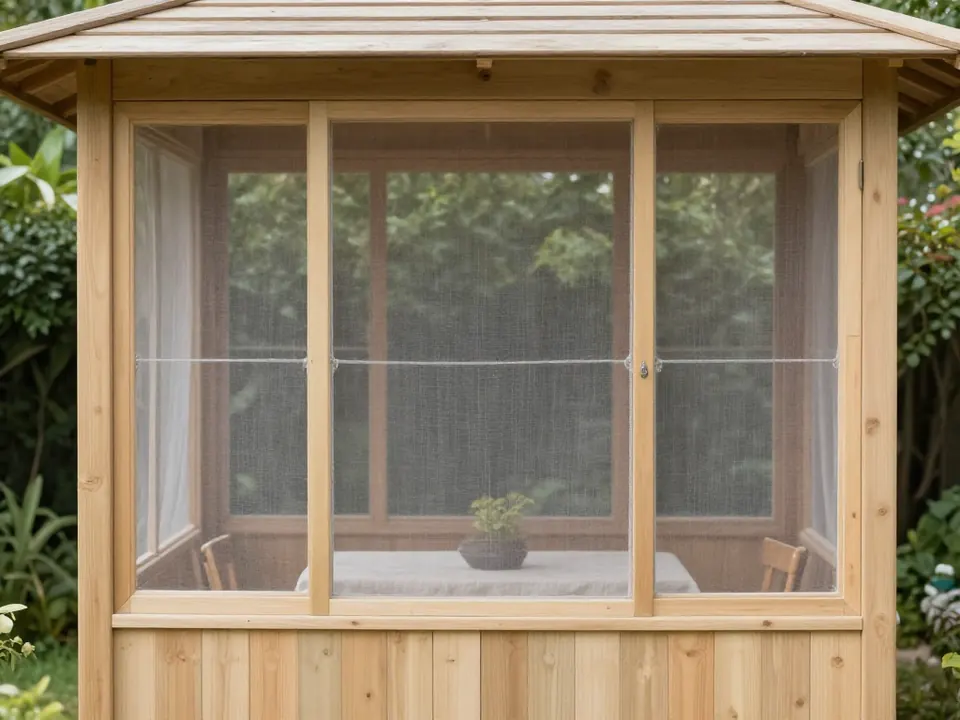
- Loggias, gazebos and verandas: folding or sliding formats handle long openings where a single panel would be too heavy.
- Wooden and aluminium frames: we match the fixing to the profile, so an older wooden frame takes a different bracket from a slim aluminium one.
Choosing pleated mosquito screens mesh for pets pollen dust and daylight
The mesh decides what the screen actually stops and how much light reaches the room. Five canvases cover different jobs, from a scratching cat to fine pollen and a bright south window.
Five meshes and the job each one does
| Mesh | Best for | Key property |
|---|---|---|
| Standard (Fiberglass) | everyday windows | resists fire and temperature swings |
| UltraVue | rooms that need light | 25% more light and air |
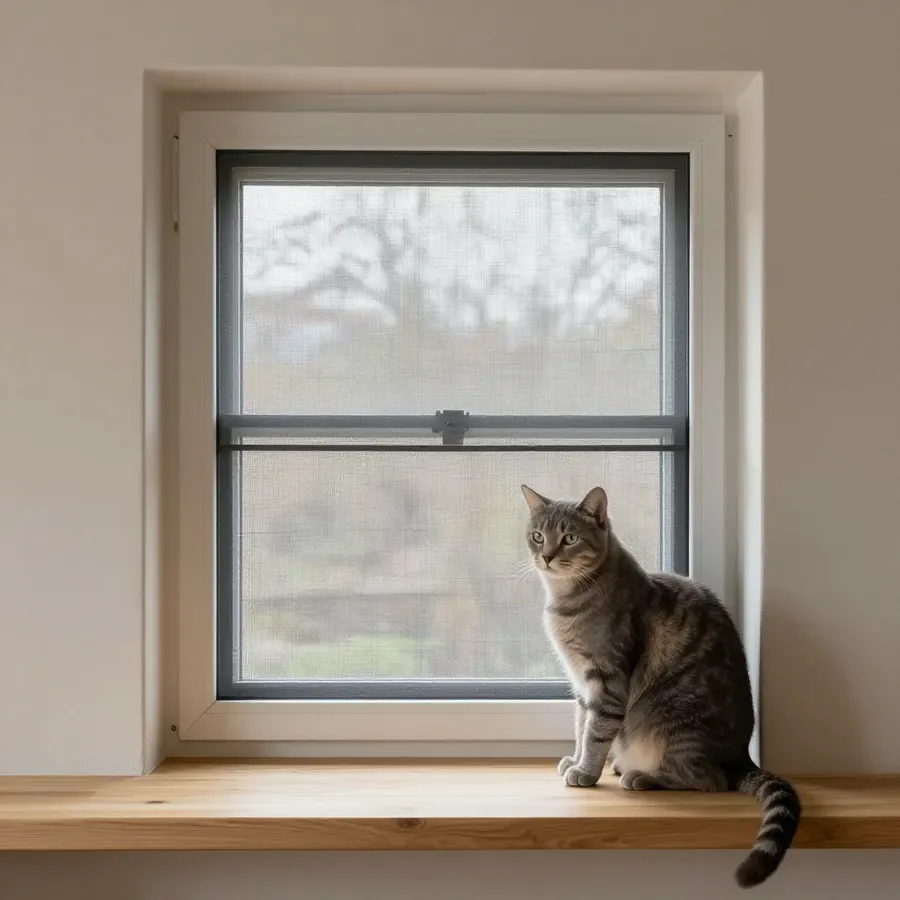
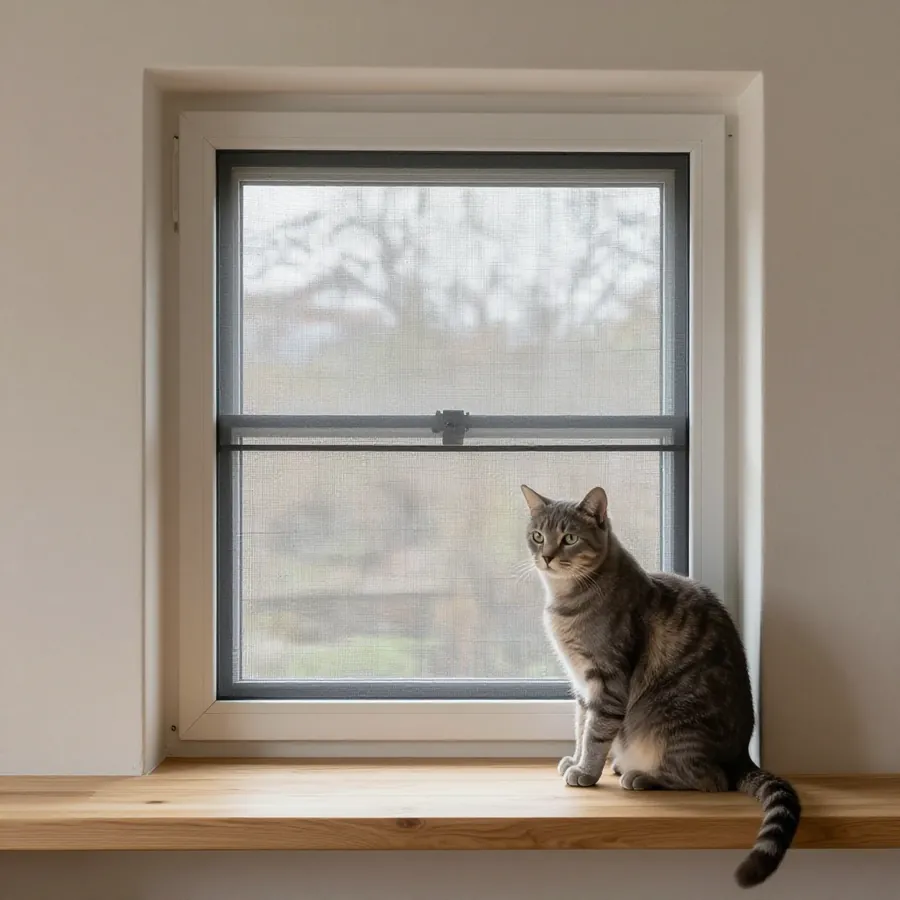
| Anti-Cat (Pet Screen) | homes with a cat | vinyl threads hold a small animal's weight |
| Anti-Dust | dusty summers | keeps fine dust out |
| Anti-Pollen (Poll-Tex) | allergy season | 0.25×1 mm cell |
| Krylo and metal mesh | heavy use and openings | rigid weave for tough spots |
Anti-Cat, Anti-Pollen or UltraVue for your case
If a cat claws at the screen, Anti-Cat (Pet Screen) is the pick because its vinyl threads are several times stronger than a standard weave; for pollen, Poll-Tex with its 0.25×1 mm cell filters the finest particles. Anti-Dust handles the gritty summers the steppe brings to Pavlodar, while Standard fiberglass covers an ordinary window that needs nothing special. UltraVue is the answer when a room feels dark behind a screen, since it lets 25% more light and air through than other meshes. A flat often mixes a pet-proof weave on the balcony door with a fine pollen filter in the bedroom. A dense pollen mesh does cut airflow slightly, so on a bright south window pair it with UltraVue on the other openings to keep the room light.
Profiles, fixings and frame colour for your window and floor
The profile sets how rigid the construction feels, the fixing decides how firmly it stays on a particular window and floor, and the colour is what you see next to the sash every day.
Economy or Prestige and the fixing that holds on your floor
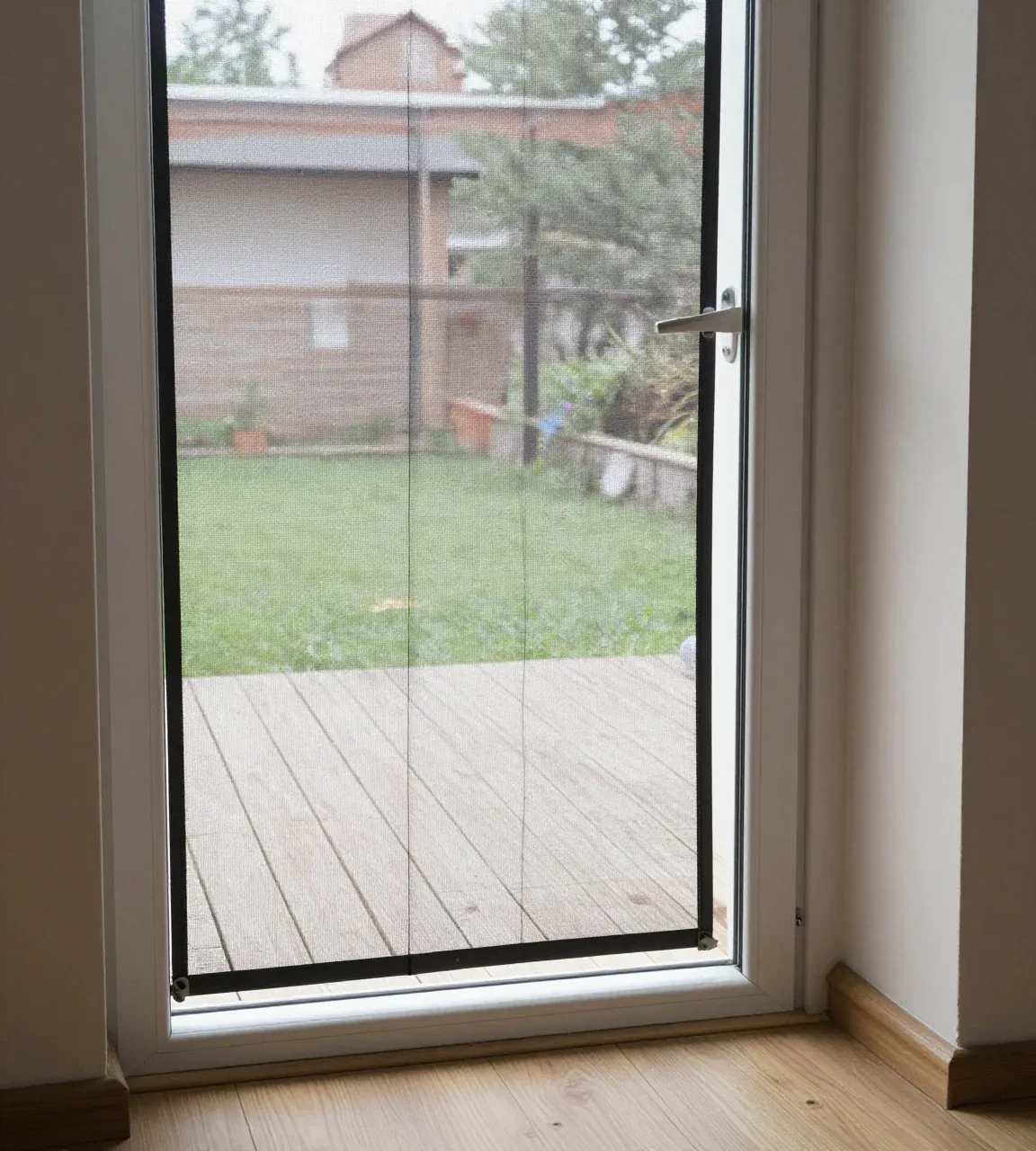
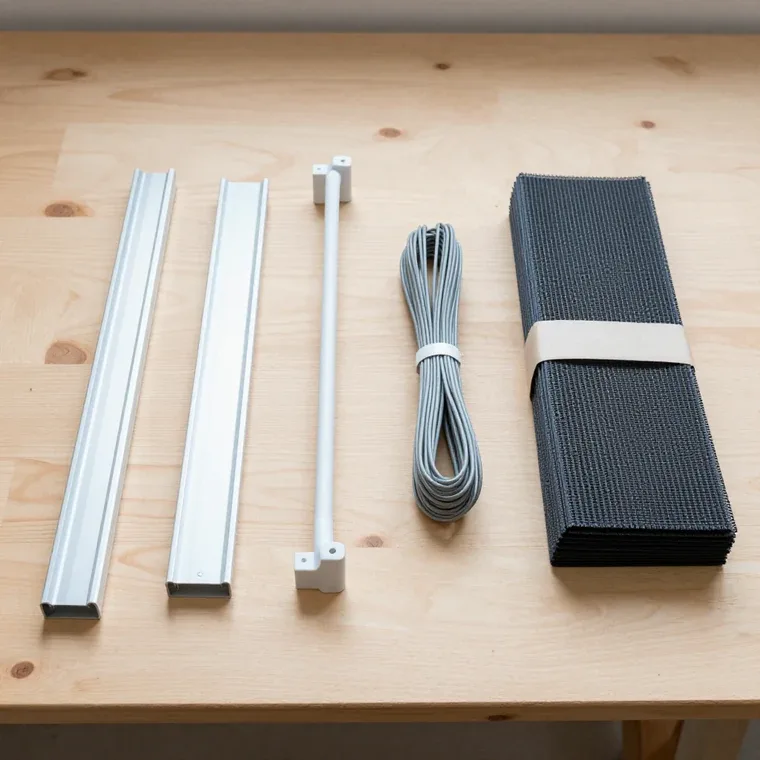
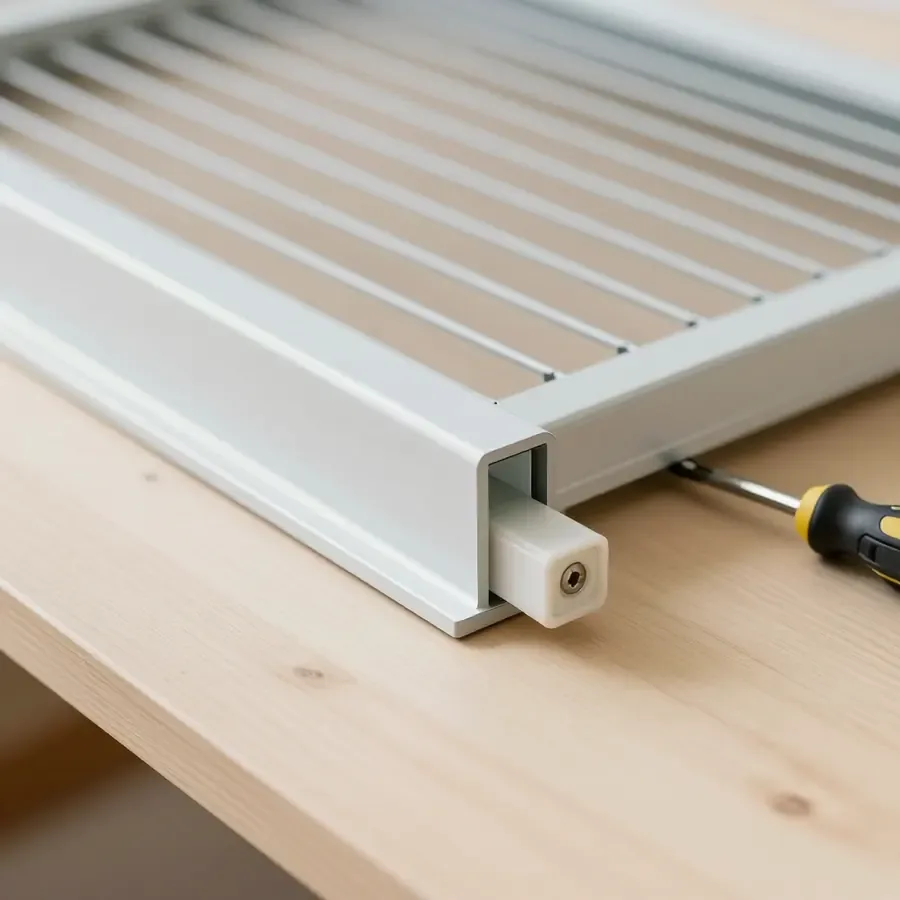
Door screens come with either the Economy 32×10 mm or the heavier Prestige 42×17 mm profile, and the measurer picks Z-brackets, pins or magnets to suit your window and floor. The slimmer Economy option keeps a light door leaf from feeling bulky, while the 42×17 mm Prestige carries a taller mesh panel without flexing at the corners. Z-brackets hook over the outer edge and suit most plastic sashes, pins push into the channel on wooden and aluminium windows, and magnets hold a light indoor panel flat against the surround. All three are chosen on site, not from a catalogue photo. On an upper floor with strong wind, a heavier profile and mechanical fixings hold steadier than magnets, which are better kept for light indoor panels.
Painting the frame to match and taking the screen off for winter
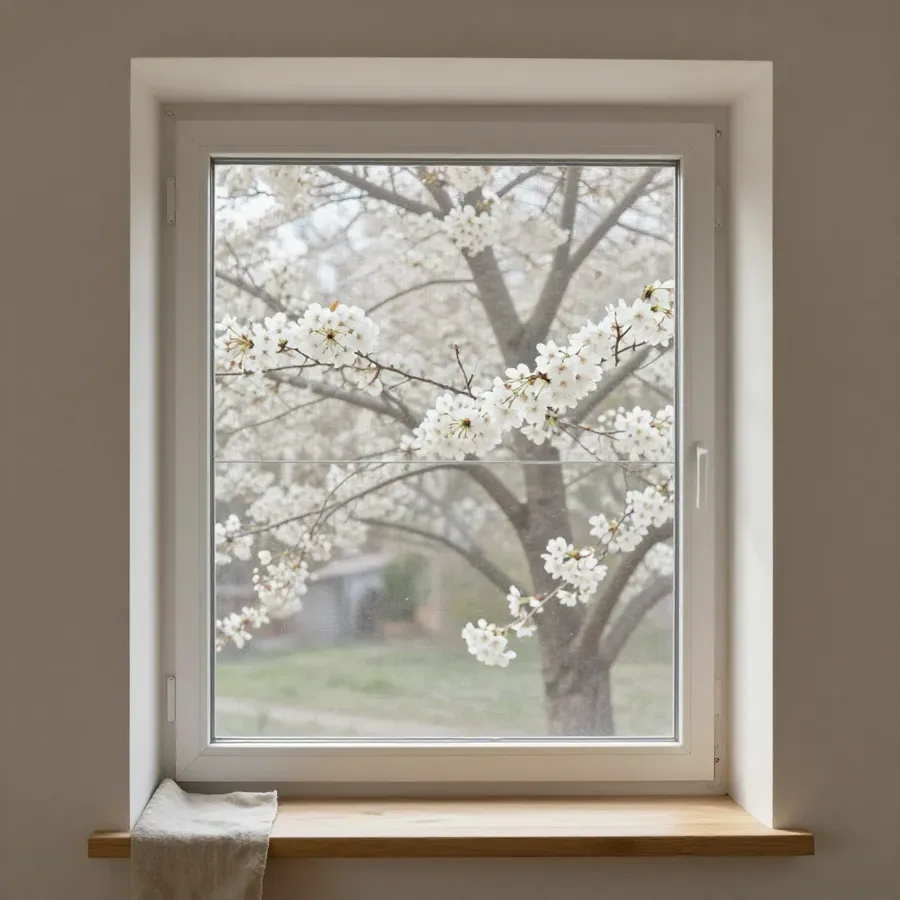
We paint the aluminium surround any colour to match your windows, and a framed mesh lifts off from inside in a minute, which is why we suggest removing it for the winter. Colour matching matters most on white plastic sashes, where a bare edge stands out from across the room; a painted border blends into the reveal instead. Taking the panel down before the cold season protects the mesh from snow load and ice creeping into the corners, and the surround itself stores flat against a wall. A folding pleated mosquito screen stays on its guides all seasons, so winter care is mostly about cleaning the track rather than taking the whole assembly down — a brush or a vacuum nozzle along the guide is enough to keep the fold running smoothly when the season turns.
Measuring, making and fitting your pleated mosquito screen
Pleated mosquito screens Pavlodar homeowners order from us follow a short route: a free visit to take sizes, a unit built to your exact opening, delivery and installation, then payment once the work is done.
From a free measuring visit to a screen made in under an hour
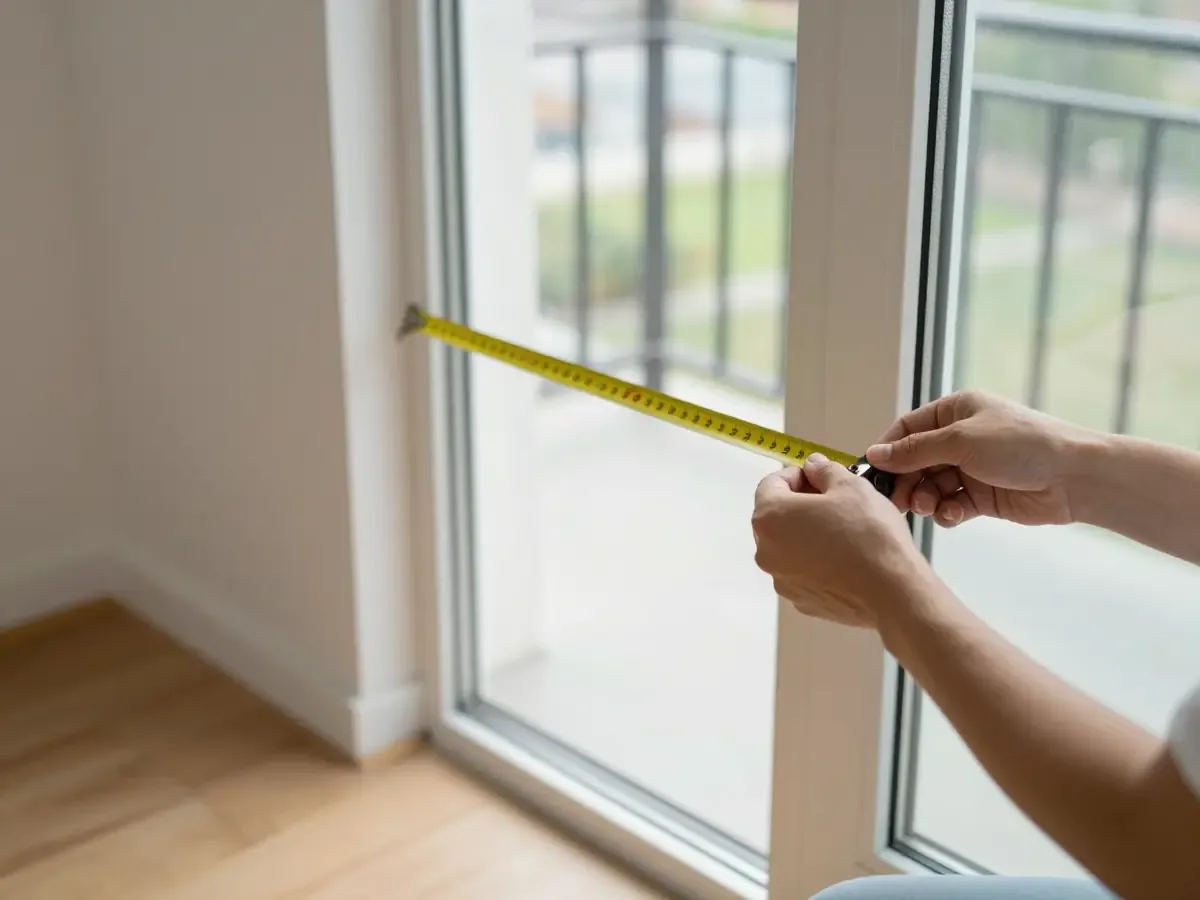
Measuring and consultation are free, the measurer comes at a time that suits you and takes the sizes, and a pleated screen is then made in 40–60 minutes. He checks the opening, the profile and the floor, then helps you pick the mesh, the frame colour and the fixings — Z-brackets, pins or magnets — so nothing has to be reordered later. A framed unit for comparison takes 10–15 minutes, which is why the folding type is normally booked for a slot rather than assembled on the spot. Because the size is taken on site rather than guessed from a photo, the folding panel lines up with the opening at the first fitting.
Fitting, payment after installation and how to reach us
- Delivery and installation: we bring the finished unit and mount it on windows or doors at the agreed time.
- Payment after installation: settle once the unit is in place, by cash, card or Kaspi.
- Fixed price: the figure is locked in the order after measuring, so any change of mesh is agreed before cutting.
- Fast replies: we answer on WhatsApp within 5 minutes, and we are open seven days a week.
- One contact point: the measurer, the fitters and the support chat stay in touch, so a question about the day rarely waits until the next morning.
How long a pleated screen lasts, repairs and the warranty
Service life depends on the mesh, the load on the unit and how it is looked after. When a fabric tears or a fastening works loose, the product can be repaired instead of replaced straight away.
Sizes, service life and what the 1-year warranty covers
A folding unit is made to the height and width of your opening, and every mosquito net we supply carries a 1-year warranty on the product. That cover includes the frame, the folding mechanism and the mesh as delivered, and it starts on the day of fitting. Fabrics age differently: Standard fiberglass holds its shape through temperature swings, UltraVue stays clear because it lets in 25% more light and air, and Pet Screen resists clawing far longer than a plain one. Handling matters as much as material — a panel pulled by one corner or left to grind against grit in the guides wears at the fold sooner than one moved by the handle. Most wear shows up first at the folding edge and the guides, so a quick check of those two points each season catches a problem early.
Repairing a torn mesh or a screen that slipped its guides
We repair mosquito nets and replace fastenings, so a torn fabric or a unit that has slipped its guides is fixed rather than thrown away. A repair visit also includes a check that the frame still runs square in its opening. Folding models take more of this work than framed ones because the fabric folds and unfolds thousands of times. Send a photo on WhatsApp and we reply within five minutes with what the fix involves. Most repairs are done on site during the same visit, and the fastening is matched to the profile and floor exactly as on a new unit.
What to look for when ordering pleated mosquito screens
A pleated insect screen pays off when the format, the fabric and the fitting suit the opening it covers.
- Format first: a folding panel slides sideways into a slim cassette, which suits balcony doors, loggias and wide openings where a fixed framed unit gets in the way.
- Fabric for the room: a pet-proof weave, a fine pollen filter or a high-light cloth each solve a different problem, so match the material to the space rather than to habit.
- Profile and fixing: the profile and fastening follow the window and the floor, and a frame painted to the window colour blends in rather than standing out.
- Short process: free measuring, a made-to-size unit finished in 40–60 minutes and payment after installation keep the whole job short and predictable.
- Longer service: a 1-year warranty and a repair service mean a torn panel or a loose fastening does not end the product's life.
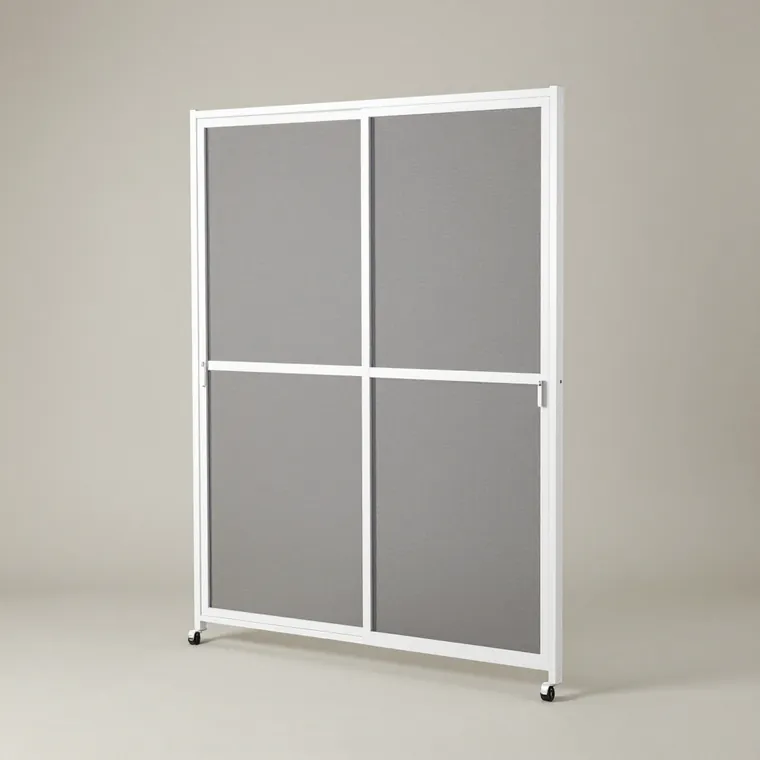 Sliding screens
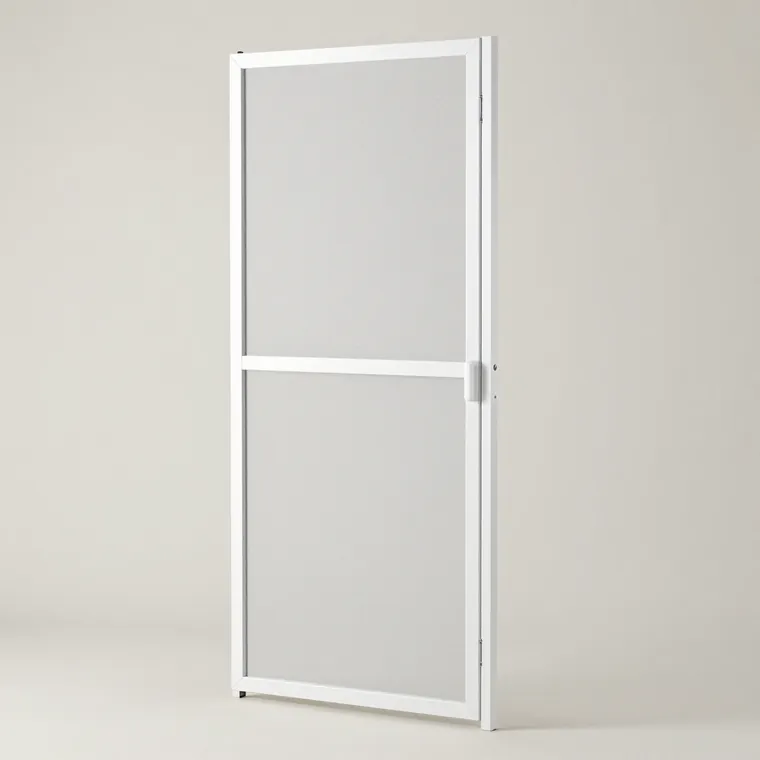 Door screens
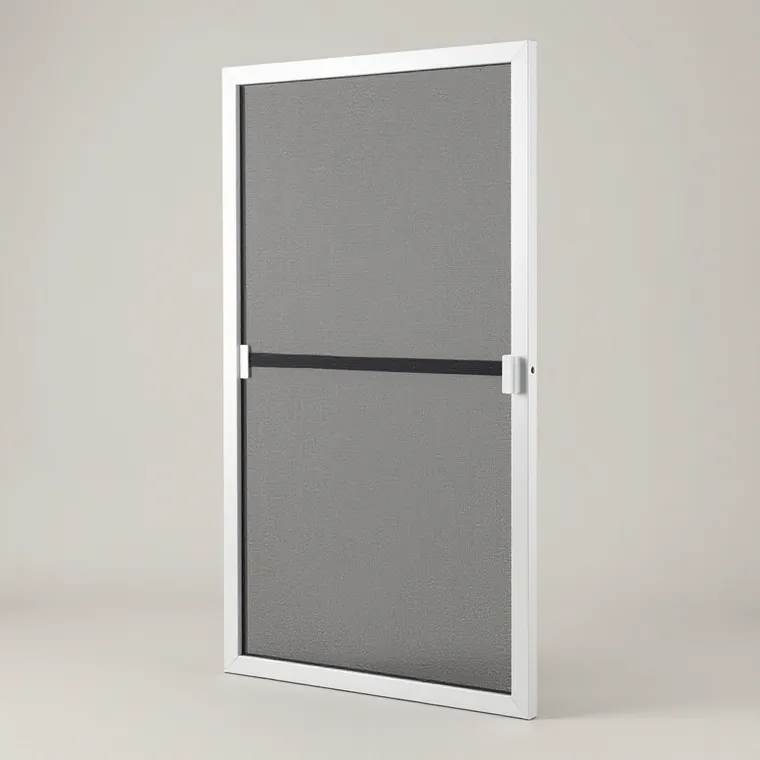 Framed screens
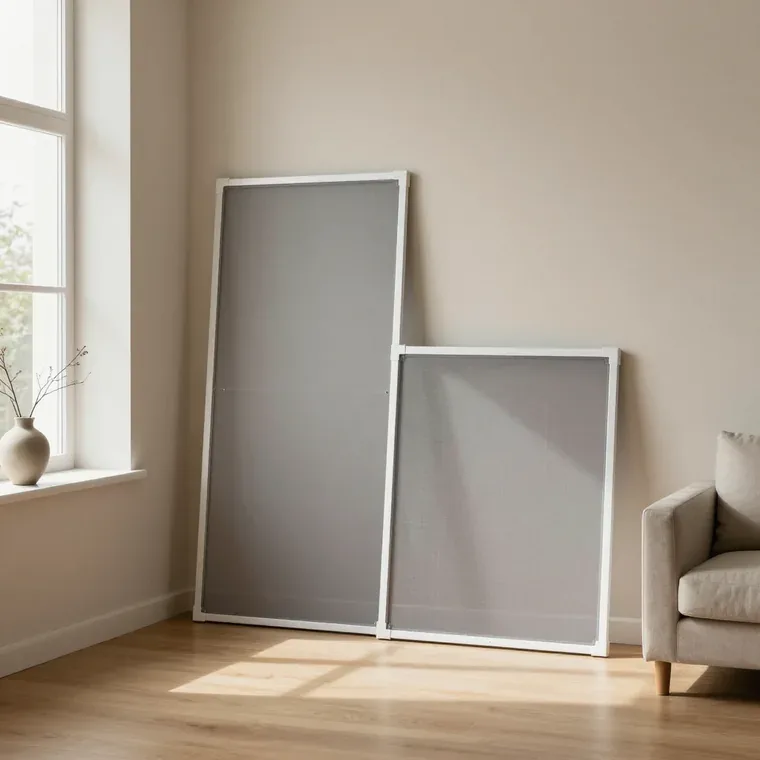 Ready-made screens
 Roller screens