
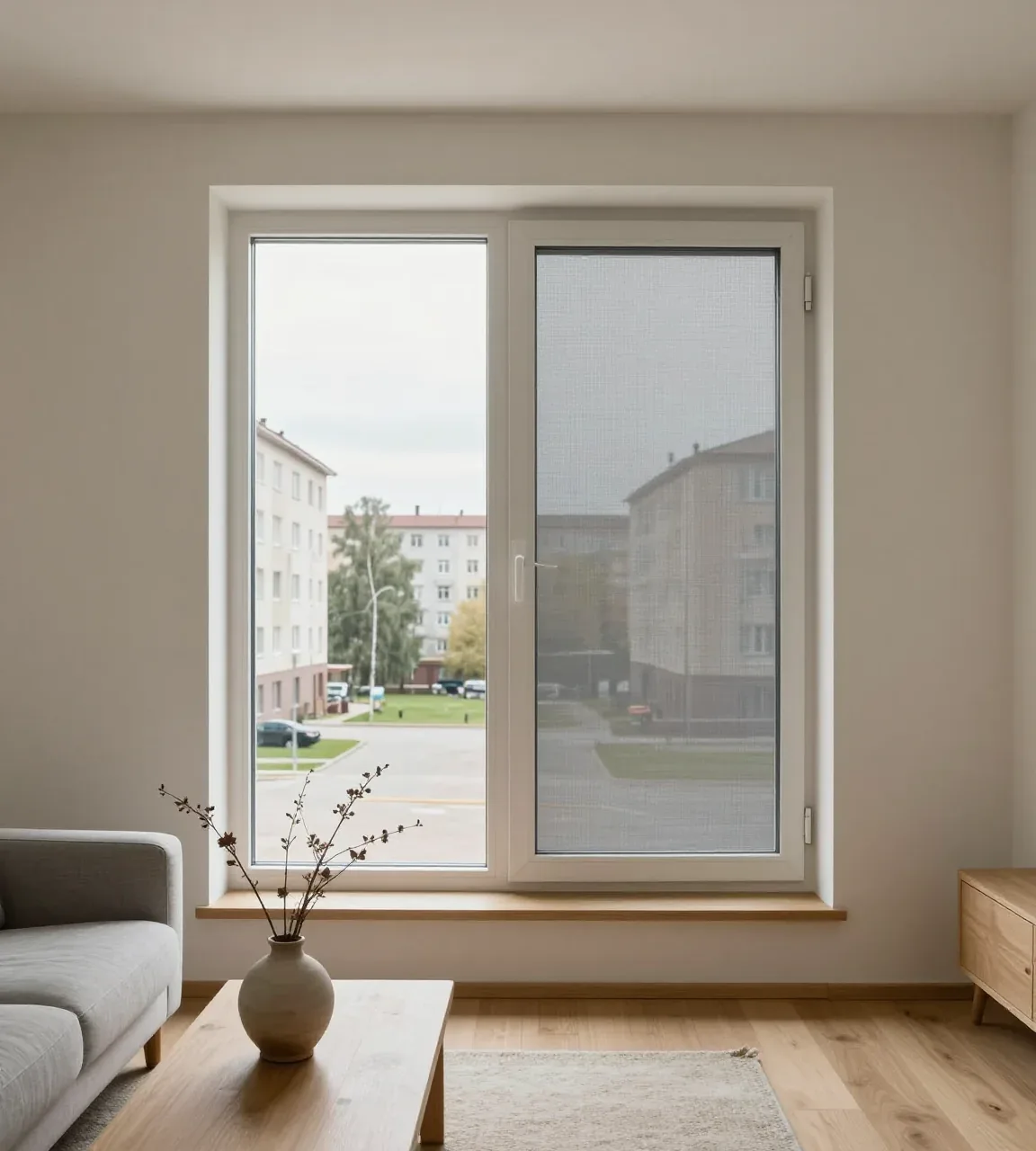
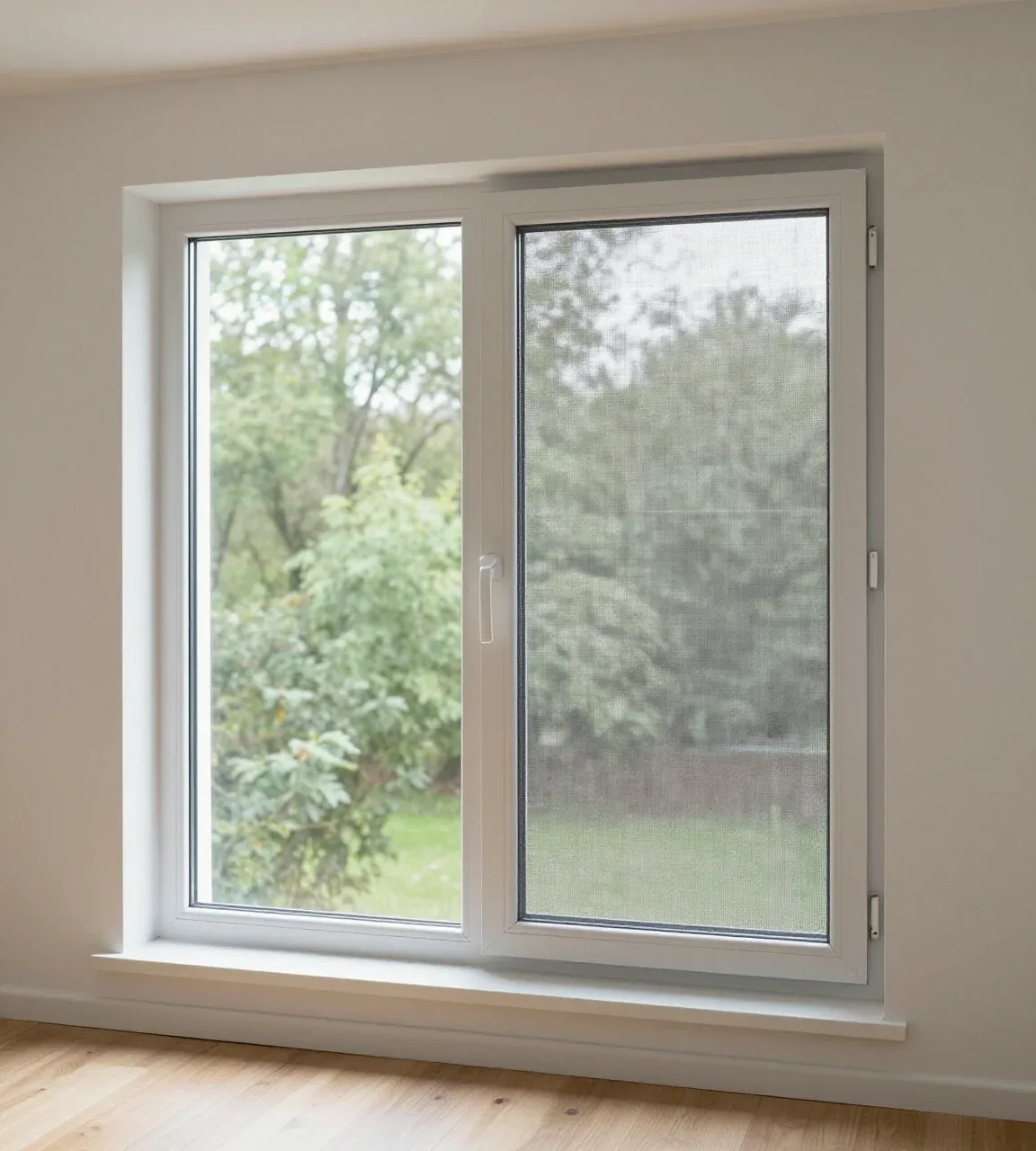
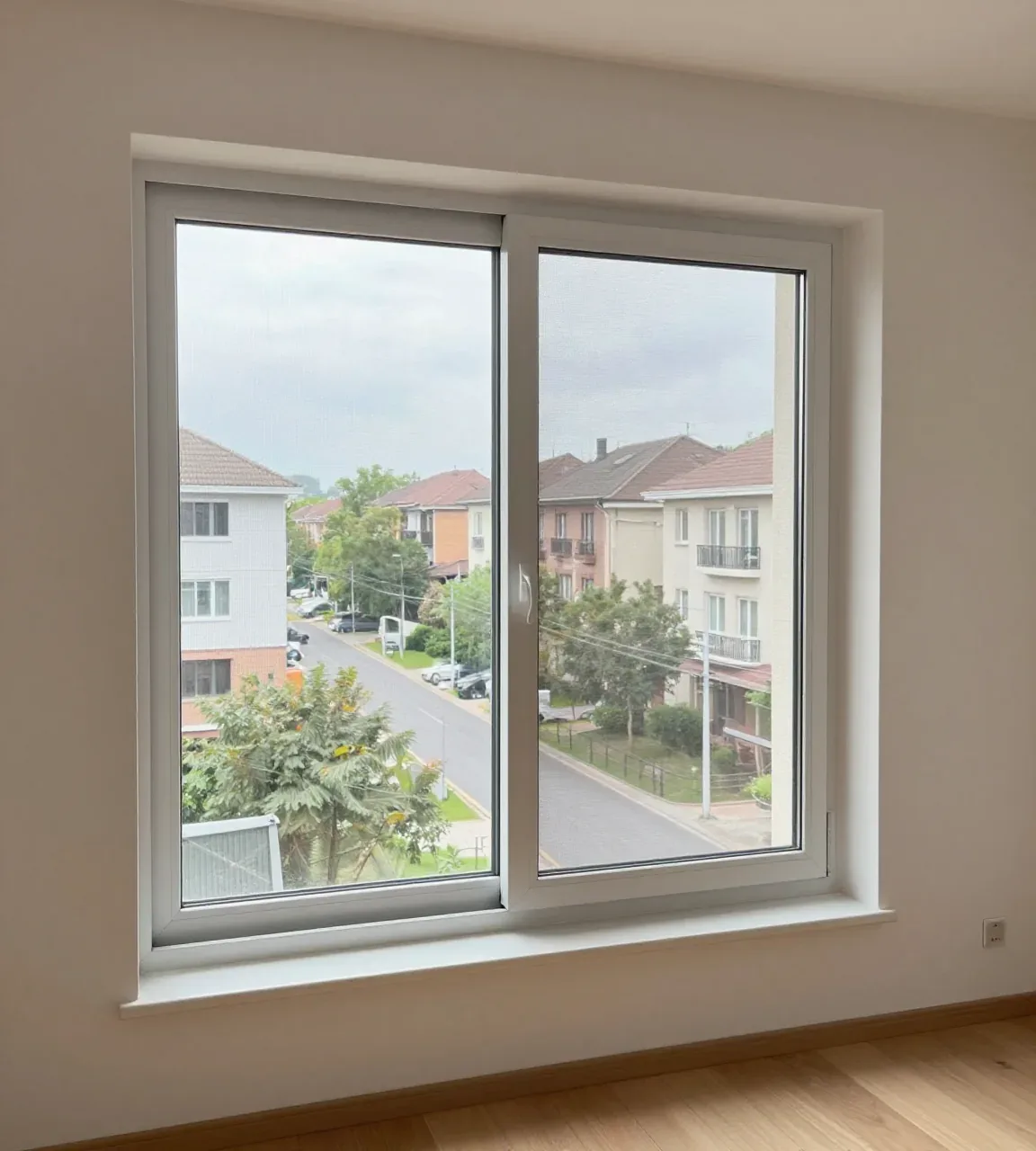
Mosquitoes and flies · Fiberglass
Standard mesh
Fiberglass does not burn and withstands temperature changes. A framed screen with it costs from 6 000 ₸ per m².
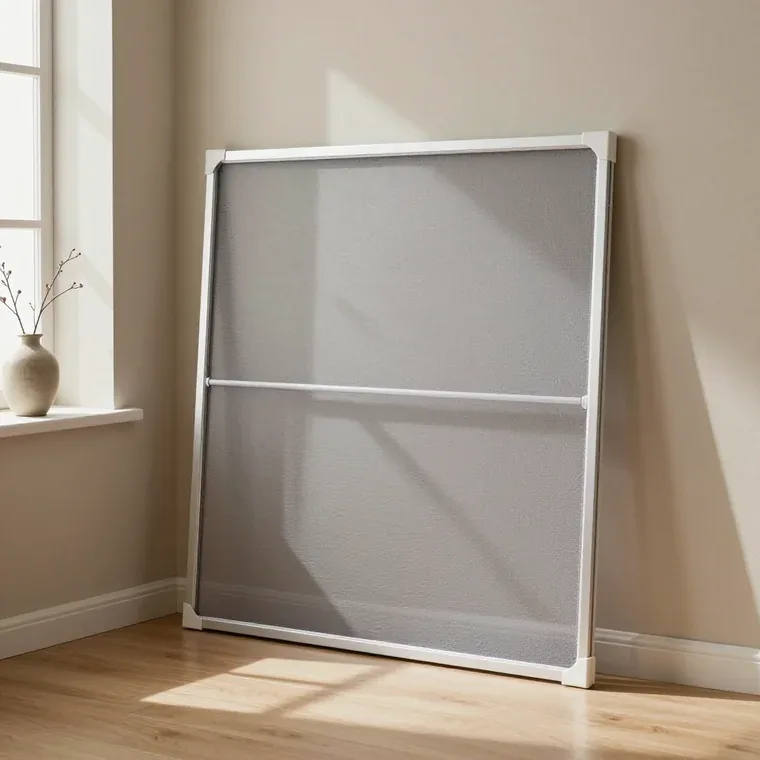
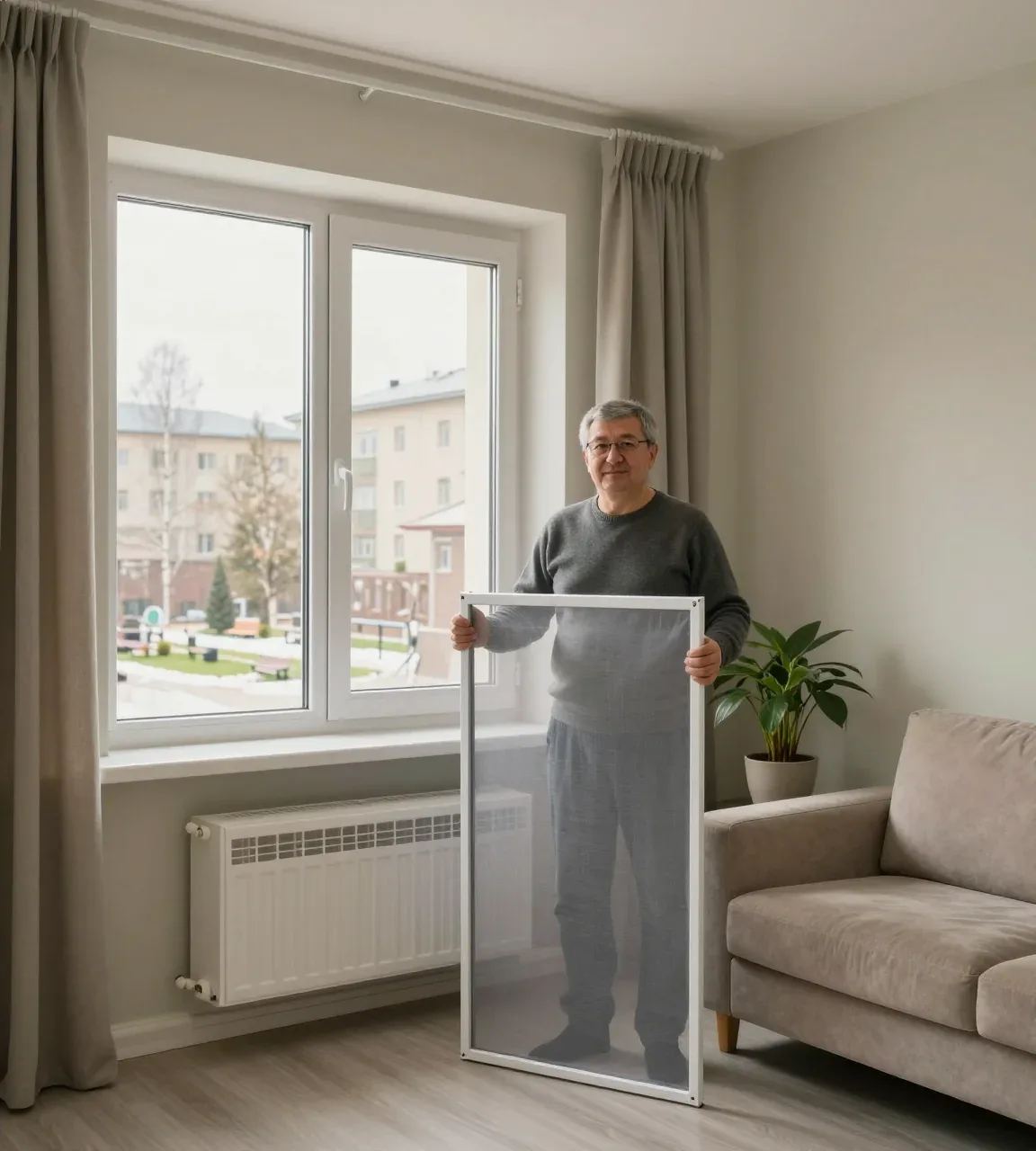
Standard mesh
Fiberglass does not burn and withstands temperature changes. A framed screen with it costs from 6 000 ₸ per m².
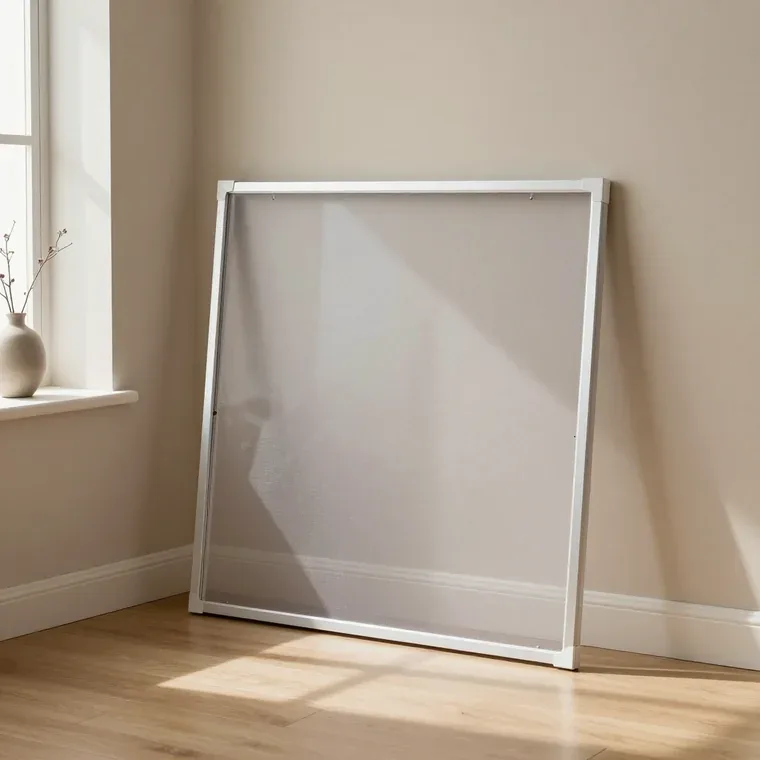
UltraVue
Lets through 25% more light and air than other meshes. Price from 7 900 ₸ per m².
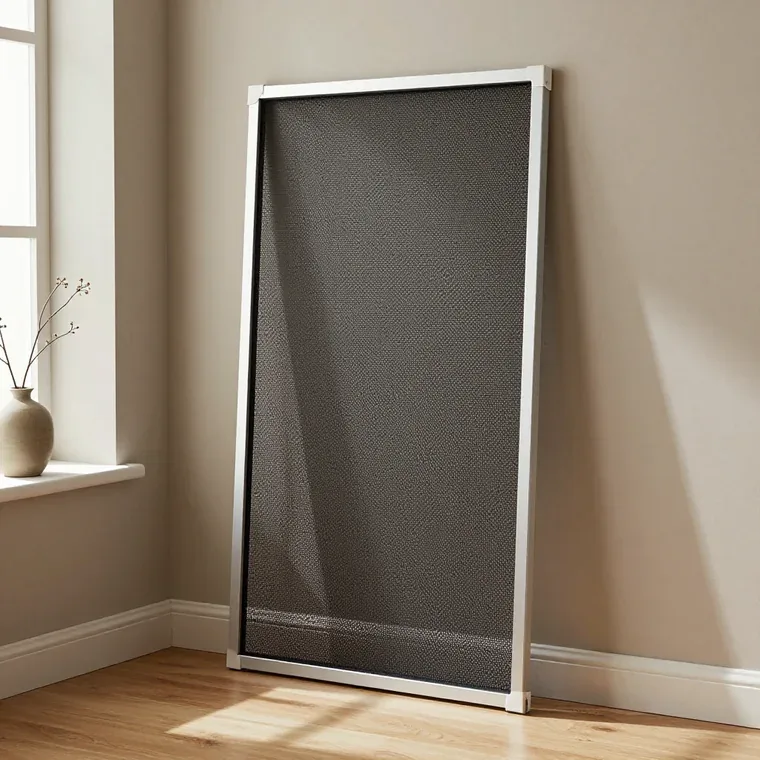
Anti-Cat
Vinyl threads are several times stronger than standard mesh and withstand the weight of a small pet. From 12 000 ₸ per m².
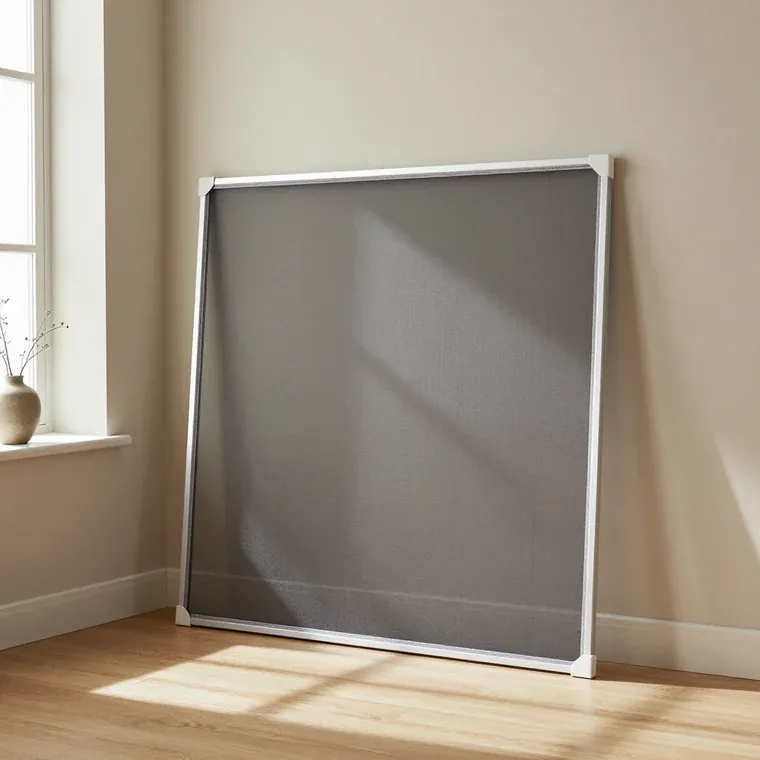
Anti-Dust
Dense weave traps dust and poplar fluff. A framed screen with this mesh costs from 11 800 ₸ per m².
Anti-Pollen
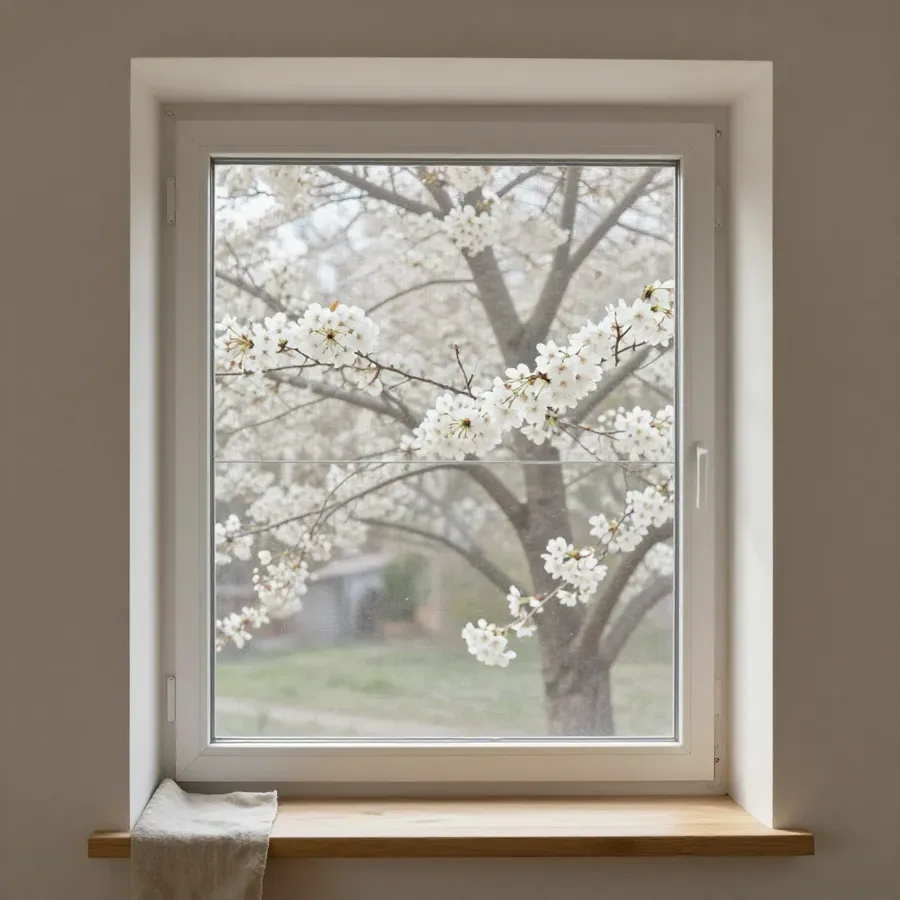
The 0.25×1 mm cell traps pollen, and the mesh is anti-allergenic. Price from 12 200 ₸ per m².
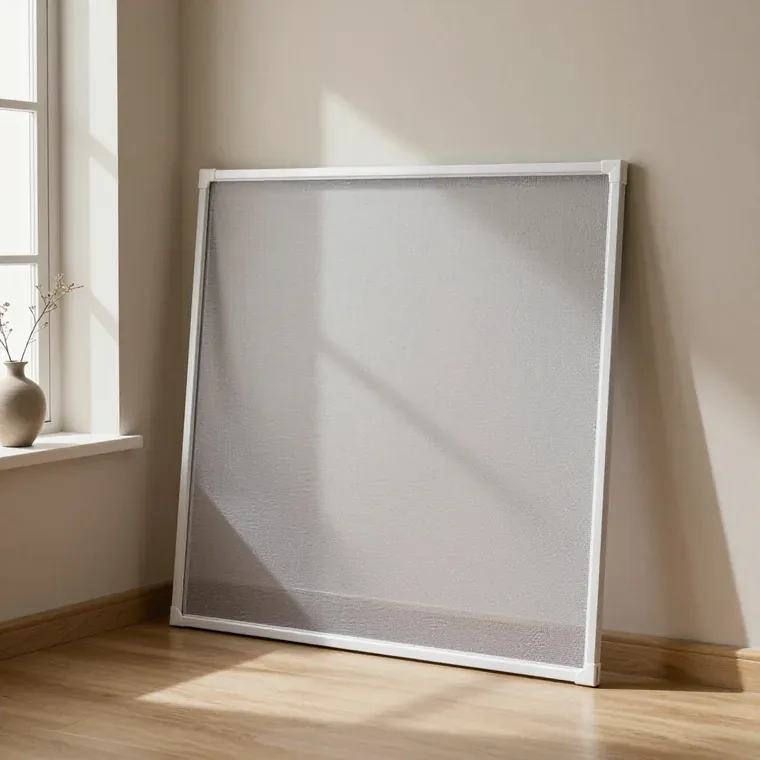



5,097 reviews on review sites
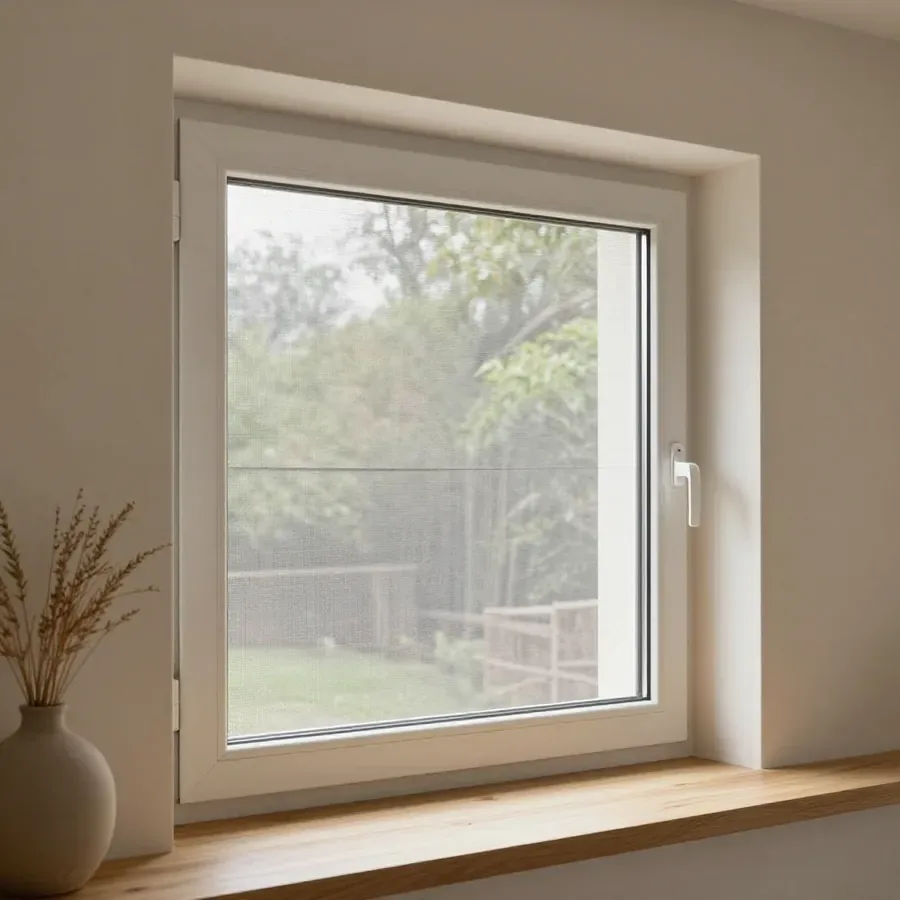
A removable structure made of aluminium profile with stretched mesh, installed on the casement from the outside
The frame is assembled from aluminium profile, usually white or matching the window colour. The mesh is inserted into a groove around the perimeter, fixed with a cord, and the corners are pulled together with plastic corner connectors — they keep the geometry and tension.
The structure is removable: the screen covers the casement from the outside and is removed from the inside without tools. We make a framed screen to your dimensions in 10–15 minutes, the warranty on mosquito screens is 1 year, and there are 5 mesh options available.
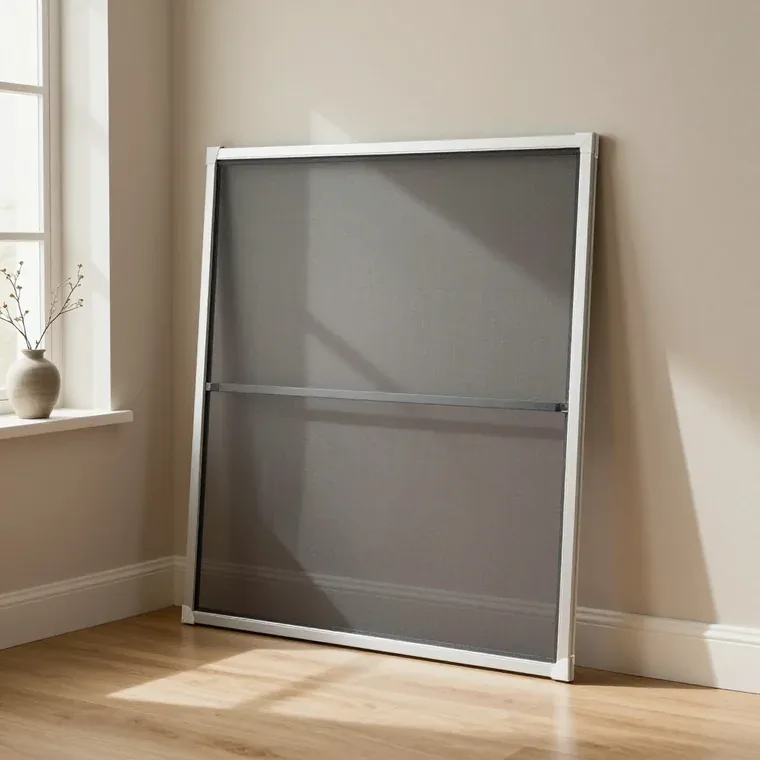
making a framed screen to your dimensions
warranty on mosquito screens
from Fiberglass to Anti-Pollen
The measurer selects the fixings for the window profile and floor: this determines how tightly the frame fits and how easily it can be removed
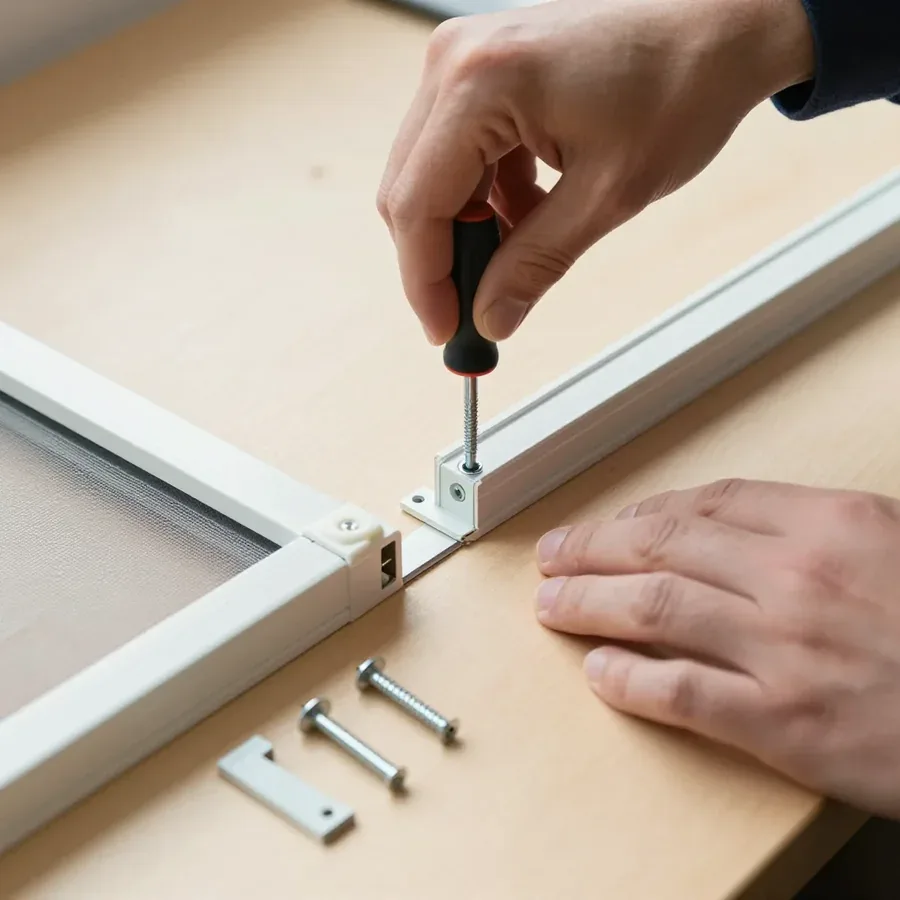
Metal hooks catch the frame on the casement profile. They hold firmly and suit removable structures and upper floors.
Spring-loaded pins enter the profile groove and fix the frame from the inside. The screen is removed with a hand movement, with no fixings on the casement.
A pair of magnets pulls the frame to the counter plate. Convenient where you don't want to drill the profile, but they hold weaker than brackets.
The mesh acts like a sail: the larger the area and the higher the floor, the stronger the wind load. On upper floors, choose a fixing with a tight frame-to-profile seal — Z-shaped brackets or reinforced pins. Magnets at such heights may not hold the frame in a strong gust.
The mesh size is chosen for the task: from 0.25×1 mm for pollen to standard values for universal protection. Below are guidelines for selection
Mesh 0.25×1 mm
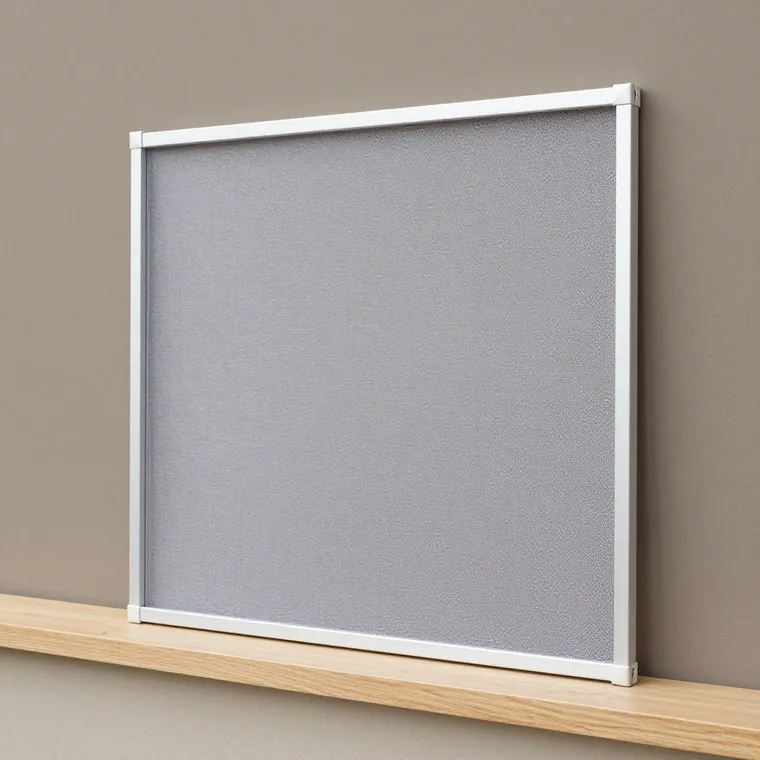
The fine mesh traps plant pollen during the flowering season. Suitable for allergy sufferers and bedrooms.
Dense weave
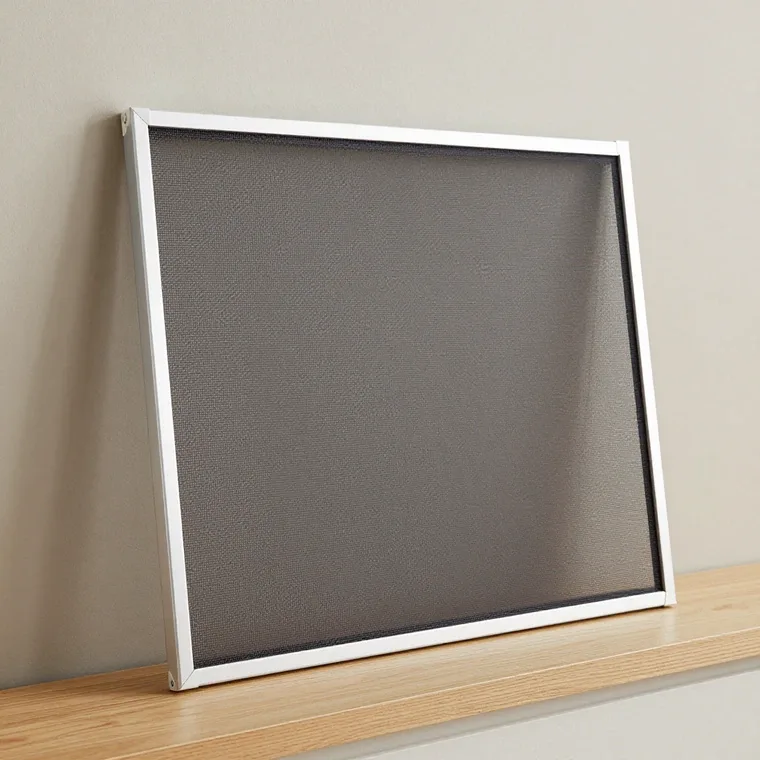
The dense structure traps dust and poplar fluff while letting air into the room.
Standard mesh
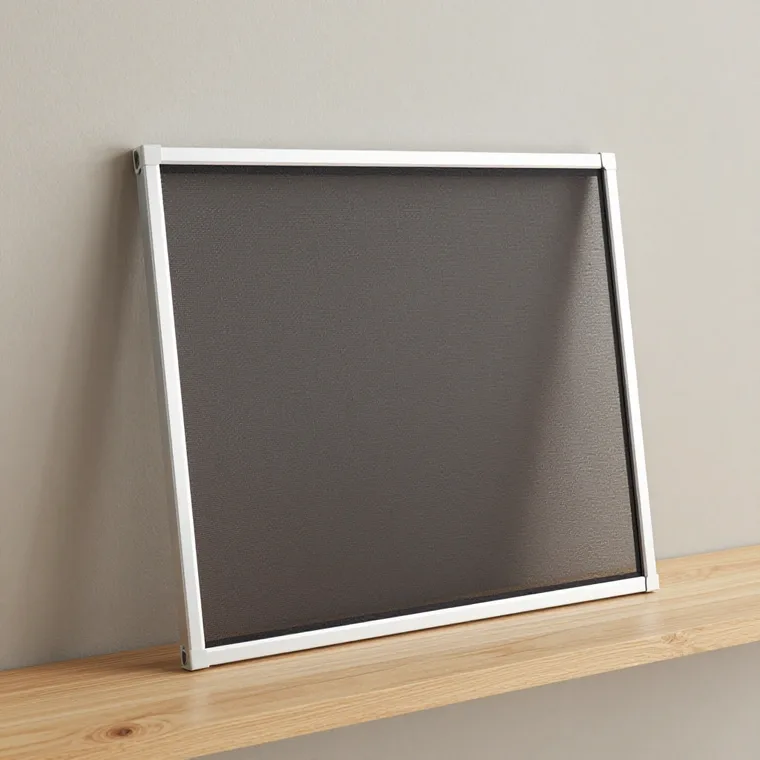
The standard fabric handles insects and large dust. Suitable for most windows.
High-transparency mesh
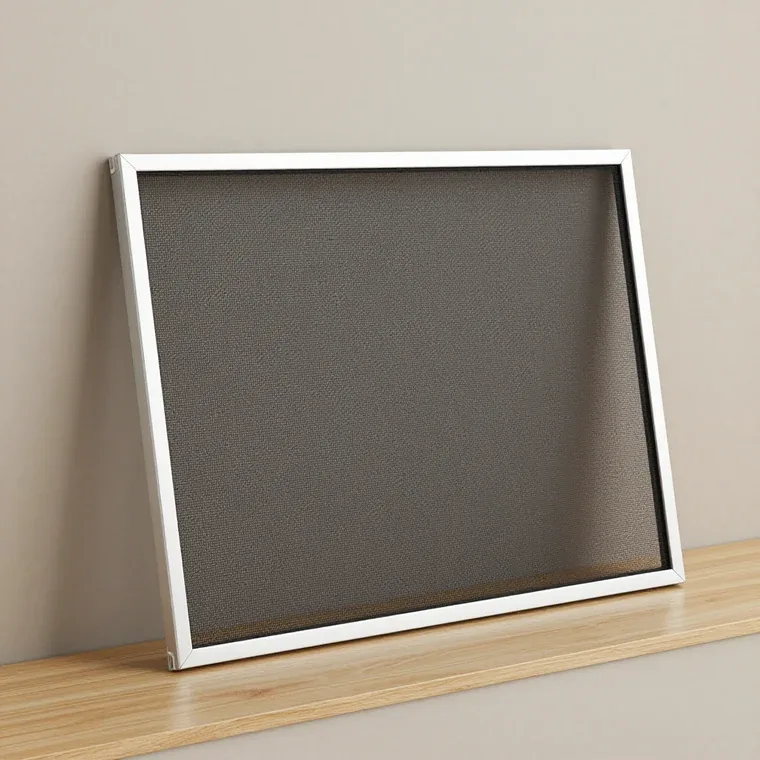
Lets through 25% more light and air than other fabrics. The room looks brighter.
Reinforced threads
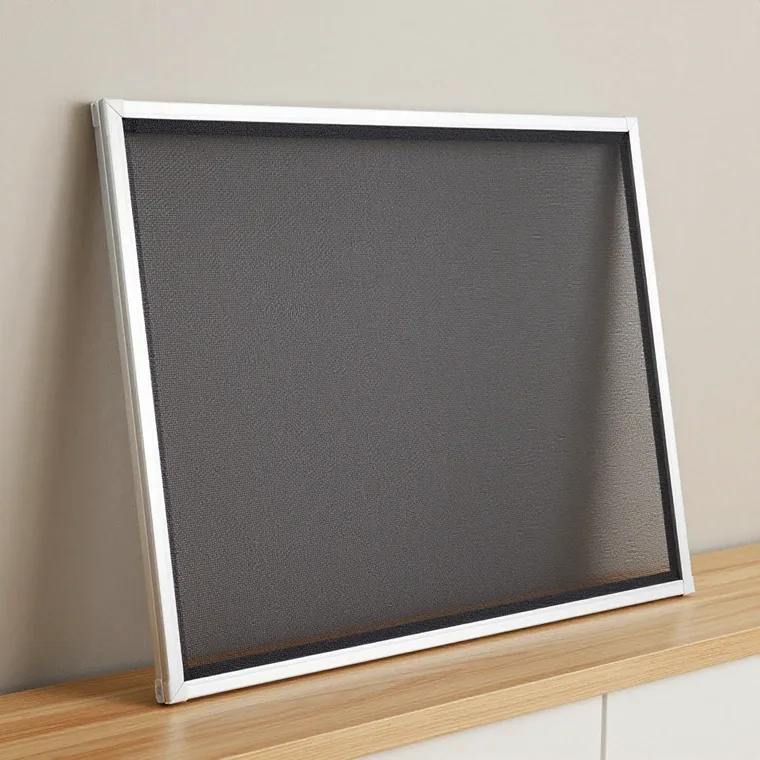
Vinyl threads are several times stronger than standard fabric and can withstand the weight of a small pet.
Five meshes for different needs: from mosquito protection to a barrier against pollen and cat claws.
Fiberglass, resistant to fire and temperature changes
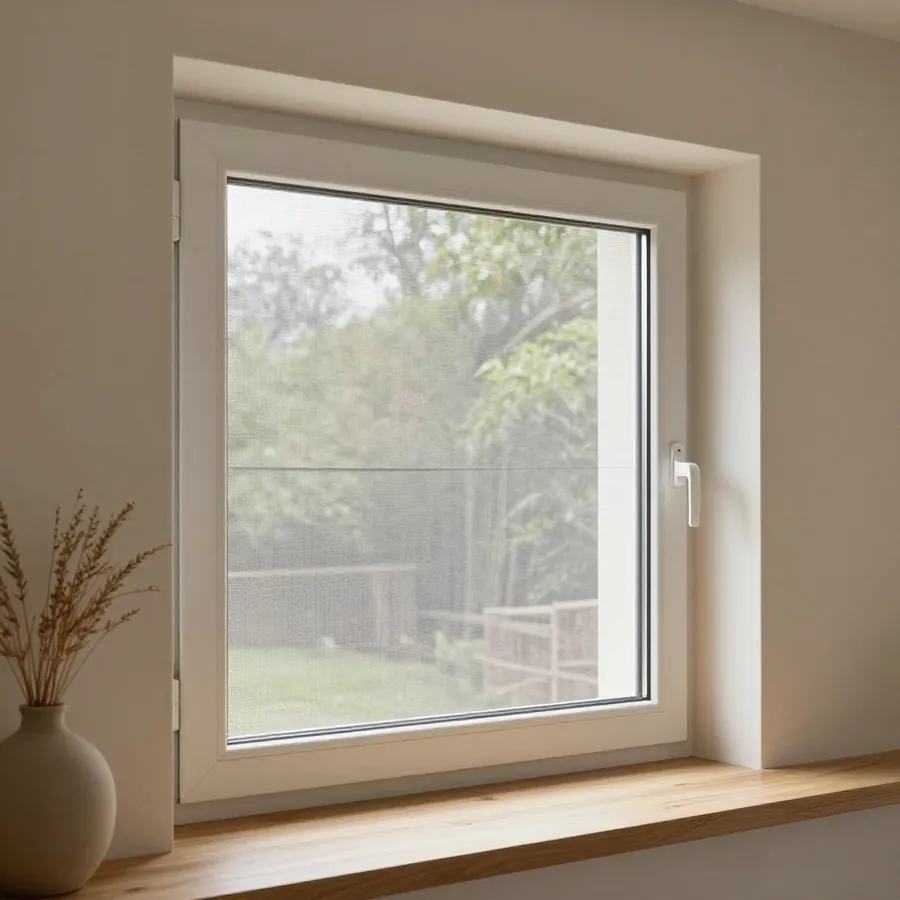
Basic mesh for protection against mosquitoes and midges on opening sashes.
0.25×1 mm cell, hypoallergenic
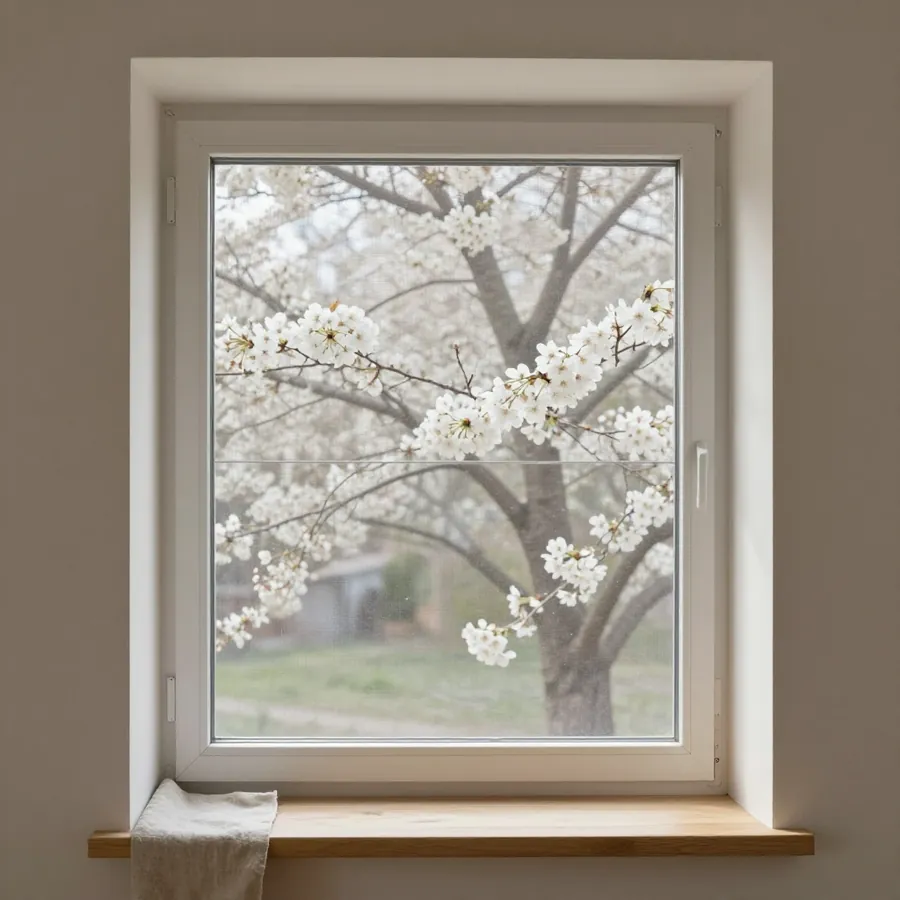
A barrier against pollen during the flowering season, suitable for allergy sufferers.
Vinyl threads withstand the weight of a small pet
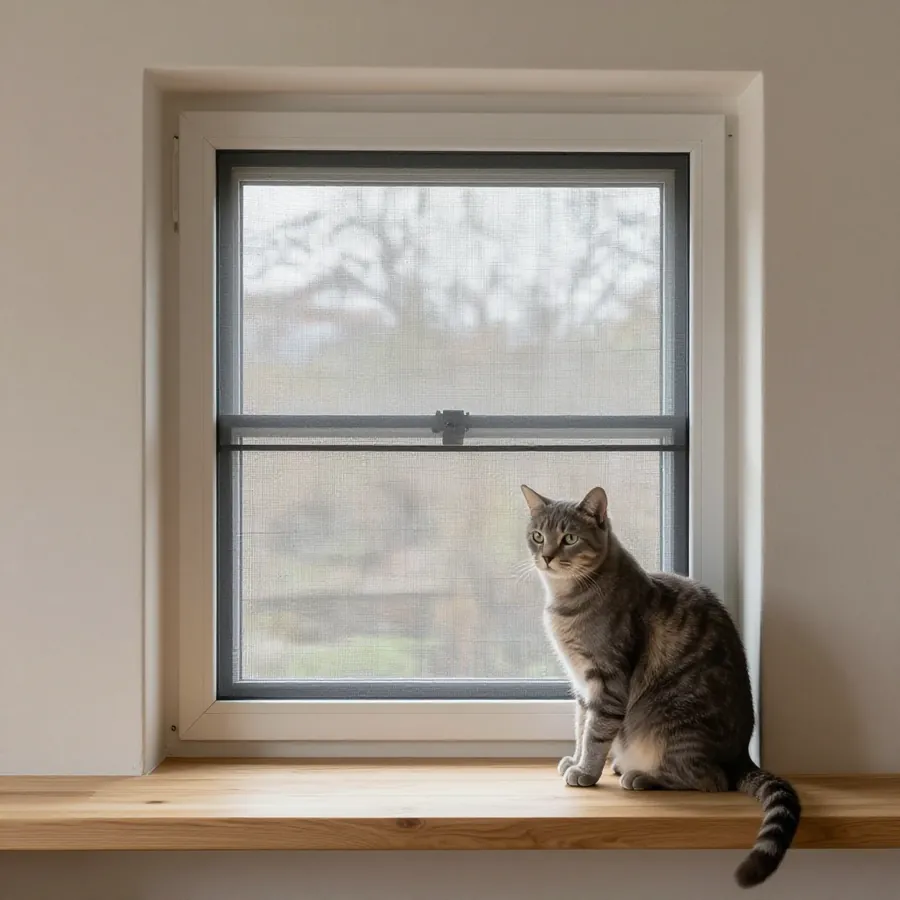
Several times stronger than standard mesh, protects against claws.
Traps dust from the street and road
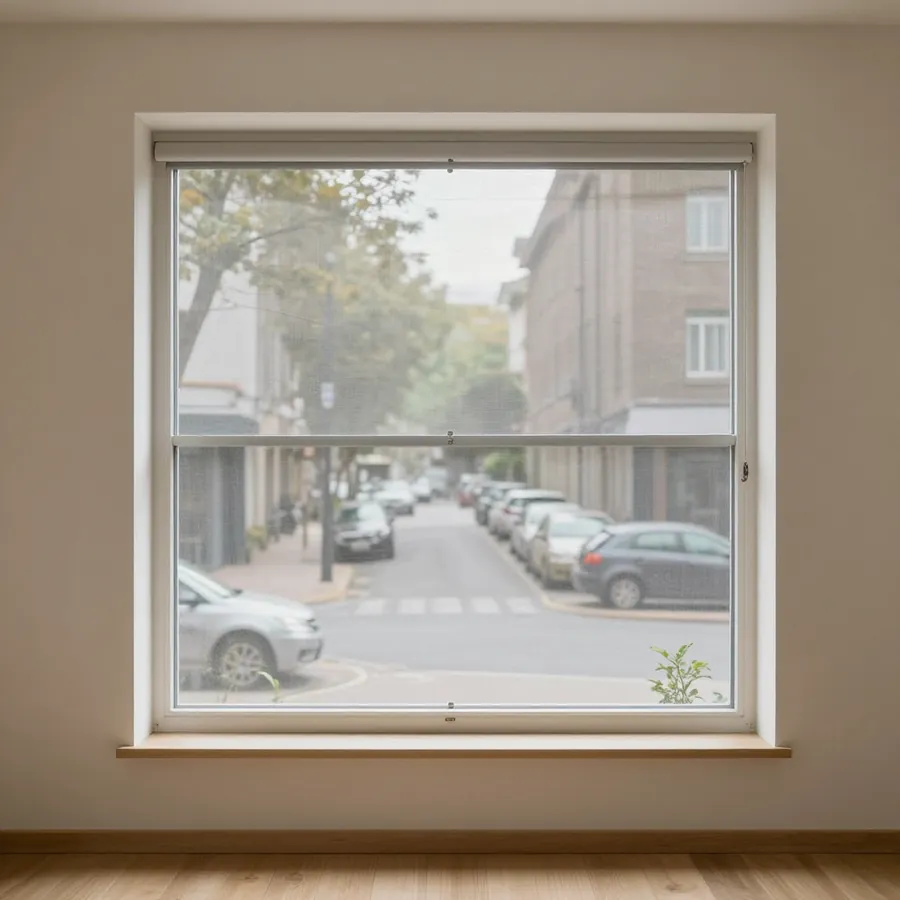
Mesh with a denser structure for homes near busy streets.
Lets in 25% more light and air than other meshes
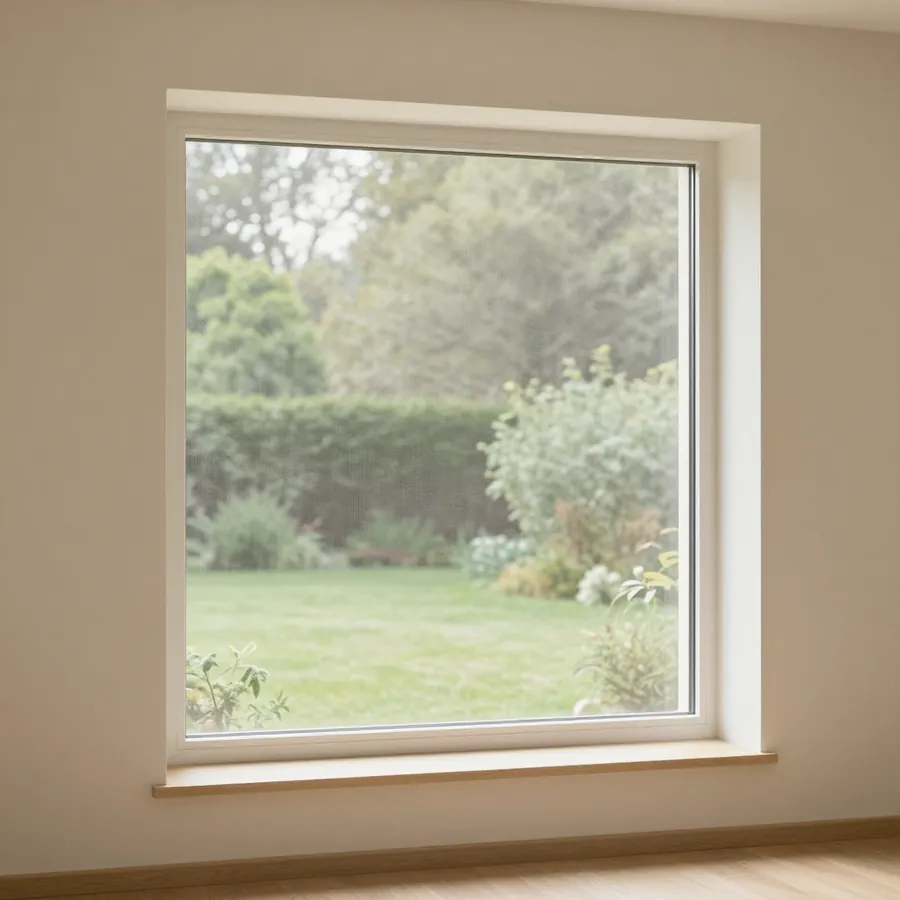
Suitable for rooms where natural light is important.
Plastic, wooden and aluminium windows, vents, loggia, gazebo and veranda windows. The measurer chooses the fixing.
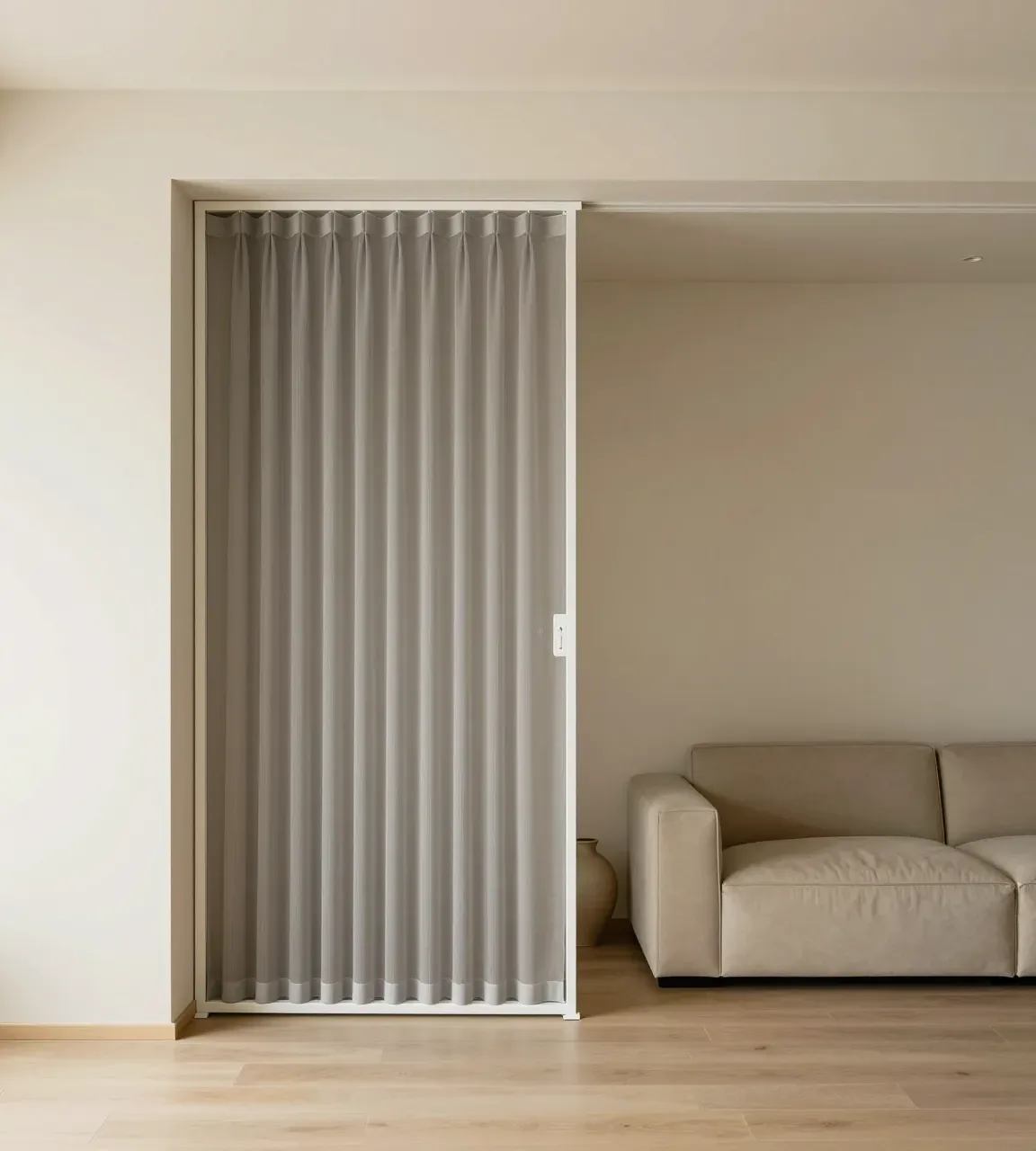
Balcony door: hinged, sliding or pleated screen
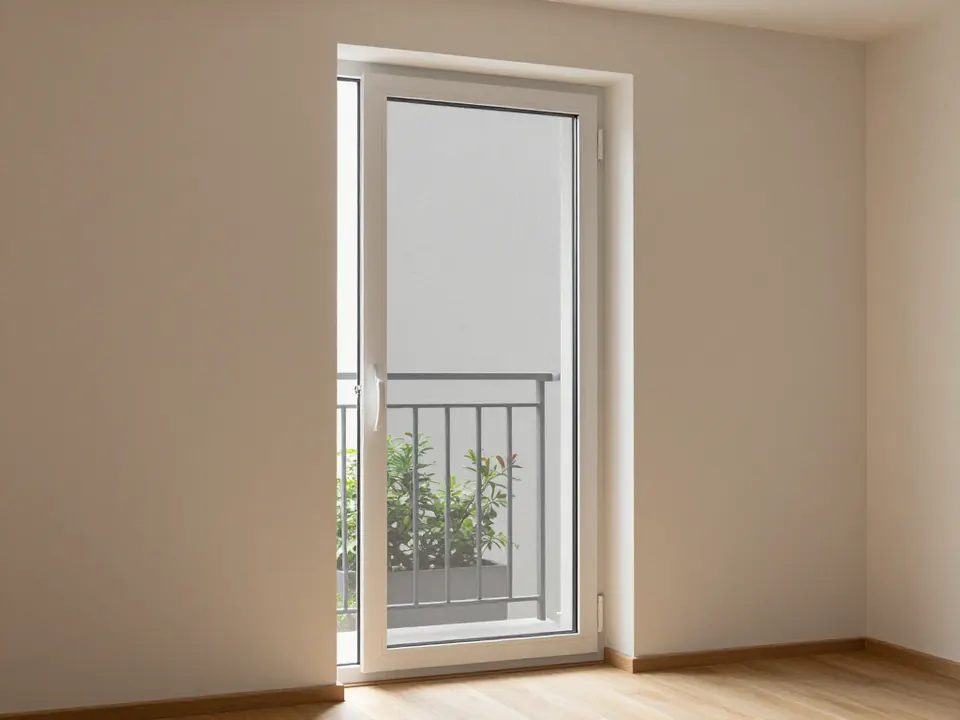
Framed screens for opening sashes
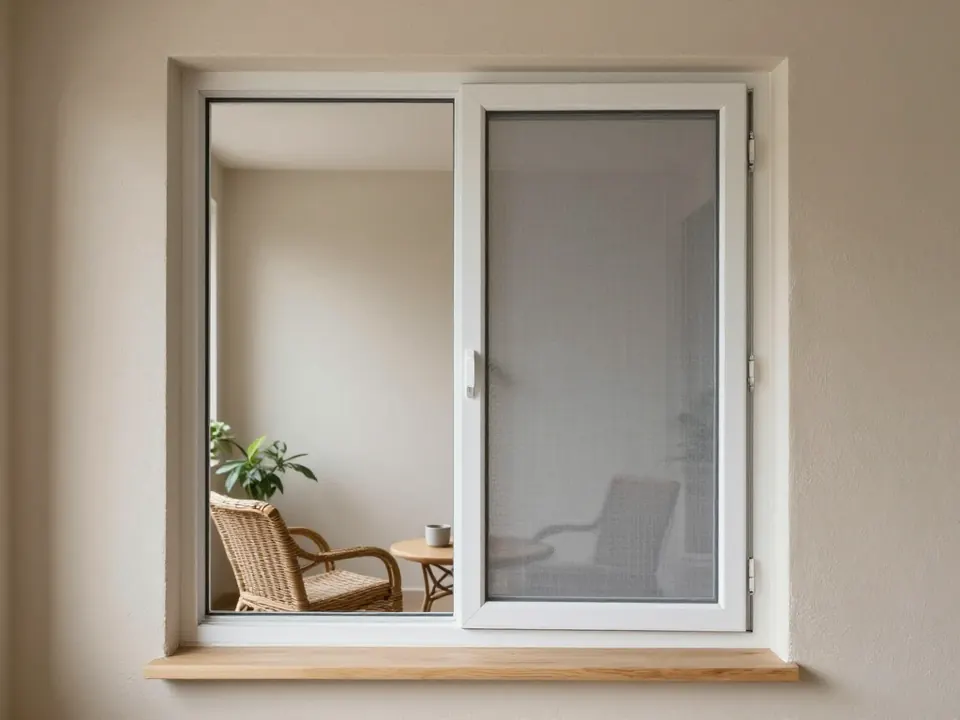
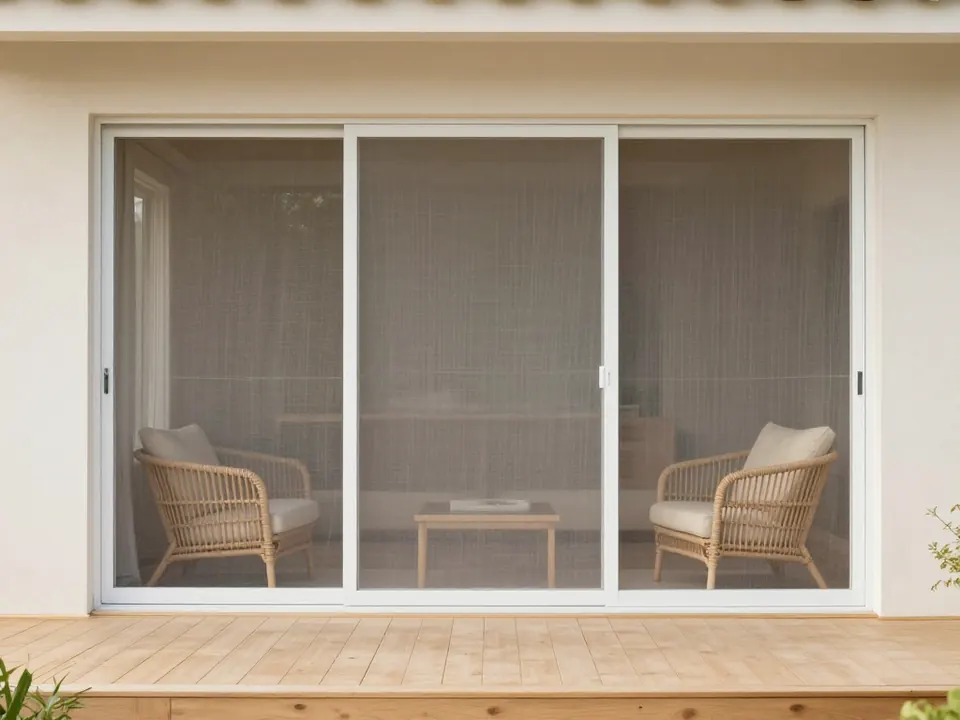
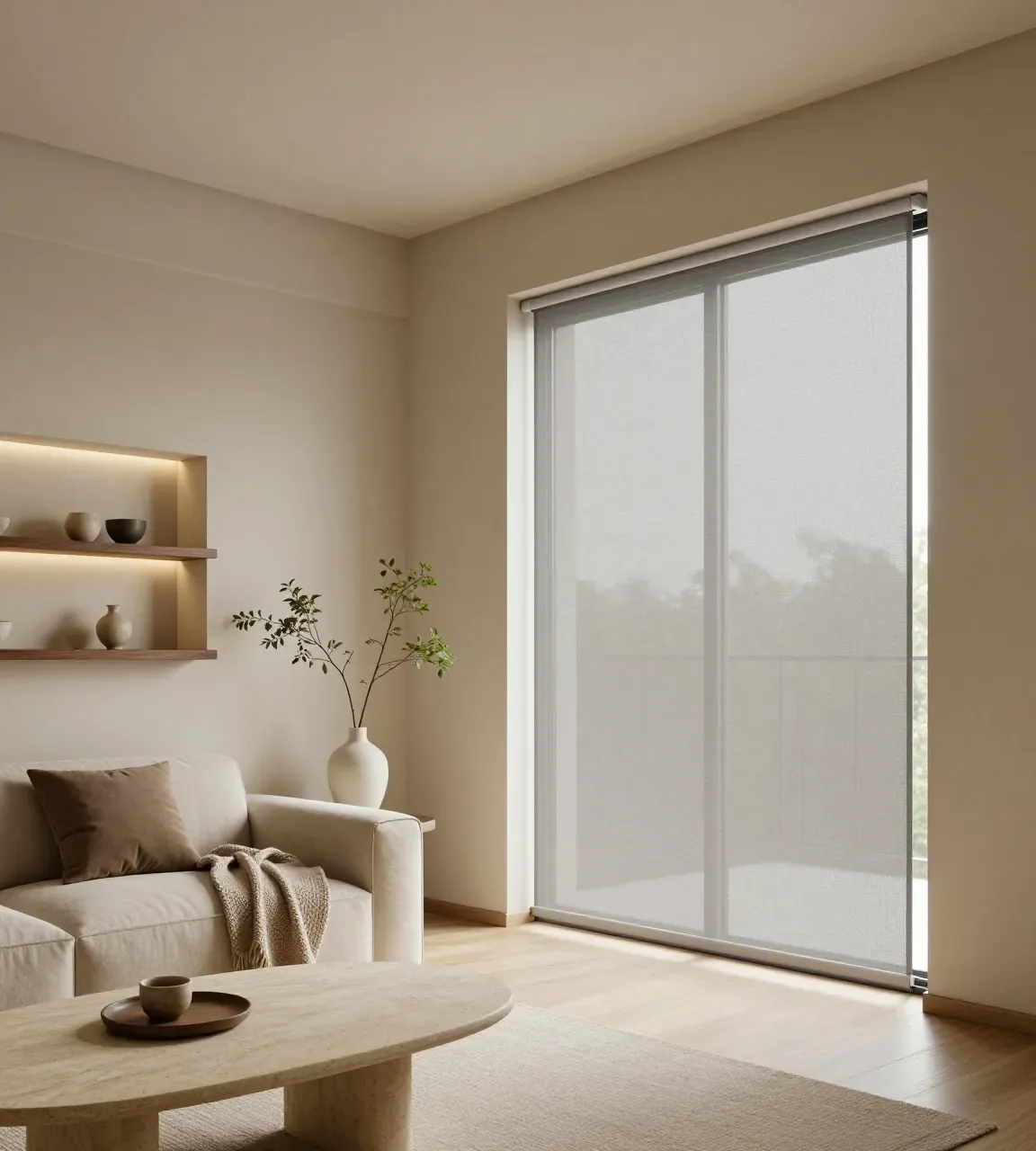
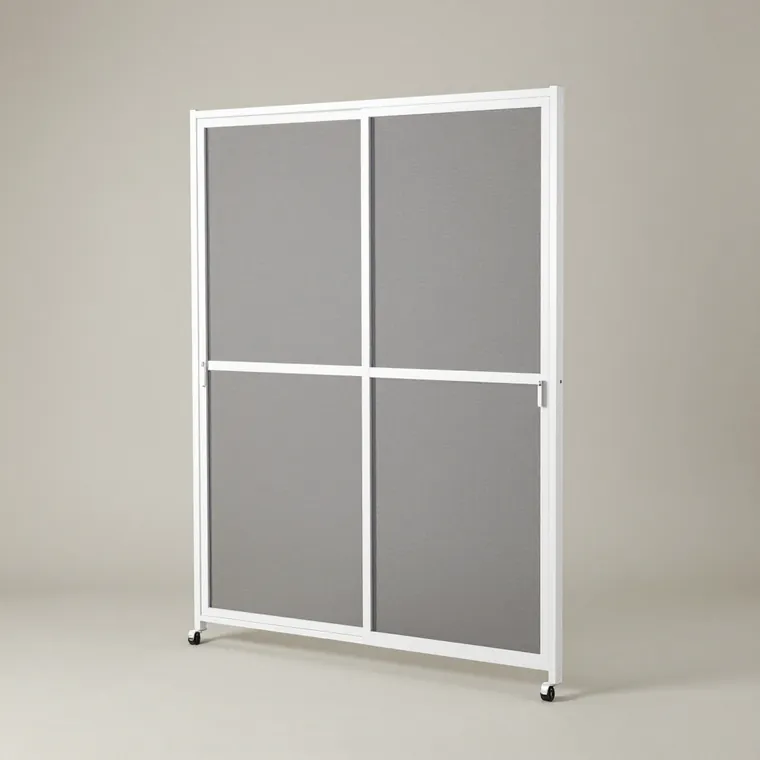
Wide openings: sliding and pleated screens
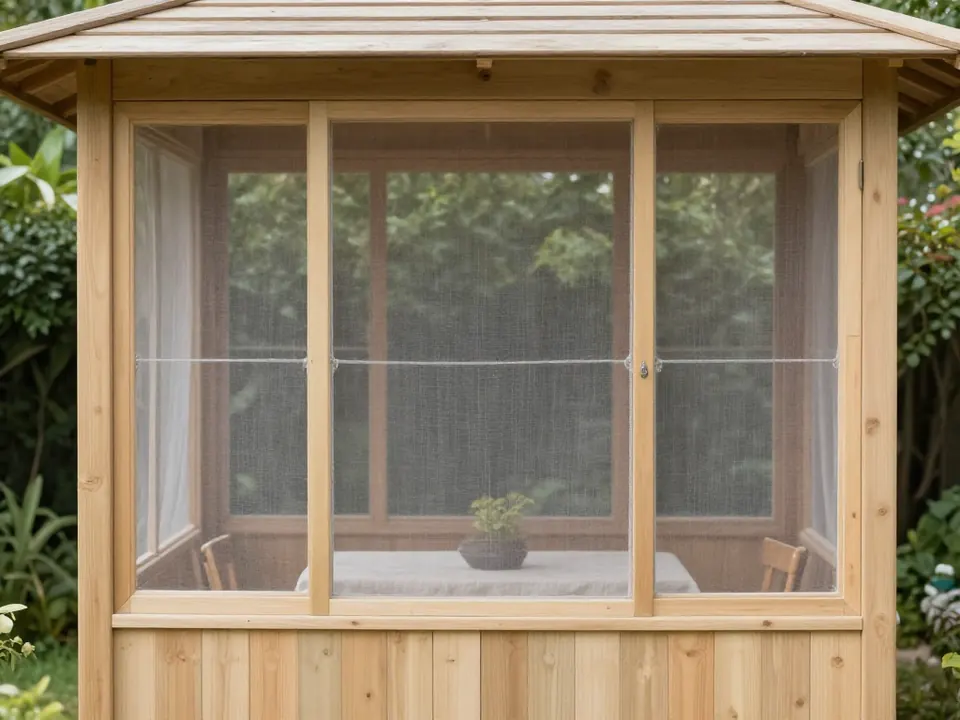
Large windows and doors to the terrace
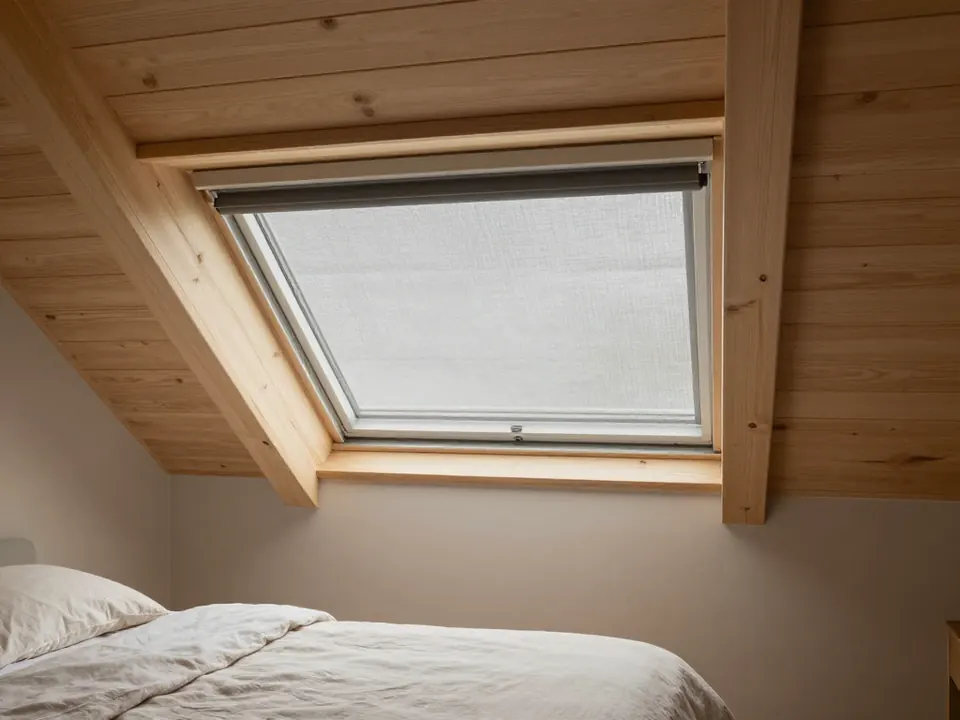
Sloped windows: the measurer chooses the fixing
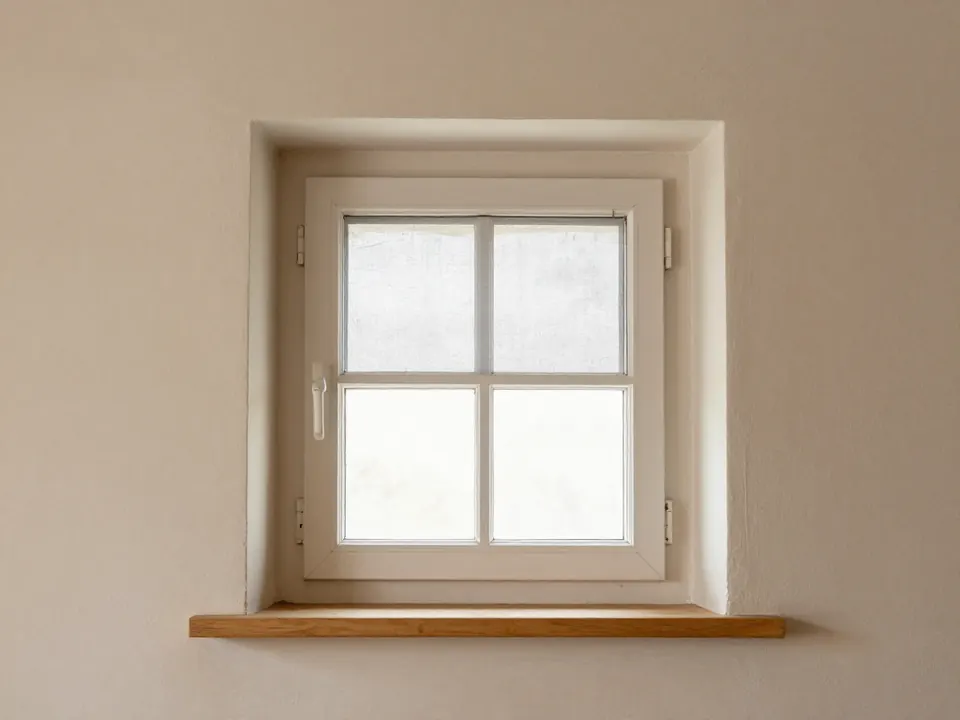
Framed screen made to the exact size of the transom
Products and services for this page: price per m² or per item, installation and production time are listed separately
| Screen type | Price | Fitting | Making | Options and prices |
|---|---|---|---|---|
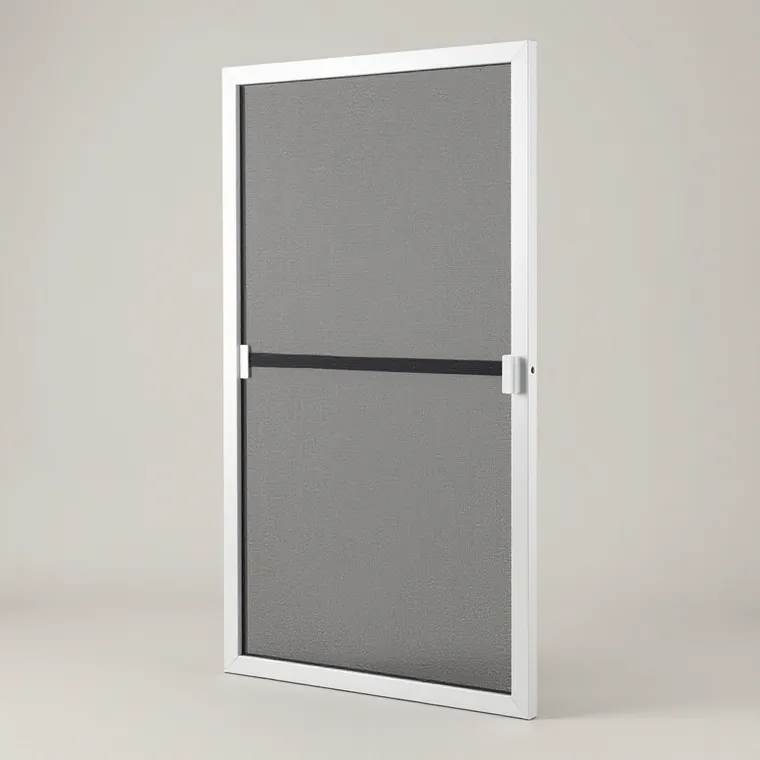 Framed mosquito screen, Standard mesh (Fiberglass)basic mesh | from 6 000₸ per m² | 1 600 ₸ | 10–15 minutes | Framed mosquito screen for a standard window · 5 800 ₸ per itemFramed mosquito screen with Krylo fixings · 9 900Framed mosquito screen on plungers (pins) · 8 000"Anti-Cat" · 12 000"Anti-Dust" · 11 800"Anti-Pollen" · 12 200Screen with UltraVue mesh · 7 900 |
| Refitting the frame with Standard meshmesh replacement | from 3 000₸ per job | — | — |
The price is fixed in the order after measurementMeasurement and consultation are freePayment after installation: cash, card or Kaspi
Book a free measuring visitEnter the window width and height, choose the fabric and fixing — the calculator will show the product price
1. Screen type
2. Mesh and design
3. Opening size, cm
Facts about production, timelines and order terms worth knowing before you call
we have been making mosquito screens since 2012
for mosquito screens
we paint to match your windows: white, brown, grey
measurement and consultation are free, the measurer will come at a convenient time
Fiberglass, UltraVue, Anti-Cat, Anti-Dust, Anti-Pollen
we deliver and install screens on windows and doors
we work every day
mosquito screens can be ordered in 17 cities of Kazakhstan
Four steps from request to a finished screen on the window
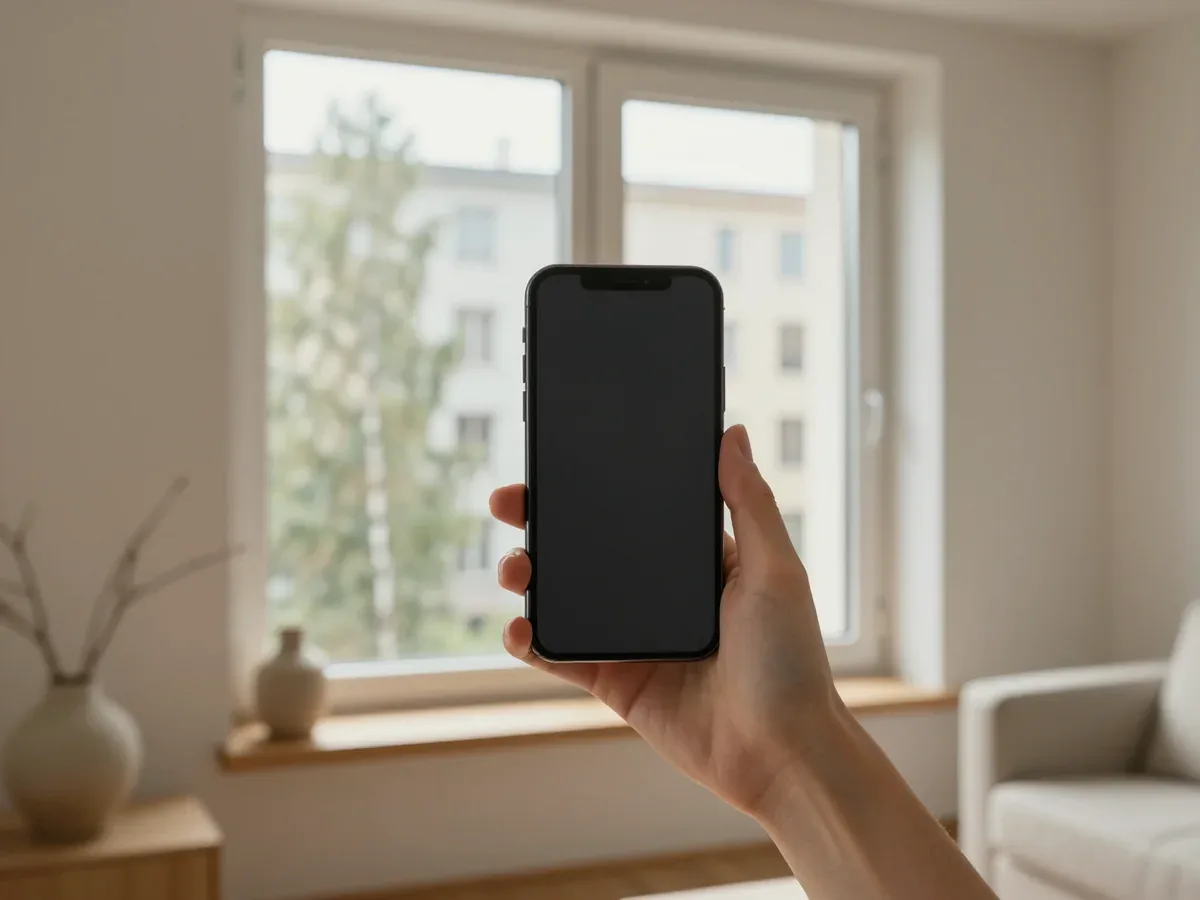
You write on WhatsApp — we reply within 5 minutes, select the fabric and fixing for your window.
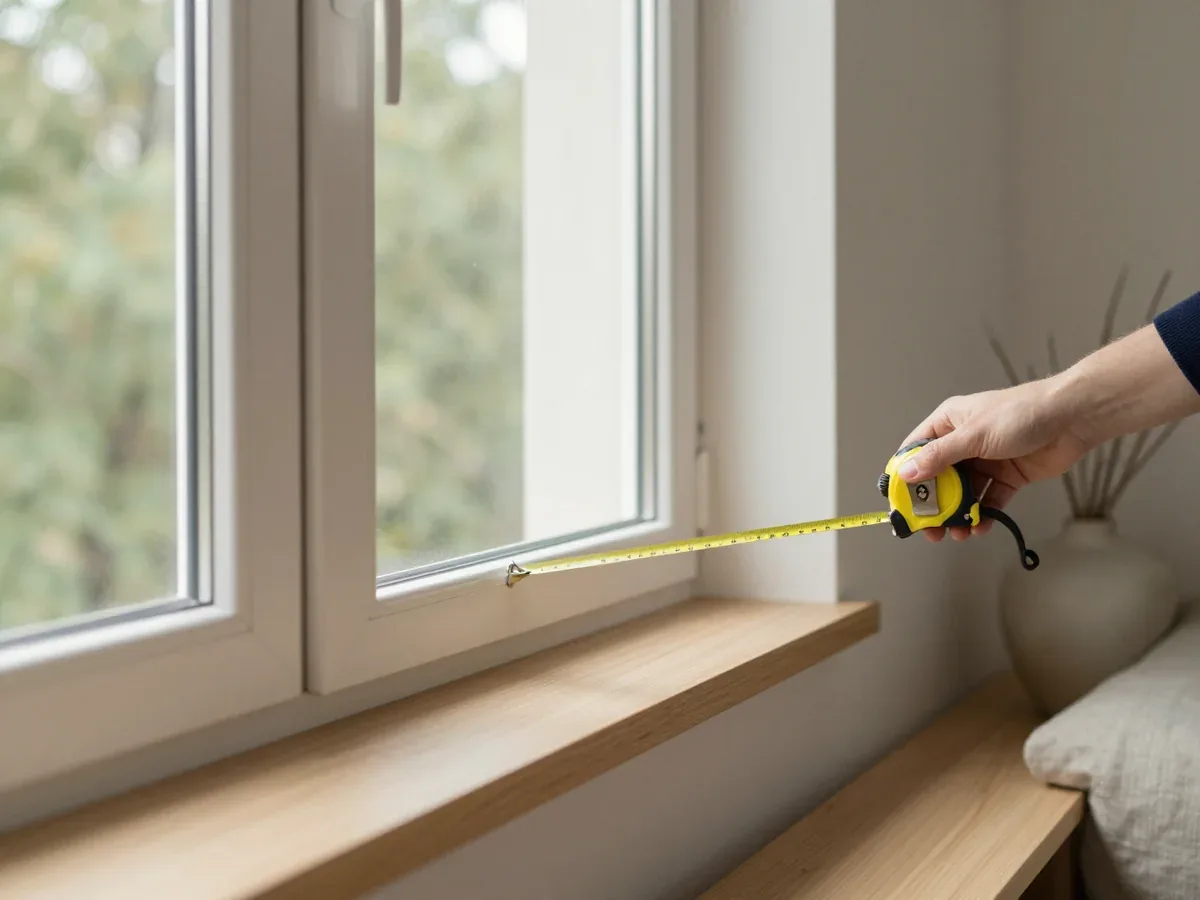
The measurer comes free of charge, takes dimensions along the sash profile and helps choose the design.
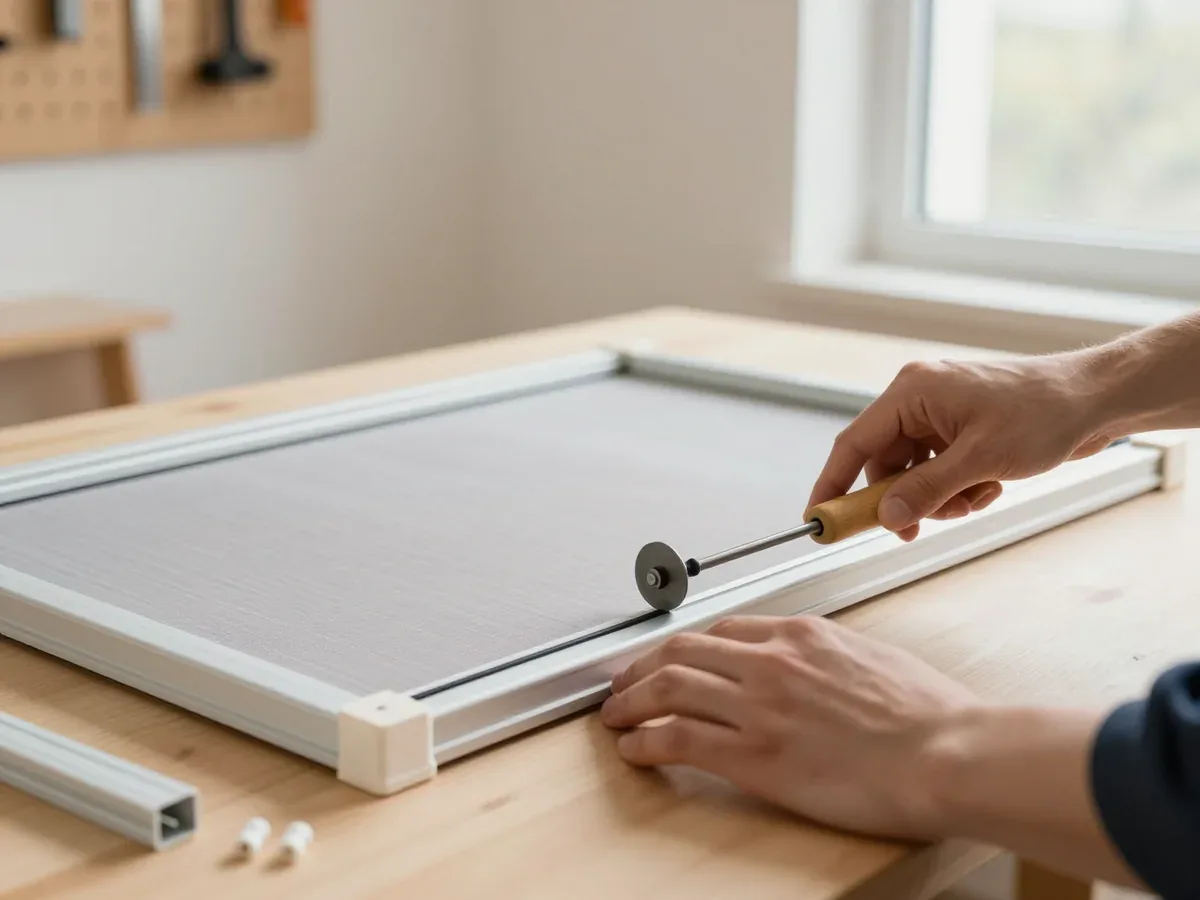
We make the framed screen to your dimensions at our own production facility in 10–15 minutes.
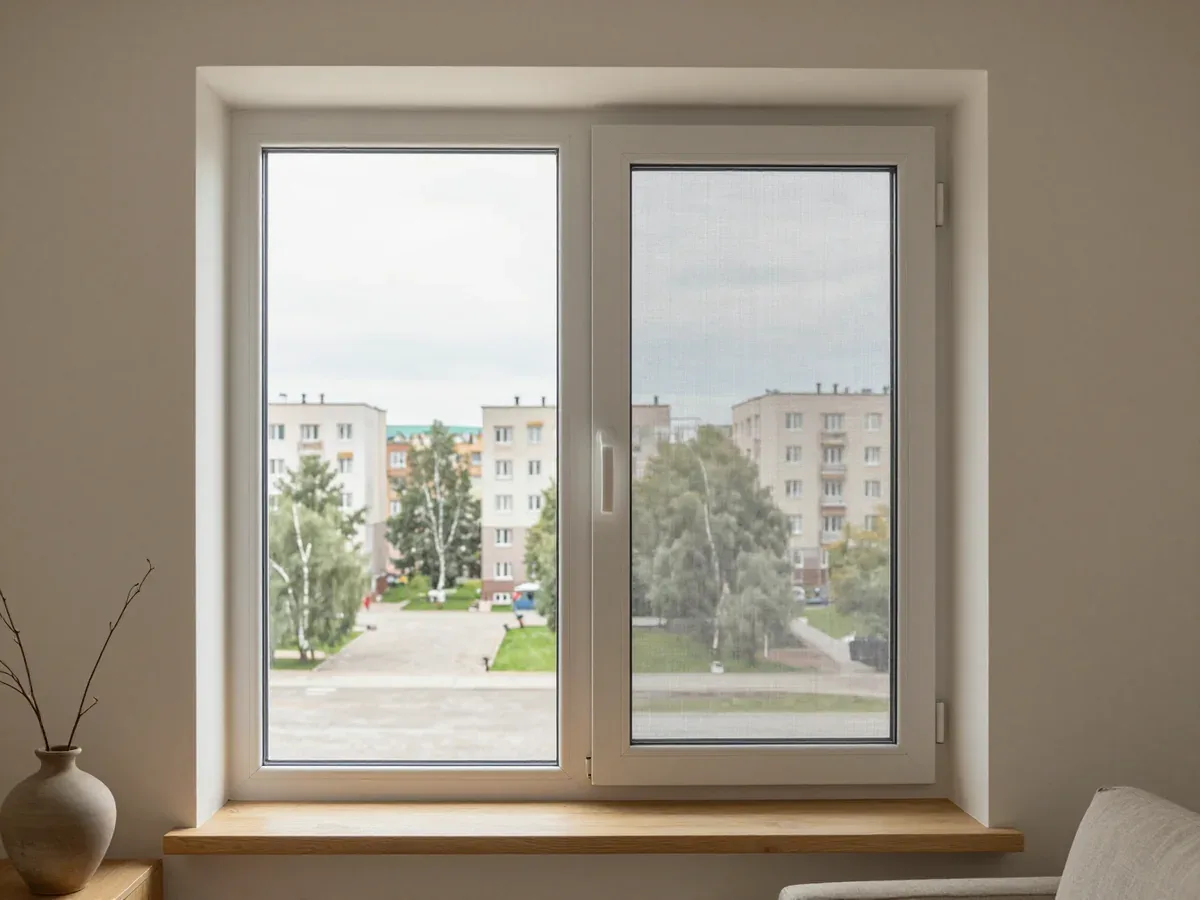
We mount the screen on the window or door and check the fit. Payment after installation: cash, card or Kaspi.
Good to know

Senior mosquito screen specialist at moskitnyesetki.kz
We make framed mosquito screens in Pavlodar to your exact window size, with a free measuring visit and fitting by our own fitters. You choose from five meshes, the frame is painted to match your windows, and a made-to-size screen takes 10–15 minutes to build. Every screen carries a 1-year warranty.
A framed unit is not the only option, and the right type depends on how your window opens, which room it serves and how often you need access. Here is where a framed unit fits best.
A framed unit is the simplest fit for a standard hinged window, while sliding and pleated models suit balcony doors and non-standard reveals. Framed mosquito screens in Pavlodar cover the typical hinged opening: an aluminium frame with mesh, held on brackets, pins or magnets. Sliding versions run on a track along the sill and work on balcony doors and wide passes you walk through daily. Pleated ones fold into a slim cassette and take up almost no depth, which helps on narrow reveals and inward-opening doors. Hinged door models use an Economy 32×10 mm or Prestige 42×17 mm profile and swing open like a second leaf. If a casement is opened outward only for cleaning, such a unit lifts out from inside in about a minute and never blocks ventilation.
We fit these screens on plastic, wooden and aluminium windows, on vent panes, loggia glazing and gazebo or veranda openings. The fixing is chosen by the profile, not by the material in general: on a wooden frame the pins grip the timber directly, while on an aluminium profile the fitter more often reaches for Z-brackets that hook over the sash edge. Plastic units take any of the three options, and the floor level decides which one holds firmest on tall reveals. A free measuring visit settles this before anything is cut, because the same opening can need a different bracket depending on how deep the sash sits and how far the handle protrudes. Get the fixing right at the measuring stage and the unit stays put through wind and winter.
The mesh decides how much light reaches the room and what the unit keeps outside. Below are the five options we make up, what each one holds back, and which windows suit it best.
| Mesh | What it does | Best for | Key detail |
|---|---|---|---|
| Fiberglass (standard) | Keeps insects out, lets air through | Most windows and doors | Fire-resistant, tolerates temperature swings |
| Ultravue | Passes more daylight and air | Dark rooms, north-facing windows | 25% more light and air than other meshes |
| Pet Screen | Resists claws and weight | Homes with cats | Vinyl threads several times stronger than standard |
| Anti-dust | Traps fine dust particles | Street-facing windows, ground floors | Denser weave than standard mesh |
| Poll-Tex | Holds back pollen | Allergy sufferers, spring and summer | Cell size 0.25×1 mm |
Pet Screen is several times stronger than standard mesh, and Ultravue lets in 25% more light and air than other meshes. The Pet Screen weave uses vinyl threads that hold the weight of a small animal without tearing, so a cat can climb the frame without punching a hole through it. Ultravue works the other way round: on a north-facing window or a shaded loggia it returns daylight that a denser cloth would cut off. Galvanised metal mesh is the step up for an animal that genuinely shreds cloth with its claws. For an ordinary house cat the vinyl Pet Screen is enough — the measurer will tell you which windows need which cloth.
Measuring and fixing selection are the two steps that decide whether a screen sits right the first time. Here is how both run when you order from us.
The measurer comes at a convenient time, takes the size from the window frame rather than the glass, and helps you choose the mesh and fixings — measuring and consultation are free. He checks the profile depth, the opening direction of the sash and the clearance around the frame, then notes which fasteners the window can take. A framed mosquito screen made to your size takes 10–15 minutes to build, so an accurate drawing at this stage is what keeps the finished product from rattling or leaving gaps. Sizing to the light opening gives a unit that drops through the frame, so the measurement runs along the profile with allowance for the fixings. Ask the measurer to mark the drawing with the frame colour code while he is at the window, and the workshop will match your sashes without a second visit.
The measurer picks the fixing to match your window profile and floor — Z-brackets, pins or magnets — so the frame holds without drilling where it is not needed. Z-shaped brackets hook over the frame and suit most plastic sashes, pins sit in the profile grooves on wooden and aluminium windows, and magnets make sense where you plan to take the screen off often. On upper floors, where wind is stronger, magnets are used less: their advantage is quick removal, but in strong gusts a Z-bracket holds more reliably. The measurer also checks which side you reach the screen from, since such a screen comes off from inside in a minute and that route should stay clear. Tell him at the visit if the window faces the prevailing wind across Pavlodar, and he will lean towards brackets over magnets for that opening.
Finish and seasonal care both add years to a framed mosquito screen, and neither takes much effort. Below we explain how the frame is matched to your windows and what to do once the cold sets in.
We paint the frame any colour to match your windows, so the product reads as part of the opening rather than an add-on. The profile is finished in the shade of your existing sashes — white, laminated woodgrain, anthracite or a custom tone — and the coating stands up to sun and frost. On the hinged door version we offer Economy 32×10 mm or Prestige 42×17 mm sections, and both take the same finish as the sashes. Colour is picked against the sash rather than the wall: that way the unit does not stand out on the facade or clash with the reveals around the opening. Bring a photo of your window or an offcut to the measuring visit.
A framed mosquito screen lifts out from inside in about a minute, and it is worth removing the unit for the winter to keep the mesh clear of snow, ice and packed drift on the sill. Once off, rinse the fabric with plain water, let it dry fully and store it flat in a dry place — standing it on edge for months lets the surround bow, and in spring it no longer sits flush. Before the cold, check the fastenings: Z-brackets, pins or magnets wear over the seasons, and we replace them during a repair call. A product that has warped or lost its tension is usually cheaper to re-mesh than to rebuild, and a fresh gasket keeps the fit tight against draughts.
A torn canvas, a bent frame or a broken fixing does not always call for a new unit. Here is what we repair, what the warranty covers, and how ordering and payment work.
We repair units and replace fixings, and every product carries a 1-year warranty; a torn canvas is often cheaper to re-mesh than to replace whole. If the fabric is torn but the aluminium is sound, we swap only the netting and keep your existing surround and corners. A new unit makes sense when the surround is bent or the corner pieces have cracked, because a warped product no longer sits flush and lets insects past the edge. We also change worn hardware — Z-brackets, pins or magnets — on products we did not make, since the aluminium rarely fails before the fittings do. In our practice the netting, not the metal, is what gives out first. Ask for a re-mesh when the surround still lies flat against the window.
A framed screen made to your size takes 10–15 minutes to build, and you pay after installation by cash, card or Kaspi. Measuring and consultation cost nothing: the measurer comes at a time that suits you, takes the sizes and helps pick the design, netting and fittings. A pleated door model takes longer, 40–60 minutes, because the folded fabric and the guide need more assembly. The price is fixed in the order after measuring, so the total does not change by the day of fitting. We deliver and install across the city, and we reply on WhatsApp within five minutes, seven days a week.
Five decisions settle the whole order, from the opening type to the way the product is fixed and cared for. Here is the short version to keep in mind.
Choosing, sizes, materials and installation of framed screens
Konstantin Selenenkovsenior mosquito screen specialist, 10 years in the tradeOnline · replies within 5 minutes
Ask a questionFor a standard tilt-and-turn window, a framed screen is more practical: it fits tightly over the sash and does not interfere with opening. A sliding screen is used when you need a free opening or the window does not open inward.
Yes, if you confidently measure the clear opening of the frame. But if you have any doubt, it is better to call a measuring specialist: they will check the window and select the fixings so that the screen fits precisely.
It is not marketing: Pet Screen vinyl threads are several times stronger than standard canvas and can withstand the weight of a small animal. A cat may claw at the screen, but it is noticeably harder for it to tear it with its claws.
Anti-Pollen (Poll-Tex) retains pollen and fine particles thanks to the 0.25×1 mm mesh, while Anti-Dust is designed primarily for outdoor dust. For pollen allergies, the hypoallergenic canvas is the one to choose.
Yes, framed screens are installed on wooden windows, and the fixings are selected to match the frame profile. During measuring, the specialist examines the base and offers an option that avoids unnecessary holes in the frame.
A torn canvas is re-stretched in the old frame, and a screen that falls out is repaired by replacing worn fixings. First, it is worth showing it to a specialist: often it is enough to replace the canvas.
 Care
A frame screen comes off in a minute: we show how not to bend the frame or lose the fixings.
April 15, 20268 min read
 Choosing
We compare the price, lead time and how each screen performs on a door that you walk through every day.
March 2, 20268 min read
 Mesh types
How Poll-Tex mesh with a 0.25×1 mm cell works and who it helps in pollen season.
February 17, 20268 min read
 Prices
Price list breakdown: frame screen from 2 000 ₸ per m², installation 1 750 ₸, pleated from 28 000 ₸. Costing a 70×140 cm window.
February 1, 20268 min read
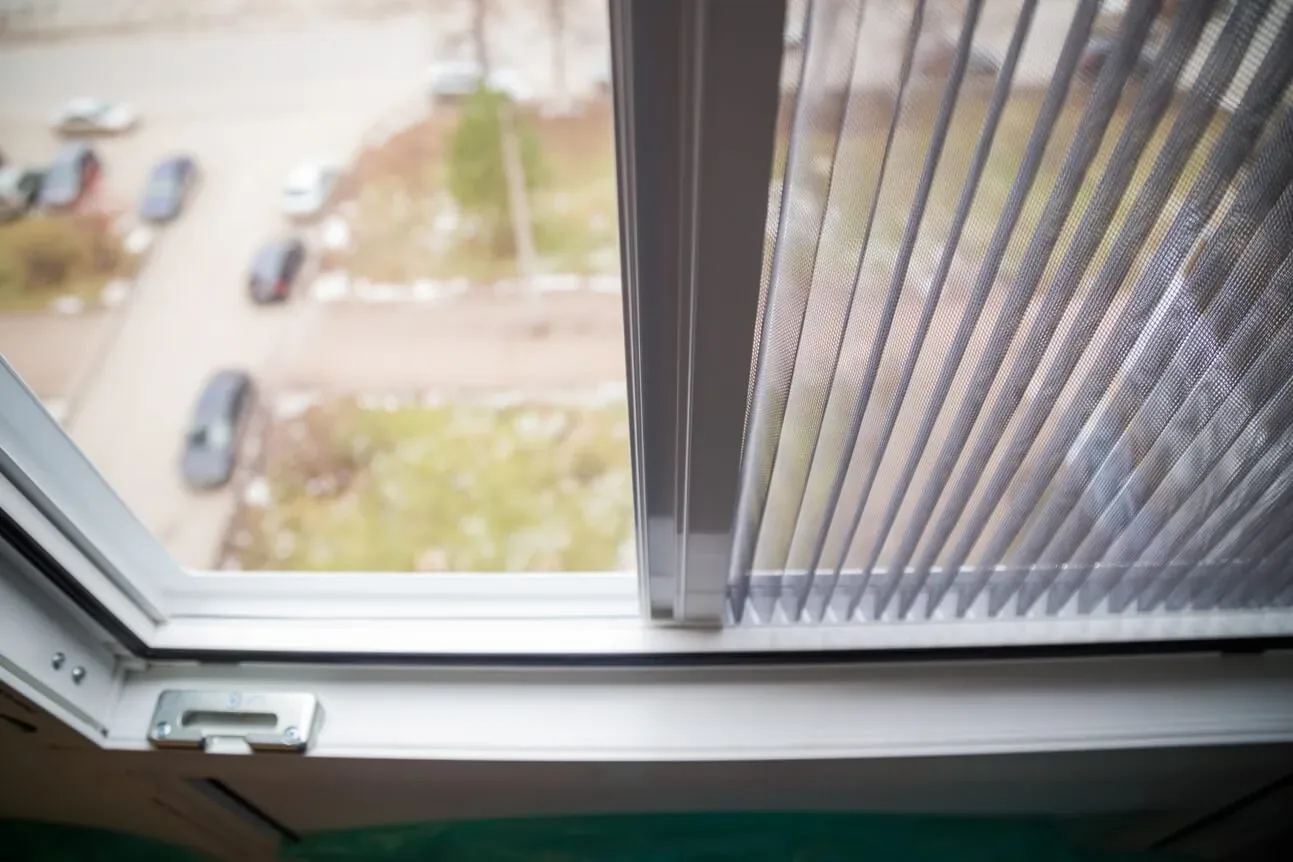 Repair
Worn fixings, a wrong measurement, wind on high floors. A set of fixings costs 290 ₸, installation 871 ₸.
January 14, 20268 min read
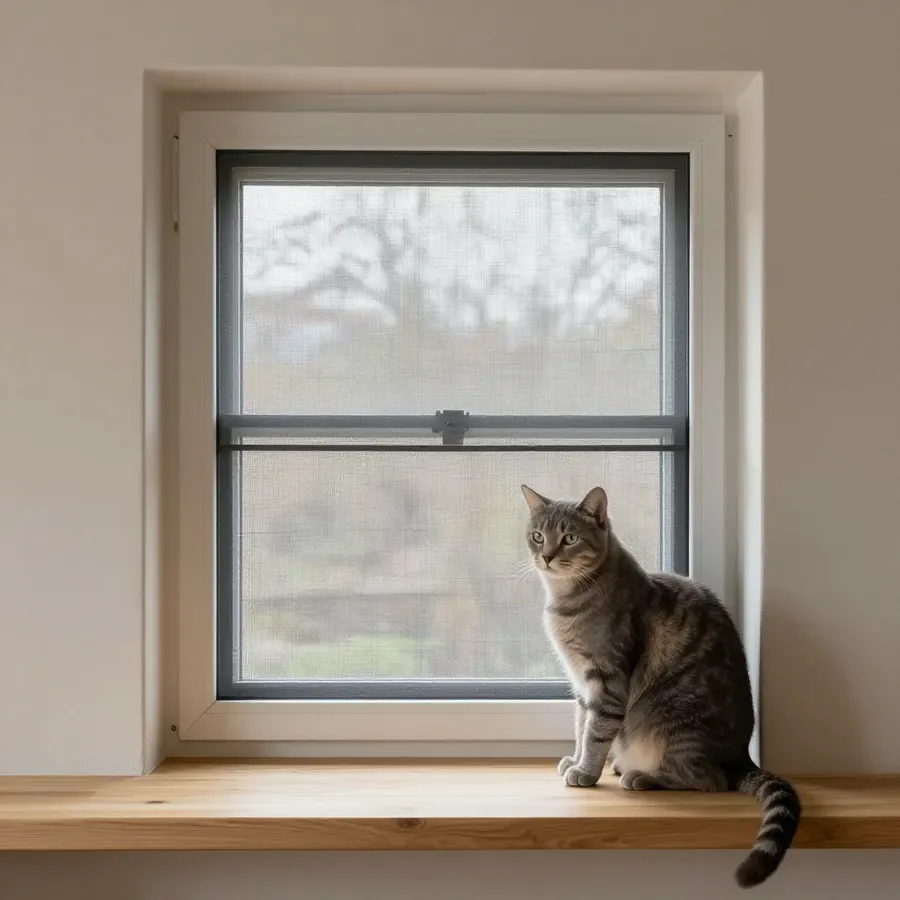 Choosing
Anti-Cat mesh on vinyl threads, the fixings and what to do about gaps around the window opening.
December 23, 20258 min read
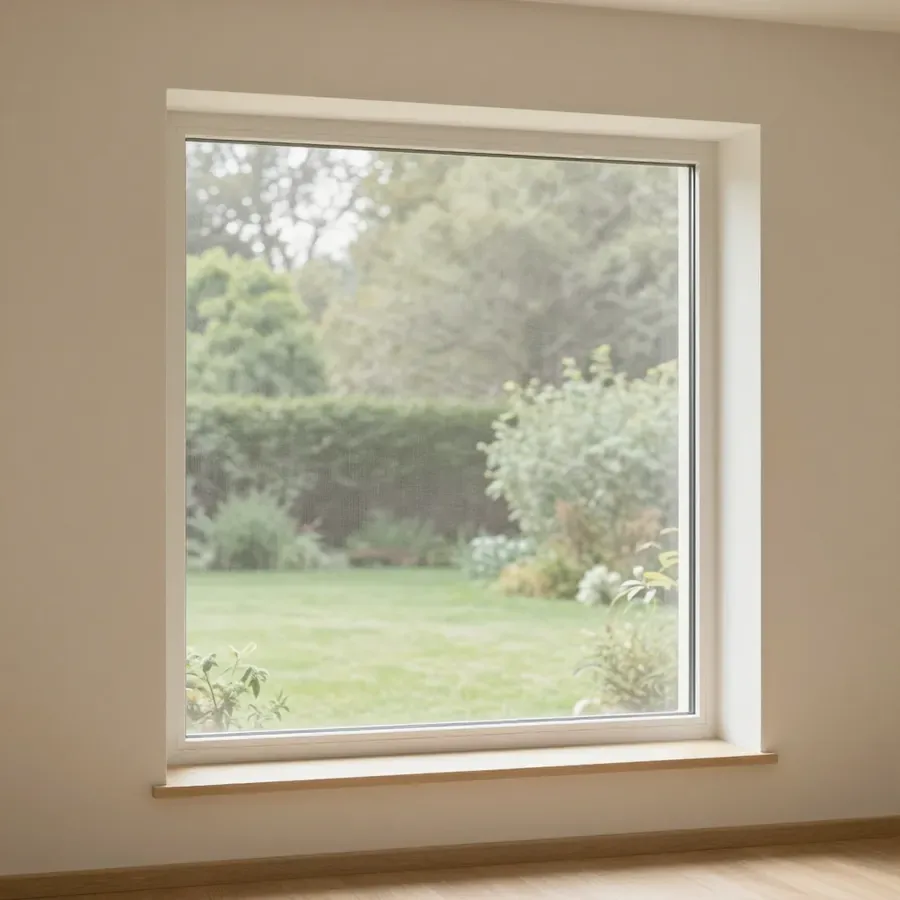 Mesh types
The mesh lets in 25% more light and air. Where the difference shows and where paying extra is not worth it.
December 11, 20258 min read
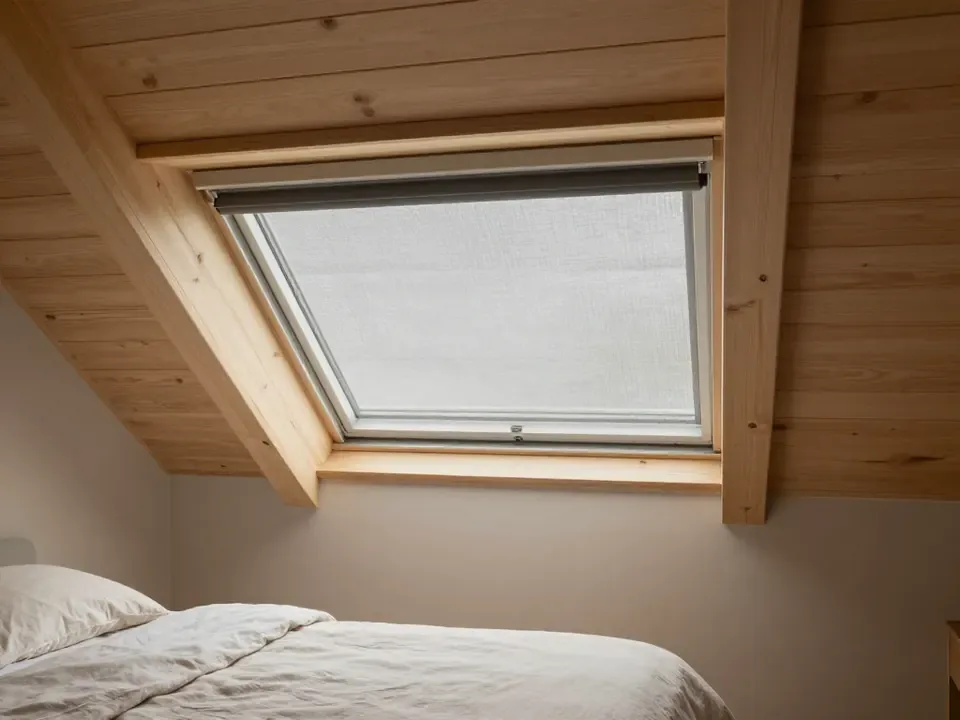 Choosing
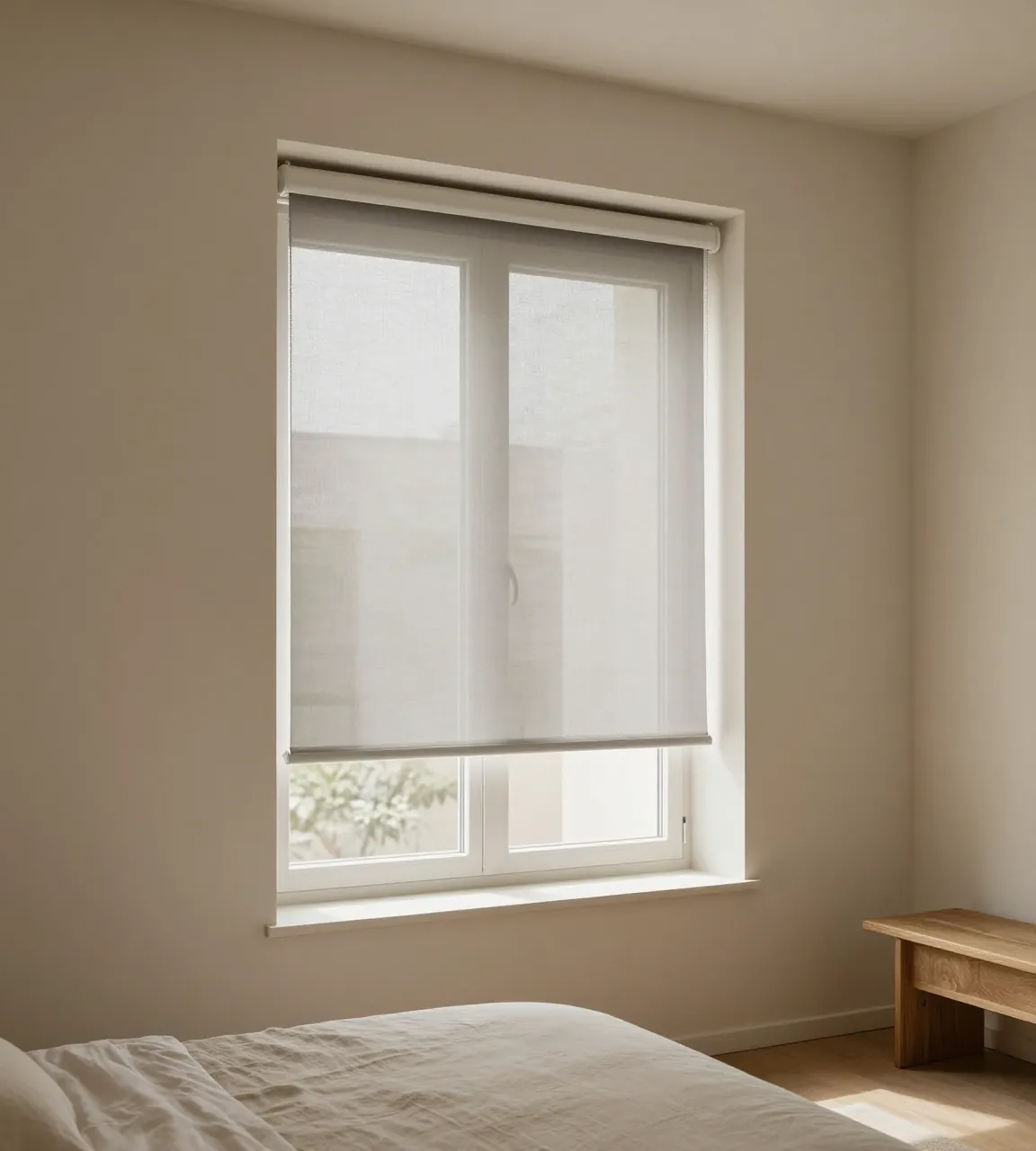
A tilted sash, outward opening and a roller screen at 15 000 ₸ per m²: what will suit your window.
November 21, 20258 min read
 Mesh types
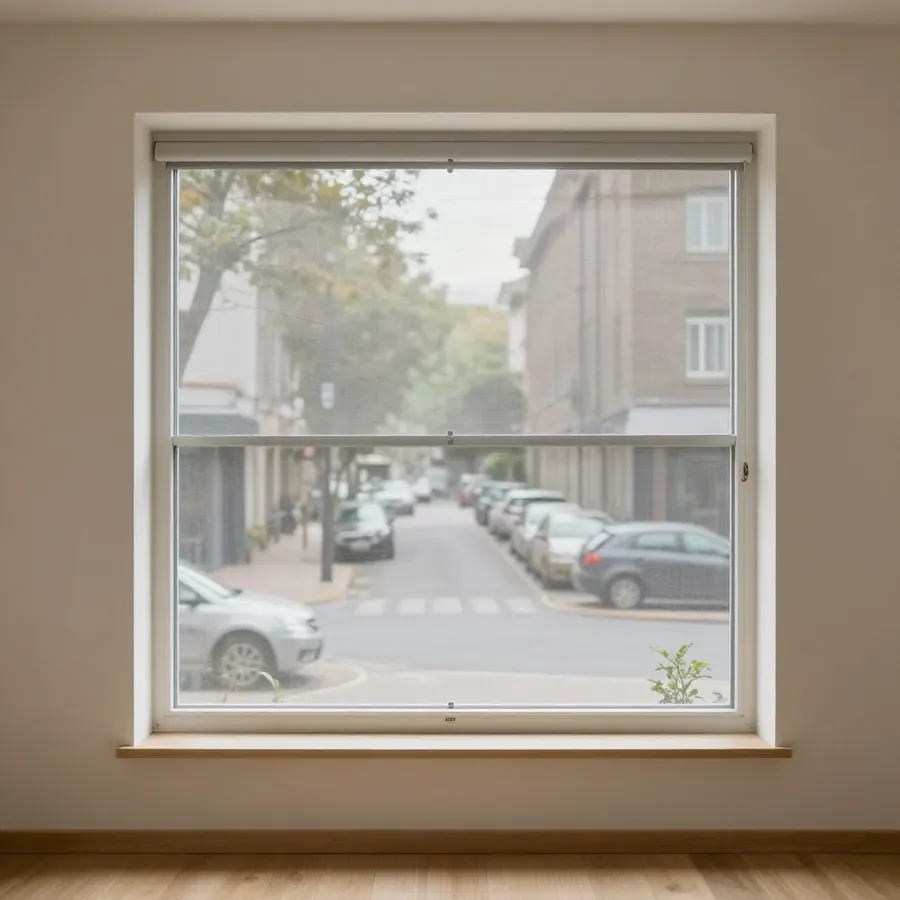
The mesh stops coarse and fine dust along with mosquitoes. When it is worth the price of 8 500 ₸ per m².
October 20, 20258 min read
Thank you. We will call you back within 10 minutes!
Your order number is on the receipt or in the SMS. Choose where to leave your review.
Write a review on WhatsApp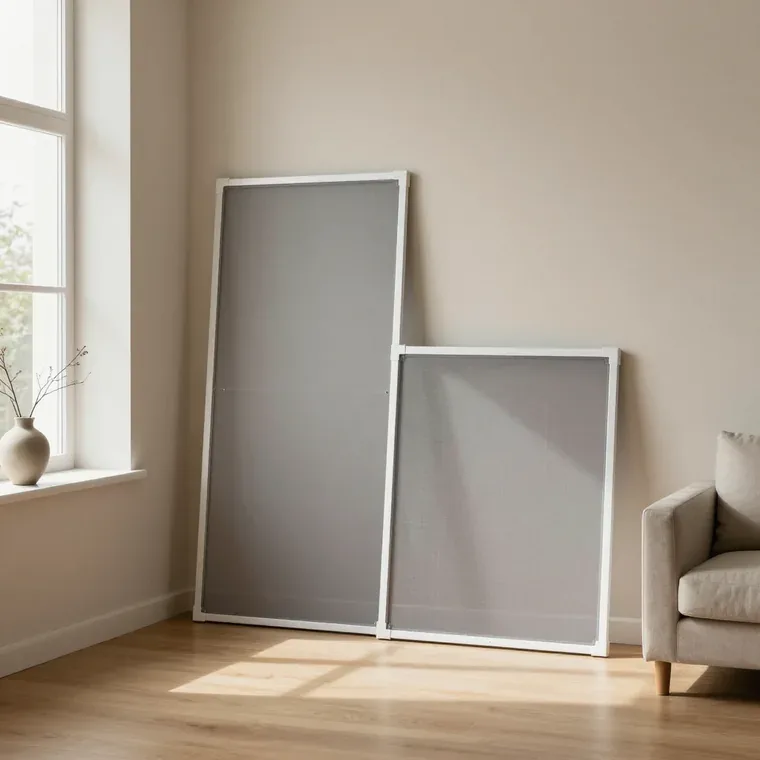 Ready-made mosquito screens
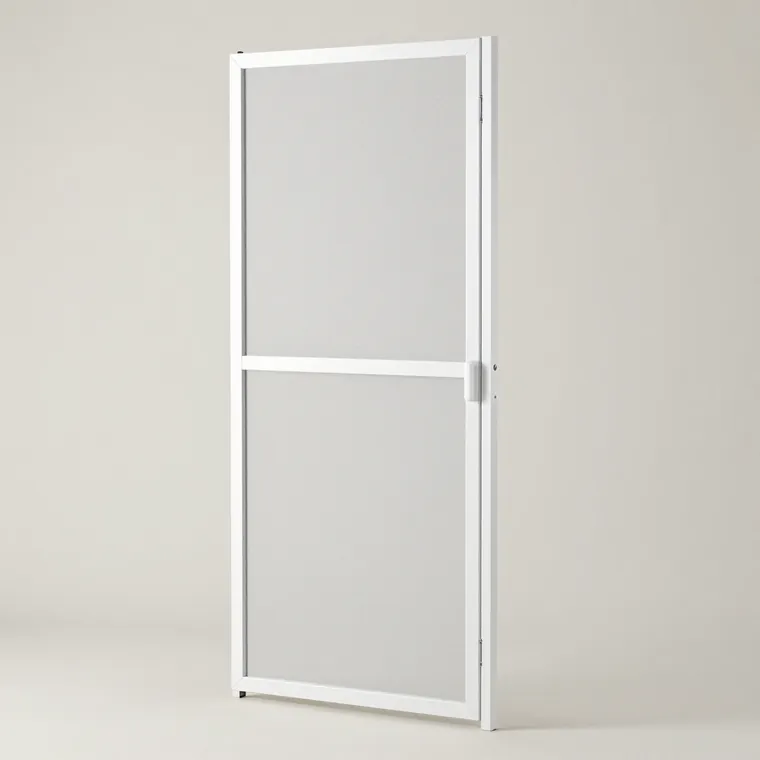 Mosquito doors
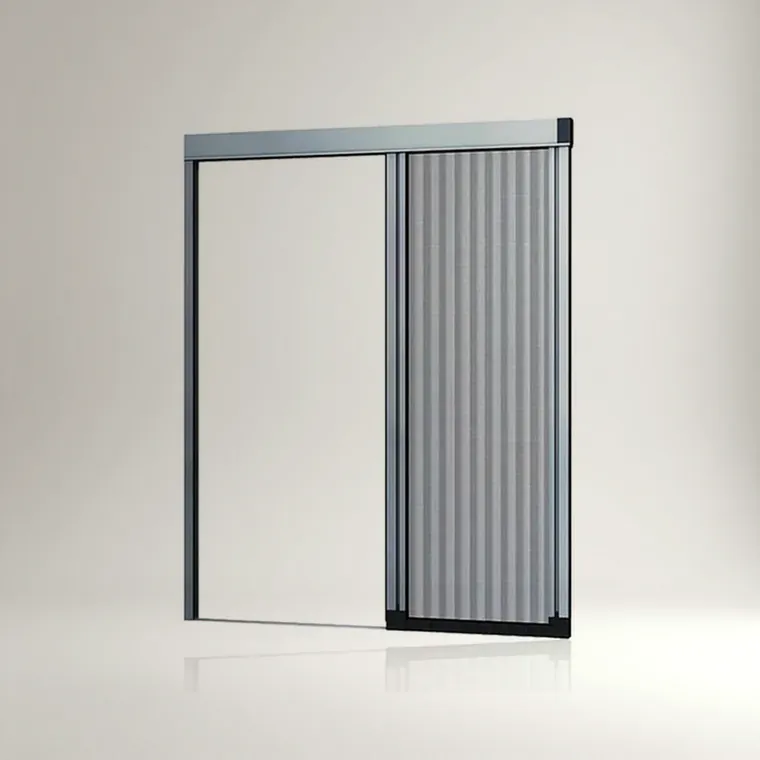 Pleated mosquito screens
 Sliding mosquito screens
 Roller mosquito screen
