
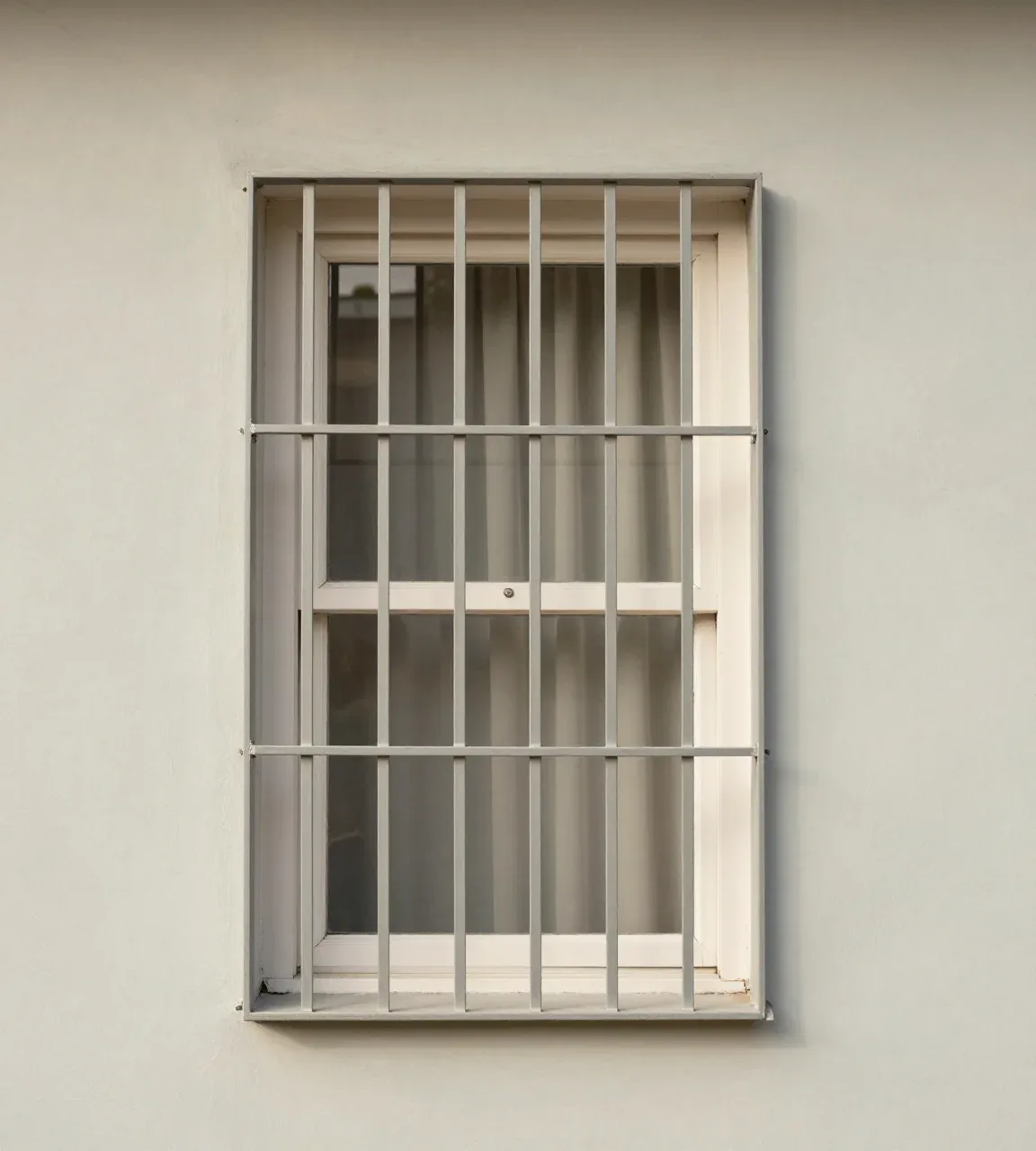
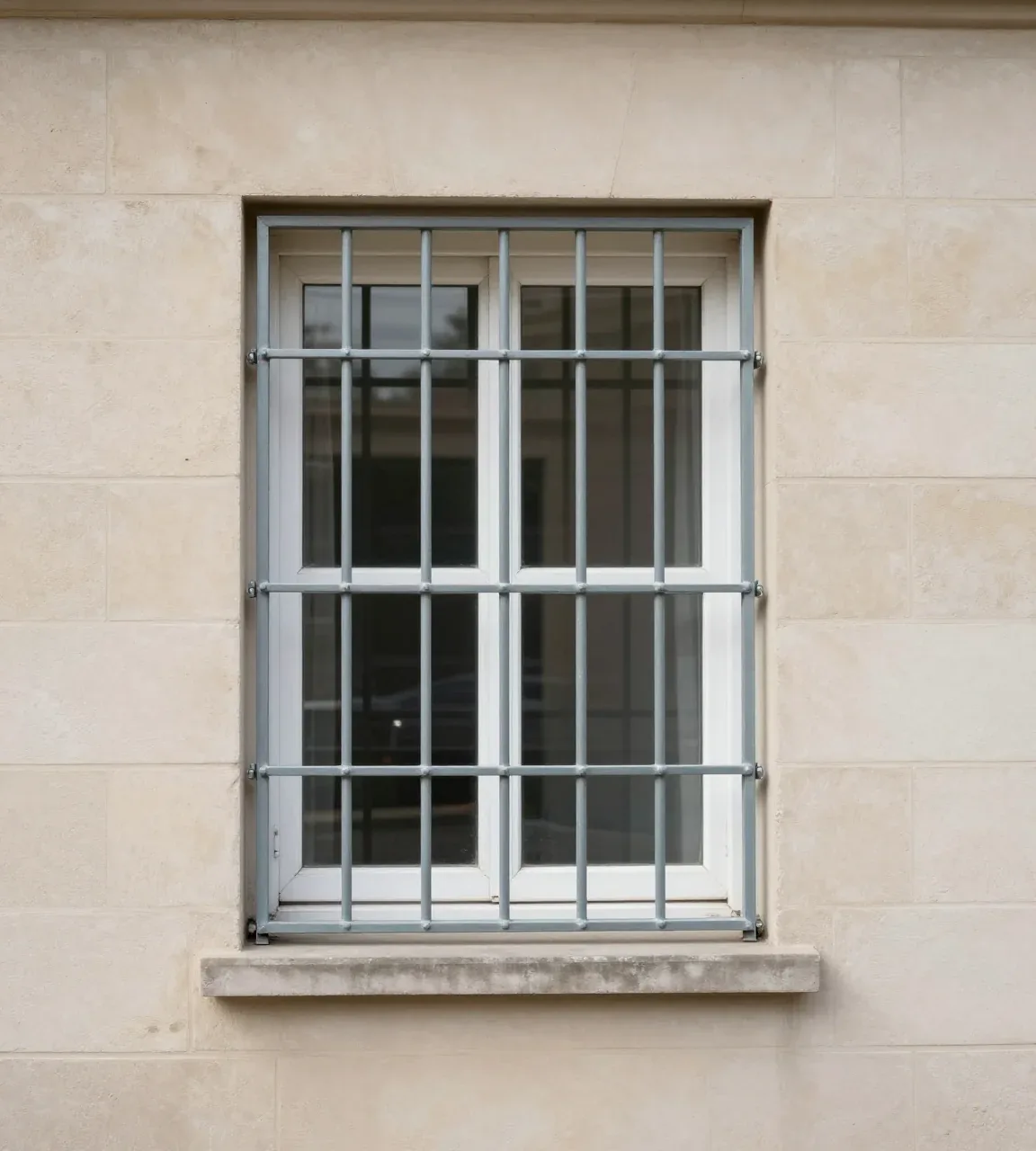
Standard pattern · steel
Welded grille
Steel rod with a basic pattern, withstands load on the ground floor. Price from 7 500 ₸ per m².
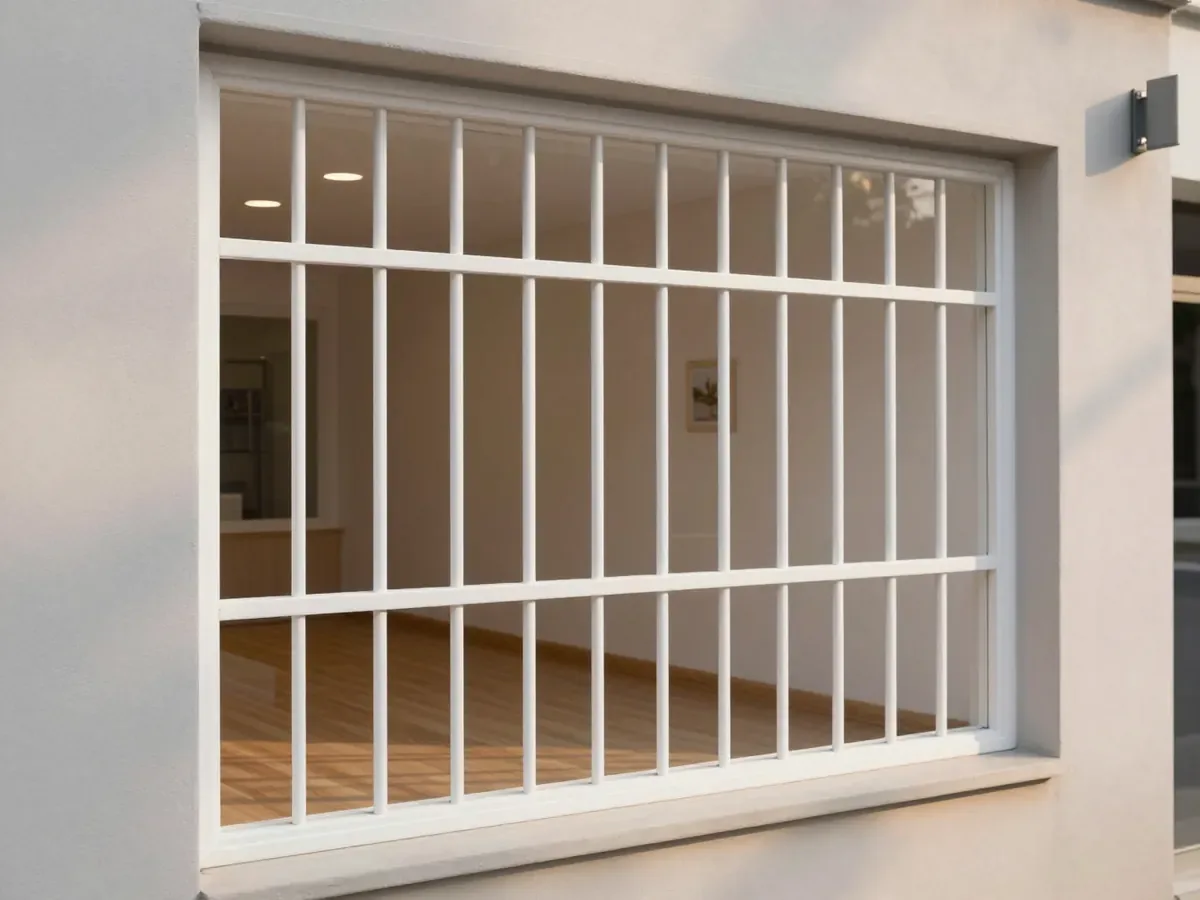
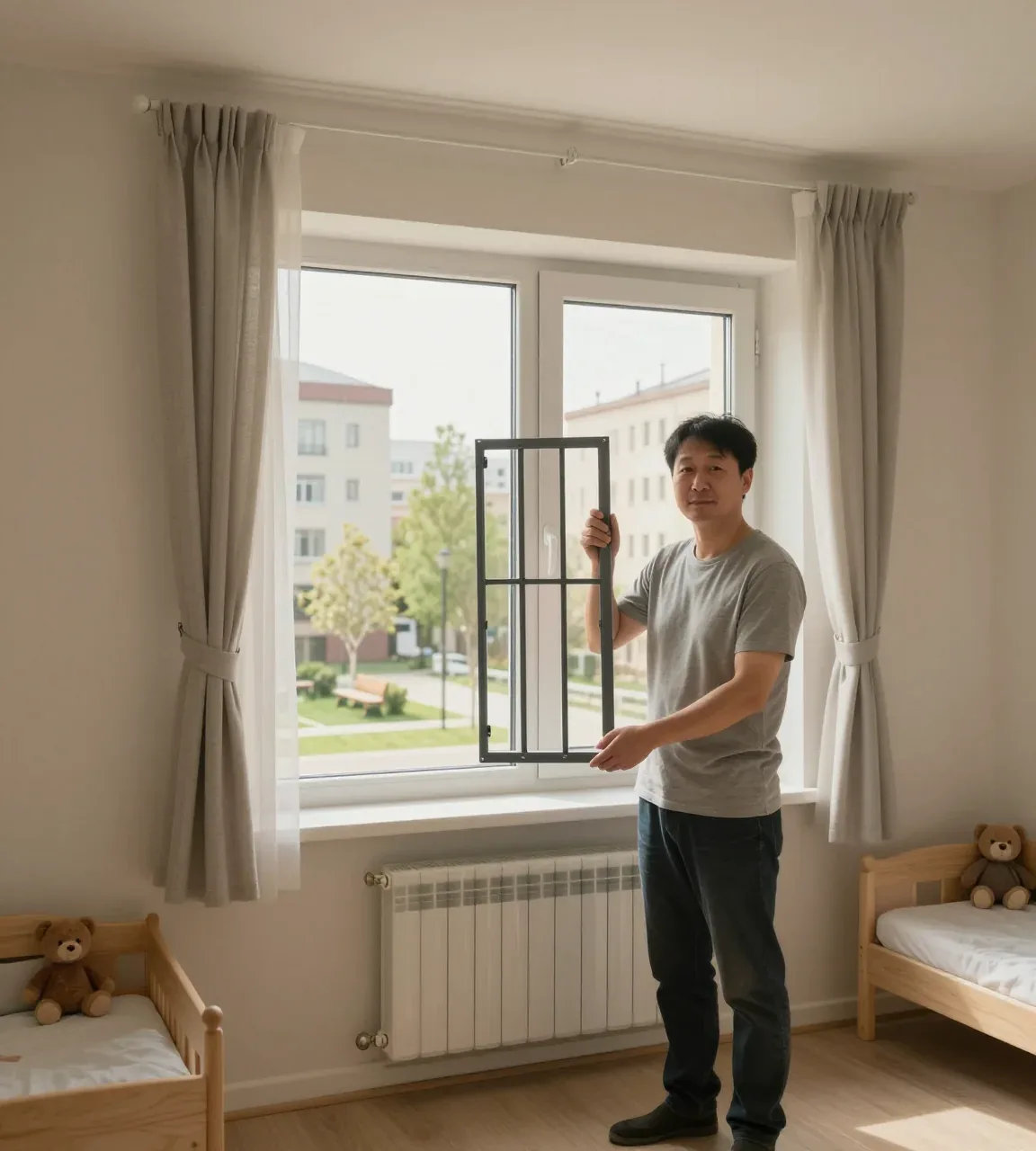
Welded grille
Steel rod with a basic pattern, withstands load on the ground floor. Price from 7 500 ₸ per m².
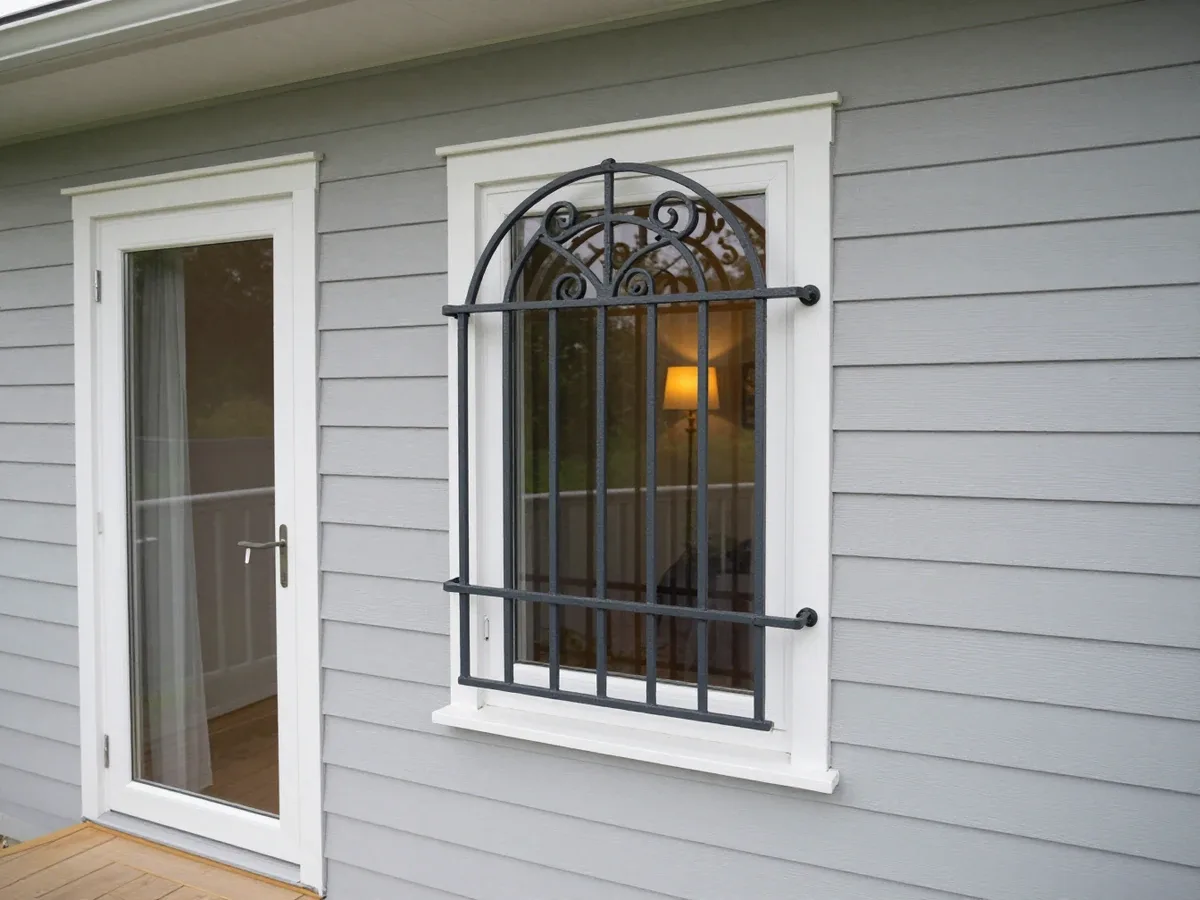
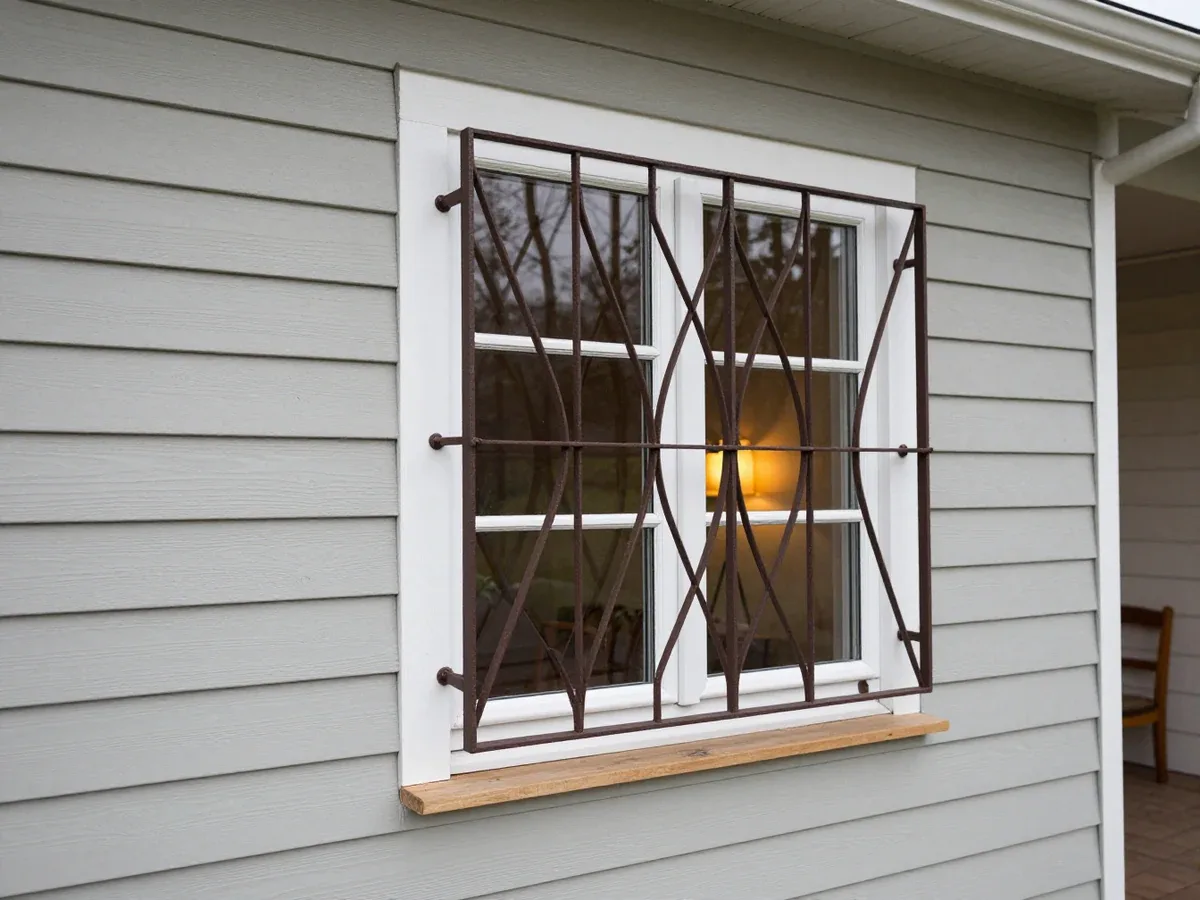
Wrought iron grille
Decorative hand-forged pattern for facades and entrance areas. Price from 26 000 ₸ per m².
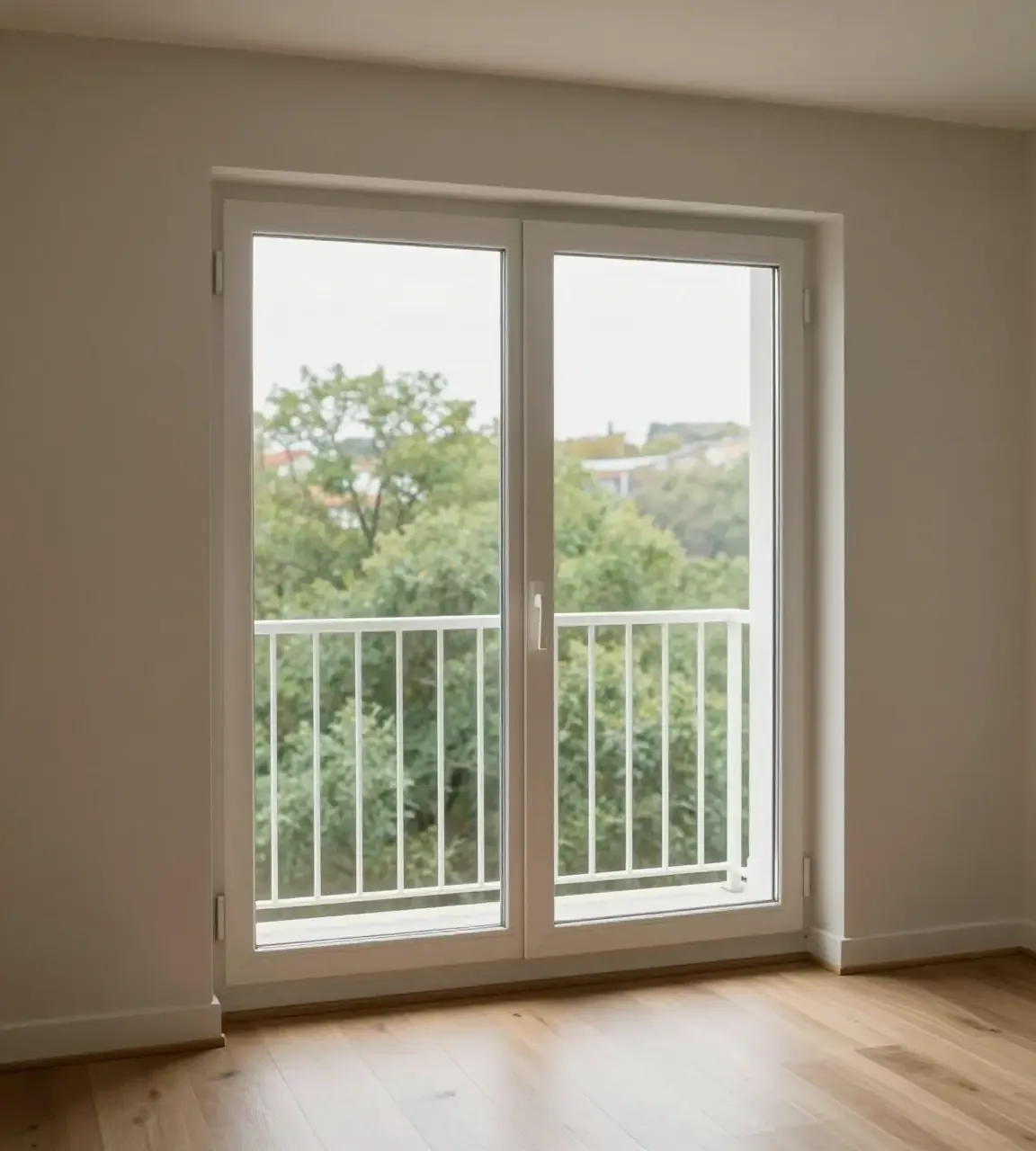
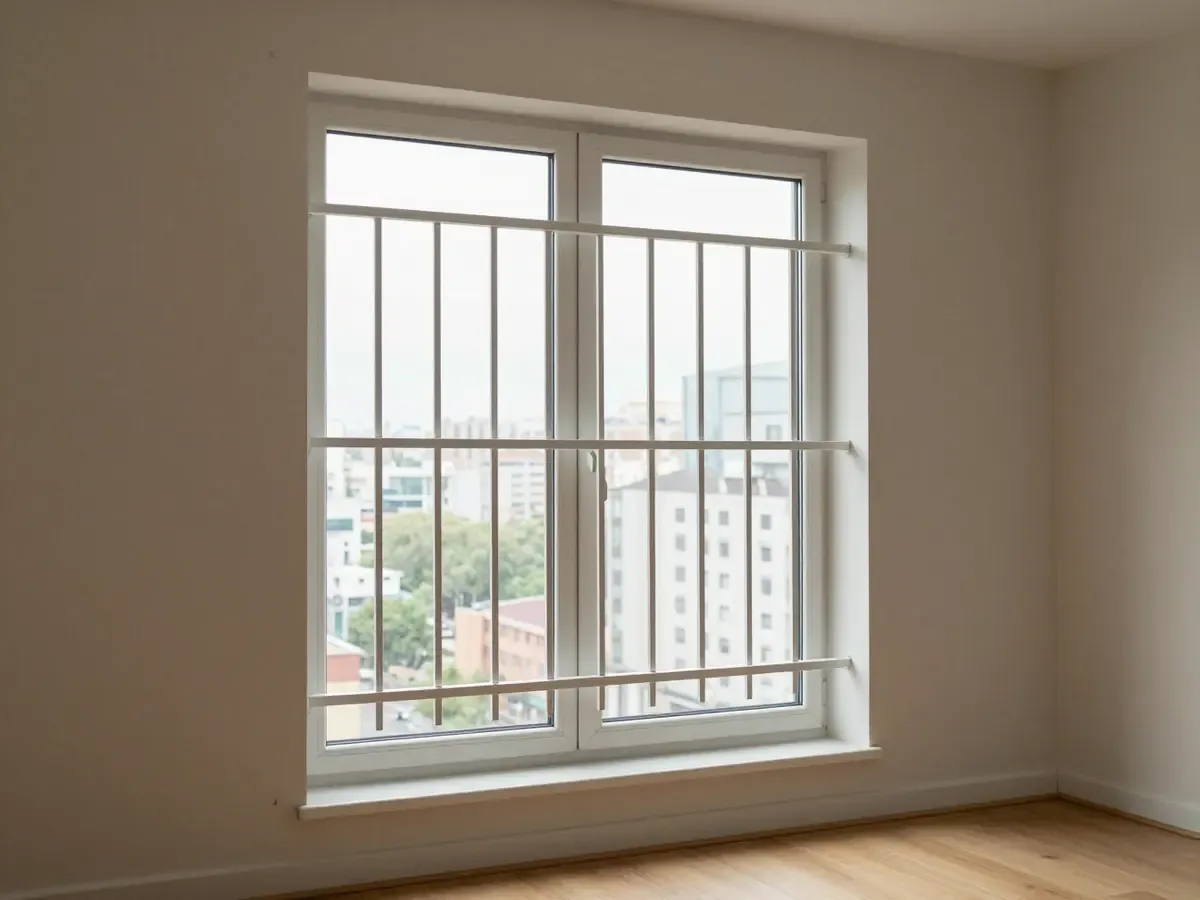
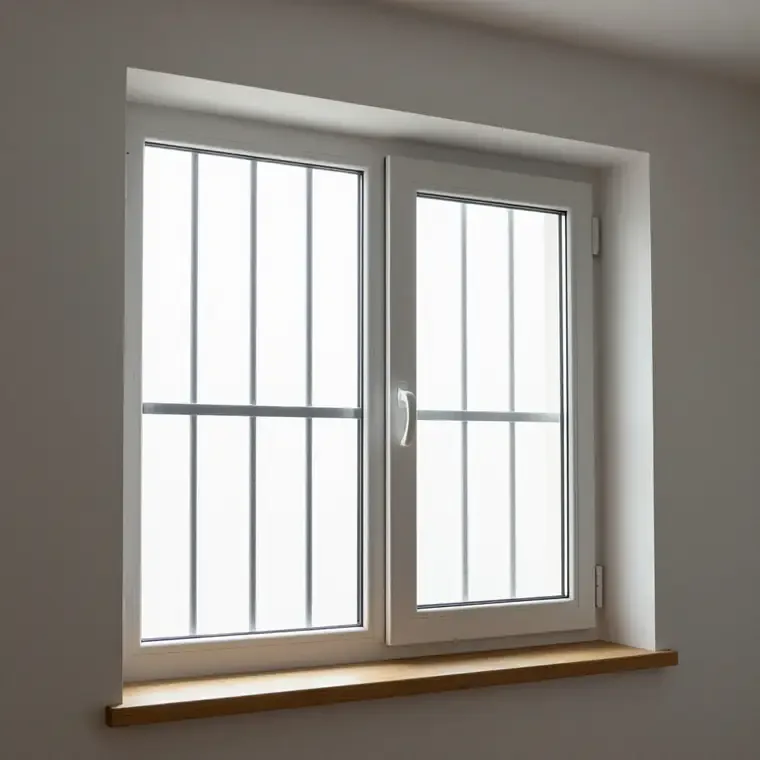
Clear grille
Transparent panel does not block the view or light in the room. Price from 26 000 ₸ per m².
Hinged leaf
Opens for glass cleaning, locks with a key. Surcharge 15 000 ₸ per leaf.
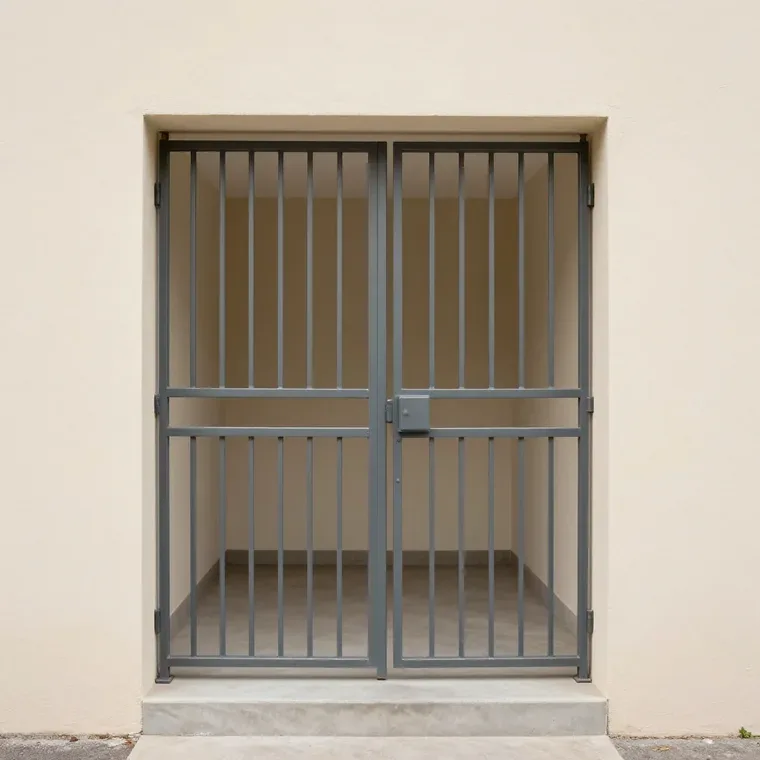
Decorative grille
Laser-cut pattern to match the house architecture. Price from 25 000 ₸ per m².



5,097 reviews on review sites
A window grille is a frame with rods and fixings that hold it in the opening. It is installed for safety and peace of mind.
The design is simple: a metal frame sized to the opening, rods or a panel inside, fixings into the wall or window profile. By purpose, there are security grilles against break-ins, child safety grilles against falls, and decorative grilles for facades.
A grille differs from a window restrictor and lock in how it works: those mechanically prevent the sash from opening beyond a set angle or at all, while a grille covers the opening from outside and acts as a physical barrier. A restrictor solves the task "the child won't open the window wide", a grille solves "no one can get in through an open sash". At the same time, a grille does not replace a restrictor: with the window open, it does not prevent falling out from inside, so for child safety these devices complement each other.
price per m² of welded grille according to the price list
company warranty on work and components
measuring and consultation before ordering
Fixings are chosen for the wall material and window profile: this determines whether the grille will be removable and how to open the sash for cleaning.
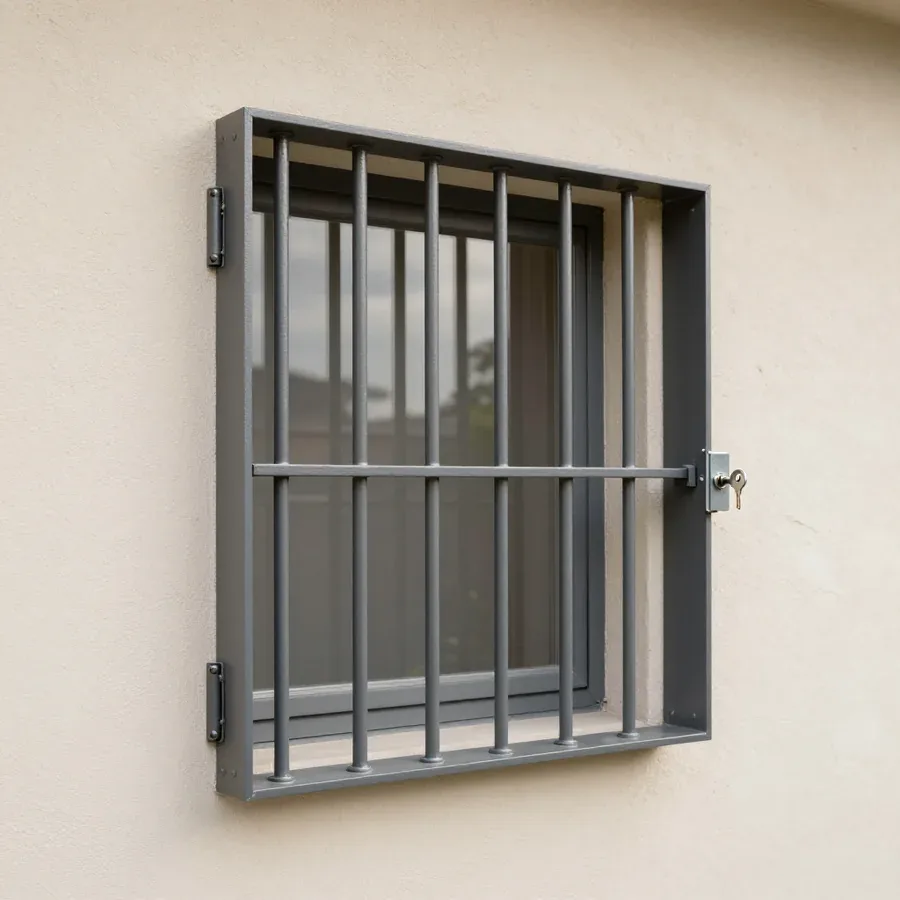
A fixed grille is secured with anchors into the reveal or wall — it holds the load and cannot be removed from outside.
Fixing to the window frame is suitable for lightweight structures and aluminium fall-prevention grilles.
Part of the grille opens on hinges and locks shut — handy for cleaning the glass and letting in air.
Old brackets and hinges are swapped for new ones if the grille wobbles or the lock no longer holds.
The table lists grille types and work: manufacturing, painting, fitting and removal of the old structure.
| Type of item | Price |
|---|---|
| Welded grille (standard pattern)steel rod, basic pattern | from 7 500₸ per m² |
| Wrought iron grillehand-forged, decorative pattern | from 26 000₸ per m² |
| Blown (convex) grilleconvex shape for extra volume | from 26 500₸ per m² |
| Decorative grille (laser cut)custom pattern | from 25 000₸ per m² |
| Sliding accordion grillefolding design | from 28 000₸ per m² |
| Hinged grille leaf (surcharge)opens for window cleaning | from 15 000₸ per leaf |
| Clear grille (polycarbonate)transparent panel | from 26 000₸ per m² |
| Aluminium fall-prevention grillelightweight design | from 12 200₸ per item |
| Grille with mosquito screen (2 in 1)protection and insect control | from 19 800₸ per m² |
| Powder coating for grillechoice of colour | from 5 500₸ per m² |
| Grille fittinginstallation on window | from 4 500₸ per m² |
| Removal of old grilletake down and dispose | from 4 000₸ per item |
| Child safety window grillefall prevention | from 12 500₸ per item |
The price is fixed in the order after measuringTo make the preliminary price in the list closer to the final one, tell the technician the width and height of the opening, the wall material, the window profile type and the desired paint colourIn the table, the price per m² and for the work are calculated separately
Book a measuring visitEight facts about our work: from our own production to a warranty on fitting and painting to match the windows.
we work across Kazakhstan
on work and replaced components
we make, deliver and install ourselves, without intermediaries
we take orders every day, including weekends
we paint the profile to match your windows: white, brown, grey
we deliver and install on windows and doors
you can order in 17 cities of Kazakhstan
we reply within five minutes during working hours
Four steps from request to a finished structure in the opening.
We discuss the task, the grille type and a convenient time for measuring, and answer questions about fixings.
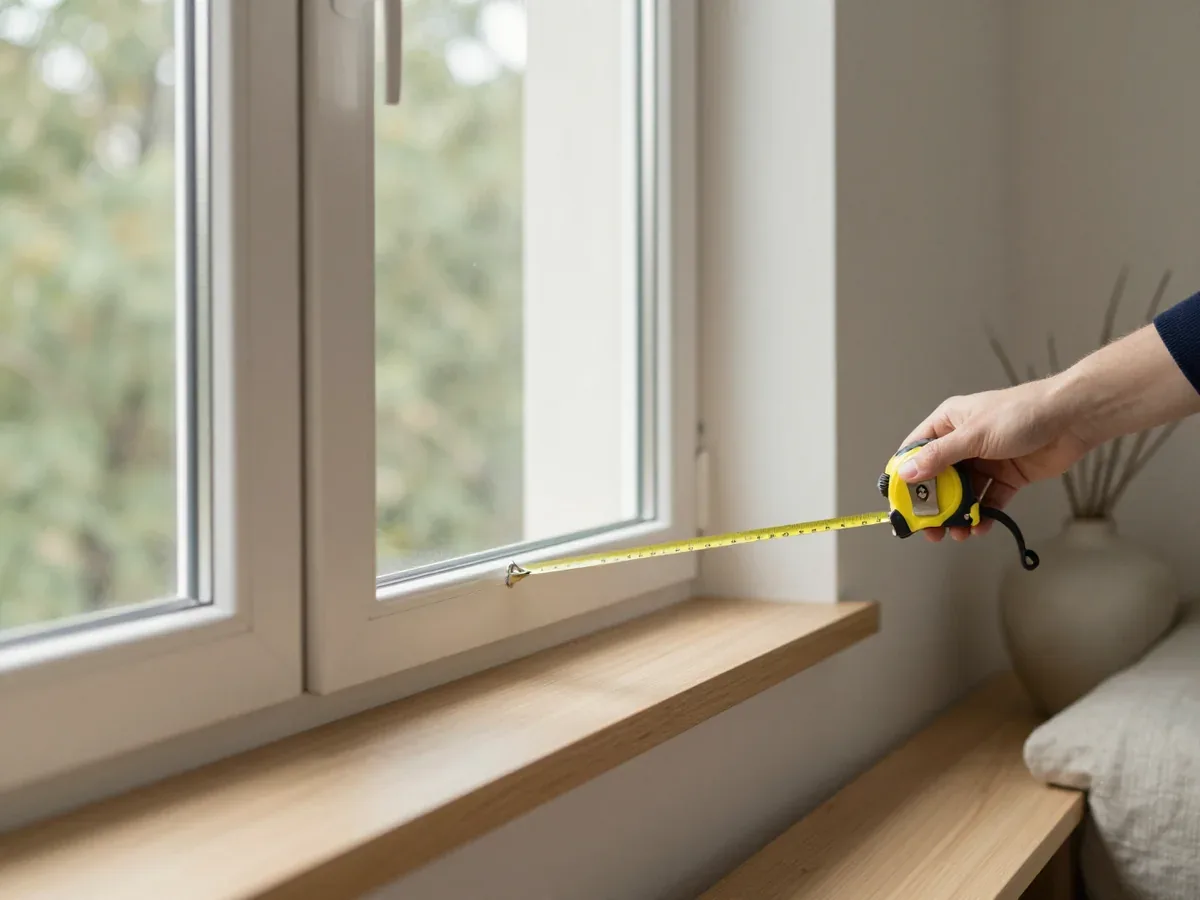
After measuring, the customer receives the fixed opening dimensions and grille type, which are entered into the order.
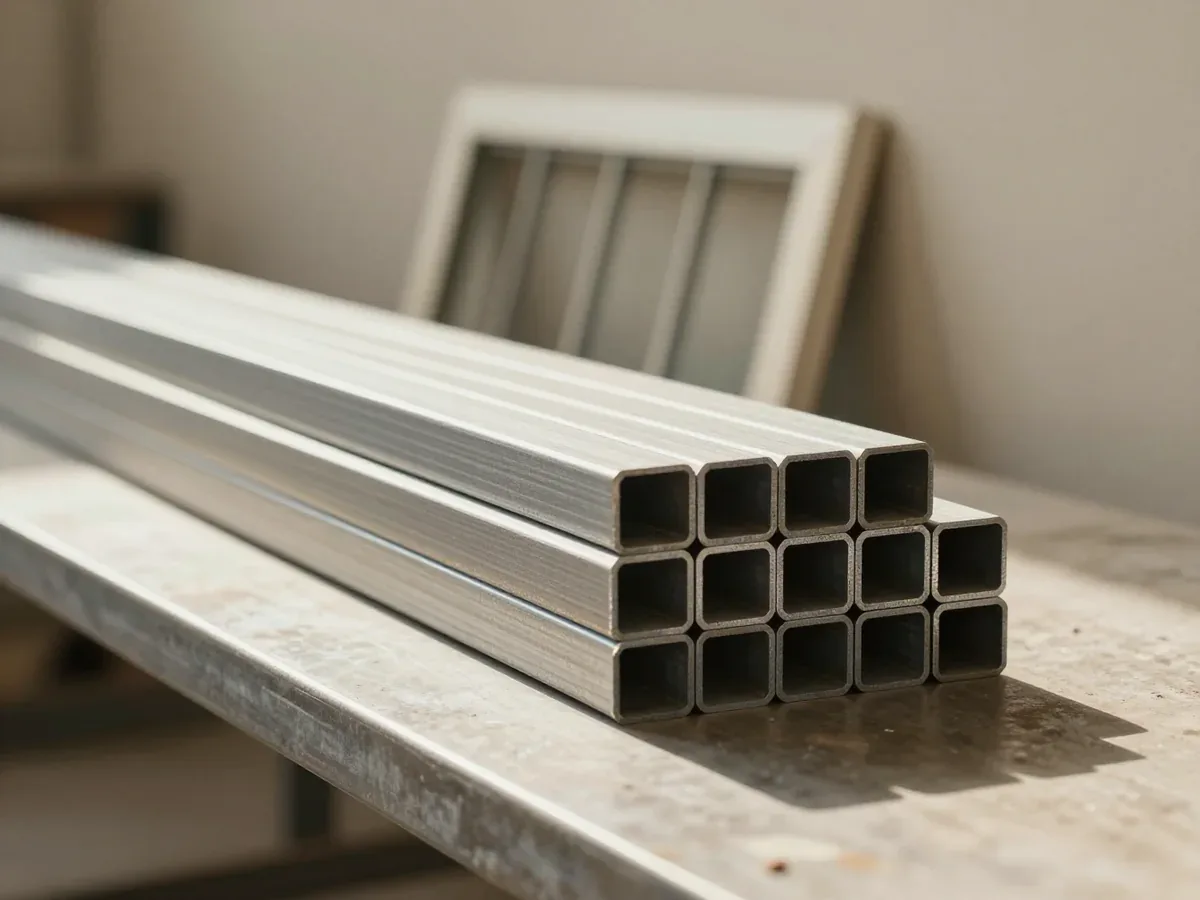
The grille is made to the measured dimensions at the production facility, and painted in the required colour if needed.
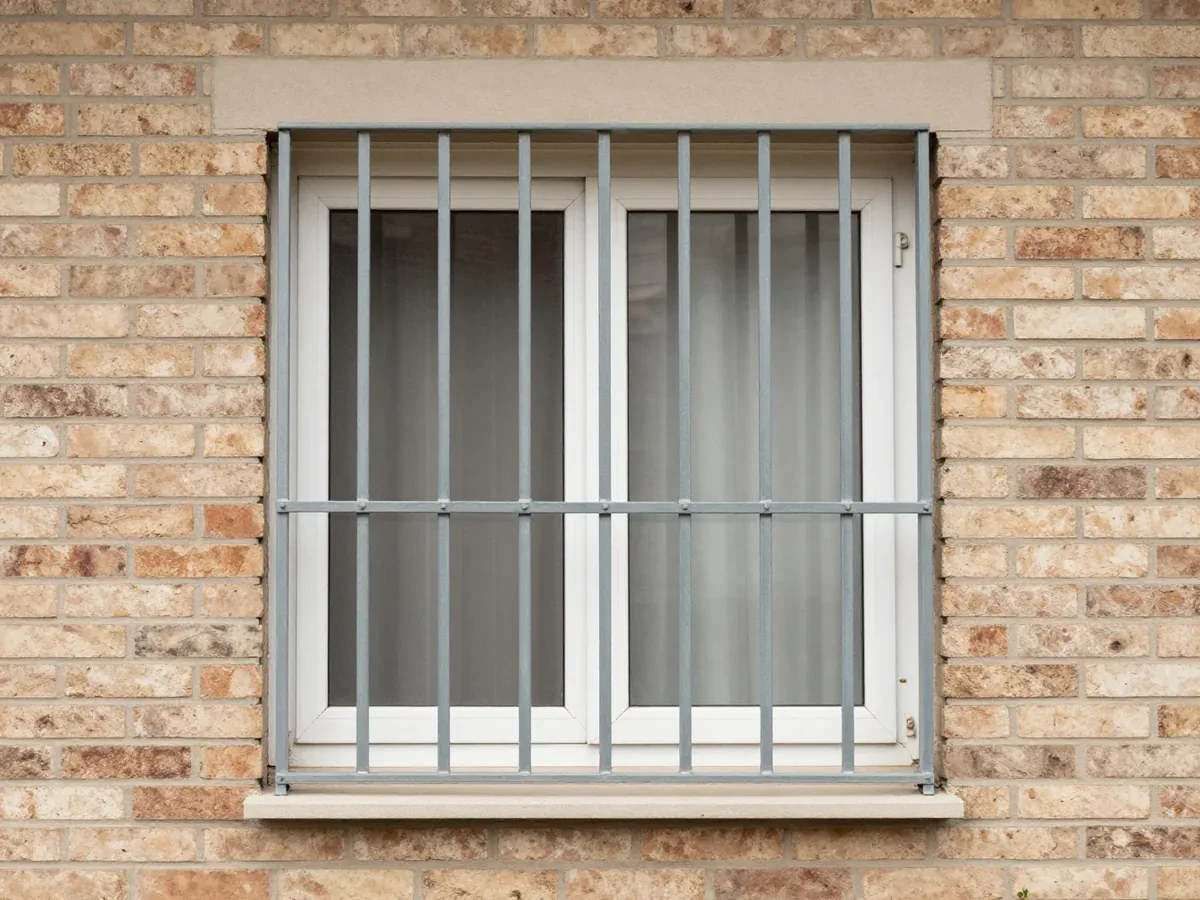
We install the structure in the opening, check the leaves and the lock, and show how to open it for cleaning.
Good to know

Senior mosquito screen specialist at moskitnyesetki.kz
We make and install window grilles in Pavlodar to your exact sizes, with a free measuring visit and fitting by our own fitters. We help you pick the type for your task, whether that is a child at the window, a ground-floor flat or keeping the light and the view. You pay after installation.
Window grilles Pavlodar are chosen against three things at once: the job, the opening and the floor. Get those right and the rest follows.
We start every order by asking what the barrier has to do, because a child-safety unit, a ground-floor security one and a light-friendly one are built and fixed differently. For a toddler the job is to stop the sash opening wide enough to climb through, so the pattern stays tight and the frame is fixed so it cannot be pushed out. For a ground-floor flat the job is delay and noise, which pushes the choice toward a heavier metal barrier on sturdier brackets. For an upper floor with a view worth keeping, a transparent panel with a more open pattern wins. Name the task first and the type follows — a unit picked for looks alone often ends up too open for a toddler or too heavy for a top floor.
A clear panel keeps far more daylight and view than a solid metal one, while a welded metal barrier gives the heavier visual and physical presence. Transparent panels read almost like glass from inside, so a balcony window keeps its outlook and the room does not darken through winter. A metal unit with square bars cuts the view into segments and throws shadow lines across the sill, which suits a service entrance or a ground-floor landing better than a bedroom. The trade-off is not only light — a more open pattern also means a smaller gap a small child could reach through, so pattern and purpose have to be matched. Ask to see both patterns side by side at the measuring visit; the difference on your own opening is easier to judge than on a sample board.
On a ground floor a properly fixed barrier makes an opening a slow, noisy entry point, and we match the fixing to the wall and the floor so the protection is real rather than decorative. It does not turn a window into a wall: it buys time and makes noise, which is what actually deters a casual attempt. The bracket matters more than the bar — a light unit on short fixings into a weak reveal gives way long before the bars bend, so the fitter checks what the frame is set into before choosing between Z-brackets, pins or magnets. A strong unit on a weak fixing gives way at the bracket, not at the bars. If the opening already has a restrictor, the barrier and the restrictor are planned as one job rather than two.
Three devices solve three different problems: a metal guard holds the outside out, a restrictor stops the sash swinging wide open, and a lock keeps the sash shut altogether. Here is how to tell which one your window actually needs.
| Device | What it does | Best for |
|---|---|---|
| Window grille | Fixed barrier outside the glass | Child safety, ground floor, view kept |
| Opening restrictor | Limits how wide the sash opens | Everyday child safety, ventilation |
| Window lock | Blocks the sash from opening | Ground floor, away from home |
Yes, a metal guard and a restrictor work well together, and we fit the restrictor so the sash still opens for air while the barrier stays fixed behind it. The restrictor is a small hinged arm or cable that stops the sash at a set angle, usually enough for ventilation but not enough for a child to climb through. The metal guard sits outside the glass and does not move, so the two never fight each other. We set the restrictor angle to suit the room and the height of the sill, and we check that the sash still closes flush against the frame after fitting. Combining them means the child is protected even when the sash is open for air, which a barrier alone does not guarantee.
If a small child is the reason, start with the restrictor and add the metal guard next; if the flat is on the ground floor, the barrier and the lock come first. A restrictor is the cheaper, faster piece and it deals with the everyday risk of an open sash, so it earns its place first in most family homes. A metal guard is the fixed barrier that stays useful for years, and it also protects the glass from the outside. We fit these guards to plastic, wood and aluminium frames, so the sequence does not depend on your frame type. Ordering in the right sequence means each device does its own job instead of one device being asked to cover two.
The mounting method depends on the profile, the wall material and the floor the opening sits on. Here is how we attach the barrier without damaging the frame, and what suits each type of opening.
Our measurer picks the fastener to suit the profile and the floor, choosing between Z-shaped brackets, pins (plungers) or magnets so the unit holds without drilling into the glass or the sealed unit. On a ground-floor flat the barrier mostly guards against reach, so magnets and pins that release from inside work well and leave the sash free to open. Higher up, wind load rises and Z-brackets spread the pull across the surround instead of one point. The measurer checks the profile width, the reveal depth and the sill before committing to a method. The right hardware spreads the load into the surround or wall rather than the sash, which is what keeps the opening usable and the guard firm.
We install these guards on plastic, wooden and aluminium profiles, plus balcony, gazebo and veranda openings, and the mounting method changes with the material rather than being forced onto every surround. PVC sections take self-tapping screws and brackets cleanly because the wall of the profile is uniform and the reinforcement sits at a known depth. Timber needs pilot holes and a fastener that follows the grain, otherwise the surround splits at the edge. Aluminium is thinner-walled and often has a thermal break, so a bracket has to land on a reinforced section, not on the break itself. Wood and aluminium take fasteners differently from PVC, so a unit planned for one material should not simply be copied to another.
We mount the guard so it can be taken off for cleaning and for the season, and we show you at installation how the release works from inside. A framed unit lifts out from within, which is why we suggest removing it for the winter rather than leaving it to collect snow and ice. The release point sits on the room side, so you never lean out of an open sash to reach it. On hinged models the same logic applies to the door leaf. A screen you can remove yourself saves a call-out each time the glass needs washing, so the release method matters as much as the protection itself.
An order runs through clear steps: a free measuring visit, a price fixed on paper, production to your size, fitting by our own fitters and payment only after the mesh is up. Here is what each step involves.
The measurer comes at a time that suits you, takes the sizes, and helps you choose the design, the pattern and the fixings, and the measuring and consultation are free. He checks the profile, the reveal depth and the floor, because those three decide whether the frame sits on Z-brackets, plungers or magnets. Bring the colour of your frame and a photo of the facade if the product faces the street. The visit also settles the pattern: Standard fiberglass, UltraVue for more light, Anti-Cat for a pet, or Poll-Tex where pollen is the problem. The measuring visit is where the fixing and the pattern are decided, so the more you say about the task at that point, the fewer surprises at installation.
Once the sizes are fixed, the item is made to your dimensions and the fitting is booked, and we confirm the timing in the order after measuring. A framed screen made to your size takes 10–15 minutes and a pleated screen 40–60 minutes, so the two are not scheduled the same way. The fitting itself is short: the frame is levelled, the fasteners are set into the profile and the release is checked from inside. A unit made for a balcony or a veranda door follows the same route, with the wider Prestige profile where the leaf is heavy. Booking the fitting right after measuring keeps the gap between production and installation short, so the opening is not left half-finished.
You pay after installation by cash, card or Kaspi, and the price is fixed in the order after measuring so it does not move once the work is agreed. The order records the profile, the colour we paint the frame, the canvas and the fastener type, which matters when a second opening is added later. Nothing is paid at the measuring stage, and the fitting day is arranged around your schedule, seven days a week. Ask for the order sheet to list the canvas by name rather than "standard mesh" — that line is what a warranty claim is checked against. Paying after the grille is up means you check the fit and the release yourself before any money changes hands.
A barrier on the window should sit quietly against the glass, match the look of the building and stay easy to clean and to take off. Here is how colour, house rules and seasonal removal work in practice.
We paint the screen frame any colour to match your glazing, so the barrier reads as part of the opening rather than an add-on. A white unit on white PVC disappears against the sash and a dark one on a dark profile looks deliberate instead of bolted on. The shade is chosen at the free measuring visit, when the measurer sees the actual sash and the light on that side of the building. A tone matched to the frame rather than the wall keeps the whole assembly visually quiet from inside and outside at once. On older wooden sashes the paint can be mixed to the existing sill and casing, so a new frame does not look newer than the opening it protects.
In a block of flats the facade and any house rules can affect what you may fit, so it is worth checking before the order rather than after the unit is made. Some buildings keep a single facade pattern, and a barrier in a different colour or depth can become a talking point with neighbours and the building manager. A design that matches the existing pattern is far less likely to draw a complaint than one that stands out. Ask the building manager whether the house rules say anything about such grilles in Pavlodar, and keep the answer with your order papers. A unit on a ground-floor opening does not make entry through it impossible, but a fixed one with sound fixings and a lockable release makes a quiet approach far harder.
A removable unit comes off from inside in a moment for cleaning the glass, and we show you the release at installation so you can do it yourself. Frame-mounted screens lift out of their brackets without tools, and the fixings stay on the sash rather than in your hand, which means nothing gets lost between seasons. Cleaning with the barrier off is quicker and safer than reaching through the bars, and it keeps the brackets free of grit. Over winter it can stay on for ventilation or come off if you prefer an unobstructed view, and either way the mounts are wiped down before it goes back in spring.
You can order window grilles Pavlodar from a direct contractor who keeps its own fitters on staff. Here is what that changes for the job, how to reach us and what we confirm about the warranty before work begins.
We are a direct contractor with our own fitters, not an aggregator or a middleman, so the person who measures your opening sits on the same team that installs the product. That matters on a made-to-measure job, where the frame is cut to the millimetre and the fixing has to match your profile and your floor. Our measurer takes the sizes, helps choose the mesh and the fixings, and the same crew handles the fitting and any follow-up. With one team from measuring to fitting, a problem with the fixing or the size is solved by the same people rather than passed between a seller and a subcontractor. Ask any supplier who actually drills the frame — if the answer is vague, the measuring and the installation are probably two separate companies.
You can message us on WhatsApp and we reply within 5 minutes, we are open seven days a week, and we confirm the type, the fixing and the measuring time before anything is ordered. Measuring and consultation are free, and the measurer comes at a time that suits you, takes the sizes and helps pick the design, the mesh and the fastenings. We install grilles on plastic, wood and aluminium frames, for vent panes, loggia panes, gazebos and verandas, and we paint the frame any colour to match your openings. Getting the type and fixing confirmed in writing before the order avoids a unit that fits the opening but not the task.
We give a 1-year warranty on mosquito screens, and for grilles we confirm the warranty terms in the order so you know exactly what is covered before the work starts. A grille is several parts in one job — the frame and mesh, the fixings that hold it to the opening, and the fitting itself — and each can carry its own terms. We also repair screens and replace fastenings, so a worn bracket or a torn mesh is handled by the same team that installed it. Ask what the warranty covers — the grille, the fixing or the fitting — because those are separate parts of the same job. Have the answer written into the order rather than agreed by voice.
The choice comes down to five points: the task the barrier solves, how it works with the other window hardware, how it is fixed, whether it comes off, and what the order confirms in writing.
Safety, ventilation, installation, care
Konstantin Selenenkovsenior mosquito screen specialist, 10 years in the tradeOnline · replies within 5 minutes
Ask a questionIf the grille has a hinged leaf, it opens on hinges and gives access to the window sash. A fixed grille is removed from its fixings, so it's worth discussing upfront how you'll clean the glass when ordering.
An aluminium grille or a strong mesh with a small cell size helps prevent falls: a child can't slip between the bars. The measurer will select a design for your window and floor so the fixings can handle the load.
A transparent polycarbonate grille barely changes the view from the window or the facade, but it's designed to prevent falls, not break-ins. A standard metal grille is stronger but more visible from outside.
Whether drilling is needed depends on the design and is decided during the measuring visit. The measurer will determine on site which method is acceptable for your apartment based on the window profile.
Yes, we install grilles on loggia and balcony windows taking into account the glazing and facade so as not to spoil the appearance. The design and fixings are chosen after measuring, depending on the window and parapet.
A metal grille with powder coating does not rust under normal use, and care simply means wiping the bars with a damp cloth. If the coating is damaged somewhere, it's best to touch it up to prevent corrosion.
Thank you. We will call you back within 10 minutes!
Your order number is on the receipt or in the SMS. Choose where to leave your review.
Write a review on WhatsApp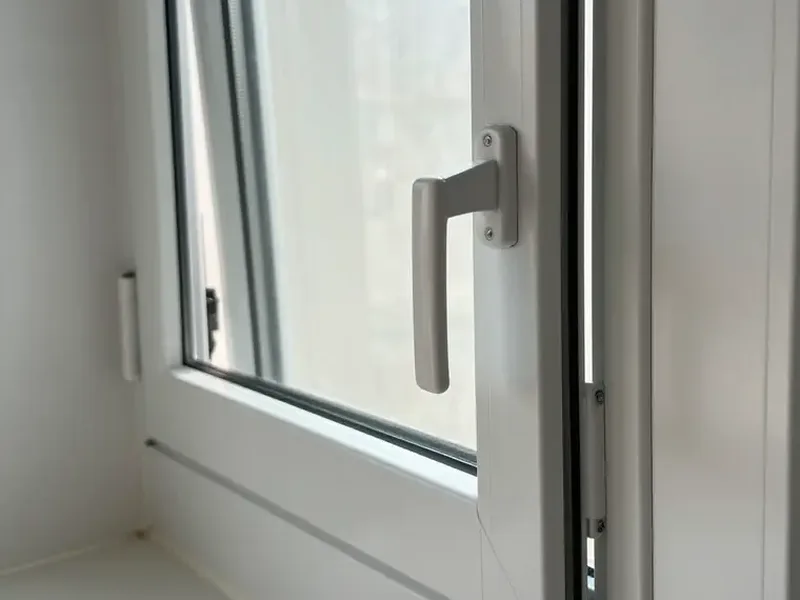 Window restrictors
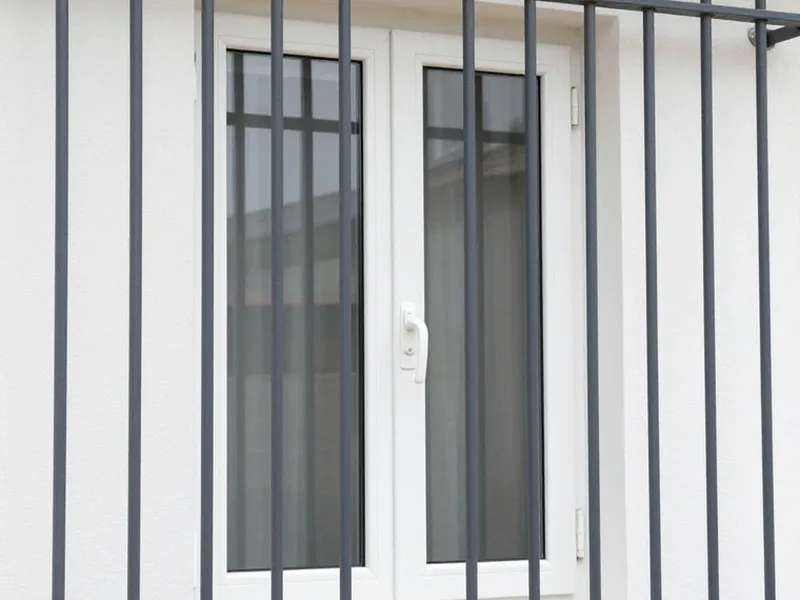 Metal grilles
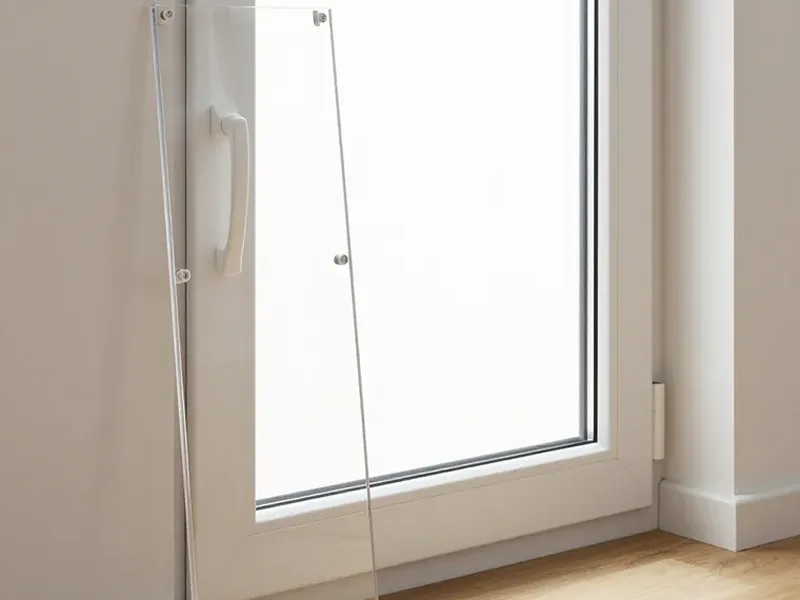 Transparent grilles
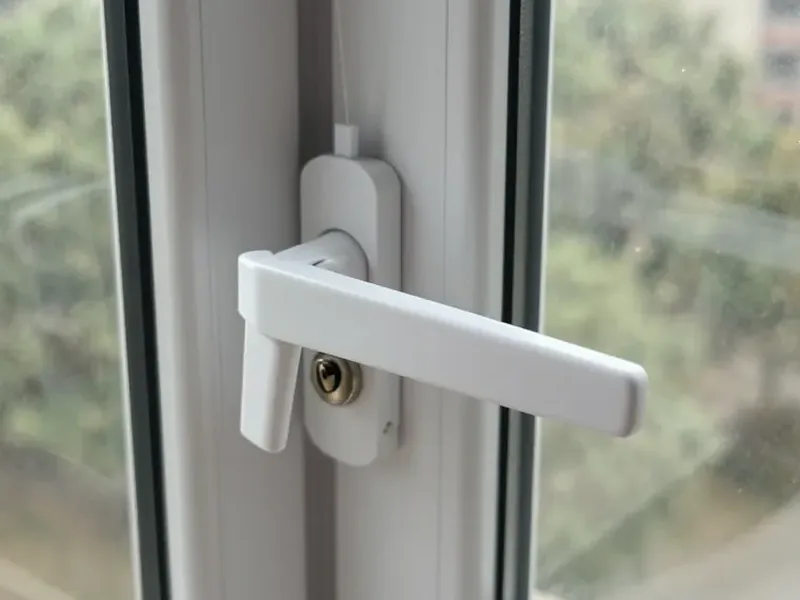 Child safety
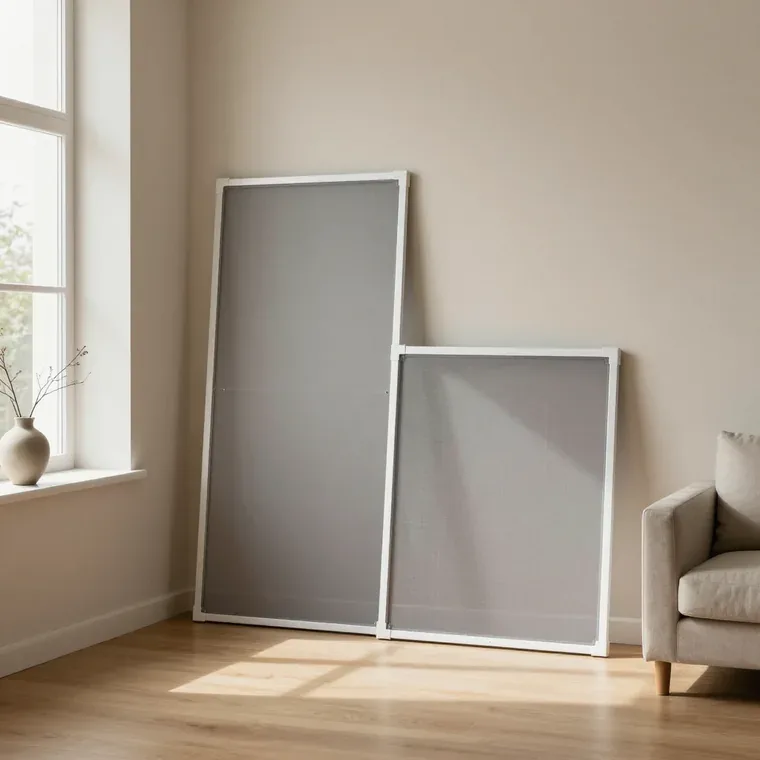 Ready-made mosquito screens
